Septic Arthritis: Causes, Symptoms, Diagnosis, and Treatment Options
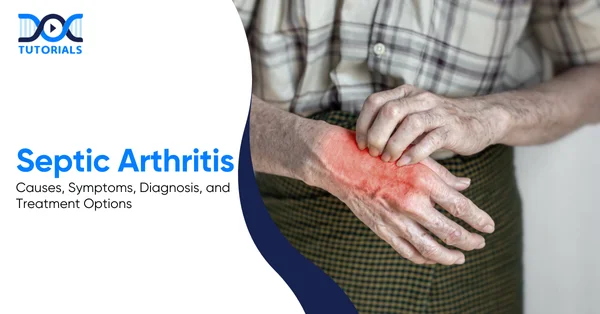
Septic arthritis is a serious, painful infection that affects the joint fluid and tissues of specific joints in your body. People affected with septic arthritis experience severe pain, swelling, and difficulty in moving the affected joint.
It is generally caused by bacteria, but can also be caused by a fungus or a virus. These germs can travel from other parts of your body through the bloodstream and cause infection. However, it can also develop when germs enter a joint directly from an injury.
Keep reading for a detailed analysis.
What is Septic Arthritis?
Septic arthritis is a severe infection of a joint caused by germs entering the joint space. It leads to pain, swelling, and inflammation, most often affecting large joints like the hips or knees.
Septic arthritis, also known as infectious arthritis, is a serious infection in the joint (synovial) fluid and its connective tissues. The infection develops when harmful germs reach the joint space, causing severe infections that can damage the joints permanently if not treated immediately.
It causes inflammation in the cartilage surface (a type of connective tissue) that lines your joints and the synovial fluid that lubricates the joints. The infection commonly affects the larger joints in the lower half of your body, such as the hips and the knees.
However, it can also affect other joints in the body, like the shoulders, ankles, sacroiliac joints (the joints that connect your pelvis and lower spine), and sternoclavicular joint (the joint that connects your collarbone to your breastbone).
What are the Causes of Septic Arthritis?
Bacteria are the main cause of septic arthritis, but viruses, fungi, or other germs can also cause it. The infection usually spreads to the joint from another part of the body through the bloodstream.
Septic arthritis is usually caused by bacteria. However, the infection can also arise from fungus, mycobacteria, a virus, or other pathogens. It mostly begins somewhere else in the body and then spreads to your joints through the bloodstream.
Here are the specific organisms that are known to cause septic arthritis:
- Staphylococcus Aureus: Also known as Staph, this bacterium mostly causes septic arthritis in children and adults.
- Methicillin-resistant Staphylococcus Aureus (MRSA): It is a type of staph infection that doesn’t respond to certain antibiotics. People who use IV drugs, or those with HIV (Human Immunodeficiency Virus) infection, or individuals suffering from diabetes, are at a higher risk of developing septic arthritis from MRSA.
- Groups A and B Streptococci: Elderly individuals with chronic conditions like diabetes and cirrhosis are most likely to be affected by septic arthritis arising from streptococci bacteria.
- Neisseria Gonorrhoeae: This bacterium usually causes gonorrhea, a sexually transmitted infection (STI). People suffering from gonorrhea are at an elevated risk of developing gonococcal arthritis, a form of septic arthritis.
- Neisseria Meningitidis (Meningococcus): This bacterium is responsible for causing meningitis, a condition that causes inflammation of the protective membranes covering your brain and spinal cord. It can potentially cause septic arthritis, but it is a rare condition.
What are the Risk Factors of Septic Arthritis?
Risk factors for septic arthritis include a weak immune system, existing joint diseases, or previous joint injuries. People with artificial joints, skin infections, or those taking immunosuppressant medicines are also at a higher risk.
Apart from bacterial attack, several other factors can also heighten the risk of septic arthritis:
- Low Immunity: A weakened immune system caused by chronic conditions like diabetes, liver damage, kidney problems, or immunosuppressant drugs can increase the risk of septic arthritis.
- Artificial Joints: If you have undergone joint replacement surgery, germs might reach the artificial joints through the wound or other parts of the body.
- Skin Sensitivity: If you have sensitive skin that is easily damaged but heals slowly, it can allow bacteria to enter the body more easily. Skin issues like psoriasis, eczema, and infected skin wounds raise the risk of septic arthritis. Regular injection of drugs into the skin can also pose an increased risk of infection.
- Existing Joint Problems: Chronic conditions that affect the joints, such as osteoarthritis, gout, rheumatoid arthritis, or lupus, can increase the risk of septic arthritis. Previous joint injuries can also contribute to the infection.
- Rheumatoid Arthritis: Individuals with rheumatoid arthritis are prescribed immunosuppressant medications, which can weaken the immune system, increasing the risk of infection. However, the diagnosis of septic arthritis is difficult in these patients due to similar symptoms.
What are the Symptoms of Septic Arthritis?
Symptoms of septic arthritis usually start suddenly and are severe. They include intense joint pain, swelling, redness, fever, fatigue, and difficulty moving the affected joint.
Symptoms of septic arthritis often appear suddenly and are unbearable. However, some early symptoms of septic arthritis can include:
- Severe joint pain and tenderness, usually in the hip or the knee.
- Inflammation, redness, and warmth in the affected joint area.
- Fever and Chills
- Constant fatigue
- Reduced movement in the affected joint
- Severe pain that makes patients reluctant to move their affected joint
- General discomfort or malaise
How is Septic Arthritis Diagnosed?
Septic arthritis is diagnosed through a physical examination and confirmatory tests. These include joint fluid aspiration, blood tests, and imaging modalities such as X-rays, ultrasound, and MRI to assess joint damage and infection.
After the physical examination of the joint, if the doctor suspects an infection, then he may prescribe these tests to diagnose septic arthritis:
- Aspiration: Synovial fluid will be withdrawn from the affected joint with a fine needle to detect the presence of bacteria. This is called synovial fluid aspiration.
- Blood Tests: The doctor may also prescribe blood tests to assess whether the immune system is responding to the infection. It also helps to detect other possible issues arising from the infection.
- X-rays: If X-rays of the bones show a widened joint or soft-tissue bulge, it can indicate septic arthritis.
- Ultrasound: Ultrasound is performed before aspiration to assess joint swelling and visualise the synovial fluid during aspiration.
- MRI (magnetic resonance imaging): It uses a large magnet and radio waves to take accurate images of the organs and bones in your body. An MRI of the joints can help detect early cases of septic arthritis.
What are the Treatment Options for Septic Arthritis?
Septic arthritis is treated by removing the infected joint fluid and giving antibiotics. In some cases, surgery and physiotherapy are needed to restore joint function and movement.
Here are the treatment options available for septic arthritis, depending on your condition:
- Drainage of Synovial Fluid
The medical practitioner will use a fine needle to withdraw the infected fluid from the joint. It is done more than once as you recover gradually.
- Surgery
It is done to remove the inflamed tissue through surgical debridement. Open surgery is performed for adequate drainage of the infected fluid from joints like the hip, which are harder to access.
Whereas anthropic surgery is done by inserting a camera-equipped tube into the joint through a small incision. Then, additional small incisions are made to allow the drainage of infected fluid.
- Antibiotics
After identifying the infection-causing bacteria, the doctor may prescribe intravenous antibiotics initially. After some time, the patient is shifted to oral antibiotics. The treatment can last for around 2-6 weeks.
- Physiotherapy
Physical therapy is generally recommended to restore joint function and to prevent weakening of muscles around the affected joint area.
- Removal of Artificial Joint
In case the infection has affected an artificial joint, then the doctor removes the artificial joint and replaces it with a joint spacer, a device made of antibiotic cement. A few months after recovery, the doctor will replace your artificial joint.
- Joint Preservation
If the artificial joint can’t be removed, the doctor will clean it and remove the damaged tissue. The patient is then put on long-term antibiotic treatment to prevent the recurrence of infection.
What is the Prevention of Septic Arthritis?
Septic arthritis can be prevented by avoiding infections and keeping wounds clean. Managing long-term illnesses, using safe practices, and treating infections early also help reduce risk.
To reduce the risk of septic arthritis, you can take these few preventive measures, such as:
- Proper Wound Care
Clean and dress all cuts and wounds properly to avoid infection, which could lead to septic arthritis. Keep a close eye on signs of infection, such as redness, warmth, or pus.
- Avoid Drug Misuse
Refrain from frequent injection of drugs as it increases the risk of infection through contaminated needles.
- Proper Management of Chronic Conditions
Individuals with chronic health issues like diabetes or immunodeficiency disorders should effectively manage their health with proper medication and regular health check-ups.
- Practice Safe Sex
Use appropriate protection during any sexual activity and maintain an open conversation about sexual health history with your partner.
- Monitor Artificial Joints
People with prosthetic joints should pay close attention to any kind of changes in joint function or discomfort.
- Proper Treatment of Infections
Several infections, such as urinary tract infections and wounds, should be treated promptly to prevent bacterial spread to joints and other areas of the body.
FAQs about Septic Arthritis
- Can I recover from septic arthritis permanently?
Yes, with early diagnosis and effective treatment, patients can make a full recovery from septic arthritis. However, nearly one-third of patients experience some kind of permanent joint dysfunction or chronic pain.
- What is the most common bacterium that causes septic arthritis?
Staphylococcus aureus and Methicillin-resistant Staphylococcus aureus (MRSA) are the most common bacteria responsible for causing septic arthritis. Apart from this, Streptococcus is found in some cases, whereas Neisseria gonorrhoeae bacteria cause septic arthritis in sexually active young adults.
- How serious is septic arthritis?
The severity of septic arthritis depends on the organism causing it. Despite antibiotic treatments, septic arthritis has a mortality rate of 7% to 15%, whereas Staphylococcus aureus infections carry a mortality rate of up to 50%.
- Is septic arthritis contagious?
No, septic arthritis is not contagious. It can’t pass through casual contact. However, it may spread from person-to-person contact if proper hygiene is not maintained or wounds are left open and untreated.
- Can septic arthritis spread to other areas in my body?
Yes, septic arthritis can spread to other areas in the body. If left untreated for a long time, the infection can enter the bloodstream and cause sepsis. This severe systemic infection can affect multiple organs, including the heart, lungs, and kidneys.
Conclusion
Septic arthritis is a serious joint infection that requires early diagnosis and prompt medical care. It can be managed effectively through surgery, antibiotic treatment, proper drainage of infected fluid, and targeted physical therapy.
People with chronic health conditions and existing joint problems should actively monitor their health and promptly report any joint discomfort to their doctor. To understand more such complex NEET PG concepts, DocTutorials can be your study partner.
We offer crisp videos, clinical Qbank, exam-focused notes, flashcards, and mindmaps to ensure complete clarity across these concepts. Join DocTutorials and explore our NEET PG course to excel in your medical career!


Latest Blogs
-

INI CET Exam 2026: Your Roadmap to Success – Key Topics, Strategies, and Lessons from Last Year’s Papers
The INI CET exam is more than just a test; it’s a significant milestone for many medical students aiming to…
-

INI CET Exam Success: Previous Year Question Papers & Ultimate Guide – INI CET PYQ
One can feel overwhelmed while preparing for the INI CET (Institute of National Importance Combined Entrance Test). A vast syllabus,…
-

NEET PG 2026 Preparation with Live Power Pack: Your Path to Success in 2026
Preparing for the NEET PG 2026 can be an overwhelming journey because of its vast syllabus and the pressure to…