Focal Segmental Glomerulosclerosis: Causes, Symptoms, Diagnosis, and Treatment Options
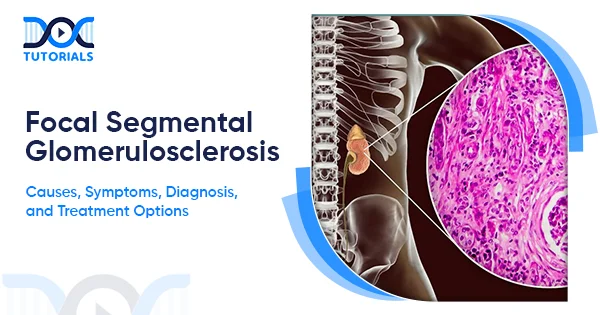
Focal Segmental Glomerulosclerosis (FSGS) is a rare disease that affects the filtering units in the kidneys. If the filtering units are damaged, they cannot properly filter toxins from the body, leading to kidney damage or permanent failure. Around 7 in every 1 million people are diagnosed with FSGS every year.
FSGS can affect both children and adults. However, males are affected slightly more often than females. It may recover on its own, but if left untreated, it can lead to permanent kidney failure requiring dialysis or transplantation.
Keep reading for a detailed analysis of FSGS.
What is Focal Segmental Glomerulosclerosis (FSGS)?
FSGS is an uncommon kidney disorder where some parts of the kidney’s tiny filters (glomeruli) become scarred, reducing their ability to clean the blood. This scarring leads to problems with waste removal, fluid balance, and overall kidney function.
FSGS is a rare kidney disease that causes scars in the glomeruli, the tiny filters of the kidneys. Each kidney contains around 1 million glomeruli. They work like a strainer, filtering out waste materials and toxins from your blood. When blood passes through the glomeruli, it filters out essential nutrients, minerals, waste products, and excess fluid.
The vital nutrients and minerals are then returned to the bloodstream, and the waste products and excess fluid are removed from the body in urine. Kidney conditions that affect the glomeruli are called glomerular diseases.
FSGS is a type of glomerular disease that scars or hardens these tiny filters (glomeruli). Here’s what the terms in the name ‘Focal Segmental Glomerulosclerosis’ mean:
- Focal: It refers to some glomeruli in the kidneys, but not all.
- Segmental: It refers to a few specific parts of the glomeruli that have scars.
- Sclerosis: It means ‘Hardening’
Thus, the name ‘Focal Segmental Glomerulosclerosis’ means hardening (Sclerosis) of some (Focal) parts of (Segmental) glomeruli.
What are the Types of Focal Segmental Glomerulosclerosis?
FSGS can develop in 4 main forms: primary (no known cause), secondary (linked to conditions or medications), genetic (due to inherited gene changes), and unknown (cause not identified even after testing).
FSGS can cause hardening of the tiny filters (glomeruli) in the kidneys, leading to kidney damage. The treatment depends on the type of FSGS you have. These include:
- Primary FSGS: Also known as idiopathic FSGS, this is the most common form of FSGS, where the cause is not known or is not apparent.
- Secondary FSGS: This type of FSGS is caused by medications or other factors, such as infection, drug toxicity, diabetes or sickle cell disease, obesity, and other kidney diseases.
Managing the underlying cause of this FSGS can help slow ongoing kidney damage and improve kidney function over time.
- Genetic FSGS: Commonly known as familial FSGS, it is caused by genetic changes. It is a rare form of FSGS that is suspected if several members of a family have a history of FSGS.
It can also develop even when neither parent has a history of FSGS, but each carries a copy of an altered gene that can be passed on to the next generation.
- Unknown FSGS: In some instances, the underlying cause of FSGS cannot be determined even after clinical evaluation of symptoms and comprehensive laboratory testing.
What are the Causes and Risk Factors of Focal Segmental Glomerulosclerosis?
FSGS can develop due to several causes, including chronic conditions like diabetes, hypertension, obesity, lupus, certain medications, infections, and harmful drug use. Genetic changes, especially APOL1 variants, along with family history, age, and overall kidney strain, can further increase the risk of developing this condition.
Several different causes lead to FSGS, but people with primary FSGS have no apparent reason. Researchers have found that in unknown FSGS, a blood protein damages parts of the glomeruli.
Secondary FSGS is caused by heavy blood flow to the glomeruli, which can happen due to many factors, such as:
- Diseases like sickle cell anaemia, diabetes, and lupus.
- Certain medications, such as interferons or bisphosphonates.
- Several drugs, like heroin or anabolic steroids.
- Infections, including viruses like HIV (Human Immunodeficiency Virus).
- Being obese
- Several other kidney conditions or any congenital kidney condition.
Genetic FSGS occurs when the APOL1 (Apolipoprotein L1) gene mutates during fetal development. This is most common among people of West African ancestry. Apart from these causes, several other factors can elevate the risk of FSGS, including:
- Certain Medical Conditions: Several chronic conditions, like hypertension, diabetes, obesity, and lupus, can increase the risk of kidney damage and FSGS.
- Infections: Hepatitis C, HIV, and other infections, if not appropriately treated, can heighten the risk of FSGS.
- Gene Changes: Changes in genes that control podocyte (filtering cell) integrity can increase the risk of FSGS. It is most common among people of African ancestry due to the presence of APOL1 gene variants linked to podocyte injury.
Middle-aged males are more susceptible to this disease. People with a family history of kidney disease are also at an increased risk of developing FSGS.
What are the Symptoms of Focal Segmental Glomerulosclerosis?
FSGS often develops silently, but signs like swelling, high protein in the urine, and high blood pressure may appear during checkups. When swelling, proteinuria, and low albumin occur together, it may indicate nephrotic syndrome.
FSGS does not always cause noticeable signs or symptoms that you can identify on your own. Medical practitioners identify these symptoms during a routine health examination:
- Swelling in arms, legs, or face (Oedema)
- High-cholestrol
- Low albumin (a protein in the blood)
- Proteinuria (abnormally high amounts of protein in the urine)
- Sudden weight gain due to excess fluid in the body.
- High blood pressure or hypertension.
If you have oedema, proteinuria, and low albumin, the healthcare professional may diagnose nephrotic syndrome, which causes the kidneys to release large amounts of protein into the urine.
What is the Diagnosis of Focal Segmental Glomerulosclerosis?
FSGS is diagnosed through tests that assess how well your kidneys are working, including blood and urine tests, GFR measurement, and, sometimes, a kidney biopsy. In some cases, genetic testing is also done to identify inherited causes and guide treatment.
There are several tests through which FSGS can be diagnosed, depending on your condition. The tests can include:
- Blood Tests: They help to determine the levels of protein, cholesterol, and waste in your blood.
- Urine Tests: These are done to determine the levels of protein in your urine.
- Glomerular Filtration Rate (GFR): It’s a blood test that helps determine how well the kidneys are functioning by measuring the rate at which the kidneys filter waste.
- Kidney Biopsy: It involves removing a tiny sample of kidney tissue with a special needle for examination under the microscope. It helps to diagnose FSGS.
- Genetic Testing: It helps identify whether you were born with genes that can cause kidney disease. It allows the doctor to decide on a suitable treatment option for your condition.
What is the Treatment for Focal Segmental Glomerulosclerosis?
FSGS treatment depends on the cause and may include medications to reduce inflammation, control protein loss, and prevent swelling or complications. Lifestyle steps like staying active and maintaining a healthy weight protect kidney function.
The type of treatment for FSGS is determined based on the cause. However, the treatment usually includes:
- Corticosteroids: These medications are considered the first-line therapy for primary FSGS. They help reduce inflammation and protein loss. The long-term use of these medicines requires careful monitoring, as they may cause side effects.
- Immunosuppressants: These medicines are used if the steroids don’t work. They help stabilise podocytes and reduce kidney damage.
- ACE Inhibitors or ARBs: These medicines help lower blood pressure and reduce protein loss (Proteinuria), thereby protecting kidney function.
- Diuretics: These medications help control swelling and reduce fluid accumulation in the body.
- Statins: These are given if you’re diagnosed with nephrotic syndrome to reduce cholesterol and triglycerides.
- Anticoagulants: These medicines are given to patients at elevated risk of developing blood clots.
Apart from medications, the doctor will ask you to implement certain lifestyle changes to manage your symptoms:
- Dietary Changes: The doctor may ask you to reduce sodium (salt) and protein in your diet to minimise the load on your kidneys.
- Healthy Habits: Avoid smoking and try to lose weight if you are obese. Contact any healthcare professional if you need help quitting smoking.
- Physical Exercises: Staying active will expedite your recovery. Try to devote some time to physical exercises every day.
- Avoid Certain Medicines: Pain relievers and over-the-counter medicines like nonsteroidal anti-inflammatory drugs (NSAIDs) can cause damage to the kidneys. It is better to avoid these medicines if you’re diagnosed with FSGS or nephrotic syndrome.
FAQs about Focal Segmental Glomerulosclerosis
- How serious is FSGS?
FSGS is a serious kidney condition that can permanently damage the kidneys if not treated on time. However, with proper medical care, its progression can be controlled or slowed down.
- Can FSGS be prevented?
There is no sure-shot way or technique to prevent FSGS. However, reducing risk factors such as high blood pressure, diabetes, and obesity can minimise the chances of developing secondary FSGS.
- Is FSGS the same as chronic kidney disease?
No, FSGS is a specific type of kidney disease that can progress to chronic kidney disease if not treated effectively.
- What is the life expectancy of a person who has FSGS?
If FSGS is diagnosed early and the person receives prompt medical care and maintains a healthy lifestyle, then they can live for decades without requiring dialysis or a transplant.
A study has found that people with FSGS who don’t respond well to treatment enter the end-stage kidney disease within six to eight years after their initial diagnosis.
- Which drugs can lead to FSGS?
Drugs and toxins such as interferons, bisphosphonates, anthracyclines, lithium, and calcineurin inhibitors are typically associated with FSGS.
Conclusion
FSGS is a complex kidney disorder that has no permanent cure. However, the prognosis of the diseases differs from person to person. Some people recover on their own, while some live with the disease for years without the symptoms getting worse, and some can even develop kidney failure.
Early diagnosis, identification of the underlying cause, and effective treatment options can help patients take proactive steps to slow disease progression. To understand more such complex NEET PG concepts, DocTutorials can be your study partner.
We offer crisp videos, clinical Qbank, exam-focused notes, flashcards, and mindmaps to help aspirants gain clarity on every medical concept. Join DocTutorials today and explore our NEET PG course to excel in your medical courses.

Latest Blogs
-

INI CET Exam 2026: Your Roadmap to Success – Key Topics, Strategies, and Lessons from Last Year’s Papers
The INI CET exam is more than just a test; it’s a significant milestone for many medical students aiming to…
-

INI CET Exam Success: Previous Year Question Papers & Ultimate Guide – INI CET PYQ
One can feel overwhelmed while preparing for the INI CET (Institute of National Importance Combined Entrance Test). A vast syllabus,…
-

NEET PG 2026 Preparation with Live Power Pack: Your Path to Success in 2026
Preparing for the NEET PG 2026 can be an overwhelming journey because of its vast syllabus and the pressure to…