Gout: Causes, Symptoms, Diagnosis, and Treatment
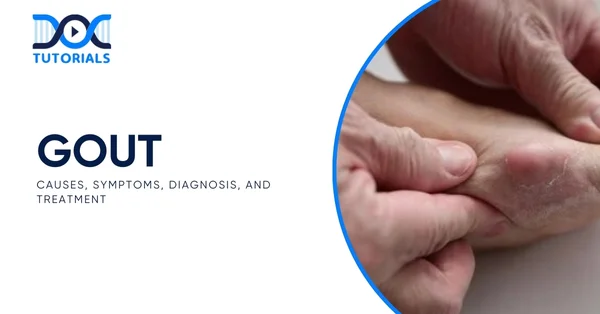
Gout disease is an inflammatory form of arthritis with a prevalence rate of approximately 0.6% in the global population. It is a form of arthritis that arises when elevated serum uric acid levels lead to the formation of monosodium urate (MSU) crystals, typically in the joints (e.g., the first metatarsophalangeal joint).
It is crucial to have a thorough understanding of the predisposing factors, symptoms, treatment, and comorbidities of gout if you are preparing for the NEET PG exam. Despite the existence of definitive treatment modalities, there is still a prevalence of under-treatment and non-adherence. The management of patients requires a combination of pharmacology, lifestyle modification, and long-term interventions.
Read on to learn about the causes, symptoms, diagnosis, and treatment of gout.
What are the Causes of Gout?
The main cause of gout is persistent hyperuricemia, largely due to impaired renal excretion (accounts for approximately 90% of cases) and, less commonly, excessive production of uric acid (< 10%). The other possible causes of gout are as follows:
- Excessive Production of Uric Acid: Excessive production can be due to enzyme deficiencies or high catabolism of purines (e.g., due to leukaemia, chemotherapy, or rare inherited diseases). High-purine diets play a significant role in the overall risk.
- Dietary and Lifestyle: Foods that contain purines, sweetened drinks, beer, and alcohol increase uric acid and aid the process of gout attacks. Obesity, metabolic syndrome, and hypertension pose a high risk, as well as insulin resistance.
- Genetic Predisposition: Approximately 60% of the changes in urate levels are related to genetic factors. Approximately twice the risk is observed in susceptible individuals with variations in genes such as SLC2A9 (Solute Carrier Family 2, Member 9) and ABCG2 (ATP-binding cassette subfamily G member 2), among others.
- Comorbid Medical Conditions: Closely related to gout are the existence of comorbid medical conditions that negatively affect urate elimination and increase the risk of gout.
What are the Symptoms of Gout?
Gout is a prevalent and complex form of inflammatory arthritis characterised by the following key symptoms:
- Sudden onset of severe joint pain
- Joint swelling and redness
- Limited joint movement
- Recurrent attacks
- Asymmetric joint involvement
- Joint effusion
What is the Diagnosis of Gout?
Gout diagnosis requires prompt and timely diagnosis in order to enable effective management and prevention of the complications of gout. Gout diagnosis is both a clinical process and a combination of clinical and laboratory tests, together with imaging studies.
The main points of gout diagnosis are presented below:
- Joint Fluid Analysis
A physician might need to complete a test known as joint aspiration to verify that you have gout, where a small sample of synovial fluid is taken by way of an extremely fine needle being cautiously inserted into the swollen joint.
This fluid can then be viewed in a polarised light microscope to determine whether monosodium urate crystals have been shown, which are found to be needle-shaped and are found to have negative birefringence.
They alter the crystals in the joint fluid, which are thought to be the gold standard in diagnosing gout since it is the pathological explanation of the inflammation itself.
- Blood Test for Uric Acid Levels
Supportive evidence for the diagnosis is usually provided through a blood test taken to assess the level of serum uric acid. High level of uric acid in the blood is referred to as hyperuricemia and may predispose individuals to gout.
- X-Ray Imaging of Joints
X-rays of the affected joints may be used to assist in ruling out other possible causes of the joint inflammation, such as osteoarthritis, rheumatoid arthritis or infections.
Although X-rays are unlikely to show early changes of gout, once gout is chronic, common X-ray appearances are characteristic of punched-out erosions with overhanging edges, particularly at the margins of a joint, reflecting chronic urate crystal deposition and damage due to gout.
- Ultrasound Examination
Ultrasound imaging is a non-invasive instrument that can gauge the presence of the urate crystal deposits, including those on the surface of the cartilage in the form of the characteristic double contour sign.
Ultrasound is also able to detect tophi, small deposits of urate crystals in soft tissues, and therefore is a useful method of diagnosing gout in situations where joint aspiration cannot be performed.
- Dual-Energy Computed Tomography (DECT)
DECT is an advanced imaging modality that uses multiple X-ray beams at different energy levels to create detailed, colour-coded images of joints. This technology can specifically differentiate urate crystals from other substances, allowing direct visualisation of crystal deposits in and around joints.
What is the Treatment for Gout?
There are 2 basic types of gout treatment, and each one works on a different part of the disease. One group focuses on relieving the immediate symptoms of a gout attack, such as pain and inflammation. The second group wants to stop future assaults and long-term problems by lowering the amount of uric acid in the blood.
The type of medication appropriate for the patient depends on several factors, including how often they experience gout attacks, how severe these attacks are, and their overall health condition. Listed below are some of the treatment options:
- Medications to Treat Gout Attacks
When a gout flare occurs, the primary goal is to reduce inflammation and ease the intense pain. Common medications used for this purpose include:
- Nonsteroidal Anti-Inflammatory Drugs (NSAIDs)
They tend to be the initial treatment of choice and contain the over-the-counter ibuprofen (Advil, Motrin IB), naproxen sodium (Aleve), and stronger prescription nonsteroidal anti-inflammatory drugs (NSAIDs), indomethacin (Indocin, Tivorbex) and celecoxib (Celebrex).
Although helpful, NSAIDs may also possess certain side effects such as stomach pain, ulcers, or haemorrhages, in the case of their long-term use. Probenecid (Probalan) is a drug that can help your kidneys flush out the uric acid even more effectively. There are, however, side effects such as a rash, stomach discomfort and in some circumstances even kidney stones.
- Colchicine
Another anti-inflammatory medication that can cause a substantial decrease in gout pain and inflammation is colchicine (Colcrys, Gloperba, Mitigare). Nonetheless, its usage has nausea, vomiting, and diarrhoea as its side effects, which might hamper its application among specific patients.
- Corticosteroids
In case of intolerance or inefficacy of NSAIDs or colchicine, prednisone and other corticosteroids can be prescribed. These can be administered in the form of oral tablets or even injected at a point of the infected joint.
Corticosteroids are effective in relieving the symptoms of inflammation and pain within a short period, but may cause side problems such as alterations in mood, a rise in blood sugar level, and high blood pressure.
- Medications to Prevent Gout Complications
In case you have frequent attacks of gout (several times a year) or your attacks are severe, your physician may recommend drugs that reduce the uric acid level in the body to reduce further damage.
These preventive treatments are especially important if you already show signs of joint damage on X-rays, or if you have tophi (urate crystal deposits), chronic kidney disease, or kidney stones.
- Uric Acid Production Inhibitors
Medications such as allopurinol (Aloprim, Lopurin, Zyloprim) and febuxostat (Uloric) are used to treat gout differently by decreasing the production of uric acid in your body. Fever, rash, liver inflammation (hepatitis) and kidney issues are side effects of allopurinol.
Side effects of febuxostat include rash, nausea and liver dysfunction, and it has also been linked with a higher chance of mortality in patients caused by heart problems.
- Uric Acid Excretion Enhancers
Medications such as probenecid (Probalan) help your kidneys eliminate uric acid more efficiently. However, they may cause side effects like rash, stomach discomfort, and in some cases, kidney stones.
FAQs About Gout
- What things can trigger gout?
Gout attacks can be triggered by several factors that increase uric acid levels or cause crystal deposits in the joints.
Common triggers include consuming foods high in purines (such as red meat, organ meats, and seafood), excessive alcohol intake (especially beer and spirits), dehydration, certain medications (like diuretics), trauma or surgery, and sudden changes in uric acid levels.
- Is gout communicable?
No, gout is not a contagious or communicable disease. It is a metabolic disorder caused by elevated levels of uric acid in the blood, leading to crystal formation in joints. Gout cannot be transmitted from person to person through contact, air, or bodily fluids. It develops due to genetic factors, diet, lifestyle, and other health conditions.
- What should we eat to prevent gout?
To prevent gout, it is advisable to follow a diet low in purines. This includes eating plenty of fruits (especially cherries), vegetables, whole grains, low-fat dairy products, nuts, and legumes. Drinking plenty of water helps flush uric acid from the body. Limiting or avoiding red meat, organ meats, shellfish, sugary beverages, and alcohol can reduce gout risk.
- What should not be done in gout?
During a gout flare, you should avoid foods and drinks high in purines, such as red meat, organ meats, and alcoholic beverages, as they can worsen symptoms. Avoid self-medicating without consulting a doctor, especially with medications that may raise uric acid levels, like some diuretics or aspirin.
Conclusion
When experiencing sudden joint pain, redness, swelling, or warmth, especially in the big toe, it may indicate a gout attack. Early recognition and management are important to prevent joint damage and complications.
Watch for frequent or severe flare-ups, persistent joint discomfort, or visible lumps under the skin called tophi, which require timely medical evaluation. These signs demand prompt attention because effective treatment can control symptoms and reduce long-term risks associated with gout.
For NEET PG aspirants, mastering the clinical features, diagnosis, and management of gout is crucial for both exam success and practical patient care. DocTutorials offers expertly designed video lectures, comprehensive revision materials, and detailed notes focused on high-yield topics.
Join DocTutorials today and explore our NEET PG course to excel in your medical career.


Latest Blogs
-

INI CET Exam 2026: Your Roadmap to Success – Key Topics, Strategies, and Lessons from Last Year’s Papers
The INI CET exam is more than just a test; it’s a significant milestone for many medical students aiming to…
-

INI CET Exam Success: Previous Year Question Papers & Ultimate Guide – INI CET PYQ
One can feel overwhelmed while preparing for the INI CET (Institute of National Importance Combined Entrance Test). A vast syllabus,…
-

NEET PG 2026 Preparation with Live Power Pack: Your Path to Success in 2026
Preparing for the NEET PG 2026 can be an overwhelming journey because of its vast syllabus and the pressure to…