Microcephaly | Causes, Symptoms, Diagnosis, and Treatment
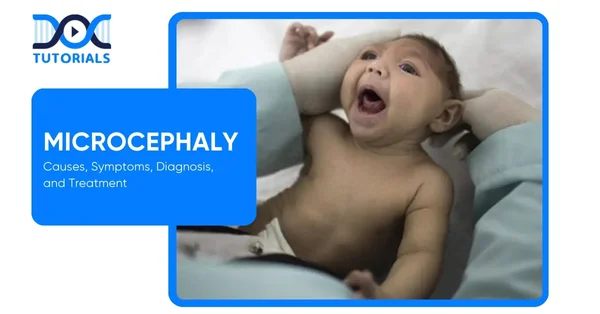
Microcephaly is a rare neurological disorder characterised by a child’s head being smaller than that of most children of the same age group, typically associated with a smaller brain. This is most commonly due to abnormal brain growth, which may be before birth or in early life.
The syndrome can develop with other significant birth defects, but sometimes it can be the sole abnormality. Microcephaly is present in 2 to 12 out of every 10,000 live births annually, making it an uncommon yet significant health issue.
Knowing the microcephaly causes, symptoms, diagnosis, and risk factors of microcephaly is vital to facilitate early diagnosis, early management, and proper long-term care. Furthermore, if you are a NEET PG medical student, understanding this disease can be a valuable addition to your clinical skills and patient care.
Keep reading to learn more!
What is Microcephaly?
Microcephaly (my-kroh-SEF-uh-lee) is an uncommon neurological disorder in which the head of the infant is smaller than that of other infants of the same age and sex. It is occasionally detected at birth. Microcephaly typically develops due to complications in the growth of the brain in the uterus or when the brain develops abnormally after birth.
The aetiology of microcephaly can be both genetic and environmental. Infants diagnosed with the condition often have developmental delays. There is no cure for microcephaly yet, but if early diagnosis is made, followed by speech therapy, occupational therapy, and supportive care, the developmental outcome and quality of life for the child can be improved.
What are the Causes of Microcephaly?
The cause of microcephaly might not be identified. Microcephaly can develop prior to birth or in the initial years of life. There are various medical conditions that predispose an individual to microcephaly, which include:
- Genetic or chromosomal disease, like Down syndrome
- Infections acquired in pregnancy, including rubella, toxoplasmosis, cytomegalovirus, chickenpox, and even possibly the Zika virus
- Severe malnutrition
- Craniosynostosis, where the skull sutures close too early
- Cerebral anoxia, a state that decreases the oxygen supply to the brain of a fetus
- Maternal phenylketonuria (PKU) is a hereditary disorder that affects the way the body metabolises one specific amino acid
Environmental influences can also play a role. For instance, if a fetus is exposed to toxins, illicit drugs, or alcohol in the womb, the risk of brain abnormalities and microcephaly increases significantly.
What are the Risk Factors of Microcephaly?
A child is likely to develop microcephaly if, during pregnancy, he or she was exposed to:
- Alcohol use disorder or drug abuse
- Mercury or lead intoxication
- Complication due to gestational diabetes
- Poor maternal nutrition
- Metabolism disorders-related problems, such as phenylketonuria
- Infection of any kind
What are the Symptoms of Microcephaly?
Microcephaly signs and symptoms often include:
- A smaller-than-average head size
- A smaller brain volume
Depending on the cause, the intellectual level of functioning in the child with microcephaly can be low or normal. Although the majority of children are developmentally delayed, a few might not have such extreme cognitive deficits.
Severe microcephaly symptoms include:
- Seizures
- Speech delay
- Reduced learning capacity
- Problems with movement and coordination
- Swallowing, feeding, or eating difficulties
- Metabolic disorders
- Short height or dwarfism
- Hearing and vision difficulties
- Neurologic abnormalities, such as neural tube abnormalities
What is the Diagnosis of Microcephaly?
In some cases, a healthcare provider may identify microcephaly during a second- or third-trimester ultrasound, enabling diagnosis before the infant is born. To establish a diagnosis after birth, a child will have a comprehensive check-up. Diagnosis of microcephaly can include:
- A complete physical check-up with measurement of head circumference
- Assessment of family history and parents’ head circumference
- Measuring the growth of the head over a period of time
Once the diagnosis of microcephaly has been made, physicians can suggest CT (computed tomography) or MRI (magnetic resonance imaging) and blood tests to assess the cause, severity, and complications. These tests also provide information about potential in-utero infections that may have resulted in changes in brain structures.
How is Microcephaly Treated?
There is no definite treatment for microcephaly, but the interventions are aimed at managing associated complications.
In a child with delays in motor functions, occupational therapy could help bolster their ability. For speech or language delay, speech therapy could be a real game-changer. Such therapy is meant to leverage the child’s present strengths and enhance their functioning.
In instances where seizures or hyperactivity complications arise, physicians will order the right drugs. Parental assistance is also crucial. Collaborating with empathetic healthcare providers helps ensure that children’s treatments are made wisely.
Avoiding encounters with other microcephalic children’s families through support groups or internet forums can be useful for counselling, shared experience, and real-world advice.
FAQs about Microcephaly
- What are the clinical features of microcephaly?
Anencephaly, which can sometimes be associated with some forms of microcephaly, can be divided into 3 broad categories: meroanencephaly, holoanencephaly, and craniorachischisis. The classic presentation, known as meroanencephaly, is characterised by the absence of cranial vault bones and the presence of exposed, undifferentiated dorsal neural tissue.
- Why does microcephaly happen?
Risk of microcephaly may be increased by various factors. Pregnancy infection, such as Zika virus, toxoplasmosis, or cytomegalovirus, is the most common cause. Lack of proper maternal diet during pregnancy and malnourishment in the infant after birth are some other factors.
- What are the genetic factors of microcephaly?
Primary microcephaly (MCPH) has been due to mutations in a minimum of seven genes. The most frequent are ASPM gene mutations, which account for almost half of all reported cases. These genes are needed for healthy brain development in the first few years of life and play a significant role in how big the brain will be overall.
- What is a differential diagnosis of microcephaly?
In diagnosing microcephaly, doctors first identify if the reduced head size is because of craniosynostosis, a defect in the growth of the brain, or if it’s an isolated variation without fault. If defective brain growth is identified, then one needs to determine if the cause is progressive or a static developmental event.
- Can patients with microcephaly be normal?
Microcephaly is a relatively uncommon condition that can be an indication of one of a number of underlying diseases and occurs in about one of every 800 to 5,000 children. Although most children with microcephaly are intellectually disabled to some extent, some may have completely normal cognition with no apparent delay.
Conclusion
Microcephaly is a condition that makes a baby’s head smaller than usual. It can be concerning to learn that a baby’s head is smaller than expected. A physician and medical team will monitor the baby’s growth and provide services to support them.
For medical students pursuing NEET PG, learning about diseases such as microcephaly is essential for clinical intervention. That’s where DocTutorials comes in as your study partner.
With video classes conducted by experts, short revision courses (QRPs), and comprehensive study notes, we make you exam-ready as well as adequately prepared to address actual medical issues.
Explore our NEET PG course today and excel in your exam with success!


Latest Blogs
-

FMGE DT-SAT: Your Chance to Win ₹1 Crore+ Scholarship
Preparing for the Foreign Medical Graduate Examination (FMGE) can be stressful, but what if you could get the best coaching…
-

FMGE Exam Dates: Important Updates, Eligibility, Registration & More
Preparing to practice medicine in India after completing an MBBS abroad requires more than just academic dedication; it demands clearing…
-

FMGE Exam Date 2026 – Everything You Need to Know About the FMGE
The Foreign Medical Graduate Examination is the most important exam for Indian students pursuing their medical courses abroad. Upon completion…