Pinworm Infection: Causes, Symptoms, Diagnosis, and Treatment
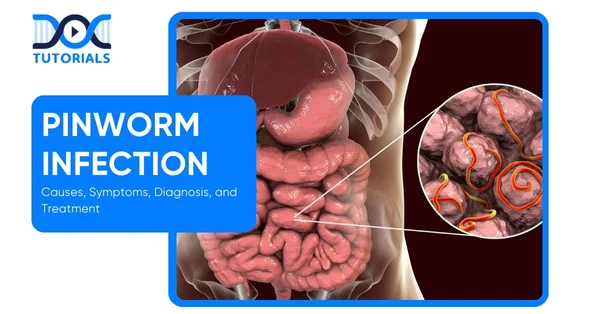
One of the most common parasitic intestinal illnesses in people, especially in children, is pinworm infection, often referred to as enterobiasis. The infection, which is caused by the tiny, white intestinal parasite Enterobius vermicularis, is highly contagious and spreads through contaminated surfaces or close physical contact.
Despite being innocuous, it can be uncomfortable and lead to a number of problems, such as disturbed sleep, intense anal or vaginal itching, etc. Aspiring medical students studying for the NEET PG exam must have a solid awareness of pinworm transmission, symptoms, diagnosis, and available treatments.
Medical students can use DocTutorials’ comprehensive NEET PG study resources to learn more about these parasite illnesses and how to treat them clinically. To learn more about pinworm infection, continue reading.
What is a Pinworm Infection?
Pinworm infection is caused by the roundworm Enterobius vermicularis. It is one of the most common types of worm infection that develops globally. These tiny worms are ¼ to ½ inches long and can be seen with the naked eye.
Similar to other parasitic infections, pinworms sustain themselves by feeding on their host. Though often bothersome, the infection is usually harmless and easily curable with proper pinworm treatment.
What are the Causes of Pinworm Infection?
Pinworm infections are extremely contagious and happen when small pinworm eggs enter the body via the mouth, usually without our knowledge. If the proper hygiene practices and pinworm treatment are not followed and performed, the pinworm infection can last for weeks or could continue to come back. Here are the major causes of this infection:
- Poor Hand Hygiene: Not washing hands well after using the toilet or before eating allows the eggs to transfer from your dirty fingers to your mouth.
- Direct Contact: In close living situations or at home, such as a family in one household, a classroom at school, and even shared living situations, allows the contagions to spread through direct contact and touching things that can be shared as well.
- Contaminated Surfaces: The pinworm eggs can survive for 2–3 weeks on bedding, toys, toilet seats, and clothing. If these surfaces are contaminated and someone touches them later without washing their hands, they can get infected.
- Inhalation of Eggs: Pinworm eggs can often become airborne. When you move or shake bedding, clothes, or towels, you might accidentally inhale or swallow the eggs from those infected things.
- Reinfection Cycle: If the anal area is scratched, the fingers get contaminated with eggs, and those eggs can transfer to the fingers and under the nails. The eggs are then transmitted into the body, potentially extending the infection.
Who is Likely to Develop Pinworm Infection?
While individuals of any age can contract a pinworm infection, the groups most at risk include:
- Young children, particularly those in primary schools, playgroups, or day-care facilities.
- Children who have a habit of thumb-sucking.
- Pinworms in adults and children can take place if they neglect to wash their hands prior to meals.
- Individuals living in densely populated environments like hostels, shared accommodations, or similar settings.
- Family members or caregivers are responsible for the care of older adults who are already suffering from pinworm infections.
What are the Symptoms of Pinworm Infection?
Some notable pinworm symptoms include:
- Itching in the anal area
- Vaginal pinworms cause itchiness and irritation in the vaginal area
- Difficulty in falling asleep or insomnia
- A mood that is irritable or restless
- Grinding of teeth
- Nausea
- Vomiting
- Bedwetting
- Intermittent abdominal pain
How to Diagnose Pinworm Infection?
A pinworm infection is confirmed by detecting the worms or eggs. It is often possible to collect them using simple methods at home or during clinical procedures. These include:
- Tape Test: Clear adhesive tape or pinworm paddle pressed to the anal area immediately after waking to collect eggs, which are then examined with a microscope.
- Visual Check at Night: Adult pinworms in the anus may be visible 2–3 hours after sleep, as they emerge to lay eggs and appear as tiny white thread-like worms.
- Inspection of Bedding or Underwear: Worms may be noticed on underwear or pyjamas and even bedsheets in the mornings.
- Observation in Stools and on Skin: Occasionally, especially with heavy infestations, worms may be noticed in stools or on the skin.
- Sample Test: In a few instances, samples are also obtained from beneath the fingernails, where eggs might be trapped through scratching.
How to Treat Pinworm Infection?
Treatment of pinworm infection is oral anti-parasitic medication, usually administered in a two-dose regimen—a first dose and a second dose two weeks later to cover newly hatched worms. The drugs most often prescribed are pyrantel pamoate (over-the-counter), mebendazole, and albendazole (prescription only).
Due to the potential for high reinfection and transmission, it is usually recommended by healthcare professionals that all individuals living in the household and close contacts be treated at the same time.
Alongside medication, rigorous hygiene and environmental control—like washing everything from clothes and bedding to towels in boiling water, and thoroughly cleaning surfaces—are needed to avoid recurrence.
FAQs about Pinworm Infection
- What if a child has pinworms for a long period of time?
If pinworms go untreated, they will lay more eggs, increasing the chance of spreading the infection. Subsequently, your child will require medication to eliminate them.
- Where do pinworms usually occur?
A pinworm is a type of parasite that lives in the lower human digestive tract. They survive by the intake of nutrients consumed by the person.
- How long do pinworms live?
The typical lifespan of a pinworm (Enterobius vermicularis) is around two months. The entire lifecycle, from egg to adult and vice versa to egg-laying, occurs within the human host.
- Are pinworms treatable with natural remedies?
Yes, people might also try home remedies like papaya, pumpkin seeds, garlic, carrots, wormwood, or coconut oil to relieve symptoms of pinworms, a parasitic infection. However, there is no proven evidence regarding it.
- Can pinworm infections develop into complications?
Most pinworm infections don’t result in severe issues. Occasionally, they might lead to infection in the vagina in women, urinary tract infection, weight loss, or, in exceptionally rare cases, infection of the peritoneal cavity.
Pinworm infestation, although prevalent and usually harmless, requires quick medical attention because of its extreme contagiousness and ability to interfere with the quality of life.
Identification of the signs, diagnosis, pinworm treatment, and environmental sanitation are crucial measures to stem its transmission and reinfection. Knowledge about such conditions is essential for all aspiring medical students who are pursuing the NEET PG exam.
To strengthen your clinical knowledge of parasitic infections and prepare for examinations, you can trust the exclusive and well-designed NEET PG study materials provided by DocTutorials.
Explore our NEET PG course to excel in your medical career.


Latest Blogs
-

FMGE Exam Dates: Important Updates, Eligibility, Registration & More
Preparing to practice medicine in India after completing an MBBS abroad requires more than just academic dedication; it demands clearing…
-

FMGE Exam Date 2026 – Everything You Need to Know About the FMGE
The Foreign Medical Graduate Examination is the most important exam for Indian students pursuing their medical courses abroad. Upon completion…
-

FMGE Exam 2027 Guide: Important Dates, Fees, Eligibility, Application Process & More
Coming back to India after finishing your medical degree abroad is a huge achievement. You’ve already put in years of hard work to earn…