Meconium Aspiration Syndrome: Causes, Symptoms, and Treatment
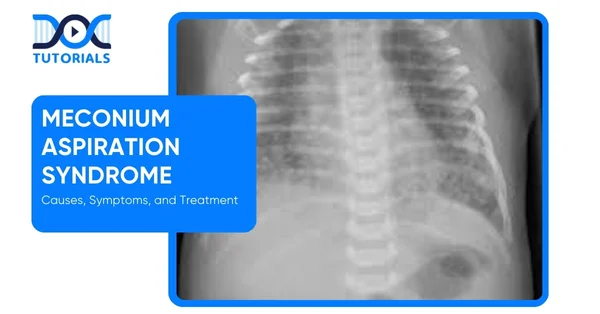
Meconium aspiration syndrome (MAS) is a life-threatening condition in newborns where the baby inhales a mixture of meconium and amniotic fluid before or during birth and develops breathing problems. The meconium is the first or the earliest stool of a newborn infant. Babies pass meconium within the first 24 to 48 hours.
When meconium-stained amniotic fluid (MSAF) is inhaled, it leads to respiratory distress in the baby and results in meconium aspiration syndrome. This also sometimes leads to infection and, in rare cases, death. Meconium aspiration syndrome (MAS) is a high-yield topic for the NEET PG exam.
It bridges neonatology, obstetrics and emergency pediatric care, so it’s essential for exam and real-life medical decision making. Here’s a detailed guide to understanding meconium aspiration syndrome (MAS) — from causes and symptoms to diagnosis and treatment.
What is Meconium Aspiration Syndrome?
Meconium aspiration syndrome (MAS) is a neonatal condition where the newborn experiences respiratory distress. It affects newborns who have breathed in a mixture of meconium and amniotic fluid just before or during labour.
The meconium gets into the baby’s lungs and causes trouble with breathing. This causes respiratory distress because:
- It can clog the airways of the baby
- It can irritate the lung airways and injure lung tissue, leading to inflammation
- Block surfactants
- Interfere with regular gas exchange
- Increased risk of lung infections
This condition is most commonly seen in full-term or post-term pregnancies. Usually, meconium aspiration syndrome (MAS) can be treated if the infant is given immediate care. However, severe cases depend on several factors, such as the amount of meconium aspirated and the consistency of the meconium, with thick meconium posing a greater risk.
Severe cases of meconium aspiration syndrome (MAS) can lead to pulmonary hypertension or pneumothorax, which refers to collapsed lungs.
What Causes Meconium Aspiration Syndrome in the Body?
There are 5 key mechanisms that have been identified that lead to meconium aspiration syndrome (MAS):
- Meconium Passage
Fetal distress or hypoxia (lack of oxygen for the baby) leads to relaxation of the anal sphincter muscles. This makes the baby pass stool (meconium) and stain the amniotic fluid.
- Aspiration Process
While in the womb, babies breathe amniotic fluid in and out naturally. Therefore, when the baby breathes the fluid, they inhale amniotic fluid. In cases of hypoxia, as the baby gasps for more oxygen, they suck in even more meconium-strained amniotic fluid.
- Airway Obstruction
As meconium is a very tar-like, thick and sticky substance, it sticks to the airways of the baby, which are very small. This can lead to:
- Complete blockage of the airways, which will cause the lungs to collapse
- Partial blockage of airways, causing air to get trapped, leading to the bursting of the lungs.
- Inflammatory Response
Meconium can irritate the lungs badly and cause inflammation, a chemical burn. Furthermore, harmful substances are released, which cause further lung tissue damage.
- Surfactant Dysfunction
This inflammation will block surfactants (a mixture of lipids and proteins that reduce surface tension and allow for lung expansion). Without surfactants, the lungs become stiff, air sacs can easily collapse, and oxygen exchange is impaired.
What are the Risk Factors of Meconium Aspiration Syndrome?
One of the primary risks for meconium aspiration syndrome (MAS) is fetal distress. Additionally, babies are more likely to pass meconium when:
- The labour is complex and long
- The delivery of the baby happens way past their due date.
- Health issues in the mother, like diabetes or high blood pressure (preeclampsia).
- There is substance use by the mother, such as smoking or taking drugs
- There is a peripartum infection
It should be noted that not all babies who pass meconium in the amniotic fluid get meconium aspiration syndrome.
What are the Symptoms of Meconium Aspiration Syndrome?
The clinical presentation of meconium aspiration syndrome (MAS) varies from mild respiratory distress to severe life-threatening complications. These symptoms are seen immediately after birth or within the first few hours of life.
The signs and symptoms seen in the neonate are:
- Immediate Signs at Birth
- Bluish skin or lips (cyanosis)
- Low blood pressure
- Fetal distress
- Meconium staining of the baby’s skin, nails and umbilical cord
- Respiratory Symptoms
- Tachypnea (fast breathing)
- Dyspnea (difficulty breathing)
- Grunting noise while breathing out
- Nasal flaring
- Hypoxemia (abnormally low levels of oxygen in the blood)
How is Meconium Aspiration Syndrome Diagnosed?
The diagnosis of meconium aspiration syndrome (MAS) is primarily clinical, based on the presence of meconium-stained amniotic fluid and respiratory distress in a newborn. However, several investigations help confirm the diagnosis, assess severity, and guide treatment.
Additionally, the following tests can be done to validate the diagnosis:
| Test | Explanation |
| Chest X-ray (CXR) | Early pictures may just show light streaks in both lungs. Later, it may show lungs filled with too much air, a flat diaphragm, collapsed areas, or trapped air outside the lungs (pneumothorax). |
| Arterial Blood Gas (ABG) | Checks how well the baby is getting oxygen and removing carbon dioxide. Helps doctors decide if breathing support is needed. Severe cases may show low oxygen, high carbon dioxide, and acidic blood. |
| Pulse Oximetry | Measures oxygen levels in the blood and checks if there’s a difference between the blood going to the upper and lower body. |
| Echocardiography (Echo) | An ultrasound of the heart. Examines the heart function, checks for high blood pressure in the lungs (PPHN), and sees if blood is flowing the wrong way. |
| Blood and Tracheal Cultures | Look for infection in the blood or lungs. Babies with breathing problems may be started on antibiotics until results come back. |
What is the Treatment for Meconium Aspiration Syndrome?
Immediate medical and special care is given to neonates who are diagnosed with meconium aspiration syndrome (MAS). Usually, they are taken to the intensive care unit (NICU) for oxygen support, as required.
However, some babies, even with extra oxygen, display signs of breathing difficulty and have to be given help with a ventilator. In case of infection, antibiotics or IV nutrition are also provided if the baby cannot be nursed or bottle-fed.
Suction is also used to treat meconium aspiration syndrome (MAS). In this case, the baby needs to remove the meconium ingested by the baby from the mouth, nose, and throat using a bulb syringe to remove excess meconium from the airway.
In cases of severe meconium aspiration syndrome (MAS), a baby might need more treatment, such as:
- A need for surfactant to help open the lungs
- Use of nitric oxide. This gas is usually added to oxygen to open blood vessels
- Extracorporeal membrane oxygenation
Most babies diagnosed with meconium aspiration syndrome (MAS) get better within a few days or weeks. The efficacy of a treatment depends upon how much meconium a baby has inhaled.
What are the Complications of Meconium Aspiration Syndrome?
Meconium aspiration syndrome can be treated effectively, but it can lead to certain short-term and long-term complications, such as:
- Short-Term Complications
- Persistent pulmonary hypertension of the newborn (PPHN)
- Air leak syndromes like pneumothorax and pneumomediastinum
- Long-Term Complications
- Development of reactive airway disease
- Neurodevelopmental impairment, as a result of prolonged incubation or prolonged oxygen need.
FAQs about Meconium Aspiration Syndrome
- Can meconium aspiration syndrome be prevented?
While meconium aspiration syndrome (MAS) cannot always be prevented, regular prenatal check-ups, timely monitoring during labour, and early detection of fetal distress can reduce the risk. If meconium-stained amniotic fluid is detected, doctors can take immediate steps to lower the chances of aspiration.
- Do all babies with meconium-stained fluid develop meconium aspiration syndrome (MAS)?
No. Many babies who pass meconium in the womb or during delivery do not develop meconium aspiration syndrome (MAS). It typically happens when the baby breathes in the meconium-stained amniotic fluid before or during birth.
- Is meconium aspiration syndrome life-threatening?
Most cases are mild and resolve with prompt treatment. However, severe meconium aspiration syndrome (MAS) can lead to complications such as pulmonary hypertension or collapsed lungs, which require intensive care.
- How long does recovery from meconium aspiration syndrome (MAS) take?
Mild cases often improve within a few days, while severe cases may require weeks of hospital care. Long-term follow-up may be needed if the baby has complications.
- Can meconium aspiration syndrome (MAS) cause long-term breathing problems?
Some babies may develop reactive airway disease or other respiratory issues later in life, especially if the meconium aspiration syndrome (MAS) was severe. Regular pediatric check-ups help monitor and manage these risks.
Conclusion
Meconium aspiration syndrome (MAS) is a serious neonatal condition that develops when a newborn breathes in meconium-stained amniotic fluid before or during birth. While it can range from mild respiratory distress to life-threatening complications, prompt diagnosis and specialised neonatal care usually lead to a good outcome.
Most babies recover fully with advancements in newborn care, though some severe cases may require long-term follow-up. Understanding MAS is crucial for healthcare professionals, medical students, and expectant parents. For NEET PG, recognising early warning signs and comprehensively understanding the topic becomes essential.
At DocTutorials, we provide comprehensive, concept-based learning designed to help NEET PG aspirants master critical topics like meconium aspiration syndrome.
Join DocTutorials and explore our NEET PG course to excel in your medical career.


Latest Blogs
-

FMGE DT-SAT: Your Chance to Win ₹1 Crore+ Scholarship
Preparing for the Foreign Medical Graduate Examination (FMGE) can be stressful, but what if you could get the best coaching…
-

FMGE Exam Dates: Important Updates, Eligibility, Registration & More
Preparing to practice medicine in India after completing an MBBS abroad requires more than just academic dedication; it demands clearing…
-

FMGE Exam Date 2026 – Everything You Need to Know About the FMGE
The Foreign Medical Graduate Examination is the most important exam for Indian students pursuing their medical courses abroad. Upon completion…