MBBS 1st Year Anatomy: A Complete Guide with Tortora Anatomy and Physiology
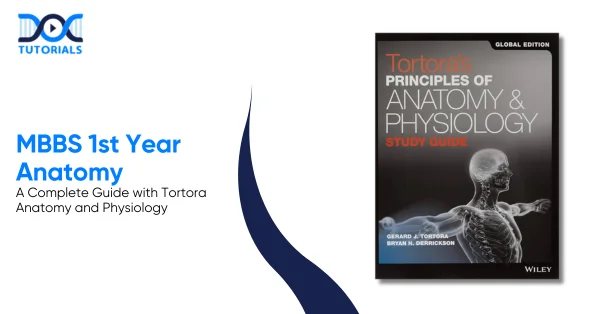
For 1st-year MBBS students, studying anatomy is essential to build a strong foundation in medical science. In this regard, Tortora Anatomy and Physiology, widely known through titles like Principles of Human Anatomy and Physiology Tortora, is a highly recommended resource that helps students understand complex concepts in a clear and structured manner.
Keep reading to learn more about why the Principles of Anatomy and Physiology by Tortora Grabowski is considered a helpful study companion for MBBS students.
Overview of Principles of Anatomy & Physiology Tortora
Gerard J Tortora Anatomy and Physiology offers a clear, balanced understanding of structure and function, with strong clinical correlations, refined illustrations, and interactive tools, making it ideal for effective medical learning.
Anatomy and Physiology Gerard J Tortora provides a well-balanced approach to understanding the relationship between body structure and function. The book emphasises connections between normal physiology and pathophysiology. It helps students understand how anatomical structures support essential biological processes and maintain homeostasis.
In Gerard Tortora Anatomy and Physiology, the refined illustration program and clear explanations make complex medical concepts easier to understand. The thirteenth edition also integrates advanced digital learning tools like WileyPlus 5.0, creating a comprehensive and interactive learning environment for students.
Key Features of the Principles of Anatomy and Physiology Tortora
Tortora Derrickson Principles of Anatomy and Physiology offers clear concepts, updated terminology, strong clinical connections, and excellent visuals. It helps MBBS students understand human body systems effectively and build a solid medical foundation.
The Tortora Anatomy and Physiology is designed to provide a comprehensive and student-friendly learning experience. Its updated features, clinical focus, and visual clarity make it highly effective for MBBS 1st-year students.
The key features of the latest Principles of Anatomy and Physiology by Tortora and Derrickson are as follows:
- Improved Accessibility Standards
The latest edition has been made more user-friendly, in terms of easy access, like the font size used, colour contrast and layout, making it easy to read and facilitating the process of learning.
- Refined Homeostatic Feedback Cycle Illustrations
The book also contains the recent and new diagrams of the homeostatic feedback cycle. This allows the students to have a better understanding of the regulatory processes and how the body effectively maintains the internal balance of various physiological systems.
- Clinical Connections for Real-Life Application
Clinical connection boxes are updated and usually pictured with real-life medical significance. The subjects such as tracheostomy, endotracheal intubation and ventilators assist the students in relating theory to practical medical use.
- Focus on Homeostasis
The redrawing of full-page summaries emphasises the contribution to the homeostasis of each body system separately and through interactions with the rest of the body. It enhances conceptual understanding and allows students to see the interdependent nature of integrated body activities better.
- Updated Medical Terminology
The sixteenth edition incorporates the latest anatomical, histological, and cytological nomenclature, with old eponymous terms replaced by standardised terms. This helps students learn the correct and internationally recognised medical vocabulary for their future careers.
- High-Quality Illustrations and Visuals
The book contains unique medical photographs coupled with elaborate illustrations, enabling students to visualise complex structures and processes clearly. This allows for understanding and retention of hard-to-grasp anatomical and physiological concepts.
- Standardised Nomenclature
The terminology is matched with international standards, such as Terminologia Anatomica (2019) and Terminologia Histologica. This guarantees consistency, accuracy, and appropriateness in medical education, which is critical in academic and clinical practice.
- Career-Oriented Learning Approach
It has been designed to enable students to pursue future medical careers by merging recent medical practice, updated terminology, and clinically significant examples to develop theoretical and practical knowledge.
- Strong Clinical Integration
Clinical connections that run throughout the text help students apply the concepts of anatomy and physiology to the real world. This helps them to think clinically and enhances their exam and viva preparation, as well as their future medical practice.
Principles of Anatomy and Physiology Tortora: Table of Contents Overview
Principles of Anatomy and Physiology Tortora and Grabowski cover topics from basic human body introduction, chemical and cellular organisation, tissues, and organ systems to advanced systems like nervous, cardiovascular, respiratory, digestive, and reproductive, along with appendices, glossary, and index for reference.
The Principles of Anatomy and Physiology Tortora and Grabowski offers a comprehensive and systematically organised structure. It covers all essential topics required for MBBS 1st-year students, progressing from basic concepts to advanced body systems.
Unit 1: Levels of Organisation
Chapter 1: An Introduction to the Human Body
- Overview of Anatomy and Physiology
- Structural Organisation of the Human Body
- Functions of Human Life
- Requirements for Human Life
- Homeostasis
- Anatomical Terminology
- Medical Imaging
Chapter 2: The Chemical Level of Organisation
- Elements and Atoms: The Building Blocks of Matter
- Chemical Bonds
- Chemical Reactions
- Inorganic Compounds Essential to Human Functioning
- Organic Compounds Essential to Human Functioning
Chapter 3: The Cellular Level of Organisation
- The Cell Membrane
- The Cytoplasm and Cellular Organelles
- The Nucleus and DNA Replication
- Protein Synthesis
- Cell Growth and Division
- Cellular Differentiation
Chapter 4: The Tissue Level of Organisation
- Types of Tissues
- Epithelial Tissue
- Connective Tissue Supports and Protects
- Muscle Tissue and Motion
- Nervous Tissue Mediates Perception and Response
- Tissue Injury and Ageing
Unit 2: Support and Movement
Chapter 5: The Integumentary System
- Layers of the Skin
- Accessory Structures of the Skin
- Functions of the Integumentary System
- Diseases, Disorders, and Injuries of the Integumentary System
Chapter 6: Bone Tissue and the Skeletal System
- Functions of the Skeletal System
- Bone Classification
- Bone Structure
- Bone Formation and Development
- Fractures and Bone Repair
- Exercise, Nutrition, Hormones, and Bone Tissue
- Calcium Homeostasis
Chapter 7: Axial Skeleton
- Divisions of the Skeletal System
- The Skull
- The Vertebral Column
- The Thoracic Cage
- Embryonic Development of the Axial Skeleton
Chapter 8: The Appendicular Skeleton
- The Pectoral Girdle
- Bones of the Upper Limb
- The Pelvic Girdle and Pelvis
- Bones of the Lower Limb
- Development of the Appendicular Skeleton
Chapter 9: Joints
- Classification of Joints
- Fibrous Joints
- Cartilaginous Joints
- Synovial Joints
- Types of Body Movements
- Anatomy of Selected Synovial Joints
- Development of Joints
Chapter 10: Muscle Tissue
- Overview of Muscle Tissues
- Skeletal Muscle
- Muscle Fibre Contraction and Relaxation
- Nervous System Control of Muscle Tension
- Types of Muscle Fibres
- Exercise and Muscle Performance
- Cardiac Muscle Tissue
- Smooth Muscle
- Development and Regeneration of Muscle Tissue
Chapter 11: The Muscular System
- Interactions of Skeletal Muscles and Lever Systems
- Naming Skeletal Muscles
- Axial Muscles of Head, Neck, and Back
- Axial Muscles of the Abdominal Wall and Thorax
- Muscles of the Pectoral Girdle and Upper Limbs
- Muscles of the Pelvic Girdle and Lower Limbs
Unit 3: Regulation, Integration, and Control
Chapter 12: The Nervous System and Nervous Tissue
- Structure and Function of the Nervous System
- Nervous Tissue
- Function of Nervous Tissue
- Action Potential
- Communication Between Neurons
Chapter 13: Anatomy of the Nervous System
- Embryologic Perspective
- Central Nervous System
- Circulation of the Central Nervous System
- Peripheral Nervous System
Chapter 14: The Brain and Cranial Nerves
- Sensory Perception
- Central Processing
- Motor Responses
Chapter 15: The Autonomic Nervous System
- Divisions of the Autonomic Nervous System
- Autonomic Reflexes and Homeostasis
- Central Control
- Drugs Affecting the Autonomic System
Chapter 16: The Neurological Exam
- Overview of Neurological Exam
- Mental Status Exam
- Cranial Nerve Exam
- Sensory and Motor Exams
- Coordination and Gait Exams
Chapter 17: The Endocrine System
- Overview of the Endocrine System
- Hormones
- Pituitary Gland and Hypothalamus
- Thyroid and Parathyroid Glands
- Adrenal and Pineal Glands
- Gonadal and Placental Hormones
- Endocrine Pancreas
- Secondary Endocrine Organs
- Development and Ageing
Unit 4: Fluids and Transport
Chapter 18: The Cardiovascular System: Blood
- Overview of Blood
- Formation of Blood Elements
- Erythrocytes
- Leukocytes and Platelets
- Hemostasis
- Blood Typing
Chapter 19: The Cardiovascular System: The Heart
- Heart Anatomy
- Cardiac Muscle and Electrical Activity
- Cardiac Cycle
- Cardiac Physiology
- Development of the Heart
Chapter 20: The Cardiovascular System: Blood Vessels and Circulation
- Structure and Function of Blood Vessels
- Blood Flow and Pressure
- Capillary Exchange
- Vascular Regulation
- Circulatory Pathways
- Fetal Circulation
Chapter 21: The Lymphatic and Immune System
- Anatomy of the Lymphatic System
- Innate Immune Response
- Adaptive Immunity (T and B Cells)
- Immune Response to Pathogens
- Immune Disorders
- Transplantation and Cancer Immunology
Unit 5: Energy, Maintenance, and Environmental Exchange
Chapter 22: The Respiratory System
- Respiratory Structures
- Lungs
- Breathing Process
- Gas Exchange
- Gas Transport
- Respiratory Modifications
- Development
Chapter 23: The Digestive System
- Overview of Digestion
- Digestive Processes
- Mouth, Pharynx, Oesophagus
- Stomach
- Intestines
- Accessory Organs
- Digestion and Absorption
Chapter 24: Metabolism and Nutrition
- Metabolic Reactions
- Carbohydrate, Lipid, and Protein Metabolism
- Metabolic States
- Energy Balance
- Nutrition and Diet
Chapter 25: The Urinary System
- Urine Characteristics
- Urinary Anatomy
- Kidney Structure
- Urine Formation
- Reabsorption
- Renal Regulation
- Homeostasis
Chapter 26: Fluid, Electrolyte, and Acid-Base Balance
- Body Fluids
- Water Balance
- Electrolyte Balance
- Acid-Base Balance
- Disorders
Unit 6: Human Development and Continuity of Life
Chapter 27: The Reproductive System
- Male Reproductive System
- Female Reproductive System
- Development of Reproductive Systems
Chapter 28: Development and Inheritance
- Fertilisation
- Embryonic Development
- Fetal Development
- Pregnancy and Birth
- Infant Adjustments
- Lactation
- Patterns of Inheritance
Appendices
- Appendix A: Measurements
- Appendix B: Periodic Table
- Appendix C: Normal Values for Selected Blood Tests
Additional Sections
- Glossary
- Index
This well-structured content flow, from basic organisation levels to complex physiological systems, makes anatomy & physiology by Tortora an ideal resource for building strong conceptual clarity in MBBS anatomy and physiology.
How Does the Principles of Anatomy and Physiology Tortora Book Help Medical Students?
The Principles of Anatomy and Physiology, the latest edition, helps MBBS students build strong concepts and simplify complex topics. It enhances visual learning and improves exam preparation while developing retention, self-study habits, and essential clinical thinking skills.
The Principles of Anatomy Tortora is a complete learning resource that supports MBBS students in understanding, applying, and retaining core medical concepts effectively throughout their academic journey. Here’s how:
- Builds Strong Conceptual Foundation
The book will provide students with foundational knowledge of human anatomy and physiology, forming a firm foundation for learning advanced medical courses in MBBS and for further clinical practice.
- Simplifies Complex Topics
It has complex anatomical structures and physiological processes in a simplified form, which is simple to learn and understand for first-year MBBS students.
- Enhances Visual Learning
Clear illustrations and elaborate medical images help students see the structures of the body in a better way. This enhances their understanding of the body during dissection, practical and theoretical learning.
- Strengthens Clinical Understanding
Clinical relationships used in the book enable the students to correlate the theoretical information with the real medical situations in order to enhance their knowledge on how to treat diseases, diagnose and treat patients.
- Supports Exam Preparation
Properly laid out chapters, summaries and clear explanations enable revision to be made easier so that students can be well prepared for theory exams, viva and practical assessment in MBBS.
- Promotes Integrated Learning
The book has integrated anatomy and physiology, and this allows a student to learn about the relationship between structure and function and have a more detailed view of the human body.
- Improves Retention and Recall
Structured information, clear illustrations and brief explanations increase memory and enable the students to remember crucial details in a short period of time when they have to take tests and discuss the clinical case.
- Encourages Self-Study
The books are easy to read and follow the chronological sequence of the topics. It can be used as a unit of study when the student wishes to study without necessarily having to be guided all the time.
- Prepares for Competitive Exams
Strong conceptual clarity worked out as a result of this book is helpful in preparing for competitive exams such as NEET PG, USMLE, and other medical entrance tests.
- Develops Clinical Thinking Skills
The book can help the students think critically and solve problems, which are critical in effective practice in the medical field and the management of patients. This is because it connects the theoretical concept with practical clinical applications.
FAQs about Tortora Anatomy and Physiology
- Why is Tortora Anatomy and Physiology considered ideal for beginners?
It presents fundamental concepts in a structured, easy-to-follow manner. It helps beginners build a strong base in anatomy and physiology without feeling overwhelmed by complex medical terminology.
- How does the book explain complex physiological processes effectively?
It simplifies complex mechanisms through step-by-step explanations, flowcharts, and diagrams. It helps students understand processes such as nerve conduction, muscle contraction, and homeostasis more clearly.
- What role do illustrations play in this book?
High-quality illustrations and labelled diagrams assist students in visualising the anatomical structure. This makes it easier to understand spatial relationships and remember the information during both practical and theoretical learning.
- Is this book useful for practical and dissection sessions?
Yes, elaborate illustrations and descriptions walk students through the dissections and practicals, enabling them to identify the structures correctly and learn their functions well.
- Does the book follow a logical learning sequence?
Yes, it moves up a ladder, starting with simple concepts such as cells and tissues and progressing to complex organ systems. It guarantees a gradual and all-inclusive comprehension of the human body.
- What is the Tortora Anatomy and Physiology price in India?
The price of Tortora Anatomy and Physiology in India varies by edition and format, generally ranging between ₹800 and ₹3,500, depending on the availability of paperback, hardcover, or international editions.
- Is Human Physiology by Tortora enough for MBBS preparation?
Yes, Human Physiology by Tortora provides strong conceptual clarity, but MBBS students often pair it with standard textbooks and lecture notes for comprehensive preparation for university exams.
- What does HAP Tortora stand for?
HAP Tortora stands for Human Anatomy and Physiology by Tortora, a widely used textbook covering both structural and functional aspects of the human body in an integrated manner.
- Who are Tortora & Derrickson in anatomy books?
Tortora & Derrickson are the authors of the textbook, known for presenting anatomy and physiology concepts clearly. This combines scientific accuracy with student-friendly explanations and clinical relevance.
- Is the terminology updated in recent editions of the book?
Yes, the latest editions use current anatomical, histological, and cytological terminology, replacing outdated terms to align with modern medical education standards.
Conclusion
First-year MBBS students need to study Tortora Anatomy and Physiology, as it provides a strong foundation for understanding the structure and function of the human body. Concepts from principles of anatomy and physiology Tortora Grabowski are easier to grasp and retain due to clear explanations and high-quality illustrations, helping students excel in theory exams.
For structured academic support, DocTutorials can be your study partner. We offer 3D & 2D animated videos, CBME-based video lectures, and structured mentorship and guidance by experts. This ensures aspirants gain complete clarity over complex medical concepts.Join DocTutorials today and explore our MBBS curriculum to excel in your medical career!

Latest Blogs
-

9 Essential MBBS Preparation Tips for Success
Achieving the dream of becoming a doctor is not easy. You need to be determined and have the right mindset…