mbbs online coaching Archives - Page 3 of 6 -

Top Medical Colleges in Kerala: Complete List & Fee Structure
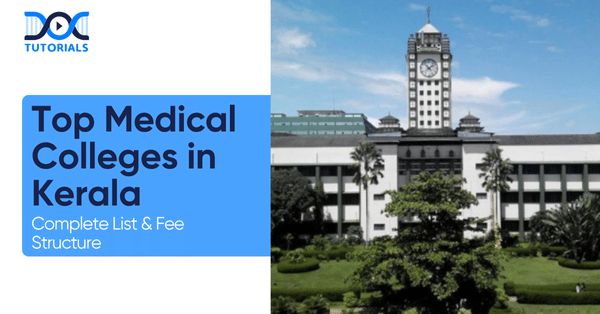
Top Medical Colleges in Kerala

Kerala stands as one of India’s premier destinations for medical education, offering world-class healthcare training through its distinguished network of government and private medical institutions. Medical aspirants across the country aspire to secure admission in the best medical colleges in Kerala due to their exceptional academic standards, experienced faculty, and state-of-the-art infrastructure.

Thus, they must understand the comprehensive admission process, fee structures, and academic programmes offered by different institutions, which is crucial for making informed decisions about their medical education journey and future career prospects.

Keep reading to learn more!

Kerala’s Medical Education System

Kerala’s medical education system has earned national recognition for its high standards and comprehensive approach to healthcare training. The state houses multiple medical colleges that consistently rank among India’s top institutions, offering undergraduate and postgraduate programmes that meet international standards.

The state’s medical colleges operate under strict regulatory guidelines established by the Medical Council of India (MCI) and the National Medical Commission (NMC). These regulations ensure that all institutions maintain high academic standards, adequate faculty-student ratios, and proper infrastructure for medical education.

Best Government Medical Colleges in Kerala

Government medical colleges in Kerala represent the pinnacle of affordable, high-quality medical education in the state with minimal fees, making them highly sought-after destinations for medical aspirants nationwide.

Check out the best government medical colleges in Kerala in the list below: 

  1. Government Medical College, Kozhikode 

This college ranks among the top government medical colleges in Kerala for its excellence in medical education and research. The institution’s faculty comprises renowned medical professionals who bring extensive clinical experience to the classroom. 

The college’s research programmes contribute significantly to medical knowledge and innovation, with students actively participating in research projects that enhance their professional development.

  1. Government Medical College, Thiruvananthapuram 

This college, which is among the top 10 government colleges in Kerala, offers comprehensive undergraduate and postgraduate programmes with exceptional clinical training opportunities through its affiliated hospitals. 

Students benefit from its strategic location in the state capital, providing access to diverse healthcare facilities and extensive research opportunities that enhance their medical education experience.

  1. Government Medical College, Kottayam 

This college emphasises practical clinical training through its network of affiliated hospitals and healthcare centres. The institution’s focus on community health programmes provides students with valuable experience in public health initiatives and rural healthcare delivery, preparing them for diverse medical careers.

  1. Government Medical College, Thrissur 

This college has rapidly established itself among the top govt medical colleges in Kerala through its innovative teaching methods and excellent clinical training programmes. Its faculty includes highly qualified medical professionals who actively engage in research and clinical practice. 

The institution’s emphasis on technology integration in medical education provides students with exposure to modern diagnostic and treatment techniques, preparing graduates for contemporary healthcare environments.

  1. T.D. Medical College, Alappuzha 

This institution is known for its commitment to rural healthcare and offers balanced academic and practical learning experiences, making it a preferred choice among aspirants and earning it a respected rank in Kerala’s medical education landscape.

  1. Government Medical College, Manjeri 

Established recently, this college hosts a well-equipped teaching hospital with state-of-the-art operating theatres and diagnostic laboratories. It emphasises hands-on clinical training, biomedical research, and patient-centred care, making it a vital hub for healthcare education in the Malappuram region.

  1. Government Medical College, Ernakulam 

They offer advanced clinical rotations across diverse specialities, cutting-edge research facilities, and a strong faculty team, fostering excellence in both theoretical and practical medical education and providing tertiary care.

  1. Government Medical College, Kannur 

They provide comprehensive exposure to community health and emergency medicine. Its affiliation with a large hospital ensures ample patient interactions and procedural training in surgery, paediatrics, and internal medicine, making it a robust learning centre for future clinicians.

Top Private Medical Colleges in Kerala

Kerala’s top private medical colleges combine rigorous academics with advanced hospital facilities and strong patient exposure. Check out the best private medical colleges in Kerala in the list below:

  1. Jubilee Mission Medical College, Thrissur 

This is one of the best medical colleges in Kerala after government colleges, as it has top-tier infrastructure and research facilities that emphasise research-based learning and encourage students to participate in innovative medical research projects.

  1. Amala Institute of Medical Sciences, Thrissur 

The Amala Institute of Medical Sciences is widely known for its multispecialty hospital and strong research focus, particularly in oncology. It emphasises holistic patient care and advanced diagnostics, making it a preferred destination for medical students. 

Affiliated with the Kerala University of Health Sciences, it maintains an affordable fee structure and a nurturing academic environment.

  1. MES Medical College, Perinthalmanna, Malappuram 

One of Kerala’s top private medical colleges, MES is known for its commitment to academic excellence and state-of-the-art facilities. Its multispecialty hospital supports broad clinical training across departments, including surgery, paediatrics, and internal medicine. 

The college fosters research and community health programmes, providing students with diverse hands-on experiences. It is highly regarded in northern Kerala for medical education and healthcare services.

  1. Sree Gokulam Medical College, Thiruvananthapuram 

Sree Gokulam Medical College offers advanced healthcare infrastructure and a well-equipped teaching hospital with high patient turnover. Known for its comprehensive clinical training programmes, it integrates modern teaching methods and research activities. 

The college cultivates a student-friendly environment, emphasising skill development and patient-centred care, making it a top private medical institution in Kerala.

  1. Pushpagiri Institute of Medical Sciences, Tiruvalla 

This institute combines excellent academics with a well-resourced multispecialty hospital. It provides superb clinical exposure and active involvement in medical research, focusing on delivering quality healthcare. 

Additionally, this medical college is recognised for its personalised training and community outreach, preparing students for diverse medical challenges.

  1. Malabar Medical College, Kozhikode 

Malabar Medical College stands out for its extensive clinical exposure through a large teaching hospital with specialised units like cardiology and neurology. It prioritises research, evidence-based medicine, and interdisciplinary learning. 

The institute’s modern infrastructure and experienced faculty attract medical aspirants focused on quality healthcare education.

Clinical Training Opportunities in Kerala

Clinical training forms a crucial component of MBBS education in Kerala’s medical colleges. Students gain hands-on experience in affiliated hospitals, treating patients under expert supervision and developing essential clinical skills.

The diversity of cases available in Kerala’s healthcare institutions provides students with exposure to various medical conditions and treatment approaches. Internship programmes in Kerala’s medical colleges offer intensive practical training where students work as junior doctors under senior supervision. 

This experience bridges the gap between academic learning and professional practice, ensuring graduates are ready for independent medical practice.

Fees Structure and Scholarships in Kerala’s Medical Colleges

Understanding the financial aspects of medical education in Kerala helps students and families plan their investment in medical careers. Fee structures vary significantly between government and private institutions, affecting accessibility for different economic backgrounds.

The following is a detailed overview:

  • Government College Fees

Government medical colleges in Kerala offer highly affordable education with annual tuition fees typically ranging from ₹35,000 to ₹50,000. This minimal fee structure makes quality medical education accessible to students from diverse economic backgrounds. 

  • Private College Fees

Private medical colleges in Kerala typically charge higher fees ranging from ₹8 lakhs to ₹37 lakhs annually. Some private colleges offer instalment payment options to reduce the burden on medical aspirants and their families.

  • Scholarship Opportunities

Various scholarship programmes support medical students in Kerala, including:

  • Government scholarships
  • Institutional aids
  • Private foundation grants
  • Merit-based scholarships 
  • Need-based scholarships 

Note: The fee range mentioned above is approximate and is liable to change every year at the institute’s discretion.  

Career Prospects and Opportunities for Medical Students in Kerala

Medical graduates from Kerala’s colleges get excellent career prospects with opportunities in various healthcare sectors. The state’s reputation for quality medical education enhances graduate employability.

Here is a detailed overview:

  • Specialisation Options: The best medical colleges in Kerala offer diverse postgraduate specialisation opportunities in various fields and super-specialities that provide advanced training for specialised medical practice.
  • International Opportunities: The strong educational foundation provided by top medical colleges in Kerala facilitates international mobility and enables successful career establishment abroad. 

FAQs about Top Medical Colleges in Kerala

  1. Do the best government medical colleges in Kerala participate in centralised counselling?

Yes. Admissions to government medical colleges in Kerala are carried out through centralised online NEET counselling.

  1. Is NEET mandatory for admission to medical colleges in Kerala?

Yes. Admission to all government and private medical colleges in Kerala is strictly based on the National Eligibility cum Entrance Test (NEET) scores.

  1. Can non-Keralite candidates apply for MBBS in Kerala medical colleges?

Yes. Non-Keralite candidates are eligible to apply under the management and NRI quota seats, though state quota seats require Kerala nativity

  1. Are there scholarship opportunities for medical students in Kerala?

Yes, various scholarship opportunities are available, including government scholarships based on merit and need, institutional scholarships offered by colleges, and private foundation grants.

  1. Is the selection process highly competitive for government medical colleges in Kerala?

Yes. Government medical colleges in Kerala are highly sought after, and the cut-off NEET scores for these institutions are generally higher compared to private colleges.

  1. Which is the best medical college in Kerala?

The Government Medical College, Kozhikode, is the first choice for students in the Kerala state allotment. It closed at a State Merit rank of 275, making it the most preferred option. The next popular choice is Government Medical College, Thiruvananthapuram, with a State Merit rank of 428. These colleges are among the top government medical colleges in Kerala.

  1. Which is the best private (self-financing) medical college in Kerala?

In the self-financing category, Jubilee Mission Medical College & Research Institute, Thrissur, recorded the lowest closing rank for State Merit in 2024. This made it the most preferred private medical college during the state government merit allotment process.

  1. What is the minimum rank needed for a government medical college in Kerala under State Merit?

According to the Phase 3 counselling results of 2024, the last government MBBS seat under the State Merit (SM) category was allotted at rank 1729 at Government Medical College, Idukki.

This means a student must have a Kerala State Rank of 1729 or higher to secure a government seat under the SM quota at one of the top government medical colleges in Kerala.

  1. What is the difference between Government and Self-Financing medical colleges in Kerala?

Government medical colleges in Kerala are run and funded by the state government, which is why their tuition fees are very low. Self-financing medical colleges, on the other hand, are privately managed.

These colleges reserve a portion of their seats for students allotted by CEE based on merit, but the fees are higher and set under government regulations. This system gives students options across the best medical colleges in Kerala.

  1. Where can I find the official allotment details of Kerala meidcal colleges?

The official allotment lists and last rank details are released by the Commissioner for Entrance Examinations (CEE) on their official website, cee.kerala.gov.in. To get correct and updated details, it is always best to check the information directly from the official website, especially when researching the top government medical colleges in Kerala.

Conclusion

Success in securing admission to the top medical colleges in Kerala requires dedicated preparation, strategic planning, and comprehensive guidance. With proper preparation and determination, aspiring medical professionals can achieve their goals and contribute meaningfully to healthcare advancement and patient care.

To aid in their preparation, opting for study partners like DocTutorials can be an ideal choice. Aspirants get access to concise high-yield notes, video lectures, mock tests, live sessions, PYQs, and more, which help take their exam readiness to the next level. Check out our MBBS courses today!

DocTutorials App Download Now

Latest Blogs

Top Medical Colleges in India: List, Cut-offs, & Fee Structure

Top Medical colleges in India

India has established itself as a global leader in medical education, with a vast network of government colleges, private institutes, and deemed universities. Every year, lakhs of aspirants appear for the National Eligibility Cum Postgraduate (MD/MS) medical programs.

Known for their academic rigour, advanced infrastructure, clinical exposure, and diverse patient cases, medical colleges in India provide world-class training to students aspiring to become healthcare professionals.

This article highlights the top medical colleges in India, their admissions processes, and the key factors students should consider when choosing the right institution. Keep reading for a detailed insight.

What are the Top Government Medical Colleges in India?

India is home to some of the most prestigious medical institutions in the world, recognised for their faculty, research opportunities, and extensive hospital attachments.

These colleges not only provide excellent academic training but also ensure wide-ranging clinical exposure. Below are some of the top 10 medical colleges in India:

RankInstituteScoreCityState
1All India Institute of Medical Science 91.80New Delhi  Delhi
2Post Graduate Institute of Medical Education and Research 82.58ChandigarhChandigarh
3Christian Medical College 76.48Vellore Tamil Nadu 
4Jawaharlal Institute of Post-Graduate Medical Education 73.30PuducherryPondicherry
5Sanjay Gandhi Postgraduate Institute of Medical Sciences 70.09LucknowUttar Pradesh
6Banaras Hindu University70.05VaranasiUttar Pradesh
7National Institute of Mental Health & Neuro Sciences69.77KarnatakaBengaluru
8King George`s Medical University68.77LucknowUttar Pradesh
9Amrita Vishwa Vidyapeetham68.52CoimbatoreTamil Nadu
10Kasturba Medical College, Manipal68.05ManipalKarnataka

What are the Top Private Medical Colleges in India?

India also has some of the best private medical colleges, known for their modern infrastructure, advanced research opportunities, and strong international collaborations. 

When it comes to pursuing MBBS, private medical colleges in India offer high-quality academic training with excellent clinical exposure, often supported by well-equipped hospitals and global partnerships.

Listed below are the private MBBS colleges in India:

Sl.noCollegeRankCityState
1Christian Medical College3VelloreTamil Nadu
2Amrita Vishwa Vidyapeetham8CoimbatoreTamil Nadu
3Dr. D. Y. Patil Vidyapeeth9ManipalKarnataka
4Saveetha Institute of Medical and Technical Sciences11PuneMaharashtra
5St. John’s Medical College12ChennaiTamil Nadu

Why Should You Choose India to Pursue a Medical Degree?

India is one of the most sought-after destinations for MBBS education due to its affordable fees, diverse patient population, and high-quality training. Both government and private medical colleges provide students with a strong foundation in theory and practical experience, with opportunities for internships and research at leading hospitals.

Indian medical colleges are known for offering high-quality education at affordable costs compared to international colleges. Cities like Mumbai, Delhi, Bengaluru, Chennai, and Vellore are hubs of medical colleges, offering premium facilities, experienced faculty, and excellent career opportunities.

What are the Key Factors to Consider When Selecting a Medical College?

Choosing the right medical college is vital for academic growth and professional success. Before deciding, students should carefully evaluate the following:

  • NEET Cut-Offs & Seat Availability

Choosing the right medical college is one of the most crucial decisions for any aspiring doctor, as it shapes both academic growth and professional success.

Admission to top-tier colleges is highly competitive; the main eligibility criteria are determined by NEET, which often requires scores above 600+. Students must analyse previous year cut-off trends, state quotas, and seat matrices to assess their chances.

  • Infrastructure and Facilities

The best medical colleges in India offer well-equipped campuses with modern laboratories, digital libraries, simulation centres, and advanced research facilities that enhance the overall learning environment and help students gain practical exposure.

  • Hospital Tie-ups and Patient Exposure

The majority of medical colleges in India have their own hospitals or strong ties with high-volume medical centres, which provide diverse patient exposure and ensure hands-on clinical training in real-world settings.

  • Affiliations & Recognition

The best MBBS colleges in India, such as AIIMS Delhi, Christian Medical College, and Banaras Hindu University, are recognised by the National Medical Commission and affiliated with leading hospitals, ensuring credibility, strong clinical exposure, and global acceptance of the degree.

  • Fee Structure

Financial planning is essential. While the best government medical colleges are highly economical ( ₹1–2 lakhs annually), the private medical colleges may charge between (₹20–25 lakhs per year), making scholarships and loan options worth exploring.

  • Faculty and Research Opportunities 

The top 5 medical colleges in India have the most experienced faculty, excellent mentorship programs, and active research departments that greatly influence the academic journey, encouraging innovation and critical thinking.

The factors that shape a student’s future make the right choice of college critical, as it lays the foundation for both professional success and personal growth.

FAQs about Top Medical Colleges in India

  1. How many medical colleges are there in India?

India had 780 medical colleges in 2025, of which 431 are government-run and 349 are private. The National Medical Commission regulates these colleges, which offer approximately 1,18,190 MBBS seats annually pan-India.

  1. What is the average MBBS fee structure in India? 

The average fee structure in India for government colleges ranges from ₹1–2 lakhs annually, while private and deemed universities charge fees of ₹15–25 lakhs/year.

  1. Can international students apply for MBBS in India?

Yes, foreign nationals can apply through specific quotas offered by universities such as AIIMS, JIPMER, and private deemed universities.

  1. What NEET-UG score is required for top government colleges?

Generally, scores of 600+ in the NEET-UG exam are required for institutions such as AIIMS, MAMC, and CMC.

  1. Are postgraduate courses available in India? 

Yes, India offers MD, MS, DM, and MCh courses across a variety of specialities. It is important to note that admission is through clearance of the NEET-PG and NEET-SS examinations.

  1. Can you secure admission in an MBBS program with a NEET rank of 7 lakh?

Yes, a student can participate in NEET counselling for government medical and dental colleges in India with a NEET All India Quota (AIQ) rank between 6 lakh and 8 lakh.

  1. What criteria are used to assess the quality of a medical college?

Medical colleges in India can be assessed on several factors, including the quality of education, faculty expertise, fee structure, and facilities. NIRF (National Institutional Ranking Framework) rankings can help in identifying top medical colleges.

  1. Does the choice of college significantly impact an MBBS degree?

Yes, choosing the right medical college plays a major role in your MBBS journey and future opportunities. Well-known colleges, whether government or private, usually provide better teaching, facilities, and overall exposure for students.

  1. What is the procedure to get admitted to a top medical college in the country?

As per Indian rules, a student must clear the Class 12 examination and score well in the NEET UG exam, conducted every year by the NTA (National Testing Agency), to be eligible for admission to top medical colleges in the country.

  1. Which provides greater returns, an MBBS from India or abroad?

Medical colleges in India offer several benefits, such as good clinical exposure, an NMC-approved degree that allows practice anywhere in India, and relatively affordable fees. On the other hand, colleges abroad usually have easier admission processes and offer modern facilities and infrastructure.

Conclusion

Choosing the right medical college in India is a crucial decision that shapes a student’s journey towards becoming a successful doctor. The right combination of affordable education, high patient exposure, advanced infrastructure, and expert faculty ensures quality education and builds students’ confidence. 

For medical students seeking extra guidance for MBBS, DocTutorials can be your study partner. Our CBME-aligned syllabus offers animated video-based lectures, a high-yield Qbank, previous year questions (PYQs), and structured mentorship to help students stay well-prepared and unlock their true academic potential.

Join DocTutorials today and explore our MBBS course to excel in your medical career!

DocTutorials App Download Now

Latest Blogs

Important Topics and Preparation Tips of Orthopaedics in MBBS

For NEET-PG candidates, Orthopaedics is a high-scoring subject under the General Surgery category. This subject serves as a link between anatomy and clinical practice, making it both intellectually stimulating and essential for every medical graduate. The key to success is paying attention to high-demand topics such as fractures, dislocations, bone tumours, and spinal disorders, and correlating the theory with radiological and clinical findings. 

Strategic preparation, visual learning through X-rays, and continuous MCQ practice play a crucial role in achieving accuracy and retention. In this guide, we will explore the important topics and preparation tips of Orthopaedics in MBBS, specifically tailored to help you ace NEET-PG 2026.

About MBBS Orthopaedics

Orthopaedics is not only the most fascinating but also the clinically most rewarding topic of the MBBS curriculum, which deals with the musculoskeletal system, the anatomical and physiological aspects of bones, joints, ligaments, tendons, and muscles that make up the human skeleton. The subject matter extends from understanding fracture management principles and bone healing, to spinal deformities and joint pathologies diagnosis. 

The orthopaedic surgeons, or orthopaedic doctors, employ a variety of non-surgical and surgical techniques to restore the functions of the affected parts. It plays a key role in helping people recover from bone and joint injuries or improve mobility.

Topic Weightage of Orthopaedics in Competitive Entrance Exams

According to the new MBBS curriculum, Orthopaedics has been integrated with General Surgery subjects besides Anaesthesiology, ENT, Ophthalmology, Physical Medicine and Rehabilitation, and Radiodiagnosis.

The NEET-PG General Surgery section has around 45 questions, out of which Orthopaedics accounts for approximately 5–8 questions on average. While the Orthopaedics portion of the exam is smaller, this indicates that by strategically focusing on it, you can significantly raise your overall score.

Important Topics in MBBS Orthopaedics for NEET-PG 2025

The following are some of the high-yield concepts NEET-PG aspirants should focus on while preparing for Orthopaedics:

  1. Definition of Fracture and Classification
  • Clinical features of a fracture
  • Classification of fractures
  1. Fracture Healing
  • Types of fracture healing
  • Stages of secondary fracture healing
  • Distraction histogenesis
  • Factors affecting fracture healing
  • Signs of fracture union
  1. Upper Limb Trauma
  • Fracture clavicle 
  • Acromioclavicular joint injuries 
  • Fracture scapula 
  • Proximal humerus fracture 
  • Shaft of humerus fracture 
  • Shoulder dislocation 
  • Posterior shoulder dislocation
  • Inferior shoulder dislocation
  • Suppracondylar fracture 
  • Lateral condyle fracture 
  • Elbow dislocation
  • Classification of elbow dislocation
  • Types of elbow dislocation
  • Treatment and complications 
  • Pulled elbow 
  • Monteggia fracture 
  • Galeazzi fracture 
  • Essex lopresti fracture 
  • Radial styloid fracture 
  • Colles fracture 
  • Components of colles fracture 
  • Smith fracture 
  • Barton fracture 
  • Boxer’s fracture 
  • Gamekeeper’s thumb 
  • Scaphoid fracture 
  • Bennett’s fracture 
  • Rolando fracture 
  • Difference between bennet and rolnado fracture 
  • Mallet finger 
  1. Lower Limb Trauma
  • Hip dislocation 
  • Posterior dislocation of hip
  • Anterior dislocation of hip 
  • Central dislocation of hip 
  • Talus fracture 
  • Patellar fracture 
  • Recurrent dislocation of patella 
  • Neck of femur fracture 
  • Intertrochanteric fracture 
  • Ankle injuries 
  • Foot fractures 
  • Calcaneal fracture
  • Tibial condyle fracture 
  • Shaft  of femur fractures 
  • Pelvic fractures 
  • Classification of pelvic fractures 
  1. Complications of Fractures
  • Open fracture/compound fracture 
  • Volkmann’s ischaemia 
  • ARDS (Acute Respiratory Distress Syndrome)
  • Myositis ossificans 
  • Crush syndromes  
  • Sudeck’s osteodystrophy 
  • Avascular necrosis 
  • Gaucher disease 
  1. Sports Injuries
  • Stabilisers of the knee joint 
  • Anterior cruciate ligament injuries 
  • Posterior cruciate ligament injuries 
  • Rotator cuff injury 
  • Meniscle injury 
  1. Peripheral Nerve Injuries
  • General facts about peripheral nerves 
  • Structure of a nerve 
  • Causes of peripheral nerve injury 
  • Pathogenesis of nerve injury 
  • Signs of nerve regeneration 
  • Classification of nerve injuries 
  • Investigations for nerve injuries 
  • General management of the peripheral nerve 
  • Branchial plexus injury 
  • Klumpke’s paralysis 
  • Radial nerve injury 
  • Ulnar nerve injury 
  • Medial nerve injury 
  • Common peripheral nerve injury 
  1. Paediatric Orthopaedics
  • Club foot 
  • CTEV and deformities in CTEV 
  • Theories of CTEV 
  • Epiphyseal injury 
  • Achondroplasia 
  • Infantile cortical hyperostosis/Caffey’s disease
  • Congenital vertical talus 
  • Development dysplasia of the hip
  • Congenital pseudoarthrosis of the tibia 
  • Congenital torticollis 
  • Klippel feil syndrome and sprengel shoulder 
  • Cleidocranial dysostosis 
  • Osteogenesis imperfecta 
  • Fibrous dysplasia 
  • Syndactyly 
  1. Bone Infections
  • Osteomyelitis 
  • Acute osteomyelitis 
  • Subacute osteomyelitis 
  • Chronic osteomyelitis 
  • Special types of osteomyelitis 
  • Skeletal tuberculosis 
  • Pott’s spine 
  • Tuberculosis of hip
  • Tuberculosis of knee joint 
  1. Bone Tumours
  • WHO classification of bone tumours 
  • Osteochondroma (exostosis)
  • Echohondroma 
  • Chondroblastoma aka codman’s tumour 
  • Chondromyxoid fibroma 
  • Osteomas
  • Bone cysts 
  • Osteogenic sarcoma 
  • Ewing’s sarcoma/ small blue cell tumour 
  • Giant cell tumour/ osteoclastoma 
  • Multiple myeloma 
  1. Metabolic Bone Disorders
  • Rickets
  • Osteoporosis
  • Hyperparathyroidism
  • Hungry bone syndrome
  • Osteopetrosis
  • Scurvy
  • Gout
  • Pseudogout/ CPPD
  • Paget’s disease
  1. Arthritis
  • Osteoarthritis
  • Rheumatoid arthritis
  • Psoriatic arthritis
  • Ankylosing spondylitis
  • Charcot joint
  • Haemophilic arthritis
  1. Spine
  • Disc prolapse
  • Intervertebral disc herniation
  • Spondyloliarhesis
  • Lumbar canal stenosis
  • Hangman fracture
  • Scoliosis
  1. Regional conditions
  • Frozen shoulder/ adhesive capsulitis/ arthrofibrosis/ periarthritis shoulder
  • Lateral epicondylitis (tennis elbow)
  • De queravain’s tenosynovitis/ washerwomen sprain/ tanovaginitis
  • Dupuytren’s contracture
  • Keinbock’s disease/ lunatomalacia
  • Perthes disease
  • Slipped capital femoral epiphysis
  • Wilsons’s grading
  • Baker’s cyst/ popiteal cyst
  • Discoid meniscus
  • Osgood-Schlatter disease
  • Pellegrini steda diseases
  • Synovial chondromatosis/ Reichel syndrome
  • Haglund’s deformity
  • Plantar fasciitis
  • Morton’s metatarsalgia/Morton’s neuroma
  • Medlung deformity
  • Battered baby syndrome/ silverman syndrome

Prioritise studying the topics listed above first, and once you’re confident with them, move on to other topics if time allows. Consistent revision of these high-yield areas will help reinforce concepts and improve retention.

How to Study Orthopaedics for NEET PG?

If you want to be prepared effectively for the Orthopaedics section of NEET PG, you must learn that conceptual understanding is more important than just memorisation. Use visual learning methods, do MCQs for practice regularly, and prepare brief, well-organised notes to get your revision work done effectively and to perform well in the exam.

Here is a broad overview:

  1. Start with Conceptual Understanding

Do not memorise facts blindly. Make sure you understand the concepts of fractures, joint disorders, and treatment protocols. When you know the reasoning for each diagnostic step, surgical procedure, or management strategy, it will be easier for you to handle clinical scenario-based questions in the exam.

  1. Use Visual Learning

Orthopaedics is a subject that heavily relies on visuals, and one has to be good at looking at X-rays, CT scans, and anatomical diagrams. Look at pictures of fractures, dislocations, joint deformities, and bone tumours. This will not only fasten your recognition of diseases but will also empower your clinical application skills that NEET PG tests frequently.

  1. Make Notes

Write brief and simple notes in the form of flowcharts, tables, and mnemonics to memorise. Sort them into categories and highlight the areas that are high yield, and also the typical complications. These notes will help you quickly revise on the days left before the examination and aid you in consolidating your comprehension of complicated concepts.

  1. Practise MCQs Daily

Multiple-choice questions (MCQs) are very important in the learning process, and thus, they should be done regularly. Concentrate on one topic at a time and do the questions in a timed manner to increase both your speed and accuracy. 

Along with this, understanding correct and incorrect answer explanations will broaden your knowledge and make you aware of the learning areas that need your attention more.

  1. Revise Regularly

Make it a habit to dedicate one day per week to revising previously studied topics. Repetition is of paramount importance when it comes to remembering Orthopaedics concepts, especially for rare conditions, paediatric diseases, and peripheral nerve injuries. Regular revision ensures that your knowledge remains fresh and that you can recall important information confidently during the exam.

FAQs about Important Topics and Preparation Tips for Orthopaedics in MBBS

  1. What are the important topics for Orthopaedics in NEET-PG 2025?

The most important topics for Orthopaedics are fractures, dislocations, bone tumours, spinal disorders, joint disorders, and nerve injuries. A thorough study of these high-yield areas will lead to better results in the examination.

  1. How should I study Orthopaedics for NEET-PG?

Conceptual understanding, usage of visuals like X-rays and diagrams, short note-making, and regular practice of MCQs are the best ways to prepare for orthopaedics. These methods improve memory and also give you command over clinically based questions.

  1. Why is clinical correlation important in Orthopaedics for NEET-PG?

Clinical correlations are often tested in NEET-PG. Understanding the real-world application of concepts helps you answer case-based questions accurately and enhances long-term retention.

  1. How can I improve accuracy in Orthopaedics MCQs?

It is of great importance to practise topic-wise MCQs, understand mistakes thoroughly, and revise weak areas. Besides that, reading X-rays and case images will also help you become more accurate in interpreting clinical findings.

  1. How much time do I need to spend on Orthopaedics while studying for NEET-PG?

Preferably, dedicate 7–10 days solely to Orthopaedics. Begin with the high-yield subjects such as fractures, dislocations, and bone tumours and proceed to paediatric and spinal disorders. Spend 1–2 hours daily on MCQs and visual revision to strengthen recall and application.

  1. What essential orthopaedic skills should I focus on for the NEET-PG preparation?

The students should develop strong fundamentals in diagnosing strains, sprains, soft-tissue injuries, and fractures, as NEET-PG generally asks questions on decision-making after initial management.

Additionally, the students must be confident with splinting, first aid, casting, and basic fracture handling. The prior understanding of recognising bone infections, managing polytrauma, and counselling patients during rehabilitation is also required.

  1. What is the weightage of Orthopaedics in NEET PG, and how should I be prepared?

In NEET PG, Orthopaedics is a short subject with a weightage of around 26–30 marks. Questions are usually direct, so the subject should be revised in a smart and time-efficient manner.

Therefore, a clear and well-planned study strategy helps students maximise scores within limited preparation time.

  1. What important points should be remembered while studying Orthopaedics for NEET PG?

The students appearing for NEET PG should study orthopaedic tumours carefully, including X-ray identification, as rare tumours may be tested.

Pathology-linked orthopaedics is also important. Peripheral nerve questions are even more common, so orthopaedics can be combined with anatomy. Hence, a clear understanding of signs and symptoms for each condition is highly essential.

  1. What are the latest advancements in Orthopaedics relevant for NEET PG?

The students should be aware of recent advances such as robotic-assisted surgery, 3D-printed customised implants, and computer-guided surgical techniques.

Moreover, the knowledge of advanced imaging, MRI-based planning, and AI-supported diagnostics is also useful, as questions usually test awareness of modern trends alongside core orthopaedic concepts.

  1. Which orthopaedic speciality pays the most, and how is it relevant for MBBS and NEET PG students?

Understanding orthopaedic subspecialties is generally useful for future career planning for MBBS students preparing for NEET PG. Specialities such as spine surgery, orthopaedic oncology, and joint replacement are known to be higher-paying. 

Therefore, NEET PG performance plays an essential role in securing training positions in these competitive orthopaedic branches.

Conclusion

Orthopaedics is a major clinical topic under MBBS that deals with the diagnosis and treatment of disorders of the musculoskeletal system. Thus, to assist students to ace in this subject, DocTutorials thoroughly covers the core Orthopaedic topics like fractures, joint disorders, spinal conditions, and sports injuries. Conceptual clarity and clinical application are greatly enhanced through video lectures by experts, interactive quizzes and MCQs.

In order to achieve NEET-PG Orthopaedics, it is necessary to combine continuous hard work with intelligent preparation. Concentrate on high-yield topics, use your time wisely, and follow a phased revision plan to maximise your output. The road to success in Orthopaedics, as well as NEET-PG in general, lies in one’s ability to be disciplined and adaptable and have an integrated approach to learning. 

With the help of the expert guidance and comprehensive resources from DocTutorials, aspirants can better prepare themselves, and eventually, they will be closer to reaching their goals in postgraduate studies. Check out our MBBS courses today!

DocTutorials App Download Now

Latest Blogs

Important Topics of Community Medicine in MBBS

Important Topics of Community Medicine

Community medicine is a key field of medicine that focuses on achieving optimal health and disease prevention through professional and community health management programs. Important topics for community medicine must be studied carefully for NEET PG.

Strategic planning of these topics, including prioritising the most essential points of the subject and managing time, is vital to NEET PG aspirants. In this guide, we’ll explore the key topics to study for NEET PG in MBBS to ensure aspirants can confidently score high in the competitive exam.

Keep reading for a detailed insight.

What are the Essential Topics of Community Medicine in MBBS?

The list of important topics to study for community medicine in MBBS and NEET PG is illustrated as follows:

  1. Concepts of Health and Disease
  • Definition and dimensions of health
  • Indicators and determinants of health (HDI, PQLI, Disability rates)
  • Spectrum and levels of health care
  • Epidemiological triad and web of causation
  • Natural history and the iceberg concept of disease
  • Concepts and levels of prevention, and modes of intervention
  1. Environmental Health
  • Safe water supply and purification methods
  • Air pollution and its effects on health
  • Waste disposal systems (septic tanks, modern sewage treatment)
  • Arthropod control (mosquitoes, flies, insecticides)
  • Overcrowding and thermal comfort indices
  1. Communication and Health Education
  • Communication process, types, and barriers
  • Functions and importance of health communication
  • Health education – definition, aims, and objectives
  • Principles and practical approaches to health education
  • The difference between education and propaganda
  1. Nutrition and Public Health
  • Essential nutrients (proteins, iron, iodine) and their deficiencies
  • Common nutritional problems (undernutrition, lathyrism)
  • Food safety: hygiene, adulteration, toxicants, additives, and fortification
  • Community nutrition programmes and milk hygiene
  • Assessment of nutritional status
  1. Biostatistics and Research Methods
  • Presentation of data and measures of central tendency/dispersion
  • Normal distribution and statistical tests (chi-square, hypothesis testing)
  • Sampling methods and data interpretation
  • Application of biostatistics in research and epidemiology
  1. Epidemiology and Disease Dynamics
  • Important epidemiologists and their contributions
  • Mortality rates, descriptive epidemiology
  • Case-control and cohort studies – methods, advantages, and risks
  • Randomised control trials (RCTs) and randomisation
  • Causation and association, dynamics and modes of disease transmission
  • Incubation period, herd immunity, disinfection, and screening
  • MDGs (Millennium Development Goals) and SDGs (Sustainable Development Goals) overview
  1. Communicable and Non-Communicable Diseases
  • Key communicable diseases: TB, malaria, leprosy, AIDS, hepatitis, tetanus, diarrhoea, typhoid, chickenpox
  • Non-communicable diseases: CHD, diabetes, obesity, cancer, blindness
  • Prevention, control strategies, and immunisation schedules
  1. Demography and Family Planning
  • Population trends, fertility rates, and demographic cycle
  • Family planning methods – IUDs (Intrauterine Devices), hormonal, post-conception methods
  • MTP Act and Pearl Index
  • Community assessment and evaluation
  1. Occupational Health
  • Occupational hazards and common diseases (lead poisoning, pneumoconiosis, silicosis)
  • Health effects of industrialisation and absenteeism
  • Health protection of workers – medical, engineering, and legislative measures
  • Ergonomics and workplace safety
  1.  Genetics and Health
  • Basic genetics: genotype, phenotype, sickle cell anaemia
  • Genetic counselling, early diagnosis (amniocentesis)
  • Advances in human genetics and health promotion
  1.  Maternal, Child, and Geriatric Health
  • Antenatal, postnatal, and child health care
  • MCH indicators and child health problems (preterm babies, KMC, growth charts)
  • Elderly health issues and preventive strategies
  1.  Disaster and Waste Management
  • Definition and types of disasters (natural and man-made)
  • Disaster cycle, triage principles, and management strategies
  • Biomedical waste management – classification, hazards, collection, treatment, and disposal
  1.  Mental Health
  • Features of good mental health
  • Signs of poor mental health and common psychiatric disorders
  • Alcoholism and drug addiction – causes, consequences, and prevention
  1.  Health Planning and National Health Programmes
  • Planning and management in health care – goals, objectives, and evaluation
  • Key committees (Bhore, Mudaliar), Panchayati Raj, and National Health Policy
  • Major national programmes:
    • NVBDCP (National Vector Borne Disease Control Programme)
    • NLEP (National Leprosy Eradication Programme)
    • RNTCP (Revised National Tuberculosis Control Programme)
    • NACP (National AIDS Control Programme)
    • RMNCH+A (Reproductive, Maternal, Newborn, Child and Adolescent Health)
    • Blindness control

15. International and Community Health

  • Health care delivery system: Sub-centre, PHC, CHC, and their roles
  • Health personnel – roles of MO, ANM, ASHA, and Anganwadi workers
  • WHO, UNICEF, and other international agencies
  • Key definitions (disease, illness, elimination, eradication)
  • Social aspects of medicine – family, emotions, culture, and the Consumer Protection Act

Essential Topics to Prepare for the Community Medicine Practical Examination

If you’re getting ready for your Community Medicine practicals, here’s a well-structured list of the must-know topics that frequently appear and help you build a solid foundation for both exams and clinical application:

  1. Health and WHO Operational Definitions: Understand the core concepts of health as defined by the World Health Organisation, including operational definitions that guide public health programmes and research globally.
  2. Key Definitions: Be clear about important terms such as:
  • Primary Healthcare: Its principles, components, and relevance in community health.
  • Disease, Illness, and Sickness: How these differ and apply in real-world health contexts.
  • Elimination and Eradication: Learn the difference between reducing a disease’s presence and completely wiping it out.
  1. Epidemiology of Infectious Diseases: Develop a comprehensive understanding of the spread of infectious diseases, how to control them, and the importance of surveillance in outbreak prevention.
  2. Hypertension (HTN): Learn to know everything about hypertension, including rules of diagnosing it and risk factors, along with tracking and prevention strategies.
  3. Diabetes Mellitus: Learn about the epidemiology, risk, preventive measures and the health impact of diabetes among populations.
  4. Obesity: Learn about the causes, health effects, and community-based solutions to obesity prevention and management.
  5. HIV: Learn about the methods of HIV (Human Immunodeficiency Virus) transmission, prevention, and control, and its social and epidemiological implications.
  6. Contraception: Study the different modes of contraception, their effectiveness, health implications to the population, and counselling.
  7. Nutrition – Milk & Egg: Update the nutritional value, the health significance of milk and eggs, and the relative advantage of these foods in food preparation.
  8. Arthropods of Medical Importance: Name arthropods which have an impact on human health, and learn how they are involved in the transmission of diseases.
  9. Arthropod-borne Diseases: Diseases transmitted by arthropods, their distribution, and preventive and control measures.
  10. Overcrowding: Know how overcrowding affects health, social, and environmental well-being, and the urban health preventive measures.

FAQs about Important Topics of Community Medicine in MBBS

  1. What are the most important topics in Community Medicine for MBBS students?

Key topics include epidemiology, primary healthcare, infectious diseases, nutrition, contraception, HIV, hypertension, and public health definitions. These areas form the foundation of preventive medicine and are highly relevant for exams and clinical practice.

  1. Why is Community Medicine important in MBBS?

Community Medicine helps students understand disease prevention, health promotion, and epidemiology. It bridges individual healthcare with population health, preparing future doctors to address community-level health challenges effectively and contribute to national health programmes.

  1. How should I prepare for Community Medicine practical exams?

Focus on WHO definitions, primary healthcare concepts, disease control measures, and applied epidemiology. Practice community diagnosis, survey interpretation, and viva questions. Relating theory to real-world examples greatly improves practical understanding and exam confidence.

  1. Which Community Medicine topics are the most scoring in exams?

Topics like epidemiology, national health programmes, vital statistics, disease prevention, and health indicators are high-scoring. Questions often revolve around public health definitions, family planning, immunisation, and nutrition, making these crucial for both written and viva exams.

  1. How does Community Medicine relate to clinical practice?

Community Medicine teaches prevention, early diagnosis, and control of diseases at the population level. It complements clinical subjects by promoting holistic healthcare, patient education, and awareness of environmental, social, and behavioural health determinants.

  1. What is the latest name of Community Medicine?

The name PSM/SPM was generally changed to Community Medicine, immediately in many countries, including India. The Medical Council of India also accepted the revised nomenclature.

Therefore, the departments of PSM/SPM were renamed Community Medicines across most of the universities, without making any changes in training, teaching, and practice.

  1. What are the main components of Community Medicine in MBBS?

Community Medicine generally consists of three main components: practice, policy, and most importantly, people. It is a vast and essential subject in MBBS as it has a unique ability to influence the discipline of medicine by customizing care to the needs of people within a certain geographic region.

  1. What are the best tips for the Community Medicine NEET-PG examination?

Here are a few tips and tricks to sail through the study of the NEET-PG Community Medicine examination:

  • Follow a proper timetable and manage time properly.
  • Practice MCQs regularly to test your understanding and knowledge.
  • Practice Image-Based MCQs thoroughly.
  • Keep the exam pattern of Community Medicine in mind and memorize the important topics.
  • Solve previous year’s question papers of PSM and stay updated with the main topics.
  • Try to stay away from distractions.
  1. How important is Community Medicine in NEET-PG 2025?

Community Medicine generally carries a weightage of 25 marks in the NEET-PG examination. This makes it a high-yielding subject in the Para-clinical section of MBBS.

  1. What are the best books to prepare for the Community Medicine NEET-PG exam?

The “Review of Preventive and Social Medicine” by author “Vivek Jain”, and “Self-Assessment and Review of Preventive 7 and Social Medicine 10th edition 2018” by authors “Satish S Mali & Arvind Arora” are the books that are generally prescribed for preparing the Community Medicine subject under the para-clinical section to appear for the NEET-PG examination.

Conclusion

Preventive healthcare revolves around Community Medicine, and the subject is vital in NEET PG that prepares future doctors into socially responsible healers. With the acquisition of key subjects such as epidemiology, primary healthcare, nutrition, and disease prevention, students will gain a better insight into the functioning of health systems outside hospitals.

Addressing such subjects not only guarantees success in academics but also provides a solid base to practice in the field of real medicine. For added support, DocTutorials can be your study partner. We offer animated video lectures, high-yielding Qbank, previous year questions (PYQs), exam-focused test series, and much more.

Join DocTutorials and explore our comprehensive NEET PG course to excel in your medical career.

DocTutorials App Download Now

Latest Blogs

Pharmacology: Important Topics and Preparation Tips

Pharmacology: Important Topics and Preparation Tips

Pharmacology, the scientific study of how drugs interact with living systems, forms a crucial part of the NEET PG syllabus. From understanding the biological effects of medications to exploring new drug targets and designing therapies to prevent or treat disease, pharmacology bridges theory and clinical practice. For MBBS students who are preparing for NEET PG, it is not merely memorisation of drug names but understanding the mechanism of action, indications, side effects, and principles of rational prescribing. 

With such a diverse syllabus, emphasis on high-yield areas and assimilating them into a well-crafted, time-orientated study plan will go a long way in the exam performance. In this guide, we shall discuss the most important pharmacology topics and share tried-and-tested tips for maximising your preparation for NEET PG.

Subject Weightage for NEET PG Pharmacology

According to the recent trend of NEET PG, the exam is separated into three sections – A, B, and C. Section A consists of 50 questions, Section B consists of 100 questions, and Section C consists of 150 questions. The marking scheme for all three sections is the same. Pharmacology comes under Section B and consists of 20 questions, which totals a cumulative weightage of 80 marks in NEET PG 2025.

Key Topics of Pharmacology for MBBS Students

Pharmacology is detailed and descriptive, but is still one of the top-scoring papers. It is necessary to read the entire syllabus once, but marking down the high-yield points will make your preparation worthwhile and efficient. These are the key areas for MBBS students to cover for NEET PG 2025:

  1. General Pharmacology
  • Concept of Bioavailability – its clinical importance and how to calculate bioavailability 
  • First-Pass Metabolism
  • PC-T Graph
  • Factors affecting volume of distribution
  • Routes of drug administration
  • Plasma protein binding
  • CYP substrates, inducers, inhibitors
  • Bioavailability and Dose response curve graphs
  • Drug antagonism types and examples
  • Competitive vs. non-Competitive antagonism
  • Drug schedules, essential medicines, FDC, TDM
  • First- and zero-order kinetics
  • Phases of clinical trials (aim, participants and type of study)
  • Different types of receptors & which drugs act upon which receptors
  • Receptor location, second messenger and examples
  • Major teratogenic drug list
  • PK problems
  • Clinical trials
  • Practicals including prescription 
  1. ANS
  • Basic architecture and functions of the divisions of ANS
  • Uses of cholinergic drugs
  • Management of OP, Carbamate and atropine poisoning
  • Drugs acting at the neuromuscular junction
  • Drugs used in Myasthenia Gravis and Alzheimer’s disease
  • Atropine and glycopyrrolate
  • Drugs used in bladder conditions (overactive bladder and BPH)
  • Adrenaline, noradrenaline, and dopamine in detail
  • Receptors of the sympathetic and parasympathetic system
  • AChe inhibitors, including OP poisoning 
  • Uses of anticholinergic drugs and poisoning 
  • Use of adrenaline, noradrenaline, and dopamine
  • Beta-blockers (cardio-selective vs. non-selective)
  • Contraindications of beta blockers
  • Prazosin uses and adverse effects
  • Anti-glaucoma drugs
  • Anti-obesity drugs
  1. Autacoids
  • Difference between first- and second-generation antihistamines
  • Drugs for Migraine (attack and prophylaxis) 
  • Antihistaminics (1st vs 2nd generation)
  • Antihistamine causing QT prolongation
  • Prostaglandin preparation and uses
  • Contraindications of Prostaglandin preparations
  • 5-HT receptors
  • NSAIDs: PCM and aspirin in detail
  • Drugs for gout (acute vs. chronic)
  • Drugs for RA
  • DMARDs (mainly the mechanism of action)
  1. Renal Pharmacology
  • Mechanism and site of action of diuretics
  • Adverse effects of loop, thiazides and spironolactone
  • DOC in various oedema conditions
  • Contraindications of mannitol
  • Tolvaptan
  • Uses of desmopressin and terlipressin
  1. CVS
  • Difference between ACE inhibitors and ARBs
  • Reason for angioedema and dry cough with ACE inhibitors
  • Contraindications of ACE inhibitors
  • Drugs decreasing mortality in chronic CHF
  • Basic concepts and drugs in acute and chronic CHF
  • Digoxin in detail
  • Nesiritide
  • Nitrates mechanism of action in angina
  • Nitrates plus sildenafil
  • Calcium channel blockers (DHPs vs. Non-DHPs)
  • Newer drugs in angina pectoris
  • First-line antihypertensive drugs
  • Drugs used in a hypertensive crisis
  • Antihypertensive drug mechanisms and major adverse effects
  • Antihypertensive drugs contraindicated in pregnancy
  • Drugs used in pulmonary hypertension
  • Classification of antiarrhythmics
  • DOC for various arrhythmias
  • Amiodarone in detail, particularly the adverse effects
  • Nitrates
  • New drugs for angina
  • Mechanism and names of anti-arrhythmic drugs
  • Statins and new anti-dyslipidemic drugs
  1. Endocrine
  • Bromocriptine and cabergoline uses
  • Uses of octreotide
  • Drugs used in acromegaly
  • Uses of GnRH agonists and antagonists
  • Uterine relaxants and stimulants
  • Propylthiouracil and carbimazole difference
  • Insulin preparations
  • Metformin in detail
  • Anti-diabetic drugs – MOA, effect on glucose, weight and routes of administration
  • SGLT2 Inhibitors: adverse effects
  • Teduglutide, Sotagliflozin, tirzepatide and saroglitazaar
  • Adverse effects and contraindications of corticosteroids
  • Steroids use in preterm labour and CAH
  • Drugs to treat Cushing’s disease
  • Bisphosphonates: MOA, USES and A/E
  • Bone-forming and resorbing agents
  • Drugs used for BPH, erectile dysfunction, premature ejaculation and prostate cancer 
  • SERM, SERD and aromatase inhibitors
  • Tamoxifen in detail
  • Mifepristone, clomiphene citrate
  • Osteoporosis
  1. CNS
  • Difference between benzodiazepines and barbiturates
  • Management of benzodiazepines and barbiturates poisoning
  • Benzodiazepines safe in liver disease patient
  • Orexin antagonist and melatonin agonist
  • Types of seizures and DOC
  • Valproate, phenytoin, carbamazepine, topiramate and lamotrigine in detail
  • Mechanism of action of anti-epileptic drugs
  • Drugs in alcohol, smoking and opioid de-addiction
  • Lithium in detail
  • Difference between typical and atypical antipsychotics
  • Adverse effects of typical antipsychotics, particularly extrapyramidal symptoms and management
  • Clozapine, risperidone, aripiprazole in detail
  • Drugs used in Parkinson’s, Alzheimer’s, Huntington’s and amyotrophic lateral sclerosis
  • Advantages and disadvantages of levodopa and carbidopa combination
  • SSRIs use and adverse effects
  • Antidepressants causing sexual dysfunction
  • Morphine uses, contraindications and poisoning
  • Morphine vs. Pethidine
  • Tramadol and methadone speciality
  • Drugs used in neuropathic pain
  1. Haematology
  • Warfarin and Heparin 
  • Basic mechanism of antiplatelet drugs
  • Newer oral anticoagulants
  1. Drugs Affecting Blood and Blood Formation
  • Mechanism of action of anticoagulants, adverse effects, antidote and lab monitoring
  • Anticoagulants in pregnancy
  • NOACs/DOACs
  • Mechanism of action of antiplatelet drugs
  • Clopidogrel and CYP2C19
  • Management of acute and chronic iron overdose
  • Fibrinolytics and antifibrinolytics
  • Mechanism of action, uses, and adverse effects of statins, fibrates and Niacin
  1. Respiratory System
  • Drugs used for prophylaxis and attack of asthma
  • MOA-Montelukast, omalizumab, cromoglycate
  • Bronchodilators
  • Adverse effects of salbutamol 
  • New drugs in asthma and COPD
  • Drugs used in dry and productive cough
  • Bronchial asthma
  • Peptic ulcer
  • Anti-emetic drugs
  1. GIT
  • Metoclopramide and dystonia management
  • DOC for CINV, morning sickness and motion sickness
  • PPIs – MOA and uses
  • H.pylori eradication regimen
  1. Antimicrobials
  • Mechanism of action of antibacterial drugs
  • Major bacterial infection (DOC/First choice)
  • Anti-bacterial: cidal and static
  • Adverse effects of antibacterial drugs
  • Anti-bacterial safe in pregnancy, children, and renal failure
  • Drugs used in STIs and prophylaxis
  • First-line anti-TB drugs in detail (HRZE)
  • Bedaquiline in detail
  • Second-line TB drugs
  • Definition of MDR, pre-XDR and XDR TB
  • Leprosy treatment regimen and management of lepra reaction
  • List of ineffective antimicrobials in certain infections
  • Metronidazole in detail
  • DOC for Helminthic Infections
  • Mechanism of antifungals and DOC for systemic fungal infections
  • MOA of oseltamivir
  • Drugs used for COVID management
  • DOC for HSV, VZV, CMV, Hepatitis B and C
  • MOA and adverse effects of Anti HIV drugs
  • Treatment and prophylaxis of HIV and treatment of opportunistic infections in HIV patients
  • Malaria treatment and prophylaxis
  • Chloroquine and primaquine in detail
  1. Anticancer and IS
  • Common adverse effects of anti-cancer drugs and their treatment/prevention
  • Mechanism of action of anti-cancer drugs
  • Cell cycle and non-cell cycle-specific anti-cancer drugs
  • Cyclophosphamide, cisplatin, 5-fluorouracil, and vincristine (in detail)
  • Methotrexate in detail
  • Small molecule inhibitors and Monoclonal antibodies in anticancer therapy
  • Immune checkpoint inhibitors in anticancer therapy
  • Mechanism of action of immunosuppressant drugs
  • Calcineurin inhibitors
  • Adverse effects of cyclosporine
  1. Miscellaneous
  • Treatment of Hyperkalemia
  • Tricyclic antidepressants
  • Antidotes for various drugs

All of the above topics are NEET PG high-yield and most commonly asked in MBBS pharmacology exams. Focusing on these areas will maximise your chances of achieving high scores in pharmacology.

Tips to Score High in Pharmacology in NEET PG

Scoring well in pharmacology for NEET PG demands a structured, rigorous, and planned preparation. Even though the topic may seem daunting because of the large number of drugs, mechanisms, and clinical uses, effective preparation methodologies can increase the chances of a higher score. Here are some tried-and-tested strategies to strengthen your pharmacology preparation and maximise your exam performance:

  1. Familiarity with Drug Classifications

Most of the NEET PG pharmacology questions are derived from various classes of drugs. Every class of drug has its action, therapeutic application, side effects, and interactions. Keeping yourself familiar with these classes will enable you to respond to questions in the examination without any hassle.

Key Areas to Focus On:

  • Drug groups and their prototype drug identification.
  • Action and therapeutic applications of every class of drug.
  • Key drug interactions, doses, and side effects.
  1. Clinical Scenario-Based Practice Questions

Pharmacology is not merely recollecting drug names or mechanisms; it is using this information in clinical scenarios. NEET PG also tries to examine aspirants with case-based questions requiring practical application and decision-making skills. Clinical scenario practice is the key to linking pharmacological principles with actual patient management.

Clinical Scenario Practice Tips:

  • Apply filters such as “clinical-based questions” on the web to concentrate on case studies.
  • Practise case-based questions immediately after covering a particular topic to enhance understanding.
  • Take advantage of question banks containing clinical situations from learning platforms like DocTutorials. 
  1. Observe Adverse Drug Reactions (ADRs)

Adverse Drug Reactions (ADRs) are crucial in pharmacology preparation, as they come very frequently in NEET PG. ADRs are not only useful in scoring but also of utmost importance in patient safety in clinical practice. Allowing enough time for learning ADRs will provide you with a huge advantage in the exam.

Points on ADRs:

  • Prioritise frequent ADRs to frequently prescribed drugs.
  • Mark the mechanisms and prevention involved.
  • Practise ADR-based questions on a day-to-day basis to enhance recall and application.
  1. Develop Concept Maps for Better Understanding

Pharmacology is a subject with different interconnected concepts, i.e., drug-receptor interactions, physiologic effects, and clinical application. The development of concept maps or flowcharts is an effective method for reducing these complicated relationships. Visualisation of drug classes and interrelations enhances memory and provides a better understanding for quick revision.

How to Construct Good Concept Maps:

  • Begin with an overall drug class at the map’s top.
  • Divide it into subgroups and single drugs.
  • Include flowcharts and diagrams following the topic-specific video lectures.
  1. Employ Flashcards for Quick Review

Flashcards are very useful in revising rapidly and systematically. They enable you to summarise your learning on the move, during breaks, or in between learning sessions. Regular use of flashcards aids memorising crucial drug details, mechanisms, indications, and side effects with ease.

Advantages of Flashcards:

  • Rapid and organised revision of main points.
  • Easy access anytime, anywhere, making them ideal for short study sessions.
  • Pre-PG websites, like DocTutorials, offer a vast range of clinical flashcards to practise and rehearse knowledge.
  1. Revise Regularly to Retain Information

Consistent and systematic revision is the key to performing well in pharmacology. Completing the syllabus once is insufficient; repeated revision ensures long-term retention and reduces errors during the exam. Scheduling multiple rounds of review and focusing on weak areas can greatly improve your performance.

Best Revision Strategies:

  • Attempt to revise 2–3 times a week for optimal retention.
  • Identify high-yielding topics during every revision session.
  • Attempt wrong-answer questions to gain confidence and understand concepts.

FAQs about Pharmacology Topics for MBBS/NEET PG

  1. What are the most important subjects to concentrate on in pharmacology for NEET PG?

The high-yielding topics are drug administration, autonomic nervous system drugs, cardiovascular drugs, gastrointestinal agents, antimicrobials, and endocrine-related drugs. Concentrating on these subjects means more preparation and scoring possibilities.

  1. How much time should I dedicate to MBBS pharmacology in my study schedule?

It is advisable to devote 15–20% of your total study period to pharmacology. This should be a time for regular revisions, MCQ practice, and practice of clinical scenario-based questions to solidify the concept.

  1. How significant are clinical applications and case studies in pharmacology?

Clinical cases and scenarios are very important in preparing for NEET PG. They assist in building knowledge regarding the real use of drugs, their impact on patients, and clinical decision-making. The examination is typically evaluated clinically through scenario-based questions, and, therefore, practice is vital to perform well.

  1. How can I make flashcards useful for MBBS pharmacology revision?

Flashcards are ideal for quick, organised review of drug details, mechanisms, and adverse effects. They allow you to study efficiently during short breaks, commuting, or any time you have a few minutes to spare.

  1. What are the most common errors to avoid when learning MBBS pharmacology?

Common mistakes to avoid while studying pharmacology include relying only on rote memorisation without truly understanding the concepts, which hampers long-term retention. Additionally, ignoring updates on new drugs and guidelines, as well as neglecting sufficient practice with MCQs and clinical scenarios, can leave you underprepared for both revision and the NEET PG exam.

  1. Is pharmacology important for NEET PG?

Yes, it is an important subject for the NEET PG. Pharmacology is a branch of medicine that studies the effects of drugs on the human body and how the body responds to them. The subject will provide you with a clear understanding of how drugs affect the human body, their side effects, uses, and related topics, making it important for the exam.

  1. What is the best way to memorise pharmacology?

The best ways to memorise pharmacology are as follows:

  • Pace your memorisation: There is no need to try to learn everything in one go. You should try learning in short intervals.
  • Start with drug classes before specific drugs: It’s often helpful to understand groups of drugs before learning about a particular drug.
  • Change your methods of study: You can use charts, tables, diagrams, voice notes, etc., to prevent boredom.
  • Using mnemonics: Simple memory devices can help remember the names, uses, and side effects of medications.
  • Practising with digital flashcards: Repeated use of flashcards helps reinforce memory.
  1. Which book should be studied for pharmacology?

K.D. Tripathi’s “Essentials of Medical Pharmacology” is one of the most recommended books for pharmacology in medical studies. The book is widely used by MBBS students and NEET PG aspirants because of its exam-oriented content and practical approach.

  1. What are the four stages of pharmacology?

The four main stages of pharmacology are explained under pharmacokinetics. These include absorption, distribution, metabolism, and excretion. The four main stages describe how a drug enters the body and is eliminated.

  1. What are the five R’s in pharmacology?

The five R’s, also called the five rights of medication use, are adhered to in order to promote patient safety. They are the right patient, the right drug, the right dose, the right time, and the right route. They are aimed at reducing medication errors in the practice of medicine and nursing.

Conclusion

Pharmacology plays a vital role in NEET PG preparation, and mastering its high-yield topics can significantly boost your exam performance. With an understanding of the mechanism of drugs, indications, side effects, clinical applications, and regular practice of scenario-based questions, you can make this vast subject a scoring point. Strategic revision through concept maps, flashcards, and quality question banks makes for better retention as well as quick recall during exams.

For NEET PG aspirants who want structured guidance and comprehensive practice, DocTutorials offers expert-curated content, extensive question banks, and effective study strategies for MBBS pharmacology. Leveraging DocTutorials can make your prep streamlined and maximise your scoring ability. What’s more, whether you are in MBBS 1st year, 2nd year, or 3rd year, we have tailored courses to fulfil your preparation needs. 

MBBS Pharmacology simplified by DocTutorials!

DocTutorials App Download Now

Latest Blogs

Pathology: Important Topics and Preparation Tips

Pathology: Important Topics and Preparation Tips

Pathology is a key milestone in your MBBS journey, where the science of disease truly comes alive. The second-year students are no longer focused on anatomy and physiology but are learning why diseases occur, their effects on tissues, and the body changes they cause.

The subject of pathology is of high weightage to NEET PG aspirants and contributes significantly to exam performance. This guide will discuss the top pathology topics to study in MBBS and NEET PG and smart study tips that will enable you to learn concepts, do well in practicals and score higher.

Whether you’re in your second year or starting NEET PG prep, this guide will help you study smart and build a strong foundation in pathology. Keep reading!

How to Study MBBS Pathology Effectively?

Pathology is a comprehensive second-year MBBS course, which deals with disease processes, their causes and the alterations they cause to the organs and tissues. It forms the connection between the basic sciences (anatomy, physiology, biochemistry) and clinical medicine. Here is a detailed overview:

  • To learn pathology is to know why diseases occur – why inflammation produces pus, why a blockage of an artery produces tissue infarction. 
  • It can also entail the skills in the laboratory, such as the interpretation of blood tests or the biopsy slides, which doctors use on a daily basis. 
  • Pathology in MBBS comprises important field topics like cellular pathology, histology, haematology and systemic pathology. 
  • There are also a high number of exams with a practical spotter component (recognising slides, specimen images, and lab values). 
  • Frequently checking the slide pictures, blood smears, and test charts will ensure that you pass in both the theory and practical sections. 
  • Pathology has a high yield in competitive exams such as NEET-PG: an average of 12 questions (out of 200) are generally of pathology.
  • A high mark in pathology will therefore have a great impact on your overall performance. 

When studying pathology, it is better to study high-yield topics that are more likely to be discussed in exams. Focusing on these areas will help you to cover the material that is most likely to be tested. 

The main areas are enumerated below:

  1. General Pathology (Cell Injury & Inflammation)
  • Understand the causes and forms of cell injury (ischaemia, toxins, free radicals) and consequences (reversible vs. irreversible injury). 
  • Know the types of necrosis (coagulative, liquefactive, and caseous) and examples.
  • Study acute inflammation (leukocyte margination, diapedesis, chemotaxis, etc.) and chronic inflammation (granuloma formation).
  • Learn essential mediators (histamine, cytokines, prostaglandins). 
  • Discuss special conditions, such as amyloidosis (deposition of proteins in tissue) and various forms of shock.
  1. Neoplasia (Tumour Pathology)
  • Study how cells become neoplastic and the features of tumours. 
  • Understand oncogenes vs. tumour suppressor genes and the hallmarks of malignancy. 
  • Study the distinction between benign and malignant (e.g., metastasis, anaplasia). 
  • Be familiar with tumour markers (AFP, CEA, PS, etc.) and paraneoplastic syndromes. 
  • Learn the examples of carcinogens (smoking-lung cancer, HPV-cervical cancer) and tumour nomenclature, e.g., adenoma vs. carcinoma.
  • Focus on basic tumour staging concepts.
  1. Haematology
  • Cover normal and abnormal blood.
  • Know erythropoiesis and normal blood counts. 
  • Classify anaemia by cell size and cause: iron-deficiency vs. megaloblastic vs. haemolytic, and their lab findings (e.g. iron studies, MCV). 
  • Know about leukaemia and lymphoma (ALL, AML, CML, CLL, Hodgkin’s) as well as major markers (e.g. BCR-ABL in CML) and pathology (e.g., Auer rod in AML). 
  • Knowledge of coagulation disorders such as Haemophilia, von Willebrand disease and DIC. 
  • Train in CBC and image of blood smear interpretation (e.g., as in DIC, disc target cells in thalassaemia).
  1. Immunopathology & Genetics
  • Pay attention to the malfunctions of the immune system.
  • Learn hypersensitivity types I-IV (examples: allergy/anaphylaxis, SLE immune complexes, contact dermatitis, and tuberculosis skin test).
  • Learn about types of autoimmune diseases (SLE, rheumatoid arthritis, and so on) and immunodeficiency syndromes (HIV/AIDS, SCID).
  • Include transfusion medicine: ABO and Rh blood typing and haemolytic disease of the newborn. Review basic complement pathways and types of graft rejection. 
  • In genetics, memorise important chromosomal diseases (Down syndrome, Waardenburg syndrome, and Turner syndrome) and patterns of inheritance.
  1. Systemic Pathology

With reference to each organ system, focus on common diseases and pathology:

  • Cardiovascular: The development of atherosclerosis, histopathology of myocardial infarction, rheumatic heart disease (Aschoff bodies), infective endocarditis and the sequelae of hypertension.
  • Respiratory: Types of pneumonia (lobar and bronchopneumonia), tuberculosis (caseating granulomas), lesions of COPD (chronic bronchitis and emphysema), asthma lesions, and primary tumours of the lung (squamous cell vs. adenocarcinoma).
  • Gastrointestinal: Peptic ulcer disease, inflammatory bowel disease (ulcerative colitis vs. Crohn), viral hepatitis (B vs. C histology), cirrhosis patterns and GI cancers (colon carcinoma staging).
  • Renal: Glomerulonephritides (e.g., post-streptococcal GN vs. minimal change disease), diabetic glomerulopathy (Kimmelstiel-Wilson nodules), acute tubular necrosis, and kidney stones.
  • Endocrine: Diabetes mellitus (autoinflammatory insulitis in Type I; islet amyloid in Type II), thyroid (Hashimoto lymphocytic thyroiditis, Graves disease), adrenal (pheochromocytoma) and pituitary adenoma.
  • CNS: Meningitis (bacterial vs. viral inflammation), stroke (infarct timeline changes), neurodegeneration (Alzheimer’s, plaques, Parkinson’s, Lewy bodies, etc.), and brain tumour (glioblastoma, meningioma).
  • Others: Examine breast lesions (fibroadenoma vs. carcinoma) and simple skin pathology (malignant melanoma vs. benign nevi). Paediatric tumours of the blood, such as retinoblastoma (RB gene), can be tested as well.

Discuss all these topics, examining both mechanisms and defining features. Always associate lesions with clinical scenarios (e.g., site-specific lesions with portal hypertension presentation). Use case examples and pathology images as you study – this helps you to consolidate what you are studying.

Effective Note-Taking and Active Learning for MBBS Pathology

The best way to master pathology is by developing good note-taking habits and working strategies. These few tips will assist you in studying smarter, improving retention and performing better.

  1. Take Clear and Well-Structured Notes

Brief and systematic notes are very crucial in pathology. Write straightforwardly during lectures and draw flowcharts (e.g., steps of inflammation) and comparison tables (e.g., nephrotic vs. nephritic syndromes) to simplify difficult material. It is easy to revise the structured notes that one keeps concerning all topics.

  1. Use Visual Tools and Mind Maps

Turn written information into diagrams, charts, and mind maps to get a faster comprehension of disease mechanisms. As an example, the Cell Injury map can be transformed into reasons, transformations, and illustrations. Visual representations improve understanding, and the last-minute review becomes effective.

  1. Practice Active Recall and Self-Testing

Quiz yourself to increase retention. Use flashcards with hot spots such as “What stain detects amyloid?” or “List signs of acute inflammation.” Write each topic as a one-page high-yield sheet and read it repeatedly to enhance memory.

  1. Review and Revise Daily

Take 10 -15 minutes every day and look at your flashcards and notes. Short, consistent revisions keep concepts fresh, prevent forgetting, and build long-term connections between related topics.

  1. Write by Hand and Use the Cornell Method

Handwriting stimulates thinking and paraphrasing, and makes you understand better. To remain both organised and focused on study time, attempt the Cornell approach, where you can write notes on one side of the paper, and keywords in the margin, with the bottom of the page occupied by a summary.

  1. Rephrase, Explain, and Teach Concepts

Close your book and speak about the topics after studying, either to yourself or your friend. Teaching entrenches knowledge, reveals the weak points, and builds confidence in discussing viva and exams.

  1. Highlight Key Points and Use Mnemonics

Make notes of varying categories selected by colour-codes (e.g., blue stains, green hormones). Learn long lists of things, such as necrosis types or tumour markers, by adding mnemonics or acronyms. Colour and visual cues assist in eliciting recall during exams.

  1. Stay Positive and Combine Smart Techniques

Pathology may be heavy-handed, and better engagement can be achieved through a combination of different teaching methods, such as diagrams, flashcards, discussions with colleagues, and analogies. As an example, consider the various types of necrosis. Remain inspired by measuring your progress and having your NEET PG target in view so that you always remember what you are doing.

Study Strategy and Syllabus Planning for MBBS Pathology 

Pathology demands clever strategising and consistent practice – a clear study plan makes you stay on track and allows you to explore large topics effectively. Here’s what you need to do: 

  1. Adopt a Systematic, Disciplined Approach

The first step is to plan the whole syllabus and have milestones. As an example, set aside 2-3 weeks to be spent on general pathology/haematology and 1-2 weeks each on each of the major systems (leaving the last month to review and take the final test).

  1. Use a Checklist or Calendar to Keep Track of Yourself 

The most useful tip would be to master one subject before progressing to the next. Finish an entire chapter and answer all its practice questions before going on. This guarantees depth and memory.

  1. In Every Block, Focus on Meaning and Not Memorising 

Read a textbook or view a lecture, write down notes and then have practice questions on the same topic. Provided that some of the subjects (such as immunology) are difficult, you should spend more time studying early, so that you can go over them later. Make a list of high-yield sub-topics (e.g. know the five classic causes of acute inflammation).

  1. Regular Self-testing is Key 

Once you have learnt a topic, do as many MCQs as you can. Simulate a test using a NEET-PG question bank and quizzes under timed conditions. Break down all the errors: rethink ideas until they become familiar. This research-test-review cycle solidifies your education. Aim to complete approximately 2000-3000 MCQs in pathology from various sources.

  1. Theory is Enhanced Through Practice 

Visit all pathology laboratories: examine tissues under the microscope and document them according to your notes. As an example, after studying the theory of malaria, examine a blood smear of Plasmodium through the microscope. 

When your tests feature slide spotters, get ready by having a set of familiar pictures (e.g., Reed-Sternberg cells, malarial rings) that you will be expected to identify using only a glance at the picture. Develop a personal image bank of high-yield slides as much as possible.

  1. Re-read Every Subject After 1 Day, 1 Week, and a Month 

Add a combination of old and new in every study session (e.g., use flashcards on other chapters first). During the (usually 2-4) weeks closest to the exam, transition to rapid-fire review: take complete mock examinations every day and scan through charts and one-liners of great importance (e.g., coagulation cascade, checkpoints of cell cycle).

  1. Have Goals Every Day and Take Breaks 

Divide subjects into digestible segments (e.g., a section at a time) and intermix with other subjects to eliminate burnout. To be motivated, reward yourself when you achieve something (a break, snack, etc.). 

You should add buffer days to your schedule in case of a delay, unexpected or external review. Maintain a healthy habit: exercise, nutritionally correct food, and sleep are essential – a fresh mind learns a lot more easily. 

  1. Being Consistent is Crucial 

Sometimes it is more effective to study a bit day by day than to study at the very end. With this schedule and practice of questions, you will go through the syllabus more efficiently and feel no panic.

Recommended Study Resources for MBBS Pathology

The correct material can help in making the process of preparation more efficient:

  • Standard Textbooks & Review Books

Core books build your foundation. Textbook of Pathology by Harsh Mohan is highly recommended, as is Pathologic Basis of Disease, written by Robbins. For concise review, use focused texts: Essentials of Haematology & Clinical Pathology (Nayak & Rai) for blood topics and Review of Pathology & Genetics (Gupta & Garg) for high-yield points. 

The Comprehensive Image-Based Review of Pathology by Soni is provided with charts and images to support the concepts. Pathology (MCQ book), Robbins Review of Pathology is also a helpful source. Look into long textbooks selectively (e.g., Robbins) where you are in need of clarification on a hard subject.

  • Atlases & Slide Resources

Pathology is pictorial; therefore, research pictures. Review slides and specimens using histology, gross atlases (Robbins Atlas, Zubler), and online image banks (WebPath, PathologyOutlines). Practise identifying features in images: for instance, recognise Reed-Sternberg cells or fungal hyphae. 

It is important to remember that a substantial number of NEET-PG questions contain images, and so one should feel comfortable looking at pictures on a slide. There are mobile applications that provide digital images in slides that one can swipe through using their mobile phone.

  • Video Lectures

Videos are beneficial to visual learners. Useful sources are videos by Dr Sattar (Pathoma) (to get a conceptual understanding of the general pathology and oncology) and YouTube channels of experienced instructors (the tutorials of Armando Hasudungan, say, for one example). 

Watch videos actively: not passively listening, but play the role of taking notes or stopping and reciting what you have learnt.

  • Question Banks & Practice Tests

Revising questions is crucial. Students need to sharpen their ideas by revisiting the explanation (particularly as to the wrong answers). Go through previous NEET-PG-revision papers: many sites offer a subject-based NEET-PG pathology recall question set, comprising question responses, and an insight which delivers the most frequently posed subjects. 

Complete full-length mock exams on time to become quick and to develop confidence during real-time exam scenarios.  

  • Flashcards & Mnemonics

Flashcards and mnemonics are useful for quick revision. Top scorers use flashcard apps (Anki, Quizlet) that have pre-made flashcards on pathology facts. It is also possible to develop your flashcards containing lists of tumour markers, stain colours, and other related information. Dr Devesh Mishra’s concise NEET pathology notes (bullet points) are famous as a last-minute review. 

During the last days, work with the following brief resources: one-page charts and mnemonics that help you balance what you need to remember during an exam.

  • Apps & Online Tools

Use smartphone applications and websites as additional practice. Some apps provide you with pathology questions of the day or offer flashcards. Resources may also be in the form of online pathology forums or study groups: explaining to others and observing the questions of other peers may address gaps in knowledge.

Lastly, it is all about quality, not quantity. It is preferable to read a small number of good books and be thorough with question banks rather than just read a large number of books. Rely on your college lecture note-taking and practicals – lecturers usually provide hints about the crucial topics. 

Once you have a clear idea of a topic, you should have questions and review sheets to help grasp the concept. Putting these assets together with disciplined studying will ensure that your pathology preparation is rock solid.

Exam and Test-Taking Strategies for MBBS Pathology

Here are a few strategies that will help you apply your pathology knowledge effectively during the exam:

  • Read Questions Carefully: Pay attention to wording. Phrases like “all of the following except” or absolute terms (always, never) can change the meaning. Underline or note these qualifiers before answering.
  • Time Management: In NEET-PG, you get roughly 1.8 minutes per question. Keep track of time and avoid getting stuck on a single question. If unsure, mark it for review and move on; return later if time permits.
  • Eliminate Options: First, rule out clearly incorrect choices. Often, two options can be dismissed right away. This improves your chances if you need to guess.
  • Approach Image Questions: Examine any slide or image before looking at answers. Note the stain colour, cell arrangement, or other features, and recall similar photos from your studies.
  • Answer First: When possible, try to answer from memory before glancing at the options. This prevents being misled by tricky distractors.
  • Practice Under Exam Conditions: Regularly take full-length timed tests. This builds stamina and helps you become comfortable with the exam format.
  • Night Before & Exam Day: In the final hours, focus on light revision of high-yield charts and get a good night’s sleep. On exam day, eat a healthy meal and remain calm. Read each question thoroughly and trust your preparation.

These strategies will help you apply your pathology knowledge effectively during the exam.

FAQs about Pathology: Important Topics and Preparation Tips 

  1. How can I revise pathology effectively for NEET PG?

In order to revise effectively, utilise a combination of active recall, spaced repetition and MCQ practice. Begin by revising high-yield topics and making brief notes/flashcards. Test your knowledge using MCQs, review books, and online mediums. Video lectures may be used to solidify complicated ideas as well. Regular revision rather than cramming and solving old NEET PG papers to see the pattern and questions is recommended. 

  1. How important is histopathology in medical exams?

Histopathology is a vital component of both MBBS practicals and NEET PG. You should be able to recognise key microscopic features of common diseases such as tuberculosis, cirrhosis, glomerulonephritis, and various cancers. Practise with histology slides in your college lab and use atlases or digital slide libraries to reinforce your learning. Being familiar with histological patterns not only helps in exams but also builds a strong foundation for clinical diagnosis.

  1. How can I integrate pathology with clinical subjects?

Integrating pathology with clinical subjects enhances understanding and retention. Try to connect pathological findings with clinical symptoms and diagnostic tests. For example, link nephrotic syndrome to glomerular changes observed under the microscope, or myocardial infarction to coagulative necrosis and ECG changes. This integrated approach not only helps in exams but also prepares you for clinical rotations and case discussions.

  1. What are the common mistakes students make while studying Pathology?

One common mistake is trying to memorise everything without understanding the underlying concepts. Pathology is best learnt through logic and correlation. Another mistake is neglecting histology and practicals, which are crucial for exams. Students also tend to skip MCQ practice until the last minute, which affects performance in NEET PG. Avoid cramming and instead focus on consistent, concept-based study with regular revision.

  1. How can I use diagrams effectively in pathology?

Diagrams are powerful tools for visualising processes like inflammation, cell injury, and tumour progression. Use labelled illustrations to understand and recall pathways. Practise drawing diagrams during revision to reinforce memory. In exams, neat and well-labelled diagrams can earn extra marks. You can also use digital tools like Notability or OneNote to create and organise diagrams for quick access.

  1. What are the important topics in pathology in MBBS?

Multiple Myeloma, Iron Deficiency Anaemia, Sickle Cell Anaemia, Lymphoma, Thalassemia, Acute Leukaemia, Gene Repair Defects, Inflammation, Free Radical Injury, Fatty Liver, Ulcerative Colitis, Inflammatory Bowel Disease, Peptic Ulcer Disease, and Diabetic Retinopathy are some of the essential topics in pathology in MBBS studies.

  1. What is the meaning of MBBS pathology?

The study of diseases and their effects on human bodies is known as pathology. It is a link that connects basic science and medicine. It provides guidance in every facet of a patient’s health, from diagnosis, treatment, genetic testing, and prevention of diseases.

  1. What are the 4 pillars of pathology?

Education and expertise have always been integrated in pathology training. The four major departments in pathology are Anatomical Pathology, Clinical Pathology, Microbiology, and Molecular Pathology. All these four elements put together form a basis for a thorough disease study and patient diagnosis.

  1. What is the toughest subject in MBBS?

Anatomy has also been reported to be the toughest subject for first-year MBBS students. It forms the foundation of medical education, but the large number of terms, complex relationships between structures, and extensive time required in dissection labs make it overwhelming for many students.

  1. What is the scope of pathology?

General pathology covers the basic mechanisms behind diseases. Some of the main concepts that should be studied under general pathology include Cell Injury, Inflammation, Healing, Hemodynamic Disorders, Genetic Diseases, Immunopathology, Neoplasia, Metabolic Disorders, Infectious Diseases, Cardiovascular Diseases, Hematologic Disorders, Oral and Bone Disorders, etc.

Conclusion 

The right strategy can help you make pathology one of your best MBBS subjects. Concentrate on learning, practise periodically, and apply active learning methods such as diagrams, flashcards, and self-examination. The connection between lab experiences and theory helps to memorise concepts.

DocTutorials offers MBBS pathology programmes with expert video lectures, curated questions, and high-yield practice modules to support your preparation. Combining these resources with disciplined self-study builds confidence and a strong foundation.

Simplify MBBS Pathology with DocTutorials!

DocTutorials App Download Now

Latest Blogs

Important Physiology Topics for MBBS and NEET PG: Mastering Concepts, Notes, and Strategy

Important Physiology Topics for MBBS and NEET PG | DocTutorials

Physiology is the bridge between basic science and clinical medicine, explaining how every cell, organ, and system works to sustain life. Learning it in the first year of MBBS establishes the foundations of comprehending both health and disease.

To NEET PG candidates, physiology is crucial for a proper understanding of concepts and is a boost to problem-solving abilities. This study guide includes the most significant physiology subjects, effective study strategies, and tips on how to make notes to pass the exams.

Keep reading for a detailed insight.

Introduction to Physiology in MBBS

Physiology is commonly referred to as the language of medicine since it explains how each cell and organ functions in a healthy body. It is also taught through experiments that reinforce the concepts in lecture.

Always remember to ask why and how, not just memorise facts. This combined style of study, connecting theory and real-life examples, helps to make the study of physiology a better and easier form of study and the examination questions easier to answer.

Aligning with the NMC Curriculum and NEET-PG Syllabus

The National Medical Commission (NMC) Competency-Based curriculum specifies the skills and subjects that students need to acquire in the field of physiology. There are approximately 136 competencies in 12 topics in the first year. Check the NMC competency list: following each lecture, record what competency was discussed and prepare questions on that competency.

Physiology takes about a third of preclinical examination in most MBBS courses, and therefore, it is vital to invest some time in it. The NEET-PG curriculum is comparable to the MBBS degree in physiology. Physiology accounts for approximately 17 marks in NEET-PG (about 89% of the total) in accordance with the official guidelines.

Plan your schedule accordingly: once you finish a system in class, immediately practice NEET-PG–style questions on that topic. This aligned study saves time and strengthens learning.

Core Physiology Topics for MBBS (System-wise)

There are high-yield topics in each of the organ systems which are common in MBBS exams. The following highlights the most important areas of systems, which constitute a full first-year syllabus:

1. General Physiology

  • Basic cell physiology
  • Membrane transport (Na⁺/K⁺ pumps, channels)
  • Resting membrane potential
  • Body fluid compartments
  • Homeostatic control loops
  • Feedback mechanisms

2. Haematology (Blood)

  • Blood composition, blood functions
  • Plasma protein, blood formation, haemoglobin breakdown
  • Homeostasis in blood cell counts and anaemia
  • Blood groups and transfusion
  • Coagulation processes and haemorrhage

3. Nerve & Muscle Physiology

  • Classification of nerve fibres
  • Generation and propagation of action potentials
  • Synaptic transmission and reflexes; neuromuscular junction
  • Skeletal muscle contraction (sliding filament theory, cross-breathing cycle) motor units
  • Smooth muscle contraction

4. Cardiovascular Physiology

  • Heart structure as a pump
  • Cardiac cycle phases and corresponding pressure-volume change
  • Electrical conduction system (SA/AV nodes, Purkinje fibres) and ECG basics
  • Cardiac output and its regulation
  • Blood pressure control mechanisms (baroreceptors, neural/hormonal)
  • Basic hemodynamics (Poiseuille’s law)

5. Respiratory Physiology

  • The volume and capacities of the lungs
  • Ventilation (inspiration/expiration, lung compliance)
  • Gas exchange and diffusion; oxygen-haemoglobin dissociation curve
  • Transport of O₂ and CO₂ in blood
  • Ventilation perfusion match; breathing regulation (neural/chemical).

6. Gastrointestinal (GI) Physiology

  • Digestive tract organisation; motility (peristalsis, migrating motor complex)
  • Secretions of saliva, stomach, pancreas, and bile
  • Liver function and bile flow; intestinal absorption of nutrients
  • GI hormones (gastrin, secretin, etc.)
  • Neural and hormonal regulation of digestion.

7. Renal Physiology

  • The structure of the kidneys and types of nephrons
  • Glomerular filtration (GFR) and its determinants
  • Reabsorption and secretion of salt, water, and glucose through the tubules
  • Counter-current urine concentration
  • Acid-base regulation (HCO₃⁻, H⁺ handling)
  • Micturition (bladder and neural regulation).

8. Endocrine & Reproductive

  • Major endocrine glands and hormones (pituitary, thyroid, adrenal, pancreatic, calcium-regulating hormones)
  • Feedback control of hormone release
  • The basic reproductive physiology (menstrual cycle, pregnancy, lactation, male and female hormone actions). 
  • A basic level is also introduced to special senses (sight, hearing).

You should make notes based on these topics, and learn how things work (e.g. why the heart sounds happen, how a mismatch between ventilation and perfusion leads to hypoxemia). Good notes are never too lengthy, and they focus on the concepts and formulas of high yield.

For example, summarise sequencing (stimulus/receptor) in the form of basic flowcharts, and a specific list of critical normal values (e.g. vital capacity, cardiac output) so that they can be recalled quickly.

High-Yield Physiology Topics for NEET PG

Many MBBS physiology topics remain crucial for the NEET PG exam, often in more depth or applied to clinical scenarios. Physiology is commonly referred to as the heartbeat of the NEET exam in its syllabus, as it incorporates medicine, pharmacology, and pathology.

Approximately 15 questions in NEET PG belong to physiology. Key areas of interest to achieve excellence are listed as the core systems below:

  • Respiratory System: Highlight the same fundamental mechanics and gaseous transport as above, focus on special conditions (e.g. high altitude, diving physiology, types of hypoxia). Know some clinical concepts like oxygen therapy and ventilation-perfusion (V/Q) defects.
  • Cardiovascular (CVS): Along with cardiac cycle and ECG practice, interpretations of ECG tracings. Understand the ionic mechanism of action potentials in the heart, ARRF, and significant pathophysiology (e.g. heart blocks).

Learn preload, afterload, and Frank-Starling law on one hand and pressure-volume (PV) loops and their variation on diseased valves.

  • Renal System: Focus on GFR regulation, renal clearance concepts, and tubular transport of Na⁺, K⁺, and glucose. Master counter-current multiplication and the effects of diuretics on renal physiology. Examine acid-base disorders (respiratory vs metabolic acidosis/alkalosis) and kidney compensations.
  • Neuro-Muscular & Nervous System: Include neurophysiology (synapses, neurotransmitters, sensory pathways, reflex arcs) and special senses (visual pathways, auditory physiology).

In innervated-physical-muscular physiology, such topics as neuromuscular blockers, muscle fatigue, and proprioceptors are highly relevant. Know plain neural circuits and clinical reflexes.

  • Endocrine System: Know hormone synthesis and action mechanisms. Study key regulatory axes: HPA (cortisol), thyroid (TSH–thyroxine), insulin/glucagon (glucose homeostasis), calcium (PTH, vitamin D). Reproductive physiology (fertility treatments, contraceptives) can also be tested.
  • General and Integrated Physiology: NEET PG commonly examines the blended learning concepts like exercise physiology (cardio-respiratory system during exercise), acid-base balance in pathology, and neural-hormonal systems interactions.

As an example, learn to understand the combined effect of hypovolemia (low blood volume) on the heart rate and kidney fight. Subjects such as circulation shock types, stress response, and questions related to homeostasis are common.

  • Haematology: Students must understand blood counts in disease (anaemia, polycythemia), oxygen delivery (2, 3 BPG effect with haemoglobin), and the basics of the immune system. Coagulation pathways and coagulation inhibitors (e.g. anticoagulant drugs) are also presented.
  • Gastrointestinal Concepts: Deepen concepts of secretion and motility. Examples of high-yield areas are GI hormones (e.g. gastrin in peptic ulcer disease) and malabsorption syndromes (e.g. vitamin B12 deficiency influences intrinsic factor and absorption).
  • Reproductive Physiology: Regulation of the menstrual cycle in detail, pathophysiology (e.g. PCOS, menopause), and pregnancy endocrinology. The standard topics include fertilisation and parturition mechanisms.

Effective Note-Taking for Physiology

Revision is more efficient with well-organised notes. Consider these approaches:

  • Cornell Method: Break up every page into note taking, cue and summary. Write brief notes in the middle, list important words or questions on the cue column, and write a summary at the bottom.

Such a structure allows quick and convenient review afterwards.

  • Mind Maps & Flowcharts: Create illustrations of concepts that are related to each other. As an example, draw a Renin-Angiotensin-Aldosterone system or an insulin/glucagon control flow-chart. The use of visual maps facilitates the combination of information on the topics.
  • Tables or Comparison Charts: Create two side-by-side tables in order to compare matched topics. These graphs are excellent, quick-reviewing tools.
  • Annotated Diagrams: Do drawings of significant structures (e.g. nephron, chambers of the heart) and processes (e.g. cardiac cycle diagram, ECG waveform).

Write label parts and note values on your drawings. Being physically engaged in drawing cements is much more effective than reading.

  • Flashcards or Apps: Formulas, pathways, and values (Henderson-Hasselbalch, normal pH, etc.) should be studied using flashcards (paper or some apps). Regularly test yourself on these cards for spaced repetition.
  • Mnemonic Devices: Make acronyms or rhyme lists and sequences (such as a mnemonic to the cranial nerves or the general phases of the menstrual cycle). Memorisation can be made easy with personalised mnemonics.
  • Audio Review: In case lectures have been recorded, repeat them to understand complicated issues and address any blank spots. Reinforcing the material by hearing it twice helps in retention.
  • Recall Practice: Close and look at your books after studying and attempt to remember key points. E.g., recreate or describe something without notes on a diagram or concept. Such active recall illustrates areas of weakness.
  • Review and Summarise: Once you finish a topic, write a brief summary of what you have learned using your own words. Asking yourself questions (as your own examiner) makes you understand more.

With such techniques, you transform boring lecture material into a review-friendly format. Just as an example, Cornell layout or concept maps provide you with a ready-made study outline that you can revise in a short period of time.

Completing the Physiology Syllabus: Study Strategies

It will take planning and dedication to cover the entire physiology syllabus. Here are key strategies:

  1. Create a Study Schedule: Break down the syllabus in terms of the organ system or subject. Spend June-July on cardiovascular/respiratory physiology, August on renal/acid-base, September on GI/endocrine, and use October on neuro/special senses.

Have specific objectives (e.g. finish cardiac cycle and ECG by Friday) and follow them. A finishing schedule makes you responsible.

  1. Active Learning: Don’t just read; practice. If a concept (e.g., cardiac action potential) has been studied, then do a related problem or explain it aloud immediately. Writing formulas (like clearance = UV/P) and reasoning through them cements understanding.
  2. Integrate MBBS and NEET-PG Preparation: Once you have discussed a particular subject in the classroom, change to NEET-PG-style questions on the same subject. This indicates the clinical testing of basic physiology.

As an example, having studied renal physiology, answer questions on acid-base disorders or the influence of diuretics on the practice.

  1. Spaced Repetition: Arrange several performance reviews. Or, as an example, look through a chapter, a week, and a month later. Over time, reinforcement of important points would be done with flash cards or quick quizzes.
  2. Interlink Subjects: Connect physiology to biochemistry and anatomy. As an example, study the physiology and anatomy of the kidneys together, or biochemistry pathways (such as the Cori cycle) applied to liver physiology. This interconnection makes understanding advanced.
  3. Solve Past Questions: Regularly do the NEET-PG question papers. Categorise high-yield locations (acid-base issues, ECG/EEG interpretation, exercise physiology) that emerge. Answer analysis will help you understand what examiners expect.
  4. Mock Tests: Test on various subjects periodically by taking timed tests. This develops stamina in examinations and points out deficient areas which require additional study.
  5. Periodic Revision: Include regular revision sessions. An example is reviewing the topics of the week every weekend and going through older chapters once a month. These sessions can be made more effective with the help of mini-quizzes or group discussions.
  6. Study Environment: Choose a calm and orderly setting with no distractions. Limit the study blocks (e.g. 45 to 60 minutes) separated by short rests. Concentration and retention are enhanced in a good environment.

The synthesis of systematic coverage of topics, active memory, and practice will put a stop to last-minute cramming. It is important to plan one month at a time and test yourself often to guarantee that nothing is missed.

Top Study Resources and Textbooks

High-quality materials and practice tools will strengthen your preparation:

  • Standard Textbooks: Don’t neglect detailed texts. Guyton and Hall’s Medical Physiology (Textbook) and Ganong’s Medical Physiology Review provide detailed explanations of the concepts. Read them in order to explore any topic.
  • Review Books: To revise quickly, take review guides such as BRS Physiology, A.K. Jain’s Physiology, or MTG physiology handbooks. They highlight high-yield points and often include practice questions.
  • Online Lectures: Complex issues can be explained by video tutorials. Explanations can be visualised, e.g., renal countercurrent multiplication, ventilation of the lungs (including visual explanations by some platforms and educators such as Dr Najeeb and Dr Gunjan Wardha). 

Reading and then watching a topic may help to better understand.

  • MCQ Banks: Consistent question practice is crucial. Use NEET-PG physiology question banks and thoroughly review explanations for both right and wrong answers. This shows how concepts apply to questions.
  • Digital Tools: Use apps for flashcards on physiology (formulas, reflexes, normal values). Spaced-repetition apps quiz you on tough points until you master them.
  • Class Notes and NMC Guidelines: Your lecture notes, structured by NMC competencies, are your primary guide. After studying each topic, cross-check with the CBME syllabus to ensure you covered every competency.
  • Supplementary Videos: Free resources offer good physiology overviews. Sometimes a different teaching style or animation can make a complex idea click.
  • Peer Resources: Study groups and shared notes can be valuable. Discussing problems with classmates often brings new mnemonics or explanations to light.
  • Online Courses: If you prefer structured guidance, consider online courses or coaching with a focus on physiology. They often provide summarised notes and mock tests aligned with exams.

Recommended books specifically include A.K. Jain’s Textbook of Physiology, Debasis Pramanik’s Principles of Physiology, Guyton & Hall’s Medical Physiology, and BRS Physiology. Use these along with active-learning resources to build a rock-solid foundation.

FAQS about Important Topics for Physiology in MBBS

1. How should I organise my study plan and revision schedule for physiology effectively?
You may split the syllabus into manageable units, as general physiology, after which you proceed system by system. Taking 2 to 3 weeks of general physiology, and 1 to 2 weeks per system, with the final stage to be revision and mock tests.

Follow a set routine: understand, take notes, visualise, and solve MCQs. Keep a checklist or planner to stay on schedule and connect theory to lab work, making it easier to understand and remember.

2. Which physiology topics are most important for NEET PG and MBBS first year?
Prioritise high-yield areas often asked in exams:

  • General Physiology: Body fluids, membrane transport, and feedback systems.
  • Nerve & Muscle: Muscle contraction, NMJ, nerve fibre types.
  • Cardiovascular: Cardiac cycle, ECG, BP regulation.
  • Respiratory: Breathing mechanics, gas exchange, control of respiration.
  • Renal System: GFR, urine formation, acid-base balance.
  • Endocrine & Reproductive System: Hormones, feedback loops, major glands.

Focusing on these ensures strong conceptual and exam readiness.

3. What are the best note-taking and visual tools for physiology?
Use flowcharts for processes, tables for comparisons, mind maps for linking ideas, and flashcards for quick recall. Handwritten notes encourage better engagement and retention. Mix these tools according to your study style to make revisions faster and more effectively.

4. How do I manage tough topics like renal, endocrine, and neurophysiology in a limited time?
Start with must-know subtopics like GFR, counter-current mechanism, and ANS pathways. Break content into smaller chunks and visualise it with diagrams or tables.

Solve MCQs right after studying and relate concepts to clinical cases for better recall. Reinforce learning through spaced repetition, review after 1 day, 1 week, and 1 month.

5. How much time should I spend on daily review versus new topics?
Keep a 60:40 split; 60% on new material, 40% on review. Even 10 to 15 minutes of daily revision improves memory retention. Closer to exams, reverse the ratio to focus more on revision and mock tests. Consistent review prevents last-minute stress and enhances long-term recall.

6. What are the 8 branches of physiology?

The main branches of physiology are:

  • Cardiovascular physiology
  • Renal physiology
  • Defense physiology
  • Gastrointestinal physiology
  • Musculoskeletal physiology
  • Neurophysiology
  • Respiratory physiology

7. What are the 4 principles of physiology?

Physiology is based on four key principles. These are feedback loops, the relationship between structure and function, gradients, and cell-to-cell communication. Together, these principles explain how the body maintains balance and responds to changes.

8. Can I skip plant physiology for NEET?

Plant Physiology is an important part of the Class 11 Biology curriculum, which is included in the NEET examination as well. On average, there are 6 to 8 questions from this topic in the NEET Biology section, so it is important not to skip it to ensure a high score in the examination.

9. What is the 80 – 20 rule in NEET preparation?

The 80 – 20 rule suggests that 80% of results come from 20% of focused effort. For NEET, this means concentrating on high-yield topics, important concepts, and commonly asked questions to boost marks and reduce exam pressure.

10. What is the hardest part of learning physiology?

The most challenging topics in physiology for many students are:

  • Cardiovascular System: Knowledge of the heart and blood flow patterns.
  • Nervous System: This topic includes neurons and complex brain areas.
  • Endocrine System: Hormone functions, feedback mechanisms, and regulation.
  • Musculoskeletal System: Bones, muscles, and movement coordination.
  • Respiratory System: Mechanics of breathing, gas exchange, and regulation.

Conclusion

Mastering physiology is crucial for your 1st year in MBBS. Think long term: the basic knowledge you will have completed in the course of the first year is what will connect all your subsequent courses in medicine, surgery and so on. Through steady practice and the appropriate means, you will be all set to take up university exams.

For further guidance, DocTutorials can be your study partner. Our ‘Physiology Simplified’ and ‘MBBS 1st Year Simplified’ courses offer you complete syllabus coverage with animated video lectures, structured mentorship, and complimentary hardcopy notes. We ensure students are ready and well-prepared from the get-go, helping unlock their true academic potential.

Join DocTutorials today and explore our MBBS course to excel in your medical career!

DocTutorials App Download Now

Latest Blogs

Important Topics for Biochemistry in MBBS

Important Topics for Biochemistry in MBBS

Biochemistry is a fundamental first-year MBBS subject – conceptual, practical, and advantageous in exams. It divides molecular science and clinical medicine to enable students to learn the biochemical basis of health and disease.

In the case of NEET PG, metabolism, enzymes, and molecular biology are all high-yield topics with recurrent questions on the subject. A good command of these subjects improves your NEET PG result and enhances your knowledge in physiology and pathology.

This article covers the most important biochemistry topics to include under the MBBS course, the relevance of the subject in examinations, and the best study tips on how to score better and build on the basics. 

Keep reading!

Importance of Biochemistry for NEET-PG Preparation

The basis of most clinical concepts of medicine is biochemistry, which relates molecular processes to disease and physiology. In the case of a first-year MBBS student, learning biochemistry subjects is essential for both university examinations and competitive tests such as NEET-PG. Actually, biochemistry is considered a high-yield subject. 

As per the latest examination, approximately 10-15 NEET-PG questions will be from biochemistry. Therefore, excellent conceptual clarity at this stage can enhance MBBS marks as well as the rank in the postgraduate exam. The competency-based MBBS programme suggested by the National Medical Commission (NMC) also emphasises the combined study of biochemistry principles with physiology and pathology. 

Key Biochemistry Topics for MBBS and NEET PG

In the MBBS first year, biochemistry covers a wide range of topics. According to exam patterns and the official syllabus, students are supposed to be particularly concerned with the following high-yield areas:

Topic CategoryHigh-Yield Topics
Carbohydrate MetabolismGlycolysis, Gluconeogenesis, TCA cycle, HMP shunt, Glycogen (synthesis/lysis), Fructose/Galactose, Diabetes
Lipid MetabolismSynthesis of Fatty Acid β-oxidation/synthesis, Cholesterol (synthesis & regulation), Ketone bodies, Lipoproteins (HDL/LDL/VLDL), Dyslipidemias
Protein/Amino AcidsAmino Acid catabolism, Urea Cycle, Essential AA, Porphyrin (heme) synthesis, Haemoglobin structure/function, Collagen
Enzymology & BioenergeticsEnzyme kinetics/regulation, Coenzymes (NADH, FADH₂), ATP production, Respiratory chain (ETC)
Genetics/Molecular BiologyDNA replication, RNA transcription, Genetic code, Mutations, Recombinant DNA (PCR, cloning)
Vitamins & MineralsVitamin B-complex, A, D, E, K functions; Coenzymes; Deficiency diseases; Iron, Calcium, Phosphorus, Trace elements
Clinical Tests/DisordersLiver function tests, Kidney function tests, Plasma proteins, Electrolytes, Acid-base, Diabetes, Metabolic disorders
  1. Cellular & Biomolecular Foundations

Cell structure and organelles, fluid/electrolyte balance, pH and buffer system, and chemistry of biomolecules (carbohydrates, proteins, lipids, and nucleic acids). As an example, learn about cell membrane structure, basic cell chemistry, amino acid and carbohydrate structures, and protein concentration in blood.

  1. Carbohydrate Chemistry & Metabolism

Complicated pathways such as glycolysis, gluconeogenesis, the citric acid (TCA) cycle, and the pentose phosphate pathway (HMP shunt) are mandatory. Be conversant with the requirements of the regulation, important enzymes (e.g., hexokinase, PFK, and PDH), and clinical associations (e.g., diabetes, hereditary fructose intolerance, etc.). 

Know about the metabolism of glycogen (synthesis and breakdown) and glycogen storage disorders (such as von Gierke’s disease and McArdle’s disease).

  1. Lipid Chemistry & Metabolism

Learn in detail about the structure of fatty acids, saturation and unsaturation, and other important processes, such as β-oxidation (dissociation of fatty acids) and fatty acid synthesis. Prioritise topics related to control of cholesterol (production and maintenance) and ketones (production and oxidation). 

Lipoprotein structure and metabolism (chylomicrons, VLDL, LDL, HDL): dyslipoproteinemias (familial hyperlipidemias). Non-alcoholic fatty liver and metabolic syndrome are some of the clinical links.

  1. Protein & Amino Acid Metabolism

Pay attention to the amino acid usage, the urea cycle (disposing of nitrogen), and the major biosynthetic pathways. Study the essential amino acids and their breakdown products. Learn basic amino acid metabolism and inherited disorders such as phenylketonuria (PKU) and alkaptonuria. 

Know the levels of protein structure (primary to quaternary), protein folding, and key proteins (e.g., collagen, haemoglobin) – it is important to know the oxyhaemoglobin dissociation curve and  CO₂ transport.

  1. Enzymology and Bioenergetics

Understand enzyme categorisations, kinetics (Km, Vmax, Lineweaver-Burk plots), and regulation (feedback inhibition, allosteric enzymes). Knowledge about coenzymes (NAD, FAD, and CoA) and the production of ATP (chemiosmotic theory) is essential. 

In this regard, the most important topics are the types of enzyme inhibition (competitive and noncompetitive) and the example of marker enzymes (e.g., ALT/AST in liver injury).

  1. Genetics & Molecular Biology 

This part links biochemistry and genetics. Notable topics include DNA/RNA structure, replication, transcription, translation, and gene regulation (e.g., the lac operon). Be familiar with the characteristic features of the genetic code (wobble hypothesis, degeneracy), forms of mutations, and DNA repair. 

Automated methods of DNA recombination (PCR, restriction enzymes, and blotting) should also be covered, as they frequently come up in NEET PG questions.

  1. Vitamins & Minerals 

Memorise water-soluble (B-complex, vitamin C) and fat-soluble (A, D, E, K) vitamins: the application as coenzymes, syndromes of deficiency, and sources. Additionally, trace elements such as iron (heme synthesis, anaemia), zinc (enzymes, wound healing), and calcium/phosphate metabolism (including the role of vitamin D and parathyroid hormone) are to be learned as well. 

As an example, the expression of vitamin D activation and calcium homeostasis processes is often examined.

  1. Clinical Biochemistry Tests and Disorders 

Know the common examples of basic biochemical parameters and interpretation, e.g., liver (bilirubin, enzymes), kidney (urea, creatinine), blood sugar (insulin/glucagon effects), and acid-base (metabolic acidosis/alkalosis). 

Topics associated with pathology, such as diabetes mellitus, inborn errors of metabolism, and immunology (antibodies and antigen-antibody interactions), are significant as well.

These are the topics which are suited to standard biochemistry texts and exam syllabi. 

Taking Effective Notes for MBBS Biochemistry and Memorising

Note-taking plays an important role in biochemistry. To avoid copying, summarise in your own words and concentrate on concepts. Here’s what you can do:

  • Write concise subheadings and bullet points on each topic. Organise the information with the help of diagrams, flowcharts, and tables. 
  • An example would be to draw out metabolic pathways manually (such as glycolysis or TCA), and then repeat this process again and again. 

It was found that drawing pathways out in memory (coloured in where needed) improved your recall of the steps and regulators. Here, flowcharts may also be used to create connections between hormones and their biochemical activity (e.g., insulin/glucagon action on metabolism).

  • Mnemonic devices and flashcards are of great assistance. Make flashcards about names and functions of vitamins, e.g., to remember the essential amino acids, one could keep in mind the phrase PVT TIM HALL (Phenylalanine, Valine, Threonine, Tryptophan, Isoleucine, Methionine, Histidine, Arginine (semi-essential), and Lysine). 

Similarly, remember coenzyme names (all end in –ase for enzymes, –ate for coenzymes) and common suffix clues (e.g., “kinase” means adding phosphate) to decode terms.

The following are some additional practical tips that one can follow:

  • Record common laboratory test values in tabular form (e.g., normal sugar levels, ABG values) and note any important disease markers (HbA1c, enzyme elevations). 
  • Put the summary tables (of buffer systems, etc.) in a notebook where they can be revised quickly. 

There are lists of bullets or mind maps that can be abbreviated and include only the necessary points to be studied in a hurry at the end of the chapter. All these techniques, flowcharts, flashcards, mnemonics, etc. They are based on active recall and have been demonstrated to have a beneficial effect on retention in biochemistry.

Planning Your Study Strategy for MBBS Biochemistry

Developing the syllabus in advance would mean full coverage. Here’s what you can do:

  1. Begin at the Bottom 

Master the fundamentals of the elementary concepts (the chemical structure of biomolecules, pH, and cellular organisation) before proceeding. Also, as professionals suggest, we should understand the structures of molecules and how they perform their functions, and then memorise them. Biochemistry builds on itself (e.g., glycolysis ➔ TCA cycle ➔ ETC), so a good foundation will help you avoid confusion in the future.

  1. Split the Curriculum Down into Manageable Pieces 

Focus on one major metabolic pathway/molecule at a time. Underline your study plan with the lecture schedules and with the MC curriculum (in many universities, biochemistry consists of two papers: Paper I on basics and biomolecules, and Paper II on metabolism, nutrition, and clinical biochem). Spend more time on harder areas, such as complex high-yield pathways and regions.

  1. Frequently, Combine What You Learn with Physiology and Pathology 

When you are learning about hepatic metabolism, match it with the GI physiology and hepatic pathology. This interdisciplinary style is an indication of the way NMC’s integrated teaching functions, and it is also similar to the NEET-PG question style (where biochemistry facts are frequently connected to clinical situations).

  1. Revision is Crucial 

Combine daily reviews (again, reading notes, self-testing) with periodic revisions (weekly and monthly summaries). When revising, attempt to sketch crucial pathways or processes out to see how well you are able to remember. 

Do practice problems at the end of each topic – MCQs or short-answer problems should be used to find out the weak areas. Last but not least, take regular breaks and set specific objectives. 

High-Yield MBBS Biochemistry Topics by Category

The following is a list of summaries of the specific topics covered by MBBS exams and NEET-PG. This can be added as a checklist in your study plan:

  1. Metabolic Pathways 
  • Glycolysis (enzymes, regulators, defects) 
  • Gluconeogenesis (substrates, control) 
  • TCA cycle (steps, amphibolic functions) 
  • Pentose phosphate pathway (phases, NADPH role)
  1. Amino Acid Metabolism 
  • Urea cycle (enzymes, diseases) 
  • Phenylalanine/tyrosine (PKU, tyrosinosis) 
  • Methionine/homocysteine (trans-sulfuration, remethylation) 
  • Branch-chain amino acids (Maple syrup urine disease) 
  • Porphyrin/heme synthesis breakdown (porphyria, bilirubin metabolism)
  1. Lipid Metabolism 
  • Fatty acid β-oxidation (mitochondrial vs peroxisomal) 
  • Fatty acid production (location, enzymes, regulation) 
  • Cholesterol production (HMG-CoA reductase, regulation) 
  • Ketogenesis (when and how ketones are produced) 
  • Omega-3/6 fatty acids 
  • Lipid-storage diseases (Tay-Sachs, Gaucher)
  1. Genetics & Molecular 
  • DNA replication (enzymes, proofreading) 
  • Transcription (polymerases, promoters) 
  • Translation (ribosomes, tRNAs, codon-anticodon pairing) 
  • Gene regulation (lac operon, trp operon) 
  • Mutations (types, examples: sickle cell) 
  • Genetic tools (PCR, restriction digestion, electrophoresis)
  1. Vitamins & Cofactors 
  • Detailed understanding of individual vitamins: 
  • e.g., B₁ (thiamine) – TPP cofactor, deficiency (Beriberi, Wernicke) 
  • B₃ (niacin) – NAD/NADP, deficiency (pellagra) 
  • Folic acid and B₁₂ as to DNA genealogies 
  • Vitamin D and calcium as to homeostasis 
  • Other coenzymes, such as CoA, biotin, and lipoic acid, are also to be noted.
  1. Enzymes 
  • Enzyme mechanisms of action, activity (temperature, pH)-affinity, and kinetics (Michaelis-Menten, Lineweaver-Burk analysis). 
  • Be familiar with examples of allosteric enzymes (e.g., PFK-1, ATCase) and zymogens (pancreatic enzymes).
  1. Clinical Biochemistry 
  • Procedures and guidelines of usual laboratory examination (colourimetric glucose tests, ELISA of hormones) 
  • Analysis of findings (e.g. high alkaline phosphatase in cholestasis) 
  • BUN/creatinine ratios in renal failure 
  • Other significant facts, such as blood buffer systems (bicarbonate, haemoglobin buffer) and normal values (serum bilirubin range, blood pH), are to be memorised 

Additional pointers to remember:

  • Concentrate on the explanations of why things occur (e.g., why does glucagon raise blood sugar?), as opposed to rote lists. 
  • These prep guides recommend a particular focus on the integration of metabolism and the effect of hormones. 
  • Make sure to review last year’s solved questions to spot any recurring topics (for instance, pyruvate dehydrogenase complex deficiencies or Pentose phosphate defects often appear).

Recommended Books and Study Resources for MBBS Biochemistry

Choosing the right study materials can greatly enhance preparation. Key textbooks for Indian MBBS students include:

  • Concise Medical Biochemistry by Satyanarayana & Chakrapani – an Indian standard text that aligns well with the MBBS curriculum and is written in exam-friendly language.
  • Textbook of Biochemistry for Medical Students by D.M. Vasudevan – widely used, updated for clinical relevance (newer editions have reduced extraneous content and focus on exam points)
  • Lippincott’s Illustrated Reviews: Biochemistry (South Asia Edition) – popular for its clear explanations and diagrams, especially useful for visual learners.
  • Harper’s Illustrated Biochemistry – a comprehensive reference (use selectively for complex topics, since it is detailed and lengthy)
  • Self-Assessment & Review of Biochemistry by Rebecca James – an MCQ and review book highly recommended for NEET-PG practice, with chapter-wise questions and explanations

Here are some additional pointers to consider:

  • Many students also refer to other Indian books, such as those by J.E. Levitt (Concise Biochemistry) and S. S. Jadhav (Biomolecular Student: Biochemistry). 
  • There are also books written explicitly for MBBS (Biotechnology) that are usually briefer, like Biochemistry by J. Arun and Parimita. 
  • Select one primary textbook, and complement it with another one regarding complex subjects. Say, you read Satyanarayana and consult Lippincott as a reference to revise images to utilise in a hurry, and Harper as a check for your doubts.
  • Online resources are invaluable – lecture videos (by authors like Dr Shanmugapriya, Arti Nailwal, etc.), interactive apps, and notes. 
  • Take advantage of question banks and mock tests. Regularly solve previous years’ university and NEET-PG question papers. 
  • Books such as Review of Biochemistry (Nicholas and Lapp, or similar), or books of past NEET-PG MCQs, may be utilised. 
  • There are also lots of toppers using apps (Biochemistry QBank by Arun Sharma, Immunology-based series, etc.) and practising under time constraints. Mimicking the exams through a mock test will highlight areas of weakness and create confidence.

Study Plan and Syllabus Completion Strategy for MBBS Biochemistry

A smart strategy is to integrate biochemistry with your ongoing curriculum and revision schedule. Here are some actionable steps:

  • Create a Timetable: Allocate specific hours each day/week for biochemistry. Start with fundamental chapters (e.g., biomolecule chemistry) and progress to metabolism and molecular biology.
  • Link Subjects: When learning endocrinology in physiology, review the biochemistry of hormones and second messengers simultaneously. This integrates learning and follows the NMC competency model.
  • Divide & Conquer: Break topics into small goals. Tackle difficult topics first or with more study time.
  • Regular Revision: Implement spaced repetition. For instance, revisit a topic one day, one week, and one month after first learning it. Use mini-quizzes to ensure retention.
  • Batch Practice: After finishing a major topic (e.g., carbohydrate metabolism), do a set of 20-30 MCQs on that topic, then review mistakes immediately.
  • Peer Discussion: Form a study group to quiz each other or teach a topic. Explaining concepts aloud helps you retain them and reveals gaps.
  • Past Papers: At the end of each month or every few chapters, solve past university and NEET-PG questions on those chapters. This pinpoints high-yield areas and question styles.

Consistently following this plan will make your preparation “rock-solid”. Remember, understanding the why behind processes (e.g., why insulin lowers blood sugar) is more useful than memorising isolated facts. Techniques like concept mapping (linking glucose homeostasis steps) can also help.

FAQs about Important Topics for Biochemistry in MBBS 

  1. Which biochemistry topics are most asked in NEET PG?

Important NEET PG concepts are enzyme kinetics, vitamin deficiencies, metabolic cycles (Krebs, glycolysis, urea), DNA replication and DNA repair, molecular biology, Heme metabolism, and also inborn errors such as phenylketonuria.

  1. How many biochemistry questions come in NEET PG?

There are approximately 10-15 questions each year, primarily based on metabolism, enzymes, vitamins, and molecular genetics.

  1. What are the clinical uses of biochemistry in MBBS?

Biochemistry explains diseases such as diabetes, jaundice, and kidney diseases and aids in the interpretation of laboratory tests such as the levels of glucose, urea, and hormones.

  1. How does biochemistry relate to physiology and pathology?

It links molecular processes to body functions and diseases — for instance, ATP production is associated with muscle activity, and enzyme defects lead to metabolic diseases.

  1. What practical experiments are done by MBBS students in biochemistry?

Students may need to test samples of glucose, proteins, urea, cholesterol, and ketone bodies, carry out enzyme assays and colourimetric estimations, and engage in diagnostic learning.

  1. What are the 7 Subspecialties in Biochemistry?

Biochemistry is considered one of the broadest areas of the basic sciences and has numerous established subdisciplines. These include neurochemistry, bioorganic chemistry, clinical biochemistry, physical biochemistry, molecular genetics, biochemical pharmacology, and immunochemistry.

Each of these areas focuses on specific chemical reactions that occur within living systems and their applications in medicine and the life sciences.

  1. What topic would be appropriate for research in biochemistry?

Some of the most commonly chosen topics in the subject of biochemistry that are research-relevant are:

  • Enzyme Kinetics and Regulation
  • Metabolic Pathway Alterations in Diseases
  • Molecular Techniques in Biochemistry
  • Biomarkers in Clinical Biochemistry
  • Nutritional and Lipid Biochemistry
  • Genetic and Molecular Basis of Diseases
  • Environmental and Toxicological Biochemistry
  • Signal Transduction and Cell Communication

These topics are popular research themes because of their association with disease understanding, diagnostics, and the development of therapies.

  1. What is the importance of biochemistry?

Biochemistry combines the fields of biology and chemistry to examine the molecular structure of living organisms. Biochemistry plays an important role in medicine, pharmaceuticals, nutrition, and forensic science.

Biochemical reactions are essential for understanding the body’s functions and devising practical solutions to related problems.

  1. What is the gold standard book for biochemistry?

Biochemistry by Satyanarayana is considered a standard and widely recommended textbook. It is known for explaining core concepts clearly and concisely, making it suitable for both beginners and advanced learners in medical and life science courses.

  1. Is biochemistry a good pre-med option?

Indeed, biochemistry is one of the most sought-after pre-med majors, especially among medical professionals.

A biochemistry degree with a Pre-Medicine specialisation covers most medical school admission requirements within a structured four-year program, making it a strong academic foundation for aspiring doctors.

Conclusion

Biochemistry may seem vast, but it’s crucial for MBBS and NEET PG success, as it links molecular science with clinical practice. Mastering pathways, enzymes, and metabolic disorders strengthens concepts and diagnostic skills.

Focus on high-yield topics with DocTutorials, revise regularly, and use smart methods like diagrams, flowcharts, and mnemonics. Success comes from strategy, not hours spent.

MBBS Biochemistry simplified by DocTutorials!

DocTutorials App Download Now

Latest Blogs

Important Topics for Anatomy in MBBS: Strengthen your Foundation

Important Topics for Anatomy in MBBS

Anatomy forms the foundation of a future doctor’s career, helping them understand the human body better. Hence, students need to clarify their concepts and review the essential topics with significant clinical importance.

Having a good grip on anatomy not only helps them to manage patients smoothly but also prepares them for their medical career and clinical practice. Continue reading to learn about the important topics with exam-focused areas and essential questions of anatomy.

MBBS Anatomy Exam Pattern 

The MBBs anatomy theory paper has been divided into two papers from the 2019 batch, each of which is worth 100 marks. The papers consist of:

  • Short answer questions.
  • Long answer questions.
  • Application and case-based questions.

However, in NEET-PG, you can expect a weightage of around 10 to 15 questions, while in INI-CET, you can expect around 10 questions.

High-Yielding Topics and Important Questions for Anatomy in MBBS

Anatomy is divided into several essential branches, each containing high-yielding topics that need to be emphasised by students. The following section lists the issues along with important topics and essential questions that have been repeated over the years:

1. Neuroanatomy

  • Nerve Supply
  • Venous Drainage of any Region
  • Cavernous Sinus 
  • Sciatic Nerve 
  • Saphenous Vein
  • Arterial Supply
  • Third Ventricle 
  • Weber’s Syndrome 
  • Parts of the Diencephalon

Important Questions

  • Enumerate:
  1. Ascending tracts, along with the sensations carried by them.
  2. Arteries supplying the spinal cord. 
  3. Branches of the vertebral artery.
  4. Branches of the cerebral part of the internal carotid artery.
  5. Recesses of the third ventricle.
  • Draw Labelled Diagrams of:
  1. Circle of Willis.
  2. Transverse section of medulla at the level of pyramidal decussation.
  3. Floor of the fourth ventricle.
  4. Superolateral surface of cerebrum showing important sulci, gyri, and functional areas.
  5. Transverse section of midbrain.
  • Write Short Notes on:
  1. Arterial supply of cerebrum. 
  2. Blood-brain barrier.
  3. White matter cerebrum.
  4. Lateral ventricle
  5. Hydrocephalus.
  6. Lateral spinothalamic tract.
  • Long-Answer Questions:
  1. Write the difference between upper and lower motor neuron paralysis.
  2. Describe the internal capsule under:
    • Parts
    • Arterial Supply 
    • Constituent Fibres
    • Applied
  • Write the anatomical basis for:
  1. Syringomyelia
  2. Pontine Haemorrhage
  3. Argyll Robertson Pupil
  4. Parkinson’s Disease
  5. Arnold-Chiari Malformation

2. Histology

  • Adrenal Gland
  • Thymus
  • Uterus Histology
  • Thin and Thick Skin
  • Goblet Cells 
  • Karyotyping 
  • Types of Epithelium 
  • Serous Salivary Gland 
  • Spinal Cord 
  • Elastic Artery 
  • Liver Histology
  • Thyroid and Parathyroid Gland 
  • Lymph Node
  • Sweat Gland

Important Questions

  1. Define Meissner’s Plexus.
  2. Define Microvilli.
  3. Microscopic structure of retina.
  4. What are the three layers of the Mucosa?
  5. Which type of epithelium lines the thyroid follicles?
  6. Microscopic anatomy of the spiral ganglion.
  7. Microscopic anatomy of the prostate gland.
  8.  How do you identify Barrett’s oesophagus?
  9. Microscopic structure of the ileum.
  10. Where is the dense, irregular connective tissue found?

3. Thorax

  • Subclavian Artery
  • Lung Hilum
  • Diaphragm with Embryology
  • Blood Supply
  • Broncho-Vascular Segments of the Lung

Important Questions

  • Enumerate:
  1. Intercostal muscles and their actions.
  2. Differences between the right and left lungs.
  3. Medial branches from the thoracic part of the sympathetic chain/trunk.
  4. Contents of the costal groove from above downwards.
  5. Tributaries of the coronary sinus and thoracic duct.
  6. Sites of constrictions of the oesophagus.
  7. Branches of the arch of the aorta.
  8. Branches of the right and left coronary artery.
  • Draw a labelled diagram of:
  1. Structures passing through the hilum of the right and left lungs.
  2. Bronchopulmonary segments of the right and left lung.
  3. Contents of a typical intercostal space.
  4. Branches of a typical intercostal nerve. 
  5. Arterial supply and Venous Drainage of the heart.
  • Write a short note on:
  1. Pleural recesses.
  2. Transverse and oblique sinus of the heart.
  3. Thoraco-abdominal diaphragm.
  4. Azygos system of veins.
  5. Thoracic duct.
  6. Superior and Posterior Mediastinum.
  • Long-Answer Questions:
  1. Describe the thoracic duct under:
  1. Origin.
  2. Course.
  3. Tributaries and areas drained.
  4. Applied aspect.
  5. Describe the arterial supply of the heart under:
  1. Origin and course of the coronary arteries.
  2. Branches and distribution.
  3. Cardiac dominance.
  4. Applied.
  • Write the anatomical basis of:
  1. Oesophageal Varices.
  2. Achalasia Cardia.
  3. Thoracic Inlet Syndrome.
  4. The prognosis of Coronary artery disease is better in older people.

4. Abdomen

  • Spermatic Cord Contents
  • Ureter 
  • Urethra 
  • Perineum
  • Pudendal Canal
  • Rectum-Anal Canal Anatomy

Important Questions

  • Enumerate:
  1. Muscles of the anterior abdominal wall.
  2. Structures lying at the transpyloric plane.
  3. Structures crossed by the mesentery.
  4. Retroperitoneal organs.
  5. Arteries supplying the stomach.
  6. Posterior relations of the Caecum.
  • Draw a labelled diagram of:
  1. Formation of the rectus sheath.
  2. Vertical disposition of the peritoneum.
  3. Arterial supply of the stomach.
  4. Various positions of the apex of the appendix.
  5. Lymphatic drainage of the stomach.
  6. Cross-section of the spermatic cord. 
  • Write a short note on:
  1. Eploic Foramen.
  2. Second part of the Duodenum.
  3. Appendix.
  4. Caecum.
  5. Extrahepatic biliary apparatus.
  6. Lymphatic drainage of the stomach.
  7. Subphrenic and sub-hepatic spaces.
  • Long answer questions:
  1. Describe the rectus sheath under:
  1. Formation.
  2. Contents
  3. Applied.
  4. Describe the stomach under:
  1. Blood Supply.
  2. Stomach Bed.
  3. Applied Anatomy.
  4. Location and parts.
  5. Lymphatic drainage.
  6. Describe the pancreas under:
  1. Location and parts.
  2. Relations.
  3. Arterial supply.
  4. Applied anatomy.
  • Write the anatomical basis of:
  1. Varicocele is more commonly seen on the left side. 
  2. Caput Medusae.
  3. The lesser curvature has a higher incidence of gastric ulcers.
  4. Cholecystitis pain is seen on the right side of the tip of the right shoulder.

5. Upper and Lower Limbs

  • Muscles of the sole
  • Axillary Artery
  • Dermatomes of the upper and lower limbs
  • Arches of the Foot
  • Brachial Plexus

Important Questions

  • Enumerate:
  1. Contents of the Axilla. 
  2. Structures attached to the coracoid process of the scapula.
  3. Muscles supplied by the median nerve in the hand.
  4. The muscles responsible for the eversion of the foot.
  5. Branches of the popliteal artery.
  6. Structures passing deep to the flexor retinaculum from the medial to the lateral side.
  • Draw a labelled diagram of:
  1. Adductor canal.
  2. Femoral sheath.
  3. Boundaries and contents of the popliteal fossa.
  4. Boundaries and contents of the femoral triangle. 
  5. Brachial plexus.
  6. Anastomosis around the elbow.
  7. Cutaneous innervation of the hand.
  8. Anastomosis around the scapula.
  • Write a short note on:
  1. Arches of the foot.
  2. Popliteal fossa. 
  3. Adductor Canal.
  4. Lymphatic drainage of the mammary gland.
  5. Elbow joint.
  6. Lumbricals.
  • Long answer questions:
  1. Describe the brachial plexus under:
    • Formation and parts.
    • Branches.
    • Applied aspect.
  2. Describe the shoulder joint under:
    • Types and articular surfaces.
    • Applied aspect.
    • Capsule and ligaments.
    • Movements and muscles producing them.
  3. Describe the sciatic nerve under:
    • Origin and course.
    • Structures innervated.
    • Applied.
  4. Describe the hip joint under:
    • Types of joint and articular surfaces.
    • Capsule and ligaments.
    • Movements and muscles responsible.
    • Applied anatomy.
  • Write the anatomical basis of:
  1. Foot drop.
  2. Sleeping foot.
  3. Meralgia Paresthetica.
  4. Erb’s and Klumpke’s paralysis.
  5. Student’s elbow.
  6. Tennis elbow.
  7. Pulsating scapula. 

6. Embryology

  • Cleft Lip
  • Varicose Veins
  • Annular Pancreas
  • Placenta Previa 
  • Tetralogy of Fallot
  • Polycystic Kidney 
  • Rptation of Midgut
  • Ectopic Pregnancy
  • Neural Crest Derivatives
  • Hemorrhoids
  • Development of RA
  • Congenital Anomalies of the Kidney
  • Imperforate Anus
  • Tracheoesophageal Fistula 
  • Germ Layers

7. Joints

  • Temporomandibular Joint
  • Ankle Joint 
  • Hip Joint: Relations and Ligaments 
  • Knee Joints: Capsule, Menisci, and Locking Unlocking

8. Osteology

  • Orbital Bone
  • Lateral Wall of the Nose 
  • Skull Bones 
  • Types of Switchers
  • Middle Ear Anatomy 
  • Sphenoid Bone 
  • Types of Joints 

9. Reproduction

  • Spermatogenesis 
  • Fertilisation and Implantation
  • Results of Fertilisation
  • Abnormal Sites of Implantation

10. Pelvis and Perineum

  • Haemorrhoids.
  • Perineal Body.
  • Urogenital Triangle.
  • Support of the Uterus.
  • Pelvic Diagram.
  • Pudendal Canal
  • Descent of the Testis
  • White Line of Hitton
  • External anal Sphincter.
  • Internal Iliac Artery Brancjes 
  • Sphincters of the Anal Canal.
  • Lateral and Anterior Relation of the Ovary.

Important Questions

  1. Enumerate:
    • Contents of the broad ligament.
    • Supports of the rectum.
    • Muscles forming the pelvic diagram.
    • Posterior relations of the rectum.
    • Structures opening into the prostatic urethra.
    • Contents of the ischiorectal fossa.
  2. Draw a labelled diagram of:
    • Normal position of the uterus.
    • Interior of the anal canal.
    • Venous drainage of the rectum and anal canal.
    • Lymphatic drainage of the uterus.
    • Muscles attached to the perineal body.
  3. Write a short note on:
    • Pudendal canal.
    • Perineal body.
    • Supports of the uterus.
    • Broad ligament.
    • Nerve supply of the urinary bladder.
    • Pelvic diagram.
  • Long answer questions:
  1. Describe the urinary bladder under:
    • Parts and relations.
    • Internal features.
    • Nerve supply.
    • Applied.
  2. Describe the uterus under:
    • Parts and relations.
    • Supports.
    • Lymphatic drainage.
    • Applied.
  3. Describe the rectum under:
    • Extent and curvatures.
    • Relations.
    • Blood supply.
    • Applied.
  • Write the anatomical basis of:
  1. Internal haemorrhoids.
  2. Prolapse of the uterus.
  3. Atonic bladder.
  4. Ischioanal hernia.
  5. Pudendal nerve block.
  6. Autonomous bladder.
  7. Anorectal fistula.

 11. Important Derivatives

Derivatives of:

  • Ectoderm 
  • Paramesonephric duct
  • Mesonephric duct
  • Midgut
  • Secondary Yolk Sac

12.  Important Diagrams

  • Floor of the fourth ventricle
  • Sensory nerve supply of the face
  • Cubital fossa
  • Brachial Plexus 
  • Lateral Wall of Nose
  • TS of:
    • Midbrain at the level of the superior and inferior colliculus
    • Medulla at the level of the sensory decussation
    • Brainstem at the lower level of the pons
    • Medulla at the level of the pyramidal decussation
  • Digastric Triangle: Boundaries, contents 
  • Horizontal Sec of the brain through the anterior and posterior horns of the lateral ventricle

13. Important Lobes to Retain

  • Heart: Blood Supply, Coronary Sulcus, and RA
  • Arches of the Foot
  • Lungs: Pleural Recesses, Pleura and Bronchopulmonary Segments
  • Duodenum: 2nd and 3rd Part
  • Urinary Bladder: Location, relation, Nerve Supply, Anatomy, and Gross
  • Portal Vein and Portocaval Anastomosis
  • Diaphragm: Origin, Insertion, Opening, and Developmental Basis of Innervation

14. Other Important Topics

  • Sciatic Opening
  • Psoas Major
  • Azygous Vein
  • Profunda Femoris
  • Anal Canal
  • Gluteus Maximum
  • Diaphragmatic Opening
  • Spermatic Cord Contents
  • Fontanelles 
  • Circle of Willis
  • Ape Thumb Deformity
  • Bells Palsy
  • Fontanelles
  • Cortico Spinal Tract
  • Flexor Retinaculum

FAQs about Important Topics for Anatomy in MBBS

  1. What are the most critical topics in anatomy?

Some of the important topics in anatomy are:

  • Various systems such as cardiovascular, skeletal, nervous, etc.
  • Neuroanatomy.
  • Embryology.
  • Terminologies.
  1. Is anatomy high weightage in NEET PG?

Being a pre-clinical subject, anatomy has lesser weightage, and hence, there are few questions from anatomy in NEET-PG.

  1. What are the seven ways to study anatomy?

The seven effective ways to learn anatomy are:

  • AV aids.
  • Retention.
  • Group Study.
  • Anatomical terminologies and clearing the basics.
  • Take tests.
  1. What are the common mistakes in anatomy learning?

The most common mistake students make when learning anatomy is that they focus solely on memorising the points rather than understanding the core concepts, which leads to difficulties later.

  1. What are the smart strategies to tackle Anatomy?

Some of the smart strategies to tackle Anatomy are as follows:

  • Treat Anatomy as a Language
  • See the Big Picture First
  • Select a High Quality Toolkit
  • Learn the Language Before the Details
  • Step Into Cadaveric Dissection
  • Use Active Learning Methods That Work
  • Don’t Ignore Previous Year Questions (PYQs)
  • Follow Through on Test Day
  1. What is the hardest topic in human anatomy?

Amongst the various concepts of human anatomy, those of the human brain (39.2%), nerves (33.3%), and histology (31.4%) are commonly regarded as the most difficult, while those of the integumentary system (4.9%) are regarded as the easiest.

  1. What is the fastest method of memorising anatomy?

One of the quickest methods to learn anatomy is through visual aids. Also, labelled diagrams, 2D images, 3D models, animations, and videos can be very useful in remembering information. This helps to translate complex information into a simple mental image, which can be retained faster.

  1. What anatomy textbook is the most clinically relevant?

Widely respected for its depth and practical relevance, Moore’s Clinically Oriented Anatomy, 9th Edition, stands out as the most clinically focused anatomy book. Its engaging, case-based storytelling links anatomical structures directly to clinical practice, supporting students from basic sciences through advanced medical training.

  1. Who was the father of medical anatomy?

Andreas Vesalius is regarded as the ‘Father of Anatomy,’ as he transformed the study of anatomy with the dissection of human bodies and the observation of the inner structures.

  1. How many hours should I dedicate each day to studying anatomy?

Establish a proactive and consistent study habit. It will be best if you read the appropriate chapter prior to attending lectures or lab sessions. After that, spend two or three hours a day reviewing the previous day’s work and preparing yourself for what comes next.

Conclusion

Having a clarity of the concepts in anatomy lays the foundation for a stronger approach towards clinical practice. Students have a vivid understanding of the various essential systems in the human body, which helps them to diagnose and treat patients effectively in the future. 

With a proper study plan and reliable resources, students can prepare with DocTutorials. We offer CBME-aligned syllabus, animated video lectures, previous year questions (PYQs), and structured mentorship to help student unlock their true medical potential.

Join DocTutorials today and explore our MBBS curriculum to excel in your medical career.

DocTutorials App Download Now

Latest Blogs

Top Medical Colleges in Gujarat: MBBS/NEET Last Rank & College List

Top Medical Colleges in Gujarat

If you’re in search of the best medical colleges in Gujarat for your MBBS course, the state is one of the promising medical education hubs of Western India. It is home to a cluster of excellent government and private medical colleges.

With ample MBBS seats in both government and private colleges, the state has plenty of opportunities for NEET aspirants. Let’s explore the top medical colleges of Gujarat, seat availability, fee, and last year’s NEET closing ranks so that you can make a well-informed decision.

Keep reading!

An Overview of Medical Colleges in Gujarat

Gujarat is one of the leading Indian states that provides medical education, boasting a strong combination of private and government medical colleges, recognised by the National Medical Commission (NMC).

The following is a brief summary of the medical educational scenario in Gujarat:

  • Government Medical Colleges: Gujarat has 23 government medical colleges, some of the most renowned names being B.J. Medical College (Ahmedabad) and Government Medical College (Surat). These are popular for low fees, very high patient flow, and superior clinical exposure.
  • Private Medical Colleges: There are 13 private medical colleges in the state that provide top-class facilities, ultra-modern infrastructure, and specialised courses, serving students with the best learning environments.
  • Total MBBS Seats: In the year 2025, Gujarat has accommodated a total of 6,450 MBBS seats — 4,250 in government colleges and 2,200 in private colleges, ranking it among the leading providers of medical professionals to India.
  • Admission Procedure: Admission is done through NEET UG counselling by the Admission Committee for Professional Undergraduate Medical Courses (ACPUGMEC), Gujarat.
  • University Affiliations: Medical colleges in major metropolitan cities such as Ahmedabad, Vadodara, Rajkot, Surat, and Bhavnagar are affiliated with reputable institutions such as Gujarat University, Saurashtra University, and others—providing quality education with national recognition.

Whether you are aiming for cost-effective government colleges or high-tech private institutions, Gujarat’s medical colleges provide academic excellence for every NEET aspirant.

List of Top Medical Colleges in Gujarat

The medical education scenario in Gujarat is dynamic, and it provides a perfect blend of private and government institutions approved by the National Medical Commission (NMC).

Here are the top private and government colleges in Gujarat based on their last rank allotted:

State RankMedical CollegeStateLast Rank AllottedAllotted Quota
1B.J. Medical College, AhmedabadGujarat676All India
2AIIMS RajkotGujarat1854Open Seat Quota
3Medical College, BarodaGujarat2251All India
4Government Medical College, SuratGujarat3080All India
5Pt. D.D.U. Medical College, RajkotGujarat3922All India
6M.P. Shah Medical College, JamnagarGujarat5211All India
7Medical College, BhavnagarGujarat6246All India
8NAMO Medical Education & Research Institute, Govt Medical College SilvassaGujarat8221All India
9GMERS Medical College, MorbiGujarat12664All India
10GMERS Medical College, PorbandarGujarat14823All India

Top Government MBBS Colleges in Gujarat

Discussed below are the top 10 government colleges in Gujarat for MBBS:

Name of College CityCourse Fees (₹)
AIIMS RajkotRajkot₹29,280
GMC BarodaVadodara₹1.25 Lakhs
B. J. Medical College, AhmedabadAhmedabad₹1.25 Lakhs
GMC SuratSurat₹1.25 Lakhs
GMC BhavnagarBhavnagar₹1.25 Lakhs
M.P. Shah Government Medical College, JamnagarJamnagar₹1.26 Lakhs
Pandit Deendayal Upadhyay Medical College, RajkotRajkot₹1.25 Lakhs
AMC MET Medical College, AhmedabadAhmedabad₹29.24 Lakhs
Namo Medical Education & Research Institute, SilvassaSilvassa₹2.7 Lakhs

Top Private MBBS Colleges in Gujarat

If you are aiming for high-tech private institutions, the top private medical colleges in Gujarat, where students can pursue MBBS after clearing the NEET examination successfully, are:

Name of CollegeCityCourse Fees (₹)
Parul UniversityVadodara₹56 Lakhs
GMERS Medical College and Hospital, AhmedabadAhmedabad₹18.75 Lakhs
GMERS Medical College VadodaraVadodara₹18.75 Lakhs
Smt. BK Shah Medical Institute and Research Centre, VadodaraVadodara₹29.5 Lakhs to ₹31.5 Lakhs
GMERS Medical College & Hospital, GandhinagarGandhinagar₹18.75 Lakhs
GMERS Medical College And Hospital, PatanPatan₹15.15 Lakhs
Sumandeep Vidyapeeth VadodaraVadodara₹84.63 Lakhs
SPUVisnagar₹47.5 Lakhs
GMERS Medical College And Hospital, PatanPatan₹18.75 Lakhs
Swaminarayan University KalolKalol₹33 Lakhs

NEET 2025 Minimum Qualifying Percentile & Expected Score in Gujarat

The NEET 2025 minimum qualifying criteria for MBBS/BDS/MD admission in Gujarat are expected to be as follows:

CategoryExpected Cut-off ScoreQualifying Percentile
UR/EWS50th Percentile686 – 144
OBC40th Percentile143 – 113
SC40th Percentile143 – 113
ST40th Percentile143 – 113
UR/ EWS – PwBD45th Percentile143 – 127
OBC PwD40th Percentile126 – 113
SC PwD40th Percentile126 – 113
ST PwD40th Percentile126 – 113

NEET 2025 Government College Cut Off – Expected & Previous Trends

The table below shows the closing scores for government medical colleges in Gujarat State Quota, based on trends from NEET 2024 and 2023. For 2025, a further increase of 5–15 marks is expected in most categories:

CategoryClosing AIR (2023)Score (2023)Score (2024)Expected Score (2025)
General25,993611649650 – 660
EWS25,993607645645 – 655
SC90,009552596590 – 605
SE (OBC)36,000590637635 – 645
ST3,00,014352426420 – 440

NEET 2025 Private College Cut Off – Expected & Previous Trends

Private college cut-offs are lower, but the fees are much higher. Management quota seats might be available at even lower scores based on seat availability and demand. Let’s check out the previous closing scores, cut-offs, and expected scores in 2025:

CategoryScore (2023)Score (2024)Expected Score (2025)
General487551550 – 570
EWS481548545 – 565
SC443518510 – 530
SE (OBC)473540540 – 560
ST256310305 – 330

These are the basic qualifying thresholds, and it’s important to note that the actual admission cut-offs for MBBS and BDS seats in Gujarat are usually much higher, especially in government colleges, due to the intense competition.

The expected closing ranks for government medical colleges in Gujarat under the state quota are estimated based on past trends. The actual ranks for 2025 might vary depending on seat availability and competition levels.

Admission Eligibility Criteria for Medical Colleges in Gujarat

The primary requirement for the top MBBS colleges in Gujarat is to pass the NEET UG entrance exam. To gain admission to the list of MBBS colleges in Gujarat, candidates must meet certain eligibility criteria. These include:

  • A minimum age of 17 years is required.
  • Candidates must have passed or appeared for 10+2 before applying for the medical entrance exam.
  • Aspirants need to have studied the required subjects in 10+2: Physics, Chemistry, Biology/Biotechnology, and English.
  • The minimum aggregate marks required in the qualifying exam are 50% for the general category, 40% for SC/ST/OBC, and 40% for general-PH.
  • To secure admission to state quota seats, students must meet the NEET domicile criteria for the state of Gujarat.

Fee Structure of MBBS in Medical Colleges in Gujarat

The fee structure for MBBS in Gujarat medical colleges varies between government and private institutions, providing options for various budgets:

For Government Colleges:

  • Annual Fee Range: ₹25,000 – ₹₹3,75,000

For Private Colleges:

  • Annual Fee Range: ₹8,58,000 – ₹30,00,000

Admission Procedure in a Medical College in Gujarat

The Admission Committee for Professional Undergraduate Medical Courses (ACPUGMEC) handles admission for 85% state quota seats in government medical colleges in Gujarat, whereas the remaining 15% All India Quota (AIQ) seats are filled by DGHS/MCC.

Admission is strictly merit-based on NEET-UG scores, and candidates have to fulfil the official cut-off to qualify. Here is the step-by-step admission process in a medical college in Gujarat:

Step 1: Qualify NEET-UG: Students must appear for and pass the NEET-UG exam, which is a common requirement for all MBBS admissions in India.

Step 2: Register for Counselling (State Quota): Fill out the online registration at the ACPUGMEC Gujarat portal for state quota seats. For AIQ seats, register at MCC’s (Medical Counselling Committee) official website.

Step 3: Document Verification: Report for document verification according to the schedule. Important documents are the NEET scorecard, mark sheets, domicile proof, and photo ID.

Step 4: Choice Filling and Locking: Choose preferred medical colleges in Gujarat and freeze your choices in the counselling portal.

Step 5: Seat Allotment: As per NEET rank, preference, and seat availability, candidates are allotted MBBS seats.

Step 6: Reporting and Fee Payment: Reach the allotted college with original documents, pay the admission fee, and secure your seat.

Factors to Consider While Choosing a Medical College in Gujarat

Choosing the ideal medical college is a vital decision for MBBS aspirants. Here are some notable factors that can help you assess the quality and uprightness of a medical college in Gujarat:

  • Tuition Fees

Fees differ widely between government, semi-government (GMERS), and private medical colleges of Gujarat. Government colleges cost as little as ₹25,000 – ₹30,000 annually, while GMERS colleges can cost between ₹3.5 lakh and ₹5 lakh annually. 

Private colleges can cost as much as ₹9 – 12 lakh yearly. Keep in mind your financial ease in conjunction with location, amenities, and investment return.

  • Age of the Medical College

Reputed and older medical institutions such as B.J. Medical College (Ahmedabad) and Medical College, Baroda possess an old reputation, well-established clinical departments, and veteran teachers. Older colleges are usually sought after for their academic heritage and systematic learning systems.

  • Number of MBBS Seats

The seat number reflects the size and strength of a medical college. Medical colleges with 200 – 250 seats typically possess strong hospital infrastructure and patient load, with increased clinical exposure. Government colleges of Gujarat generally have a bigger intake of seats and are NMC-approved in their facilities and staffing.

  • Availability of PG Courses

Institutions that have a variety of postgraduate and super-speciality programs offer increased learning and mentorship to UG students. Government colleges in Gujarat have a number of MD/MS courses, which can prove helpful if you plan to pursue PG studies in future.

  • Average Patient Flow

Clinical exposure is largely patient flow-based. Many reputed private and government colleges in big cities such as Ahmedabad, Surat, and Rajkot have a massive patient flow, which is crucial for practical training. Some newly established colleges can have comparatively fewer patient exposures, which can affect your practical training.

  • Internal PG Quota

Some medical colleges in Gujarat might have internal PG quotas for their own UG students, especially in government institutions. This can be beneficial for those pursuing a long-term academic career, providing easier access to postgraduate studies.

  • College Location

Colleges in cities and towns like Ahmedabad, Vadodara, and Surat are more connected, have higher patient loads, and are closer to PG coaching centres and academic exposure. Rural colleges, on the contrary, can provide a quiet and peaceful atmosphere but lack exposure to challenging cases.

  • Reputation and Alumni Network

A respected institution with a solid alumni network typically signifies high-quality education, peer assistance, and enhanced career prospects.

  • Faculty Expertise

Make sure that you select a college that boasts experienced and qualified faculty members capable of providing robust academic guidance and mentorship during your MBBS journey.

FAQs about Top Medical Colleges in Gujarat

  1. In Gujarat, which MBBS Colleges have been affiliated with the Veer Narmad South Gujarat University?

There are six reputable MBBS colleges that are affiliated with the VNSGU, Surat, Gujarat. These are GMC Surat, NMERI Silvassa, GMERS Medical College & Hospital, Gandhinagar, SMIMER Surat, GMERS Medical College, Valsad, and KMCRI Bharuch.

  1. What is the NEET 2025 cut-off for government medical colleges in Gujarat?

The cut-off changes each year depending on the difficulty of the exam and the availability of seats. Typically, for the General category, a score exceeding 600 – 620 is necessary for admission to the top government colleges.

  1. How many MBBS seats are available in Gujarat for NEET 2025?

Gujarat provides more than 6,000 MBBS seats across government, private, and deemed universities. The number of seats may rise with the establishment of new colleges or the granting of approvals.

  1. What is the role of ACPUGMEC in Gujarat MBBS admissions?

The ACPUGMEC (Admission Committee) is responsible for managing state-level counselling, which includes the processes of registration, creating merit lists, allotting seats, and filling choices for MBBS/BDS courses.

  1. Do MBBS cut-offs differ between GMERS and private colleges in Gujarat?

Yes, the MBBS cut-offs do change depending on the college (whether it is GMERS or private) because of factors like the number of seats, students’ preferences, the college’s location, fee structure, and seat availability in each round. Each college, such as GMERS Sola or GMERS Himmatnagar, releases its own cut-off list for each category and round.

  1. Which is the best medical college in Gujarat?

As per the NEET closing ranks, B.J. Medical College in Ahmedabad remains the highest-ranked and most preferred medical college in Gujarat year after year.

  1. What is the difference between Government and GMERS colleges in Gujarat?

Government medical colleges in Gujarat are completely operated by the state government. GMERS colleges, on the other hand, are run by a registered society and fall under the semi-government category, which is why their fee structure may differ from that of fully government colleges.

  1. What is a safe rank for a government or GMERS college in Gujarat?

Getting into the top government medical colleges usually requires a rank below 6,500, as competition is very high. For GMERS colleges under the All India Quota, students with a rank below 16,200 were able to get a seat in the 2024 Phase 1 allotment, although the cutoff may change each year.

  1. Which is the number 1 MBBS college in Gujarat?

Some of the best medical colleges in Gujarat are B.J. Medical College, Ahmedabad; AIIMS Rajkot; Government Medical College, Vadodara; and Government Medical College, Surat. Among these, B.J. Medical College is usually considered the most prestigious government college because of its strong reputation, high demand, and lower cutoff ranks.

  1. Which is the best GMERS in Gujarat?

GMERS Medical College, Sola (Ahmedabad), GMERS Medical College, Gandhinagar, and GMERS Medical College, Gotri (Vadodara) are often counted among the top GMERS colleges. They are well known for their strong infrastructure, quality teaching, and good patient exposure.

Conclusion

Selecting from the best medical colleges in Gujarat demands cautious analysis based on parameters such as rank, fee, and placement. With numerous top colleges in reputable government institutions and well-facilitated private facilities, Gujarat remains one of the best places for MBBS students.

For further assistance, DocTutorials can be your study buddy. We provide animated video classes, question banks, past year question papers (PYQs), and live doubt-clearing sessions to keep you ahead in your medical pursuit.

Join DocTutorials and explore our in-depth MBBS curriculum to excel in your medical career.

DocTutorials App Download Now

Latest Blogs

NEET PG Online Live Power Pack
DocTutorials App Download Now