MD in Internal Medicine in India: What You Need to Expect as a Doctor?
Among the medical graduates who develop further insight into the health of adults with complex diseases, pursuing an MD in Internal Medicine is an interesting choice. The postgraduate programme has been designed to train doctors in diagnosing, treating, and managing various medical conditions with a scientific and holistic approach.
Students gain hands-on experience through internal medicine residency programmes in hospitals and clinics under expert supervision, wherein both clinical and research skills are enhanced. Keep reading to learn more about an MD in internal medicine, its significance, and more.
MD in Internal Medicine: Overview
MD in Internal Medicine is a 3-year postgraduate medical degree dealing with the prevention, diagnosis, and treatment of adult diseases. Individuals aspiring to pursue a specialisation and seeking a prosperous future may consider the Internal Medicine courses offered by various universities and institutions both domestically and internationally.
An MD in internal medicine is a postgraduate medical course dealing with the prevention, diagnosis, and management of complex diseases affecting adults. Physicians specialising in this area gain profound expertise in understanding the interaction between different organ systems and in the treatment of patients with multiple or chronic diseases.
Unlike general practitioners, they do not take care of children but often act as consultants in difficult medical cases. Their role emphasises thorough evaluations, long-term management of patients, and coordinated, multidisciplinary care for optimal health outcomes.
What is the Significance of MD in Internal Medicine?
An MD in internal medicine is a highly regarded and sought-after postgraduate medical degree. It is essential to develop skilled doctors who are vital to adult healthcare in hospitals, clinics, and communities. The following are its importance:
- It provides thorough adult care
- It focuses on preventive health and early diagnosis
- It serves as the key to handling chronic lifestyle illnesses
- It lays the groundwork for various medical super-specialities
MD Course in Internal Medicine: Key Details
MD Internal Medicine is a postgraduate course of 3 years, which involves advanced clinical knowledge, diagnosis, treatment, and prevention of adult diseases. Internists manage complex, chronic, and multi-system conditions, providing comprehensive care for adults across all age groups.
An MD in internal medicine focuses on the application and utilisation of medical knowledge to deliver care to individuals struggling with complex diseases. For further insights into the essential aspects, students can refer to the course details outlined in the table below:
| Particulars | Details |
| Course Level | PG |
| Course Fee | ₹1,000 to ₹1 Crore |
| Duration | 2 years |
| Course Eligibility | MBBS |
| Admission Process | Merit-Based |
| Salary | ₹3 lakhs to ₹30 lakhs per annum |
MD in Internal Medicine in India: Comprehensive Training and Subspecialty Exposure
The MD in internal medicine course in India is meant to provide a comprehensive background and experiences in the field of adult medicine and prepare the candidate to manage various complicated medical conditions, and also give holistic treatment in different settings.
After completing the MBBS course, the candidate undergoes a 3-year-long postgraduate course, which encompasses clinical practices, inpatient and outpatient rotations, and exposure to multiple subspecialties.
In this specialised training, doctors pursuing internal medicine residency develop competency in primary care and hospital medicine, and in subspecialty areas that include, but are not limited to:
- Adolescent Medicine
- Adult Congenital Heart Disease
- Clinical Cardiac Electrophysiology
- Advanced Heart Failure and Transplant Cardiology
- Dermatology
- Endocrinology, Diabetes and Metabolism
- Geriatric Medicine
- Allergy and Immunology
- Cardiovascular Disease
- Medical Oncology
- Critical Care Medicine
- Haematology
- Gastroenterology
- Psychiatry
- Pulmonary Disease
- Sleep Medicine
- Hospice and Palliative Medicine
- Infectious Disease
- Interventional Cardiology
- Otolaryngology
- Nephrology
- Non-surgical Orthopaedics
- Rehabilitation
- Women’s Health
- Neurocritical Care
- Rheumatology
- Neurology
- Oncology
- Transplant Hepatology
- Ophthalmology
- Sports Medicine
Roles and Responsibilities of an MD Internal Medicine Physician
The MD in Internal Medicine is a postgraduate course in India, spanning 3 years, which transforms medical doctors into physicians specialising in the diagnosis, treatment, and prevention of various adult diseases. It covers comprehensive patient care, complex diagnostics, and subspecialties like Cardiology, Gastroenterology, Pulmonology, and more.
Doctors pursuing an MD in Internal Medicine pursue the study, diagnosis, prevention, and treatment of adult diseases, with options to specialise in a wide range of medical disciplines. Their service commitment ranges from basic care to advanced sub-speciality management.
Here are the key roles and responsibilities of an MD internal medicine physician:
- Diagnose and Treat Adult Diseases: Provide appropriate assessment and management for a variety of acute and chronic medical disorders affecting adults.
- Provide Care for Prevention: Implement strategies to prevent diseases and promote overall health and wellness.
- Pursue Specialisation Opportunities: Gain expertise in subspecialty areas, including but not limited to cardiology, endocrinology, pulmonology, gastroenterology, nephrology, rheumatology, haematology, and infectious diseases.
- Family Physician: Provide service as a dependable first contact to take care of patients’ health on a continuous basis.
- Provide Clinical and Hospital Care: Rendering full care both in inpatient and outpatient settings, arranging treatment and follow-up.
- Communicate Effectively: Listen to patients, explain medical information clearly, and ensure understanding.
- Practising Patient-Centred Care: Considering patients’ preferences, treating them with empathy, respect, and professionalism.
- Stay Current with Medical Knowledge: Continuously learn about the latest research, treatments, and clinical guidelines to provide the best care.
- Principle of Honesty and Integrity: Maintain ethical standards to ensure transparency and trust in all aspects of interaction with patients.
- Educate Patients: Provide accurate information regarding conditions, treatment options, and prevention measures.
- Collaborate with Healthcare Teams: Cooperate with nurses, specialists, and other healthcare professionals to provide holistic, cohesive care for patients.
MD Eligibility Requirements for Internal Medicine
A candidate seeking admission to an MD in internal medicine needs to fulfill certain criteria. Verifying eligibility for an MD is crucial for upholding academic and professional standards. Most importantly, it ensures patient safety, maintains the integrity of medical education, and safeguards the financial and operational stability of healthcare facilities.
To enrol in a Doctor of Medicine programme, all candidates must fulfil the eligibility requirements set by the relevant authorities. The eligibility requirements for MD and its specialisations in India are as follows:
- Candidates should possess a valid MBBS degree from a recognised medical college or institution in India or overseas.
- Admission to all MD medical programmes in India is based on scores from medical entrance exams, specifically NEET. As an MD is a postgraduate degree, candidates need a NEET-PG score/rank to gain admission into one of the MD specialisations in India.
- The minimum aggregate score needed in the qualifying exam will differ from one college to another. Therefore, all candidates are encouraged to check the eligibility criteria specified by their chosen college.
- Candidates must complete one year of residency to pursue an MD in internal medicine.
FAQs about MD in Internal Medicine
- Who are MDs in internal medicine?
Internal medicine specialists, commonly known as general internal medicine specialists or general practitioners in medicine, are doctors with specialised training to address complex or multi-system diseases that may be beyond the scope of single-organ specialists.
- How is internal medicine different from general or family practice in India?
While general practitioners (GPs) in India provide healthcare for patients of all ages, MD in Internal Medicine doctors specialise exclusively in adult medicine.
They deal in managing complex, chronic, and multi-system diseases like diabetes, hypertension, heart disease, renal disorders, and respiratory ailments. On the other hand, GPs do more primary healthcare management and basic treatment for a wider age range.
- Can MD in internal medicine doctors manage multiple chronic conditions in India?
Yes, one of the key competencies and strengths of an MD in Internal Medicine is the management and coordination of care for patients with various chronic conditions such as diabetes, hypertension, heart disease, and kidney disorders.
Internists in India work in close contact with other specialists if required, ensuring comprehensive, personalised, well-coordinated treatment plans that attend to all aspects of a patient’s health.
- How much time is taken to complete an MD course?
An MD course usually takes 3 years to complete.
- What type of income does an internal medicine doctor earn?
Typically, the starting salary for an MD internal medicine doctor in India is ₹12 lakhs per annum. However, this amount can significantly vary based on the doctor’s experience and speciality.
- Can I do an MD immediately after MBBS?
Yes, you can pursue an MD after MBBS, provided you meet the eligibility criteria and qualify in the required PG entrance exams, such as NEET-PG or INI-CET.
- What conditions do internal medicine doctors treat?
Internal medicine doctors in Abu Dhabi manage a wide range of adult health issues, including hypertension, diabetes, heart and vascular diseases, asthma, COPD, gastrointestinal problems, infections, autoimmune disorders, thyroid imbalances, and liver or kidney dysfunction.
- What is the archetypal workplace of an internal medicine graduate?
An internal medicine graduate typically works in hospitals, clinics, and specialised medical centres. They may serve as consultants, senior residents, or attending physicians, providing comprehensive care for adult patients and managing complex, chronic, or acute medical conditions.
- Can I complete my MD in 2 years?
No, an MD in India cannot be completed in 2 years. It is a three-year full-time postgraduate program as mandated by the National Medical Commission (NMC).
- What skills are required for an MD in Internal Medicine?
Key skills include analytical thinking for accurate diagnosis, patience, strong communication for patient care, problem-solving, attention to detail, and a commitment to continuous learning and staying updated in medical knowledge.
Conclusion
In a nutshell, an MD in internal medicine is more than just an academic qualification; it is a transformative journey towards becoming an expert in the healthcare realm. The rigorous learning, patient exposure, and guidance during medicine residency prepare doctors to handle complex cases with confidence and empathy.
For extra guidance, DocTutorials offers a range of diverse courses that include hard-copy notes for Medicine, Paediatrics, and MS General Surgery courses under PG Residency. Join DocTutorials today and explore our PG Residency course to excel in your medical career!

Latest Blogs
-

NEET SS Exam 2024: Analysis, Key Dates, Counselling
The NEET SS 2024 exam kicked off on March 29, 2025. Over two days and two slots, candidates across 13…
-
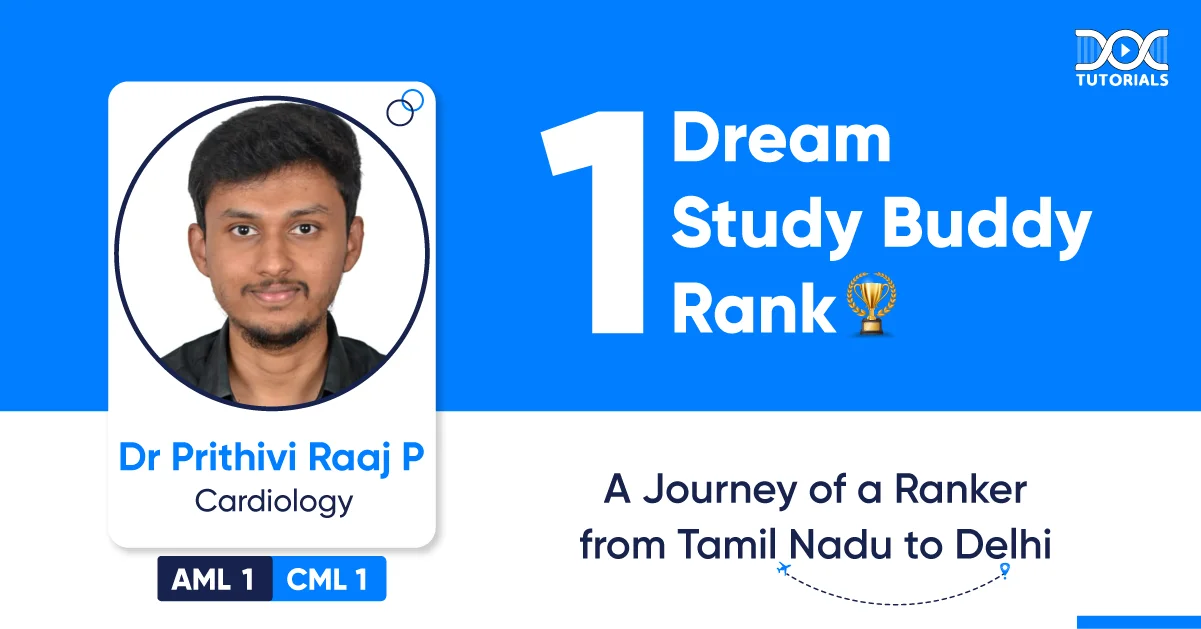
INI SS Topper: 1 Dream, 1 Study Buddy, 1 Rank – The Journey of Dr. Prithivi Raaj, CML 1 & (AIIMS) AML 1 in DM Cardiology
Achieving the top rank in a competitive exam like the INI SS DM Cardiology requires tireless dedication, a structured approach,…
-
INI SS Results: Merit List, Exam Insights, and What Comes Next
The INI SS results for October 2024 are just around the corner. This is a life-changing moment for thousands of…