Acute Inflammation: Causes, Symptoms, and Treatment
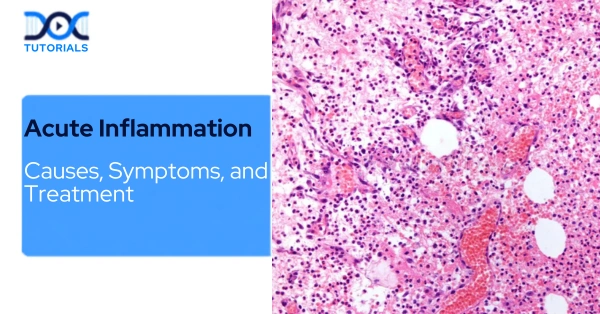
Acute inflammation is a fundamental pathological response that protects the body against harmful stimuli. It plays a critical role in removing injurious agents and initiating tissue repair, and supporting recovery and wound healing.
For those in the healthcare field or aspiring medical professionals, gaining a clear understanding of the causes, symptoms, and treatment of acute inflammation is essential for delivering effective patient care and doing well in exams. Keep reading to know more.
What is Acute Inflammation?
Acute inflammation is the body’s immediate protective response to injury or infection, marked by redness, swelling, and pain. It helps eliminate harmful agents and initiates tissue healing.
Acute inflammation is a direct and adaptive reaction of the body to harm, infection, or tissue damage, and is commonly characterised by the typical features of redness, swelling, and pain. It is the initial defence against harmful stimuli, such as pathogenic microorganisms and chemical irritants.
This response is triggered when the immune system releases pro-inflammatory cytokines and other mediators that rapidly localise to the affected site to eliminate the injurious agent and initiate tissue repair and healing.
What are the Causes Of Acute Inflammation?
Acute inflammation can be triggered by physical injuries, chemical exposure, infections, or allergens, all of which cause tissue damage and activate the immune response.
Acute inflammation can arise as a result of any factor leading to tissue damage or cell injury. These causes may be classified into physical, chemical and biological agents. Physical causes involve trauma like cuts, burns or insect bites. Chemical causes involve exposure to toxic substances, drugs, or environmental pollutants. Biological causes include infections from microorganisms such as bacteria, viruses, and parasites.
Additionally, others can be allergic, such as to certain foods, environmental influences, or animal contact. This leads to the excessive activation of the immune system and the development of acute inflammation.
What are the Risk Factors of Acute Inflammation?
The typical risk factors of acute inflammation are infections, physical trauma, tissue damage, chemical irritants, immune response, and internal irritants that may trigger or intensify the inflammatory process.
Acute inflammation is a temporary immune response to sudden tissue damage or exposure to pathogens. It is a defence process that prevents harm and promotes healing and is clinically characterised by the presence of redness, heat, swelling, and pain.
Below are some common risk factors associated with acute inflammation:
- Infections
Invasion by pathogenic microorganisms such as bacteria, viruses, and fungi can activate the immune system, leading to an acute inflammatory response aimed at eliminating the infectious agents.
- Physical Trauma
Any form of physical injury, including cuts, burns, fractures, sprains, frostbite, or penetration of foreign bodies (e.g., splinters), may cause immediate tissue damage, triggering inflammation.
- Tissue Damage/Necrosis
Cell death caused by ischemia (reduced blood supply), hypoxia, or direct physical injury leads to the release of intracellular components, which act as inflammatory signals.
- Chemical Irritants
The tissues may be damaged as a result of exposure to dangerous chemicals, toxins, acids or environmental pollutants and may trigger an inflammatory cascade.
- Immune Reactions
Even without direct injury or infection, hypersensitivity reactions (allergies) and autoimmune responses can stimulate inappropriate or excessive inflammatory activity.
- Internal Irritants
Dead tissue, immune complexes, or substances produced within the body can act as irritants and keep inflammation active in a specific area.
What are the Symptoms of Acute Inflammation?
Acute inflammation symptoms are identified by five classical signs, such as redness, swelling, heat, pain, and loss of function, each reflecting underlying physiological changes in the body.
Acute inflammation is characterised by 5 classical clinical signs, each reflecting underlying physiological changes:
- Redness (Rubor): This happens because of the vasodilation and the raised blood flow (hyperemia) in the affected region, giving it a visibly red appearance.
- Swelling (Tumour): Arises from an excess accumulation of fluid in the body tissues known as oedema, characterised by the increased permeability of the blood vessels.
- Heat (Calor): Resulting from an increase in blood flow and the metabolism rate at the site of inflammation, leading to an elevation of the local temperature.
- Pain (Dolour): Occurs due to the discharge of inflammatory mediators like prostaglandins and bradykinin, which stimulate nerve endings, resulting in tenderness, throbbing, or burning sensations.
- Loss of Function (Functio Laesa): Indicates partial or total impairment of functionality caused by pain, swelling, and structural damage.
How is Acute Inflammation Diagnosed?
Diagnosis involves a combination of medical history, physical examination, and diagnostic tests such as blood investigations and imaging to confirm inflammation and identify its cause.
Diagnosis of acute inflammation is a mix of clinical assessment, physical examination, and pertinent diagnostic studies. Upon examining the patient’s medical history, recent trauma, and medications, the doctor performs a complete physical examination to assess the 5 classical signs of acute inflammation: redness, swelling, heat, pain, and loss of function.
Depending on the severity and nature of symptoms, other diagnostic tests can be prescribed, such as blood tests, allergy tests, ultrasound, CT (computed tomography) scans, MRI (magnetic resonance imaging), or biopsy.
The laboratory results tend to show increased levels of inflammatory markers, including C-reactive protein (CRP), erythrocyte sedimentation rate (ESR), and plasma viscosity (PV). After considering every clinical and diagnostic evidence, the doctor makes the diagnosis and develops a treatment plan.
What are The Treatment Options for Acute Inflammation?
Treatment focuses on relieving symptoms and addressing the underlying cause through medications like NSAIDs and corticosteroids, along with supportive care when needed.
Acute inflammation is treated depending on the cause. A doctor may focus on eliminating the root cause, managing the symptoms, or sometimes both at the same time.
For example, if the inflammation is due to a bacterial or fungal infection, the doctor may prescribe antibiotics or antifungal medications. Some of the typical treatments that specifically address inflammation include:
- Nonsteroidal Anti-Inflammatory Drugs (NSAIDs)
Nonsteroidal anti-inflammatory drugs (NSAIDs) are the most common in relieving pain, swelling, fever, and other discomforts related to inflammation. Nevertheless, they fail to treat the underlying cause of the condition.
These drugs act by inhibiting some body enzymes which encourage inflammation. Common examples include naproxen, ibuprofen, and aspirin. They can be readily obtained over the counter and online. Nevertheless, they should be used with caution and under the guidance of a doctor or pharmacist, as they may cause side effects.
Acetaminophen, commonly known as paracetamol or Tylenol, helps reduce pain but does not directly decrease inflammation. This allows the inflammatory process to continue supporting the body’s natural healing.
- Corticosteroids
Corticosteroids comprise a group of steroid hormones, such as cortisol, which affect the body functions associated with inflammation. They are used to manage conditions such as asthma, allergic reactions, dermatitis, IBD, systemic lupus, hepatitis, arthritis, and temporal arteritis.
These medications are available in different types, including tablets, injections, inhalers, creams, and ointments. However, the prolonged use of these medications poses certain health risks. Therefore, it is advisable that they are taken on prescription.
- Immunosuppressants and Chronic Inflammation Management
When inflammation becomes chronic, treatment approaches may differ based on the condition. Some drugs are designed to inhibit the immune system’s response. These medications are useful in managing symptoms of conditions such as psoriasis and rheumatoid arthritis, as well as other autoimmune diseases.
But since they suppress the immune system, they may render the body more susceptible to infections. Immunosuppressant drugs are also essential for individuals who have undergone organ transplant surgery, as they prevent the body from rejecting the new organ. Such individuals need to take extra precautions to avoid infections.
FAQs about Acute Inflammation
- What are 5 symptoms of acute inflammation?
Acute inflammation is clinically defined as the presence of five signs: rubor (redness), calor (heat), tumour (swelling), dolour (pain), and functio laesa (loss of function).
- What is a common cause of acute inflammation?
Acute inflammation usually happens as a natural response of the body to infection or injury. For example, if you come down with a cold or cut your finger, your body triggers an inflammatory response that directs immune cells to the injury site to start the healing process.
- What are the 4 stages or cellular events of acute inflammation?
The four stages of inflammation are: initiation (alarm bells ring), amplification (immune cells rush in), destruction (removal of damaged tissue and pathogens), and resolution (healing and restoring balance). This is the natural process of your body reacting to some injury or infection.
- What does acute inflammation feel like?
Acute inflammation is typically painful, reddish, swollen, and warm with or without stiffness or restricted motion in the area. It may be uncomfortable or intense, but it is typically short-term and improves within a few days as healing occurs.
- How long is acute inflammation?
Acute inflammation is usually temporary, lasting a few days. When a wound becomes warm, red, painful, and swollen, it is a clear sign that inflammation is occurring.
- What is the difference between acute and chronic inflammation?
Acute inflammation is an immediate, temporary reaction to trauma or disease (takes days), which is marked by redness, swelling, and pain in order to facilitate healing.
Chronic inflammation, on the other hand, is a slow, long-term response that can last months or years, often occurring when the immune system fails to eliminate a threat, leading to tissue damage and diseases such as diabetes or arthritis.
- Are antibiotics always needed for acute inflammation?
No, acute inflammation does not necessarily require antibiotics. Antibiotics are only used to treat inflammation that is a result of bacterial infections.
- Can acute inflammation turn into chronic inflammation?
Yes, acute inflammation can turn into chronic inflammation if the initial trigger is not resolved, if the immune response fails to shut off, or if there are repeated episodes of acute inflammation. While acute inflammation lasts a few days, this transition occurs when the immune system continues to send white blood cells to the site, causing damage over months or years.
- Does exercise help with acute inflammation?
Yes, exercise is an effective, non-pharmacological agent which can be used to control inflammation, but its impact relies on its intensity and regularity.
Moderate-intensity exercise is generally anti-inflammatory, reducing systemic inflammatory markers like CRP, whereas intense, prolonged exercise can temporarily increase inflammation.
- What foods can reduce acute inflammation?
To reduce acute inflammation, focus on a diet rich in omega-3 fatty acids, antioxidants, and polyphenols, such as fatty fish, berries, leafy greens, nuts, and olive oil. Key anti-inflammatory foods include turmeric, avocados, green tea, peppers, and dark chocolate. A Mediterranean-style diet is highly effective for reducing inflammation.
Conclusion
Acute inflammation pathology is a fundamental concept in medicine, representing the body’s immediate and protective response to injury, infection, or harmful stimuli. Fortunately, all symptoms can be managed effectively with appropriate diagnoses and timely interventions, which may vary depending on the cause.
For every NEET PG aspirant, developing a strong understanding of topics such as acute inflammation and related pathological processes is vital for exam preparation and clinical decisions in real-world practice.
DocTutorials will assist you in this journey through expert-guided video lectures, Quick Revision Programs (QRPs), and high-yield study materials, all designed to help you pass your exams and emerge as a successful future medical professional. Learn more about Doctutorials’ NEET PG course and take a step towards your dream!


Latest Blogs
-
INI CET Exam Pattern 2027: A Complete Guide with Subject-Wise Weightage
INI CET Exam Pattern 2027: A Complete Guide with Subject-Wise Weightage The Institute of National Importance Combined Entrance Test (INI…
-

NEET PG Registration 2026: An Essential Guide For Exam Prep
The NEET PG registration, which is conducted online, is a crucial step in the exam process. Filling out the NEET…
-

NEET PG Exam 2025- Date, Pattern, Marking Scheme, Subject Wise Weightage, and Exam Mode
NEET PG Exam 2025 is the ultimate gateway for medical graduates aspiring to pursue postgraduate courses in medicine, including MD,…