Proctitis: Causes, Symptoms, Diagnosis, and Treatment
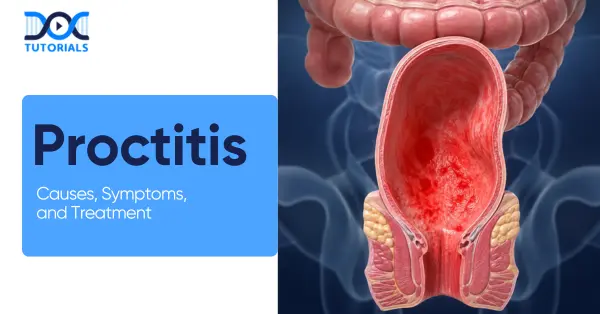
Proctitis is a disease caused by inflammation of the inner lining of the rectum, the last part of the large intestine. It is typically characterised by symptoms like pain in the rectum, bleeding, discharge, and an urge to pass stools that is often painful and disruptive to normal life.
The disorder can develop as a result of numerous causes, such as infections, inflammatory bowel diseases, radiation therapy, or autoimmune disorders. For medical students and aspirants, proctitis is an important topic that bridges clinical understanding with real-world patient management. Read on to learn in detail about this condition.
What is Proctitis?
Proctitis is inflammation of the rectal lining that disrupts normal bowel function and leads to symptoms such as pain, bleeding, and urgency. It commonly occurs due to infections, inflammatory bowel disease, or radiation exposure.
Proctitis refers to inflammation of the rectum, the final portion of the large intestine just before the anus. The term itself combines “procto,” meaning rectum, and “itis,” meaning inflammation.
The condition occurs when the inner lining of the rectum is irritated by infections, inflammatory bowel disease (IBD), radiation, or other chemical or bacterial triggers. The rectum helps pass stool, so any inflammation can significantly affect normal bowel function.
The symptoms of proctitis may include rectal pain, diarrhoea, bleeding, rectal discharge, and a persistent urge to pass stool. The symptoms can be either short-lived or chronic.
It is usually found in people with inflammatory bowel disease, including ulcerative colitis or Crohn’s disease, and can also be a side effect of radiation therapy or as a result of sexually transmitted infections.
What are the Causes of Proctitis?
Proctitis can result from infections, IBD such as ulcerative colitis, radiation therapy, or antibiotic-induced gut imbalance. Other causes include surgical changes, food protein sensitivity in infants, and eosinophilic infiltration.
A variety of conditions, medical treatments, and external factors can lead to the development of proctitis. These include:
- Inflammatory Bowel Disease (IBD): Rectal inflammation is observed in almost 30% of patients with IBD. It is seen more frequently in people with ulcerative colitis compared to those with Crohn’s disease.
- Infections: Sexually transmitted infections (STIs) are one of the most frequent causes, particularly among people who have anal intercourse. These are gonorrhoea, genital herpes, monkeypox, and chlamydia. Also, Salmonella, Shigella, and Campylobacter are possible foodborne infections associated with proctitis.
- Antibiotic Use: Some antibiotics used to treat infections may disrupt healthy gut bacteria. This could result in the proliferation of harmful bacteria, such as Clostridioides difficile, in the colon and rectum, leading to inflammation.
- Surgical Procedures: Diversion proctitis may develop after specific surgeries involving the colon or small intestine. In such cases, stool is rerouted away from the rectum to an opening created surgically, known as a stoma.
- Food Proteins: Proctitis in infants may result from an allergy to proteins present in cow milk or soy-based formula. Breastfed infants may also be affected if the mother consumes dairy products.
- White Blood Cell Accumulation: Eosinophilic proctitis occurs when eosinophils, a type of white blood cell, build up in the rectal lining. This condition is more commonly observed in children under the age of two.
What are the Risk Factors of Proctitis?
Risk increases with unsafe sexual practices, multiple partners, and lack of protection during intercourse. Patients undergoing pelvic radiation therapy are also at higher risk of developing rectal inflammation.
Certain factors can increase the likelihood of developing proctitis:
- Sexual Activity: Proctitis is also prone to being triggered by sexual activity that increases the risk of STIs. This includes having multiple sexual partners, practising anal intercourse, not using protection such as condoms, or having a partner diagnosed with an STI.
- Radiation Therapy for Cancer: Radiation around the rectum or prostate can cause rectal inflammation. Proctitis caused by radiation can start during therapy and last weeks or months later, or it can manifest years later.
What are the Symptoms of Proctitis?
The common symptom of proctitis is tenesmus, a constant urge to pass stool even after evacuation. Patients may also experience rectal pain, bleeding, mucus discharge, diarrhoea, or constipation.
The symptoms of proctitis can vary slightly depending on the underlying cause. The most common symptom is tenesmus, which refers to a constant and uncomfortable urge to defecate. This sensation often continues even after a bowel movement.
Other proctitis symptoms may include:
- Blood present in the stool or bleeding from the anus
- Pain in the rectum, abdomen, or anal region
- Discomfort or pain during bowel movements
- Mucus or discharge from the anus
- Loose and watery stools or diarrhoea
- Constipation
- Swollen lymph nodes in the groin
Anyone experiencing symptoms such as anal discharge, bleeding, or persistent pain should consult a doctor without delay.
How is Proctitis Diagnosed?
Diagnosis involves a clinical history, physical examination, and rectal evaluation using digital exam or anoscopy. Confirmatory tests include stool studies, blood tests, and endoscopic procedures like sigmoidoscopy or proctoscopy.
Healthcare professionals begin by inquiring about your symptoms and subsequently conduct a physical exam of the rectum to examine evidence of proctitis. This check-up typically involves rectal examination and anal inspection.
In case of suspected proctitis, the provider will ask additional questions to learn more about the potential cause and the type of condition. These may include:
- Medications you have taken recently.
- Whether you have a family history of autoimmune diseases.
- Whether you have had unprotected sex or contact with unscreened partners.
- Whether you have recently travelled abroad.
Based on your answers and the initial findings, the provider will decide which further tests are necessary. Tests may include:
- Blood Test: A blood test can help identify infections or other conditions that can cause proctitis. It can also exhibit indicators of blood loss or increased white blood cell counts.
- Stool Test: A stool sample can be tested to confirm an infection, bleeding, or an excess of white blood cells.
- Rectal Culture: In this test, the healthcare provider collects a sample from the inside of the rectum using a cotton swab. This sample is then cultured to identify bacteria or viruses.
- Proctoscopy: This is done when the inside of the rectum is examined with a short and rigid endoscope. The proctoscope consists of a hollow tube that is fitted with a light and a camera. If required, instruments can be passed through it to collect a tissue sample for biopsy.
- Flexible Sigmoidoscopy: A slightly longer, flexible scope may be used to examine the rectum and the lower part of the colon (sigmoid colon).
This helps determine colon involvement, which may indicate inflammatory bowel disease or a gastrointestinal infection. The procedure typically requires bowel preparation beforehand.
What are the Treatment Options for Proctitis?
Treatment for proctitis depends on the underlying cause and may include antibiotics, antivirals, or anti-inflammatory drugs. Chronic cases like IBD require long-term immunomodulators, corticosteroids, and lifestyle modifications.
The most appropriate treatment for proctitis largely depends on its underlying cause. In acute inflammation, targeted therapies may directly resolve the condition. Nonetheless, where proctitis is associated with a chronic disease, treatment will tend to be a mix of drugs as well as long-term changes to both the diet and lifestyle.
Infections
When an infection is identified as the cause, treatment focuses on eliminating the specific pathogen. Medications are usually prescribed by doctors based on the kind of infection. Antibiotics are used to treat bacterial infections, including sexually transmitted infections (STIs), and antiviral medications are used to treat viral infections, such as genital herpes.
Injury
In cases of proctitis caused by physical irritation like anal intercourse or other related activities, it is important to avoid the activity that causes the irritation. Medications may also be recommended to alleviate or manage pain and treat symptoms such as diarrhoea.
Radiation Therapy
Proctitis associated with radiation therapy is relatively common. Research from 2015 indicates that nearly 75% of individuals receiving pelvic radiation develop acute symptoms, while about 20% may experience long-term effects. The treatment depends on the severity. Mild cases can go away on their own.
In cases of severe symptoms, doctors can prescribe corticosteroid enemas to reduce inflammation. Additional medications like sucralfate, commonly used for treating stomach ulcers, may also help alleviate symptoms of radiation-induced proctitis.
Inflammatory Bowel Disease
In cases of proctitis associated with inflammatory bowel disease (IBD), it needs to be treated continuously to manage the symptoms. The main objective should be to minimise inflammation, avoid exacerbations, and sustain remission since no cure has been developed yet.
To achieve this, doctors may prescribe various categories of medications, including:
1. Corticosteroids
These medicines suppress the immune system and reduce inflammation in the treated area. Common options include:
- Hydrocortisone
- Prednisone
- Methylprednisolone
- Budesonide
2. Immunomodulators
The medications help control the immune system, which contributes to chronic inflammatory diseases like Crohn’s disease. They are commonly used to manage and reduce the severity of symptoms. Examples include:
- Methotrexate
- Cyclosporine
- 6-mercaptopurine
- Azathioprine
3. Aminosalicylates
Also known as 5-ASA drugs, these medications are commonly used to control inflammation. Examples include:
- Mesalamine
- Balsalazide
- Olsalazine
- Sulfasalazine
4. Ulcerative Colitis
Ulcerative colitis (UC) is a chronic type of IBD that causes inflammation in the lining of the colon and rectum. In severe cases, ulcers or open sores may form. Although there is no cure, a combination of therapies can effectively manage symptoms, reduce flare-ups, and maintain remission.
Medications
If a drug causes inflammation, such as some antibiotics, it is crucial to stop taking the medication. In these situations, the physician can prescribe appropriate substitutes to ensure that one can still undergo the required treatment and the rectal lining is given time to heal.
Medications used to treat UC will likely act on the immune response, as it is an immune-mediated disease. These may include:
- Anti-integrin drugs, e.g. vedolizumab (Entyvio)
- Interleukin 12/23 inhibitors, such as ustekinumab (Stelara)
- Immunomodulators, e.g. methotrexate
- TNF-α inhibitors, such as adalimumab or infliximab
- Janus kinase (JAK) inhibitors, such as upadacitinib or tofacitinib
Other treatments, such as aminosalicylates or corticosteroids, might also be prescribed by the doctors.
Lifestyle Changes
Although no specific diet can cure UC, certain foods may worsen symptoms. For instance, high-fibre or spicy foods can trigger discomfort in some individuals. A balanced diet that reduces symptoms and flare-ups and promotes healing is frequently advised.
Surgery
Surgery might be required in situations when medications and other treatment methods are not effective. A review indicates that about 20-30% of patients with UC may require surgery. Surgery may involve:
- Ileostomy, where waste is emptied into a pouch outside the body attached to the small intestine.
- Colectomy, removal of the colon.
- Ileoanal pouch surgery, in which an internal pouch is made to join the small intestine to the anal muscles.
FAQs about Proctitis
- What are the common causes of proctitis?
Proctitis is a condition caused by inflammation of the rectal lining and may result from various factors. Most prevalent are infections (particularly sexually transmitted infections), inflammatory bowel diseases like ulcerative colitis, and radiation. In other cases, it can also be caused by antibiotic exposure, surgery, or immunologically related disorders.
- What symptoms should raise suspicion of proctitis?
The most common symptoms are pain in the rectum, blood, mucus, diarrhoea, and constant need to defecate (tenesmus). There are also those who might have abdominal pain or discomfort during bowel movements, which can greatly impact their day-to-day life.
- What is the clinical diagnosis of proctitis?
A physical examination typically initiates diagnosis, such as a digital rectal examination and anoscopy. This can be followed by stool tests, blood tests and such procedures as proctoscopy or flexible sigmoidoscopy to determine the precise cause and extent of inflammation.
- What are the treatment options for proctitis?
The treatment varies according to the underlying cause. Bacterial infections are treated with antibiotics, whereas viral infections can be treated with antiviral medications.
Anti-inflammatory drugs, corticosteroids or immunomodulators are often used in conjunction with lifestyle changes in situations associated with inflammatory bowel disease.
- Can proctitis be prevented?
Although risk cannot be avoided in all cases, it can be minimised through the implementation of safe sexual practices, treatment of comorbidities such as inflammatory bowel disease and avoidance of unnecessary use of antibiotics. Risk can also be minimised by carefully monitoring radiation therapy.
- How long does it take to recover from proctitis?
The recovery time depends on the cause and severity. Symptoms may be managed over time in all forms of chronic cases, although in most mild and acute cases, they can be treated and relieved within a period of 4 to 6 weeks.
- What are some of the factors or triggers of proctitis?
Apart from infections and inflammatory diseases, proctitis can also be triggered by physical injury to the rectum. This can be irritation caused by the insertion of objects, exposure to specific chemicals or trauma to the anorectal area.
- Is there a risk of cancer in proctitis?
There is no direct association between proctitis and colorectal cancer. Nevertheless, the healing process of severe or chronic inflammation can be delayed and must be assessed and treated properly to prevent complications.
- Is proctitis contagious?
Proctitis is not contagious. But in the event that it is triggered by sexually transmitted infections like gonorrhoea, herpes or chlamydia, the infections can be passed on during sexual intercourse. Early detection and notification of partners are important in the successful control and prevention of transmission.
- Does diet and lifestyle have an influence on the symptoms of proctitis?
No, diet and lifestyle can influence symptom intensity, particularly in inflammatory bowel disease. Flare-ups can be reduced by avoiding trigger foods (spicy or high-fibre foods may exacerbate symptoms), staying hydrated, and managing stress, which in turn facilitates recovery.
Conclusion
Proctitis is a condition characterised by inflammation of the rectal lining, which can lead to discomfort and disturbances in normal bowel habits. It is commonly associated with sexually transmitted diseases, but other causes such as inflammatory bowel disease, infections, or radiation exposure may also contribute.
For additional guidance, DocTutorials can be your study companion. We offer crisp videos, clinical Qbank, exam-focused notes, flashcards, and mind maps. This helps ensure aspirants gain complete clarity over complex medical topics.
Join DocTutorials today and explore our NEET PG course to excel in your medical career!


Latest Blogs
-
INI CET Exam Pattern 2027: A Complete Guide with Subject-Wise Weightage
INI CET Exam Pattern 2027: A Complete Guide with Subject-Wise Weightage The Institute of National Importance Combined Entrance Test (INI…
-

NEET PG Registration 2026: An Essential Guide For Exam Prep
The NEET PG registration, which is conducted online, is a crucial step in the exam process. Filling out the NEET…
-

NEET PG Exam 2025- Date, Pattern, Marking Scheme, Subject Wise Weightage, and Exam Mode
NEET PG Exam 2025 is the ultimate gateway for medical graduates aspiring to pursue postgraduate courses in medicine, including MD,…