mbbs syllabus Archives -

Important Topics of OBGYN in MBBS

OBGYN Preparation

A combined and high-yielding topic, Gynaecology and Obstetrics are commonly examined jointly. What’s more, the latest official subject-wise marks distribution showed that approximately 30 questions can be based on OBGYN, making it a major scoring area for aspirants.

As a result, this subject demands strategic planning and proper preparation. Instead of trying to revise all the information, focus on high-yield topics which are more likely to appear in the exam. This guide will provide a list of subjects to study as an essential part of OBGYN to optimise your NEET PG 2026 preparation and improve your performance.

Read on to know more!

What are the Essential Topics of OBGYN in MBBS?

Given below are the most important topics of OBGYN in MBBS that will help you prepare for the NEET PG examination:

  1. Clinical Anatomy & Physiology of the Female Reproductive System
  • Internal female genitalia
  • Vulva & Bartholin Glands
  • Perineum & Pelvic diaphragm
  • Oogenesis & Folliculogenesis
  • Important hormones & ovarian cycle
  • Menstrual cycle physiology & regulation
  • Female pubertal development
  1. Genital Infections
  • Common genital infections
  • Pelvic inflammatory disease (PID)
  • Female genital tuberculosis
  1. Disorders & Pathologies of the Reproductive Age Group
  • Polycystic ovarian syndrome (PCOS) – complete with Letrozole & Metformin
  • Fibroid uterus
  • Adenomyosis
  • Endometrial hyperplasia & polyps
  • Endometriosis
  1. Clinical Approaches in the Reproductive Age Group
  • Abnormal uterine bleeding (AUB)
  • Hyperprolactinemia
  • Androgen excess and hirsutism
  • Adnexal masses
  1. Embryology & Congenital Disorders
  • Development of the female genital system
  • Mullerian anomalies
  • Intersex conditions: MRKH, Testicular feminisation syndrome
  • Sex chromosome disorders: Turner, Klinefelter, Kallman syndromes
  • Congenital adrenal hyperplasia (CAH)
  1. Puberty & Amenorrhea
  • Delayed puberty & primary amenorrhea
  • Secondary amenorrhea – clinical approach
  • Precocious puberty
  1. Infertility
  • Basics of infertility
  • Evaluation of female infertility
  • Male infertility: basics, evaluation & management
  • Management strategies for infertility
  1. Menopause & Hormone Replacement Therapy
  • Clinical approach to postmenopausal bleeding
  • HRT indications & contraindications
  • Raloxifene & Bisphosphonates
  1. Gynaecological Oncology
  • Cervical Cancer: Staging, prevention, CIN
  • Endometrial Cancer: Aetiology, staging, prognostic factors, Pipelle biopsy, hysteroscopy
  • Ovarian Cancer: Staging, germ cell tumours, tumour markers (AFP, HCG), laparotomy steps
  • Vulval cancer
  1.  Contraception
  • Introduction & non-hormonal methods
  • Combined hormonal contraception
  • IUCD / CuT
  • Progesterone-only contraceptives
  • Emergency contraception & female tubal sterilisation
  1. Obstetrics: Basics & Antenatal Care
  • Implantation & placentation
  • Placental hormones & amniotic fluid dynamics
  • Diagnosis & dating of pregnancy
  • Maternal Adaptation: Metabolic & systemic changes
  • Antepartum Foetal Surveillance: NST, CTG, BPP, Doppler, MCA, Ductus venosus
  1. Early Pregnancy Complications
  • Spontaneous, missed, septic, recurrent abortions
  • Cervical insufficiency
  • Ectopic pregnancy – management
  • Hyperemesis gravidarum
  • Medical & surgical methods of abortion
  1.  Molar Pregnancy & Gestational Trophoblastic Neoplasia
  • Complete & incomplete mole pathology
  • Invasive mole & choriocarcinoma
  • Diagnostic markers & follow-up
  1. Labour & Delivery
  • Physiology of labour
  • Foetal skull & maternal pelvis
  • Mechanism & clinical management of normal labour
  • Intrapartum foetal surveillance, CTG patterns
  • Malpresentations & malpositions: breech, face, brow
  • Active management of the third stage, shoulder dystocia, partogram
  1. Obstetric Haemorrhage & Emergencies
  • Antepartum & postpartum haemorrhage (PPH)
  • Placenta accreta, retained placenta, uterine inversion
  • Cord prolapse, obstructed labour, ruptured uterus
  • Blood component therapy
  • Oxytocin, Methylergometrine, Carboprost use & contraindications
  1. High-Risk Pregnancy
  • Hypertensive disorders & preeclampsia
  • Anaemia & diabetes in pregnancy
  • Foetal growth restriction
  • Twin pregnancy
  • Placental & cord abnormalities
  • Preterm labour, PROM, and obstetric cholestasis
  • Pregnancy with heart disease & previous C-section
  1. Puerperium
  • Normal puerperium
  • Abnormalities & complications
  1. Special Obstetric Topics
  • Invasive foetal testing: amniocentesis, CVS, cordocentesis
  • Prenatal diagnosis & NIPT (cell-free DNA)
  • Foetal hydrops & Rh incompatibility
  • Intrauterine foetal death

What are the Ways to Manage OBGYN in MBBS?

Master OBGYN efficiently with structured learning, practical exposure, and concise notes in the following manner: 

  1. Consistency is Key

Medical studies demand regularity and dedication. Start studying from day one to avoid missing critical topics. Follow your syllabus index, pace your coverage, and when motivation dips, explore a favourite topic online or discuss it with peers—brainstorming makes learning engaging.

  1. Master the Basics

Begin with a solid understanding of fundamental concepts, such as normal anatomy and physiology. Focus on clinical assessment, procedural skills, diagnosis, and treatment before delving into complex topics. A strong foundation is essential for effective learning in OBGYN.

  1. Choose the Right Textbooks

Selecting the right textbooks is crucial. DC Dutta’s Obstetrics and Gynaecology is preferred for its clarity, illustrations, tables, flowcharts, and algorithms. Chapter-end summaries allow quick revision. Study the books in sections for better comprehension and retention.

  1. Use Online Videos

Visual learning simplifies complex topics. Many platforms offer OBGYN video lectures aligned with the CBME curriculum, integrating physiology, pathophysiology, clinical examination, and procedural skills for a holistic understanding.

  1. Experiential Learning & Clinical Exposure

Observing clinical cases in real-life settings enhances practical understanding. Courses include mannequin-based demonstrations, case studies, and dummy-assisted breech deliveries to strengthen conceptual and procedural confidence. Illustrations, radiology images, flowcharts, and tables make learning more effective.

  1. Make Notes for Efficient Revision

OBGYN requires conceptual clarity and repeated revision. Concise, well-organised notes help recall important points quickly. If you miss any topic, trusted notes from platforms like DocTutorials ensure you don’t fall behind.

FAQs about Important Topics of OBGYN in MBBS

  1. Which OBGYN topics are most important for MBBS students?

High-yield topics include reproductive anatomy and physiology, menstrual disorders, PCOS, infertility, obstetric complications, maternal-foetal monitoring, gynaecological cancers, contraception, and high-risk pregnancy management. Focusing on these ensures strong exam preparation and clinical competency.

  1. How should MBBS students start studying OBGYN effectively?

Begin with fundamentals like female anatomy and physiology. Build a foundation by learning clinical assessment, procedural skills, diagnosis, and management. Understanding basics ensures easier comprehension of complex topics in both gynaecology and obstetrics.

  1. What are the best resources for OBGYN preparation?

DC Dutta’s Obstetrics and Gynaecology textbook is highly recommended for clarity, illustrations, flowcharts, and chapter summaries. Online platforms like DocTutorials offer video lectures, notes, and practical demonstrations for a comprehensive understanding.

  1. How can practical learning enhance OBGYN knowledge?

Clinical exposure, case studies, and mannequin-based demonstrations improve procedural confidence and conceptual clarity. Observing deliveries, breech management, and neonatal assessments reinforces theoretical learning and prepares students for real-life clinical scenarios.

  1. Why are concise notes important in OBGYN study?

OBGYN requires frequent revision and conceptual clarity. Concise notes summarise complex topics, save time during exam preparation, and enhance recall. Trusted online notes complement textbooks, ensuring no key topic is missed.

  1. How is Obstetrics different from Gynaecology?

Obstetrics is generally concerned with women’s pregnancy and health, whereas gynaecology is concerned with women’s reproductive health.

  1. How many years does it take to become a gynaecologist?

After completing your MBBS and internship, you must pass the NEET-PG examination. Then, you have to obtain a master’s degree in obstetrics and gynaecology. It usually takes about seven to eight years to become one.

  1. What is the best method to study OBGYN?

The students must make sure to have an in-depth understanding of the fundamentals of OBGYN first, like normal anatomy. It is essential to have a clear foundation before moving on to more detailed topics.

In addition, the students must also focus on procedural skills and clinical examination, along with a good understanding of clinical aspects, diagnosis, and treatments.

  1. How can I make my OBGYN learnings simple from complicated to appear for the NEET-PG examination?

The best way to make the OBGYN subject simple is to view online videos of the important topics that a student finds difficult to understand.

In this way, students can easily integrate their studies to obtain a clear understanding of the physiology and pathophysiology of the female genital system.

  1. What are the effective tips that help me to overcome the challenges of appearing for the NEET-PG OBGYN?

Here are some effective tips to make the most of your OBGYN preparation:

  • The students can divide the syllabus into daily or weekly goals to avoid last-minute stress.
  • Tables, diagrams, and flowcharts can also help in better retention of developmental milestones and treatment algorithms.
  • The candidate must also solve MCQs of the topics they’ve learned from the recent NEET-PG papers.

Conclusion

The knowledge of the vital OBGYN subjects in MBBS forms a solid basis for passing NEET PG. The students can optimise their preparation by specialising in high-yield areas such as reproductive anatomy, obstetric complications, gynaecological cancers, infertility and contraception. 

Integration of textbook learning, online learning, on-the-job experience, and brief notes will provide clarity of concepts and confidence in procedures. Topics that are complex are made manageable and easy to remember by means of regular revision and active learning. Also, by choosing reliable study partners like DocTutorials, students can gain access to concise notes, video lectures, mock tests, and more, which can help establish a strong foundation for their future medical lives.

MBBS OBGYN simplified by DocTutorials!

DocTutorials App Download Now

Latest Blogs

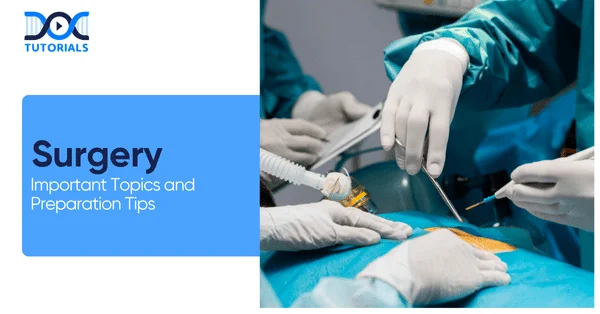
Important Topics of Surgery in MBBS

Important topics of surgery in MBBS

As the NEET PG 2025 exam is approaching, medical aspirants are busy revising the huge syllabus of surgery, which they want to know in detail. Yet, due to the limited time, it is much more efficient to use an intelligent and organised approach than merely read all the facts. To be successful, it is important to focus on preparation, revision, and managing time effectively. 

In order to assist you in focusing your efforts, the following is a list of the most important and high-yield topics in surgery that every MBBS student must consider. Mastering these key areas will not only strengthen your foundational knowledge but also boost your performance in university examinations and competitive tests like NEET PG.

What are the Important Topics of Surgery in MBBS?

The following are the important topics of surgery in MBBS:

  1. Core Principles of Surgery
  • Wound classification and stages of healing
  • Mechanisms involved in coagulation
  • Septic and haemorrhagic shock – causes, clinical features, and management
  • Gangrene and Diabetic foot – complications and treatment principles
  • Neo-adjuvant chemotherapy and the fundamentals of oncology
  • Antibiotic and tetanus prophylaxis in surgical practice
  • Post-exposure prophylaxis (PEP) for HIV
  • Blood transfusion reactions and their complications
  • Delayed primary sutures and secondary haemorrhage
  • Bedsores (decubitus ulcers) – prevention and management
  • Enteral nutrition and metabolic derangements, such as alkalosis
  • Day-care surgery principles
  • Shock management – hypovolaemic, septic, and cardiogenic types
  • Tubercular lymphadenopathy and related complications
  • Common antitubercular drugs and their adverse effects
  • Drugs in oncology, such as 5-Fluorouracil
  1. Investigations and Diagnostic Procedures
  • Imaging techniques, including CT scan, MRI, and PET-CT
  • FAST (Focused Assessment with Sonography in Trauma)
  • Ultrasound and isotopic renography
  • Endoscopic procedures – ERCP, MRCP, colonoscopy, and endoscopic ultrasonography
  • Mammography and its role in breast lesion evaluation
  • Identification of intra-abdominal radiopaque shadows and their causes
  1. Peri-operative and Anaesthetic Care
  • Preparation for anaesthesia and preoperative assessment
  • Regional and spinal anaesthesia – advantages, indications, and complications
  • Epidural and caudal blocks
  • Endotracheal intubation – indications and technique
  • Loco-regional anaesthesia principles and postoperative care
  1. Trauma and Emergency Surgery
  • Advanced Trauma Life Support (ATLS) guidelines
  • Glasgow Coma Scale – significance in head injury assessment
  • Extradural haematoma – clinical presentation and management
  • Triage in mass casualty scenarios (e.g., bus accident injuries)
  • Wound care in roadside trauma
  • Physiological response to trauma and shock resuscitation
  1. Orthopaedics
  • Fracture management – open, closed, and pathological fractures
  • Colles’ fracture, supracondylar fracture of the humerus, and intracapsular fracture of the neck of the femur
  • Compartment syndrome – features, diagnosis, and treatment
  • Osteomyelitis (acute, chronic, pyogenic) and necrotising fasciitis
  • Congenital and acquired deformities – CTEV, genu valgum, clubfoot
  • Rheumatoid arthritis and ankylosing spondylitis – clinical features and management
  • Bone tumours – osteosarcoma, Ewing’s sarcoma, osteoclastoma, osteochondroma
  • Nerve injuries and their classification
  • Pelvic fractures, Volkmann’s ischaemic contracture, Monteggia fracture dislocation
  • Rickets and its orthopaedic manifestations
  • Myositis ossificans, Sudeck’s dystrophy, and Pott’s paraplegia
  • Principles of splintage (Thomas splint, B-splint)
  • Post-hip dislocation management and carpal tunnel syndrome
  1. Skin and Subcutaneous Disorders
  • Burns management and fluid replacement
  • Basal cell carcinoma, SCC, and malignant melanoma – diagnosis and spread
  • Premalignant lesions and carbuncles
  • Collar-stud abscess, cellulitis, and inhalation injury
  1. Head and Neck Surgery
  • Thyroglossal cyst/fistula, cystic hygroma, and ranula
  • Salivary gland tumours – pleomorphic adenoma and parotid anatomy
  • Carcinoma of the tongue – risk factors and investigations
  • Dentigerous cyst, jaw tumours, and epulis
  • Lockjaw (trismus) – causes and management
  • Tongue-tie and its correction
  1. Breast and Endocrine System
  • Triple assessment and classification of breast cancer
  • Fibroadenoma, phyllodes tumour, and Paget’s disease of the breast
  • Thyroid gland – anatomy, hormone synthesis, and pathology
  • Carcinoma of the thyroid and its management
  • Goitre, thyrotoxicosis, and hyperparathyroidism
  • Breast abscess – diagnosis and drainage
  • Pheochromocytoma – features and treatment
  • Lymphatic drainage of the breast
  1. Cardiothoracic and Vascular Surgery
  • Pneumothorax (spontaneous and tension), haemothorax, and tube thoracostomy
  • Blunt chest trauma and ARDS
  • Paradoxical respiration management
  • Coronary artery bypass grafting (CABG) and invasive investigations for CAD
  • Varicose veins, DVT, fat embolism, and Buerger’s disease
  • Peripheral vascular disease (PVD) – causes and surgical management
  1. Abdominal Surgery
  • Gallstones, appendicitis, and acute pancreatitis
  • Carcinoma of the oesophagus, rectum, and caecum – diagnosis and management
  • Peptic ulcer disease and perforated duodenal ulcer complications
  • Hernias – inguinal, strangulated, and femoral types
  • Splenectomy – indications and complications
  • Hydatid cyst, Meckel’s diverticulum, and fistula-in-ano
  • Intestinal obstruction (A-dynamic and acute)
  • Megacolon, pyloric stenosis, and peptic ulcer surgery
  • Biliary tract surgery – laparoscopic cholecystectomy and carcinoma of the pancreas
  • Appendicular lump management
  • Electrolyte imbalance in surgical cases (e.g., hypokalaemia, alkalosis)
  • Ulcerative colitis – surgical indications
  1. Genitourinary Surgery
  • Hydrocele, varicocele, torsion testis, and undescended testis
  • Carcinoma of the bladder, kidney, and penis
  • Wilms’ tumour and seminoma
  • Hypospadias and phimosis
  • Urinary incontinence, ureteric calculi, and hydronephrosis
  • Testicular tumours – staging, markers, and management
  • Benign prostatic hyperplasia (BPH) – indications for surgery and complications
  1. Transplantation and Miscellaneous Topics
  • Liver transplantation – indications and procedure overview
  • Chemical sterilisation
  • Sterilisation
  • Fluid and electrolyte balance – hyperkalaemia, hyponatraemia
  • Nutritional support in surgical patients

Why are MBBS Surgery Topics Important for NEET PG Preparation?

The topics mentioned above have been carefully chosen based on their repeated appearance in previous examinations and their significance in clinical practice. Understanding these areas thoroughly is vital for every medical student, for the following reasons:

  • High-Scoring Areas

These surgery topics for the NEET PG exam are not only frequently featured in exams but also form the cornerstone of practical surgical understanding essential for clinical situations.

  • Handling Complex Cases

A good understanding of these topics makes students well-informed to handle difficult surgical questions that both test their level of concepts and practice.

  • Integrated Learning

Surgery tends to cross-link with other fields like the field of Medicine, Radiology, and Pathology. The mastery of these subjects will encourage improved interdisciplinary integration and improve clinical reasoning.

How Can You Prepare Effectively for NEET PG Surgery?

Both conceptual understanding and planning are needed in the preparation of surgery for NEET PG. These are some of the tips which can improve your preparation:

  • Integrate with Related Subjects

Combine the study of surgery with anatomy, radiology, and pathology to enhance your knowledge of practical concepts and clinical associations.

  • Analyse Before Choosing Answers

You must carefully evaluate all the provided options, then choose the one that is the most accurate, because surgical questions can be seen as a test of how well you can distinguish similar conditions.

  • Focus on Applied Anatomy

Build a solid foundation in applied anatomy to interpret surgical questions correctly and understand the anatomical basis of various procedures.

  • Practise Extensively

Do MCQs regularly and go through past years’ papers to understand the type of questions asked and the most recurrent topics that are covered in NEET PG surgery.

FAQs about Important Topics of Surgery in MBBS 

  1. How should I prioritise topics while studying surgery in MBBS?

Focus first on high-yield topics such as wound healing, shock management, hernias, thyroid disorders, and gastrointestinal conditions, as these frequently appear in both university and NEET PG exams.

  1. Is studying surgery alone enough for NEET PG?

No, surgery is closely related to other studies such as anatomy, pathology, and radiology, and by combining your studies in these three disciplines, you are guaranteed more comprehensive knowledge and better grades.

  1. How can I improve my accuracy in MBBS surgery MCQs?

You can improve your accuracy in surgery MCQs by practising past papers and topic-wise MCQs regularly. Reviewing explanations helps solidify conceptual clarity.

  1. Which surgical topics are scoring in NEET PG?

Hernias, thyroid and breast disorders, trauma management, burns, and gastrointestinal surgeries are among the highest-scoring and most frequently tested topics.

  1. Which is the best Indian author’s book for MBBS surgery?

SRB’s Manual of Surgery by Sriram Bhat is considered the most reliable Indian author book for undergraduate students. It adheres to the current CBME syllabus and covers all the critical surgical concepts that one needs to study in MBBS.

6. Why are these topics important for NEET PG surgery?

The topics mentioned above are chosen as they usually appear in the previous year’s examination and are also important in daily clinical practice.

In addition, these high-yielding topics are commonly tested in NEET PG and even form the core of practical surgical knowledge. Therefore, understanding them helps in managing complex clinical questions while supporting better integration with related subjects like pathology, medicine, and radiology.

7. Why is regular revision of NEET PG surgery needed?

Surgery is a vast subject in NEET PG, and frequent revisions help improve accuracy and retain high-yield topics in the examination.

8. How do clinical scenarios help in NEET PG?

Surgery is a practical field, and NEET PG usually asks case-based questions. That’s why practicing clinical scenarios helps apply theory to a real exam situation.

9. Why is staying updated on surgical topics important for NEET PG?

NEET PG generally follows medical guidelines and the latest surgical techniques. So, staying updated can help answer questions based on the current research and protocols of surgery.

10. What is the best way to prepare for the important topics of NEET PG surgery?

Here are a few tips that help prepare for the important topics of the NEET PG surgery in the best possible ways:

  • Surgery can be clubbed with pathology, anatomy, and radiology for a better understanding.
  • Knowledge of Applied Anatomy is also required to attempt surgery questions effectively.
  • All the given options should be carefully reviewed and evaluated before choosing a final answer.

Conclusion

Learning the above-mentioned important topics of surgery in MBBS lays a strong foundation for both clinical practice and postgraduate entrance exams like NEET PG. By focusing on such high-yield areas, understanding applied anatomy, and practising consistently, students can develop a clear conceptual framework that enhances both theoretical knowledge and practical application. A strategic, integrated study approach ultimately transforms surgical preparation into lasting medical competence.

However, for that, you need the right study partner. DocTutorials can be your ideal choice in this regard, offering concise, high-yield notes, mock tests, live sessions with experts, video lectures, PYQs, and more.   

MBBS Surgery simplified by DocTutorials!

DocTutorials App Download Now

Latest Blogs

Important Topics of Medicine in MBBS

Medicine Important Topics for MBBS

Medicine forms the cornerstone of medical education, linking foundational sciences with clinical application. During MBBS, students actively engage with a vast range of topics that enhance their understanding of human health and disease. Studying medicine not only enhances the ability to diagnose and manage cases but also equips the students with the ability to work with real patients and also the postgraduate admissions exams like NEET-PG. 

By focusing on essential topics across systems like cardiology, neurology, nephrology, and infectious diseases, medical students can build a strong foundation for their future as competent and compassionate doctors. 

Continue reading this guide and find the list of essential subjects of medicine in MBBS 2025!

What are the Important Topics of Medicine in MBBS?

The following are the important topics of medicine in MBBS: 

  1. Haematology
  • Thrombocytopenia
  • Megaloblastic Anaemia
  • Clinical features and management of Polycythaemia Rubra Vera
  • Chronic Myeloid Leukaemia
  • Aplastic Anaemia
  • Iron Deficiency Anaemia
  • Immune Thrombocytopenic Purpura
  • Management of Non-Hodgkin’s Lymphoma
  1. Infectious Diseases
  • Pathogenesis, diagnosis, and prophylaxis of Rabies with clinical features
  • Neurocysticercosis
  • Dengue Fever: Investigations and Management
  • Complications of Malaria
  • Scrub Typhus: Clinical Features, Neurological Manifestations, and Management
  • Clinical features and management of Leptospirosis
  • Brucellosis
  • Elephantiasis
  • DOTS
  • MDR-TB
  • Bird Flu (Avian Influenza)
  • Antiretroviral Drugs, HIV & TB, and Post-Exposure Prophylaxis (PEP) for HIV
  • AIDS-Defining Illness
  • Ebola Virus Disease
  • Opportunistic Infections in AIDS
  • Gonorrhoea
  • Anaerobic Infections
  • H1N1 Disease
  • COVID-19 Disease
  • Treatment of Falciparum Malaria
  • Clinical Features and Treatment of Typhoid
  • Lab Diagnosis of HIV
  • Complications of Ascariasis
  1. Cardiovascular System (CVS)
  • Clinical features, investigations, and management of Myocardial Infarction
  • Management of MI at a Primary Health Centre (PHC)
  • Causes, investigations, diagnosis, clinical manifestations, complications, and treatment of Acute Left Heart Failure (Pulmonary Oedema)
  • Constrictive Pericarditis: Clinical Features and Management
  • Infective Endocarditis: Etiopathogenesis, Clinical Features, Diagnosis, and Management
  • Dilated Cardiomyopathy: Etiopathogenesis, Clinical Features, Diagnosis, and Management
  • Atrial Fibrillation: Common Causes
  • Congestive Heart Failure: Etiopathogenesis, Clinical Features, Diagnosis, and Management
  • Ventricular Septal Defect
  1. Respiratory System
  • Pneumothorax
  • Lung Abscess
  • Paraneoplastic Manifestations of Carcinoma Lung
  • Nosocomial Pneumonia
  • Acute Severe Asthma
  • Bronchial Carcinoma: Aetiology, Pathogenesis, Clinical Features, and Management
  • Investigations and Management of Pulmonary Embolism
  • Factors Precipitating Bronchial Asthma
  • Respiratory Failure: Types and Causes
  • Community-Acquired Pneumonia: Aetiology, Clinical Features, Investigations, and Treatment
  • Pathology and Clinical Features of Carcinoma Lung
  1. Renal System
  • Nephrotic Syndrome: Etiopathogenesis, Clinical Features, Investigations, and Management
  • Peritoneal Dialysis
  • Continuous Ambulatory Peritoneal Dialysis (CAPD)
  • Chronic Renal Failure
  • Haemodialysis
  • Assessment of Kidney Diseases
  • Acute Tubular Necrosis: Aetiology, Pathogenesis, Clinical Features, and Management
  • Acute Pyelonephritis
  • Adult Dominant Polycystic Kidney Disease
  • Acute Renal Failure
  • Acute Kidney Injury: Pathophysiology and Investigations
  • Renal Artery Stenosis: Investigations and Management
  1. GIT and Hepatobiliary System
  • Diagnosis and Management of Hepatic Encephalopathy
  • Management of Haematemesis due to Acute Variceal Bleed
  • Coeliac Disease
  • Spontaneous Bacterial Peritonitis
  • Chronic Hepatitis B
  • Cirrhotic Ascites: Pathogenesis and Management
  • Complications of Cirrhosis
  • Budd-Chiari Syndrome
  • Chronic Diarrhoea
  • Fatty Liver and NAFLD (Non-Alcoholic Fatty Liver Disease)
  • Abdominal Tuberculosis
  • Management of Peptic Ulcer and H. pylori Infection
  • Amoebic Liver Abscess
  • Tubercular Ascites: Investigations and Management
  • Upper GI Bleed: Causes
  • Chronic Hepatitis
  • Acute Viral Hepatitis: Clinical Features, Investigations, and Differential Diagnosis
  • Portal Hypertension
  • Inflammatory Bowel Disease (IBD)
  • Traveller’s Diarrhoea
  • Acute Pancreatitis
  1. Immunology and Rheumatology
  • Clinical Features, Diagnosis, and Management of Myasthenia Gravis
  • Diagnosis of Systemic Lupus Erythematosus (SLE)
  • Clinical Features and Lab Findings of Ankylosing Spondylitis
  • Scleroderma
  • Common Vasculitis Disorders
  • Rheumatoid Arthritis: Clinical Features, Investigations, Management, and Extra-Articular Manifestations
  • Cutaneous Manifestations of SLE
  • Granulomatosis with Polyangiitis (Wegener’s Granulomatosis): Clinical Manifestations and Treatment
  1. Endocrinology
  • Addison’s Disease
  • Myxoedema Coma
  • Clinical Features and Management of Adrenal Insufficiency
  • Cushing Syndrome
  • Graves’ Disease
  • Prolactinoma
  • Thyrotoxic Crisis and Thyroid Storm Management
  • Acromegaly
  • Hypothyroidism: Clinical Features, Investigations, and Management
  • SIADH (Syndrome of Inappropriate Antidiuretic Hormone Secretion)
  • Diagnosis of Metabolic Syndrome
  • Complications of Diabetes Mellitus
  • Diabetic Ketoacidosis: Diagnosis and Management
  • Rickets
  • Differentiation between Hypoglycaemic and Hyperglycaemic Coma
  1. Neurological Disorders
  • Cerebellar Disorders: Clinical Features
  • Subarachnoid Haemorrhage: Clinical Features and Management
  • Tubercular vs. Pyogenic Meningitis
  • Guillain-Barré Syndrome
  • Wernicke’s Encephalopathy
  • Ischaemic Stroke: Clinical Features, Diagnosis, and Management
  • Facial Palsy
  • Infective Polyneuritis
  • Peripheral Neuropathy: Causes and Clinical Features
  • Management of Status Epilepticus
  • Acute Mountain Sickness
  • Meningitis (Tubercular and Pyogenic)
  • Intracerebral Haemorrhage (Acute)
  • Drugs Used for Cerebral Oedema
  • Epilepsy: Types, Antiepileptic Drugs, and Management
  • Classification, Causes, and Management of Cerebrovascular Accidents
  1. Poisoning
  • Snake Bite
  • Aluminium Phosphide Poisoning: Treatment
  • Organophosphate Poisoning: Diagnosis and Management
  • Insecticide Poisoning: Management
  • Barbiturate Poisoning
  • Agents Causing Methaemoglobinaemia and Their Management
  • Ethylene Glycol Poisoning
  1. Electrolytes, Fluids, and Nutrition
  • Hyperkalaemia
  • Hyponatraemia
  • Hypoglycaemia
  • Vitamin B12 Deficiency
  • Schilling Test
  • Hypercalcaemia
  • Hypocalcaemia
  • Vitamin D Deficiency
  • Enteral Nutrition
  • Metabolic Acidosis
  • Nutritional Deficiencies Causing Polyneuropathy
  1. Dermatology 
  • Urticaria
  • Erythema Multiforme
  • Lichen Planus
  • Psoriasis and Its Treatment
  • Alopecia
  • Scabies
  • Drug Eruptions
  • Tinea Infections
  • Genital Herpes Simplex
  • Toxic Epidermal Necrolysis
  • Deep Folliculitis and Cellulitis
  • Acne Vulgaris: Treatment
  • Secondary Syphilis
  • Angioedema
  • Photosensitivity
  • Mucocutaneous Manifestations of SLE
  • Kaposi Sarcoma
  • Lepra Reactions
  • Atopic Eczema
  • Bullous Lesions: Differential Diagnoses
  • Sexually Transmitted Viral Infections
  1. Psychiatry 
  • Diagnosis and Management of Schizophrenia
  • Bipolar Disorder and Its Treatment
  • Depression and Depressive Disorders: Diagnosis
  • Post-Traumatic Stress Disorder (PTSD)
  • Anxiety Disorders
  • Obsessive-Compulsive Disorder (OCD)
  • Factitious Disorders and Malingering
  • Phobic Disorders
  • Delirium
  • Acute Dependence
  • Substance Abuse and Misuse Disorder
  • Cannabis Misuse
  • Effects of Alcohol on the Central Nervous System
  • Neuropsychiatric Manifestations of Chronic Alcoholism
  • Sedative Misuse
  • Somatoform Disorders
  • Antidepressant Drugs
  • Anti-Psychotic Drugs
  • Anorexia Nervosa
  • Acute Cocaine Intoxication and Complications
  • Dissociative Disorders
  • Medically Unexplained Somatic Symptoms
  1. Miscellaneous
  • Malignant Hypertension
  • Fever with Splenomegaly
  • Fever with Lymphadenopathy
  • Fever with Thrombocytopenia
  • Marfan Syndrome
  • Patterns of Inheritance of Genetic Disorders
  • PCR (Polymerase Chain Reaction)
  • Methods of Genetic Testing
  • Methotrexate
  • Genetic Counselling: Indications and Principles
  • X-linked Diseases
  • Gene Therapy

Why is it Important to Know the Topics of Medicine in MBBS?

The following are the main reasons explaining why it is important to know the topics of medicine in MBBS:

  • Integration of Basic Sciences

The study of medicine builds upon a solid understanding of normal physiological processes and the mechanisms of disease. A thorough knowledge of anatomy, physiology, pathology, and microbiology is essential to interpret how illnesses develop and manifest clinically.

  • Foundation for Clinical Practice

Mastery of medical subjects equips students with the ability to diagnose, manage, and treat patients effectively. It forms the basis for both pharmacological and procedural interventions used in real-world healthcare settings.

  • Academic Achievement and Career Advancement

Medicine carries significant weight in MBBS professional examinations and postgraduate entrance tests such as NEET-PG and INI-CET. A strong command of the subject is therefore crucial for excelling academically and progressing towards specialisation.

  • Comprehensive Patient Care

Medical topics encompass a wide range of systems and conditions, including infections, cardiovascular, respiratory, renal, and haematological disorders. This breadth of knowledge is key to providing well-rounded and informed patient care.

FAQs about Important Topics of Medicine in MBBS 

  1. What can I do to keep myself motivated as I prepare for medicine in MBBS?

It is not always an easy task to remain motivated when you are preparing for medicine during MBBS, although with the proper strategy, you will be able to maintain your attention and energy levels. Here are a few practical strategies:

  • Set Achievable Targets: Divide your syllabus into smaller, realistic goals. Completing each section gives you a sense of progress and keeps your momentum strong.
  • Follow a Balanced Routine: Maintain a healthy lifestyle with sufficient rest, nutritious meals, and some physical activity. A sound body supports a sharp mind.
  • Take Short Breaks: A continuous study may prove to be exhausting. Take short breaks to rest and re-energise yourself, and resume reading your books.
  • Be Mindful: Deep breathing, yoga or meditation can be used to keep you calm, have better concentration, and work out exam anxiety.
  • Stay Positive: Remember the reason why you decided to go this way. To keep yourself inspired, visualise your long-term dream of becoming a doctor.

Finally, it is always good to revise well and intelligently in all the important areas in medicine prior to your examinations to earn confidence and guarantee success.

  1. Which Indian author’s book is most recommended for studying MBBS medicine?

An Insider’s Guide to Clinical Medicine by Archith Boloor and Anudeep Padakanti, along with Exam Preparatory Manual for Undergraduates: Medicine by Archith Boloor and Ramadas Nayak, are highly regarded Indian-authored books that provide excellent guidance for mastering medicine during MBBS.

  1. Are MBBS medicine exams conducted once a year or once per semester?

MBBS medicine examinations are usually done on a semester basis. It is a 5.5-year course that is split into 9 semesters, and the evaluation of the student occurs after every semester.  This continuous pattern of evaluation helps track academic progress, reinforces the understanding of key medicine topics, and ensures consistent preparation for clinical application and final professional exams.

  1. What are the 4 P’s of medicine?

The four Ps in medicine stand for personalised, preventive, predictive, and participatory medicine.

Personalised medicine focuses on considering each patient’s needs, preventive medicine focuses on preventing illness before it strikes, predictive medicine focuses on predicting illness, and participatory medicine focuses on participating in one’s own medical decisions.

  1. What are the 5 keys of medication?

The five keys of medication, often called the five rights, are used to reduce medication errors and improve patient safety. These include giving the right patient the right drug, in the right dose, through the right route, and at the right time.

  1. What are the 4 pillars of medicine?

The four pillars of medicine are rooted in ethical principles and guide clinical decision-making. These include:

  • Autonomy: Valuing a patient’s right to autonomy in making decisions.
  • Beneficence: Acting in the best interest of the patient and doing good.
  • Non-maleficence: Avoiding harm to the patient.
  • Justice: Treating all patients fairly and equally.
  1. What is the basic concept of medicine?

Medicine is a substance used to aid the body either physically or mentally to avert, cure, or treat diseases. The term medicine is more specific than drugs, as drugs include medicines along with substances such as alcohol, tobacco, and illegal substances.

  1. What are the main categories of medicine?

The four main categories of medication are:

  • General Sales List (GSL): Medicines with minimal legal restrictions that can be freely sold.
  • Pharmacy Medicines: These medicines can only be purchased at a pharmacy counter.
  • Prescription Only Medicines: These are medicines that require a prescription from a doctor before they can be used.
  • Controlled Drugs: Medications with strict regulations due to their potential for abuse.
  1. What are the 5 systems of medicine?

The main systems of medicine that are practised in India are Ayurveda, Yoga, Unani, Siddha, Homoeopathy, and Naturopathy.

These systems are widely accepted, and in states like Kerala, most of these traditional systems, except Homoeopathy, are managed under the Department of Indian Systems of Medicine within the public healthcare system.

  1.  What are common medication errors?

Common medication errors include:

  • Prescribing Errors
  • Omission of a dose
  • Giving medicine at the wrong time
  • Use of unauthorised medication
  • Improper dosing
  • Wrong dose prescription or preparation
  • Administration errors, e.g., wrong route of administration, wrong patient, extra drug, or wrong rate

Conclusion

A strong understanding of medicine during MBBS lays the foundation for clinical excellence and lifelong learning. Students become competent through mastering the major topics in the systems, which enables them to diagnose, manage, and treat patients appropriately. 

The combination of basic science with clinical knowledge not only improves scores in exams but also develops the confidence needed to apply medical knowledge in the real world. 

However, for a solid preparation, choosing the right study partner is crucial. DocTutorials acts as an ideal choice in this regard by offering concise video lectures across a vast range of topics, mock tests, live sessions, PYQs, and more.   

MBBS Medicine simplified by DocTutorials!

DocTutorials App Download Now

Latest Blogs

NEET UG Government MBBS Colleges Cut Off: State, Quota & Category Wise

NEET UG Government MBBS Colleges Cut Off

Every year, numerous students around India attempt the NEET UG to secure a seat in one of India’s top government medical colleges. Knowing the state-wise, category-wise, and quota-wise MBBS cut-offs of NEET 2025 will be critical to every student’s planning for the next step.

This guide provides you with all the essential cut-off details to assess your admission chances and make informed decisions about MBBS admission to government medical colleges. Read on to learn more!

NEET Cut-Off 2025: State, Quota & Category Wise

The NEET 2025 cut-off, including the qualifying percentiles and scores for each category, is given below in the tabular representation:

CategoryNEET 2025 Cut-off PercentileNEET 2025 Cut-off Score
OBC, SC, ST40th143-113
OBC/SC/St-PwD40th126-113
UR/EWS-PwD45th143-127
UR/EWS50th686-144

NEET Cut-off 2025 for MBBS Government College

The table below presents the anticipated NEET 2025 cut-off scores for MBBS seats in government medical colleges across different categories:

CategoryAll India Quota (AIQ)State Quota
General620–680+570–620+
SC520–550420–490
OBC590–610550–590
EWS620–680+570–620+
ST520–550420–490

What are the Factors Affecting NEET Cut-off 2025?

Every year, the cut-off of NEET depends on various academic and administrative factors. These will help aspirants understand the trend and set targets for scores that could be reasonably expected to secure admission to government medical colleges.

These are the key factors that will shape the upcoming NEET cut-off:

  • Difficulty Level of the Exam: The general difficulty of the upcoming NEET examination paper directly impacts the cut-off. A difficult question paper generally has a lower cut-off, while an easy exam pushes the cut-off higher.
  • Number of Candidates: The number of candidates appearing is another factor affecting competition. If more students register and appear for the upcoming NEET exam, the level of competition increases, which often leads to higher cut-offs.
  • Availability of Seats in Medical Colleges: Seat availability in government and private colleges for MBBS and BDS courses also factors into this. Whenever more seats are introduced, cut-offs stabilise or drop slightly to admit students with mid-range scores.
  • Performance of Candidates: The overall performance of students as a whole affects the final cut-off marks. When a number of candidates perform well and receive good marks, it automatically raises the cut-off; however, if the paper is challenging, the average scores will be low, resulting in lower cut-offs.
  • Cut-off Trend from Previous Year: The authorities will take into account historical data from NEET 2025 and previous years to set percentile benchmarks. Such trends help students estimate the approximate range of cut-offs for the upcoming NEET exam.
  • Reservation and Category Distribution: Cut-offs vary for different categories, such as General, OBC, SC, and ST, based on reservation policies. State-specific quotas, along with seat-sharing arrangements, further modify these category-wise cut-offs each year.
  • Attendance at Counselling: Meeting the cut-off alone does not guarantee admission. Candidates must participate in the forthcoming NEET examination counselling process, and their final seat allotment depends on the preferences they fill out, seat availability, and their category rank.

Factors to Consider Before Choosing a Government Medical College in India

Choosing the correct government medical college is one of the most significant decisions in your MBBS journey. Although value and great clinical exposure come with government institutions, several factors must be considered before making a final choice:

  • Tuition Fees and Affordability

The fees in government medical colleges are very cost-effective, as the medical education provided comes with substantial subsidies. Therefore, they become a very affordable option for aspirants of the MBBS course, as the fees are significantly lower than those in private institutions, thereby reducing long-term financial burdens.

Consequently, students from diverse economic backgrounds will be able to pursue medical education without incurring substantial loans or additional financial pressure.

  • Quality of Education and Academics

Government colleges have strong academic foundations, accomplished faculties, and well-structured MBBS courses. Many of these institutions have long-standing reputations for churning out competent doctors.

However, academic quality may vary from state to state, so it is advisable to review the course structure, faculty qualifications, and teaching methodology of each college.

  • Clinical Exposure and Patient Load

One of the major strengths of government colleges is the high patient inflow in attached hospitals, ensuring excellent hands-on training, case diversity, and practical experience right from the beginning. The strong clinical workload often gives students confidence and competence in real-life medical scenarios.

  • Location and Accessibility

Many government medical colleges are located in tier-2 or rural areas. These may imply issues with commuting, living conditions, or lifestyle preferences. Consider the distance from home, climate, local safety, and availability of accommodation. A place that fits your routine and comfort level can positively influence academic performance.

  • Class Size and Batch Strength

In government colleges, classes are large, with a large number of students in each batch. Larger class sizes may reduce individualised attention from faculty and create more competition for access to labs or clinical rotations. This should be kept in mind by students who prefer a more tailored academic environment.

  • Infrastructure and Campus Facilities

While some top government colleges in India boast excellent infrastructure, others might have outdated classrooms, hostels, or labs. Look for well-equipped laboratories, library resources, lecture halls, and hospital facilities before making your selection. The learning environment of the campus directly relates to your study experience and everyday comfort.

  • Teacher–Student Ratio

Large batches mean that teacher–student ratios are not always ideal in government colleges. Limited faculty availability can reduce the level of personal mentorship students receive. If you want close academic guidance, then a comparison in terms of the number of faculty and department strength should be evaluated before making your decision.

  • Cut-off Ranks and Admission Competitiveness

Government medical colleges in India have some of the highest NEET cut-offs in view of demand, reputation, and low fees. A candidate should be prepared for very tough competition in some of the top central or state colleges. The review of previous-year cut-offs helps in setting realistic expectations and shortlisting colleges matching the score range.

  • Hospital Resources and Clinical Departments

A reputed government medical college should have attached to it a large multispecialty hospital with well-developed departments. The availability of emergency care, ICUs (intensive care units), OT (operating theatre) facilities, diagnostic labs, etc., should be checked. The more hospital resources, the better the clinical learning and skill development.

  • Research Opportunities and Academic Culture

Some government colleges in India promote research, conferences, and academic competitions, but resources and mentorship may vary. Check the academic culture, workshops, and publication opportunities of the college if you are serious about research or preparation for a postgraduate program.

  • Internship Quality and Post-MBBS Opportunities

Your internship year is crucial to gaining confidence and clinical efficiency. Government hospitals with a high volume of patients offer good exposure across departments. Also, check the past track records of PG admissions, posting in internships, and the college’s reputation in competitive exams.

Fee Structure for MBBS in Government Medical Colleges in India

Here is the overall fee structure for MBBS in government medical colleges in India:

  • In India, government medical colleges are the economical options for pursuing an MBBS course, with a range from ₹10,000 to ₹1.5 lakh per year.
  • The total cost of MBBS is generally under ₹8 lakhs, which includes hostel, exam fees, and other expenses.
  • These institutions are heavily subsidised by the state to lessen the burden on the students.

FAQs about NEET 2025 Government MBBS Colleges Cut-Off

  1. What distinguishes the NEET qualifying cut-off from the admission cut-off for 2025?

NEET qualifying cut-off for 2025 refers to the lowest score necessary to qualify for NEET counselling, while the NEET admission cut-off for 2025 indicates the minimum score required to gain entry into a particular medical college.

  1. What is the cut-off score needed in NEET to pursue MBBS?

In the government colleges, students from the general category usually need to achieve over 600 marks, whereas those from reserved categories might need approximately 500 marks.

  1. What will the NEET cut-off limit be in 2025 for AIIMS and other leading colleges?

The anticipated NEET cut-off for 2025 at prestigious medical institutions such as AIIMS Delhi and MAMC Delhi is likely to be over 680 for students in the General Category.

  1. Is the NEET 2025 counselling process solely based on cut-off scores?

No, other than meeting the NEET 2025 cut-off, the counselling procedure takes into account your rank, category, availability of seats, and the preferences you selected during choice locking. Therefore, achieving a score above the cut-off is merely the initial step for candidates.

  1. How can I improve my score after missing the NEET 2025 cut-off?

Identify your weak areas through the NEET 2025 scorecard and work on those. Join an organised course with expert platforms, solve past 10 years’ question papers, take daily timed mock tests, and revise high-yield subjects.

  1. What is the NEET 2025 cutoff score for MBBS in government colleges in Uttar Pradesh?

The anticipated NEET 2025 cut-off for MBBS admissions in government medical colleges in UP is as follows:

  • General (UR): 610–630
  • EWS: 605-625
  • OBC: 600-620
  • SC: 470-510 marks
  • ST: 300-370 marks

The estimates are based on the closing trends of NEET 2024. The official cut-off will be announced after the counselling of UP NEET.

  1. Who declares the NEET cutoff?

The National Testing Agency releases the qualifying cut-off for the National Eligibility-Cum-Entrance Test (NEET). Cut-offs for admissions are released by the Medical Counselling Committee (MCC) and the state counselling committees, respectively.

  1. Does the NEET cut-off change for different States?

No, the NEET qualifying cutoff remains the same across all states. But the cutoff in each college may vary from one state to another, depending on the seat availability.

  1. How to check the NEET Cut Off for specific colleges?

The NEET cut-offs for a specific college can be checked on the MCC website for All India Quota Seats or on the respective state counselling authority websites. NEET cut-offs for various states are generally notified as opening and closing ranks for each counselling session.

  1. What are the minimum marks required for MBBS in NEET?

The minimum marks required to qualify for MBBS in NEET vary each year. For candidates in the General category, scoring marks equivalent to the 50th percentile in NEET UG is required to be eligible for admission.

Conclusion

Understanding the NEET 2025 cut-offs—state, quota, and category-wise—provides a clear picture for NEET aspirants about their standing and which colleges they can target. Admission to MBBS requires understanding the process, fee structure, and opportunities provided to the students.

For extra guidance, consider DocTutorials as your study buddy. We offer animated video lectures, question banks, previous year questions (PYQs), and live doubt-solving sessions to keep you ahead in your medical journey.

Join DocTutorials today and explore our MBBS course to excel in your medical career!

DocTutorials App Download Now

Latest Blogs

MBBS First Year Fees: Hostel, Electricity, Utilities & Scholarships

MBBS First Year Fees: Hostel, Electricity, Utilities & Scholarships

Pursuing an MBBS degree is a significant academic and financial commitment, and understanding the expenses associated with the first year is crucial for effective planning. The course of the MBBS first year lays the groundwork for subsequent clinical training, making it a critical phase in a student’s medical journey.

This includes costs such as college, tuition, hostel accommodation, food, and utility bills. This article provides a comprehensive overview of the course of the MBBS first year, detailing the MBBS fee structure and the available scholarship opportunities. Keep reading for a detailed insight.

How Much is the MBBS Fee in the First Year?

The MBBS fee in the first year varies significantly depending on whether you enrol in a private or a government institution. When it comes to the variation in prices offered by government and private medical colleges, it varies on the basis of several factors, such as location, infrastructure, and college ranking.

The MBBS course duration and fees are key considerations for aspiring medical students as the program spans 5.5 years, including a one-year variable internship, and the total expenditure can vary widely across institutions. 

Below, we have discussed the fee estimates for both government and private colleges:

Government Colleges

The average MBBS course fee ranges from ₹8,000 to ₹35,000 per year. These fees are relatively affordable, as such institutions receive substantial funding and support.

Prestigious government colleges like AIIMS Delhi, PGIMER Chandigarh, and Banaras Hindu University (BHU) are renowned for offering quality education at significantly low costs, ensuring accessibility for students.

Private Colleges

In contrast, the cost in private medical colleges can range from ₹15,00,000 to ₹30,00,000 per year, accumulating to ₹90 lakhs to ₹1.45 crore for the total course. The higher fees reflect the infrastructure, advanced laboratories, modern teaching facilities, and often more personalised student support services.

For students who are unable to secure seats in government colleges due to intense competition, private institutions often become the alternative pathway to pursuing their medical education.

Hostel Fees and Accommodation Costs in the MBBS First Year

In addition to tuition, students must consider hostel and accommodation expenses, which vary by institution and location. In government colleges, hostel expenses vary by institution and location. In government colleges, hostel fees range from ₹10,000 to ₹30,000 per year, with basic amenities included.

Private colleges, however, may charge between ₹1.5 lakh and ₹2.5 lakh annually, depending on the room type (AC or non-AC) and facilities. Mess charges, electricity, and maintenance fees are often billed separately.

Charges For Food, Electricity, and Other Utilities in the MBBS First Year

The cost of living in medical college hostels varies depending on whether the college is government or private, the location, and the facilities offered.

Generally, hostel fees cover accommodation charges, mess fees, electricity, and water bills, common facilities (Wifi, generator, laundry), deposits, and maintenance costs.

Government colleges like GMCH Chandigarh charge about ₹14,400 annually for AC rooms and ₹9,600 for non-AC rooms. At Delhi University hostels, students pay around ₹1,380 for electricity and facilities, ₹270 for water, and about ₹2,890 for mess per month.

On the other hand, private institutions are significantly costlier. At Padmashree Dr DY Patil Deemed to be University, the hostel charges range from ₹1,50,000 to ₹2,00,000 per annum.

Scholarships and Financial Assistance Opportunities in the MBBS First Year in India

Pursuing the course of MBBS first year and beyond can be expensive, but there are numerous scholarships and financial assistance programs to help deserving students manage tuition, hostel, and other expenses.

From government initiatives to private foundations, medical students have access to a variety of funding options. Listed below are the scholarship opportunities and financial aid that are offered:

  1. National Scholarship Portal (NSP)

The government of India’s central platform for applying, processing, and sanctioning a wide range of scholarships, including both central and state-level schemes.

  1. Pradhan Mantri Uchchatar Shiksha Protsahan Yojana

This government scheme provides academically gifted but financially disadvantaged students from SC, ST, OBC, and minority categories who have secured good marks in the 12th-grade board exam.

  1. Sharman Medical Scholarships Program

These programs offer financial assistance up to ₹50,000/year to MBBS students in government medical colleges who require the assistance.

  1. Education Loan Schemes

Government-backed or bank loans with low-interest rates and flexible repayment options, specifically designed for medical students.

To access scholarships, track deadlines on portals like NSP, and carefully check eligibility, including income, marks, domicile, and reservation category. It is also essential to apply early with all necessary documents, such as income and category certificates.

FAQs about MBBS First Year Fees

1. What is included in the MBBS first-year fees?

The first-year MBBS fees cover tuition, lab charges, and exams. Hostel, mess, electricity, and maintenance may be additional, varying between government and private colleges.

2. How much does the MBBS first-year course cost?

Government colleges charge around ₹50,000–₹2,00,000 per year, while private colleges can cost ₹15,00,000–₹30,00,000, depending on infrastructure, facilities, and location.

3. What are the typical hostel fees for MBBS students?

For hostel fees, government colleges range from ₹20,000–₹60,000 per year, while private colleges charge ₹1,50,000–₹2,50,000 annually, depending on AC, non-AC, and room type.

4. How much do mess, electricity, and utilities cost?

Mess and utilities in government hostels may total ₹1,500–₹3,000 per month, whereas private colleges often charge ₹10,000–₹20,000 per month, including mess and electricity.

5. What scholarships are available for MBBS students in India?

Students can access government scholarships via NSP, Foundation for Excellence, Sharman Medical Scholarships, and state-specific schemes. Private trusts and merit-based aid are also available.

6. How can students apply for scholarships effectively?

Track deadlines on NSP and state portals, check eligibility, prepare income/category documents, and apply early. Also, consult the college for internal merit- or need-based aid.

7. What is the fee for MBBS in UP?

The fee structure in private medical colleges in UP for pursuing a course in MBBS costs from ₹10.50 lakhs to ₹16.60 lakhs annually. However, hostel fees and miscellaneous expenses are not included in these figures.

8. What is the least expensive state for MBBS in 2025?

Odisha is found to be the most cost-effective destination for MBBS in 2025, as the fees in government and private institutions begin at approximately ₹6,50,000 annually, while the total cost of the MBBS course is calculated at about ₹44,00,000.

9. What is the fee for MBBS at AIIMS?

AIIMS has 20 fully functional institutes across India. The MBBS fees at AIIMS Delhi, the flagship campus, are ₹6,080 per year, making it highly affordable.

AIIMS Bhopal charges ₹4,770 annually for MBBS. On the other hand, AIIMS Bhubaneswar is slightly more expensive, with annual fees of ₹26,350.

10. What is the monthly salary for the graduates of the MBBS course in AIIMS?

Doctors who complete their MBBS and then join AIIMS as residents earn the following:

  • Junior Residents: ₹85,000/month
  • Senior Residents: Approximately ₹1,10,000/month

These are approximate estimates and can vary.

Conclusion

Pursuing MBBS is both an exciting and financially demanding journey. Students need to plan for tuition, hostel, mess, electricity, and other utility costs. While government colleges provide affordable options, private institutions offer advanced facilities at higher fees.

Scholarships, grants, and education loans can ease financial pressure, making early research and timely applications crucial. Careful budgeting and awareness of available financial aid allow students to focus on their academics and excel.

Apart from that, if you’re seeking extra guidance for your MBBS 1st year, DocTutorials can be your study partner. Our CBME-aligned curriculum offers animated video-based lectures, high-yielding Qbank, previous year questions (PYQs), and structured mentorship to help students stay well-prepared and unlock their true academic potential.

Join DocTutorials today and explore our MBBS course to excel in your medical career.

DocTutorials App Download Now

Latest Blogs

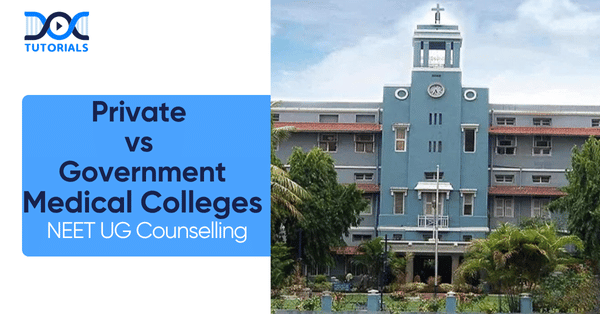
Private vs. Government Medical Colleges in NEET UG Counselling

Private vs. Government Medical Colleges

Success in the NEET UG 2025 admission process is a significant achievement for every aspiring medical professional. When the NEET results are released, students need to make a vital decision in choosing between a government and a private medical college. 

With variations in fees, cut-off ranks, infrastructure, and clinical exposure, this decision can not only affect your MBBS experience but also your professional future. This guide compares top government and private medical colleges based on the latest updates to the NEET UG counselling schedule to help you make an informed decision.

Top Private Medical Institutions in India Accepting NEET

To get admission to reputable private medical colleges in India, students should qualify for the respective entrance exams. Some notable private medical colleges accepting NEET are as follows:

Serial. No.College NameLocation (City)
1Christian Medical College (CMC)Vellore
2St John’s Medical College Bangalore
2Kasturba Medical College (KMC)Manipal
4Kasturba Medical College Mangalore
5Jamia HamdardNew Delhi
6Dayanand Medical College and HospitalLudhiana
7Maharishi Markandeshwar Deemed UniversityMullana
8Jagadguru Sri Shivarathreeshwara Medical College (JSS) Medical CollegeMysore
9PSGIMSR (PSG Institute of Medical Sciences & Research)Coimbatore
10Christian Medical CollegeLudhiana

Top Government Medical Institutions in India accepting NEET

Check out the top government medical colleges accepting NEET in India:

Serial. No.College NameLocation (City)
1All India Institute of Medical Sciences (AIIMS)New Delhi
3Lady Hardinge Medical College (LHMC)New Delhi
2Maulana Azad Medical College (MAMC)New Delhi
4Grant Medical CollegeMumbai, Maharashtra
7Madras Medical CollegeChennai, Tamil Nadu
6Bangalore Medical College and Research InstituteBangalore, Karnataka
5King George’s Medical University (KGMU)Lucknow, Uttar Pradesh
9Gandhi Medical CollegeHyderabad, Telangana
8Osmania Medical CollegeHyderabad, Telangana
10Kakatiya Medical CollegeWarangal, Telangana

Government vs Private Medical College: Key Selection Considerations

When pursuing an MBBS course in India after clearing NEET, students opt for either government or private medical colleges. Even though both require a valid NEET UG score and offer the same course, they tend to differ based on aspects like admission process, fees, infrastructure, and employment opportunities. 

Here is a broader overview of the differences:

  • Admission Process & NEET Counselling

Government Medical Colleges

Government medical colleges accept students solely on the basis of NEET UG performance, with intense competition because of limited seats and low fees. Admissions are based on the NEET counselling schedule, beginning with Round 1 by the Medical Counselling Committee (MCC) for the All India Quota (15%) and respective state authorities for the rest.

Private Medical Colleges

Private medical colleges also admit using NEET UG scores, but may have seats under management quota and NRI quota, which can be availed with lower cut-offs and higher fees. While some private colleges participate in the centralised NEET counselling round 2, others follow individual admission procedures or institutional-level counselling.

  • Fee Structure & Financial Implications

Government Medical Colleges

Government colleges have very low fees (approximately ₹6,000 – ₹1 lakh/year) and thus are very economical. Living expenses are also modest, and scholarships are offered to reserved or economically weaker sections.

Private Medical Colleges

Private colleges, on the other hand, demand much higher fees, between ₹6 lakhs and ₹25 lakhs for the entire MBBS course. Hostel, mess, and administrative charges also add to the expenses. 

  • Infrastructure & Academic Facilities

Government Medical Colleges

Government medical colleges generally have well-equipped hospitals that provide strong clinical exposure due to high patient flow. Some might also suffer from issues such as high faculty-to-student ratios, lack of modern labs, or inadequate research facilities.

Private Medical Colleges

Private medical colleges, particularly newer ones, usually possess state-of-the-art infrastructure, smart classrooms, upgraded labs, and improved campus facilities. Clinical exposure can be comparatively lower than in government colleges. 

However, some private medical colleges have tie-ups with major hospitals, which enable students to get adequate exposure.  

  • Faculty & Quality of Education

Government Medical Colleges

Government colleges typically have well-qualified and experienced faculty, which supports high-quality academic and clinical instruction. 

Private Medical Colleges

Many private colleges can often have excellent faculty, while some others lack experienced teachers.

  • Recognition & Reputation

Government Medical Colleges

Government medical colleges such as AIIMS, MAMC, and KEM have decades of tradition, strong alumni networks, and are very well-known within India and internationally. 

Private Medical Colleges

Private colleges differ immensely in terms of reputation. Some excellent institutions are highly known, whereas others lack national or international stature.

  • Career Prospects & Postgraduate Admissions

Government Medical Colleges

Government college graduates have an advantage in securing PG (MD/MS) seats, government-sector jobs, and research opportunities due to greater exposure and institutional reputation.

Private Medical Colleges

Private college graduates have a harder time competing for government PG seats and tend to seek employment in private practice or hospitals. However, with adequate preparation, they too can get ample post-graduation admission scope. 

Fee Structure: Private vs. Government Medical Colleges

The fee structure varies significantly between government and private medical colleges in India. Let’s take a look:

FactorsGovernment CollegesPrivate Colleges
Annual Fee Range₹6,000 to ₹1 lakh₹6 lakh to ₹25 lakh
Total Course Cost (5.5 years)₹30,000 to ₹5 lakh (approx.)₹33 lakh to ₹1.37 crore (approx.)

FAQs about Private vs Government Medical Colleges in India

  1. What occurs during NEET counselling in both private and government medical colleges?

During the NEET counselling process, candidates are assigned seats based on their NEET scores, ranks, and indicated preferences. The NEET UG counselling procedure encompasses registration, choice selection, seat allocation, verification of documents, and reporting to the designated medical college.

  1. Is NEET UG compulsory for admission to private and government medical colleges?

Yes, NEET UG is compulsory for MBBS admissions in both government and private medical institutions.

  1. Is a private medical college better than a government one in India?

Government medical colleges are better in terms of reputation, clinical exposure, and cost. Private institutions, while more expensive, might have better facilities, but in the end, government colleges are still the most popular choice for quality education.

  1. Is pursuing MBBS from a private college worth it in India?

This totally depends on the candidates’ priorities and financial capacity. Private colleges do offer nice infrastructure and facilities, but the high fees could be a burden. It’s only worth it if the college has strong academics, offers superb exposure, and aligns with your career goals.

  1. Which medical college has the best infrastructure in India?

AIIMS Delhi has the best placement record among medical colleges in India. The institute is well known for its modern facilities, strong hands-on clinical training, and excellent research opportunities, which help students build successful medical careers.

  1. What medical career is the highest in demand?

Many medical specialities are in high demand, but primary care doctors, such as family physicians and general practitioners, are in the greatest demand.

Along with this, there is a strong demand for specialists such as radiologists, dermatologists, and mental health professionals, including psychiatrists and psychologists.

  1. Will studying in a private medical college affect my PG chances?

No, NEET PG does not depend on whether you study in a government or a private medical college. Your success in the exam mainly depends on how well you prepare, how clearly you understand the subjects, and how consistently you study.

With proper guidance, regular practice, and strong concepts, students from both government and private colleges can perform equally well in NEET PG.

  1. Are private medical colleges worth the high fees?

Yes, private medical colleges in NEET UG counselling can be a good option, especially if the college has a strong reputation and offers quality education. It also makes sense only if your family is financially comfortable and can afford the expenses without facing major financial pressure or long-term stress.

  1. Do government medical colleges have poor infrastructure?

Some government medical colleges may have older infrastructure and buildings, but most are supported by well-equipped hospitals that offer high-quality facilities and strong, hands-on clinical training for students.

  1. Can I become a good doctor from a private medical college?

Yes, you can become a good doctor regardless of the college you study in because the type of college you study in is not as important as your dedication and hard work. Success depends more on your mindset and consistency than on the name of the institution.

Conclusion

Selecting a government or private medical college after NEET UG 2025 is a personal choice depending on your rank, financial background, and long-term goals. Although government colleges offer affordability and enhanced patient exposure, private colleges can promise better infrastructure and ease of access to candidates with lower ranks.

For prospective MBBS students, it is essential to be aware of the NEET UG 2025 counselling dates, fees, admission procedures, and career opportunities in order to make the appropriate decision. 

After you get into your preferred college, DocTutorials can be your learning companion to solidify your progress. We offer animated video lectures, PYQs, and live sessions for clearing doubts, thus keeping you ahead in your medical journey.

Check out our MBBS courses today!

DocTutorials App Download Now

Latest Blogs

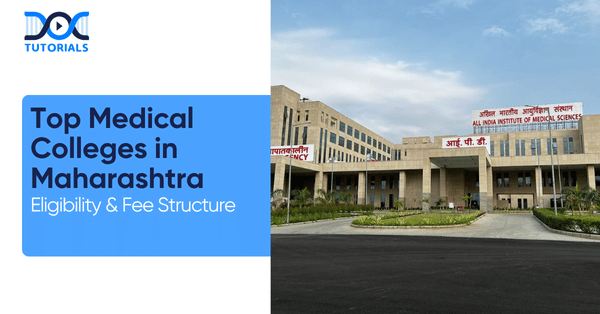
Top Medical Colleges in Maharashtra: Eligibility & Fee Structure

Top Medical Colleges in Maharashtra

As a student aiming for a career in medicine, understanding the options for medical institutions in Maharashtra is crucial. This overview highlights the top medical colleges in Maharashtra that offer MBBS with major factors related to seat capacity and recent cut-off rank and category trends.

Since there is immense competition among students to get admission in such a prestigious medical college in this state, this detailed analysis of the institutions is necessary to make wiser choices. If you are looking for a seat in the best medical colleges in Maharashtra, check out Maharashtra’s top institutions and their last ranks in 2025. Keep reading.

What are the Best Medical Colleges in Maharashtra?

Below is a comprehensive list of the top medical colleges in Maharashtra, including both private and government colleges, organised by their last ranks. Use this information to create a preference list for your admission:

State RankMedical CollegeStateLast Rank AllottedAllotted Quota
1AIIMS, NagpurMaharashtra946Open Seat Quota
2Seth G.S. Medical College, MumbaiMaharashtra1010All India
3Grant Medical College & Sir J.J. Hospital, MumbaiMaharashtra2338All India
4B.J. Government Medical College, PuneMaharashtra2379All India
5Lokmanya Tilak Municipal Medical College, MumbaiMaharashtra2857All India
6Topiwala National Medical College, MumbaiMaharashtra3022All India
7Hinduhridayasamrat Balasaheb Thackeray Medical College, MumbaiMaharashtra3532All India
8Govt. Medical College, NagpurMaharashtra4233All India
9Government Medical College, MumbaiMaharashtra4293All India
10Rajiv Gandhi Medical College, ThaneMaharashtra5333All India
11Indira Gandhi Government Medical College, NagpurMaharashtra6065All India
12Government Medical College, AurangabadMaharashtra6960All India
13Government Medical College, BaramatiMaharashtra7915All India
14MG Inst. of Medical Sciences, Sevagram, WardhaMaharashtra9238All India
15Dr Vaishampayam Memorial M.C., SholapurMaharashtra9477All India
16Government Medical College, MirajMaharashtra9944All India
17Rajarshee Chhatrapati Shahu Maharaj Government Medical College, KolhapurMaharashtra10491All India
18Government Medical College, LaturMaharashtra10878All India
19Dr S.C. Govt Medical College, NandedMaharashtra11255All India
20Shri Bhausaheb Hire Govt. M.C., DhuleMaharashtra11896All India
21Government Medical College, AkolaMaharashtra12051All India
22Swami Ramanand Tirth Rural M.C., AmbajogaiMaharashtra12112All India
23Government Medical College and Hospital, JalgaonMaharashtra13468All India
24Government Medical College, NandurbarMaharashtra13638All India
25Sh Vasantrao Naik Government Medical College, YavatmalMaharashtra13794All India
26Government Medical College and General Hospital, SataraMaharashtra13955All India
27Government Medical College and Hospital, ChandrapurMaharashtra13966All India
28Government Medical College, GondiaMaharashtra14452All India
29Government Medical College and District General Hospital, RatnagiriMaharashtra14603All India
30Government Medical College & Hospital, Alibag-RaigadMaharashtra14636All India
31Government Medical College, SindhudurgMaharashtra15327All India
32Government Medical College, OsmanabadMaharashtra15653All India
33Government Medical College, ParbhaniMaharashtra15984All India
34Symbiosis Medical College for Women, PuneMaharashtra53248Deemed/Paid Seats Quota
35Rural Medical College and PIMS, LoniMaharashtra131685Deemed/Paid Seats Quota
36MGM Medical College, Navi MumbaiMaharashtra183677Deemed/Paid Seats Quota
37MGM Medical College, AurangabadMaharashtra217487Deemed/Paid Seats Quota
38MGM Medical College, Vashi, Navi MumbaiMaharashtra231489Deemed/Paid Seats Quota
39MGM Medical College, Nerul, Navi MumbaiMaharashtra256879Deemed/Paid Seats Quota
40Bharati Vidyapeeth Deemed University Medical College, PuneMaharashtra299733Deemed/Paid Seats Quota
41Dr D. Y. Patil Medical College, KolhapurMaharashtra345660Deemed/Paid Seats Quota
42Krishna Institute of Medical Sciences, KaradMaharashtra428876Deemed/Paid Seats Quota
43Datta Meghe Medical College, Wanadongri, NagpurMaharashtra506817Deemed/Paid Seats Quota
44Datta Meghe Institute of Medical Sciences, WardhaMaharashtra510316Deemed/Paid Seats Quota
45BV Deemed University Medical College, SangliMaharashtra514800Deemed/Paid Seats Quota
46Dr D. Y. Patil Medical College, Navi MumbaiMaharashtra559321Deemed/Paid Seats Quota
47Dr D. Y. Patil Medical College and Hospital, PuneMaharashtra568091Deemed/Paid Seats Quota

What are the Admission Eligibility Criteria for Medical Colleges in Maharashtra?

Below, you will find the eligibility parameters for MBBS admissions in Maharashtra:

  • The minimum age requirement is 17 years as of December 31, 2025.
  • Candidates must qualify for NEET-UG 2025.
  • Applicants must hold a Maharashtra domicile certificate to be eligible for state quota seats.
  • They should have completed 10+2 with Physics, Chemistry, and Biology (PCB), achieving a minimum aggregate of 50% marks (40% for SC/ST/OBC/NT/VJ/DT).
  • NRI/OCI/PIO candidates are allowed to apply for the NRI quota in accordance with DMER regulations.

What is the Fee Structure for Medical Colleges in Maharashtra?

The expenses associated with pursuing an MBBS degree in Maharashtra differ significantly based on the college type and admission quota:

  • Private Colleges (Government Quota): ₹7 lakhs to ₹25 lakhs per year
  • Private Colleges (Management Quota): ₹21 lakhs to ₹27 lakhs per year
  • Government Colleges: ₹1.05 lakhs to ₹1.38 lakhs per year
  • Municipal Colleges: ₹80,000 to ₹1.10 lakhs per year
  • Private Colleges (NRI Quota): ₹19 lakhs to ₹60 lakhs per year

FAQs about Top Medical Colleges in India

  1. What are the best medical colleges in Maharashtra?

According to the NEET 2025 closing ranks, AIIMS in Nagpur, the Armed Forces Medical College (AFMC) in Pune, Seth G.S. Medical College, Grant Medical College in Mumbai, and B.J. Government Medical College in Pune are the top institutions for pursuing MBBS due to their reputation, academic excellence, and clinical practice.

  1. What specialisations are offered by the best medical colleges in Maharashtra?

The top medical colleges in Maharashtra primarily offer specialisations in General Medicine and General Surgery, along with other core medical disciplines as part of advanced medical training.

  1. What is the minimum cut-off score for MBBS in private colleges in Maharashtra?

The minimum cut-off score for MBBS in Maharashtra is anticipated to be between 300 and 280 for private colleges (ST category) and between 450 and 430 for government colleges (ST category). Maharashtra offers approximately 9,000 MBBS seats across both government and private medical institutions.

  1. What are the main features of the top government medical colleges in Maharashtra?

Government medical colleges in Maharashtra are known for relatively affordable tuition, knowledgeable teaching faculties, and ample patients due to attached government hospitals.

Additionally, the institutions are equipped with research facilities and implement reservation policies to ensure equal opportunity for all categories of students.

  1. What are the key features of the top private medical colleges in Maharashtra?

Private medical colleges in Maharashtra are fully equipped with state-of-the-art infrastructure, a better student-teacher ratio, and international tie-ups.

They have flexible admission policies, including management and NRI quotas, and also provide scholarship and educational loan facilities to deserving students.

  1. What rank is needed for Seth G.S. Medical College, Mumbai?

Under the All India Quota, the closing rank of Seth G.S Medical College, Mumbai, for Phase 1 was 1010. This very high cutoff underscores how competitive the admission process is and clearly reflects the college’s status as one of the top medical colleges in India, preferred by the highest-ranked students nationwide.

  1. Are colleges like MGM, D.Y. Patil, and Symbiosis government colleges?

No, these are all some of the top private colleges in Maharashtra. Their admission is handled through the Deemed University counselling conducted by the MCC, and they have a private fee structure, which is substantially higher than that of government colleges.

  1. How many MBBS colleges are there in Maharashtra?

There are approximately 60 medical colleges in Maharashtra that provide undergraduate medical education. These include a mix of private, government, and deemed universities.

  1. Which is the cheapest MBBS college in Maharashtra?

Some of the cheapest medical colleges in Maharashtra, with annual tuition fees lower than those of other private institutions, are Mahatma Gandhi Mission Medical College, Navi Mumbai; Karamshibhai Jethabhai Somaiya Medical College, Mumbai; and MIMER (Maharashtra Institute of Medical Education and Research) Pune.

  1. Can students from other states access MBBS seats in Maharashtra?

Yes, non-Maharashtra students can apply for the 15% All India Quota MBBS seats in Maharashtra via central NEET counselling. Moreover, all India seats are open to applicants from any state for private/deemed universities.

Conclusion

When it comes to selecting the top medical colleges in Maharashtra in order to study MBBS, you will have some excellent options, comprising both private and government institutions. If you match your rank with the right college and stay updated about the seat matrix and cut-offs, you will surely get a valuable seat.

For extra guidance, DocTutorials can be your study companion. We provide animated video lectures, Qbanks, previous year questions (PYQs), and live doubt-clearing sessions to help you stay ahead in your medical pursuits.

Join DocTutorials today and explore our MBBS course to excel in your medical career!

DocTutorials App Download Now

Latest Blogs

Top Medical Colleges in Andhra Pradesh

Top Medical Colleges in Andhra Pradesh

Andhra Pradesh has established itself as a leading state in India for top MBBS colleges with a reputation for academic brilliance and modern amenities.

The state has thousands of applicants annually who compete for undergraduate and graduate medical seats through the National Eligibility cum Entrance Test (NEET) due to its vast network of government institutions, private medical colleges, and deemed universities.

Medical institutions set up students to fulfil the demand for healthcare professionals with modern facilities, research opportunities, and a diverse patient database. This article covers the best medical colleges in Andhra Pradesh, the admissions procedure and more.

Keep reading!

What are the Best Medical Colleges in Andhra Pradesh?

Students who want to pursue MBBS in Andhra Pradesh have access to a number of reputable medical institutes in this excellent city for medical education. Hence, with both modern commercial and public universities as well as historic government colleges, the state offers prospective students a wide range of options.

The medical colleges in Andhra Pradesh are renowned for their modern facilities and highly qualified faculty who offer excellent clinical and academic instruction. Listed below are the top 10 medical colleges in Andhra Pradesh:

State RankMedical College LocationLast Rank Allotted Allotted Quota 
1AIIMS Mangalagiri1836Open Seat Quota
Andhra Medical College Visakhapatnam3846All India 
3Guntur Medical College Guntur6208All India 
Rangaraya Medical College Kakinada 7874All India 
Sri Venkateswara Medical CollegeTirupati10579All India 
6Siddartha Medical CollegeVijayawada10733All India 
7ACSR Govt Medical College Nellore13322All India 
8SVIMS – Sri Padmavathi Medical College for WomenTirupati 14517All India 
9Rajiv Gandhi Institute of Medical Sciences Kadapa16281All India 
10RIMS Srikakulam16410All India 

Why Choose Andhra Pradesh to Pursue a Medical Degree? 

Andhra Pradesh has emerged as one of the leading states in India for medical education, attracting thousands of students from across the country each year.

It is a favourable choice for medical degrees due to its established medical institutions, such as the historical Andhra Medical College and AIIMS Mangalagiri, its strong academic environment, and its opportunities for clinical experience.

The state is a great destination for medical education in India, offering access to various medical colleges, including private options open to non-domicile students, and is also affiliated with Dr NTR University of Health Sciences for comprehensive academic support.

The city also provides excellent opportunities for research, internships, and career growth. Thus, this combination of quality education, practical learning, and promising professional prospects makes Andhra Pradesh a preferred choice for medical aspirants.

What is the Eligibility for MBBS Programs in Andhra Pradesh?

Admission to MBBS programmes in Andhra Pradesh is primarily based on the NEET-UG examination, which serves as the national eligibility test for all medical aspirants. Here are the criteria:

  • Candidates are expected to score the required marks in physics, chemistry, and biology at the 10+2 level to qualify.
  • The minimum age requirement is 17 years by 31st December of the admission year. Seat allocation follows an 85% state quota managed by the state and a 15% All-India quota.
  • Essential documents include the NEET scorecard, 10th and 12th mark sheets, domicile certificate, and documents like the NEET scorecard, Aadhaar, and academic certificates.
  • A caste certificate (if applicable) and a medical fitness certificate, ensuring eligibility verification and smooth enrolment into the programme.

What are the Factors to Consider Before Choosing a Medical College in Andhra Pradesh?

The factors to consider before choosing a medical college in Andhra Pradesh are as follows:

  • NEET Cut-offs and Seat Availability: Understanding the minimum required scores and the number of seats helps in admission.
  • Recognition: Ensure the college is recognised by the National Medical Commission (NMC) or the relevant national regulatory body to guarantee the validity of the degree and qualifications.
  • Faculty: Look for experienced and qualified faculty who can provide strong guidance and ensure a high standard of education.
  • Fees & Financials: Be clear about the entire fee structure, including tuition, hostel, miscellaneous charges, and any other deposits.
  • Internship & Placement Opportunities: Look for colleges with strong connections to hospitals for internships and a good track record of helping graduates secure residencies or PG positions.

FAQS about Top Medical Colleges in Andhra Pradesh

  1. How many medical colleges in total are there in Andhra Pradesh?

Andhra Pradesh has over 37 medical colleges offering MBBS programmes, including government, municipal, private, and deemed universities.

2. What is the average fee structure for MBBS in Andhra Pradesh?

Government colleges charge around ₹3–4 lakhs per year, while private and deemed universities may charge between ₹10 and 12 lakhs annually.

3. Can students from other states apply to medical colleges in Andhra Pradesh?

Yes, students from other states can apply through the 15% All-India Quota or via private and deemed universities.

4. What NEET-UG score is generally required for admission to top government colleges?

Cut-offs vary each year, but typically a score of 600+ in NEET-UG is required to secure seats in leading government colleges.

5.  Are there any scholarship opportunities for medical students in Andhra Pradesh?


Yes, there are scholarship opportunities for medical students in Andhra Pradesh, including the state-specific Bharati Scheme for Education (BSE) for Brahmin students and national programmes like the National Scholarship Portal.

6. Which college is best for NEET in Andhra Pradesh?

There are several top MBBS colleges in Andhra Pradesh. Some of the prominent ones are  AIIMS Mangalagiri, Andhra Pradesh, AMC Vizag, Visakhapatnam, Andhra Pradesh, and Vishnu Dental College (VDC), Bhimavaram, Andhra Pradesh.

7. What are the top 5 private medical colleges in Andhra Pradesh?

The top private medical colleges in Andhra Pradesh are Narayana Medical College, Nellore, NRI Medical College, Guntur, Alluri Sitarama Raju Academy of Medical Sciences, Eluru, GSL Medical College, Rajahmundry, and Dr. P.S.I. Medical College.

8. Which government Medical College is best in Andhra Pradesh?

The best government medical colleges in Andhra Pradesh are AIIMS Mangalagiri, Guntur, Andhra Pradesh, Rangaraya Medical College, East Godavari, Andhra Pradesh, and Andhra Medical College (Government), Visakhapatnam, Andhra Pradesh.

9. Is Andhra Pradesh good for MBBS?

Andhra Pradesh has established itself as one of the leading states in India for top medical colleges, renowned for academic excellence and modern amenities.

10. What is the salary of an MBBS doctor in AP?

In the Government of Andhra Pradesh, doctors usually earn between ₹8.6 lakh and ₹12.5 lakh per year, depending on their experience, which ranges from 1 to 16 years. Doctors in the top 10% earn more than ₹19.5 lakh annually, while the top 1% earn over ₹20 lakh per year.

Conclusion

A student’s academic path, clinical experience, and career possibilities are all influenced by the choice of medical college in Andhra Pradesh. Students can make a well-informed decision that supports their goals by carefully considering variables like NEET cut-offs, infrastructure, faculty, hospital connection, and overall return on investment.

If you’re looking for MBBS guidance, DocTutorials can be your study partner. Our CBME-aligned syllabus offers animated video lectures, Qbanks, PYQs, and structured mentorship by expert faculty, ensuring students are well-prepared.

Join DocTutorials and explore our MBBS curriculum to excel in your medical career.

DocTutorials App Download Now

Latest Blogs

Best Medical Colleges in Coimbatore

Best Medical Colleges in Coimbatore

Also known as the “Manchester of South India”, Coimbatore is a major educational hub of Tamil Nadu. The city has several well-regarded medical institutions, both government-run and private, that offer MBBS, postgraduate medical courses, allied health sciences, and excellent clinical exposure.

However, with the plethora of options, it becomes overwhelming to find which institution suits you best. Here, we will discuss the best medical colleges in Coimbatore and list down all the considerations that make them stand out, so that you can choose the best one according to your goals.

Keep reading for a detailed insight.

What are the Best Medical Colleges in Coimbatore?

Now, let’s have a look at the top medical colleges located in Coimbatore:

College NameTypeEstablishedAffiliationMBBS IntakeHighlights
Coimbatore Medical College (CMC)Government1966Tamil Nadu Dr. MGR Medical University~150One of the oldest and most reputed government colleges in Tamil Nadu offers affordable education with a large hospital for clinical exposure.
Government Medical College & ESI HospitalGovernment2016Tamil Nadu Dr. MGR Medical University~100Newer institution with modern facilities; affiliated with ESI Hospital, providing excellent clinical training opportunities.
PSG Institute of Medical Sciences & Research (PSG IMSR)Private1985Tamil Nadu Dr. MGR Medical University~250Known for its state-of-the-art infrastructure, research facilities, and strong clinical exposure through PSG Hospitals.
Karpagam Faculty of Medical Sciences & Research (KFMSR)Private2012Tamil Nadu Dr. MGR Medical University~150Emerging institution with modern facilities; offers a range of medical specialisations and strong clinical training.
KMCH Institute of Health Sciences & Research (KMCH IHSR)Private2019Tamil Nadu Dr. MGR Medical University~150Affiliated with KMCH Hospital, which provides extensive clinical exposure, offers a range of medical specialisations.
Sri Ramakrishna Medical College & Research Institute (SRKMCRI)Private2010Tamil Nadu Dr. MGR Medical University~150Part of the Sri Ramakrishna Hospital group, it offers comprehensive medical education with strong clinical training.
Avinashilingam Institute for Home Science and Higher Education for WomenDeemed University1987Avinashilingam University~50 (BAMS)Focuses on Ayurveda education; offers BAMS program with strong emphasis on traditional medicine.
Ayurveda College Coimbatore (AVCC)Private1978Central Council of Indian Medicine (CCIM)~40 (BAMS)One of the oldest Ayurveda colleges in Tamil Nadu offers the BAMS program with strong clinical training in traditional medicine.
Royal College of NursingPrivate1992Tamil Nadu Dr. MGR Medical University~50 (B.Sc Nursing)Offers nursing education with strong clinical training; affiliated with various hospitals in Coimbatore.
Hindusthan College of NursingPrivate1992Tamil Nadu Dr. MGR Medical University~50 (B.Sc Nursing)Provides comprehensive nursing education with strong clinical exposure; affiliated with Hindusthan Hospitals.

Fees and Cut-off Trends for Medical Colleges in Tamil Nadu

Listed below are the approximate fees and NEET cut-off scores required for the medical colleges in Tamil Nadu:

CollegeTypeMBBS/Course IntakeFees (₹/year)NEET Cut-Off (2024)
Coimbatore Medical College (CMC)Government~150 (MBBS)₹13,610General: 664; OBC: 654; SC: 573; ST: 515 (Score)
ESIC Medical College & Hospital (GMCE)Government Aided~100 (MBBS)₹14,600 (State/AIQ); ₹24,000 (ESI)General: 4816–10679; OBC: 8239–16034; SC/ST: 10679–16034 (Rank)
PSG Institute of Medical Sciences & Research (PSG IMSR)Private~250 (MBBS)₹4.25L (Govt. Quota); ₹12–13L (Mgmt); ₹23–25L (NRI)General (AIQ): 821 (Rank)
Karpagam Faculty of Medical Sciences & Research (KFMSR)Private~150 (MBBS)₹4.40L (Govt. Quota); ₹13.5L (Mgmt); ₹24.5L (NRI)General: 3917; OBC: 69863–76313; SC: 76313–73338 (Rank)
KMCH Institute of Health Sciences & Research (KMCH IHSR)Private~150 (MBBS)₹4.35L (Govt. Quota); ₹13.5L (Mgmt); ₹24.5L (NRI)General (AIQ): 990 (Rank)
Sri Ramakrishna Medical College & Research Institute (SRKMCRI)Private~150 (MBBS)₹5.5L (Govt. Quota); ₹15L (Mgmt); ₹27L (NRI)General (AIQ): 610704 (Rank)
Avinashilingam Institute for Home Science & Higher EducationDeemed~50 (BAMS)₹1.5LNot applicable
Ayurveda College, Coimbatore (AVCC)Private~40 (BAMS)₹15.75L (Total)Not applicable
Royal College of NursingPrivate~50 (B.Sc Nursing)₹1.8LNot applicable
Hindusthan College of NursingPrivate~50 (B.Sc Nursing)₹1.7LNot applicable

Why is Coimbatore Suitable for Medical Studies?

One question that strikes many medical aspirants’ minds is why Coimbatore is rapidly gaining prominence over other cities in Tamil Nadu. Let’s see what factors have contributed to this:

  • Mix of Government and Private Institutions

Coimbatore has 2 well-established government medical colleges, along with 35 private medical institutions, offering students options to choose the best based on budget, infrastructure, and career aspirations.

Colleges owned by the government are usually more affordable and have a broader patient exposure, while private colleges are equipped with more advanced infrastructure and research opportunities.

  • Strong Clinical Exposure

Since hospitals affiliated and attached to medical colleges in Coimbatore handle a large inflow of patients almost every day, medicos in these institutions get a chance of hands-on clinical exposure.

This ensures that students don’t just learn theories but also gain practical experience in a wide range of cases.

  • Affiliation with a Reputed University

Most medical colleges in Coimbatore are affiliated with the Tamil Nadu Dr. M.G.R. Medical University, a pioneering institution and the best in the state, ensuring a standardised curriculum and quality education across the state.

  • Infrastructure and Research Focus

Many private medical colleges in Coimbatore have been putting in considerable investment and resources in infrastructure, labs, and technology-enhanced learning. This prepares students not just for practice in India but for prospective opportunities abroad as well.

  • Academic Culture and Support

The rising footprint of online coaching centres and platforms has further amplified the academic environment in Coimbatore.

With up-to-date resources on NEET PG preparations, NEET SS, INI SS, and MBBS Curriculum, students are sharpening their competitive edge to perform well in post-graduate medical entrance exams and colleges as well.

FAQs about the Best Medical Colleges in Coimbatore

1. Which is the best medical college in Coimbatore?

Among government colleges, Coimbatore Medical College (CMC) is the most reputed institution, and PSG IMSR ranks top on the list of private medical colleges in Coimbatore.

2. Is it tough to get admission in the top medical colleges of Coimbatore?

Admissions in the top colleges of Coimbatore are done strictly through NEET, in which cut-offs for government institutions are generally high due to tough competition from a very high number of aspirants. Private colleges also tend to require higher scores, especially for general quota seats.

3. Do medical colleges in Coimbatore offer post-graduation studies?

Yes, many colleges, especially PSG and CMC, are among the top medical institutions in Coimbatore that offer multi-speciality post-graduate courses.

4. Is there any advantage to studying in Coimbatore over Chennai or other cities of Tamil Nadu?

Yes, choosing Coimbatore for medical studies over other cities in Tamil Nadu can be advantageous, as the city offers a balance of affordability, progressive infrastructure, and a large influx of patients for clinical training.

On top of these, Coimbatore has a serene environment, making it less stressful than metro cities like Chennai.

5. What is the rank of Coimbatore Medical College?

The Coimbatore Medical College, with a rank of 64, is considered one of the best medical colleges in Coimbatore for MBBS enthusiasts. 

6. How many medical colleges are there in Coimbatore?

There are 51 medical colleges in Coimbatore. Some of the most prominent ones are Coimbatore Medical College, Coimbatore, College of Nursing, Sri Ramakrishna Instt. Of Paramed. Sci., Coimbatore, and Dr Alva Paramedical Educational Institute, Coimbatore.

7. Which college has 100% placement in Coimbatore?

Coimbatore has some of the top medical colleges, known for strong placement records.

Some of them are PSG College of Technology (PSGCT), Coimbatore Institute of Technology (CIT), Kumaraguru College of Technology (KCT), and Sri Krishna College of Engineering & Technology (SKCET), which consistently appear as top choices and often achieve near 100% placements across many branches.

8. What are the fees for MBBS in KMCH Medical College?

KMCH Medical College in Coimbatore is one of the city’s top medical colleges. The total seat intake for the MBBS course is 150, and the total fee range is ₹2.15 LPA to ₹24.50 LPA. The fee for the other courses ranges from ₹2.5 Lakhs to ₹3.35 Lakhs, depending on the course.

9. Is Coimbatore Medical College good?

Coimbatore Medical College is a prestigious medical college located in the hotspot of Coimbatore. It is recognised as the best for its rigorous academic training, practical experience, and extracurricular activities.

10. Can I join CMC without NEET?

No, a candidate cannot be admitted to MBBS or most other medical courses at CMC without qualifying the NEET (National Eligibility cum Entrance Test).

While CMC has its own application and counselling process, the final selection for core medical courses relies heavily on your NEET score and rank, even for their unique quota seats.

Conclusion

Coimbatore is establishing itself as one of Tamil Nadu’s premier locations for pursuing medical studies. With colleges like CMC, PSG, and many more, the city has diverse options for NEET aspirants to choose from.

Ultimately, choosing the best medical college in Coimbatore depends on individual needs and preferences, like budget, career aspirations, and learning environment. For in-depth guidance for medical courses or MBBS in particular, DocTutorials can be your study partner.

Our CBME-aligned MBBS curriculum includes in-depth animated video lectures, high-yielding Qbank, previous year questions (PYQs), and structured mentorship to help aspirants stay well-prepared and unlock their true academic potential.

Join DocTutorials today and explore our MBBS curriculum to excel in your medical career.

DocTutorials App Download Now

Latest Blogs

Best Medical Colleges in Tamil Nadu

Best Medical Colleges in Tamil nadu

Tamil Nadu has emerged as one of the most favoured destinations in India for medical education. The medical colleges in Tamil Nadu are among the best nationwide and have a perfect education system with an ideal balance of studies, training, and research.

Many colleges are highly competitive, thanks to strong hospital connections and renowned faculty in various specialisations. The most sought-after government medical colleges in Tamil Nadu offer education at a low cost, while private universities in the state are known for their excellent infrastructure.

Thus, the state provides for the future of every aspiring doctor. Read further to know more about the top colleges in Tamil Nadu for future healthcare leaders.

Best Medical Colleges in Tamil Nadu

Below is a list of 15 leading medical colleges recognised for their academic rigour and merit-based admissions:

S.No.College NameLocationTypeNIRF Rank (2025)
1Madras Medical College (MMC)ChennaiGovernment10
2Stanley Medical CollegeChennaiGovernment13
3Christian Medical College (CMC)VellorePrivate3
4Govt. Kilpauk Medical CollegeChennaiGovernment22
5AIIMS MaduraiMaduraiGovernment23
6Coimbatore Medical CollegeCoimbatoreGovernment28
7PSG Institute of Medical SciencesCoimbatorePrivate41
8SRM Institute of Medical SciencesChennaiPrivate18
9Saveetha Medical CollegeChennaiPrivate12
10Sri Ramachandra Institute of Higher Education and ResearchChennaiPrivate20
11Government Vellore Medical CollegeVelloreGovernmentNA
12Chengalpattu Medical CollegeChengalpattuGovernmentNA
13Government Mohan Kumaramangalam Medical CollegeSalemGovernmentNA
14Thanjavur Medical CollegeThanjavurGovernmentNA
15Velammal Medical CollegeMaduraiPrivateNA

Why Pursue Medical Education in Tamil Nadu?

Before getting to the colleges’ list, check out the reasons why Tamil Nadu is one of the finest places to pursue MBBS or higher medical studies:

  • Rich Tradition of Medical Education: The standards of medical education in India were laid by institutions such as Madras Medical College (1835) and Stanley Medical College.
  • Affordable Government Colleges: Government medical colleges in Tamil Nadu charge comparatively lower tuition fees and provide excellent quality education.
  • Well-Respected Private Institutes: Some of the prestigious private medical colleges in Tamil Nadu, such as Christian Medical College (CMC) Vellore, offer excellent academic programs and a research environment comparable to international standards.
  • Great Clinical Exposure: Medical graduates from Tamil Nadu get much more exposure with patients, as a huge patient load from different parts of India is present, compared to many states.
  • Great Post-Graduate Opportunities: With an extensive network of superspeciality hospitals and research centres, Tamil Nadu is a fertile ground for postgraduate education following MBBS.

Eligibility Criteria for Medical Colleges in Tamil Nadu: Who Can Apply?

The minimum age and qualifications required for a candidate to be considered must meet the guidelines of eligibility set by the DME, or Directorate of Medical Education, along with domicile criteria.

Core Eligibility Requirements:

  • Nationality: Indian nationals only. NRIs, OCIs, and PIOs are eligible to apply to specific seats.
  • Age: The applicant should have completed 17 years by 31st December 2025.
  • Eligibility: Candidate must have passed 10+2 (HSC/CBSE/ICSE or equivalent examination) with Physics, Chemistry, Biology/Biotechnology and English in the PCB stream.
  • Minimum Marks: Candidates belonging to the general category must secure a minimum aggregate of 50% in Physics, Chemistry, and Biology or Biotechnology, while for reserved categories (SC/ST/OBC), it should be 40%.
  • Entrance Exam: Should qualify for NEET (UG) 2025. The NTA prescribes the qualifying percentile and is based on the category.
  • Domicile Requirement: Candidates must present a Tamil Nadu domicile certificate to be eligible for state quota seats. Management, NRI, and deemed university seats have separate quotas.
  • Medical Fitness: A medical fitness certificate must be submitted as part of the admission process for examination purposes.

Other Important Notes: 

  • Satisfying the basic eligibility does not guarantee admission; seats are allotted strictly on merit and based on NEET scores.
  • Original documents related to eligibility, including age proof, academic documents, the NEET scorecard, domicile, and caste/compliance certificates, must be submitted during the counselling process for admission.
  • Certain private and management quota seats may have different eligibility or reservation criteria; visiting the college-specific rules is recommended.

This criterion ensures the participation of only deserving and eligible candidates in MBBS admissions into Tamil Nadu’s famous government and private medical colleges in 2025.

Factors to Consider Before Choosing a Medical College in Tamil Nadu

Before choosing a medical college in Tamil Nadu, students need to consider the following aspects:

  • Cut-off Ranks: The government colleges have a high cut-off in NEET UG/PG.
  • Fees: Public institutions are generally reasonably priced, while private colleges charge expensive fees.
  • Patient Encounters: More patients equals more learning by doing.
  • Opportunities for Specialisation: Post-graduate and super-speciality opportunities are key to career enhancement.
  • Research and Innovation: Colleges with world-class research labs present good growth prospects.
  • Location: The distance to city hospitals, rural experience, and commuting time are important factors regarding student life.

FAQs about Best Medical Colleges in Tamil Nadu

  1. What is the top medical college in Tamil Nadu?

Madras Medical College in Chennai is considered one of the top medical colleges in Tamil Nadu, due to its historic legacy, prestigious ranking, and high NEET closing ranks.

  1. Which is the No. 1 college in Tamil Nadu?

Madras Medical College, according to the NIRF rankings and state allotment lists, consistently holds the number one position in Tamil Nadu, particularly in MBBS and medical education.

  1. Which are the best deemed medical colleges in Tamil Nadu?

The top deemed medical colleges in Tamil Nadu are Sri Ramachandra Institute of Higher Education and Research, Saveetha Medical College, SRM Institute of Science and Technology, and Chettinad Hospital & Research Institute.

  1. Which is the cheapest medical college in Tamil Nadu?

Government colleges such as the Madras Medical College, Stanley Medical College and Coimbatore Medical College are among the cheapest in India, with a fee for many government-run medical colleges.

  1. Which is the best private medical college in Tamil Nadu?

Christian Medical College (CMC) Vellore is based in Tamil Nadu state, which is considered to be the best private medical institution in the state. It has an international reputation of about 70 years for its excellent contributions to medicine education, health care and research.

  1. What rank is needed for Madras Medical College, Chennai?

The competitive closing rank of 944 in phase 1 for the All India Quota makes the Madras Medical College one of the best medical colleges in Tamil Nadu.

  1. How many government medical colleges are in Tamil Nadu?

Tamil Nadu has one of the highest numbers of government medical colleges in India. It gives extensive opportunities to students looking for admission in a prestigious medical college in Tamil Nadu.

  1. What should I know about the Deemed Universities in Tamil Nadu?

Tamil Nadu has some of the best private medical colleges in India, including Sri Ramachandra, Saveetha, and Chettinad. Their admissions are handled through the Deemed University counselling conducted by the MCC, and they have their own private fee structures that are significantly higher than those of government colleges.

  1. Is SRM private or government?

SRM University (also known as SRM Institute of Science and Technology) is a private deemed university, not a government college. Its main campus is located in Tamil Nadu, and it also has campuses in Delhi-NCR, Sikkim, and Andhra Pradesh. The university is officially approved by the UGC and AIU and operates as a private institution. It is often discussed among students exploring top private medical colleges in Tamil Nadu.

  1. How Much NEET Score Is Required For MBBS In Tamil Nadu?

A student applying for a medical college in Tamil Nadu must score above 400 in the NEET UG examination to secure an MBBS Seat.

Conclusion

Selecting the top medical colleges in Tamil Nadu is a crucial decision that significantly impacts a student’s career in the healthcare field. Making an informed decision about a few good medical colleges in Tamil Nadu will provide a strong foothold for success in medicine, offering any worthy candidate a place to be trained and contribute to the medical education ecosystem. 

For aspirants seeking MBBS guidance, DocTutorials has got you covered. Our CBME-aligned syllabus offers animated video-based lectures, university theory and practical exams, PYQs, Qbank, and structured mentorship from experts.

Join DocTutorials and explore our MBBS curriculum to excel in your medical career.

DocTutorials App Download Now

Latest Blogs

NEET PG Online Live Power Pack
DocTutorials App Download Now