Hammertoe: Causes, Symptoms, Diagnosis, and Treatment
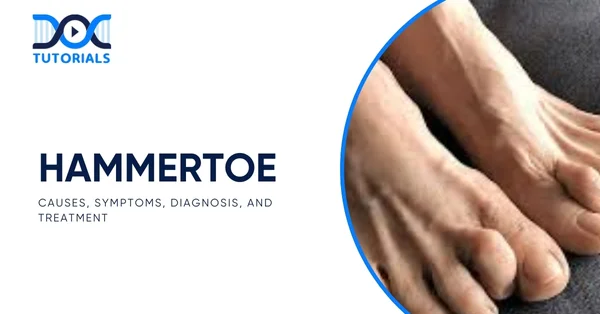
Hammertoes are the most common forefoot deformities. They result typically from the imbalance between the extrinsic and intrinsic muscles of the metatarsophalangeal joints (MTPJ) of the lesser toes. It causes uneven interphalangeal joint (IPJ) flexion and results in various deformities like the traditional hammertoe, mallet toe, or claw toe.
Since the small toes are used in foot balance and pressure distribution, these deformities can result in secondary gait abnormalities due to compensation, cosmetic deformity, callus formation, and pain. If you are appearing for the NEET PG exam, accurate knowledge of the aetiology, symptoms, diagnosis, and treatment of hammertoe is crucial.
Not only does it lead to exam preparation, but it also provides a sound foundation for proper diagnosis and proper clinical decision-making in clinical practice. Read on to have a thorough understanding of this foot condition.
What are Hammertoes?
A hammer toe develops when the muscles and ligaments around the toe joints become twisted. This bends the middle joint of a toe upward and, over time, causes it to stick in that position. It most often develops in the second, third, or fourth toes.
These are mainly of 2 forms:
- Flexible Hammer Toes: If there is mobility at the toe joint, this is a flexible hammertoe. This is a less severe condition and can often be treated with non-surgical interventions.
- Rigid Hammer Toes: If the tendons of the toe become so stiff that the joint becomes totally jammed, it bulges out of place, and the toe gets stuck in this curved state. This stage usually must be treated surgically.
What are the Causes of Hammertoe?
Each toe is guided by a pair of muscles that work together to maintain proper alignment. Upon any imbalance of these two muscles, pressure starts to be exerted on tendons and joints, further pulling the toe towards a hammer-curve.
Specific frequent causes are:
- Tight or Poor-Fitting Shoes: Tight shoes compress the toes, leading to misalignment.
- High Heels: Narrow-toed heels push the toes forward, creating excess pressure.
- Long Toes: People with longer toes may struggle to find shoes that fit, increasing pressure and the risk of bending.
- High Arches or Flat Feet: Both are structural defects that can cause imbalanced iliotibial and calf muscles, leading to hammertoe.
- Bunions: If the big toe becomes displaced, it puts pressure on the adjacent toes.
- Injury: Trauma to the toes can be a factor in the cause of hammertoe.
- Genetics: Some individuals have inherited a tendency toward this condition.
What are the Risk Factors of Hammertoe?
There are some factors that increase the risk of developing hammertoe. They include:
- Family history of the disease
- Wearing pointed or tight shoes on a constant basis
- Existing disorders in the foot, such as bunions, corns, or calluses, are caused by recurrent pressure
Improper-fitting shoes can force toe joints into unnatural positions and may even restrict muscle flexibility. Over time, this can lead to:
- Hammertoes
- Blisters or foot ulcers
- Bunions
- Corns
What are the Symptoms of Hammertoe?
You may notice pain when walking with a hammertoe. You experience soreness when you attempt to straighten or move your toe or the adjacent toe. The symptoms could vary in severity.
Mild symptoms include:
- Bending the toes
- Formation of corns or calluses
- Walking difficulty
- Reduced flexibility of the foot or the toes
- Claw-like deformity of the toes
For severe symptoms, visit an orthopaedic specialist or podiatrist immediately if you experience worsening pain or visible toe deformity.
What is the Diagnosis of Hammertoe?
Early identification of a hammer toe will assist in avoiding long-term deformity and discomfort. The following are the standard methods employed for the condition diagnosis:
- Physical Examination
The physician will minutely manoeuvre the toes and feet so that the symptoms can be replicated.
- X-Rays
X-rays are done to examine the bone and joints of the feet and toes, to give a better understanding of the issue.
What are the Treatments for Hammertoe?
Your podiatrist will recommend ways of relieving some pressure from your toes and putting them back in their correct position. These include:
- Footwear Adjustments: Wearing shoes which are wider and have more room in the toe region relieves pressure. In some cases, a shoe stretcher is used to widen available shoes.
- Taping and Pads: Over-the-counter toe pads will take the stress off the toes. Taping down the toes, as instructed by your doctor, may be recommended.
- Orthotic Devices: Special inserts in shoes support the foot and maintain toe positioning. These can be store-bought or custom-made. Sometimes, toe spacers may be advised.
- Medication for Pain: NSAIDs (nonsteroidal anti-inflammatory drugs) can be used to reduce inflammation and pain. But don’t use them for more than 10 consecutive days without consulting a doctor.
- Foot Movements: A physician may suggest exercises or stretches to keep the toes in their appropriate position.
- Surgical Treatment: Surgery is only an option when other options fail and walking is impossible. Your doctor will explain the operation and what to expect while recovering.
If hammertoes are not treated, they can worsen and even impact your walking or balance. Complications are rare and will generally improve once proper medical treatment is initiated.
FAQs About Hammertoes
- What is the most likely cause of a Hammertoe?
Though the second toe is most commonly affected, other toes can be impacted, too. The most frequent cause is generally tight, confining shoes that keep the toes curled.
- Do all Hammertoes need to be operated on?
This condition primarily affects the second, third, or fourth toe, bending them in the middle joint to form a hammer-like shape. Provided that it is treated in time, the toe will be flexible and will easily respond to conservative treatments. However, if left untreated, the deformity can become rigid and should then be treated with surgery.
- How to heal Hammertoe naturally?
Non-surgical methods include a change of shoes, toe spacers or pads, and taping or strapping of the toe to correct its alignment. Even toe exercises can make muscles stronger and tendons more relaxed, which contributes to overall foot health.
- Can you avoid Hammertoes?
Prevention is achievable through properly fitting shoes. Podiatrists suggest that there should be ample room for the toes to move freely in shoes. Proper-fitting shoes should also have proper arch support for extra comfort for the foot.
- Can a Hammertoe grow back?
Even after surgery, the toe may still progress toward deformity. While uncommon, a hammertoe may recur. If pain recurs, reassessment and potentially a second surgical procedure may be required.
Conclusion
Hammer toes are a frequent foot condition caused by pressure that curls or bows the toes. Over time, they can become rigid and painful, often due to poorly fitting shoes. Don’t neglect persistent foot pain or visible toe deformities. If the symptom persists, consult a podiatrist for early intervention and proper treatment to alleviate pressure and restore normalcy.
For NEET PG students, knowledge about conditions like hammertoe is essential to clear the exam. DocTutorials offers high-yield video lectures, revision notes, and short notes to advance your preparation. Enrol in DocTutorials’ NEET PG course and take the first step towards a successful medical career.


Latest Blogs
-

INI CET Exam 2026: Your Roadmap to Success – Key Topics, Strategies, and Lessons from Last Year’s Papers
The INI CET exam is more than just a test; it’s a significant milestone for many medical students aiming to…
-

INI CET Exam Success: Previous Year Question Papers & Ultimate Guide – INI CET PYQ
One can feel overwhelmed while preparing for the INI CET (Institute of National Importance Combined Entrance Test). A vast syllabus,…
-

NEET PG 2026 Preparation with Live Power Pack: Your Path to Success in 2026
Preparing for the NEET PG 2026 can be an overwhelming journey because of its vast syllabus and the pressure to…