Optic Neuritis: Causes, Symptoms, Diagnosis, and Treatment
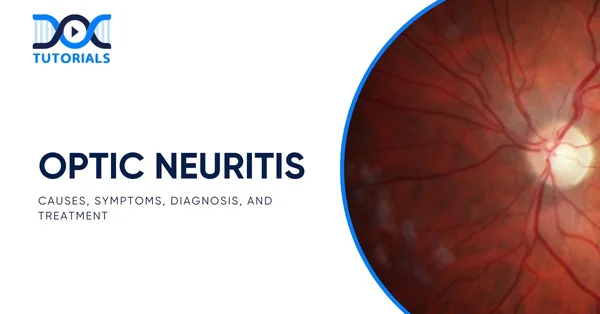
Optic neuritis leads to vision loss, pain in the eye, and other issues due to inflammation of the optic nerve. It is linked to chronic autoimmune diseases like multiple sclerosis. Individuals affected by optic neuritis must receive immediate treatment to prevent permanent vision loss.
To get a quick diagnosis and good therapy, it’s important to know what causes and what symptoms optic neuritis has. Also, if you are studying for NEET PG, you need to go over this material in great detail because it is an important element of the syllabus. For that, you can join DocTutorials, a complete tutorial guidance for your NEET PG preparation.
Read on to learn more about optic neuritis!
What is Optic Neuritis?
Optic nerves send messages from your eyes to the brain. Optic neuritis develops when the optic nerves are inflamed or irritated. Inflammation of the optic nerve, or optic neuritis, can lead to temporary blindness.
The optic nerve is covered with an insulating myelin sheath, which gets damaged when you have optic neuritis. The coating of the myelin sheath provides protection to the optic nerves. When it becomes damaged, the optic nerves cannot send signals optimally, causing various forms of vision loss.
What are the Causes of Optic Neuritis?
Though the actual cause of optic neuritis is yet to be determined, here are some of the possible reasons that can lead to this condition:
- When a virus infects the body, it makes the immune system assault the optic nerve.
- Multiple sclerosis, an autoimmune condition affecting the neurological system, can also cause visual neuritis. Reports say that over half of the people with multiple sclerosis may get optic neuritis.
- Another inflammatory illness that can cause optic neuritis is neuromyelitis optica.
What are the Risk Factors of Optic Neuritis?
The following are the risk factors of optic neuritis:
- Age: Adults between the ages of 20 and 40 years are at a higher risk of developing optic neuritis.
- Race: It is found that white people are more likely to develop optic neuritis.
- Sex: Optic neuritis is more commonly found in women than men.
- Genetic Mutations: The risks of developing optic neuritis may increase due to specific genetic mutations.
What are the Symptoms of Optic Neuritis?
The optic neuritis symptoms are as follows:
- Eye Pain: Over 90% of people experience eye pain, which often worsens with eye movement. This pain could feel like a dull aching behind the eye. Some unusual circumstances might not hurt.
- Unclear or Dim Vision: Your vision may become blurry or dim, which makes it harder to see details or tell the difference between things.
- Vision Acuity Loss: A decrease in the sharpness or clarity of vision is common, particularly in children with optic nerve disease or optic neuropathy.
- Colour Vision Loss (Dyschromatopsia): Colours, particularly red, appear less vivid or washed out, reducing the ability to distinguish colours clearly.
- Visual Field Defects or Vision Loss: Partial loss or gaps in vision usually affect the central visual field, causing difficulty seeing objects directly ahead.
- Flashing or Flickering Lights: Some people see lights that flicker or flash when they move their eyes.
These symptoms usually start to show up over the course of a few days and can get worse for approximately two weeks, mostly in one eye. Vision usually gets better over the course of a few weeks to a few months, but some people may have long-term impairments. Getting diagnosed and treated early can help you get better faster..
How to Diagnose Optic Neuritis?
The diagnostic process for optic neuritis, especially in children, involves several steps and specialised tests to identify the condition accurately:
- Clinical History
The doctor inquires about any visual changes and recent infections, flu-like illnesses, or vaccinations that occurred within 1-2 weeks of symptom onset. This helps identify potential triggers for optic nerve inflammation.
- Eye Examination
The specialist tests near and distant vision, and evaluates pupil reactions to light to detect abnormalities, such as sluggish or reduced pupillary response. This is common in optic neuritis. Colour vision and peripheral vision are also assessed to check for deficits.
- Optical Coherence Tomography (OCT)
This non-invasive imaging uses light waves to produce detailed cross-sectional images of the optic nerve and retina. OCT detects swelling or thinning of the retinal nerve fibre layer, indicating optic nerve damage.
- Magnetic Resonance Imaging (MRI)
MRI scans with contrast dye visualise inflammation in the optic nerve, brain, and spinal cord. This not only supports diagnosis but also helps identify risks for conditions like multiple sclerosis by revealing lesions in the central nervous system.
- Blood Tests
These can identify infections or autoimmune markers linked to optic neuritis, such as antibodies for neuromyelitis optica or MOG (myelin oligodendrocyte glycoprotein) disease.
- Spinal Tap (Lumbar Puncture)
If necessary, cerebrospinal fluid is analysed to detect inflammation or infection affecting the brain and spinal cord.
What are the Treatment Options for Optic Neuritis?
Optic neuritis treatment depends on its cause, severity, and associated conditions. In some cases, it resolves without specific intervention. Here are some of the treatment methods for optic neuritis:
- Steroid Therapy
A short course of intravenous steroids may be given to reduce inflammation and swelling in the optic nerve. This can speed up vision recovery, though it doesn’t necessarily affect the final visual outcome.
- Treating Underlying Conditions
If optic neuritis is associated with disorders such as multiple sclerosis (MS) or neuromyelitis optica, doctors will conduct additional tests. They will recommend targeted treatments to manage the underlying disease and prevent recurrence.
FAQs about Optic Neuritis
- For how long can one be affected with optic neuritis?
The duration of optic neuritis varies depending on the type and treatment. Typical cases resolve in two weeks to three months, while atypical forms last longer and may cause permanent vision loss if untreated.
- What are the complications of optic neuritis?
In some cases, optic neuritis can cause permanent loss of colour vision or complete blindness if left untreated and severe. Irreversible optic nerve damage may occur, and specific treatments can cause unwanted side effects.
- Is it possible to prevent optic neuritis?
Optic neuritis and nerve damage are unpredictable, but risk can be lowered by quitting tobacco, treating infections quickly, following prescriptions, eating well, moderating alcohol, and managing chronic autoimmune conditions.
- What is the prognosis for optic neuritis?
After vision recovers from optic neuritis, recurrence is possible, especially for those with multiple sclerosis (MS). If symptoms return, it is crucial to see a doctor promptly. Immediate treatment can help prevent further episodes and reduce damage from repeated inflammation.
Conclusion
Optic neuritis is a potentially vision-impacting condition that requires timely diagnosis and management. While many cases improve naturally, early treatment with corticosteroids can accelerate recovery and reduce inflammation. If you are pursuing NEET PG examinations, you must acquire an in-depth knowledge of this topic.
In this regard, DocTutorials can provide you with professional guidance. We offer in-depth medical explanations and learning tools, helping students and professionals understand the complexities of optic neuritis and advances in diagnosis and therapy for improved patient care.
Join our NEET PG course for complete guidance!


Latest Blogs
-

INI CET Exam 2026: Your Roadmap to Success – Key Topics, Strategies, and Lessons from Last Year’s Papers
The INI CET exam is more than just a test; it’s a significant milestone for many medical students aiming to…
-

INI CET Exam Success: Previous Year Question Papers & Ultimate Guide – INI CET PYQ
One can feel overwhelmed while preparing for the INI CET (Institute of National Importance Combined Entrance Test). A vast syllabus,…
-

NEET PG 2026 Preparation with Live Power Pack: Your Path to Success in 2026
Preparing for the NEET PG 2026 can be an overwhelming journey because of its vast syllabus and the pressure to…