Perinatal Asphyxia: Causes, Symptoms, Diagnosis, and Treatment
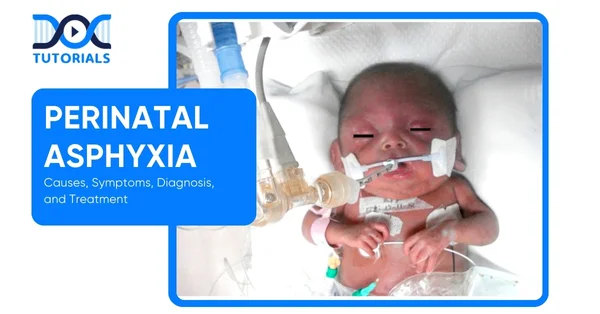
Perinatal asphyxia, also known as birth asphyxia, happens when a baby doesn’t get enough oxygen before, during, or right after birth. Sometimes a short drop in oxygen levels doesn’t hurt anyone, but a long or severe lack of oxygen can be quite dangerous for your health, causing brain damage or problems with other important organs.
If you want to be a doctor, it’s very important to know about perinatal asphyxia. Seeing the warning signals early and acting quickly can be the difference between a healthy newborn and a lifetime of medical issues.
Keep reading to learn more about this medical condition!
What is Perinatal Asphyxia?
This issue usually happens when a newborn doesn’t get enough oxygen right before, during, or right after birth. If the lack of oxygen isn’t remedied right away, it can also lead to major health problems. Low oxygen levels can even make the baby’s organs malfunction.
Hypoxaemia, which means low oxygen in the blood, and acidosis, which means too much acid in the blood, are two big issues that could happen. These changes can mostly affect how the baby’s organs perform and may need medical intervention right away.
What Causes Perinatal Asphyxia?
There are various factors that might cause perinatal asphyxia, and they can be issues related to the baby or its mother. Here are some of the most common causes of this condition:
- Issues with the Umbilical Cord: If the umbilical cord is too tight or slides into the delivery canal before the baby (called prolapse), it can cut off the newborn’s oxygen supply.
- Meconium Aspiration: Babies can breathe in a mix of amniotic fluid and their first stool (meconium), which can make it hard for them to breathe.
- Premature Birth: Babies born before 37 weeks may have lungs that aren’t fully grown, which makes it harder for them to breathe on their own.
- Amniotic Fluid Embolism: It is an uncommon but hazardous disorder in which amniotic fluid gets into the mother’s blood and causes a severe allergic reaction.
- Uterine Rupture: A rip in the uterus might stop the baby from getting enough oxygen and blood.
- Placental Separation: If the placenta separates from the uterus too soon, it might cut off the baby’s oxygen supply.
Here are additional circumstances that may contribute to this issue:
- Infections during labour might also make it harder for the baby to get oxygen.
- Long or hard labour can produce stress and make it harder for the body to get oxygen.
- If the mother’s blood pressure is too high or too low, it can make it harder for the baby to get enough oxygen.
- Anaemia in the Baby: If the baby’s red blood cells can’t carry enough oxygen, the risk goes up.
- Low Oxygen in the Mother’s Blood: If the mother doesn’t have enough oxygen in her blood, it can also limit the quantity of oxygen that goes to the baby before or during birth.
What are the Risk Factors of Perinatal Asphyxia?
The following are some of the common risk factors of perinatal asphyxia:
- A woman who is pregnant and between the ages of 20 and 25
- Having more than one baby, like twins or triplets
- Not getting regular treatment throughout pregnancy
- Low weight at birth
- The infant was in an unusual position during birth.
- Having had a prior infant who suffered from birth asphyxia
- Preeclampsia or eclampsia, which is when you have high blood pressure and other health problems
What are the Symptoms of Perinatal Asphyxia?
When a baby doesn’t get enough oxygen at birth, it can generally lead to a variety of symptoms, from mild to serious. Here are some crucial birth asphyxia symptoms that you should watch for:
- The baby might struggle to breathe or show signs of breathing difficulties.
- The baby’s skin may look bluish or grey due to low oxygen (a condition called hypoxia).
- The baby might have trouble calming down or staying awake.
- Over time, the baby may become unusually sleepy or inactive.
- The baby might appear floppy or have poor muscle strength (called hypotonia).
- The baby may appear weak or have reduced reflexes (known as hyporeflexia).
- In more serious cases, seizures can occur and may be a sign of brain involvement.
How is Perinatal Asphyxia Diagnosed?
To see if a baby suffers from birth asphyxia, doctors check for a number of indicators. Here are some of the most important things that doctors commonly look at to make a diagnosis:
- Nervous System Problems: If your infant has poor muscle tone, a weak sucking reflex, problems breathing, or convulsions, these could be signs of brain or nerve damage.
- Organ Issues: Problems with the baby’s organs can also be a sign that something is wrong.
- Blood Acid Levels: If the baby’s blood or umbilical cord has a pH level below 7, it means there is too much acid, which is caused by inadequate oxygen.
- Low APGAR Score: If the baby gets a score of 5 or less on the APGAR test 10 minutes after birth and needs help breathing, it could mean that they were born with asphyxia.
How is Perinatal Asphyxia Treated?
The timing and severity of perinatal asphyxia primarily determine how it is treated. Depending on the baby’s condition, doctors apply different methods. Some popular ways to treat perinatal asphyxia are:
- If the person giving birth doesn’t have enough oxygen, they might be given some to help the baby obtain more.
- If the infant displays signs of low oxygen, they may need extra oxygen, a breathing machine, or even a tube to help them breathe.
- If the kidneys aren’t working right, the infant may need medicine to lower blood pressure or dialysis.
- Therapeutic hypothermia is a specific treatment that keeps the newborn cool for a few days after birth. This helps keep the brain safe and even lessens the risk of long-term damage.
What are the Complications of Perinatal Asphyxia?
The effects of perinatal asphyxia usually starts by affecting the brain and can later harm other organs. In very severe cases, it can even lead to infant death.
Babies who survive may face long-term health challenges. Birth asphyxia is one of the main causes of brain damage in newborns and can also lead to a variety of complications, including:
- Autism
- Seizures
- Injuries to the brain
- Problems with behaviour
- Intellectual disabilities
- Growth or development that is late
- ADHD (problems with focus and hyperactivity)
- Cerebral palsy is a condition that affects mobility and muscles.
Can Perinatal Asphyxia Be Prevented?
It’s not always possible to stop perinatal asphyxia, but the risk can be lowered, especially in areas with good prenatal care and access to modern medical treatment.
Also, with the right care and monitoring during pregnancy and delivery, doctors can typically take care of concerns like heavy bleeding or issues with the umbilical cord before they get worse.
Some risk factors that increase the chances of birth asphyxia can also be controlled. By addressing these early, the risk can be lowered. These preventable factors generally include:
- Premature birth
- Skipping prenatal checkups
- Anaemia (low iron levels in the mother)
- Untreated infections during pregnancy
- High or low blood pressure during pregnancy
FAQs About Perinatal Asphyxia
- When is perinatal asphyxia most likely to happen?
Most occurrences of perinatal asphyxia mainly occur during labour and delivery, when complications can suddenly affect the baby’s oxygen supply.
- How useful is therapeutic hypothermia?
Therapeutic hypothermia, which is also called whole-body cooling, can usually minimise the chance of death or major long-term disability. If begun within 6 hours after birth, it can minimise severe problems from roughly 62% to 48%.
- When do most people die from perinatal asphyxia?
Most of the time, 98% of deaths from birth asphyxia occur in the first week of life. Out of these, 75% happen within the first 24 hours, while only 2% occur after 3 days.
Conclusion
It’s common for newborns to suffer short episodes of low oxygen after birth, and in most circumstances, it’s not something to worry about. But when the lack of oxygen is severe or lasts too long, it can lead to serious problems like brain damage, organ failure, or even death.
For medical aspirants, understanding critical topics like perinatal asphyxia is essential. DocTutorials’ NEET PG courses have everything you need to learn these concepts well, including high-quality video lectures, a full set of questions, test series, and professional help.
So, start your NEET PG journey with DocTutorials today and take your exam prep to the next level!


Latest Blogs
-

FMGE Exam Dates: Important Updates, Eligibility, Registration & More
Preparing to practice medicine in India after completing an MBBS abroad requires more than just academic dedication; it demands clearing…
-

FMGE Exam Date 2026 – Everything You Need to Know About the FMGE
The Foreign Medical Graduate Examination is the most important exam for Indian students pursuing their medical courses abroad. Upon completion…
-

FMGE Exam 2027 Guide: Important Dates, Fees, Eligibility, Application Process & More
Coming back to India after finishing your medical degree abroad is a huge achievement. You’ve already put in years of hard work to earn…



