Trichotillomania: Causes, Symptoms, Diagnosis, and Treatment
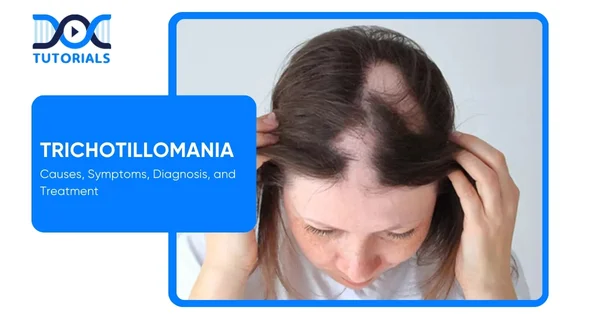
Trichotillomania, or hair-pulling disorder, refers to a psychiatric disorder that comes under the category of obsessive-compulsive and related disorders. It is characterised by frequent, irresistible urges to pull hair, resulting in evident loss of hair and extreme psychological distress.
Typically developing during adolescence, the disorder tends to have a chronic course if left untreated. The clinical trichotillomania symptoms, alongside its causes, diagnosis, and management tactics, should be properly understood by aspiring medical students preparing for the NEET PG exam.
It must be detected early for timely intervention and optimal control. Keep reading!
What is Trichotillomania?
Trichotillomania is a psychiatric disorder marked by an irresistible, chronic pulling out of one’s own hair, typically from the scalp, eyebrows, or eyelashes, but also other areas. It is considered a type of impulse control disorder and is closely related to the obsessive-compulsive spectrum.
People usually pull their hair out due to stress, anxiety, boredom, or tension, and feel relief or satisfaction afterwards. The more it continues, the more it results in observable hair loss, emotional distress, and social isolation because of shame or embarrassment.
Trichotillomania usually starts in childhood or puberty and may be of varying degrees, sometimes persisting for years.
What are the Symptoms of Trichotillomania?
Hair-pulling disorder, or trichotillomania, manifests with a variety of behavioural and emotional symptoms that can have a great impact on daily functioning. The most common symptoms are as follows:
- Repeated hair pulling from the scalp, eyebrows, eyelashes, or elsewhere, resulting in obvious hair loss.
- Increasing tension before pulling, relief, gratification, or satisfaction afterwards.
- Hair pulling can be automatic (not done on purpose) or focused (deliberate), possibly involving rituals.
- Chewing, biting, or playing with pulled-out hair, and sometimes even ingesting it.
- Relentless efforts to decrease or discontinue hair-pulling without relief.
- Clinical distress or impairment in social, occupational, or other important areas of functioning as a result of the behaviour.
- Frequently combined with other repetitive acts like skin picking, nail biting, or lip sucking.
- Usually done in secret and may be prompted by tension, boredom, or emotional pain.
What are the Causes of Trichotillomania?
Trichotillomania is a multifactorial psychiatric disorder thought to be caused by a mix of genetic, neurobiological, psychological, and environmental factors. Here are the major causes:
- Genetic Predisposition: Increased risk exists in individuals who have a family history of trichotillomania or other psychiatric illnesses, indicating a heritable factor.
- Early Onset Age: The disorder usually starts between 10 and 13 years of age, usually in early adolescence. It can persist or recur throughout life.
- Brain Abnormalities: MRI (magnetic resonance imaging) scans have revealed structural and functional brain abnormalities within brain regions involved in impulse control, including the basal ganglia and frontal cortex.
- Mental Health Disorders: Trichotillomania usually develops together with anxiety, OCD (obsessive compulsive disorder), depression, autism, or ADHD (attention deficit hyperactivity disorder) as a symptom or a reaction.
- Emotional Triggers: Anxiety, boredom, loneliness, shame, or anger may trigger or exacerbate hair-pulling behaviour as a self-calming response.
- Sensory Gratification: Pulling the hair or feeling the fingers on it can be pleasurable or soothing to some, which fuels the behaviour.
- Environmental Factors: A history of situations of boredom, loneliness, or too much privacy could lead to an increased likelihood of hair-pulling.
- Stressful Life Events: Physical or emotional tension, trauma, or abrupt changes in life can be triggered in vulnerable people.
- Gender: Trichotillomania is more frequently diagnosed in women, and studies show a 9:1 female-to-male ratio in outpatient populations.
- Health or Skin Conditions: There may be underlying irritation of the skin or scalp that triggers attention from the area, resulting in habitual pulling.
How to Diagnose Trichotillomania?
The diagnosis of trichotillomania requires both physical and psychological evaluation. Clinicians’ initial approach involves identifying repetitive hair-pulling behaviours that lead to hair loss observed in irregular patterns, generally not consistent with natural baldness or dermatological conditions.
Mental health evaluation is usually necessary, and sometimes punch biopsies, dermoscopy/trichoscopy, or imaging tests may be essential to exclude other possibilities of hair loss or complications from trichobezoars (hairball blockages). Soon, medical reporting shall aid in accurate diagnosis and planning proper trichotillomania treatment.
How to Treat Trichotillomania?
Common medicines and therapies adopted in order to treat trichotillomania include the following:
- Medications
- Antidepressants: Selective serotonin reuptake inhibitors (SSRIs) and tricyclic antidepressants may assist in diminishing the urge to pull hair.
- Anticonvulsants: Typically used to manage seizures and other movement disorders, these medications can also be beneficial for trichotillomania.
- Antipsychotics: These drugs aid in balancing brain chemistry. Although their name suggests a singular purpose, they are effective for various conditions, including dementia, bipolar disorder, and schizophrenia.
- Nutraceuticals: These nutritional products, such as amino acid supplements, may assist in addressing medical issues.
- Therapies
- Habit Reversal Therapy: This technique focuses on increasing your awareness of behaviours and activity patterns. By enhancing your awareness, this therapy guides you in breaking habits like hair-pulling. It has the highest likelihood of success among all treatment options for trichotillomania.
- Group Therapy and Peer Support: Individuals with trichotillomania might find specific forms of group therapy or support beneficial.
FAQs about Trichotillomania
- Which people suffer from trichotillomania the most?
Trichotillomania affects females more frequently than males, with women between the ages of adulthood being four times more likely than males to develop the condition. Girls aged 9 to 13 years are most frequently affected by this condition.
- What leads to trichotillomania?
This condition of hair-pulling is thought to be associated with anxiety and obsessive-compulsive spectrum disorders. Gene studies, particularly in twins, indicate that a genetic factor might also be involved.
- Can trichotillomania cause permanent damage?
Yes, repeated hair pulling can result in permanent harm, such as scarring, infections, and permanent hair loss in the affected areas. Early treatment can prevent such long-term consequences.
- What are the two main categories of trichotillomania?
Trichotillomania is usually divided into 2 groups: focused and non-focused pulling. Focused pulling is voluntary and typically initiated by emotional distress, whereas non-focused pulling is habitual and typically happens without the individual being conscious of it.
- Is trichotillomania contagious?
No, trichotillomania is not a communicable disease. It is a mental disorder and may not be transmitted through contact since it’s not caused by bacteria or viruses.
Trichotillomania is an intractable disorder with a multifactorial aetiology, which frequently necessitates both behavioural and pharmacological treatments. Early diagnosis followed by prompt treatment is crucial to avoid long-term psychological and social repercussions.
For NEET PG candidates, DocTutorials offers excellent study materials that simplify complex psychiatric subjects, enabling you to understand high-yield concepts with clarity and confidence.
Join DocTutorials and explore our NEET PG course to excel in your medical career.


Latest Blogs
-

FMGE Exam Dates: Important Updates, Eligibility, Registration & More
Preparing to practice medicine in India after completing an MBBS abroad requires more than just academic dedication; it demands clearing…
-
FMGE Exam Date 2026 – Everything You Need to Know About the FMGE
The Foreign Medical Graduate Examination is the most important exam for Indian students pursuing their medical courses abroad. Upon completion…
-

FMGE Exam 2027 Guide: Important Dates, Fees, Eligibility, Application Process & More
Coming back to India after finishing your medical degree abroad is a huge achievement. You’ve already put in years of hard work to earn…