Wilms Tumour: Causes, Symptoms, Diagnosis, and Treatment
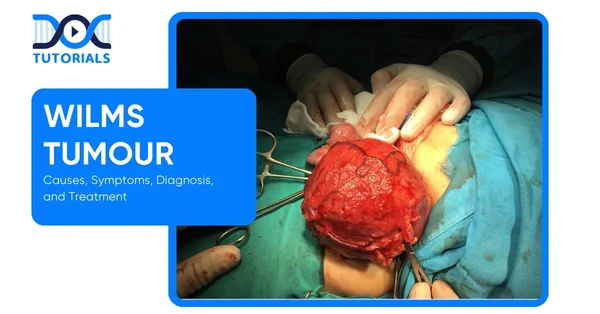
Wilms tumour, also known as nephroblastoma, is the most frequent renal malignancy of childhood. It is the leading pediatric abdominal cancer and ranks as the fourth most common childhood cancer overall. In fact, it is the most frequently diagnosed in children aged below five years. The tumour is named after Dr Max Wilms, a German physician who first described the condition in 1899.
Identification of the aetiology, symptoms, and risk factors of the tumour is necessary for early diagnosis, immediate intervention, and better long-term outcomes. Also, knowledge of Wilms tumour is of particular relevance to NEET PG candidates since it not only enhances study preparation but also lays a solid groundwork for actual clinical practice.
Keep reading for detailed insights!
What is a Wilms Tumour?
Wilms tumor is a kidney cancer that most commonly occurs in children. It makes up almost 90% of all cases of kidney cancer in children. Occasionally, a Wilms tumour occurs as part of a group of medical problems a child is born with, referred to as a congenital syndrome.
It has also been named Wilms’ tumour or nephroblastoma and occurs in one kidney with a single tumour, although in some cases, tumours can be found in both kidneys (bilateral) or even multiple tumours in one kidney.
What are the Symptoms of Wilms Tumour?
Symptoms and signs of Wilms tumour are varied. Some have no symptoms at all, while others will present with one or more of the following:
- A detectable abdominal mass
- Abdominal distension
- Abdominal discomfort or pain
Other signs are:
- Fever
- Haematuria, or the presence of blood in the urine
- Anaemia, or decreased red blood cell count
- Hypertension, or elevated blood pressure
What are Wilms’ Tumour Risk Factors?
Certain factors can increase the likelihood of a child developing a Wilms tumour:
- Age: The majority are diagnosed in children between 3 and 5 years of age.
- Sex: Girls are slightly more at risk than boys.
- Race: Children of African origin have a slightly higher frequency of getting the tumour than other races.
- Family History: If there is a family member with Wilms tumour, the child is at greater risk.
- Birth Defects: Certain birth defects related to Wilms tumour are:
- Undescended testicles (cryptorchidism)
- Opening of the urethra on the underside of the penis (hypospadias)
- Absence of part or all of the coloured portion of the eye (aniridia)
- Overgrowth of one limb compared to the other (hemihypertrophy)
- Other Medical Conditions: Wilms tumour may also appear in children with rare genetic syndromes such as:
- WAGR syndrome, which causes urinary tract abnormalities.
- Denys-Drash syndrome, in which boys can have male genitals with some female features.
- Microcephaly is a condition in which the head is small at birth.
- Beckwith-Wiedemann syndrome, in which there are huge internal organs.
What are the Causes of Wilms’ Tumour?
The exact reason for Wilms’ tumour is not yet known. Cancer develops as a result of an alteration in the DNA of a cell that controls its growth and function. The alteration in the genetic material causes the cells to develop and multiply uncontrollably, instead of going through the usual life cycle, during which old cells are replaced by new ones.
In Wilms tumour, this uncontrollable growth creates an excessive growth of kidney cells that form the tumour. In some instances, inherited genetic mutations that are passed from parent to child can raise the risk of Wilms’ tumour.
How is Wilms’ Tumour Diagnosed?
If you have seen a lump where your baby’s diaper line is, or you’ve had to change diaper size due to a bloated belly, your doctor may order Wilms tumour tests. The tumours in some instances will grow very large, even larger than the kidney itself.
Those kids who have a genetic syndrome or congenital anomaly linked to Wilms tumour might have to undergo routine screening examinations during a visit to the doctor.
Some of the routine tests for diagnosing Wilms tumour include:
- Physical Examination: The physician will press lightly on the child’s abdomen to check for masses or abnormal swelling.
- Imaging Studies: This is a CT scan (with or without contrast) or an abdominal ultrasound. A chest X-ray or CT scan may also be done to see whether the cancer has spread to the lungs (metastasised). Imaging helps confirm the presence of a mass and distinguish Wilms tumour from other renal cancers.
- Laboratory Studies: Blood and urine are analysed, including tests for liver function and blood clotting.
- Biopsy: A tiny portion of the tumour tissue is removed and sent to the lab for pathological examination.
What is Wilms’ Tumour Treatment?
Treatment of Wilms tumor is based on how advanced the condition is and can include surgery, chemotherapy, and radiation therapy together.
Surgery
If the surgeon has to perform surgery, they can undertake one of the following:
- Partial Nephrectomy: Removal of the tumour along with a minimal amount of normal tissue surrounding it.
- Radical Nephrectomy: Removal of the entire affected kidney, ureter, the adrenal gland above the kidney, and adjacent tissues.
- Bilateral Nephrectomy: In rare cases, both kidneys may need to be removed. Children will then require dialysis to filter waste from the blood until they are healthy enough for a kidney transplant.
Chemotherapy
Chemotherapy consists of administering drugs that destroy cancerous cells in the body. Most of the children may go through chemotherapy as part of their treatment at one point. The medicines affect normal cells, so they will present with some side effects, such as:
- Hair loss
- Weakness
- Blistering in the mouth
- Appetite loss
- Nausea and vomiting
- Diarrhoea or constipation
- Easy bleeding or bruising
- Susceptibility to infection
Most of the above side effects can be controlled by the healthcare team.
Radiation Therapy
Radiation destroys cancer cells by releasing high-energy beams. It is usually recommended for stage III and higher tumours. As radiation causes short- and long-term side effects such as tissue damage, physicians try to use the smallest effective dose.
FAQs About Wilms Tumour
- In which organs is Wilms tumour visible?
Wilms tumour is an uncommon childhood cancer that primarily affects the kidneys. It is also referred to as nephroblastoma and is the most frequent kidney cancer in children.
- Does Wilms tumour result in hypertension?
Yes. A large proportion of children with Wilms tumour develop high blood pressure (hypertension). In one study of 46 patients with complete blood pressure records, 29 (63%) were found to have elevated systolic or combined systolic-diastolic readings.
- How is Wilms’ tumour prevented in children?
There are no recognised lifestyle or environmental risk factors for Wilms tumour, and as such, there is no established means of prevention. Specialists theorise that Wilms’ tumour develops from embryonic kidney cells that fail to develop normally during foetal growth and then proceed to cause abnormal cell growth later in life.
- What is the most frequent initial symptom of Wilms’ tumour?
The most common and earliest sign is an abdominal mass. Parents will most likely notice swelling, fullness, or tenderness in the child’s abdomen when bathing or dressing. The mass will typically appear on one side of the belly, but occasionally it is so large that it crosses both sides. It is usually painless, but it will be uncomfortable for a few children.
- What are the side effects of Wilms’ tumour?
The most life-threatening complications arise when the tumour metastasises to other organs like the lungs, lymph nodes, liver, bones, or brain. Other complications include high blood pressure and renal damage. When both kidneys are resected, there are long-term effects on kidney function.
Conclusion
If your child is diagnosed with Wilms tumour, the healthcare provider may recommend contacting a specialised medical centre experienced in treating paediatric cancers. Although rare, Wilms tumour is considered highly treatable, and many children are offered the chance to participate in clinical trials. These trials have played a vital role in advancing treatment approaches and improving outcomes.
To candidates preparing to take the NEET PG examination, conditions like Wilms tumour are crucial to learn. This is where DocTutorials is your reliable partner. We offer expert video lectures, focused quick revision programmes (QRPs), and comprehensive study notes to make you clinically effective in practice and ready to excel in your tests.
Explore our NEET PG study materials today and ace your exam!


Latest Blogs
-

FMGE Exam Dates: Important Updates, Eligibility, Registration & More
Preparing to practice medicine in India after completing an MBBS abroad requires more than just academic dedication; it demands clearing…
-

FMGE Exam Date 2026 – Everything You Need to Know About the FMGE
The Foreign Medical Graduate Examination is the most important exam for Indian students pursuing their medical courses abroad. Upon completion…
-

FMGE Exam 2027 Guide: Important Dates, Fees, Eligibility, Application Process & More
Coming back to India after finishing your medical degree abroad is a huge achievement. You’ve already put in years of hard work to earn…