Harrison’s Principles of Internal Medicine: Updated Edition Highlights
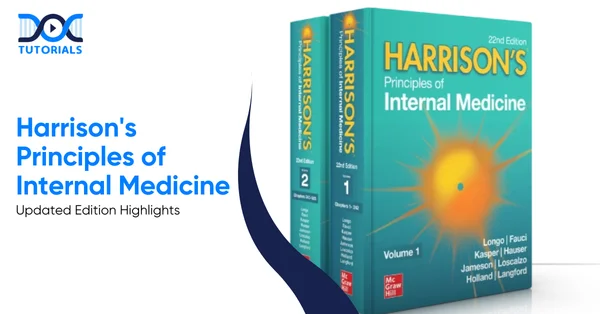
Harrison’s Principles of Internal Medicine, 22nd Edition, is one of the most reliable sources of knowledge on how diseases occur and how they affect the human body. The latest edition of this book contains updated research, practical knowledge, and guidelines from experts. It covers a broad spectrum of diseases, from basic disease mechanisms to advanced diagnostic and treatment strategies.
Additionally, each chapter of Harrison’s Internal Medicine, 22nd edition, is well-organised and contains updated cases and key points that make studying easier. Whether you are a medical student who wants to ace your exams or a medical practitioner who wants to update your knowledge, the Harrison 22nd edition is a reliable guide.
Keep reading to find out more about the latest updates and key points of Harrison’s Internal Medicine, the latest edition!
About Harrison’s Principles of Internal Medicine
For more than seventy years, Harrison’s Principles of Internal Medicine has remained a definitive authority on applied pathophysiology, seamlessly bridging the gap between basic disease mechanisms and expert clinical practice. The Harrison Internal Medicine 22nd edition continues this legacy, providing a carefully selected guide to the latest medical advances and developments for healthcare professionals worldwide.
For over seven decades, Harrison’s Principles of Internal Medicine has remained a reliable guide for healthcare professionals who need essential knowledge and information on how to provide top-class medical care. It is a globally renowned authority on applied pathophysiology and clinical medicine and covers developments and advances in all medical fields and specialities.
The updated Harrison’s Principles of Internal Medicine 22nd edition, contains significant changes and updates in terms of content and structure, making it a reliable guide for medical professionals.
The latest edition of Harrison’s Principles of Internal Medicine includes:
- Updated content reflecting new therapeutics, practice-changing guidelines, and evidence summaries
- Over 3,000 clinical, pathological, and radiographic images, decision trees, and clear diagrams explaining pathophysiologic processes
- Curated atlases highlighting key visual aspects of diagnosis and management
- New chapters such as The Value of the Physical Examination in Modern Medicine, Physician Well-Being, Exercise Intolerance, Primary and Secondary Hemophagocytic Lymphohistiocytosis, Symptom Control in Patients with Cancer, Principles of Immunisation, COVID and Other Coronavirus Infections, Desensitisation, Point-of-Care Ultrasound, Placebo and Nocebo Effects, Bedside Examination Tests in the Patient with Low Back Pain, and Antithrombotic Therapy in Adult Patients
Additionally, for aspirants planning to buy reliable study material on internal medicine, Harrison’s Principles of Internal Medicine can be an ideal choice for the following reasons:
- Detailed explanations of disease mechanisms and guidance on applying this knowledge for accurate diagnosis and effective patient care.
- Clear schemas that help generate differential diagnoses and navigate complex clinical cases efficiently.
- The physiological and epidemiological basis of signs and symptoms, linked to relevant disease-specific chapters.
- The latest clinical trial results and recommended guidelines.
- Extensive visual support, including radiographs, clinical photographs, diagrams, and high-quality illustrations.
- Coverage of both treatment strategies and specific therapeutic regimens.
- Practical clinical decision trees and algorithms.
- Organ- and system-based sections with clinically relevant pathophysiology, approaches to patient care, differential diagnosis strategies, diagnostic schemas, clinical images, current guidelines, and therapy approaches.
Harrison’s Principles of Internal Medicine, 22nd Edition Contents
Harrison’s Principles of Internal Medicine, 22nd Edition, has 24 extensive and comprehensive parts, ranging from the fundamental manifestations of diseases to special topics such as oncology, infections, and neuroscience. It further enriches the learning experience with a dedicated video collection and clinical procedure tutorials for visual mastery.
Study the extensive and updated contents of the Harrison Principles of Medicine, which cover all the essential topics of modern clinical medicine. These include:
- Part 1: The Profession of Medicine
- Chapter 1: The Practice of Medicine
- Chapter 2: Promoting Good Health
- Chapter 3: Vaccine Opposition and Hesitancy
- Chapter 4: Decision-Making in Clinical Medicine
- Chapter 5: Precision Medicine and Clinical Care
- Chapter 6: Screening and Prevention of Disease
- Chapter 7: The Safety and Quality of Health Care
- Chapter 8: The Value of the Physical Examination in Modern Medicine
- Chapter 9: Physician Well-Being
- Chapter 10: Diagnosis: Reducing Errors and Improving Quality
- Chapter 11: Racial and Ethnic Disparities in Health Care
- Chapter 12: Ethical Issues in Clinical Medicine
- Chapter 13: Palliative and End-of-Life Care
- Part 2: Cardinal Manifestations and Presentation of Diseases
Section 1: Pain
- Chapter 14: Pain: Pathophysiology and Management
- Chapter 15: Chest Discomfort
- Chapter 16: Abdominal Pain
- Chapter 17: Headache
- Chapter 18: Low Back Pain
- Chapter 19: Neck Pain
Section 2: Alterations in Body Temperature
- Chapter 20: Fever
- Chapter 21: Fever and Rash
- Chapter 22: Fever of Unknown Origin
Section 3: Nervous System Dysfunction
- Chapter 23: Syncope
- Chapter 24: Dizziness and Vertigo
- Chapter 25: Fatigue
- Chapter 26: Neurologic Causes of Weakness and Paralysis
- Chapter 27: Numbness, Tingling, and Sensory Loss
- Chapter 28: Gait Disorders, Imbalance, and Falls
- Chapter 29: Confusion and Delirium
- Chapter 30: Coma
- Chapter 31: Dementia
- Chapter 32: Aphasia, Memory Loss, and Other Cognitive Disorders
- Updated! Chapter 33: Sleep Disorders
Section 4: Disorders of Eyes, Ears, Nose, and Throat
- Updated! Chapter 34: Disorders of the Eye
- Chapter 35: Disorders of Smell and Taste
- Chapter 36: Disorders of Hearing
- Chapter 37: Upper Respiratory Symptoms, Including Earache, Sinus Symptoms, and Sore Throat
- Chapter 38: Oral Manifestations of Disease
Section 5: Alterations in Circulatory and Respiratory Functions
- Chapter 39: Dyspnea
- Chapter 40: Cough
- Chapter 41: Hemoptysis
- Chapter 42: Hypoxia and Cyanosis
- Chapter 43: Oedema
- Chapter 44: Approach to the Patient with a Heart Murmur
- Chapter 45: Palpitations
- Chapter 46: Exercise Intolerance
Section 6: Alterations in Gastrointestinal Function
- Chapter 47: Dysphagia
- Chapter 48: Nausea, Vomiting, and Indigestion
- Chapter 49: Diarrhoea and Constipation
- Chapter 50: Unintentional Weight Loss
- Chapter 51: Gastrointestinal Bleeding
- Chapter 52: Jaundice
- Chapter 53: Abdominal Swelling and Ascites
Section 7: Alterations in Renal and Urinary Tract Function
- Chapter 54: Interstitial Cystitis/Bladder Pain Syndrome
- Chapter 55: Azotemia and Urinary Abnormalities
- Chapter 56: Fluid and Electrolyte Disturbances
- Chapter 57: Hypercalcemia and Hypocalcemia
- Chapter 58: Acidosis and Alkalosis
Section 8: Alterations in the Skin
- Chapter 59: Approach to the Patient with a Skin Disorder
- Chapter 60: Eczema, Psoriasis, Cutaneous Infections, Acne, and Other Common Skin Disorders
- Chapter 61: Skin Manifestations of Internal Disease
- Chapter 62: Immunologically Mediated Skin Diseases
- Chapter 63: Cutaneous Drug Reactions
- Chapter 64: Photosensitivity and Other Reactions to Sunlight
Section 9: Hematologic Alterations
- Chapter 65: Interpreting Peripheral Blood Smears
- Chapter 66: Anaemia and Polycythemia
- Chapter 67: Disorders of Granulocytes and Monocytes
- Chapter 68: Primary and Secondary Hemophagocytic Lymphohistiocytosis
- Chapter 69: Bleeding and Thrombosis
- Chapter 70: Enlargement of Lymph Nodes and Spleen
- Part 3: Pharmacology
- Chapter 71: Principles of Clinical Pharmacology
- Chapter 72: Pharmacogenomics
- Part 4: Oncology and Haematology
Section 1: Neoplastic Disorders
- Chapter 73: Approach to the Patient with Cancer
- Chapter 74: Symptom Control in Patients with Cancer
- Chapter 75: Prevention and Early Detection of Cancer
- Chapter 76: Cancer Genetics
- Chapter 77: Cancer Cell Biology
- Chapter 78: Principles of Cancer Treatment
- Chapter 79: Infections in Patients with Cancer
- Chapter 80: Oncologic Emergencies
- Chapter 81: Cancer of the Skin
- Chapter 82: Head and Neck Cancer
- Chapter 83: Neoplasms of the Lung
- Chapter 84: Breast Cancer
- Chapter 85: Upper Gastrointestinal Tract Cancers
- Chapter 86: Colorectal Cancer
- Chapter 87: Tumours of the Liver and Biliary Tree
- Chapter 88: Pancreatic Cancer
- Chapter 89: Gastrointestinal Neuroendocrine Tumours
- Chapter 90: Renal Cell Carcinoma
- Chapter 91: Cancer of the Bladder and Urinary Tract
- Chapter 92: Benign and Malignant Diseases of the Prostate
- Chapter 93: Testicular Cancer
- Chapter 94: Gynecologic Malignancies
- Chapter 95: Primary and Metastatic Tumours of the Nervous System
- Chapter 96: Soft Tissue and Bone Sarcomas and Bone Metastases
- Chapter 97: Carcinoma of Unknown Primary
- Chapter 98: Paraneoplastic Syndromes: Endocrinologic/Hematologic
- Chapter 99: Paraneoplastic Neurologic Syndromes and Autoimmune Encephalitis
- Chapter 100: Cancer Survivorship and the Long-Term Impact of Cancer and Its Treatment
Section 2: Haematopoietic Disorders
- Updated! Chapter 101: Haematopoietic Stem Cells
- Chapter 102: Iron Deficiency and Other Acquired Anaemias Due to Decreased Erythrocyte Production
- Chapter 103: Disorders of Haemoglobin
- Chapter 104: Megaloblastic Anaemias
- Chapter 105: Hemolytic Anaemias
- Chapter 106: Anaemia Due to Acute Blood Loss
- Chapter 107: Bone Marrow Failure Syndromes Including Aplastic Anaemia and Myelodysplasia
- Chapter 108: Polycythemia Vera and Other Myeloproliferative Neoplasms
- Chapter 109: Acute Myeloid Leukaemia
- Chapter 110: Chronic Myeloid Leukaemia
- Chapter 111: Acute Lymphoid Leukaemia
- Chapter 112: Chronic Lymphocytic Leukaemia
- Chapter 113: Non-Hodgkin’s Lymphoma
- Chapter 114: Hodgkin’s Lymphoma
- Chapter 115: Less Common Lymphoid and Myeloid Malignancies
- Chapter 116: Plasma Cell Disorders
- Chapter 117: Amyloidosis
- Chapter 118: Transfusion Therapy and Biology
- Chapter 119: Haematopoietic Cell Transplantation
Section 3: Disorders of Haemostasis
- Chapter 120: Disorders of Platelets and Vessel Wall
- Chapter 121: Coagulation Disorders
- Updated! Chapter 122: Arterial and Venous Thrombosis
- Chapter 123: Antiplatelet, Anticoagulant, and Fibrinolytic Drugs
- Part 5: Infectious Diseases
Section 1: Basic Considerations in Infectious Diseases
- Chapter 124: Approach to the Patient with an Infectious Disease
- Chapter 125: Molecular Mechanisms of Microbial Pathogenesis
- Chapter 126: Microbial Genomics and Infectious Disease
- Chapter 127: Approach to the Acutely Ill Infected Febrile Patient
- Chapter 128: Principles of Immunisation
- Chapter 129: Immunisation Principles and Vaccine Use
- Chapter 130: Health Recommendations for International Travel
Section 2: Clinical Syndromes: Community-Acquired Infections
- Chapter 131: Pneumonia
- Chapter 132: Lung Abscess
- Chapter 133: Infective Endocarditis
- Chapter 134: Infections of the Skin, Muscles, and Soft Tissues
- Chapter 135: Infectious Arthritis
- Chapter 136: Osteomyelitis
- Chapter 137: Intra-abdominal Infections and Abscesses
- Chapter 138: Acute Infectious Diarrheal Diseases and Bacterial Food Poisoning
- Chapter 139: Clostridioides difficile Infection, Including Pseudomembranous Colitis
- Chapter 140: Urinary Tract Infections: Cystitis, Prostatitis, and Pyelonephritis
- Chapter 141: Sexually Transmitted Infections: Overview and Clinical Approach
- Updated! Chapter 142: Encephalitis
- Updated! Chapter 143: Acute Meningitis
- Chapter 144: Chronic and Recurrent Meningitis
- Chapter 145: Brain Abscess and Empyema
- Chapter 146: Infectious Complications of Bites
Section 3: Clinical Syndromes: Health Care–Associated Infections
- Chapter 147: Infections Acquired in Health Care Facilities
- Chapter 148: Infections in Transplant Recipients
Section 4: Therapy for Bacterial Diseases
- Chapter 149: Treatment and Prophylaxis of Bacterial Infections
- Chapter 150: Bacterial Resistance to Antimicrobial Agents
Section 5: Diseases Caused by Gram-Positive Bacteria
- Chapter 151: Pneumococcal Infections
- Chapter 152: Staphylococcal Infections
- Chapter 153: Streptococcal Infections
- Chapter 154: Enterococcal Infections
- Chapter 155: Diphtheria and Other Corynebacterial Infections
- Chapter 156: Listeria monocytogenes Infections
- Chapter 157: Tetanus
- Chapter 158: Botulism
- Chapter 159: Gas Gangrene and Other Clostridial Infections
Section 6: Diseases Caused by Gram-Negative Bacteria
- Chapter 160: Meningococcal Infections
- Chapter 161: Gonococcal Infections
- Chapter 162: Haemophilus and Moraxella Infections
- Chapter 163: Infections Due to the HACEK Group and Miscellaneous Gram-Negative Bacteria
- Chapter 164: Legionella Infections
- Chapter 165: Pertussis and Other Bordetella Infections
- Chapter 166: Diseases Caused by Gram-Negative Enteric Bacilli
- Chapter 167: Acinetobacter Infections
- Chapter 168: Helicobacter pylori Infections
- Chapter 169: Infections Due to Campylobacter and Related Organisms
- Chapter 170: Infections Due to Pseudomonas, Burkholderia, and Stenotrophomonas Species
- Chapter 171: Salmonellosis
- Chapter 172: Shigellosis
- Chapter 173: Cholera and Other Vibrioses
- Chapter 174: Brucellosis
- Chapter 175: Tularemia
- Chapter 176: Plague and Other Yersinia Infections
- Chapter 177: Bartonella Infections, Including Cat-Scratch Disease
- Chapter 178: Donovanosis
Section 7: Miscellaneous Bacterial Infections
- Chapter 179: Nocardiosis
- Chapter 180: Actinomycosis
- Chapter 181: Whipple Disease
- Chapter 182: Infections Due to Mixed Anaerobic Organisms
Section 8: Mycobacterial Diseases
- Chapter 183: Tuberculosis
- Chapter 184: Leprosy
- Chapter 185: Nontuberculous Mycobacterial Infections
- Chapter 186: Antimycobacterial Agents
Section 9: Spirochetal Diseases
- Chapter 187: Syphilis
- Chapter 188: Endemic Treponematoses
- Chapter 189: Leptospirosis
- Chapter 190: Relapsing Fever
- Chapter 191: Lyme Borreliosis
Section 10: Diseases Caused by Rickettsiae, Mycoplasmas, and Chlamydiae
- Chapter 192: Rickettsial Diseases
- Chapter 193: Infections Due to Mycoplasmas
- Chapter 194: Chlamydial Infections
Section 11: Viral Diseases: General Considerations
- Chapter 195: Principles of Medical Virology
- Chapter 196: Antiviral Chemotherapy, Excluding Antiretroviral Drugs
Section 12: Infections Due to DNA Viruses
- Chapter 197: Herpes Simplex Virus Infections
- Chapter 198: Varicella-Zoster Virus Infections
- Chapter 199: Epstein-Barr Virus Infections, Including Infectious Mononucleosis
- Chapter 200: Cytomegalovirus and Human Herpesvirus Types 6, 7, and 8
- Chapter 201: Monkeypox, Molluscum Contagiosum, and Other Poxvirus Infections
- Chapter 202: Parvovirus Infections
- Chapter 203: Human Papillomavirus Infections
Section 13: Infections Due to DNA and RNA Respiratory Viruses
- Chapter 204: Common Viral Respiratory Infections, Other Than COVID-19
- Chapter 205: SARS-CoV-2 and COVID-19
- Chapter 206: Influenza
Section 14: Infections Due to Human Immunodeficiency Virus and Other Human Retroviruses
- Chapter 207: The Human Retroviruses
- Updated! Chapter 208: Human Immunodeficiency Virus Disease: AIDS and Related Disorders
Section 15: Infections Due to RNA Viruses
- Chapter 209: Viral Gastroenteritis
- Chapter 210: Enterovirus, Parechovirus, and Reovirus Infections
- Chapter 211: Measles (Rubeola)
- Chapter 212: Rubella (German Measles)
- Chapter 213: Mumps
- Chapter 214: Rabies and Other Rhabdovirus Infections
- Chapter 215: Arthropod-Borne and Rodent-Borne Virus Infections
- Chapter 216: Filovirids: Orthoebolavirus and Orthomarburgvirus Infections
Section 16: Fungal Infections
- Chapter 217: Pathogenesis, Diagnosis, and Treatment of Fungal Infections
- Chapter 218: Histoplasmosis
- Chapter 219: Coccidioidomycosis
- Chapter 220: Blastomycosis
- Chapter 221: Cryptococcosis
- Chapter 222: Candidiasis
- Chapter 223: Aspergillosis
- Chapter 224: Mucormycosis
- Chapter 225: Superficial Fungal Infections
- Chapter 226: Uncommon Disseminated Fungal Infections
- Chapter 227: Pneumocystis Infections
Section 17: Protozoal and Helminthic Infections: General Considerations
- Chapter 228: Introduction to Parasitic Infections
- Chapter 229: Agents Used to Treat Parasitic Infections
Section 18: Protozoal Infections
- Chapter 230: Amebiasis and Infection with Free-Living Amebae
- Chapter 231: Malaria
- Chapter 232: Babesiosis
- Chapter 233: Leishmaniasis
- Chapter 234: Chagas Disease and African Trypanosomiasis
- Chapter 235: Toxoplasma Infections
- Chapter 236: Protozoal Intestinal Infections and Trichomoniasis
Section 19: Helminthic Infections
- Chapter 237: Introduction to Helminthic Infections
- Chapter 238: Trichinellosis and Other Tissue Nematode Infections
- Chapter 239: Intestinal Nematode Infections
- Chapter 240: Filarial and Related Infections
- Chapter 241: Schistosomiasis and Other Trematode Infections
- Chapter 242: Cestode Infections
- Part 6: Disorders of the Cardiovascular System
Section 1: Introduction to Cardiovascular Disorders
- Chapter 243: Approach to the Patient with Possible Cardiovascular Disease
- Chapter 244: Basic Biology of the Cardiovascular System
- Chapter 245: Epidemiology of Cardiovascular Disease
Section 2: Diagnosis of Cardiovascular Disorders
- Chapter 246: Physical Examination of the Cardiovascular System
- Chapter 247: Electrocardiography
- Chapter 248: Noninvasive Cardiac Imaging: Echocardiography, Nuclear Cardiology, and Magnetic Resonance/Computed Tomography Imaging
- Chapter 249: Diagnostic Cardiac Catheterisation and Coronary Angiography
Section 3: Disorders of Rhythm
- Chapter 250: Principles of Clinical Cardiac Electrophysiology
- Chapter 251: The Bradyarrhythmias: Disorders of the Sinoatrial Node
- Chapter 252: The Bradyarrhythmias: Disorders of the Atrioventricular Node
- Chapter 253: Approach to Supraventricular Arrhythmias
- Chapter 254: Physiologic and Nonphysiologic Sinus Rhythm
- Chapter 255: Focal Atrial Tachycardia
- Chapter 256: Paroxysmal Supraventricular Tachycardias
- Chapter 257: Common Atrial Flutter and Macroreentrant and Multifocal Atrial Tachycardias
- Chapter 258: Atrial Fibrillation
- Chapter 259: Approach to Ventricular Arrhythmias
- Chapter 260: Premature Ventricular Contractions, Nonsustained Ventricular Tachycardia, and Accelerated Idioventricular Rhythm
- Chapter 261: Sustained Ventricular Tachycardia
- Chapter 262: Polymorphic Ventricular Tachycardia and Ventricular Fibrillation
- Chapter 263: Electrical Storm and Incessant Ventricular Tachycardia
Section 4: Disorders of the Heart, Muscles, Valves, and Pericardium
- Chapter 264: Heart Failure: Pathophysiology and Diagnosis
- Chapter 265: Heart Failure: Management
- Chapter 266: Classification of Cardiomyopathy
- Chapter 267: Genetic Cardiomyopathies
- Chapter 268: Acute and Chronic Myocarditis
- Chapter 269: Dilated Cardiomyopathies
- Chapter 270: Amyloidosis and Other Restrictive Cardiomyopathies
- Chapter 271: Cardiac Transplantation and Prolonged Assisted Circulation
- Chapter 272: Aortic Stenosis
- Chapter 273: Aortic Regurgitation
- Chapter 274: Mitral Stenosis
- Chapter 275: Mitral Regurgitation
- Chapter 276: Mitral Valve Prolapse
- Chapter 277: Tricuspid Valve Disease
- Chapter 278: Pulmonic Valve Disease
- Chapter 279: Multiple and Mixed Valvular Heart Disease
- Chapter 280: Congenital Heart Disease in the Adult
- Chapter 281: Pericardial Disease
- Chapter 282: Atrial Myxoma and Other Cardiac Tumours
- Chapter 283: Cardiac Trauma
Section 5: Coronary and Peripheral Vascular Disease
- Chapter 284: Ischemic Heart Disease
- Chapter 285: Non-ST-Segment Elevation Acute Coronary Syndrome (Non-ST-Segment Elevation Myocardial Infarction and Unstable Angina)
- Chapter 286: ST-Segment Elevation Myocardial Infarction
- Chapter 287: Percutaneous Coronary Interventions and Other Interventional Procedures
- Chapter 288: Hypertension
- Chapter 289: Renovascular Disease
- Updated! Chapter 290: Deep-Venous Thrombosis and Pulmonary Thromboembolism
- Chapter 291: Diseases of the Aorta
- Chapter 292: Arterial Diseases of the Extremities
- Chapter 293: Chronic Venous Disease and Lymphedema
- Updated! Chapter 294: Pulmonary Hypertension
- Part 7: Disorders of the Respiratory System
Section 1: Diagnosis of Respiratory Disorders
- Chapter 295: Approach to the Patient with Disease of the Respiratory System
- Chapter 296: Disturbances of Respiratory Function
- Chapter 297: Diagnostic Procedures in Respiratory Disease
Section 2: Diseases of the Respiratory System
- Chapter 298: Asthma
- Chapter 299: Hypersensitivity Pneumonitis and Pulmonary Infiltrates with Eosinophilia
- Chapter 300: Occupational and Environmental Lung Disease
- Chapter 301: Bronchiectasis
- Chapter 302: Cystic Fibrosis
- Chapter 303: Chronic Obstructive Pulmonary Disease
- Chapter 304: Interstitial Lung Disease
- Chapter 305: Disorders of the Pleura
- Chapter 306: Disorders of the Mediastinum
- Chapter 307: Disorders of Ventilation
- Chapter 308: Sleep Apnea
- Chapter 309: Lung Transplantation
- Chapter 310: Interventional Pulmonary Medicine
- Part 8: Critical Care Medicine
Section 1: Respiratory Critical Care
- Chapter 311: Approach to the Patient with Critical Illness
- Chapter 312: Acute Respiratory Distress Syndrome
- Chapter 313: Mechanical Ventilatory Support
Section 2: Shock and Cardiac Arrest
- Chapter 314: Approach to the Patient with Shock
- Chapter 315: Sepsis and Septic Shock
- Chapter 316: Cardiogenic Shock and Pulmonary Oedema
- Chapter 317: Cardiovascular Collapse, Cardiac Arrest, and Sudden Cardiac Death
Section 3: Neurologic Critical Care
- Chapter 318: Nervous System Disorders in Critical Care
- Part 9: Disorders of the Kidney and Urinary Tract
- Updated! Chapter 319: Approach to the Patient with Renal Disease or Urinary Tract Disease
- Chapter 320: Cell Biology and Physiology of the Kidney
- Chapter 321: Acute Kidney Injury
- Chapter 322: Chronic Kidney Disease
- Chapter 323: Dialysis in the Treatment of Kidney Failure
- Chapter 324: Interventional Nephrology
- Chapter 325: Kidney Transplantation
- Chapter 326: Glomerular Diseases
- Chapter 327: Polycystic Kidney Disease and Other Inherited Disorders of Tubule Growth and Development
- Chapter 328: Tubulointerstitial Diseases of the Kidney
- Chapter 329: Thrombotic Renovascular Disorders
- Chapter 330: Nephrolithiasis
- Updated! Chapter 331: Urinary Tract Obstruction
- Part 10: Disorders of the Gastrointestinal System
Section 1: Disorders of the Alimentary Tract
- Chapter 332: Approach to the Patient with Gastrointestinal Disease
- Chapter 333: Gastrointestinal Endoscopy
- Chapter 334: Diseases of the Oesophagus
- Chapter 335: Peptic Ulcer Disease and Related Disorders
- Chapter 336: Disorders of Absorption
- Chapter 337: Inflammatory Bowel Disease
- Chapter 338: Irritable Bowel Syndrome
- Chapter 339: Diverticular Disease and Common Anorectal Disorders
- Chapter 340: Mesenteric Vascular Insufficiency
- Chapter 341: Acute Intestinal Obstruction
- Chapter 342: Acute Appendicitis and Peritonitis
Section 2: Nutrition
- Chapter 343: Nutrient Requirements and Dietary Assessment
- Chapter 344: Vitamin and Trace Mineral Deficiency and Excess
- Chapter 345: Malnutrition and Nutritional Assessment
- Chapter 346: Enteral and Parenteral Nutrition
Section 3: Liver and Biliary Tract Disease
- Chapter 347: Approach to the Patient with Liver Disease
- Chapter 348: Evaluation of Liver Function
- Chapter 349: The Hyperbilirubinemias
- Chapter 350: Acute Viral Hepatitis
- Chapter 351: Toxic and Drug-Induced Hepatitis
- Chapter 352: Chronic Hepatitis
- Chapter 353: Alcohol-Associated Liver Disease
- Chapter 354: Metabolic Dysfunction–Associated Steatotic Liver Disease and Steatohepatitis
- Chapter 355: Cirrhosis and Its Complications
- Chapter 356: Liver Transplantation
- Chapter 357: Diseases of the Gallbladder and Bile Ducts
Section 4: Disorders of the Pancreas
- Chapter 358: Approach to the Patient with Pancreatic Disease
- Chapter 359: Acute and Chronic Pancreatitis
- Part 11: Immune-Mediated, Inflammatory, and Rheumatologic Disorders
Section 1: The Immune System in Health and Disease
- Updated! Chapter 360: Introduction to the Immune System
- Chapter 361: Mechanisms of Regulation and Dysregulation of the Immune System
- Chapter 362: Primary Immune Deficiency Diseases
Section 2: Disorders of Immune-Mediated Injury
- Chapter 363: Urticaria, Angioedema, and Allergic Rhinitis
- Chapter 364: Anaphylaxis
- Chapter 365: Desensitisation
- Chapter 366: Mastocytosis
- Chapter 367: Autoimmunity and Autoimmune Diseases
- Chapter 368: Systemic Lupus Erythematosus
- Chapter 369: Antiphospholipid Syndrome
- Chapter 370: Rheumatoid Arthritis
- Chapter 371: Acute Rheumatic Fever
- Chapter 372: Systemic Sclerosis (Scleroderma) and Related Disorders
- Chapter 373: Sjögren’s Disease
- Chapter 374: Spondyloarthritis
- Chapter 375: The Vasculitis Syndromes
- Chapter 376: Behçet Syndrome
- Chapter 377: Inflammatory Myopathies
- Chapter 378: Relapsing Polychondritis
- Chapter 379: Sarcoidosis
- Chapter 380: IgG4-Related Disease
- Chapter 381: Familial Mediterranean Fever and Other Hereditary Autoinflammatory Diseases
Section 3: Disorders of the Joints and Adjacent Tissues
- Chapter 382: Approach to Articular and Musculoskeletal Disorders
- Chapter 383: Osteoarthritis
- Chapter 384: Gout and Other Crystal-Associated Arthropathies
- Chapter 385: Fibromyalgia
- Chapter 386: Arthritis Associated with Systemic Disease, and Other Arthritides
- Chapter 387: Periarticular Disorders of the Extremities
- Part 12: Endocrinology and Metabolism
Section 1: Endocrinology
- Chapter 388: Approach to the Patient with Endocrine Disorders
- Chapter 389: Mechanisms of Hormone Action
- Chapter 390: Physiology of Anterior Pituitary Hormones
- Chapter 391: Hypopituitarism
- Chapter 392: Pituitary Tumour Syndromes
- Chapter 393: Disorders of the Neurohypophysis
- Chapter 394: Thyroid Gland Physiology and Testing
- Chapter 395: Hypothyroidism
- Chapter 396: Hyperthyroidism and Other Causes of Thyrotoxicosis
- Chapter 397: Thyroid Nodular Disease and Thyroid Cancer
- Chapter 398: Disorders of the Adrenal Cortex
- Chapter 399: Pheochromocytoma
- Chapter 400: Multiple Endocrine Neoplasia Syndromes
- Chapter 401: Autoimmune Polyendocrine Syndromes
Section 2: Sex- and Gender-Based Medicine
- Chapter 402: Sex Development
- Chapter 403: Disorders of the Testes and Male Reproductive System
- Chapter 404: Disorders of the Female Reproductive System
- Chapter 405: Menstrual Disorders and Pelvic Pain
- Chapter 406: Hirsutism
- Chapter 407: Menopause and Postmenopausal Hormone Therapy
- Chapter 408: Infertility and Contraception
- Chapter 409: Sexual Dysfunction
- Chapter 410: Women’s Health
- Chapter 411: Men’s Health
- Chapter 412: Lesbian, Gay, Bisexual, Transgender, Queer or Questioning, Intersex, Asexual, and More (LGBTQIA+) Health
Section 3: Obesity, Diabetes Mellitus, and Metabolic Syndrome
- Chapter 413: Pathobiology of Obesity
- Chapter 414: Evaluation and Management of Obesity
- Updated! Chapter 415: Diabetes Mellitus: Diagnosis, Classification, and Pathophysiology
- Chapter 416: Diabetes Mellitus: Management and Therapies
- Chapter 417: Diabetes Mellitus: Complications
- Chapter 418: Hypoglycemia
- Chapter 419: Disorders of Lipoprotein Metabolism
- Chapter 420: The Metabolic Syndrome
Section 4: Disorders of Bone and Mineral Metabolism
- Chapter 421: Bone and Mineral Metabolism in Health and Disease
- Chapter 422: Disorders of the Parathyroid Gland and Calcium Homeostasis
- Chapter 423: Osteoporosis
- Chapter 424: Paget’s Disease and Other Dysplasias of Bone
Section 5: Disorders of Intermediary Metabolism
- Chapter 425: Heritable Disorders of Connective Tissue
- Chapter 426: Hemochromatosis
- Chapter 427: Wilson’s Disease
- Chapter 428: The Porphyrias
- Chapter 429: Lysosomal Storage Diseases
- Chapter 430: Glycogen Storage Diseases and Other Inherited Disorders of Carbohydrate Metabolism
- Chapter 431: Inherited Disorders of Amino Acid Metabolism in Adults
- Chapter 432: Inherited Defects of Membrane Transport
- Part 13: Neurologic Disorders
Section 1: Diagnosis of Neurologic Disorders
- Chapter 433: Approach to the Patient with Neurologic Disease
- Chapter 434: Neuroimaging in Neurologic Disorders
- Chapter 435: Pathobiology of Neurologic Diseases
Section 2: Diseases of the Central Nervous System
- Chapter 436: Seizures and Epilepsy
- Chapter 437: Introduction to Cerebrovascular Diseases
- Chapter 438: Ischemic Stroke
- Chapter 439: Intracerebral Haemorrhage
- Chapter 440: Subarachnoid Hemorrhage
- Chapter 441: Migraine and Other Primary Headache Disorders
- Updated! Chapter 442: Alzheimer’s Disease
- Chapter 443: Frontotemporal Dementia
- Chapter 444: Vascular Dementia
- Chapter 445: Dementia with Lewy Bodies
- Updated! Chapter 446: Parkinson’s Disease
- Chapter 447: Tremor, Chorea, and Other Movement Disorders
- Updated! Chapter 448: Amyotrophic Lateral Sclerosis and Other Motor Neuron Diseases
- Chapter 449: Prion Diseases
- Chapter 450: Ataxic Disorders
- Chapter 451: Disorders of the Autonomic Nervous System
- Chapter 452: Trigeminal Neuralgia, Bell’s Palsy, and Other Cranial Nerve Disorders
- Chapter 453: Diseases of the Spinal Cord
- Chapter 454: Concussion and Other Traumatic Brain Injuries
- Updated! Chapter 455: Multiple Sclerosis
- Chapter 456: Neuromyelitis Optica
Section 3: Nerve and Muscle Disorders
- Chapter 457: Peripheral Neuropathy
- Chapter 458: Guillain-Barré Syndrome and Other Immune-Mediated Neuropathies
- Chapter 459: Myasthenia Gravis and Other Diseases of the Neuromuscular Junction
- Chapter 460: Muscular Dystrophies and Other Muscle Diseases
Section 4: Syndromes Associated with Chronic Fatigue
- Chapter 461: Myalgic Encephalomyelitis/Chronic Fatigue Syndrome
Section 5: Psychiatric and Addiction Disorders
- Chapter 462: Biology of Psychiatric Disorders
- Chapter 463: Psychiatric Disorders
- Chapter 464: Alcohol and Alcohol Use Disorders
- Chapter 465: Nicotine Addiction
- Chapter 466: Cannabis and Cannabis Use Disorder
- Chapter 467: Opioid-Related Disorders
- Chapter 468: Cocaine, Other Psychostimulants, and Hallucinogens
- Part 14: Poisoning, Drug Overdose, and Envenomation
- Chapter 469: Heavy Metal Poisoning
- Chapter 470: Poisoning and Drug Overdose
- Chapter 471: Disorders Caused by Venomous Snakebites and Marine Animal Exposures
- Chapter 472: Ectoparasite Infestations and Arthropod Injuries
- Part 15: Disorders Associated with Environmental Exposures
- Chapter 473: Health Effects of Climate Change
- Chapter 474: Climate Change and Infectious Disease
- Chapter 475: Altitude Illness
- Chapter 476: Hyperbaric and Diving Medicine
- Chapter 477: Hypothermia and Peripheral Cold Injuries
- Chapter 478: Heat-Related Illnesses
- Part 16: Genes, the Environment, and Disease
- Chapter 479: Principles of Human Genetics
- Chapter 480: The Integration of Inherited Genetics into Clinical Practice
- Chapter 481: Mitochondrial DNA and Heritable Traits and Diseases
- Chapter 482: Telomere Disease
- Chapter 483: Gene and Cell-Based Therapy in Clinical Medicine
- Chapter 484: The Human Microbiome in Health and Disease
- Part 17: Global Medicine
- Chapter 485: Global Issues in Medicine
- Chapter 486: Emerging and Re-Emerging Infectious Diseases
- Chapter 487: Primary Care and Global Health
- Part 18: Ageing
- Chapter 488: Biology of Ageing
- Chapter 489: Caring for the Geriatric Patient
- Part 19: Consultative Medicine
- Chapter 490: Approach to Medical Consultation
- Chapter 491: Medical Disorders During Pregnancy
- Chapter 492: Medical Evaluation of the Patient Undergoing Noncardiac Surgery
- Part 20: Emerging Topics in Clinical Medicine
- Chapter 493: Point-of-Care Ultrasound
- Chapter 494: Improving Health and Health Care Using Behavioral Economics
- Chapter 495: Complementary and Integrative Therapies and Practices
- Chapter 496: Placebo and Nocebo Effects
- Chapter 497: The Role of Epigenetics in Disease and Treatment
- Chapter 498: The Role of Circadian Biology in Health and Disease
- Chapter 499: Network Medicine and Multiomic Approaches to Health and Disease
- Chapter 500: Emerging Neurotherapeutic Technologies
- Chapter 501: Machine Learning and Augmented Intelligence in Clinical Medicine
- Chapter 502: Metabolomics
- Chapter 503: Circulating Nucleic Acids as Liquid Biopsies and Noninvasive Disease Biomarkers
- Chapter 504: Protein Folding Disorders
- Chapter 505: Novel Approaches to Diseases of Unknown Aetiology
- Part 21: Video Collection
- Chapter V1: Video Library of Gait Disorders
- Chapter V2: Primary Progressive Aphasia, Memory Loss, and Other Focal Cerebral Disorders
- Chapter V3: Video Library of Neuro-Ophthalmology
- Chapter V4: Examination of the Comatose Patient
- Chapter V5: Video Atlas of Gastrointestinal Endoscopic Lesions
- Chapter V6: The Neurologic Screening Exam
- Chapter V7: Video Atlas of the Detailed Neurologic Examination
- Chapter V8: Bedside Examination Tests in the Patient with Low Back Pain
- Part 22: Supplementary Topics
- Chapter S1: Fluid and Electrolyte Imbalances and Acid-Base Disturbances: Case Examples
- Chapter S2: Cerebrospinal Fluid Disturbances: Case Examples
- Chapter S3: Technique of Lumbar Puncture
- Chapter S4: Microbial Bioterrorism
- Chapter S5: Chemical Terrorism
- Chapter S6: Radiation Terrorism
- Chapter S7: Infections in War Veterans
- Chapter S8: Health Care for Military Veterans
- Chapter S9: Primary Immunodeficiencies Associated with (or Secondary to) Other Diseases
- Chapter S10: The Clinical Laboratory in Modern Health Care
- Chapter S11: Laboratory Diagnosis of Infectious Diseases
- Chapter S12: Laboratory Diagnosis of Parasitic Infections
- Chapter S13: Antithrombotic Therapy in Adult Patients
- Part 23: Atlases
- Chapter A1: Atlas of Rashes Associated with Fever
- Chapter A2: Atlas of Blood Smears of Malaria and Babesiosis
- Chapter A3: Atlas of Oral Manifestations of Disease
- Chapter A4: Atlas of Urinary Sediments and Renal Biopsies
- Chapter A5: Atlas of Skin Manifestations of Internal Disease
- Chapter A6: Atlas of Haematology
- Chapter A7: Atlas of Electrocardiography
- Chapter A8: Atlas of Cardiac Arrhythmias
- Chapter A9: Atlas of Noninvasive Imaging
- Chapter A10: Atlas of Atherosclerosis
- Chapter A11: Atlas of Percutaneous Revascularisation and Adult Structural Heart Interventions
- Chapter A12: Atlas of Chest Imaging
- Chapter A13: Atlas of Liver Biopsies
- Chapter A14: Atlas of the Vasculitic Syndromes
- Chapter A15: Atlas of Clinical Manifestations of Endocrine and Metabolic Diseases
- Chapter A16: Atlas of Neuroimaging
- Part 24: Clinical Procedure Tutorials
- Chapter CP1: Clinical Procedure Tutorial: Central Venous Catheter Placement
- Chapter CP2: Clinical Procedure Tutorial: Thoracentesis
- Chapter CP3: Clinical Procedure Tutorial: Abdominal Paracentesis
- Chapter CP4: Clinical Procedure Tutorial: Endotracheal Intubation
- Chapter CP5: Clinical Procedure Tutorial: Percutaneous Arterial Blood Gas Sampling
- Chapter CP6: Clinical Procedure Tutorial: Lumbar Puncture
- Chapter CP7: Clinical Procedures Tutorial: Phlebotomy
- Chapter CP8: Clinical Procedures Tutorial: Insertion of Female Urethral Catheter
- Chapter CP9: Clinical Procedures Tutorial: Insertion of Male Urethral Catheter
- Chapter CP10: Clinical Procedures Tutorial: Fine Needle Aspiration of Breast Cyst
- Chapter CP11: Clinical Procedures Tutorial: IV Insertion
- Chapter CP12: Clinical Procedures Tutorial: Fine Needle Aspiration of Thyroid Nodules
- Chapter CP13: Clinical Procedures Tutorial: Gynecologic Examination with Pap Smear
- Chapter CP14: Clinical Procedures Tutorial: Knee Arthrocentesis
- Chapter CP15: Clinical Procedures Tutorial: Pericardiocentesis
- Chapter CP16: Clinical Procedures Tutorial: Bone Marrow Biopsy
- Chapter CP17: Clinical Procedures Tutorial: Basic Suturing
Why Choose The Latest Harrison’s Principles of Internal Medicine Edition?
The latest edition of Harrison’s Principles of Internal Medicine has been revised for the 2025-2026 clinical year and includes the latest essential new chapters on COVID-19, POCUS, and physician well-being. This book is a must-have for medical students and residents, providing the precise knowledge required for achieving success in competitive exams such as NEET-PG, INI-CET, or USMLE.
Here’s how the latest edition of Harrison’s Principles of Internal Medicine stands out and how it can help you in your journey:
- Completely Revised 2025: Keep up-to-date with the latest developments, studies, and clinical practice with the Harrison Internal Medicine 22nd edition.
- New Chapters & Topics: Covers the latest developments, such as new diseases, individualised medicine strategies, and new therapies.
- Expert Insights: Written by over 500 physicians and experts worldwide.
- Trusted by Doctors Globally: This Harrison Medicine Book is the go-to guide for medical students, residents, and physicians.
- Ideal for Competitive Exams: Essential for NEET-PG, INI-CET, USMLE and other medical entrance exams.
This Harrison’s textbook is not just a book but a mentor in print. It provides precise, in-depth, and globally relevant knowledge in every chapter.
Challenges in Mastering Harrison’s Principles of Internal Medicine
The first challenge for the majority of the students is the size of the Harrison Medicine Book, which is a two-volume, 4,000-page book, and the risk of getting information overload. The way to overcome this challenge is to go beyond the passive act of reading and adopt a strategy for mastering the high-yield topics despite the complex explanations.
While its comprehensiveness makes the Harrison book for Medicine indispensable, it can also feel overwhelming. Many students face challenges such as:
- The vast amount of content in 2 volumes and over 4000 pages.
- Complicated content that requires conceptual clarity.
- Identifying key content that is crucial in exams.
- Short time in residency to cover such vast content.
A structured approach, combined with efficient learning strategies, is essential in mastering Harrison Internal Medicine latest edition effectively.
How to Master Harrison’s Principles of Internal Medicine for PG and Superspeciality Success?
Effective mastery of Harrison’s combines focused study of high-yield systems, practical application, and regular practice to excel in PG and superspeciality exams.
Mastering Harrison’s requires you to make connections between knowledge and the application of that knowledge in practice. Here are some strategies that can be of great use when attempting to master Harrison’s and performing well in PG and super speciality entrance exams.
- Start with Core Systems
Start studying key concepts of the following core systems of internal medicine:
- Cardiovascular system
- Neurology
- Respiratory system
- Endocrinology
- Infectious diseases
These systems form the foundation of PG Residency and NEET SS exams and are essential for building a strong base in internal medicine.
- Connect Reading to Clinical Practice
The most appropriate way of understanding Harrison’s contents is by implementing them in clinical practice. Ensure that you read the materials related to your current rotation, then attend rounds on a ward patient. This approach links theory with practice and improves long-term retention.
- Use Summaries and Notes
Instead of reading every page, use concise summaries or notes based on Harrison’s. Currently, numerous online lectures are available that are based on Harrison’s chapters, making complex concepts easier to grasp.
- Attend Online Lectures and Discussion Sessions
Online lectures by experienced faculty members can be highly advantageous, as complex concepts are explained in a simpler manner, making it easier to grasp. These lectures also include clinical case discussions, similar to those in NEET SS and DM-level entrance exams.
- Practice MCQs Based on Harrison’s
It is not enough to just read. MCQ practice based on Harrison’s is essential to reinforce concepts, improve memory, and effectively use your knowledge, which is important for PG and superspeciality entrance exams.
Role of Harrison’s Principles of Internal Medicine in Superspeciality Preparation
If you are targeting NEET SS or DM exams, Harrison’s Principles of Internal Medicine, 22nd edition, is a must-read for core specialities like cardiology and gastroenterology. A good conceptual grasp of Harrison’s Principles of Internal Medicine is essential before you move on to other medical texts that have a narrow focus.
Harrison’s Book of Internal Medicine continues to be a guiding light for medical students and practitioners on essential internal medicine concepts, particularly on:
- Neurology
- Cardiology
- Gastroenterology
- Infectious Diseases
The ability to develop a solid conceptual foundation based on Harrison Principles of Internal Medicine latest edition will provide you with a considerable benefit when moving to superspeciality textbooks.
The ability to combine structured reading with clinical application and the guidance provided by online medical lectures will provide the means of an effective and sustainable learning experience.
For students pursuing an MD in Medicine, the latest edition of Harrison’s Medicine serves as the ultimate guide to becoming a competent, confident, and evidence-based physician.
FAQs about Harrison’s Principles of Internal Medicine
- What is the latest edition of Harrison’s?
The most recent edition of Harrison Principles of Medicine is the 22nd Edition, released on July 8, 2025, by McGraw Hill / Medical.
- How many volumes does the 22nd edition of Harrison’s have?
The Harrison Internal Medicine 22th edition has two volumes, which contain over 4000 pages of medical knowledge.
- Is Harrison’s Internal Medicine evidence-based?
Yes. Harrison’s Principles of Internal Medicine is an evidence-based guide that incorporates principles of reasoning and patient-centred care, making it a cornerstone of internal medicine practice.
- Who is the author of Harrison’s Principles of Internal Medicine?
Harrison’s Principles of Internal Medicine was originally edited by Tinsley Randolph Harrison (1900-1978), who was a well-known cardiologist and physician, and then updated by a global team of expert physicians and researchers.
- Is Harrison good for medicine students?
Absolutely. Harrison’s is regarded as one of the most authoritative and exhaustive books on internal medicine, used by students, residents, and practicing physicians around the world.
- Does Harrison’s contain clinical cases and visual aids?
Yes, the 22nd Harrison latest edition has more than 3,000 clinical, pathological, and radiographic images, decision trees, diagrams, and clinical atlases.
- How can Harrison’s be used during clinical rotations?
Harrison can be used by students to pair textbook knowledge with patient cases, reviewing the relevant chapters before and after the interaction with patients, and to utilise clinical decision-making skills in real-world scenarios.
- What is Harrison’s Manual of Medicine used for?
The manual can be used as a concise guide to provide key clinical information from Harrison’s 20th Edition. It covers the key highlights of the diagnosis, clinical manifestations, and treatment of the major diseases.
- What is the difference between internal medicine and family medicine?
The major distinction in family and internal medicine is that family medicine incorporates paediatrics, adults, and geriatrics, whereas internal medicine involves only adults.
- Is Harrison’s only for students, or can a doctor use it too?
Harrison’s can be used by everyone, whether a student or a doctor. The book can be used as a reference guide for clinical decision-making and to keep abreast of modern developments in therapeutics.
Conclusion
Cracking any medical entrance exams like PG Residency, NEET SS, etc., demands appropriate study materials, and Harrison’s Principles of Internal Medicine is considered the most authentic book that can be used for mastering the subject. The latest edition of this book offers clear concepts, clinical correlations, and appropriate guidance.
Medical students can use the Harrison 22nd edition as a guide, along with an appropriate study plan and strategy, to crack the entrance exams. Even if you have used the Harrison 21st edition and the Harrison 20th edition previously, you should refer to this latest edition, as it contains many new updates.
Now, if you are preparing for PG Residency or NEET SS, you will need much more than reliable course material. DocTutorials can serve as an ideal study partner in this regard, offering concise videos, high-yield notes, expert faculty guidance, mock tests, and more.
Check out our entrance preparation courses today!

Latest Blogs
-

NEET SS Exam 2024: Analysis, Key Dates, Counselling
The NEET SS 2024 exam kicked off on March 29, 2025. Over two days and two slots, candidates across 13…
-
INI SS Topper: 1 Dream, 1 Study Buddy, 1 Rank – The Journey of Dr. Prithivi Raaj, CML 1 & (AIIMS) AML 1 in DM Cardiology
Achieving the top rank in a competitive exam like the INI SS DM Cardiology requires tireless dedication, a structured approach,…
-
INI SS Results: Merit List, Exam Insights, and What Comes Next
The INI SS results for October 2024 are just around the corner. This is a life-changing moment for thousands of…