MBBS preparation Archives - Page 4 of 6 -

Important Topics for Biochemistry in MBBS
Important Topics for Biochemistry in MBBS

Biochemistry is a fundamental first-year MBBS subject – conceptual, practical, and advantageous in exams. It divides molecular science and clinical medicine to enable students to learn the biochemical basis of health and disease.

In the case of NEET PG, metabolism, enzymes, and molecular biology are all high-yield topics with recurrent questions on the subject. A good command of these subjects improves your NEET PG result and enhances your knowledge in physiology and pathology.

This article covers the most important biochemistry topics to include under the MBBS course, the relevance of the subject in examinations, and the best study tips on how to score better and build on the basics. 

Keep reading!

Importance of Biochemistry for NEET-PG Preparation

The basis of most clinical concepts of medicine is biochemistry, which relates molecular processes to disease and physiology. In the case of a first-year MBBS student, learning biochemistry subjects is essential for both university examinations and competitive tests such as NEET-PG. Actually, biochemistry is considered a high-yield subject. 

As per the latest examination, approximately 10-15 NEET-PG questions will be from biochemistry. Therefore, excellent conceptual clarity at this stage can enhance MBBS marks as well as the rank in the postgraduate exam. The competency-based MBBS programme suggested by the National Medical Commission (NMC) also emphasises the combined study of biochemistry principles with physiology and pathology. 

Key Biochemistry Topics for MBBS and NEET PG

In the MBBS first year, biochemistry covers a wide range of topics. According to exam patterns and the official syllabus, students are supposed to be particularly concerned with the following high-yield areas:

Topic CategoryHigh-Yield Topics
Carbohydrate MetabolismGlycolysis, Gluconeogenesis, TCA cycle, HMP shunt, Glycogen (synthesis/lysis), Fructose/Galactose, Diabetes
Lipid MetabolismSynthesis of Fatty Acid β-oxidation/synthesis, Cholesterol (synthesis & regulation), Ketone bodies, Lipoproteins (HDL/LDL/VLDL), Dyslipidemias
Protein/Amino AcidsAmino Acid catabolism, Urea Cycle, Essential AA, Porphyrin (heme) synthesis, Haemoglobin structure/function, Collagen
Enzymology & BioenergeticsEnzyme kinetics/regulation, Coenzymes (NADH, FADH₂), ATP production, Respiratory chain (ETC)
Genetics/Molecular BiologyDNA replication, RNA transcription, Genetic code, Mutations, Recombinant DNA (PCR, cloning)
Vitamins & MineralsVitamin B-complex, A, D, E, K functions; Coenzymes; Deficiency diseases; Iron, Calcium, Phosphorus, Trace elements
Clinical Tests/DisordersLiver function tests, Kidney function tests, Plasma proteins, Electrolytes, Acid-base, Diabetes, Metabolic disorders
  1. Cellular & Biomolecular Foundations

Cell structure and organelles, fluid/electrolyte balance, pH and buffer system, and chemistry of biomolecules (carbohydrates, proteins, lipids, and nucleic acids). As an example, learn about cell membrane structure, basic cell chemistry, amino acid and carbohydrate structures, and protein concentration in blood.

  1. Carbohydrate Chemistry & Metabolism

Complicated pathways such as glycolysis, gluconeogenesis, the citric acid (TCA) cycle, and the pentose phosphate pathway (HMP shunt) are mandatory. Be conversant with the requirements of the regulation, important enzymes (e.g., hexokinase, PFK, and PDH), and clinical associations (e.g., diabetes, hereditary fructose intolerance, etc.). 

Know about the metabolism of glycogen (synthesis and breakdown) and glycogen storage disorders (such as von Gierke’s disease and McArdle’s disease).

  1. Lipid Chemistry & Metabolism

Learn in detail about the structure of fatty acids, saturation and unsaturation, and other important processes, such as β-oxidation (dissociation of fatty acids) and fatty acid synthesis. Prioritise topics related to control of cholesterol (production and maintenance) and ketones (production and oxidation). 

Lipoprotein structure and metabolism (chylomicrons, VLDL, LDL, HDL): dyslipoproteinemias (familial hyperlipidemias). Non-alcoholic fatty liver and metabolic syndrome are some of the clinical links.

  1. Protein & Amino Acid Metabolism

Pay attention to the amino acid usage, the urea cycle (disposing of nitrogen), and the major biosynthetic pathways. Study the essential amino acids and their breakdown products. Learn basic amino acid metabolism and inherited disorders such as phenylketonuria (PKU) and alkaptonuria. 

Know the levels of protein structure (primary to quaternary), protein folding, and key proteins (e.g., collagen, haemoglobin) – it is important to know the oxyhaemoglobin dissociation curve and  CO₂ transport.

  1. Enzymology and Bioenergetics

Understand enzyme categorisations, kinetics (Km, Vmax, Lineweaver-Burk plots), and regulation (feedback inhibition, allosteric enzymes). Knowledge about coenzymes (NAD, FAD, and CoA) and the production of ATP (chemiosmotic theory) is essential. 

In this regard, the most important topics are the types of enzyme inhibition (competitive and noncompetitive) and the example of marker enzymes (e.g., ALT/AST in liver injury).

  1. Genetics & Molecular Biology 

This part links biochemistry and genetics. Notable topics include DNA/RNA structure, replication, transcription, translation, and gene regulation (e.g., the lac operon). Be familiar with the characteristic features of the genetic code (wobble hypothesis, degeneracy), forms of mutations, and DNA repair. 

Automated methods of DNA recombination (PCR, restriction enzymes, and blotting) should also be covered, as they frequently come up in NEET PG questions.

  1. Vitamins & Minerals 

Memorise water-soluble (B-complex, vitamin C) and fat-soluble (A, D, E, K) vitamins: the application as coenzymes, syndromes of deficiency, and sources. Additionally, trace elements such as iron (heme synthesis, anaemia), zinc (enzymes, wound healing), and calcium/phosphate metabolism (including the role of vitamin D and parathyroid hormone) are to be learned as well. 

As an example, the expression of vitamin D activation and calcium homeostasis processes is often examined.

  1. Clinical Biochemistry Tests and Disorders 

Know the common examples of basic biochemical parameters and interpretation, e.g., liver (bilirubin, enzymes), kidney (urea, creatinine), blood sugar (insulin/glucagon effects), and acid-base (metabolic acidosis/alkalosis). 

Topics associated with pathology, such as diabetes mellitus, inborn errors of metabolism, and immunology (antibodies and antigen-antibody interactions), are significant as well.

These are the topics which are suited to standard biochemistry texts and exam syllabi. 

Taking Effective Notes for MBBS Biochemistry and Memorising

Note-taking plays an important role in biochemistry. To avoid copying, summarise in your own words and concentrate on concepts. Here’s what you can do:

  • Write concise subheadings and bullet points on each topic. Organise the information with the help of diagrams, flowcharts, and tables. 
  • An example would be to draw out metabolic pathways manually (such as glycolysis or TCA), and then repeat this process again and again. 

It was found that drawing pathways out in memory (coloured in where needed) improved your recall of the steps and regulators. Here, flowcharts may also be used to create connections between hormones and their biochemical activity (e.g., insulin/glucagon action on metabolism).

  • Mnemonic devices and flashcards are of great assistance. Make flashcards about names and functions of vitamins, e.g., to remember the essential amino acids, one could keep in mind the phrase PVT TIM HALL (Phenylalanine, Valine, Threonine, Tryptophan, Isoleucine, Methionine, Histidine, Arginine (semi-essential), and Lysine). 

Similarly, remember coenzyme names (all end in –ase for enzymes, –ate for coenzymes) and common suffix clues (e.g., “kinase” means adding phosphate) to decode terms.

The following are some additional practical tips that one can follow:

  • Record common laboratory test values in tabular form (e.g., normal sugar levels, ABG values) and note any important disease markers (HbA1c, enzyme elevations). 
  • Put the summary tables (of buffer systems, etc.) in a notebook where they can be revised quickly. 

There are lists of bullets or mind maps that can be abbreviated and include only the necessary points to be studied in a hurry at the end of the chapter. All these techniques, flowcharts, flashcards, mnemonics, etc. They are based on active recall and have been demonstrated to have a beneficial effect on retention in biochemistry.

Planning Your Study Strategy for MBBS Biochemistry

Developing the syllabus in advance would mean full coverage. Here’s what you can do:

  1. Begin at the Bottom 

Master the fundamentals of the elementary concepts (the chemical structure of biomolecules, pH, and cellular organisation) before proceeding. Also, as professionals suggest, we should understand the structures of molecules and how they perform their functions, and then memorise them. Biochemistry builds on itself (e.g., glycolysis ➔ TCA cycle ➔ ETC), so a good foundation will help you avoid confusion in the future.

  1. Split the Curriculum Down into Manageable Pieces 

Focus on one major metabolic pathway/molecule at a time. Underline your study plan with the lecture schedules and with the MC curriculum (in many universities, biochemistry consists of two papers: Paper I on basics and biomolecules, and Paper II on metabolism, nutrition, and clinical biochem). Spend more time on harder areas, such as complex high-yield pathways and regions.

  1. Frequently, Combine What You Learn with Physiology and Pathology 

When you are learning about hepatic metabolism, match it with the GI physiology and hepatic pathology. This interdisciplinary style is an indication of the way NMC’s integrated teaching functions, and it is also similar to the NEET-PG question style (where biochemistry facts are frequently connected to clinical situations).

  1. Revision is Crucial 

Combine daily reviews (again, reading notes, self-testing) with periodic revisions (weekly and monthly summaries). When revising, attempt to sketch crucial pathways or processes out to see how well you are able to remember. 

Do practice problems at the end of each topic – MCQs or short-answer problems should be used to find out the weak areas. Last but not least, take regular breaks and set specific objectives. 

High-Yield MBBS Biochemistry Topics by Category

The following is a list of summaries of the specific topics covered by MBBS exams and NEET-PG. This can be added as a checklist in your study plan:

  1. Metabolic Pathways 
  • Glycolysis (enzymes, regulators, defects) 
  • Gluconeogenesis (substrates, control) 
  • TCA cycle (steps, amphibolic functions) 
  • Pentose phosphate pathway (phases, NADPH role)
  1. Amino Acid Metabolism 
  • Urea cycle (enzymes, diseases) 
  • Phenylalanine/tyrosine (PKU, tyrosinosis) 
  • Methionine/homocysteine (trans-sulfuration, remethylation) 
  • Branch-chain amino acids (Maple syrup urine disease) 
  • Porphyrin/heme synthesis breakdown (porphyria, bilirubin metabolism)
  1. Lipid Metabolism 
  • Fatty acid β-oxidation (mitochondrial vs peroxisomal) 
  • Fatty acid production (location, enzymes, regulation) 
  • Cholesterol production (HMG-CoA reductase, regulation) 
  • Ketogenesis (when and how ketones are produced) 
  • Omega-3/6 fatty acids 
  • Lipid-storage diseases (Tay-Sachs, Gaucher)
  1. Genetics & Molecular 
  • DNA replication (enzymes, proofreading) 
  • Transcription (polymerases, promoters) 
  • Translation (ribosomes, tRNAs, codon-anticodon pairing) 
  • Gene regulation (lac operon, trp operon) 
  • Mutations (types, examples: sickle cell) 
  • Genetic tools (PCR, restriction digestion, electrophoresis)
  1. Vitamins & Cofactors 
  • Detailed understanding of individual vitamins: 
  • e.g., B₁ (thiamine) – TPP cofactor, deficiency (Beriberi, Wernicke) 
  • B₃ (niacin) – NAD/NADP, deficiency (pellagra) 
  • Folic acid and B₁₂ as to DNA genealogies 
  • Vitamin D and calcium as to homeostasis 
  • Other coenzymes, such as CoA, biotin, and lipoic acid, are also to be noted.
  1. Enzymes 
  • Enzyme mechanisms of action, activity (temperature, pH)-affinity, and kinetics (Michaelis-Menten, Lineweaver-Burk analysis). 
  • Be familiar with examples of allosteric enzymes (e.g., PFK-1, ATCase) and zymogens (pancreatic enzymes).
  1. Clinical Biochemistry 
  • Procedures and guidelines of usual laboratory examination (colourimetric glucose tests, ELISA of hormones) 
  • Analysis of findings (e.g. high alkaline phosphatase in cholestasis) 
  • BUN/creatinine ratios in renal failure 
  • Other significant facts, such as blood buffer systems (bicarbonate, haemoglobin buffer) and normal values (serum bilirubin range, blood pH), are to be memorised 

Additional pointers to remember:

  • Concentrate on the explanations of why things occur (e.g., why does glucagon raise blood sugar?), as opposed to rote lists. 
  • These prep guides recommend a particular focus on the integration of metabolism and the effect of hormones. 
  • Make sure to review last year’s solved questions to spot any recurring topics (for instance, pyruvate dehydrogenase complex deficiencies or Pentose phosphate defects often appear).

Recommended Books and Study Resources for MBBS Biochemistry

Choosing the right study materials can greatly enhance preparation. Key textbooks for Indian MBBS students include:

  • Concise Medical Biochemistry by Satyanarayana & Chakrapani – an Indian standard text that aligns well with the MBBS curriculum and is written in exam-friendly language.
  • Textbook of Biochemistry for Medical Students by D.M. Vasudevan – widely used, updated for clinical relevance (newer editions have reduced extraneous content and focus on exam points)
  • Lippincott’s Illustrated Reviews: Biochemistry (South Asia Edition) – popular for its clear explanations and diagrams, especially useful for visual learners.
  • Harper’s Illustrated Biochemistry – a comprehensive reference (use selectively for complex topics, since it is detailed and lengthy)
  • Self-Assessment & Review of Biochemistry by Rebecca James – an MCQ and review book highly recommended for NEET-PG practice, with chapter-wise questions and explanations

Here are some additional pointers to consider:

  • Many students also refer to other Indian books, such as those by J.E. Levitt (Concise Biochemistry) and S. S. Jadhav (Biomolecular Student: Biochemistry). 
  • There are also books written explicitly for MBBS (Biotechnology) that are usually briefer, like Biochemistry by J. Arun and Parimita. 
  • Select one primary textbook, and complement it with another one regarding complex subjects. Say, you read Satyanarayana and consult Lippincott as a reference to revise images to utilise in a hurry, and Harper as a check for your doubts.
  • Online resources are invaluable – lecture videos (by authors like Dr Shanmugapriya, Arti Nailwal, etc.), interactive apps, and notes. 
  • Take advantage of question banks and mock tests. Regularly solve previous years’ university and NEET-PG question papers. 
  • Books such as Review of Biochemistry (Nicholas and Lapp, or similar), or books of past NEET-PG MCQs, may be utilised. 
  • There are also lots of toppers using apps (Biochemistry QBank by Arun Sharma, Immunology-based series, etc.) and practising under time constraints. Mimicking the exams through a mock test will highlight areas of weakness and create confidence.

Study Plan and Syllabus Completion Strategy for MBBS Biochemistry

A smart strategy is to integrate biochemistry with your ongoing curriculum and revision schedule. Here are some actionable steps:

  • Create a Timetable: Allocate specific hours each day/week for biochemistry. Start with fundamental chapters (e.g., biomolecule chemistry) and progress to metabolism and molecular biology.
  • Link Subjects: When learning endocrinology in physiology, review the biochemistry of hormones and second messengers simultaneously. This integrates learning and follows the NMC competency model.
  • Divide & Conquer: Break topics into small goals. Tackle difficult topics first or with more study time.
  • Regular Revision: Implement spaced repetition. For instance, revisit a topic one day, one week, and one month after first learning it. Use mini-quizzes to ensure retention.
  • Batch Practice: After finishing a major topic (e.g., carbohydrate metabolism), do a set of 20-30 MCQs on that topic, then review mistakes immediately.
  • Peer Discussion: Form a study group to quiz each other or teach a topic. Explaining concepts aloud helps you retain them and reveals gaps.
  • Past Papers: At the end of each month or every few chapters, solve past university and NEET-PG questions on those chapters. This pinpoints high-yield areas and question styles.

Consistently following this plan will make your preparation “rock-solid”. Remember, understanding the why behind processes (e.g., why insulin lowers blood sugar) is more useful than memorising isolated facts. Techniques like concept mapping (linking glucose homeostasis steps) can also help.

FAQs about Important Topics for Biochemistry in MBBS 

  1. Which biochemistry topics are most asked in NEET PG?

Important NEET PG concepts are enzyme kinetics, vitamin deficiencies, metabolic cycles (Krebs, glycolysis, urea), DNA replication and DNA repair, molecular biology, Heme metabolism, and also inborn errors such as phenylketonuria.

  1. How many biochemistry questions come in NEET PG?

There are approximately 10-15 questions each year, primarily based on metabolism, enzymes, vitamins, and molecular genetics.

  1. What are the clinical uses of biochemistry in MBBS?

Biochemistry explains diseases such as diabetes, jaundice, and kidney diseases and aids in the interpretation of laboratory tests such as the levels of glucose, urea, and hormones.

  1. How does biochemistry relate to physiology and pathology?

It links molecular processes to body functions and diseases — for instance, ATP production is associated with muscle activity, and enzyme defects lead to metabolic diseases.

  1. What practical experiments are done by MBBS students in biochemistry?

Students may need to test samples of glucose, proteins, urea, cholesterol, and ketone bodies, carry out enzyme assays and colourimetric estimations, and engage in diagnostic learning.

  1. What are the 7 Subspecialties in Biochemistry?

Biochemistry is considered one of the broadest areas of the basic sciences and has numerous established subdisciplines. These include neurochemistry, bioorganic chemistry, clinical biochemistry, physical biochemistry, molecular genetics, biochemical pharmacology, and immunochemistry.

Each of these areas focuses on specific chemical reactions that occur within living systems and their applications in medicine and the life sciences.

  1. What topic would be appropriate for research in biochemistry?

Some of the most commonly chosen topics in the subject of biochemistry that are research-relevant are:

  • Enzyme Kinetics and Regulation
  • Metabolic Pathway Alterations in Diseases
  • Molecular Techniques in Biochemistry
  • Biomarkers in Clinical Biochemistry
  • Nutritional and Lipid Biochemistry
  • Genetic and Molecular Basis of Diseases
  • Environmental and Toxicological Biochemistry
  • Signal Transduction and Cell Communication

These topics are popular research themes because of their association with disease understanding, diagnostics, and the development of therapies.

  1. What is the importance of biochemistry?

Biochemistry combines the fields of biology and chemistry to examine the molecular structure of living organisms. Biochemistry plays an important role in medicine, pharmaceuticals, nutrition, and forensic science.

Biochemical reactions are essential for understanding the body’s functions and devising practical solutions to related problems.

  1. What is the gold standard book for biochemistry?

Biochemistry by Satyanarayana is considered a standard and widely recommended textbook. It is known for explaining core concepts clearly and concisely, making it suitable for both beginners and advanced learners in medical and life science courses.

  1. Is biochemistry a good pre-med option?

Indeed, biochemistry is one of the most sought-after pre-med majors, especially among medical professionals.

A biochemistry degree with a Pre-Medicine specialisation covers most medical school admission requirements within a structured four-year program, making it a strong academic foundation for aspiring doctors.

Conclusion

Biochemistry may seem vast, but it’s crucial for MBBS and NEET PG success, as it links molecular science with clinical practice. Mastering pathways, enzymes, and metabolic disorders strengthens concepts and diagnostic skills.

Focus on high-yield topics with DocTutorials, revise regularly, and use smart methods like diagrams, flowcharts, and mnemonics. Success comes from strategy, not hours spent.

MBBS Biochemistry simplified by DocTutorials!
DocTutorials App Download Now

Latest Blogs

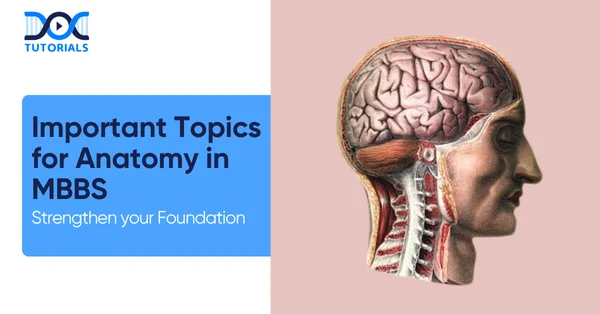
Important Topics for Anatomy in MBBS: Strengthen your Foundation

Important Topics for Anatomy in MBBS

Anatomy forms the foundation of a future doctor’s career, helping them understand the human body better. Hence, students need to clarify their concepts and review the essential topics with significant clinical importance.

Having a good grip on anatomy not only helps them to manage patients smoothly but also prepares them for their medical career and clinical practice. Continue reading to learn about the important topics with exam-focused areas and essential questions of anatomy.

MBBS Anatomy Exam Pattern 

The MBBs anatomy theory paper has been divided into two papers from the 2019 batch, each of which is worth 100 marks. The papers consist of:

  • Short answer questions.
  • Long answer questions.
  • Application and case-based questions.

However, in NEET-PG, you can expect a weightage of around 10 to 15 questions, while in INI-CET, you can expect around 10 questions.

High-Yielding Topics and Important Questions for Anatomy in MBBS

Anatomy is divided into several essential branches, each containing high-yielding topics that need to be emphasised by students. The following section lists the issues along with important topics and essential questions that have been repeated over the years:

1. Neuroanatomy

  • Nerve Supply
  • Venous Drainage of any Region
  • Cavernous Sinus 
  • Sciatic Nerve 
  • Saphenous Vein
  • Arterial Supply
  • Third Ventricle 
  • Weber’s Syndrome 
  • Parts of the Diencephalon

Important Questions

  • Enumerate:
  1. Ascending tracts, along with the sensations carried by them.
  2. Arteries supplying the spinal cord. 
  3. Branches of the vertebral artery.
  4. Branches of the cerebral part of the internal carotid artery.
  5. Recesses of the third ventricle.
  • Draw Labelled Diagrams of:
  1. Circle of Willis.
  2. Transverse section of medulla at the level of pyramidal decussation.
  3. Floor of the fourth ventricle.
  4. Superolateral surface of cerebrum showing important sulci, gyri, and functional areas.
  5. Transverse section of midbrain.
  • Write Short Notes on:
  1. Arterial supply of cerebrum. 
  2. Blood-brain barrier.
  3. White matter cerebrum.
  4. Lateral ventricle
  5. Hydrocephalus.
  6. Lateral spinothalamic tract.
  • Long-Answer Questions:
  1. Write the difference between upper and lower motor neuron paralysis.
  2. Describe the internal capsule under:
    • Parts
    • Arterial Supply 
    • Constituent Fibres
    • Applied
  • Write the anatomical basis for:
  1. Syringomyelia
  2. Pontine Haemorrhage
  3. Argyll Robertson Pupil
  4. Parkinson’s Disease
  5. Arnold-Chiari Malformation

2. Histology

  • Adrenal Gland
  • Thymus
  • Uterus Histology
  • Thin and Thick Skin
  • Goblet Cells 
  • Karyotyping 
  • Types of Epithelium 
  • Serous Salivary Gland 
  • Spinal Cord 
  • Elastic Artery 
  • Liver Histology
  • Thyroid and Parathyroid Gland 
  • Lymph Node
  • Sweat Gland

Important Questions

  1. Define Meissner’s Plexus.
  2. Define Microvilli.
  3. Microscopic structure of retina.
  4. What are the three layers of the Mucosa?
  5. Which type of epithelium lines the thyroid follicles?
  6. Microscopic anatomy of the spiral ganglion.
  7. Microscopic anatomy of the prostate gland.
  8.  How do you identify Barrett’s oesophagus?
  9. Microscopic structure of the ileum.
  10. Where is the dense, irregular connective tissue found?

3. Thorax

  • Subclavian Artery
  • Lung Hilum
  • Diaphragm with Embryology
  • Blood Supply
  • Broncho-Vascular Segments of the Lung

Important Questions

  • Enumerate:
  1. Intercostal muscles and their actions.
  2. Differences between the right and left lungs.
  3. Medial branches from the thoracic part of the sympathetic chain/trunk.
  4. Contents of the costal groove from above downwards.
  5. Tributaries of the coronary sinus and thoracic duct.
  6. Sites of constrictions of the oesophagus.
  7. Branches of the arch of the aorta.
  8. Branches of the right and left coronary artery.
  • Draw a labelled diagram of:
  1. Structures passing through the hilum of the right and left lungs.
  2. Bronchopulmonary segments of the right and left lung.
  3. Contents of a typical intercostal space.
  4. Branches of a typical intercostal nerve. 
  5. Arterial supply and Venous Drainage of the heart.
  • Write a short note on:
  1. Pleural recesses.
  2. Transverse and oblique sinus of the heart.
  3. Thoraco-abdominal diaphragm.
  4. Azygos system of veins.
  5. Thoracic duct.
  6. Superior and Posterior Mediastinum.
  • Long-Answer Questions:
  1. Describe the thoracic duct under:
  1. Origin.
  2. Course.
  3. Tributaries and areas drained.
  4. Applied aspect.
  5. Describe the arterial supply of the heart under:
  1. Origin and course of the coronary arteries.
  2. Branches and distribution.
  3. Cardiac dominance.
  4. Applied.
  • Write the anatomical basis of:
  1. Oesophageal Varices.
  2. Achalasia Cardia.
  3. Thoracic Inlet Syndrome.
  4. The prognosis of Coronary artery disease is better in older people.

4. Abdomen

  • Spermatic Cord Contents
  • Ureter 
  • Urethra 
  • Perineum
  • Pudendal Canal
  • Rectum-Anal Canal Anatomy

Important Questions

  • Enumerate:
  1. Muscles of the anterior abdominal wall.
  2. Structures lying at the transpyloric plane.
  3. Structures crossed by the mesentery.
  4. Retroperitoneal organs.
  5. Arteries supplying the stomach.
  6. Posterior relations of the Caecum.
  • Draw a labelled diagram of:
  1. Formation of the rectus sheath.
  2. Vertical disposition of the peritoneum.
  3. Arterial supply of the stomach.
  4. Various positions of the apex of the appendix.
  5. Lymphatic drainage of the stomach.
  6. Cross-section of the spermatic cord. 
  • Write a short note on:
  1. Eploic Foramen.
  2. Second part of the Duodenum.
  3. Appendix.
  4. Caecum.
  5. Extrahepatic biliary apparatus.
  6. Lymphatic drainage of the stomach.
  7. Subphrenic and sub-hepatic spaces.
  • Long answer questions:
  1. Describe the rectus sheath under:
  1. Formation.
  2. Contents
  3. Applied.
  4. Describe the stomach under:
  1. Blood Supply.
  2. Stomach Bed.
  3. Applied Anatomy.
  4. Location and parts.
  5. Lymphatic drainage.
  6. Describe the pancreas under:
  1. Location and parts.
  2. Relations.
  3. Arterial supply.
  4. Applied anatomy.
  • Write the anatomical basis of:
  1. Varicocele is more commonly seen on the left side. 
  2. Caput Medusae.
  3. The lesser curvature has a higher incidence of gastric ulcers.
  4. Cholecystitis pain is seen on the right side of the tip of the right shoulder.

5. Upper and Lower Limbs

  • Muscles of the sole
  • Axillary Artery
  • Dermatomes of the upper and lower limbs
  • Arches of the Foot
  • Brachial Plexus

Important Questions

  • Enumerate:
  1. Contents of the Axilla. 
  2. Structures attached to the coracoid process of the scapula.
  3. Muscles supplied by the median nerve in the hand.
  4. The muscles responsible for the eversion of the foot.
  5. Branches of the popliteal artery.
  6. Structures passing deep to the flexor retinaculum from the medial to the lateral side.
  • Draw a labelled diagram of:
  1. Adductor canal.
  2. Femoral sheath.
  3. Boundaries and contents of the popliteal fossa.
  4. Boundaries and contents of the femoral triangle. 
  5. Brachial plexus.
  6. Anastomosis around the elbow.
  7. Cutaneous innervation of the hand.
  8. Anastomosis around the scapula.
  • Write a short note on:
  1. Arches of the foot.
  2. Popliteal fossa. 
  3. Adductor Canal.
  4. Lymphatic drainage of the mammary gland.
  5. Elbow joint.
  6. Lumbricals.
  • Long answer questions:
  1. Describe the brachial plexus under:
    • Formation and parts.
    • Branches.
    • Applied aspect.
  2. Describe the shoulder joint under:
    • Types and articular surfaces.
    • Applied aspect.
    • Capsule and ligaments.
    • Movements and muscles producing them.
  3. Describe the sciatic nerve under:
    • Origin and course.
    • Structures innervated.
    • Applied.
  4. Describe the hip joint under:
    • Types of joint and articular surfaces.
    • Capsule and ligaments.
    • Movements and muscles responsible.
    • Applied anatomy.
  • Write the anatomical basis of:
  1. Foot drop.
  2. Sleeping foot.
  3. Meralgia Paresthetica.
  4. Erb’s and Klumpke’s paralysis.
  5. Student’s elbow.
  6. Tennis elbow.
  7. Pulsating scapula. 

6. Embryology

  • Cleft Lip
  • Varicose Veins
  • Annular Pancreas
  • Placenta Previa 
  • Tetralogy of Fallot
  • Polycystic Kidney 
  • Rptation of Midgut
  • Ectopic Pregnancy
  • Neural Crest Derivatives
  • Hemorrhoids
  • Development of RA
  • Congenital Anomalies of the Kidney
  • Imperforate Anus
  • Tracheoesophageal Fistula 
  • Germ Layers

7. Joints

  • Temporomandibular Joint
  • Ankle Joint 
  • Hip Joint: Relations and Ligaments 
  • Knee Joints: Capsule, Menisci, and Locking Unlocking

8. Osteology

  • Orbital Bone
  • Lateral Wall of the Nose 
  • Skull Bones 
  • Types of Switchers
  • Middle Ear Anatomy 
  • Sphenoid Bone 
  • Types of Joints 

9. Reproduction

  • Spermatogenesis 
  • Fertilisation and Implantation
  • Results of Fertilisation
  • Abnormal Sites of Implantation

10. Pelvis and Perineum

  • Haemorrhoids.
  • Perineal Body.
  • Urogenital Triangle.
  • Support of the Uterus.
  • Pelvic Diagram.
  • Pudendal Canal
  • Descent of the Testis
  • White Line of Hitton
  • External anal Sphincter.
  • Internal Iliac Artery Brancjes 
  • Sphincters of the Anal Canal.
  • Lateral and Anterior Relation of the Ovary.

Important Questions

  1. Enumerate:
    • Contents of the broad ligament.
    • Supports of the rectum.
    • Muscles forming the pelvic diagram.
    • Posterior relations of the rectum.
    • Structures opening into the prostatic urethra.
    • Contents of the ischiorectal fossa.
  2. Draw a labelled diagram of:
    • Normal position of the uterus.
    • Interior of the anal canal.
    • Venous drainage of the rectum and anal canal.
    • Lymphatic drainage of the uterus.
    • Muscles attached to the perineal body.
  3. Write a short note on:
    • Pudendal canal.
    • Perineal body.
    • Supports of the uterus.
    • Broad ligament.
    • Nerve supply of the urinary bladder.
    • Pelvic diagram.
  • Long answer questions:
  1. Describe the urinary bladder under:
    • Parts and relations.
    • Internal features.
    • Nerve supply.
    • Applied.
  2. Describe the uterus under:
    • Parts and relations.
    • Supports.
    • Lymphatic drainage.
    • Applied.
  3. Describe the rectum under:
    • Extent and curvatures.
    • Relations.
    • Blood supply.
    • Applied.
  • Write the anatomical basis of:
  1. Internal haemorrhoids.
  2. Prolapse of the uterus.
  3. Atonic bladder.
  4. Ischioanal hernia.
  5. Pudendal nerve block.
  6. Autonomous bladder.
  7. Anorectal fistula.

 11. Important Derivatives

Derivatives of:

  • Ectoderm 
  • Paramesonephric duct
  • Mesonephric duct
  • Midgut
  • Secondary Yolk Sac

12.  Important Diagrams

  • Floor of the fourth ventricle
  • Sensory nerve supply of the face
  • Cubital fossa
  • Brachial Plexus 
  • Lateral Wall of Nose
  • TS of:
    • Midbrain at the level of the superior and inferior colliculus
    • Medulla at the level of the sensory decussation
    • Brainstem at the lower level of the pons
    • Medulla at the level of the pyramidal decussation
  • Digastric Triangle: Boundaries, contents 
  • Horizontal Sec of the brain through the anterior and posterior horns of the lateral ventricle

13. Important Lobes to Retain

  • Heart: Blood Supply, Coronary Sulcus, and RA
  • Arches of the Foot
  • Lungs: Pleural Recesses, Pleura and Bronchopulmonary Segments
  • Duodenum: 2nd and 3rd Part
  • Urinary Bladder: Location, relation, Nerve Supply, Anatomy, and Gross
  • Portal Vein and Portocaval Anastomosis
  • Diaphragm: Origin, Insertion, Opening, and Developmental Basis of Innervation

14. Other Important Topics

  • Sciatic Opening
  • Psoas Major
  • Azygous Vein
  • Profunda Femoris
  • Anal Canal
  • Gluteus Maximum
  • Diaphragmatic Opening
  • Spermatic Cord Contents
  • Fontanelles 
  • Circle of Willis
  • Ape Thumb Deformity
  • Bells Palsy
  • Fontanelles
  • Cortico Spinal Tract
  • Flexor Retinaculum

FAQs about Important Topics for Anatomy in MBBS

  1. What are the most critical topics in anatomy?

Some of the important topics in anatomy are:

  • Various systems such as cardiovascular, skeletal, nervous, etc.
  • Neuroanatomy.
  • Embryology.
  • Terminologies.
  1. Is anatomy high weightage in NEET PG?

Being a pre-clinical subject, anatomy has lesser weightage, and hence, there are few questions from anatomy in NEET-PG.

  1. What are the seven ways to study anatomy?

The seven effective ways to learn anatomy are:

  • AV aids.
  • Retention.
  • Group Study.
  • Anatomical terminologies and clearing the basics.
  • Take tests.
  1. What are the common mistakes in anatomy learning?

The most common mistake students make when learning anatomy is that they focus solely on memorising the points rather than understanding the core concepts, which leads to difficulties later.

  1. What are the smart strategies to tackle Anatomy?

Some of the smart strategies to tackle Anatomy are as follows:

  • Treat Anatomy as a Language
  • See the Big Picture First
  • Select a High Quality Toolkit
  • Learn the Language Before the Details
  • Step Into Cadaveric Dissection
  • Use Active Learning Methods That Work
  • Don’t Ignore Previous Year Questions (PYQs)
  • Follow Through on Test Day
  1. What is the hardest topic in human anatomy?

Amongst the various concepts of human anatomy, those of the human brain (39.2%), nerves (33.3%), and histology (31.4%) are commonly regarded as the most difficult, while those of the integumentary system (4.9%) are regarded as the easiest.

  1. What is the fastest method of memorising anatomy?

One of the quickest methods to learn anatomy is through visual aids. Also, labelled diagrams, 2D images, 3D models, animations, and videos can be very useful in remembering information. This helps to translate complex information into a simple mental image, which can be retained faster.

  1. What anatomy textbook is the most clinically relevant?

Widely respected for its depth and practical relevance, Moore’s Clinically Oriented Anatomy, 9th Edition, stands out as the most clinically focused anatomy book. Its engaging, case-based storytelling links anatomical structures directly to clinical practice, supporting students from basic sciences through advanced medical training.

  1. Who was the father of medical anatomy?

Andreas Vesalius is regarded as the ‘Father of Anatomy,’ as he transformed the study of anatomy with the dissection of human bodies and the observation of the inner structures.

  1. How many hours should I dedicate each day to studying anatomy?

Establish a proactive and consistent study habit. It will be best if you read the appropriate chapter prior to attending lectures or lab sessions. After that, spend two or three hours a day reviewing the previous day’s work and preparing yourself for what comes next.

Conclusion

Having a clarity of the concepts in anatomy lays the foundation for a stronger approach towards clinical practice. Students have a vivid understanding of the various essential systems in the human body, which helps them to diagnose and treat patients effectively in the future. 

With a proper study plan and reliable resources, students can prepare with DocTutorials. We offer CBME-aligned syllabus, animated video lectures, previous year questions (PYQs), and structured mentorship to help student unlock their true medical potential.

Join DocTutorials today and explore our MBBS curriculum to excel in your medical career.

DocTutorials App Download Now

Latest Blogs

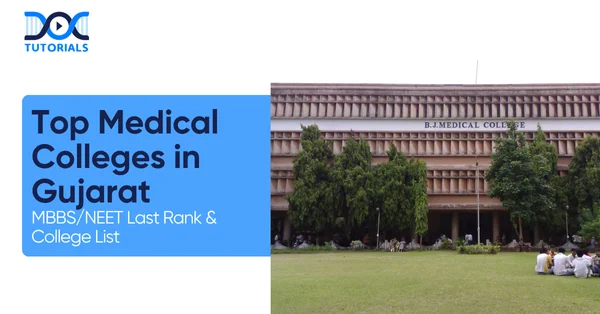
Top Medical Colleges in Gujarat: MBBS/NEET Last Rank & College List

Top Medical Colleges in Gujarat

If you’re in search of the best medical colleges in Gujarat for your MBBS course, the state is one of the promising medical education hubs of Western India. It is home to a cluster of excellent government and private medical colleges.

With ample MBBS seats in both government and private colleges, the state has plenty of opportunities for NEET aspirants. Let’s explore the top medical colleges of Gujarat, seat availability, fee, and last year’s NEET closing ranks so that you can make a well-informed decision.

Keep reading!

An Overview of Medical Colleges in Gujarat

Gujarat is one of the leading Indian states that provides medical education, boasting a strong combination of private and government medical colleges, recognised by the National Medical Commission (NMC).

The following is a brief summary of the medical educational scenario in Gujarat:

  • Government Medical Colleges: Gujarat has 23 government medical colleges, some of the most renowned names being B.J. Medical College (Ahmedabad) and Government Medical College (Surat). These are popular for low fees, very high patient flow, and superior clinical exposure.
  • Private Medical Colleges: There are 13 private medical colleges in the state that provide top-class facilities, ultra-modern infrastructure, and specialised courses, serving students with the best learning environments.
  • Total MBBS Seats: In the year 2025, Gujarat has accommodated a total of 6,450 MBBS seats — 4,250 in government colleges and 2,200 in private colleges, ranking it among the leading providers of medical professionals to India.
  • Admission Procedure: Admission is done through NEET UG counselling by the Admission Committee for Professional Undergraduate Medical Courses (ACPUGMEC), Gujarat.
  • University Affiliations: Medical colleges in major metropolitan cities such as Ahmedabad, Vadodara, Rajkot, Surat, and Bhavnagar are affiliated with reputable institutions such as Gujarat University, Saurashtra University, and others—providing quality education with national recognition.

Whether you are aiming for cost-effective government colleges or high-tech private institutions, Gujarat’s medical colleges provide academic excellence for every NEET aspirant.

List of Top Medical Colleges in Gujarat

The medical education scenario in Gujarat is dynamic, and it provides a perfect blend of private and government institutions approved by the National Medical Commission (NMC).

Here are the top private and government colleges in Gujarat based on their last rank allotted:

State RankMedical CollegeStateLast Rank AllottedAllotted Quota
1B.J. Medical College, AhmedabadGujarat676All India
2AIIMS RajkotGujarat1854Open Seat Quota
3Medical College, BarodaGujarat2251All India
4Government Medical College, SuratGujarat3080All India
5Pt. D.D.U. Medical College, RajkotGujarat3922All India
6M.P. Shah Medical College, JamnagarGujarat5211All India
7Medical College, BhavnagarGujarat6246All India
8NAMO Medical Education & Research Institute, Govt Medical College SilvassaGujarat8221All India
9GMERS Medical College, MorbiGujarat12664All India
10GMERS Medical College, PorbandarGujarat14823All India

Top Government MBBS Colleges in Gujarat

Discussed below are the top 10 government colleges in Gujarat for MBBS:

Name of College CityCourse Fees (₹)
AIIMS RajkotRajkot₹29,280
GMC BarodaVadodara₹1.25 Lakhs
B. J. Medical College, AhmedabadAhmedabad₹1.25 Lakhs
GMC SuratSurat₹1.25 Lakhs
GMC BhavnagarBhavnagar₹1.25 Lakhs
M.P. Shah Government Medical College, JamnagarJamnagar₹1.26 Lakhs
Pandit Deendayal Upadhyay Medical College, RajkotRajkot₹1.25 Lakhs
AMC MET Medical College, AhmedabadAhmedabad₹29.24 Lakhs
Namo Medical Education & Research Institute, SilvassaSilvassa₹2.7 Lakhs

Top Private MBBS Colleges in Gujarat

If you are aiming for high-tech private institutions, the top private medical colleges in Gujarat, where students can pursue MBBS after clearing the NEET examination successfully, are:

Name of CollegeCityCourse Fees (₹)
Parul UniversityVadodara₹56 Lakhs
GMERS Medical College and Hospital, AhmedabadAhmedabad₹18.75 Lakhs
GMERS Medical College VadodaraVadodara₹18.75 Lakhs
Smt. BK Shah Medical Institute and Research Centre, VadodaraVadodara₹29.5 Lakhs to ₹31.5 Lakhs
GMERS Medical College & Hospital, GandhinagarGandhinagar₹18.75 Lakhs
GMERS Medical College And Hospital, PatanPatan₹15.15 Lakhs
Sumandeep Vidyapeeth VadodaraVadodara₹84.63 Lakhs
SPUVisnagar₹47.5 Lakhs
GMERS Medical College And Hospital, PatanPatan₹18.75 Lakhs
Swaminarayan University KalolKalol₹33 Lakhs

NEET 2025 Minimum Qualifying Percentile & Expected Score in Gujarat

The NEET 2025 minimum qualifying criteria for MBBS/BDS/MD admission in Gujarat are expected to be as follows:

CategoryExpected Cut-off ScoreQualifying Percentile
UR/EWS50th Percentile686 – 144
OBC40th Percentile143 – 113
SC40th Percentile143 – 113
ST40th Percentile143 – 113
UR/ EWS – PwBD45th Percentile143 – 127
OBC PwD40th Percentile126 – 113
SC PwD40th Percentile126 – 113
ST PwD40th Percentile126 – 113

NEET 2025 Government College Cut Off – Expected & Previous Trends

The table below shows the closing scores for government medical colleges in Gujarat State Quota, based on trends from NEET 2024 and 2023. For 2025, a further increase of 5–15 marks is expected in most categories:

CategoryClosing AIR (2023)Score (2023)Score (2024)Expected Score (2025)
General25,993611649650 – 660
EWS25,993607645645 – 655
SC90,009552596590 – 605
SE (OBC)36,000590637635 – 645
ST3,00,014352426420 – 440

NEET 2025 Private College Cut Off – Expected & Previous Trends

Private college cut-offs are lower, but the fees are much higher. Management quota seats might be available at even lower scores based on seat availability and demand. Let’s check out the previous closing scores, cut-offs, and expected scores in 2025:

CategoryScore (2023)Score (2024)Expected Score (2025)
General487551550 – 570
EWS481548545 – 565
SC443518510 – 530
SE (OBC)473540540 – 560
ST256310305 – 330

These are the basic qualifying thresholds, and it’s important to note that the actual admission cut-offs for MBBS and BDS seats in Gujarat are usually much higher, especially in government colleges, due to the intense competition.

The expected closing ranks for government medical colleges in Gujarat under the state quota are estimated based on past trends. The actual ranks for 2025 might vary depending on seat availability and competition levels.

Admission Eligibility Criteria for Medical Colleges in Gujarat

The primary requirement for the top MBBS colleges in Gujarat is to pass the NEET UG entrance exam. To gain admission to the list of MBBS colleges in Gujarat, candidates must meet certain eligibility criteria. These include:

  • A minimum age of 17 years is required.
  • Candidates must have passed or appeared for 10+2 before applying for the medical entrance exam.
  • Aspirants need to have studied the required subjects in 10+2: Physics, Chemistry, Biology/Biotechnology, and English.
  • The minimum aggregate marks required in the qualifying exam are 50% for the general category, 40% for SC/ST/OBC, and 40% for general-PH.
  • To secure admission to state quota seats, students must meet the NEET domicile criteria for the state of Gujarat.

Fee Structure of MBBS in Medical Colleges in Gujarat

The fee structure for MBBS in Gujarat medical colleges varies between government and private institutions, providing options for various budgets:

For Government Colleges:

  • Annual Fee Range: ₹25,000 – ₹₹3,75,000

For Private Colleges:

  • Annual Fee Range: ₹8,58,000 – ₹30,00,000

Admission Procedure in a Medical College in Gujarat

The Admission Committee for Professional Undergraduate Medical Courses (ACPUGMEC) handles admission for 85% state quota seats in government medical colleges in Gujarat, whereas the remaining 15% All India Quota (AIQ) seats are filled by DGHS/MCC.

Admission is strictly merit-based on NEET-UG scores, and candidates have to fulfil the official cut-off to qualify. Here is the step-by-step admission process in a medical college in Gujarat:

Step 1: Qualify NEET-UG: Students must appear for and pass the NEET-UG exam, which is a common requirement for all MBBS admissions in India.

Step 2: Register for Counselling (State Quota): Fill out the online registration at the ACPUGMEC Gujarat portal for state quota seats. For AIQ seats, register at MCC’s (Medical Counselling Committee) official website.

Step 3: Document Verification: Report for document verification according to the schedule. Important documents are the NEET scorecard, mark sheets, domicile proof, and photo ID.

Step 4: Choice Filling and Locking: Choose preferred medical colleges in Gujarat and freeze your choices in the counselling portal.

Step 5: Seat Allotment: As per NEET rank, preference, and seat availability, candidates are allotted MBBS seats.

Step 6: Reporting and Fee Payment: Reach the allotted college with original documents, pay the admission fee, and secure your seat.

Factors to Consider While Choosing a Medical College in Gujarat

Choosing the ideal medical college is a vital decision for MBBS aspirants. Here are some notable factors that can help you assess the quality and uprightness of a medical college in Gujarat:

  • Tuition Fees

Fees differ widely between government, semi-government (GMERS), and private medical colleges of Gujarat. Government colleges cost as little as ₹25,000 – ₹30,000 annually, while GMERS colleges can cost between ₹3.5 lakh and ₹5 lakh annually. 

Private colleges can cost as much as ₹9 – 12 lakh yearly. Keep in mind your financial ease in conjunction with location, amenities, and investment return.

  • Age of the Medical College

Reputed and older medical institutions such as B.J. Medical College (Ahmedabad) and Medical College, Baroda possess an old reputation, well-established clinical departments, and veteran teachers. Older colleges are usually sought after for their academic heritage and systematic learning systems.

  • Number of MBBS Seats

The seat number reflects the size and strength of a medical college. Medical colleges with 200 – 250 seats typically possess strong hospital infrastructure and patient load, with increased clinical exposure. Government colleges of Gujarat generally have a bigger intake of seats and are NMC-approved in their facilities and staffing.

  • Availability of PG Courses

Institutions that have a variety of postgraduate and super-speciality programs offer increased learning and mentorship to UG students. Government colleges in Gujarat have a number of MD/MS courses, which can prove helpful if you plan to pursue PG studies in future.

  • Average Patient Flow

Clinical exposure is largely patient flow-based. Many reputed private and government colleges in big cities such as Ahmedabad, Surat, and Rajkot have a massive patient flow, which is crucial for practical training. Some newly established colleges can have comparatively fewer patient exposures, which can affect your practical training.

  • Internal PG Quota

Some medical colleges in Gujarat might have internal PG quotas for their own UG students, especially in government institutions. This can be beneficial for those pursuing a long-term academic career, providing easier access to postgraduate studies.

  • College Location

Colleges in cities and towns like Ahmedabad, Vadodara, and Surat are more connected, have higher patient loads, and are closer to PG coaching centres and academic exposure. Rural colleges, on the contrary, can provide a quiet and peaceful atmosphere but lack exposure to challenging cases.

  • Reputation and Alumni Network

A respected institution with a solid alumni network typically signifies high-quality education, peer assistance, and enhanced career prospects.

  • Faculty Expertise

Make sure that you select a college that boasts experienced and qualified faculty members capable of providing robust academic guidance and mentorship during your MBBS journey.

FAQs about Top Medical Colleges in Gujarat

  1. In Gujarat, which MBBS Colleges have been affiliated with the Veer Narmad South Gujarat University?

There are six reputable MBBS colleges that are affiliated with the VNSGU, Surat, Gujarat. These are GMC Surat, NMERI Silvassa, GMERS Medical College & Hospital, Gandhinagar, SMIMER Surat, GMERS Medical College, Valsad, and KMCRI Bharuch.

  1. What is the NEET 2025 cut-off for government medical colleges in Gujarat?

The cut-off changes each year depending on the difficulty of the exam and the availability of seats. Typically, for the General category, a score exceeding 600 – 620 is necessary for admission to the top government colleges.

  1. How many MBBS seats are available in Gujarat for NEET 2025?

Gujarat provides more than 6,000 MBBS seats across government, private, and deemed universities. The number of seats may rise with the establishment of new colleges or the granting of approvals.

  1. What is the role of ACPUGMEC in Gujarat MBBS admissions?

The ACPUGMEC (Admission Committee) is responsible for managing state-level counselling, which includes the processes of registration, creating merit lists, allotting seats, and filling choices for MBBS/BDS courses.

  1. Do MBBS cut-offs differ between GMERS and private colleges in Gujarat?

Yes, the MBBS cut-offs do change depending on the college (whether it is GMERS or private) because of factors like the number of seats, students’ preferences, the college’s location, fee structure, and seat availability in each round. Each college, such as GMERS Sola or GMERS Himmatnagar, releases its own cut-off list for each category and round.

  1. Which is the best medical college in Gujarat?

As per the NEET closing ranks, B.J. Medical College in Ahmedabad remains the highest-ranked and most preferred medical college in Gujarat year after year.

  1. What is the difference between Government and GMERS colleges in Gujarat?

Government medical colleges in Gujarat are completely operated by the state government. GMERS colleges, on the other hand, are run by a registered society and fall under the semi-government category, which is why their fee structure may differ from that of fully government colleges.

  1. What is a safe rank for a government or GMERS college in Gujarat?

Getting into the top government medical colleges usually requires a rank below 6,500, as competition is very high. For GMERS colleges under the All India Quota, students with a rank below 16,200 were able to get a seat in the 2024 Phase 1 allotment, although the cutoff may change each year.

  1. Which is the number 1 MBBS college in Gujarat?

Some of the best medical colleges in Gujarat are B.J. Medical College, Ahmedabad; AIIMS Rajkot; Government Medical College, Vadodara; and Government Medical College, Surat. Among these, B.J. Medical College is usually considered the most prestigious government college because of its strong reputation, high demand, and lower cutoff ranks.

  1. Which is the best GMERS in Gujarat?

GMERS Medical College, Sola (Ahmedabad), GMERS Medical College, Gandhinagar, and GMERS Medical College, Gotri (Vadodara) are often counted among the top GMERS colleges. They are well known for their strong infrastructure, quality teaching, and good patient exposure.

Conclusion

Selecting from the best medical colleges in Gujarat demands cautious analysis based on parameters such as rank, fee, and placement. With numerous top colleges in reputable government institutions and well-facilitated private facilities, Gujarat remains one of the best places for MBBS students.

For further assistance, DocTutorials can be your study buddy. We provide animated video classes, question banks, past year question papers (PYQs), and live doubt-clearing sessions to keep you ahead in your medical pursuit.

Join DocTutorials and explore our in-depth MBBS curriculum to excel in your medical career.

DocTutorials App Download Now

Latest Blogs

Top Medical Colleges in Telangana 2025: Last Rank & College List

Top Medical Colleges in Telangana | DocTutorials

Apart from its dynamic city life, Telangana is renowned for its ample healthcare facilities, extensive high-quality hospitals, and medical colleges. With its cutting-edge labs, expert faculty, and clinical experience, Telangana offers some of the best MBBS programmes in the nation.

If you’re aspiring to be a doctor and are looking for a seat in one of the top medical colleges in Telangana, check out the finest institutions and their last ranks in 2025. Keep reading for a detailed insight.

List of the Best Medical Colleges in Telangana in 2025

Below is a detailed list of the best private and government medical colleges in Telangana, organised by their last ranks. Utilise this information to create a strategic preference list for your counselling:

State RankMedical CollegeLast
Rank Allotted
StateAllotted Quota
1AIIMS, Bibi Nagar,
Hyderabad
2388TelanganaOpen Seat Quota
2Gandhi Medical College, Musheerabad2588TelanganaAll India
3Osmania Medical College, Hyderabad3517TelanganaAll India
4Kakatiya Medical College, Warangal9792TelanganaAll India
5Rajiv Gandhi Institute of Medical Sciences of
Adilabad
12222TelanganaAll India
6Government Medical
College, Mahabubnagar
14923TelanganaAll India
7Government Medical
College, Khaleelwadi, Nizamabad
15330TelanganaAll India
8Government Medical
College, Rajanna Sircilla
16102TelanganaAll India
9Government Medical
College, Siddipet
16415TelanganaAll India
10Government Medical
College, Karimnagar
17003TelanganaAll India
11Government Medical
College, Nalgonda
17058TelanganaAll India
12Government Medical
College, Suryapet
17157TelanganaAll India
13Government Medical
College, Jangaon
17193TelanganaAll India
14Government Medical
College, Narsampet
17457TelanganaAll India
15Government Medical
College, Nagarkurnool
17642TelanganaAll India
16Government Medical
College, Mahabubabad
17928TelanganaAll India
17Government Medical
College, Jogulamba
Gadwal
18025TelanganaAll India
18Government Medical
College, Sangareddy
18286TelanganaAll India
19Government Medical
College, Kamareddy
18539TelanganaAll India
20Government Medical
College, Mulugu
18579TelanganaAll India
21Government Medical
College, Mancherial
18811TelanganaAll India
22Government Medical
College, Nirmal
18834TelanganaAll India
23Government Medical
College, Khammam
18872TelanganaAll India
24Government Medical
College, Ramagundam
18915TelanganaAll India
25Government Medical
College, Vikarabad
19054TelanganaAll India
26Government Medical
College, Jagtial
19073TelanganaAll India
27Government Medical
College, Wanaparthy
19169TelanganaAll India
28Government Medical
College, Bhadradri Kothagudem
19198TelanganaAll India
29Government Medical
College, Narayanpet
19259TelanganaAll India
30Government Medical
College, Jayashankar Bhupalpally
19403TelanganaAll India

What are the Admission Eligibility Criteria for Medical Colleges in Telangana?

Admission to medical colleges in Telangana is contingent upon passing the National Eligibility cum Entrance Test (NEET). Here are the key eligibility parameters that every medical student should follow:

1. NEET UG Qualification (for MBBS)

  • Eligibility: Complete 10+2 (Physics, Chemistry, Biology, English) with at least 50% overall (40% for SC/ST/OBC).
  • Requirement: Achieve the required percentile in NEET-UG (50th for General, 40th for SC/ST/OBC).

2. NEET PG/NEET SS Qualification (for MD/MS/DM/M.Ch.)

  • Eligibility (NEET PG): Hold an MBBS degree from an institution recognised by the NMC, finish the mandatory internship by the cut-off date, and have MCI/SMC registration.
  • Eligibility (NEET SS): Possess an MD/MS/DNB degree in the relevant feeder speciality, along with NMC/SMC registration.
  • Requirement: Pass NEET PG or NEET SS with the required percentile (usually 50th).

3. Counselling

  • All India Quota (AIQ): 15% of government MBBS seats are allocated through MCC counselling based on NEET AIQ ranks.
  • Deemed/Private Universities: Some may organise separate counselling for management/NRI seats based on NEET scores.
  • State Quota: 85% of government MBBS and private medical college seats (including convenor, management, and NRI) are filled through KNRUHS (Telangana) state-level counselling.

4. Document Verification: After seat allocation, present the necessary original documents (NEET cards, mark sheets, certificates, ID, domicile, category proofs, etc.) for verification at the college.

5. Fee Payment: Secure your admission by paying the required college fees according to your assigned quota.

What is the Fee Structure for Medical Colleges in Telangana?

The fee structure in the top medical colleges in Telangana differs based on whether the institution is a government or private college. Let’s check out:

  • Government Colleges: The annual fees range from ₹10,000 to ₹1,00,000.
  • Private Colleges: The annual fees range from ₹10,00,000 to ₹25,00,000.
  • Management Quota: Increased fees are applicable for seats allocated under the management quota in private colleges.

Key Features of Government Medical Colleges in Telangana

The following are the key features of government medical colleges in Telangana:

  • Affordable Tuition Fees: Government medical colleges typically have significantly cheaper tuition fees than private medical colleges, providing an opportunity for students from varied financial backgrounds to access quality medical education.
  • Highly Experienced Faculty: These medical colleges employ experienced faculty who possess years of experience in medicine and education, including various senior doctors and senior professors.
  • Better Patient Exposure: Typically, each government medical college is associated with a larger government hospital that is affiliated with the specific college in consideration, creating ample and consistent exposure to real-world patients for all students from day one.
  • Advanced Research Facilities: Students have potential access to innovative research facilities that may enhance participation in some form of engaging research in the medical field.
  • Reservation Benefits: Reservation policies ensure fair opportunities for students from SC, ST, OBC, and economically weaker sections through seat quotas and acceptable cut-offs in government medical colleges.

Key Features of Private Medical Colleges in Telangana

Discussed below are the common features of the private medical colleges in Telangana:

  • Improved Infrastructure: Telangana private medical colleges supply cutting-edge infrastructure, personalised learning environments, and more relaxed admission opportunities for future doctors.
  • High-Tech Arrangement: Private institutions have modern infrastructures, such as simulation labs, digital classrooms, and highly sophisticated diagnostic tools.
  • Better Student-Teacher Ratio: With an ideal ratio between teachers and students, these colleges ensure tailored attention and better learning outcomes. This also encourages interactive learning and individual academic attention.
  • Global Collaborations: International collaborations are a common feature in many private colleges in Telangana, which enable students to get global exposure, participate in research collaborations, and take part in exchange programmes.
  • Flexible Admission Criteria: Private colleges keep flexible admission criteria with increased seat allocations under different categories, management, and NRI quotas being the most common.
  • Scholarship and Loan Assistance: Some institutions offer scholarship programmes and education loan assistance as a way to support students.

Admission Procedure in a Medical College in Telangana 2025

To obtain a seat in a medical college in the state of Telangana, candidates are required to adhere to the following steps:

Step 1: Pass NEET UG: Clearing the National Eligibility cum Entrance Test (NEET-UG) is essential for MBBS admission.

Step 2: Enrol for Counselling: The counselling process in Telangana is managed by KNRUHS (Kaloji Narayana Rao University of Health Sciences).

Step 3: Document Verification: Candidates need to provide the necessary documents, such as NEET scorecards and academic certificates.

Step 4: Choice Filling & Seat Allocation: Students are assigned seats based on their NEET scores and preferences.

Step 5: Final Admission Steps: After allocation, candidates must finalise the fee payment and enrol in the college.

FAQs about Top Medical Colleges in Telangana 2025

  1. What are the best medical colleges in Telangana?

According to the NEET 2024 closing ranks, AIIMS Bibi Nagar, Gandhi Medical College, and Osmania Medical College in Hyderabad are the most preferred institutions for MBBS candidates because of their reputation, academic excellence, and clinical practice.

  1. What NEET rank is required for Gandhi Medical College, Hyderabad?

For the All India Quota, a very competitive closing rank of about 2,588 was demanded in Phase 1 of NEET 2024 counselling to be admitted to Gandhi Medical College.

  1. What is the cut-off for government medical colleges in Telangana for the year 2025?

The NEET 2025 cut-off for Telangana government MBBS (state quota) is anticipated to be 605+ for General, 590+ for OBC, 525+ for SC, and 515+ for ST categories.

  1. Why are there so many government medical colleges in Telangana?

The government of Telangana has taken the initiative to establish a medical college in every district, significantly increasing the number of MBBS seats and positioning the state as a growing centre for medical education.

  1. What is a safe NEET rank for a government medical seat in Telangana?

The increase in government colleges made it easier for those with a NEET rank of less than 19,522 in the All India Quota (2024 Phase 1) to be generally considered safe for obtaining a government MBBS seat in the state.

  1. Which government medical college is best in Hyderabad?

Osmania Medical College (affiliated with Kaloji Narayana Rao University of Health Sciences) and Gandhi Medical College are widely considered the best government medical colleges in Hyderabad. They are known for their teaching quality, NMC approval, and clinical exposure.

  1. What is the MBBS fee structure in Hyderabad medical colleges?

The MBBS fee structure in Hyderabad differs across government, private, and deemed colleges. The approximate fee for government colleges is between ₹10,000 and ₹50,000 per year. On the other hand, the fee for private colleges ranges between ₹10 lakh and ₹15 lakh per year, and that for deemed colleges ranges between ₹15 lakh and ₹25 lakh per year.

  1. Which is the number one medical college in Telangana?

The number one medical college in Telangana is AIIMS Telangana, Yadadri Bhuvangiri. Other top colleges are Osmania Medical College, Hyderabad, and Gandhi Medical College, Secunderabad, Telangana.

  1. Are all MBBS seats in Hyderabad filled through NEET?

Yes, all MBBS seats in Hyderabad, across government, private, and deemed colleges, are filled through the NEET examination. Moreover, the seat allocation is done by the centralised NEET counselling based on your All India Rank (AIR). 

  1. What is the difference between government and private MBBS colleges in Hyderabad?

The government and private medical colleges in Hyderabad differ on many factors, such as fees, admission cut-offs, infrastructure, and seat quotas. Government colleges offer lower fees, admit students with higher NEET scores, offer more reservations, and have established on-campus hospitals. On the other hand, private colleges charge higher fees and offer stronger clinical exposure. 

Conclusion

While choosing the best medical colleges in Telangana, the cut-off ranks and infrastructure are not the only factors you should look for. In Telangana, the dynamic set of government colleges and reputable private colleges offers an opportunity for all types of NEET aspirants.

By evaluating the previous year’s closing ranks, understanding the counselling process, and analysing each college’s facilities, you can make a prudent decision that sets the foundation for a successful medical career.

To get started with your MBBS routine, DocTutorials can be your ideal study partner. Here, we offer animated video lectures, concept-based mentorship, with complimentary hardcopy notes for your 1st year in MBBS.

Join DocTutorials today and explore our MBBS curriculum to excel in your medical journey.

DocTutorials App Download Now

Latest Blogs

UP NEET 2025 Counselling: Latest Updates, Dates and Reservation

UP NEET Counselling

UP NEET UG counselling is a crucial step for aspirants aiming for top government and private medical colleges in India. So, students must be well-versed and updated with the counselling dates to prepare for the best medical colleges. 

The UP NEET UG Counselling is a pathway for admission to 85% of the total seats for MBBS and BDS courses in government colleges, whereas 100% of the seats are in private colleges. If you are confused about the counselling and exam procedure, here is a detailed breakdown guide to all the relevant details and updates to UP NEET UG 2025.

Keep reading for a detailed insight.

Important Dates for UP NEET UG Counselling

UP NEET UG aspirants should constantly check the crucial dates, including the UP NEET choice filling date, seat allotment, etc., to ease their admission process. Refer to the table below for the latest updates regarding counselling.

Latest Update

The round 2 merit list was released recently on September 19, and the deadline for choice filling was on September 23rd.

RoundActivityDates (2025)
Round 1Online Registration & Fee PaymentJuly 21 to July 31
Document Verification (Whether online or offline)July 28 to July 31
State Merit List ReleaseJuly 30
Online Choice Filling & LockingAugust 13
Seat Allotment ResultAugust 14
Reporting to Allotted College & AdmissionFrom August 18
Round 2 Online Registration & Fee PaymentSeptember 10 to September 18
Document VerificationSeptember 10 to September 18
State Merit List ReleaseSeptember 19
Online Choice Filling & LockingSeptember 19 to September 23
Seat Allotment ResultSeptember 24
Reporting to Allotted College & AdmissionSeptember 25 to September 27
Mop-Up Round (These dates are tentative)Online Registration & Fee PaymentOctober 
Online Choice Filling & LockingOctober
Seat Allotment ResultOctober
Reporting to Allotted College & AdmissionOctober
Stray Vacancy Round (These dates are tentative)Display of Vacant Seats by CollegesNovember
Direct Reporting to Colleges (Institutional)November

For the mop-up round onwards, the dates are tentative and are not officially released. These dates were predicted based on earlier tentative dates of the 2nd round. You should check the regular updates on the official website of UP NEET at upneet.gov.in.

Eligibility Criteria for UP NEET UG 2025

To get admission to the top medical and dental colleges, you must have a clear understanding of the eligibility criteria for the UP NEET UG 2025. The eligibility conditions are listed as follows:

  • Candidates must obtain and secure the minimum qualifying marks in the NEET UG 2025 exam.
  • In terms of nationality, Indian nationals are eligible for the UP NEET UG. There are specific quotas for foreign nationals, NRIs, PIOs, and OCIs.
  • For the 85% state quota, the conditions are:
    • There is no need for a domicile certificate for applicants who have cleared their 10th and 12th classes (10+2) from UP schools.
    • For UP residents who passed their 10th and 12th classes from outside UP, a separate domicile certificate is required.
  • Candidates must be at least 17 years old (as of December 31, 2025).
  • Candidates must have cleared 12th class from a recognised board, with mandatory subjects including Physics, Chemistry, Biology/Biotechnology, and English.
  • Minimum marks in Physics, Chemistry, and Biology for eligibility are shown as follows:
    • General Category: 50% aggregate
    • SC/ST/OBC: 40% aggregate
    • UR-PwD: 45% aggregate

Summary of UP NEET UG Counselling 2025

UP NEET UG counselling provides a gateway to the top-ranked medical and private colleges. Here is a summary cum highlights of the exam/counselling:

AspectsDetails
Conducting AuthorityDirectorate General of Medical Education and Training (DGME), Uttar Pradesh
Official Websiteupneet.gov.in
Courses CoveredMBBS and BDS
Total Seats (Approximate)8,000 MBBS
2,200 BDS seats
Counselling RoundsRound 1
Round 2
Mop-Up Round
Stray Vacancy Round
Mode of CounsellingOnline
Total Medical Colleges in Uttar Pradesh80(44 government; 36 private)
Total Medical Seats in Uttar Pradesh10,643
(4443 seats in government; 6200 seats in private)
Total Dental Colleges in Uttar Pradesh26
Total Dental seats in Uttar Pradesh2,201
(51 seats in government; 2150 seats in private)

Previous Year UP NEET Cut-off Marks (2024)

The cut-off NEET exam marks of the previous year for UP NEET UG eligibility are shown as follows:

CategoryQualifying ScoreCut-off Marks
UR/EWS50th Percentile686 – 144
OBC40th Percentile143 – 113
SC40th Percentile143 – 113
ST40th Percentile143 – 113
UR/EWS – PwBD45th Percentile143 – 127
OBC PwD40th Percentile126 – 113
SC PwD40th Percentile126 – 113
ST PwD40th Percentile126 – 113

Stages of UP NEET UG Counselling

There are different stages and terminologies used in the UP NEET UG Counselling, such as UP NEET choice filling, which you should know before heading to the UP NEET Counselling.

These stages are explained as follows:

  • Registration Process: Interested candidates are required to register themselves on the official website of UP NEET UG, i.e., upneet.gov.in.

This is a one-time process, and applicants are not required to re-register for the subsequent rounds. The registration fee is ₹2,000.

  • Payment of Security Deposit: After a successful registration, candidates are required to pay a security deposit. This amount is refundable and varies on a case-by-case basis (for government or private colleges).

You are required to pay the security deposit through a demand draft in the name of ‘Director General, Medical Education & Training, U.P.’

  • Documents Verification: Once you have deposited your security deposit, you need to report to your centre for the necessary documents verification process. Failure to report will result in seat cancellation and allocation to the next candidate.

This is crucial for admission, and candidates must stay updated with the UP NEET counselling dates.

  • College Choice Filling and Locking: After verifying the documents, candidates must log in to their account on the UP NEET official website. Now, carefully select the preferred colleges in order of preference.
  • Seat Allotment and Reporting to College: After you lock your college preferences, the authority reviews the applications and releases the merit list. Based on the list, candidates are required to report to the college allotted to them.

Security Deposit for UP NEET UG Counselling 2025

As mentioned earlier, the security deposit varies depending on the course the candidate wishes to pursue and the college from which they are applying. Here is a clear bifurcation of the amount payable as a refundable security deposit:

UP NEET 2025 CounsellingSecurity Money (₹)
Government Medical Colleges30,000
Government Dental Colleges30,000
Government and Private Medical Colleges2,00,000
Government and Private Dental Colleges1,00,000

Documents Required for UP NEET UG Counselling 2025

The candidates must provide the following documents for the verification process:

  • NEET admit card 2025
  • NEET rank card 2025
  • Class 10th mark sheet
  • Class 12th or equivalent mark sheet
  • A valid photo ID proof. It could be your Aadhaar card, Passport, Driving License, or Pan Card.
  • Domicile Certificate of Uttar Pradesh, EWS certificate, PwBD certificate (any, if applicable)
  • Caste Certificate
  • Proof of Online registration (slip)
  • Receipt depicting the successful deposition of security money
  • Passport-sized photographs
  • Migration and transfer certificate

Reservation Policy for UP NEET UG Counselling

The vertical and horizontal admission reservation policies are highlighted below. In terms of vertical reservation, 60% reservation is provided. On the other hand, 30% is reserved for categories that fall under horizontal reservation:

Reservation TypeCategoryPercentage of Reservation
VerticalSC21%
ST2%
OBC27%
EWS10%
HorizontalPwD5%
Women20%
Freedom Fighters2%
Ex-Servicemen2%
NCC1%

FAQs About UP NEET UG Counselling 2025

  1. What are the timings for the second round of UP NEET UG Counselling?

The deadline for choice filling for round 2 counselling was on September 23rd. For exact timings, you must check the official website of UP NEET UG.

  1. What are the different stages of UP NEET UG Counselling 2025?

Registration, round 1, round 2, mop-up round, and stray round are the broad stages of UP NEET UG Counselling. The merit list for the 2nd round of UP NEET 2025 has been officially released.

  1. What is the cut-off NEET score for registering for UP NEET UG Counselling?

The cut-off marks for different government/private medical and dental colleges vary by several factors, such as college ranking and type. For the previous year, the cut-off for the unreserved category ranged between 686 and 144 marks.

  1. What are some of the tips to remember for UP NEET UG Counselling?

Staying updated with the UP NEET choice filling and seat allotment result, visiting the official website regularly, and maintaining documents sequentially are some of the crucial tips to keep in mind for UP NEET UG counselling.

  1. When will the UP NEET 2025 merit list be released for the stray vacancy round?

UP NEET 2025 counselling merit list for the stray vacancy round was released on November 14, 2025. The merit list was uploaded to the official portal as a PDF. Moreover, the candidates included in the merit list will have to declare choices for round-3 seat allotment. The seat allotment result was released on November 17, 2025.

  1. Do I need to register again in the second round of UP NEET counselling?

No, candidates need to register again in the second round of UP NEET counselling who have already registered in round-1 UP NEET counselling. Registration can be done on the official website, upneet.gov.in. which will be completed only after the payment of the registration fee (both refundable and non-refundable). Candidates will have to pay a non-refundable registration fee of ₹ 2,000.

  1. Is the NEET qualification necessary for UP NEET UG Counselling?

Yes, qualifying for the NEET examination is mandatory to participate in Uttar Pradesh NEET UG Counselling. Moreover, the candidate needs to fulfil other requirements as required by the state authorities. 

  1. What is the seat matrix for UP MBBS counselling 2025?

The UP NEET counselling will be held for the allotment of 6,428 MBBS and 2,251 BDS seats across 32 medical and 23 dental colleges in the state. The seats will be allotted based on the candidate’s declared choice, seat availability, reservation factor, NEET 2025 rank, etc. A separate result PDF will be released for each round of UP NEET 2025 counselling.

  1. What is the application fee for the UP NEET Counselling 2025?

An applicant needs to pay the non-refundable registration fee of ₹2,000. Moreover, the security deposit for the UP NEET counselling 2025 is ₹30,000 for a government medical/dental college, ₹2 lakh for Private MBBS, and ₹1 lakh for Private BDS.

  1. On what basis seat allotment will be conducted for UP NEET Counselling?

Seat allotment for UP NEET Counselling is conducted on the basis of choices filled by the candidates in the choice filling session, availability of seats, NEET All India Rank, reservation criteria, and various other factors.

Conclusion

There are several stages in the UP NEET UG counselling. From registration to the stray round, candidates must stay regularly updated to avoid any last-minute delays. Another vital thing to note is the locking of college preferences, as seat allotment is made based on these preferences.

To further help you with your preparations, DocTutorials can be your study partner. With the help of our animated video lectures, high-yielding Qbank, previous year questions (PYQs), and live doubt-clearing sessions, you can stay ahead in your medical preparation. 

Join DocTutorials today and explore our NEET/MBBS courses to excel in your medical career!

DocTutorials App Download Now

Latest Blogs

MBBS 1st Year Study Plan for Exams: The Ultimate Guide

MBBS 1st Year Study Plan

Studying in a government medical college and becoming a doctor is a dream for many students in India. The 1st year in MBBS aims to build a strong foundation for future doctors, enabling them to carry out clinical practice smoothly and make accurate diagnoses followed by appropriate treatment. 

There are mainly three subjects in the 1st year of MBBS which constitute the pre-clinical subjects: Anatomy, Physiology, and Biochemistry. As the syllabus is vast, having a clear understanding of the exam will help students prepare effectively by developing a proper study plan. 

Adopting appropriate strategies and availing proper resources make up a significant part of the journey to becoming a successful doctor. Keep reading to learn about the MBBS exam pattern, the passing and eligibility criteria, the subjects, and some tips to score better academically. 

Understanding the 1st Year MBBS Exam Pattern

As the students are new to the NMC curriculum, they need to understand the MBBS exam pattern to develop an effective study plan. In Indian medical colleges, three exams are conducted at the end of every professional year: theory, practical, and viva voce. 

The latest guidelines by NMC regarding the exam pattern are:

  • Theory Exam: The three subjects are divided into two theory papers: Paper 1 and Paper 2. Each paper is of 100 marks, which comprises short-answer, long-answer, and MCQ questions. 
  • Practical Exam: Each student must take a practical exam worth 100 marks, which will assess their practical skills. The clinical skills might also be evaluated through OSCE (Objective Structured Clinical Examination), where the students are made to work through different stations to demonstrate the required skill. 
  • Viva Voce: The examiner assesses the student’s knowledge of clinical scenarios, work ethics, diagnosis, and attitude towards patients. They can also ask the student to interpret the test results that are provided to them. 

MBBS 1st Year Exam Marks Distribution and Passing Criteria

In the MBBS 1st year, the theory and practical marks in each subject are evaluated together to provide the student with an overall mark in each subject. The internal assessment is done by conducting quizzes, class tests, assignments, and practical sessions, which are calculated separately. 

The marks obtained in the internal evaluation make an essential segment of the progress report. 

Eligibility Criteria for MBBS 1st Year Exam

As per the NMC guidelines, the student’s score should be according to the following cutoffs mentioned in the table below:

ExamMinimum Marks
Internal AssessmentTheory: 40%
Practical: 40%
Both should constitute a minimum of 50% to qualify for the university exams. 
University Exams Theory: 40%
Practical: 40%
A minimum of 50% aggregate in each subject. 
Two Theory PapersCombined score of 40% across both papers. 

Subject-Wise Study Tips in MBBS 1st Year

The MBBS 1st year has three base subjects in which the students should have a clear understanding:

  • Anatomy
  1. Divide your time equally between Histology, Neuroanatomy, Gross Anatomy, and Embryology so that none of the subjects are left behind. 
  2. Make use of diagrams and mnemonics for better understanding and retention. 
  3. After attending the practicals, make sure to revise them the same day. 
  • Physiology
  1. Try to understand the concepts instead of memorising them line by line. 
  2. Emphasise the core concepts such as the mechanism of nerve conduction, muscle contraction, and physiology of respiratory and cardiovascular systems.
  3. Clear your concepts by solving the related MCQs.  
  • Biochemistry
  1. Put focus on molecular biology and metabolism. 
  2. Try to solve the MCQs of the related concepts to have a clear understanding. 

Suggested Study Plan for MBBS 1st Year Exam

Although the same study plan does not work for everyone, here is a suggested study plan that will help the MBBS 1st year students to prepare for their exams:

  • Morning: Start your study session at 6 am and continue till 9 am with anatomy theories and diagrams. 
  • Daytime: After the morning study session, attend your classes and then begin your next study session. During this session, you can revise the physiology notes. 
  • Evening: After the daytime study sessions, take a break and start from 7 pm to 9 pm. You can sit with your biochemistry lessons at this time. 
  • Before Bed: Make this a short session of 30 minutes before bed, where you just go through the related MCQs and a quick revision of the essential pointers that you studied throughout the day. 

Tips to Excel in MBBS 1st Year Exam

Practical tips and tricks should be implemented during study sessions to have better retention and understanding. Go through the following section to learn about the tips to ace your MBBs 1st year exams:

  • Create a Customised Study Schedule

Create a study plan for yourself, dividing the time available into various slots for various subjects. Take breaks in between to prevent burnout. Create weekly schedules to avoid lagging.  

  • Active Recall 

Don’t always refer to your notes while revising. Sometimes, start recalling the main points without looking at the text and repeat them at intervals to stimulate your memory. 

  • Practice Diagrams and Answers

Take time-bound tests on your own and start practising the answers and diagrams. This will help you to identify the shortcomings and overcome them before you appear for the exams. 

  • Use Mnemonics and AV Aids

Using mnemonics to learn the anatomical structures for better learning and retention. Memorise flowcharts and mind maps to correlate the topics and simplify the given information. 

  • Take Part in Group Discussions

Learning together with classmates and friends helps to strengthen the ideas and understanding. Also, if someone gets stuck on a topic, other friends can help clear the concept and move forward with the subject. 

  • Revise Regularly 

With such a vast syllabus to cover, the students might forget the previous topics. Hence, regular revisions will help them to recapitulate the points and retain them better. 

  • Take Proper Rest 

MBBS is a demanding course which requires students to stay balanced and nourished. Hence, the students should take their meals properly along with a proper sleep schedule to work with maximum effectiveness. 

  • Practise Clinicals Adequately

Missing clinicals means compromising with your future, as MBBS deals more with practical skills rather than theoretical knowledge. When given an opportunity, take part in dissection classes in Anatomy and conduct lab experiments in Physiology and Biochemistry.

FAQs About MBBS 1st Year Study Plan for Exams 

  1. How to study for the first year MBBS exam?

There are mainly three subjects in the MBBS 1st year where understanding concepts and correlating them with the clinicals is very important. Students can have better retention of information by practising diagrams and memorising flowcharts. 

  1. Is the MBBS 1st year very hard?

Some students might find it very difficult due to the vast syllabus and the challenge of getting accustomed to an entirely new environment. 

  1. How many books do we have in the MBBS first year?

Although the number of books may vary depending on the reference books the student has, the standard set contains 14 books. 

  1. What is the cost of the 1st year MBBS books?

The price of books depends on their condition, whether they are new, old, or discounted. However, they range between ₹7,000 and ₹13,000. 

  1. What subject is the toughest in the 1st year of the MBBS course?

Anatomy is regarded as the most challenging topic in the first year of MBBS.

For students with a medical, dental, physiotherapeutic, or nursing background, this subject is often difficult due to the numerous terms to learn, the detailed structures to study, and the long hours spent in the dissection hall. It is the foundation of the study of medicine.

  1. Which subject is easiest in the MBBS course?

This varies for each student, but most MBBS students find Pathology the easiest subject in the second year. The concepts are more logical and easier to understand compared to other subjects.

  1. Which MBBS college in India offers the lowest fees?

One of the MBBS colleges in India that offers MBBS at a relatively low cost is AIIMS Delhi, which charges a total of ₹6,000 as fees.

Another college that offers an affordable fee structure is Lady Hardinge Medical College in New Delhi. The total fee in this college is approximately ₹7,450.

  1. What are the typical ages of first-year medical school students?

The average age of first-year medical students is about 24 years. Most students are about 28 years of age when they graduate. However, age can vary widely. For the 2024–2025 batch, students ranged from 17 to 55 years old.

  1. What is the pass mark for the MBBS first-year exam?

To pass, a student must score at least 50% aggregate in each subject. Additionally, there must be a minimum combined score of 40% across both theory papers.

  1. Which government medical college has the lowest cut-off for MBBS?

Among government medical colleges in India, some of the lowest NEET 2025 cut-offs are seen in Madhya Pradesh.

Colleges located in Shahdol, Rewa, Jabalpur, Ratlam, and Khandwa have closing scores roughly in the 550–630 mark range, making them suitable options for candidates aiming for state-quota seats. When comparing quotas, state-quota cut-offs (around 570–620) are typically 50–60 marks lower than All India Quota cut-offs (around 620–680).

Conclusion

MBBS 1st year exams can be challenging for new students, as they need to understand the latest exam pattern, the vast syllabus, its structure, and more. However, systematic study plans and strategies, along with proper utilisation of time and access to appropriate books, help the students to manage the MBBS 1st year exams.

One of the key strategies to perform well in the MBBS 1st year is to stay motivated and focused, as this will help avoid last-minute cramming. Building a strong base in the first year will ensure a concrete future while practising as a physician.

Start your MBBS preparation today with DocTutorials and boost your confidence!

DocTutorials App Download Now

Latest Blogs

MBBS 1st-year Toughest Subject: Master Strategies to Tackle Anatomy

MBBS 1st-year Toughest Subject

Anatomy is regarded as the most difficult subject among first-year medical, dental, physiotherapy, and nursing students. It is the pillar of medical education, yet the number of terms, the complexity of relationships between structures, and the time spent in the dissection hall may overwhelm it.

By adopting a focused approach, having appropriate resources, and active learning strategies, the students are capable of transforming what might seem to be an intimidating subject into an interesting field. A mastery of anatomy will not only provide confidence but also provide the foundation for all future clinical learning.

In this article, you will learn how to study wiser, how to make the most of dissection, and how to store in memory that which is not only exam-wise significant but also significant in the actual clinical reasoning. Keep reading for a detailed insight.

What are the Smart Strategies to Tackle Anatomy?

Here are some of the most effective strategies that can help medical students handle the Anatomy subject in an enhanced manner:

1. Treat Anatomy as a Language

Anatomy isn’t a straightforward subject—it’s vast, interconnected, and sometimes messy. You’ll move between textbooks, atlases, 3D apps, and cadaver labs before things start to make sense, and that’s perfectly normal. This back-and-forth isn’t a lack of focus; it’s how anatomy learning naturally works.

 Ask yourself:

  • Why is this structure shaped this way?
  • How does it relate to nearby structures?
  • What happens if it’s injured?

Over time, this habit builds the foundation for clinical reasoning. You’ll start seeing how structure connects to function and how anatomy translates into real-life diagnosis and treatment—skills that are invaluable for both patient care and clinical expertise.

2. See the Big Picture First

It is important to first know how the organ systems are arranged and where they are located in the body. Visualise the connections between and functions of individual structures using labelled diagrams and interactive 3D models. This is a much more intuitive approach to detailed study than looking at individual structures in isolation.

3. Choose a High-Quality Toolkit

There are millions of anatomy books, apps and websites out there, so it is easy to get lost. The excessiveness of resources may lose precious time and cause confusion. Rather, create a small, trustworthy toolkit uniting three key components – text, visuals, and active recall.

A. Use Core Textbooks and Atlases

  • Grey’s Anatomy for Students: Comprehensive and clinically focused
  • B.D. Chaurasia’s Human Anatomy: Widely used for its clarity and exam relevance
  • Netter’s Atlas of Human Anatomy: The gold standard for anatomical illustrations

B. Incorporate 3D and Video-Based Learning

  • At DocTutorials, you get access to 3D video-based lectures with animations that can assist in visualising depth and orientation, and therefore, it is possible to relate the knowledge in the textbooks to real-life anatomy.

C. Use a Balanced Mix 

Variety enhances understanding, but selectivity matters. Choose resources that complement one another rather than overlap, such as:

  • Textbooks → for depth, terminology, and accuracy.
  • Flashcards → for active recall and speed.
  • 3D or Video Platforms → for spatial awareness and clinical relevance.
  • Quizzes and Practice Tests → for reinforcement and confidence building.

4. Learn the Language Before the Details

Before diving into muscles and nerves, spend a few hours mastering the language of anatomy, such as:

  • Directional Terms: anterior/posterior, medial/lateral.
  • Planes: sagittal, coronal, transverse.
  • Surface Landmarks: clavicle, sternum, iliac crest.
  • Common Roots: “brachi-” (arm), “cephal-” (head), “cardio-” (heart).

5. Step Into Cadaveric Dissection

The cadaver lab is where anatomy comes alive. Make the most of your time in the lab in the following ways:

  • Before Lab: Spend 30–60 minutes previewing the region in your atlas or watching a short dissection video.
  • During the Lab: Be active. Trace structures with your fingers, identify landmarks aloud, and quiz your peers.
  • After Lab: Review within 24 hours — annotate notes, draw diagrams, or create flashcards.

Study more than one body. Exposure to real human variation trains your eyes to notice subtle differences. It is a crucial skill for any future surgeon or diagnostician.

6. Active Learning Methods that Actually Work

Anatomy rewards doing, not just reading. Here’s how to make your study sessions active and memorable:

A. Spaced Repetition

Review flashcards at increasing intervals using Anki or similar tools. Simple question–answer cards (e.g., “What are the branches of the external carotid artery?”) train long-term memory efficiently.

B. Interleaving and Retrieval Practice

Alternate between related topics — for instance, study shoulder muscles, then their nerve supply, then clinical tests. Testing yourself builds durable recall.

C. Draw to Learn

Sketching doesn’t require artistic talent. When you draw a structure from memory, you’re forcing your brain to reconstruct it — this is called dual coding, and it dramatically boosts retention.

D. Use the Feynman Technique

If you really want to master a concept, teach it. Explain a topic as if to a non-medical friend — clearly, simply, and without notes. If you struggle, you’ve found your weak spots. You can practice this with classmates or even in the cadaver lab after hours.

E. Connect Structure to Function

Every time you learn a new region, ask “why.” Why does the brachial plexus cause wrist drop if injured? Why does carpal tunnel syndrome affect specific fingers? Connecting structure with function makes recall automatic and clinically relevant.

7. Don’t Ignore Previous Year Questions (PYQs)

When it comes to exams, smart preparation beats exhaustive reading. Around 70% of university and NEET PG questions are repeats or slight variations of old ones. Go through past papers, identify high-yield topics (like histology, embryology, and limb anatomy), and study those deeply. Use PYQs to predict examiner patterns and focus your energy where it matters most.

8. Follow Through on Test Day

You’ve done the work — now perform effectively under pressure. Here’s how you can strategically prepare for the exam day:

A. Orient Before You Answer

In a practical exam, take a few seconds before answering to orient yourself. Is the body supine or prone? Are you looking at the anterior or posterior compartment? Quick orientation prevents silly mistakes that cost easy marks.

B. Read Carefully

Examiners often include tricky wording or eponyms. For example, Lister’s tubercle is the distal dorsal tubercle of the radius — simple if you spot the clue, confusing if you don’t.
Slow down enough to read each option carefully, especially in multiple-choice questions.

C. Manage Time

If you have one minute per station, spend 10 seconds orienting, 40 seconds recalling, and 10 seconds double-checking. A calm rhythm outperforms panic every time.

9. Connect Structure to Clinical Meaning

Anatomy takes on real significance when you link what you learn to clinical conditions.  Understanding how variations in structure can lead to specific symptoms or diseases transforms memorisation into meaningful application. This is the bridge between the form and functional aspects that will assist you in thinking like a clinician rather than a student.

10. Reinforce Through Practice

Enhance your knowledge through practical, real-life experiences. Cadaveric dissection is an exclusive opportunity to learn the real tissues of the human body and enjoy anatomy in 3D.

Combine with clinical case studies to find the way anatomical variation and abnormality manifest in actual patients. It is difficult to bridge concepts when one learns isolated information.

What are the Common Pitfalls in Anatomy and How to Fix Them?

Here’s a concise summary of the most frequent mistakes students make while studying anatomy — and practical ways to avoid them. Keep this list handy as a checklist throughout your course:

1. Not Having a Plan

Diving into anatomy without a clear roadmap leads to confusion and missed topics.

  • How to Fix: Design a weekly and daily schedule from the start. Break large topics into smaller goals, set review days, and stick to your timeline. Consistency is key to covering everything on time.

2. Not Staying Consistent

Even with a great plan, skipping study sessions breaks momentum.

  • How to Fix: Build a steady daily routine with shorter, focused sessions rather than long cramming marathons. Treat anatomy like a skill — daily practice creates mastery.

3. Believing in Learning Myths

Speed reading, “learning styles,” or copying what others do are all traps that waste time.

  • How to Fix: Use evidence-backed techniques like spaced repetition, self-testing, and active recall. These methods have been proven to improve retention and long-term understanding.

4. Studying in Order Instead of by Priority

Following the textbook’s sequence isn’t always the smartest way to learn.

  • How to Fix: Focus on high-yield, exam-relevant topics first (e.g., major muscle groups, nerve pathways, and clinical correlations). Then, fill in the smaller details later.

5. Not Asking for Help

Struggling in silence slows progress and leads to gaps in understanding.

  • How to Fix: Don’t hesitate to ask questions in class, during labs, or online. Discuss your doubts early — it’s a sign of strength, not weakness.

6. Not Visualising What You Learn

Anatomy is a visual and spatial subject; text-only learning won’t stick.

  • How to Fix: Use 3D models, anatomical atlases, videos, and dissections to visualise relationships. Try drawing structures and labelling them from memory to strengthen recall.

7. Missing the Big Picture

Memorising isolated details without context makes it hard to connect concepts later.

  • How to Fix: Begin each topic with an overview or summary map to understand the “why” behind the “what.” Build from the general framework to finer details — not the other way around.

8. Ignoring Clinical Relevance

Without connecting theory to practice, information fades quickly.

  • How to Fix: Link every structure to its function and potential pathology. For example, understanding the course of a nerve helps explain real-world symptoms like paralysis or numbness.

9. Studying Passively

Simply rereading or highlighting doesn’t build lasting memory.

  • How to Fix: Turn studying into an active process. Quiz yourself, teach a classmate, use flashcards, or explain topics aloud. Testing yourself is the most powerful way to learn.

10. Not Reflecting on Mistakes

Repeating errors without identifying the cause leads to frustration and burnout.

  • How to Fix: Once you have successfully completed a test, lab or quiz, spend five minutes looking at what went wrong and why. 

To identify the trends and make your study habits effective with time, maintain a short “mistake tracker” to identify patterns and improve your practice over time. Speed reading, or imitating others, are all pitfalls that will cost you time.

FAQs about Mastering the Toughest MBBS 1st-year Subject

1. What is the fastest way to memorise anatomy?

To memorise anatomy within a short period of time, visual learning is the best method to use. Simplified to enable students to learn structures and spatial relationships with the use of atlases, diagrams, 2D illustrations, 3D models, or videos, making the abstract information easier to remember.

2. How can anatomy be learned without forgetting?

Retention is enhanced by systematic methods: prepare a good base, cluster together pertinent structures, relate them to their functions and employ active memory by the use of quizzes or flash cards. Long-term memory is further enhanced with group study and frequent revision with time spacing.

3. How many hours should be dedicated to studying anatomy?

Studying one to two hours daily with consistent, focused practice is ideal. Regular sessions are more effective than occasional long study marathons, ensuring steady learning and better retention.

4. What are the major topics of Anatomy in MBBS?

Essential topics in Anatomy are:

Types of epithelium, Derivatives of different epithelium, Thyroid and parathyroid, Axillary artery, Dermatomes of upper and lower limbs, Knee joint, Sciatic nerve, Saphenous vein, Imperforate anus, Rotation of midgut, Ectopic pregnancy, Descent and undescended testes, Haemorrhoids, Liver histology, Uterus histology, Saphenous nerve, Diaphragmatic

5. Is Anatomy a relevant topic for NEET PG?

Yes, the subject of anatomy is important for the NEET-PG exam. This subject is basic knowledge for the exam, and even though the PG exam involves the clinical applications of the subject, the basic knowledge is important for the exam. In the exam, the subject carries 10 to 15 questions.

6. What are the recommended books of Anatomy for MBBS students?

Recommended books for MBBS Anatomy are Self-Assessment and Review of Anatomy, BD Chaurasia’s Human Anatomy, and Gray’s Anatomy for Students.

7. Is a Master’s in anatomy worth it?

With a Master’s in Anatomy, you will acquire more knowledge on how the human body works and its role in dealing with diseases and injuries. This will come in handy in various fields of study.

8. What kinds of jobs can be obtained with a master’s in anatomy?

With a master’s in anatomy, there are a number of options available. This can include working as a lecturer or professor of anatomy in medical and health science-related institutions. Another option is working in biomedical research in a lab or within the biotechnology industry. Moreover, you can work within fields such as medical writing, science communication, and clinical research organisations.

9. What is the hardest topic in anatomy?

The areas that are considered most difficult by students are the brain (39.2%), nerves (33.3%), and histology (31.4%). The areas considered easiest are those in the integumentary system (4.9%).

10. How long is a master’s in anatomy?

Clinical Anatomy and Physiology MS is a one-year non-thesis program. It provides students with a strong foundation in core anatomy and physiology, along with training in teaching methods, curriculum design, and hands-on experience teaching these subjects under supervision.

Conclusion

Mastering anatomy isn’t about having a photographic memory — it’s about adopting the right strategies and cultivating curiosity. Ask questions, embrace the messiness, engage your hands, eyes, and mind together, teach others, and reflect on what you observe.

DocTutorials can become the perfect partner for your studies if you need more assistance with your 1st-year MBBS preparation. We offer 3D animated video lectures, an extensive question bank, previous year questions (PYQs), and live doubt-clearing sessions to enable you to study effectively, pass the exams, and enrich your knowledge in the clinical field.

Join DocTutorials today and explore our MBBS curriculum to excel in your medical career!

DocTutorials App Download Now

Latest Blogs

What Things are Required in the First Year of Your MBBS?

First year MBBS Essentials

The first year of MBBS is a whirlwind of excitement, confusion, and discovery. When you enter medical college, you are not only entering a new academic stage but also starting a path to becoming a doctor.

To join the MBBS program in India, students must pass the NEET-UG entrance exam, which determines the allocation of all MBBS seats based on NEET scores. In this article, we will guide you through everything you need for your first-year MBBS, including academic supplies, laboratory equipment, lifestyle necessities, and digital tools.

This guide will help you stay on track, be confident, and be prepared, whether you are packing for college or shopping online. Keep reading for a detailed insight.

An Overview of the Eligibility for MBBS

The eligibility criteria include completion of 10+2 (or equivalent) with Physics, Chemistry, Biology, PCB, and English, and minimum marks. For example, the general-category students must have a minimum of 50% in PCB aggregate (40% in the case of OBC/SC/ST, 45% in the case of PwD).

The age of the candidates should not be older than 17 on December 31 of the year of admission (the age limit is unlimited according to recent rules). Overseas Citizens of India (OCI) and NRIs may also make applications, but in the same NEET-based process.

  • Important: MBBS counselling can only be done by NEET-qualified candidates. The NEET result would be followed by the registration of students on the MCC/state counselling portal, the locking of college preferences, and the receipt of seat allotments.
  • Domicile and Quotas: There are also seats reserved (15% All-India Quota, 85%   state quota, and institutional quotas), and a valid state domicile certificate is required by those who are claiming seats reserved by states (e.g., a valid state domicile certificate).

Eligibility Snapshot: The table below summarises core admission requirements as per NTA (NEET) and NMC guidelines:

CriterionRequirement
Entrance ExamNEET-UG qualification (compulsory in all medical colleges).
AgeA minimum of 17 years as of December 31 of the year of admission.
Education10+2 or equivalent with PCB and English (≥50% for General; 40% OBC/SC/ST; 45% PwD).
NationalityIndian citizen (OCI/NRI on AIQ/deemed/ univ. seats only).
Document VerificationNEET admit card and score, marksheets of Class 10/12, ID, photographs, etc., are accepted by original.
Counseling ProcessEnrol on the MCC or State portal; attend rounds; submit reports to the assigned college with records.

Every applicant is expected to carry the required documents to the designated college for admission verification (see table above).

Important documents are the NEET-UG admit card and mark sheet, 10th and 12th mark sheets, a valid photo ID (Aadhaar, passport, etc.), passport-size photographs, and any category certificates. Being unable to generate originals can invalidate your seat allotment.

What is the MBBS Program Structure and First-Year Curriculum?

MBBS is a 5 1⁄2 years long (4 1⁄2 years of study and 1 year of mandatory internship) degree. The most recent timetable provided by NMC (of the 2022-23 batch) indicates that the first professional year has a duration of 13 months (e.g., Nov 2022 – Dec 2023) and includes three core subjects.

Phase I (First Year) of MBBS in India is based on the basic medical sciences:

SubjectCore Topics and Activities
AnatomyGross human dissection, Surface anatomy, Histology slides, Embryology, and Neuroanatomy (brain/spinal cord).
PhysiologyFunction of major systems (CVS, Resp, Neuro, GI, Renal, Endocrine), Homeostasis. Lab experiments (e.g. spirometry, ECG, reflex tests).
BiochemistryChemistry of proteins, carbohydrates, lipids, nucleic acids; enzymology; metabolism (glycolysis, Krebs cycle, etc); molecular biology. Biochem lab exercises (e.g. blood glucose, pH, colourimetric assays).
OthersFoundation Course modules (BLS, computer basics, English), AETCOM (ethics/communication skills), basic pathology/microbiology introductions.

These classes are delivered in the form of lectures, pragmatic/laboratory classes, and small-group integrated modules. To illustrate this, the first-year schedule of a college is dedicated to hundreds of hours on each course: Anatomy (675 hours total), Physiology (495 hours), and Biochemistry (250 hours). 

Besides that, the competency-based curriculum developed at NMC incorporates the elements of:

  • Foundation Course (Induction Month): A 1-month course at the beginning of the first year on orientation to life in medical college, introduction to medical ethics, communication, computer literacy and even basic life support.
  • Attitude, Ethics & Communication (AETCOM): Longitudinal modules integrated with every subject to develop professional values, ethics, and communication skills.
  • Early Clinical Exposure (ECE): Visits to hospital wards or clinics during the introduction of the basic concepts with patient care at an early stage.
  • Family/Community Adoption Program: Individual students (or groups) are adopted by a rural/urban family or community where they study public health and conduct outreach over the course of different years.
  • Sports and Electives: Sports, yoga, electives and extracurriculars are also part of NMC guidelines, which provide dedicated hours. As an example, the training of Yoga and community outreach is explicitly stated to be maintained in every batch.

How are 1st Year MBBS Subjects Aligned with the CBME Curriculum?

All the topics are directly related to the CBME curriculum of the National Medical Commission (NMC). As an illustration, the integrated modules could be used to give an example of anaemia in relation to these subjects (Anatomy + Physiology + Biochem) to support learning.

The students should adjust to a busy program of lectures, dissections, museum classes and laboratories. Anatomy in a single standard schedule requires 220 lecture hours, 40 hours of self-directed learning (SDL), and 422 hours of group tutorials/discussions.

The Physiology and Biochemistry have also made an organised schedule of lectures, SDL and small-group discussions. In such a way, a freshman spends approximately 1,700 or more hours in classes and laboratories in a year.

A well-stocked library and essential textbooks are crucial for first-year MBBS. The core recommended textbooks in anatomy are Grey’s Anatomy and Anatomy by BD Chaurasia to cover gross anatomy; Textbook of Medical Physiology by Guyton and Hall to cover physiological concepts; Textbook of Biochemistry by D.M. Vasudevan or Physiology by Harper.

Additional revision is provided by supplementary review books and atlases (e.g. Netter’s Atlas in anatomy, and “Mrukash” in physiology). Determining the right books at an early age will create a good foundation. In addition to textbooks, colleges usually offer e-learning tools, lecture notes, and journals, which students should become familiar with during their first days of study.

What are the Documentation and Formalities Requirements?

Upon seat allotment, students must report to the college within the given timeframe, bringing all original documents. Mandatory paperwork for MBBS admission typically includes:

  • NEET-UG Scorecard & Admit Card: Originals of both are compulsory for admission verification.
  • Class X & XII Certificates/Mark Sheets: Certificates and comprehensive marksheets in 10th and 12th boards (or equivalent).
  • Identity Proof: Government photo identification like Aadhaar card, passport, voter ID, etc.
  • Passport-size Photographs: A few recent photographs for college records and ID cards.
  • Category Certificates (if applicable): Caste (SC/ST/OBC/EWS) or PwD certificate for claiming reservations.
  • Domicile Certificate: Conditional on a state-quota seat and the need to establish local eligibility.
  • Transfer & Migration Certificates: In certain universities, one is required to have a transfer (of a college) or migration certificate during college admission.
  • Physical Fitness Certificate: It is often necessary to have a medical fitness form signed by a doctor (exercise caution: any contagious diseases or serious health problems can be examined).

Any failure to provide any of the necessary documents may result in the cancellation of the seat. When making copies of any documents, you should always retain at least two copies.

Colleges will collect these, keep them on file, and issue provisional admission letters once all verifications are complete.

What are the Academic Requirements?

In the first year of MBBS, the National Medical Commission enforces strict academic rules. Key points:

  • Attendance: An admission criterion of 75% attendance in theory classes and 8% attendance in practicals/labs is required of a student before they are allowed to take exams.

Failure to do so implies that the student would not be able to present even the supplementary examination; they would have to redo the missing part along with the new batch. Colleges can arrange additional remedial courses to address any shortages, though it is the student’s duty to eventually attend them.

  • Promotion to Second Year: A first-year student would not be allowed to take second-year courses until he has passed all first-year courses. After the annual examination, the results are announced, and only students who succeed in all subjects will be allowed to participate in the 2nd professional training.
  • Examinations: The first year is usually preceded by one annual university exam (almost invariably two papers per subject) and by internal sessional/term exams. In case a student fails a subject, they might be allowed a supplementary (re-exam), which is about one month after the original exam.

The additional results are then announced within approximately 15 days. Notably, NMC has prescribed that additional MBBS batches can not be offered; any failures would have to be vacated in the next exam slot with the same batch.

  • Passing Criteria: NMC regulations demand that to pass a subject, the overall mark of 50% in theory and practical, with at least 40% marks in theory and practical. To illustrate, given that Anatomy has 100 marks, a student should obtain a minimum of 40/100 in theory and have a total of ≥50/100. University exams do not have any grace marks.
  • Number of Attempts: A student is allowed up to 4 years (4 attempts) to clear the first year (i.e. the four annual cycles of examinations with supplementary exams). If a student fails a subject after four attempts, the NMC rules state that the student will not be allowed to continue with the MBBS course.

It is important to keep track of internal assessments (practicals, term tests, viva) because, in many colleges, they are a prerequisite to university examinations. Besides this, cotton attendance (attendance in skills courses) and submission of logbooks or projects (on a family study project, etc.) on time may be requested according to the college policy.

What are the Study Material and Supplies Requirements?

MCQ books, library journals, and online resources complement the core textbooks. Lecture notes or guidebooks of many colleges are aligned with the particular syllabus and should be looked at carefully.

Students tend to create peer study groups or revise online (although NMC does not encourage excessive reliance on coaching). It is a good idea to keep track of NMC-suggested materials (via such resources as eGyankosh or the publications of NMC itself).

Aside from books, equipment, and supplies are part of “things to have” for Year 1, such as:

  • Stethoscope: Many colleges issue a stethoscope, but if not, students should acquire a basic single-head or double-head stethoscope. It’s useful from the first week onward (for auscultation demos in Physiology and later in clinics).
  • Lab Coat/White Coat: You will spend a lot of time in labs and dissection halls. A clean white coat (often knee-length) is generally required by the end of the first year (some colleges from day one). You’ll also need masks, gloves, and a plastic apron for dissection and biohazard safety.
  • Study Aids: Colored pens/highlighters for notes and diagrams, index cards for quick revision of terms/diagrams, and blank notebooks. Many students keep separate notebooks for each subject’s practical lab work.
  • Digital Tools: A laptop or tablet is helpful for accessing e-books, lecture slides, and educational videos. The Foundation Course often includes basic computer training. Maintain digital folders for PDF notes and assignments.

Internet access will be needed for registrations (NMC logbook uploads, forms) and sometimes for online lectures or quiz apps.

  • Stationery and Supplies: A reliable backpack, geometry set (for drawing anatomical diagrams), transparencies and markers if you do overhead slide presentations, and a diary/planner to track the heavy workload.

Aside from academics, medical students also receive certain protective gear. For example, during anatomy dissection, supplies like a scalpel set, preservation fluids, and first-aid kits may be provided by the college.

However, personal preparedness is key: keep hand sanitisers, any required prescription medications, and a small medical kit (painkillers, band-aids) handy, as first-year schedules can be physically exhausting.

Things to Know about MBBS 1st Year Campus Life and Policies

When starting MBBS, students should be aware of campus and regulatory norms:

  • Orientation & Induction: Colleges hold an orientation/orientation week (part of the Foundation Course). Students learn about campus, anti-ragging rules, library cards, and meet faculty.
  • Anti-Ragging Measures: Ragging is strictly prohibited by NMC regulations. Each college has an Anti-Ragging Committee (often including the Principal and senior faculty) to address any issues. Freshmen typically take an anti-ragging oath and are housed in separate hostels or areas initially to minimise harassment.
  • Dress Code & Professionalism: A clean appearance is expected. While scrubs aren’t needed until clinical years, maintaining a neat uniform (often shirt/trousers or salwar-kameez) during classes is standard. 

Punctuality and respectful behaviour are mandatory. You will soon learn that doctor-like behaviour (listening carefully, communicating politely) is part of the training from year one.

  • Extracurriculars: Most colleges encourage sports, yoga, debates, and cultural activities. Participating in student clubs (medical quizzes, cultural fests) is optional but can enhance time management and teamwork skills.
  • Anti-Doping/Health Regulations: If you use any medication or supplements, inform Student Health Services. Some colleges conduct periodic health check-ups (including hepatitis B vaccinations). Maintaining one’s own health – sleep, diet, exercise – is crucial as the first year is mentally and physically demanding.

Smart Strategies to Stay Organised in MBBS 1st Year

Organisation is the backbone of success in medical school. With multiple subjects, lab sessions, assignments, and exams, it’s easy to feel overwhelmed. These strategies will help you manage your time and workload effectively:

  • Use a Planner or Digital Calendar: Whether it’s a physical planner or a digital app like Google Calendar, scheduling your classes, study sessions, and deadlines helps you visualise your week: colour-code subjects, set reminders, and block time for revision and relaxation.
  • Break Subjects into Weekly Goals: Instead of trying to master entire chapters in one sitting, divide your syllabus into manageable weekly targets. For example, dedicate week 1 to “Histology of Epithelial Tissue” and week 2 to “Cardiac Physiology.” This keeps your progress steady and prevents last-minute cramming.
  • Revise Regularly Instead of Cramming: Medical subjects are dense and layered. Regular revision reinforces memory and improves retention. Use spaced repetition techniques and revisit topics weekly to build long-term understanding.
  • Celebrate Small Wins to Stay Motivated: Completing a challenging chapter or delivering a strong lab presentation deserves recognition. Taking time to reward yourself, whether it’s watching a movie, enjoying a favourite treat, or simply relaxing, can uplift your mood and reinforce motivation for the journey ahead.

What is an Overall Checklist for 1st Year MBBS?

To be successful in the first year of MBBS, make sure you have the following:

  1. Entrance Qualification: NEET-UG scorecard, and fulfilled the eligibility criteria (age, education).
  2. Admission Documents: Original of all certificates, photo identity, passport-sized photograph, etc. (as above).
  3. Essential Items: Lab coat, stethoscope, stationery, notebooks, textbooks (have them at the beginning of day 11).
  4. Academic Prep: Prepare Anatomy/Physio/Biochem, and unpack core textbooks and study aids; refresh high-school Physics and Chemistry, which are much used here.
  5. Tech & Skills: Experience with basic computer skills (email, word processor, PowerPoint presentation) in assignment work; comfortable with basic laptop/tablet.
  6. Health & Well-being: Dorm or hostel agreement (which may often require paperwork such as health certificates), basic vaccinations (e.g. tetanus, hepatitis B) are recommended.
  7. Compliance: Read and obey college regulations against attendance, wardrobe,  ethics and anti-ragging.

FAQs about Things Required in the First Year of your MBBS

  1. Do I need to carry a stethoscope in the MBBS first year?

Not immediately. The use of stethoscopes is mainly during the clinical years (3rd year and above), although some students like purchasing a stethoscope early to familiarise themselves with it. If you do, select a simple model like the Littmann Classic II for practice and demonstrations.

  1. What kind of footwear is recommended for anatomy labs?

In most anatomy laboratories, closed-toed shoes are required due to safety and hygiene reasons. It’s best to avoid sandals or flip-flops. Wear shoes that are easy to wash and that are quite comfortable because you will spend most of your time standing during dissections.

  1. Do I need a boneset or skull model in the first year?

Yes, a boneset and skull model is much recommended. These help with:

  • Osteology practicals
  • Viva preparation
  • Bone landmark understanding.

Many students also use labelled charts and posters.

  1. Can I use digital notes instead of handwritten ones?

Yes, most students like the use of digital notes due to flexibility and organisation. Digital notes allow you to:

  • Sync notes across devices
  • Add diagrams, links, and audio
  • Organise subjects into folders

Select the learning process that best fits you.

  1. What is the role of histology in first-year anatomy?

Histology is the study of tissues through the use of a microscope and is a crucial segment of anatomy. You’ll need:

  • A histology atlas or textbook
  • Colored pencils for diagram practice
  • Lab sessions to identify tissue types

Knowledge of histology is useful in both pathology and clinical subjects later.

  1. Which device is best suited for MBBS students?

In addition to a good stethoscope, medical students require a number of day-to-day gadgets that make learning and daily life easier. This includes a medical dictionary app, flashcard-making apps, an iPad/tablet device for note-taking purposes, a smart watch to manage time effectively, noise-cancelling headphones to aid learning, a power bank to charge devices on the move, and blue-light blocking glasses to aid with computer usage.

  1. What is needed for cadaveric dissection in the anatomy lab?

Cadaveric dissection requires a proper dissection kit that includes a scalpel handle with blades, scissors, forceps, probes, and hooks. In addition, personal protective equipment such as a lab coat, gloves, safety glasses, and a face mask is required to ensure safety in the anatomy lab.

  1. Why is regular participation in sports recommended for MBBS students?

Participating in sports at regular intervals will keep MBBS students physically as well as mentally fit. It will also boost heart health, increase muscle power, and provide greater flexibility. Playing sports will also help students cope better with stress as well as academic schedules.

  1. Do I need to purchase a lab coat prior to medical school?

Yes, the lab coat apron is important during your lab sessions as it will protect both you and your clothing from stains and exposures. It is recommended that you buy at least two lab coats to ensure that you have an extra clean one during your sessions.

  1. What is the significance of having a good friend circle in medical college? 

A good circle of friends is important in a medical college. Friends give academic support, emotional balance, and motivation. Study groups, in particular, make it easier to understand difficult topics through discussion and shared learning.

Conclusion

The MBBS first year is a transformative or changing experience. As long as you have the right tools, the right mindset, and support, you will not only survive but also flourish. Starting with the textbooks and dissection parts, and including technology and collaboration, each item on this list contributes to your success.

For added support, DocTutorials has got you covered. We offer animated video lectures, structured mentorship with complementary hardcopy notes, previous year questions (PYQs), and live sessions that fit perfectly into the CMBE-aligned curriculum.

Join DocTutorials today and explore our MBBS curriculum to excel in your medical career.

DocTutorials App Download Now

Latest Blogs

From Dissection to Diagnosis: Equipment Needed in Each MBBS Year

From Dissection to Diagnosis MBBS

When you become eligible for NEET UG and initiate your MBBS life, a new step in the medical learning process begins: when you have already learnt about the functioning of the human body, but now there are people, patients in real-life situations, on your table. Every MBBS year has its own distinctive subjects, and so it has its own instruments and laboratory equipment necessary for practical training.

As a new medical student, you need to know what equipment you will be working with at each phase, which will keep you prepared and confident. 

This guide provides a year-by-year breakdown of invaluable MBBS tools, ranging from dissection tools in first-year anatomy classes to diagnostic and clinical equipment in final-year clinical rotations and internships.

Year 1 (Preclinical): Anatomy, Physiology & Biochemistry

  1. Anatomy Lab 

The first year focuses on gross anatomy and, therefore, restricts the dissection rooms to special equipment. Students are usually expected to have a dissection kit including scalpels, scissors, bone saws, forceps, and probes capable of working on cadavers. Dissection tables (usually of marble) and cadaver storage tanks are also found in anatomy departments.

For example, an anatomy department of a medical college includes the following equipment in the list: 

  1. Tables with a stainless-steel top 
  2. Electric bone saws 
  3. Brain knives 
  4. Skeleton cabinets 
  5. Plastic jars 
  6. Specimen tanks 

All first-year students have to wear gloves and a lab coat (apron) in dissection.

  • Skeleton Models and Bone Sets

An entire model of boneset or skeleton is used to study osteology. There are a lot of students who purchase a plastic set of bones to have a reference over the year. (Veteran students often sell theirs to juniors after the course.)

  • Anatomy Charts and Models

Colour charts of nerves, muscles and organs and 3D models of the anatomy supplement the cadaver study. The anatomy museum normally contains several skeletons, jars with dissected specimens, and organ models.

  • Histology Lab (Microscopy) 

Anatomy deals with human histology (tissues). Students use microscopes (monocular and binocular microscopes) and prepared slides. The anatomy departments generally include 130 monocular microscopes and 14 trinocular microscopes with digital cameras for student use. 

Colleges provide basic histology laboratory equipment: microtomes used to slice sections, slide cases, and staining reagents. To hand-draw the tissue diagrams correctly, students usually carry histology colour pencils.

  2. Physiology Lab 

The practicals in physiology explain the functioning of the body. Different important clinical tools are presented. Each student will work with the stethoscope and sphygmomanometer (BP cuff). The first-year practice lab in physiology usually has:

  • Basic Examination Tools 

Reflex hammer (to examine tendon reflexes), tuning forks (to examine sound/conduction tests), clinical thermometers, and a pen torch to examine pupil response. They are commonly personal tools that students purchase.

  • Lab Apparatus 

Physiology laboratories in colleges usually have equipment such as spirometers (to measure lung capacity), ergometers or treadmills, BMR calculating apparatus (calorimeters), and kymographs (for recording experiments).

  • Electronic Simulators 

Most colleges use digital monitors (pulse oximeters, ECG simulators) in order to measure heart rate, lung capacity, etc. Students are trained on how to utilise sphygmomanometers and routinely measure vital signs in physiology.

3. Biochemistry Lab 

The biochemistry lab also employs important equipment, even though it focuses more on chemical processes. Some frequently used instruments are: 

  • Centrifuges (blood/urine assays) 
  • Spectrophotometers (enzyme assays) 
  • Biochemistry analysers 
  • pH meters 
  • Warm/hot/cold water baths 
  • Micro-pipettes may be used in case of accurate liquid work (a set of 0.1–1000 μL pipettes covers most needs) 

In summary, first-year learners must be prepared with:

CategoryEssential Items
Protective GearSturdy lab coat/apron, safety gloves
Dissection ToolsPersonal dissection kit (scalpels, forceps, scissors, probes, etc.)
Study MaterialsLab notebook, colour pencils for diagrams
OsteologyBone set or skeleton model
Physiology ToolsStethoscope, sphygmomanometer
Basic Personal ToolsThermometer, reflex hammer, penlight/pen-torch

The college supplies all the larger instruments (dissection tables, cadavers, microscopes, centrifuges, and distillation units). Figuring out how to use them (with faculty guidance) is part of early medical training.

Year 2 (Paraclinical): Pathology, Microbiology & Pharmacology

The second year changes to disease mechanisms. Students require additional laboratory and clinical equipment:

  1. Pathology 

This branch consists of two components: general pathology (cells, tissues) and histopathology, and demonstrations at autopsy. Critical equipment is:

  • Microscopes 

Just like in histology, dozens of compound microscopes are available in pathology labs to examine the slide.

  • Histopathology Tools 

Microtomes, tissue sections, tissue processors, embedding stations, and slide staining kits (for H&E, special stains).

  • Autopsy Suite 

Pathology usually manages the mortuary within hospitals/medical colleges. They include tools like a bone saw (oscillating saws), rib shears, skull chopper, Gluck cranial perforator, and heavy-duty forceps. Medical students usually only observe autopsies, but knowing the names of these tools is key.

  • Specimen Preservation 

Formalin vehicles, mortuary freezers/coolers (cadaver refrigerators), and plenty of specimen jars are required.

  • Grossing Table 

A good, lighted, large metal desk on which specimens are inspected.

  1. Microbiology 

Lab work is paramount here. Equipment includes:

  • Autoclave: Sterilise growth media and glassware.
  • Incubators: In the case of bacterial/fungal culture plates. (maintaining 37°C, 25°C, etc.).
  • Biosafety Cabinet (laminar flow hood): To work with pathogens securely.
  • Culture Media & Kits: Bottles of blood culture, agar plates, biochemical test kits (identification trays).
  • Microscopes: Phase-contrast microscopes or simple light microscopes for smears (Gram stain, acid-fast).
  • Gram Staining Setup: Staining racks, chemicals, and distilled water.
  • Rapid Test Kits: Based on the college, malaria, HIV, HCG, and other kits can be demonstrated.
  1. Pharmacology 

At this point, it is all about drug effects (primarily animal-based laboratories). Important equipment includes:

  • Kymograph: A vintage yet traditional drum recorder that was employed in the experiments of muscle and nerve response.
  • Organ Bath Systems: Often, a  Rudolph Magnus organ bath is used for observing drug effects on isolated tissues.
  • Analgesiometer (Tail-flick, Hot-plate): To determine the pain response of lab animals.
  • Rotarod Apparatus: In the case of motor activity in animals.
  • Electroconvulsivator: To induce seizures pharmacologically.
  • Analytical Balance and pH Meter: For preparing solutions.
  • Spectrophotometer: For drug assay (e.g., UV-270 spectrometer listed)
  • Dissolution Testers: To determine the drug release of tablets.
  • Virtual/Computer Simulators: With the new Competency-Based Medical Education (CBME) curriculum, there are also cases where a simulator is used in place of live animals in some colleges.

The department supplies students with these large machines, as they rarely buy them independently. But it is essential in exams to know the names and functions of equipment (such as a spectrophotometer or organ bath).

Year 3 (Clinical Pre-final): (Forensic Medicine, Community Medicine, ENT & Ophthalmology)

During the third year, the  MBBS curriculum typically includes ophthalmology, ENT (ear-nose-throat), community medicine, and forensic medicine, as well as running hospital rounds. The equipment is more specialised:

  1. Forensic Medicine 

This is a subject that intersects pathology with regard to legal cases. Equipment includes:

  • Anthropometry Kit: Measuring tape, callipers (width/length of skull), height scale.
  • Dactylography Kit: Fingerprinting set – stamp pad, brushes, powders.
  • Toxicology Lab Glassware: Blood collection kits, reagents, and containers.
  • Morgue Gear: The same as pathology (bonesaw, scalpel, etc.), as medicolegal autopsies are performed here.
  • Photography Equipment: For documenting wounds (not a personal item, but a tool students must see in action).

Precise lists are difficult to locate on the Web. Still, forensic classes focus on the understanding of the autopsy tools and the autopsy procedure, so you will use your experience with morgue tables and sharp dissection tools (as per the list at the anatomy department) to your advantage.

  1. Community Medicine (Preventive & Social) 

Fieldwork is the highlight; hence, the equipment is a combination of medical equipment and survey gadgets. Common items include:

  • Basic Clinical Tools: Another sphygmomanometer and stethoscope (students often already have from Year 1).
  • Anthropometric Tools: Weighing scale, adult stadiometer, infantometer (baby length board, etc.), and non-stretch measuring tape of MUAC (mid-upper arm circumference).
  • Diagnostic Kits: Glucometer and strips, haemoglobinometer (or HemoCue), blood group slide kit (for teaching transfusion), and sterile syringes.
  • Rapid Test & First-aid Kits: Kits for malaria rapid testing, HIV screening, tuberculin tests, etc., along with a well-stocked first-aid kit for camps.
  • Vaccination Kit: Cold box or vaccine carrier with thermometers and sterile needles/syringes for immunisation programmes.
  • Public Health Tools: Iodine testing kit for salt, water testing kits, insect nets, or mosquito catching kits.
  • Safety and Survey Gear: PPE (gloves, masks), earplugs (for noise exposure studies), and sometimes a simple ECG or portable X-ray for demonstration.
  • Laboratory/Equipment Room: Community medicine departments might even stock a clinical thermometer (e.g. Clinical Thermometer -10), stadiometers, and other equipment with which students can practise.
  1. Ophthalmology 

The ophthalmology department has an array of instruments:

  • Ophthalmoscope and Retinoscope: Portable devices to examine the retina and refractive status. Most students purchase a pocket ophthalmoscope for training.
  • Vision Charts: Snellen’s chart (for acuity) and Ishihara plates (colour vision) are available.
  • Slit Lamp: A tabletop microscope with a bright light to examine the eye. (usually used by faculty, but students observe its use)
  • Tonometer: For measuring intraocular pressure (air-puff or Goldman).
  • Trial Lenses and Phoropter: For refraction tests (used in clinics).
  • Other Tools: Pin-hole (card), eyelid speculum, conjunctival swabs, and occasionally Schirmer’s strips for dry eye.
  1. ENT (Oto-Rhino-Laryngology) 

Common instruments include:

  • Otoscope: A head-mounted or pocket device to inspect the ear canal and drum. Many students carry a basic otoscope.
  • Head Mirror/Light: Classic reflective mirror for directing light into ears/nose, though many clinics now use headlamps.
  • Tuning Forks (512 Hz, 128 Hz): To perform Weber and Rinne tests for hearing.
  • Nasal Speculum and Throat Forceps: For nose and throat examination. Tongue depressors and laryngeal mirrors (for the throat).
  • Audiometer: Screening hearing test machines (often in ENT clinics, not personal equipment).
  • Microscopes: Operative microscopes for ear surgery (students need only see these in use).
  1. General Clinical Tools (Medicine/Surgery Glimpses) 

By Year 3, students also start general medicine and surgery postings:

  • Stethoscope and BP Apparatus: Continually used on wards.
  • Thermometer, Pulse Oximeter: For vital signs monitoring.
  • Ophthalmoscope/Otoscope: These are often not personal, but students practise with them.
  • ECG Machine: Wards have ECG consoles (cardio leads and paper).
  • Bedside Ultrasound: Portable ultrasound is increasingly common even on ward rounds.
  • Nebulisers and Spirometry: For pulmonology assessments in medicine.
  • Surgical Basics: Scalpels, retractors, sutures, and plaster saws are also provided in trays during surgery rounds (they are part of the hospital, but none are included in a student’s kit). It is essential to know their names and applications.

Years 4 (Clinical & Final): Advanced Diagnostics & Hospital Training

The last two years (including internship) deal with major clinical specialities – General Medicine, General Surgery, Obstetrics, Paediatrics (continued), Orthopaedics, Psychiatry, Dermatology, etc., requiring advanced instruments. Here is a detailed overview:

  1. Obstetrics & Gynaecology (OBG) 

Equipment revolves around antenatal care and delivery:

  • Vaginal Specula (Cusco’s, Sims): Metal or plastic instruments to visualise the cervix. Every OBG exam room has several sizes of equipment.
  • Fetoscope (Pinard) or Doppler: A wooden cone or Doppler device to listen to foetal heart tones. Many students use foetoscopes in rural postings.
  • Ultrasound: High-resolution obstetric ultrasound machines are now widely available. (Students learn the basics but do not perform scans themselves.)
  • Exam Bed and Stirrups: A gynaecological examination chair with leg supports.
  • Forceps and Vacuum Extractors: Tools for assisted vaginal deliveries (mostly used by seniors).
  • Suture Sets & Episiotomy Scissors: For deliveries, students observe or help in suturing perineal tears.
  • Resuscitation Kits: For newborns (neonatal ambu bag, suction catheters).
  • Partograph/Monitoring: Charts and dopplers to monitor labour.
  1. Paediatrics 

Child health requires scaled-down tools:

  • Paediatric Stethoscope: With a smaller chest piece for infants.
  • Infantometer: A baby-length measuring board (see Community Med list).
  • Paediatric Scale: Cradle or digital scale for infants (mass measurement).
  • Vaccination Supplies: Infant vaccine carrier and syringes (similar to Community kits).
  • Neonatal Equipment: Incubator (for premature babies), CPAP machines, and infant warmers (usually in NICU).
  • Paediatric Emergency Kit: Devices like pediatric masks, IV cannulas, paediatric defibrillator pads, etc.
  • Growth Charts and Development Kits: For tracking height/weight and developmental milestones.
  1. General Medicine 

Premium monitors and machines are involved, including: 

  • ECG monitors, pulse oximeters, and defibrillators are observed in wards by the students. 
  • In referral hospitals, advanced diagnostics such as 2D Echocardiograms, Holter monitors, Spirometer (Pulmonary Function Test unit), and EEG/EMG machines are used. 
  • The intern learns to order ECGs, interpret chest x-rays, and lab reports.
  1. General Surgery 
  • Some of the tools used in operating theatres include laparoscopes, endoscopes, C-arms, electrocautery, and anaesthesia machines. 
  • A surgery kit would contain scalpels, retractors, forceps, needle holders and sutures. 
  • Students help in surgery and get to recognise various tools such as Babcock clamps and sponge-holding forceps. 
  • Surgeons and students always put on sterile gloves, gowns, and drapes. 
  • In wards, staff manage chest drains, monitors, and portable X-rays that students observe.
  1. Obstetrics (Final) 
  • Later in obstetric training, students learn about ultrasound machines, foetal monitors (cardiotocography), and delivery kits (complete sterility sets for caesarean sections). 
  • In delivery rooms, there is neonatal resuscitation equipment (ambu bags, oxygen masks, and infant CPR mannequins).
  1. Orthopaedics 

The equipment used is as follows:

  • Bone imaging equipment (fluoroscopy/ C-arm) 
  • Casting equipment 
  • Traction equipment 
  • Ortho wards and theatres have power drills, fracture tables, and kits of skeletal traction.
  1. Ophthalmology/ENT (Advanced) 

At higher levels of ophthalmology rotation, students may observe ear surgery, keratometry, slit-lamp biomicroscopes or tonometry equipment.

  1. Radiology 

Although not directly applied to MBBS students, clinical training involves communication with imaging modalities. There are X-ray machines, ultrasound machines, and CT/MRI (managed usually by the radiology department, but interns study indications).

  1. Emergency & ICU 

The most important items are advanced life support equipment. Routinely used in ICUs/ERs are: 

  • Defibrillators 
  • Ventilators 
  • Infusion pumps 
  • Central line kits 
  • Crash carts (with emergency drugs) 
  • MBBS interns are also taught the fundamentals of using intubation equipment (laryngoscope blades, endotracheal tubes) and CPR mannequins.

During Years 4 and 5, students seldom purchase new personal devices other than a laptop or tablet to do their studies. They still wear their stethoscope, reflex hammers, ophthalmoscopes (if not provided), and surgical scrubs. 

Technology is mostly institution-provided. The emphasis is placed not on purchasing the instruments but on learning clinical proficiency in them under supervision.

Key Advanced Equipment (examples) 

  • Ventilator 
  • Pulse oximeter 
  • Cardiac monitor 
  • Syringe pump 
  • Ultrasound machine 
  • Bronchoscope 
  • Laparoscope 
  • ECG/EEG machines 
  • Foetal doppler 
  • Anaesthesia machine 
  • Operating microscope 
  • Defibrillator, etc. 

These technological tools are essential for final-year study and work experience, even though they are technically included in postgraduate/department inventories.

Internship (Practical Application)

Diagnosis is an experience that may be entirely realised during the 1-year rotating internship. With little supervision, intern work involves assisting a patient with all the equipment they have been trained on (and some they have not). Vital equipment in an internship entails:

  • Basic Kits: All the interns have a stethoscope and usually an internship kit bag containing a reflex hammer, BP cuff, NIBP monitor, penlight, gloves, and scissors. They can invest in an efficient sphygmomanometer (digital or Aneroid).
  • Emergency Gear: Interns in casualty/emergency see the use of airway management kits (laryngoscope with Macintosh/Miller blades, bougie, endotracheal tubes, and AMBU bags), ECG machines, defibrillators, IV fluids and intravenous sets, central venous catheter kits, etc.
  • Surgical Tools: At the end of the rotations, interns are skilled in working with surgical sets – they can suture, place IV lines, and help with minor work (e.g., abscess drainage, Foley catheter insertion). They have their own sterile gloves and masks, but hospitals also provide gloves.
  • Laboratory Sampling: Interns draw blood using phlebotomy needles and vacutainers, and they know how to operate point-of-care devices (glucometers, rapid kits, and arterial blood gas analysers).
  • Resuscitation and Monitoring: They often use defibrillators, oxygen tanks/regulators, suction machines, and continuous monitors (oxygen saturation, ECG, etc.). Knowledge of these machines is expected.
  • Speciality Equipment: In rotations like cardiology or anaesthesiology, interns might learn to perform ECGs, intubations with a video laryngoscope, and operate ultrasound machines (for line placement, FAST scans, etc.).
  • Continued Use of all Earlier Tools: The basic instruments of the first year will still be important, the same stethoscope, ophthalmoscope and so on. Vitals paper, calculators (to compute the dosage of a medicine), and hospital computers are also used during the rounds of medicine and surgery, where interns access electronic records.

Interns do not commonly purchase major equipment; however, they usually purchase quality personal items, such as a sturdy stethoscope (like a Littmann), a penlight, and an ophthalmoscope, in case they are required. 

At this point, expertise with all instruments is presupposed; it depends on how competently one can apply it to arrive at a diagnosis, hence, from dissection to diagnosis.

FAQs About Equipment Needed in Each MBBS Year

  1. How should I sterilise and maintain my instruments to pass practicals and exams?

Clean instruments with a little detergent and then sterilise with an autoclave  (121°C for 15–20 minutes) or chemical sterilants such as glutaraldehyde. Place them in well-sealed containers to stop rust. Have them sharp, greased and clean during exams.

  1. Do I need to buy a dissection kit before joining MBBS, or can I wait?

Not immediately. Wait till your professors or seniors tell you what is required when dissecting for the first time. You need to purchase the simplest instruments: a scalpel, scissors, a probe, and forceps. Currently, it is sufficient to have a starter kit.

  1. What are the most common mistakes students make while buying MBBS equipment?

Purchasing tools with rusty, weathered, or incorrect sizes. Missing step-by-step advice from seniors and forgetting storage cases are widespread issues. Always use medical-grade stainless steel and verify whether tools are autoclave safe.

  1. Do government medical colleges provide any instruments, or do students buy everything?

They offer common laboratory equipment, microscopes, and cadavers. However, practicals and clinical examinations require students to purchase personal equipment, such as dissection sets, stethoscopes, and lab coats.

  1. What is an equipment list for MBBS?

An equipment list is a structured record of all the tools and machines used in a medical operation.

  1. What are the different types of medical laboratory instruments?

Medical labs employ various testing and analysis equipment. They include microscopes, hematological analysers, blood gas analysers, haemoglobinometers, centrifuges, autoclaves, cell counters, and clinical laboratory incubators, among others. All these devices serve a unique purpose in the daily operations of medical labs.

  1. What are the 7 basic PPE?

The seven basic types of PPE include head protection, eye and face protection, hearing protection, respiratory protection, hand protection, foot and leg protection, and body protection.

  1. What safety equipment should be used in the laboratory?

Laboratory safety equipment mainly consists of PPE such as masks, gloves, safety glasses, lab coats or gowns, and other protective garments. This minimises the risk of being exposed to infectious agents or hazardous substances.

  1. Do MBBS students require a laptop?

MBBS is a demanding course, with online lectures, PDF books, various medical and anatomy apps, and research work. Hence, having a good laptop is very important for handling day-to-day academic activities.

  1. What devices are useful to MBBS students?

In addition to a high-quality stethoscope, medical students may also rely on various digital tools. Various devices and gadgets may include the medical dictionary app, digital flashcards for quick revision, iPad or tablet for note-taking.

Other devices include smartwatch for keeping track of time, noise-canceling headphones for intense study sessions, power banks for charging devices on the go, and blue light blocking glasses for reading digital screens.

Conclusion

MBBS education is more than books; it is a field of learning to use medical apparatus and patient care. Starting with scalpels and microscopes, growing with diagnostic instruments and surgical tools, and so on, one gains confidence with every step. At colleges, students receive all the major equipment, but basic items like a stethoscope, a BP kit, and a lab coat are required. With regular practice, using these tools becomes a life-saving skill.

Train on how to use each tool correctly, maintain it properly, and always adhere to safety and hygiene measures. With proper equipment and training, you’ll smoothly progress from dissecting in the lab to diagnosing real patients with confidence.

If you’re looking for structured guidance during your MBBS journey, DocTutorials can help. Our comprehensive MBBS curriculum offers full syllabus coverage, expert mentorship, end-to-end exam support, and complimentary hardcopy notes.

Join DocTutorials and take the next step toward becoming a successful medical professional!

DocTutorials App Download Now

Latest Blogs

Essential Dissection Kit for 1st Year MBBS Anatomy Lab

Essential Dissection Kit

Preparing for the first year of MBBS means diving headfirst into human anatomy through hands-on cadaver dissections. This is a practical experience because textbooks cannot replicate the complexity of real human anatomy. 

To maximise these sessions, a dissection kit is necessary, as it provides students with tools for accurately cutting, holding, and studying tissues without causing harm. In practical terms, selecting the proper dissection kit on MBBS is as crucial as the selection of the proper textbook or stethoscope. 

An effective kit provides clean, efficient work, allowing students to concentrate on learning instead of searching for the instruments. This list includes all the most essential tools and protective equipment first-year students will require. It is important to highlight that this kit is not just scalpels, but a toolbox for the anatomy lab.

Keep reading for a detailed insight into the essential dissection instruments for the 1st year MBBS anatomy lab.

What are the Must-Have Instruments for Your Dissection Kit?

A comprehensive anatomy dissection kit contains several categories of instruments. Each tool has a specific role in the cadaver lab. Key components include:

  • Scalpel Handle and Blades

The tool contains a reusable No. 3 handle with one or two disposable blades that are used to make fine cuts. As an example, we have No. 10 blades that handle serious cuts, No. 11 that handle puncture or fine cuts, and No. 15 that handle delicate and small cuts. Always carry a supply of spare sterile blades.

  • Dissecting Scissors

High-quality surgical scissors are essential in the dissection of soft tissues and fascia. Students often require 2 categories of scissors: Sharp-blunt scissors (one sharp end, the other blunt) for general cutting and blunt dissection, and Iris scissors (tiny, very fine blades) for very delicate work. The cutting of thicker tissues is also performed with Mayo scissors (straight or curved).

  • Forceps (Tissue and Dressing)

Tissues are grasped, retracted, and manipulated with the help of forceps. The tissue forceps have interlocking teeth (e.g. Adson forceps) which clasp the tissue without crushing it. Dressing forceps are serrated, flat-tipped instruments used to gently manipulate non-living substances (such as gauze) or tissue. Carry at least one pair of each type.

  • Dissecting Needles & Probes

Teasing and separation of tissue layers are done with the help of fine needles (straight and angled), while exploring body cavities and separating body structures are done with the help of probes (blunt, round-tipped). Probes are useful in investigating deep or hidden anatomy without incision.

  • Bone Cutter or Ronger

In case the curriculum involves the joint or limb dissection, a bone cutter (heavy-duty shears) is required to slice through the cartilage and bone. This gives one access to the skeletal deep structures. All first-year dissections do not necessitate the need to cut a bone, although most kits contain a tiny bone-cutting tool of some sort.

  • Measuring Ruler

To measure parts of the specimen, a small stainless steel ruler (15-20 cm metric) is required. Proper measurements assist in recording the findings (e.g. size of organs or distances between landmarks) and enhance anatomical drawings.

  • Dissection Tray & Wax Pad

A strong dissecting tray (often metal) offers a firm work surface. The bottom of most of the trays is lined with a piece of wax or rubber so that you can pin specimens in. Pinned specimens do not move during dissection, so they can be explored in detail.

  • Pins and Clips

The kit contains T-pins or insect pins to hold the tissues on the wax pad. The bigger pieces can be held by bulldog clips or binding clamps. These are used to position organs or limbs out of the way during the isolation of structures.

  • Personal Protective Equipment

Safety gear is non-negotiable. These should include disposable gloves, a face mask and safety goggles. Use gloves to protect your hands from bio-hazards, a mask to shield your face from harmful fumes of formalin, and goggles (or a face shield) to protect your eyes from splashes.

An apron or clean lab coat is also needed to ensure the clothing is sterile and an extra form of protection.

  • Scalpel Blade Remover

It is a basic clamp that allows the safe removal of used scalpel blades. Do not use bare hands to remove the blade; instead, use the appropriate tool to prevent cuts.

  • Hand Sanitiser & Wipes

Having a small bottle of hand sanitiser and a few disinfectant wipes will help you clean instruments and hands in between processes. To avoid contamination, hygiene is important in the lab.

Each of these items is critical for safe, efficient dissection. For a quick overview, the table in the next section summarises the instruments and their uses.

What is the Purpose & Typical Use of the Dissection Kit Instruments?

Each of these items is critical for safe, efficient dissection. For a quick overview, the table below summarises the instruments and their uses:

InstrumentPurpose & Typical Use
Scalpel & BladesSharp cutting tools for initial incisions. (No.10 blade when making large cuts, No.15 when making small cuts).
Dissecting ScissorsDissection of soft tissues; there is one sharp end and one blunt end to make the dissection controlled. Typical ones are iris scissors (fine) or Mayo scissors (thicker tissues).
Tissue ForcepsA pair of tweezers fitted with tiny teeth is used to hold the fragile tissues firmly.
Dressing ForcepsSerrated flat-ended tweezers to hold bandages or large pieces of tissue.
ProbesBlunt tools for exploring cavities or gently separating tissue layers.
Needles (Teasing)Teasing needles (straight/angled), sharp and fine, to tear apart tissues and examine them.
Bone CutterMajor shears to cut bone/cartilage in order to access deep structures.
RulerA metric ruler for measuring anatomical structures precisely.
Dissection TrayA metal tray is lined with wax or rubber to hold pin specimens in place.
Pins & ClipsFix specimens onto the tray; secure flaps of tissue for visibility.
GlovesProtect hands from chemicals and biohazards.
Mask & GogglesGoggles keep the eyes out of the splash; mask filters the smell of formalin fumes.
Lab CoatWear clean clothes and add an additional layer against spills.
Blade RemoverUsed scalpel blades should be disconnected in a safe manner to avoid accidental wounds.
Hand SanitiserTo disinfect hands/tools fast when required.

A proper MBBS dissection kit may include over a dozen instruments.

For instance, World Precision Instruments offers a 23-piece student dissection kit with scalpels with blades, forceps (dressing, tissue, and Adson), dissecting scissors, Kelly forceps, a Mayo-Hegar needle holder, teasing needles (angled & straight), hooks with a chain, a grooved director, a stainless steel ruler, and a dropper. These are all packed away in a padded case.

Although not all students would require all of the tools mentioned, this would be an example of the variety of instruments an anatomy dissection kit could have. In India, standard MBBS kits include the above items, the core ones, and even magnifiers that can be used to enhance visualisation of finer detail.

How to Choose the Right MBBS Dissection Kit?

When selecting a kit, quality and practicality are key. Here are the things to keep in mind:

  • Consider Quality: Never use anything except medical-grade stainless steel; it will remain sharp and will not rust. Very cheap kits that have weak alloy or plastic parts should be avoided. Even in stainless kits, seek familiar brands or trusted merchants. 

Indicatively, Myaskro kits (produced in India) offer enhanced grip and sharpness, whereas foreign vendors such as DR Instruments hawk carefully selected student anatomy sets.

  • Cost Matters: Basic dissection kits for MBBS are quite affordable in India. Companies that sell online stock 10-15-piece stainless steel sets at approximately ₹500-600. As an example, one of the Amazon products displays a first-year MBBS stainless steel kit that costs approximately ₹550. 

Such budget kits usually contain the basics and a plain case. The more expensive kits cost between ₹800-1200 or higher, offering superior quality in assembly and completeness. Most students would prefer a mid-range kit with good steel.

It would be prudent to purchase them at medical supply stores or reputed online retailers who stock anatomy dissection kit bundles, particularly among MBBS students.

  • Check for the Essential Tools: When purchasing, make sure that the kit has at least one No.3 scalpel handle and a few types of common blades, two sharp/blunt scissors, two tissue forceps, two dressing forceps, a probe, needles, and a measuring scale. Extra tools that are useful include a special dissection tray or rubber mat, T-pins, and a blade-removal clamp.

Do not forget about shipping time and availability. Other colleges have a list of approved kits or local market shops where students are able to purchase kits on the local market.

How to Maintain and Care for Your Dissection Kit?

Once you have your dissection kit, proper maintenance will keep it ready for years. Here are some key care tips to consider:

  • Clean Instruments After Each Use: Wash all the metal tools immediately after lab with warm water and some mild soap, and remove any tissue residue. This inhibits corrosion and makes them safer to deal with in the future.
  • Disinfect Properly: Wipe or dry instruments in alcohol or disinfectant solution after washing. The tools can be sterilised to minimise risks of contamination (particularly when the tools are used by more than one student).
  • Sharpen Cutting Tools: Keep scalpels and scissors sharp for precision. Sharpen a tool using a proper sharpening tool or service: dull blades can cut and may rip tissue. There are even sharpening guides with some of the kits.
  • Store Securely: It is always recommended to put the instruments in the case or tray when not in use. An organised case with a zip or lid will prevent loss, avoid accidental damage, and keep everything organised.
  • Replace Disposable Items: Scalpel blades, needles, masks, and gloves are disposable. Blades and needles should be changed on a regular basis to ensure sharpness and hygiene. You must have spares of gloves and blades.

By following these steps —cleaning, disinfecting, sharpening, and organising storage —your kit will remain safe and effective. A well-maintained kit lasts through the first year and beyond, so invest a little time in upkeep.

What are the Best Practices for MBBS Students with a Dissection Kit?

Having all the right tools is one thing; using them effectively is another. Here are some practical tips for 1st-year MBBS anatomy lab students:

  • Know Your Tools: Before starting the dissection, take time to name all the instruments and learn their use. With practice, as much as possible, use scissors, forceps, and scalpels on artificial models or towels. Being familiar will ensure you are quicker and more confident when doing a dissection.
  • Follow Safety Protocols: Gloves, mask, and goggles should always be worn in the lab. Manage scalpels and sharp forceps respectfully: make gentle and controlled movements and avoid excessive force. Always remember that people could be busy nearby; do not leave your instrument with its sharp edge open near people.
  • Stay Organised: Keep your tray neat. Lay out the fewest tools you need at one time. When not in urgent need, tuck knives and needles in their stores or sheaths. Pin and clip tissues to one side to reveal the structures that you are dissecting. A clean tray minimises errors.
  • Use Gentle Technique: Slowly and carefully dissect tissues. Attempt to maintain structures, instead of cutting them irresponsibly. This is particularly critical in anatomy; harming an anaerobic nerve or vessel may cause difficulty in further research.

Whenever possible, cut through natural tissue planes. When the item is flattened, a probe or needle can be used to tease it open instead of force.

  • Ask for Guidance: Don’t hesitate to ask teachers or senior students in case you are not sure about an instrument or technique. It is always advisable to seek assistance rather than to spoil a specimen or to hurt oneself. In the long run, you will be able to handle each tool correctly.

By combining a complete anatomy dissection kit with these study habits, students can navigate the anatomy lab confidently. Remember, mastering dissection is a skill developed over many hours of practice. A top-notch kit gives you the tools you need; good technique and care of instruments keep you safe and effective.

How to Budget When Buying Dissection Kits?

In the Indian market, there are affordable but quality MBBS dissection kits that are readily available. Medical students usually suggest shopping in specialised shops or on the internet. As an example, Dishan and Forgesy/Exotique are brands that retail student kits between ₹500 and ₹800.

Basic stainless kits can be found online at online marketplaces for approximately ₹550. High-quality kits containing additional parts may cost as much as ₹1500 to 2000. It is more prudent to review product reviews and ensure that the kit is designed to be used in MBBS/medical (not just a general biology kit). 

There can also be seniors who organise study groups where they can order kits in bulk at a discount. Wherever possible, make a habit of examining the kit. Make sure that the scissors and forceps are correctly positioned and solid.

Hold the scalpel handles to observe that the blades lock. A handle that is not expensive and has a loose blade may be hazardous. Another thing to consider is the carrying case; a padded and organised case is much better than a plain pouch.

FAQs about Essential Dissection Kit for 1st Year MBBS Anatomy Lab

1. Do I need to sterilise my instruments before each use?

Yes, sterilising is essential so that there is no contamination and it is hygienic. Alcohol wipes or disinfectants should be used to clean tools at the beginning and end of each session. Additional precautions include some students using UV (ultraviolet) sterilisers or boiling at home as an additional precaution.

2. What is the role of a blunt probe in dissection?

A blunt probe is a non-cutting tool, which is used to:

  • Separate tissues gently
  • Trace nerves, vessels or ducts.
  • Avoid the destruction of structures in the process of searching anatomical spaces.

It is particularly helpful to sort out layers and mark out pathways in complicated areas.

3. Are stainless steel instruments better than other materials?

Yes, dissection instruments should be made of stainless steel as they have:

  • Corrosion resistance
  • Durability and strength
  • Ease of sterilisation
  • Shiny finish to allow accurate handling.

The tools that are made of plastic or those of low-quality metals are easily bent, rusted or broken, and this can hamper your dissection experience and your safety.

4. Are disposable scalpel blades safe and effective?

Yes, disposable scalpel blades are safe, sharp and hygienic. They come in a single-use version to avoid contamination and provide accuracy. They are always to be handled carefully, and the used blades should be discarded in a sharps container to prevent injury.

5. Do I need to buy a boneset or skull model along with the dissection kit?

Although optional, owning a boneset model or skull is quite useful in:

  • Learning osteology and bone marks.
  • Training on practical exams and viva.
  • Visualising anatomical connections.

Bonesets, skulls, and dissection kits are often sold together in a single bundle on numerous sites and make a good investment to buy during the first year as an MBBS student.

6. How do I choose between toothed and non-toothed forceps?

Toothed forceps have a design that helps in holding harder tissues such as skin and fascia without slipping. They are equipped with small teeth which interlock, ensuring a strong hold.

Untoothed forceps, on the other hand, are smoother and applied in fragile organs like blood vessels, nerves or thin membranes. A combination is always good, so that you can treat various types of tissue.

7. What items are included in a dissection kit?

A standard dissection kit may have scalpels along with corresponding blades. It may also have dressing forceps, tissue forceps, Adson forceps, dissecting scissors, Kelly forceps, a Mayo-Hegar needle holder, teasing needles such as the angled teasing needle and the straight teasing needle. It may have hooks with a chain, a grooved director, a ruler made of stainless steel, and a dropper. All these tools are typically arranged in a compact, portable case for easy handling and storage.

8. What can you dissect with a basic dissection kit?

With a basic kit, students commonly dissect preserved specimens like frogs, fish, or fetal pigs. Some kits are also designed for mammalian organ studies and may include organs collected from different animals for focused learning and practice.

9. What PPE is required for Dissection?

During the dissection process, proper PPE is required. This includes gloves, non-latex aprons, and indirectly vented chemical splash goggles that need to be worn by the students, teachers, and even the visitors during the dissection process in the lab/classroom.

10. What do students dissect in college anatomy?

In college anatomy, both plant and animal bodies are dissected to study the structure and function of their parts. Dissection is commonly used in biology, botany, zoology, and veterinary science courses. In medical colleges, students also dissect human cadavers as a core part of learning human anatomy.

Conclusion

An MBBS-level dissection kit is more than a tool kit; it is the door to the student’s learning of how the human body works. First-year students invest in quality equipment (stainless steel, complete sets) and training on the use of this equipment, thus providing a strong base to their medical education.

When you are building your kit, remember that practice is key: get acquainted with every tool, ensure it is in the best condition, and above all, use the tools in the safest way possible. With the right anatomy dissection kit and proper technique, you will be confident in the gross anatomy lab and be ready to face the challenges of medical school.

Apart from that, if you’re seeking added support for the 1st year in MBBS, DocTutorials has got you covered. Our comprehensive MBBS curriculum equips students with complete syllabus coverage, end-to-end exam preparation support, structured mentorship and guidance, and even complimentary hardcopy notes.

Join DocTutorials today and explore our MBBS curriculum to excel in your medical career!

DocTutorials App Download Now

Latest Blogs

NEET PG Online Live Power Pack
DocTutorials App Download Now