Dyshidrosis: Symptoms, Treatment, and Prevention
Dyshidrosis is a recurrent skin condition that can cause uncomfortable flare-ups affecting the hands and feet, often interfering with daily activities. This condition is generally caused by factors such as stress, environmental triggers, and individual susceptibility.
Among individuals with hand eczema, 5% to 20% have dyshidrotic eczema, underscoring its clinical importance. For medical students, particularly in Dermatology and Venereology, understanding the causes, symptoms, and management of dyshidrosis is crucial for both exams and clinical practice. Keep reading to know more.
What is Dyshidrosis?
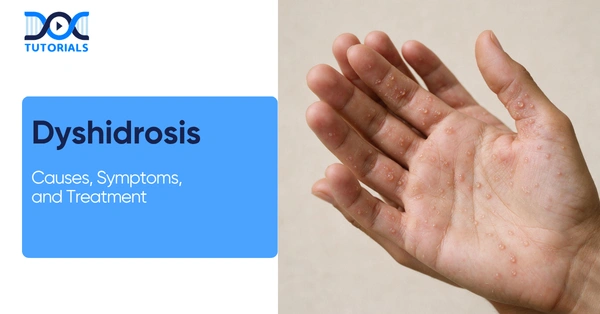
Dyshidrotic eczema (pompholyx) is a skin condition that causes intensely itchy, small, fluid-filled blisters on the fingers, palms, and feet. When these blisters dry, the skin often becomes flaky, cracked, and uncomfortable.
Dyshidrotic eczema, also known as dyshidrosis or pompholyx, is a condition in which the affected person develops itchy blisters and scaly skin. The condition typically develops on the webbed parts of the fingers, palms, and feet.
Blisters caused by this skin condition appear to be tiny beads filled with fluid. They range from 1 to 2 millimetres across, approximately the diameter of a pinhead. In some cases, the blisters may merge together to create one big blister. Once the blisters dry up, the affected skin becomes flaky and cracked.
What are the Clinical Features of Dyshidrotic Eczema?
Dyshidrotic eczema presents with itchy, fluid-filled blisters on the sides of the palms and soles, appearing symmetrically and with minimal redness. They typically heal over 2–3 weeks with peeling and may occur alongside other types of hand dermatitis.
Dyshidrotic eczema (pompholyx) is a long-term skin condition that is characterised by small, fluid-filled blisters (vesicles) located on the edges of the palms and soles of the feet. These vesicles are small, round in shape, and are generally symmetrical.
They do not have associated redness, and do not exist on any other parts of the body. The following are the clinical features of dyshidrosis:
- The vesicles are usually very itchy.
- Vesicles usually heal within two to three weeks following a peeling stage.
- Vesicles can also occur with other forms of hand dermatitis.
What are the Causes of Dyshidrosis?
The main cause of dyshidrosis is unknown, but it is likely due to a mix of genetic and environmental factors. Common triggers include allergens, fungal infections, sweating or humidity, seasonal changes, and stress.
The exact cause of dyshidrotic eczema is not yet known. Although scientific evidences propose that genetics and the environment are likely to be the common cause of this skin condition.
It is not infectious, which means you cannot catch dyshidrotic eczema from another person, nor can it be transmitted by touch. These are some of the potential dyshidrotic eczema triggers, including but not limited to:
- Exposure to Allergens/Irritants: Substances in your surroundings, such as nickel, personal care products, and certain foods, can be allergens or irritants.
- Fungal Infections: One common example of a fungal infection that can trigger the condition is athlete’s foot, which can cause dyshidrosis of the feet.
- Humidity: The excessive presence of moisture in the skin caused by constant washing of hands or prolonged use of gloves at work, sweaty feet and hands, and highly humid conditions can cause dyshidrosis flare-ups.
- Changes in the Seasons: Warmer temperatures and seasonal allergies can worsen dyshidrotic eczema symptoms, while colder temperatures can alleviate them.
- Stress: Physical and psychological stress are known to worsen symptoms of dyshidrotic eczema significantly.
What are the Risk Factors of Dyshidrosis?
Dyshidrosis can affect anyone, but it is more common in people with sensitive skin, high stress, or existing eczema. People with frequent exposure to metals such as nickel or cobalt also increase their risk.
Dyshidrotic eczema can affect anyone, although it is most common in the following:
- People with Sensitive Skin
If you have sensitive skin, you are at increased risk of getting dyshidrotic eczema. More specifically, if you get a rash on your skin, the risk of that rash developing into dyshidrotic eczema is high.
- People who Experience High Stress
When you experience any kind of physical or emotional stress, the probability of developing dyshidrotic eczema increases. If you tend to get stressed easily, this means that you’re vulnerable to dyshidrotic eczema.
- Exposure to Metal
The chances of developing dyshidrotic eczema become high if you work in an industrial environment, where exposure to metals such as nickel or cobalt is common.
- People with Atopic Dermatitis
Atopic dermatitis (also known as eczema) is an itchy, inflamed skin condition. This means that if you’re already suffering from atopic dermatitis, you have an increased risk of developing dyshidrotic eczema.
What are the Signs and Symptoms of Dyshidrosis?
Symptoms of dyshidrosis include small itchy blisters on the hands, along with pain, peeling, dryness, and cracking as they heal. Sometimes, larger blisters can form, but the condition usually remains limited to the hands.
Having dyshidrotic eczema means that your symptoms appear and disappear over time, but can last for a long period, like several weeks. The typical dyshidrosis symptoms are usually produced on the skin:
- Small, firm blisters on hands
- Pain or soreness
- Itching
- Peeling or scaling
- Changes in color
- Extra sweating
- Dryness and cracking (after blisters go away)
Some of the rare but most serious symptoms associated with dyshidrotic eczema are large blisters that may develop on the back of the fingers and hands. However, there is no risk of having any blisters develop on any other part of the body.
What is the Diagnosis of Dyshidrosis?
Diagnosis of dyshidrosis involves a doctor examining the skin and reviewing your medical history to find out possible triggers. Tests such as allergy tests, fungal tests, or skin sampling may be performed to rule out other conditions and confirm the diagnosis.
In order for this disease to be diagnosed properly, a dermatologist consultation is crucial, as its symptoms may appear similar to other skin conditions like fungal infection, contact dermatitis, and psoriasis.
Diagnosing dyshidrosis involves the following methods:
- Physical Exam: The doctor examines the skin on the affected like hands and feet, to check the density and appearance of the blisters, including their size.
- Medical History: To find out the triggers of these blisters, the doctor may ask about the patient’s medical history to gather information about their past allergies, lifestyle choices, stress levels, and their environment.
The following tests for diagnosing dyshidrosis help determine the actual cause of the symptoms and develop an accurate treatment plan:
- Allergy Test: This test detects sensitivity to allergens such as nickel, cobalt, fragrances, preservatives, and detergents. These findings help the patients to adjust themselves according to their surroundings to prevent flare-ups of dyshidrosis in the future.
- Fungal Culture: In this test, a small skin sample is obtained and examined in the laboratory to assess the possibility of fungal infections, such as hand fungus or athlete’s foot, that may resemble dyshidrotic eczema.
- Patch Test: In a patch test, a specific chemical is applied to small skin samples to detect possible triggers of eczema. Based on the patch test, a doctor can prescribe an appropriate treatment to avoid future flare-ups.
- Skin Scraping/Biopsy: In some cases, the doctor performs this procedure to determine whether the condition is dyshidrosis or some other skin infections like tinea, psoriasis, or autoimmune disorders.
What are the Treatment Options for Dyshidrosis?
Treatment of dyshidrosis depends on severity and may include creams, medicines, or therapies to reduce itching and heal blisters. In some cases, phototherapy, antihistamines, or injections may be used to improve control.
After considering the symptoms and the seriousness of dyshidrotic eczema, your doctor will provide the right treatment option for you. There are various treatments available for dyshidrotic eczema, and they include:
- Corticosteroids
The application of corticosteroid cream and ointment may be effective in reducing the visibility of blisters. After applying the corticosteroid cream, the affected area should be covered with plastic wrap or a clean, compressed cloth to speed up the healing process. Oral corticosteroids may be prescribed in cases of severe dyshidrotic eczema.
- Immune Suppressant Ointment
When patients prefer a reduction in steroid use, immunosuppressants can be recommended by the doctor. The medication contains pimecrolimus and tacrolimus, which help in the healing of blisters.
- Phototherapy
As an alternative, phototherapy can be recommended if other methods do not respond to treatment. This technique involves combining medication with ultraviolet (UV) rays.
- Botulinum Toxin Injections
The treatment of severe cases of dyshidrotic eczema involves botulinum toxin injections.
- Antihistamines
In mild cases of dyshidrotic eczema, antihistamines may also be prescribed by your doctor.
What are the Complications of Dyshidrosis?
Untreated dyshidrosis can lead to skin infections, thickened or cracked skin, and ongoing pain or discomfort. It can affect daily activities and cause nail changes and emotional stress due to its appearance and symptoms.
When the condition is left untreated or becomes a frequent cause of flare-ups, several complications may arise, affecting both the physical and psychological well-being of an individual. Frequent flare-ups of the condition typically impair the skin’s natural barrier, making one prone to irritation, infection, and sensitivity.
Additionally, the condition may impair the performance of everyday tasks such as typing, bathing, or walking, depending on whether it affects hands or feet. Possible complications of dyshidrosis include:
- Development of secondary infections (most likely Staphylococcus aureus), thickening, and fissure formation due to chronic inflammation, as well as psychological discomfort from the appearance of lesions and pain associated with the condition.
- Thickening of the skin and/or cracks due to frequent drying and blistering, followed by healing of the skin.
- Chronic pain or discomfort, especially during flare-ups and periods of open lesions.
- Nail abnormalities such as ridges, pitting, or thickening are due to the extension of eczema into the area beneath the nails.
- Psychological discomfort and anxiety as a result of the appearance of blisters or itching.
What are the Prevention Strategies for Dyshidrosis?
Managing dyshidrosis focuses on habits like gentle skin care, regular moisturising, and avoiding over-washing. Staying away from triggers, protecting your hands, and keeping stress under control can help prevent flare-ups.
Despite having various methods of treating dyshidrotic eczema, there is no definitive treatment for the disease. The following lifestyle changes and practices can assist you in controlling your symptoms and stopping flare-ups:
- Keep your Skin Clean and Moisturised
Cleanse and dry your hands and feet carefully, and apply moisturiser (emollient) regularly and each time after washing your hands.
- Wash Your Hands Properly
Before washing your hands, take off your rings and other pieces of jewellery that may deposit soap and water over your skin, which will lead to irritation.
Wash your hands in warm rather than hot water without soap, to prevent dryness of the skin. Avoid washing your hands too often because excessive hand washing can irritate the skin as well.
- Find Out Your Triggers and Avoid Them
Coming into contact with irritants and allergens directly leads to flare-ups. Avoid touching such substances and use gloves to prevent their contact.
- Protect Your Hands by Wearing Gloves
Wear cotton gloves under waterproof gloves while doing laundry and protective gloves when cooking, gardening, cleaning, or when it is cold outdoors.
- Control Your Stress Levels
Emotional stress is one of the most common factors that cause flare-ups. Engage yourself in activities like exercise, meditation, and breathing exercises, and opt for therapy consultations if required.
FAQs about Dyshidrosis
1. What is dyshidrosis?
It is a recurring skin disorder characterised by small blisters filled with fluid that affect the palm surface and the sides of the finger pads. They are usually very itchy and develop further into peeling or cracking of the affected areas.
2. What causes dyshidrosis?
Although no particular cause is evident, the triggers of dyshidrosis are assumed to be multifactorial. Emotional stress, allergic reactions (specifically to metals such as nickel and cobalt), hyperhidrosis, and irritants such as soap, detergents, and chemicals are among the common causes.
3. Who is susceptible to dyshidrosis?
People who have atopic dermatitis, allergies, or hypersensitive skin have a higher chance of having this disease. The presence of hyperhidrosis, exposure to frequent moisture, and a stressful environment can also contribute to developing this condition.
4. Is dyshidrosis contagious?
No, dyshidrosis is not an infectious skin ailment that transmits from person to person through physical contact, sharing of personal things, and exposure to an infected area.
5. What are the usual signs of dyshidrosis?
The typical symptom of dyshidrosis is a severe itching or burning sensation of the palms, which is later followed by vesicles. The development of small blisters may eventually form scales or peel off the skin. There could be painful fissures of the skin in some cases.
6. How do doctors diagnose dyshidrosis?
Diagnosing dyshidrosis is primarily based on visual identification and the history of patients’ experiences. When uncertainty occurs, patch testing for possible allergens or biopsy examination for ruling out fungal infection is performed.
7. How should dyshidrosis be treated?
Topical corticosteroids are commonly applied to the affected area to prevent inflammation and swelling. Emollients are used for restoring the integrity of the skin.
Antihistamines relieve itching. Other treatments may involve systemic drugs, phototherapy, and immunosuppressant medications.
8. Can dyshidrosis disappear spontaneously?
Yes, mild cases can naturally disappear in a few weeks. However, this skin condition is a recurring problem, so if left untreated, it can easily relapse.
9. How can dyshidrosis be prevented?
Avoiding triggers and irritants, keeping the affected area moist while maintaining the skin clean and dry, wearing gloves, and eliminating stressful situations are some preventive measures that can prevent dyshidrosis from occurring.
10. What are the complications of dyshidrosis?
Untreated dyshidrosis can cause a secondary infection caused by bacteria because of skin breakdown. Lichenification or thickening of the skin can occur, and chronic irritation or discomfort may develop.
Conclusion
Dyshidrotic eczema is a chronic but manageable skin condition that can be effectively controlled when diagnosed at an early stage, together with an appropriate treatment option. NEET-PG requires candidates to know everything related to dyshidrosis. For added guidance, DocTutorials can be your study partner.
We offer crisp videos, clinical Qbank, exam-focused notes, flashcards, and mindmaps to ensure aspirants are well-prepared and gain complete clarity over complex NEET PG concepts.
Join DocTutorials today and explore our NEET PG course to excel in your medical career!


Latest Blogs
-

INI CET Exam 2026: Your Roadmap to Success – Key Topics, Strategies, and Lessons from Last Year’s Papers
The INI CET exam is more than just a test; it’s a significant milestone for many medical students aiming to…
-

INI CET Exam Success: Previous Year Question Papers & Ultimate Guide – INI CET PYQ
One can feel overwhelmed while preparing for the INI CET (Institute of National Importance Combined Entrance Test). A vast syllabus,…
-

NEET PG 2026 Preparation with Live Power Pack: Your Path to Success in 2026
Preparing for the NEET PG 2026 can be an overwhelming journey because of its vast syllabus and the pressure to…