API Textbook of Medicine: Key Features, Latest Edition, and Significance
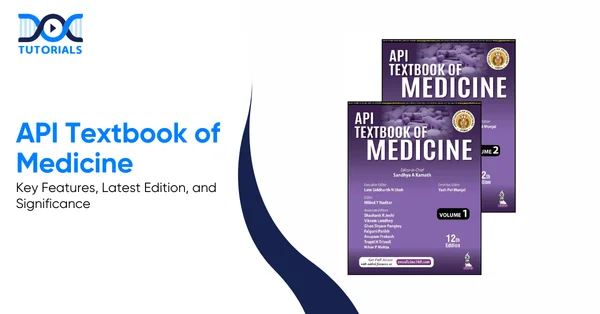
The API Textbook of Medicine is known to be one of the most comprehensive and authoritative medical textbooks in India. Released with the support of the Association of Physicians of India (API), it has developed into a medical resource that is both globally significant and distinctly Indian.
The uniqueness of this textbook of medicine is that it combines traditional methods of clinical practice with modern research yet focuses on the patterns and experiences of India. At present, the API medicine book has become a crucial academic resource for MBBS students, MD candidates, and practicing physicians.
Read on to learn more about this book, its features, table of contents, significance, and more.
A Brief Overview of the API Textbook of Medicine
The API Textbook of Medicine is one of the most reliable and comprehensive medical books in India, published by the Association of Physicians of India since 1969. Edited by experts, this two-volume book encompasses 18 major specialities. It is a perfect amalgamation of Indian medical expertise and international standards.
First published in 1969, the API Textbook of Medicine has served medical students and physicians for over five decades.
In its current edition, this two-volume book spans 18 extensive sections, starting from infectious diseases, cardiology, neurology, endocrinology, and diabetology to more contemporary domains such as travel medicine, regenerative medicine, environmental medicine, and medical ethics.
This textbook offers an Indian perspective on epidemiology while maintaining a worldwide focus, featuring the latest progress in physiology, pathology, diagnosis, and management. The framework of the textbook moves from standard medical diagnosis to research and clinical practice, enhancing understanding of concepts.
As a textbook for medical students, it imparts in-depth knowledge of the subject, clinical case discussions, exam-preparatory material, and essential insights that are the hallmark of a clinical textbook.
What are the Features of the API Textbook of Medicine, 12th Edition
The API Textbook of Medicine is evolving alongside modern medical developments while keeping its robust clinical foundation intact. The 12th edition of the book offers new chapters, increased speciality sections, and a separate section on COVID-19.
With evidence-based guidelines and expert content, the API textbook of medicine, latest edition, remains the definitive resource for medical students and practicing physicians. Check out the salient features of the 12th edition in the section below:
- Updated and Fully Revised Edition
All chapters and sections have been meticulously updated with the advanced medical knowledge, clinical guidelines, and modern advances in diagnosis and treatment.
- Dedicated SARS COVID-19 Section
The section named “Viral Infections” now contains a new section that explains COVID-19 through its epidemiological patterns, clinical progression, treatment methods, laboratory testing, and post-COVID complications and treatment facilities.
- Separate Chapter on COVID Vaccination
The dedicated chapter for COVID vaccination provides information about vaccine science, administration methods, safety features, and public health significance.
- Enlarged HIV Medicine Section
The HIV Medicine section has been enlarged to include malignancies associated with HIV, Antiretroviral Therapy and Drug Interactions, HIV in Pregnancy, HIV-2, and other important clinical considerations.
- New Chapters on Genetic and Metabolic Disorders
New chapters on DNA Repair Deficiency Disorders and Lysosomal Storage Disorders have been added to incorporate the latest developments in genetic and metabolic medicine.
- Effect of COVID-19 on the Hospital Environment
A new chapter on “Environmental Medicine” has been added to discuss the effect of COVID-19 on the hospital environment and healthcare preparedness.
- Comprehensive Two-Volume Book Prepared by Renowned Experts
With around 3570 pages in two comprehensive volumes, the book provides extensive coverage of medical disorders. It has been written by renowned medical experts, ensuring complete authenticity and relevance.
What is the Table of Contents of the API Textbook of Medicine, 12th Edition?
The API Textbook of Medicine (12th Edition) starts with a solid foundation in the principles and epidemiology of medicine and then moves on to a systematic clinical approach to typical patient cases. Overall, with two separate volumes, this new edition further establishes its position as a valuable resource for students and professionals.
Listed below are the chapters covered in the API Textbook of Medicine, 12th edition:
| Chapter No | Chapter Name | Pages |
| 1 | General Considerations of Infections: Basic Concepts of Infections | 1-6 |
| 2 | Laboratory Diagnosis of Infectious Diseases | 7-14 |
| 3 | Syndromic Approach to Infectious Diseases | 15-20 |
| 4 | Antibiotic Resistance and Antimicrobial Stewardship | 21-22 |
| 5 | Infection in the Immunocompromised Host | 23-28 |
| 6 | Diagnosis and Treatment of Hospital-acquired Infections | 29-38 |
| 7 | Prevention of Healthcare-associated Infections | 39-45 |
| 8 | Hospital Infection Control | 46-48 |
| 9 | Staphylococcal Infections | 49-51 |
| 10 | Streptococcal Infections | 52-54 |
| 11 | Pneumococcal Infections | 55-59 |
| 12 | Enterococcal Infections | 60-63 |
| 13 | Diphtheria | 64-67 |
| 14 | Clostridial Infections | 68-74 |
| 15 | Meningococcal Infections | 75-79 |
| 16 | Gonococcal Infections | 80-83 |
| 17 | Typhoid (Enteric Fever) | 84-87 |
| 18 | Bacillary Dysentery | 88-91 |
| 19 | Cholera | 92-95 |
| 20 | Enterobacteriaceae | 96-99 |
| 21 | Haemophilus influenzae Infections | 100-102 |
| 22 | Pseudomonas aeruginosa Infections | 103-105 |
| 23 | Acinetobacter | 106-109 |
| 24 | Syphilis | 110-114 |
| 25 | Leptospirosis | 115-119 |
| 26 | Other Spirochaetal Infections: Lyme Disease and Rat Bite Fever | 120-122 |
| 27 | Brucellosis | 123-125 |
| 28 | Actinomycosis | 126-127 |
| 29 | Laboratory Diagnosis of Tuberculosis | 128-131 |
| 30 | Treatment of Drug-Susceptible Tuberculosis | 132-136 |
| 31 | Treatment of Drug-resistant Tuberculosis | 137-140 |
| 32 | Leprosy | 141-152 |
| 33 | Rickettsial Infections | 153-159 |
| 34 | Malaria | 160-169 |
| 35 | Amebiasis and Giardiasis | 170-177 |
| 36 | Leishmaniasis | 178-182 |
| 37 | Toxoplasmosis | 183-186 |
| 38 | Cryptosporidiosis, Trichomoniasis, Balantidiasis and Cystoisospora | 187-189 |
| 39 | Ankylostomiasis, Ascariasis and Other Nematodal Infections | 190-201 |
| 40 | Tapeworm and Hydatid Diseases | 202-208 |
| 41 | Lymphatic Filariasis and Related Diseases | 209-215 |
| 42 | Systemic Fungal Infections | 216-223 |
| 43 | Pneumocystis jirovecii Pneumonia | 224-228 |
| 44 | Basic Considerations of Viral Diseases | 229-235 |
| 45 | Herpes Virus Infections (Simplex and Zoster) | 236-240 |
| 46 | Influenza and Other Common Viral Respiratory Infections (Parainfluenza, Respiratory Syncytial Virus, and Rhinovirus) | 241-248 |
| 47 | Viral Gastroenteritis | 249-251 |
| 48 | Rabies | 252-259 |
| 49 | Arboviral Infections | 260-270 |
| 50 | Dengue | 271-282 |
| 51 | Chikungunya | 283-287 |
| 52 | Japanese Encephalitis | 288-294 |
| 53 | Epidemiology of HIV/AIDS | 293-297 |
| 54 | HIV Virology, Immunology, and Laboratory Diagnosis | 298-302 |
| 55 | Pathophysiology and Clinical Features of HIV/AIDS | 303-307 |
| 56 | HIV and Systemic Involvement: Central Nervous System | 308-310 |
| 57 | HIV and Systemic Involvement: Cardiovascular System | 311-312 |
| 58 | HIV and Systemic Involvement: Respiratory and Gastrointestinal Systems | 313-315 |
| 59 | HIV and Systemic Involvement: Haematology | 316-318 |
| 60 | HIV and Systemic Involvement: Kidney | 319-320 |
| 61 | HIV and Systemic Involvement: Dermatological Manifestations | 321-325 |
| 62 | HIV and Systemic Involvement: Endocrinology and Metabolism | 326-327 |
| 63 | HIV and Malignancy | 328-333 |
| 64 | Antiretroviral Therapy | 334-340 |
| 65 | Antiretroviral Drug Toxicities and Drug Interactions | 341-347 |
| 66 | Antiretroviral Therapy Resistance | 348-352 |
| 67 | Pre-exposure Prophylaxis in HIV | 353-354 |
| 68 | Quest for HIV Cure | 355-357 |
| 69 | HIV and Pregnancy | 358-361 |
| 70 | HIV-2 | 362-364 |
| 71 | Basic Considerations | 365-371 |
| 72 | Soft Tissue Rheumatism and Regional Rheumatic Pain Syndromes | 372-377 |
| 73 | Low Back Pain | 378-385 |
| 74 | Osteoarthritis | 386-393 |
| 75 | Gout and Other Crystal Arthritides | 394-402 |
| 76 | Rheumatoid Arthritis | 403-414 |
| 77 | Spondyloarthritides | 415-424 |
| 78 | Sjogren’s Syndrome | 425-428 |
| 79 | Systemic Lupus Erythematosus | 429-433 |
| 80 | Antiphospholipid Syndrome | 434-438 |
| 81 | Inflammatory Muscle Diseases | 439-445 |
| 82 | Systemic Sclerosis | 446-450 |
| 83 | The Vasculitides | 451-461 |
| 84 | Mixed Connective Tissue Disease and Overlap Syndromes | 462-465 |
| 85 | Emergencies in Rheumatology | 466-471 |
| 86 | Tropical Rheumatic Diseases | 472-479 |
| 87 | Biologics and Biosimilars in Rheumatology | 480-488 |
| 88 | Disorders of Lipid and Lipoprotein Metabolism | 489-500 |
| 89 | Disorders of Adipose Tissue and Obesity | 501-505 |
| 90 | Disorders of Iron Metabolism and Iron Overload Syndromes | 506-517 |
| 91 | The Porphyrias | 518-524 |
| 92 | Wilson’s Disease | 525-532 |
| 93 | Rickets and Osteomalacia | 533-539 |
| 94 | Osteoporosis | 540-544 |
| 95 | Basic Considerations of Endocrinology | 545-549 |
| 96 | Endocrine Disorders: A Clinical Approach | 550-557 |
| 97 | Disorders of the Hypothalamus and Pineal Gland | 558-563 |
| 98 | Disorders of Anterior Pituitary | 564-576 |
| 99 | Disorders of the Posterior Pituitary | 577-579 |
| 100 | Disorders of the Thyroid Gland | 580-596 |
| 101 | Disorders of Parathyroid Glands | 597-601 |
| 102 | Disorders of Adrenal Glands | 602-612 |
| 103 | Disorders of Puberty | 613-618 |
| 104 | Basic Consideration in Diabetes Mellitus | 619-623 |
| 105 | Pathophysiology of Diabetes and Its Subtypes | 624-629 |
| 106 | Lifestyle Management in Diabetes | 630-634 |
| 107 | Oral Antidiabetic Drugs, Incretin-based Treatment and SGLT-2 Inhibitors | 635-641 |
| 108 | Insulin | 642-646 |
| 109 | In-hospital Management of Diabetes Mellitus | 647-655 |
| 110 | Acute Complications of Diabetes Mellitus (Hypoglycemia, DKA, HHS, and Lactic Acidosis) | 656-668 |
| 111 | Microvascular Complications of Diabetes Mellitus | 669-674 |
| 112 | Diabetic Foot with Indian Perspectives | 675-680 |
| 113 | Diabetes and Pregnancy | 681-684 |
| 114 | Macrovascular Complications of Diabetes Mellitus | 685-688 |
| 115 | Use of Technologies in Diabetes | 689-694 |
| 116 | Primary Prevention of Diabetes Mellitus | 695-698 |
| 117 | Haematopoietic Stem Cell Maintenance and Differentiation (Different Stages of Differentiation) | 699-706 |
| 118 | Approach to Anaemia and Polycythemia | 707-716 |
| 119 | Approach to Bleeding and Thrombosis | 717-723 |
| 120 | Approach to Disorders of Leukocytosis and Leukopenia | 724-731 |
| 121 | Nutritional Anemia | 732-738 |
| 122 | Hereditary Hemolytic Anaemias | 739-748 |
| 123 | Acquired Hemolytic Anaemia | 749-755 |
| 124 | Aplastic Anemia | 756-760 |
| 125 | Myelodysplastic Syndrome | 761-766 |
| 126 | Acute Myeloid Leukaemia | 767-773 |
| 127 | Chronic Myeloid Leukaemia and Other MPNs | 774-780 |
| 128 | Acute Lymphoblastic Leukaemia | 781-790 |
| 129 | Chronic Lymphocytic Leukaemia | 791-795 |
| 130 | Lymphoma and Other Lymphoid Neoplasms | 796-807 |
| 131 | Plasma Cell Disorders | 808-815 |
| 132 | Platelet Disorders | 816-822 |
| 133 | Coagulation Disorders | 823-826 |
| 134 | Thrombotic Disorders | 827-831 |
| 135 | Transfusion Medicine | 832-838 |
| 136 | Haematopoietic Stem Cell Transplantation | 839-846 |
| 137 | Kidney: Structure, Function and Basic Renal Pathology | 847-855 |
| 138 | Kidney Disease: A Clinical Approach | 856-864 |
| 139 | Acute Kidney Injury | 865-874 |
| 140 | Chronic Kidney Disease | 875-885 |
| 141 | Primary Glomerular Diseases | 886-895 |
| 142 | Secondary Glomerular Diseases | 896-907 |
| 143 | Infections of the Kidney and Urinary Tract | 908-919 |
| 144 | Vascular Injury to the Kidney | 920-925 |
| 145 | Acute Tubulointerstitial Nephritis | 926-932 |
| 146 | Cardiorenal Syndrome | 933-937 |
| 147 | Inherited Kidney Diseases (Including Polycystic Kidney Disease) | 938-951 |
| 148 | Dialysis and Other Extracorporeal Therapies | 952-964 |
| 149 | Renal Transplantation | 965-972 |
| 150 | Basic Considerations of Environmental and Occupational Diseases | 973-980 |
| 151 | Climate Change: Health and Disease | 981-986 |
| 152 | Air Pollution and Smoke-related Hazards | 987-993 |
| 153 | Drowning (Submersion Injury) | 994-998 |
| 154 | High-altitude Medicine | 999-1010 |
| 155 | Aerospace Medicine | 1011-1016 |
| 156 | Heat-related Illness | 1017-1025 |
| 157 | Electric Shock and Lightning Injury | 1026-1031 |
| 158 | Radiation Hazards | 1032-1038 |
| 159 | Respiratory System: Basic Anatomy and Physiology | 1039-1051 |
| 160 | Pulmonary Disorders: A Clinical Approach | 1052-1056 |
| 161 | Diagnostic Procedures in Respiratory Disorders | 1057-1067 |
| 162 | Asthma | 1068-1075 |
| 163 | Chronic Obstructive Pulmonary Disease | 1076-1088 |
| 164 | Pneumonia | 1089-1097 |
| 165 | Suppurative Pleuroparenchymal Diseases | 1098-1110 |
| 166 | Pulmonary Tuberculosis | 1111-1116 |
| 167 | Fungal Infections of the Lungs | 1117-1126 |
| 168 | Diffuse Interstitial Lung Disease | 1127-1133 |
| 169 | Eosinophilic Lung Disease and Tropical Pulmonary Eosinophilia | 1134-1141 |
| 170 | Sarcoidosis | 1142-1152 |
| 171 | Sleep-Related Breathing Disorders | 1153-1157 |
| 172 | Disease of Pleura, Mediastinum, Diaphragm, and Chest Wall | 1158-1166 |
| 173 | Cor Pulmonale | 1167-1170 |
| 174 | Basic Considerations in Cardiology | 1171-1180 |
| 175 | Cardiovascular Diseases: A Clinical Approach | 1181-1192 |
| 176 | Heart Failure (Clinical Presentation and Pathophysiology) | 1193-1197 |
| 177 | Management of Heart Failure | 1198-1215 |
| 178 | Acute Rheumatic Fever | 1216-1221 |
| 179 | Valvular Heart Disease | 1222-1235 |
| 180 | Infective Endocarditis | 1236-1250 |
| 181 | Atherosclerosis | 1251-1258 |
| 182 | Ischemic Heart Disease: Pathophysiology and Diagnosis | 1259-1264 |
| 183 | Acute Coronary Syndrome-NSTEMI | 1265-1271 |
| 184 | ST-elevation Myocardial Infarction | 1272-1286 |
| 185 | Chronic Stable Angina | 1287-1292 |
| 186 | Coronary Arteriography and Percutaneous Coronary Intervention | 1293-1297 |
| 187 | Hypertension and Its Management | 1298-1310 |
| 188 | Bradyarrhythmias | 1311-1318 |
| 189 | Tachyarrhythmias | 1319-1328 |
| 190 | Sudden Cardiac Arrest | 1329-1338 |
| 191 | Congenital Heart Disease | 1339-1349 |
| 192 | Diseases of the Myocardium | 1350-1365 |
| 193 | Diseases of the Pericardium | 1366-1378 |
| 194 | Diseases of the Aorta | 1379-1391 |
| 195 | Vascular Disorders of the Extremities | 1392-1407 |
| 196 | Pregnancy and Heart Disease | 1408-1415 |
| 197 | Venous Thromboembolism: Deep Vein Thrombosis and Pulmonary Embolism | 1416-1430 |
| 198 | Pulmonary Hypertension | 1431-1437 |
| 199 | Prevention of Cardiovascular Disease | 1438-1448 |
| 200 | Basic Considerations in Gastroenterology | 1449-1454 |
| 201 | Clinical Approach to a Patient with Gastrointestinal Disease | 1455-1459 |
| 202 | Investigation of Gastrointestinal Disorders | 1460-1462 |
| 203 | Gastrointestinal Imaging and Endoscopy | 1463-1469 |
| 204 | Esophageal Disorders | 1470-1478 |
| 205 | Diseases of the Stomach and Duodenum | 1479-1490 |
| 206 | Functional Gastrointestinal Disorders | 1491-1498 |
| 207 | Inflammatory Bowel Disease | 1499-1506 |
| 208 | Abdominal Tuberculosis | 1507-1516 |
| 209 | Malabsorption Syndrome | 1517-1523 |
| 210 | Ischemic Bowel Disease | 1524-1529 |
| 211 | Gastrointestinal Bleeding | 1530-1539 |
| 212 | Acute Pancreatitis | 1540-1551 |
| 213 | Chronic Pancreatitis and Pancreatic Tumours | 1552-1558 |
| 214 | Basic Considerations of Hepatobiliary Diseases | 1559-1565 |
| 215 | Hepatobiliary Disorders: Clinical Approach and Investigations | 1566-1574 |
| 216 | Acute Viral Hepatitis | 1575-1582 |
| 217 | Chronic Viral Hepatitis | 1583-1594 |
| 218 | Chronic Nonviral Hepatitis and Cholestatic Diseases | 1595-1598 |
| 219 | Alcohol-related Liver Disease | 1599-1607 |
| 220 | Cirrhosis of the Liver | 1608-1614 |
| 221 | HVOTO, EHPVO, and NCPF | 1615-1621 |
| 222 | Nonalcoholic Fatty Liver Disease | 1622-1625 |
| 223 | Acute Liver Failure | 1626-1632 |
| 224 | Parasitic Infections of the Liver | 1633-1636 |
| 225 | Toxic and Drug-induced Liver Injury | 1637-1638 |
| 226 | Pregnancy and Liver Disease | 1639-1644 |
| 227 | Diseases of the Gallbladder and Biliary Tract | 1645-1654 |
| 228 | Liver in Systemic Diseases | 1655-1658 |
| 229 | Inherited Metabolic Diseases of the Liver | 1659-1666 |
| 230 | Neurological Disorders: Basic Considerations and Clinical Approach | 1667-1672 |
| 231 | Clinical Neurophysiology | 1673-1680 |
| 232 | Neuroimaging | 1681-1688 |
| 233 | Epilepsy | 1689-1707 |
| 234 | Disorders of Speech | 1708-1719 |
| 235 | Disorders of Cranial Nerves | 1720-1737 |
| 236 | Ischemic Cerebrovascular Diseases | 1738-1750 |
| 237 | Haemorrhagic Cerebrovascular Diseases | 1751-1759 |
| 238 | Cerebral Venous Sinus Thrombosis | 1760-1765 |
| 239 | Bacterial Meningitis and Brain Abscess | 1766-1773 |
| 240 | Neurotuberculosis | 1774-1782 |
| 241 | Viral Encephalitis | 1783-1787 |
| 242 | Slow Virus Infections and Prion Disease | 1788-1792 |
| 243 | Raised Intracranial Pressure and Hydrocephalus | 1793-1798 |
| 244 | Dementia | 1799-1807 |
| 245 | Hypokinetic Movement Disorder | 1808-1815 |
| 246 | Hyperkinetic Movement Disorders | 1816-1820 |
| 247 | Cerebellar Disorders | 1821-1846 |
| 248 | Amyotrophic Lateral Sclerosis and Other Motor Neuron Diseases | 1847-1854 |
| 249 | Demyelinating Disorders of the Central Nervous System | 1855-1862 |
| 250 | Nutritional and Toxic Disorders of the Nervous System | 1863-1868 |
| 251 | Neurometabolic Disorders in Children | 1869-1885 |
| 252 | Peripheral Neuropathy | 1886-1901 |
| 253 | Disorders of the Autonomic Nervous System | 1902-1907 |
| 254 | Myasthenia Gravis | 1908-1911 |
| 255 | Diseases of Muscles | 1912-1925 |
| 256 | Noncompressive Myelopathies | 1926-1933 |
| 257 | Compressive Myelopathies | 1934-1942 |
| 258 | Basic Principles of Critical Care and Approach to Critically Ill Patient | 1943-1949 |
| 259 | Monitoring of Critically Ill Patients | 1950-1956 |
| 260 | Respiratory Failure and Mechanical Ventilation | 1957-1965 |
| 261 | Fluid Balance | 1966-1976 |
| 262 | Electrolyte Disturbances | 1977-1987 |
| 263 | Acid-base Disorders | 1988-1994 |
| 264 | Sepsis and Septic Shock | 1995-2003 |
| 265 | Acute Respiratory Distress Syndrome | 2004-2009 |
| 266 | Neurocritical Care | 2010-2019 |
| 267 | Nutrition in Critically Ill Patient | 2020-2024 |
| 268 | Hemodynamic Disturbances and Shock | 2025-2030 |
| 269 | Basic Considerations in Poisoning and Toxicology | 2031-2037 |
| 270 | Plant Poisoning | 2038-2044 |
| 271 | Recreational Drug Overdose | 2045-2051 |
| 272 | Organophosphorus Compound Poisoning | 2052-2057 |
| 273 | Aluminium Phosphide and Other Metal Phosphide Poisoning | 2058-2062 |
| 274 | Other Pesticide Poisoning | 2063-2068 |
| 275 | Toxic Alcohols | 2069-2072 |
| 276 | Toxic Gas Poisoning (Including Industrial Gases, Carbon Monoxide) | 2073-2077 |
| 277 | Corrosive Acid and Alkali Poisoning | 2078-2081 |
| 278 | Snakebite | 2082-2087 |
| 279 | Scorpion Sting | 2088-2097 |
| 280 | Heavy Metal Poisoning, Including Copper | 2098-2107 |
| 281 | Epidemic Dropsy | 2108-2111 |
| 282 | Drug Overdose | 2112-2119 |
| 283 | Miscellaneous: Including Household and Other Poisoning | 2120-2124 |
| 284 | Immunisation in Adults, Travel Medicine, and the Use of Vaccines | 2125-2137 |
| 285 | Yoga and Medicine | 2138-2144 |
| 1e | Antimicrobial Therapy: PK-PD of Antimicrobials | e-1-e-4 |
| 2e | Mechanisms of Antimicrobial Resistance | e-5-e-7 |
| 3e | Inhibitors of Cell Wall Synthesis | e-8-e-11 |
| 4e | Protein Synthesis Inhibitors and Folate Metabolism Inhibitors | e-12-e-15 |
| 5e | Spotlight on Newer Antibiotics for Resistant Infections | e-16-e-20 |
| 6e | Listeria monocytogenes Infections | e-21-e-22 |
| 7e | Legionnaires’ Disease | e-23-e-26 |
| 8e | Plague and Other Yersinia Infections | e-27-e-30 |
| 9e | Infections with Gram-negative Anaerobes | e-31-e-33 |
| 10e | Melioidosis | e-34-e-38 |
| 11e | Whooping Cough (Pertussis) | e-39-e-40 |
| 12e | Nonsyphilitic Treponematoses | e-41-e-43 |
| 13e | Donovanosis | e-44-e-45 |
| 14e | Bartonella Infections | e-46-e-47 |
| 15e | Nocardiosis | e-48-e-52 |
| 16e | Nontuberculous Mycobacteria and Their Infections | e-53-e-57 |
| 17e | Chlamydial Infections | e-58-e-61 |
| 18e | Mycoplasma | e-62-e-65 |
| 19e | Trypanosomiasis | e-66-e-70 |
| 20e | Schistosomiasis | e-71-e-74 |
| 21e | Cytomegalovirus and Epstein-Barr Virus | e-75-e-78 |
| 22e | Parvovirus B19, HHV (6, 7, 8) | e-79-e-82 |
| 23e | Human Papillomavirus Infection | e-83-e-84 |
| 24e | Measles, Mumps, Rubella, and Other Viral Exanthemas | e-85-e-90 |
| 25e | Enterovirus, Coxsackievirus, Echovirus, and Parechovirus | e-91-e-95 |
| 26e | Ebola and Marburg Viral Infections | e-96-e-99 |
| 27e | Orthohantavirus Infections | e-100-e-103 |
| 28e | Zika Virus Infection | e-104-e-107 |
| 29e | Nipah Virus/Hendra Virus Infections | e-108-e-110 |
| 30e | COVID-19: Virology, Epidemiology and Laboratory Diagnosis | e-111-e-115 |
| 31e | COVID-19: Immunology, Pathophysiology and Clinical Course | e-116-e-120 |
| 32e | COVID-19: Pulmonary Manifestations and Post-COVID Pulmonary Complications | e-121-e-125 |
| 33e | COVID-19 Treatment of Acute Illness, Complications, and COVID Critical Care | e-126-e-131 |
| 34e | COVID-19: Post-COVID Complications and Continued Care Clinics | e-132-e-136 |
| 35e | Infection Control and Antibiotic Stewardship in COVID-19 | e-137-e-141 |
| 36e | COVID Vaccinology: Facts and Frequently Asked Questions | e-142-e-147 |
| 37e | COVID-19 Care of Special Populations: Elderly, Tuberculosis and COVID, and HIV and COVID | e-148-e-152 |
| 38e | Extrapulmonary Manifestations of COVID-19 | e-153-e-164 |
| 39e | Rheumatic Manifestations of Systemic Diseases | e-165-e-175 |
| 40e | Miscellaneous Rheumatic Disorders | e-176-e-182 |
| 41e | Pregnancy and Rheumatic Diseases | e-183-e-186 |
| 42e | Basics of Metabolism | e-187-e-192 |
| 43e | Disorders of Inborn Errors of Carbohydrate Metabolism | e-193-e-198 |
| 44e | Disorders of Protein Metabolism | e-199-e-203 |
| 45e | Disorders of Amino Acid Transport and Metabolism | e-204-e-207 |
| 46e | Amyloidosis | e-208-e-212 |
| 47e | DNA Repair-deficiency Disorders | e-213-e-215 |
| 48e | Lysosomal Storage Disorders | e-216-e-219 |
| 49e | Peroxisomal Disorders | e-220-e-223 |
| 50e | Progeria | e-224-e-225 |
| 51e | Mitochondrial Disorders in Endocrinology | e-226-e-232 |
| 52e | Bone and Mineral Metabolism in Health and Disease and Twin Nutrient Deficiency | e-233-e-238 |
| 53e | Investigations and Diagnosis of Bone Disorders | e-239-e-246 |
| 54e | Radiological Manifestations of Common Bone Disorders Including Bone Mineral Density (Basics) | e-247-e-258 |
| 55e | Phosphate Homeostasis and Disorders of Phosphate Metabolism | e-259-e-266 |
| 56e | Fluorosis | e-267-e-272 |
| 57e | Developmental Disorders of the Bone | e-273-e-278 |
| 58e | Miscellaneous Bone Disorders | e-279-e-282 |
| 59e | Disorders of Growth | e-283-e-293 |
| 60e | Autoimmune Polyglandular Endocrine Syndromes | e-294-e-300 |
| 61e | Disorders of Male Gonads | e-301-e-306 |
| 62e | Endocrine Disorders of Female Gonads | e-307-e-315 |
| 63e | Endocrine Tumours | e-316-e-321 |
| 64e | Clinical Management of Obesity | e-322-e-326 |
| 65e | Medical Management of Bariatric Surgery | e-327-e-331 |
| 66e | Behavioural Endocrinology | e-332-e-334 |
| 67e | Diabetes and Tuberculosis | e-335-e-342 |
| 68e | Nephrolithiasis and Urinary Tract Obstruction | e-343-e-349 |
| 69e | Integrating Kidney Health in Primary Healthcare | e-350-e-351 |
| 70e | Drug Nephrotoxicity and Dose Adjustment in Patients with Kidney Diseases | e-352-e-357 |
| 71e | Pre-dialysis Care, Nutrition, Palliative Care and Vaccination in Patients with Chronic Kidney Disease | e-358-e-362 |
| 72e | Medical Management of Disasters | e-363-e-371 |
| 73e | Hospital Environment and the Impact of COVID-19 on Hospital Environment | e-372-e-376 |
| 74e | Imaging Modalities in Pulmonary Medicine | e-377-e-387 |
| 75e | Upper Respiratory Tract Infections | e-388-e-390 |
| 76e | Pulmonary Rehabilitation | e-391-e-396 |
| 77e | Lung Transplantation | e-397-e-402 |
| 78e | Electrocardiology | e-403-e-423 |
| 79e | Exercise Testing | e-424-e-432 |
| 80e | Echocardiography | e-433-e-454 |
| 81e | Cardiac Imaging: Computed Tomography and Magnetic Resonance Imaging | e-455-e-467 |
| 82e | Nuclear Cardiology | e-468-e-476 |
| 83e | Cardiac Catheterisation and Angiocardiography | e-477-e-483 |
| 84e | Cardiac Transplantation | e-484-e-492 |
| 85e | Heart in Systemic Diseases | e-493-e-500 |
| 86e | Cardiac Tumours | e-501-e-505 |
| 87e | Mega Trials in Cardiology | e-506-e-510 |
| 88e | Gastrointestinal Manifestations of Systemic Diseases | e-511-e-519 |
| 89e | Gut Microbiome and Relevance to Gastrointestinal Diseases | e-520-e-526 |
| 90e | The Gut-Brain Axis | e-527-e-532 |
| 91e | Hepatobiliary Disorders: Imaging | e-533-e-544 |
| 92e | Liver Transplantation | e-545-e-548 |
| 93e | Neuro-ophthalmology | e-549-e-556 |
| 94e | Fungal and Parasitic Diseases of Nervous System | e-557-e-569 |
| 95e | Intracranial Space-occupying Lesions | e-570-e-583 |
| 96e | Head Injury | e-584-e-592 |
| 97e | Diet in Health and Disease | e-593-e-599 |
| 98e | Tobacco Smoking-related Diseases and Tobacco Cessation | e-600-e-602 |
| 99e | Perioperative Management of Surgical Patients | e-603-e-617 |
| 100e | Sports and Exercise Medicine | e-618-e-622 |
| 101e | Sexual Medicine | e-623-e-627 |
| 102e | Medical Malpractice Laws: Current Trends | e-628-e-635 |
| 103e | Clinical Pharmacology for the Physician | e-636-e-642 |
| 104e | Palliative Care | e-643-e-651 |
| 105e | Insurance Medicine | e-652-e-656 |
| 106e | Communication Skills in CBME Curriculum | e-657-e-663 |
| 107e | Medical Ethics | e-664-e-672 |
| 108e | Regenerative Medicine | e-673-e-676 |
| 109e | Principles of Epidemiology of Communicable and Noncommunicable Diseases | e-677-e-680 |
| 110e | Approach to a Febrile Patient | e-681-e-688 |
| 111e | Approach to Pain | e-689-e-691 |
| 112e | Chest Pain | e-692-e-697 |
| 113e | Dyspnea | e-698-e-702 |
| 114e | Cough and Hemoptysis | e-703-e-706 |
| 115e | Palpitations | e-707-e-715 |
| 116e | Abdominal Pain | e-716-e-722 |
| 117e | Lymphadenopathy and Splenomegaly | e-723-e-727 |
| 118e | Oedema and Anasarca | e-728-e-731 |
| 119e | Ascites | e-732-e-736 |
| 120e | Jaundice | e-737-e-741 |
| 121e | Diarrhoea and Constipation | e-742-e-748 |
| 122e | Weight Loss and Cachexia | e-749-e-754 |
| 123e | Altered Sensorium | e-755-e-759 |
| 124e | A Practical Approach to Syncope | e-760-e-763 |
| 125e | Dizziness and Vertigo | e-764-e-767 |
| 126e | Approach to Ataxia | e-768-e-771 |
| 127e | Motor Weakness | e-772-e-774 |
| 128e | Approach to Sensory Loss | e-775-e-784 |
| 129e | Clinical Approach to Fever with Rash | e-785-e-794 |
| 130e | Molecular Genetics, Human Genome, and Genomic Medicine | e-795-e-805 |
| 131e | Mendel and Beyond | e-806-e-814 |
| 132e | Genetic Variations and Molecular Pathology | e-815-e-822 |
| 133e | Conventional and Molecular Cytogenetics | e-823-e-832 |
| 134e | Molecular Diagnostics | e-833-e-838 |
| 135e | Genetic Basis of Cancer | e-839-e-845 |
| 136e | Treatment of Genetic Disorders | e-846-e-852 |
| 137e | Genetic Counselling and Prenatal Diagnosis | e-853-e-862 |
| 138e | Next-generation Sequencing: Future Medicine | e-863-e-868 |
| 139e | Precision Medicine | e-869-e-874 |
| 140e | Overview of the Immune System | e-875-e-882 |
| 141e | Inborn Errors of Immunity: Approach and Diagnosis | e-883-e-889 |
| 142e | Allergic Diseases: Pathogenesis, Diagnosis, Immune-based Therapies | e-890-e-898 |
| 143e | Autoimmune Diseases: Pathogenesis, Laboratory Tests, and Immune-based Therapies | e-899-e-904 |
| 144e | Tumour Immunology: Immune Response, Its Evasion by Tumours and Immune-based Therapies in Malignancy | e-905-e-914 |
| 145e | Transplant Immunology: Acceptance and Rejection, Immune-based Therapies to Improve Outcomes | e-915-e-920 |
| 146e | Basic Considerations and Assessment of Nutrition Status | e-921-e-926 |
| 147e | Water Soluble Vitamins | e-927-e-939 |
| 148e | Fat-soluble Vitamins | e-940-e-944 |
| 149e | Minerals, Trace Elements and Antioxidants | e-945-e-948 |
| 150e | Food Allergy and Food Intolerance | e-949-e-953 |
| 151e | Adult Malnutrition | e-954-e-956 |
| 152e | Development in Cancer | e-957-e-962 |
| 153e | Principles of Cancer Biology and Pathology | e-963-e-970 |
| 154e | Cancer Screening and Prevention | e-971-e-976 |
| 155e | Principles of Drug Treatment of Cancer | e-977-e-990 |
| 156e | Principles of Radiotherapy | e-991-e-997 |
| 157e | Head and Neck Cancer | e-998-e-1000 |
| 158e | Breast Cancer | e-1001-e-1004 |
| 159e | Gastric and Oesophageal Cancer | e-1005-e-1013 |
| 160e | Hepatobiliary Cancers | e-1014-e-1017 |
| 161e | Colorectal Cancers | e-1018-e-1022 |
| 162e | Benign and Malignant Tracheobronchial Tumours | e-1023-e-1028 |
| 163e | Genitourinary Cancers | e-1029-e-1039 |
| 164e | Gynecological Malignancies | e-1040-e-1049 |
| 165e | Bone and Soft-tissue Sarcomas | e-1050-e-1059 |
| 166e | Carcinoma of Unknown Primary Site | e-1060-e-1068 |
| 167e | Paraneoplastic Syndromes | e-1069-e-1074 |
| 168e | Cancer Proneness | e-1075-e-1079 |
| 169e | Carcinoid Syndrome | e-1080-e-1089 |
| 170e | Supportive Care in Cancer | e-1090-e-1094 |
| 171e | Oncological Emergencies | e-1095-e-1102 |
| 172e | Assessment in Clinical Psychiatry | e-1103-e-1111 |
| 173e | Organic Mental Disorders | e-1112-e-1118 |
| 174e | Substance Use Disorders | e-1119-e-1125 |
| 175e | Psychosis and Schizophrenia | e-1126-e-1130 |
| 176e | Mood Disorders | e-1131-e-1135 |
| 177e | Neurotic Disorders | e-1136-e-1142 |
| 178e | Emergency Psychiatry | e-1143-e-1146 |
| 179e | Sexual Disorders | e-1147-e-1152 |
| 180e | Biological and Somatic Treatment of Psychiatric Disorders | e-1153-e-1159 |
| 181e | Psychotherapies | e-1160-e-1164 |
| 182e | Psychosomatic Disorders | e-1165-e-1168 |
| 183e | Imaging Modalities: An Overview | e-1169-e-1178 |
| 184e | Plain Radiographs and Procedures | e-1179-e-1192 |
| 185e | Role of Ultrasound in Medicine | e-1193-e-1207 |
| 186e | Computed Tomography | e-1208-e-1218 |
| 187e | Magnetic Resonance Imaging | e-1219-e-1234 |
| 188e | Nuclear Medicine | e-1235-e-1254 |
| 189e | Patient Safety | e-1255-e-1258 |
| 190e | Practice of Medicine in an Ageing World | e-1259-e-1267 |
| 191e | Ageing Biology | e-1268-e-1273 |
| 192e | Geriatric Syndromes | e-1274-e-1279 |
| 193e | Clinical Geriatric Practice | e-1280-e-1282 |
| 194e | Preventive Geriatrics | e-1283-e-1286 |
FAQs about API Textbook of Medicine
- What is the latest edition of the API Textbook of Medicine?
The current edition of the API Textbook of Medicine is the 12th Edition, which was published in 2022.
- How many pages are there in the API Textbook of Medicine?
The API Textbook of Medicine has 3570 pages.
- What is the ISBN of the API Textbook of Medicine?
The International Standard Book Number (ISBN) of the API Textbook of Medicine is 9789354656361.
- What topics are included in the API Textbook of Medicine?
The 18 sections of the API medicine book cover infectious diseases, rheumatology, HIV medicine, metabolism, bone disorders, nephrology, endocrinology, diabetology, gastroenterology, haematology, hepatology, neurology, environmental medicine, pulmonology, cardiology, critical care medicine, poisoning and toxicology, along with other specialities.
- Who is the publisher of the API Textbook of Medicine?
The Jaypee Brothers Medical Publishers Private Limited publishes the API Textbook of Medicine.
- What kind of binding is used for the API Textbook of Medicine?
The API Textbook of Medicine is available in a hardbound format.
- Who serves as the editor for the API Textbook of Medicine?
The Editor-in-Chief of the 12th edition of the API Textbook of Medicine is Sandhya A. Kamath.
Conclusion
The API Textbook of Medicine is one of the most trusted and essential books for medical students, postgraduates, and practitioners. By integrating Indian medical practice and international medical developments, the book covers all 18 specialities in depth, making it relevant in both academic and practical settings.
The latest (12th) edition of the book also includes new areas of medicine, such as COVID-19, genetics, and environmental medicine, which are relevant to contemporary medical challenges.
However, if you are preparing for MBBS finals or NEET PG, studying only this book may not be enough. You need structured preparation, expert guidance, mock tests, high-yield notes, video lectures, and more that can help take your preparation to the next level.
Join the PG residency courses of DocTutorials today!

Latest Blogs
-

NEET SS Exam 2024: Analysis, Key Dates, Counselling
The NEET SS 2024 exam kicked off on March 29, 2025. Over two days and two slots, candidates across 13…
-
INI SS Topper: 1 Dream, 1 Study Buddy, 1 Rank – The Journey of Dr. Prithivi Raaj, CML 1 & (AIIMS) AML 1 in DM Cardiology
Achieving the top rank in a competitive exam like the INI SS DM Cardiology requires tireless dedication, a structured approach,…
-
INI SS Results: Merit List, Exam Insights, and What Comes Next
The INI SS results for October 2024 are just around the corner. This is a life-changing moment for thousands of…