mbbs-curriculum Archives - Page 16 of 25 -

Anatomy Syllabus MBBS 1st Year: A Guide
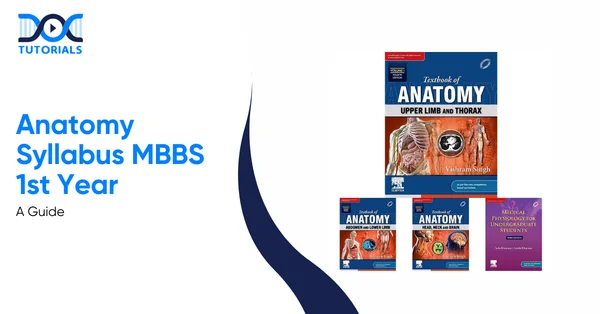
Anatomy Syllabus MBBS 1st Year

The Anatomy syllabus for the MBBS 1st year is the foundation of medical education. Anatomy is one of the primary subjects that helps medical students understand the structure of the human body and its relevance to clinical practice. 

That is why a proper understanding of Anatomy is essential for diagnosing diseases, performing clinical examinations, and understanding surgical procedures. The 1st year MBBS anatomy syllabus covers a variety of branches, which are crucial for concept clarity for students.

Keep reading to get a complete overview of the Anatomy syllabus to help students prepare effectively.

Why is Anatomy Important in MBBS?

Anatomy is considered to be the backbone of medical sciences as it explains the structural basis of the human body and its functions. Without proper anatomical knowledge and understanding, clinical subjects such as surgery, orthopaedics, and radiology can become difficult.

The Anatomy syllabus for the MBBS 1st year helps students understand human body structures and prepares them to identify abnormalities and disease conditions. It also helps students interpret imaging techniques and perform physical examination accurately.

This is why the 1st year MBBS anatomy syllabus plays a vital role in preparing students for future clinical learning. Therefore, it is crucial to have the foundational subjects like Anatomy well-prepared to climb up the ladder of the next MBBS subjects more easily.

What are the Main Components of the 1st Year MBBS Anatomy Syllabus?

The 1st year MBBS Anatomy syllabus covers core branches such as Gross Anatomy, Histology, Embryology, Neuroanatomy, Osteology, Surface Anatomy, and Radiological Anatomy. These components build a foundation by helping students understand the human body at structural, developmental, clinical, and imaging levels.

The Anatomy MBBS 1st year syllabus is divided into several major branches. Each branch focuses on different aspects of human anatomy, and it is essential for students to have a proper understanding, as it is the foundation subject for any medical degree.

The major components of Anatomy include:

  1. Gross Anatomy 
  2. Histology
  3. Embryology 
  4. Neuroanatomy 
  5. Osteology 
  6. Surface Anatomy 
  7. Radiological Anatomy 

Each of these components is essential for students to understand the human body on a deeper level, both theoretically and practically.

1. Gross Anatomy

Gross anatomy is the study of the body structures visible to the naked eye. It forms the largest portion of the Anatomy syllabus, MBBS 1st year and is mainly taught to students through cadaveric dissection, anatomical models, and demonstrations.

  • Upper Limb

Students study the bones, joints, blood supply, nerve supply, and lymphatic supply of the upper limb. Special emphasis is made on the region of the brachial plexus, shoulder joint, surrounding structures, and their related pathologies.

  • Lower Limb 

The lower limb focuses on the major joints such as the hip joint, knee joint, ankle joint, and tarsal-metatarsal joints. Students must also learn about related fractures, ligaments, and nerve-related injuries.

  • Thorax 

The thorax covers the region of the thoracic wall, lungs, pleura, heart, and mediastinum. Students are required to study the anatomy of the heart, which is essential for understanding cardiovascular disease.

  • Abdomen

The abdominal region consists of the digestive organs such as the stomach, liver, pancreas, spleen, and intestines. Students also must study the peritoneal structures and abdominal blood supply.

  • Pelvis and Pernineum 

This section covers the reproductive organs, urinary bladder, pelvic muscles, and perineal anatomy.

  • Head and Neck

The head and neck region involves the skull, cranial nerves, sensory organs, and pharyngeal and laryngeal structures.

2. Histology

Histological study, also known as microscopic anatomy, involves the study of tissues and cellular structures under a microscope. It helps students understand how cells and tissues contribute to organ function.

3. Embryology

Embryology focuses on human development from fertilisation to birth. It helps explain the formation of organs and congenital abnormalities.

4. Neuroanatomy

This part of anatomy deals with the structure of the nervous system. It is often considered more difficult in comparison to other parts of the anatomy due to its complexity.

5. Osteology

Osteology is the study of bones and skeletal structures. Students are required to learn about bone features, muscle attachments, and joint functions.

6. Surface Anatomy

Identifies the internal body structures through external landmarks. It helps students perform clinical examinations and medical procedures accurately.

7. Radiological Anatomy

Radiological anatomy teaches students to imaging techniques such as X-rays, CT (computed tomography) scans, MRI (magnetic resonance imaging), and ultrasound. Students learn to identify anatomical structures in radiological images.

What Does Practical Training in Anatomy Include in MBBS?

Practical training in MBBS Anatomy helps in hands-on learning through cadaveric dissection, histology slide identification, bone examination, and anatomy demonstrations.

The majority of the anatomy syllabus focuses on applied training through cadaveric dissection. Practical training helps students develop hands-on skills and better conceptual understanding.

Practical components include:

  • Cadaver dissection 
  • Histology slide identification 
  • Bone examination 
  • Radiological interpretation 
  • Surface anatomy demonstrations

What are the Recommended Books for the MBBS 1st Year Anatomy?

Recommended books for 1st year MBBS Anatomy include BD Chaurasia’s Human Anatomy and Netter’s Atlas of Human Anatomy. These references help students gain conceptual clarity and exam-oriented preparation.

Standard textbooks help students cover the anatomy MBBS 1st year syllabus effectively. Common reference books for students include:

  • BD Chaurasia’s Human Anatomy
  • Grey’s Anatomy for Students 
  • Vishram Singh Anatomy 
  • Inderbir Singh Histology 
  • Langman’s Embryology 
  • Netter’s Atlas of Human Anatomy 

FAQs about Anatomy Syllabus for MBBS 1st Year

  1. What are the topics in anatomy in the MBBS 1st year?

The MBBS 1st year Anatomy syllabus mainly includes the following topics: gross anatomy, histology, embryology, neuroanatomy, osteology, surface anatomy, and radiological anatomy.

  1. How to prepare for Anatomy for the MBBS 1st year?

In order to study Anatomy effectively, students must study daily, divide topics into smaller sections, practice regularly, actively participate in cadaver dissection, make flow charts for quick revision, and focus on clinical correlations to understand concepts better.

  1. Is Anatomy difficult in 1st year of MBBS?

Anatomy is considered challenging because of its vast syllabus and heavy requirement for memorisation of structures, nerve supply, and muscle attachments.

  1. What are the 4 branches of Anatomy in the MBBS 1st year?

The four major branches of anatomy are gross anatomy, microscopic anatomy, developmental anatomy, and neuroanatomy.

  1. What is medical Anatomy about?

Medical anatomy focuses on studying the structure of the human body and its relationship with clinical practice. It helps students understand organ structure, body system relationships, clinical examination techniques, and surgical and diagnostic procedures.

  1. How many hours should an MBBS student study Anatomy daily?

Most students should ideally study anatomy for 2-3 hours daily, along with regular clinical practice and cadaveric dissections. This can allow students to retain information effectively and allow them to make better diagnoses in various conditions.

  1. What is the toughest part of Anatomy in the MBBS 1st year?

The toughest part of anatomy in 1st year of MBBS is neuroanatomy, as it involves the study of complex brain pathways, cranial nerves, and functional correlations.

  1. Is cadaver dissection compulsory in MBBS Anatomy?

Yes, cadaver dissections are a major part of anatomy training. It helps students understand bodily functions and improves clinical understanding.

  1. How is Anatomy examined in the MBBS 1st year?

Anatomy is assessed through theory examinations, practical examinations, viva voce, spotter identification tests, and dissection-based questions.

  1. Is memorisation necessary in Anatomy?

Yes, memorisation is essential in Anatomy; however, a proper understanding of the topic allows better learning.

Conclusion

Anatomy forms the foundation of medical education, covering essential branches like gross anatomy, histology, embryology, neuroanatomy, radiological anatomy, osteology, and surface anatomy. This subject helps students understand body structures, clinical examinations, disease diagnosis, and surgical procedures.

For further guidance, DocTutorials can be your study partner. We offer in-depth study resources, such as 2D & 3D video lectures, and structured mentorship to help aspirants gain clarity over complex medical concepts.

Join DocTutorials today and explore our MBBS curriculum to excel in your medical exam!

DocTutorials App Download Now

Latest Blogs

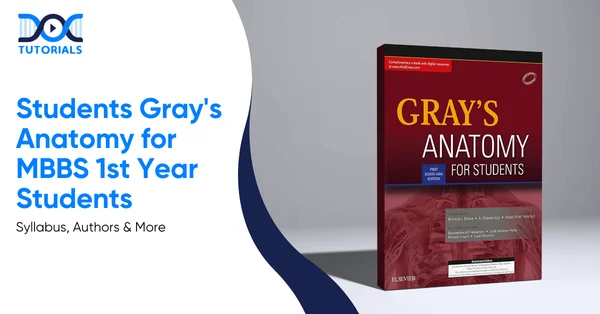
Students Gray’s Anatomy for MBBS 1st Year Students: Syllabus, Authors & More

Students Gray's Anatomy

It is not an easy task to start your MBBS journey, especially when anatomy becomes your very first academic challenge. In this regard, Gray’s Anatomy is the first textbook that an MBBS first-year student comes across in their academic journey, which forms the basis for understanding the human body in detail. 

Now, with so many books available for anatomy, it can be challenging to decide whether this book may form a reliable base for your studies. Having an idea beforehand of the book’s contents, past editions, authors, and other crucial aspects can help you make an informed decision.  

Read on to discover how the Gray’s Anatomy book for students, the latest edition, can help you prepare for the MBBS 1st year smartly and effectively.

Overview of Gray’s Anatomy

Gray’s Anatomy is a world-renowned reference textbook now in its 43rd edition, which provides a comprehensive, evidence-based integration of regional anatomy, neuroanatomy, and embryology with modern medical imaging.

First published in 1858 and continuously in print ever since, Gray’s Anatomy has earned the trust of generations of clinicians worldwide as the leading reference text in human anatomy.

Continuing this tradition of excellence, the latest edition of Gray’s Anatomy for Students, the 43rd edition, has been thoroughly revised and updated by internationally renowned anatomists, scientists, and surgeons. It provides in-depth, evidence-based coverage of regional anatomy, neuroanatomy, cell biology, embryology, and human development. 

Additionally, readers get the benefit of a systems-based approach, which is supported by additional chapters in the accompanying Gray’s Anatomy e-book. Clear, concise text is paired with high-quality illustrations, detailed photographs, and modern medical imaging. 

In combination with an expanded selection of digital material, it is a comprehensive and well-integrated learning tool, presented in a clear and visually appealing style. In its 43rd edition, new perspectives are offered, while its depth, accuracy, and clinical relevance are maintained as with any other edition of this leading textbook.

Key Features of the Latest Edition of Gray’s Anatomy

Gray’s Anatomy for Students, the latest edition, features expert-revised chapters, advanced cinematic-rendered radiological imaging, and an enhanced eBook with 3D videos and systemic anatomy supplements for a complete learning experience.

The key features of the latest Gray’s Anatomy book student edition are as follows:

  • Each chapter is expertly revised by international experts to include current, evidence-based, and clinically relevant anatomy that is essential for safe medical practice.
  • The latest radiological imaging is included, such as high-resolution X-ray, multiplanar CT, and MRI views, using advanced cinematic rendering for better clarity.
  • Renowned Gray’s anatomical illustrations are included, with refinements for greater consistency, accuracy, and clarity.
  • The print edition includes full access to the enhanced eBook, which offers: 
  1. Additional text tables and illustrations 
  2. Two dedicated chapters on the systemic anatomy of the peripheral nervous system and the vascular and lymphatic systems 
  3. 2D and 3D videos 
  4. An annotated list of eponyms 
  5. Specially commissioned commentaries on emerging topics in clinical anatomy.

Table of Contents of Gray’s Anatomy, Latest Edition

Gray’s Anatomy, latest edition, is systematically organised into nine sections covering everything from cellular biology and embryology to detailed regional anatomy of the head, neck, thorax, and limbs.

The table of contents of the latest student’s Gray’s Anatomy edition is as follows:

SECTION 1: Cells, Tissues, and Systems

  • 1. Basic structure and function of cells
  • 2. Integrating cells into tissues
  • 3. Nervous system
  • 4. Blood, lymphoid tissues, and haemopoiesis
  • 5. Functional anatomy of the musculoskeletal system
  • 6. Smooth muscle and the cardiovascular and lymphatic systems
  • 7. Skin and its appendages

SECTION 2: Embryogenesis and Development

  • 8. Preimplantation development
  • 9. Implantation and placentation
  • 10. Cell populations at gastrulation
  • 11. Overarching concepts in development
  • 12. Cell populations at the start of organogenesis
  • 13. Development of the heart and circulation
  • 14. Development of the nervous system
  • 15. Development of the skin and appendages
  • 16. Development of the eye
  • 17. Development of the ear
  • 18. Development of the head and neck
  • 19. Development of the back
  • 20. Development of the limbs
  • 21. Development of lungs, thorax, and diaphragm
  • 22. Development of the peritoneal cavity, gastrointestinal tract, and its adnexae
  • 23. Development of the urogenital system
  • 24. Pre- and postnatal growth and the neonate

SECTION 3: Neuroanatomy

  • 25. Overview of the nervous system
  • 26. Autonomic nervous system
  • 27. Ventricular system
  • 28. Vasculature of the brain
  • 29. Spinal cord
  • 30. Brainstem
  • 31. Cerebellum
  • 32. Diencephalon
  • 33. Basal ganglia
  • 34. Cerebral hemispheres

SECTION 4: Head and Neck

  • 35. Head and neck: overview and surface anatomy
  • 36. Skull
  • 37. Intracranial region
  • 38. Neck
  • 39. Face and scalp
  • 40. Mouth
  • 41. Infratemporal and pterygopalatine fossae and temporomandibular joint
  • 42. Nose, nasal cavity, and paranasal sinuses
  • 43. Pharynx
  • 44. Larynx
  • 45. External and middle ear
  • 46. Internal ear
  • 47. Orbit and accessory visual apparatus
  • 48. Eye

SECTION 5: Back

  • 49. Back
  • 50. Spinal cord and spinal nerves: gross anatomy

SECTION 6: Pectoral Girdle and Upper Limb

  • 51. Pectoral girdle and upper limb: overview and surface anatomy
  • 52. Shoulder girdle and arm
  • 53. Elbow and forearm
  • 54. Wrist and hand

SECTION 7: Thorax

  • 55. Thorax: overview and surface anatomy
  • 56. Thoracic wall and breast
  • 57. Pleura, lungs, trachea, and bronchi
  • 58. Diaphragm and phrenic nerves
  • 59. Mediastinum
  • 60. Heart
  • 61. Great and major systemic blood vessels

SECTION 8: Abdomen and Pelvis

  • 62. Abdomen and pelvis: overview and surface anatomy
  • 63. Anterolateral abdominal wall
  • 64. Posterior abdominal wall and retroperitoneum
  • 65. Mesentery, peritoneum, and peritoneal cavity
  • 66. Abdominal oesophagus and stomach
  • 67. Small intestine
  • 68. Large intestine
  • 69. Liver
  • 70. Gallbladder and biliary tree
  • 71. Pancreas
  • 72. Spleen
  • 73. Suprarenal gland
  • 74. Lesser pelvis and perineum
  • 75. Kidney and ureter
  • 76. Urinary bladder, prostate, and urethra
  • 77. Male reproductive system
  • 78. Female reproductive system

SECTION 9: Pelvic Girdle and Lower Limb

  • 79. Pelvic girdle and lower limb: overview and surface anatomy
  • 80. Pelvic girdle, hip, gluteal region, and thigh
  • 81. Knee and leg
  • 82. Ankle and foot Systemic anatomy
  • 83. The systemic anatomy of the peripheral nervous system
  • 84. The systemic anatomy of the vascular and lymphatic systems

Gray’s Anatomy: Past Popular Editions

While the 42nd edition is used as a reference by professionals, the 5th edition of Gray’s Anatomy for Students and the 3rd edition of Gray’s Basic Anatomy have more student-friendly formats.

Gray’s Anatomy – 42nd Edition

The 42nd edition of Gray’s Anatomy was revised entirely to present the latest information based on the current understanding of clinical anatomy. It has contributions from the most respected clinicians and biomedical scientists. The book’s renowned artwork and clear text were refined, and significant advances in imaging, including X-ray, CT, MRI, and ultrasound, are fully incorporated to provide precise anatomical views.

Comprehensive electronic resources are included to provide information about all areas of the body, cell biology, development, and embryology. Two more chapters are included to provide information about different body systems and to add interactivity to the content. This is the hallmark of Gray’s Anatomy, which has been consistent since the first edition was published.

Check out some of the key features of Gray’s Anatomy – 42nd Edition below:

  • Chapters edited by international experts to provide access to the latest evidence-based information.
  • Over 150 new images for radiology, including X-ray, CT scans, and MRI scans with cinematic rendering.
  • Additional digital content, including extra text, tables, illustrations, images with labels, videos, and 21 commentaries by experts on new areas of anatomical study.
  • Two extensive electronic chapters covering the peripheral nervous system and vascular and lymphatic systems.

This edition remains a practical and engaging resource for clinicians seeking detailed anatomical knowledge.

Gray’s Anatomy for Students – 5th Edition

Gray’s Anatomy, 5th edition, features clear and concise text along with an excellent collection of illustrations by Richard Tibbitts and Paul Richardson. It has over 1,000 original illustrations for the benefit of medical students.

Here are the key features:

  • Emphasises clinical relevance with surface anatomy, correlated diagnostic imaging, and case studies.
  • Expands diversity representation with varying shades of skin tones and accommodations for transgender and intersex individuals.
  • Organises content by body region, with bonus eBook chapters for each central system.
  • Offers self-assessment questions, clinical cases, and an Interactive Surface Anatomy tool.
  • Updates clinical content with new In the Clinic boxes, images, and correlations; revised clinical cases are included in the enhanced eBook.
  • Features an updated neuroanatomy chapter and visual maps of cranial nerve distribution.
  • Provides schematic drawings of essential structures, conceptual overviews of each chapter, and an eBook with search, note-taking, highlighting, and text-to-speech functionality.

Gray’s Basic Anatomy – 3rd Edition

Gray’s Anatomy for Students, 3rd edition, is a concise, accessible text developed in response to global student and faculty feedback. The 3rd edition of Gray’s Anatomy textbook covers essential anatomical concepts with high-quality, full-colour illustrations and a practical, clinically focused approach.

Take a look at the key highlight below:

  • Provides concise, complete coverage with realistic illustrations and clinical examples.
  • Features updated content, including non-binary information, balanced male and female anatomy, and surface anatomy illustrations representing people of colour.
  • Integrates anatomy with modern imaging, clinical correlations, and surface anatomy.
  • Includes conceptual overviews and simplified schematic diagrams for each chapter.
  • Highlights cranial nerve classifications and lymphatic structures in the CNS.
  • Offers digital resources, including a bonus neuroanatomy eBook chapter, an interactive surface anatomy tool, self-assessment questions, and clinical cases.
  • Enhanced eBook allows access to all text, figures, and references across devices.

Authors of Gray’s Anatomy

Students Gray’s Anatomy is authored by a prestigious team including Dr. Richard Drake, Dr. A. Wayne Vogl, and Dr. Adam Mitchell, combining academic expertise with practical surgical and radiological insights.

The following authors have shaped the Grays Anatomy textbook with their expertise in anatomy and clinical practice. Their combined experience ensures that the book delivers both accurate anatomical knowledge and practical clinical insight.

  • Richard L. Drake

Richard L. Drake, PhD, FAAA, is the Director of Anatomy and Professor of Surgery at the Cleveland Clinic Lerner College of Medicine, Case Western Reserve University, Cleveland, Ohio. He is internationally recognised for his innovative approaches to teaching anatomy and has received numerous awards for excellence in medical education.

  • A. Wayne Vogl

A. Wayne Vogl, PhD, serves as Professor of Anatomy and Cell Biology in the Department of Cellular and Physiological Sciences at the Faculty of Medicine, University of British Columbia, Vancouver, Canada. He combines expertise in both cellular and gross anatomy, providing a distinctive perspective in anatomical education.

  • Adam W. M. Mitchell

Adam W. M. Mitchell, MB BS, FRCS, FRCR, is a lecturer and Interventional Fellow in the Department of Interventional Radiology at Hammersmith Hospital, London, UK. His clinical background strengthens the book’s focus on radiological imaging and practical applications in medicine.

What You Will Gain from the Students Gray’s Anatomy Book?

Students will gain conceptual understanding with over 1,000 high-quality illustrations, “In the Clinic” boxes for practical application, and chapter overviews for clear understanding of complex anatomical structures.

Gray’s Anatomy for students latest edition is designed to make learning anatomy clear, efficient, and clinically relevant. It helps students not just memorise structures, but also understand their practical importance in real-world medicine. Here’s how:

  • Easily Identify and Retain Specific Structures: Over 1,000 original illustrations by renowned medical illustrators Richard Tibbitts and Paul Richardson provide detailed images of the human body.
  • Understand the Practical Application: Surface anatomy, diagnostic imaging, and clinical cases highlight the significance of the anatomical information you are studying.
  • Quickly Review the Material You Need to Learn: Conceptual Overviews at the beginning of each chapter provide an overview of the material you are about to learn.
  • Stay Engaged in your Studies: “In the Clinic” boxes offer detailed discussions about specific diseases and procedures.

Myths About Gray’s Anatomy for Students

Despite being labelled “difficult” or “exam-unfriendly,” Gray’s is actually a logical, narrative-driven resource that builds the clinical foundation necessary for NEXT, USMLE, and long-term medical practice.

Here are some of the common myths regarding students Gray’s Anatomy

MYTH 1: “Gray’s Anatomy for Students is too Difficult for MBBS students.”

Truth:

Grays student Anatomy is not a difficult book. It is simply different. 

It is more about understanding than memorising. Once you are comfortable with the book, its flow, concept, structure, and its ‘In the Clinic’ box, you will realise that this book makes learning anatomy much simpler.

It is only as difficult as you think it is if you are using the BDC method, i.e., line by line and memorising everything you read.

MYTH 2: “It’s Not Helpful for University Exams.”

Truth:

It is partially true, especially for short-term scoring, as BDC and Vishram Singh have more exam-oriented terms and diagrams.

However, it has a clinical context and logical presentation and fosters retention of concepts, which are essential for:

  • Viva exams
  • NEXT pattern tests
  • Long-term subjects such as Surgery, Medicine, PMR, and Radiology

MYTH 3: “Gray’s is Only for Toppers or USMLE Aspirants.”

Truth:

Gray’s is for anyone.

The trick is to use the proper technique:

  • Focus on one section at a time.
  • Make simple diagrams for easier revision.
  • Use an Atlas such as Netter’s along with Gray’s.

Gray’s is for all, not just toppers!

MYTH 4: “It has No Diagrams, Only Text.”

Truth:

Gray’s has excellent diagrams. Perhaps they are not too “label-oriented,” but they do emphasise the “functional” and “three-dimensional” aspects.

The best visual aid is to use it along with another book, such as “Netter’s Atlas of the Human Body.”

MYTH 5: “It’s useless if I have BDC or Vishram Singh.”

Truth:

If you are just looking to pass exams, then perhaps you do not need it.

But for students aiming to be clinically competent doctors or preparing for NEXT, USMLE, or PLAB, Gray’s provides insights that BDC or Vishram Singh cannot. This book fosters an understanding of the importance of anatomy in practice.

MYTH 6: “It’s Boring and too Wordy.”

Truth:

Gray’s has a narrative style that links well with the topics of embryology, function, and practice. Try to understand it, and you will find it an interesting book that is easier to comprehend, too.

FAQs about Students’ Gray’s Anatomy

  1. What is the latest edition of Gray’s Anatomy?

The latest Gray’s Anatomy student edition is the 43rd one, which has been fully revised and updated by internationally renowned anatomists, scientists, and surgeons.

  1. How is students’ Gray’s Anatomy different from BDC or Vishram Singh?

The main difference is that BDC and Vishram Singh are more exam-oriented with a focus on short-term results, whereas Gray’s Anatomy is more conceptual.

  1. Do I need to memorise everything in Gray’s Anatomy?

No. The book focuses on understanding the structures and their relevance. Memorisation is only necessary for key facts, while conceptual understanding aids exams and clinical practice.

  1. How should I study Gray’s Anatomy effectively?
  • Read one section at a time.
  • Use the Conceptual Overviews found at the beginning of each chapter.
  • Try sketching out simplified diagrams.
  • Review the “In the Clinic” sections.
  1. Are there digital resources included with Gray’s Anatomy?

Yes. The enhanced Gray’s Anatomy for students e book contains additional text, tables, illustrations, 2D/3D videos, and additional chapters on the systemic anatomy of the peripheral nervous and vascular/lymphatic systems.

  1. Does Gray’s Anatomy have diagrams?

Yes. The diagrams included with Gray’s Anatomy MBBS are modern, clean, and clinically relevant.

  1. Is Gray’s Anatomy only for high-performing students?

No. Any student can use it effectively if they know the right strategy.

  1. Can I rely solely on Gray’s Anatomy for university exams?

It can be enough for conceptual understanding, though, for exam points, students use BDC or Vishram Singh for high-yield points.

  1. Does Gray’s Anatomy contain clinical cases?

Yes. “In the Clinic” boxes offer insights on diseases, procedures, etc., in relation to the concerned anatomical part.

  1. How are the illustrations in Gray’s Anatomy helpful?

Over 1,000 illustrations are provided, which are clear, 3D, and integrated with clinical contexts, making it easier to understand and memorise complex concepts.

Conclusion

It is very important for first-year MBBS students to study from Gray’s Anatomy, as it is considered a foundation for all the medical knowledge that is to be acquired in the future. It is easier for students to understand and memorise concepts from the latest edition of Gray’s Anatomy book, as it is provided with clear illustrations. This will boost the confidence of students for their dissection, viva, and theory exams. 

In order to get further help for studying anatomy, students can rely on DocTutorials. We offer detailed, exam-oriented study materials, animated videos, high-yield notes, mock tests, and more. 

Check out our anatomy notes today!

DocTutorials App Download Now

Latest Blogs

MBBS First Prof Exam: Best Preparation Tips, Subject-Wise Plan & More

MBBS First Prof Exam

The first year of MBBS is a thrilling and challenging phase, as it lays the foundation for the years ahead and provides students with a start to their medical journey. Students are introduced to new subjects, some technical jargon, and the fundamentals of medicine to assess what they already know and create a solid base for their clinical skills. 

Due to the exam’s vast syllabus and a structured examination system, preparing for the MBBS First Prof exam can become challenging without the right approach. A correct approach and proper planning can address these challenges effectively.

Read on to discuss the most effective MBBS First Prof exam preparation tips that can assist you in planning your studies, developing sound concepts, and taking your exams without fear.

How Should You Prepare for the MBBS First Prof Exams?

Successful preparation requires a steady and well-organised approach that builds strong concepts over time, maintains discipline, and allows enough room for revision, ensuring confidence and clarity during the examinations.

Preparing well for the MBBS First Prof exams requires a disciplined, balanced, and consistent approach. Here are the key MBBS First Prof exam preparation tips that you must follow:

  1. Create a Structured Study Timetable

Plan a fixed daily timetable that includes all subjects in the syllabus. You should allocate separate time slots for each subject so that no area is neglected and the entire syllabus is covered systematically.

  1. Dedicate Enough Study Hours

Aim to study for at least eight hours a day on a regular basis. It will enable you to cover the topic in detail and give you more time to revise repeatedly.

  1. Focus on High-Yield Topics

Recognise and rank key concepts in every subject. Class lectures and the question papers of past years are good tools to know what topics one should pay more attention to.

  1. Get Academic Support When Needed

Never be afraid to approach professors or seniors if you are having difficulty with a subject. Seeking advice on time can prevent the gaps in understanding and help you stay on track throughout your MBBS First Prof exam preparation.

  1. Make Use of Reliable Online Learning Tools

You can trust different online educational resources, like DocTutorials, to learn difficult subjects in an easier manner. Additionally, you can use them effectively to strengthen concepts along with standard textbooks.

  1. Revise Consistently and Thoroughly

Long-term retention requires revision. Devote time to constant and proper revision to enhance memorisation and performance in the exams.

Why is the MBBS First Prof Exam Important for Medical Students?

The MBBS First Prof Exam is significant because it assesses the fundamentals of medicine, establishes a solid foundation for subsequent academic and clinical education, and is the first major step in a student’s medical career.

The MBBS First Prof Exam plays a crucial role at the beginning of a medical student’s academic journey. It assesses core medical fundamentals, builds a strong base for future professional examinations, and contributes to long-term academic progress. Successfully clearing this examination marks an important milestone towards pursuing a career in medicine and progressing through the MBBS programme with confidence.

What is the Best Subject-wise Study Plan for the MBBS First Year?

An effective subject-wise study plan helps students learn Anatomy through visual methods, understand and apply concepts in Physiology, and study Biochemistry by linking topics with clinical relevance, along with regular revision and practice.

A subject-focused approach helps first-year MBBS students manage the vast syllabus more effectively while building strong foundations in core medical sciences. Here is a detailed overview:

  • Anatomy

Anatomy is best learned through visual understanding and repeated practice. Atlases, models, and digital visual tools will assist you in recognising structures in a better way. Regularly drawing and labelling diagrams strengthens recall, while simple memory aids can help with complex relationships. 

Active involvement in dissection sessions, wherever available, provides a deeper understanding of real anatomical structures. You should try to study the subject region by region and revise through group discussions to improve long-term retention.

  • Physiology

Physiology demands a deep understanding of concepts instead of superficial studies. Flowcharts and concept maps can be used to learn about processes like circulation and respiration. Standard textbooks and well-structured video explanations can clarify difficult topics. 

Practical sessions and demonstrations help link theory with function. Focusing on the reasoning behind each process and practicing numerical or case-based questions strengthens application skills.

  • Biochemistry

Biochemistry becomes easier when pathways are understood as connected systems rather than isolated reactions. Drawing metabolic maps helps visualise these links, while flashcards aid in remembering enzymes, cofactors, and key steps. Additionally, relating biochemical mechanisms to clinical conditions improves understanding and relevance. 

Regular practice using past examination questions helps students become familiar with patterns and expectations. Also, writing brief overviews of key pathways and sharing ideas with peers is another way of enhancing learning.

How to Manage Stress While Preparing for the MBBS First Prof Exam?

Maintaining focus by adhering to healthy habits, taking frequent breaks, exercising, and studying in a distraction-free environment helps one stay focused and improve overall performance in the MBBS First Prof Exam.

Managing stress is crucial in order to stay focused and perform well during exam preparation. A few simple habits, like those mentioned below, can make a big difference:

  • Maintain Healthy Daily Habits

You should get enough sleep and eat nutritious meals to keep both your body and mind energised. Rest and nutrition are important in enhancing memory and concentration.

  • Stay Physically Active

Get into physical activities and make them part of your daily routine. It can be a short walk or some light exercise. This will benefit in reducing stress and increasing mental alertness, which in turn will help boost exam preparation and performance.

  • Practise Mindfulness and Take Short Breaks

Short-term relaxation methods, such as deep breathing or meditation exercises, will enable you to calm down your mind. In addition, you must take short breaks to prevent burnout and enhance productivity.

  • Set Up an Organised Study Environment

Select a study spot that is clean and quiet, where you are able to concentrate without any distractions. A well-organised, neat room can help maintain clarity and motivation.

  • Limit Distractions During Study Time

Switch off unnecessary notifications and minimise digital interruptions while studying to maintain better focus and reduce mental strain.

What Mistakes Should You Avoid During the MBBS First Prof Exam Preparation?

The lack of conceptual clarity, delays in preparation, inconsistency in study, and a lack of familiarity with exams can destroy confidence and adversely affect preparation in general in the MBBS First Prof Exam.

It is possible to avoid the most common mistakes in preparation to perform better during the MBBS First Prof examinations. The following are the main pitfalls that students should avoid:

  • Depending on Last-Minute Studying

One of the most significant mistakes students make is delaying studies until the exam is coming up. The MBBS syllabus is very broad and cannot be mastered by cramming. What’s more, subjects like Biochemistry and Physiology require deep conceptual understanding and thus need adequate preparation time.  

Therefore, it is advisable to start preparing early so that you have enough time to understand concepts, cover all key areas, practice PYQs, and revise areas of weakness multiple times before sitting for the exam.   

  • Focusing Only on Memorisation Instead of Concepts

You must try to learn everything by understanding the underlying concepts. Medical subjects demand clarity and logical understanding, which helps in both theory and practical examinations.

Taking the help of videos to understand concepts, actively participating in dissection hall sessions, and connecting concepts to clinical relevance can help students prepare more effectively.  

  • Utilising Too Many Study Resources

It is easy to be confused when you are going through several textbooks, guides, and online materials at the same time. Therefore, it is advisable to stick to a few reliable sources for your preparation. 

For instance, Human Anatomy by Dr. B.D. Chaurasia for Anatomy, Human Physiology by Guyton and Hall for Physiology, and Textbook of Biochemistry by U. Satyanarayana and U. Chakrapani for Biochemistry are some reliable sources. 

  • Poor Time Management and Lack of a Study Plan

In the absence of a defined schedule, students may spend too much time on a single assignment and neglect other areas. Having a balanced study plan is essential in order to cover the whole syllabus evenly.

What’s more, you should consider dividing the whole week into slots to cover the different subjects, take mock tests, and partake in group discussions and revision sessions. Having a disciplined schedule over time enables you to cover all areas effectively, thus enhancing your exam preparation and results. 

  • Neglecting MCQs and Previous Years’ Questions

If you fail to practice MCQs and previous years’ examination papers, it may lead to poor performance. Practicing PYQs is essential to detect high-yield areas, understand question patterns, and detect repeated questions and themes. 

Generally, checking out the previous year’s questions of the last 10 years is recommended by experts.  

FAQs about MBBS First Prof Exam Preparation Tips

  1. Is it difficult to crack the MBBS First Prof Exam?

The MBBS First Prof Exam might be difficult as it presents new topics and an extensive syllabus. Nevertheless, students will be able to obtain good grades through effective time management, proper conceptualisation, and adequate revision.

  1. Why is the MBBS First Prof Exam important for medical aspirants?

The MBBS First Prof exam builds the foundation of medical knowledge, prepares students for future professional exams, and marks the first major step in their medical careers.

  1. What is the best way to study Biochemistry for the MBBS First Prof Exam?

To prepare effectively for Biochemistry, focus on understanding key metabolic pathways, practice numerical and problem-based questions, actively participate in laboratory work, and revise important cycles regularly to build strong conceptual clarity.

  1. How many hours should you study daily for the MBBS First Prof Exam?

You should aim to study for at least six hours a day on a regular basis for the MBBS First Prof exam. As the First Prof syllabus comprises three main subjects, the amount of time that you will spend on each subject must also differ depending on your level of understanding and proficiency.

  1. What is the best way to study Physiology for the MBBS First Prof Exam?

The best way MBBS students can prepare for Physiology is to simplify the subject with flowcharts, conceptualise it, and review the material repeatedly to improve memorability. Using standard textbooks and well-structured video explanations, leveraging practical sessions and demonstrations to help link theory with function, and focusing on the reasoning behind each process can be highly helpful. 

  1. How should you study Anatomy for the MBBS First Prof Exam?

Anatomy can be prepared more efficiently by practicing diagrams regularly and using visual learning tools such as videos and atlases to understand structures clearly. Furthermore, students need active involvement in dissection sessions, studying the subject region by region, and revising through group discussions to improve long-term retention. 

  1. How can stress be managed during MBBS First Prof preparation?

Eating well, having regular breaks, engaging in exercises, and studying in a noise-free environment will help you to manage stress during MBBS First Prof preparation. Maintaining a proper sleep schedule is also crucial, as it directly impacts mental health. 

  1. Are previous years’ questions important for the MBBS First Prof exams?

Yes, solving past-year exam questions of the MBBS First Prof exams will make a medical aspirant familiar with the exam patterns and enhance the application of concepts. It will also help them assess high-yield areas, detect repetitions, and gauge the overall difficulty of a particular paper. 

  1. How should you prepare in the final weeks before the MBBS First Prof Exam?

During the last weeks, pay more attention to concise notes and high-yield topics, and do short, timed mock tests to get more confidence and enhance time management. Moreover, focus on proper rest to remain relaxed, and do not resort to last-minute cramming.

  1. Which subject is most challenging in the MBBS First Prof exam?

All three subjects in the MBBS First Prof exam have their own challenges. Thus, the subject which may appear challenging to a student depends on their preparation in that particular subject, conceptual understanding, and areas of weakness. 

Conclusion

The MBBS First Prof exams are a long process that takes patience and perseverance to prepare for. Following the right MBBS First Prof exam preparation tips, like studying regularly, understanding concepts clearly, and maintaining a balanced routine, is far more effective than intense last-minute studying before exams.

To assist students in this journey, DocTutorials provides structured learning materials that streamline and simplify complex subjects and promote effective preparation. With well-organised study materials, practice questions, mock tests, PYQs, and revision tools, DocTutorials helps MBBS students stay focused, confident, and well-prepared. 

Additionally, students can get access to high-quality video lectures and mentorship from faculty experts, which enables them to perform effectively in their First Prof examinations.

Check out our MBBS courses today!

DocTutorials App Download Now

Latest Blogs

MBBS Course Subjects: Complete Year-Wise Syllabus & Subject List

MBBS Course Subjects

The MBBS curriculum in India has been meticulously designed to develop and transform capable science students into competent medical professionals with strong clinical judgment and ethical responsibility. Spanning 5.5 years, the course blends deep theoretical learning with real-world hospital experience.
Thus, understanding the MBBS subjects list, syllabus structure, and training phases helps aspirants prepare better, stay focused, and excel.
Keep reading to learn more and ace your MBBS preparation!

MBBS Course Subject List: Overview and Key Details

The MBBS course is divided into pre-clinical, para-clinical, and clinical courses. It covers medical science subjects, speciality subjects, and practical training. Knowledge of each MBBS subject will help candidates gain a better understanding of the course.

Discussed below is a comprehensive overview of the 20 MBBS course subjects, along with their scope and key areas of study:

  1. Anatomy

Anatomy is one of the most fundamental MBBS subjects, focusing on the structure of the human body. It serves as the foundation for understanding disease, surgery, and clinical examination. These topics are taught under this subject:

  • Gross Anatomy: The study includes gross anatomy, such as bones, muscles, joints, cardiovascular, respiratory, digestive, genitourinary, endocrine, nervous, and lymphatic systems; surface and cross-sectional anatomy; and dissection courses involving cadavers.
  • Micro Anatomy (Histology): It involves the microscopic study of cells, tissues, organs such as glands, muscles, nerves, etc., and the entire human system.
  • Embryology: Includes fertilisation, aspects of human development, abnormalities, as well as the fundamentals of human genetics.
  • Neuroanatomy: It offers in-depth analysis and description of structures such as the brain, spinal cord, and peripheral nervous system.
  1. Biochemistry

Biochemistry is the study of the chemical and molecular basis of life. It includes the study of biomolecules, enzymes, metabolism, nutrition, hormones, immunology, cancer biology, and tumour markers, as well as the practical work in the analysis of urine, liver, and renal function tests.

  1. Physiology

Physiology involves the study of the functioning of the human body. Topics covered in the study of physiology include general physiology, cardiovascular, respiratory, gastrointestinal, reproductive, neurophysiology, electroencephalography, and experiments such as blood cell counts.

  1. Forensic Medicine and Toxicology

This is a subject that has both medical and legal aspects. The course features forensic pathology, medical jurisprudence, forensic psychiatry, clinical forensic medicine, and toxicology, as well as hands-on practice in post-mortem investigations, foetal age determination, and blood group detection.

  1. Microbiology

Microbiology is the study of infections and the methods to prevent and treat disease. Its domain includes bacteriology, virology, parasitology, mycology, immunology, vaccines, and microbiological diagnosis. 

  1. Pathology

Pathology encompasses disease mechanisms and forms the foundation for all clinical diagnoses. It comprises general pathology, cardiovascular pathology, respiratory pathology, haematopathology, musculoskeletal pathology, neuropathology, and practical skills such as blood grouping and venipuncture handling.

  1. Pharmacology

Pharmacology introduces the fundamental principles concerning drug action and the importance of responsible prescribing. Learning areas in this field include general pharmacology, central nervous system medications, hormones, autacoids, and chemotherapy, with practical exercises, drug interactions, and prescriptions.

  1. Anaesthesiology

Anaesthesiology is an introduction to perioperative care and critical medicine for medical students. It deals with pain relief, anaesthesia approaches, emergency medicine, and care of unconscious people.

  1. Community Medicine

Community medicine focuses on preventive healthcare and public health. It includes epidemiology, biostatistics, behavioural sciences, maternal and child health, occupational health, health education, rehabilitation, and health administration. 

  1. Clinical Postings

Practical experience is gained through clinical postings, where a student gets hands-on experience in caring for and managing patients in a hospital setting. 

  1. Dermatology and Venereology

The topics in this subject are skin disorders and sexually transmitted diseases. They may involve diagnosing skin problems, performing laboratory diagnostic tests, treating leprosy, and gaining practical experience with common skin problems such as scabies and alopecia. 

  1. Medicine

Medicinal subjects, such as the diagnosis, treatment, and management of adult diseases, are taught in pharmacy. It includes internal medicine, systemic disorders, genetics, and medical ethics.

  1. Obstetrics and Gynaecology

This topic completely focuses on female reproductive health. It includes pregnancy physiology, anatomy of the female reproductive organs, contraception, childbirth, and disorders in gynaecology.

  1. Ophthalmology

Ophthalmology concerns eye health and vision care, including diseases of the eye, prevention of blindness, visual disorders, skills such as checking visual acuity, and general eye care.

  1. Orthopaedics

Orthopaedics deals with disorders in bones, joints, and muscles. This encompasses the inclusion of paediatric orthopaedics, trauma care, oncology, and radiology concerning the musculoskeletal system.

  1. ENT (Otorhinolaryngology)

ENT specialises in diseases affecting the ear, nose, and throat. It encompasses the diagnosis and management of disorders related to the ENT organs, as well as other procedures like septoplasty and tracheostomy. 

  1. Paediatrics

The field of paediatrics deals with infant and child care. These comprise studies on growth and development, diseases of infancy and childhood, nutrition, and practical training in the care of paediatric patients.

  1. Psychiatry

Psychiatry focuses on mental health and how people act. It aims to understand personality traits, ways of thinking, behavioural problems, and mental illness.

  1. Surgery

Surgery teaches MBBS students about operations and emergency care. It covers the basics of surgery, surgical emergencies, and different types of surgeries.

  1. Internship

The required one-year internship provides practical training in areas such as medicine, surgery, paediatric and women’s health. This gets students ready to work as doctors on their own.

MBBS Course Syllabus: Semester-Wise Distribution

The MBBS programme is an undergraduate degree programme conducted on a full-time basis and spans 5.5 years, comprising 9 semesters, including a 1-year internship. The curriculum can be broadly divided into the pre-clinical, para-clinical, and clinical phases.

Here are the details of the MBBS course syllabus arranged semester-wise:

SemestersPhase of MBBSSubjects Covered
Semester 1 – 2Pre-ClinicalAnatomy, Physiology, Biochemistry
Semester 3 – 5Para-ClinicalPathology, Microbiology, Pharmacology, Forensic Medicine & Toxicology, Community Medicine, Introduction to Clinical Postings (Wards & OPD)
Semester 6 – 9ClinicalGeneral Medicine, General Surgery, Paediatrics, Obstetrics & Gynaecology, Psychiatry, Dermatology & Venereology, Ophthalmology, Otorhinolaryngology (ENT), Orthopaedics, Anaesthesiology

Tips to Prepare for the MBBS Exam Successfully

Preparing well for an MBBS course will require hard work, dedication, and attentiveness. While the MBBS course has a broad curriculum and requires extensive clinical exposure, a well-planned preparation strategy can help students manage the pressures and exam situations with confidence.

Here are the essential tips to prepare for MBBS in the right way and achieve long-term success in your medical journey:

  • Understand the MBBS Syllabus Thoroughly

Before preparing your study schedule, thoroughly review the entire MBBS syllabus. The syllabus functions as your study guide, as it shows how much time each subject will require to prepare and which key areas you need to focus on more. 

Based on the syllabus, you can create effective academic strategies to prepare for the pre-clinical, para-clinical, and clinical subjects. 

  • Start Early and Revise Regularly

Early preparation is one of the biggest advantages in MBBS. Beginning your study sessions early will help you curb stress while promoting better learning. You can also divide your syllabus into smaller parts to streamline your examination preparations. 

  • Create a Realistic and Flexible Study Plan

An effective study plan for MBBS should comprise equal amounts of theoretical learning, practical studies, clinical training, and revision time. You need to establish attainable objectives and a well-planned study timetable based on the complexity of the subjects.

Having an effective study plan will help you complete every chapter and topic on time and also enable you to invest more time in difficult subjects without hassle. 

  • Use Study Materials Wisely

Stick to standard textbooks for building up a strong conceptual base on your MBBS course subjects. Once your concepts are clear, prepare notes and study guides, and focus on online resources for revision. 

For better preparation, consider solving previous years’ question papers in order to understand the question pattern and exam difficulty. Using too many sources leads to confusion. Quality resources with focused study are way more effective for exam preparation.

  • Focus on Revision

Revision is the key to long-term retention. Even short weekly revision sessions help consolidate concepts and avoid forgetting. Consistent revision work ensures that important topics remain fresh in your mind, especially during exams and clinical assessments.

  • Undergo Mock Tests 

The mock tests serve as an influential tool for your preparation in MBBS. It gives you an idea of the exam’s pattern, improves your time management, and highlights your weak areas. 

Instead of focusing on the scores and comparing your preparation with other students, find out your mistakes and work on improvement. Regular practice builds confidence and prepares you for the examination.

  • Give Importance to Practical and Clinical Learning

MBBS programmes require students to develop both theoretical knowledge and practical skills. Students must develop their practical skills through clinical experience to demonstrate their knowledge in real-world clinical settings. This method helps students understand concepts better while developing their ability to make clinical decisions.

  • Learn from Mentors and Faculty

Your professors and mentors are valuable guides. Contact them for your academic doubts, exam preparation methods, and career development advice. Their experience will help you address your challenges more effectively and make the best decisions.

  • Manage Stress and Maintain a Positive Mindset

Medical studies can be stressful, but managing your mental well-being is crucial. The combination of meditation and yoga with deep breathing exercises creates an effective method to decrease anxiety. Maintaining a positive attitude helps you stay motivated during difficult times.

  • Take Care of Your Health and Sleep

Students need sufficient sleep because it helps them remember things, stay focused, and maintain good health. Additionally, inadequate sleep reduces your ability to learn effectively. 

FAQs about MBBS Course Subjects 

  1. What does the MBBS course entail?

The MBBS (Bachelor of Medicine, Bachelor of Surgery) is a professional medical qualification that encompasses theoretical education, practical clinical training, and an internship, equipping students to pursue a career as physicians.

  1. What is the number of subjects in the First Year of MBBS?

The first-year curriculum of the MBBS programme consists of three major subjects, i.e., Anatomy, Physiology, and Biochemistry.

  1. Which of the subjects in MBBS courses is regarded as the toughest?

Human anatomy is recognised as the toughest course in the entire MBBS syllabus, especially during the first year. It involves extensive memorisation, strong visual memory, and constant revision.

  1. What does Anatomy cover in the MBBS 1st year?

Anatomy consists of gross anatomy, microanatomy, neuroanatomy, and embryology with genetics. It plays a significant role in helping students understand the human body in an organised way and serves as the foundation for clinical and surgical subjects in later years.

  1. What topics are included in the MBBS Biochemistry syllabus?

The MBBS Biochemistry curriculum covers essential topics such as Molecular Biology, Biological Cells, Hormones, Metabolic Pathways, Enzymes, Cancer and Cancer Markers, Biomolecules, Food Assimilation, Nutrition, and more.

  1. What does Physiology teach in the MBBS 1st year?

Physiology explains how the human body functions normally and is a key part of the MBBS syllabus. Topics include general physiology, nerve-muscle function, cardiovascular system, respiratory system, kidneys, blood, neurophysiology, nutrition, and yoga. A strong grasp of physiology helps students understand disease processes and patient management.

  1. Which are some of the top colleges offering MBBS courses in India?

Some of the finest colleges in India offering MBBS courses include AIIMS, PGIMER, CMC Vellore, JIPMER, Banaras Hindu University, Kasturba Medical College, and King George’s Medical University. They are renowned for providing quality education and hands-on clinical exposure, with a staff of experienced professionals who ensure students have comprehensive knowledge of all subjects in the MBBS curriculum.

  1. Are there Physics, Chemistry, and Biology in the MBBS course?

Yes, Physics, Chemistry, and Biology are all considered as one of the important subjects in MBBS.

  1. What is the MBBS exam pattern in India?

The MBBS exam pattern in India is essentially designed around core MBBS course subjects and involves multiple formats of assessment. The theory examinations are conducted through essay-type questions, short-answer questions, and MCQs, while practical exams involve lab work, specimen identification, clinical case analysis, and a viva. 

Many universities use the OSCE (Objective Structured Clinical Examination) format during examinations and evaluations in clinical subjects to assess practical skills and clinical competence.

  1. What subjects are covered during the clinical years of MBBS?

The clinical phase of the MBBS course begins in the third year, with a focus on practical clinical diagnosis and treatment. The major subjects covered in this phase of the MBBS course include: General Medicine, Surgery, Paediatrics, Obstetrics & Gynaecology, Forensic Medicine, and Community Medicine.

Conclusion

The MBBS course in India combines theoretical study with clinical training and hands-on practical work to develop doctors who possess both technical skills and human compassion. An early understanding of the MBBS course subjects, training phases, and subject matter enables students to create effective study plans, boosting their confidence for future challenges. 

Your goal of becoming a specialist doctor will be easier to achieve with expert guidance and your commitment to hard work. 

At DocTutorials, we understand the challenges medical aspirants face. Our highly experienced faculty, structured learning approach, and student-centric mentorship support you at every stage of your MBBS preparation journey—helping you turn your medical dreams into reality. Check out our MBBS course to boost your confidence for the exams!

DocTutorials App Download Now

Latest Blogs

How to Become a Surgeon: Pathway, Types, Eligibility & More

How to Become a Surgeon

Surgery has been one of the most demanding and esteemed branches of the medical field. Working towards becoming a surgeon involves several notable considerations that must be taken into account. These include understanding the duration and cost of studying surgery, knowing how to become a surgeon after completing MBBS, and being aware of the career growth that follows surgical training.

If you are planning to pursue an MS (Master of Surgery) after your MBBS, keep scrolling for a detailed guide!

Pathway to Becoming a Surgeon in India

Becoming a surgeon in India is a step-by-step process. It begins with completing 12th grade (PCB), clearing NEET-UG for MBBS admission, and finishing a 5.5-year MBBS course with an internship. Next, students need to clear NEET-PG or INI-CET to pursue an MS in surgery. Optional super-specialisation (MCh) offers advanced training in fields like neurosurgery or cardiothoracic surgery.

Becoming a surgeon in India requires following a structured and step-by-step process. Each stage is important and builds the foundation for the next.

Step 1: Complete 12th Grade (PCB)

The initial move is to take higher secondary education (Class 12 or PUC) in Physics, Chemistry, and Biology (PCB). Students must achieve the required marks in order to pass medical entrance exams.

Step 2: Clear NEET-UG

MBBS admissions are determined on the basis of NEET score, cut-off marks, and counselling rounds. It is the sole entry test to both government and non-government medical colleges accredited by the National Medical Commission (NMC). 

Step 3: Complete MBBS Degree

The fundamental medical degree in India for becoming a doctor is the MBBS. This course is spread over 5.5 years, with an obligatory internship year. During MBBS, students study subjects related to medicine, surgery, and clinical practice. Graduates can get postgraduate medical education after taking the MBBS and an internship.

Step 4: Clear NEET-PG or INI-CET

To pursue specialisation in surgery, students must clear the NEET-PG exam conducted by the National Board of Examinations. For institutes like AIIMS, JIPMER, and other INI institutions, students must clear the INI-CET exam. Admission is based on rank, cut-off score, and merit list.

Step 5: Pursue MS (Master of Surgery)

Students are required to attain an MS degree in a surgical field after an MBBS and the relevant entrance exams. This postgraduate course offers comprehensive information on surgical research and practice. MS students serve as hospital residents, assist in surgeries, and learn to care for patients. The MS degree is the formal commencement of a surgeon.

Step 6: Super-Specialisation (Optional—MCh)

For further specialisation, surgeons can pursue an MCh (Master of Chirurgiae) degree in fields like neurosurgery, plastic surgery, cardiothoracic surgery, or urology. MCh programmes include advanced training, research, and full-time hospital practice. MCh can be completed as a 5-year course after MBBS or a 3-year course after MS.

What are the Different Types of Surgical Specialisations?

Surgery has a wide range of specialisation opportunities, and physicians may choose a field depending on their interests and skills. Some of the important areas of surgery are: General Surgery, Orthopaedic, Neurosurgery, Cardiothoracic, Plastic and Cosmetic, Paediatric, Trauma, and Oncology Surgery, covering treatments from common conditions and injuries to complex organ, nerve, and cancer-related procedures.

There are numerous specialisation options available in surgery, and doctors can select an area based on their interests and abilities. Some major surgical fields include:

  • General Surgery: Deals with common surgical conditions involving the abdomen, skin, and soft tissues.
  • Orthopaedic Surgery: Focuses on bones, joints, muscles, ligaments, and fractures.
  • Neurosurgery: Deals with diseases of the brain, spine, and nervous system.
  • Cardiothoracic Surgery: Involves surgery of the heart, lungs, chest, and oesophagus.
  • Plastic and Cosmetic Surgery: Deals with reconstructive and cosmetic surgeries.
  • Paediatric Surgery: Treats surgical problems in infants, children, and adolescents.
  • Trauma Surgery: Handles emergency surgeries caused by accidents and injuries.
  • Oncology Surgery: Treats cancer through surgical methods.

Eligibility and Entry Requirements to Become a Surgeon

In order to apply to MS Surgery in India, the candidate has to possess an NMC-recognised MBBS degree, complete a one-year mandatory internship, and have a permanent registration by the NMC or a State Medical Council. They are primarily admitted by means of NEET-PG, and institutes such as AIIMS, PGIMER, and JIPMER rely on the scores of INI-CET.

To practice surgery in India, one must have an MBBS degree accepted by the National Medical Commission (NMC). They are also required to do a one-year mandatory internship post-MBBS. Furthermore, they must have a registration number provided by the NMC or a State Medical Council.

Admission to MS courses is based on entrance exams. Most medical colleges in India accept NEET-PG scores. Some top institutes like AIIMS, PGIMER, and JIPMER select students through the INI-CET exam.

Top Medical Colleges for Surgery in India

The best surgical education institutions are AIIMS New Delhi, CMC Vellore, AFMC Pune, MAMC New Delhi, and JIPMER Puducherry. All are NMC certified, and admission requires qualification in the NEET-PG or INI-CET exams.

Some of the top medical colleges offering excellent surgical education in India include:

  • All India Institute of Medical Sciences (AIIMS), New Delhi
  • Christian Medical College (CMC), Vellore
  • Armed Forces Medical College (AFMC), Pune
  • Maulana Azad Medical College (MAMC), New Delhi
  • Jawaharlal Institute of Postgraduate Medical Education and Research (JIPMER), Puducherry

All these institutions are NMC-approved, and admission requires qualifying NEET or INI-CET exams.

Cost of Studying MS Surgery in India

In government medical colleges, MS Surgery fees are low due to subsidies, with minimal additional charges and a monthly stipend to support living expenses. In contrast, private medical colleges charge significantly higher fees, with total costs ranging from ₹15–50 lakh or more, excluding expenses for books, tools, exams, and accommodation.

The cost of studying surgery varies depending on whether you choose a government or private hospital:

Government Medical Colleges

In government medical colleges, the cost of MS Surgery is quite low because fees are subsidised. The total fee for the 3-year course may range from ₹2 Lakh to ₹5 Lakh. Extra charges for exams, hostels, and facilities are minimal. 

Many colleges also provide affordable accommodation and meals. Students usually receive a monthly stipend, which helps cover daily living expenses. Since fees and stipends vary by state and college, students should always check official notifications.

Private Medical Colleges

The overall expense of the 3-year course in MS Surgery may vary between ₹16 lakh and ₹50 lakh or even higher, depending on the college, location, reputation, and facilities. Students may also have to pay separately for books, surgical tools, exams, and accommodation, which increases the overall cost.

MS Surgery Duration and Training Structure

The MS Surgery programme is a 3-year course that combines hospital work, surgeries, and classroom education. Students are trained to work in the key surgical specialities such as general, trauma, gastrointestinal, urology, and vascular surgery, rotating through anaesthesia, ICU, oncology, and other departments. Training also covers ethics, legal responsibilities, patient communication, and research, culminating in a mandatory dissertation.

Here are the course duration and other crucial details of the MS Surgery programme:

Course Duration

The MS Surgery programme typically takes 3 years. These three years are quite demanding, and they include frequent hospital work, surgeries, and classroom education.

Academic and Clinical Training

During MS Surgery, students are trained in major surgical areas such as general surgery, trauma surgery, gastrointestinal surgery, urology, and vascular surgery. They also rotate through related departments like anaesthesia, intensive care, and oncology to learn how different medical teams work together.

Apart from learning surgical techniques, students are also taught about medical ethics, legal responsibilities, patient communication, and research methods. Furthermore, every student must complete a dissertation or thesis, which involves doing research and writing a detailed report. This practical training and academic learning prepare students for various career paths in surgery.

Average Salaries for Surgeons in India

Surgeon salaries in India vary by specialisation, experience, and workplace. Average annual earnings range from ₹10–25 lakh for general and paediatric surgeons to ₹15–50 lakh for specialists like neurosurgeons and cardiothoracic surgeons. High-demand fields such as oncology, orthopaedics, and plastic surgery also offer competitive pay that increases with expertise and experience.

The salary of a surgeon in India depends on their specialisation, experience, and place of work. Below is an approximate salary range for different types of surgeons:

SpecialisationAverage Annual Salary (INR)Highest Salary (INR)
General Surgeon₹10,00,000 – ₹15,00,000₹25,00,000+
Paediatric Surgeon₹10,00,000 – ₹17,00,000₹28,00,000+
Trauma Surgeon₹10,00,000 – ₹16,00,000₹30,00,000+
Orthopaedic Surgeon₹12,00,000 – ₹18,00,000₹30,00,000+
Plastic Surgeon₹12,00,000 – ₹20,00,000₹35,00,000+
Cardiothoracic Surgeon₹15,00,000 – ₹22,00,000₹40,00,000+
Surgical Oncologist₹14,00,000 – ₹20,00,000₹40,00,000+
Neurosurgeon₹15,00,000 – ₹25,00,000₹50,00,000+

Factors That Affect a Surgeon’s Salary in India

A surgeon’s income depends on experience, specialisation, hospital type, and location. Experienced surgeons in high-paying fields like neurosurgery or cardiothoracic surgery generally earn more. Private hospitals and urban centres usually offer higher salaries. Running a private practice or building a strong patient base can further boost earnings.

Several factors influence how much a surgeon earns in India:

  • Experience: Surgeons with many years of training, residency, and clinical experience earn much more than beginners.
  • Specialisation: Some fields, such as neurosurgery, heart surgery, and vascular surgery, pay higher salaries.
  • Hospital Type: Private hospitals usually offer higher pay than government hospitals.
  • Location: Surgeons working in large cities earn more than those in smaller towns or rural areas.
  • Private Practice: Surgeons who run their own clinics or have a strong patient base can earn significantly higher income.

Career Growth and Future Opportunities for Surgeons in India

Surgeons who update skills in areas like robotic and minimally invasive surgery enhance their career prospects. Choosing the right specialisation is key, as it requires dedication and investment. Opportunities also exist in developing cities and semi-urban areas, where expanding healthcare infrastructure is creating demand for skilled surgical professionals.

Surgeons who constantly update their skills enjoy improved professional growth. Learning robotic surgery, minimally invasive techniques, and modern medical technology increases professional value. Choosing the right specialisation is important, as it requires time, effort, and financial investment.

There are also opportunities in emerging cities and semi-urban locations, where the growing number of healthcare facilities creates demand for qualified surgical specialists. Surgeons who continually update their skills have better professional development.

FAQ about How to Become a Surgeon

  1. How long does an MS in General Surgery take in India?

Usually, an MS in General Surgery is a 3-year full-time course. During the period, students receive practical hospital training, assist with surgeries, take classes, complete a research project, or write a dissertation.

  1. Is it difficult to get admission into MS General Surgery?

Yes, the competition to gain admission is high. Seats are few, and the number of students applying is numerous. In order to be selected, the candidate has to perform well in entrance exams such as NEET-PG or INI-CET. They are finally selected based on exam ranks, category, and preferences selected during counselling.

  1. Can I specialise further after MS General Surgery?

Yes. After completing an MS, many doctors choose super-speciality courses such as MCh or DNB-SS in fields like neurosurgery, heart surgery, or surgical gastroenterology. These courses usually take another 3 years.

  1. What should I look for when choosing an MS Surgery college?

Students should ensure they determine the number of surgeries performed, the teacher’s experience, the modernity of surgical equipment, opportunities to work with various departments, and research opportunities before choosing a college.

  1. What career options are available after an MS in General Surgery?

Doctors can practice in government hospitals, in private or corporate hospitals, or in medical colleges, or establish their own practice after an MS in General Surgery. As they gain experience, they can become senior consultants or heads of departments, or even enter the teaching and research field.

  1. How long does it take to become a surgeon in India?

It usually takes 8 to 10 years in total. This includes 5.5 years of MBBS and 3 to 5 years of specialisation training.

  1. What skills are required of a surgeon?

Surgeons use technical skills, communication, critical thinking, problem-solving, dexterity, and attention to detail to perform surgical procedures safely and accurately.

  1. What are the duties of a surgeon?

Surgeons examine patients, diagnose conditions, perform surgeries, monitor recovery, consult with other doctors, and provide guidance and support to patients and families.

  1. How many hours does a surgeon typically work?

Surgeons usually work long, irregular hours, often over 40 hours a week, including nights, weekends, and on-call shifts.

  1. What is the best speciality for a surgeon to pursue?

The best speciality depends on a surgeon’s interests, skills, and career goals, as each field offers different challenges and opportunities.

Conclusion

Becoming a surgeon in India will require patience, dedication, and hard work. It is a career choice that demands long working hours, decision-making under pressure, and life-saving interventions. However, through persistence and proper guidance, you will be able to establish a fulfilling, esteemed, and highly remunerated career in surgery.

If you are searching for a reliable platform to help you study surgery, look no further than DocTutorials. With our expert faculty, video lectures, clinical Qbanks, exam-oriented notes, flashcards, and mind maps, we will help you transition from being a medical student to a successful surgical professional.

Check out our NEET PG courses today!

DocTutorials App Download Now

Latest Blogs

How to Become a Neurosurgeon: Job Role, Key Responsibilities, Eligibility Criteria, Important Subjects

How to Become a Neurosurgeon

The path to becoming a neurosurgeon involves complex challenges, long-term dedication, and an excellent academic background. Candidates interested in pursuing a career as a neurosurgeon must acquire in-depth knowledge about the human nervous system and related aspects. 

Neurosurgery involves the treatment of the brain, peripheral nerves, spinal cord, etc., through surgical intervention. A neurosurgeon is one who performs these surgeries with precision. 

Keep reading to learn how to become a neurosurgeon, key responsibilities, skills required, and more!

Whom Can We Refer to as A Neurosurgeon?

A neurosurgeon is a doctor who performs surgery on the brain, spinal cord, peripheral nerves, and related structures. They can handle critical head injuries, trauma cases, and congenital abnormalities through complex procedures like craniotomies, spinal fusions, minimally invasive surgeries, etc. Neurosurgeons work in collaboration with neurologists, oncologists, rehabilitation specialists, etc., in diverse setups like hospitals, private clinics, research institutes, etc.

A neurosurgeon is a specialist doctor with training in diagnosing and treating nervous system disorders. This includes the spinal cord, brain, peripheral nerves, etc. However, they are different from neurologists as they specifically perform surgical procedures to fix issues like brain tumours, aneurysms, spinal cord injuries, etc.

Neurosurgeons can manage congenital abnormalities, head injuries, and other trauma cases and handle complex procedures like spinal fusions, craniotomies, minimally invasive surgeries for nerve compression relief, etc. They usually work in diverse working environments such as private clinics, specialised research institutes, hospitals, etc., in collaboration with oncologists, neurologists, and rehabilitation specialists. 

Medical professionals interested in pursuing this career can opt for fellowship programmes and neurosurgical courses, such as vascular neurosurgery, paediatric neurosurgery, and spinal surgery.

What are the Steps to Become a Neurosurgeon?

To become a neurosurgeon, candidates need to go through a few steps. First, they need to acquire an MBBS degree, followed by an internship of 1 year. Next, they need to complete the PG or residency course and apply for a fellowship programme (optional). Finally, they must clear the board exams to start practicing independently. 

Here are the steps one can follow to become a neurosurgeon:

Step 1: Completing Bachelor of Medicine, Bachelor of Surgery (MBBS)

To become a neurosurgeon, the candidate should complete their MBBS or similar medical degree in the first place. This is the basic qualification for entering the medical profession, and the course usually lasts 4.5 years. In this programme, candidates learn medical sciences, including physiology, anatomy, pathology, and pharmacology, and get clinical training in multiple specialities.

Step 2: Complete Your Medical Internship

MBBS graduates need to complete a 1-year internship. This includes rotation through various hospital departments, gaining hands-on experience in surgery and patient care.

Step 3: Complete PG in MS or Residency in Neurosurgery

Aspiring neurosurgeons need to complete their PG training in neurosurgery after completing the internship. In India, neurosurgery candidates should complete the Master of Surgery (MS) or Master of Chirurgiae (MCh) in neurosurgery. The duration of PG courses is usually 3 years, including study and hands-on training in a clinical setup.

Candidates opting for MS in General Surgery will need to clear NEET SS to opt for MCh in neurosurgery. 

Step 4: Opt for a Fellowship Programme

Though optional, you can opt for a fellowship programme in neurosurgery after completing PG or residency. The duration of a fellowship programme is usually 1 to 2 years.

Step 5: Board Certification

The final step is to appear for the board exams in India if you want to become a certified neurosurgeon. Professionals who want to practice neurosurgery independently must clear the board exams.

What are the Key Responsibilities of a Neurosurgeon?

A neurosurgeon has multiple responsibilities, such as diagnosing the condition, preparing a treatment plan, and adopting surgical procedures. They also plan for postoperative care and work in collaboration with other specialists such as neurologists, radiologists, and oncologists.

There are several roles and responsibilities of a neurosurgeon. They are as follows:

  • Treatment Planning 

Neurosurgeons diagnose the patient’s condition that affects their nervous system. Based on the diagnosis, they devise the necessary treatment plan, which can include surgery as well.

  • Surgical Method

Upon detecting severe conditions like trauma, tumours, and aneurysms, neurosurgeons perform critical surgeries on the nervous system, brain, and spine.

  • Necessary Care After Operation

Neurosurgeons monitor the patient’s recovery after surgery. This helps manage any complications that may arise after the procedure.

  • Collaboration

To provide comprehensive patient care, neurosurgeons often work in collaboration with oncologists, neurologists, radiologists, and other specialists.

  • Research and Education

Numerous neurosurgeons are engaged in ongoing research to create new surgical methods and improved therapies for neurological disorders.

What are the Skills Required for a Neurosurgeon?

Neurosurgeons should have cognitive, technical, and interpersonal skills to handle patients who have undergone critical neurological surgeries. Such professionals must possess a comprehensive understanding of physiology, human anatomy, and other subjects related to neurosurgery. Moreover, they should understand the critical procedures of neurosurgery, know how to use robotic devices, and quickly recollect the history of a patient.   

Becoming a neurosurgeon requires strong determination and a combination of cognitive, technical, and interpersonal skills. Here are some of the skills that a neurosurgeon must have:

  • Understanding of Physiology, Human Anatomy, and other subjects that are related to neurosurgery
  • In-depth knowledge and understanding of complex and critical procedures of neurosurgery
  • Must know the usage of robotic devices for neurosurgery
  • Should have the ability for quick recollection of patient history

What are the Important Subjects for a Neurosurgeon?

Medical students preparing to become neurosurgeons should study some crucial subjects. This includes Biochemistry, Human Anatomy, Pathology, Human Physiology, Community Medicine, Microbiology, Forensic Medicine and Toxicology, Radiology, Spinal Surgery, Infection, etc.

Here are some of the important subjects to become a neurosurgeon:

  • Pathology
  • Biochemistry
  • Forensic Medicine and Toxicology
  • Infection
  • Human Anatomy
  • Human Physiology
  • Neurology
  • Paediatric Neurosurgery
  • Neurotrauma and Neurosurgical Critical Care
  • Community Medicine
  • Microbiology
  • Radiology
  • Neuropathology
  • Surgery of the Peripheral Nervous System
  • Neuroanatomy
  • Psychiatry
  • Spinal Surgery
  • Neurosurgical Oncology
  • Cerebral Vascular Surgery and many more

FAQs about How to Become a Neurosurgeon

  1. How many years does it take to become a neurosurgeon?

It takes 8-10 years to become a neurosurgeon. First, you need to complete MBBS for 4.5 years, then a 1-year internship, followed by 3 years of postgraduate programmes, and then a year-long fellowship programme, though it is optional.

  1. What conditions does a neurosurgeon treat?

Neurosurgeons deal with conditions like brain tumours, epilepsy, spinal cord injuries, traumatic brain injuries, aneurysms, Parkinson’s disease, etc. They diagnose these issues and treat them surgically.

  1. What qualifications are needed to become a neurosurgeon?

You need to clear MBBS, complete your medical internship, and then pass the Master of Surgery (MS) or Master of Chirurgiae (MCh) in neurosurgery course to become a neurosurgeon. 

  1. Which undergraduate subject is best for neurosurgery?

Subjects like Pathology, Biochemistry, Forensic Medicine and Toxicology, Infection, Human Anatomy, Human Physiology, Neurology, Paediatric Neurosurgery, etc., are the best if you aim to become a neurosurgeon. 

  1. Is neurosurgery a rewarding career?

Yes, neurosurgeons thrive in a tight-knit, elite community of highly motivated peers and mentors. The field offers constant inspiration from dedicated colleagues in high-stakes hospital environments.

  1. Do neurosurgeons hold an MD or MS degree?

In India, neurosurgeons need to complete an MS (Master of Surgery) in General Surgery, followed by a super-speciality degree, or a direct MCh (Master of Chirurgiae) in Neurosurgery. 

  1. What are the steps after MBBS to specialise in neurosurgery?

Clear NEET-PG for 3-year MS General Surgery, then pass NEET-SS for 3-year MCh Neurosurgery. Alternatives include DNB pathways for advanced brain and spine training.

  1. What career options exist for neurosurgeons?

Neurosurgeons work as hospital consultants, professors, or researchers. Demand for this profession rises in India due to an increase in neurological cases. 

  1. Can I become a neurosurgeon directly after MBBS?

Yes, you can by opting for the 6-year post-MBBS DNB Neurosurgery course. However, admission to this course will depend upon an entrance exam and centralised merit-based counselling, both conducted by the National Board of Examinations.

  1. What is the average salary of a neurosurgeon in India?

Beginner neurosurgeons generally earn between ₹1,200,000 and ₹2,500,000 per annum, while professionals with experience and specialisation can earn more than ₹5,000,000 annually, based in private practice or top-tier cities.  

Conclusion

Becoming a neurosurgeon demands 8 to 10 years of rigorous training. The courses include MBBS, MS General Surgery via NEET-PG, and MCh Neurosurgery through NEET-SS. Despite intense challenges, it offers elite status, high earnings, and profound impact, saving lives via brain and spine expertise. 

Candidates preparing to become neurosurgeons can successfully join reliable coaching platforms like DocTutorials. We provide detailed study materials, advanced teaching methods, and an immersive learning environment to ensure candidates receive the support they need to pursue their careers effectively.

Check out our courses today!

DocTutorials App Download Now

Latest Blogs

How to Become a Dermatologist in India: Responsibilities and Career Path

How to Become a Dermatologist in India

Dermatology has become one of the most popular fields in medicine in India. It presents a blend of clinical expertise, procedural skills, and rapidly growing skincare practices. As public awareness of skin health has become prominent, the role of a contemporary dermatologist is now crucial.

In this guide, we will explain how to become a dermatologist after 12th in India. Keep reading for a detailed insight.

Who are Dermatologists?

Dermatologists are medical professionals who deal with the treatment of skin, hair, and nails. They also diagnose and prevent medical as well as cosmetic skin conditions. Their skills are useful in protecting the largest organ of the human body.

Dermatologists refer to medical doctors who focus on the diagnosis, treatment, and prevention of skin, nail, as well as hair diseases. They look after the largest organ in the human body, which plays a critical role in protecting and regulating body temperature, among other functions.

The medical conditions that they handle include infections, as well as skin cancer, whereas the cosmetic conditions include hair loss and scars, among others.

What are the Responsibilities of a Dermatologist?

Dermatologists focus on diagnosing and treating skin, hair, and nail disorders. They detect any skin characteristics that may indicate internal conditions. In addition, they protect skin health as well as well-being through various medical, surgical, and cosmetic interventions.

A dermatologist plays a crucial role in diagnosing the underlying causes of skin problems and providing appropriate treatments. In addition to addressing skin conditions, they also recognise skin symptoms that may signal serious internal health issues, such as organ disease or failure.

They often carry out specialised procedures to identify skin-related problems. Their treatment options include:

  • Injected medications for external application
  • Ultraviolet (UV) light therapy is aimed at specific skin conditions
  • Chemical peels
  • Sclerotherapy
  • Laser therapies
  • Dermabrasion
  • Medications that are either injected or applied externally
  • UV light therapy
  • A variety of dermatologic surgical interventions, including mole excisions and skin biopsies

Steps to Become a Dermatologist in India

Being a dermatologist in India is a highly competitive field that requires years of medical education, training, and skill development. Right from treating various medical skin disorders to performing cosmetic surgery, dermatology offers a range of career options and excellent growth prospects.

To become a dermatologist, there is a systematic process that must be followed strictly, from education at the school level to postgraduate specialisation. 

Here’s how to become a dermatologist in India:

  • Step 1: Complete 10+2 with Science (PCB)

The process starts after Class 10, when the Science stream with subjects such as Physics, Chemistry, and Biology (PCB) must be opted for in Classes 11 and 12.

It is crucial to be strong in subjects like biology and chemistry, which are the backbone of studying medicine. It is important to pass the minimum qualifying criteria in order to take the entrance tests to get into medical colleges.

  • Step 2: Qualify for the NEET UG Examination

After the 12th class, one needs to qualify for the National Eligibility cum Entrance Test (NEET-UG), which is a requirement to hold an MBBS course in India.

Preparing for this examination requires proficiency in Physics, Chemistry, and Biology. Having high scores in these subjects is vital for admission to a prestigious medical college.

  • Step 3: Complete MBBS Degree

Once NEET UG is cleared, students enrol in the MBBS programme, which lasts 5.5 years, including 4.5 years of academic study and 1 year of compulsory rotating internship. During MBBS, they gain comprehensive knowledge of human anatomy, physiology, pathology, pharmacology, medicine, and surgery.

In the course of an internship, clinical postings offer early exposure to dermatology departments, helping students understand real-world patient care.

  • Step 4: Prepare for and Clear NEET PG

After completing MBBS, aspiring dermatologists must appear for NEET-PG to pursue postgraduate programs. NEET-PG tests the aspirants in Pre-clinical, Para-clinical, and Clinical disciplines.

As dermatology is a highly competitive stream, it is essential to secure a good rank to get into a top college and secure a seat in MD Dermatology.

  • Step 5: Dermatology MD or Diploma in Dermatology

Based on the rank obtained in NEET-PG, the candidate can go for postgraduate education in dermatology.

Currently, the most popular course among candidates is MD Dermatology, Venereology, and Leprosy, a three-year course offering an advanced learning experience in medical dermatology, dermatosurgery, venereology, and cosmetic procedures.

Even though MD offers better career growth, academic opportunities, and specialisation prospects, some candidates opt for a two-year course to pursue the Diploma in Dermatology (DDVL).

  • Step 6: Acquire Hands-On Clinical and Procedural Expertise

During postgraduate training, residents develop skills in diagnosing and performing procedures. These encompass managing cases of skin diseases, performing biopsies, handling cases of sexually transmitted diseases (STDs), and hands-on experience with lasers and basic cosmetic surgery procedures.

  • Step 7: Opt for Super Specialisation or Fellowship Programme (Optional)

After the MD Dermatology course, many dermatologists pursue fellowship programmes or further training for specialisation. Fellowships in Cosmetic Dermatology, Dermatosurgery, Lasers and Aesthetic Medicine, Dermatopathology, Paediatric Dermatology, or Trichology allow dermatologists to further specialise in specific niches.

This advanced training becomes a significant career booster for dermatologists and is associated with greater remuneration in the private and aesthetic dermatology sectors.

  • Step 8: Obtain Medical Registration and License

To practice as dermatologists in India, registration with either the National Medical Commission or the State Medical Council is necessary. This is a requirement for these practitioners to operate in their capacity in hospitals, clinics, or as private practitioners.

  • Step 9: Begin Career Practice or Select Career Path

After getting the license, dermatologists can embark on their professional journey as a consultant dermatologist in a hospital or a multi-speciality clinic or start practising privately.

There are dermatologists who opt for an academic career and become teaching faculty in medical colleges. Others may pursue specialised programmes in research or teledermatology or opportunities worldwide.

  • Step 10: Continuous Learning and Skill Enhancement

Dermatology as a branch is constantly growing and improving with innovations in treatment modalities, biologicals, lasers, and aesthetics.

Successful dermatologists stay updated with new developments and keep learning by participating in workshops, seminars, online learning, and formal learning systems. Continuing education leads to seamless practice and long-term success.

What is the Eligibility Criteria for Dermatology Courses?

Becoming a dermatologist begins with an academic background in science studies and awareness of medical entry requirements. Candidates must complete a proper medical education, including MBBS, followed by postgraduate studies in dermatology.

The following are the eligibility criteria to become a dermatologist in India:

  • Candidates have to complete their 10+2 or equivalent examination from a recognised board with Physics, Chemistry, and Biology PCB as compulsory subjects.
  • They have to attain the minimum aggregate marks prescribed by the medical colleges and regulatory authorities of the entrance examination, which generally range from 50% and above in the general category.
  • Qualification in NEET is mandatory, as it is a national-level entrance exam for MBBS admissions across India.
  • A candidate has to undergo postgraduate medical training after completing the MBBS course to become a qualified dermatologist.

Why Should You Become a Dermatologist?

Dermatology is one of the most popular medical specialities due to its increasing demand and the possibility of flexible work-life balance, offering a wide range of careers. It offers a rare combination of medical professionalism and successful patient-oriented outcomes, making it lucrative and productive.

Here are the key reasons why a lot of medical graduates choose to become dermatologists:

  • High Demand Field: Dermatology is a speciality in high demand. This is because experiencing skin and hair issues is often common regardless of age and lifestyle.
  • Wide Range of Career Options: The speciality offers a variety of career options, allowing dermatologists to practice in medical dermatology, cosmetic and aesthetic practice, surgical dermatology, research, or teaching, according to their preferences.
  • Excellent Work-Life Balance: Dermatology offers one of the best work-life balances among medical fields, as its practitioners can have predictable hours, few emergencies, and, in the long run, less burnout and stress.
  • Strong Financial Rewards: Financial returns in dermatology are high, especially in private practice and cosmetic clinics, where advanced procedures such as lasers, injectables, and aesthetic treatments are the main factors that enhance earning potential.
  • Versatile Career: Dermatologists have the opportunity to work in a variety of settings, ranging from private practices to multispecialty hospitals, research and academic institutions, and cosmetic centres, making dermatology a versatile medical career.

FAQs about How to Become a Dermatologist in India

  1. Is dermatology an MD or an MS?

The postgraduate specialisation in dermatology is an MD degree. The Doctor of Medicine in Dermatology is a 3-year postgraduate programme.

  1. What do dermatologists study and train to perform?

Dermatologists are trained to assess and manage various skin, hair, nail, and cosmetic disorders by utilising their broad range of medical and procedural skills.

Advanced techniques include Mohs surgery for the delicate removal of skin cancer, sclerotherapy for varicose veins, excision of moles or lesions, and tumescent liposuction for subcutaneous fat removal.

  1. How long does it take to become a dermatologist?

It takes around 12 to 16 years of study and training to be a dermatologist, including a four-year bachelor’s degree, 4 years attending medical school, and a 4-year dermatology residency. There is also an optional additional one to two years of fellowship training in a subspecialty.

  1. What are the salary and growth prospects in dermatology?

Dermatology has an immense scope in terms of pay scale. Freshers or young dermatologists begin with a maximum of ₹15 to 20 lakhs per annum, and middle-class dermatologists who have specialisation start earning ₹25 to 40 lakhs per annum.

On the other hand, senior dermatologists who have a successful private or cosmetic set-up start earning ₹50 lakhs per annum or even more.

  1. What are the different specialities of dermatology?

Dermatology has splintered into various sub-specialities so that dermatologists can pursue their areas of interest. Some of the sub-specialities in dermatology include dermatosurgery, cosmetic dermatology, dermatopathology, trichology, immunodermatology, Mohs surgery, paediatric dermatology, teledermatology, and dermatoepidemiology.

  1. What are the different types of dermatologists?

Dermatologists can be categorised in various ways according to their specialities. Clinical dermatologists commonly handle skin, hair, and nail problems, while cosmetic dermatologists primarily deal with aesthetic treatments.

Paediatric dermatologists specialise in treating children’s skin problems; dermatopathologists diagnose diseases by microscopic examination of skin samples; and procedural dermatologists perform minor operations.ch

  1. What is the future scope of Dermatologists in India?

The prospect of a bright future in dermatology in India is assured, owing to rising awareness of skin, its aesthetic qualities, and related issues. The field is growing in cosmetic dermatology, laser technology, tele-dermatology, and research, among others.

Dermatology is expected to have strong market growth prospects by 2030, ensuring a diverse and specialised profession for aspiring doctors.

  1. What are the key things to remember while choosing to become a Dermatologist?

Dermatology is a rewarding speciality, but the competition level is high, particularly in metropolitan cities. This speciality demands the purchase of expensive cosmetic equipment, high patient demand, and the need to acquire new technologies periodically and stay up to date. This makes continuous learning essential in this prestigious field.

  1. Is it possible to become a Dermatologist after a B.Sc degree?

No. Dermatology is a specialised medical field that requires completing an MBBS degree followed by postgraduate training in dermatology.

  1. Is Dermatology a suitable career option for women doctors?

Yes, Dermatology is highly favoured by women for its flexible work hours, strong income potential, and balanced professional and personal life.

Conclusion

Dermatology is a dynamic medical field that involves scientific knowledge, discipline, and expertise. Now that you know how to become a dermatologist after 12th in India, you can pursue your dreams with clear planning.

At DocTutorials, we offer a range of medical courses to help aspirants gain complete clarity over every complex medical concept. In collaboration with the leading hospitals in the country, we offer strong academic support and real-world clinical insights.

Join DocTutorials today and explore our MBBS curriculum to excel in your dermatology career!

DocTutorials App Download Now

Latest Blogs

How to Become an Orthopaedic Doctor: Responsibilities and Career Path

How Do I Become an Orthopaedic Doctor

Orthopaedic surgeons treat bone injuries, joint diseases, and injuries to muscles and ligaments. They are responsible for treating patients and helping them regain mobility and reduce joint pain.

To be an expert orthopaedic specialist, it requires commitment, continuous improvement, and empathy for patients. In this guide, we will discuss the duties, skills, and approaches required to become an orthopaedic expert.

Continue reading to learn more about orthopaedic doctors, their responsibilities, and how to become an orthopaedic doctor.

Who are Orthopaedic Doctors?

Orthopaedic doctors have expertise related to bones, joints, and muscles. They specialise in evaluating, treating, or managing musculoskeletal disorders using non-surgical interventions. Normally, they offer the first contact for the treatment of injuries, pain, and movement disorders.

Orthopaedic physicians specialise in diagnosing and treating disorders related to the musculoskeletal system, which comprises bones, joints, muscles, ligaments, tendons, and nerves. 

They specialise in the treatment of injuries, arthritis, overuse syndromes, and chronic pain conditions using non-surgical methodologies such as medications, injections, physical therapy, and rehabilitation.

Orthopaedic doctors act as the primary point of contact for musculoskeletal problems, assessing conditions and referring patients to surgeons when surgery is needed.

What are the Responsibilities of Orthopaedic Doctors?

Orthopaedic doctors diagnose and manage a wide range of bone, joint, and muscle disorders. They manage musculoskeletal injuries, chronic conditions, and age-related disorders. Also, they offer musculoskeletal care, from sports injuries to arthritis, for all ages.

Here are several typical duties and responsibilities of orthopaedic doctors:

  • Ordering tests
  • Supervising medical staff
  • Diagnosing patients
  • Prescribing medication
  • Setting broken bones
  • Collaborating with physical therapists
  • Recording patient progress and medical history
  • Providing post-operative care

Some orthopaedic doctors seek further training to become orthopaedic surgeons, who carry out various invasive and non-invasive procedures on patients.

Steps to Become an Orthopaedic Doctor in India

To become a successful orthopaedic surgeon, it is imperative to have a thorough education and expertise. Right from developing a sound scientific foundation to learning the intricacies of orthopaedic diagnoses and treatments, ranging from surgical to non-surgical techniques, each is extremely important.

Here’s how to become an orthopaedic surgeon in India:

  • Step 1: Develop a Strong Academic Background in School

Becoming an orthopaedic doctor requires a journey that starts right from school. Students must choose a science stream after completing secondary education. They have to focus on Biology, Physics, Chemistry, and Mathematics.

It is important to perform well because getting into a medical institution is competitive. In addition to studying, it is crucial to focus on discipline, time management, communication, and self-reliance.

  • Step 2: Complete Your Pre-Medical Education

After school, students must pursue a bachelor’s degree or an equivalent pre-medical education in India. This step will involve learning the basic sciences like anatomy, physiology, biochemistry, microbiology, and pathology.

The objective is to build a scientific foundation and prepare for medical entrance exams. Here, students will learn about exposure through internships or research projects, thereby developing their knowledge of healthcare settings and gaining admission to reputed medical colleges.

  • Step 3: Attend the Medical Institution

Attending a medical institute represents an important part of an orthopaedic career. This typically takes four to five years. Initially, medical school entails learning through theories and laboratory sessions.

Such courses include human anatomy, pharmacology, pathology, biomechanics, and disease processes, with particular attention to the musculoskeletal system. Later on in medical school, learning occurs through clinical rotations.

These areas include internal medicine, surgery, emergency medicine, and, finally, orthopaedic medicine. Students are offered real-time opportunities to learn how to handle patients.

  • Step 4: Do Training with Orthopaedic Residency

After graduating from medical school, orthopaedic doctors complete a five-year residency in orthopaedic surgery. During this period, they receive extensive exposure to musculoskeletal conditions, trauma, joint conditions, sports injuries, and rehabilitation.

However, even those who pursue advanced orthopaedic practice are fully trained as surgeons during residency because knowledge of surgery is critical to differential diagnosis, patient referral, and all forms of patient care.

  • Step 5: Learn about Non-Surgical Orthopaedic Doctors

Non-surgical orthopaedic specialists are adept at diagnosing and treating musculoskeletal problems using conservative treatments. Such specialists usually hold qualifications in areas such as Physical Medicine and Rehabilitation, Family Medicine, Internal Medicine, or Emergency Medicine.

Their main concern is to alleviate pain and prevent surgery with the help of medications, injections, physical therapy, orthotics, rehabilitation treatments, or regenerative therapies such as PRP or Stem Cell therapy.

  • Step 6: Understand the Need for Surgery

An effective orthopaedic specialist must know when to treat a patient conservatively and when surgery becomes inevitable. There are some cases, such as severe bone fractures, torn ligaments, repeated dislocations, or advanced cases of arthritis, which only require surgical interventions.

Non-surgical orthopaedic specialists are of prime importance as they detect such cases early on and refer them to orthopaedic surgeons when the need arises.

  • Step 7: Pursue Fellowship and Subspecialisation

Some orthopaedic doctors choose to pursue fellowship training in areas such as sports medicine, spine care, joint preservation, trauma, paediatric orthopaedics, or musculoskeletal rehabilitation.

While optional, fellowship training enhances clinical depth, professional credibility, and career opportunities, especially within specialised or academic healthcare settings.

  • Step 8: Go for Licensing, Certification, and Ongoing Education

To practice legally, orthopaedic doctors/specialists must obtain medical licenses and fulfil relevant certification or board requirements as directed by regulatory bodies.

Orthopaedics is continuously advancing in imaging, rehabilitation techniques, regenerative medicine, and minimally invasive treatments. Application of clinical excellence requires ongoing education through conferences, workshops, and continuing medical education programmes.

  • Step 9: Keep Developing Core Professional Skills

Apart from higher education, professional acumen is in no way less important in orthopaedics. Strong diagnostic ability, clear communication, empathy, and coordination with co-professionals are the key determinants of success as an orthopaedic doctor.

  • Step 10: Advance Your Career with Growth Opportunities

Orthopaedic doctors have a wide range of career paths to choose from, including working in hospitals, rehabilitation centres, sports medicine clinics, universities, research, or private practice.

They provide treatment to patients of all ages who suffer from arthritis or osteoporosis. Experienced, continually learning orthopaedic doctors build careers that last and contribute a significant impact on mobility restoration and improved quality of life.

FAQs about How to Become an Orthopaedic Doctor

  1. What are the different types of orthopaedics?

Generally, there are two categories of orthopaedists: surgical and nonsurgical. The surgical specialists are referred to as orthopaedic surgeons, whereas nonsurgical orthopaedists consist of physiatrists and specialists in physical medicine and rehabilitation.

An orthopaedist frequently collaborates as a member of a broader orthopaedic treatment team.

  1. Who is an orthopaedic doctor?

An orthopaedic doctor, often referred to as an orthopedist, is a medical professional (M.D.) or a doctor of osteopathy (D.O.) who focuses on the musculoskeletal system, which includes bones, joints, muscles, ligaments, tendons, and nerves.

  1. How long does it take to become an orthopaedic doctor?

In India, the journey to becoming an orthopaedic doctor usually requires approximately 11 to 15 years of education and training following high school.

This pathway includes obtaining a bachelor’s degree (MBBS), completing an internship, earning a postgraduate degree (MS or DNB), undergoing residency, and potentially pursuing fellowship training.

  1. What skills are necessary for an orthopaedic doctor?

An effective orthopaedist should have a blend of technical, analytical, and interpersonal skills. Key competencies in orthopaedics include excellent communication, problem-solving, and other skills.

  1. What is the difference between an orthopaedic doctor and an orthopaedic surgeon?

An orthopaedic doctor specialises in the diagnosis, treatment, prevention, and rehabilitation of musculoskeletal disorders with non-surgical techniques. On the contrary, an orthopaedic surgeon treats pain by prescribing medications, braces, and casts, performing rehabilitation, and, when necessary, performing surgery.

  1. What kind of treatment do orthopaedic doctors prescribe?

Orthopaedic doctors recommend surgical or non-surgical treatment methods, depending on the degree and type of the musculoskeletal problem. The main objective is to eliminate pain, regain function, and abstain from surgery unless absolutely necessary.

  1. What are the four principles of orthopaedics?

The four A’s of orthopaedics are Anatomy, Alignment, Asepsis, and Anaesthesia. These principles help doctors provide excellent patient care. Having an understanding and applying these principles is crucial for achieving the best outcomes in orthopaedic science and treatment.

  1. What does it mean to be a fellowship-trained orthopaedic doctor?

Fellowship-trained orthopaedic doctors are those who have undergone additional, specialised training beyond residency, where they have focused on a particular aspect within the orthopaedic medical realm. This extra 1-2-year education improves surgical and expert patient treatment.

  1. What measures do orthopaedic doctors take to diagnose musculoskeletal problems?

An orthopaedic doctor examines various musculoskeletal conditions by studying the patient’s history, undertaking a detailed physical examination, etc. They also adopt other techniques like X-rays, MRI (magnetic resonance imaging), CT (computed tomography) scan, and arthroscopic examination to precisely diagnose bone, joint, and muscle-related disorders and plan treatment accordingly.

  1. What kinds of anaesthesia are utilised by orthopaedic doctors?

There are various anaesthetics used by orthopaedic doctors. These consist of regional, general, and local anaesthesia. The selection is based on the patient and the type of surgery.

Conclusion

Knowing how to become an orthopaedic surgeon can help you pursue your dreams with clear planning. Becoming an orthopaedic doctor requires substantial hard work, dedication, and passion.

At DocTutorials, we assist budding orthopaedic doctors in every possible way, from helping them master fundamental skills to improving their clinical acumen and becoming adept in surgery-oriented concepts. We offer a range of medical courses to help aspirants gain a clear understanding of every medical concept.

Join DocTutorials today and explore our MBBS curriculum to excel in your orthopaedic career!

DocTutorials App Download Now

Latest Blogs

How Do I Become an Orthopaedic Surgeon?

How Do I Become an Orthopaedic Surgeon?

Whenever our skeletal system is affected by injuries or diseases, it significantly limits our quality of life. Under these conditions, orthopaedic surgeons intervene with their specialised skills and knowledge.

From managing minor fractures to performing major joint replacements, orthopaedic surgeons are pillars of the advanced healthcare system. Becoming an orthopaedic doctor requires significant hard work and dedication on your part.

Keep reading to understand how to become an orthopaedic doctor.

Who are Orthopaedic Surgeons?

Orthopaedic surgeons focus on conditions relating to bones, joints, muscles, and ligaments. They deal with injuries, deformities, and degenerative conditions relating to movement and mobility. Their treatment helps the patient restore their strength and quality of life.

Orthopaedic surgeons are specialised medical practitioners who diagnose and manage conditions of the musculoskeletal system, which comprises bones, joints, muscles, ligaments, tendons, and nerves.

They deal with bone fractures, sports injuries, arthritis, spinal conditions, and congenital disorders. Orthopaedic surgeons focus on treating bone disorders using both surgical and non-surgical approaches.

Their expertise involves caring for patients of all ages, with the objective of enhancing mobility, managing pain, and improving general physical function.

What are the Responsibilities of an Orthopaedic Surgeon?

Orthopaedic surgeons provide comprehensive care for musculoskeletal conditions. They diagnose injuries, provide medical or surgical treatment, and advise on rehabilitation and prevention. They work in a multidisciplinary team to ensure safe recovery and long-term mobility.

Orthopaedic surgeons address musculoskeletal conditions. This includes:

  • Managing treatment through medications, injections, casting, bracing, surgery, or alternative methods.
  • Identifying your injury or condition.
  • Offering preventive measures with guidance and treatment plans aimed at avoiding injuries or slowing disease progression.
  • Facilitating rehabilitation by suggesting exercises or physical therapy to regain movement, strength, and functionality.

The orthopaedic surgeon heads the orthopaedic care team, which comprises the following skilled healthcare professionals:

  • Other physicians, such as primary care sports medicine experts, pain management authorities, physical medicine and rehabilitation specialists (physiatrists), radiologists, and anaesthesiologists.
  • Nurse practitioners.
  • Physician assistants.
  • Orthopaedic technicians.
  • Physical therapists.
  • Registered nurses.
  • Trainees (fellows, residents, medical students).

Your orthopaedic surgeon is in charge, but every member is important for ensuring your health and supporting your recovery.

What are the Steps to Become an Orthopaedic Doctor in India?

Becoming an orthopaedic surgeon is a process that requires many years of dedicated effort and diligence. This begins with a strong educational background in school and medical college, followed by residency and fellowships.

The following are the steps on how to become an orthopaedic doctor:

  • Step 1: Complete Basic Education (Schooling and Foundation)

The journey to becoming an orthopaedic surgeon begins in school. In higher secondary education, students need to hold Physics, Chemistry, and Biology (PCB) as their main subjects.

At this stage, students develop expertise in learning about human anatomy, physiology, and biomechanics. By developing analytical skills and developing interests in healthcare at this age, students really perform well in medical entrance examinations.

  • Step 2: Clear NEET-UG Exam and Pursue MBBS

The NEET UG qualification is a major requirement for admission to a medical college in India. Getting a rank in these exams gives one the opportunity to join an MBBS course that lasts 5.5 years, including a one-year rotating internship.

Orthopaedics is taught in MBBS, with students gaining early practical experience through postings where they learn the basics of trauma care, fractures, and musculoskeletal diseases.

  • Step 3: Clear Postgraduate Entrance Exams (NEET PG/INI-CET)

After completing MBBS, one needs to qualify for the NEET-PG/INI-CET examination to secure a postgraduate seat.

The field of orthopaedics is competitive and requires a strong understanding, along with ongoing study and preparation in anatomy, surgery, and orthopaedics. Clinical reasoning and problem-solving capabilities are immensely helpful at this level.

  • Step 4: Complete Postgraduate Degree (MS/DNB Orthopaedics)

Shortlisted candidates are required to pursue a 3-year MS or DNB course in orthopaedics. This is followed by an intensive training experience in fractures, trauma, joint replacements, spine surgeries, arthroscopy, and musculoskeletal disorders. Residents assist with surgeries, manage patients, and develop surgical acumen.

  • Step 5: Obtaining Experience through Residency and Senior Residency

Many surgeons undergo post-graduation and work as senior residents in teaching hospitals or tertiary care centres. This phase refines surgical skills, manages complex trauma cases, builds confidence in independent decision-making, and helps you understand the significance of multidisciplinary teamwork across all aspects of safe orthopaedic practice.

  • Step 6: Fellowship or Sub-specialisation (Optional)

To enhance their area of expertise, most orthopaedic surgeons undertake fellowships lasting 1 to 2 years. The fellowships provide specialised training in sub-specialities such as joint replacement, spine, sports medicine, paediatric orthopaedics, or musculoskeletal oncology, thereby improving career development and potential earnings.

  • Step 7: Register with the National Medical Commission/State Medical Council

Initially, a surgeon has to maintain valid registration with the National Medical Commission or the State Medical Council to practice legally. As orthopaedics is an evolving field, continuous medical education, learning new surgical techniques, and staying up to date with research are essential for long-term success and high-quality patient care.

  • Step 8: Choose Career Path

Orthopaedic surgeons who have completed their overall training can choose to practice as hospital consultants, private practitioners, academic faculty, or researchers. A few others may specialise in trauma centres or sports medicine. Professional growth, responsibility, and fulfilment vary with each pathway.

FAQs about How Do I Become an Orthopaedic Surgeon

  1. Do orthopaedic surgeons always suggest surgery?

No, orthopaedic surgeons do not always suggest surgery. Often, they recommend non-surgical options, such as physical therapy, medications, or lifestyle changes. Surgery is usually considered when these approaches fail to provide sufficient relief or when serious injury or advanced conditions are present.

  1. What is the duration required to become an orthopaedic surgeon?

Becoming an orthopaedic surgeon generally requires 13 to 14 years after high school. This timeframe encompasses 4 years of undergraduate studies, 4 years in medical school, and 5 to 6 years of residency training in orthopaedic surgery.

  1. What should you study to become an orthopaedic surgeon?

Once you have obtained your MBBS degree and finished the residency programme, you can enrol in a postgraduate course in orthopaedics. This course allows you to specialise and gain comprehensive knowledge in this area of medical practice.

  1. What is the salary of an orthopaedic surgeon in India?

In India, the salary of an orthopaedic surgeon generally falls between ₹8 and ₹15 lakhs annually during the initial phases of their career.

Surgeons with more experience can make over ₹20 to ₹30 lakhs per year or even higher, particularly if they are employed in private hospitals or have a specialised area of practice.

  1. What do you mean by the 4 A’s of orthopaedic surgery?

The 4 A’s of orthopaedic surgery in the surgical context commonly refer to Anatomy, Alignment, Asepsis, and Anaesthesia. On the other hand, in the recovery phase, the 4 A’s may also denote Alignment, Articulation, Ambulation, and Activity. Medical students who wish to become orthopaedic surgeons in the future must be aware of this.

  1. Which is the most complex orthopaedic surgery for surgeons?

Spinal fusion surgery is often regarded as one of the most challenging orthopaedic surgeries because of its technical complexity and protracted recovery. Performing this surgical technique is one of the most complex for surgeons, as it permanently joins two or more vertebrae to stabilise the spine.

  1. What does an orthopaedic surgeon treat?

Orthopaedic surgeons diagnose and treat any condition that affects the bone structure, the joint, the ligaments, the tendons, and the nerves that help in every movement. The career path of an orthopaedic surgeon is particularly fruitful due to the significant speciality that comes with this profession.

  1. Which are the best colleges for orthopaedic surgery in India?

Some of the top colleges for MS Orthopaedics in India include Kasturba Medical College (Manipal and Mangalore), Sri Ramachandra Medical College (Chennai), Amrita School of Medicine (Kochi), Kalinga Institute of Medical Sciences (Bhubaneswar), and Hamdard Institute of Medical Sciences (New Delhi).

  1. What advanced technologies do orthopaedic surgeons use today?

The orthopaedic surgeons use computer-assisted surgery, minimally invasive techniques, arthroscopy, 3D-printed, customised implants, and imaging tools such as MRI (magnetic resonance imaging) and CT (computed tomography) scans. Such advances improve surgical precision, reduce recovery time, and enhance patient outcomes.

  1. Is an orthopaedic surgeon involved in recovery after surgery?

Yes, orthopaedic surgeons play an active role in managing orthopaedic surgeries through rehabilitation by developing a rehab plan for the patient, facilitating healing, and coordinating with physiotherapists to help the patient fully recover after the surgery.

Conclusion

Becoming a successful orthopaedic surgeon is a long process. It involves many years of attentive education and dedication on the part of the doctor. With increasing demands and opportunities worldwide, orthopaedics has become a continuously evolving field for passionate doctors. 

For medical guidance, DocTutorials can be your study partner. We provide 3D-animated video lectures that are CBME-aligned, university theory and practical exams, and structured mentorship and guidance. We ensure aspirants are well-prepared and have complete clarity over every complex medical concept.

Join DocTutorials today and explore our MBBS curriculum to excel in your medical career!

DocTutorials App Download Now

Latest Blogs

How to Become an Anaesthesiologist in India: Duties & Responsibilities

How to Become an Anaesthesiologist in India

An anaesthesiologist is an experienced physician responsible for providing anaesthesia, managing pain during surgical procedures. Anaesthesiology is the one of the most demanded medical professions for those who are willing to take on the critical responsibilities that come with it.

Let’s explore more about anaesthesiologists, their responsibilities, and how to become an anaesthesiologist successfully in India. Keep reading to know more.

Who are Anaesthesiologists?

Anaesthesiologists are specialist doctors responsible for ensuring pain management and the safety of patients during surgery. They handle anaesthesia, vital functions, and critical care before, during, and after medical procedures.

Anaesthesiologists are medical doctors who specialise in anaesthesia, pain management, and perioperative care. They evaluate patients before surgery, administer anaesthesia during procedures, and monitor recovery afterwards to ensure patients are safe and as comfortable as possible.

With extensive training in medical school, internship, and residency, the anaesthesiologist holds a critical position in the surgical and intensive care environments. They guide patients’ vital functions and respond to medical emergencies throughout the surgical course.

What are the Responsibilities of an Anaesthesiologist?

Anaesthesiologists play a vital role in patient safety, especially during surgery. They focus on handling anaesthesia, vital functions, and pain before, during, and after surgery. Their expertise ensures the patient’s comfort and stability during recovery.

An anaesthesiologist ensures that surgical and procedural care is safe, comfortable, and medically stable. Their responsibilities span the entire perioperative period, from pre-surgical evaluation to post-operative recovery and pain management.

Here are the key roles and responsibilities of anaesthesiologists:

  • Assess the patient’s overall health, medical history, and test results before surgery.
  • Design a safe and individualised anaesthesia plan in coordination with the surgeon.
  • Decide the most appropriate type of anaesthesia—general, regional, or sedation.
  • Optimise medical conditions such as blood pressure, diabetes, asthma, or heart disease prior to procedures.
  • Administer anaesthesia and pain-relieving medications during surgery.
  • Continuously monitor vital signs, including heart rate, blood pressure, breathing rate, and oxygen saturation.
  • Administer fluids, transfused blood components, and medications to support heart, lung, and kidney function.
  • Ensure patient positioning and protection to prevent injury during surgery.
  • Respond immediately to emergencies or procedural complications.
  • Oversee post-surgical recovery and determine readiness for discharge or transfer.
  • Manage acute post-operative pain using medications or nerve blocks.
  • Provide anaesthesia and pain relief for labour, minor procedures, and non-operative interventions.
  • Care for critically ill patients in intensive care units.
  • Treat acute, chronic, and injury-related pain as part of a pain management team.

How to Become an Anaesthesiologist: Step-by-Step Process

To become an anaesthesiologist, you need to achieve high academic standards and undergo extensive medical training. From clearing the NEET exam to acquiring anaesthesia skills through postgraduate courses, every phase builds clinical expertise.

Mentioned below are the steps to become an anaesthesiologist:

  • Step 1: Complete Higher Secondary Education (10+2) (Science Stream)

Your starting point would be to finish your Class 12 education in the science stream, with Physics, Chemistry, and Biology as your core subjects.

Performing well in these key subjects is of utmost importance as they will form the foundation of your preparation for entrance into medical college and your further studies in medicine.

  • Step 2: Clear the Medical Entrance Examination (NEET UG)

After completing 10+2, take the National Eligibility cum Entrance Test (NEET-UG), which is mandatory for admissions into MBBS courses in India. According to your NEET rank, the admissions will take place through centralised counselling.

  • Step 3: Pursue an MBBS Degree

Secure admission into an accredited medical college and complete an MBBS degree successfully, which lasts for 5.5 years, including a one-year compulsory internship.

In MBBS, students learn basic concepts of anaesthesia, operation theatres (OTs), and patient monitoring, as well as being introduced to fundamental courses in medicine.

  • Step 4: Take NEET PG and Pursue Anaesthesiology

After completing MBBS, candidates need to pass the NEET PG entrance exam in order to take admission to postgraduate courses, like MD anaesthesia. In most colleges, there is a requirement to obtain a minimum qualifying percentage in MBBS.

  • Step 5: Final Postgraduate Education in Anaesthesiology

Join an MD, MS, or DNB course in anaesthesiology, which would take 3 years on average. These three years would give you practical exposure to the administration of anaesthesia, pain management, critical care, and the observation of patients before, during, and after surgery.

  • Step 6: Pursue Residency and Clinical Experience

After completing postgraduate education, doctors begin their residency under senior anaesthesiologists, gaining hands-on experience. This leads the doctors to the acquisition of experience in making decisions, handling emergencies, and working with diverse anaesthesia methods.

  • Step 7: Choose a Sub-Specialisation

After completing post-graduation, anaesthesiologists can also opt for fellowship or higher training programmes in sub-specialities such as paediatric anaesthesia, cardiac anaesthesia, neuroanaesthesia, pain services, or critical care medicine.

  • Step 8: Register at a Medical Facility and Start Practising

Registration with the National Medical Commission or the State Medical Council to practice as an anaesthesiologist. They can practice as professionals, working at hospitals, surgery centres, ICUs, or research facilities.

  • Step 9: Commit to Continuous Learning and Growth

Continuous learning and professional growth are essential if you are choosing anaesthesiology as your profession.

Participation in conferences, workshops, and other educational programmes enables you to update yourself with the latest developments in terms of medication, technology, and patient safety standards.

Anaesthesiologist Salary in India: Based on Speciality and Location

Anaesthesiology offers an effective and lucrative medical career, where individuals can earn more by specialising, working in a particular setting, or in a particular city.  When finding information on how to become an anaesthesiologist, you should be aware of salary trends by role and location to set practical career and financial goals early on.

The table below discusses estimated annual salaries of anaesthesiologists in India, categorised by speciality and city:

Job RoleLocationEstimated Annual Salary (₹)
General AnaesthesiologistDelhi₹12,00,000
Paediatric AnaesthesiologistMumbai₹11,00,000
Neuro AnaesthesiologistHyderabad₹12,50,000
Critical Care AnaesthesiologistChennai₹12,00,000
Cardiac AnaesthesiologistBangalore₹13,00,000
Obstetric AnaesthesiologistKolkata₹11,50,000
Pain Management SpecialistPune₹10,00,000
Paediatric Cardiac AnaesthesiologistKochi₹12,00,000
Academic AnaesthesiologistAhmedabad₹11,00,000
Anaesthesia ConsultantJaipur₹11,50,000
Military AnaesthesiologistNationwide₹13,00,000
Anaesthesiology Department HeadLucknow₹14,00,000
Trauma AnaesthesiologistBhopal₹11,00,000
Regional Anaesthesia SpecialistPatna₹10,00,000
Anaesthesia AssistantIndore₹6,00,000
ICU AnaesthesiologistChandigarh₹12,00,000
Anaesthesiologist in Private PracticeNagpur₹10,00,000
Consultant AnaesthesiologistVadodara₹11,50,000
Research AnaesthesiologistMysore₹12,00,000
Paediatric Pain Management SpecialistSurat₹10,00,000

Why do Medical Students Choose to Become Anaesthesiologists?

Anaesthesiology is a speciality that depends on accuracy and efficient decision-making in critical moments of patient care. For doctors seeking impact, stability, and intellectual challenge, anaesthesia stands out as a compelling choice.

The following are some of the reasons why it is demanding to become an anaesthesiologist:

  • Central Role in Patient Care: Anaesthesiologists serve as the first point of contact for the patient before and after the operation. The composure of anaesthesiologists during complex situations qualifies them as invaluable members of the surgical team.
  • Diversity in Clinical Practice: Anaesthesiology offers opportunities to work across different fields, including obstetrics, paediatrics, critical care, ambulatory anaesthesiology, dental care, and research.
  • Competitive Salary and Job Security: Anaesthesiologists are highly paid professionals with a steady job market in hospitals and surgical centres. Besides, there is an ample demand for skilled anesthesiologists to perform efficient anaesthesia services across the globe.
  • Flexible Lifestyle: The speciality enables flexible working hours, allowing a better work-life balance. This medical profession promotes easy personal commitment, such as to family and maternity.
  • High Job Satisfaction with Immediate Feedback: Anaesthesiologists receive live feedback on their performance during and after procedures. The role requires a great deal of skills due to the capability to evaluate performances immediately.
  • Exposure to Advanced Technology: Anaesthesiology is highly integrated with smart medical technologies such as patient monitors, electronic patient records, and medication dispensing instruments.
  • Emphasised Patient Responsibility: Anaesthesiologists normally handle patients on an individual basis when procedures are being carried out. This enables them to focus exclusively on patient safety and precision. Patient care after surgery is often managed alongside other groups.

FAQs about How to Become an Anaesthesiologist

  1. What are the fundamentals of anaesthesiology?

The basics of anaesthesiology typically encompass pain management before and after surgical, obstetric, therapeutic, and diagnostic procedures, along with pain prevention, diagnosis, and treatment.

  1. How crucial is the role of an anaesthesiologist?

Anaesthesiologists play a vital role in the continuous medical assessment of patients. They are responsible for monitoring the patient’s breathing, blood pressure, body temperature, and other critical bodily functions.

  1. How do anaesthesiologists determine the appropriate dosage for each individual patient?

The dosage is not uniform for everyone. It is meticulously calculated considering factors such as your weight, age, general health, the nature of the surgery, and your vital signs during the procedure.

Anesthesiologists employ advanced monitoring techniques to make immediate adjustments throughout the operation.

  1. Is NEET required for a career in anaesthesiology?

Yes, to enrol in the MBBS and MD programmes—both of which are crucial for a successful career in anaesthesiology—students aspiring to this field must pass the NEET (UG) and NEET (PG).

  1. Is an MBBS degree necessary for anaesthesiologists?

Yes, to become an anaesthesiologist, you need to complete both the MBBS and MD in anaesthesiology after finishing your 12th grade in Science. Generally, this career path requires 7 to 8 years of education and training.

  1. What is the duration required to become an anaesthesiologist in India?

It typically takes approximately 8 to 10 years, which includes 5.5 years for the MBBS, 3 years for the MD, and an optional fellowship.

  1. What are the best colleges for anaesthesiology in India?

Some renowned medical institutions that provide anaesthesiology courses and training are AIIMS New Delhi, AFMC Pune, CMC Vellore, KMC Manipal, Maulana Azad Medical College, JIPMER Puducherry, Grant Medical College Mumbai, etc. These colleges have strong clinical exposure, academic excellence, and competitive postgraduate programmes.

  1. What are the job opportunities for anaesthesia doctors in India?

Medically qualified anaesthesiologists have a bright future ahead as consultant anaesthesiologists, critical care specialists, pain management physicians, or academicians in government and private hospitals, medical colleges, research institutes, or military medical services.

The emerging areas like palliative care, organ transplant units, and day-care surgery offer greater opportunities for career growth.

  1. What should you know about subspecialties when becoming an anesthesiologist?

Anesthesiology also offers various subspecialty opportunities, including pain medicine, cardio, pediatric anaesthesia, neuroanesthesia, obstetric anaesthesia, critical care medicine, regional anaesthesia, and hospice/palliative medicine.

Thus, aspiring anesthesiologists should go for these opportunities because each has specific requirements that can assist you in aligning your future goals with your speciality.

  1. Will anesthesiologists manage side effects during and after treatment?

Yes, anesthesiologists have special training to prevent, identify, and manage adverse effects of anaesthesia during and after surgery. They monitor vital functions continuously, address pain, nausea or discomfort, and take immediate corrective measures when needed.

Conclusion

Now that you know how to become an anesthesiologist, you can begin your journey in this career with clear planning. Becoming an accomplished anaesthesiologist entails dedication, education, and diligence.

Join DocTutorials today and explore our MBBS curriculum to excel in your medical career!

DocTutorials App Download Now

Latest Blogs

NEET PG Online Live Power Pack
DocTutorials App Download Now