mbbs-curriculum Archives - Page 15 of 25 -

Biochemistry By DM Vasudevan: Overview, Features, and Editions
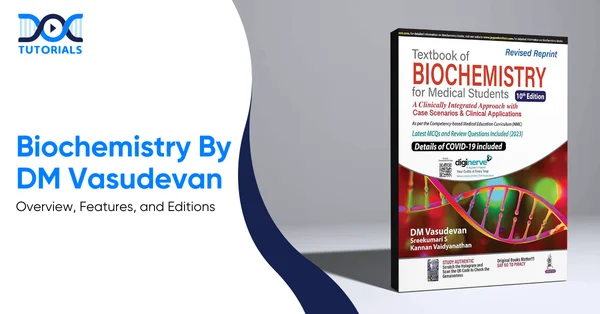
Biochemistry By DM Vasudevan

In the first year of the MBBS, Biochemistry provides a foundation for understanding other subjects, such as pathology and physiology. In order to establish this foundation, students require a clear and well-organised textbook. One of the most popular ones in India is Textbook of Biochemistry for Medical Students by Dr D.M. Vasudevan.

It is characterised by the use of simple language, systematic presentation and adherence to the MBBS syllabus. The guide covers an overview of studying first-year biochemistry with the Vasudevan Biochemistry book. Keep reading to know more.

DM Vasudevan’s Biochemistry Textbook: Overview

Textbook of Biochemistry by Vasudevan is a reliable MBBS textbook in India. It provides a detailed but easily comprehensible guide to biochemistry with well-organised chapters, illustrative images, and exercise questions.

Textbook of Biochemistry for Medical Students by Dr D.M. Vasudevan is a successful textbook on biochemistry widely accepted by MBBS students in India.

The book was first published in 1995 and has been revised several times over the years; the 10th edition was published in 2022, and a revised reprint in 2023. It is written by Dr Vasudevan, an AIIMS-trained biochemist, and is specifically oriented toward medical students.

It is known for its simple descriptions, practical illustrations, and good clinical correlations that refer to the fundamental biochemical concepts to actual medical practice to ensure that the students develop understanding and application abilities.

Key points about the Vasudevan Biochemistry book:

  • The Medical Council of India (MCI) endorses it, and it is commonly used in Indian medical colleges. It is a good exam-friendly textbook commonly recommended by senior students.
  • The style of writing is simple and clear. Past editions have been made concise to eliminate irrelevant information and focus on high-yield information.
  • The book is full of learning tools: almost 50 chapters in 6 organised sections (Chemical Basis, Metabolism, Clinical Biochemistry, Nutrition, Molecular Biology, Advanced Biochemistry), and hundreds of figures and tables (approximately 1000 figures and 200 tables according to one analysis).
  • Nearly all chapters are followed by learning exercises (essays, quick notes, MCQs, viva-style prompts) to facilitate exam preparation. Clinical case studies are used to relate theory to patient scenarios.

In general, Vasudevan’s biochemistry book is a comprehensive, exam-oriented textbook. Reviews have found it “comprehensive and student-friendly,” with a focus on explaining and highlighting its relevance to practice.

Concisely, it serves to equip MBBS students with depth and practice in biochemistry.

Table of Contents of Vasudevan’s Biochemistry Book

The 10th edition of Vasudevan Textbook of Biochemistry consists of 45 chapters organised in six parts and encompasses the whole of the first year MBBS syllabus. It goes beyond introductory biochemical principles to clinical practices, molecular biology, and advanced information, while keeping the conceptual comprehension clear in the MBBS course.

The 10th edition of Vasudevan’s textbook is divided into thematic parts that cover all the first-year MBBS topics. Each section is composed of several chapters, with 45 chapters in edition 10. The contents (as listed on the official site) are as follows:

Section (Part)Topics Covered
A. Chemical Basis of Life (Ch 1–6)Cell structure and organelles, biomolecules (amino acids, proteins, carbohydrates, lipids), the fundamentals and kinetics of enzymes.
B. General Metabolism (Ch 7–20)Energy and metabolism: Glycolysis, TCA cycle, electron transport, carbohydrate metabolism (glucose, glycogen, diabetes), lipid metabolism (fatty acids, cholesterol, ketone bodies), amino acid metabolism and urea cycle, inborn errors of metabolism.
C. Clinical & Applied Biochemistry (Ch 21–27)The analysis of body fluids and laboratory tests: liver and kidney function tests; plasma proteins; acid-base balance; electrolytes and free radicals; drug detoxification (biotransformation).
D. Nutrition (Ch 28–32)Vitamins (fat and water soluble); metabolism and deficiencies of minerals; energy metabolism and nutrition; environmental toxins (heavy metals).
E. Molecular Biology (Ch 33–38)Nucleotides and nucleic acids; DNA structure, replication, transcription, translation, genetic control, mutations, cell cycle, recombinant DNA technology, and gene therapy, molecular diagnostics.
F. Advanced Biochemistry (Ch 39–45)Special topics: Clinical laboratory methods and instrumentation; immunochemistry; biochemistry of AIDS/HIV and cancer; extracellular matrix proteins; hormones; use of isotopes in medicine.

Key Features of Vasudevan’s Biochemistry Textbook

The Textbook of Biochemistry for Medical Students by Vasudevan is renowned for its full coverage of the syllabus, straightforward language and clinical orientation. It has been tailored to the MBBS examinations by providing summaries, MCQs, viva questions, and high-yield content to revise.

There are a number of strengths that made Vasudevan’s biochemistry textbook popular among students and teachers:

  • Comprehensive Coverage: The book focuses on the entire MBBS biochemistry syllabus elaborately, so no major aspect is overlooked. It has been reviewed as covering the entire syllabus with good clinical focus.
  • Student-Friendly Presentation: The concepts are described using simple language with flowcharts and tables to simplify comprehension. Its clear explanations, detailed explanations, and good clinical correlations are well appreciated.
  • Exam-Oriented Structure: Each chapter has summaries, MCQs, short notes, and viva questions to be actively memorised and designed for MBBS examinations. Newer editions have greater content that is high yield by reducing redundant information.
  • Visual Aids: The book is organised into pathway charts, structures, and clinical images with approximately 1000 diagrams and 200 tables that simplify complicated topics and make retention easier.
  • Clinical Relevance: Disease-based discussions and clinical case studies connect biochemical pathways to clinical practice, supporting theory and exam-based case studies.
  • Updated Content: The 10th edition is consistent with the latest MCI/NMC guidelines, with almost all new topics such as nutrition and environmental biochemistry, and removing obsolete information.

How is Biochemistry by DM Vasudevan Aligned with the MBBS Curriculum?

The textbook by Vasudevan is also consistent with the competency-based MBBS curriculum, as it combines biochemistry with physiology and pathology to provide a clear comprehension. It discusses high-yield and content such as glycolysis, TCA cycle, enzyme kinetics, and major clinical biochemistry topics in a systematic and exam-oriented manner.

The main advantage of the textbook by Vasudevan is that it closely follows the national MBBS curriculum. The NMC’s competency-based program is more focused on integrating physiology and pathology, and the book reflects this. As an example, such issues as diabetes are described using clear biochemical peripherals, which support parallel learning in physiology.

All the key high-yield areas of the MBBS syllabus, including glycolysis, the TCA cycle, enzyme kinetics, and the metabolic pathways, are discussed in depth. It also accommodates the core clinical biochemistry, such as liver and kidney function tests, metabolic disorders, and vitamin deficiencies, as per the updated MCI/NMC guidelines.

The book is based on an integrated approach that relates the biochemical concepts to clinical practice and molecular biology. This will make sure that learners studying through Vasudevan fully cover the prescribed curriculum in an organised and exam-relevant manner.

Vasudevan’s Biochemistry Textbook: Editions, Updates, and Pricing

Vasudevan’s biochemistry textbook is a reliable resource among all MBBS students; the most recent version corresponds to the current syllabus, with the 11th edition anticipated in 2025. It is widely available in bookstores, and older and second-hand copies are available at reduced prices.

Vasudevan’s biochemistry textbook has been used since the first edition in 1995, and new editions are published every 3-4 years. Its 10th edition was published in 2022 (reprinted in 2023), and the 11th edition is anticipated sometime before 2025.

It is usually recommended that students stick to the recent version to keep up with the updated syllabus. Retail sources price the 10th edition at about ₹1600-1700 for students requesting the price of the book.

Old versions (9th, 8th, etc.) can be found second-hand at a lower price, but take into account that they are not updated to the latest versions. The important aspects that should be noted regarding editions and availability include:

  • 10th Edition (2022/2023): Most colleges use the current edition. Meets the recent syllabus requirements.
  • 9th Edition: Past edition, which is useful in case you discover it. (Same as 10 th with some updates possibly missing.)
  • 8th Edition (and earlier): Inapplicable to the present curriculum, yet can be used as supplementary reading.
  • 11th Edition: Planned by mid-2025; it is likely to undergo additional changes.
  • Practical and Dental Editions: They have separate books on Practical Biochemistry (4th edition) and Dental Biochemistry (4th edition).

Vasudevan textbooks are sold in many bookstores (both online and offline). Students usually purchase a new 10th directly, but second-hand copies at a lower price are also available.

What’s New in the 11th Edition of Vasudevan’s Biochemistry Textbook?

The 11th edition of Vasudevan Biochemistry is revised to include 40 or more new clinical cases, more images and illustrations, and a research appendix of 1000 or more MCQs and viva questions as a bonus booklet.

The 11th edition of Vasudevan’s Textbook of Biochemistry for Medical Students incorporates major updates that are based on CBME 2024 and NMC standards that reinforce learning approaches that are competency-based.

Here’s what is new:

  1. Addition of chapters on COVID-19, Molecular Diagnostics, Laboratory Medicine, and Immunology.
  2. Chapters on Clinical and Applied Biochemistry have been updated, along with clinically relevant points.
  3. Advances in Molecular Biology have been added.
  4. Learning objectives are given at the beginning of each chapter.
  5. Competencies are covered in the chapters.
  6. Case Studies given in boxes for Early Clinical Exposure.
  7. Clinically relevant points are highlighted in Clinical Application Boxes in every chapter.
  8. Each chapter ends with:
  • Key Concepts
  • Summary
  • Clinical Case Studies
  • Essay Questions, Short Answer Questions, MCQs and Viva Voce Questions and Answers
  1. Enriched with 1200+ figures, 200+ tables and 200+ boxes, altogether making it more student-friendly
  2. Complementary Online Student Resource includes Key Concepts, Clinical Case Studies, Review Questions, Viva Voce Questions, Questions with Clinical Applications, MCQs, Self-study Exercises, and Important Metabolic Cycles

Practical Manual of Vasudevan Biochemistry Book

The Practical Manual of Vasudevan Biochemistry is an additional text to the main textbook, and the topics include qualitative and quantitative laboratory experiments with explicit procedures and theory in accordance with the up-to-date MCI/NMC curriculum.

The practical Vasadevan books and the theory volumes are usually used by the MBBS students as a major resource in examination and laboratory assignments.

In addition to the main MBBS book, Dr Vasudevan has come up with a practical handbook book to include:

  • Offers laboratory advice to biochemistry practical courses.
  • Both qualitative and quantitative experiments are covered in accordance with the syllabus.
  • Incorporates stepwise instructions and theory.
  • Revised based on the existing MCI/NMC curriculum (newer manuals updated to reflect the same).
  • So far, four editions have been released.
  • The new version has newer laboratory methods and quality control issues.
  • Intended to fill the gap between theories and clinical practice.
  • Learning is aided by the use of life situations and a comprehensive illustration.

Comparison: Vasudevan and Other Textbooks

Vasudevan is recommended because it has the right mix of depth and an exam orientation of the studies, which is perfect to prepare students for MBBS and NEET PG. Harper is more researched and detailed, and Satyanarayana is easier to read about.

Preference is given to Vasudevan due to its examination-based approach and balanced comprehensiveness. Whereas Harper is the research standard and Satyanarayana is a simplistic setting, Vasudevan fills the professional medical examination gap.

Check out the table below:

FeatureD.M. VasudevanHarper’s Illustrated BiochemistryU. Satyanarayana
DepthBalanced (Exam + Clinical)Very High (Research level)Moderate (Simplified)
LanguageSimple, Student-friendlyDense, TechnicalVery Simple
Exam UtilityVery good for University and NEET PG.With concepts, they are good, but hard in writing exams.Good to pass University exams.
FlowchartsExcellentComplexGood
Best ForOverall Best ChoiceTop 1% students / ReferenceStudents struggling with the basics

FAQs about Vasudevan’s Biochemistry Textbook

1. Is Vasudevan’s book good for first-year MBBS Biochemistry?

Yes. It is applied in India most frequently and is focused on MBBS students, so it can be suitable for university exams and NEET.

2. Which edition of Vasudevan should I buy?

The most recent edition should be used, since it covers the latest NMC syllabus. Older editions might not be revised.

3. Are there Vasudevan books for other courses?

Yes. Dental students have a separate edition, and there is a practical biochemistry manual specific to the course specifications.

4. How does Vasudevan compare with other biochemistry textbooks?

It is brief and exam-oriented. It is simpler and aligned with the university trends as compared to other books, such as Harper’s and Lippincott.

5. Is Vasudevan useful for NEET PG preparation?

Indeed, it assists in developing strong basics. Nevertheless, it must be used together with MCQ practice books and revision books.

6. Are metabolic pathways explained clearly?

Yes. The most important pathways are illustrated in a step-by-step format, with supporting diagrams.

7. Does the book include clinical case studies?

Yes. Recent editions introduce the use of clinical case discussions to connect the theory to its practical implementation.

8. Does Vasudevan follow the NMC competency-based curriculum (CBME)?

Yes. The latest editions are revised in accordance with NMC CBME guidelines.

9. Is the Vasudevan Practical Manual necessary?

Yes, for practical exams. It addresses the necessary qualitative and quantitative experiments.

10. Is Vasudevan suitable for self-study?

Yes. It is well organised with summaries and practice questions, which help in independent learning.

Conclusion

D.M. Vasudevan’s Textbook of Biochemistry for Medical Students remains a reliable source of information to first-year MBBS students, presenting difficult concepts in an easily understandable way.

To get additional academic assistance, DocTutorials can be your study partner. We offer in-depth resource materials, like 2D & 3D video lectures, along with structured mentorship and guidance. Join DocTutorials today and explore our MBBS curriculum to excel in your medical career!

DocTutorials App Download Now

Latest Blogs

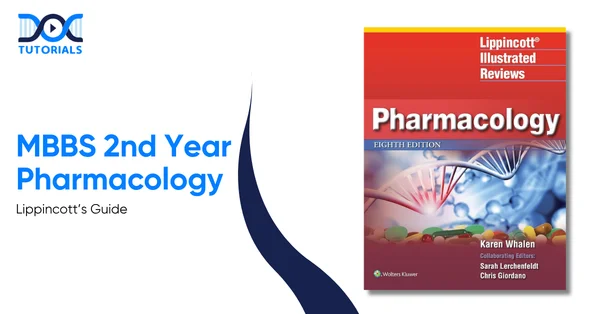
MBBS 2nd Year Pharmacology | Lippincott’s Guide

Pharmacology book

Pharmacology in the 2nd Year of MBBS is a major milestone in the educational journey of a medical student. It is the subject in which the student is first introduced to the practical applications of the concepts they have learned. At this stage, students need a resource that simplifies complexity while building lasting understanding. 

For years, Lippincott’s Illustrated Reviews: Pharmacology has been a reliable friend for those who want to understand pharmacology with simplicity, organisation, and confidence. This book can help the student grasp vast concepts in a manner that is easy to understand, comprehend, and memorise.

Read on to know more about Lippincott Illustrated Reviews Pharmacology and how it can help you with confidence and clarity in the 2nd Year of MBBS!

About Lippincott’s Illustrated Reviews: Pharmacology

A comprehensive guide by Karen Whalen, Lippincott Pharmacology simplifies complicated pharmacology concepts with clear explanations, organised outlines, and vivid illustrations. It enables students to understand drug mechanisms, pharmacokinetics, and therapeutic uses of drugs with maximum efficiency.

Authored by Karen Whalen, Lippincott Illustrated Pharmacology is a renowned and student-favourite book for mastering pharmacology concepts. This book, written particularly for medical and healthcare students, has won widespread acclaim for presenting pharmacological concepts with a clear, organised, and outlined presentation of even the most complicated drug concepts. 

It presents essential pharmacological principles in a concise yet comprehensive manner, making it ideal for both first-time learning and quick revision. With over a hundred full-colour illustrations, it visually explains drug mechanisms, pharmacokinetics, pharmacodynamics, and therapeutic uses, helping students connect theory with clinical relevance. 

By seamlessly integrating foundational science with practical applications, this highly illustrated guide continues to support learners in building strong conceptual clarity and exam confidence.

About Lippincott’s Illustrated Reviews: Pharmacology – Latest Edition

The latest edition of Lippincott’s Illustrated Reviews: Pharmacology is the 8th edition. The book has been built on decades of trust with new information on drugs, real-life clinical cases, and visually appealing illustrations.

Lippincott Illustrated Reviews Pharmacology 8th Edition, a trusted study partner for generations of medical students, continues to be a student favourite for reviewing the basics of medical pharmacology. The latest edition of Lippincott’s Illustrated Reviews: Pharmacology offers the most current information on drugs in a way that is easy to grasp and review. 

The book is part of the highly respected Lippincott’s Illustrated Reviews series, which features concise text, numerous illustrations, and visual sequences that simplify even the most difficult concepts in pharmacology. The book also contains review questions with answers at the end of each chapter, which can be used to reinforce learning and prepare for exams.

Key Features:

  • Stepwise visual representation of the drug mechanism of action.
  • Review questions with detailed answers to aid in exam preparation.

What’s New in the 8th Edition:

  • Pharmacogenomics Chapter: An important and emerging area in clinical pharmacology.
  • Clinical Application Boxes: Clinical scenarios to reinforce the practical applications of pharmacology.
  • Chapter Summaries: Concise chapter recaps to aid in student review and understanding.

Additional Highlights:

  • Updated drug content to reflect current clinical standards and advances in drug therapy.
  • Unique outline format to help students review and understand complex material.
  • High-quality, full-colour illustrations to aid in visual learning.
  • Improved review questions to aid in student review and Board exam preparation.

Table of Contents of Lippincott’s Illustrated Reviews: Pharmacology, Latest Edition

The table of contents follows a systematic order that includes units on drug principles, major body systems, chemotherapeutic agents, and special topics, which will be very beneficial for students to study and review.

Here are the detailed units and chapters covered in Lippincott’s Illustrated Reviews: Pharmacology—Latest Edition, systematically arranged for structured learning and easy navigation.

UNIT I: Principles of Drug Therapy

  • Pharmacokinetics
  • Drug-Receptor Interactions and Pharmacodynamics

UNIT II: Drugs Affecting the Autonomic Nervous System

  • The Autonomic Nervous System
  • Cholinergic Agonists
  • Cholinergic Antagonists
  • Adrenergic Agonists
  • Adrenergic Antagonists

UNIT III: Drugs Affecting the Cardiovascular System

  • Antihypertensives
  • Diuretics
  • Drugs for Heart Failure
  • Antiarrhythmics
  • Antianginal Drugs
  • Anticoagulants and Antiplatelet Agents
  • Drugs for Hyperlipidemia

UNIT IV: Drugs Affecting the Central Nervous System

  • Drugs for Neurodegenerative Diseases
  • Anxiolytic and Hypnotic Drugs
  • Antidepressants
  • Antipsychotic Drugs
  • Drugs for Epilepsy
  • Anaesthetics
  • Opioids
  • CNS Stimulants

UNIT V: Drugs Affecting the Endocrine System

  • Pituitary and Thyroid
  • Drugs for Diabetes
  • Estrogens, Progestogens, and Androgens
  • Adrenal Hormones
  • Drugs Affecting Bone Metabolism

UNIT VI: Chemotherapeutic Drugs

  • Principles of Antimicrobial Therapy
  • Cell Wall Inhibitors
  • Protein Synthesis Inhibitors
  • Quinolones, Folic Acid Antagonists, and Urinary Tract Antiseptics
  • Antimycobacterial Drugs
  • Antifungal Drugs
  • Antiviral Drugs
  • Antiprotozoal Drugs
  • Anthelmintic Drugs
  • Anticancer Drugs
  • Immunosuppressants

UNIT VII: Special Topics in Pharmacology

  • Histamine and Serotonin
  • Anti-Inflammatory, Antipyretic, and Analgesic Agents
  • Drugs for Disorders of the Respiratory System
  • Gastrointestinal and Antiemetic Drugs
  • Drugs for Urologic Disorders
  • Drugs for Anaemia
  • Drugs for Dermatologic Disorders
  • Clinical Toxicology
  • Drugs of Abuse
  • Pharmacogenomics

Figure Credits

Lippincott’s Illustrated Reviews: Pharmacology – Previous Editions

The previous editions of Lippincott’s Illustrated Reviews: Pharmacology, including the 6th and 7th editions, have long been trusted by medical students for building a solid foundation in pharmacology. They offer clear explanations, detailed illustrations, updated drug information, and practical review tools that simplify complex concepts, support rapid learning, and enhance exam preparation.

The following are the two previous editions of Lippincott Illustrated Pharmacology:

Lippincott’s Illustrated Reviews: Pharmacology 7th Edition

A student favourite for reviewing the basics of medical pharmacology, Lippincott® Illustrated Reviews: Pharmacology, Seventh Edition provides students with drug information that is current and easy to understand, making it perfect for a quick and effective review.

Part of the trusted Lippincott® Illustrated Reviews series, this review guide offers a concise and simplified review of pharmacology basics in a straightforward writing style and hundreds of illustrations that help students understand complex pharmacological concepts easily.

Sequential illustrations help students understand the mechanism of action, which encourages visualisation instead of memorisation, making it easier to understand pharmacology basics.

The key features of this edition include:

  • Updated drug content reflects the most current and clinically relevant pharmacology knowledge.
  • The outline format simplifies complex topics for easier review.
  • High-quality illustrations enhance comprehension with vibrant, detailed visuals.
  • Enhanced review questions with answers allow students to evaluate their understanding and identify areas for improvement.
  • eBook version available for purchase, offering a fast, convenient, and interactive learning experience with 24/7 access, searchability, note-taking, and highlighting features.

Lippincott’s Illustrated Reviews: Pharmacology 6th Edition

Lippincott Illustrated Reviews: Pharmacology, Sixth Edition, is an updated and enhanced version of the widely used student resource for mastering the essentials of medical pharmacology. As one of the most trusted guides in the Lippincott Illustrated Reviews series, Lippincott Pharmacology is written with clear, concise language and hundreds of detailed illustrations, which make it an excellent tool for quick review and assimilation of complex pharmacological principles. 

Sequential, straightforward illustrations of drug mechanisms of action emphasise understanding rather than memorisation. The book has the following features:

  • All New chapters on Drugs of Abuse, Drugs for Obesity, Antihistamines, Drugs for Urologic Disorders, Drugs for Hematopoietic Disorders, Drugs for Dermatological Disorders, and Drugs for Bone Disorders.
  • Over 380 study questions.
  • Nearly 600 annotated, full-colour illustrations visually explain complex processes.
  • Outline format is excellent for quick review and basic learning.

7 Study Tricks to Master Lippincott Pharmacology

Master Lippincott Pharmacology with 7 proven study strategies, from one-fact-per-card notes to spaced repetition, visuals, system-based organisation, and exam-style questions, for deeper understanding and better recall.

Here’s where things get interesting. These 7 strategies separate a student who only “kind of recognises a drug” from one who can confidently explain its details even in the middle of the night during a clinical call.

Check them out below:

  1. One Fact Per Card

Avoid cramming an entire drug profile into a single study note. Instead, break it down into distinct components for easier learning and better retention:

  • Mechanism of Action (MOA)
  • Main Therapeutic Use
  • Major Side Effects
  • Contraindications

This approach helps to ensure that you understand each concept clearly and can memorise it individually, which makes it much more effective to have a spaced review session because you know exactly what you have mastered and what you need to work on more.

  1. Use Spaced Repetition

Instead of studying randomly, it is much more effective to follow a spaced repetition approach. After studying a concept, you should review it after a certain time and assess how well you understand it. You can then rate how confident you are about memorising each fact.

  1. Add Visuals for Complex Drugs

Visual aids are extremely useful in pharmacology. Whenever a drug has a complex mechanism, side effect profile, or therapeutic pathway, use diagrams, tables, or charts to supplement your notes. 

The presence of the visual representation with the textual information forms a mental pattern, which makes it easier to remember detailed information about drugs like autonomic agents, antibiotics, or drugs with a complex side effect profile.

  1. Ask Questions When You’re Stuck

Engage actively with the material by questioning every drug you study. For example, when you are reading about beta-blockers, you may have the question, why do we use some beta-blockers but not others in heart failure? 

Trying to find answers to such questions enhances in-depth knowledge and makes you reconcile pharmacological knowledge with clinical reasoning. This approach transforms passive memorisation into an encouraging form of learning and solidifies the concepts as well as their practical use.

  1. Organising Drugs by System

It is easier to manage pharmacology material when the drugs are grouped by organ systems or functional groups. For example:

  • Cardiology: beta blockers, ACE inhibitors, diuretics
  • Neurology: antiepileptics, antidepressants, antipsychotics
  • Infectious Disease: antibiotics, antivirals, antifungals

By organising study material this way, you can focus on one block at a time, which is especially useful when preparing for system-specific exams or clinical rotations.

  1. Use Short, Daily Sessions

It is more productive to use short, daily study sessions instead of long, exhausting marathons. For example:

  • Study for 10-20 minutes
  • Have 1-3 short sessions per day

Short daily study sessions can steadily build your pharmacology knowledge. It can also prevent burnout.

  1. Incorporate Exam-Style Questions

It is not enough to remember facts; you must transform them into active, clinical questions. Examples include:

  • What is the safe antihypertensive in pregnancy?
  • What is the antibiotic that is associated with tendon rupture?
  • Which drug commonly causes gingival hyperplasia?

Drawing questions from lectures, question banks, or Lippincott explanations allows you to apply knowledge in context, strengthen memory, and simulate the type of reasoning needed for exams.

With these seven study tips, students can move beyond surface learning to the functional level by organising information into a systematic, effective, and clinically meaningful pattern.

FAQs about Lippincott Pharmacology

  1. What is Lippincott’s Illustrated Reviews: Pharmacology?

Lippincott’s Illustrated Reviews: Pharmacology is a student-friendly book that aims to simplify the study of pharmacology for students

  1. Who is the author of Lippincott Pharmacology?

Lippincott Pharmacology is authored by Karen Whalen, a respected educator in medical pharmacology. Her clear and structured explanations make it a favourite resource for MBBS and healthcare students.

  1. Which edition is the latest for Lippincott Pharmacology?

The Lippincott Illustrated Reviews Pharmacology 8th Edition is the latest version, featuring updated drug information, a pharmacogenomics chapter, and enhanced clinical application boxes. It is designed for quick learning and efficient revision.

  1. What makes Lippincott Pharmacology student-friendly?

Lippincott Pharmacology is student-friendly due to its concise outline format, clear writing, and hundreds of illustrations. These features help students understand drug mechanisms easily while supporting exam-focused learning.

  1. How are drug mechanisms explained in Lippincott Pharmacology?

Drug mechanisms are discussed in a series of illustrations, which are focused on understanding rather than memorising. It is a visual method that enables students to understand the mechanism and the action of drugs.

  1. Is Lippincott Pharmacology suitable for exam preparation?

Yes, Lippincott Pharmacology provides review questions, chapter summaries, and structured content for exam-focused learning. Students can test themselves and reinforce concepts before practical exams and board tests.

  1. Does Lippincott cover clinical applications?

Lippincott covers clinical applications through dedicated Clinical Application Boxes. These scenarios demonstrate real-world drug use, helping students connect theoretical knowledge to practice.

  1. Can Lippincott Pharmacology help in long-term retention?

Lippincott supports long-term retention by combining visual aids, sequential illustrations, and clear summaries. Repeated exposure to structured content strengthens memory and improves conceptual understanding.

  1. Are previous editions of Lippincott useful?

The earlier editions of Lippincott, such as the 6th and the 7th, are still helpful in basic learning. They contain clear explanations, illustrations, and review questions that assist students in revisiting essential concepts of pharmacology.

  1. Is Lippincott useful for self-study?

Lippincott is ideal for self-study due to its organised layout, illustrations, and review questions. Students can independently learn, revise efficiently, and build confidence in their pharmacology knowledge.

Conclusion

The enduring relevance of Lippincott’s Illustrated Reviews: Pharmacology across multiple editions reflects its value in modern medical education. The book is effective at breaking down complex pharmacology topics, helping students understand drug actions, uses, and clinical principles. Moreover, it is an essential resource for MBBS 2nd-year students preparing for their examinations.

For those who want to gain an advantage in their learning and want to be better prepared, DocTutorials is an excellent platform. 

Now, studying Pharmacology from Lippincott is not enough; you need dedicated, exam-focused support that will help you both master concepts and implement them in clinical scenarios. With high-quality video lectures, interactive tests, detailed question banks, scenario-based exercises, and quick revision modules, DocTutorials enhances understanding and boosts exam readiness.

Check out our Pharmacology notes today!

DocTutorials App Download Now

Latest Blogs

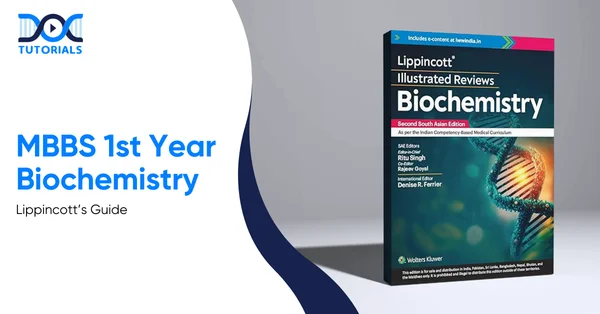
MBBS 1st Year Biochemistry | Lippincott’s Guide

Lippincott’s Guide

“Lippincott Illustrated Reviews: Biochemistry” is considered one of the best textbooks for MBBS 1st Year students. It provides a clear and easy understanding of complex biochemical processes, making it easier to retain the information.

In addition, it provides study aids, making it easy for students to revise and study for their exams. Highly rated by students and medical professionals alike, it remains a trusted companion throughout the first year of medical school.

Read on to explore why the latest edition of Lippincott Biochemistry continues to be a top choice for MBBS aspirants.

Overview of Lippincott Illustrated Reviews

Lippincott Biochemistry is a premier, expert-authored resource, providing a structured and easy-to-understand approach to complex biochemical processes for medical and health science students.

Lippincott Illustrated Reviews: Biochemistry is a highly trusted textbook for students of medicine, biology, and other related health sciences. Written by experts such as Emine E. Abali, Susan D. Cline, David S. Franklin, and Susan M. Viselli, it provides a comprehensive and easy-to-understand approach to biochemistry.

In its latest edition, it continues to emphasise its strength in breaking down complex biochemical processes into simple and easy-to-understand parts. The book stands out from other textbooks due to its inclusion of full-colour illustrations, diagrams, and flowcharts, making it easy for students to understand complex biochemical processes.

In addition, it provides clinical correlations, allowing students to correlate theory with practical aspects of medicine. It provides a step-by-step approach to help students grasp the subject easily and understand the biochemical aspects of health and disease. For many students, it is a trusted companion to help them grasp the subject well.

Key Features

  • Comprehensive Coverage: The book covers all important topics related to medical and health sciences. It provides extensive and well-structured information, which is helpful for studying and preparing for examinations.
  • Visual Learning Support: The book provides a visual approach to studying biochemical reactions and systems. Colourful diagrams, tables, and charts help students understand complex biochemical processes.
  • Clear and Direct Explanations: The book provides explanations for complex biochemical reactions and systems in a simple and easy-to-understand manner. Complex information is presented in a straightforward and easy manner, allowing students to grasp it easily.
  • Clinical Connections: Each chapter provides a connection to real-life cases. It provides a clear idea of how biochemical changes relate to disease conditions.
  • High-Yield Focus: The book provides high-yield information, making it a great resource for university, board, and entrance examinations. It allows students to focus on the important aspects of the subject.

Lippincott Illustrated Reviews Latest Edition (9th Edition)

The 9th Edition of Lippincott Illustrated Biochemistry is the gold standard for quick review, with a new outline format and enhanced digital resources to help students master vast amounts of information.

Lippincott Illustrated Reviews: Biochemistry (9th Edition) is a revised version that has been developed to assist students in quickly reviewing, absorbing, and integrating vast amounts of essential biochemical information.

The Lippincott Biochemistry latest edition continues to offer a strong visual approach, where complex biochemical information is explained through the use of detailed illustrations. The book has been designed in an easy-to-read outline format, which helps the student easily understand the topic.

Also, the book has a strong emphasis on clinical application and has been provided with new study tools and online resources, which assist in exam preparation.

Updated Features in the 9th Edition

  • Student-centred study tools, which include chapter outlines, concise summaries, board-style multiple-choice questions and answers, clinical application, case studies with answers, online animations, and more.
  • Bright and detailed illustrations, along with comprehensive tables, help in understanding complex biochemical information.
  • Comprehensive study questions and answers, which assist in retaining the material and help in test preparation.
  • Case studies with questions, which are based on real-life clinical scenarios, encourage the student to think and analyse the situation.
  • Cross-references to other Lippincott Illustrated Reviews titles help students see how biochemistry connects with subjects like physiology, pathology, and pharmacology.

Table of Contents of Lippincott Illustrated Reviews 9th Edition

The book is divided into seven logical units, which cover the basics of protein structure and energy metabolism, and extend to the more complex levels of lipid, nitrogen, and genetic information storage.

The Lippincott Illustrated Reviews Biochemistry, latest edition, is organised into clearly structured units that guide students from foundational concepts to advanced clinical integration. These contents are as follows:

UNIT I: Protein Structure and Function

  • Amino Acids and the Role of pH
  • Protein Structure
  • Globular Proteins
  • Fibrous Proteins
  • Enzymes

UNIT II: Bioenergetics and Carbohydrate Metabolism

  • Bioenergetics and Oxidative Phosphorylation
  • Introduction to Carbohydrates
  • Introduction to Metabolism and Glycolysis
  • Tricarboxylic Acid Cycle and Pyruvate Dehydrogenase Complex
  • Gluconeogenesis
  • Glycogen Metabolism
  • Monosaccharide and Disaccharide Metabolism
  • Pentose Phosphate Pathway and Nicotinamide Adenine Dinucleotide Phosphate
  • Glycosaminoglycans, Proteoglycans, and Glycoproteins

UNIT III: Lipid Metabolism

  • Dietary Lipid Metabolism
  • Fatty Acid, Triacylglycerol, and Ketone Body Metabolism
  • Phospholipid, Glycosphingolipid, and Eicosanoid Metabolism
  • Cholesterol, Lipoprotein, and Steroid Metabolism

UNIT IV: Nitrogen Metabolism

  • Amino Acids: Nitrogen Disposal
  • Amino Acids: Degradation and Synthesis
  • Amino Acids: Conversion to Specialised Products
  • Nucleotide Metabolism

UNIT V: Integration of Metabolism

  • Metabolic Effects of Insulin and Glucagon
  • The Feed–Fast Cycle
  • Diabetes Mellitus
  • Obesity

UNIT VI: Medical Nutrition

  • Nutrition: Overview and Macronutrients
  • Micronutrients: Vitamins
  • Micronutrients: Minerals

UNIT VII: Storage and Expression of Genetic Information

  • DNA Structure, Replication, and Repair
  • RNA Structure, Synthesis, and Processing
  • Protein Synthesis
  • Regulation of Gene Expression
  • Biotechnology and Human Disease
  • Blood Clotting

APPENDIX

  • Clinical Cases
  • Figure Sources

Overall, the 9th edition of Lippincott Illustrated Reviews: Biochemistry is a well-rounded book that provides a clear understanding of the subject matter along with the required visual aids and clinical applications. The book is well-structured and exam-oriented, which makes it a reliable source of knowledge for MBBS students.

Lippincott Illustrated Reviews: Previous Editions

While the 8th and 7th editions are older, they laid the groundwork for the series’ success with animations, “Clinical Application” boxes, and digital resources.

Here’s how past editions of Lippincott Illustrated Biochemistry have evolved to support student learning and exam readiness:

1. Lippincott Illustrated Reviews 8th Edition

The 8th Edition of Lippincott Illustrated Reviews: Biochemistry is a well-established and renowned book in the field of biochemistry. The book is divided into an intuitive outline structure and contains a range of study tools to help students understand difficult concepts while enhancing their memory and understanding of the subject matter.

Also, the book has a strong emphasis on clinical application and has been designed to provide new exercises, review questions, and digital resources to assist the student in the examination process.

Besides, the digital version of the book contains videos, multiple-choice questions, and self-assessment questions.

  • Clinical Application boxes ensure that students can confidently apply the concepts of biochemistry to practical situations that arise in the clinic.
  • Cross-references to other Lippincott Illustrated Reviews texts provide an understanding of the relevance of the subject to other basic sciences.
  • Vibrant illustrations and tables help to simplify complex processes and pathways.
  • Study Questions and Answers at the back of the chapter help to reinforce the knowledge gained and provide confidence to tackle exams.
  • Integrative Case Studies with Review Questions provide the student with an understanding of the practical situations that can arise and the possible implications that these situations can have.
  • Animations help to clarify the processes of biochemistry with accurate and vivid illustrations.

Key Features:

  • Full access to the digital version of the book, allowing students to highlight and take notes on key passages for a personalised study experience.
  • Carefully curated resources such as interactive diagrams, audio/video tutorials, and self-assessment tools to support deeper comprehension.
  • Lippincott® Connect allows the creation of Study Collections, letting users:
  • Pool content from books across the library into customised collections by topic, discipline, organ, procedure, or concept.
  • Display related text, video clips, and self-assessment questions together for efficient learning.
  • Annotate and highlight important content for easy reference later.
  • Navigate between chapters, sections, self-assessments, notes, and highlights in one interface.

2. Lippincott Illustrated Reviews 7th Edition

Lippincott Illustrated Reviews: Biochemistry, 7th Edition, is the original, highly acclaimed source of essential knowledge in biochemistry. Students have trusted this text for decades as a review, integration, and assimilation tool for vast quantities of vital information.

Faculty and students alike have praised its unmatched illustrations that bring biochemical concepts to life. An online bonus chapter on blood clotting with additional questions is also included.

Key Features:

  • Clinical relevance of biochemistry via chapter-based integrative cases and “Clinical” boxes throughout the book.
  • Concise outline format with chapter overviews, summaries, and abundant full-colour artwork.
  • Animations at the point or integrative clinical cases in the Appendix.
  • Over 200 new online review questions designed to assess comprehension and retention.

Key Strengths & Features of Lippincott Illustrated Reviews: Biochemistry

Lippincott Illustrated Reviews’ primary strengths lie in its 35-lecture organisation and its status as a Doody’s Core Title, marking it as an essential, high-yield resource for exam success.

Listed below are the features of Lippincott Illustrated Reviews: Biochemistry, which make it a preferred book for students and educators alike:

  • Established Resource: The book has been an established resource for students for over two decades, and this speaks volumes for the reputation of the book as a quality resource for students. The book has been recognised as a Doody’s Core Title for 2021, 2022, and 2023.
  • Clear Organisation: An intuitive and logical lecture outline design, which makes it easier to understand complex ideas. The book has been divided into 35 lectures, which makes it easy for students to understand the structure of the book.
  • Visual Learning: It is a strong source of visual learning, which helps in the understanding of complex biochemical ideas in a more simplified and creative way. The visual learning aspect of the book has been a hallmark of the Lippincott Illustrated Review series.
  • Emphasis on Clinical Application: The book is structured in such a way as to make application of biochemical knowledge in a clinical setting possible by the provision of Clinical Application boxes.
  • Study Aids: The book provides extensive study support, including chapter-end questions and answers to reinforce retention, integrative case studies with review questions to illustrate clinical scenarios, and animations that vividly visualise biochemical processes.
  • Comprehensiveness & Concise: The text has been written in such a way that it offers a broad but brief knowledge of complicated biochemical concepts.
  • Online Features: The digital format helps learners retain information through interactive, topic-based QBanks, self-assessment, etc.

Main Themes & Important Ideas of Lippincott Illustrated Reviews: Biochemistry

The philosophy on which Lippincott Illustrated Reviews is based is centred on active learning and its relevance to medicine. The book encourages learners to learn through active exercises rather than relying on rote facts.

Lippincott Illustrated Reviews is designed to promote deeper understanding and application of biochemistry concepts in medical education. Here’s how:

  • Integration of Concepts: The book is based on the integration and interlinking of a vast amount of information.
  • Active Learning: Exercises and review questions are incorporated to encourage active rather than passive learning.
  • Clinical Relevance: Interlinkages between biochemistry and medicine are one of the major themes of this book.
  • Structured Learning: The book is arranged in a lecture format, making it easy for learners to learn steadily. There is a summary and diagrams at the end of each lecture.

Drawbacks of Lippincott Illustrated Reviews: Biochemistry

Although the book is rated well, there are certain flaws in its Kindle and online versions as well as in its physical binding, which have been observed by its readers.

Even though Lippincott Illustrated Reviews Biochemistry is a highly rated book, some practical issues are associated with its usage. These are as follows:

  • Physical Binding Quality: Issues related to its binding quality, especially for its Kindle version, are noticed.
  • Digital and Kindle Access: There might be difficulties in using the Kindle version or online version of the book, as it might freeze or rotate, or might not load properly, which might impact learning through digital means.
  • Online Version Reliability: Accessing online versions or digital study materials may sometimes be problematic, with instances of content not loading or functioning inconsistently.

FAQs about Lippincott’s Biochemistry

  1. What is Lippincott Illustrated Reviews: Biochemistry, and what is its purpose?

Lippincott Illustrated Reviews- Biochemistry is a proven textbook that can be utilised by students to learn the basics of biochemistry. It involves illustrations and aids of study to make the complex information easy to understand and remember.

  1. What is the latest edition of Lippincott Biochemistry?

The most current is the 9th edition, released by Lippincott Williams and Wilkins, which has the revised content and digital learning capabilities.

  1. Who is the intended audience for the Lippincott Illustrated Reviews: Biochemistry book?

The textbook is mainly aimed at students of the medical and health science programs in biochemistry, while also serving as a review tool for advanced study. It can also be helpful to clinicians and adult learners who need to enhance their knowledge of biochemical principles.

  1. How is Lippincott Illustrated Reviews: Biochemistry organised to facilitate learning?

The book follows a lecture-style outline that breaks complex topics into manageable sections and includes chapter-end review questions. It is divided into 35 brief lectures that enable students to study at their own speed, with summaries and diagrams reinforcing each topic.

  1. What are some of the perceived strengths of Lippincott Illustrated Reviews?

The book is commended by its clear and concise explanations, useful diagrams, and a good emphasis on clinical applications. The online features, question bank, and practice activities also contribute to the understanding and memorisation.

  1. Are there any reported drawbacks to Lippincott Illustrated Reviews: Biochemistry?

Certain versions have been known to have problems with binding quality, and the online or Kindle versions may sometimes crash and become inaccessible. These aspects can restrict the usability of the physical or electronic copy to certain users.

  1. How does the book integrate the clinical aspect of biochemistry?

Clinical Application boxes and integrative case studies demonstrate the application of biochemical knowledge to practical medical cases. The features fill the gap between theory and practice, equipping students with clinical applications.

  1. Does the Lippincott Illustrated Reviews: Biochemistry include digital resources, and how do they improve the learning process?

The digital resources are available in the book, which include online question banks and animations, which can be of great help in understanding the biochemical processes in the body. Such resources are beneficial in helping the students to learn and retain more complex information.

  1. Is the Lippincott Biochemistry up-to-date?

The 9th edition of the book is fully revised and includes features such as overviews, summaries, clinical application boxes, integrative case studies, review questions, online animations, etc., which provide relevant and up-to-date information.

  1.  Is the Lippincott Biochemistry available in eBook format?

Yes, the Lippincott Illustrated Reviews Biochemistry is available in eBook format, which can be easily accessed by the students in the form of a Kindle eBook.

Conclusion

The Lippincott Illustrated Biochemistry is a crucial book for 1st year MBBS students, as it helps in understanding the subject of biochemistry in a better way. Clinical application boxes, integrative case studies, and digital resources help students connect theory with real-world medical scenarios effectively.

To get more information and professional explanations, DocTutorials offers 3D & 2D animated videos and structured mentorship, allowing students to understand and apply biochemistry for academic success.

Join DocTutorials today and explore our MBBS curriculum to excel in your medical career!

DocTutorials App Download Now

Latest Blogs

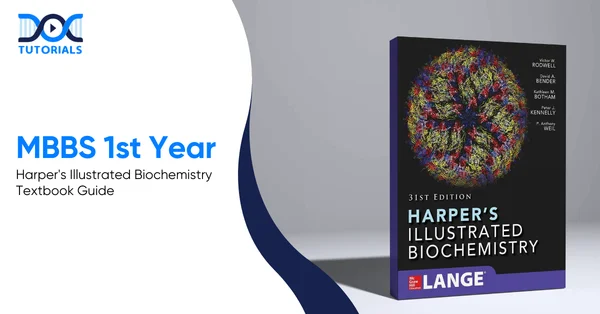
MBBS 1st Year: Harper’s Illustrated Biochemistry Textbook Guide

Harper's Illustrated Biochemistry Textbook

For 1st-year MBBS students, studying biochemistry is essential to build a foundation in medical science. In this regard, Harper Biochemistry is one of the most comprehensive books on biochemistry, explaining the complex biochemical concepts in an easy-to-understand manner. 

With full-colour illustrations, correlations with medical practice, and the addition of new information on biochemical diseases, this book bridges the gap between the theoretical and the practical aspects of medical science. 

Keep reading to learn more about why Harper’s Illustrated Biochemistry is the must-have textbook for every medical student!

Overview of the Latest Harper’s Illustrated Biochemistry Edition

The 33rd edition serves as a concise, high-yield clinical guide featuring over 300 illustrations and 400+ Q&A tailored for USMLE success.

The Harper Biochemistry latest edition (33rd) provides a comprehensive understanding of the principles of biochemistry and their direct application to clinical medicine. The book is concise yet informative, with full-colour illustrations and coverage of biochemical diseases. This helps in providing a clear, focused review of fundamental biochemistry concepts that are essential for every MBBS student to succeed in medical science.

The 33rd edition of the textbook also contains new information, 400+ Q&A, and more than 300 illustrations, making it the best reference guide for the USMLE exam and the top choice for learning the importance of biochemistry concepts in the field.

Key Features of the 33rd Edition:

  • Full-colour format with more than 300 illustrations
  • 317 review Q&A, including 100+ new Q&A added
  • New short case histories highlighting clinical applications
  • New information on vaccines
  • Case studies that help readers learn the importance of biochemistry concepts
  • Review questions at the end of each section
  • Objectives highlighted in boxes at the end of each chapter
  • Tables summarising the key information in the chapters
  • Chapter summaries covering essential points from each chapter

33rd Edition of Harper’s Illustrated Biochemistry: Table of Contents

The 33rd Edition of Harper’s Illustrated Biochemistry is systematically organised into nine sections that transition from basic protein structures and bioenergetics to complex lipid metabolism and molecular genetics. It concludes with specialised medical topics, including signal transduction, nutrition, and the biochemistry of specific blood cells.

The latest edition of Harper’s Biochemistry is organised to provide a systematic and comprehensive learning experience for MBBS students. Each section is carefully structured to build understanding from fundamental principles to clinical applications, making it easier to grasp both theory and practical relevance. 

Here is an overview of the table of contents:

Section I: Structures & Functions of Proteins & Enzymes

  • Chapter 1: Biochemistry & Medicine
  • Chapter 2: Water & pH
  • Chapter 3: Amino Acids & Peptides
  • Chapter 4: Proteins: Determination of Primary Structure
  • Chapter 5: Proteins: Higher Orders of Structure

Section II: Enzymes: Kinetics, Mechanism, Regulation, & Role of Transition Metals

  • Chapter 6: Proteins: Myoglobin & Haemoglobin
  • Chapter 7: Enzymes: Mechanism of Action
  • Chapter 8: Enzymes: Kinetics
  • Chapter 9: Enzymes: Regulation of Activities
  • Chapter 10: The Biochemical Roles of Transition Metals

Section III: Bioenergetics

  • Chapter 11: Bioenergetics: The Role of ATP
  • Chapter 12: Biologic Oxidation
  • Chapter 13: The Respiratory Chain & Oxidative Phosphorylation

Section IV: Metabolism of Carbohydrates

  • Chapter 14: Overview of Metabolism & the Provision of Metabolic Fuels
  • Chapter 15: Saccharides (ie, Carbohydrates) of Physiological Significance
  • Chapter 16: The Citric Acid Cycle: A Pathway Central to Carbohydrate, Lipid, & Amino Acid Metabolism
  • Chapter 17: Glycolysis & the Oxidation of Pyruvate
  • Chapter 18: Metabolism of Glycogen
  • Chapter 19: Gluconeogenesis & the Control of Blood Glucose
  • Chapter 20: The Pentose Phosphate Pathway & Other Pathways of Hexose Metabolism

Section V: Metabolism of Lipids

  • Chapter 21: Lipids of Physiologic Significance
  • Chapter 22: Oxidation of Fatty Acids: Ketogenesis
  • Chapter 23: Biosynthesis of Fatty Acids & Eicosanoids
  • Chapter 24: Metabolism of Acylglycerols & Sphingolipids
  • Chapter 25: Lipid Transport & Storage
  • Chapter 26: Cholesterol Synthesis, Transport, & Excretion

Section VI: Metabolism of Proteins & Amino Acids

  • Chapter 27: Biosynthesis of the Nutritionally Nonessential Amino Acids
  • Chapter 28: Catabolism of Proteins & of Amino Acid Nitrogen
  • Chapter 29: Catabolism of the Carbon Skeletons of Amino Acids
  • Chapter 30: Conversion of Amino Acids to Specialised Products
  • Chapter 31: Porphyrins & Bile Pigments

Section VII: Structure, Function, & Replication of Informational Macromolecules

  • Chapter 32: Nucleotides
  • Chapter 33: Metabolism of Purine & Pyrimidine Nucleotides
  • Chapter 34: Nucleic Acid Structure & Function
  • Chapter 35: DNA Organisation, Replication, & Repair
  • Chapter 36: RNA Synthesis, Processing, & Modification
  • Chapter 37: Protein Synthesis & the Genetic Code
  • Chapter 38: Regulation of Gene Expression
  • Chapter 39: Molecular Genetics, Recombinant DNA, & Genomic Technology

Section VIII: Biochemistry of Extracellular & Intracellular Communication

  • Chapter 40: Membranes: Structure & Function
  • Chapter 41: The Diversity of the Endocrine System
  • Chapter 42: Hormone Action & Signal Transduction

Section IX: Special Topics

  • Chapter 43: Nutrition, Digestion, & Absorption
  • Chapter 44: Micronutrients: Vitamins & Minerals
  • Chapter 45: Free Radicals & Antioxidant Nutrients
  • Chapter 46: Glycoproteins
  • Chapter 47: Metabolism of Xenobiotics
  • Chapter 48: Intracellular Traffic & Sorting of Proteins
  • Chapter 49: The Extracellular Matrix
  • Chapter 50: Muscle & the Cytoskeleton
  • Chapter 51: Plasma Proteins & Immunoglobulins
  • Chapter 52: Red Blood Cells
  • Chapter 53: White Blood Cells

Past Editions of Harper’s Illustrated Biochemistry

Earlier versions of Harper’s Illustrated Biochemistry, ranging from the 28th to the 32nd editions, established the book’s reputation by introducing full-colour artwork and chapters on free radicals. Each iteration has consistently refined the balance between academic depth and the evolving requirements of medical board examinations.

Harper’s Illustrated Biochemistry has been updated regularly to reflect the latest developments in biochemistry and its applications in the field of medicine. The new editions of the book include refined information, case studies, and illustrations, making it an essential textbook for medical students to refer to during their examinations.

Harper’s Illustrated Biochemistry, 32nd Edition

The Harper Biochemistry 32nd edition pairs high-quality full-colour illustrations with comprehensive, authoritative coverage of biochemical diseases and clinical applications. Packed with medically relevant examples, Harper’s Biochemistry 32nd edition offers a clear and concise review of the core concepts every student needs to master for success in medical school.

Key Features:

  • Full-colour presentation with 600+ illustrations
  • Chapters have been updated to reflect the latest information
  • Case studies focusing on the importance of biochemistry in the field of medicine
  • Review questions after each of the 11 sections of the book
  • Objectives of the chapters in boxes
  • Tables summarising the important information provided in the chapters
  • Importance of biochemistry in the field of medicine and chapter summaries

Harper’s Illustrated Biochemistry, 31st Edition

The Harper Biochemistry 31st edition highlights the importance of biochemistry in the field of medicine and the role of biochemistry in the understanding of diseases. The book contains full-colour illustrations, case studies, and review questions and answers, including a new chapter on transition metals, to help readers understand the importance of biochemistry in the field of medicine. 

Key Features:

  • Strong focus on the essential connection between biochemistry, disease mechanisms, diagnostic pathology, and clinical practice
  • Numerous references highlighting various disease states throughout the text
  • Introduction of a new chapter on the biochemical roles of transition metals
  • Many review questions have been updated for enhanced learning
  • Frequent tables summarising important links between biochemical concepts and diseases
  • Updated content covering cryo-electron microscopy (cryo-EM) techniques
  • Cover image showcasing the protein structure of the Zika virus, determined using cryo-EM

Harper’s Illustrated Biochemistry, 30th Edition

The Harper’s Illustrated Biochemistry 30th edition presents exceptional full-colour illustrations alongside authoritative, integrated coverage of biochemical diseases and clinical applications. With concise explanations and numerous medically relevant examples, this edition offers a clear and focused review of the essential biochemistry concepts that every medical student needs to master for success in medical school.

All fifty-eight chapters highlight the clinical and medical relevance of biochemistry. Here are the key features:

  • Full-colour format featuring over 600 illustrations
  • Each chapter includes a section on Biomedical Importance and concludes with a chapter summary
  • Review questions are provided at the end of each of the eleven sections
  • Case studies throughout emphasise the clinical application of biochemical principles
  • New content covers toxic, naturally occurring amino acids; extraterrestrial biomolecules; computer-aided drug design; the complement cascade in bacterial and viral infections; secreted mediators of leukocyte communication; the roles of mast cells, basophils, and eosinophils; and the potential risks of antioxidants that suppress radical signalling for apoptosis, increasing cancer risk.

Harper’s Illustrated Biochemistry, 29th Edition

The 29th edition of Harper’s Illustrated Biochemistry builds on the strengths of previous editions, offering a clear, concise, and full-colour presentation that links biochemistry to the molecular basis of disease. It provides a thorough understanding of the principles of biochemistry and molecular biology as they apply to modern medicine. With 16 detailed case histories, this edition emphasises clinical relevance while helping students and professionals grasp complex concepts.

Key Features:

  • Full-colour format with extensive illustrations enhancing clarity and comprehension
  • 16 clinical case histories to reinforce real-world applications
  • New chapters on Ageing, Cancer, and Clinical Chemistry
  • Each chapter begins with objectives and a discussion of the biomedical importance of the topics
  • Updated content reflecting the latest advances in biochemistry and molecular biology
  • 250 multiple-choice questions for testing knowledge and comprehension
  • Increased number of tables summarising essential information, including vitamin and mineral requirements

Harper’s Illustrated Biochemistry, 28th Edition

This edition of the Biochemistry book by Harper has modernised the book by incorporating colour illustrations and updating the content of each chapter. In addition, new chapters on free radicals, antioxidant nutrients, and case histories were added to emphasise the relation between biochemistry and disease. This edition also includes new appendices and tables, which are highly relevant to medical students and USMLE® reviews.

Key Features:

  • Full-colour format featuring over 600 detailed illustrations
  • Each chapter begins with a Summary of Biomedical Importance and ends with a comprehensive chapter review
  • Two brand-new chapters: “Free Radicals and Antioxidant Nutrients” and “Biochemical Case Histories”, covering 16 clinical scenarios in depth
  • Includes a new appendix with basic clinical laboratory results and an updated list of key websites and online journals
  • Updated content covering significant topics such as the Human Genome Project and computer-aided drug design

Each of these editions has enhanced the clarity and educational content of Harper’s Illustrated Biochemistry, thereby making it a definitive guide for medical education.

How Harper’s Illustrated Biochemistry Helps Students and Professionals: 

By blending vivid visual aids with deep clinical integration, Harper’s Illustrated Biochemistry helps learners master intricate metabolic pathways and their roles in disease pathology. It serves as a lifelong reference, supporting both undergraduate exam preparation and advanced postgraduate understanding of molecular mechanisms.

The following are the ways in which Harper’s Illustrated Biochemistry is an essential text for students and professionals, helping them understand complex concepts and apply them in practical ways:

  • Clinical Integration: The text incorporates the biomedical importance in each of the chapters that assist in comprehending the practical use of biochemical mechanisms in disease, pathology, and diagnostics.
  • Visual Learning: There are more than 600 full-colour illustrations to support the text, which include diagrams showing the mechanisms of metabolic pathways.
  • Broad Scope: Encompasses significant issues, including protein, carbohydrate, and lipid metabolism, and molecular genetics, making it an essential text for medical studies.
  • Study Tools: The content is divided into chapters, with clinical boxes and chapter summaries, helping students study efficiently.
  • Advanced Understanding: It serves as an essential guide for understanding complex biochemical mechanisms in health and disease, making it an ideal text for undergraduate and postgraduate studies.

Harper’s is especially appreciated for its comprehensive coverage of metabolism, making it an ideal text for understanding complex biochemical mechanisms in health and disease.

FAQs about Harper’s Illustrated Biochemistry

  1. What are the features in Harper’s Illustrated Biochemistry that make it ideal for MBBS students?

Harper’s is an ideal text for understanding complex biochemistry concepts, presented in an easy-to-grasp manner, accompanied by full-colour illustrations, making it ideal for 1st year MBBS students.

  1. Which edition of Harper’s is currently the latest?

The latest edition is the 33rd, which includes updated clinical case histories, vaccines, and 400+ Q&A, along with 300+ full-colour illustrations to provide a concise and comprehensive learning experience.

  1. How does Harper’s integrate clinical relevance in its content?

Each chapter of Harper’s Illustrated Biochemistry latest edition includes the biomedical importance of biochemical principles, which are correlated with diseases and patient care to help students understand the practical applications of biochemical principles.

  1. How many illustrations are included in Harper’s 33rd edition?

More than 300 full-colour illustrations are included in the 33rd edition, which are detailed and cover metabolic pathways, molecular structures, and other biochemical principles.

  1. Are review questions included in Harper’s for exam preparation?

Yes, there are review questions present in Harper’s Illustrated Biochemistry to enable the students to revise and understand biochemical principles to pass exams like the USMLE.

  1. How do case studies in Harper’s Illustrated Biochemistry help students?

Harper’s Illustrated Biochemistry contains case studies that assist the students in comprehending biochemical principles and their implementation in real-world scenarios.

  1. Is Harper’s Illustrated Biochemistry useful for postgraduate studies as well?

Yes, Biochemistry book Harper is indeed helpful to postgraduate students and professionals, since it contains the more advanced principles in biochemistry, such as molecular mechanisms, enzyme kinetics, and metabolism.

  1. How has Harper’s evolved over the editions?

Between the 28th and 33rd editions, Harper’s Illustrated Biochemistry has continued to include numerous full-colour illustrations, revised clinical coverage, Q&A, and chapters such as Free Radicals, Transition Metals, and vaccine-related issues to stay current.

  1. How is Harper’s Illustrated Biochemistry structured for effective learning?

The chapters are divided into sections that address fundamentals, metabolism, molecular biology, and clinical applications with objectives, summaries, and tables so that they can be easily referenced.

  1. How can students maximise the benefits of Harper’s Illustrated Biochemistry?

Students can make use of Harper’s with other online guidance tools, such as DocTutorials, where videos, scenario questions, and quick revisions can provide a competitive edge over other students in examinations.

Conclusion

Harper Textbook of Biochemistry has remained a reference guide to both students of MBBS and medical practitioners. Over its 33 editions, Harper’s has permanently filled the gap between theoretical biochemistry and its practical applications through clear explanations, illustrations, case histories, and clinical applications. The book has successfully organised and simplified complex biochemical information in a structured, easy-to-use manner, making it useful for basic and clinical use.

Although Harper’s Illustrated Biochemistry is excellent study material, you will still need some guidance to crack the top score in your MBBS exams. In this regard, DocTutorials, with its quality video lectures, mock tests, Qbanks, scenario questions, and expert faculty, can be your ideal study partner.

Check out our Biochemistry notes today!

DocTutorials App Download Now

Latest Blogs

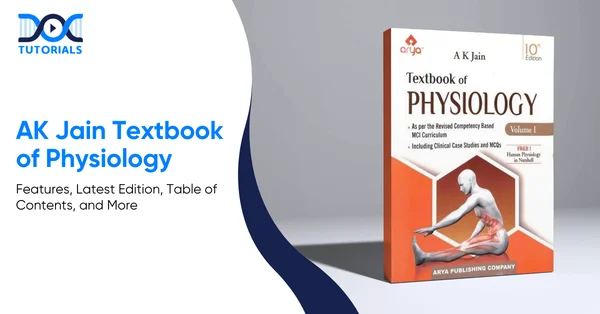
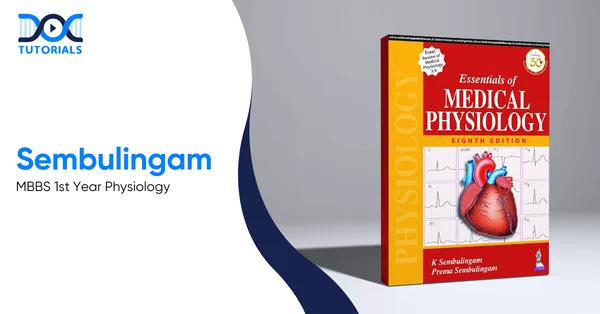
Sembulingam: MBBS 1st Year Physiology

Sembulingam Textbook | DocTutorials

The Sembulingam Physiology new edition has long been regarded as one of the most authoritative and student-friendly textbooks for MBBS 1st-year learners. From basic cellular physiology to detailed system-wise descriptions, the human physiology book Sembulingam offers comprehensive coverage of essential concepts.

Read on to explore its key features, important topics, and smart study strategies to master MBBS physiology with confidence using the Sembulingam latest edition.

Overview of Sembulingam Physiology, 10th Edition

The Sembulingam physiology latest edition is an ideal textbook designed as a student-friendly bridge between basic cellular functions and human physiology, with updated content from recent research, suitable for medical, dental, and paramedical students.

The 10th edition of Sembulingam’s physiology book follows the traditional framework that has made it popular among students, while incorporating recent developments in physiology.

Authored by Dr K Sembulingam and Prema Sembulingam, this K Sembulingam physiology book offers an exhaustive exploration of physiological principles, ranging from cellular functions to systemic physiology.

The new edition of the physiology Sembulingam book is marked by the usage of recent knowledge and information in the field of physiology. The information provided in the book is accurate and relevant.

Moreover, there is no excessive use of technical terms and complex words. This makes it easy to understand for students at different stages of academic progression.

Key Features of Essentials of Medical Physiology by Sembulingam, 10th Edition, 2025

The Essentials of Medical Physiology book contains over 600 diagrams of high-quality colour. There are also new “Applied Physiology” boxes and tables to make complex pathophysiology concepts easier to understand.

The Essentials of Medical Physiology, 10th edition is a major step forward in the field of physiology. Here are the key features it offers:

  • Revised thoroughly and incorporates recent findings in Physiology.
  • Fully updated with the recent facts of Physiology and Pathophysiology as per the current medical curriculum of medical education.
  • Update applied Physiology facts in boxes.
  • Additional tables and visually appealing flowcharts have been incorporated.
  • Richly illustrated chapters with beautiful descriptive colour diagrams.
  • A chapter outline is provided at the beginning of each chapter.
  • A real state-of-the-art book with approximately 600+ colour diagrams.
  • A textbook useful for medical, dental, paramedical, and allied health sciences students.

What Makes Sembulingam Physiology 10th Edition Stand Out?

The Essentials of Medical Physiology book is unique and stands apart from other physiology books for its simple and conversational writing style and logical approach, which breaks complex physiological mechanisms into easily understandable segments.

Physiology is an important branch of medicine. Here is what makes Sembulingam Physiology 10th Edition stand out from the rest:

  • Updated Content Reflecting Current Knowledge

The Sembulingam physiology book latest edition contains updated knowledge, which is essential for readers to grasp the latest concepts. The book has current information on different topics in physiology, such as neurophysiology, endocrinology, cardiovascular, etc.

  • Easy to Understand Language and Use of Diagrams and Illustrations

One of the most striking features of Sembulingam’s physiology book is its use of easy-to-understand language, diagrams, and illustrations. Complex physiological concepts are explained in detail and broken down into easily understandable parts. This helps in easy learning and understanding of the concepts.

  • Organised Structure for Efficient Learning

The essentials of physiology, Sembulingam, is structured properly and arranged into chapters logically with the simpler concepts first, then more complex concepts and systems. This assists in effective learning and comprehension of the concepts.

Major Topics in Sembulingam Physiology, 10th Edition

The Essentials of Medical Physiology by K. Sembulingam provides an exhaustive study of the major topics in physiology, ranging from cell physiology and biophysics to the more complex physiology of the nervous, cardiovascular, and renal systems.

To understand the book thoroughly and use it effectively, students must first be aware of its scope and structure. Here are some of the major topics in the physiology Sembulingam book:

  • Cell Physiology and Biophysics

The basis of physiology is to understand and learn about cell physiology and biophysics. The Essentials of Medical Physiology by K Sembulingam offers detailed explanations of membrane dynamics, transport mechanisms, and cellular communications.

  • The Nervous System

An intricate system that controls and coordinates body functions, the nervous system is elaborated with emphasis on neuronal physiology, synaptic transmission, and reflex arcs. The K Sembulingam latest edition brings clarity to complex neural pathways and integrates clinical considerations such as neurological disorders, which is helpful for practical understanding.

  • Cardiovascular Physiology

This chapter is of utmost importance to those who wish to pursue medical sciences. From the basics of heart anatomy to the detailed physiology of heart muscle contractions, Sembulingam human physiology book explains these topics clearly.

In addition, the medical physiology book K Sembulingam also covers ECG, which is highly advantageous for medical exams.

  • Respiratory and Renal Systems

Sembulingam’s Essentials of medical physiology covers respiratory as well as renal systems, including gas exchange, pulmonary mechanics, acid-base balance, and renal functions.

In addition, explanations of glomerular, tubular, and secretion mechanisms are discussed clearly, along with diagrams.

How to Make the Most Out of Sembulingam Physiology 10th Edition?

To maximise learning the Essentials of Medical Physiology, students should engage in active note-taking and utilise the end-of-chapter MCQs to reinforce memory and assess understanding.

In order to maximise the use of Sembulingam physiology 10th edition, you need to do the following:

  • Active Reading and Note-Taking: Instead of passively reading chapters, actively engage with the content. Summarise key points in your own words, highlight important terms, and create diagrams or flowcharts to visualise processes. This technique reinforces memory and aids quick revision.
  • Utilise End-of-Chapter Questions: The 10th edition includes review questions and multiple-choice questions that test comprehension. Attempt these regularly to assess your understanding and identify areas needing improvement. Practising these questions also builds confidence for competitive exams.
  • Link Physiology with Clinical Cases: Clinical correlations are one of the strengths of Essential Physiology by Sembulingam. Attempt to correlate physiological ideas with the medical reality. This approach deepens your understanding and prepares you for practical applications in healthcare settings.
  • Complement with Online Resources: The book is exhaustive, but to clear concepts, interactive videos, animation, and lectures may be used.

Numerous online platforms have physiology tutorials, which are similar to what is discussed in K Sembulingam book, which creates a multi-dimensional learning experience.

Why Students and Educators Recommend Sembulingam Physiology 10th Edition?

This Essentials of Medical Physiology book has gained much popularity among students and educators due to its exam-oriented approach, as it provides comprehensive content while keeping it simple.

The popularity of this book among students and educators can be attributed to its simple yet comprehensive content. Here are several reasons why this book is often recommended by students and educators:

  • Complete Coverage: It encompasses all the physiological systems making it a complete learning centre to students.
  • Exam-Oriented Content: It is exam-oriented with diagrams, tables and questions, making it ideal for undergraduate medical students.
  • Simplification of Concepts: The complicated physiological processes are described in simple terms without the loss of scientific content.
  • Affordability: Sembulingam is affordable and easily available compared to other physiological reference books
  • Updated Editions: Each new edition incorporates new scientific developments, keeping it relevant.

Sembulingam Essentials of Medical Physiology 8th Edition

The 8th edition of the book is aimed at updating the basic physiological concepts with recent pathophysiological facts and enriched “Applied Physiology” boxes, as per the requirements of the current medical curriculum. It introduced a new look for tables and flowcharts, along with 600 beautiful diagrams, making it a good legacy book for quick revision.

The 8th edition of this book attempts to keep the basic subject matter of physiology updated with recent developments. Many tables and boxes have been added for better clarity and comprehension.

The book is updated with recent developments in physiology and pathophysiology, as per the requirements of the modern medical curriculum. Key features include:

  • Revised completely with recent findings in the field of Physiology.
  • Updated completely with pathophysiological facts, as per the requirements of the modern medical curriculum.
  • Updated with many new boxes with important facts, especially on Applied Physiology.
  • More tables and flowcharts have been added, presented in a new attractive style.
  • Well-illustrated chapters with descriptive color diagrams.
  • Chapter outline is presented at the beginning, which prepares the mind of the reader.
  • Probable questions (Essay Questions, Short Notes Questions, and Very Short Answers Questions) have been presented at the end of every section for self-assessment.
  • A state-of-the-art book with approximately 600 diagrams.
  • Helps the students for a quick revision of the whole subject within a short time.
  • Includes all aspects of the subject, as per the latest medical curriculum.
  • Contains more than 2,800 questions and answers.

Where to Find and How to Choose the Right Edition of the Sembulingam Textbook?

When buying the Essentials of Medical Physiology book, it is important for the students to look for the 10th edition from authentic sources to access the latest information and avoid pirated versions of the book.

If you want to purchase a copy of the Sembulingam physiology 10th edition book, here are a few factors to take into consideration:

  • Authentic Sources and Editions: Make sure to purchase the book from authentic sources to avoid purchasing pirated versions of the book.

Also, it is recommended to purchase the 10th edition as it is the latest version and contains all the updated information. Avoid purchasing older editions like the Sembulingam physiology 6th edition and the Sembulingam physiology 7th edition.

  • Hardcopy and Digital Version: Depending upon your needs and requirements, you can purchase the hardcopy of the book as well as the e-book. Both versions contain the same amount of information as the K Sembulingam physiology book latest edition.
  • Sembulingam Price Considerations: When looking for the Sembulingam latest edition price, always compare it across various platforms. The physiology by sembulingam price may vary depending on whether it is the Sembulingam physiology 8th edition price or the new 10th edition.
  • Supplementary Materials: There are editions that come along with supplementary materials like CDs and online access to access codes containing quiz materials and other media. These can also be useful tools for studying.

FAQs about Physiology by Sembulingam

  1. Is Sembulingam Physiology 10th Edition good for MBBS 1st year students? 

Yes, Sembulingam Physiology textbook, 10th Edition is highly suitable for MBBS 1st year students. Sembulingam Physiology provides detailed explanations of complex physiological mechanisms in a clear, structured, and exam-oriented format as prescribed by universities.

  1. Who are the authors of Sembulingam Physiology, 10th Edition?

Sembulingam Physiology is written by Dr K. Sembulingam and Dr. Prema Sembulingam. They are well-known academicians who are appreciated for their simple explanation of physiology.

  1. What are the changes in Sembulingam Physiology, 10th Edition, compared to earlier editions? 

Sembulingam Physiology 10th Edition includes new research, revised chapters, new tables, and clinical correlations. Also, it is in line with recent changes in the medical curriculum, as opposed to the essentials of medical physiology 6th edition or Sembulingam 8th edition.

  1. Does Sembulingam Physiology contain clinical correlations?

Yes, Sembulingam Physiology contains clinical correlations, as applied physiology is also included in the chapters.

  1. Is Sembulingam better than Guyton for beginners? 

For beginners, Sembulingam is considered better than Guyton, as its language is simple and easy to understand.

  1. How many diagrams are included in Sembulingam Physiology, 10th Edition?

Sembulingam Physiology contains approximately 600+ color diagrams, which are also helpful in understanding complex physiological mechanisms.

  1. Are practice questions included in the Essentials of Medical Physiology book?

Yes, the latest edition of the Sembulingam Physiology book contains essay questions, short notes, very short answers, and MCQs.

  1. How is the Essentials of Medical Physiology book organised for effective learning? 

The latest edition of the Sembulingam Physiology book is organised in a logical sequence from cell physiology to systemic physiology.

  1. Should I opt for a hard copy or an e-book?

Both the hard and e-book versions of the book will provide the same level of content quality, so you can purchase one as per your preference.

  1. How can students effectively use Sembulingam Physiology for learning? 

The students can effectively use the book for learning if they practice effective learning strategies such as effective reading strategies, answering questions at the end of the chapters, and relating the concepts learned from the book to the actual cases.

Conclusion

The success of the Physiology book by Sembulingam through various editions speaks volumes about its importance in modern medical education. Moreover, the book can be used as an effective source of learning material for medical students who want to pass the university exams and viva in the most effective manner.

But if you want more assistance and a competitive edge, then you can consider DocTutorials as the ultimate companion for your learning. We provide an effective learning platform with 2D & 3D animated video lectures and structured mentorship for aspirants.

Join DocTutorials today and explore our MBBS curriculum to excel in your medical career!

DocTutorials App Download Now

Latest Blogs

AK Jain Textbook of Physiology: Features, Latest Edition, Table of Contents, and More

AK Jain Textbook of Physiology | DocTutorials

Physiology is an integral part of the MBBS syllabus, and students preparing for their exams must acquire a clear understanding of this subject. The AK Jain Textbook of Physiology is a notable name in this aspect, delivering a deeper understanding of human physiology. This book is written in simple language and contains self-assessments, visual aids, and interactive learning elements that make students’ physiology preparation easier. 

Keep reading to learn more about this book, its latest edition, features, table of contents, and how it is crucial for MBBS 1st year students!

AK Jain Physiology Book: A Complete Overview

AK Jain’s Textbook of Physiology is available in two volumes. It is a popular choice for medical students prepping for exams. The book uses simple language to simplify complex concepts, starting with the basics and anatomy. It includes detailed information on tissue, cell, and organ functions. There are well-documented sections in the book, including updates per edition for better readability.

The Textbook of Physiology by AK Jain is a renowned book for medical students and practitioners. Divided into two volumes, this book covers the crucial topics in physiology that help the readers to prepare for medical exams. The author has divided the book into various sections based on the difficulty levels of the chapters. 

AK Jain is known for his simple writing style that helps readers understand the complex concepts quickly. The initial sections of the book include basic physiological concepts and the anatomy of physiology. Each section has been well documented for better understanding and easier readability. 

It is a comprehensive manual on physiology that focuses on the functioning and mechanisms of tissues, cells, and the organs of the human body. There are separate segments to discuss crucial and complex points. Each edition of this handbook includes new features and details as per the recent updates in the field.

Which is the Latest Edition of the Physiology Book by AK Jain?

The 10th edition of AK Jain’s Textbook of Physiology, available in Volumes I & II, is the latest version of this handbook. It is perfect for candidates preparing for the 2026 MBBS exam. The book aligns with NMC’s Competency-Based Curriculum. It simplifies human physiology by implementing structured presentations, case studies, MCQs for quick revisions, and a free clinical cases booklet. These help link theory to real-world applications for systematic learning and success in exams.

For medical students preparing for their exam in 2026, the Textbook of Physiology by AK Jain, latest edition (10th edition), is an ideal pick. It comes in a combo of Volume I and II and integrates a simplified approach to comprehending human physiology. You can receive a complimentary booklet with this handbook on Physiological Aspects of Clinical Cases. 

The latest edition adheres to the updated Competency-Based NMC Curriculum, combining theoretical aspects with clinical applications. This has been possible due to the inclusion of case studies and MCQs for quick revisions. Clinical case studies have connected basic physiological concepts with real-world physiological applications, which helps MBBS students grasp the subject in an efficient way.

The book includes well-structured presentations in both volumes, allowing students to learn the complex physiological terms systematically. On the other hand, the clinical booklet of case studies strengthens their understanding by implementing problem-based learning. Such methodologies add exceptional value to this textbook, providing MBBS candidates with whatever means they need to grasp the subject and enhance their performance in medical examinations.

What are the Features of the AK Jain Textbook of Physiology?

AK Jain Textbook of Physiology features interactive elements like clinical correlations, key boxes, and summaries that help in real-life applications and retention. It offers exam-oriented self-assessments, case studies, quick digital search, and visual aids such as diagrams, tables, and charts for quick revision and efficient preparation for the MBBS exam.

Here are some of the notable features of AK Jain’s physiology book:

  • Includes Interactive Learning Element

The book features clinical correlations, key point boxes, and concept summaries. All these features enable the application of practical applications in real-life medical scenarios, introduce essential physiological concepts, and help in retention.

  • Easily Accessible Digital Content

The digital version of this book allows students to search topics instantly. It helps MBBS students prepare for their exams efficiently and get references as per their requirements.

  • Exam-Oriented Design

The book includes exam-oriented materials such as self-assessments, practice question sets, clinical case studies, etc., allowing students to revise quickly and efficiently.

  • Visual Aids

The detailed illustrations in this book provide diagrams, tables, and charts to understand physiological procedures. This improves retention and comprehension when the students are engaged in study sessions.

What is the Table of Contents of the Human Physiology Book by AK Jain?

There are two volumes of AK Jain’s physiology books, including various topics on multiple physiological concepts. Volume I includes chapters on Blood, General Physiology, Nerve, Digestive System, Muscle Physiology, Respiratory System, etc. Volume II includes chapters on the Endocrine System, Metabolism and Nutrition, Reproductive System, Nervous System, etc.

The Human Physiology book by AK Jain is published in two volumes. Here is a list of topics covered in each volume:

Volume I

  • General Physiology
  • Blood 
  • Nerve
  • Muscle Physiology
  • The Digestive System
  • The Cardiovascular System (CVS)
  • The Respiratory System
  • The Excretory System

Volume II

  • Metabolism and Nutrition
  • The Endocrine System
  • The Reproductive System
  • The Nervous System 
  • The Special Senses

How the AK Jain Physiology Book Helps MBBS 1st Year Students?

AK Jain Textbook of Physiology is a crucial guide for MBBS 1st-year students. It includes simple language for complex concepts and detailed flowcharts and diagrams to better understand complex topics. The book covers topics such as respiratory, cardiovascular, and renal physiology; includes clinical correlations that help link theory to patient care, and updates that align with the latest medical trends.

Here’s how the Physiology book AK Jain helps MBBS 1st-year students prepare for their exams efficiently:

  • Simple Language

The author has implemented clear and concise language to explain complex concepts of Physiology. This helps students grasp the core physiological topics easily.

  • Comprehensive Content

This book includes all the critical aspects of physiology, basic physiological concepts, respiratory, cardiovascular, renal, digestive physiology, and other specialised topics to provide a broader understanding of the subject.

  • Illustrations through Diagrams

The book includes detailed visuals like flowcharts, diagrams, and illustrations that help explain the critical procedures of physiology. It helps enhance the understanding level of students and gain better insights. 

  • Clinical Applications

Clinical correlations are present in each chapter of the Physiology book, AK Jain. This helps connect the physiological theories to real-world scenarios and medical practices. Therefore, students acquire knowledge beyond textbook learning and develop an understanding of patient care.  

  • Aligned to Latest Updates

Each edition of this handbook is updated as per the recent physiological trends and medical knowledge. This helps candidates stay updated with the advancements in this field.

FAQs about AK Jain Physiology Book

  1. Can beginners start their study of physiology with AK Jain’s physiology textbooks?

The simplified language of this book helps beginners grasp the complex physiological topics easily. It introduces critical concepts with simple explanations and diagrams, ensuring progress for MBBS 1st year candidates.

  1. When was the latest edition of AK Jain’s physiology textbook published?

The latest version of the Physiology textbook by AK Jain was published in 2023. It was the 10th edition of this book, published in two volumes. 

  1. What topics are covered in AK Jain’s physiology textbook?

The textbook of physiology by AK Jain has two volumes, covering topics like Blood, Nerve, General Physiology, Digestive System, Respiratory System, Reproductive System, Endocrine System, Special Senses, etc.

  1. What is physiology?

It is a branch of biology that includes studies related to basic living organisms’ functions as well as the body parts of organisms.

  1. What are the different types of physiology?

The various types of physiology are as follows: animal physiology, plant physiology, medical physiology, cell physiology, and comparative physiology.

  1. How does physiology apply to daily life?

Physiology research shows how the body functions in health, adapts to routine challenges, and reacts to stressors. It identifies disease mechanisms, driving new treatments and guidelines to sustain human and animal well-being.

  1. Who coined the term “physiology” and made early key discoveries?

French physician Jean Fernel (1497–1558) first introduced the term “physiology”. Pioneers like Galen, Ibn al-Nafis, Michael Servetus, Realdo Colombo, Amato Lusitano, and William Harvey advanced vital insights into blood circulation.

  1. What are physiological treatments?

Physiological therapies use physical agents like electrical, thermal, or mechanical energy that practitioners apply to patients. These stimulate natural healing, ease pain, and restore bodily functions effectively.

  1. What defines modern physiology?

Today, physiology stands as both an independent life science and a foundational medical discipline. As per the IUPS, it examines life’s functions and integrative processes across all structural levels, from molecules to the entire organism.

  1. Why study physiology?

Physiology, as an experimental science, forms the cornerstone of medicine and health fields. It delivers deep insights into normal body functions, improves treatments for diseases, and fosters innovative teaching methods that boost comprehension.

Conclusion

The AK Jain Physiology Book is a crucial textbook for MBBS 1st-year students, covering a range of basic and complex physiological topics in an easy, informative language. The diagrams and flowcharts used in this book facilitate the quick analysis of the topics. However, MBBS students may need personalised guidance other than textbooks to enhance their knowledge and skills in the subject. 

DocTutorials is a reliable name in this regard. Our online coaching classes are conducted by industry-best faculty to ensure students’ success in exams. We provide detailed video lectures led by expert faculty, 2D and 3D illustrations, Qbanks for formative assessments, etc.       

Join our MBBS course for further information!

DocTutorials App Download Now

Latest Blogs

Guyton and Hall Medical Physiology: Key Features, Latest Edition, and Table of Contents

Guyton and Hall Medical Physiology | DocTutorials

To become a skilled physician, having a profound knowledge of physiology is necessary. In this regard, Guyton and Hall’s Medical Physiology plays a crucial role in providing clear, concise knowledge of human physiology.

Each chapter of this textbook provides detailed information to readers through clinical examples, coloured visuals, tables, and charts. Keep reading to learn more about this book, its latest edition, table of contents, features, and more.

A Brief Overview of Guyton and Hall Textbook of Medical Physiology

In 1956, Professor Arthur Guyton published Medical Physiology for the first time. It covers crucial aspects of Physiology in easy-to-understand language, includes clinical studies, highlights in pale blue and short front text, etc. It is focused on clinical and pre-clinical students, upgrading each edition in line with advancements in the subject.

Guyton and Hall Medical Physiology was first published by Professor Arthur Guyton in 1956. The book is preferred among medical students and professionals for its clear and simple presentation style, focus on clinical and pre-clinical aspects, single-author voice, etc.

Since its first edition, every version of this book has been updated to align with advances in physiology, helping readers stay up to date and informed. It employs a unique format that makes complex concepts easy to understand. The book uses a larger font to highlight crucial details, enhancing readability.

It provides detailed information in simple language, includes clinical examples, and more to ensure readers can easily grasp complex concepts. Clinical case studies are highlighted in pale blue and a smaller font to draw the readers’ attention.

All these outstanding features of this book mark its popularity in the field of physiology among readers across the world.

What is the Latest Edition of Guyton and Hall Medical Physiology?

Guyton Physiology was revised by Prof. John Hall in 2006 after Prof. Guyton’s death in 2003. For MBBS students, clinicians, and pre-clinical learners, the 2025 15th edition, a bestseller, provides simple, up-to-date information on difficult subjects, such as the role of thyroid hormones in foetal, neonatal, and infant brain development.

After Professor Guyton’s death in 2003, Professor John Hall has been responsible for publishing the updated versions of this book since 2006. Guyton Physiology, the latest edition (15th edition), was published in 2025, delivering detailed knowledge on complex topics in an easy-to-digest format.

It is the bestselling version of this book, featuring fully updated information, broad coverage of various topics, and simple, clear language. The book includes chapters relevant to students with a clinical and pre-clinical background.

Each topic in this textbook is best suited for practising physicians and candidates preparing for the MBBS. For instance, the book explains how thyroid hormone supports brain growth and development during the foetal, neonatal, and infantile periods.

This topic is of crucial importance in physiology, and this book explains it in easily understandable texts to deliver in-depth knowledge to the readers.

What are the Features of Guyton and Hall Latest Edition?

Guyton and Hall’s Physiology book has been updated to include advanced topics (gut microbiome, sex differences) and short, readable chapters on basic concepts like homeostasis. It includes dual fonts for clinical examples and fundamentals, 1200+ colourful diagrams, and eBook extras like animations.

Here are some of the notable features of Guyton and Hall latest editions:

  • This book emphasises the essential principles of physiology that enhance readers’ knowledge for making clinical decisions later in professional practice. It focuses on topics such as how your body can remain healthy by maintaining homeostasis, and other core materials.
  • The information in this book is presented in short chapters, in simple, readable language, with little exaggeration, to facilitate easy retention and learning.
  • Focusing on delivering up-to-date knowledge on physiology, this book includes new information on the subject, the gut microbiome, sex differences, and clinical aspects of physiology, such as lab values.
  • The book includes two font sizes. Larger font is used for fundamentals, while a smaller font highlights clinical examples and integrated sciences relevant to physiology, pathophysiology, and other detailed mechanisms.
  • The book includes more than 1200 coloured diagrams and drawings to make physiology easier to understand for readers.
  • Readers can get access to animations, heart sounds, self-assessment questions, etc., through the eBook version. It allows online access to texts, diagrams, etc., enabling readers to search for what they are looking for, take notes, highlight important sections, and have the texts read aloud.

What is the Table of Contents for Guyton & Hall Textbook of Medical Physiology?

Guyton and Hall 15th edition is the latest version of this book. It is divided into 15 sections, and each section includes multiple chapters. There are 85 chapters in total. Unit 1 is an introduction to physiology, with three chapters. Unit 2 is about membrane physiology, muscle, nerve, etc., with 5 chapters.

UNIT I: Introduction to Physiology: The Cell and General Physiology

Chapter 1: Functional Organisation of the Human Body and Control of the “Internal Environment”

  • Cells are the Living Units of the Body
  • Extracellular Fluid—The “Internal Environment”
  • Homeostasis—Maintenance of a Stable Internal Environment
  • Control Systems of the Body
  • Physiological Variability

Chapter 2: The Cell and Its Functions

  • Organisation of the Cell
  • Cell Structure
  • Functional Systems of the Cell
  • Locomotion of Cells

Chapter 3: Genetic Control of Protein Synthesis, Cell Function, and Cell Reproduction

  • Cell Nucleus Genes Control Protein Synthesis
  • Transcription—Transfer of Cell Nucleus DNA Code to Cytoplasm RNA Code
  • Translation—Formation of Proteins on the Ribosomes
  • Protein Enzymes Control the Synthesis of Other Substances in the Cell
  • Regulation of Gene Function and Biochemical Activity in Cells
  • The DNA–Genetic System Controls Cell Reproduction
  • Cell Differentiation
  • Apoptosis—Programmed Cell Death
  • Cancer

UNIT II: Membrane Physiology, Nerve, and Muscle

Chapter 4: Transport of Substances through Cell Membranes

  • The Cell Membrane Is a Lipid Bilayer with Cell Membrane Transport Proteins
  • Diffusion
  • Active Transport of Substances through Membranes

Chapter 5: Membrane Potentials and Action Potentials

  • Basic Physics of Membrane Potentials
  • Resting Membrane Potential of Neurons
  • Neuron Action Potential
  • Propagation of the Action Potential
  • Importance of Energy Metabolism for Reestablishing Sodium and Potassium Ionic Gradients after Action Potentials Are Completed
  • Plateau in Some Action Potentials
  • Rhythmicity of Some Excitable Tissues—Repetitive Discharge
  • Special Characteristics of Signal Transmission in Nerve Trunks
  • Excitation—The Process of Eliciting the Action Potential

Chapter 6: Contraction of Skeletal Muscle

  • Physiological Anatomy of Skeletal Muscle
  • General Mechanism of Muscle Contraction
  • Molecular Mechanisms of Muscle Contraction
  • Energetics of Muscle Contraction
  • Characteristics of Whole Muscle Contraction

Chapter 7: Excitation of Skeletal Muscle: Neuromuscular Transmission and Excitation-Contraction Coupling

  • Neuromuscular Junction and Transmission of Impulses from Nerve Endings to Skeletal Muscle Fibres
  • Muscle Action Potential
  • Excitation-Contraction Coupling

Chapter 8: Excitation and Contraction of Smooth Muscle

  • Contraction of Smooth Muscle
  • Regulation of Contraction by Calcium Ions
  • Nervous and Hormonal Control of Smooth Muscle Contraction

UNIT III: The Heart

Chapter 9: Cardiac Muscle; The Heart as a Pump and Function of the Heart Valves

  • Cardiac Muscle Physiology
  • The Cardiac Cycle
  • Regulation of Heart Pumping

Chapter 10: Rhythmical Excitation of the Heart

  • Specialised Excitatory and Conductive System of the Heart
  • Control of Excitation and Conduction in the Heart

Chapter 11: Fundamentals of Electrocardiography

  • Waveforms of the Normal Electrocardiogram
  • Flow of Current Around the Heart During the Cardiac Cycle
  • Electrocardiographic Leads

Chapter 12: Electrocardiographic Interpretation of Cardiac Muscle and Coronary Blood Flow Abnormalities: Vectorial Analysis

  • Vectorial Analysis of Electrocardiograms
  • Vectorial Analysis of the Normal Electrocardiogram
  • Mean Electrical Axis of the Ventricular QRS and Its Significance
  • Conditions that Cause Abnormal Voltages of the QRS Complex
  • Prolonged and Bizarre Patterns of the QRS Complex
  • Current of Injury on the Electrocardiogram
  • Abnormalities in the T Wave

Chapter 13: Cardiac Arrhythmias and Their Electrocardiographic Interpretation

  • Abnormal Sinus Rhythms
  • Heart Block Within the Intracardiac Conduction Pathways
  • Premature Contractions
  • Paroxysmal Tachycardia
  • Ventricular Fibrillation
  • Atrial Fibrillation
  • Atrial Flutter
  • Cardiac Arrest

UNIT IV: The Circulation

Chapter 14: Overview of the Circulation: Pressure, Flow, and Resistance

  • Physical Characteristics of the Circulation
  • Basic Principles of Circulatory Function
  • Interrelationships of Pressure, Flow, and Resistance

Chapter 15: Vascular Distensibility and Functions of the Arterial and Venous Systems

  • Vascular Distensibility
  • Arterial Pressure Pulsations
  • Veins and Their Functions

Chapter 16: The Microcirculation and Lymphatic System: Capillary Fluid Exchange, Interstitial Fluid, and Lymph Flow

  • Structure of the Microcirculation and Capillary System
  • Vasomotion Causes Intermittent Capillary Blood Flow
  • Exchange of Substances Between the Blood and Interstitial Fluid
  • Interstitium and Interstitial Fluid
  • Fluid Filtration Across Capillaries
  • Lymphatic System

Chapter 17: Local and Humoral Control of Tissue Blood Flow

  • Local Blood Flow is Controlled in Response to Tissue Needs
  • Mechanisms of Local Blood Flow Control
  • Humoral Control of the Circulation

Chapter 18: Nervous Regulation of the Circulation and Rapid Control of Arterial Pressure

  • Nervous Regulation of the Circulation
  • Special Features of Nervous Control of Arterial Pressure

Chapter 19: Role of the Kidneys in Long-Term Control of Arterial Pressure and in Hypertension: The Integrated System for Arterial Pressure Regulation

  • Renal–Body Fluid System for Arterial Pressure Control
  • Role of the Renin-Angiotensin System in Arterial Pressure Control
  • Summary of Integrated Multifaceted Systems for Arterial Pressure Regulation

Chapter 20: Cardiac Output, Venous Return, and Their Regulation

  • Normal Values for Cardiac Output at Rest and During Activity
  • Control of Cardiac Output by Venous Return—Frank-Starling Mechanism of the Heart
  • Methods for Measuring Cardiac Output

Chapter 21: Muscle Blood Flow and Cardiac Output During Exercise; The Coronary Circulation and Ischemic Heart Disease

  • Blood Flow Regulation in Skeletal Muscle at Rest and During Exercise
  • Coronary Circulation

Chapter 22: Heart Failure

  • Circulatory Dynamics in Heart Failure
  • Unilateral Left Heart Failure
  • Low-Output Cardiac Failure—Cardiogenic Shock
  • Oedema in Patients with Heart Failure
  • Cardiac Reserve
  • Quantitative Graphic Analysis of Cardiac Failure
  • Heart Failure with Preserved Ejection Fraction
  • High-Output Heart Failure

Chapter 23: Heart Valves and Heart Sounds; Valvular and Congenital Heart Defects

  • Heart Sounds
  • Abnormal Circulatory Dynamics in Valvular Heart Disease
  • Abnormal Circulatory Dynamics in Congenital Heart Defects
  • Use of Extracorporeal Circulation During Cardiac Surgery
  • Hypertrophy of the Heart in Valvular and Congenital Heart Disease

Chapter 24: Circulatory Shock and Its Treatment

  • Physiological Causes of Shock
  • Hypovolemic Shock Due to Haemorrhage
  • Distributive Shock is Characterised By Severe Peripheral Vasodilation
  • Obstructive Shock is Usually Due to Noncardiac Causes of Reduced Cardiac Output
  • Physiology of Treatment in Shock
  • Circulatory Arrest

UNIT V: The Body Fluids and Kidneys

Chapter 25: Regulation of Body Fluid Compartments: Extracellular and Intracellular Fluids; Oedema

  • Long-Term Steady-State Fluid and Solute Balance
  • Body Fluid Compartments
  • Constituents of Extracellular and Intracellular Fluids
  • Measurement of Body Fluid Volume—Indicator-Dilution Principle
  • Fluid Exchange and Osmotic Equilibrium Between Intracellular and Extracellular Fluid
  • Volume and Osmolality of Extracellular and Intracellular Fluids in Abnormal States
  • Glucose and Other Solutions for Nutrition
  • Clinical Abnormalities of Fluid Volume Regulation: Hyponatremia and Hypernatremia
  • Oedema: Excess Fluid in the Tissues
  • Fluids in Potential Spaces of the Body

Chapter 26: The Urinary System: Functional Anatomy and Urine Formation By the Kidneys

  • Functions of the Kidneys
  • Physiological Anatomy of the Kidneys
  • Urine Formation Results from Glomerular Filtration, Tubular Reabsorption, and Tubular Secretion
  • Micturition

Chapter 27: Glomerular Filtration, Renal Blood Flow, and Their Control

  • Glomerular Filtration—The First Step in Urine Formation
  • Determinants of GFR
  • Renal Blood Flow
  • Physiological Control of GFR and Renal Blood Flow
  • Autoregulation of GFR and Renal Blood Flow

Chapter 28: Renal Tubular Reabsorption and Secretion

  • Tubular Reabsorption is Quantitatively Large and Highly Selective
  • Passive and Active Mechanisms of Reabsorption
  • Reabsorption and Secretion Along Different Parts of the Nephron
  • Regulation of Tubular Reabsorption
  • Use of Clearance Methods to Quantify Kidney Function

Chapter 29: Urine Concentration and Dilution; Regulation of Extracellular Fluid Osmolarity and Sodium Concentration

  • Excretion of Excess Water by Dilute Urine
  • Conservation of Water by Concentrated Urine
  • Countercurrent Multiplier Mechanism
  • Control of Extracellular Fluid Osmolarity and Sodium Concentration

Chapter 30: Renal Regulation of Potassium, Calcium, Phosphate, and Magnesium; Integration of Renal Mechanisms for Control of Blood Volume and Extracellular Fluid Volume

  • Regulation of Internal Potassium Distribution
  • Renal Potassium Excretion
  • Renal Calcium Excretion and Extracellular Calcium Ion Concentration
  • Renal Phosphate Excretion
  • Renal Magnesium Excretion and Extracellular Magnesium Ion Concentration
  • Integration of Renal Mechanisms for Control of Extracellular Fluid and Distribution of Extracellular Fluid
  • Nervous and Hormonal Factors in Renal–Body Fluid Feedback Control
  • Responses to Changes in Sodium Intake
  • Conditions Causing Large Increases in Blood and Extracellular Fluid Volume

Chapter 31: Acid–Base Regulation

  • Hydrogen Ion Concentration Regulation
  • Acids and Bases—Definitions
  • Defences Against Changes in H+ Concentration: Buffers, Lungs, and Kidneys
  • Buffering of H+
  • Bicarbonate Buffer System
  • Phosphate Buffer System
  • Proteins as Intracellular Buffers
  • Respiratory Regulation of Acid–Base Balance
  • Renal Control of Acid–Base Balance
  • Secretion and Reabsorption of H+ and HCO3− in Tubules
  • Generation of “New” HCO3− in the Tubule
  • Quantification of Renal Acid–Base Excretion
  • Renal Adjustment in Acidosis and Alkalosis

Chapter 32: Diuretics and Kidney Diseases

  • Mechanisms of Action of Diuretics
  • Kidney Diseases
  • Acute Kidney Injury
  • Chronic Kidney Disease (CKD) and Loss of Nephrons

UNIT VI: Blood Cells, Immunity, and Blood Coagulation

Chapter 33: Red Blood Cells, Anaemia, and Polycythemia

  • Red Blood Cells (Erythrocytes)
  • Iron Metabolism
  • Anemias
  • Polycythemia

Chapter 34: Resistance of the Body to Infection: I. Leukocytes, Granulocytes, the Monocyte-Macrophage System, and Inflammation

  • Leukocytes (White Blood Cells)
  • Neutrophils and Macrophages Defend Against Infections
  • Monocyte-Macrophage Cell System (Reticuloendothelial System)
  • Inflammation: Role of Neutrophils and Macrophages
  • Eosinophils
  • Basophils
  • Leukopenia
  • Leukemias

Chapter 35: Resistance of the Body to Infection: II. Immunity and Allergy

  • Acquired (Adaptive) Immunity
  • Allergy and Hypersensitivity
  • Sex Differences in Innate and Adaptive Immunity

Chapter 36: Blood Types, Transfusion, and Tissue and Organ Transplantation

  • Antigenicity Causes Immune Reactions in the Blood
  • O-A-B Blood Types
  • Rh Blood Types
  • Transfusion Reactions Resulting From Mismatched Blood Types
  • Transplantation of Tissues and Organs
  • Immunological Aspects of Transplantation

Chapter 37: Haemostasis and Blood Coagulation

  • Haemostasis Events
  • Mechanism of Blood Coagulation
  • Conditions That Cause Excessive Bleeding in Humans
  • Thromboembolic Conditions
  • Anticoagulants for Clinical Use
  • Blood Coagulation Tests

UNIT VII: Respiration

Chapter 38: Pulmonary Ventilation

  • Mechanics of Pulmonary Ventilation
  • Pulmonary Volumes and Capacities
  • Alveolar Ventilation

Chapter 39: Pulmonary Circulation, Pulmonary Oedema, and Pleural Fluid

  • Physiological Anatomy of the Pulmonary Circulatory System
  • Pressures in the Pulmonary Circulatory System
  • Blood Volume of the Lungs
  • Blood Flow Through the Lungs and Its Distribution
  • Effect of Hydrostatic Pressure Gradients in the Lungs on Regional Pulmonary Blood Flow
  • Pulmonary Capillary Dynamics
  • Fluid in the Pleural Cavity

Chapter 40: Principles of Gas Exchange; Diffusion of Oxygen and Carbon Dioxide Through Respiratory Membranes

  • Compositions of Alveolar Air and Atmospheric Air are Different
  • Diffusion of Gases Through the Respiratory Membrane

Chapter 41: Transport of Oxygen and Carbon Dioxide in Blood and Tissue Fluids

  • Transport of Oxygen from the Lungs to the Body Tissues
  • Transport of CO2 in Blood
  • Respiratory Exchange Ratio

Chapter 42: Regulation of Respiration

  • Respiratory Centre
  • Chemical Control of Respiration
  • Peripheral Chemoreceptor System—Role of Oxygen in Respiratory Control
  • Regulation of Respiration During Exercise

Chapter 43: Respiratory Insufficiency—Pathophysiology, Diagnosis, Oxygen Therapy

  • Methods for Studying Respiratory Abnormalities
  • Pathophysiology of Specific Pulmonary Abnormalities
  • Hypoxia and Oxygen Therapy
  • Hypercapnia—Excess Carbon Dioxide in the Body Fluids
  • Respiratory Resuscitation and Mechanical Ventilators

UNIT VIII: Aviation, Space, and Deep-Sea Diving Physiology

Chapter 44: Aviation, High Altitude, and Space Physiology

  • Effects of Low Oxygen Pressure on the Body

Chapter 45: Physiology of Deep-Sea Diving and Other Hyperbaric Conditions

  • Effect of High Partial Pressures of Individual Gases on the Body
  • Self-Contained Underwater Breathing Apparatus (SCUBA) Diving

UNIT IX: The Nervous System: A. General Principles and Sensory Physiology

Chapter 46: Organisation of the Nervous System, Basic Functions of Synapses and Neurotransmitters

  • General Design of the Nervous System
  • Major Levels of Central Nervous System Function
  • Comparison of the Nervous System to a Computer
  • Central Nervous System Synapses
  • Special Characteristics of Synaptic Transmission

Chapter 47: Sensory Receptors and Neuronal Circuits for Processing Information

  • Types of Sensory Receptors and the Stimuli They Detect
  • Transduction of Sensory Stimuli into Nerve Impulses
  • Signal Intensity Transmission in Nerve Tracts—Spatial and Temporal Summation
  • Transmission and Processing of Signals in Neuronal Pools
  • Instability and Stability of Neuronal Circuits

Chapter 48: Somatic Sensations: I. General Organisation, Tactile and Position Senses

  • Classification of Somatic Senses
  • Detection and Transmission of Tactile Sensations
  • Sensory Pathways for Transmitting Somatic Signals into the Central Nervous System
  • Transmission in the Dorsal Column–Medial Lemniscal System
  • Transmission of Sensory Signals in the Anterolateral Pathway

Chapter 49: Somatic Sensations: II. Pain, Headache, and Thermal Sensations

  • Fast Pain and Slow Pain and Their Qualities
  • Pain Receptors (Nociceptors) and Their Stimulation
  • Dual Pathways for Transmission of Pain Signals Into the Central Nervous System
  • Pain Suppression (Analgesia) System in the Brain and Spinal Cord
  • Referred Pain
  • Visceral Pain
  • Thermal Sensations

UNIT X: The Nervous System: B. The Special Senses

Chapter 50: The Eye: I. Optics of Vision

  • Physical Principles of Optics
  • Optics of the Eye
  • Fluid System of the Eye—Intraocular Fluid

Chapter 51: The Eye: II. Receptor and Neural Function of the Retina

  • Anatomy and Function of Structural Elements of the Retina
  • Photochemistry of Vision
  • Colour Vision
  • Neural Function of the Retina

Chapter 52: The Eye: III. Central Neurophysiology of Vision

  • Visual Pathways
  • Organisation and Function of the Visual Cortex
  • Neuronal Patterns of Stimulation During Analysis of Visual Images
  • Eye Movements and Their Control
  • Autonomic Control of Accommodation and Pupillary Aperture

Chapter 53: The Sense of Hearing

  • Tympanic Membrane and the Ossicular System
  • Cochlea
  • Central Auditory Mechanisms

Chapter 54: The Chemical Senses—Taste and Smell

  • Sense of Taste
  • Sense of Smell

UNIT XI: The Nervous System: C. Motor and Integrative Neurophysiology

Chapter 55: Spinal Cord Motor Functions; The Cord Reflexes

  • Organisation of the Spinal Cord for Motor Functions
  • Muscle Sensory Receptors—Muscle Spindles and Golgi Tendon Organs—Their Roles in Muscle Control
  • Flexor Reflex and the Withdrawal Reflexes
  • Crossed Extensor Reflex
  • Reciprocal Inhibition and Innervation
  • Reflexes of Posture and Locomotion

Chapter 56: Cortical and Brain Stem Control of Motor Function

  • Motor Cortex and Corticospinal Tract
  • Control of Motor Functions by the Brain Stem
  • Vestibular Sensations and Maintenance of Equilibrium

Chapter 57: Cerebellum and Basal Ganglia Contributions to Overall Motor Control

  • The Cerebellum and Its Motor Functions
  • The Basal Ganglia and Their Motor Functions
  • Integration of the Entire Motor Control System

Chapter 58: Cerebral Cortex, Intellectual Functions of the Brain, Learning, and Memory

  • Physiological Anatomy of the Cerebral Cortex
  • Functions of Specific Cortical Areas
  • The Corpus Callosum and Anterior Commissure
  • Thoughts, Consciousness, and Memory

Chapter 59: The Limbic System and the Hypothalamus—Behavioural and Motivational Mechanisms of the Brain

  • Activating—Driving Systems of the Brain
  • Limbic System
  • The Hypothalamus, a Major Control Headquarters for the Limbic System
  • Functions of Other Parts of the Limbic System

Chapter 60: States of Brain Activity—Sleep, Brain Waves, Epilepsy, Psychoses, and Dementia Sleep

UNIT XII: Gastrointestinal Physiology

Chapter 63: General Principles of Gastrointestinal Function—Motility, Nervous and Hormonal Control, Blood Circulation, and Microbiota

  • Gastrointestinal Motility
  • Neural Control—Enteric Nervous System
  • Hormonal Control
  • Gastrointestinal Microbiota

Chapter 64: Propulsion and Mixing of Food in the Alimentary Tract

  • Ingestion of Food
  • Stomach Movements
  • Small Intestine Movements
  • Colon Movements
  • Autonomic Reflexes Influencing Bowel Activity

Chapter 65: Secretory Functions of the Alimentary Tract

  • Principles of Secretion
  • Saliva Secretion
  • Gastric Secretion
  • Pancreatic Secretion
  • Bile Secretion by the Liver
  • Small Intestine Secretion
  • Mucus Secretion by the Large Intestine

Chapter 66: Digestion and Absorption in the Gastrointestinal Tract

  • Hydrolysis of Foods
  • Gastrointestinal Absorption Principles
  • Absorption in the Small Intestine
  • Absorption in the Large Intestine and Faeces Formation

Chapter 67: Physiology of Gastrointestinal Disorders

UNIT XIII: Metabolism and Temperature Regulation

Chapter 68: Metabolism of Carbohydrates and Formation of Adenosine Triphosphate

Chapter 69: Lipid Metabolism

Chapter 70: Protein Metabolism

Chapter 71: The Liver

Chapter 72: Dietary Balances; Regulation of Feeding; Obesity and Starvation; Vitamins and Minerals

Chapter 73: Energetics and Metabolic Rate

Chapter 74: Body Temperature Regulation and Fever

UNIT XIV: Endocrinology and Reproduction

Chapter 75: Introduction to Endocrinology

Chapter 76: Pituitary Hormones and Their Control By the Hypothalamus

Chapter 77: Thyroid Metabolic Hormones

Chapter 78: Adrenocortical Hormones

Chapter 79: Insulin, Glucagon, and Diabetes Mellitus

Chapter 80: Parathyroid Hormone, Calcitonin, Calcium and Phosphate Metabolism, Vitamin D, Bone, and Teeth

Chapter 81: Reproductive and Hormonal Functions of the Male (and Function of the Pineal Gland)

Chapter 82: Female Physiology Before Pregnancy and Female Hormones

Chapter 83: Pregnancy and Lactation

Chapter 84: Foetal and Neonatal Physiology

UNIT XV: Sports Physiology

Chapter 85: Sports Physiology

How Does Guyton and Hall Physiology Help MBBS 1st year Students?

Guyton and Hall’s Medical Physiology approach focuses on the clinical aspects of the subject. It is an ideal handbook for MBBS 1st-year students, as it connects basic physiology to pathophysiology for preclinical students. This book emphasises how the human body maintains health (homeostasis) and includes short chapters with concise notes.

Here’s how Guyton Human Physiology stands out as a valuable resource for MBBS students:

  • It focuses on the fundamentals of homeostasis, or how the body maintains health, laying the groundwork for future clinical judgments, such as the treatment of metabolic disorders.
  • The short, manageable chapters, written in an approachable style, help with learning and retention. It is perfect for first-year students with hectic schedules leading up to tests.
  • This book includes more than 1,200 full-colour illustrations that help make abstract ideas concrete by providing visual explanations of intricate processes such as heart cycles and nerve impulses.
  • Interactive figures, heart sound audios, animations, and self-assessments are examples of online resources that support interactive study and increase exam confidence through practice questions.

FAQs about Guyton and Hall Physiology

  1. What is the purpose of Guyton Physiology?

Guyton and Hall Physiology Review is a perfect study aid for medical candidates alongside the leading physiology textbook.

This prepares them for exams and the USMLE Step 1 physiology section, with over 1,000 questions and explanations to master this challenging topic.

  1. What is Guyton and Hall renowned for?

Guyton and Hall are known for their pioneering research in physiology that underpins modern medicine. Arthur Guyton contributed to the advancement of cardiovascular physiology and blood pressure regulation.

His inventions helped those with mobility challenges. All his textbooks are always edited solely by Dr John Hall.

  1. What is the latest edition of Guyton and Hall’s Medical Physiology?

The 15th Edition is the most recent version of the Guyton and Hall textbook. It is fully updated to deliver clear, in-depth coverage of key topics most relevant for clinical and preclinical students.

  1. When was Guyton and Hall first published?

The Medical Physiology book by Guyton and Hall was first published in 1956, covering important topics of Physiology, focusing mostly on clinical aspects.

  1. How many chapters are there in Guyton and Hall Medical Physiology?

There are a total of 15 sections in Guyton and Hall Medical Physiology book. Each section includes chapters on multiple topics, totalling 85 chapters.

  1. What are the key features of Guyton and Hall Medical Physiology?

This book includes short chapters in simple language for quick understanding. Moreover, it includes texts in large and small fonts to highlight different aspects. The eBook version allows audio and visual access for better interpretation of topics.

  1. What are the main principles of physiology?

The key principles of physiology include the following: 

(1) Cells form life’s basic functional units; (2) Physiological systems maintain homeostasis for health; (3) Bodily mechanisms follow physical and chemical laws; (4) Human bodies evolved from ancestral forms; (5) Bodies convert matter and energy into tissues and work.

Others include (6) Structure determines function; (7) Signalling coordinates systems across all levels; (8) Controls rely on negative feedback, feed-forward, or thresholds; (9) Physiology involves quantitative analysis.

  1. What are physiology’s four major themes?

This text explores complex systems while emphasising their harmony for health. Key themes in physiology include structure-function relationships, maintenance of homeostasis, organisation across biological levels, and the integration of body systems.

  1. What are the different types of physiology?

The three main branches of physiology are Cell Physiology, Evolutionary Physiology, and System Physiology.

  1. What are the 4 essential concepts of physiology?

The crucial concepts of physiology are understanding oxygen transport, acid-base balance, cardiac electromechanical activity, and regulatory mechanisms that help maintain homeostasis across body systems.

Conclusion

Guyton and Hall Medical Physiology is a notable handbook for medical students, especially MBBS 1st year students. It includes clear explanations of critical topics and focuses on clinical and pre-clinical aspects. However, MBBS candidates may also need a mentor for professional guidance.

In this regard, DocTutorials can be your study partner. We provide online coaching for MBBS through video lectures, Qbank for formative assessment, 2D and 3D visuals for better comprehension, and more.

Join our MBBS course for further information!

DocTutorials App Download Now

Latest Blogs

Anatomy Book by Vishram Singh: Key Features, Latest Edition, and Importance for 1st Year MBBS Students

Anatomy Book by Vishram Singh

MBBS students often face difficulties in understanding the complex concepts of anatomy. However, they need to grasp various aspects of anatomy to prepare themselves for professional exams as well as the MBBS syllabus. 

In this regard, Vishram Singh Anatomy books deserve special mention. These books are specifically designed as guides for board and clinical exams for MBBS students. Anatomy handbooks by Vishram Singh, such as Selective Anatomy, General Anatomy, and Textbook of Anatomy, include clear explanations of multiple anatomy concepts in a simple and effective manner. 

Here’s more on it!

A Brief Overview of Anatomy Book by Vishram Singh

MBBS, nursing, and dental students preparing for exams can consider Vishram Singh’s Anatomy Book. His books include straightforward language and illustrations for practical comprehension. They cover the upper limb/thorax according to the MCI syllabus, including the heart/lungs with clinical correlations, histology, embryology, and case studies.

Selective Anatomy Vishram Singh and his other books on anatomy play a crucial role for medical, nursing, and dental students. They include ample questionnaires and details to help MBBS 1st-year students prepare for exams. These books cover the anatomy of the upper limb and thorax as per the Anatomy syllabus recommended by the Medical Council of India. 

They also cover the anatomy of the heart and lungs as per clinical correlation. Apart from basic information, these books provide knowledge regarding the histological, embryological, and anatomical basis of clinical conditions. The Clinical Correlation and Clinical Case Study features of his books help students gain knowledge regarding clinical practices. 

Without any exaggerating details, these books include illustrations through diagrams and explanations through simple, understandable language, which is ideal for MBBS students. 

Which is the Latest Edition of the Textbook of Anatomy by Vishram Singh?

The most recent editions of Vishram Singh’s books, Textbook of Anatomy (4th) and Selective Anatomy (3rd, 2 vols.), complement the competency-based MBBS curriculum offered by NMC. They support UG medical/dental students and exams like NEET, FMGE, USMLE, and PLAB with their current trends, lots of illustrations, straightforward language, and Clinical Correlation boxes.

The 4th edition of the Textbook of Anatomy by Vishram Singh is the latest edition of this book. Selective Anatomy comes in two volumes, and the 3rd edition is the latest version. All these books are upgraded as per the curriculum of competency-based undergraduate medical education and guidelines of NMC (National Medical Commission).

They use recent trends, extensive illustrations, and easily understandable language to help students learn anatomy concepts clearly. This book includes important developments in anatomy, using specific Clinical Correlation boxes in each chapter to apply facts practically. 

It was created primarily for undergraduate medical students, but it also helps dental students and those preparing for exams like the NEET, FMGE, USMLE, and PLAB.

What are the Key Features of Anatomy Books by Vishram Singh?

Vishram Singh’s anatomy books include simple language with illustrations for easy comprehension. Clinical correlations for real-world application, chapter objectives for concentrated learning, golden facts for review, and PBL case studies effectively improve exam performance and clinical skills.

Here are some of the key features of the Anatomy Book by Vishram Singh:

  • Simple and Clear Language

Anatomy books by Vishram Singh are written in easy language without exaggerating details to help students grasp the concepts quickly. These books include multiple visuals for quick understanding that help students understand anatomy concepts efficiently.

  • Clinical Correlations

​These books enhance practical knowledge for exams and integrate updated clinical applications throughout the text. This helps connect anatomical facts to real-world medical information, such as surgical details on the heart and lungs, helping students gain practical knowledge.

  • Chapter Learning Objectives

The self-directed learning objectives at the beginning of each chapter help students concentrate on important subjects. This can monitor their progress and methodically get them ready for the NEET PG, USMLE, or FMGE exams.

  • Golden Facts to Remember

End-of-chapter highlights serve as succinct revision tools to swiftly reinforce high-yield information. They also help capture essential points for viva-voce and competitive exams like PGME or PLAB.

  • Clinical Case Studies

PBL-style cases at the end of chapters encourage problem-solving, foster analytical abilities, and connect theory to real-world situations for improved exam performance and patient care.

What is the Table of Contents of the Anatomy Book by Vishram Singh?

The table of contents for the latest textbook of Anatomy Upper Limb and Thorax Volume 1, 4th edition, includes 25 chapters in total. It includes MCQs (multiple choice questions) to help students revise the chapters. It includes chapters on the Bones of the Upper Limb, Axilla, Pectoral Region, Forearm, Arm, etc. Another textbook of Vishram Singh, General Anatomy, includes 17 chapters in total on Anatomical terminology, Cardiovascular System, Skeletal System, Joints, Muscular System, etc.

The table of contents for Textbook of Anatomy Upper Limb and Thorax Volume 1 includes the following: 

  • Preface to the Fourth Edition 
  • Preface to the First Edition 
  • Acknowledgments 
  • Reviewers
  • Competency Map: Upper Limb and Thorax

Section 1: Upper Limb

  • Chapter 1: Introduction to the Upper Limb
  • Chapter 2: Bones of the Upper Limb 
  • Chapter 3: Pectoral Region 
  • Chapter 4: Axilla (Armpit) 
  • Chapter 5: Back of the Body and Scapular Region
  • Chapter 6: Shoulder Joint Complex (Joints of Shoulder Girdle)
  • Chapter 7: Cutaneous Innervation, Venous Drainage, and Lymphatic Drainage of the Upper Limb
  • Chapter 8: Arm
  • Chapter 9: Forearm 
  • Chapter 10: Elbow and Radio-ulnar Joints 
  • Chapter 11: Hand 
  • Chapter 12: Wrist Joints, Joints of the Hand, and Movements of the Hand 
  • Chapter 13: Major Nerves of the Upper Limb 
  • Chapter 14: Surface Anatomy of the Upper Limb 

Section 2:  Thorax 

  • Chapter 15: Introduction to Thorax
  • Chapter 16: Bones and Joints of the Thorax 
  • Chapter 17: Thoracic Wall and Mechanism of Respiration 
  • Chapter 18: Pleural Cavities 
  • Chapter 19: Lungs (Pulmones) 
  • Chapter 20: Mediastinum
  • Chapter 21: Pericardium and Heart
  • Chapter 22: Superior Vena Cava, Aorta, Pulmonary Trunk, and Thymus 
  • Chapter 23: Trachea and Oesophagus
  • Chapter 24: Thoracic Duct, Azygos and Hemiazygos Veins, and Thoracic Sympathetic Trunks
  • Chapter 25: Surface Anatomy of the Thorax
  • Multiple Choice Questions: Upper Limb and Thorax
  • Index

The table of contents for General Anatomy—with Systemic Anatomy, Radiological Anatomy, Medical Genetics:

  • Chapter 1: Introduction and History of Anatomy
  • Chapter 2: Anatomical Terminology
  • Chapter 3: Architecture and Design of the Human Body
  • Chapter 4: Cells, Epithelium, Glands, and Connective Tissue
  • Chapter 5: Skin, Superficial Fascia, and Deep Fascia
  • Chapter 6: Skeleton: Bones and Cartilages
  • Chapter 7: Joints
  • Chapter 8: Vertebral Column
  • Chapter 9: Muscular System
  • Chapter 10: Cardiovascular System
  • Chapter 11: Lymphatic System
  • Chapter 12: Nervous System
  • Chapter 13: Endocrine System
  • Chapter 14: Digestive and Respiratory Systems
  • Chapter 15: Urogenital System
  • Chapter 16: Radiological (Imaging) Anatomy
  • Chapter 17: Medical Genetics

How does the Anatomy Book by Vishram Singh help MBBS 1st Year Students?

Vishram Singh’s anatomy books are excellent for MBBS because they have vibrant diagrams that help with retention, straightforward language that facilitates rapid review, self-assessment multiple-choice questions and Golden Facts for USMLE, FMGE, and PLAB, and a free e-book with CT and MRI images that guarantees thorough clinical preparation and mobile learning.

Anatomy books by Vishram Singh include several clinical aspects, focusing on preparation for MBBS as well as other competitive exams. These books highlight all the crucial details of anatomy, ensuring comprehensive knowledge regarding anatomy. Here’s how it helps MBBS students:

  • Illustration through Diagrams

The latest editions of anatomy books by Vishram Singh include line diagrams for better retention of knowledge and understanding. Students can memorise all concepts easily through the visualisation of the colourful diagrams.

  • Helps in Easy Revision

The easy language of these books helps students revise all the important chapters thoroughly. Moreover, it answers all your anatomy-related questions in a simple and straightforward way. Thus, students can easily revise all the chapters.

  • Self-assessment Tools

The self-assessment tools support thorough revision and confidence in the USMLE, PLAB, or FMGE. They include MCQs at the book’s end and Golden Facts for PG entrances, with N.B. sections for advanced insights.

  • Digital Access

A free e-book makes it possible to study at any time with up-to-date images, such as CT/MRI, which is useful for mobile learning and topics that require a lot of visuals, like upper limb or thoracic sections.

FAQs about the General Anatomy Book by Vishram Singh

  1. What does the book Selective Anatomy by Vishram Singh represent?

Vishram Singh’s Selective Anatomy Prep Manual for Undergraduates provides a thorough, methodical study of anatomy by fusing sound theoretical underpinnings with meticulous analysis to enhance student learning.

  1. Which edition of Vishram Singh’s General Anatomy book is the most recent?

Vishram Singh’s General Anatomy with Systemic Anatomy and Radiology is presently in its fourth edition.

  1. What characteristics distinguish Vishram Singh’s books on anatomy?

Simple language for easy comprehension, colourful diagrams for memory retention, clinical correlations with case studies, chapter objectives, golden facts for review, multiple-choice questions for self-evaluation, and free e-books with CT/MRI are all features of Vishram Singh’s anatomy books. These are perfect for MBBS, NEET PG, and FMGE.

  1. What are the key topics covered in MBBS Anatomy?

Essential areas include types and derivatives of epithelium, thyroid/parathyroid glands, axillary artery, dermatomes of limbs, knee joint, sciatic nerve, saphenous vein/nerve, imperforate anus, midgut rotation, ectopic pregnancy, testicular descent, haemorrhoids, liver/uterus histology, and diaphragmatic/sciatic openings.

  1. Who is known as the father of human anatomy?

This title is earned by Andreas Vesalius, the son of a Belgian physician. His seminal work, De Humani Corporis Fabrica (Fabrica), was widely praised for its meticulous dissections and illustrations that transformed the study of anatomy.

  1. What is the difference between microscopic anatomy and gross anatomy?

A microscope is necessary to examine cells and tissues in microscopic anatomy, which is distinct from gross (macroscopic) anatomy, which is visible to the unaided eye.

  1. Why is human anatomy important?

It provides the basis for medical diagnosis, surgery, and comprehension of health by revealing body structures, their relationships, and the distinctive characteristics of organs.

  1. What distinguishes anatomy from physiology?

Anatomy studies the layouts and structures of the body, while physiology investigates how those components work together to support life.

  1. What are the primary categories of anatomy?

Key types encompass gross anatomy, microscopic anatomy, human anatomy, phytotomy (plant), zootomy (animal), embryology (developmental), and comparative anatomy (species differences).

  1. What constitutes examples in anatomy studies?

Anatomy explores organisms’ physical structures, such as muscles, heart, brain, bladder, and kidneys, detailing their form and organisation.

Conclusion

The Textbooks of Anatomy by Vishram Singh are perfect for MBBS 1st-year students. They include diagram illustrations and clear and concise texts for easy explanations. However, MBBS 1st-year students also require professional guidance or coaching to prepare effectively. 

DocTutorials is a trusted name in this regard. Our online classes are conducted by expert faculty through video lectures. Additionally, we assess the student’s progress through Qbank and provide 2D and 3D animation models for better understanding and analysis.

Join our MBBS course for more information!

DocTutorials App Download Now

Latest Blogs

Human Anatomy by BD Chaurasia: Key Features, Latest Edition, and Importance for 1st year MBBS 

Human Anatomy by BD Chaurasia | DocTutorials

In medical studies, Anatomy plays a crucial role in understanding the foundation of the human body. It helps with accurate diagnosis of anatomical issues, effective surgical procedures, and clinical decision-making.

For MBBS 1st-year students, it is essential to gain a deeper understanding of Anatomy in line with their syllabus requirements. In this regard, the BD Chaurasia Human Anatomy book deserves special mention. The book includes clear, simple explanations of essential anatomical topics, making it easily accessible to students.

Keep reading to learn more about the features, overview, and table of contents of this book!

BD Chaurasia Human Anatomy Book: A Brief Overview

BD Chaurasia Human Anatomy is one of the top textbooks in anatomy since its first publication in 1979. Published in 4 volumes, this book is known for its simple language, detailed illustrations, comprehensive coverage, etc.

The Human Anatomy book by BD Chaurasia was first published in 1979 in 4 volumes. It has been a popular textbook among medical students for several years due to its easier explanations, wide coverage of all aspects of anatomical concepts, etc.

Besides, it includes high-quality diagrams to help the readers visualise and understand the concept better. The language of this textbook is simple and clear to help the readers understand complex structures easily.

All these make the book an ideal choice for both novice and expert learners preparing for dentistry, occupational therapy, and physiotherapy. This book has been translated into multiple languages for students in India and abroad. It prepares professionals from a variety of healthcare disciplines for clinical success by laying a solid anatomical foundation.

Which is the Latest Edition of BD Chaurasia Human Anatomy?

BD Chaurasia’s Handbook of General Anatomy, 10th Edition, equips medical, dental, and allied health students with clear CBME-aligned content, new chapters, 364+ 3D models, 1689 diagrams, 351 flowcharts, quotes, key points, and MCQs. Its user-friendly format simplifies anatomy mastery for aspiring physicians.

BD Chaurasia’s Anatomy, the latest edition, was published in 2024. Edited by Krishna Garg, PS Mittal, and Mrudula Chandrupatla, the 10th edition of this book adheres to the updated CBME guidelines. Each chapter of this book features insightful quotations, concise takeaways, and multiple-choice questions (MCQs) for self-assessment.

BD Chaurasia, 10th edition, stands out as one of the best resources for students of dental, medical, allied health sciences, and AYUSH. The updated edition of this book covers chapters on essential topics of human anatomy.

Students can access more than 364 3D anatomical models, 351 flowcharts, 1689 line diagrams, etc., in this updated edition to enhance their learning experiences. This textbook acts as an indispensable tool that helps master the complexities of human anatomy in an easy format.

The clear explanations, detailed coverage, and advanced features of this book provide complete guidance for aspiring medical professionals on their journey to becoming skilled physicians. Moreover, it includes several engaging features to enhance students’ learning experiences.

What are the Features of the BD Chaurasia Anatomy Book, Latest Edition?

BD Chaurasia Human Anatomy aligns with NMC/CBME guidelines, featuring 364+ 3D illustrations, 1689 line diagrams, 351 flowcharts, 203 tables, and fact boxes. Interactive QR codes, eBook access, clear style, revision points, MCQs, and 100+ animated models via app enhance visual, summarised, and digital learning for medical students.

Here are some of the notable features of the BD Chaurasia Anatomy Book:

  • Alignment with NMC Guidelines

The anatomy textbook by BD Chaurasia has been updated to align with the recent NMC (National Medical Commission) guidelines to fit in modern medical training frameworks.

It is specifically designed to adhere to the CBME (Competency-Based Medical Education) curriculum. This book emphasises the practical skills and competencies to help students so that they can prepare for real-world applications in clinical practice.

  • Helps in Visual Learning

This book holds more than 364 full-colour 3D illustrations that help explain anatomical structures in a simpler way. These images explain the complex topics in a more intuitive and memorable way.

To complement these images, there are 1689 precise line diagrams in the book that are easier to replicate. Besides, there are 351 flowcharts in this handbook to make complex procedures easily understandable through rapid review and deeper understanding.

  • To-the-Point Information

There are 203 concise tables in this book that cover essential data in easy and simple formats. Such structures help in memorising the details easily and quickly. It highlights crucial information related to topics like ossification timelines and dissection techniques to draw readers’ attention towards high-yield topics.

  • Interactive Learning Tools

This book includes QR codes to link the readers to eSmartQuiz to promote self-testing and instant recall for necessary topics. You can also access an eBook that offers digital video and notes for an engaging learning experience.

What is the Table of Contents of the BD Chaurasia Anatomy Book?

The table of contents for BD Chaurasia book volume 1 includes 18 sections. Each section includes chapters on different topics, along with MCQs and points to remember sections. The topics covered in this book are subdivisions of anatomy, history of anatomy, anatomical nomenclature, anatomical terminology, etc. 

Here is the table of contents for the Human Anatomy Book by BD Chaurasia:

Section 1: Introduction

  • Subdivisions of Anatomy: History of Anatomy
  • Anatomical nomenclature
  • Anatomical terminology
  • Terms related to body movements
  • Clinical anatomy
  • Arrangement of structures in the body from within outwards
  • Points to remember
  • Multiple choice questions

Section 2: Skeleton

  • Bones
  • Classification of bones
  • Gross structure of an adult long bone
  • Parts of a young, growing bone
  • Blood supply of bones
  • Nerve supply of bones
  • Development and ossification of bones
  • Growth of a long bone
  • Medicolegal and anthropological aspects
  • Cartilage
  • Clinical Anatomy of the Skeleton
  • Points to remember
  • Multiple choice questions

Section 3: Joints

  • Classification of joints
  • Fibrous joints
  • Cartilaginous joints
  • Synovial joints
  • Clinical anatomy of the joint
  • Points to remember
  • Multiple choice questions

Section 4: Muscles

  • Derivation of name
  • Skeletal muscles
  • Parts of a muscle
  • Structure of striated muscle
  • Naming the muscles
  • Nerve supply of skeletal muscle
  • Action of muscles
  • Clinical anatomy of muscles
  • Points remember
  • Multiple choice questions

Section 5: Circulatory System 

  • Components
  • Arteries
  • Veins
  • Capillaries
  • Sinusoids
  • Angiosome
  • Nerve supply
  • Anastomoses
  • Arteries
  • Clinical Anatomy of the Circulatory System
  • Points to remember
  • Multiple choice question

Section 6: Lymphatic System

  • Components
  • Lymph nodes
  • Clinical Anatomy of the Lymphatic System
  • Points to remember
  • Multiple choice questions

Section 7: Nervous System

  • Parts of the Nervous System
  • Cell types of the nervous system
  • Blood-brain barrier
  • Reflex arc
  • Peripheral nerves
  • Spinal nerves
  • Nerve fibres
  • Autonomic nervous system
  • Sympathetic nervous system
  • Parasympathetic nervous system
  • Clinical Anatomy of the Nervous System
  • Points remember
  • Multiple choice questions

Section 8: Skin and Fasciae

  • Surface area
  • Pigmentation of skin
  • Structure of skin
  • Surface irregularities of skin
  • Appendages of skin
  • Clinical anatomy of skin
  • Superficial fascia
  • Deep fascia
  • Modifications of the deep fascia
  • Clinical anatomy of skin
  • Points to remember
  • Multiple choice questions

Section 9: Connective Tissue Ligaments and Raphe

  • Introduction
  • Constituent elements
  • Types of connective tissue
  • Definition
  • Clinical anatomy of connective tissue
  • Points remember
  • Multiple choice questions

Section 10: Respiratory System

  • Organs of respiration
  • Clinical Anatomy of the Respiratory System
  • Points to remember
  • Multiple choice questions

Section 11: Digestive system

  • Layers of the alimentary canal
  • Digestive tract or alimentary canal
  • Liver
  • Extrahepatic biliary apparatus
  • Pancreas
  • Spleen
  • Clinical Anatomy of the Digestive System
  • Points to remember
  • Multiple choice questions

Section 12: Sensory Organs

  • Tongue 
  • Nose
  • Ear
  • Eye
  • Clinical anatomy of sensory organs
  • Points to remember
  • Multiple choice questions

Section 13: Endocrine System

  • Hypothalamus and pituitary gland
  • Thyroid gland
  • Parathyroid gland
  • Suprarenal or adrenal glands
  • Pancreas-islets of Langerhans
  • Pineal gland
  • Ovaries, testes
  • Juxtaglomerular apparatus in the kidney
  • Clinical anatomy of endocrine
  • Points to remember
  • Multiple choice questions

Section 14: Urinary System

  • Components of the urinary system
  • Gross structure of the kidney
  • Blood Supply of the Kidney
  • Nephron
  • Clinical Anatomy of the Urinary System
  • Points to remember
  • Multiple choice questions

Section 15: Reproductive System

  • Female reproductive system
  • Breast or mammary gland
  • Male reproductive system
  • Clinical Anatomy of the Reproductive System
  • Points to remember
  • Multiple choice questions

Section 16: Principles of Radiography

  • History of X-rays
  • Properties of X-rays
  • Radiographic procedures
  • Special procedures
  • Magnetic resonance imaging
  • Positron emission tomography
  • Interventional radiology
  • Points to remember
  • Multiple choice questions

Section 17: Genetics

  • The genes
  • Some important terms
  • The chromosomes
  • Mitochondrial DNA
  • Chromosomal aberrations
  • Prenatal diagnosis
  • Methods of diagnosis
  • Foetal therapy
  • Molecular regulation of development
  • Points to remember
  • Multiple choice questions

Section 18: Cadaver as Our First Teacher

  • Cadaver as a first teacher
  • How to obtain a cadaver
  • Preservation of the cadavers
  • Embalming and ethics
  • Dissection instruments
  • Points to remember
  • Multiple choice questions

How is the BD Chaurasia Anatomy Book Important for 1st Year MBBS Students?

The 10th edition of BD Chaurasia’s Human Anatomy revolutionises MBBS 1st-year learning with simple text, interrelated concepts, 3D colour plates, reproducible diagrams, flowcharts, tables, fact boxes, and QR-linked eSmartQuizzes. These features enhance comprehension, visualisation, quick revision, and self-assessment.

For first-year MBBS students learning gross anatomy, BD Chaurasia’s Human Anatomy is crucial. Its four regional volumes: head/neck/brain, lower limb, abdomen/pelvis, and upper limb/thorax, perfectly align with Indian exam patterns and dissection schedules.

Unlike dense texts, simple, concise language makes complex topics easier for beginners to understand. During practicals and vivas, visualisation is aided by clear, labelled diagrams, radiographs, and clinical correlations.

FAQs about BD Chaurasia Anatomy Book

  1. When was BD Chaurasia’s anatomy book first published?

BD Chaurasia’s Human Anatomy was first published in 1979. Written by Dr B.D. Chaurasia, a renowned anatomist from Gwalior Medical College, quickly became a staple for Indian MBBS students due to its practical regional approach and dissection focus.

  1. Which is the latest edition of the BD Chaurasia anatomy book?

The latest edition is the tenth Edition, released around 2025 by CBS Publishers. Updated by editors like Krishna Garg, it includes modern additions like more radiographs, CT/MRI images, and CBME-aligned content for current medical curricula.

  1. What are the unique features of the BD Chaurasia anatomy book?

Features include concise regional dissection text, labelled colour diagrams, clinical correlations, muscle tables, radiological anatomy, and surface markings.

Its student-friendly language, affordability, and alignment with Indian exams make it superior for first-year practical and theory.

  1. How many volumes are there in the BD Chaurasia anatomy book?

BD Chaurasia’s Human Anatomy comprises four volumes: Volume 1 (Upper Limb & Thorax), Volume 2 (Lower Limb, Abdomen & Pelvis), Volume 3 (Head, Neck & Brain), and Volume 4 (Neuroanatomy).

  1. Which topics are the most important in anatomy?

Topics such as nerve supply, venous drainage of any region, adrenal gland, thorax, embryology, joints, osteology, orbital bone, etc.

  1. What are the main types of anatomy?

Anatomy can be divided into two main categories. The study of anatomical features that are visible to the unaided eye, such as the internal and external organs, is known as gross (macroscopic) anatomy.

The study of microscopic anatomy focuses on small anatomical components, including tissues and cells.

  1. Which four branches of anatomy are there?

Macroscopic or gross anatomy and microscopic anatomy are the two main categories of anatomy, as can be seen above. While microscopic anatomy is further subdivided into cytology and histology, macroscopic anatomy is further subdivided into surface, regional, and systemic anatomy. The branches of anatomy are these five divisions.

  1. How many organ systems exist in human anatomy?

Human anatomy features 11 major organ systems that work together to sustain life and maintain bodily functions.

They include the integumentary (skin), skeletal (bones), muscular (muscles), nervous (brain/nerves), cardiovascular (heart/blood vessels), lymphatic (immunity), respiratory (lungs), digestive (stomach/intestines), urinary (kidneys), endocrine (glands/hormones), and reproductive systems.

  1. What is gross anatomy?

The macroscopic, or large-scale, study of organs and structures in their whole is known as gross anatomy. The study of organs and structures that are readily visible to the unaided eye is another way to characterise it.

  1. What is microscopic anatomy?

Microscopic anatomy or histology is the study of the microscopic structure of cells, tissues, and organs. The study of organs, tissues, and cells under a microscope is another way to put it.

Conclusion

BD Chaurasia Anatomy book is a great choice for 1st year MBBS students to grasp the basic yet detailed knowledge of anatomy. This book includes simple, concise texts for easy understanding. Moreover, the 3D images, flow charts, and line diagrams also help comprehend complex topics in an easy manner.

However, despite all these materials, 1st-year MBBS students require professional guidance to master the subject thoroughly and skilfully. Here comes the need for reliable online platforms like DocTutorials.We provide coaching for MBBS through CBME-based video lectures conducted by expert faculty, QBank for formative assessment, 3D and 2D animations, etc. Get in touch to know more about our MBBS course!

DocTutorials App Download Now

Latest Blogs

Snell Anatomy Latest Edition: Key Features, Latest Edition, and Importance for MBBS 1st Year

Snell Anatomy Latest Edition | DocTutorials

Medical students pursuing an MBBS degree must have detailed knowledge of clinical neuroanatomy. This is an integral part of their syllabus and carries significant weight in the marks. In addition to lectures by their professors, students need a comprehensive textbook that covers all aspects of neuroanatomy in detail.

The Neuroanatomy by Snell book stands out as a valuable resource. It includes clinical case studies, clinical notes, and problem-solving approaches to help students better understand neuroanatomy.

Keep reading to learn more about Neuroanatomy by Snell’s features, table of contents, and importance for MBBS students!

Snell’s Clinical Neuroanatomy: A Brief Overview

MBBS students can learn vital neuroanatomy concepts for medical practice from Snell’s Clinical Neuroanatomy (1st ed., 1980). This book offers case studies and outlines for background information, test questions, clinical issues, and case histories at the beginning of each chapter.

The first edition of Snell’s Clinical Neuroanatomy was published in 1980. With this book, MBBS candidates can get basic insight into neuroanatomy, which is required for practising medicine. There’s a case history at the beginning of each chapter to set the context for the entire lesson, followed by an outline to help access the chapter quickly. Students can also focus on the crucial material in each chapter by following the chapter objectives. 

The book includes diagrams and pictures for easy explanation of neuroanatomical topics, as well as case studies to bridge the gap between theory and practice. Besides, it includes exam questions, clinical problems, and answers for each chapter to help students develop a deep understanding of neuroanatomy. 

What is Snell’s Neuroanatomy, Latest Edition?

The latest edition of Snell’s Clinical Neuroanatomy is its 9th edition. It was published in 2024 with various new approaches to ensure easy grasp of neuroanatomical concepts for MBBS students. The book includes illustrations, diagrams, clinical case studies, bulleted key points, and review questions to help students gain detailed insights into practical and theoretical aspects of neuroanatomy.

The 9th edition of Snell’s Clinical Neuroanatomy (latest version), published in 2024, involves an approachable introduction to neuroanatomy with detailed illustrations. This book is written in simple, easy-to-understand language, explaining the basic, central, and peripheral nervous system components and gradually moving on to the more complex ones. 

It is focused on the advanced clinical approaches to the structures of neuroanatomy. Each concept and topic in this book is explained with diagnostic images, illustrations, and photographs of surface anatomy for enhanced experiences.

Readers can find clinical cases and clear objectives at the beginning of each chapter to deliver a practical introduction to neuroanatomical key concepts. The book includes Clinical Notes throughout the chapters to highlight crucial clinical considerations. 

Key concepts are added in bullets at the end of each chapter, along with review questions and problem-solving cases, so that readers can comprehend each topic efficiently and prepare for clinical application.

What are the Features of Snell’s Anatomy Book?

The most recent edition of Snell’s Clinical Neuroanatomy focuses on clinical case studies that set the stage for practical context, logical theory, and illustrations. It helps simplify neural structures, clarify study goals, and provide clinical notes on disorders that connect theory and practical concepts. It also includes sections with solutions that improve exam and clinical skills.

Snell’s Neuroanatomy book, is focused on clinical case studies. Its structured approach to neuroanatomy and integration of theory with practical medical applications is what makes this book stand out. Here are the features of this book that guide MBBS 1st-year students in understanding neuroanatomy from its core:

  • Clinical Case Study

Each chapter of this book starts with a real-world scenario of a clinical case study to keep readers hooked. These case studies link concepts to the scenarios of patients to demonstrate the relevance of neuroanatomy. The best part is that all the chapters follow a practical tone from the beginning.

  • Explanations and Theory 

The content of each chapter is logically sectioned with images and illustrations to simplify the complex neural structures. This helps avoid exaggerating details but maintains providing the necessary understanding of neuroanatomy through visuals.

  • Clinical Problem Solving

The book includes sections with clinical problems and detailed answers so that readers can apply knowledge to enhance their problem-solving skills for vital exams and clinical practice.

  • Chapter Objectives

The clear chapter objectives at the beginning of each chapter guide MBBS students to prioritise the crucial topics that have been highlighted. Students can self-examine by writing the answers to prepare for exams. This helps the students revise the high-yield topics despite the tight schedule of the MBBS 1st year.

  • Schematic Illustrations

The book includes hand-drawn schematics that simplify the physical passages like spinal cord pathways without adding any confusing details. This improves retention and makes neuroanatomy easier to identify on tests without overpowering visuals for first-year MBBS students during lectures, histology, and practical. 

  • Clinical Notes

The clinical notes in Snell’s Book of Anatomy highlight the common neuroanatomical disorders, their signs, symptoms, diagnoses, etc. This helps MBBS 1st year students integrate with physiology and link theory with practical patient scenarios. It emphasises clinical correlations to bridge the gap between theory and practice for real patient management.           

  • MCQs & Clinical Problems

Every MCQ and case is followed by thorough explanations, which transform errors into immediate learning without page flipping. It improves diagnostic skills for university MCQs, spotters, and viva and simulates real assessments with thorough feedback, making it perfect for MBBS first-year exam preparation.

What is the Table of Contents of Snell Clinical Neuronatomy?

The Snell Clinical Neuroanatomy, latest edition, includes 18 chapters, starting with the organisation of the nervous system and ending with the nervous system development. The textbook includes chapters about the neurons and neuroglia, brainstem, cranial nerve nuclei, thalamus, cerebrum, etc.

The table of contents for Snell Clinical Neuroanatomy for medical students includes the following chapters:

Chapter 1: Organisation of the Nervous System

Chapter 2: Neurons and Neuroglia

Chapter 3: Nerve Fibres and Peripheral Innervation

Chapter 4: Spinal Cord and Ascending, Descending, and Intersegmental Tracts

Chapter 5: Brainstem

Chapter 6: Cranial Nerve Nuclei

Chapter 7: Cerebellum and Its Connections

Chapter 8: Reticular Formation and Limbic System

Chapter 9: Basal Nuclei (Basal Ganglia)

Chapter 10: Thalamus

Chapter 11: Hypothalamus

Chapter 12: Autonomic Nervous System

Chapter 13: Cerebrum

Chapter 14: Structure and Functional Localisation of the Cerebral Cortex

Chapter 15: Meninges

Chapter 16: Ventricular System and Cerebrospinal Fluid

Chapter 17: Blood Supply of the Brain and Spinal Cord

Chapter 18: Nervous System Development

FAQs about Neuroanatomy by Snell

  1. What is the latest edition of Snell’s Clinical Anatomy?

The 11th edition of Snell’s Clinical Anatomy is the latest edition. It is updated by Lawrence E. Wineski and was released around 2024. It features enhanced illustrations, clinical applications, and digital resources for modern medical students.

  1. What are the key features of Snell’s Clinical Anatomy?

Key features of Snell’s Clinical Anatomy include schematic illustrations, clinical notes, review questions with explanations, and online access. These help in practical learning with regional focus and high-yield clinical correlations for exams.

  1. Is Snell’s Clinical Anatomy important for MBBS students?

Yes, this book is an excellent reference for MBBS due to its clinical emphasis, simplified diagrams, and MCQs that follow the exam pattern. It bridges the gap between practical and theoretical anatomy, which is ideal for 1st-year students.

  1. What topics does Snell’s Clinical Anatomy include?

There are a total of 18 chapters in this book that start with an introduction to the nervous system, followed by neurons and neuroglia, brainstem, cerebrum, spinal cord and ascending, descending, and intersegmental tracts, basal nuclei, etc.

  1. Does Snell’s Clinical Anatomy have review questions?

Yes, each chapter of this book ends with MCQs, clinical problems, and detailed answers. These tests provide comprehension, provide feedback, and prepare MBBS students for board exams effectively. 

  1. What does Neuroanatomy refer to?

Neuroanatomy refers to the relation between the function and structure of the nervous system. It includes studies related to the microscopic and macroscopic structures of our nervous system.

  1. Which Snell’s Clinical Neuroanatomy edition is the best option?

The 9th edition of Snell’s Clinical Neuroanatomy is renowned for its logical structure, easy-to-use diagrams, and strong emphasis on real-world clinical relevance. It blends dynamic illustrations with clinical insights, making it an excellent resource for teaching and learning anatomy’s practical applications.

  1. What is the importance of neuroanatomy for medical students?

There are several crucial implications of modern neuroanatomy, especially in clinical practice, such as diagnosing and treating psychiatric and neurological disorders. With its advancement in molecular and imaging techniques, neuroanatomy helps detect the abnormalities, implement the necessary treatment therapies, and monitor the progress of diseases efficiently.

  1. What is the difference between neuroanatomy and anatomy?

Anatomy refers to the study of the structure of an organism, including several branches related to it. However, neuroanatomy is a branch of anatomy that refers to the study of the nervous system of organisms. The nervous system helps the brain receive and send messages to the body of an organism through an intricate network of electric impulses.

  1. What are the major parts of the brain anatomy?

There are four major parts in each hemisphere of the brain. These are called lobes. The four lobes are the occipital, frontal, parietal, and temporal lobes.

Conclusion

Snell Neuroanatomy, the latest edition, is one of the best textbooks for MBBS 1st-year students. It introduces them to the basics of neuroanatomy and also covers complex topics through schematic images, real-life case studies, clinical notes, etc. However, students may require detailed guidance on the covered topics from a reliable and knowledgeable mentor.

With DocTutorials, you can get guidance from the experts, CBME-based video lectures, Qbank for formative assessment, 3D and 2D animation, etc. Moreover, we conduct theory and practical exams to assess students’ improvement.

For further updates, join our MBBS course today!

DocTutorials App Download Now

Latest Blogs

NEET PG Online Live Power Pack
DocTutorials App Download Now