mbbs-curriculum Archives - Page 14 of 25 -

Embryology by Inderbir Singh: Overview, Features, and Table of Contents
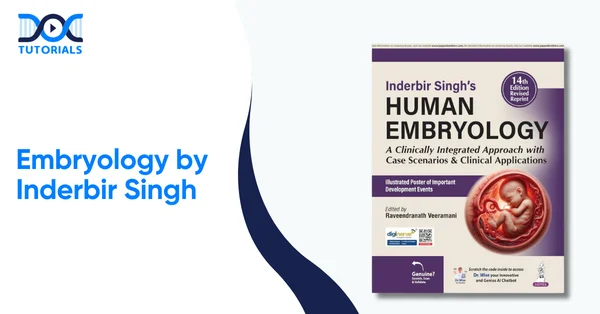
Inderbir Singh Embryology

Embryology by Inderbir Singh is one of the most essential and student-friendly books for MBBS 1st year students. It is the early phase of human anatomy and is an essential component of the MBBS curriculum for aspiring doctors.

The Human Embryology by Inderbir Singh is well written and designed to provide information, beginning with competencies and progressing to core concepts. The book includes engaging illustrations and flowcharts to provide clear, easy-to-understand information for MBBS students, making it an essential resource. Keep reading to know more about this book!

Overview of the Inderbir Singh Embryology, Latest Edition

Inderbir Singh’s Human Embryology is an important textbook for medical students designed for deeper understanding and self-assessment, making it suitable for anatomy studies in particular and medical understanding in general.

The IB Singh Embryology latest edition has been revised as per the National Medical Commission (NMC) prescribed competencies in the field of embryology.

Additionally, the contents of the new edition have been reorganised between the textbook and the online additional resources. It is aligned with the chapter-wise Multiple Choice Questions (MCQs) for Self Assessment, which provide a feedback platform for students.

The book also includes flowcharts of weekwise embryonic development for quick review and easy understanding by the students. It has replaced most figures with easy-to-draw, student-friendly diagrams to improve understanding and support meticulous academic performance.

 The book is designed to serve as an essential resource, providing a detailed understanding of the principles and concepts governing embryonic development, making it a key component of initial anatomy.

Every chapter of the latest edition of the book is filled with specific information to keep readers engaged and foster deeper understanding. The end of each chapter includes summaries and self-assessment questions to support students’ exam preparation and help them assess their progress.

Key Features of the Inderbir Singh Embryology 13th Edition

IB Singh Embryology, 13th edition, includes competencies, highlights at the start, and multiple-choice questions (MCQs) at the end of every chapter to make it more comprehensive and easier to understand for students.

Here are the essential features of the Ibir Singh Embryology, 13th edition, making it a suitable book for medical students who want to study human anatomy:

  • The textbook includes clinical case scenarios in embryology to provide early clinical exposure for students.
  • The book includes several boxes on clinical correlation and clinical importance to support clinical integration.
  • Week-by-week development of the embryo is presented as flowcharts at the end of each chapter for easy revision and quick review.
  • The diagrams from the previous edition have been replaced with easier-to-reproduce versions to improve understanding.
  • The clinical images have been updated in the new edition to provide real time understanding and effective learning.
  • The latest edition of Human Embryology has fewer pages, making it more compact and comprehensive for improved retention.
  • The chapters include competencies that help students learn more effectively.
  • All the chapters of the latest edition start with highlights to provide a first glance of the chapter.
  • The textbook includes multiple-choice questions (MCQs) at the end of each chapter for self-assessment and feedback.

Table of Contents of the IB Singh Human Embryology

The IB Singh Human Embryology book is well-structured, covering the embryo’s early stages and the phased development of several essential organs, providing a detailed analysis of human anatomy at the embryonic stage.

The human embryology, Inderbir Singh’s latest edition, includes the following contents for a comprehensive study of human anatomy:

  1. Introduction and Some Preliminary Considerations
  2. Genetics and Molecular Biology in Embryology
  3. Reproductive System, Gametogenesis, Ovarian and Menstrual Cycles
  4. Fertilisation and Formation of Germ Layers
  5. Further Development of Embryonic Disc
  6. Placenta, Fetal Membranes and Twinning
  7. Formation of Tissues of the Body
  8. Integumentary System (Skin and Its Appendages, Mammary Gland)
  9. Pharyngeal Arches
  10. Skeletal System and Muscular System
  11. Face, Nose, and Palate
  12. Alimentary System—I: Mouth, Pharynx, and Related Structures
  13. Alimentary System—II: Gastrointestinal Tract
  14. Liver and Biliary Apparatus; Pancreas and Spleen; Respiratory System; Body Cavities and Diaphragm
  15. Cardiovascular System
  16. Urogenital System
  17. Nervous System
  18. Endocrine Glands
  19. Development of the Eye
  20. Development of the Ear
  21. Clinical Applications of Embryology
  22. Embryology Ready Reckoner

What Makes Human Embryology by IB Singh Stand Out?

The Human Embryology by Inderbir Singh is a unique textbook as it contains simple and easy-to-understand diagrams and updated content, including the careful organisation of the contents.

Human embryology is an early stage of human development, making it an important branch of anatomy. Here are the features that make Human Embryology by Inderbir Singh stand out from other anatomy books:

  • Updated Content for Latest Information

Anatomy is an important branch of medicine, and like other branches, it is constantly evolving with new discoveries and research. The latest edition of the Human Embryology book contains up-to-date information, essential for readers to grasp the latest concepts. The book provides up-to-date information on anatomy, including the development of key organs.

  • Simple Language and Illustrations

One of the most striking features of the Human Embryology book is the use of easy-to-understand language, diagrams, and illustrations. Complex physiological concepts are explained in detail and broken down into easily digestible parts. This helps in easy learning and understanding of the concepts.

  • Organised Structure for Better Learning

The Embryology by IB Singh is well-structured and logically organised, with simpler concepts first, followed by more complex concepts and systems. This supports effective learning and understanding of the concepts.

How to Make the Most of the Human Embryology by IB Singh?

Students and readers should carefully review the essential textbook sections of Embryology by IB Singh, such as multiple-choice questions (MCQs), to reinforce retention and receive feedback to improve understanding.

Use the following tips to make the maximum use of Human Embryology by IB Singh:

  • Active Reading and Note-Taking: Instead of passively reading chapters, actively engage with the content. Summarise key points in your own words, highlight important terms, and create diagrams or flowcharts to visualise processes. This technique reinforces memory and aids quick revision.
  • Utilise End-of-Chapter Questions: The latest edition includes review questions and multiple-choice questions that test comprehension. Attempt these regularly to assess your understanding and identify areas needing improvement. Practising these questions also builds confidence for competitive exams.
  • Link Physiology with Clinical Cases: Clinical correlations are one of the strengths of human embryology, by IB Singh. Attempt to correlate physiological ideas with the medical reality. This approach deepens your understanding but also prepares you for practical applications in healthcare settings.
  • Complement with Online Resources: The book is exhaustive, but to clear concepts, interactive videos, animation, and lectures may be used. Numerous online platforms offer physiology tutorials similar to those in the textbook, creating a multidimensional learning experience.

FAQs about Human Embryology by Inderbir Singh

  1. Why is Embryology by Inderbir Singh preferred over other embryology texts?

The Human Embryology by Inderbir Singh is said to have simplified the complex developmental processes using easy-to-reproduce diagrams and simple language.

It is much more conceptual, less dense with international texts, and yet still highly clinical and structurally understandable compared to larger international texts.

  1. Is the 13th or 14th edition of Human Embryology by Inderbir Singh better for current students?

Inderbir Singh, 14th Edition of the book Human Embryology should be recommended because it is directly congruent with the most recent NMC competency-based curriculum.

It includes more recent clinical case scenarios, additional multiple-choice questions for self-assessment, and improved illustrations that facilitate a more effective transition from theory to clinical practice.

  1. Does the Embryology by IB Singh cover clinical correlations and birth defects?

Yes, each of the chapters of the book Human Embryology by Inderbir Singh has specific sections of Clinical Correlation and Congenital Anomalies.

These sections explain how developmental errors lead to specific clinical conditions. It helps students understand the underlying causes of the syndromes and malformations they may encounter in pediatric and surgical wards.

  1. How helpful are the illustrations for university exams?

The drawings are probably the book’s strongest feature. They are developed as schematic line diagrams that students can easily practise and redraw during a handwriting test.

This is very efficient in marking descriptive questions when a visual representation is also mandatory.

  1. Does Human Embryology by Inderbir Singh include a timeline of human development?

Yes, Human Embryology by Inderbir Singh provides a clear chronological summary of developmental milestones.

It breaks down the embryonic period (weeks 1–8) and the fetal period (week 9 to birth) into digestible tables and charts, making it easier to memorise when specific organs and systems begin to form.

  1. Are there practice questions or MCQs included in Human Embryology by Inderbir Singh?

The latest editions of Human Embryology by Inderbir Singh include multiple-choice questions (MCQs) and high-yield review questions at the end of chapters.

These are tailored to help students prepare for both internal university assessments and competitive entrance exams like NEET-PG or NEXT, focusing on high-probability topics.

  1. Is Human Embryology by Inderbir Singh sufficient for USMLE or NEXT preparation?

Although Human Embryology by Inderbir Singh provides a solid foundation, students aiming to pass the USMLE often use it as a primary conceptual reference, supplementing it with review-specific sources.

In the case of NEXT, its alignment with the Indian competency-based curriculum made it a strong primary source for developing the required integrated clinical knowledge.

  1. How does Human Embryology by Inderbir Singh handle the complexities of molecular embryology?

Inderbir Singh’s Human Embryology presents the basics of molecular and genetic simplicity.

It does not load students with too much biochemical detail, but instead focuses on the key signalling pathways and genes (such as SHH or HOX genes) that are central to understanding structural development and its common defects.

  1. Does Human Embryology by Inderbir Singh cover “General” and “Systemic” embryology equally?

Yes, the Human Embryology by Inderbir Singh is balanced. General Embryology (gametogenesis, fertilisation, and formation of the germ layer) is the focus of the first half, and Systemic Embryology (development of the heart, lungs, GI tract, etc.) is the focus of the second half. Equally high-quality visual aids have been provided to both sections.

  1. Can a beginner understand Human Embryology by Inderbir Singh without prior knowledge?

Absolutely. The style of Inderbir Singh is pedagogical and accessible to beginners. It begins with basic biological concepts and progresses to more advanced areas. These flowcharts, which represent complex series of events concisely, will ensure that developmental logic is easily followed by even students new to the subject.

Conclusion

Human Embryology by Inderbir Singh is a trusted and student-friendly resource for MBBS first-year students. Its integrated summaries and week-by-week development flowcharts help support the MBBS candidates in preparing for the exam.

Overall, it serves as a comprehensive and practical guide for building a strong foundation in embryology and early human development. For further guidance, DocTutorials can be your study partner. We offer 2D & 3D video lectures and structured mentorship and guidance to help aspirants gain clarity over medical concepts.

Join DocTutorials today and explore our MBBS curriculum to excel in your medical career!

DocTutorials App Download Now

Latest Blogs

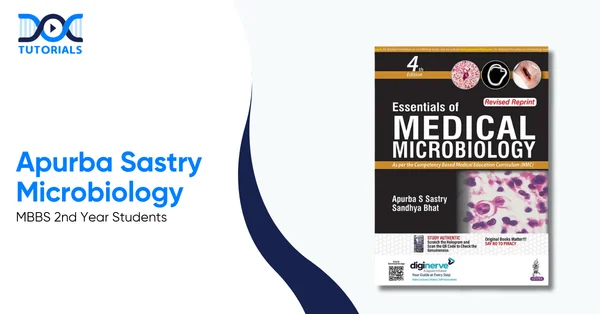
Apurba Sastry Microbiology for MBBS 2nd Year Students

Apurba Sastry Microbiology | DocTutorials

Microbiology forms a vital pillar of second-year MBBS training, shaping a student’s concept of infectious diseases and their clinical relevance. The Apurba Sastry microbiology has become one of the most reliable and handy textbooks for undergraduate learners. 

It addresses the prescribed syllabus in a structured, system-based, and examination-focused approach. Keep reading to find out why it is a popular option among MBBS students who are due to take university exams and the National Exit Test.

What is Apurba Sastry Microbiology, Latest Edition?

The 4th revised reprint of Essentials of Medical Microbiology by Apurba Sastry is a clinically focused, NExT-oriented textbook published in 2026. It is designed according to the new MBBS curriculum, is system-based, and incorporates a free NMC-aligned question bank.

The book titled Essentials of Medical Microbiology, Apurba Sastry, latest edition, is the 4th revised edition published in 2026 by Jaypee Brothers Medical Publishers. It is a clinically oriented textbook based on the National Exit Test designed for MBBS students, accompanied by a complementary chapter-wise question bank as per NMC guidelines.

It is prepared as per the new MBBS curriculum. It is not in the conventional organism-based format, but a system-based approach to meet the needs of an Indian Medical Graduate. Parasitology is revised and incorporated into the corresponding infective syndromes, thus eliminating the necessity of a separate text.

The contents are now simplified, keeping Indian medical students in mind. The Apurba Sastry microbiology 4th edition book is divided into 2 parts and further organised into 11 sections for structured learning.

What are the Key Features of Apurba Sastry Microbiology, 4th Edition?

Microbiology by Apurba Sastry is an updated, NExT-oriented textbook with a complementary NMC-based question bank. It follows a system-based format with clinically focused infectious syndrome chapters and integrated parasitology. Hospital infection control, COVID-19 diagnosis, and better tables and diagrams make it effective in studying for MBBS exams.

The following are the key features of the latest edition of Apurba Sastry’s Microbiology:

  • A complimentary question bank booklet is provided, organised chapter-wise in line with NMC recommendations. It includes long essays, short notes, case-based discussions, reasoning questions, and both direct and case-based MCQs.
  • The book is structured into 2 major sections:
    1. General Microbiology, Immunology, and Hospital Infection Control
    2. Systemic Microbiology
  • The Systemic Microbiology section on infectious diseases is arranged into 8 distinct units. Each unit begins with a detailed chapter on clinical infectious syndromes, followed by chapters that discuss the specific causative organisms.
  • The clinical infectious syndrome chapters are the introductory chapter in each systemic unit, which describe system-wise infectious conditions in a clear and clinically relevant way.
  • Apurba Sastr’s parasitology has been suitably revised to suit the needs of the Indian Medical Graduate and has been smoothly integrated into the pertinent infective syndrome chapters to provide a clear picture and enhanced clinical integration.
  • The Hospital Infection Control segment has been extensively updated, covering important areas such as major healthcare-associated infections, antimicrobial stewardship monitoring, escalation and de-escalation strategies, correct donning and doffing of PPE, and transmission-based precautions.
  • General Microbiology has been restructured. It now has separate chapters on general virology, parasitology, and mycology, where general bacteriology has been brought together in one unified and comprehensive chapter with logical subsections.
  • The General Microbiology section has also introduced new overview chapters to enhance the foundational knowledge and then proceed to systemic discussions.
  • The COVID-19 chapter has been updated to be in line with the current clinical and population health situation.
  • Recent developments in laboratory diagnosis, therapeutic protocols, and vaccine prevention strategies have been incorporated, with special emphasis on tuberculosis and HIV.
  • Recent epidemiological information is provided, in which recent outbreaks and geographical patterns of distribution are noted, especially in the Indian case.
  • References are drawn from the latest editions of standard texts such as Harrison, Mandell, and Bailey and Scott, along with updated guidance from CDC, WHO, and national health programmes, including ICMR, NCDC, NTEP, NACO, NVBDCP, Immunisation initiatives, and GPEI.
  • In the book, more tables, flowcharts, real clinical pictures, and schematic drawings are included to make it easier to understand and remember.
  • It is uniquely designed to serve a dual purpose, helping students prepare effectively for both MBBS university examinations and the National Exit Test, making it distinctly aligned with the NExT pattern.

Table of Contents of Apurba Sastry Microbiology, 4th Edition

Apurba Sastry Microbiology, 4th edition, consists of 2 major parts and 11 sections. Part I includes General Microbiology, Immunology, and Hospital Infection Control. Part II presents Systemic Microbiology in a system-based format, covering infections of the bloodstream and cardiovascular system, gastrointestinal and hepatobiliary system, etc.

The Table of Contents of the microbiology book Apurba Sastry is as follows: 

Part I: General Microbiology, Immunology, and Hospital Infection Control

Section 1: General Microbiology 

Section 2: Immunology

Section 3: Hospital Infection Control

PART II: SYSTEMIC MICROBIOLOGY (INFECTIOUS DISEASES)

Section 4: Bloodstream and Cardiovascular System Infections

Section 5: Gastrointestinal (GI) Infections

Section 6: Hepatobiliary System Infections 

Section 7: Skin, Soft Tissue and Musculoskeletal System Infections

Section 8: Respiratory Tract Infections

Section 9: Central Nervous System Infections

Section 10: Urogenital Tract Infections

Section 11: Miscellaneous Infective Syndromes

Annexures

What Makes Apurba Sastry Microbiology a Must-Have Resource?

The Apurba Sastry microbiology book is a well-organised, clinically focused textbook providing a clear but comprehensive background in medical microbiology. With organised chapters, supportive diagrams, and strong clinical integration, it helps MBBS students grasp key concepts easily while building a solid base for examinations and practical training.

The Shastry microbiology latest edition is carefully tailored for medical students by providing them with a clear and focused yet thorough introduction to medical microbiology. It maintains an effective balance between essential detail and simplicity, enabling MBBS students to understand fundamental principles with confidence.

Chapters are systematically organised and supported by diagrams, illustrations, and flowcharts that simplify complex mechanisms and improve retention. The content is brought in line with real-world training in medical colleges, with a focus on clinical relevance and application of microbiology in the diagnosis and treatment of infectious diseases.

It comes in handy, especially to MBBS students who intend to develop a solid background in microbiology.

FAQs about Apurba Sastry Microbiology for MBBS 2nd Year Students

  1. Is MBBS Microbiology hard to learn?

Microbiology may be difficult to understand as it includes many organisms and clinical associations. Nevertheless, with a proper approach and the right study material, it becomes much more manageable.

The book on Essentials of Medical Microbiology by Apurba Sastry can simplify concepts through its presentation and exam-related content, which helps students prepare efficiently and confidently.

  1. Which is the latest edition of Apurba Sastry Microbiology?

The latest version is the 4th revised reprint published in 2026, aligned with the updated MBBS curriculum and NExT pattern.

  1. Is Apurba Sastry’s microbiology suitable for NExT preparation?

Yes, the book is designed in a NExT-oriented format and includes a complimentary NMC-aligned question bank to support exam preparation.

  1. Does the microbiology textbook of Apurba Sastry include any newer changes, such as COVID-19 or antimicrobial stewardship?

Yes, the new version contains information about COVID-19 updates, practice of hospital infection control, antimicrobial stewardship, and recent epidemiological trends.

  1. What makes the microbiology book of Apurba Sastry helpful for exams?

The Apurba Sastry microbiology book is useful during examinations as it is system-based and clinically integrated under the MBBS curriculum and NExT pattern. It features high-yield content, clear tables and flowcharts, and a complimentary NMC-aligned question bank.

  1. Is Essentials of Medical Microbiology by Apurba Sastry, 4th edition, available in ebook format?

Yes, Essentials of Medical Microbiology by Apurba Sastry, 4th edition, is available in eBook form on some platforms in addition to the paperback print edition.

  1. Is Apurba Sastry Microbiology aligned with the new MBBS curriculum?

Yes, it is structured according to the revised MBBS curriculum.

  1. Who should primarily use Apurba Sastry Microbiology?

It is especially useful for MBBS 2nd year students seeking a structured, exam-oriented, and clinically relevant microbiology resource.

  1. In how many parts is the Apurba Sastry microbiology book divided?

The Apurba Sastry Microbiology book is divided into 2 main parts:

  • General Microbiology, Immunology, and Hospital Infection Control
  • Systemic Microbiology
  1. Is parasitology covered separately in the Apurba Sastry microbiology book?

No, parasitology is updated and integrated within relevant infectious syndrome chapters in the Apurba Sastry microbiology book.

Conclusion

To succeed in microbiology tests, special preparation is needed with proper academic resources. The Apurba Sastri microbiology latest edition provides the key fundamental concepts in a clear, organised, and clinically integrated format, making revision both efficient and effective for MBBS students.

Although traditional reference books are still relevant in terms of obtaining more in-depth knowledge, this book provides a concise and exam-specific structure, as needed by undergraduates.

In case of guided preparation, students may also use DocTutorials, offering 2D & 3D  video lectures, and structured mentorship to enhance exam preparation. Join DocTutorials today and explore our MBBS curriculum to excel in your medical career!

DocTutorials App Download Now

Latest Blogs

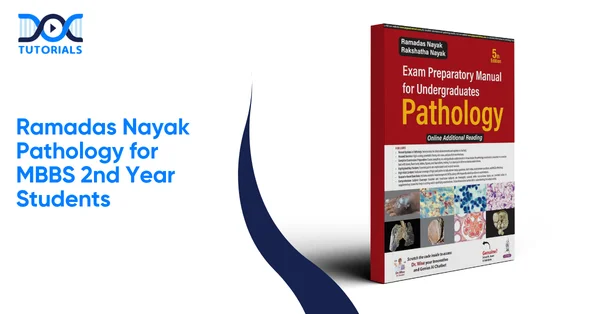
Ramadas Nayak Pathology for MBBS 2nd Year Students

Ramadas Nayak Pathology

Pathology is the foundation of medical education and is a crucial part of comprehending disease and clinical practice. In this regard, Ramadas Nayak Pathology has become one of the best and most student-friendly textbooks for MBBS learners. It covers the entire undergraduate Pathology syllabus in a clear, structured, and exam-oriented manner.

Additionally, the Ramadas Nayak Pathology book has been developed with a focus on high-yield content, enabling students to answer theory questions with confidence and solve clinical scenarios clearly. 

Continue reading to find out why the Ramadas Nayak Pathology book continues to be a favourite revision guide among 2nd-year MBBS students!

What is Ramadas Nayak Pathology, Latest Edition? 

The most recent edition of Ramadas Nayak Pathology (5th edition) is a clear, concise textbook that presents fundamental pathology in an easy-to-understand format. It targets undergraduate and postgraduate students, emphasises essential terminology, and provides extensive visual resources to enable rapid revision and effective learning of disease mechanisms.

The latest edition of Ramadas Nayak Pathology (5th edition) is a concise yet comprehensive textbook that presents essential Pathology in a compact, easy-to-understand format. Despite its specific focus on undergraduates, postgraduate students, and even paramedical students can use it as a quick revision guide.

The book’s key terms are highlighted in bold to allow swift revision, particularly useful on the eve of examinations. Recognising that many students learn more effectively through visual material, the book includes abundant illustrations to reinforce understanding.

It has comprehensive visual aids, including gross specimen images, photomicrographs, text boxes, flowcharts, and radiographs, which are intended to make complicated subjects easier to understand. 

Overall, this edition seeks to deliver the vast subject of Pathology in a clear and accessible manner, strengthening the reader’s grasp of disease mechanisms that form the basis of medical science.

What are the Key Features of Ramadas Nayak Pathology, 5th Edition?

Ramdas Nayak Pathology, 5th edition, is a concise, exam-focused textbook aligned with the competency-based curriculum. It presents core concepts in simple language, organised sections and bullet format, supported by clear diagrams and images for quick understanding and rapid revision.

The following are the key features of the Ramdas Nayak Pathology book, 5th edition:

  1. Aligned with the Competency-Based Curriculum

The book has been organised in line with the competency-based undergraduate medical curriculum as prescribed by the Medical Council of India. Throughout, there is a clear indication of core and non-core competencies, making it apparent what should be taken into consideration by students during their training.

  1. Multicoloured Presentation

The content is supported by vibrant, high-quality illustrations that enhance understanding and retention. The visual format makes complex pathological concepts easier to grasp.

  1. Clear Conceptual Foundation

It describes fundamental mechanisms of disease in an easy-to-understand and student-friendly manner. The language is not complicated and therefore is easy to memorise for examinations.

  1. Well-Organised Sections

The Ramdas Nayak Pathology textbook has three sections, which are as follows:

  • Section I: General Pathology

Covers basic disease processes, including cellular adaptation, inflammation, healing, haemodynamic disorders, immune disorders, neoplasia, genetics, and nutritional deficiencies.

  • Section II: Clinical and Haematological Disorders

Includes red cell and white cell disorders, broader haematological conditions, and aspects of clinical pathology. This section strengthens the book’s utility as a comprehensive revision resource. For deeper study in haematology and clinical pathology, students may also refer to Essentials in Haematology and Clinical Pathology.

  • Section III: Systemic Pathology

Talks about diseases affecting individual organ systems, like the cardiovascular, respiratory, gastrointestinal, hepatobiliary, renal, endocrine, pancreatic, musculoskeletal, bone and joint, and central nervous systems, and the male and female genital tracts.

  1. Concise Bullet Format for Quick Revision

The information is provided in concise bullet points so that one can quickly review it before examinations or the viva voce.

  1. Highlighted Key Points

Important concepts are emphasised in bold to help students revise the entire book efficiently within a limited time.

  1. Exam-Oriented Approach

Includes commonly asked theory questions, clinically oriented case discussions, and interpretation of frequently encountered laboratory findings such as urine analysis, cerebrospinal fluid analysis, and liver function tests. 

Some frequently asked questions are marked in red and blue to signify their importance. 

Table of Contents of Ramadas Nayak Pathology, 5th Edition

The Ramdas Nayak exam preparatory manual deals with Pathology, starting with the most basic disease mechanisms, all the way to system-specific diseases, such as cell damage, inflammation, haematology, and organ diseases. It introduces major concepts in a concise and systematic format, which assists students in revising quickly and being ready to take university examinations.

Here is the table of contents of Ramdas Nayak Pathology, 5th edition:

SECTION I: GENERAL PATHOLOGY

CHAPTER 1: Introduction to Pathology

CHAPTER 2: Cell Injury and Adaptation

CHAPTER 3: Inflammation and Healing

CHAPTER 4: Infections and Infestations

CHAPTER 5: Hemodynamic Disorders, Thromboembolism, and Shock

CHAPTER 6: Immunopathology, AIDS, and Amyloidosis

CHAPTER 7: Neoplasia

CHAPTER 8: Genetic and Paediatric Diseases

CHAPTER 9: Environmental and Nutritional Diseases

CHAPTER 10: Basic Diagnostic Cytology

SECTION II: HAEMATOLOGY, TRANSFUSION AND CLINICAL PATHOLOGY

CHAPTER 11: Introduction to Haematology and Disorders of Red Blood Cell

CHAPTER 12: Disorders of White Blood Cell, Lymph Node, and Spleen

CHAPTER 13: Bleeding Disorders: Haemorrhagic Diathesis

CHAPTER 14: Blood Banking and Transfusion

CHAPTER 15: Clinical Pathology

SECTION III: SYSTEMIC PATHOLOGY

CHAPTER 16: Cardiovascular Disorders

CHAPTER 17: Respiratory Disorders

CHAPTER 18: Oral Cavity and Gastrointestinal Tract

CHAPTER 19: Hepatobiliary and Pancreatic Disorders

CHAPTER 20: Kidney and Urinary Tract Disorders

CHAPTER 21: Male Genital Tract Disorders

CHAPTER 22: Female Genital Tract Disorders

CHAPTER 23: Breast Disorders

CHAPTER 24: Endocrine Disorders

CHAPTER 25: Bones, Joints, and Soft Tissue Tumours

CHAPTER 26: Skin Disorders

CHAPTER 27: Disorders of the Central Nervous System and Eye

Bibliography

What Makes Ramadas Nayak Pathology a Must-Have Resource?

The Ramdas Nayak Pathology, new edition, is a helpful guide for learning Pathology during your undergraduate course. It explains the topics clearly and in an organised way. Thus, it helps you understand the basics well and prepare confidently for your exams.

The Pathology book by Ramdas Nayak has rapidly become a preferred revision guide among medical undergraduates. Owing to its systematic layout and crisp presentation, it is frequently described as a compact alternative to larger reference texts, offering clarity without overwhelming detail.

One of its strongest advantages is its ability for last-minute preparation. The book summarises key concepts of Pathology in a bullet-point format that can be easily remembered during exams and viva voce. In addition, schematic diagrams, tables, and flowcharts are included, which improve retention and visual learning.

FAQs about Ramadas Nayak Pathology for MBBS 2nd Year Students

  1. What is Ramadas Nayak Pathology?

It is a concise and exam-oriented Pathology textbook designed mainly for MBBS students. The latest edition (5th) presents essential concepts in a clear and structured format for quick understanding and revision.

  1. Who is Ramadas Nayak Pathology ideal for?

This book is especially suited to undergraduate medical students. It is an excellent choice for those who wish to strengthen their grasp of Pathology concepts and perform confidently in university examinations.

  1. Is there an ebook version of Ramdas Nayak’s Pathology?

Yes, Ramdas Nayak Pathology, 3rd edition, is available in ebook format for undergraduates on Amazon in Kindle format.

  1. How is the Ramdas Nayak Pathology book organised?

The book is divided into three main sections:

  • General Pathology 
  • Haematology, Transfusion and Clinical Pathology
  • Systemic Pathology 
  1. What makes the Pathology book of Ramadas Nayak helpful for exams?

The content in the Pathology book of Ramadas Nayak is presented in bullet points with key terms highlighted in bold. It also includes commonly asked theory questions, clinical case discussions, and laboratory interpretation for better exam preparation.

  1. How is the Ramadas Nayak Pathology manual different from other standard Pathology textbooks?

The Ramadas Nayak Pathology manual is a much more condensed and exam-oriented book compared to other traditional textbooks. It is particularly useful for university assessments and last-minute review compared to books with more detailed texts that focus on in-depth explanation rather than concise presentation and exam-focused preparation.

  1. Does the Ramdas Nayak Pathology book have diagrams and images?

Yes, the Ramdas Nayak Pathology book is full of flowcharts, tables, pictures, photomicrographs, and radiographs to simplify complex topics.

  1. Why is Ramdas Nayak Pathology considered a good revision manual?

Pathology by Ramdas Nayak includes concise presentation, organised sections, and visual aids that allow students to revise the entire syllabus quickly, especially before university examinations and viva voce.

  1. Is the Ramdas Nayak Pathology book useful for postgraduate students?

Although primarily meant for undergraduates, the book also serves as a rapid revision resource for postgraduate and paramedical students.

  1. Does the Ramdas Nayak Pathology book follow the MBBS competency-based curriculum?

Yes, Ramdas Nayak Pathology book contents are compliant with the competency-based undergraduate medical curriculum and well-defined core areas.

Conclusion

Good performance in university Pathology exams demands focused preparation and the appropriate revision guide. In this regard, the Ramadas Nayak Pathology textbook is valuable, especially for students who wish to score well in their assessments. It highlights key issues in a well-structured and transparent way, which allows learners to refresh main points in a comprehensive and effective manner.

Although detailed reference textbooks remain valuable for understanding the topics in depth, this manual is a concise, organised overview of what undergraduate students need. To further prepare with more guided instruction, a student may also use a platform like DocTutorials, which provides mock tests, video lectures, Qbanks, and case discussions based on clinical cases to reinforce exam readiness.

Explore our MBBS courses to excel in your medical career!

DocTutorials App Download Now

Latest Blogs

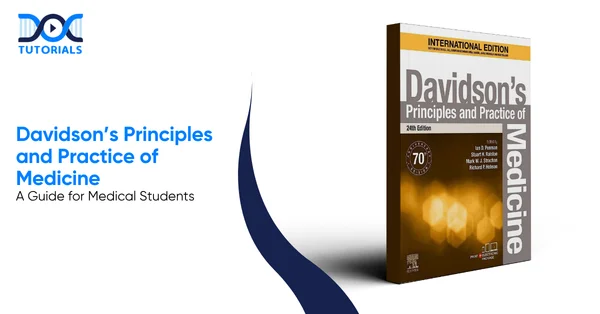
Davidson’s Principles and Practice of Medicine: A Guide for Medical Students

Davidson’s Principles and Practice of Medicine

Internal medicine is one of the most concept-heavy MBBS subjects, and Davidson’s Principles and Practice of Medicine presents it clearly with a strong clinical focus. Davidson’s Medicine explains medical concepts in a systematic, clinically oriented, and evidence-based manner.

The latest edition of Davidson’s reflects significant updates in medical science, including revised diagnostic terminology, updated treatment strategies, new medications, and novel investigative approaches.

Keep reading to know more about the Davidson book of medicine, topics covered, and more details.

Overview of Davidson’s Principles and Practice of Medicine: Latest Edition

The latest Davidson’s Principles and Practice of Medicine offers updated, guideline-based coverage across all specialties, with strong foundations, emergency care, COVID-19 insights, clear clinical reasoning frameworks, and rich illustrations.

The most current version of the Principles and Practice of Medicine by Davidson incorporates thorough updates on all the major medical specialties. The content has been revised to align with modern clinical practice and international treatment protocols.

Important updates include:

  • Part 1: Fundamentals of Medicine provides a solid foundation in genetics, immunology, infectious diseases, population health, oncology, and pain management. It also addresses the main principles of clinical decision-making and rational prescribing that enable students to build appropriate clinical judgments.
  • Part 2: Emergency and Critical Care Medicine focuses on the recognition and management of medical emergencies. It includes poisoning, medicine in austere environments, common acute medical presentations, and the systematic approach to critically ill patients.
  • Part 3: Clinical Medicine is a complete review of all major medical specialties that have been well revised and updated. A separate section devoted to COVID-19 has also been included, and the effects of the infection have been integrated throughout the book where relevant.

Practice point summaries focus on the key practical skills that medical students and junior doctors should have, and emergency boxes focus on the fundamental knowledge necessary when handling acutely ill patients.

Special sections addressing care in old age, pregnancy, and adolescence underline how medical practice varies across these patient groups and demonstrate the interface between medicine, obstetrics, and paediatrics.

The book is extensively illustrated, with over 1,000 diagrams, clinical photographs, and radiology and pathology images that enhance understanding and support visual learning.

Its global perspective is strengthened by contributions from an International Advisory Board representing 11 countries, along with leading authors from around the world.

Why is Davidson’s Principles and Practice of Medicine Highly Regarded?

Davidson’s Principles and Practice of Medicine is trusted worldwide for its clinical accuracy and real-world approach. Updated, award-winning, and richly illustrated, it builds strong diagnostic and management skills while remaining practical for busy wards and long-term learning.

Davidson’s Medicine book is widely recommended for its exceptional clinical focus and scientific accuracy. Unlike purely exam-oriented guides, it teaches medicine as it is practiced in real hospital settings. It helps students develop strong diagnostic reasoning and effective management skills.

Some of the key strengths of the Davidson textbook include:

  • Trusted by over two million medical professionals worldwide for more than 70 years.
  • Regularly updated content covering modern pathophysiology and clinical features.
  • Clear format that can be easily read during hectic clinical practice.
  • Strong global perspective with contributions from leading international experts.
  • Winner of various awards, which are indicative of its quality.
  • Includes interactive self-assessment tools and curriculum guidance to support continuous professional development.
  • Comprehensive coverage from basic principles to emergency and critical care medicine.
  • Practical, clinically relevant guidance that enhances real-world diagnostic and management skills.
  • Rich visual support with more than 1,000 diagrams, clinical images, and investigative illustrations.

Topics Covered in Davidson’s Principles and Practice of Medicine

Davidson’s Principles and Practice of Medicine covers internal medicine from core fundamentals to cardiology, neurology, endocrinology, infectious diseases, oncology, and rheumatology. This makes it a reliable, all-in-one reference that builds concepts step by step for MBBS students.

Davidson’s Medicine provides exhaustive coverage of internal medicine, making it a one-stop reference for MBBS students. The book is divided into logical sections that gradually build understanding.

Section I: Fundamentals of Medicine

  • Clinical examination and diagnostic reasoning
  • Evidence-based medicine
  • Genetics and molecular medicine
  • Immunology and inflammation
  • Infection and host response

Section II: Cardiovascular Medicine

  • Hypertension
  • Ischemic heart disease
  • Heart failure
  • Arrhythmias
  • Valvular heart diseases
  • Cardiomyopathies
  • Peripheral vascular diseases

Section III: Respiratory Medicine

  • Asthma and COPD
  • Pneumonia
  • Tuberculosis
  • Interstitial lung diseases
  • Pleural diseases
  • Lung cancer

Section IV: Gastroenterology and Hepatology

  • Esophageal disorders
  • Peptic ulcer disease
  • Inflammatory bowel disease
  • Liver cirrhosis
  • Hepatitis
  • Pancreatic disorders

Section V: Renal Medicine

  • Acute kidney injury
  • Chronic kidney disease
  • Glomerulonephritis
  • Electrolyte and acid–base disorders

Section VI: Endocrinology

  • Diabetes mellitus
  • Thyroid disorders
  • Adrenal diseases
  • Pituitary disorders
  • Metabolic bone diseases

Section VII: Neurology

  • Stroke
  • Epilepsy
  • Movement disorders
  • Neuromuscular diseases
  • Multiple sclerosis

Section VIII: Infectious Diseases

  • HIV/AIDS
  • Tropical infections
  • Sepsis
  • Emerging infections

Section IX: Hematology and Oncology

  • Anemias
  • Leukemias
  • Lymphomas
  • Bleeding disorders
  • Principles of cancer therapy

Section X: Rheumatology and Connective Tissue Disorders

  • Rheumatoid arthritis
  • Systemic lupus erythematosus
  • Vasculitis
  • Spondyloarthropathies

How to Study Medicine with the Davidson Practice of Medicine?

Davidson’s Principles and Practice of Medicine works best as a concept-building reference. Read it alongside clinical postings, focus on pathophysiology, revise summaries before exams, and pair it with exam notes. It’s especially valuable during an internship for sharpening diagnosis and management skills.

Davidson’s Medicine is best used as a concept-building and reference textbook. It rewards consistent reading and thoughtful study rather than last-minute memorisation.

Here are some tips that will help you study Davidson’s effectively:

  • Davidson should ideally be read alongside clinical postings by students. When a patient with a specific condition is seen in the ward, reading the corresponding chapter reinforces learning and makes concepts memorable.
  • You must focus on the knowledge of pathophysiology because the way Davidson explains the mechanisms of disease is detailed. When the underlying process is properly understood, it is much easier to recall clinical features and management.
  • The summary sections and tables must be actively revised. These are particularly useful before exams when one has limited time.
  • Davidson is best used in combination with exam-oriented notes or review books when preparing for examinations.
  • The Davidson textbook is especially useful in internships where understanding diagnosis and management directly impacts patient care. Interns tend to revisit Davidson to clear up their doubts and enhance their clinical judgment.

Price of Davidson’s Principles and Practice of Medicine

Davidson’s Principles and Practice of Medicine is priced higher than most Indian textbooks, but its depth and quality justify the cost. Prices range from about ₹4,000 for older editions to ₹10,000 for the latest, depending on format and seller.

The price of Davidson’s Medicine varies depending on the edition, format, and seller. Being an international textbook, it is relatively expensive compared to Indian undergraduate books, but the quality and depth justify the cost.

The approximate price range is as follows:

EditionApproximate Price Range
Older Editions (23rd Edition)₹1500-1600
Latest Edition (24th Edition)₹1900-2995

The prices can differ based on the availability, discounts, and whether the book is paperback or hardcover.

How is Davidson Different from Other Medicine Textbooks?

The most remarkable point about Davidson is that it emphasises understanding rather than memorisation. It trains students to think clinically, explains the rationale behind management decisions, follows international standards, and offers lasting, practical knowledge.

Davidson’s Principles and Practice of Medicine focuses on understanding rather than memorisation. In contrast to most exam-centred books, Davidson teaches students how to think like doctors. It teaches students about disease patterns and their management rather than isolated facts.

This is particularly helpful with clinical examination, viva voce work, and practice. In addition, Davidson also clarifies the reasoning behind treatment choices and investigations, which enhances analytical thinking. 

The Davidson textbook maintains international standards of care, making it relevant for students planning postgraduate training in India or abroad. Despite its depth, it avoids unnecessary complexity and presents information in a readable and structured manner.

Advantages and Limitations of Davidson’s Medicine

Davidson’s Principles and Practice of Medicine provides clear evidence-based information to develop effective clinical reasoning that is applicable even after MBBS. Nevertheless, it is time-consuming to read, expensive, and might need additional resources during exams.

Here are the advantages of Davidson’s Principles & Practice of Medicine:

  • Precise and evidence-based material.
  • Good for concept building and clinical reasoning.
  • Close interaction of fundamental science and clinical medicine.
  • Globally accepted.
  • Useful beyond MBBS, especially during internship and early postgraduate training.

Here are the limitations of Davidson’s Principles & Practice of Medicine:

  • Content is extensive and may feel overwhelming initially.
  • Not purely exam-oriented.
  • Requires time, patience, and consistent reading.
  • Expensive as compared to Indian textbooks.

FAQs about Davidson’s Principles and Practice of Medicine

  1. Is Davidson appropriate for MBBS students?

Yes. Davidson suits MBBS students who desire a strong grasp of concepts. It is useful for understanding disease mechanisms, clinical reasoning, and principles of clinical management in medical school.

  1. Is Davidson enough to pass the MBBS medicine examinations?

Davidson provides a good conceptual understanding to pass exams in universities. However, it is suggested to read other supplementary books to be able to answer the frequently asked questions.

  1. Is Davidson helpful for viva and clinical exams?

Yes, Davidson is useful in viva and clinical exams as it presents the explanation of clinical features, investigations, and management in a logical way. This helps the students to respond with confidence.

  1. Is Davidson useful for NEET PG preparation?

The Davidson medicine textbook builds a good foundation in internal medicine, which is extremely essential for NEET PG. However, it should be combined with regular MCQ practice and other short revision materials for the best results.

  1. Is Davidson too hard for beginners?

At first, beginners may feel overwhelmed by the content. However, it becomes easier with continued reading and gradual familiarity.

  1. Does Davidson follow the MBBS syllabus?

Yes. Davidson covers all key areas of the MBBS medicine syllabus, though in some areas it goes beyond undergraduate requirements to enhance knowledge.

  1. Is Davidson superior to Indian medicine textbooks?

Davidson is stronger in conceptual and clinical reasoning, whereas Indian textbooks are more exam-oriented. Using both together is beneficial for many students.

  1. Can Davidson be used during an internship?

Absolutely. During the internship, Davidson helps with understanding diagnosis, investigations, and logical patient management in daily clinical practice.

  1. Does Davidson have enough diagrams and tables for revision?

The diagrams and tables in the Davidson textbook are quite useful for revision and quick recall, though students may still prefer short notes or summaries before exams.

  1. Is it necessary to read Davidson cover to cover?

No. Students are not required to read the entire book. They should prioritise high-yield topics and use Davidson selectively based on clinical exposure and exam requirements.

Conclusion

Davidson’s Principles and Practice of Medicine is regarded as one of the most reliable textbooks in medicine. It is clear, profound, and clinically pertinent. It is an essential guide for those desiring to understand medicine without just memorising it.

To further strengthen your preparation, DocTutorials can be your study partner. We offer in-depth study materials, such as 2D & 3D video lectures with CBME-aligned syllabus and structured mentorship. We ensure aspirants gain clarity over complex medical concepts.

Join DocTutorials today and explore our MBBS curriculum to excel in your medical career!

DocTutorials App Download Now

Latest Blogs

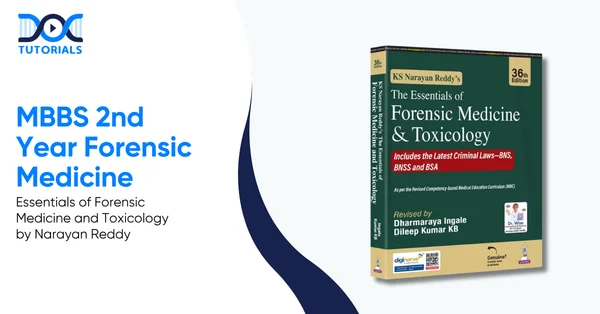
MBBS 2nd Year Forensic Medicine: Essentials of Forensic Medicine and Toxicology by Narayan Reddy

narayan reddy forensic medicine

In the Essentials of Forensic Medicine & Toxicology by Narayan Reddy, Forensic Medicine is presented in a clear, exam-oriented manner with simple language, helpful tables, and illustrations.

The revised edition of Reddy’s Forensic Medicine has been developed to meet the changing needs of MBBS students, interns, and early postgraduate aspirants. It maintains a strong balance between theoretical foundations and applied forensic practice.

Keep reading to understand why the Essentials of Forensic Medicine & Toxicology by Narayan Reddy is regarded as the gold standard textbook for MBBS students.

Overview of Narayan Reddy Forensic Medicine, Latest Edition

The latest edition of Essentials of Forensic Medicine & Toxicology includes updated criminal laws, medico-legal guidelines, and advances in forensic science. Carefully revised for MBBS students, it balances theory with practical application, making it a trusted choice for university exams, viva, and entrance preparation.

The latest edition reflects important updates in criminal law, medical jurisprudence, toxicology, and forensic science. It incorporates recent amendments to Indian law, evolving medico-legal guidelines, and advances in forensic investigative techniques, making the content up to date and clinically relevant.

It maintains a strong balance between theoretical foundations and applied forensic practice. The recent edition offers a strong combination of theoretical knowledge and practical application, making it an ideal resource for university theory examinations, viva voce, and postgraduate entrance preparation.

Key Features of Essentials of Forensic Medicine and Toxicology by Reddy

Essentials of Forensic Medicine & Toxicology remains one of the most trusted and recommended texts for MBBS students. It offers clear, exam-focused coverage with simple language, pointwise notes, tables, illustrations, and practical sections.

Reddy’s Forensic Medicine remains the best and most recommended textbook due to its accuracy and relevance. The key features of the book are as follows:

  • Trusted, exam-oriented text used by MBBS students for many years.
  • Complete coverage of the Forensic Medicine and Toxicology syllabus for MBBS.
  • Written in simple, clear language with a logical and easy-to-follow layout.
  • Pointwise explanations, well-structured tables, flowcharts, and quick-revision aids.
  • A large number of clear illustrations and clinical photographs for better understanding.
  • Frequently asked university exam topics are highlighted at the end of each chapter.

Topics Covered in Narayan Reddy Forensic Medicine

Reddy’s Forensic Medicine comprehensively covers all aspects of forensic medicine and toxicology required for MBBS 2nd-year students. Its systematic approach builds strong fundamentals and boosts confidence in students.

Here are the topics that are covered in the Narayan Reddy Forensic Medicine textbook:

Section I: Forensic Medicine

1. Introduction to Forensic Medicine

  • Definition and scope of forensic medicine
  • Role of a medical practitioner in legal cases
  • Forensic medicine in relation to law and society
  • Types of medico-legal cases

2. Medical Ethics and Medical Law

  • Medical ethics and etiquette
  • Code of Medical Ethics
  • Professional misconduct
  • Medical negligence
  • Consumer Protection Act and the medical profession
  • Medical records and legal importance

3. Consent

  • Definition and types of consent
  • Informed consent
  • Age of consent
  • Consent in medico-legal cases
  • Consent in emergencies

4. Medical Examination of Persons

  • Examination of accused persons
  • Examination of victims of assault
  • Examination of intoxicated persons
  • Examination of a sexual offence case

5. Identification

  • Definition and importance of identification
  • Methods of identification
  • Age estimation (living and dead)
  • Sex determination
  • Stature estimation
  • Identification from skeletal remains
  • Fingerprints and DNA profiling

6. Thanatology (Death and Post-Mortem Changes)

  • Definition and types of death
  • Somatic and molecular death
  • Signs of death
  • Post-mortem changes
    • Algor mortis
    • Rigor mortis
    • Livor mortis
    • Decomposition
  • Time since death
  • Exhumation

7. Autopsy (Post-Mortem Examination)

  • Types of autopsy
  • Medico-legal autopsy
  • Procedure of post-mortem examination
  • Preservation of viscera
  • Cause of death

8. Mechanical Injuries

  • Abrasions
  • Contusions
  • Lacerations
  • Incised wounds
  • Stab wounds
  • Chop wounds
  • Defense injuries
  • Patterned injuries

9. Firearm Injuries

  • Types of firearms
  • Mechanism of firearm injuries
  • Entry and exit wounds
  • Range of fire
  • Medico-legal importance

10. Thermal Injuries

  • Burns
  • Scalds
  • Heat stroke and heat exhaustion
  • Cold injuries
  • Electrical injuries
  • Lightning injuries

11. Asphyxial Deaths

  • Hanging
  • Strangulation
  • Suffocation
  • Drowning
  • Traumatic asphyxia

12. Regional Injuries

  • Head injuries
  • Spinal injuries
  • Chest injuries
  • Abdominal injuries

13. Sexual Offences

  • Rape and sexual assault
  • Examination of the victim and the accused
  • Virginity
  • Pregnancy and delivery
  • Impotence and sterility

14. Forensic Psychiatry

  • Definition of insanity
  • Criminal responsibility
  • Types of mental illness
  • Feigned insanity

15. Alcoholism and Drug Dependence

  • Acute alcohol intoxication
  • Chronic alcoholism
  • Drug abuse and dependence
  • Withdrawal symptoms

Section II: Toxicology

16. General Toxicology

  • Definition of poison
  • Classification of poisons
  • Routes of poisoning
  • Factors influencing toxicity
  • Management of poisoning

17. Corrosive Poisons

  • Acids
  • Alkalis
  • Clinical features and post-mortem findings

18. Irritant Poisons

  • Inorganic irritants (arsenic, mercury, lead)
  • Organic irritants (vegetable and animal poisons)

19. Neurotic Poisons

  • Cerebral poisons (alcohol, sedatives)
  • Spinal poisons (strychnine)
  • Peripheral nerve poisons

20. Asphyxiant Poisons

  • Carbon monoxide
  • Hydrogen sulfide
  • Cyanide

21. Cardiac Poisons

  • Digitalis
  • Oleander
  • Aconite

22. Agricultural and Industrial Poisons

  • Organophosphates
  • Carbamates
  • Organochlorines
  • Rodenticides

23. Venomous Bites and Stings

  • Snakebite
  • Scorpion sting
  • Spider bite
  • Bee and wasp sting

24. Drug Poisoning

  • Sedatives and hypnotics
  • Opioids
  • Antidepressants
  • Antipsychotics

25. Food Poisoning

  • Bacterial food poisoning
  • Chemical food poisoning

26. Forensic Toxicology in Practice

  • Preservation of viscera
  • Chemical analysis
  • Interpretation of toxicological reports

Price of Reddy’s Forensic Medicine

The price of Essentials of Forensic Medicine & Toxicology varies by edition: older editions cost ₹900–1095, while the latest editions are priced around ₹1200–1400, depending on the seller and discounts.

The price of Reddy’s Forensic Medicine varies depending on the edition and seller:

EditionApproximate Price Range
30th-35th Edition₹900-1095
35th-36th Edition₹1200-1370

How to Make the Most Out of Narayan Reddy Forensic Medicine?

To make the most of Reddy’s Essentials of Forensic Medicine & Toxicology, focus on active learning. Regular revision using tables and highlights, linking topics with clinical cases, and solving previous year questions can improve performance.

To fully benefit from Reddy’s textbook, students should adopt an active and integrated learning approach rather than rote memorisation. The effective study strategies include:

  • Use tables, summaries, and highlighted points for revision
  • Give importance to injury diagrams and post-mortem findings
  • Correlate injuries and poisons with real-life cases
  • Look for topics that are repeatedly asked
  • Explain topics to friends to improve clarity

How is Reddy Different from Other Forensic Medicine Textbooks?

Essentials of Forensic Medicine & Toxicology by Reddy balances theory with practical application, offers the right undergraduate depth, and provides detailed, exam-relevant explanations. It makes it an ideal textbook for forensic medicine and toxicology.

Among the many textbooks available for Forensic Medicine and Toxicology, Essentials of Forensic Medicine & Toxicology stands out for the following reasons:

  • Essentials of Forensic Medicine and Toxicology by Reddy is considered a complete, all-in-one textbook.
  • The book elaborates the principles of forensics and their medico-legal applicability so that students can implement what they read in real-life situations during practical exams and internships.
  • Compared to advanced or postgraduate-level forensic books, Reddy maintains the right depth for MBBS students without being overwhelming.
  • Reddy is more informative through detailed explanations that are critical in theory and written exams.
  • Reddy provides full descriptions, legal background, and guided learning, compared with brief outlines, which are necessary in the normal study.

Advantages and Limitations of Reddy’s Forensic Medicine

Reddy’s book offers updated, legally accurate, and exam-oriented content with clear language and excellent illustrations, making it suitable for MBBS students and interns. However, beginners may find the content extensive, some legal sections need repeated reading, and the book can feel heavy to go through at times.

Here are the advantages of Reddy’s Forensic Medicine:

  • Updated and legally accurate content.
  • Language that is clear and examination-based.
  • Logical arrangement of the chapters.
  • Excellent photographs and illustrations.
  • Convenient for MBBS students and interns.

Here are the limitations of Reddy’s Forensic Medicine:

  • Content may feel extensive for beginners.
  • Some legal sections require repeated reading.
  • The book might be cumbersome to read.

FAQs about Narayan Reddy Forensic Medicine

  1. Is Reddy better than the other forensic medicine textbooks for MBBS?
    Reddy is considered the best primary textbook by most MBBS students due to clarity, examination bias, and excellent medico-legal orientation.
  2. Is Reddy sufficient for forensic medicine university exams?
    Yes. If studied thoroughly, Reddy is more than sufficient for theory papers, practical exams, and viva voce in forensic medicine.
  3. How should MBBS students study Reddy effectively?
    Students should read chapter-wise, focus on definitions and classifications, revise highlighted topics, and practice previous years’ questions alongside the textbook.
  4. Is Reddy useful for viva voce preparation?
    Yes, with clear definitions, classifications, tables, and highlighted points, it becomes very useful for quick recall during viva exams.
  5. Does the book follow the latest NMC curriculum?
    Yes. The latest editions are updated in accordance with the National Medical Commission (NMC) competency-based curriculum.
  6. Are Indian medico-legal laws explained clearly in Reddy?
    Yes. The book focuses strongly on Indian laws, medico-legal procedures, and court-related responsibilities of doctors.
  7. Is Reddy helpful for NEET PG preparation?
    Reddy builds strong foundational concepts, which are essential for forensic medicine questions in NEET PG, though they may be supplemented with review books for quick revision.
  8. Does the book include images and diagrams for practical exams?
    Yes. It contains numerous photographs, diagrams, and injury illustrations that help with practical exams and spotters.
  9. Does Reddy’s textbook cover toxicology in detail?
    Yes. The book provides comprehensive coverage of toxicology, including common poisons, clinical features, post-mortem findings, and medico-legal importance.
  10. Is Reddy’s Forensic Medicine suitable for MBBS 2nd-year students?
    Yes. Reddy’s Essentials of Forensic Medicine and Toxicology is specifically written for MBBS students and is well aligned with the undergraduate syllabus.

Conclusion

Narayan Reddy’s Essentials of Forensic Medicine and Toxicology remains an indispensable companion if you are planning to master Forensic Medicine. It’s simple explanations, well-organised layout, and solid legal support.

To make your preparation even stronger, DocTutorials can be your study partner. We offer in-depth study resource materials, such as 2D & 3D video lectures, and structured mentorship to help aspirants gain clarity over medical concepts.

Join DocTutorials today and explore our MBBS curriculum to excel in your medical career!

DocTutorials App Download Now

Latest Blogs

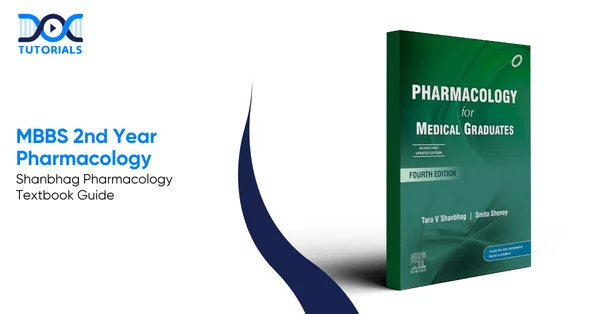
MBBS 2nd Year Pharmacology: Shanbhag Pharmacology Textbook Guide

Shanbhag Pharmacology | DocTutorials

Shanbhag Pharmacology is a well-known and student-friendly pharmacology textbook widely used by MBBS students across India. The book has been designed to make a conceptually heavy course easier to understand.

This helps students develop early clinical understanding and pass university examinations with ease. For second-year MBBS students, mastering pharmacology is important for passing exams and for developing therapeutic judgment. Keep reading to know more details about the book.

Overview of Shanbhag Pharmacology, Latest Edition

Tara Shanbhag Pharmacology offers a link between core pharmacology concepts and real-world clinical use through its system-wise approach. The book remains concise, exam-focused, and well aligned with the NMC curriculum, while staying up to date with newer drugs, revised guidelines, and safety information.

Shanbhag acts as an effective bridge between clinical application and basic pharmacological principles. The book is presented in a system-based approach, starting with general pharmacology and then proceeding to the systems of the organisms.

The recent editions of Shanbhag Pharmacology have made these changes while maintaining the simplicity that has made the book popular among students. The book remains concise without sacrificing clarity, making it suitable for regular reading as well as last-minute revision.

Key Highlights of the Latest Edition:

  • Updated drug classifications and therapeutic uses.
  • Focus on the adverse drug reactions and drug safety.
  • Addition of more recent drugs pertinent to present clinical practice.
  • Focus on the drugs commonly asked in MBBS examinations.
  • Congruence with the National Medical Commission (NMC) competency-based curriculum.

How is the Organisation of the Shanbhag Pharmacology Book?

The Shanbhag Pharmacology book is organised in a clear, systematic format that makes learning and revision easier for students. Each chapter follows a uniform structure, helping students quickly understand and revise topics before exams.

The systematic structure of Pharmacology is one of the strongest points of the Shanbhag. This allows the students to navigate through the topic with confidence. Each chapter typically includes:

  • Drug classification
  • Mechanism of action
  • Pharmacokinetics (where relevant)
  • Therapeutic uses
  • Adverse effects
  • Contraindications and precautions
  • Important drug interactions

This uniform pattern reduces confusion and makes revision faster before exams.

What are the Major Topics Covered in Shanbhag Pharmacology?

Pharmacology offers thorough coverage of all core topics needed for the MBBS 2nd year. Its system-wise approach ensures a balanced understanding of mechanisms, therapeutic uses, and clinical relevance across major drug groups.

Tara Shanbhag Pharmacology provides comprehensive coverage of all essential areas required for MBBS 2nd-year students:

1. General Pharmacology

  • Introduction to pharmacology
  • Routes of drug administration
  • Pharmacokinetics
  • Pharmacodynamics
  • Adverse drug reactions
  • Drug interactions
  • Clinical pharmacology
  • Pharmacogenetics
  • Drug development and clinical trials
  • Essential medicines & rational drug use

2. Autonomic Nervous System Pharmacology

  • Neurotransmission in ANS
  • Cholinergic drugs
  • Anticholinergic drugs
  • Adrenergic drugs
  • Antiadrenergic drugs
  • Drugs used in glaucoma
  • Drugs used in myasthenia gravis

3. Cardiovascular System Drugs

  • Drugs for hypertension
  • Antianginal drugs
  • Drugs for heart failure
  • Antiarrhythmic drugs
  • Drugs affecting blood and coagulation
  • Hypolipidemic drugs

4. Central Nervous System Drugs

  • General anesthetics
  • Local anesthetics
  • Sedatives and hypnotics
  • Antiepileptic drugs
  • Antipsychotic drugs
  • Antidepressants
  • Drugs used in Parkinson’s disease
  • Opioid analgesics & NSAIDs
  • Drugs of abuse

5. Autacoids & Related Drugs

  • Histamine and antihistamines
  • Serotonin
  • Prostaglandins & leukotrienes
  • NSAIDs and anti-inflammatory drugs
  • Drugs used in gout

6. Respiratory System

  • Drugs for bronchial asthma
  • Antitussives and expectorants
  • Drugs for allergic disorders

7. Gastrointestinal System

  • Drugs for peptic ulcer disease
  • Antiemetics
  • Laxatives
  • Antidiarrheal drugs

8. Endocrine Pharmacology

  • Pituitary hormones
  • Thyroid and antithyroid drugs
  • Antidiabetic drugs (insulin & oral agents)
  • Corticosteroids
  • Sex hormones and contraceptives

9. Chemotherapy

  • General principles of chemotherapy
  • Antibacterial drugs
  • Antitubercular drugs
  • Antileprotic drugs
  • Antifungal drugs
  • Antiviral drugs
  • Antimalarial drugs
  • Anticancer drugs

10. Miscellaneous Topics

  • Vitamins and minerals
  • Immunopharmacology & vaccines
  • Drugs affecting renal function
  • Toxicology (common poisons & antidotes)
  • Drugs in pregnancy & lactation

What are the Key Features of Shanbhag Pharmacology?

Tara V Shanbhag Pharmacology is popular for its student-focused approach. It uses simple language to explain complex concepts, is exam-oriented content, has strong clinical relevance, and is concise. This makes revision easier.

Tara V Shanbhag Pharmacology continues to be popular because of the following features:

  • Exam-Oriented Presentation: The book focuses on drugs and topics that are frequently asked in university exams. This makes preparation more targeted and efficient.
  • Concise Yet Comprehensive: The content is not overly detailed but is comprehensive enough to encompass all the critical concepts. This provides a balanced approach that is appropriate to the learning requirements of the MBBS students.
  • Clinical Relevance: Therapeutic uses, adverse effects, and precautions are also clearly highlighted to allow students to acquire clinical reasoning.
  • Easy Revision: The clear classifications, well-organised headings, and neatly displayed tables can be quickly revised, particularly in the last few days before the examinations.

What is the Shanbhag Pharmacology Price?

The price of Pharmacology by Shanbhag varies with the edition. Older editions, like the 4th, cost less, while newer editions, such as the 5th and 6t,h are priced higher due to updated content and curriculum alignment.

The price range of the pharmacology book by Shanbhag depends on the edition:

EditionApproximate Price Range
4th Edition₹800–₹900
5th Edition₹900–₹1,250
6th Edition₹800–₹950

What are the Advantages and Limitations of Shanbhag Pharmacology?

The Tara V Shanbhag Pharmacology book is presented in a beginner-friendly manner. In addition, the book remains affordable and practical. However, it is less detailed when compared to advanced reference texts, and may not be sufficient on its own for postgraduate-level preparation.

Advantages of Shanbhag

  • Helps students understand the rationale behind drug use, not just drug names and actions.
  • Builds strong conceptual clarity.
  • Covers the MBBS syllabus comprehensively.
  • Simple, clear language.
  • Well-suited for undergraduate exam preparation.
  • More affordable compared to bulky international reference textbooks.

Disadvantages of Shanbhag

  • Less detailed than standard advanced pharmacology reference books.
  • Limited coverage of newer and evolving areas.
  • Fewer clinical case-based discussions.
  • May require supplementation with other books for in-depth study.

Shanbhag Pharmacology: Comparison with Other Pharmacology Textbooks

In comparison to Goodman and Gilman, Shanbhag is easy to read and is better exam-oriented. It is ideal for MBBS students, while KD Tripathi offers more clinical depth, and Goodman & Gilman is better suited for advanced and postgraduate study.

Shanbhag is much simpler and exam-oriented when compared to the Pharmacological Basis of Therapeutics by Goodman and Gilman and Basic and Clinical Pharmacology by Katzung. It is also ideal for revising before exams.

  • Shanbhag Pharmacology: Best for MBBS students, concise, easy to revise.
  • KD Tripathi: More detailed, strong clinical correlation.
  • Goodman & Gilman: Research-oriented, suited for postgraduate study.

How to Study Shanbhag Pharmacology Effectively?

To study Tara V Shanbhag Pharmacology effectively, read the book system-wise with regular revision. Focus on mechanisms of action and adverse effects, create comparative tables, and integrate learning with pathology and microbiology. Practice MCQs and previous university questions regularly to strengthen concepts.

To get maximum benefit from the Shanbhag Pharmacology book:

  • Read system-wise and revise regularly.
  • Emphasise action and side effects.
  • Compare tables of similar drugs.
  • Integrate pharmacology with pathology and microbiology.
  • Practice MCQs and previous university questions.

Who Should Use Shanbhag Pharmacology?

The Shanbhag Pharmacology textbook is particularly beneficial to MBBS 2nd-year students, interns revising the fundamentals, and teachers who teach pharmacology at the undergraduate level.

Shanbhag Pharmacology is an ideal resource for anyone seeking a clear, exam-focused understanding of core pharmacology concepts at the undergraduate level:

  • MBBS 2nd-year students
  • Students preparing for university exams
  • Interns who revise basic pharmacology
  • Educators teaching undergraduate pharmacology

FAQs about Shanbhag Pharmacology Textbook

  1. Who should prefer Shanbhag Pharmacology?
    Shanbhag Pharmacology is well-suited for MBBS students who are looking for a simple, easy-to-follow, and exam-oriented textbook.
  2. Is Shanbhag Pharmacology suitable for MBBS 2nd-year students?
    Yes, the textbook is appropriate for MBBS 2nd-year students. It covers the entire undergraduate pharmacology syllabus in a clear and concise manner and matches well with university examination patterns.
  3. Does Shanbhag Pharmacology follow the NMC curriculum?
    Yes, the book broadly follows the National Medical Commission (NMC) competency-based curriculum. It focuses on core concepts, commonly used drugs, adverse effects, and rational drug use relevant to undergraduate training.
  4. Which topics are covered in Shanbhag Pharmacology?
    The book covers all major areas of pharmacology, including general pharmacology, autonomic nervous system drugs, cardiovascular pharmacology, central nervous system drugs, chemotherapy, endocrine pharmacology, and drugs acting on different body systems.
  5. Is Shanbhag Pharmacology good for university exams?
    Yes, it is strongly exam-oriented. The textbook emphasises drug classifications, mechanisms of action, therapeutic uses, and adverse effects, which are frequently tested in theory exams and viva voce.
  6. Does the book explain mechanisms of action clearly?
    Yes, mechanisms of action are explained in a simple and logical manner. Complex drug actions are broken down into clear steps, making them easier for beginners to understand.
  7. Are adverse drug reactions and contraindications well covered in Shanbhag Pharmacology?
    Yes, adverse drug reactions, contraindications, and precautions are clearly highlighted. This helps students develop an understanding of drug safety and improves clinical awareness.
  8. Is Shanbhag Pharmacology useful for viva preparation?
    Yes, the concise format, clear classifications, and focus on commonly prescribed drugs make it very useful for viva voce and practical examinations.
  9. How does Shanbhag Pharmacology compare with KD Tripathi?
    Shanbhag Pharmacology is generally more concise and straightforward, making it suitable for quick learning and revision. KD Tripathi provides greater depth and clinical correlation, while Shanbhag is often preferred for focused exam preparation.
  10. Does the Shanbhag Pharmacology book include newer drugs and updated information?
    Recent editions include important updates on newer drugs and revised therapeutic uses. However, highly advanced or experimental therapies are kept limited to maintain relevance for undergraduate students.

Conclusion

Shanbhag Pharmacology has continued to be a trustworthy, student-friendly, and examination-oriented textbook among MBBS 2nd-year students. The simple language, logical structure, and emphasis on commonly used drugs make the textbook especially valuable for undergraduate medical students encountering pharmacology for the first time.

For MBBS students aiming to build strong concepts, perform well in exams, and develop rational prescribing skills, Shanbhag Pharmacology is a reliable guide. To strengthen your preparation further, DocTutorials can be your study partner. We offer in-depth study resources, such as 2D & 3D video lectures and structured mentorship.

Join DocTutorials today and explore our MBBS curriculum to excel in your medical career!

DocTutorials App Download Now

Latest Blogs

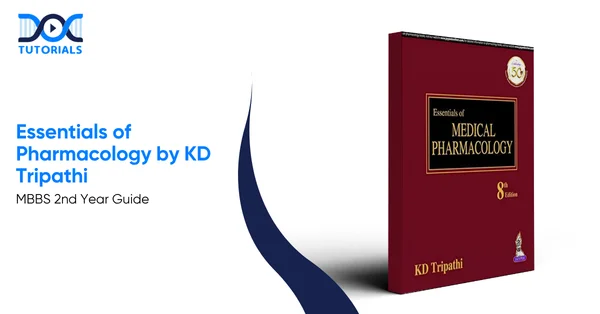
Essentials of Pharmacology by KD Tripathi: MBBS 2nd Year Guide

KD Tripathi Pharmacology

Essentials of Medical Pharmacology by KD Tripathi is a trusted, student-friendly textbook for MBBS students. Since pharmacology is the foundation of rational drug therapy and clinical decision-making, this textbook is central to the development of pharmacology concepts.

It gives a strong conceptual framework by articulating the complex drug actions in a well-organised manner. The book is also aligned with the National Medical Commission (NMC) competency-based curriculum, making it a dependable book in Indian medical colleges.

Keep reading to know more about the Essentials of Medical Pharmacology book, along with its key details.

Overview of Pharmacology Book By KD Tripathi, Latest Edition

The book of Pharmacology by KD Tripathi bridges basic pharmacology with clinical therapeutics. With strong emphasis on rational drug use, its logical progression from general to system-wise pharmacology makes it valuable for MBBS, BDS, nursing, pharmacy, and allied health students.

The latest version contains essential revisions in the various sections to make the material up to date and appropriate in clinical practice:

  • Overview of the Latest Edition

The latest edition of KDT Pharmacology combines core pharmacological concepts with recent advances in drug therapy. It is designed to be practical and student-friendly, supporting MBBS students, PG aspirants, and clinicians who need a reliable reference.

  • Updated and Clinically Relevant Content

This edition includes newly approved drugs, revised dosages, expanded indications, and updated safety information. Greater focus is placed on patient-centred care, pharmacovigilance, and emerging areas such as personalised medicine. It also maintains the familiar structure of earlier editions.

  • Depth and Systematic Organisation

The mechanisms of drugs, pharmacokinetics, pharmacodynamics, and clinical applications are described in an understandable manner across the prominent systems, such as autonomic, cardiovascular, antimicrobial, anticancer, and biologic drugs.

Chapters are logically arranged for structured learning and efficient revision.

  • Clear Language and Readability

Simple, precise language makes complex topics easy to understand. Highlighted points, summaries, and revision notes aid exam preparation and quick clinical review.

  • Strong Visual Support

High-quality diagrams, flowcharts, and tables enhance conceptual clarity and improve retention, especially for visual learners.

Key Features of Essentials of Medical Pharmacology by KD Tripathi 

Essentials of Medical Pharmacology by KD Tripathi remains popular for its clear structure and exam focus. Regular updates, evidence-based therapy, national health program coverage, and alignment with the National Medical Commission curriculum make it a comprehensive, clinically relevant resource.

The key features of KD Tripathi include:

  • Updated Drug Content
    This edition presents newly approved drugs, biosimilars, and newer therapeutic agents, and also revises the existing drug profiles with recent dosage recommendations, safety data, adverse effects, and significant drug interactions.
  • Improved Visual Presentation
    The book features enhanced diagrams, flowcharts, and tables that simplify the understanding of complex drug mechanisms, classifications, and pharmacokinetic concepts.
  • Stronger Clinical Integration
    More clinical correlations, case-based scenarios, and practice guidelines are added in this edition to assist in bridging theoretical concepts and real clinical practice.
  • Clear and Well-Structured Content
    Planning and organisation have gone into each chapter to make them comprehensive yet concise so that reading and revising become easier. This helps to retain the information in the long run.
  • Supplementary Online Support
    Most recent editions now offer online learning facilities such as supplementary study content, self-help examinations, and updates to enable readers to remain abreast with the latest developments in pharmacology.

Major Topics Covered in KD Tripathi Pharmacology

Essentials of Medical Pharmacology by KD Tripathi covers general pharmacology, ANS, cardiovascular, CNS, chemotherapy, and endocrine drugs. Its mechanism-based, system-wise approach builds strong fundamentals, supports clinical correlation, and helps students perform confidently in exams, vivas, and clinical practice.

Below are the key topics comprehensively covered in KD Tripathi Pharmacology:

1. General Pharmacology

This foundational section is the backbone of the subject. It includes:

  • Pharmacokinetics (absorption, distribution, metabolism, excretion)
  • Pharmacodynamics and receptor theory
  • Dose–response relationships and therapeutic index
  • Drug toxicity and adverse drug reactions
  • Drug interactions
  • Clinical trials and drug development
  • Pharmacovigilance

Mastering this section is crucial for understanding all subsequent topics and performing well in university exams and viva voce.

2. Autonomic Nervous System (ANS) Drugs

This section explains drugs affecting involuntary bodily functions and is considered high-yield for exams. Topics include:

  • Cholinergic agonists and anticholinergic drugs
  • Adrenergic agonists (sympathomimetics)
  • Adrenergic blockers (alpha and beta blockers)
  • Neuromuscular blocking agents
  • Ganglionic stimulants and blockers

Understanding receptor distribution and physiological effects makes this section logical rather than memory-intensive.

3. Cardiovascular Pharmacology

Cardiovascular drugs are among the most commonly prescribed medications in clinical practice. This section covers:

  • Antihypertensive drugs (diuretics, ACE inhibitors, ARBs, beta-blockers, calcium channel blockers)
  • Antianginal agents
  • Antiarrhythmic drugs
  • Drugs used in heart failure
  • Anticoagulants and antiplatelet agents
  • Lipid-lowering drugs

These topics are highly relevant for an internship and are frequently tested in exams.

4. Central Nervous System (CNS) Drugs

This section focuses on drugs that alter brain and spinal cord function, including:

  • Sedative-hypnotics
  • Antipsychotics
  • Antidepressants
  • Antiepileptic drugs
  • Opioid analgesics and antagonists
  • General and local anaesthetics
  • CNS stimulants

Mechanism-based understanding is essential due to overlapping drug actions and adverse effects.

5. Chemotherapy

One of the most extensive and clinically important sections, chemotherapy includes:

  • Antibiotics
  • Antitubercular drugs
  • Antimalarial agents
  • Antiviral and antifungal drugs
  • Anticancer agents

Integration with microbiology significantly enhances understanding and retention.

6. Endocrine Pharmacology

This section includes:

  • Insulin and oral hypoglycemic agents
  • Thyroid hormones and antithyroid drugs
  • Corticosteroids
  • Sex hormones and oral contraceptives

Why Should You Choose the Latest Edition of KD Tripathi Pharmacology?

Essentials of Medical Pharmacology by KD Tripathi is widely recommended for its clear, concept-based approach, strong clinical relevance, and exam-focused content. Compared with Goodman and Gilman and Katzung, it is more concise and better suited for MBBS students.

Choosing the most recent edition brings several benefits that make it a valuable and dependable study resource. Here’s what it offers:

  • Credibility and Accuracy: The book is scientifically precise, with updated content and reliable explanations, having a high level of accuracy, thus making it easy to revise before exams.
  • Student-Adequate Presentation: The book is well organised with headings, a brief overview, tables, and some highlighting of the most important points so that it is easy to revise before exams.
  • Exam-Oriented Content: The content is well-aligned to the university syllabuses, licensing exams of medicine, and postgraduate entrance exams.
  • Wide-Ranging Coverage: It covers everything from fundamental pharmacological concepts to advanced drug groups, ensuring a complete and thorough understanding of the subject.
  • Good Clinical Relevance: Clinical examples and correlations allow translating theoretical understanding into actual medical practice and help prepare students to practice with patients.

How to Make the Most of KD Tripathi Pharmacology?

To get the most from Essentials of Medical Pharmacology, focus on active reading with concise notes, use comparative tables for high-yield topics, and integrate learning with pathology and microbiology. Regular MCQ practice strengthens concepts and improves performance in clinical vignettes and competitive exams.

By approaching the KD Tripathi Pharmacology book with the following study methods, you can maximise its usefulness:

  • Revise Regularly: Make use of summaries, tables, and highlighted sections for frequent revision.
  • Link with Clinical Cases: Connect drug mechanisms with clinical scenarios to strengthen understanding and recall.
  • Use Supplementary Online Material: Explore additional resources, quizzes, and updates available online.
  • Solve Previous Exam Questions: Apply textbook concepts to past questions to enhance exam preparedness.
  • Engage in Group Discussions: Explaining topics to peers reinforces concepts and improves confidence.

Benefits and Limitations of the KD Tripathy Pharmacology Textbook

Benefits

  • Regularly updated and clinically relevant.
  • Clear, easy-to-understand language.
  • Logical organisation for quick reference.
  • Excellent use of tables and diagrams.
  • Useful for both undergraduate and early postgraduate students.

Limitations

  • Content density may feel heavy for beginners.
  • Advanced topics like pharmacogenomics are briefly covered.
  • Bulky physical size reduces portability.
  • Limited digital or online supplementary resources.

How is KD Tripathi Different from Other Pharmacology Textbooks?

KDT Pharmacology stands out among pharmacology textbooks for its simple language, exam-oriented approach, and easy revision format. While books like Goodman & Gilman offer research-focused content, KD Tripathi remains the preferred choice for conceptual clarity.

When compared with other well-known pharmacology textbooks, such as Goodman & Gilman and Katzung, KD Tripathi is generally seen as more approachable for students. Its simple language and strong exam-oriented focus make it easier to grasp concepts quickly and revise efficiently.

The latest edition features updated drug information and helpful visual aids, making it particularly useful for students preparing for competitive exams like NEET. In contrast, Goodman & Gilman offers much greater depth and is more research-focused.

For those looking for detailed explanations or engaging in postgraduate study and research, more comprehensive texts such as Goodman & Gilman may be a better choice.

FAQs about KD Tripathi Pharmacology Textbook

  1. Is KD Tripathi good for the MBBS 2nd year?

Yes. KD Tripathi is best suited to the 2nd-year MBBS. The content is well aligned with the NMC curriculum and focuses on building strong concepts required for exams and clinical understanding.

  1. What is the latest edition of KD Tripathi Pharmacology?

The most recent version is the 9th edition, which features revised drug classifications, drugs approved since 2002, revised treatment recommendations, and material that is consistent with competency-based medical education (CBME).

  1. Is KD Tripathi sufficient for MBBS pharmacology exams?

Yes. For the MBBS 2nd year university theory exams and viva, KD Tripathi is more than sufficient. Most exam questions can be answered directly from the book when studied thoroughly.

  1. Does KD Tripathi Pharmacology include clinical correlations?

Yes. One of the major strengths of KD Tripathi is its emphasis on rational therapeutics and clinical relevance. Drug mechanisms are frequently linked to disease conditions, helping students understand how and why drugs are used in real clinical practice.

  1. What is the best way in which MBBS students should study KD Tripathi?

To enhance retention, students are encouraged to read system-wise chapters, emphasise the mechanisms of action, construct comparative tables, and combine pharmacology with pathology and microbiology.

  1. Is KD Tripathi good for preparation for PG entrance exams?

Yes. It is good for developing strong concepts needed for solving clinical MCQs for exams like NEET PG, INI-CET, although it is a textbook for undergraduate students.

  1. Is KD Tripathi preferred over Goodman & Gilman for MBBS?

KD Tripathi is mostly suitable for undergraduate students. It is concise, more reader-friendly, and more exam-oriented compared to Goodman and Gilman, which is more suitable for higher or postgraduate levels.

  1. Are drug doses included in KD Tripathy?

Basic dosage information is mentioned where necessary, but detailed and exam-ready drug doses are better covered in the companion handbook.

  1. How many hours should I study Pharmacology in the 2nd year of MBBS?

Approximately 2 to 3 hours of study per day would be sufficient to grasp the concepts, make revisions, and prepare for the exams.

  1. Does KDT Pharmacology help with viva voce preparation?

Yes. The concise presentation, clear classifications, and emphasis on mechanisms and adverse effects help students before viva exams.

Conclusion

Regardless of whether you are preparing for your viva exam or preparing for the PG Entrance exam, KD Tripathi is an excellent book to have by your side. It has a clear presentation, a robust structure, and strong alignment with examination needs, which explains its constant popularity among MBBS students.

For added guidance with MBBS concepts, DocTutorials can be your study partner. We offer in-depth resource materials, including 2D & 3D video lectures and structured mentorship by expert faculty to help aspirants gain clarity over medical topics.

Join DocTutorials today and explore our MBBS curriculum to excel in your medical career!

DocTutorials App Download Now

Latest Blogs

Goodman and Gilman’s The Pharmacological Basis of Therapeutics: A Guide for 2nd Year MBBS

Goodman and Gilman’s Book

Goodman and Gilman’s The Pharmacological Basis of Therapeutics discusses pharmacodynamics and pharmacokinetics and individual organ systems. Its major sections are drug action principles, nervous system drugs, cardiovascular drugs, hormones, gastrointestinal drugs, chemotherapy (infectious disease drugs), cancer drugs, and others.

For MBBS 2nd-year students, the Goodman and Gilman pharmacology book is a comprehensive reference of what they need to learn in classes, as well as more advanced information to learn further. Each chapter begins with an outline and a list of abbreviations to help students navigate the material.

This guide gives a detailed breakdown of the textbook in detail, including its structure, editions, and practical tips on what medical students can do in order to utilise it effectively throughout their academic journey.

Keep reading!

Overview of Goodman and Gilman’s The Pharmacological Basis of Therapeutics

Goodman & Gilman’s is known as the blue bible of pharmacology. First published in 1941, it is a mixture of basic science and solid clinical practice, describing the action of drugs in physiology and disease. It is a strong reference tool as opposed to a cover-to-cover read due to its clearly formatted tables, illustrations, and Drug Fact summaries.

Goodman & Gilman’s The Pharmacological Basis of Therapeutics is a classic textbook of pharmacology, often referred to as the “blue bible” of the field. Louis Goodman and Alfred Gilman originally penned The Pharmacological Basis of Therapeutics in 1941, and it has since become the benchmark for pharmacological texts. 

Its balanced coverage of basic science and clinical application has made it an authoritative reference for students and physicians. The book describes drug action with respect to physiology and disease, taking the reader through drug absorption, drug targets, drug effects, and uses in disease treatment.

The mechanisms of action are explained in summary tables and illustrations, and Drug Fact Tables provide key insights for major drug classes. Concisely, this Goodman and Gilman pharmacology book is not simply a read-through book but rather a solid reference source.

Contents of Goodman and Gilman’s The Pharmacological Basis of Therapeutics

The most recent editions are grouped by 10 major sections, starting with the main principles of pharmacology, then systemic and disease-specific pharmacology. It is organised into simple mechanisms for antimicrobials, oncology, and special systems, with a year-in-review of new drugs that closes the list, making it systematic and clinically geared.

The most recent versions of Goodman and Gilman break down the content into general sections. As an illustration, the 14th Edition (2023) is divided into 10 chapters that represent significant pharmacology themes. These include:

Section I: General Principles

  • Chapter 1: Drug Discovery: From Medicinal Plants to Computer-Aided Drug Design
  • Chapter 2: Pharmacokinetics: The Dynamics of Drug Absorption, Distribution, Metabolism, and Elimination
  • Chapter 3: Pharmacodynamics: Molecular Mechanisms of Drug Action
  • Chapter 4: Membrane Transporters and Drug Response
  • Chapter 5: Drug Metabolism
  • Chapter 6: The Gastrointestinal Microbiome and Drug Response
  • Chapter 7: Pharmacogenetics and Pharmacogenomics
  • Chapter 8: Postmarketing Drug Safety
  • Chapter 9: Principles of Clinical Toxicology

Section II: Neuropharmacology

  • Chapter 10: Neurotransmission: The Autonomic and Somatic Motor Nervous Systems
  • Chapter 11: Muscarinic Receptor Agonists and Antagonists
  • Chapter 12: Anticholinesterase Agents
  • Chapter 13: Neuromuscular Junction and Autonomic Ganglia; Nicotine, Muscle Relaxants, and Spasmolytics
  • Chapter 14: Adrenergic Agonists and Antagonists
  • Chapter 15: 5-Hydroxytryptamine (Serotonin) and Dopamine
  • Chapter 16: Neurotransmission in the Central Nervous System
  • Chapter 18: The Blood-Brain Barrier and Its Influence on Drug Transport to the Brain
    Chapter 19: Drug Therapy of Depression and Anxiety Disorders
  • Chapter 20: Pharmacotherapy of Psychosis and Mania
  • Chapter 21: Pharmacotherapy of the Epilepsies
  • Chapter 22: Treatment of Central Nervous System Degenerative Disorders
  • Chapter 23: Hypnotics and Sedatives
  • Chapter 24: Opioids, Analgesia, and Pain Management
  • Chapter 25: General Anaesthetics and Therapeutic Gases
  • Chapter 26: Local Anaesthetics
  • Chapter 27: Ethanol
  • Chapter 28: Drug Use Disorders and Addiction 

Section III: Modulation of Pulmonary, Renal, and Cardiovascular Function

  • Chapter 29: Drugs Affecting Renal Excretory Function
  • Chapter 30: Renin and Angiotensin
  • Chapter 31: Treatment of Ischemic Heart Disease
  • Chapter 32: Treatment of Hypertension
  • Chapter 33: Therapy of Heart Failure
  • Chapter 34: Antiarrhythmic Drugs
  • Chapter 35: Treatment of Pulmonary Arterial Hypertension
  • Chapter 36: Blood Coagulation and Anticoagulant, Fibrinolytic, and Antiplatelet Drugs
  • Chapter 37: Drug Therapy for Dyslipidemias 

Section IV: Inflammation, Immunomodulation, and Hematopoiesis

  • Chapter 38: Introduction to Immunity and Inflammation
  • Chapter 39: Immunosuppressants and Tolerogens
  • Chapter 40: Immune Globulins and Vaccines
  • Chapter 41: Lipid-Derived Autacoids: Eicosanoids and Platelet-Activating Factor
  • Chapter 42: Pharmacotherapy of Inflammation, Fever, Pain, and Gout
  • Chapter 43: Histamine, Bradykinin, and Their Antagonists
  • Chapter 44: Pulmonary Pharmacology
  • Chapter 45: Hematopoietic Agents: Growth Factors, Minerals, and Vitamins 

Section V: Endocrine Pharmacology

  • Chapter 46: Introduction to Endocrinology: The Hypothalamic-Pituitary Axis
  • Chapter 47: Thyroid and Antithyroid Drugs
  • Chapter 48: Estrogens, Progestins, and the Female Reproductive Tract
  • Chapter 49: Androgens and the Male Reproductive Tract
  • Chapter 50: Adrenocorticotropic Hormone, Adrenal Steroids, and the Adrenal Cortex
  • Chapter 51: Endocrine Pancreas and Pharmacotherapy of Diabetes Mellitus and Hypoglycemia
  • Chapter 52: Agents Affecting Mineral Ion Homeostasis and Bone Turnover

Section VI: Gastrointestinal Pharmacology

  • Chapter 53: Pharmacotherapy for Gastric Acidity, Peptic Ulcers, and Gastroesophageal Reflux Disease
  • Chapter 54: Gastrointestinal Motility and Water Flux, Emesis, and Biliary and Pancreatic Disease
  • Chapter 55: Pharmacotherapy of Inflammatory Bowel Disease

Section VII: Chemotherapy of Infectious Diseases

  • Chapter 56: General Principles of Antimicrobial Therapy
  • Chapter 57: DNA Disruptors: Sulfonamides, Quinolones, and Nitroimidazoles
  • Chapter 59: Miscellaneous Antibacterials: Aminoglycosides, Polymyxins, Urinary Antiseptics, Bacteriophages
  • Chapter 58: Cell Envelope Disruptors: β-Lactam, Glycopeptide, and Lipopeptide Antibacterials
  • Chapter 60: Protein Synthesis Inhibitors
  • Chapter 61: Antifungal Agents
  • Chapter 62: Antiviral Agents (Nonretroviral)
  • Chapter 63: Treatment of Viral Hepatitis (HBV/HCV)
  • Chapter 64: Antiretroviral Agents and Treatment of HIV Infection
  • Chapter 65: Chemotherapy of Tuberculosis and Nontuberculous Mycobacteria, Including Leprosy
  • Chapter 66: Chemotherapy of Malaria
  • Chapter 67: Chemotherapy of Protozoal Infections: Amebiasis, Giardiasis, Trichomoniasis, Trypanosomiasis, Leishmaniasis, and Other Protozoal Infections
  • Chapter 68: Chemotherapy of Helminth Infections

Section VIII: Pharmacotherapy of Neoplastic Disease

  • Chapter 69: General Principles in the Pharmacotherapy of Cancer
  • Chapter 70: Cytotoxics and Antimetabolites
  • Chapter 71: Protein Kinase Inhibitors and Pathway-Targeted Small Molecules
  • Chapter 72: Antibodies, CAR T Cells, and Proteins to Treat Cancer
  • Chapter 73: Hormones, Hormone Receptor Antagonists, and Related Agents in the Therapy of Cancer

Section IX: Special Systems Pharmacology

  • Chapter 74: Ocular Pharmacology
  • Chapter 75: Dermatological Pharmacology
  • Chapter 76: Environmental Toxicology

Section X: The Goodman & Gilman Year in Review

  • eChapter 2011 (Part 1): The Goodman & Gilman Year in Review: 2011 New and Noteworthy FDA Approvals
  • eChapter 2011 (Part 2): The Goodman & Gilman Year in Review: 2011 New and Noteworthy FDA Approvals
  • eChapter 2012 (Part 1): The Goodman & Gilman Year in Review: 2012 New and Noteworthy FDA Approvals
  • eChapter 2012 (Part 2): The Goodman & Gilman Year in Review: 2012 New and Noteworthy FDA Approvals
  • eChapter 2013 (Part 1): The Goodman & Gilman Year in Review: 2013 New and Noteworthy FDA Approvals
  • eChapter 2013 (Part 2): The Goodman & Gilman Year in Review: 2013 New and Noteworthy FDA Approvals
  • eChapter 2014: The Goodman & Gilman Year in Review: 2014 New and Noteworthy FDA Approvals
  • eChapter 2016 (Part 1): The Goodman & Gilman Year in Review: New and Noteworthy FDA Approvals
  • eChapter 2016 (Part 2): The Goodman & Gilman Year in Review: New and Noteworthy FDA Approvals
  • eChapter 2016 (Part 3): The Goodman & Gilman Year in Review: New and Noteworthy FDA Approvals
  • eChapter 2017 Part 1: The Goodman & Gilman Year in Review: 2017 New and Noteworthy FDA Approvals
  • eChapter 2017 Part 2: The Goodman & Gilman Year in Review: 2017 New and Noteworthy FDA Approvals
  • eChapter 2017 Part 3: The Goodman & Gilman Year in Review: 2017 New and Noteworthy FDA Approvals
  • eChapter 2018: Goodman & Gilman Year in Review New and Noteworthy FDA Approvals
  • eChapter 2018: Goodman & Gilman Year in Review Biologics FDA Approvals
  • eChapter 2018: Goodman & Gilman Year in Review New and Noteworthy FDA Regulatory Actions
  • eChapter 2019: Goodman & Gilman Year in Review New and Noteworthy FDA Approvals
  • eChapter 2019: Goodman & Gilman Year in Review New and Noteworthy FDA Regulatory Actions
  • eChapter 2020: Goodman & Gilman Year in Review New and Noteworthy FDA Approvals
  • eChapter 2020: Goodman & Gilman Year in Review New and Noteworthy FDA Regulatory Actions
  • eChapter 2021: Goodman & Gilman Year in Review New and Noteworthy FDA Approvals
  • eChapter 2021: Goodman & Gilman Year in Review New and Noteworthy FDA Regulatory Actions

Appendices

  • Appendix I: Design and Optimisation of Dosage Regimens: Pharmacokinetic Data
  • Appendix II: Drug-Drug Interactions
  • Appendix III: Brandl’s Basic Pharmacology Flashcards

Editions and Comparison of Goodman & Gilman’s Textbook

The 14th edition was released at the end of 2022. It includes five new chapters to treat new issues:

  • Pharmacovigilance
  • The Blood-Brain Barrier
  • Cannabis pharmacology
  • Biologic agents (antibodies and CAR-T cells)
  • The Gastrointestinal Microbiome’s Influence on Drug Response

More than 50 contributors revised and added more material with 600+ illustrations. In comparison, the 13th edition (2017/2018) added a number of new chapters as well:

  • Pulmonary hypertension
  • Immunity & inflammation
  • Immunoglobulins & vaccines
  • Viral hepatitis treatment

It has over 500 colour figures. These two editions focus on the contemporary mechanisms of drug action by a molecule.

Some of the significant differences and pricing between the most recent versions are summarised in the table below:

EditionYearPagesKey New ContentApprox. Price
13th Edition2017Around 1808New chapters: Pulmonary HTN; Immunity and Inflammation; Immunoglobulins and Vaccines; Viral hepatitisAround $197 (eBook), (print Around $213)
14th Edition2022Around 1420New chapters: Pharmacovigilance, Blood-Brain Barrier, Cannabis pharmacology, Immune Checkpoint Inhibitors & CAR-T; GI MicrobiomeAround ₹10,542 

How MBBS 2nd-Year Students Should Use Goodman & Gilman?

Goodman & Gilman should be used as a reference rather than a primary book. Pay attention to materials that are relevant in the syllabus, summarise chapters in outlines, tables, and diagrams, and supplement them with the Goodman and Gilman Manual to make swift revision for clinical understanding.

Goodman & Gilman is very detailed, and you should not attempt to memorise it cover-to-cover to pass exams. Rather, engage it as an aid in understanding concepts and responding to difficult questions. Here are tips for students:

  • Focus on Relevant Sections: Focus on the chapters that are related to your syllabus. As an example, in the case of cardiovascular medicines, refer to the cardiac therapeutics in Section III. In the case of the autonomic nervous system, pay attention to the main chapters of Section II.
  • Use Chapter Outlines and Summaries: The chapters begin with a content outline and an abbreviation list. Have a look at it. Additionally, each chapter concludes with a summary of key drugs and applications, which provides revision with high efficiency.
  • Leverage Illustrations and Diagrams: There are hundreds of full-colour drug mechanism figures in Goodman & Gilman. Memorise these diagrams because they can often describe complicated pharmacology better than writing. On certain topics, it is a good idea to watch related animations.
  • Use the Manual for Quick Review: Besides the full textbook, McGraw-Hill also publishes Goodman & Gilman’s Manual of Pharmacology and Therapeutics (2nd ed.). The main content of this manual is summarised in high-yield sections and tabulations. 

Goodman & Gilman’s Manual of Pharmacology and Therapeutics

Other than the primary textbook, Goodman & Gilman’s Manual of Pharmacology and Therapeutics is a pocket-sized manual that is easy to carry and contains essential facts about drugs in a concise form. It is around 1206 pages, crammed with exam material, and used as a reference during the test.

In addition to the primary textbook, Goodman & Gilman’s Manual of Pharmacology and Therapeutics (2nd Edition) is a pocket-sized handbook containing a condensed version. The manual is approximately 1206 pages in comparison to the full text of approximately 1420 pages edited by Randa Hilal-Dandan and Laurence Brunton.

It discusses similar areas but in short descriptions with bullets. The manual may be optimal for review on the go, for cramming for an exam, or for reviewing a very small portion of the narrative text; as such, it boils down to key facts and tables. A large number of students carry the manual in their study bag as a quick reference guide of drug classes and dosing instructions.

FAQs about Goodman & Gilman

  1. What is the Goodman and Gilman textbook?

Goodman & Gilman’s The Pharmacological Basis of Therapeutics is an introductory, but encompassing, textbook on Pharmacology. It describes the drug mechanisms and applications in a physiological and clinical setting. This is generally considered the supreme source in Pharmacology and is therefore referred to as the blue bible of Pharmacology.

  1. What is the latest edition of Goodman and Gilman?

The most recent edition of Goodman and Gilman is the 14th Edition (published in 2022). It included five new chapters on current issues (pharmacovigilance, blood-brain barrier, cannabis, biologics, and microbiome). The 15th edition will be published in the next few years, though the 14th edition is up to date in 2025.

  1. What are the differences between the 13th and 14th editions of Goodman and Gilman?

The 14th edition (2022) streamlined the book by reducing pages and adding five new chapters on emerging topics. It also features updated content, including CAR-T therapies and revised molecular insights. Meanwhile, the 13th edition (2017) added chapters on pulmonary hypertension, immunity, vaccines, and hepatitis. 

  1. Is Goodman and Gilman only for specialists or also for students?

It serves both. Although it is very detailed and used by pharmacologists and clinicians, medical students use it as a learning tool. It’s not the primary exam text in India. Still, Goodman & Gilman is excellent for understanding the “why” behind drug action. Many students read selected chapters from Goodman & Gilman to build a strong conceptual foundation.

  1. Should I buy the manual or the full text of Goodman and Gilman?

Ideally, both! The full Goodman & Gilman is the complete reference; the Manual is a slimmed-down companion. If budget/space is limited, the manual gives you the essentials in one book. But the full text has much more depth and is better for thorough learning.

  1. Does Goodman and Gilman include clinical context?

Yes, Goodman & Gilman’s The Pharmacological Basis of Therapeutics incorporates therapeutic application with pharmacodynamics.

  1. Is Goodman & Gilman suitable for exam prep?

It’s excellent for in-depth understanding, though many students pair it with concise review books for exams.

  1. Does Goodman & Gilman have summary tables or figures?

Yes, Goodman & Gilman’s The Pharmacological Basis of Therapeutics contains detailed tables and diagrams that help clarify mechanisms and drug classes.

  1. How is Goodman & Gilman organised?

Goodman & Gilman is arranged into system-based sections covering general principles, neuropharmacology, cardiovascular pharmacology, and more.

  1. Does Goodman & Gilman get updated with new drugs?

Yes. Recent editions of Goodman & Gilman include new therapies and a “Year in Review” highlighting recent drug approvals.

Conclusion

Goodman & Gilman’s textbook remains an indispensable resource for pharmacology. For MBBS 2nd-year students, Goodman and Gilman provides the pharmacological basis behind the drugs you study. It connects drug therapy to physiology and disease, reinforcing key concepts from your courses. 

Now, focusing only on a single book will not help you ace your exams. You need a structured learning approach with expert guidance, aided by concise high-yield notes, video lectures, mock tests, Qbanks, and more. 

If you want all these under one platform, look no further than DocTutorials. Check out our MBBS courses today!

DocTutorials App Download Now

Latest Blogs

Katzung’s Basic & Clinical Pharmacology for MBBS 2nd Year: Latest Edition Guide

Katzung’s Basic & Clinical Pharmacology

Pharmacology is considered the foundation of contemporary medicine. With the abundance of available resources, one name that often stands out as a gold standard is Katzung Pharmacology.

Whether you are taking your university-professional exams or laying the foundations to NEET PG, this reference book of Basic and Clinical Pharmacology by Bertram Katzung is a favourite among the top rankers.

Keep reading to learn how this book helps students perform well and strengthen their clinical understanding for future studies.

Overview of Katzung’s Pharmacology

Basic and Clinical Pharmacology is a classic pharmacology textbook by Katzung. The book is characterised by a concise, easy-to-read style, yet comprehensive. Clinical cases at the beginning and summary tables at the end of each chapter assist students in relating theory and practice.

  • Audience: It is targeted for medical students (MBBS, MD) around the world. It is a popular curriculum in India for the second-year pharmacology course and competitive exams such as NEET-PG and INI-CET.
  • Content Balance: Integrates basic science (molecular drugs, pharmacokinetics, pharmacodynamics) with clinical attention (therapeutics and case presentation/discussions)
  • Format: Well-illustrated and full-coloured. Chapters include learning objectives, clinical cases, summaries of drugs, diagrams, tables, and review questions.
  • Editions: Updated regularly. Earlier versions were written by Katzung, with co-authors; these more recent versions (15th, 16th) have Todd Vanderah as the main author, with Katzung recognised as the founder.

Katzung’s Basic & Clinical Pharmacology: Table of Contents

The 16th edition focuses on drug groups and prototypes and ensures a conceptual understanding of pharmacologic mechanisms. New drug tables and a broader discussion of emerging classes of therapy, including cannabinoids, are included as updates.

Katzung’s pharmacology, the latest edition, is structured according to pharmacological systems and principles. It begins with the general principles of pharmacology before proceeding to major drug classes.

The sections (and chapter examples) include:

SECTION I: BASIC PRINCIPLES

1. Introduction: The Nature of Drugs & Drug Development & Regulation

2. Drug Receptors & Pharmacodynamics

3. Pharmacokinetics & Pharmacodynamics: Rational Dosing & the Time Course of Drug Action

4. Drug Biotransformation

5. Pharmacogenomics

SECTION II: AUTONOMIC DRUGS

6. Introduction to Autonomic Pharmacology

7. Cholinergic-Activating & Cholinesterase-Inhibiting Drugs

8. Cholinoceptor-Blocking Drugs

9. Adrenoceptor Agonists & Sympathomimetic Drugs

10. Adrenoceptor Antagonist Drugs

SECTION III: CARDIOVASCULAR-RENAL DRUGS 

11. Antihypertensive Agents

12. Vasodilators & the Treatment of Angina Pectoris & Coronary Syndromes

13. Drugs Used in Heart Failure

14. Agents Used in Cardiac Arrhythmias

15. Diuretic Agents

SECTION IV: DRUGS WITH IMPORTANT ACTIONS ON SMOOTH MUSCLE

16. Histamine, Serotonin, Anti-Obesity Drugs, & the Ergot Alkaloids

17. Vasoactive Peptides

18. The Eicosanoids: Prostaglandins, Thromboxanes, Leukotrienes, & Related Compounds

19. Nitric Oxide

20. Drugs Used in Asthma & Chronic Obstructive Pulmonary Disease

SECTION V: DRUGS THAT ACT IN THE CENTRAL NERVOUS SYSTEM

21. Introduction to the Pharmacology of CNS Drugs

22. Sedative-Hypnotic Drugs

23. The Alcohols

24. Antiseizure Medications

25. General Anaesthetics

26. Local Anaesthetics

27. Skeletal Muscle Relaxants

28. Pharmacologic Management of Parkinsonism & Other Movement Disorders

29. Antipsychotic Agents & Lithium

30. Antidepressant Agents

31. Opioid Agonists & Antagonists

32. Drugs of Abuse

SECTION VI: DRUGS USED TO TREAT DISEASES OF THE BLOOD, INFLAMMATION, & GOUT

33. Agents Used in Cytopenias; Hematopoietic Growth Factors

34. Drugs Used in Disorders of Coagulation

35. Agents Used in Dyslipidemia

36. Nonsteroidal Anti-Inflammatory Drugs, Disease-Modifying Antirheumatic Drugs, Nonopioid Analgesics, & Drugs Used in Gout

SECTION VII: ENDOCRINE DRUGS

37. Hypothalamic & Pituitary Hormones

38. Thyroid & Antithyroid Drugs

39. Adrenocorticosteroids & Adrenocortical Antagonists

40. The Gonadal Hormones & Inhibitors

41. Pancreatic Hormones & Glucose-Lowering Drugs

42. Agents That Affect Bone Mineral Homeostasis

SECTION VIII: CHEMOTHERAPEUTIC DRUG

43. β-Lactam & Other Cell Wall- & Membrane-Active Antibiotics

44. Tetracyclines, Macrolides, Clindamycin, Chloramphenicol, Streptogramins, Oxazolidinones, & Pleuromutilins

45. Aminoglycosides & Spectinomycin

46. Sulfonamides, Trimethoprim, & Quinolones

47. Antimycobacterial Drugs

48. Antifungal Agents

49. Antiviral Agents

50. Miscellaneous Antimicrobial Agents; Disinfectants, Antiseptics, & Sterilants

51. Clinical Use of Antimicrobial Agents

52. Antiprotozoal Drugs

53. Pharmacology of the Antihelminthic Drugs

54. Cancer Chemotherapy

55. Immunopharmacology

SECTION IX: TOXICOLOGY

56. Introduction to Toxicology: Occupational & Environmental

57. Heavy Metal Intoxication & Chelators

58. Management of the Poisoned Patient

SECTION X: SPECIAL TOPICS

59. Special Aspects of Perinatal & Pediatric Pharmacology

60. Special Aspects of Geriatric Pharmacology

61. Dermatologic Pharmacology

62. Drugs Used in the Treatment of Gastrointestinal Diseases

63. Cannabinoid Drugs

64. Therapeutic & Toxic Potential of Over-the-Counter Agents

65. Dietary Supplements & Herbal Medications

66. Rational Prescribing & Prescription Writing

67. Important Drug Interactions & Their Mechanisms

Appendix

Vaccines, Immune Globulins, & Other Complex Biologic Products

New Updates in the Katzung’s Basic & Clinical Pharmacology’s Latest Edition

The latest version is Katzung Pharmacology 16th Edition, which includes new chapters on cannabinoids, updated drug tables, and USMLE-style questions. It reflects the newest developments in immunopharmacology and pharmaceutical standards.

Medical science is evolving, and it is non-negotiable to be up-to-date. The Katzung Pharmacology 16th Edition is the latest edition of Katzung Pharmacology, which contains a number of critical updates compared to Katzung Pharmacology 15th Edition.

If you are looking to purchase Katzung Basic & Clinical Pharmacology, the 16th edition is highly recommended. Here is what has changed:

  • New Chapters/Topics: The chapter on cannabinoids and greater coverage of new drug classes.
  • Clinical Focus: Chapters now start with a real patient case and summaries in tables/diagrams.
  • Latest Data: There are dozens of recently approved drugs. The text highlights modern mechanisms and treatment guidelines (according to the notes of McGraw-Hill).
  • Illustrations & Tables: The edition includes approximately 330 full-colour illustrations and 100 drug tables. These images help understand the concepts (e.g. pathways, drug structures, dose charts).
  • Practice Material: It has 50 questions in the format of a USMLE, with a lot of review tables, which will help in exam preparation.
  • Study Aids: Strategies such as highlighting “key points”, using mnemonics, and including review questions in every chapter improve learning.

Although the Katzung Pharmacology 15th Edition remains a great resource, the Katzung Pharmacology 16th Edition ensures one does not miss new drugs approved in recent years and more recent treatment regimens.

Strengths of Basic and Clinical Pharmacology by Katzung

Katzung’s pharmacology text is richly illustrated and in full colour. It focuses on drug groups and prototypes, includes clinical case studies, and employs summary tables. These characteristics can assist MBBS students in a combination of basic science and clinical settings.

Basic and Clinical Pharmacology by Katzung is a reliable and interesting reference system used by medical students for decades. It is designed to follow the syllabus of the pharmacology course and discusses MBBS topics in a clear, sequential manner.

Its combination of explanatory text, clinical cases, and summary tables facilitates learning. Key strengths include:

  • Comprehensive Coverage: Discusses all the important drug classes and systems in an ordered manner. Through receptors and pharmacokinetics, to antibiotics and cancer therapy, Katzung leaves few gaps.
  • Case-Based Learning: The chapters are introduced by a clinical situation (case) to show the real application of the drugs. This strategy connects knowledge in textbooks to the care of patients.
  • Prototype Emphasis: Drugs are studied in groups using prototypes. Katzung concentrates on the examples of each class (e.g. one or two typical beta-blockers), followed by a table with a list of other ones.
  • Summary Tables: Tables used at the end of the chapters summarise drug names, dosages, side effects, etc.
  • Full-Colour Illustrations: Concepts are explained using hundreds of detailed figures (pathways, mechanisms, chemical structures). An example is an illustration of drug-receptor interaction and signalling cascades.

How to Study Pharmacology with Basic and Clinical Pharmacology by Katzung?

To use Katzung effectively, read the case scenarios, focus on the conclusion tables, and complete the practice questions. Segmenting the study and following the book’s outlines makes the large amount of content manageable.

MBBS students will be able to develop a solid foundation in pharmacology by systematically working through Katzung and leveraging the study aids provided (summaries, questions). It aligns perfectly with the MBBS syllabi, ensuring study time is well spent on exam-relevant content.

Here are some tips to help MBBS students study Basic and Clinical Pharmacology by Katzung:

  • Start with Objectives: Read the learning objectives (they are usually listed before every chapter). Upon which, read the given case at the beginning, and speculate on how you would treat it, before proceeding.
  • Focus on Concepts: In Basic Principles (Section I), it is important to understand the concepts of drug pharmacodynamics/pharmacokinetics (dose response curve, half-life, receptors). These principles are applicable to every drug chapter.
  • Use the Summary Tables: Once you have read about a drug class, review the tables containing examples of drugs, indications, and side effects. These brief on-page tables are superb for last-minute revising.
  • Emphasise Prototypes: Katzung frequently emphasises prototype drugs (e.g. atenolol in the case of beta-blocker drugs, morphine in the case of opioid drugs). Study these sufficiently; from knowing prototypes, you can deduce other examples of the classification.
  • Study by Sections: Organise sections in the way that Katzung does. E.g. do all autonomic drugs (Sec II) in the study block and then cardiac drugs (Sec III), etc.
  • Review Illustrations: Look at diagrams (e.g. receptor signalling, neuronal synapse) because they visually support the ideas in the text.
  • Practice Questions: Complete the end -of-chapter questions after reading a chapter or part. Any doubts in the given answers can be corrected through the process of reviewing the answers.

Comparison: Katzung vs Other Pharmacology Books

Although there are other books, such as Goodman and Gilman or KD Tripathi, Katzung hits the balance between detail and readability. It is not as dense as G&G but conceptually more rigorous than most review books.

Basic and Clinical Pharmacology by Bertram Katzung is your best bet as a medical student when it comes to spending your time productively. It gives just the right amount of details to respond to why without overwhelming you with research details.

Check out the table below:

FeatureKatzung PharmacologyGoodman & GilmanReview Books
DepthHigh (Conceptual)Very High (Encyclopedic)Low (Fact-based)
ReadabilityModerate to HighLow (Very Dense)High
FocusMechanism & ClinicalResearch & DetailMemorisation
Best ForMBBS 2nd Year & USMLEPhD & ReferenceLast-minute prep

FAQs about Katzung Pharmacology

  1. Which edition of Katzung’s Basic and Clinical Pharmacology should I choose?

The 16th edition (2023) is the latest. In many Indian colleges, the 15th (2018) is still in use, but they both include the core syllabus. In the 16th edition, the drugs have been updated, and a new chapter on cannabinoids has been added.

  1. Is Katzung enough for the MBBS 2nd year pharmacology?

Yes, it is covering the MBBS syllabus entirely. Katzung is the primary source, though some students refer to authors such as K. D. Tripathi or Satoskar to quickly revise.

  1. What does “Basic & Clinical” of the book mean?

Basic covers the fundamentals, such as receptor theory and pharmacokinetics, whereas Clinical concentrates on treatment and the use of drugs in the patient. The book is a blend of both to provide conceptual clarity.

  1. How does Katzung support exam preparation?

It is exam-friendly because of its structured chapters, case-based approach, and review questions. Enhanced knowledge of mechanisms is helpful in applied MBBS as well as in competitive examinations.

  1. Is Katzung difficult to read?

It is academic and detailed, thus requiring special attention in reading. It is easier to follow when studying together with lectures/notes.

  1. Are the practice questions in Basic and Clinical Pharmacology by Katzung included?

Yes. The 16th edition has end-of-chapter questions written in the USMLE format,t and previous editions have self-testing review questions as well.

  1. Can the Basic and Clinical Pharmacology by Katzung be used for NEET-PG or USMLE?

Yes, it is very much used by many students in their postgraduate exams because of its depth. In the case of NEET-PG, it should be used together with MCQ banks and exam-focused guides.

  1. What is the best way to study Katzung?

Read one drug class at a time, pay attention to mechanisms and adverse effects and update it with summary tables and cases.

  1. Are case studies important in the Basic and Clinical Pharmacology by Katzung?

Certainly, they connect theory and clinical practice, and enhance thinking based on treatment for exams and viva.

  1. Is Katzung useful beyond MBBS?

Yes. It has a strong foundation in pharmacology, which is why it is useful in postgraduate entrance exams and in initial clinical training.

Conclusion

Learning Pharmacology in the 2nd year of the MBBS requires the right materials and guidance. Basic and Clinical Pharmacology by Bertram Katzung is a concise handbook that teaches the language of medicine. This book explains everything, from the foundations of Basic & Clinical Pharmacology to the complex treatment of systemic diseases.

Apart from that, if you need further guidance, DocTutorials can be your study partner. We offer in-depth study resources like 2D & 3D video lectures and structured mentorship and guidance to help aspirants gain complete clarity over complex concepts.

Join DocTutorials today and explore our MBBS curriculum to excel in your medical career!

DocTutorials App Download Now

Latest Blogs

MBBS First Year Biochemistry: Complete Guide with Satyanarayana’s Textbook

Biochemistry Satyanarayana's Textbook

The first-year MBBS course includes biochemistry as one of its core subjects, which offers the molecular and chemical basis of medicine. It links basic science and clinical practice by describing the roles of cells, enzymes, and metabolic pathways in health and disease.

The textbook of Biochemistry by Satyanarayana, written by U. Satyanarayana and U. Chakrapani, is a thorough, revised textbook in Biochemistry that adheres to the NMC registrants’ 2024 Curriculum of MBBS.

This guide covers a detailed overview of Biochemistry by Satyanarayana, its different editions, contents, and more! 

Overview of Satyanarayana’s Biochemistry Textbook

Textbook of Biochemistry by Satyanarayana is a popular introductory MBBS textbook in India, which is in line with the current NMC CBME curriculum. It has well-defined concepts and exam-focused coverage of fundamentals, metabolism, molecular biology, and clinical biochemistry. Its relevance to clinical application is reinforced by case studies and diagnostic methods that bridge theory and practice.

Textbook of Biochemistry, by U. Satyanarayana and U. Chakrapani, is popular as a first-year MBBS textbook in India. It is well aligned with the newest NMC competency-based medical education (CBME) curriculum, making it very topical in modern medical education.

Dr U. Satyanarayana, along with co-authors, developed this resource for Indian medical students. Although Western texts are good for research, they are often overloaded with information and may confuse a first-year student striving to clear university exams and to form basic clinical concepts. The U Satyanarayana book finds the right balance between wide research and examination-based presentation.

The book illustrates biochemical concepts concisely, straightforwardly, and exam-focused. It uses a systematic description of fundamental principles, then proceeds to metabolism, molecular biology, clinical biochemistry, and more recent developments to ensure that students develop a solid conceptual base.

One of the strengths of the textbook is its high clinical integration. Students can relate the biochemical theory to the principles of medical practice through clinical correlations, case studies, early clinical exposure sections, and updated diagnostic techniques.

Exploring the Biochemistry Satyanarayana 5th, 6th, and 7th Edition

Satyanarayana Book of Biochemistry has developed around the Indian medical curriculum. The 5th edition was more clinical but less illustrative. The 6th edition included early clinical exposure and revised molecular biology, with the 7th edition compatible with CBME guidelines, including extended case studies, combining anatomy and physiology, and lab values that are up-to-date, with the most relevant to examination choices.

Medical curriculum in India has evolved over the years, especially with the implementation of Competency-Based Medical Education guidelines by the National Medical Commission. Publishers have therefore always kept on updating their resources in order to match these new standards. Let us look at the evolution of these editions:

  • Biochemistry Satyanarayana, 5th Edition: This edition was published in 2017 by Elsevier India and was widely used before the major curriculum overhaul. It provided the foundation of simple, colourful drawings, but without any comprehensive clinical case-based scenarios like modern exams.
  • Biochemistry Satyanarayana 6th Edition: In 2021, published again by Elsevier India, was a major upgrade. It took into consideration the ideas of early clinical exposure and refreshed its molecular biology sections. The 6th edition is still in use by many students today because the basic metabolic pathways are the same.
  • Biochemistry Satyanarayana, 7th Edition: Biochemistry Satyanarayana, new edition was published by CBS Publishers and Distributors, 2024. It is in full line with the current competency-based medical education guidelines. It contains extended clinical cases, incorporating anatomy, physiology and revised reference values of clinical laboratory tests.

Contents of the 7th Edition Satyanarayana’s Textbook of Biochemistry

Satyanarayana Biochemistry (7th edition) is divided into 6 parts, which are fundamentals, physiology, metabolism, clinical biochemistry, molecular biology and biotechnology. It also introduces current topics such as gene therapy, diabetes, cancer, AIDS, and COVID-19. It is a complete exam-oriented resource with the lab methods and clinical values, as well as the modern tools of AI and newborn screening, provided in the appendices.

The table of contents of the Biochemistry Book of Satyanarayana, 7th Silver Jubilee Edition, is as follows. This version is divided into distinct parts, which build from the fundamentals to clinical implementation:

Section I. Chemical Constituents of Life

  1. Biomolecules and the Cell
  2. Chemistry of Carbohydrates
  3. Chemistry of Lipids
  4. Chemistry of Proteins and Amino Acids
  5. Chemistry of Nucleic Acids and Nucleotides
  6. Enzymes and Body Fluids
  7. Vitamins

Section II. Physiological Biochemistry

  1. Digestion and Absorption
  2. Plasma Proteins
  3. Haemoglobin and Porphyrins
  4. Biological Oxidation

Section III. Metabolisms

  1. Introduction to Metabolism
  2. Metabolism of Carbohydrates
  3. Metabolism of Lipids
  4. Metabolism of Amino Acids
  5. Integration of Metabolism
  6. Metabolism of Nucleotides (Detoxification)
  7. Mineral Metabolism

Section IV. Clinical Biochemistry and Nutrition

  1. Hormones
  2. Organ Function Tests
  3. Water, Electrolyte and Acid-Base Balance
  4. Extracellular Matrix, Contractile Proteins
  5. Nutrition

V. Molecular Biology and Biotechnology

  1. DNA Replication, DNA Damage and Repair
  2. Transcription and Translation
  3. Regulation of Gene Expression
  4. Recombinant DNA and Biotechnology

VI. Current Topics

  1. AETCOM (Attitude, Ethics, and Communication)
  2. Human Genome Project
  3. Gene Therapy
  4. Metabolism of Xenobiotics
  5. Prostaglandins and Related Compounds (Eicosanoids)
  6. Biological Membranes and Transport
  7. Free Radicals and Antioxidants
  8. Environmental Biochemistry
  9. Glucose Homeostasis and Diabetes Mellitus
  10. Cancer
  11. AIDS and COVID-19
  12. Immunology
  13. Clinical Biochemistry Laboratory, Artificial Intelligence, Newborn Screening, etc.
  14. Laboratory Techniques in Biochemistry

What’s New in Satyanarayana’s Textbook of Biochemistry, 7th Edition?

The 7th edition of Biochemistry by U. Satyanarayana has been completely updated to the requirements of the NMC-CBME curriculum, with the inclusion of more recent topics such as AI, CRISPR, and newborn screening. It has 1300+ MCQ questions, extended case studies, mind maps, and advanced visuals for exam preparation. It is an excellent connection between theory, clinical practice, and competency codes.

Here’s what’s new in the 7th edition of Satyanarayana’s Textbook of Biochemistry, based on the brochure and publisher information:

  1. Revised for Latest NMC–CBME Curriculum (2024)

It has been rewritten and restructured to comply with the latest National Medical Commission (NMC) Competency-Based Medical Education (CBME) requirements for medical students.

  1. New Topics & Chapters Added

Several important contemporary topics have been introduced, including:

  1. AETCOM: Attitude, Ethics & Communication skills relevant to clinical biochemistry.
  2. Artificial Intelligence (AI) in Clinical Biochemistry: Discussing machine learning use in diagnostic and lab automation.
  3. Newborn & Prenatal Screening Techniques: Modern genetic and metabolic screening guidelines.
  4. Dietary Guidance & Nutrition Updates: Practical dietary recommendations associated with clinical disorders and biochemical metabolism.
  5. Microarray & FISH Technologies: Diagnostic and gene expression molecular biology tools.
  6. CRISPR & Gene Editing Concepts: Introductory explanation of gene modification methods and uses.
  7. Protein Sorting & Trafficking: Expanded insights into the cellular protein targeting and regulation.
  8. Alcohol Metabolism: Biochemical mechanisms and clinical features of ethanol metabolism.
  9. Laboratory Techniques in Biochemistry: Practical, procedural sections covering modern assays and diagnostic tools.
  10. Massive Self-Assessment Material

This edition features expanded practice questions and case studies to support learning and exam preparation:

  • 1300+ MCQs
  • 100+ Clinical Case Studies
  • 800+ Viva Voce / Short-Answer Questions
  1. Enhanced Visual & Clinical Learning Aids

The content now includes:

  • Expanded illustrations and pictures in the chapters.
  • Early Clinical Exposure (ECE) situations.
  • Curiosity Corners for quick insights
  • Practical Biochemistry courses to bridge theory and lab work.
  1. Mind Maps in Biochemistry

This edition has a new addition of Mind Maps, which assists the students to learn, remember, and recite important concepts in biochemistry.

  1. CBME Competency Codes Highlighted

These competency codes have been added to chapters and sub-sections so that the learning outcomes can be traced by the students according to the 2024 curriculum.

Satyanarayana’s Biochemistry Textbook Price

The Satyanarayana Biochemistry book price depends on the edition and seller. The 1st (1999) first edition cost about ₹405, the 5th 6th edition cost 1000-1500, and the 7th edition (2024) costs 1350 (MRP 1750). There are regular discounts, though the recent edition is recommended for the updated CBME content.

The price of Satyanarayana Biochemistry varies depending on the edition and seller.

EditionApproximate Price Range
1st Edition (1999)₹405
5th–6th Editions₹1000–1500
7th Edition (2024)₹1350 (MRP ₹1750 approx.)

Note: Prices may differ. 

Comparison of Satyanarayan’s Biochemistry with Other Standard Textbooks

Biochemistry by Satyanarayana is clear, CBME-oriented, exam-oriented with MCQs, case study, and is therefore perfect for MBBS students. Vasudevan is simple yet less organised, Harper’s is detailed and research-oriented, whereas Lippincott is brief and has visual illustrations. They each have their specific purposes, from basic learning to detailed reference and quick revision.

Below is a clear comparison of how Biochemistry by Satyanarayana is compared to the popular books: Vasudevan’s Textbook of Biochemistry, Harper’s Illustrated Biochemistry, and Lippincott’s Illustrated Reviews:

Feature / AspectSatyanarayana’s Biochemistry (7th Ed.)Vasudevan’s Textbook of BiochemistryHarper’s Illustrated BiochemistryLippincott’s Illustrated Reviews: Biochemistry
Language / StyleClear and student-friendly; easier for beginners and non-English medium learners.Simple but sometimes less logically structured.Detailed, academic, thorough; dense reading.Concise, straightforward, focused on visuals & key concepts.
Content DepthBalanced — covers basics + clinical applications.Moderate — more descriptive but can be superficial for deep concepts.High — extensive coverage including advanced mechanisms and clinical links.Good overview, but shorter and lighter than Harper.
Clinical CorrelationExtensive with CBME alignment, case studies, and clinical notes.Present but less emphasised.Strong, integrated disease-related examples and clinical relevance.Moderate, includes clinical correlations but is less in-depth than Harper.
Visual Aids (Diagrams/Flowcharts)Colourful diagrams, mind maps, and illustrations aimed at retention.Present but often less polished.Excellent diagrams, tables, and mechanistic figures.Strong visual emphasis; excellent flowcharts and tables.
Exam Preparation FeaturesExtensive MCQs, case studies, and viva questions tailored to Indian exams.Traditional questions; less structured self-assessment.Review questions, but more focused on deep understanding than rote preparation.Summaries and quick review aids are good for revision.
Level of DetailModerate to high, focusing on medical relevance and CBME outcomes.Medium, sometimes verbose; may mix topics across chapters.Very high; suitable for reference & advanced learning.Medium; clear but less exhaustive than Harper.

FAQs about MBBS Biochemistry and Satyanarayana’s Textbook

  1. Who is Dr U. Satyanarayana, and why is his biochemistry book popular?

Dr U. Satyanarayana, PhD, is a veteran professor with 48+ years of teaching experience in the Biochemistry field. His book Biochemistry (with Dr U. Chakrapani) is renowned for having successfully integrated simple and clinical elements in a clear manner. Satyanarayana, too, has earned teaching awards and been honoured internationally, which adds to the credibility of the book.

  1. What is the latest edition of Biochemistry by Satyanarayana, and what are its features?

The most recent edition is the 7th Edition, which was published in 2024. It has been revised to meet the present NMC/CBME curriculum. It has added features such as free mind maps for each chapter, comprehensive clinical correlations, and current content on newer topics.

  1. What is the Satyanarayana Biochemistry book’s price?

Prices vary by edition. The initial edition (1999) was sold at ₹405. The latest 7th edition sells at approximately ₹1350 (priced online). Earlier models (5th/6th) would sell at about ₹1,000 to ₹1500 in the Indian market. 

  1. Does Biochemistry by Satyanarayana cover the first-year MBBS syllabus?

Yes. The textbook of Biochemistry by U. Satyanarayana is aimed at undergraduate students of medicine and allied sciences. This includes the complete first year syllabus, including cell biology, enzymes, proteins, and nucleic acids (Paper I), and the metabolism of carbohydrates and lipids, hormones, vitamins, and clinical biochemistry (Paper II). 

  1. What is “Essentials of Biochemistry” by Satyanarayana? How is it different?

The textbook, Essentials of Biochemistry, by the same two authors, is a related text (3rd edition, 2021). It is targeted at a wider group of students (dental, pharmacy, biotechnology, etc.). It is more concise in length and is divided into parts, which comprise the tools of Biochemistry (laboratory procedures) and the basics of immunology.

  1. How should I study MBBS biochemistry effectively?

Focus on understanding concepts and visualising pathways. Compare flowcharts and tables by Satyanarayana to act fast and test MCQs and short answers that the author recommends doing anyway. Take brief notes on high-yield topics, update them, discuss in groups, and answer previous exam papers to strengthen learning.

  1. Does the Biochemistry by Satyanarayana textbook include clinical case studies?

Yes. The medical case studies are incorporated into each chapter to demonstrate the application of biochemical concepts to real-life medical situations (e.g., metabolic disease, enzyme deficiency, nutritional disease). This assists in bridging theory and practice.

  1. Are there supplementary resources available with Biochemistry by Satyanarayana?

The latest edition provides free access to online resources like chapter-wise mind maps and self-assessment tools. These are particularly useful for digital learners who prefer interactive study aids.

  1. How does Satyanarayana’s textbook help with clinical practice?

The book demonstrates the application of biochemical principles in real-world situations like diabetes, anaemia, and metabolic pathologies by incorporating clinical case studies and diagnostic examples. This aids the students in relating theory to patient care.

  1. How does Satyanarayana’s Biochemistry compare with review books?

Satyanarayana is a textbook that is intended for conceptual learning. The review books are somewhat exam-oriented, focusing on condensed notes and multiple-choice questions (MCQs) to help students prepare for tests. Many students use Biochemistry by Satyanarayana to study and review books at the last minute.

Conclusion

The Textbook of Biochemistry by U. Satyanarayana is a student-friendly MBBS textbook in accordance with the new NMC-CBME curriculum. The 7th Edition balances the intellectual foundations of biochemical theory with strong practical clinical applicability, guiding the learner to connect theory to actual clinical practice.

The book combines simple explanations, flowcharts, and clinical case studies with modern updates such as mind maps, AETCOM modules, AI in diagnostics, and advanced lab methods. The edition integrates core biochemistry with clinical practice, making it exam-oriented and applicable to current medical education.

However, studying only this book may not be enough to ace your MBBS exams. You need a structured study plan, expert guidance, high-yield notes, Qbanks, and mock tests to take your preparation to the next level. Rely on DocTutorials’ MBBS curriculum to excel in your medical career!

DocTutorials App Download Now

Latest Blogs

NEET PG Online Live Power Pack
DocTutorials App Download Now