mbbs-curriculum Archives - Page 13 of 25 -

Ananthanarayan & Paniker’s Textbook: A Guide to MBBS 2nd Year Microbiology
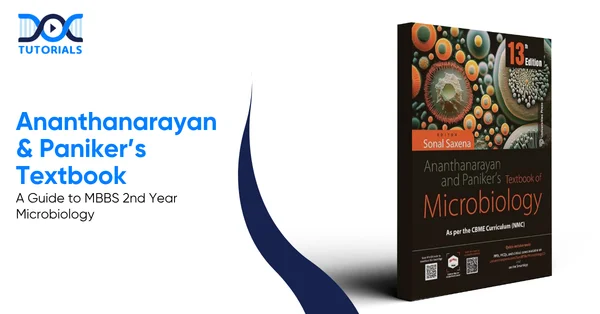
Ananthanarayan Panikers Textbook

Ananthanarayan and Paniker’s Textbook of Microbiology is among the most popular microbiology reference books used by second-year MBBS students in India. The book, written by R. Ananthanarayan and C. K. Jayaram Paniker, is a fundamental work for undergraduate medical training for MBBS students.

This guide highlights the authorship of the Paniker microbiology textbook, the recent edition’s CBME compliance, its content, and how the textbook facilitates integrated learning in the MBBS course. Keep reading to know more.

Overview of the Ananthanarayan & Paniker’s Textbook of Microbiology

Ananthanarayan & Paniker’s Textbook of Microbiology, by R. Ananthanarayan and C. K. Jayaram Paniker, is a popular textbook among MBBS students in their second year. It was initially published in the 1970s under the name Paniker Microbiology and aims to bridge basic microbiology and clinical practice.

Dr R. Ananthanarayan and Dr C. K. Jayaram Paniker were the first Indian microbiologists whose Textbook of Microbiology (first published in the 1970s) became an important reference to MBBS students. The so-called “Paniker microbiology” or “Ananthanarayan microbiology” has been part of the MBBS 2nd-year syllabus and has been widely used as a textbook in that subject.

Later editions were revised to indicate developments in microbiology and medical training. Earlier editions were published by Orient Longman (now Orient BlackSwan), and the most recent (2023) by Universities Press, with a focus on bacteriology, virology, immunology, parasitology, and laboratory methods.

Key Features of Ananthanarayan and Paniker’s Textbook of Microbiology

The 13th edition (2023) of Ananthanarayan & Paniker’s Textbook of Microbiology is edited by Dr Sonal Saxena. It is aligned with the CBME curriculum (NMC) and features a special focus on integrative and clinically oriented learning.

The most recent 13th edition (2023) of Ananthanarayan & Paniker’s Textbook of Microbiology is revised according to the CBME guidelines of the National Medical Commission. It is, therefore, relevant to the existing MBBS curriculum. It features:

  • Expanded and Structured Bacteriology Section: Bacteriology is divided into Basic Concepts and Systematic Bacteriology to improve conceptual clarity and systematic learning.
  • Modern Diagnostic and Laboratory Techniques: The latest version features some of the newest techniques, such as the VITEK automated identification systems, PCR-based diagnostics, BioFilm Array technology, and newer sterilisation techniques, including plasma sterilisation and CSSD care bundles.
  • Updated Clinical and Public Health Content: Clinical sections are updated with new HIV treatments, national health programs such as the National Hepatitis Control Programme and new information on antibiotics, resistance, and novel infections.
  • Syndromic and Integrated Approach: The discussion of infections is based on a syndromic framework that encompasses epidemiology, laboratory investigation, and prevention. Topics in parasitology and virology are addressed within the corresponding clinical syndromes for a more holistic understanding.
  • AETCOM Integration: A dedicated chapter explores the relationship between AETCOM (Attitude, Ethics, and Communication) ideas and the practice of microbiology.
  • Student-Friendly Learning Aids: Chapters are simplified in tabular format, with flowcharts, illustrations, and images of microbes. Quick revision is aided by summaries, key points, and review questions, whereas online resources with QR codes offer additional study content.
  • Focus on Clinical Competencies: The editors focus on clinical relevance and problem-solving, ensuring that the core competencies needed for exams and clinical practice are prioritised.
  • Continuous Updates Across Editions: Medical advances are reflected in previous iterations, which added national TB and HIV programs, new vaccines, molecular diagnostics, and new viruses such as SARS and Zika.
  • Established Reference for MBBS Students: The book has undergone numerous editions (10th, 12th, and 13th) over the years and remains a reliable microbiology textbook among medical students in India.

Evolution of Ananthanarayan & Paniker’s Microbiology Across Editions

The most radical structural changes have taken place in the latest edition to attain total adherence to the new competency-based curriculum. These current versions completely break down the old academic silos and integrate basic knowledge with clinical applications within a highly ordered syndrome-based approach.

Ananthanarayan & Paniker’s Textbook of Microbiology, 12th edition, has made significant changes to conform to the CBME curriculum by the NMC, adopting a system-based, syndromic model, which integrates microbiology with clinical diseases.

The materials were simplified to fit the reduced MBBS program, and pathogens, pathogenesis, clinical manifestation, and laboratory diagnostics are organised clearly. This approach is further enhanced in the 13th edition, which was edited by Dr Sonal Saxena.

It incorporates parasitology into clinical syndromes, updates on sterilisation and infection control, and includes modern diagnostics, VITEK systems, the BioFilm array, automated antimicrobial susceptibility testing, and a new chapter on AETCOM.

The table below indicates the changes in the textbook structure and focus over the significant editions:

Feature / Element8th, 9th & 10th Editions12th Edition13th Edition (Latest)
Primary Structural ApproachTraditional organism-based, with late clinical additions.Early adoption of system-based clinical integration.Fully Syndromic Approach strictly aligned with NMC CBME.
Parasitology IntegrationTaught as an entirely independent volume or separate section.Taught with clinical association, but quite distinct.Completely merged with all infectious clinical syndromes.
Diagnostic Technologies FocusBasic staining, conventional culture and early molecular methods.Recent molecular diagnostic methods and quality management.Improved emphasis on VITEK, BioFilm Array and automated AST.
Curriculum AlignmentBased on the classical historical medical program.Aligned with early integrated teaching recommendations and a must-know approach.Total compliance with the most recent NMC core competencies.
AETCOM ElementsNot explicitly featured as a specific learning module.Minor references to ethical public health reporting.A full chapter devoted to Attitude, Ethics, and Communication.

Table of Contents of Ananthanarayan and Paniker’s Textbook of Microbiology, 13th Edition

The table of contents of Ananthanarayan and Paniker’s Textbook of Microbiology, latest edition, is broadly divided into three major sections, with several chapters under each. This is the chapter-by-chapter list commonly offered in the book.

The table of contents for Ananthanarayan and Paniker’s Textbook of Microbiology, 13th Edition, is as follows:

Part I: General Microbiology

  1. History and Scope of Microbiology
  2. Basic Concepts of Bacteriology
  3. Systematic Bacteriology
  4. Basic Concepts of Virology
  5. Basic Concepts of Mycology
  6. Basic Concepts of Medical Parasitology
  7. Microbial Genetics
  8. Epidemiology of Infectious Diseases
  9. Sterilisation and Disinfection
  10. Antimicrobial Agents
  11. Infection Control in Healthcare Settings

Part II: Immunology

  1. Immunological Mechanisms in Health
  2. Antigens, Antibodies and the Complement System
  3. Mechanisms of Immune Response
  4. Laboratory Methods Used in the Detection of Immunological Response (Antigen–Antibody Reactions)
  5. Hypersensitivity
  6. Autoimmune Disorders and Immunodeficiency States
  7. Immunological Mechanisms of Transplantation, Immunohematology and Tumour Immunity
  8. Immunoprophylaxis

Part III: Microbiology as Applied to Infectious Diseases

  1. Cardiovascular and Bloodstream Infections
  2. Acquired Immunodeficiency Syndrome (AIDS)
  3. Infections of the Respiratory System
  4. Central Nervous System Infections
  5. Gastrointestinal Infections
  6. Hepatobiliary Infections
  7. Genitourinary and Sexually Transmitted Infections
  8. Urinary Tract Infections
  9. Skin, Soft Tissue and Musculoskeletal Infections
  10. Infections of the Eyes and Ears and Congenital Infections
  11. Zoonotic and Vector-Borne Infections
  12. Opportunistic Infections
  13. Emerging Infections
  14. Oncogenic Viruses
  15. National Health Programmes, Disease Detection and Reporting

How to Use the Ananthnarayan Textbook for MBBS 2nd Year Study?

Ananthanarayan & Paniker’s Textbook of Microbiology is an elaborate resource; therefore, MBBS students must approach the book with a plan. Begin with chapter outlines, simplify ideas with a table and mnemonic, and align ideas and topics with CBME objectives, with short revision notes during training on clinical scenarios and questions.

The Ananthanarayan textbook is broad and, therefore, should be used wisely by the students. Here are some tips:

  • Read Chapter Summaries First: Many chapters include descriptions of the outlines and objectives (e.g., competency links). These reviews will give a summary of major topics before getting into details.
  • Use Mnemonics and Tables: Mnemonics may be provided in the book itself (some older sections list them). Otherwise, develop your own tables (e.g. compare Staphylococcus vs Streptococcus). This complements the book’s text flow and aids retention.
  • Focus on CBME Competencies: Since the book is CBME-aligned, align the official learning objectives with each chapter. A good example is to tie Chapter 12 (Antimicrobials) to antimicrobial stewardship competency.
  • Supplement with Clinical Scenarios: The book provides pathogen lists for diseases. To reinforce learning, learners are recommended to review clinical cases. Such an active method transforms a passive reading into effective knowledge.
  • Review Updated Guidelines: Be extra keen on sections marked “updated guidelines” (e.g., HIV, TB, hepatitis). These are usually presented as boxed notes or highlighted text. These reflect real-world practices.
  • Combine with Short Notes: Once you read a chapter of the book, summarise its chapters in bullet notes. This is to assist in the last-minute revision and some high-yield facts.
  • Solve Questions: Test yourself with the summary points of the textbook and self-assessment questions (or textbook-created questions) at the end of the semester. The book’s content can be supplemented with practice questions by Apurba Sastry or lecture notes.

Students can leverage the book’s comprehensiveness by systematically aligning its chapters with course lectures and practicals. Ananthanarayan & Paniker’s Textbook of Microbiology is designed to serve as both a learning resource and a reference.

Comparison: Ananthanarayan Microbiology with Other Standard Microbiology Textbooks

Ananthanarayan and Paniker’s Textbook of Microbiology is a popular Indian textbook used to teach microbiology to MBBS students due to its clarity of explanations and sound conceptual basis. Textbook of Microbiology by Apurba S. Sastry is clinically oriented and CBME-friendly.

The following is a comparison table of the Ananthanarayan and Paniker Textbook of Microbiology with other popular microbiology textbooks used by MBBS students:

FeatureAnanthanarayan and Paniker’s Textbook of MicrobiologyTextbook of Microbiology by Apurba S. SastryJawetz, Melnick & Adelberg’s Medical MicrobiologyLevinson Review of Medical Microbiology and Immunology
Primary AudienceMBBS, BDS students, and allied health students.MBBS students (CBME curriculum).International medical students.Medical students preparing for the USMLE and other exams.
Approach to TopicsClassification based on organisms (bacteriology, virology, mycology and so on).Clinically oriented and system-wise approach.Classical microbiology approach.Review-based conceptual approach.
Content CoverageExtensive descriptions of medical microbiology and immunology.Comprehensive clinical associations and diagnostics.Extensive microbiology with a strong theoretical foundation.Focus on high-yield concepts and immunology.
Clinical OrientationModerate; it combines clinical microbiology and infectious diseases.Clinical correlation and case-based learning are at an exceptionally high level.Moderate clinical focus.Strong conceptual explanation with clinical relevance.
Illustrations & DiagramsSufficient number of diagrams and tables.New diagrams, flowcharts and summary boxes.Detailed diagrams but more text-heavy.Simplified figures and tables for revision.
Exam OrientationHelpful in college exams, contains exam-type questions.Highly exam-oriented with quick revision tables.Less exam-oriented for Indian university exams.Designed for review and competitive exams.
Latest UpdatesRevised to cover CBME curriculum, molecular diagnostics, and infection control.With frequent updates on modern diagnostics and clinical microbiology.Global updates in microbiology and infectious diseases.Updated with molecular microbiology and immunology concepts.
StrengthsIn a traditional Indian textbook, the explanations are very clear, and the basic knowledge is good.Concise, organised, easy to revise.Highly authoritative international reference.Excellent for concept revision and board exams.
LimitationsA little conventional structure and long text.Some sections may be condensed for beginners.Large and dense for undergraduate exams.Not a completely detailed textbook.

FAQs about Ananthanarayan & Paniker’s Textbook

  1. What is the latest edition of Ananthanarayan & Paniker’s Microbiology?

The latest edition (2023) is the 13th edition of 2026. It has been edited by Dr Sonal Saxena and is published by the University Press.

  1. What topics does the Ananthanarayan & Paniker’s Microbiology textbook cover?

Ananthanarayan & Paniker’s Microbiology book includes general microbiology (microscopy, sterilisation, immunity) and clinical microbiology (bacteriology, virology, mycology, and parasitology), as well as laboratory diagnosis and disease-based discussions.

  1. Is Ananthanarayan & Paniker’s Microbiology enough for 2nd-year MBBS exams?

Along with Ananthanarayan & Paniker’s Microbiology, many students also use short review books or lecture notes as a simplified way to revise.

  1. Are the Ananthanarayan & Paniker’s Microbiology e-book or PDF versions available?

Certain editions of Ananthanarayan & Paniker’s Microbiology include official e-book versions. Authorised copies should be obtained by students from publishers, libraries, and official platforms.

  1. How does Ananthanarayan & Paniker’s Microbiology book compare with other microbiology books?

Ananthanarayan & Paniker’s Microbiology is regarded as a standard guide to MBBS microbiology in India and is popular for its extensive, examination-related material.

  1. What is the difference between the Ananthanarayan & Paniker’s Microbiology 10th and 13th editions?

The Ananthanarayan & Paniker’s Microbiology, 10th edition, was written in a classic organism-based format, whereas the 13th edition is written in a syndromic approach, with CBME-friendly diagnostics and new divisions such as AETCOM.

  1. Who were the original authors of Ananthanarayan & Paniker’s Microbiology book?

The Ananthanarayan & Paniker’s Microbiology textbook was first published in 1978 by Dr R. Ananthanarayan and Dr C. K. Jayaram Paniker, making it a classic textbook in medical studies.

  1. Is the Paniker microbiology book sufficient to pass university exams?

Yes. When studied systematically, Ananthanarayan & Paniker’s Microbiology offers an overall theory and clinical scenario required for both the written examination and the practical viva.

  1. How should students make notes from Ananthanarayan & Paniker’s Microbiology book?

Organise notes under key headings, such as causative agent, pathogenesis, transmission, clinical features, laboratory diagnosis, and prevention/treatment, for each disease.

  1. Why is Ananthanarayan & Paniker’s Microbiology, the latest edition, recommended over older editions?

The current version of Ananthanarayan & Paniker’s Microbiology is based on the NMC competency-based curriculum and a clinical syndromic approach, and is therefore much more relevant to contemporary MBBS exams.

Conclusion

Microbiology is a second-year course in MBBS which requires strong concepts and clinical knowledge. Ananthanarayan & Paniker’s Textbook of Microbiology can be used to establish this framework through a CBME-based approach. Reviewing textbooks combined with notes, case discussion and practice questions, enhances concepts and prepares for the exam.

For structured academic support, DocTutorials can be your study partner. We offer 3D & 2D animated videos, CBME-based video lectures, and structured mentorship and guidance by experts. This ensures aspirants gain complete clarity over complex medical concepts.

Join DocTutorials today and explore our MBBS curriculum to excel in your medical career!

DocTutorials App Download Now

Latest Blogs

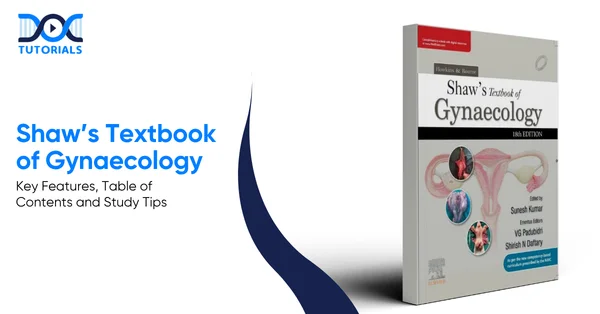
Shaw’s Textbook of Gynaecology: Key Features, Table of Contents and Study Tips

Shaws Textbook of Gynaecology

Shaw’s Textbook of Gynaecology is considered the most famous gynaecology textbook among medical students in India. It is aimed at undergraduate learners and those about to take postgraduate entrance exams, but it can also be valuable to allied health courses.

This guide offers a review of Shaw’s Textbook of Gynaecology, one of the most commonly used reference books among medical students. It outlines the structure, key points, and academic relevance of the latest edition, and provides a comparison with other popular gynaecology textbooks in the MBBS curriculum. Keep reading to know more.

Overview of Shaw’s Textbook of Gynaecology, 18th Edition

Shaw’s Textbook of Gynaecology is a long-standing approved source of Indian medical education. It is intended to fulfil the requirements of MBBS students and the NEET PG aspirants, and has now been revised to a new version.

Shaw’s Textbook of Gynaecology is organised in a logical manner, beginning with simple anatomy and physiology, leading the students to complex gynaecological diseases and oncological treatment. The content has been simplified with point-wise descriptions, boxes, flowcharts, and tables, which enable rapid revision.

New clinical guidelines from the World Health Organisation (WHO) and the International Federation of Gynaecology and Obstetrics have also been introduced in the latest edition, along with clinical case scenarios to reinforce practical, examination-focused learning.

Howkins & Bourne: Shaw’s Textbook of Gynaecology, 18th Edition, recognises the authors of the original text and continues the long academic tradition of the book. The main official information about the most recent version of the 18th edition (2022) is:

  • Title: Howkins & Bourne: Shaw Textbook of Gynaecology, 18th Edition, – name of the subtitle “Howkins and Bourne” acknowledges the names of the original authors of this text.
  • Editors/Authors: Sunesh Kumar, V. G. Padubidri, and Shirish N. Daftary (Professor Daftary is Emeritus, Nowrosjee Wadia Hospital, Mumbai).
  • Publisher and Date: Elsevier India, published in October 2022 (copyright 2023).
  • Page Count: Approximately 596 pages.

Key Features of Shaw’s Latest Edition

The latest edition of Shaw’s gynaecology has been aimed at exam-oriented learners. It provides solid structure, sufficient illustrations, practice aids, and review questions to develop solid concepts and provide assistance.

Shaw’s textbook of gynaecology, 18th edition, is designed to assist medical students in conceptual learning as well as in examination preparation. The editors have created the book to comply with the contemporary teaching techniques and revised medical curriculum.

It helps students to prepare for university and competitive exams by explaining complex gynaecological terms, using visual aids or revision tools, and making everything simple. 

The 18th edition of Shaw includes a number of features mentioned by the publisher as advantageous to students:

  • Logical, Curriculum-Aligned Content: Each chapter is arranged in a logical order, starting with anatomy and physiology to study disorders and specific clinical conditions, helping students develop concepts in steps. The book comprehensively covers the gynaecology curriculum in a lucid narrative.
  • Illustrations and Images: The texts include coloured diagrams, pathology photographs, surgical images, and ultrasound scans that support visual learning and the explanation of anatomical processes and diseases.
  • Key Points for Review: Key points are summarised by each chapter in order to enable students to revise basic information right before examinations.
  • Self-Assessment Questions: End-of-chapter practice questions help students review their knowledge and build exam-type question fluency.
  • Current Guidelines: The book incorporates the most recent guidelines and categorisation from the International Federation of Gynaecology and Obstetrics, including the latest staging and management guidelines.
  • Curriculum Updates (CBME): The edition has been updated to align with the competency-based model of medical education proposed by the National Medical Commission to better meet current medical training needs.
  • Clinical Case Discussions: There are numerous chapters that include clinical case scenarios in which students learn to diagnose and treat common gynaecological cases and can make an association between theoretical learning and practical clinical scenarios.

All these aspects collectively make the textbook a complete study guide that assists with classroom learning and prepares undergraduate medicine students to take the examination.

Table of Contents of Shaw’s Textbook of Gynaecology, 18th Edition

The table of contents of Shaw’s Textbook of Gynaecology, 18th edition, is as follows:

Approach to a Gynaecological Patient

Section 1: Anatomy, Physiology and Development of Female Reproductive Organs

Chapter 1; Anatomy of Female Genital Tract

Chapter 2: Normal Histology of Ovary and Endometrium

Chapter 3: Physiology of Ovulation and Menstruation

Chapter 4: Development of Female Reproductive Organs and Related Disorders

Chapter 5: Puberty, Adolescence and Related Gynaecological Problems

Chapter 6: Menopause and Related Problems

Chapter 7: Breast and Gynaecologist

Chapter 8: Sexual Development and Variations of Sexual Development

Section 2: Disorders of Menstruation

Chapter 9: Common Disorders of Menstruation

Chapter 10: Abnormal Uterine Bleeding (AUB)

Chapter 11: Primary and Secondary Amenorrhoea

Chapter 12: Fibroid Uterus

Chapter 13: Endometriosis and Adenomyosis

Chapter 14: Hormonal Therapy in Gynaecology

Section 3: Common Conditions in Gynaecology

Chapter 15: Infertility – Male and Female

Chapter 16: Ectopic Gestation

Chapter 17: Acute and Chronic Pelvic Pain

Chapter 18: Temporary and Permanent Methods of Contraception

Chapter 19: Medical Termination of Pregnancy

Section 4: Benign Conditions in Gynaecology

Chapter 20: Genital Prolapse

Chapter 21: Displacements of the Uterus

Chapter 22: Diseases of the Broad Ligament, Fallopian Tubes and Parametrium

Chapter 23: Benign Diseases of the Ovary

Chapter 24: Benign Diseases of the Vulva

Chapter 25: Benign Diseases of the Vagina

Section 5: Infections in Gynaecology

Chapter 26: Pelvic Inflammatory Disease

Chapter 27: Tuberculosis of the Female Genital Tract

Chapter 28: Sexually Transmitted Diseases Including HIV Infection

Section 6: Urinary and Intestinal Tract in Gynaecology

Chapter 29: Diseases of the Urinary Tract

Chapter 30: Urinary Fistula and Stress Urinary Incontinence

Chapter 31: Injuries of the Genital Tract and Intestinal Tract

Section 7: Gynaecological Malignancies

Chapter 32: Preinvasive and Invasive Carcinoma of the Cervix

Chapter 33: Cancer of the Body of the Uterus

Chapter 34: Pathology of Ovarian Tumours

Chapter 35: Ovarian Malignancies

Chapter 36: Vulval and Vaginal Cancer

Chapter 37: Gestational Trophoblastic Diseases

Chapter 38: Radiation Therapy, Chemotherapy and Palliative Care for Gynaecological Cancers

Section 8: Imaging Modalities, Endoscopic Procedures and Major and Minor Operations in Gynaecology

Chapter 39: Imaging Modalities in Gynaecology

Chapter 40: Endoscopy in Gynaecology

Chapter 41: Major and Minor Operations in Gynaecology

Chapter 42: Obesity, Polycystic Ovaries and Hirsutism

Chapter 43: Instruments Used in Gynaecology

What is New in Shaw’s Latest 18th Edition?

The latest version (18th) includes new updates that reflect curriculum modifications and international standards. It is a contemporary version of Shaw’s Gynaecology, incorporating new educational norms (CBME) and international/Indian practices, and is fully up-to-date with modern MBBS and NEET programs.

The 2022 (18th edition) of Shaw’s textbook of Gynaecology includes some critical updates in comparison to the previous editions:

  • CBME Alignment: It has been updated to align with the Competency-Based Medical Education (CBME) framework developed by the National Medical Commission, focusing on expected competencies, skills, and clinical attitudes.
  • Integrated Topics: The edition encourages vertical and horizontal integration by connecting gynaecology with adjacent fields, including genetics and community health.
  • Guidelines on Female Genital Tuberculosis: Given the Indian clinical setting, the book incorporates new advice on genital tuberculosis in line with guidelines from the World Health Organisation (WHO) and the Government of India.
  • Revised Cancer Staging: Recent staging and classification principles of the International Federation of Gynaecology and Obstetrics are included, especially in cervical cancer and other gynaecological malignancies.
  • Clinical Case Examples: Most chapters contain realistic clinical scenarios that depict patient presentations, diagnoses, and treatments, allowing students to relate the concepts learnt in theory to clinical situations.

Edition Comparison of Shaw’s 16th, 17th and 18th Edition

The following table shows how Gynaecology by Shaw has developed (16th-18th editions):

Edition (Year)EditorsNotable Features/Updates
16th (2014)V.G. Padubidri, S.N. DaftaryCompletely updated, with pointwise systematic presentation for clarity. Included additional tests, figures and tables. Added self-review and recommended readings.
17th (2018)S. Kumar, V.G. Padubidri, S.N. DaftaryModified to a narrative format with bullet emphasis. Inserted additional flowcharts and colour pictures. Follows the entire curriculum and has end-of-chapter review questions.
18th (2022)S. Kumar, V.G. Padubidri, S.N. DaftaryAccording to the new CBME curriculum. Contains new WHO/Govt. of India guidelines (e.g. Female Genital TB), revised FIGO cancer staging, and clinical case discussions. The content of the chapters is rewritten to be up-to-date.

The new editions are based on the previous versions and incorporate the newest medical knowledge and teaching methods.

Feature CategoryFeatures of the 17th EditionFeatures of the 18th Edition
Curriculum AlignmentBased on the traditional, subject-isolated medical curriculum.Fully updated and revised according to the new competency-based medical curriculum and vertical and horizontal integration.
Visual ElementsThe use of traditional anatomical black-and-white diagrams is widespread.More than 60 monochrome images were replaced with high-quality colour illustrations, contemporary pathologic slides, and precise sonographs.
Clinical GuidelinesOlder oncological staging and traditional World Health Organisation (WHO) protocols.Includes the most recent World Health Organisation (WHO) recommendations, Indian government attitudes toward Genital Tuberculosis, and recent oncological staging.
Practical Examination AidRandom, descriptive references to surgical tools.Includes a new chapter with structured, dedicated description of all main instruments of gynaecology.
Clinical ApplicationCentred on standard theory descriptions of disease.Presents detailed clinical cases at the end of chapters to impart specifics about patient workup and differentials.
Digital IntegrationSimple access to an electronic book without multimedia additions.
Improved online accessibility of additional videos and special lecture notes on difficult surgical operations.

Shaw’s Textbook vs Other Gynaecology Books

The question of which primary textbook to choose is a constant battle for medical students, between narrative conciseness and exhaustive reference detail. While one excels at developing fundamentals for university exams, the other stands out as a comprehensive clinical guide for postgraduates.

A popular argument among medical undergraduates concerns which textbook is the best primary gynaecology textbook, notably between Shaw’s Textbook of Gynaecology and theTextbook of Gynaecology by DC Dutta.

Comparing their teaching style, structure, and depth will help students choose the most appropriate resource to meet their study needs. The given table shows the primary distinctions between the two textbooks:

Evaluation ParameterShaw’s Textbook of GynaecologyDC Dutta’s Textbook of Gynaecology
Primary ApproachNarrative prose, a rational pattern of disease causation, and a highly conceptual framework.Detailed, data-driven, structured and a lot of bullets.
Content DepthShort and to the point, it addresses the fundamental needs of the undergraduate curriculum.Tiring and encyclopedic; covers a lot of surgical and medical details at the postgraduate level.
ReadabilityFluent, narrative structure; extremely easy to read and continuous without early fatigue.Long, reference-style text; cognitively heavy, and may be exhausting when one has to read it fast.
Best Utilised ForBasic undergraduate reading, conceptual clarity development, and learning the anatomy.Deep reference reading, which utilises specialised treatment algorithms, and postgraduate residency survival.

Study Tips for Shaw’s Textbook of Gynaecology

Effective preparation with Shaw’s text involves following the curriculum’s order, reviewing the main points, and practising self-assessment questions. Practical tasks, such as sketching out drawings, note-taking with bullets, and discussing topics with peers, improve recall.

Strategic preparation entails working with the book’s content to practice questions and also concentrate on the high-yielding topics. General study tips include:

●   Follow the Curriculum Sequence: Begin with the simple anatomy and physiology of the whole female genital system, and proceed subsequently to pathology, just as Shaw organises the material. This secures a good conceptual basis.

●   Use Key Points and Questions: After reading one chapter, read the summaries of the Key Points and take up the self-assessment questions. This is a test of retention and readiness for examination.

●   Draw & Visualise: Redraw reproductive anatomy, menstrual cycle or surgery. Your notes may be guided by Shaw regarding coloured images. The visual mnemonics are used to remember information when taking exams.

  • Practice Clinical Cases: Complete the clinical case scenarios found in the book. Another step is to practice past NEET questions on those cases (e.g., infertility or a diagnostic workup for bleeding).

●   Make Bullet Lists for Recall: As Shaw is presented in an essay format, summarise every chapter in bullet notes or flowcharts. Bold keywords (e.g. causes of amenorrhoea) so that they can be easily recalled.

●   Discuss and Teach: Make group discussions and test each other on topics such as birth control methods or cancer screening policies. Use yourself to teach others and reinforce your knowledge of what Shaw teaches.

●   Focus on High-Yield Topics: Spend a little longer time on common gynaecological emergencies (ectopic, haemorrhage), endocrine causes of infertility and cancer epidemiology. The new chapters on these topics covered by Shaw (e.g., the newest FIGO staging) need to be read carefully.

Although everyone has different studying habits, Shaw should be supplemented with active revision (notes, MCQs, flashcards) as a time-tested method. For NEET and MBBS, it is better to go through the chapters, map them to the official exam syllabus, and practice.

FAQs about Shaw’s Textbook of Gynaecology

  1. What is the latest edition of Shaw’s Textbook of Gynaecology?

The most recent edition is the 18th (2022), edited by Sunesh Kumar, V. G. Padubidri, and Shirish N. Daftary. Published by Elsevier India, it has approximately 596 pages.

  1. Who is the target audience for Shaw’s Gynaecology?

Its primary audience is the MBBS undergraduate learners and candidates who are about to undertake exams such as the National Eligibility cum Entrance Test for Postgraduate (NEET PG). It is also a good resource for nursing and other allied health students.

  1. Is Shaw’s textbook enough for NEET PG preparation?

It effectively discusses prominent obstetrics and gynaecology concepts and can be relied upon to promote sound basics. Nonetheless, students typically combine it with MCQ practice, question banks, and revision notes to achieve comprehensive preparation.

  1. Does Shaw’s textbook include practice questions and summaries?

Yes. At the end of every chapter, there will be summaries of the key points and self-assessment questions, helping students to revise vital topics and assess the acquired knowledge.

  1. Where can students view the table of contents or sample chapters?

The previews and table of contents are usually posted on the websites of publishers and certain online bookstores so that students can check the chapter arrangement before purchasing.

  1. Are there any drawbacks to Shaw’s textbook?

Certain students find the essay format to be just slightly more difficult than memorising points. Many learners thus formulate their own summary notes as they learn.

  1. Is upgrading to the latest edition necessary?

Yes. The 18th edition contains updates in accordance with the competency-based curriculum presented by the National Medical Commission and revised clinical guidelines and cancer staging systems.

  1. Is Shaw’s Textbook of Gynaecology valuable beyond exam preparation?

It is a valuable reference for clinical postings and internships, enabling students to integrate theory into patient care. It provides a solid foundation in reproductive health and gynaecology through a clear conceptual framework.

  1. What are some high-yield gynaecology topics for entrance exams?

Notable ones are Abnormal Uterine Bleeding, Polycystic Ovary Syndrome, infertility management, Ectopic Pregnancy, and the staging and screening of tumours such as Cervical Cancer and ovarian malignancies usually assessed in postgraduate entrance exams.

  1. How does the narrative style of the Shaw textbook compare to other major reference books for postgraduate preparation?

It is recognised as an excellent textbook that has a readable style and is best suited to early MBBS learning. Comparatively, other references are too thick to be read by beginners. For postgraduate prep, students rely on notes and question banks, using standard texts mainly to clarify complex topics.

Conclusion

Shaw’s Textbook of Gynaecology aids students in knowing the critical clinical concepts and pathophysiology required in university and competitive exams. Overall, textbook reading, MCQ training and revision using case studies bring concepts and examination readiness.

For structured academic support, DocTutorials can be your study partner. We offer 3D & 2D animated videos, CBME-based video lectures, and structured mentorship and guidance by experts. This ensures aspirants gain complete clarity over complex medical concepts.

Join DocTutorials today and explore our MBBS curriculum to excel in your medical career!

DocTutorials App Download Now

Latest Blogs

First Year MBBS Question Papers for Exam Preparation

first year mbbs question paper for exam

According to the NMC MBBS curriculum, the three major subjects that you need to study in your first year of MBBS are Anatomy, Physiology, and Biochemistry. The most effective way to clear these subjects is to practice the first year MBBS previous question papers. It will not only give you a clear idea of the questions that are asked in the exams but will also help you to clear the concepts and prepare the important questions in the most efficient manner.

Read on to explore how First Year MBBS question papers can help you prepare smarter and score better in your exams.

Understanding the MBBS First Year Syllabus for the Exam

The first year MBBS course includes the study of the three major subjects, namely, Anatomy, Physiology, and Biochemistry, which act as the foundation stone for all the other subjects that you will study later in your medical career.

The first year of MBBS is considered the academic foundation of medical studies. According to the NMC MBBS Syllabus 2025, the three major subjects that you need to study in your first year of MBBS are Anatomy, Physiology, and Biochemistry.

These topics form the foundation for all subsequent clinical MBBS courses, such as Pathology, Pharmacology, and Medicine. Students can easily master a good understanding of these topics by attempting the 1st year MBBS question paper, which primarily focuses on them.

Check out an overview of the first year MBBS syllabus below:

  1. Anatomy – The Structure of the Human Body

Anatomy is one of the most important subjects for First Year MBBS students. This subject is based on the study of the human body and its structures.

The first year MBBS Anatomy syllabus includes:

  • Gross Anatomy – Study of organs, bones, and muscles through dissection and observation of cadavers.
  • Histology – Study of tissues and structures under a microscope.
  • Embryology – Study of human development from conception to birth.
  • Neuroanatomy – Study of the structures and organisation of the human brain, spinal cord, and nervous system.

Why Does it Matter?

Anatomy is one of those subjects where a student needs to know about the structures of the human body. These topics are frequently asked in the MBBS first year paper, making it extremely important for students to attempt these questions.

  1. Physiology – Functions of the Human Body

This subject is based on the study of functions of different body systems and how they work together for normal body functions.

The first year MBBS Physiology syllabus includes:

  • General Physiology – Study of basic functions of the human body.
  • Systemic Physiology – Study of different body systems such as cardiovascular, nervous, digestive, endocrine, and musculoskeletal.
  • Clinical Physiology – Application of Physiology concepts.

Why Does it Matter?

This subject helps students understand how diseases affect normal body functions and how treatments work. Physiology questions from the MBBS 1st year paper help students improve analytical and conceptual thinking.

  1. Biochemistry – The Chemical Basis of Life

Biochemistry is a branch of science that deals with the chemical processes occurring inside the human body and explains the molecular basis of life.

The first year MBBS Biochemistry course includes:

  • Biomolecules – Proteins, carbohydrates, lipids, and nucleic acids.
  • Enzymes – Functions and medical significance of enzymes.
  • Metabolism – Carbohydrate, lipid, protein, and nucleic acid metabolism.
  • Molecular Biology – DNA, RNA, gene expression, and regulation.
  • Clinical Biochemistry – Importance of biochemical investigations in disease diagnosis.

Why Does it Matter?

Biochemistry questions are commonly repeated in MBBS 1 year question papers, which makes practicing past papers especially helpful for scoring well.

What are the Top Benefits of Using Previous Years’ Solved MBBS Papers?

Previous year solved papers help students understand important questions, improve answer-writing skills, and manage time effectively. Regular practice boosts confidence and highlights the most frequently tested concepts in MBBS 1st-year exams.

Below are the top five benefits of using first year MBBS previous question papers for students who want to excel in exams and become successful medical practitioners:

  1. Assess and Improve Yourself

If you wish to assess your preparation level and identify your weaknesses, you can benefit greatly from solving previous years’ question papers. You can measure your level of preparation and identify weaknesses. 

Once you have identified your weaknesses, you can plan and improve your preparation strategy accordingly. You can also improve your understanding of complicated topics and enhance your overall subject knowledge.

  1. Better Insights into Exam Structure

The second major advantage of solving previous years’ question papers is gaining better insights into the exam pattern. University exams are structured, with a set marking scheme and different types of questions. 

Practicing first year MBBS question papers can help students gain better insights and become familiar with the exam pattern. This is highly advantageous for students, as it reduces their nervousness and allows them to approach exams with greater confidence.

  1. Efficient Time Management

Time management is one of the key factors for success in exams. Students need to manage time efficiently and accurately to complete their exams within the stipulated time. By regularly practicing, students can develop the habit of completing papers within the given time frame. Some subjects also require more time, as they involve lengthy explanations and diagrams. 

Therefore, it is crucial for students to practice within a set time frame. This will ensure they can complete their exams on time without undue stress or tension.

  1. Enhances Your Confidence

Confidence is one of the key factors that will help students perform well in their exams. Without proper confidence, even highly prepared students will find it difficult to perform well. One of the most important advantages of practicing MBBS first year previous question papers is that it will enhance your confidence levels. 

When students regularly practice solving question papers, they will improve their answer-writing skills and become familiar with the exam pattern.

  1. Strategic Practice

Regular and consistent practice is highly important for mastering any subject. By regularly practicing multiple sets of first year MBBS question papers, students can gain a much deeper and clearer understanding of the topics that are frequently asked in exams. 

Though it is obvious that questions will not be repeated in exams, it is also true that exam patterns will remain similar. Therefore, students can perform well in exams if they regularly practice solving question papers.

FAQs about First Year MBBS Question Papers

  1. Why are first year MBBS question papers useful in preparing for the exams?

By solving the MBBS first year previous question papers, students can get an idea of the examination pattern, important topics, and marking schemes followed in the university examination.

  1. How many years of first year MBBS question papers should I practice?

Students should practice at least the last 5-10 years of first year MBBS question papers to get an idea of the common topics asked in the examination and the pattern followed.

  1. Do questions repeat in first year MBBS university exams?

Although the exact questions might not always be the same, similar ideas and topics can be presented in various forms.

  1. When is the best time to start solving first year MBBS question papers?

First year MBBS question papers should be solved after mastering the basic concepts of every subject. Early practice enables the students to know what to expect in their exams and how to study.

  1. Are previous year question papers enough to pass the first year MBBS exams?

Previous-year question papers are extremely helpful but should be used alongside standard textbooks and notes. A strong conceptual understanding is necessary to answer both theoretical and application-based questions.

  1. How do first year MBBS question papers help with time management?

Practicing question papers within a fixed time limit helps mimic exam conditions, enabling students to fine-tune their time management. By doing so, students become more confident and have an increased chance of attempting all questions without rushing. 

  1. Which subjects are covered in first year MBBS question papers?

First year MBBS question papers usually include Anatomy, Physiology, and Biochemistry. Each subject contains both theoretical and practical-based questions.

  1. How frequently should I practice first year MBBS question papers?

Students are supposed to practice question papers, particularly after they have covered major topics. As exams approach, solving papers more frequently can help improve performance.

  1. Can solving MBBS previous year question papers improve conceptual understanding?

Yes, completing the MBBS previous year question papers reinforces theoretical knowledge and highlights areas for improvement. It also allows students to put concepts into practice rather than just memorising them.

  1. Should I solve the MBBS previous year question papers subject-wise or attempt full papers?

Subject-wise practice would be more appropriate to enhance individual topics. Later, students should attempt full-length papers to simulate real exam conditions.

Conclusion

It is very important to keep in mind that preparation for first year MBBS exams is all about consistency, concepts, and a smart approach. Since Anatomy, Physiology, and Biochemistry are considered the foundation of any medical course, it is advisable to excel in these subjects with regular practice of MBBS 1 year question papers.

To further enhance your preparation efficiency, it is important to combine organised learning with frequent practice. Platforms such as DocTutorials offer clearly structured study materials and conceptual learning, as well as question-bank practice that is consistent with university exams. What’s more, you get access to previous-year papers, animated video lectures, mentorship support, mock tests, and more. 

Check out our MBBS courses today!

DocTutorials App Download Now

Latest Blogs

MBBS Exam Question Papers: Curriculum, Pattern, and Preparation Strategy

MBBS Exam Question Papers

The MBBS course is 4.5 years of academic study followed by a mandatory one-year internship. During the course, students take structured university exams that assess their progress from basic sciences to clinical training.

This guide will discuss the general structure of the MBBS exam, the mark allocation, and the question patterns for all stages. Keep reading to learn useful tips on critical analysis of past years’ papers and the best way to prepare in accordance with the Indian MBBS curriculum.

How Do the CBME Guidelines Impact the MBBS Question Paper Patterns?

The National Medical Commission has introduced the Competency-Based Medical Education framework. It has changed the evaluation process from rote memorisation to skill development. It influences MBBS exam question papers to focus on clinical practice, early exposure to patients, and ethical medical practice.

Medical training and assessment have changed with the introduction of Competency-Based Medical Education (CBME) by the National Medical Commission. It was revised in 2024 and aimed to produce globally competent Indian Medical Graduates. It is based on community healthcare requirements, with early inclusion of basic sciences and clinical education.

CBME pays attention to examine skills, which entail clinical ability, logbooks, and the completion of the AETCOM (Attitude, Ethics, and Communication) module at all stages. Early Clinical Exposure and the Learner Doctor model mean that exams are now more focused on situational, practical questions rather than rote memorisation.

MBBS Question Papers: Phase-Wise Subject Distribution and Timelines

The MBBS academic curriculum is systematically divided into several stages, each of which has a certain number of teaching hours and clinical placement. This progressively developed distribution assumes that students build a strong foundation before undertaking specialised clinical examinations.

The medical curriculum is split into 3 stages of 4.5 years before internship. Every stage is strictly controlled regarding the number of teaching hours and the ratio between small group learning and self-directed study:

  • Phase I (First Professional Year): This phase, lasting twelve months, emphasises the pre-clinical sciences. It starts with the creation of an 80-hour foundation course that covers an introduction to life-saving rules, fundamental life support, the code of ethics, and communication skills.
  • Phase II (Second Professional Year): The second phase moves into the para-clinical subjects. This phase revolves around disease mechanisms, infectious agents, and pharmacological interventions.
  • Phase III (Third Professional Year): This clinical phase is further classified into Part I (twelve months) under Community Medicine and allied subjects, and Part II (eighteen months) under the core clinical subjects of Medicine, Surgery, Pediatrics, and Obstetrics and Gynaecology.
PhaseProfessional YearDurationTotal Available Teaching HoursFocus Area
Phase IFirst MBBS12 Months1521 HoursPre-Clinical Sciences
Phase IISecond MBBS12 Months1521 HoursPara-Clinical Sciences
Phase III (Part 1)Third MBBS Part I12 Months1521 HoursClinical Basics & Public Health
Phase III (Part 2)Third MBBS Part II18 Months2418 HoursCore Clinical Specialities

First Professional Year: Pre-Clinical Subjects Question Papers

The first professional year examines the introductory courses of Anatomy, Physiology, and Biochemistry through exhaustive question papers. These exams will require an in-depth theoretical knowledge of the healthy human body and biochemical processes, as well as the skill to recreate complex anatomical illustrations.

The pre-clinical period offers in-depth insight into the human body that is crucial for diagnosing pathological deviations in the later program. The MBBS first-year exam papers are designed to assess spatial relationships, functional mechanisms and chemical life processes.

  • Human Anatomy

Anatomy encompasses both gross anatomy and neuroanatomy, histology and embryology and has a strong emphasis upon organ relationships and clinical correlations. Areas most commonly tested are: cerebellar pathways, thoracoabdominal anatomy.

The exam comprises two 100-mark theory papers and a 100-mark practical, including spotting, histology, and viva.

  • Physiology

Physiology examines the flow of operation of the major body systems, such as the cardiovascular and nervous systems. Exams focus on a few concepts, such as nerve conduction, muscle contraction, and hemodynamics, which may require flowcharts and feedback loops.

  • Biochemistry

Biochemistry is a branch of molecular science that involves metabolism, enzymology, and genetics. Common tests on examination include glycolysis, TCA cycle, beta-oxidation, the urea cycle and DNA processes, and clinical associations such as metabolic disorders.

First Year SubjectNumber of Theory PapersMarks per PaperTotal Theory MarksPractical / Viva Marks
Human Anatomy2100200100
Physiology2100200100
Biochemistry2100200100

Second Professional Year: Para-Clinical Subjects Question Papers

The second professional year bridges the gap between normal biology and clinical disease presentation. Pathology, Pharmacology and Microbiology question papers are geared toward the aetiology of diseases, microscopic histopathology and the basis of therapeutic intervention.

In the para-clinical phase, the analysis begins to focus on disease pathogenesis, the identification of infectious agents, and the drugs used to combat them.

  • Pathology

Pathology is the connection between basic sciences and clinical medicine. Exams usually include cell injury, inflammation, neoplasia, haematology and systemic pathology. Questions based on scenarios usually require recognition of key microscopic observations in disease.

  • Pharmacology

In this field, drug classifications, mechanisms, pharmacokinetics, pharmacodynamics, drug adverse effects, and drug interactions must be well understood.

Exams usually include brief notes on pharmacological justifications of treating a particular clinical condition and the drug classes.

  • Microbiology

Microbiology focuses on infectious diseases and encompasses bacteriology, virology, mycology, parasitology, and clinical immunology. The students should learn the morphology of pathogens, culture techniques, and diagnostics, and the frequent topics include hypersensitivity reactions, tuberculosis pathogenesis, markers of viral hepatitis, and immunodeficiency disorders.

Second Year SubjectNumber of Theory PapersMarks per PaperTotal Theory MarksPractical / Viva Marks
Pathology2100200100
Pharmacology2100200100
Microbiology2100200100

Third Professional Year Part I: Clinical Basics Question Papers

The Third Professional Year, Part I, exposes students to population health metrics and specialised sensory organ disciplines. The exams balance the assessment of public health policies, epidemiology, medico-legal ethics, and surgical diagnostics in Ophthalmology and Otorhinolaryngology.

This stage marks the official transition into clinical subjects and requires a high level of integration with the basic knowledge gained in earlier years.

  • Community Medicine

Community medicine is a broad field that encompasses epidemiology, biostatistics, and environmental health, as well as national health programs.

The university question papers are also lengthy and sometimes include in-depth essays on disease outbreak investigations, immunisation programmes, demography, and the socio-economic determinants of health.

  • Ophthalmology

Focusing entirely on eye diseases, the question papers on the subject frequently include clinical cases like the management of a patient with a red eye, the diagnosis of different forms of corneal ulcers, the treatment of acute iridocyclitis, and the management of glaucoma.

  • Otorhinolaryngology (ENT)

Otorhinolaryngology deals with the complex illnesses of the nose, throat and ear. The management of acute otitis media, tonsillitis, deviated nasal septum and laryngeal pathologies is actively tested in the question papers.

  • Forensic Medicine & Toxicology (FMT)

This important subject equips the students with the rigorous medico-legal demands of the medical practice.

Question papers examine overall familiarity with autopsy regulations, medical ethics, jurisprudence, and diagnostic management of a variety of intoxications.

Refer to the table below:

Third Year Part I SubjectNumber of Theory PapersMarks per PaperTotal Theory MarksPractical / Viva Marks
Community Medicine2100200100
Ophthalmology1100100100
Otorhinolaryngology1100100100
Forensic Medicine & Toxicology1100100100

Final Professional Year Part II: Core Clinical Subjects Question Papers

The final professional year takes the major clinical disciplines of General Medicine, Surgery, Obstetrics and Gynaecology and Paediatrics. Question papers at this stage are advanced, focusing on the holistic management of patients, algorithms in diagnosis, and conclusive treatment protocols.

The MBBS final year is the most important and difficult part of the medical curriculum. This is because around this phase, the student becomes clinically prepared to take on the role of an independent, practising physician.

  • General Medicine

General Medicine encompasses knowledge covering a wide range of adult systemic diseases that are inclusive of all preceding pre-clinical and para-clinical years.

Question papers involve elaborate clinical case scenarios that involve the interpretation of laboratory data, ECG (electrocardiogram), and imaging to come up with structured management plans.

  • General Surgery

This comprehensive discipline includes the general surgical principles, orthopaedics, anesthesiology and radiodiagnosis.

Question papers often include topics in trauma management algorithms, acute abdominal issues, preoperative optimisation, and caring for postoperative complications.

  • Obstetrics and Gynaecology (OBG)

Specialised in reproductive health of women, normal and abnormal pregnancy, labour guidelines, and surgical interventions in pregnancy. 

Topics that are of high yield in the question papers are management of postpartum haemorrhage, ectopic pregnancies, gestational diabetes, and gynaecological malignancies such as cervical cancer.

  • Paediatrics 

Paediatrics focuses on the health of infants, children, and adolescents and places an exceptionally high emphasis on regular growth and development milestones, neonatology, and vaccine schedules in the country.

The management of childhood illness, nutritional disorder, and emergencies in paediatrics is a common question in university question papers.

Final Year Part II SubjectNumber of Theory PapersMarks per PaperTotal Theory MarksPractical / Viva Marks
General Medicine2100200200
General Surgery2100200200
Obstetrics & Gynaecology2100200200
Pediatrics1100100100

MBBS Exam Question Papers: Internal Assessment and University Exam Marking Criteria

To qualify for the final university examinations, students have to navigate a strict web of internal evaluations. These include attendance requirements and passing examinations set by the medical commission.

The regulatory system that governs the criteria for passing the MBBS examination allows only students who perform consistently in the academic stages to advance.

Each subject consists of theoretical and practical parts, and internal examinations are conducted throughout the year. Official guidelines include:

  • Eligibility: Students must meet the attendance and internal assessment requirements. According to the norms of the National Medical Commission, one must have at least 75% attendance in theory and 80% in practical or clinical sessions to be eligible for examinations.
  • Minimum Pass Marks: Theory ≥ 40% and Practical ≥ 40% in each subject. This means that a student should pass both the written and practical exams with an average mark of 40 out of 100.
  • Overall Score: An aggregate of 50% across theory and practical in each subject. This means that even if one component exceeds 40%, the total must reach 50% to pass.
  • Internal vs Final Exam: In most colleges, marks are given out between internal exams and final university exams. During the first professional year, internal assessment accounts for approximately 50% of the total marks, with the remaining 50% being awarded on the basis of the final professional examination.
  • University Variations: Each university may have minor differences (e.g., the number of questions, percentage of marks), yet all are based on the pass rates mandated by the NMC.

Students should check their university’s official bulletin for specific patterns. Internal assessment marks cannot compensate for failure to meet the minimum 40% requirement in theory or practice; both should be achieved in addition to the 50% aggregate.

MBBS Exam Question Papers: Theory Question Paper Structure and Typology

The MBBS university examination question papers are provided in strict accordance with blueprints created by the medical regulatory authorities. It combines objective MCQs, structured long essays, and applied short notes to test different cognitive domains.

Under the present competitive-based policies of the National Medical Commission, university theory examinations are also standardised for comparative evaluation. Test papers should be based on competencies and should assess various cognitive levels. They must focus on practising analytical skills, rather than simple recall.

The standard theory examination question paper has a 3-hour time limit and is worth 100 marks. The composition typically involves a strategic mix of different question formats:

Assessment TypeFormatCognitive Focus
Long Answer QuestionsDescriptive essaysDeep conceptual understanding and integration of topics
Short Answer QuestionsBrief paragraphs or diagramsRecall of specific facts and focused explanations
Multiple Choice QuestionsObjective queriesClinical situation analysis, fast recall, and precision.
Practical ExaminationSpotters, viva voce, clinical tasksPractice, recognition and communication.

Strategies for Answering MBBS Clinical Case-Based Questions

To succeed in clinical case-based questions, a systematic approach is essential. This entails dual-process thinking to quickly examine patient information, rank possible differential diagnoses, and develop evidence-based treatment plans.

As per CBME guidelines, viva examinations are dominated by clinical case scenarios, with a focus on the interpretation of history, findings, and investigations. In MCQs, time management and elimination based on logic are the most important tools. Also, long answers must be presented in a structured format to reflect clinical reasoning.

Evaluators look for a structured, logical flow of clinical thought. Responses should consistently follow a standard medical template:

  • Initial Analysis: Summarise the key clinical case and draw the most important positive and negative conclusions from the patient’s history.
  • Differential Diagnosis: List of the possible conditions in order of priority. An explanation of clinical reasoning that would support the inclusion or exclusion of each condition presented in the given situation is imperative.
  • Investigations: Outline a step-by-step diagnostic plan, categorised clearly into routine baseline tests (e.g., complete blood count, basic metabolic panel) and specific confirmatory investigations (e.g., specialised imaging or biopsies).
  • Management Plan: Discuss the management in detail. Break this down into immediate resuscitative care, definitive medical or surgical care and follow-up or rehabilitative care.

Additionally, the use of visual aids, e.g., flowcharts to demonstrate metabolic pathways or diagnostic algorithms, and the creation of histological drawings can greatly improve the quality of the answer.

FAQs about MBBS Exam Question Papers

  1. How many attempts are allowed for the first professional MBBS exam?

According to the National Medical Commission regulations, students are allowed up to four attempts within four years of admission, including additional exams. Anything above this threshold will result in the course being dropped.

  1. What is the passing criteria for first-year MBBS?

Students shall have to achieve at least 40% in theory and practical, and a minimum of 50% aggregate in both subjects. Internal assessment marks are added together with the total.

  1. Are grace marks provided in university exams?

No. The National Medical Commission does not allow grace marks. Students have to achieve the necessary grades independently.

  1. How many study hours are recommended for securing a distinction?

Despite the differences in individual needs, the general recommendation is 7-9 dedicated hours a day outside of lectures. An analysis of past papers, flowcharts and personal notes enhances performance.

  1. How should a student approach an unfamiliar clinical case question?

When one is not sure within 60-90 seconds, students are expected to switch to the analytical reasoning phase and eliminate the incorrect options based on clinical clues and the investigation results.

  1. Are first-year MBBS exams standardised across India?

The curriculum and passing standards are determined by the National Medical Commission, while exams are administered by individual universities based on general structural guidelines.

  1. How many attempts can I take to clear the MBBS first-year exams?

According to the current NMC regulations, a student can have up to 4 attempts to pass the first-year (First Professional) MBBS examination.

  1. Can I rely on past papers alone to study?

Past papers are a great addition, and they cannot substitute for studying the entire syllabus. They emphasise the patterns of questions; nevertheless, they study all topics thoroughly, as new questions or topics may appear each year.

  1. What types of questions appear in MBBS first-year exam papers?

Examinations will have a mix of short-answer questions, long-answer questions, and case-based (clinical scenario) questions.

A few MCQs can also be present in some papers. During the practical examination, there is a lab identification and a viva (oral). NMC’s CBME adds OSPE/OSCE stations for practical skills.

  1. Do MBBS first-year marks count for any national exam?

The first-year marks are primarily for the MBBS degree progress. However, the performance in the 1st year can indirectly influence the preparation for competitive exams (such as NEET PG) because it forms a basis.

Conclusion

The MBBS exam structure is a rigorous system that evaluates students based on their progress through the scientific learning process. Under CBME guidelines, MBBS exam question papers are now focusing on analytical thinking, clinical reasoning, and practical application.

For added guidance, DocTutorials can be your study partner. We offer 3D & 2D animated videos, CBME-based video lectures, and expert mentorship. This helps ensure aspirants gain complete clarity over complex medical concepts to excel in the exam.Join DocTutorials and explore our MBBS curriculum to stay ahead in your medical career!

DocTutorials App Download Now

Latest Blogs

MBBS 1st Year Physiology Question Papers: Comprehensive Preparation Guide

MBBS 1st Year Physiology Question Papers

Physiology is a core preclinical subject, and exams are based on two theory papers in the fundamentals and the system-based physiology topics. The competency-based curriculum (CBME) of the NMC focuses on clarity of concepts, clinical reasoning, and integration of the basic sciences. 

The assessment pattern has been adjusted to evaluate these competencies across the cognitive, psychomotor, and affective domains. Thus, having a clear understanding of the MBBS 1st year Physiology question papers is crucial for first-year medical students.

Keep reading for in-depth insight!

MBBS 1st Year Physiology Exam Pattern and Curriculum Overview

The 1st year Physiology exams are based on the NMC CBME format, which has 2 written theory papers (Paper I and Paper II) of 100 marks and practical/viva exams. All theory papers consist of multiple-choice, brief answer, short answer, and long answer questions, and all these cover both fundamentals and system-based physiology questions.

Physiology is a significant component of the foundation year under the NMC CBME system. First-year students are expected to complete two theory papers (Paper I and II), with each paper taking 3 hours and with 100 marks. Each theory paper is divided into sections:

  • Structured Essays (Long Answer Question – LAQ)
  • Short Answers Questions (SAQ) 
  • Objective Type Questions (e.g. Multiple Choice Questions – MCQ)

Indications of marks on each part should be noted separately. The weightage of MCQ can not exceed 20% of the total theoretical marks. In subjects where there are two papers, the learner should achieve 40% in each of the two papers and a total of 50% in both papers (combined) to pass.

  • Long Essay Question: The question must present a clinical problem to the students, and then they must implement knowledge and blend it with disciplines. Marking distribution should be provided, and the question stem should be structured. The examination questions usually determine the learning agenda of what and how the students learn.
  • Short Notes: These allow one to preview more expansive content, but briefly. The questions are supposed to be task-oriented rather than writing a short note.
  • MCQs: MCQs are supposed to be scenario-based questions, single response, and the answers are in 4 options. The stem of the question should avoid one-liners and negative terms.

The topics in each paper are usually different:

  • Paper I generally include General Physiology, Blood(haematology), Cardiovascular, Respiratory, Endocrine and Reproduction.
  • In Paper II, Nerve and Muscle Physiology, Gastrointestinal, Special Senses, Central Nervous System, and Renal physiology are usually covered.

The students will be asked to discuss why physiological processes take place and to apply them to patient situations. 

Despite this change, doing previous MBBS physiology question papers will assist the students to identify the repetitive topics and become conversant with the various formats of questions that demonstrate the NMC curriculum objectives.

Important Topics and Questions in MBBS 1st Year Physiology

The high-yield areas of 1st year physiology are homeostasis, physiology of blood, cardio-respiratory mechanics, neuro-muscular and renal dysfunction, endocrine regulation, physiology of the GI tract, and physiology of the basic sensory systems. Knowledge of fundamental concepts in these topics equips students to tackle the most common 1st year MBBS Physiology important questions.

Important topics in the first-year MBBS physiology syllabus include the major systems in the body. The important topics can usually involve:

  • General Physiology: Membrane transports, cell physiology, feedback, and homeostasis.
  • Haematology (Blood): Blood composition, cell formation, metabolism of haemoglobin, anaemia, blood groups, and coagulation.
  • Cardiovascular System: Anatomy of the heart, cardiac cycle and pressure volume changes, the basics of ECG, cardiac output regulation, and blood pressure regulation.
  • Respiratory System: Lung volumes and capacities, breathing mechanics, gas exchange, oxygen, and haemoglobin dissociation curve, ventilation, and perfusion matching.
  • Renal Physiology: Kidney structure, glomerular filtration (GFR), tubular reabsorption and secretion, counter-current mechanism, urine concentration, and acid-base balance.
  • Neuro-Muscular Physiology: Types of nerve fibres, rest and action potential, synaptic transmission, reflex, neuromuscular junction, and skeletal and smooth muscle contraction.
  • Gastrointestinal Physiology: The organisation of the digestive tract, motor activity, secretions (saliva, gastric, pancreatic, bile), nutrient absorption function, and GI hormones (gastrin, secretin, etc.).
  • Endocrine & Reproductive: Endocrine glands and their hormones, basics of the menstrual cycle, pregnancy, lactation, and the feedback mechanism of hormone release. (Occasionally, special senses such as sight and hearing are also introduced.)

The checklist strategy for studying topics can be utilised by creating a list of these topics and comparing them with previous MBBS physiology papers. It is worth noting that although questions may change their wording, basic ideas will stay the same. 

Additionally, students are to practice writing brief answers to the following sections, for which labelled diagrams can be useful when necessary (e.g., cardiac cycle graph, nephron diagram).

Reviewing MBBS physiology previous year question papers helps confirm which topics frequently appear in exams, aligning study with exam expectations. 

Importance of Previous Year MBBS 1st Year Physiology Question Papers

One of the strategic exam preparation methods is solving old physiology question papers of MBBS. It trains students to format questions, demonstrates the priority of issues, and develops confidence. The past papers also assist in managing time better, as well as provide an indication of gaps in understanding.

Answering the MBBS physiology previous year question papers has several advantages:

  • Understanding Exam Structure: Regularly practicing with previous papers provides an idea of the usual exam pattern, marking scheme, and question types. For instance, students receive information about the number of questions they need to answer in each section and how the marks are distributed across topics. Being used to the exam format minimises surprises during exams.
  • Time Management: Solving past papers within the 3-hour time limit helps establish the correct pacing. Students are trained to time their responses by mark (e.g., 1 minute per question with 10 marks) and to write faster. This will help to ensure that the paper is completed on time.
  • Self-Assessment: Practicing papers in exam conditions helps to see the weak spots. After each attempt, examine the mistakes and rectify the points that have to be resolved. As an example, when renal physiology questions appear to be constantly missed, reread that section. This targeted revision improves performance.
  • Building Confidence and Reducing Anxiety: Repeated exposure to exam-like questions increases confidence. The more papers students solve, the more they are accustomed to the phrasing of the questions and the expectations. This familiarity extinguishes the stress and generates confidence in the real examination.
  • Identifying Important Questions: Reviewing multiple years’ papers allows for identifying high-yield topics and themes. When such concepts as factors influencing cardiac output or types of anaemia are common, they must be given priority. Although precise questions might not replicate, the exercise aids in identifying typical trends.

In general, MBBS 1st year physiology question papers are ideal study materials because they match the preparation to the actual exam requirements. One should be keen, though to use past papers prudently—not for thorough memorisation of their answers but to test your knowledge. A solved paper must be thoroughly reviewed and revised with respect to those topics to ensure good conceptual learning.

Effective Preparation Strategies Using Past MBBS Physiology Papers

The best way to make the most of the MBBS physiology question paper is to simulate exam conditions, critically review answers, and work on weak topics. The process of regular, timed practice with concept revision will guarantee familiarity and understanding.

It is not enough to read past questions. Students have to actively employ them in the following manner:

  • Simulate Exam Conditions: Solve previous papers in a quiet environment within the time limit of 3 hours per paper. Do not use textbooks, and strictly follow exam time. This develops endurance and increases time management.
  • Answer Writing Practice: Write in-depth responses that are well-explained using diagrams and flowcharts. As an example, illustrate the nephron or the cardiac cycle when describing the associated terms. This enhances the speed and presentation.
  • Self-Assessment: Mark your answers after the tests honestly, using the marking guides. Point out errors and mention points of improvement.
  • Focus on Weak Areas: Follow old papers to identify weak areas. Some weaknesses that you may have, such as respiratory equations or endocrine feedback loops, should be reviewed well before you can retake similar questions.
  • Review Marking Schemes: Be aware of the distribution of marks by referring to answer keys or recommended solutions. As an example, an 8-mark question might ask for 8 to 10 points, which are appropriately structured.
  • Use Summaries and Charts: Make brief notes or note points on frequently asked questions, like the stages of the clotting cascade or GI secretions. These help in quick revision.
  • Study Repeated Concepts: Review textbooks or lectures to reinforce those topics that seem to recur, like renal tubular reabsorption or ECG interpretation.
  • Stay Updated with CBME Trends: Practice case-oriented and reasoning exam questions, since the present-day exams focus on both clinical application and core concepts.

This approach will make sure that past question papers are used as an active learning tool. After completion of each mock session, revise all the applicable physiology concepts and create a personal question bank with pertinent points and issues.

Common Mistakes to Avoid While Attempting Physiology Papers

Candidates with a good conceptual understanding may lose major marks through poor examination skills and structural errors. These include poor time management, neglecting diagrams and flowcharts, neglecting clinical applications, failing to answer the question precisely, and more.

Students with a sound conceptual understanding also lose marks due to avoidable mistakes. Physiology is not only a matter of knowledge but also of presentation, time management, and the examiner’s expectations regarding performance. Being aware of the pitfalls will help you come up with clear, high-scoring answers.

  • One of the most common mistakes is neglecting diagrams and flowcharts. Physiology is driven by mechanisms and pathways, and writing alone makes answers dull and harder to check.
  • Time management is a common issue that causes students to devote too much time to short notes and inadequate time to long answers that have high weightages. This is one of the causes of unfinished papers.
  • Failure to answer the precise demand of the question decreases marks. To illustrate, when questioned about regulation, it is no use writing a lot about synthesis without being able to explain regulation.
  • Neglecting clinical applications is a considerable disadvantage. In a curriculum focused on clinical integration, neglecting pathophysiology or clinical relevance can be seen as incomplete knowledge.
  • Focusing on obscure topics and neglecting high-yield or frequently asked questions is a strategic error that adversely affects overall performance. 

FAQs about MBBS 1st Year Physiology Question Papers

  1. Where can I find the MBBS 1st year Physiology previous year question papers?

Official university or medical college websites are the most useful resources, particularly the exam cell or library section. Some of the institutions post past papers in PDFs. Alternatively, you can look in your college library archives or consult seniors.

  1. Are old Physiology questions still useful under the new NMC curriculum?

Yes. Although there is an updated CBME framework, the concepts of core physiology are the same. Topics such as cardiac activity, renal acid-base balance, and neural activity potentials are regularly evaluated. Questions can be more clinical or application-based, so focus on ideas, not facts.

  1. What topics are most frequently asked in 1st year MBBS Physiology exams?

Areas of most frequent repetition are homeostasis and feedback, blood and coagulation, cardiac cycling and ECG, respiratory gas exchange, renal filtration and acid-base equilibrium, and nerve-muscle physiology. The majority of exams cover questions on each of the major systems.

  1. How should I use the previous years’ MBBS Physiology papers for preparation?

Test them under some sort of time constraint. Check your responses and determine weak points. Identify the recurring questions and combine them with textbook study. 

  1. What is the usual exam pattern for the MBBS 1st year Physiology?

The majority of universities have two theory papers, each of 100 marks (3 hours) on average. Questions can be MCQs or short and long answers. An independent practical/viva (generally 100 marks) is also done. Always verify information by getting the official notification from your university.

  1. Should I rely only on past papers for the MBBS 1st year Physiology preparation?

No. Past papers are useful for studying trends and practicing exam techniques, but they should be combined with studying the entire syllabus. The CBME model focuses on conceptual understanding and clinical application.

  1. What is the passing criteria for the MBBS 1st year Physiology?

According to existing NMC regulations, students should at least achieve 50% aggregate marks in theory and practical. Also, one needs to have at least 40% marks in both theory and practical exams to pass.

  1. How many years of previous Physiology question papers should I solve?

It is usually enough to solve and analyse the past 5-10 years’ papers. This aids in picking up on recurring questions and getting the examiner’s pattern.

  1. Are the 1st year MBBS Physiology important questions alone enough to pass?

Revising is best achieved by focusing on high-yield questions; however, it is risky to rely on them only. The competency-based curriculum can cover new clinical scenarios, where the use of general conceptual knowledge is demanded.

  1. How are topics divided between Paper I and Paper II?

There may be minor differences between universities; however, Paper I generally includes General Physiology, Nerve-Muscle, Blood, Cardiovascular System, Respiratory System, and Gastrointestinal System. Paper II includes, in general, the Renal System, Endocrine System, Reproductive System, Central Nervous System, and Special Senses.

Conclusion

Solving and studying MBBS 1st year physiology question papers is a proven strategy for mastering the subject. These papers represent the typical exam structure, typically two 100 mark theory papers, according to the NMC structure, with emphasis on high-yield topics. 

With practice comes better presentation, reinforcement of ideas, identification of weak points, and improved time management, ensuring complete exam readiness. However, a structured learning plan with the right materials is a must for exam success. 

To help students in this regard, DocTutorials provides access to previous-year question papers, video lectures, revision sessions, mock tests, expert guidance, and more.

DocTutorials App Download Now

Latest Blogs

1st Year MBBS Anatomy Question Paper: A Complete Guide for Exam Preparation

1st Year MBBS Anatomy QuestionPaper.

The first year of the MBBS course familiarises students with the basics of science, which serve as the foundation for subsequent years. Among these science courses, anatomy is one of the most challenging due to its sheer volume of concepts and the strong foundation it requires in human body structure.

One of the best ways to prepare for an exam in this subject is by solving the 1st year MBBS Anatomy question paper. It enables students to understand the exam pattern, familiarise themselves with frequently asked questions, improve conceptual knowledge, and boost their confidence in tackling university-level exams.

Keep scrolling for further insight!

Understanding Anatomy in the First Year of MBBS

Anatomy is one of the foundation courses in the first year of an MBBS program that lays the groundwork for your knowledge about the structure and organisation of the human body. First year MBBS Anatomy question papers cover four important areas: gross (macroscopic) anatomy, microscopic (histologic) anatomy, embryology, and neuroanatomy. Solving question papers regularly is crucial to consolidating your learning and ensuring you are fully prepared for the exam.

Anatomy is one of the basic subjects you will study during the first year of your MBBS. It is a study focusing on the structure and organisation of the human body, in order to provide you with a base for understanding physiology, pathology, and clinical medicine at a later period in your MBBS course.

A typical MBBS anatomy question paper evaluates students on their understanding of different branches of anatomy, including structural relationships, organ systems, and developmental biology.

As a 1st year student of MBBS, you will see questions on the following topics when you practice the anatomy MBBS question paper:

  • Gross Anatomy
  • Histology
  • Embryology
  • Neuroanatomy

By fully understanding these topics and practicing with MBBS first year anatomy question papers, you will be much more prepared for your exams.

Why Practicing the 1st Year MBBS Anatomy Question Paper is Important?

Practicing first year MBBS Anatomy question papers is an effective way to strengthen exam preparation and understand how questions are asked in professional exams. It helps students evaluate their readiness, become familiar with the exam pattern, and improve their ability to answer questions efficiently.

The following points explain why practicing previous question papers is essential:

  1. Assess and Improve Yourself

Solving past years’ question papers helps you track your progress and identify where you can improve. It enables you to assess performance and, more importantly, identify weak areas of the subject so that you can change the strategy of your preparation accordingly.

  1. Familiarised Concepts of Exam Structure 

Another advantage of practicing the previous year’s anatomy question paper is that it enables the students to familiarise themselves with the exam pattern, such as the type of questions that are likely to be asked and the number of marks each question carries. This helps you to feel less stressed on the exam day and to solve questions in a strategic manner within the given time limit.

  1. Efficient Time Management

Time management is very crucial to finishing your exam successfully. Since the exam duration is normally 3 hours, practicing previous papers helps students learn how to manage their time effectively and answer all questions within the allotted period.

  1. Enhances Your Confidence

Lack of confidence during the MBBS 1st year anatomy exam can lead to unfavourable results. One of the best ways to develop expertise in solving the questions of anatomy is to practice previous year papers and familiarise yourself with the format of the question paper, which boosts your confidence up to excel in your MBBS first prof exam.

  1. Strategic Practice

Practicing previous year papers of the past 5 to 10 years helps you to build an understanding of the kind of questions that are frequently asked in the MBBS 1st year anatomy exam. Even though questions might not be exactly similar, the format tends to be similar, allowing the students to answer questions more efficiently.

Common Pattern in MBBS Anatomy Question Paper

The Anatomy exam paper comprises two theory papers (one per semester), where students will encounter long answer questions (LAQs), short answer questions (SAQs), and diagrams, plus a practical component that consists of an anatomy practical assessment, i.e., Viva, and specimen identification. If students are already familiar with the exam structure, they will be able to approach the MBBS first year anatomy question paper with more confidence and clearer strategies.

As 1st year students are new to the medical curriculum, it becomes important to understand the pattern of the MBBS Anatomy examinations to develop an appropriate study strategy that ensures you excel in solving the 1st-year mbbs anatomy question paper.

In 2019, the NMC updated its guidelines for the Anatomy examination, which now consists of a theoretical portion of anatomy and a practical portion regarding the application of anatomical knowledge. The two theory papers and one practical component of professional MBBS exams, each with a weightage of 100 marks. 

The theory papers in most medical schools in India typically follow a generic format, including long-answer, short-answer, and application- or diagram-based questions. Meanwhile, the practical exam includes components that assess students’ ability to identify anatomical specimens, apply anatomy clinically, and participate in a viva voce examination.

High-Yield Topics Frequently Asked in Anatomy Exams

These are the most commonly asked topics with repeat patterns in the first-year Anatomy paper: Histology, Neuroanatomy, Limbs, Abdomen, Thorax, Embryology, Osteology and Joints, Reproduction, and related key diagrams. Consistent use of the MBBS Anatomy question paper will enhance accuracy, recall, and overall performance in these topics.

Below is the table consisting of high-yield topics that are frequently asked in the 1st year MBBS Anatomy question paper: 

Topic AreaCommonly Asked Topics in MBBS Anatomy Question Papers
HistologyTypes and derivatives of epithelium; thyroid and parathyroid gland histology; adrenal gland and thymus structure; liver and uterus histology; kidney microcirculation; lymph node and spinal cord histology; thin and thick skin; salivary glands such as the parotid gland; connective tissue cells like mast cells and goblet cells; genetic conditions such as Down syndrome, karyotyping, and cryptorchidism.
NeuroanatomyCavernous sinus anatomy; cranial nerve supply; arterial supply and venous drainage of different regions; brainstem cross-sections at different levels; basal ganglia and internal capsule; spinothalamic tract and corticospinal tract; Circle of Willis and brain commissures; clinical correlations such as Bell’s palsy, Parkinson’s disease, and nerve injuries.
Upper and Lower Limb AnatomyBrachial plexus; axillary artery and its branches; dermatomes of the upper and lower limbs; arches of the foot; muscles of the sole; sciatic nerve and saphenous vein; rotator cuff muscles and sternocleidomastoid; clinical conditions such as Erb’s palsy, wrist drop, winging of scapula, and carpal tunnel syndrome.
AbdomenRectum and anal canal anatomy; ureter and urethra; pudendal canal; spermatic cord contents; portal vein and portocaval anastomosis; positions of the appendix; hepatorenal pouch and its clinical significance; hernia types such as inguinal, femoral, and diaphragmatic hernias.
ThoraxLung hilum and bronchopulmonary segments; subclavian artery; pleura and pleural recesses; blood supply of the heart; coronary sulcus and right atrium anatomy; thoracic duct; clinical correlations related to respiratory and cardiovascular systems.
EmbryologyDerivatives of germ layers; branchial arch derivatives; neural crest derivatives; development of placenta and pancreas; rotation of the midgut; descent and undescended testes; congenital abnormalities such as cleft lip, annular pancreas, tracheoesophageal fistula, imperforate anus, and horseshoe kidney.
Osteology and JointsSkull bones, including sphenoid and orbital bones; lateral wall of the nose; middle ear anatomy; types of joints and examples; knee joint (locking, unlocking, ligaments, and menisci); hip joint and its relations; ankle joint; temporomandibular joint.
ReproductionResults of fertilisation, Fertilisation and implantation, Abnormal sites of implantation, Spermatogenesis
Important DiagramsBrachial plexus; cubital fossa; sensory nerve supply of the face; lateral wall of the nose; floor of the fourth ventricle; brainstem cross-sections; digastric triangle.
Important DerivativesDerivatives of midgut, Derivatives of the mesonephric duct, Derivatives of paramesonephric duct, Derivatives of secondary yolk sac, Derivatives of ectoderm
Long Answer QuestionsThyroid gland (development, relations, blood supply, and surgical anatomy); parotid gland and structures within it; facial nerve course and functions; hypoglossal nerve; soft palate and larynx; mammary gland; diaphragm (origin, insertion, openings, and embryology); portal vein and portocaval anastomosis.

How to Use Previous Anatomy Question Papers for Effective Preparation

The MBBS 1st year Anatomy question paper helps you prepare well and identify the most important and frequently asked topics. By regularly practicing previous year questions, your problem-solving abilities will become stronger, and your conceptual understanding will be improved. You will also be able to familiarise yourself with exam patterns through this strategy, which will increase your confidence and help improve your exam performance.

Let’s see a structured method of working through the 1st year MBBS anatomy question paper that can improve your understanding and help in retention:

  1. Know the Significance of Previous Year Questions

Whether you are preparing for a university examination or any competitive examination like NEET PG, it is important to understand that previous year questions are highly beneficial. More than 70% of the questions are repeated from previous years. Reviewing these questions helps students understand the topics examiners commonly focus on.

  1. Learn by Solving Previous Year Questions Regularly

Previous Year Questions (PYQs) are one of the best ways to identify important topics of Anatomy in MBBS. Once you become familiar with these topics, they must become your point of focus for a deeper level of study. Histology and embryology, for instance, often come up in exams and should receive special attention when preparing.

  1. Understand Topic Repetition in MBBS Prof 1 Exams

In the MBBS Prof 1 university examinations, several topics are repeated from the previous year’s examinations. Learning by solving previous-year questions helps students become familiar with recurring topics, which improves their understanding of the examination pattern.

  1. Improve Recall and Exam Performance

Past Year Questions (PYQs) are also a great guide for students to concentrate on key topics such as embryology and other significant anatomy areas. Consistent practice enhances your memory and helps you recall the main points in the exam.

Common Mistakes MBBS Students Should Avoid While Preparing for Anatomy Exams

Avoiding common mistakes, such as depending on too many resources, not using visual learning, and not practicing regularly, can boost your readiness for your Anatomy exam. Using structured strategies and consistently solving 1st year Anatomy MBBS question paper sets helps strengthen concepts and enhances exam performance.

Preparing for Anatomy exams requires consistent study and practical revision. However, many students make common mistakes that affect their exam performance. 

Here are a few mistakes every 1st year MBBS student should avoid while preparing for the Anatomy exams:

# Mistake 1: Feeling Overwhelmed by Too Many Learning Resources

Sometimes, students may spend a lot of time searching for resources for their Anatomy studies and end up confused by the numerous options available. Choosing the right resources can sometimes feel more stressful than studying the subject itself, which can slow down effective preparation.

# Mistake 2: Relying Only on Lectures, Seminars, and Laboratory Sessions

In most cases, lectures, seminars, and lab sessions are considered to be the fundamental resources for learning human anatomy. However, it should be understood that these resources are sometimes insufficient for effective learning of the subject. 

Anatomy contains a vast amount of information, and relying only on classroom teaching can leave gaps in understanding.

# Mistake 3: Using Online Resources Without Proper Structure

Most students prefer online resources like YouTube videos for Anatomy learning. These online resources are considered an alternative to conventional books for Anatomy students. 

However, it is possible that certain Anatomy videos might not cover all the Anatomy structures and systems needed for the exam. In addition, videos might lack detailed explanations and a clear learning structure.

# Mistake 4: Relying on One Study Method Instead of Multiple Techniques

For Anatomy learning, it is crucial to use multiple learning techniques like previous year questions, videos, quizzes, flashcards, articles, diagrams, and online tools. However, students sometimes rely on a single technique for learning Anatomy, which may affect their understanding and retention of complex Anatomy concepts.

# Mistake 5: Not Using Visual Learning 

For learning anatomy, it is essential to apply visual learning strategies like diagrams, muscle charts, colouring, and 3D anatomy tools. These tools help students visualise anatomical structures and their relationships with each other. Ignoring these visual learning strategies might make Anatomy learning more challenging for students.

# Mistake 6: Lack of a Clear Study Strategy

For learning Anatomy, it is essential to use effective study strategies such as daily practice with MBBS Anatomy question papers, mind mapping, the memory palace method, and study groups. Ignoring these study strategies might make it challenging for students to retain and recall the extensive anatomical information needed for the exam.

FAQs about 1st Year MBBS Anatomy Question Paper

  1. What is included in a 1st year MBBS anatomy question paper?

The 1st-year MBBS anatomy question paper usually includes long-answer questions, short-answer questions, diagram-based questions, and viva-format questions in gross anatomy, histology, embryology, and neuroanatomy.

  1. How many previous anatomy question papers should MBBS students practice?

Students should ideally practice 5–10 years of first-year MBBS anatomy question papers to understand the exam pattern and frequently asked topics.

  1. Are previous question papers enough for anatomy exam preparation?

Previous papers are extremely helpful, but they should be used alongside textbooks, lecture notes, and diagrams for comprehensive preparation.

  1. Do anatomy question papers include diagram questions?

Yes, most MBBS anatomy question paper exams include diagram-based questions that require drawing and labelling anatomical structures.

  1. When should students start practicing anatomy question papers?

Students should start practicing the MBBS 1st year Anatomy question paper sets after completing each topic to reinforce learning.

  1. Can anatomy question papers help with practical exams?

Yes, practicing Anatomy MBBS question paper sets helps students prepare for viva questions, specimen identification, and practical assessments.

  1. Are anatomy question papers useful for revision?

Yes, solving first year MBBS anatomy question papers is an excellent way to revise important concepts before university exams.

  1. Where can students find reliable anatomy question papers?

Many medical learning platforms, like DocTutorials, provide MBBS first year Anatomy question paper collections with explanations and diagrams for effective exam preparation.

  1. How often should MBBS students practice anatomy question papers?

MBBS students should practice previous year anatomy question papers regularly during their preparation. Solving them weekly or after completing major topics can help reinforce concepts and improve answer-writing skills.

  1. Can practicing anatomy question papers help in competitive exams like NEET PG?

Yes, practicing Anatomy question papers can help in competitive exams such as NEET PG. Many important concepts and topics tested in university exams are also relevant for postgraduate entrance examinations, making this practice useful for both.

Conclusion

The first year of the MBBS program can be challenging, especially when you’re studying for anatomy exams because of its vast syllabus and the difficulty in grasping the fundamental concepts. However, if you practice the 1st year MBBS anatomy question paper, your chances of scoring higher marks in your first prof exam will increase.

Working through the 1st year MBBS Anatomy question papers helps students to get a better understanding of the structure of the exam questions. They learn the key high-weightage areas and improve their skills in writing structured answers with simple diagrams. 

To further enhance your preparation efficiency, it is important to combine organised learning with frequent practice. Platforms such as DocTutorials offer clearly structured study materials and conceptual learning, as well as question-bank practice that is consistent with university exams. Additionally, you get access to previous-year papers, animated video lectures, mentorship support, mock tests, and more. 

Check out our MBBS courses today!

DocTutorials App Download Now

Latest Blogs

MBBS Papers & Previous Year Question Papers: A Guide for Exam Preparation

MBBS Papers Previous-Year Question Papers

Preparing for MBBS exams needs regular study, clear understanding, and practice. The syllabus is large and includes both theory and clinical subjects. Solving previous years’ question papers can make preparation easier. It helps you understand the exam pattern and focus on important topics.

Thus, practising these papers also helps you get used to the type of questions asked. It builds confidence and improves your preparation. Keep reading to see how they can help you prepare better.

MBBS Course Structure and Subjects: Overview

The MBBS course progresses from foundational medical sciences in the first year to advanced clinical subjects in later years. Learning the course structure and practising MBBS papers and previous-year question papers helps students identify important topics and strengthen their preparation for university examinations.

The MBBS programme is structured so that learners progress from entry-level sciences to advanced-level clinical subjects. The students improve their theoretical knowledge and practical clinical skills as they advance through the various years of the course.

MBBS papers and previous-year question papers will help students understand relevant issues, examination patterns, and frequently tested topics across various subjects. The MBBS curriculum is divided into several stages, with each year specialised in particular fields of medical science.

Regular revision of concepts by practising past years’ MBBS question papers will give students familiarity with answering exam-style questions.

1. First Year MBBS Subjects

The initial academic year of the MBBS curriculum is geared towards studying essential aspects of basic medical science that provide the foundation for further medical education.

Developing a firm grasp of human anatomy and physiology and the biochemistry of body systems requires a strong understanding of how all three work together. Practising previous years’ MBBS examinations will prepare you, as a student, for your theoretical exams and viva assessments.

  • Anatomy

Anatomy is concerned with understanding the structure and arrangement of the human body. Anatomy helps students understand how organs, tissues, and systems in the body are arranged to perform particular functions.

Some examples of topics that you will find in previous years’ MBBS examinations for anatomy are:

  • Gross anatomy
  • Histology
  • Embryology
  • Neuroanatomy

By regularly practising with previous years’ MBBS examinations, you will become familiar with drawing, labelling, and providing descriptive answers on your university examinations.

  • Physiology

Physiology explains the functional relationships between the various organ systems and how they accomplish the functions they provide as a system to maintain a stable body.

To learn how a body is affected by disease, the student must first understand normal physiological function. Common topics that you will find in previous years’ MBBS physiology question papers are:

  • Cardiovascular physiology
  • Respiratory physiology
  • Renal physiology
  • Nervous system physiology
  • Endocrine physiology

When you practise the previous years’ MBBS question papers, it improves your ability to think analytically and apply the concepts that you have learned theoretically to your examinations.

  • Biochemistry

Biochemistry is the study of the chemical processes that occur on a molecular level in people and how those processes contribute to life. It focuses on the metabolism of organic molecules in the body, the enzymes involved in those metabolic processes, and biochemical reactions that support life.

The most common topics that you will find in previous years’ MBBS biochemistry examination papers are:

  • Biomolecules
  • Enzyme function
  • Metabolic pathways
  • Molecular biology
  • Clinical biochemistry

Practising previous years’ MBBS question papers with solutions will prepare you to take your theoretical and viva examinations.

2. Second Year MBBS Subjects

The second-year MBBS course introduces new topics relating to the processes of disease, how disease can be transmitted from one person to another, and how drug treatments work.

These are the links between the knowledge base that forms the foundation of medicine and an understanding of the real-world clinical aspects of medicine.

In the second year of MBBS, students learn about diseases and how to treat them with medicines. They can also practice past year question papers for these subjects to prepare better.

  • Pathology

Pathology is the study of disease, its aetiology, its course, its manifestations and what effects it has on the individual. The subject enables students to understand how various normal physiological processes are altered by disease.

Some of the topics present in prior-year MBBS exam papers in relation to pathology include:

  • General pathology
  • Cellular injury and inflammation
  • Neoplasia
  • Systemic pathology

MBBS previous year papers help students understand how diseases work and improve their ability to answer case-based questions.

  • Microbiology

Microbiology involves the study of microorganisms that cause infections and/or infection-related diseases. To diagnose an infectious disease, one needs a basic understanding of the microorganisms that cause it and how the immune system responds to them.

Some of the topics present in prior-year MBBS exam papers in relation to microbiology include:

  • Bacteriology
  • Virology
  • Mycology
  • Immunology
  • Parasitology

The prior-year MBBS questions help students understand the principles of laboratory diagnosis and measures to prevent and control infectious diseases.

  • Pharmacology

Pharmacology is the science that involves the study of medications (drugs) and how they interact with humans, as well as how they can be used to treat disease.

Some of the topics present in prior-year MBBS exam papers for pharmacology include:

  • Drug classifications
  • Mechanisms of drug action
  • Drug interactions
  • Adverse drug reactions

The pharmacology set allows students to learn how to develop a scientifically accurate answer to a problem regarding a drug’s mechanism of action or therapeutic use.

3. Third Year MBBS Subjects

The MBBS 3rd year exposes the students to clinical and applied medical subjects. Students will now gain insight into how the theoretical knowledge they learned is applied in practice as they are presented with clinical cases.

Students can utilise earlier-year MBBS questions from past years’ examinations to prepare for case-based clinical exams and practical assessments. Here are the 3rd year subjects:

  • Community Medicine

Community medicine focuses on issues of public health, the prevention of disease and the healthcare system as a whole. The subject focuses on providing a better level of health for most of the population using preventive methods and through public health policies.

The common areas of study found in third-year MBBS papers related to Community Medicine are:

  • Epidemiology
  • Vaccination programs
  • Health policies
  • Disease prevention strategies

By practising the use of earlier-year MBBS questions from exams, students will also be able to prepare for theory exams and for their Community Medicine case presentation discussions.

  • Forensic Medicine

Forensic medicine, or forensic science, is concerned with applying the sciences to the fields of law and the legal obligations of health professionals. Common areas of study included in earlier year multiple choice examination papers in the study of forensic medicine are:

  • Medico-legal autopsy
  • Toxicology
  • Injury identification
  • Legal duties of doctors

The MBBS question papers relating to forensic medicine help assist students in understanding medico-legal aspects and forensic procedures, and will prepare them for their viva-style forensic examination.

Benefits of Using MBBS Papers and Previous Year Question Papers

Practising MBBS papers and previous year MBBS question papers helps students understand exam patterns and strengthen conceptual knowledge. Regular practice also improves time management, answer-writing skills, and confidence, helping students perform more effectively in university examinations.

Going through previous year’s MBBS question papers is a great way to help students manage their study time and effectively prepare for their university exams. These papers enhance conceptual understanding, help in revealing focus areas, and lead to better performance in exams.

Actual working out regularly will also allow students to gain time management skills and self-confidence, which is a great plus in their exam journey. Here’s how they help you:

1. Knowing the Exam Structure

Learning the exam pattern is a major advantage of working out the MBBS previous year question paper collections. By analysing the papers, students can find out the types of questions, marking schemes, and frequently repeated topics.

2. Spotting the Most Common Questions 

Medical examinations in many universities have a pattern similar to that of previous years. Students who go over the past year’s MBBS question papers will be able to spot the high-yielding topics that show up in the exam time and again.

3. Deepening an Overall Understanding

Going through MBBS papers helps students practise papers, stimulating them to apply concepts in practice rather than rote learning. This further leads to a deeper understanding of medical subjects.

4. Learning Time Management

Setting a time frame for solving the MBBS previous year question paper allows students to practise finishing the exam within the allotted time.

5. Enhancing Writing Skills

Medicine exams are about knowledge testing and how it is communicated through written answers. Answering with a combination of diagrams and explanation is a must. Regular practice with old MBBS question papers will help students with the clarity and presentation of their answers.

How to Use MBBS Papers Effectively for Exam Preparation?

Using MBBS papers and previous year MBBS question papers as part of a regular study routine helps students prepare for exams. By practising subject-wise questions, students can strengthen their concepts, improve time management, and enhance overall exam performance.

MBBS papers can be beneficial for improving a student’s academic performance. Instead of referring to the papers only during the exam period, the student should try to make the usage of the previous year’s MBBS question papers a regular part of the academic routine.

1. Create a Study Plan

The student should first divide the academic curriculum into smaller segments or sections. Then, the student should set academic goals for each week.

Once the student completes a particular topic or segment, the next step is to practice questions from the previous year’s MBBS question papers.

2. Practise Subject-Wise Questions

Students should practice the previous year’s MBBS question papers to enhance their knowledge about the subjects. This can be done by referring to the following:

  • First Year MBBS Papers
  • Second Year MBBS Papers
  • Third Year MBBS Papers

This practice will help the student to enhance their knowledge about the subjects.

3. Practise Consistently

Consistent practice plays a crucial role in the academic success of the MBBS student. Hence, the student should practice question papers consistently to improve their performance in the exam.

4. Revise Frequently

Revision is an important part of the academic routine for an MBBS student. Hence, the student should try to revise the important questions from the collection of the previous year’s MBBS question papers.

5. Attempt Mock Tests

One of the best ways to prepare for your exams is to regularly solve the MBBS previous year question papers. Students can attempt the mock test by using a collection of the previous year’s MBBS question papers.

6. Take Care of Your Health

Good health is key to successful preparation and consistent studying during exams. Having a healthy lifestyle that includes good sleep, diet, and routine is important for maintaining energy levels and staying more focused, which will ultimately lead to better overall academic performance.

Common Mistakes MBBS Students Should Avoid

Avoiding common mistakes is essential for effective MBBS exam preparation. Students often struggle due to irregular study habits, over-reliance on memorisation, or lack of practice. Regularly solving MBBS papers and previous year MBBS question papers helps strengthen the ability to apply theoretical knowledge during examinations.

Students who prepare poorly or do not prepare regularly for exams often perform poorly on their MBBS exams. Avoiding common preparation errors can significantly improve your performance:

  • Mistake 1: Studying Only Right Before Your Exams

It is important to study continuously throughout the year for any MBBS subject. Waiting to do all of your studies at the last minute will only keep you from understanding the most complex subjects that you have to study.

  • Mistake 2: Focusing Only on Memorisation

Memorising information without a good understanding of the concepts makes it difficult to answer application-based questions on exams.

Practising MBBS past papers generally helps reinforce conceptual knowledge and gives you a better understanding of the exams.

  • Mistake 3: Using Too Many Materials to Prepare For the Same Exam

When you are studying for your exams, using too many different types of materials to prepare will confuse you. Use your most trusted textbooks, and then use the past exam paper sets from previous years to prepare for your upcoming exams.

  • Mistake 4: Not Matching Theory With Your Previous Year Paper Sets

Most candidates will read the theory, spend most of their study time on it, and have no time to solve the types of questions contained within the exam. By solving a set of previous year paper questions regularly, you would be able to relate your theory to the exam to help you apply that theory in the best way possible.

FAQs about MBBS Papers

1.  What are MBBS papers?

University examination question papers are called MBBS papers and are used in the MBBS course. They assist students in rehearsing question-based exams and preparing for theory exams.

2.  Why would students practise sets of questions in the previous year of MBBS?

Answering past year MBBS question papers enables students to know the pattern of the exams, common topics in the question papers and increase their ability to write answers.

3. In which years of the MBBS program ought the MBBS students practise?

Ideally, students should review at least 5-10 years of past MBBS question papers to clearly understand the trends in the examinations.

4. Do MBBS papers suffice to prepare for exams?

Although MBBS papers can be of much help, they must be supplemented by textbooks, lecture notes and revision materials.

5. Are old year MBBS question papers effective in practical exams?

Yes, most of the MBBS past-year question papers include viva questions, diagrams, and case-based discussions, which help students prepare for some practical exams.

6. Where can students get the question paper collections for the MBBS previous year?

University websites, academic websites, and trusted medical study websites such as DocTutorials offer collections of the previous year’s question papers in MBBS to students to enable them to prepare for exams in a subject-wise manner.

7. Are MBBS papers beneficial in developing better answer writing for university exams?

Yes, doing MBBS papers will make a student familiar with the methods of structuring the answers, inclusion of appropriate diagrams and presentation of explanations, which are crucial to score well in the university exams.

8. Is there a need for students to practice MBBS papers after each topic?

Yes, working on the MBBS past year question paper sets upon completion of a topic does contribute to the reinforcement of learning and enables a student to apply the theory to exam-based questions.

9. Is it helpful to revise past-MBBS question papers before exams?

Yes, revising past years’ MBBS question papers enables students to get a hold on relevant topics that are frequently asked and reinforces their understanding of the subject prior to examinations.

10. How frequently should MBSS papers be practised in the academic year?

The MBBS papers should be practised by the students on a regular basis during a given academic year, preferably after completing a subject unit or a chapter, in order to reach the examination period and revise better.

Conclusion

Strong conceptual knowledge, a disciplined approach to studying, and a practice-based approach to the subject are essential for success in the MBBS exams. Given the large volume of content covered on the syllabus, practising with both years’ worth of MBBS exam papers will greatly help to prepare you for the actual MBBS exam.

For structured academic support, DocTutorials can be your study partner. We offer 3D & 2D animated videos, CBME-based video lectures, and structured mentorship and guidance by experts. This ensures aspirants gain complete clarity over complex medical concepts.

Join DocTutorials today and explore our MBBS curriculum to excel in your medical career!

DocTutorials App Download Now

Latest Blogs

MBBS Question Bank for All Years: A Complete Guide for Exam Preparation

MBBS Question Bank | DocTutorials

Students studying for an MBBS are held to high academic standards, as they have to learn a vast syllabus that covers the theory of medicine as well as how to apply it in clinical practice.

In such scenarios, an MBBS question bank helps identify commonly asked questions and tests a student’s understanding of fundamental concepts. Each year of the MBBS program has its own question bank that can be reviewed frequently to develop strategies for preparing for and excelling in the examinations.

Keep reading to know more!

MBBS Question Bank: Course Structure and Subjects

The MBBS course follows a structured progression, with students moving from foundational medical sciences in the first year to more advanced clinical subjects in later years. Learning the subjects and regularly practising with an MBBS question bank helps students revise key topics and become familiar with exam-oriented questions.

The MBBS course is divided into multiple phases across several years, each focusing on different aspects of medical education. Students begin with fundamental subjects in the first year and gradually progress toward clinical and diagnostic disciplines in later years.

Practising with an MBBS question bank will help students revise important topics and understand the questions.

1st Year MBBS Question Bank Subjects

The first year of the MBBS course is built on the basic medical sciences, which underpin the entire course. The main subjects included in the MBBS first-year question bank are as follows:

1. Anatomy
Anatomy is the study of the structure and organisation of the body of a human being. A normal 1st year MBBS anatomy question bank PDF will include questions on the following topics:

  • Gross anatomy
  • Histology
  • Embryology
  • Neuroanatomy

Practising with the best question bank for the MBBS 1st-year exam will help students understand the exam questions.

2. Physiology
Physiology explains how the human body functions and how different organ systems interact to maintain normal health. The question bank for the MBBS 1st year for physiology usually covers:

  • Cardiovascular physiology
  • Respiratory physiology
  • Renal physiology
  • Nervous system physiology
  • Endocrine physiology

Practising questions improves analytical thinking and conceptual clarity.

3. Biochemistry
Biochemistry focuses on the chemical processes that occur within the human body at the molecular level. Topics commonly covered in the question bank for 1st year MBBS include:

  • Biomolecules
  • Enzyme function
  • Metabolism pathways
  • Molecular biology
  • Clinical biochemistry

Regular practice with an MBBS 1st year question bank with answers helps students prepare both theory and viva questions.


2nd Year MBBS Question Bank Subjects

The second year of MBBS introduces students to subjects that explain disease mechanisms and drug therapy. A comprehensive MBBS 2nd year question bank typically includes:

1. Pathology
Pathology focuses on the study of diseases, their causes, mechanisms, and effects on the body. A 2nd year MBBS pathology question bank usually covers:

  • General pathology
  • Cellular injury and inflammation
  • Neoplasia
  • Systemic pathology

Using an MBBS pathology question bank helps students understand how diseases develop and how they affect organs.

2. Microbiology
Microbiology studies germs that cause infection and disease. A microbiology question bank contains topics that cover the following:

  • Bacteriology
  • Virology
  • Mycology
  • Immunology
  • Parasitology

Practising from a microbiology question bank will improve the student’s comprehension of the ways that infections occur, as well as how to diagnose an infection by using laboratory tests.

3. Pharmacology
Pharmacology refers to how medications work with our bodies and how they are used to treat various diseases. A pharmacology question bank usually consists of the following:

  • Classifications of drugs
  • Mechanisms of drug action
  • Interactions between drugs
  • Reactions to drugs

Practising from the 2nd-year pharmacology question bank will help the student improve their understanding of how to use medications therapeutically.

3rd Year MBBS Question Bank Subjects

Clinical exposure and practical medical training start in the third year. Thus, students use a question bank for the MBBS third year to study relevant clinical concepts using the appropriate exam format.

Common subjects found in the MBBS 3rd year question bank include:

1. Community Medicine
Community medicine deals with public health, disease prevention, and the health delivery systems. The question bank for the MBBS includes public health-related questions encompassing epidemiology, vaccination programs, and health policy.

2. Forensic Medicine
Forensic medicine has to do with the legal aspects of health, as they pertain to the medical definition of being injured, as well as understanding how to deal with the following:

  • Medico-legal autopsy
  • Toxicology
  • Identification of injuries
  • Legal responsibilities of doctors

Using a question bank in the MBBS 2nd and 3rd years will assist you with both theory test and viva preparation.

Benefits of Using an MBBS Question Bank for Exam Preparation

An MBBS question bank helps students prepare strategically by familiarising them with exam patterns, improving conceptual understanding, and highlighting frequently asked topics. Regular practice also enhances time management and answer-writing skills, allowing students to perform more confidently in university exams.

The MBBS question bank has a number of benefits that assist students to improve their performance and understanding of concepts in exams:

1.  Understand the Exam Pattern

This is one of the most significant advantages of using the MBBS question bank since it will make them acquainted with the pattern of the exam.

Students are able to find out the most frequently asked issues, question formats and marking patterns. This enables students to be more confident when taking exams.

2. Enhance Cognitive Competence

Repeatedly revising questions in a question bank, such as the MBBS 1st year or MBBS second year question bank, is a method to reinforce theoretical knowledge and enhance the retention of concepts.

Students also learn to apply concepts in clinical situations as opposed to merely memorising facts.

3. Find High-Yield Topics

There are a lot of questions that have a pattern in university exams. The MBBS question bank and answers assist students in figuring out topics that are likely to come up in the exams.

4. Practice on Timed Questions

This practice involves having questions that the students solve in a time-bound situation so that they can improve their time management. Doing the papers on a regular basis enables the students to finish their examinations on time.

5. Enhance Answer Writing Competencies

Medical examinations usually demand formal responses to diagrams and explanations. MBBS using question banks enhances the presentation of clear and well-organised answers by students.


How to Use a Question Bank for MBBS Effectively?

Using an MBBS question bank strategically can significantly improve exam preparation and academic performance. By following a structured study plan, practising topic-wise questions, revising regularly, and attempting mock tests, students can strengthen their concepts and develop better exam strategies.

Strategic preparation of exams and academic results can be greatly enhanced using the MBBS question bank. Here’s how:

1. Develop a Study Plan

Break your syllabus into achievable parts and draw realistic objectives to be achieved per day. Once you have studied a topic, practise questions in the MBBS question bank to cement what you have learned.

2. Study Topic-Wise

Begin by doing questions subject-wise:

  • MBBS 1st year question bank
  • MBBS 2nd year question bank
  • MBBS 3rd year question bank

Topic-wise practice strengthens subject knowledge.

3. Practice Regularly

Consistency is essential for mastering the MBBS syllabus. Students should practise questions daily from:

  • Question bank MBBS 1st year
  • Question bank MBBS 2nd year
  • Question bank MBBS 3rd year

Regular practice improves both speed and accuracy.

4. Revise Frequently

Revision is essential for long-term retention of medical concepts. Students should revisit important questions from their MBBS question bank regularly before exams.

5. Attempt Mock Tests

Simulating real exam conditions helps students evaluate their preparation level. Full-length mock tests also help in improving time management.


Common Mistakes MBBS Students Should Avoid

Avoiding common mistakes is essential for effective MBBS exam preparation. Many students struggle due to irregular study habits, over-reliance on memorisation, or insufficient practice. Consistently using an MBBS question bank can help students strengthen their concepts, practise exam questions, and prepare more confidently.

Preparation for MBBS needs discipline and constant practice. Nonetheless, many students make mistakes that affect their academic performance on exams. Here are some of them:

Mistake 1: Studying Only Before Exams

A lot of students put their preparation off until they are near exams. MBBS courses involve a substantial amount of knowledge; therefore, studying is vital.

Mistake 2: Ignoring Conceptual Learning

Concentrating on memorisation rather than the conceptual comprehension of information can complicate the provision of answers to application-based questions.

The MBBS question bank should be used to enhance conceptual knowledge in the learners.

Mistake 3: Using Too Many Study Resources

It is confusing to consult more than one source. An ambient MBBS question bank and reliable textbooks should be followed by the students.

Mistake 4: Not Practising Enough Questions

There is a great number of students who learn the theory without practising questions. An MBBS question bank can assist students in using their knowledge to solve questions.


FAQs about the MBBS Question Bank

1. What is an MBBS question bank?

An MBBS question bank is a compilation of exam-oriented questions to assist medical students in preparing for university exams and to assist them in mastering important aspects of their coursework.

2. Which is the best question bank for the MBBS 1st year?

The best MBBS question bank for the first year is one that has questions on a specific topic, contains detailed explanations for each question, and has many of the same questions from prior MBBS exams for anatomy, physiology, and biochemistry courses.

3. Are question banks enough for MBBS exam preparation?

While MBBS question banks are a valuable study resource, they should be used in conjunction with other resources, including textbooks, lecture notes, and notes from an additional source.

4. How many years of previous questions should MBBS students practise?

Medical students should ideally practise 5 to 10 years’ worth of previous exam questions to gain an understanding of the exam pattern and frequently tested areas.

5. How often should I practise questions from an MBBS question bank?

Students should regularly complete question banks throughout the year, increasing the number of question bank questions completed as the exam date approaches.

6. How will a question bank for MBBS help me with my practical exams?

In addition to providing you with viva questions, diagrams, and case-based scenarios, an MBBS question bank will assist you in your preparations for your practical examinations and viva examinations.

7. Is it beneficial to have a PDF format MBBS question bank when preparing for examinations?

Yes, a first-year MBBS question bank PDF provides you the flexibility to practice questions at any time and easily review key topics before an examination.

8. When should I begin using a question bank for MBBS?

It is recommended that you begin using a question bank for MBBS after you complete a topic so that you can practice exam-oriented questions and reinforce what you have learned.

9. Do MBBS question banks give the answers and provide explanations for each answer?

Most MBBS question banks contain answers and provide explanations that provide you with an understanding of the concepts being tested and aid in understanding how to arrive at the correct answer.

10. Can I use an MBBS question bank for my second year to prepare for PG entrance examinations?

Yes, you can use a second year MBBS question bank to develop a strong foundation in the areas of pathology, microbiology, and pharmacology, and it will assist with your preparation for the PG entrance examination.

Conclusion

The MBBS exams may be challenging, and therefore, an aspirant needs to dedicate themselves to studying and focus on the subject, along with having some clear concepts and a planned method of studying.

Regular practice is beneficial for enhancing students’ confidence and exam performance, regardless of whether it is the MBBS 1st-year, 2nd-year, or 3rd-year question bank. Through learning, revision, and question-bank practice, students can develop a solid academic base, and they can succeed in their medical education.

For structured academic support, DocTutorials can be your study partner. We offer 3D & 2D animated videos, CBME-based video lectures, and structured mentorship and guidance by experts. This ensures aspirants gain complete clarity over complex medical concepts.Join DocTutorials today and explore our MBBS curriculum to excel in your medical career!

DocTutorials App Download Now

Latest Blogs

Difference Between NEET UG and NEET PG: Eligibility, Exam Pattern & Scope

NEET UG Vs NEET PG

NEET UG and NEET PG, two of the most significant national entrance tests, are the pillars of medical education and the medical career in India. Though both tests are intended to ensure that qualified candidates are admitted to medical colleges across the country in a consistent manner, they serve quite different purposes.

Thus, it is crucial to understand the differences between these two entrance tests and their respective roles in students’ and medical professionals’ medical career paths. Keep reading to know more.

What is NEET UG?

NEET UG is a national entrance test conducted by the National Testing Agency (NTA) for students from the science stream who want to pursue medical education after completing Class 12 and get admission into courses like MBBS, BDS, and other AYUSH programs.

The National Entrance Test, or NEET UG, is an entrance examination which is a gateway towards undergraduate study programs in medicine, including MBBS, BDS, and AYUSH courses, such as BAMS and BHMS, and veterinary sciences.

It is an entrance test that all students from across the country must take to be eligible for an undergraduate course of study in medicine, whether they have passed or are still pursuing their Class 12 examinations from any of the science branches.

It is considered to be the first major step towards pursuing medicine, and achieving a good score on this test opens the doors to some of the most prestigious medical colleges and institutions, such as AIIMS and JIPMER.

What is NEET PG?

The NEET PG is a postgraduate medical entrance exam organised by the National Board of Examinations (NBE) for candidates who have completed their MBBS and wish to enrol in advanced medical programs such as MD, MS, or postgraduate diploma courses.

On the other hand, NEET PG stands for the National Eligibility Cum Entrance Test for Postgraduate medical courses. This test, conducted by the National Board of Examinations, is specifically designed for MBBS degree holders who want to take their medical education to higher levels.

This test helps students pursue higher degree courses such as MD (Doctor of Medicine), MS (Master of Surgery), and Postgraduate Diplomas. NEET UG opens doors for medical students, while NEET PG guides them to specific areas of expertise.

Achieving success in this test equips medical practitioners to choose a specific career path, whether they want to be a radiologist, cardiologist, general surgeon, or any other medical expert. This is an important test that affects not only the level of knowledge but also the overall direction of a medical practitioner’s life.

What is the Difference Between NEET UG and NEET PG?

The major difference between NEET UG and NEET PG is that NEET UG is an exam for school students based on the NCERT 10+2 curriculum, while NEET PG is an exam for medical students based on the entire MBBS curriculum. Although both exams follow a +4, -1 grading system, NEET PG requires students to complete an internship before applying, while NEET UG does not.

Whether you are a school student looking to pursue an undergraduate medical degree or a medical student looking to pursue a postgraduate degree, understanding the difference between NEET UG and NEET PG will help you prepare for your exams in a better and more organised manner.

Comparing NEET UG and NEET PG will help you understand the differences between these two exams and prepare for your exams accordingly. Let’s take a closer look at the difference between NEET UG and NEET PG based on various other factors:

AspectNEET UGNEET PG
Full FormNational Eligibility cum Entrance Test – UndergraduateNational Eligibility cum Entrance Test – Postgraduate
PurposeEntrance examination for undergraduate medical programs, such as MBBS and BDSEntrance examination for postgraduate medical programs such as MD, MS, and Diploma
EligibilityCompletion of 10+2 with Physics, Chemistry, and Biology; Age criteria may applyMBBS degree with mandatory completion of internship
Examination LevelUndergraduate level examinationPostgraduate level examination
Exam Duration3 hours 20 minutes3 hours 30 minutes
Number of Questions200 multiple-choice questions200 multiple-choice questions
Subjects CoveredPhysics, Chemistry, and BiologyClinical and pre-clinical subjects, including Medicine, Surgery, Pediatrics, Obstetrics & Gynaecology, and more
Mode of ExamComputer-Based Test (CBT)Computer-Based Test (CBT)
SyllabusBased on the NCERT syllabus from Classes 11 and 12Based on the MBBS curriculum and clinical training subjects
Application PeriodConducted annually, typically between March and AprilConducted annually, typically between November and December
Exam FrequencyOnce every yearOnce every year
Scoring4 marks for each correct answer, -1 mark for each incorrect answer4 marks for each correct answer, -1 mark for each incorrect answer
ResultMerit ranking used for undergraduate medical admissionsMerit ranking used for postgraduate medical admissions
CounsellingCentralised and state-level counselling for MBBS and BDS admissionsNational and state-level counselling for MD, MS, and Diploma admissions

NEET UG vs NEET PG: Syllabus Compared

While the NEET PG syllabus covers all 19 courses from the MBBS course, the NEET UG syllabus is solely focused on the disciplines of biology, chemistry, and physics from Classes 11 and 12. NEET PG concentrates on clinical application and diagnosis, whereas NEET UG concentrates on basic scientific understanding.

Following is a table that explains the difference between the NEET UG and NEET PG syllabi:

ComponentNEET UGNEET PG
Level of StudyClass 11 & 12MBBS
Core Focus AreasFundamental Scientific ConceptsComprehensive Clinical Knowledge
Subjects Covered– Physics- Chemistry- Biology (Botany & Zoology)– Anatomy- Physiology- Biochemistry- Pathology- Pharmacology- Microbiology- Forensic Medicine- Community Medicine- Medicine, Surgery, Paediatrics, Obstetrics & Gynaecology, etc.
WeightageEqual Weightage to Physics, Chemistry, and BiologyClinical Subjects dominate with 60-70% Weightage
Nature of QuestionsConcept-based with memory-based QuestionsComprehensive Clinical Questions with a diagnosis-based approach
Syllabus SourceCBSE/NCERTEntire MBBS Syllabus as per MCI/NMC

NEET UG vs NEET PG: Difficulty Level

NEET PG is far tougher and more challenging compared to NEET UG, as the clinical reasoning skill required for NEET PG is of a much higher order and complexity. Although the number of students appearing for NEET UG is far higher, NEET PG has a tougher time with a time constraint and application-based questions.

It is a general question among many aspirants whether NEET UG is more challenging than NEET PG. Though the number of applicants for NEET UG is high, NEET PG is more challenging compared to NEET UG.

The difficulty level of NEET UG is high compared to NEET PG. The following is a comparison of NEET UG and NEET PG on the basis of various parameters:

CriteriaNEET UGNEET PG
LevelClass 11 & 12 (School Level)MBBS Level (Graduate Level)
Type of QuestionDirect Concept-Based MCQsCase-Based Application-Intensive MCQs
Knowledge Depth of QuestionFoundational KnowledgeAdvanced Clinical Knowledge
Volume of Competition20 Lakh+ Aspirants2 Lakh+ Aspirants
Availability of Seats1 Lakh+ UG Seats45,000+ PG Seats
Difficulty Level of QuestionHigh Competition among StudentsHigh Complexity of Medical Knowledge
Time Pressure of QuestionModerate Time PressureHigh Time Pressure
Difficulty Level of NEET UGVery HighHigh

NEET UG vs NEET PG: Career Options

The NEET UG exam allows a candidate to become a General Physician, Government Medical Officer, or Hospital Administrator. NEET PG allows a candidate to become a Consultant Specialist or a Senior Resident. Apart from these, a candidate can opt for super-specialisation (DM/MCh), a professorship, or a highly lucrative international medical career.

A good rank in NEET can open doors to a world of opportunities. A medical aspirant can choose from a variety of opportunities. The opportunities are diverse and ever-expanding. The following are the opportunities available to a medical aspirant after a good rank in NEET.

Career Options after NEET UG

  • Pursue Post Graduate Medical Courses: After clearing NEET UG, students can pursue post-graduation through exams like NEET PG, INI-CET, USMLE, and PLAB.
  • Start Medical Practice: Students can start their medical practice as general physicians after completing their internship.
  • Join Government Services: This is another popular option among students who want to join government services through UPSC CMS.
  • Prepare for Foreign Licensing Exams: Students who want to practice medicine in foreign countries need to prepare for exams like USMLE for the USA, PLAB for the UK, and AMC for Australia.
  • Research and Clinical Trials: Students can also work in research and clinical trials in organisations like ICMR and pharmaceutical company-sponsored research.
  • Hospital Administration and Management: Students can pursue an MBA in Hospital Management and work in administration.
  • Public Health Projects: Students can also work in public health projects affiliated with organisations like WHO, MSF, and UNICEF.
  • Medical Content Writing and EdTech Jobs: Students can also work in medical content writing and provide coaching and guidance through NEET exams.

Career Options After NEET PG

  • Super Specialisation: After clearing NEET PG, students can pursue super specialisation in medical fields through exams like DM and MCh.
  • Consultant/Specialist Doctor: Students can work as consultant/specialist doctors in hospitals and clinics.
  • Teaching and Academics: Students can also work in medical colleges as Assistant Professors.
  • Research Fellowships/Clinical Trials: Doctors can participate in national and international research fellowships or clinical trials.
  • Medical Director/Hospital Management: Leadership roles in hospitals and healthcare setups are available for qualified doctors.
  • Work Abroad: Graduates can work abroad by clearing licensing exams such as the MRCP or FRCS.
  • Medical Entrepreneur: NEET PG doctors can open their own clinics or diagnostic centres or work as telemedicine practitioners.
  • Public Health Expert/Policy Advisors: Graduates can work as public health experts or policy advisors with the WHO, NCDC, or the Ministry of Health and Family Welfare, etc.

Salary after NEET UG vs NEET PG

Postgraduate doctors, i.e., MD/MS, earn twice or thrice the salary of an MBBS graduate. The salary after NEET PG is significantly higher than the salary after NEET UG. While an MBBS intern will earn between ₹15,000 and ₹25,000, a postgraduate specialist will earn as much as ₹2.5 lakh or more each month.

MBBS doctors earn a respectable income, while doctors with a postgraduate degree (MD/MS) generally earn significantly higher salaries. The highest-paying fields for doctors after completing NEET PG are radiology, dermatology, and surgery.

However, doctors might have to take some exams to practice abroad. Here’s a detailed comparison of the salary structure after NEET UG and NEET PG:

Career StageSalary after NEET UGSalary after NEET PG
Internship₹15,000 – ₹25,000 Monthly₹40,000 – ₹60,000 Monthly
Government Job₹60,000 – ₹80,000 Monthly₹90,000 – ₹1.5 lakh Monthly
Private Hospital₹40,000 – ₹70,000 Monthly₹1.2 – ₹2.5 lakh Monthly
Own Clinic (starting)₹30,000 – ₹80,000 Monthly₹1 lakh+ Monthly
Abroad (after exams)Limited opportunities without PG₹15 – ₹40 lakh Yearly

Recommended Books for NEET UG and NEET PG Preparation

Preparation for NEET UG requires NCERT books and objective books like HC Verma or DC Pandey. On the other hand, preparation for NEET PG requires subject-specific books like “Clinical Methods: A Guide to the Practical Application of Clinical Science” by Deepak Marwah and Pritesh Singh.

In the current scenario of information explosion, it is more important than ever to pick the right books for preparation. The books mentioned below in the list are short, precise, and exam-oriented.

Preparation Books for NEET PG

  • Anatomy: Self Assessment and Review of Anatomy – Rajesh Kaushal
  • Physiology: Review of Physiology – Dr Soumen Manna, Dr Krishna Kumar
  • Biochemistry: Self Assessment and Review of Biochemistry – Rebecca James
  • Pathology: Review of Pathology and Genetics – Sparsh Gupta
  • Pharmacology: Review of Pharmacology – Gobind Rai Garg, Sparsh Gupta, Ranjan Patel
  • Microbiology: Review of Microbiology and Immunology – Rachna Chaurasia
  • Forensic Medicine: Self Assessment and Review of Basic Anatomy and Forensic Medicine – Arvind Arora
  • PSM (Community Medicine): Community Medicine – Vivek Jain
  • Medicine: Complete Review of Medicine for NBE – Deepak Marwah; Alternative – Mudit Khanna
  • Surgery: Surgery Essence – Pritesh Singh; Alternative – SRB Surgery Manual
  • Paediatrics: Review of Paediatrics and Neonatology – Taruna Mehra; Alternative – OP Ghai
  • OBG (Obstetrics and Gynaecology): Self Assessment and Review of Obstetrics & Gynaecology – Sakshi Arora
  • Ophthalmology: Comprehensive Ophthalmology – AK Khurana, Ruchi Rai
  • ENT: ENT for Entrance Exams – Manisha Sinha, Sachin Budhiraja
  • Radiology: Review of Radiology – Rajat Jain
  • Anaesthesia: PROAFS Anaesthesia for NBE – Vivek Jain
  • Orthopaedics: Orthopaedics Quick Review – Apurv Mehra
  • Dermatology: Review of Dermatology – Saurabh Jindal
  • Psychiatry: Review of Psychiatry – Praveen Tripathi
  • Image-Based Questions: Final Edge (Image-Based) — Deepak Marwah

Preparation Books for NEET UG

Physics

  • NCERT Physics (Class 11 & 12) — NCERT
  • Concepts of Physics Vol 1 & 2 — HC Verma
  • Objective Physics — DC Pandey (Arihant Series)
  • Fundamentals of Physics — Halliday, Resnick & Walker (optional for in-depth study)

Chemistry

  • NCERT Chemistry (Class 11 & 12) — NCERT
  • Physical Chemistry — O.P. Tandon
  • Organic Chemistry — Morrison & Boyd (for conceptual clarity)
  • Objective Chemistry — R.K. Gupta (Arihant)
  • Modern ABC Chemistry — Modern Publishers

Biology

  • NCERT Biology (Class 11 & 12) — NCERT
  • Trueman’s Elementary Biology Vol 1 & 2 — Trueman
  • Objective Biology — Dinesh Publications
  • Biology at Your Fingertips — MTG Editorial Board

FAQs about the Difference Between NEET UG and NEET PG

  1. Which is better, NEET UG or NEET PG?

It will depend on your present education level and future plans. NEET UG is important to get into a medical college, and NEET PG is important to advance in your medical career. Expert guidance will help you make the right decisions in life.

  1. Is NEET PG more difficult than NEET UG?

Yes, it is more difficult than NEET UG because it covers the whole syllabus of MBBS and requires in-depth knowledge of medical sciences. Not only is memorisation required, but also the application of knowledge to solve problems.

  1. Who can appear for NEET UG?

Every student who has finished their Class 12 or its equivalent examination in any field with Physics, Chemistry and Biology/Biotechnology as their core subjects is eligible to take the NEET UG. 

  1. How many years does it take to complete a PG course after completing MBBS?

It takes about 3 years to complete the course after completing MBBS. Depending on the course of specialisation, the duration of the course may vary.

  1. How many times can I appear for NEET UG or NEET PG?

There is no restriction on the number of attempts for the exams. You can appear for the exams as many times as you want to, but it is important to prepare well to make the most of the attempts.

  1. Is NEET PG necessary after completing MBBS?

No, NEET PG is not necessary, but it is highly recommended if you want to specialise and enhance your income levels. Cracking NEET PG would open doors for you to reach advanced positions in the medical field and earn a good income.

  1. Will I be able to get a government job after completing NEET UG?

Yes, you can definitely get a job as a Medical Officer in the central or state government services after completing NEET UG and then MBBS.

  1. Is NEET UG enough for me to become a doctor?

Yes, cracking NEET UG would enable you to get an MBBS course and become a doctor after the completion of all academic years and internship; however, cracking NEET PG would enable you to get advanced jobs in the medical field and earn a good income.

  1. Do I need coaching for NEET PG, as I have already cleared NEET UG?

No, you don’t need coaching, but it would be highly beneficial to excel in the exam and reach advanced positions in the medical field, alongside earning a good income.

  1. Will I be able to practice abroad after completing NEET PG?

Yes, you can practice abroad, but you would need to clear the exams conducted for that country, such as MRCP, USMLE, PLAB, and so on.

Conclusion

It is vital for every medical aspirant to understand the difference between NEET UG and NEET PG to comprehend the purpose, preparation, and outcome of each exam. Even though both exams are rigorous and involve a lot of competition, guidance will always assist you in easing your life towards exam preparation.

Joining under the guidance of expert faculty will improve your understanding of each concept and resolve your queries effectively, helping you master the skills to score high in these exams. For further guidance, DocTutorials can be your study partner. We offer crisp videos, clinical Qbank, flashcards, and mind maps, and much more.

Join DocTutorials today and explore our NEET PG course to excel in your medical career!

DocTutorials App Download Now

Latest Blogs

Park’s Textbook of Preventive & Social Medicine: Overview, Features, and Latest Edition

Inderbir Singh Embryology

Preventive and Social Medicine, or Community Medicine, is one of the important branches in the MBBS 3rd year. Among many resources, Park’s Textbook of Preventive and Social Medicine is a simple and practical guide for students.

It provides detailed, structured content on community medicine, aligned with the study style and examination requirements. The engaging illustrations and flowcharts provide clear, easy-to-understand information for students, helping them gain deeper insight into the subject.

Keep reading to know more about the Park’s textbook and its key details.

Overview of Park Textbook, Latest Edition

The K Park PSM book is an essential textbook for 3rd-year medical students seeking to understand community medicine. It provides a deeper understanding of preventive and social medicine, helping students gain expertise in the field.

The Park PSM textbook is widely regarded as the gold standard in PSM and is recommended in almost all medical colleges for third-year students. The latest edition of the Park’s textbook of preventive and social medicine includes simplified versions, summaries, and classroom-style notes.

It helps students break down complex topics into simpler concepts and understand them effectively without undue stress. The book is designed to serve as an essential resource for 3rd-year MBBS students in preventive and social medicine. It provides a detailed understanding for students, researchers, healthcare professionals, and aspiring doctors.

The Community Medicine Park textbook is a detailed and comprehensive guide for students. Therefore, it is advisable to study the textbook slowly and effectively, rather than memorising concepts, as this can lead to confusion.

Key Features of the Park PSM Textbook New Edition

The PSM book by K Park covers the entire curriculum and is the standard reference for community medicine for 3rd-year students, thanks to its strong biostatistics section and up-to-date public health data.

The new edition of Park PSM includes several essential details of preventive and social medicine in greater depth. Here are the important characteristics of the PSM book by K. Park that make it suitable for the 3rd year MBBS candidates:

  • Covers the Entire Curriculum: The K. Park textbook thoroughly addresses all essential topics in preventive and social medicine as prescribed in the 3rd-year syllabus, ensuring clear conceptual understanding and exam readiness.
  • Most Reliable and Standard Reference: The Park PSM book, latest edition, is recognised as an authoritative and trusted resource by students, educators, and healthcare professionals, thanks to its accuracy and structured presentation.
  • Strong Epidemiology and Biostatistics Sections: The textbook provides clear, detailed explanations of key concepts, study designs, data interpretation, and practical applications of theory, making complex topics easy to understand.
  • Updated Health Programs and Public Health Data: The new edition of Park PSM includes the latest National Health programs, recent policy updates, and current public health statistics to keep the readers aligned with the current guidelines and examination trends.

Table of Contents of the PSM Park Book

The PSM by Park is a well-structured book on preventive and social medicine, providing a detailed understanding of the community health care in a phased manner to enhance the conceptual clarity of the subject.

Here is a list of chapters available in the Park PSM for a better and more detailed understanding of community medicine:

  1. Man and Medicine: Towards Health for All
  2. Concept of Health and Disease
  3. Principles of Epidemiology and Epidemiological Methods
  4. Screen for Disease
  5. Epidemiology of Communicable Diseases: It includes respiratory infections, intestinal infections, arthropod-borne infections, zoonoses, surface infections, emerging and re-emerging infectious diseases, and hospital-acquired infections. 
  6. Epidemiology of Chronic Non-Communicable Diseases and Conditions: It covers cardiovascular diseases, coronary heart disease, hypertension, stroke, rheumatic heart disease, cancer, diabetes, obesity, blindness, and accidents and injuries.
  7. Health Programs in India
  8. Demography and Family Planning
  9. Preventive Medicine in Obstetrics, Paediatrics, and Geriatrics
  10. Nutrition and Health
  11. Medicine and Social Sciences
  12. Environment and Health
  13. Hospital Waste Management
  14. Disaster Management
  15. Occupational Health
  16. Genetics and Health
  17. Mental Health
  18. Health Information and Basic Medical Statistics
  19. Communication for Health Education
  20. Health Planning and Management
  21. Healthcare of the Community
  22. International Health

What are the Strengths of the Park PSM Textbook?

The preventive and social medicine by Park is useful for several specific conditions. The book is the gold standard as the primary textbook for 3rd-year MBBS students, providing conceptual clarity and support for university exams.

Here are the common arenas where the textbook is used as a primary resource:

  1. Primary Textbook: Preventive and Social Medicine (PSM) is a primary resource for MBBS 3rd-year students, serving as core study material throughout the course.

It is a systematic study of all essential topics according to the university syllabus, making it suitable for regular study and revision. Students can rely on the book for detailed explanations and practice questions fr better study.

  1. Conceptual Clarity: The textbook provides a detailed analysis of all community medicine concepts, covering core fundamentals.

The complex topics are broken down into simpler sections, helping students grasp them effectively. Therefore, it is useful for learners who want a deep understanding of the subject.

  1. Helps in University Exams: The textbook is specifically aligned with the university exam patterns for 3rd-year MPBS students, supporting effective exam preparation.

It includes all the key questions and reference materials that help students score well in their MBBS. Additionally, the structured presentation of the textbook makes it a reliable guide for students seeking high marks.

Tips to Study the Park’s PSM Textbook

The Park book on Community Medicine is a comprehensive guide to the field. Therefore, it requires a careful strategy and guidance to cover the book comprehensively without confusing the concepts.

Follow these simple tips to cover the Community Medicine K Park effectively:

  • Park’s PSM is a detailed guide to community medicine. Students should break complex concepts into smaller parts to cover them effectively.
  • Take the help of Lowcharts for National Health Programs for better memorisation.
  • Practice biostatistics numerals regularly to solidify concepts.
  • Revise the core concepts of epidemiology every few weeks to keep the concepts fresh in your mind.
  • Analyse the concepts using real-world examples to internalise them effectively.
  • Focus on preparing for practicals, as they offer easy marks.
  • Use a separate notebook to practice the PSM diagrams for better understanding.
  • Preventive and Social Medicine becomes convenient and easy if you study it consistently, and not all at once.

FAQs about the Park PSM Textbook

  1. What is the Park PSM textbook?

Preventive and Social Medicine by Park is a popular textbook in Community Medicine, informally referred to as Park PSM. It covers epidemiology, biostatistics, national health programs, environmental health, and public health concepts, making it a necessary resource for MBBS students and those pursuing a career in public health.

  1. Who is the author of Park PSM?

Park PSM is written by a well-known specialist in Community Medicine, K. Park. The book has been incredibly popular with the medical students in India over the decades due to its organised and exam-oriented strategy.

  1. Why is Park PSM popular among MBBS students?

Park PSM is widely used because it describes public health concepts in a straightforward way and covers the exam syllabi of universities. It contains revised national health programs, definitions, and data, most commonly used in exams and competitive tests.

  1. Is Park PSM enough for university exams?

Yes, university exams should be no problem as long as Park PSM is studied properly. Nevertheless, students tend to add it up with the class notes along with the past year’s question papers to present their answers better and score higher.

  1. Does Park PSM help in NEET PG preparation?

Park PSM provides a strong conceptual foundation for NEET PG. While detailed, it is primarily used by aspirants for theoretical clarity and is often combined with MCQ-based preparation books for competitive exam practice.

  1. How often is the Park PSM updated?

Park PSM is updated regularly to contain newer national health programs, statistics and policies in the area of public health. It is suggested that students should use the most recent version so that information and program descriptions are accurate.

  1. Is the Park PSM difficult to understand?

Park PSM is dense with information and statistics for some students. Nevertheless, it is easier to read regularly and pay attention to the main headings, definitions, and summaries in order to understand and memorise.

  1. What topics are covered in the Park PSM textbook?

The book covers epidemiology, biostatistics, communicable and non-communicable diseases, environment-related health, nutrition, health programs, and health management, thereby comprehensively addressing the Community Medicine syllabus.

  1. How should one study Park PSM effectively?

Students should read it topic-wise, make concise notes, highlight definitions, and revise national health programs regularly. Practising previous year questions alongside reading improves retention and answer-writing skills.

  1. Is Park PSM useful for postgraduate public health courses?

Yes, Park PSM is useful in the post-graduate entrance examination and the elementary course in public health. It develops conceptual understanding in epidemiology and health systems, which is vital in further education on health.

Conclusion

Park’s Textbook of Preventive and Social Medicine remains the cornerstone resource for Community Medicine in the MBBS 3rd year. When studied strategically, Park PSM builds a solid public health foundation for NEET PG and future postgraduate training.

For any MBBS student aiming to master Preventive and Social Medicine with confidence, Park remains the most reliable starting point. For added guidance, DocTutorials can be your study partner. We offer in-depth resources, including 2D & 3D video lectures and structured mentorship, helping aspirants gain clarity on complex medical concepts.
Join DocTutorials today and explore our MBBS curriculum to excel in your medical career!
DocTutorials App Download Now

Latest Blogs

NEET PG Online Live Power Pack
DocTutorials App Download Now