mbbs-curriculum Archives - Page 12 of 25 -

NEET Exam Results And Your Path To Medical College 

Neet-exam-result.

Checking your NEET Result is the first vital step towards entering your dream medical college. The months of intense preparation, the endless mock tests, and the late-night revision sessions all boil down to this very moment. If you are feeling a mix of extreme excitement and heavy anxiety right now, take a deep breath. Every senior who has walked through the gates of a medical college has been exactly where you are today. 

NEET 2026 Results Are Out! Download Your Scorecard and Check Your Qualifying Status Now.

Unlock a smarter way to master MBBS basics. Download the Bridge Course brochure now

Whether you are expecting a top-tier rank or are just hoping to clear the qualifying cut-off, having a clear action plan is essential. This comprehensive guide will walk you through everything you need to know about accessing your scores, understanding the official counseling processes, and planning your next moves efficiently. 

Top your batch! Download the App & Join the DocTutorials MBBS Bridge Course for free

How To Check Your NEET Result Online 

When the results are released, students can check their NEET exam results directly at the official website neet.nta.nic.in. The servers often experience heavy traffic so avoid fake WhatsApp links and rely only on the main portal. Keep your Application Number and Date of Birth written down on paper so you can log in immediately. 

Here is the official NEET UG 2026 timeline, detailing the original application window, the canceled May exam, and the revised June re-exam dates. 

Event Date 
Application Window February 8 – March 11, 2026 
Application Correction Window March 12 – 14, 2026 
Original Admit Card Release April 26, 2026 
Original Exam Date May 3, 2026 (Cancelled) 
Re-Exam Admit Card Release June 14, 2026 
Re-Exam Date June 21, 2026 
Provisional Answer Key (Re-Exam) June 25, 2026 
Result Declaration Expected by July 20, 2026 
Counselling Start August 2026 (Tentative) 

What Is The NEET Result out date? 

Usually the NEET Result out date falls about 4-6 weeks after the exam. Since the NEET 2026 re-exam is on June 21, 2026, the results are naturally delayed this year. NTA has officially announced that the NEET UG 2026 results will be declared on or before July 20, 2026.

What Should I Do Immediately After Checking My Score? 

Once the results are out, save your NTA NEET Results PDF to both your phone and computer immediately. Print at least five color copies to use for document verification during your college admission process. 

Decoding Your NTA NEET Results Scorecard 

A lot of students just look at their total marks out of 720 and completely ignore the rest of the document. The counseling authorities however look at every single detail printed on that page. Your scorecard is a comprehensive document that proves your identity, your category, and your exact national standing. 

It is your responsibility to check every spelling and detail. If your name does not match your class 10 marksheet or your Aadhaar card, the counseling officers can hold back your admission. 

Details You Must Verify On Your Scorecard 

  • Your Personal Details: Your names and date of birth must match your official ID proofs perfectly. If you spot any mistakes, contact the NTA helpdesk immediately through email. 
  • Category and Quota: This detail dictates your eligibility for reserved seats in both state and national counseling. Make sure to match it with your valid central or state category certificate. 
  • All India Rank: This is the single most important number that decides your college allotment. Please note that this is system calculated and cannot be changed. 

The Medical Counseling Process Explained 

Getting your scores is only the first half of the battle. The second half is the counseling process which can feel like a puzzle if you do not understand the rules. India divides its medical seats into two different counseling quotas, and you need to apply for them separately. 

All India Quota Vs. State Quota 

The Medical Counselling Committee manages the All-India Quota. This quota holds 15 percent of seats in all state government medical colleges across the country. It also holds 100 percent of the seats in central institutes like AIIMS, JIPMER, and all Deemed Universities. 

On the other hand, your respective state counseling authority manages the State Quota. This holds the remaining 85 percent of government medical college seats in your state along with all the private medical colleges located there. You need a valid domicile certificate to prove you are a resident of that state to claim these seats. Participating in both counseling processes simultaneously is the smartest way to secure a good college. 

Category Wise Minimum Qualifying Marks 

You cannot participate in any counseling process unless you score above the minimum cut off percentile set by the NTA. The exact marks change every year depending on how difficult the paper was, but the percentile requirement remains fixed. 

Student Category Required Percentile Expected Score Range Out of 720 
Unreserved and EWS 50th Percentile Usually ranges from 720 down to 135 
OBC, SC and ST 40th Percentile Usually ranges from 134 down to 105 
Unreserved PwD 45th Percentile Usually ranges from 134 down to 120 
Reserved PwD 40th Percentile Usually ranges from 119 down to 105 

Exploring Your Options If Things Did Not Go As Planned 

If your exam score is below expectations, evaluate your situation systematically. You have multiple pathways for medical education that do not require making hasty decisions under pressure.  

Quick Comparison Of Your Next Steps 

 Options Biggest Advantage Biggest Challenge Who Should Choose This 
Taking a Drop Year Gives you a fresh chance at a free government medical seat. Requires immense mental strength to study the same syllabus again. Students who missed the cut off by a small margin. 
Private Medical College Saves a year of your life and guarantees immediate admission. The financial cost is very high for the average Indian family. Students who qualify for the exam and have financial backing. 
Studying Medicine Abroad Great international exposure at a fraction of private college fees. You have to adapt to a new country and clear a strict screening test later. Students seeking affordable education who are ready to travel. 

Frequently Asked Questions About NEET Exam Results 

1. Where is the official and secure NEET Exam link located? 

The only secure place to check your scores is the official government website at neet.nta.nic.in. Avoid clicking on links sent by unknown numbers or untrusted coaching websites. 

2. Is the NEET Result out date fixed every year? 

No, the exact date is never fixed. It usually happens about a month after the exam, but it completely depends on how quickly the NTA processes the OMR sheets and handles answer key challenges. 

3. What exact details are required to log into the portal? 

You only need your unique Application Number which is printed on your admit card with your Date of Birth and a security captcha code displayed on the login screen. 

4. Can I pay a fee to get my OMR sheet rechecked by the NTA? 

No, the NTA strictly does not allow any rechecking or reevaluation of the final scores. Since the OMR sheets are scanned and graded by computers, the final result is considered absolute. 

5. How long is my NTA NEET Result valid for taking admission? 

Your scorecard is valid for exactly one academic year if you are taking admission in any Indian college. If you are planning to study medicine abroad, the scorecard remains valid for three years. 

6. What is the actual difference between All India Rank and Category Rank? 

Your All India Rank shows exactly where you stand compared to every single student who gave the exam across the country. Your Category Rank only compares you against students belonging to your specific reservation category. 

7. Do the counseling centers accept digital copies of the scorecard? 

No, they do not. During the final document verification stage at your allotted medical college, you must submit a clear physically printed copy of your scorecard along with your original admit card. 

8. What happens if two students score exactly 650 marks? 

The NTA uses a strict tie-breaking formula. They first check who has higher marks in Biology then Chemistry and then Physics. If there is still a tie, the student with fewer wrong answers gets a better rank. 

9. Can I apply for both All India Quota and my own State Quota? 

Yes, you absolutely can, and you definitely should. Applying for both counseling processes separately maximizes your chances of securing a good seat in a preferred college. 

10. What should I do if my internet disconnects while downloading the result? 

There is zero need to panic. The result portal stays active for several weeks. Just wait for your connection to stabilize or try logging in during late night hours when the server traffic is much lower. 
DocTutorials App Download Now

Latest Blogs

Calculate Your Exact Standing Using A NEET Rank Predictor 

The NEET examination is a highly competitive stage for science students across India. After the National Testing Agency releases the provisional answer, key candidates must calculate their raw scores. Knowing your total marks is not enough. You must determine your national standing to plan your college admissions.

Unlock a smarter way to master MBBS basics. Download the Bridge Course brochure now

This is where a NEET Rank Predictor becomes an essential instrument for medical aspirants. It helps you prepare for the Medical Counselling Committee registration process well in advance. 

Top your batch! Download the App & Join the DocTutorials MBBS Bridge Course for free

How Does A NEET Predictor Work? 

Quick Answer For Medical Aspirants 

A NEET Predictor is a statistical tool that utilizes previous year cutoff data overall question paper difficulty and the total number of appearing candidates to estimate your national rank. By entering your raw score, the system evaluates historical trends to give you a highly probable rank range. This estimation allows you to shortlist suitable medical colleges across the country before the official results are declared. 

Analyzing Historical Data And Cutoff Margins 

To understand how marks convert into national ranks you need to observe previous data published by authorities like the NTA. The difficulty level of core subjects changes the average scoring pattern. In 2026, over 20 lakh students registered for the examination. When the student volume is this high, a difference of one mark can push your rank down by thousands. Using a reliable NEET Rank Predictor by Marks gives you a practical view of where you stand in this competition. 

Expected Marks Versus National Rank Projection 

Calculated Score Estimated All India Rank Probable College Allotment 
700 to 720 1 to 1000 Premium Central Institutes 
680 to 699 1001 to 5000 Top State Government Colleges 
650 to 679 5001 to 15000 Standard Government Institutes 
600 to 649 15001 to 35000 New Government and Private 
550 to 599 35001 to 65000 Private College Management Quota 

Accessing A NEET Rank Predictor Free Online 

You do not need to pay premium consultation fees to independent agents to evaluate your admission chances. A NEET Rank Predictor Free tool based entirely on public NTA data. By utilizing these accessible resources, you can independently review previous year closing ranks for various colleges. Once you secure your medical seat early preparation becomes vital. Join the DocTutorials MBBS Curriculum and become the best doctor in your batch! 

Official Qualifying Criteria 

Before using any prediction tool, you must ensure your calculated raw score clears the minimum qualifying percentile. The Medical Counselling Committee sets strict baseline standards for all student categories. You can verify these regulations on official government websites like neet.nta.nic.in to ensure compliance. 

Minimum Qualifying Requirements 

Candidate Category Minimum Percentile Required Approximate Score Range 
Unreserved and General EWS 50th Percentile 720 to 135 
OBC SC and ST 40th Percentile 134 to 105 
Unreserved Persons with Disability 45th Percentile 134 to 120 
Reserved Persons with Disability 40th Percentile 119 to 105 

Frequently Asked Questions 

  1. Is the estimated rank entirely accurate? 

It provides a highly probable range based on historical NTA records, but the final rank is confirmed only upon the official NTA result declaration. 

  1. How do I calculate my raw score? 

Compare your OMR sheet with the official NTA answer key, adding four marks for correct answers and subtracting one mark for wrong responses. 

  1. Does question paper difficulty affect my rank? 

Yes, a tough paper drops the national average score allowing you to secure a better rank at a comparatively lower total score. 

  1. Can I predict state quota admission chances? 

The tool estimates your All India Rank. You must manually compare this number with your specific state merit list to evaluate state quota probabilities. 

  1. Are rank prediction tools officially endorsed? 

No, these tools are built by platforms using public NTA data. They are unofficial but remain highly reliable for early admission estimation. 

  1. What factors change the rank prediction models? 

A sudden increase in high scoring students or complex age-related tie breaking scenarios can alter the mathematically estimated rank ranges. 

  1. Should I gather documents based on my estimate? 

Yes, if your projected rank secures a government seat, you should begin collecting your domicile and category certificates immediately to avoid delays. 

  1. Do these tools simulate exact tie breaking rules? 

Most prediction models provide a range instead of an exact number because simulating the exact NTA tie breaking criteria is highly complex. 

  1. Where can I find previous cutoff data? 

You can find previous year college allotment data and exact closing ranks directly on the Medical Counselling Committee official public portal. 

  1. What is the next step after prediction? 

Research your college choices, arrange your preferences logically on paper and prepare financial arrangements for the upcoming central admission cycle. 

DocTutorials App Download Now

Latest Blogs

Understanding The Official NEET Exam Cut off And Admission Trends 

The National Testing Agency strictly determines the minimum qualifying scores required for medical aspirants to secure a medical seat. Achieving the required NEET Exam Cut off is the primary eligibility condition to participate in the medical counseling process conducted by the Medical Counselling Committee and state authorities. Candidates must thoroughly analyze these trends to understand their realistic chances of admission into government and private medical institutions. Every medical aspirant must carefully monitor the official portals for verified updates regarding the examination results and subsequent admission procedures. 

Unlock a smarter way to master MBBS basics. Download the Bridge Course brochure now

How The NTA Determines The NEET Cut Off 

The examination authorities establish the minimum passing criteria based on a specific percentile system rather than fixed marks. This relative grading method ensures fairness across different levels of difficulty. According to recent data published by the National Testing Agency, the qualifying percentile remains constant every year while the corresponding marks fluctuate based on student performance. 

What Are The Important Factors That Decide The NEET Cut Off Marks? 

The NEET Cut Off Marks depends heavily on the total number of candidates appearing, the overall difficulty level of the exam, and the total number of approved medical seats available across the country. An increase in the number of high scoring students automatically pushes the admission thresholds higher. 

Category Wise Qualifying Percentiles And Expected Scores 

Candidates must score above the specific percentile assigned to their respective reservation categories. Securing the qualifying NEET 2026 Cut Off is mandatory to register for the All-India Quota or State Quota counseling. 

Top your batch! Download the App & Join the DocTutorials MBBS Bridge Course for free

Expected NEET Exam Cut Off Criteria 

Student Category Fixed Qualifying Percentile Expected Mark Range Out Of 720 
Unreserved And EWS 50th Percentile 720 to 164 
OBC SC And ST 40th Percentile 163 to 129 
Unreserved Persons With Disability 45th Percentile 163 to 146 
Reserved Persons With Disability 40th Percentile 145 to 129 

Note: These numbers reflect the qualifying criteria. However, scoring exactly the qualifying marks does not guarantee a seat in a government medical college. 

Safe Scores For Government Medical Colleges Under All India Quota 

The counselling authorities release separate admission closing ranks for medical colleges. To secure a seat in top government institutions, candidates need to aim much higher than the base qualifying scores. The competition for the 15 percent All India Quota seats is consistently high.  

Securing a rank within the top twenty thousand is generally considered safe for unreserved candidates seeking seats in premier medical schools. Students must carefully evaluate previous year closing ranks published by the Medical Counselling Committee to plan their counseling choices effectively. 

Expected Admission Safe Scores 

Medical Institute Category Unreserved Safe Score OBC Safe Score SC And ST Safe Score 
Top Central Institutes Like AIIMS 680 And Above 670 And Above 630 And Above 
Established State Government Colleges 640 And Above 630 And Above 550 And Above 
Newly Opened Government Colleges 620 And Above 610 And Above 500 And Above 
Private Medical Institutions 450 And Above 450 And Above 350 And Above 

Strategic Next Steps After Checking Your Scores 

Once the National Testing Agency releases the final scorecards, candidates must immediately compare their marks against the closing ranks of their preferred colleges. Registering for the counselling process on time and keeping all original documents ready is critical. If your score falls in the safe zone, you should prepare for the rigorous academic journey ahead.

If your scores are lower than the required threshold, you can explore other highly respected medical fields like Dentistry, Ayurveda, or Veterinary Sciences. Alternatively, taking a focused drop year to prepare for the next cycle is a completely practical decision for candidates who understand their weak areas. 

Frequently Asked Questions About The NEET Exam Cut off 

1. What is the exact difference between a qualifying score and an admission score? 
The qualifying score simply allows you to participate in counseling while the admission score is the actual cutoff rank at which a specific college closes its admissions. 

2. Does the National Testing Agency release separate marks for state counseling? 
No, the National Testing Agency only releases the national qualifying percentiles. State authorities release their own separate merit lists based on these scores. 

3. Will the NEET Cut Off drop if the paper is highly difficult?  

Yes, if the overall difficulty of the question paper is extremely high, the corresponding marks required to achieve the 50th percentile will automatically decrease. 

4. Is the 50th percentile equal to fifty percent marks?  

No, the 50th percentile means you have scored better than fifty percent of all the candidates who appeared for the examination. It is not equivalent to scoring half the total marks. 

5. Do private medical colleges require students to clear the official threshold?  

Yes, every medical and dental institution in India strictly requires candidates to pass the minimum qualifying percentile to offer admission. 

6. Can I challenge the final qualifying marks announced by the testing agency?  

No, the final threshold is calculated systematically based on the approved formula and cannot be legally challenged or altered. 

7. Are the minimum marks different for male and female candidates?  

No, there is absolutely no gender-based reservation or separate scoring criteria applied to the national qualifying scores. 

8. Does studying medicine abroad require passing this examination?  

Yes, the Medical Commission strictly mandates that students must achieve the minimum qualifying score to study abroad and return to practice in India. 

9. How long is my qualifying scorecard valid for taking admission?  

Your scorecard is valid for exactly one academic year for Indian colleges and up to three years for medical institutions located abroad. 

10. Where can I find the official category wise passing scores?  

The official passing scores are printed directly on your digital scorecard which can be downloaded from the authorized government portal. You can cross verify these details on the official website neet.nta.nic.in to ensure absolute accuracy before applying for counselling. 

DocTutorials App Download Now

Latest Blogs

Detailed NEET Paper Analysis And Expected Cutoffs 

The recent NEET exam is complete, and evaluating your performance is the crucial next step. Looking at a reliable NEET Paper Analysis helps you gauge your standing before the official answer keys are released. This factual breakdown covers subject wise difficulty levels and helps you understand the overall NEET Exam Analysis accurately. 

Top your batch! Download the App & Join the DocTutorials MBBS Bridge Course for free

Complete Subject Breakdown For Medical Aspirants 

The paper structure remains consistent, but the complexity of questions changes annually. Knowing how each section performed helps you estimate your final rank realistically. 

Unlock a smarter way to master MBBS basics. Download the Bridge Course brochure now

Physics And Chemistry Section Review 

Physics was heavily conceptual and calculation based this year. Student reactions right outside the exam centers indicated that Physics was very lengthy and tricky. Many candidates struggled to finish this section within their allocated time.  

Chemistry on the other hand was strictly NCERT based, but the questions were confusing. Test takers had to read the statements multiple times to avoid silly mistakes. 

Biology Section Review 

Biology saved the paper for most candidates. Both Botany and Zoology were relatively straightforward and directly aligned with the standard syllabus. Students who thoroughly revised their core textbooks managed to score heavily in this segment. 

Subject Wise Difficulty Overview 

Subject Overall Difficulty Level Expected Good Attempts 
Physics Moderate to Tough 35 to 38 
Chemistry Moderate 38 to 42 
Botany Easy to Moderate 40 to 43 
Zoology Easy to Moderate 42 to 45 

Calculating Your Expected Scores 

While waiting for the official testing agency to release the provisional key, you can estimate your marks. The official marking scheme awards four marks for every correct answer and deducts one mark for every incorrect answer. Unattempted questions receive zero marks. Adding your positive marks and subtracting the negative penalties gives you a clear estimate of your final standing. 

Because of the lengthy calculations, time management was the biggest challenge during the test. Due to this specific difficulty curve experts predict the cutoff might go lower this year. 

Expected Safe Score For Government Colleges 

Category Minimum Safe Score Estimate Primary Goal 
Unreserved 610 to 625 State Government Colleges 
OBC 600 to 615 State Government Colleges 
SC 480 to 510 State Government Colleges 
ST 450 to 480 State Government Colleges 

Navigating Your Next Steps After The Exam 

Once you have calculated your estimated score using this NEET Exam Analysis, you should immediately start planning your next steps. Do not wait for the results to begin your research. If your expected score comfortably crosses the safe cutoff for government colleges, start organizing your domicile certificates, category proofs, and other mandatory documents required for the physical reporting phase.  

However, if your calculated score falls short of your expectations, do not panic. You have multiple viable pathways. You can explore state quota counselling for private medical colleges, recognized universities for studying MBBS abroad, or even consider alternative allied health sciences like BDS, BAMS, or BVSc. Taking a dedicated gap year is also a strategic option if you missed the target by a narrow margin. Analyzing your performance now gives you a head start in making these critical career decisions. 

Frequently Asked Questions About NEET Exam Analysis 

1. How accurate is the initial NEET Paper Analysis? 

Initial reviews are based on immediate student reactions and expert opinions. They provide a highly reliable estimate, but the final verdict depends on the official answer key. 

2. Where can I find the official answer key for calculating my exact score? 

The National Testing Agency releases the official provisional answer key on their main portal at exams.nta.ac.in a few weeks after the exam. 

3. Was Physics harder this year compared to previous years? 

Yes, student feedback confirms that Physics was notably lengthy and tricky requiring intensive calculations. 

4. What is the standard negative marking penalty? 

The agency deducts exactly one mark for every incorrect response you mark on the OMR sheet. 

5. Are the expected cutoffs guaranteed? 

No, the expected cutoffs are only calculated for predictions. The actual qualifying marks depend entirely on the overall performance of all students across the country. 

6. How should I use the NEET Exam Analysis? 

You should use this breakdown to calculate your estimated score to match it against previous year closing ranks and start exploring your counseling options early. 

7. What happens if a question is technically incorrect in the paper? 

If experts find a question legally incorrect, the testing agency will revise the answer key and apply the updated grading to all candidates uniformly. 

8. Does Biology carry more weightage in the overall exam? 

Yes, Biology accounts for 360 marks out of the total 720 marks, making it the most critical section for securing a high rank. 

9. Will the overall difficulty level affect the state quota cutoffs? 

Yes, if the paper is universally tough, the cutoff scores for both central and state quota admissions will naturally drop. 

10. Should I start preparing for counselling based on these analysis scores? 

Yes, calculating an early estimate gives you the crucial time to gather your domicile certificates, category proofs, and other mandatory documents for physical reporting. 

DocTutorials App Download Now

Latest Blogs

How Many Marks are Required in NEET for MBBS?

Every year, millions of students in India aim to secure admission to an MBBS programme. During this process, a common question often arises: how many marks are required in the NEET exam to get an MBBS seat?

The answer typically depends on several factors, such as your category, the level of competition, the type of college you are targeting, and the number of seats available in a given year. In this article, we will explain these factors simply to help you understand the expected NEET score for MBBS admission. Keep reading to know more.

NEET Exam Pattern 2026: Structure Overview

The NEET exam pattern helps students plan their preparation and manage time effectively during the test. With Physics, Chemistry, and Biology contributing to a total of 720 marks, and Biology carrying the highest weightage, accuracy and smart subject prioritisation are key to scoring well.

Before discussing how many marks are required for NEET MBBS, we must learn about the exam structure, since knowing the pattern will help students allocate their time for each subject early on. Overview of the NEET exam structure is tabulated below:

ParticularDetails
Exam ModeOffline (Pen & Paper)
Duration3 Hours
Total Questions180
Total Marks720
SubjectsPhysics, Chemistry, Biology
Question TypeMultiple Choice Questions
Negative MarkingYes

There are 3 subjects tested in the NEET exam: Physics, Chemistry & Biology. Biology carries the highest weightage, making it a crucial subject for scoring well. Here’s an overview of the subject-wise distribution of marks:

SubjectQuestionsMarks
Physics45180
Chemistry45180
Biology (Botany + Zoology)90360
Total180720

The following is the marking scheme of the NEET for the MBBS exam:

  • Correct answer: +4 marks
  • Incorrect answer: -1 mark
  • Unanswered question: 0 marks

Negative marking has an important impact on your final score. Random guessing may cost you points, which could affect your rank and admissions.

What are the NEET Passing Marks for MBBS?

The NEET passing marks, or qualifying cut-off, are the minimum scores required to pass the exam and become eligible for counselling, based on category-wise percentiles set by the NTA. These expected cut-off ranges vary each year depending on factors like exam difficulty and the number of candidates appearing.

The passing marks for NEET, also known as the qualifying cut-off, are the minimum marks a student must score to pass the examination and become eligible for counselling. Below is the overview of category-wise qualifying percentile:

CategoryQualifying Percentile
General / EWS50th percentile
General-PwD45th percentile
OBC / SC / ST40th percentile
OBC / SC / ST-PwD40th percentile

Now, let’s see an overview of the category-wise qualifying percentile:

CategoryExpected Cut-Off Range
General / EWS720 – 138
OBC / SC / ST137 – 108
UR-PwD137 – 122
OBC / SC / ST-PwD121 – 108

These marks are based on previous trends and are subject to change each year depending on various factors such as exam difficulty and the number of candidates.

NEET Qualifying Marks vs Admission Cut-Off

A common confusion among students is the difference between qualifying marks and admission cut-offs in NEET. While qualifying marks only make you eligible for counselling, the admission cut-off is much higher and determines whether you can secure an MBBS seat due to intense competition and limited seats.

As a student, one of the biggest sources of confusion is the distinction between qualifying marks and admissions cut-offs. Qualifying marks are the minimum number of marks required to pass NEET. Admission cut-off marks are the minimum marks required to secure an MBBS seat in a college.

For example, a student may achieve a qualifying score of approximately 138 marks in the NEET ‘General’ category, but this would be insufficient to secure admission to most MBBS colleges. Because of tough competition & limited seats, the admission cut-off is usually much higher than the qualifying marks.

Minimum Marks Required in NEET for MBBS

The marks required for MBBS admission vary based on factors such as category and college type, with government colleges having higher cut-offs due to lower fees and better infrastructure. In contrast, private medical colleges have relatively lower cut-offs, but students must account for significantly higher tuition fees.

The marks required for admission to the MBBS course vary depending on various factors. Some factors include the category and type of college. The details are as follows:

Government Medical Colleges

These medical colleges are preferred by students as the cost is less and the infrastructure is good. Hence, the cut-offs are high.

CategoryExpected Marks
General610 – 650+
OBC600 – 630+
SC480 – 520+
ST450 – 500+

These marks may vary depending on the state and counselling quota.

Private Medical Colleges

Private medical colleges have a lower cut-off compared to government colleges. However, the fee is high.

CategoryExpected Marks
General450 – 550
OBC420 – 500
SC350 – 420
ST300 – 380

Minimum Marks for MBBS through AIQ Counselling

AIQ counselling covers 15% of government medical college seats, where students from across the country compete for admission. Due to this nationwide competition, the cut-offs under AIQ are generally higher than those in state counselling.

AIQ counselling includes 15% seats from government medical colleges:

CategoryExpected Marks
General620 – 680
OBC610 – 650
SC500 – 540
ST480 – 520

Cut-offs for AIQ counselling are high as students from all states compete for the seats.

Minimum Marks for MBBS through State Counselling

State counselling is conducted for 85% of seats in government medical colleges. Cut-offs under state counselling are usually slightly lower than AIQ, but they remain competitive. Let’s see an example trend of minimum marks for MBBS through state counselling:

StateGeneralOBCSC
Uttar Pradesh610 – 640600 – 620470 – 510
Rajasthan620 – 650610 – 640500 – 530
Karnataka580 – 610570 – 600450 – 480

What is a Safe Score for MBBS Admission?

Instead of focusing only on passing marks, students should aim for a safe score that improves their chances of securing an MBBS seat. Generally, scoring above 600 marks significantly increases the likelihood of admission into government medical colleges.

Focusing just on how many marks you need to pass is not an effective way to aim for qualifying for the NEET for the MBBS exam. Instead, you should target a safe score, which would increase your chances of getting accepted into a medical program.

Marks RangeChances of Admission
650+Top government colleges
620 – 650Government colleges in many states
580 – 620Government colleges in some states
500 – 580Private colleges / limited government seats
400 – 500Mostly private colleges
Below 400Limited options

If you achieve above 600 marks in the NEET exam, then you would have a higher chance of being accepted into a government-sponsored seat to study MBBS.

What are the Factors Affecting NEET Cut-Off Every Year?

The NEET cut-off varies every year based on factors such as the number of candidates, exam difficulty, availability of MBBS seats, and overall student performance. Additionally, reservation policies also influence category-wise cut-offs, leading to different score requirements for different groups.

It is crucial to understand the following factors affecting NEET cut-off every year, which will help you to comprehend better the scope of clearing the examination and prepare accordingly to achieve the desired score:

1. Number of Candidates

The number of students who appear for the examination directly influences the level of competition between students. The more students appear for the examination, the greater the competition to secure the limited MBBS seats.

2. Difficulty Level of the Exam

The overall difficulty level of the examination directly influences the cut-off trends. For instance, if the examination is tougher, aspirants are likely to score fewer marks, thereby lowering the cut-off levels, especially for top government medical colleges.

3. Availability of MBBS Seats

The availability of seats in medical colleges also plays a role in determining cut-off scores. If a large number of medical colleges are added or the number of seats is increased, it can reduce competition to some extent and lead to a fall in cut-offs.

4. Overall Performance of Students

The overall performance of the students also affects the cut-offs. If a large number of students perform well and attain higher marks, the cut-off automatically rises. On the other hand, if students’ overall performance is low, the cut-off falls.

5. Reservation Policy

Cut-offs of NEET scores vary across different categories, such as General, OBC, SC, ST, and PwD, as the reservation policy affects the cut-offs of different categories. The required score varies by student category.

6. Type of Counselling (AIQ vs State Quota)

NEET score cut-offs also vary by type of counselling. Cut-offs are higher in All India Quota counselling. In this type of counselling, a large number of candidates from various states of India participate.

On the other hand, the cut-off of the state quota counselling session may lead to comparatively lower cut-offs depending on the region.

What are the Tips to Score High in NEET for MBBS?

Achieving a high score in NEET depends on a balanced approach that combines clear concepts, efficient time management, and smart study techniques rather than simply increasing study hours. Prioritising NCERT, regularly practising MCQs, attempting mock tests, and maintaining consistent revision can greatly enhance accuracy and overall performance.

Scoring well in NEET demands a good strategy, conceptual clarity, and time management, but also requires learning in the right manner. It is about learning more, but also in the right way.

Here are some of the best strategies that can definitely help you perform better:

1. Focus on NCERT Textbooks

NCERT textbooks are the primary resource for NEET preparation, especially for Biology and Chemistry. Most NEET questions are based on the NCERT or are closely related to it.

Students should go through all the chapters of the NCERT textbooks, understand all the concepts, and especially focus on diagrams, tables, and other points marked in the book. Revising NCERT textbooks again and again can do wonders for you.

2. Practice MCQs Regularly

NEET is an MCQ-based exam, so students should practice MCQs regularly. This will not only help you improve your speed, accuracy, and problem-solving skills but also make you familiar with different types of questions.

The more you practice, the more confident you will be about taking the exam, and this will definitely reduce your anxiety levels.

3. Solve Previous Years’ Papers

One of the best ways to prepare for the NEET exam is to go through the previous year’s question papers. This approach provides a better idea of the exam pattern and the questions being asked. It will also provide an idea of the difficulty level.

4. Take Mock Tests

Mock tests are an essential part of the preparation strategy. They provide a real-life experience of the NEET for MBBS, along with an idea of the time management required for the 3-hour-long exam.

It is essential to analyse the mistakes made after the mock test, as this will provide an idea of the improvements required.

5. Revise Consistently

Revision is the key to the success of the entire preparation strategy. Without proper revision, it is very easy to forget the vast NEET syllabus. Creating short notes, flashcards, or summary sheets can make revision quicker and more effective.

FAQs about How Many Marks are Required in NEET for MBBS

1. How many marks are required in NEET for MBBS?

To apply to a government medical college, you will need at least 600 or more marks out of 720 after taking the NEET exam. For admission to a private college, on average, you will need a minimum of 450 to 550.

2. What are NEET passing marks?

To pass the NEET exam, you will need to achieve a certain number of marks (or percentile). These marks or percentiles will vary depending on whether you belong to the “General”, SC/ST/OBC category.

3. Is qualifying for NEET enough for MBBS admission?

To secure an MBBS seat after taking the NEET exam, you must first qualify for the NEET, but to receive an admission offer to that seat, you must achieve a considerably higher number of marks.

4. What is a safe score in NEET?

A score of 620/720 would be considered safe for NEET admission to government colleges.

5. How many students qualify for NEET every year?

Approximately 11 to 12 lakh students qualify for the NEET exam each year, while only about 1.1 to 1.2 lakh secure an actual MBBS seat.

6. Does the NEET cut-off change every year?

Yes, cutoffs change from year to year depending on the exam’s difficulty and the total number of candidates who appear for it.

7. Can I get an MBBS with 500 marks?

You may be eligible to get into private colleges and/or select government colleges, depending on which category you belong to.

8. Is 400 a good score in NEET?

Unfortunately, a score of 400 or less will limited your options. Most of your options will relate to admission into private colleges and/or alternative courses.

9. What are the total marks in NEET?

The NEET Exam has a total of 720 marks.

10. What should I aim for to get a government MBBS seat?

To secure a government MBBS seat, students should aim for a minimum score of 620.

Conclusion

While it is important to understand the expected NEET score for MBBS admission, focusing only on the minimum marks is not enough. Admission depends on several factors, including the level of competition, the number of candidates appearing for the exam, and the availability of seats across colleges.

Therefore, instead of aiming just to qualify, students should focus on achieving the highest possible score to improve their chances of securing a seat in a good medical college. For structured academic support, DocTutorials can be your study partner.

We offer crisp videos, clinical Qbank, exam-focused edition notes, flashcards, and mind maps. This ensures aspirants gain complete clarity over complex medical concepts. Join DocTutorials today and explore our MBBS Course to excel in your medical career.

DocTutorials App Download Now

Latest Blogs

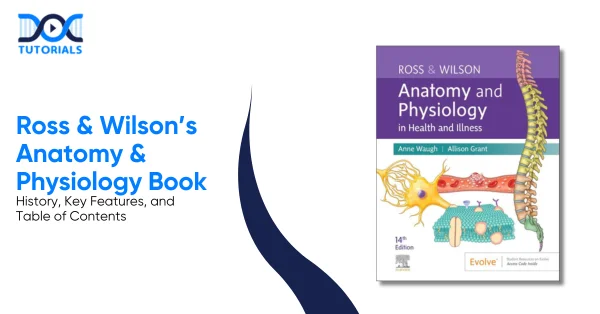
Ross & Wilson’s Anatomy & Physiology Book: History, Key Features, and Table of Contents

Ross Wilsons Anatomy Physiology Book.

Human Anatomy and Physiology by Ross and Wilson is widely regarded as one of the most trusted resources for mastering Anatomy and Physiology in the MBBS curriculum. These subjects form the core of medical education, helping students build a foundation of the human body and develop essential clinical skills.

With its structured explanations and easy-to-follow approach, the book simplifies complex concepts and supports effective learning. In this article, we will explore why this book remains a must-have for MBBS students, its academic importance, and the legacy that continues to make it a preferred choice. Keep reading to know more.

What is the History of Ross & Wilson’s Anatomy & Physiology Book?

Serving for 50 years in the field of healthcare and illness, Ross & Wilson’s anatomy & physiology books have been a cornerstone for developing high-yielding knowledge in both fields. It is a great resource for MBBS 1st year students.

Anatomy and Physiology are the most fundamental concepts that must be taught to students pursuing a medical career. Ross & Wilson’s Anatomy and Physiology books are the core text that has served students for 5 decades and are an asset that provides in-depth, comprehensive knowledge.

It was first published in 1963 by E & S Livingstone Ltd., and copies of the record are kept in the British Library and the Library of Congress. The authors’ marksmanship, along with their high-yielding knowledge, makes the book a trustworthy source of information for MBBS students.

What is Ross & Wilson’s Anatomy and Physiology Book, Latest Edition?

The Ross and Wilson 14th edition is the latest edition of the book, which describes the various aspects of anatomy and physiology in an easy-to-read manner. The textbook covers core anatomy and physiology, basic pathology, and pathophysiology, using lucid language and animated illustrations to make complex topics easy to understand.

With rich visuals, over 500 full colour illustrations and photographs, the textbook explains the complex concepts of anatomy and physiology in a comprehensive and exclusive manner. Also, digital resources such as 3D videos, 120 animations, and a nearly 1,700-entry audio glossary are provided to clarify concepts and offer a unique approach.

Together, these tools provide an interactive learning experience, allowing you to understand concepts from multiple angles and at your own pace. Moreover, the latest edition covers coronavirus and an introduction to surface anatomy.

What are the Key Features of the Latest Edition of Ross and Wilson’s Anatomy & Physiology Book?

The fourteenth edition of the Anatomy and Physiology Ross and Wilson book, featuring pictures, animations, 3D videos, and a hands-on audio glossary, helps students understand the anatomy, physiology, and pathophysiology of key diseases and disorders.

The key features of the latest edition of Ross and Wilson Anatomy and Physiology are:

  • A straightforward, easy-to-read approach is maintained throughout the textbook to help students understand complex topics in an accessible way, even for those whose first language is not English.
  • It incorporates nearly 500 colour illustrations to make topics easy to learn. The interactive 3D videos, 120 animations, and 1700-entry audio glossary make it more comprehensive, helping develop a clearer, broader concept.
  • Definition of common prefixes, suffixes and roots, examples, glossary, and an appendix of normal biological references have been provided.
  • Self-assessment workouts in each chapter, which include spot-check questions for each segment and case-study discussions, have been provided to support the learning process.
  • The coronavirus and an introduction to surface anatomy have been included in the latest edition.
  • A pocket reference guide is also available for quick revision and reference.

Table of Contents of Ross and Wilson’s Anatomy & Physiology Book

Starting from anatomy and organisation of the body to the reproductive system, the Anatomy and Physiology book of Ross and Wilson covers an enormous range of fields to develop a better understanding of the subjects for excellence.

Ross & Wilson’s Anatomy and Physiology in Health and Illness is designed to explain basic concepts in a clear, step-by-step manner.

It begins with the structure and organisation of the human body, then moves on to explain the anatomy and physiology, system by system. This makes it easier to understand and follow:

Table of Contents

Section 1: The body and its constituents.

  • Anatomy and organisation of the body
  • Physiological chemistry and process
  • Cells and tissues

Section 2: Communication

  • The blood
  • The cardiovascular system
  • The lymphatic system
  • The nervous system
  • The special senses
  • The endocrine system

Section 3: Intake of raw materials and elimination of waste

  • The respiratory system
  • Introduction to nutrition
  • The digestive system
  • The urinary system

Section 4: Protection of the body and continuation of the species

  • The skin
  • Defence and immunity
  • The musculoskeletal system
  • Genetics and inheritance
  • The reproductive system

Answer to self-assessment and case study questions.

What makes Ross and Wilson’s Anatomy & Physiology Book a Must-Have Resource?

Covering a wide range of in-depth knowledge about Anatomy and Physiology, the Anatomy and Physiology in Health and Illness book is a valuable addition to your shelf. With all the illustrations about different topics, this textbook gives you better clinical and diagnostic skills as a medical practitioner.

The Anatomy and Physiology Textbook Ross and Wilson book remains an excellent option because it clearly explains anatomy, physiology, pathology, and pathophysiology, making it easy to review. It is good for entrance exams due to its emphasis on clarity, images, and exam relevance.

Here are some notes on why the Anatomy and Physiology textbook Ross and Wilson is an important addition to your MBBS 1st year resources:

  • Integrated Approach: This textbook provides hands-on experience with pathology, physiology, anatomy, and pathophysiology of major diseases and disorders relevant to clinical practice.
  • Extensive Visual Content: The Evolve website is flooded with over 120 animations and an audio glossary with over 1700 entries, online colouring of “Body Spectrum”, and self-developing interactive questions.
  • Accessible Content: The text is designed so that it is easy to understand for the students whose first language is not english. Moreover, the textbook is written in lucid english and a non-technical way.
  • Visual Learning Tools: The book includes hundreds of high-definition, full-colour diagrams, and in the 14th edition, coronavirus coverage and an introduction to surface anatomy have been added for further assistance.
  • Student-friendly Interface: Colour-coded sections, orientation icons, and clear, thought-provoking content are featured in the textbook to improve navigation and revision.

FAQs about Ross and Wilson’s Anatomy & Physiology book

  1. What is the latest edition of Ross and Wilson’s Anatomy & Physiology book?

The Ross and Wilson’s Anatomy & Physiology, 14th edition, is the most current edition of Ross and Wilson’s Anatomy & Physiology book.

  1. What are the key points of Anatomy and Physiology?

Anatomy is the study of different body parts. Physiology is the study of the functional processes of human body parts and the body as a whole.

  1. Who is the publisher of Ross and Wilson’s Anatomy & Physiology book?

Elsevier is the publisher of Ross and Wilson’s Anatomy & Physiology book.

  1. What are the five basic anatomies?

The five basic parts of anatomy refer to five vital organs, such as the brain, heart, liver, and kidneys, or to fundamental body regions/systems.

  1. What was the first Anatomy book?

De Humani Corporis Fabricia Libri Septem is known as the first anatomy book written by Andreas Vesalius and published in 1543.

  1. What are the four anatomical sciences?

Gross anatomy, histology, neuroanatomy and embryology are the four basic anatomical sciences.

  1. Is Ross and Wilson’s Anatomy & Physiology book worth buying?

Yes, Ross and Wilson’s Anatomy & Physiology book is worth buying as it is considered one of the best anatomy and physiology books for medical students.

This book is highly recommended for its balanced mix of theory, illustrations, and exam-oriented material.

  1. Is Ross and Wilson’s Anatomy & Physiology book good?

Ross and Wilson’s Anatomy & Physiology book provides extensive knowledge about anatomy, physiology, pathology, and pathophysiology in a comprehensive manner, with lucid text and coloured illustrations.

  1. What is the first chapter of Ross and Wilson’s Anatomy & Physiology book?

The first chapter of Ross and Wilson’s Anatomy & Physiology is the anatomy and organisation of the body.

  1. Who can benefit from Ross and Wilson’s Anatomy & Physiology book?

Ross and Wilson’s Anatomy & Physiology is essential reading for those pursuing MBBS, healthcare, nursing, complementary/alternative medicine, or working as paramedics and ambulance technicians.

Conclusion

It is important to understand Anatomy and Physiology as they form the foundation of becoming a skilled medical professional. Ross & Wilson’s Anatomy and Physiology in Health and Illness makes this learning easier with its clear, well-organised, and connected approach. The book is useful for MBBS students as well as those in other healthcare fields.

Its simple explanations help build strong basics and improve understanding over time. When combined with a proper study plan, the book can support effective learning, strengthen recall, and help you perform well in exams.

For structured academic support, DocTutorials can be your study partner. We offer 3D & 2D animated videos, CBME-based video lectures, and structured mentorship and guidance by experts. This ensures aspirants gain complete clarity over complex medical concepts.

Join DocTutorials today and explore our MBBS curriculum to excel in your medical career.

DocTutorials App Download Now

Latest Blogs

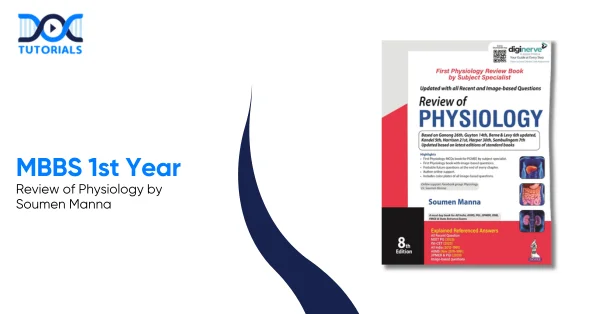
MBBS 1st Year: Review of Physiology by Soumen Manna

Review of Physiology by Soumen Manna

For first-year MBBS students, physiology forms the foundation for understanding how the human body functions. In this context, Review of Physiology, written by Soumen Manna, has become a widely used review resource for students preparing for university exams and postgraduate medical entrance tests.

The Review of Physiology by Soumen Manna explains complex physiological concepts in a simplified and exam-oriented format. Keep reading to learn why the Review of Physiology Soumen Manna book on physiology is considered a useful study companion for MBBS students.

Overview of the Review of Physiology by Soumen Manna

Review of Physiology by Soumen Manna is a concise revision guide covering key physiological systems with theory, MCQs, diagrams, and quick-review points, helping MBBS students prepare effectively for exams and postgraduate medical entrance tests.

Review of Physiology by Soumen Manna is designed to help medical students revise core physiological concepts as they prepare for postgraduate medical entrance examinations. It provides a concise review of principles taught in the early MBBS years and is systematically organised by major organ systems.

The book includes short theory sections, MCQs with explanations, side boxes for quick revision, and updated diagrams, tables, and flowcharts. Many students also search for Review of Physiology Soumen Manna 8th Edition pdf for convenient digital access during exam preparation.

Key Features of the Review of Physiology Soumen Manna Book

Review of Physiology Soumen Manna offers updated theory, NEET-pattern MCQs, predicted questions, reliable explanations, and digital learning resources. This helps medical students revise physiology concepts quickly and prepare effectively for competitive examinations.

The Review of Physiology by Soumen Manna is designed to help medical students revise physiology concepts quickly while preparing for competitive medical examinations. This book includes updated content, exam-focused MCQs, and structured explanations that make learning more efficient.

Here are some of the key features:

  • Written by an Experienced Physiology Educator 

The book is authored by Soumen Manna, a subject specialist with more than 10 years of experience in teaching physiology, ensuring that the explanations are clear, concept-oriented, and aligned with medical examination requirements.

  • Updated with Standard Physiology References

The content has been thoroughly revised and updated using standard physiology references such as Ganong’s Review of Medical Physiology, ensuring that students study concepts consistent with globally recognised medical textbooks.

  • Latest Exam-Oriented MCQs

The book contains updated multiple-choice questions, including MCQs based on the NEET examination pattern. This helps students practise questions similar to those asked in medical entrance exams.

  • Predicted and Concept-Based MCQs

At the end of each chapter are the predicted MCQs and conceptual questions, which involve making the students think through the logic behind physiological processes rather than memorising the facts.

  • Authentic and Well-Researched Answers

Each and every MCQ answer has been backed using standard textbooks and credible medical sources, which makes the answers accurate and conceptually clear to the learner.

  • Quick Revision Support

The book provides instructions on how students can make effective use of its contents. In a brief duration of time, it is particularly handy in revising in a limited time before exams.

  • Online Doubt-Clearing Support

The online community created by the author provides the students with an opportunity to receive extra academic help and clarification, and discuss the questions related to physiology and any doubts regarding it.

  • Digital Learning Resources

The digital platforms also give the students access to MCQs, image-based questions, and animated GIF-based explanations through online networks and allow students to revise and practice concepts interactively.

Review of Physiology: Table of Contents Overview

Review of Physiology by Soumen Manna is organised into 9 sections and 21 chapters covering major physiological systems, helping medical students systematically revise essential concepts and prepare effectively for university and entrance examinations.

The material in Review of Physiology by Soumen Manna is organised into nine organ-system sections, each further divided into 21 chapters. This structured arrangement allows students to study physiological concepts clearly and systematically.

The structured layout helps students revise theoretical concepts while preparing effectively for medical entrance and university examinations. Here is an overview of the table of contents:

Section I: General Physiology

  • Chapter 1: Homeostasis of Body Fluids
  • Chapter 2: Cell Physiology and Membrane Potential

Section II: Nerve-Muscle Physiology

  • Chapter 3: Physiology of Nerve
  • Chapter 4: Physiology of Muscle

Section III: Cardiovascular System

  • Chapter 5: Electrophysiology of the Heart
  • Chapter 6: Cardiac Output and Regulation
  • Chapter 7: Blood Pressure and Regulation
  • Chapter 8: Vascular System and Regional Circulation

Section IV: Respiratory System

  • Chapter 9: Mechanics of Respiration with Lung Volumes and Capacities
  • Chapter 10: Gaseous Exchange
  • Chapter 11: Regulation of Respiration and Exchange Physiology

Section V: Central Nervous System

  • Chapter 12: Sensory Physiology
  • Chapter 13: Motor Physiology
  • Chapter 14: Higher Functions and Special Senses

Section VI: Renal System

  • Chapter 15: Renal Physiology

Section VII: Gastrointestinal System

  • Chapter 16: Gastrointestinal Physiology

Section VIII: Endocrine & Reproductive System

  • Chapter 17: Endocrine Physiology
  • Chapter 18: Male and Female Reproductive Physiology

Section IX: Special Topic

  • Chapter 19: Exercise Physiology
  • Chapter 20: Acid-Base Balance
  • Chapter 21: Recent MCQs

How Does the Review of Physiology by Soumen Manna Help Medical Students?

Review of Physiology by Soumen Manna assists medical students in revisiting physiology through succinct theory, exam-style MCQs, diagrams, and predicted questions. These enhance conceptual knowledge and help them prepare for university and postgraduate medical entrance exams.

Review of Physiology by Soumen Manna helps medical students to grasp the basic concepts of physiology. It helps reinforce their medical university and post-graduate medical examination preparation. Here’s how:

  • Exam-Oriented MCQ Practice

The chapters comprise MCQs that are well explained in a concise manner. Such questions are typical of the medical entrance exams tradition and allow the students to train and assess their knowledge of the topics in physiology.

  • Concept-Based Chapter-Wise Learning

It has a systematic organisation with organ systems and chapters. This system enables students to learn physiology in a gradual manner as they develop a good conceptual understanding of significant physiological processes.

  • Illustration and Diagram-Based Learning

The book contains over 140 illustrations and flow charts, as well as exceeding 120 tables. These visual tools enable the students to comprehend complicated processes that happen in the body and enhance the long-term memory of vital ideas.

  • Clear Explanations of Difficult Concepts

Complex physiological processes are described in a brief and step-by-step way with proper illustrations. This will make students understand difficult subjects better and enhance their conceptual knowledge.

  • Reference-Based Reliable Content

The reference used explanations and MCQ answers that are backed by knowledge from standard physiology textbooks and research materials, both of which make the information reliable for use in academia and clinical practice.

  • Quick Revision for Exams

The summaries and concise format of these provide students with a form of revision of physiology subjects in haste before examinations in the university, as well as in competitive medical entrance assessments.

  • Future Trend and Image-Based Questions

At the end of each chapter, the book also contains the future trend questions that are forecasted and the conceptual and image-based MCQs. This enables the students to get used to the new types of questions that usually appear in the postgraduate medical entrance examination.

FAQs about Review of Physiology by Soumen Manna

  1. How does the review of physiology Soumen Manna help in exam preparation?

The book provides concise theory, exam-oriented MCQs, and concept-based explanations to help students quickly revise key physiological mechanisms. It helps prepare for MBBS examinations and postgraduate medical entrance tests.

  1. What topics are covered in the review of physiology book?

The Review of Physiology covers major organ systems, including general physiology, nerve-muscle physiology, cardiovascular system, respiratory system, central nervous system, renal system, gastrointestinal system, endocrine physiology, and reproductive physiology.

  1. Is Review of Physiology by Soumen Manna suitable for MBBS 1st year students?

Yes, the book is useful for MBBS first-year students because it summarises essential physiological concepts and helps them revise topics taught in their early medical education.

  1. How is the content structured in the review of physiology by Soumen Manna?

The book is organised into nine sections and 21 chapters based on organ systems, allowing students to study physiology in a structured and systematic manner.

  1. Where do students usually search for review of physiology Soumen Manna 8th edition pdf?

Many medical students search online for review of physiology soumen manna 8th edition pdf for quick digital revision, especially when preparing for competitive medical examinations.

  1. Does the review of physiology Soumen Manna follow the NEET PG exam pattern?

Yes, the review of physiology Soumen Manna includes MCQs aligned with NEET PG and other postgraduate medical entrance exam patterns, helping students practise questions similar to those asked in competitive exams.

  1. What makes the review of physiology by Soumen Manna different from standard physiology textbooks?

Unlike detailed textbooks, the review of physiology by Soumen Manna focuses on summarised theory, high-yield concepts, and exam-oriented MCQs, making it more suitable for revision and exam preparation.

  1. Is the Review of Physiology by Soumen Manna useful for postgraduate medical entrance exams?

Yes, the book is widely used by medical students preparing for postgraduate entrance examinations because it includes exam-oriented MCQs and predicted questions based on recent exam trends.

  1. Are the MCQ answers in Review of Physiology by Soumen Manna reliable?

Yes, the MCQ answers are carefully verified and supported by references from standard physiology textbooks and research sources, ensuring accuracy and conceptual clarity.

  1. How many sections and chapters are included in Review of Physiology by Soumen Manna?

The Review of Physiology is organised into 9 sections and 21 chapters, covering major physiological systems and concepts that help medical students study the subject in a structured and systematic way.

Conclusion

The Review of Physiology by Soumen Manna is a helpful revision resource for MBBS students studying physiology. Its concise explanations, exam-focused structure, and clear diagrams make it easier to understand and revise complex physiological concepts.

For structured academic support, DocTutorials can be your study partner. With 3D and 2D animated videos, CBME-based lectures, mock tests, and expert mentorship, students can strengthen their understanding of physiology and perform better in medical examinations.

Join DocTutorials today and explore our MBBS course to build a strong foundation in medical sciences!

DocTutorials App Download Now

Latest Blogs

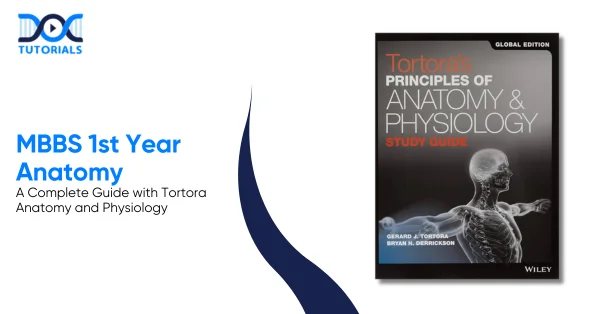
MBBS 1st Year Anatomy: A Complete Guide with Tortora Anatomy and Physiology

MBBS 1st Year Anatomy

For 1st-year MBBS students, studying anatomy is essential to build a strong foundation in medical science. In this regard, Tortora Anatomy and Physiology, widely known through titles like Principles of Human Anatomy and Physiology Tortora, is a highly recommended resource that helps students understand complex concepts in a clear and structured manner.

Keep reading to learn more about why the Principles of Anatomy and Physiology by Tortora Grabowski is considered a helpful study companion for MBBS students.

Overview of Principles of Anatomy & Physiology Tortora

Gerard J Tortora Anatomy and Physiology offers a clear, balanced understanding of structure and function, with strong clinical correlations, refined illustrations, and interactive tools, making it ideal for effective medical learning.

Anatomy and Physiology Gerard J Tortora provides a well-balanced approach to understanding the relationship between body structure and function. The book emphasises connections between normal physiology and pathophysiology. It helps students understand how anatomical structures support essential biological processes and maintain homeostasis.

In Gerard Tortora Anatomy and Physiology, the refined illustration program and clear explanations make complex medical concepts easier to understand. The thirteenth edition also integrates advanced digital learning tools like WileyPlus 5.0, creating a comprehensive and interactive learning environment for students.

Key Features of the Principles of Anatomy and Physiology Tortora

Tortora Derrickson Principles of Anatomy and Physiology offers clear concepts, updated terminology, strong clinical connections, and excellent visuals. It helps MBBS students understand human body systems effectively and build a solid medical foundation.

The Tortora Anatomy and Physiology is designed to provide a comprehensive and student-friendly learning experience. Its updated features, clinical focus, and visual clarity make it highly effective for MBBS 1st-year students.

The key features of the latest Principles of Anatomy and Physiology by Tortora and Derrickson are as follows:

  • Improved Accessibility Standards

The latest edition has been made more user-friendly, in terms of easy access, like the font size used, colour contrast and layout, making it easy to read and facilitating the process of learning.

  • Refined Homeostatic Feedback Cycle Illustrations

The book also contains the recent and new diagrams of the homeostatic feedback cycle. This allows the students to have a better understanding of the regulatory processes and how the body effectively maintains the internal balance of various physiological systems.

  • Clinical Connections for Real-Life Application

Clinical connection boxes are updated and usually pictured with real-life medical significance. The subjects such as tracheostomy, endotracheal intubation and ventilators assist the students in relating theory to practical medical use.

  • Focus on Homeostasis

The redrawing of full-page summaries emphasises the contribution to the homeostasis of each body system separately and through interactions with the rest of the body. It enhances conceptual understanding and allows students to see the interdependent nature of integrated body activities better.

  • Updated Medical Terminology

The sixteenth edition incorporates the latest anatomical, histological, and cytological nomenclature, with old eponymous terms replaced by standardised terms. This helps students learn the correct and internationally recognised medical vocabulary for their future careers.

  • High-Quality Illustrations and Visuals

The book contains unique medical photographs coupled with elaborate illustrations, enabling students to visualise complex structures and processes clearly. This allows for understanding and retention of hard-to-grasp anatomical and physiological concepts.

  • Standardised Nomenclature

The terminology is matched with international standards, such as Terminologia Anatomica (2019) and Terminologia Histologica. This guarantees consistency, accuracy, and appropriateness in medical education, which is critical in academic and clinical practice.

  • Career-Oriented Learning Approach

It has been designed to enable students to pursue future medical careers by merging recent medical practice, updated terminology, and clinically significant examples to develop theoretical and practical knowledge.

  • Strong Clinical Integration

Clinical connections that run throughout the text help students apply the concepts of anatomy and physiology to the real world. This helps them to think clinically and enhances their exam and viva preparation, as well as their future medical practice.

Principles of Anatomy and Physiology Tortora: Table of Contents Overview

Principles of Anatomy and Physiology Tortora and Grabowski cover topics from basic human body introduction, chemical and cellular organisation, tissues, and organ systems to advanced systems like nervous, cardiovascular, respiratory, digestive, and reproductive, along with appendices, glossary, and index for reference.

The Principles of Anatomy and Physiology Tortora and Grabowski offers a comprehensive and systematically organised structure. It covers all essential topics required for MBBS 1st-year students, progressing from basic concepts to advanced body systems.

Unit 1: Levels of Organisation

Chapter 1: An Introduction to the Human Body

  • Overview of Anatomy and Physiology
  • Structural Organisation of the Human Body
  • Functions of Human Life
  • Requirements for Human Life
  • Homeostasis
  • Anatomical Terminology
  • Medical Imaging

Chapter 2: The Chemical Level of Organisation

  • Elements and Atoms: The Building Blocks of Matter
  • Chemical Bonds
  • Chemical Reactions
  • Inorganic Compounds Essential to Human Functioning
  • Organic Compounds Essential to Human Functioning

Chapter 3: The Cellular Level of Organisation

  • The Cell Membrane
  • The Cytoplasm and Cellular Organelles
  • The Nucleus and DNA Replication
  • Protein Synthesis
  • Cell Growth and Division
  • Cellular Differentiation

Chapter 4: The Tissue Level of Organisation

  • Types of Tissues
  • Epithelial Tissue
  • Connective Tissue Supports and Protects
  • Muscle Tissue and Motion
  • Nervous Tissue Mediates Perception and Response
  • Tissue Injury and Ageing

Unit 2: Support and Movement

Chapter 5: The Integumentary System

  • Layers of the Skin
  • Accessory Structures of the Skin
  • Functions of the Integumentary System
  • Diseases, Disorders, and Injuries of the Integumentary System

Chapter 6: Bone Tissue and the Skeletal System

  • Functions of the Skeletal System
  • Bone Classification
  • Bone Structure
  • Bone Formation and Development
  • Fractures and Bone Repair
  • Exercise, Nutrition, Hormones, and Bone Tissue
  • Calcium Homeostasis

Chapter 7: Axial Skeleton

  • Divisions of the Skeletal System
  • The Skull
  • The Vertebral Column
  • The Thoracic Cage
  • Embryonic Development of the Axial Skeleton

Chapter 8: The Appendicular Skeleton

  • The Pectoral Girdle
  • Bones of the Upper Limb
  • The Pelvic Girdle and Pelvis
  • Bones of the Lower Limb
  • Development of the Appendicular Skeleton

Chapter 9: Joints

  • Classification of Joints
  • Fibrous Joints
  • Cartilaginous Joints
  • Synovial Joints
  • Types of Body Movements
  • Anatomy of Selected Synovial Joints
  • Development of Joints

Chapter 10: Muscle Tissue

  • Overview of Muscle Tissues
  • Skeletal Muscle
  • Muscle Fibre Contraction and Relaxation
  • Nervous System Control of Muscle Tension
  • Types of Muscle Fibres
  • Exercise and Muscle Performance
  • Cardiac Muscle Tissue
  • Smooth Muscle
  • Development and Regeneration of Muscle Tissue

Chapter 11: The Muscular System

  • Interactions of Skeletal Muscles and Lever Systems
  • Naming Skeletal Muscles
  • Axial Muscles of Head, Neck, and Back
  • Axial Muscles of the Abdominal Wall and Thorax
  • Muscles of the Pectoral Girdle and Upper Limbs
  • Muscles of the Pelvic Girdle and Lower Limbs

Unit 3: Regulation, Integration, and Control

Chapter 12: The Nervous System and Nervous Tissue

  • Structure and Function of the Nervous System
  • Nervous Tissue
  • Function of Nervous Tissue
  • Action Potential
  • Communication Between Neurons

Chapter 13: Anatomy of the Nervous System

  • Embryologic Perspective
  • Central Nervous System
  • Circulation of the Central Nervous System
  • Peripheral Nervous System

Chapter 14: The Brain and Cranial Nerves

  • Sensory Perception
  • Central Processing
  • Motor Responses

Chapter 15: The Autonomic Nervous System

  • Divisions of the Autonomic Nervous System
  • Autonomic Reflexes and Homeostasis
  • Central Control
  • Drugs Affecting the Autonomic System

Chapter 16: The Neurological Exam

  • Overview of Neurological Exam
  • Mental Status Exam
  • Cranial Nerve Exam
  • Sensory and Motor Exams
  • Coordination and Gait Exams

Chapter 17: The Endocrine System

  • Overview of the Endocrine System
  • Hormones
  • Pituitary Gland and Hypothalamus
  • Thyroid and Parathyroid Glands
  • Adrenal and Pineal Glands
  • Gonadal and Placental Hormones
  • Endocrine Pancreas
  • Secondary Endocrine Organs
  • Development and Ageing

Unit 4: Fluids and Transport

Chapter 18: The Cardiovascular System: Blood

  • Overview of Blood
  • Formation of Blood Elements
  • Erythrocytes
  • Leukocytes and Platelets
  • Hemostasis
  • Blood Typing

Chapter 19: The Cardiovascular System: The Heart

  • Heart Anatomy
  • Cardiac Muscle and Electrical Activity
  • Cardiac Cycle
  • Cardiac Physiology
  • Development of the Heart

Chapter 20: The Cardiovascular System: Blood Vessels and Circulation

  • Structure and Function of Blood Vessels
  • Blood Flow and Pressure
  • Capillary Exchange
  • Vascular Regulation
  • Circulatory Pathways
  • Fetal Circulation

Chapter 21: The Lymphatic and Immune System

  • Anatomy of the Lymphatic System
  • Innate Immune Response
  • Adaptive Immunity (T and B Cells)
  • Immune Response to Pathogens
  • Immune Disorders
  • Transplantation and Cancer Immunology

Unit 5: Energy, Maintenance, and Environmental Exchange

Chapter 22: The Respiratory System

  • Respiratory Structures
  • Lungs
  • Breathing Process
  • Gas Exchange
  • Gas Transport
  • Respiratory Modifications
  • Development

Chapter 23: The Digestive System

  • Overview of Digestion
  • Digestive Processes
  • Mouth, Pharynx, Oesophagus
  • Stomach
  • Intestines
  • Accessory Organs
  • Digestion and Absorption

Chapter 24: Metabolism and Nutrition

  • Metabolic Reactions
  • Carbohydrate, Lipid, and Protein Metabolism
  • Metabolic States
  • Energy Balance
  • Nutrition and Diet

Chapter 25: The Urinary System

  • Urine Characteristics
  • Urinary Anatomy
  • Kidney Structure
  • Urine Formation
  • Reabsorption
  • Renal Regulation
  • Homeostasis

Chapter 26: Fluid, Electrolyte, and Acid-Base Balance

  • Body Fluids
  • Water Balance
  • Electrolyte Balance
  • Acid-Base Balance
  • Disorders

Unit 6: Human Development and Continuity of Life

Chapter 27: The Reproductive System

  • Male Reproductive System
  • Female Reproductive System
  • Development of Reproductive Systems

Chapter 28: Development and Inheritance

  • Fertilisation
  • Embryonic Development
  • Fetal Development
  • Pregnancy and Birth
  • Infant Adjustments
  • Lactation
  • Patterns of Inheritance

Appendices

  • Appendix A: Measurements
  • Appendix B: Periodic Table
  • Appendix C: Normal Values for Selected Blood Tests

Additional Sections

  • Glossary
  • Index

This well-structured content flow, from basic organisation levels to complex physiological systems, makes anatomy & physiology by Tortora an ideal resource for building strong conceptual clarity in MBBS anatomy and physiology.

How Does the Principles of Anatomy and Physiology Tortora Book Help Medical Students?

The Principles of Anatomy and Physiology, the latest edition, helps MBBS students build strong concepts and simplify complex topics. It enhances visual learning and improves exam preparation while developing retention, self-study habits, and essential clinical thinking skills.

The Principles of Anatomy Tortora is a complete learning resource that supports MBBS students in understanding, applying, and retaining core medical concepts effectively throughout their academic journey. Here’s how:

  • Builds Strong Conceptual Foundation

The book will provide students with foundational knowledge of human anatomy and physiology, forming a firm foundation for learning advanced medical courses in MBBS and for further clinical practice.

  • Simplifies Complex Topics

It has complex anatomical structures and physiological processes in a simplified form, which is simple to learn and understand for first-year MBBS students.

  • Enhances Visual Learning

Clear illustrations and elaborate medical images help students see the structures of the body in a better way. This enhances their understanding of the body during dissection, practical and theoretical learning.

  • Strengthens Clinical Understanding

Clinical relationships used in the book enable the students to correlate the theoretical information with the real medical situations in order to enhance their knowledge on how to treat diseases, diagnose and treat patients.

  • Supports Exam Preparation

Properly laid out chapters, summaries and clear explanations enable revision to be made easier so that students can be well prepared for theory exams, viva and practical assessment in MBBS.

  • Promotes Integrated Learning

The book has integrated anatomy and physiology, and this allows a student to learn about the relationship between structure and function and have a more detailed view of the human body.

  • Improves Retention and Recall

Structured information, clear illustrations and brief explanations increase memory and enable the students to remember crucial details in a short period of time when they have to take tests and discuss the clinical case.

  • Encourages Self-Study

The books are easy to read and follow the chronological sequence of the topics. It can be used as a unit of study when the student wishes to study without necessarily having to be guided all the time.

  • Prepares for Competitive Exams

Strong conceptual clarity worked out as a result of this book is helpful in preparing for competitive exams such as NEET PG, USMLE, and other medical entrance tests.

  • Develops Clinical Thinking Skills 

The book can help the students think critically and solve problems, which are critical in effective practice in the medical field and the management of patients. This is because it connects the theoretical concept with practical clinical applications.

FAQs about Tortora Anatomy and Physiology

  1. Why is Tortora Anatomy and Physiology considered ideal for beginners? 

It presents fundamental concepts in a structured, easy-to-follow manner. It helps beginners build a strong base in anatomy and physiology without feeling overwhelmed by complex medical terminology.

  1. How does the book explain complex physiological processes effectively?

It simplifies complex mechanisms through step-by-step explanations, flowcharts, and diagrams. It helps students understand processes such as nerve conduction, muscle contraction, and homeostasis more clearly.

  1. What role do illustrations play in this book?

High-quality illustrations and labelled diagrams assist students in visualising the anatomical structure. This makes it easier to understand spatial relationships and remember the information during both practical and theoretical learning.

  1. Is this book useful for practical and dissection sessions?

Yes, elaborate illustrations and descriptions walk students through the dissections and practicals, enabling them to identify the structures correctly and learn their functions well.

  1. Does the book follow a logical learning sequence?

Yes, it moves up a ladder, starting with simple concepts such as cells and tissues and progressing to complex organ systems. It guarantees a gradual and all-inclusive comprehension of the human body.

  1. What is the Tortora Anatomy and Physiology price in India?

The price of Tortora Anatomy and Physiology in India varies by edition and format, generally ranging between ₹800 and ₹3,500, depending on the availability of paperback, hardcover, or international editions.

  1. Is Human Physiology by Tortora enough for MBBS preparation?

Yes, Human Physiology by Tortora provides strong conceptual clarity, but MBBS students often pair it with standard textbooks and lecture notes for comprehensive preparation for university exams.

  1. What does HAP Tortora stand for?

HAP Tortora stands for Human Anatomy and Physiology by Tortora, a widely used textbook covering both structural and functional aspects of the human body in an integrated manner.

  1. Who are Tortora & Derrickson in anatomy books?

Tortora & Derrickson are the authors of the textbook, known for presenting anatomy and physiology concepts clearly. This combines scientific accuracy with student-friendly explanations and clinical relevance.

  1. Is the terminology updated in recent editions of the book?

Yes, the latest editions use current anatomical, histological, and cytological terminology, replacing outdated terms to align with modern medical education standards.

Conclusion

First-year MBBS students need to study Tortora Anatomy and Physiology, as it provides a strong foundation for understanding the structure and function of the human body. Concepts from principles of anatomy and physiology Tortora Grabowski are easier to grasp and retain due to clear explanations and high-quality illustrations, helping students excel in theory exams.

For structured academic support, DocTutorials can be your study partner. We offer 3D & 2D animated videos, CBME-based video lectures, and structured mentorship and guidance by experts. This ensures aspirants gain complete clarity over complex medical concepts.Join DocTutorials today and explore our MBBS curriculum to excel in your medical career!

DocTutorials App Download Now

Latest Blogs

Principles of Physiology by Debasis Pramanik: A MBBS 1st Year Guide

Principles of Physiology-by DebasisPramanik

For 1st-year MBBS students, studying anatomy is essential to build a strong foundation in medical science. In this regard, principles of anatomy and physiology, as outlined in standard textbooks such as Principles of Physiology by Debasis Pramanik, are a highly recommended approach that helps students understand complex concepts clearly.

Keep reading to learn more about why principles of anatomy & physiology play a crucial role in building conceptual clarity and strengthening medical fundamentals for MBBS students.

Overview of Principles of Physiology by Debasis Pramanik

The Principles of Physiology presents updated physiological concepts using flowcharts, tables, and highlighted points. Its structured sections cover all major systems, helping students understand complex topics easily and build strong fundamentals in physiology.

Debasis Pramanik’s physiology book introduces updated concepts with coloured boxes highlighting key points and advanced topics. It simplifies learning through flowcharts and tables, making complex mechanisms easier to understand. It is similar to structured approaches seen in Principles of Anatomy and Physiology, 14th edition.

The content is organised into 12 sections covering general physiology, nerve-muscle, haematology, and major systems such as respiratory, cardiovascular, digestive, excretory, endocrine, and nervous. It concludes with the special senses for a complete understanding of the principles of human physiology.

Key Features of the Principles of Physiology

The Principles of Physiology book offers comprehensive coverage, practical exercises, clear diagrams, and a student-friendly format. Its updated content, assessment tools, and interdisciplinary approach help students understand and retain physiological concepts effectively.

The physiology Debasis Pramanik book is designed to provide a comprehensive and student-friendly learning experience. Its structured approach and updated content make it highly useful for MBBS students. The key features are as follows:

  • Comprehensive Coverage

The book covers all essential physiological concepts, including cellular functions, organ systems, and homeostasis. It ensures students develop a strong understanding of how different body systems function and interact effectively.

  • Practical Exercises

It includes laboratory experiments and demonstrations that help students apply theoretical knowledge in practical settings. It improves their understanding of physiological processes and strengthens their skills during practical and clinical sessions.

  • Illustrative Diagrams

Simple illustrations and labelled drawings make up the complex physiological processes.  Therefore, students find it easy to visualise physiological processes and improve their comprehension, memorisation, and recall, enabling them to share in exams and discussions.

  • Student-Friendly Format

The content is presented in a clear, logical structure with easy-to-understand explanations. It is not hard to follow at different levels, and it can easily guide readers through simple to complex concepts in physiology.

  • Assessment Tools

The book can also consist of self-assessment questions and quizzes that can assist the students to assess their knowledge, identify their areas of weakness and enhance their preparation in case of university examinations, viva, and competitive medical entry examinations.

  • Interdisciplinary Approach

It also bridges the gap between physiology and other related sciences like biochemistry, genetics and pharmacology. It enables the students to see how the medical sciences are put together and how they can apply to clinical practice and patient care.

  • Updated Content

The book represents the latest developments and ongoing studies in the field of physiology. It ensures that students are exposed to accurate, up-to-date information relevant to modern medical education and subsequent clinical practice.

Principles of Physiology: Table of Contents Overview

This book offers a comprehensive, well-structured syllabus covering all physiological systems through organised sections, helping students build concepts, revise efficiently, and prepare effectively for academic and competitive medical examinations.

Principles of Physiology Debasish Pramanik helps students build strong concepts and simplify complex processes. It enhances clinical understanding while supporting exam preparation, retention, integrated learning, and development of effective clinical thinking skills.

The structured layout helps students revise theoretical concepts while preparing effectively for medical entrance and university examinations. Here is an overview of the table of contents:

Appendices

  • Appendix I: Additional Topics on Exercise Physiology
  • Appendix II: Some More Updates
  • Index

Section I: General Physiology

  • Chapter 1: Structure of a Cell
  • Chapter 2: Genes and Protein Synthesis
  • Chapter 3: Transport Proteins in the Cell Membrane
  • Chapter 4: Transport Across Cell Membranes

Section II: Nerve Muscle Physiology

  • Preliminary Pages
  • Appendix I: Additional Topics on Exercise Physiology
  • Appendix II: Some More Updates
  • Chapter 5: Resting Membrane Potential
  • Chapter 6: Action Potential
  • Chapter 7: Neuromuscular Junction
  • Chapter 8: Mechanism of Muscle Contraction
  • Chapter 9: Properties of Skeletal Muscle

Section III: Haematology

  • Chapter 10: Functions of Blood and Blood Volume
  • Chapter 11: Composition of Blood and Plasma Proteins
  • Chapter 12: The Red Blood Cells
  • Chapter 13: Haemoglobin
  • Chapter 14: White Blood Cells
  • Chapter 15: Platelets and Blood Coagulation
  • Chapter 16: Blood Group
  • Chapter 17: Immunity

Section IV: Respiratory System

  • Chapter 18: Introduction
  • Chapter 19: Lung Ventilation
  • Chapter 20: Mechanism of Breathing 
  • Chapter 21: Oxygen Transport
  • Chapter 22: CO2 Transport
  • Chapter 23: Neural Regulation of Respiration
  • Chapter 24: Chemical Control of Respiration
  • Chapter 25: Miscellaneous Topics (Respiration)
  • Chapter 26: Lung Function Tests
  • Chapter 27: Respiratory Diseases

Section V: Cardiovascular System

  • Chapter 28: Functional Anatomy
  • Chapter 29: Characteristics of Cardiac Muscle
  • Chapter 30: Cardiac Cycle, Venous Waves, and Venous Return
  • Chapter 31: Cardiac Output
  • Chapter 32: Cardiovascular Regulation
  • Chapter 33: Blood Pressure and Its Regulation
  • Chapter 34: Heart Rate
  • Chapter 35: Cerebral Circulation
  • Chapter 36: Coronary Circulation
  • Chapter 37: Other Circulations
  • Chapter 38: Electrocardiogram
  • Chapter 39: Effect of Gravity and Exercise on Circulation
  • Chapter 40: Hemodynamics
  • Chapter 41: Circulatory Shock
  • Chapter 42: Cardiac Failure

Section VI: The Digestive System

  • Chapter 43: Introduction
  • Chapter 44: Gastrointestinal Hormones
  • Chapter 45: The Salivary Glands and Saliva
  • Chapter 46: The Stomach
  • Chapter 47: Exocrine Pancreas
  • Chapter 48: The Liver
  • Chapter 49: Small Intestine
  • Chapter 50: Movements of the GIT
  • Chapter 51: Digestion

Section VII: Excretory System

  • Chapter 52: Nephron
  • Chapter 53: Glomerular Filtration
  • Chapter 54: Tubular Reabsorption
  • Chapter 55: Concentration of Urine
  • Chapter 56: Regulation of Acid-base Balance
  • Chapter 57: Features of Urine
  • Chapter 58: Micturition
  • Chapter 59: The Skin

Section VIII: Metabolism

  • Chapter 60: Enzymes and Carbohydrate Metabolism
  • Chapter 61: Protein Metabolism
  • Chapter 62: Lipid Metabolism
  • Chapter 63: Vitamins and Nutrition

Section IX: Endocrine System

  • Chapter 64: Mechanism of Hormone Action
  • Chapter 65: The Pituitary Gland
  • Chapter 66: Thyroid Gland
  • Chapter 67: Adrenal Cortex
  • Chapter 68: Adrenal Medulla
  • Chapter 69: Calcium-related Hormones
  • Chapter 70: Endocrine Pancreas

Section X: Reproductive System

  • Chapter 71: Sex Differentiation
  • Chapter 72: Male Reproductive System
  • Chapter 73: Female Reproductive System
  • Chapter 74: Pregnancy and Lactation

Section XI: Nervous System

  • Chapter 75: Anatomical Considerations
  • Chapter 76: Neuron
  • Chapter 77: Synapse
  • Chapter 78: Receptor
  • Chapter 79: Reflex
  • Chapter 80: The Sensory System
  • Chapter 81: Motor System
  • Chapter 82: Cerebellum
  • Chapter 83: Basal Ganglia
  • Chapter 84: Muscle Tone
  • Chapter 85: Maintenance of Posture and Equilibrium
  • Chapter 86: Hypothalamus
  • Chapter 87: Autonomic Nervous System
  • Chapter 88: Thalamus
  • Chapter 89: Sleep and EEG
  • Chapter 90: Neurotransmitters
  • Chapter 91: Cerebral Cortex
  • Chapter 92: The Limbic System
  • Chapter 93: Higher Functions

Section XII: Special Senses

  • Chapter 94: Structure of the Eye
  • Chapter 95: Optics of the Eye
  • Chapter 96: Photochemistry
  • Chapter 97: Visual pathway
  • Chapter 98: Miscellaneous Topics
  • Chapter 99: Hearing
  • Chapter 100: Taste Sensation
  • Chapter 101: Olfactory Sensation

This book provides a complete resource for mastering physiology, ensuring strong fundamentals, a better understanding, and success in MBBS exams and clinical learning.

How Do the Principles of Physiology Help Medical Students?

Principles of Physiology help students build strong concepts, simplify complex processes, enhance clinical understanding, improve problem-solving, and support exam preparation while promoting integrated learning, retention, and effective clinical thinking skills.

The principles of physiology play a crucial role in shaping a strong medical foundation for MBBS students by helping them understand how the human body functions in normal and diseased conditions, including concepts from principles of human physiology.

Here’s how it supports their learning:

  • Builds Strong Conceptual Foundation

It helps students understand basic physiological mechanisms, creating a solid base for advanced subjects like pathology, pharmacology, and clinical medicine throughout their MBBS journey.

  • Simplifies Complex Processes

Difficult concepts such as nerve conduction, muscle contraction, and metabolism are explained in a simplified manner, making it easier for students to grasp and retain information effectively.

  • Enhances Clinical Understanding

By linking physiological concepts to real-life medical scenarios, students develop a better understanding of disease processes, diagnosis, and treatment approaches in clinical practice.

  • Improves Problem-Solving Skills

Learning about the physiological principles enables students to analyse clinical situations logically. It helps them develop critical thinking and decision-making skills essential for patient care.

  • Supports Exam Preparation

Structured content and clear explanations make revision easier, helping students perform well in theory exams, viva, and practical assessments.

  • Promotes Integrated Learning

It helps students connect physiology to subjects such as anatomy, biochemistry, and pharmacology, leading to a more comprehensive understanding of the human body.

  • Improves Retention and Recall

Well-organised content, diagrams, and summaries enhance memory retention. It enables students to recall important concepts quickly during exams and clinical discussions.

  • Encourages Self-Study

The simple language and logical flow of topics make it easier for students to study independently without constant guidance.

  • Prepares for Competitive Exams

Strong conceptual clarity supports preparation for exams such as NEET PG, USMLE, and other medical entrance exams.

  • Develops Clinical Thinking Skills

It helps students apply theoretical knowledge to practical situations, improving their ability to think clinically and manage patients effectively.

FAQs about Principles of Physiology

  1. Are the principles of physiology helpful for first-year MBBS beginners?

Yes, it starts with basic concepts and gradually progresses to advanced systems, making it suitable for beginners to build a strong foundation in physiology.

  1. How does the principles of physiology book simplify renal physiology concepts?

Topics such as glomerular filtration, tubular reabsorption, and urine formation are explained through diagrams and tables, making complex renal mechanisms easier to understand and remember.

  1. Does the book support long-term retention of concepts?

Yes, the use of tables, summaries, and visual aids enhances memory retention, making it easier to recall important concepts during exams and clinical practice.

  1. How does berne levy physiology compare with this book?

Berne Levy Physiology is more detailed and advanced, while this book is simpler and more exam-oriented, making it better suited for first-year MBBS students.

  1. Is this book useful alongside principles of plant physiology? 

While principles of plant physiology focus on plant systems, this book focuses on human physiology, making it essential for medical students rather than botany learners.

  1. Is Physiology by Debasish Pramanik PDF reliable for study?

Physiology by Debasis Pramanik pdf can be useful for quick reference, but students should rely on official editions for accurate and updated content.

  1. Can it replace principles of animal physiology for medical students?

Yes, compared to principles of animal physiology, this book is more focused on human systems and clinical relevance, making it more suitable for MBBS preparation.

  1. Where can students find the principles of physiology by debasis pramanik pdf?

Principles of Physiology by Debasish Pramanik PDF may be available online, but it is recommended to use authorised sources or textbooks for better quality and complete content.

  1. Does the book cover clinical aspects of physiology?

Yes, it connects theoretical physiology with clinical relevance, helping students understand disease mechanisms, diagnostic principles, and practical applications important for exams and patient care.

  1. How useful are flowcharts in understanding physiology concepts? 

Flowcharts simplify lengthy mechanisms such as the cardiac cycle and renal processes, helping students grasp sequences quickly and revise efficiently during exams and clinical discussions.

Conclusion

First-year MBBS students need to study the principles of anatomy and physiology to build a strong foundation for understanding the functional aspects of the human body. Concepts from principles of physiology by debasis pramanik are easier to grasp and retain due to clear explanations and structured content.

For structured academic support, DocTutorials can be your study partner. We offer 3D & 2D animated videos, CBME-based video lectures, and structured mentorship and guidance by experts. This ensures aspirants gain complete clarity over complex medical concepts.

Join DocTutorials today and explore our MBBS curriculum to excel in your medical career!

DocTutorials App Download Now

Latest Blogs

Cunningham’s Manual of Practical Anatomy: Overview, Features, and Latest Edition

For years, Cunningham Dissection Manual has been a trusted guide for learning dissection. If you’re in your 1st-year MBBS, you need simple, practical guidance to understand the dissection process. This manual is a practical, step-by-step roadmap to navigating the complexities of the human cadaver.

Its comprehensive nature justifies its status as an indispensable tool for 1st-year MBBS students. Keep reading to know more Cunningham Practical Anatomy, its evolution, key features, latest edition and much more.

Overview of the Cunningham’s Manual of Practical Anatomy

Unlike other reference books, Cunningham Book of Anatomy helps you understand how different body parts are connected and positioned in relation to each other. It gives you a clear 3D view of the human body, making it easier to grasp how everything works together.

The Cunningham’s Manual of Practical Anatomy is a specialised guide to lead students through the intricacies of cadaver dissection. It is not like your descriptive textbooks, which focus on theory.

This Cunningham Dissection Manual emphasises the spatial relations between structures to equip you with a 3D understanding of the human body. This 3D view is important for your future in surgery. It helps you see where structures are and work more accurately and confidently.

With the use of latest edition of Cunningham’s Anatomy, it helps you connect what you learn in dissection with real clinical practice through updated terms and relevant clinical links. It also shows how to relate what you see in the dissection hall with imaging like CT (computed tomography) scans and MRIs (magnetic resonance imaging).

This makes it easier to understand how anatomy appears in real patients, helping you learn in a way that is useful for modern clinical work.

Why is Cunningham’s Anatomy Important for 1st-year MBBS Students?

Cunningham book of Anatomy is a practical guide for 1st-year MBBS students to master surgical skills. It is a tactile roadmap covering step-by-step instructions and detailed illustrations to seamlessly integrate with your clinical experience.

The Cunningham Anatomy series remains the definitive choice for medical students. Its unparalleled legacy in guiding systematic human dissection is why medical students make it their go-to dissection book.

While other textbooks focus mainly on theory, the Cunningham Manual gives you a practical, hands-on way to understand the 3D structure of the human body. Here are the reasons why you need Cunningham’s Anatomy textbook in your 1st-year of the MBBS course:

  • Step-by-Step Instructions: The manual is a handy tool because it breaks down complex regions, such as your thorax, abdomen, and head, into more manageable, logical sections.
  • Detailed Illustrations: Every Cunningham Anatomy Book has high-fidelity diagrams to mirror what you actually encounter on the dissection table.
  • Clinical Integration: Most chapters have “Clinical Application” sections that help you link your anatomical findings to real-world medical conditions. These are pretty useful in cases like hernias, nerve palsies, and vascular blocks.
  • Osteology Integration: The book integrates the osteology section with a review of relevant bones. It provides a skeletal framework before soft-tissue dissection.
  • Surface Anatomy: Before performing your first incision, it guides you on how to palpate bony landmarks. This step is a skill vital for clinical physical examinations.
  • Dissection Checklists: The latest editions even include checklists to ensure that no nerves or small vessels are destroyed during the process.

While considering the Cunningham Anatomy price, you should review it as a long-term investment. The cost varies. However, the value offered by a high-quality Cunningham book of Anatomy lasts throughout your entire phase of surgical or radiological residency.

Key Features of the Cunningham Dissector

Cunningham’s Anatomy is a structured guide for learning dissection. It is divided into 3 volumes covering the limbs, the thorax and abdomen, and the head, neck, and brain.

This latest series of the Cunningham dissector is your silent mentor inside the anatomy lab. It offers precise instructions on where to make initial skin incisions and how to systematically reflect tissues. The Cunningham’s Anatomy book helps you understand the importance of both steps in revealing the deeper neurovascular bundles and organ systems.

Cunningham Anatomy’s Current Edition Volumes

The Cunningham Anatomy Dissection’s latest curriculum features 3 distinct volumes. The three volumes collectively ensure a logical learning flow:

  • Cunningham Anatomy Volume 1: Covers the upper and lower limbs, establishing the foundation of musculoskeletal anatomy.
  • Cunningham Anatomy Volume 2: Focuses on the thorax and abdomen, essential for understanding internal organ systems.
  • Cunningham Anatomy Volume 3: Details the head, neck, and brain, arguably the most challenging part of the Cunningham Lab Manual.

Overview of the 3 Volumes of Cunningham Anatomy

Cunningham Anatomy is your definitive roadmap to enter the dissection hall. It offers tactile guidance for mastering every human anatomical structure. The standard curriculum is organised into three distinct volumes, ensuring a logical learning progression throughout your 1st year of the MBBS course.

Cunningham Anatomy Volume 1: Upper and Lower Limbs

The Cunningham Anatomy Volume 1 establishes your foundation of musculoskeletal anatomy by focusing primarily on the upper and lower limbs. This volume is essential for understanding the mechanics of human movement and the distribution of your major neurovascular bundles.

You can use the Cunningham dissector to identify complex structures such as the brachial plexus and the femoral triangle. It is important to understand the mechanisms of these regions is crucial for your university viva and competitive exams, such as NEET PG.

Cunningham Anatomy Volume 2: Thorax and Abdomen

As you progress, the Cunningham’s Manual of Practical Anatomy drives you through the core of the human body. This volume focuses on your thorax and abdomen, which are crucial for understanding your internal organ system. It offers you a guided understanding of your heart, lungs, and abdominal viscera.

Referring to the Cunningham dissection manual for these regions helps you understand and appreciate the 3D relationships among organs. For example, you should be thorough in layering your abdominal wall, both in theoretical and practical exercises. This approach would build your future surgical proficiency.

Cunningham Anatomy Volume 3: Head, Neck, and Brain

The final and most challenging part of the Cunningham Lab Manual is Volume 3. It offers a detailed and guided understanding of your head, neck, and brain. These are the areas where you have high densities of vital neurovascular structures. The Cunningham’s Anatomy Dissection process for the cranial cavity requires you to be precise and patient.

How to Master Cunningham’s Anatomy Textbook?

To master Cunningham’s series, you need a three-phase workflow – pre-lab, in-lab, and post-lab. This competency-based medical education (CBME) curriculum is a real-time guide to correlate your clinical findings with the anatomy manual theory.

To use Cunningham’s Anatomy textbook effectively, you need to adopt a structured approach. It differs from reading your standard biochemistry and physiology textbooks.

Practical Dissection Workflow

PhaseAction for Students
Pre-Lab PrepRead the dissection manual Cunningham section before the lab.
In-Lab ExecutionUse the Cunningham manual of practical anatomy, the latest edition, for real-time guidance.
Post-Lab ReviewCorrelate findings with the Cunningham anatomy manual theory.

Cunningham Dissection builds your tactile skills and patience. Whether you are using Cunningham’s Manual of Dissection to study your upper limb or the complex cranial cavity, your goal should be to preserve every understanding related to nerves and vessels along with their functional continuity.

Ensure that you read the Cunningham Manual of Practical Anatomy latest edition. This edition is crucial because it contains the evolving medical standards and terminologies. Modern editions are focused on a “functional” approach.

They show you how your muscles work in groups rather than in isolation. It is important to understand this approach is a major focus of current MBBS university exams.

What Makes the Cunningham Anatomy Latest Edition Special for MBBS?

The latest edition of Cunningham’s Anatomy Manual provides an efficient learning structure with precise summaries at the start of each chapter. Its enhanced visuals, 3D correlations, and integrated clinical correlation make it your perfect clinical companion in your surgical journey.

The Cunningham Anatomy, latest edition, is designed to fulfil all your requirements about the competency-based medical education (CBME) curriculum. It offers you a clear understanding of each with a precise summary at the start to ensure your study stays focused and efficient.

  • Enhanced Visuals and 3D Correlation

The earlier editions focused much on the text. However, the Cunningham manual of practical anatomy, latest edition, comes with new features and vibrant, colour-coded illustrations. Such diagrams assist you with your Cunningham Dissector to identify thin nerve branches and deep-seated vessels.

  • Integrated Clinical Correlation

Cunningham Anatomy book stands out in its “Clinical Application” boxes. When you link your Cunningham dissection process to the common surgical procedures, it makes you feel that your subject is relevant to your future study as a physician.

For instance, while dissecting the axilla, the latest edition of this book offers useful insights into the stages of breast cancer and lymph node clearance.

FAQs about Cunningham Anatomy Manual

1. What is the primary focus of Cunningham’s Manual of Practical Anatomy? 

The Cunningham’s Manual of Practical Anatomy is designed as a guide for dissecting the human cadaver. It largely focuses on spatial relationships and structural identification.

2. How should you use the Cunningham Manual effectively during your lab sessions? 

Start with the basics. Read the specific dissection steps in your dissection manual, Cunningham, before you enter the dissection hall. This guided understanding helps you to maximise your hands-on time.

3. Is the Cunningham Anatomy latest edition different from older versions?

Yes, the Cunningham Anatomy, latest edition, is different from earlier editions. This edition includes updated anatomical terminology and integrates modern clinical imaging. You will have a detailed understanding of procedures like CT and MRI.

4. How many volumes are included in the Cunningham Anatomy Manual set?

The Cunningham’s Manual of Practical Anatomy typically consists of 3 volumes:

  • Cunningham Anatomy Volume 1 (Limbs) 
  • Cunningham Anatomy Volume 2 (Thorax/Abdomen)
  • Cunningham Anatomy Volume 3 (Head/Neck)

5. Is the Cunningham manual of practical anatomy useful for NEET PG?

Yes, it is quite useful in your NEET PG preparation. It helps you to build a foundational spatial memory and clinical correlation. This is an utmost requirement for your high-yield NEET PG anatomical questions.

6. Can you use Cunningham’s Manual of Practical Anatomy for quick revisions?

Yes, you can use your manual for your quick last-minute revisions. While highly detailed for lab work, it is best supplemented with medical platform’s summary videos.

7. How does Cunningham Anatomy differ from a standard manual or reference?

Other textbooks, such as Grey’s or Vishram Singh, focus on theoretical descriptions; Cunningham’s Anatomy is a dissector. It offers step-by-step instructions on identifying nerves and moving muscles.

8. Are the illustrations in the book sufficient from an exam point of view?

The manual has sufficient line diagrams and cross-sectional views for lab purposes. However, for viva-voce and theory exams, many students prefer to pair this book with a colored atlas (such as Nettar’s).

9. Why does Cunningham’s Manual emphasise ‘Spatial Memory’? 

Cunningham’s manual redirects your focus to understanding 3D relationships. This spatial memory is the difference between ‘rote learning’ and actually equipping oneself to identify them during exam time.

10. Is clinical correlation included in the latest edition of Cunningham Anatomy Manual?

Yes, the latest editions have clinical notes. These notes help students to associate the anatomical structures with common medical conditions, such as pleurisy or carpal tunnel syndrome.

Conclusion

As you go through your MBBS dissection journey, Cunningham’s Anatomy Manual can help you stay clear and organised in your learning. It supports you in understanding human anatomy in a practical way, building a strong base that is useful later in areas like surgery, radiology, and clinical diagnosis.

For structured academic support, DocTutorials can be your study partner. We offer 3D & 2D animated videos, CBME-based video lectures, and structured mentorship and guidance by experts. This ensures aspirants gain complete clarity over complex medical concepts.Join DocTutorials today and explore our MBBS curriculum to excel in your medical career.

DocTutorials App Download Now

Latest Blogs

NEET PG Online Live Power Pack
DocTutorials App Download Now