mbbs-curriculum Archives - Page 25 of 25 -

Your MBBS Guide: Exam Pattern, Syllabus, and Study Tips
MBBS Guide | DocTutorials

Becoming an MBBS doctor is a dream for many Indian students. The MBBS course is a rigorous 5.5-year program, comprising 4.5 years of academic study and 1 year of internship. It goes through 3 primary stages, which include pre-clinical (first year), para-clinical (second year), and clinical (third year onwards).

MBBS is designed to build a comprehensive foundation of medical sciences, disease mechanisms and clinical skills. The first year includes studying the healthy body as subjects like Anatomy, Physiology and Biochemistry. The second year will aim at exploring diseases and treatment with a focus on Pathology, Microbiology, and Pharmacology. 

Clinical years offer practical experience in the care process, diagnosis, and management of patients. A clear understanding of the MBBS syllabus, the exam pattern, and the proper reference books can simplify this demanding journey. 

By employing the right strategies and resources, you can confidently excel in every subject and take a significant step towards becoming a good doctor. Continue to read, and you will find a breakdown of the structure, syllabus, and tips to studying to help you succeed at every stage of your medical education.

Decoding the MBBS Exam Pattern

Understanding the MBBS exam pattern is crucial for adequate preparation. In India, every medical student is usually examined at the end of the professional year by a theory paper, practical/clinical exams, and viva voce (oral exams) to evaluate their skills and knowledge.

The most recent NMC (National Medical Commission) regulations state:

  • Theory Exams: Most subjects have two theory papers of 100 marks each, covering long-answer, short-answer, and MCQ questions. As an example, papers I and II of Pharmacology and Pathology are 3 hours each. There is an exception of one 100-mark paper in Forensic Medicine.
  • Practical Exams: Each subject consists of a 100-mark practical exam to assess practical skills such as the ability to identify the specimens used, lab experiments, demonstrations of clinical cases, and patient interactions. 

The OSCE (Objective Structured Clinical Examination) format is increasingly used during clinical years, and you work through stations in which you demonstrate specific skills.

  • Viva Voce: Incorporated into the form of practical exam questions, viva questions test your knowledge of clinical situations, diagnosis, attitude, and ethics. Examiners can roll out X-rays, ECGs, lab reports or clinical case histories and ask you to interpret them.

Mark Distribution and Passing Criteria

During the MBBS program, theory marks are used together with practical marks to give an overall mark in every subject. Moreover, the internal evaluation marks (ranging from quizzes, practical records, and assignments) are calculated separately, but they are essential for university exams.

Eligibility Criteria for MBBS Exams (According to NMC Guidelines)

The eligibility criteria for the MBBS exam are discussed in the table below: 

StageMinimum Required Marks
Internal AssessmentAt least 40% in theory and 40% in practice, with 50% total combined to qualify to take the university (final) exam.
University (Final) ExamMinimum 40% in theory and 40% in practical, individually, and at least 50% aggregate to pass the subject. No grace marks allowed.
Two Theory PapersA combined score of at least 40% across both papers is mandatory.

Being aware of these criteria will help you map out your study plan and avoid last-minute setbacks.

  • MCQs: Check your recall capability of facts. Regularly review the papers from previous years, along with the question banks.
  • Essay & Short-Answer Questions: Write in formats, concisely, and clearly addressing essential points.
  • Practical & Viva: Emphasise clinical reasoning, identification of the specimens, discussions of the case, and interactions with patients. Hands-on skills training and OSCE training are essential.

The knowledge of the exam format will enable you to customise your study plan. Write out a list of items to be covered in each subject and set aside time to get through theory, MCQ and clinical practice. For instance:

  • Study Schedule: Allocate specific times for theory reading, MCQ review, and practical skill lab practice each week.
  • MCQ Practice: Boost your speed and retention with question banks and past papers.
  • Answer Writing: Recreate the exam conditions by writing a set of short and long questions to practice for your answer sheets.
  • Practical Skills: Prepare study groups to challenge one another on clinical cases, x-rays, anatomy specimens, etc.

The best way of preparation is through practice and revision. Conquering the exam pattern will assist you in working on each section separately.

What are the 19 subjects in mbbs?

The MBBS syllabus is vast and spans multiple disciplines. The NMC has structured it in a way that the foundation in the fundamental sciences is to be solidified first, followed by disease mechanisms, and then clinical care is to be concentrated on briefly:

  • Phase I (First Year)Pre-Clinical: Focuses on anatomy, physiology, and biochemistry. These topics will educate you on the construction and operation of a healthy body.
  • Phase II (Second Year)Para-Clinical: Deals with Pathology, Microbiology, Pharmacology (and occasionally Forensic Medicine). You find out disease processes, diseases caused by microbes, and the mechanism of action of drugs.
  • Phase III Part I (Third Year First Half)Clinical Basics: Introduces Community Medicine, Ophthalmology, ENT, Forensic Medicine (based on curriculum).
  • Phase III Part II (Final Years)Clinical: Includes General Medicine (asthma and dermatology, lung and pulmonary, etc.), General Surgery (incl orthopaedics, ENT, ophthalmology, and anaesthesia), Obstetrics and Gynaecology, and Paediatrics. This is the core of your patient care training.

Here’s an in-depth understanding of each MBBS year and its academics:

  1. First Year: Building the Basics

During the first year, you acquire your idea of the structure and functioning of a healthy human body. The main subjects are:

  • Anatomy: Study the anatomy of the body (bones, nerves, organs, muscles, vessels, etc.). This is accompanied by much memorisation and visualisation. Learning methods include cadaver dissection and anatomy models. Diagrams (e.g., Grey’s or Netter’s atlases) help in understanding spatial relationships.
  • Physiology: Learn how body systems work, e.g., cardiovascular physiology (heart and blood flow), respiratory physiology, gastrointestinal physiology, neurophysiology, etc. Before learning about disease states, it is necessary to understand normal physiology.
  • Biochemistry: It is the study of the chemistry of life processes at the cellular level, metabolism (carbohydrates, proteins, lipids), enzymology, hormones, and biochemical cycles. This aids in learning the biochemical basis of diseases.
  1. Second Year: Understanding Diseases and Treatments

Second-year MBBS changes its direction towards studying the processes and treatment of diseases:

  • Pathology: Pathology is sometimes referred to as the study of diseases, and teaches how and why tissues and organs change in the case of illness. You learn about the general pathology (cell injury, inflammation) and systemic pathology (diseases of each organ system).
  • Microbiology: Concentrates on microbes (bacteria, viruses, fungi, parasites) that result in infections. You learn the characteristics of pathogens, the ways of infection, immunology, and the lab diagnosis of infectious diseases.
  • Pharmacology: Discusses drug actions in the body, their mechanism, applicability or use, dosage, side effects, and interactions. Pharmacology knowledge is essential for future prescribing.

These subjects bridge basic sciences and clinical practice. As an example, the study of tuberculosis can be better understood through the integration of its pathology (damage to lungs), microbiology (Mycobacterium tuberculosis), and pharmacology (anti-tubercular drugs).

Second-year practicals, such as culture methods, staining, and examination of blood smears and histopathology sections, among others, reinforce this.

  1. Clinical Years (Third & Final Year): Bridging Theory and Practice

During the clinical phase (3rd year onwards), the emphasis is put on patients’ diagnosis and treatment. Major subjects include:

  • General Medicine: Covers adult illnesses, including respiratory, cardiovascular, endocrine, neurology, psychiatry, and dermatology.
  • General Surgery: Includes surgical, pre and post-surgery, and allied predictives (orthopaedics, ENT, ophthalmology, anaesthesia).
  • Forensic Medicine & Toxicology: (Often integrated) includes legal and ethical medical studies, medico-legal duties, and the impacts of poisons and drugs in legal contexts.
  • Paediatrics: Infants and child diseases.
  • Obstetrics & Gynaecology: Women’s health, pregnancy, childbirth.
  • Community Medicine: Public health, epidemiology, and preventative medicine (but is commonly introduced earlier, too).
  1. Fourth Year: Deepening Clinical Expertise

In the fourth year, the focus shifts toward specialised subjects, helping students enhance their diagnostic and treatment skills.

  • Obstetrics & Gynaecology

Study of female reproductive health, pregnancy management, labour, and childbirth. Key topics include:

  • Antenatal care
  • Methods of delivery
  • Contraceptive counseling
  • Managing complications such as eclampsia and abortion.
  • Community Medicine

This section focuses on public health and epidemiology. Main areas of study include:

  • Preventive medicine
  • Epidemiological research methods
  • Implementing national health programs, such as immunisation campaigns and family planning initiatives.

Develop strong patient communication skills, gain awareness of community health, and apply preventive strategies in real-world settings.

  1. Fifth Year: Internship – Real-World Medical Practice

The final year emphasises hands-on clinical training under supervision, where theoretical knowledge is applied to real patient care. It comprises the following:

  • Rotations Across Departments

Students gain exposure to various departments:

  • Medicine
  • Surgery
  • Paediatrics
  • Obstetrics & Gynaecology
  • Community Medicine and more.

During rotations, students learn to:

  • Evaluate patient history
  • Perform physical examinations
  • Conduct diagnostic tests
  • Plan treatment approaches
  • Carry out minor medical procedures.

Internship Responsibilities

  • Managing both inpatient and outpatient cases
  • Administering medications
  • Assisting in surgeries and deliveries
  • Participating in emergency care, such as CPR and trauma management.

The internship is essential for building confidence, improving clinical decision-making, and understanding hospital routines and workflows.

Attendance is also crucial (usually 75% for lectures and 80% for practicals) to appear for exams. Since the syllabus is vast and competency-based, regular revision and skill development are key. Focus on understanding core concepts over memorising details—for example, study drug classes and mechanisms instead of entire drug lists.

Using mind maps or charts helps link related topics, such as connecting disease pathology with its microbiology and pharmacology, making complex concepts easier to grasp.

Study Tips to Master MBBS Subjects and Excel in Exams

MBBS exams require proper strategies to cope with the heavy workload and remain prepared. Here are some practical tips:

  •  Create a Study Schedule

You can schedule your time ahead, whereby you set aside specific hours for various subjects. E.g. study theory in the mornings and practice (labs) in the afternoons. Take time off to prevent burnout. A weekly schedule will help you attend to all subjects regularly. To stay on track, set small targets, such as completing upper limb Anatomy by Friday.

  • Use Active Recall and Spaced Repetition

Instead of reading through notes, challenge yourself and remember the main points without consulting the paper. Write flashcards on key facts (drug names, causes of diseases, procedures) and self-test frequently. Repeat at various intervals to stimulate memory with the aid of spaced repetition.

  • Practice Writing Answers

In theory tests, practice old questions. Time short (define, list) and extended (essay) answers. This assists in enhancing clarity, swiftness and identification of knowledge gaps.

  • Use Mnemonics and Visual Aids

Mnemonics are used to memorise lists (e.g. causes of diseases). Relationships between concepts are depicted as mind maps or flowcharts. In the case of Anatomy, the process charts and colour-coded diagrams (such as metabolism cycles or nerve paths) represent complex information simplified into a form easy to remember.

  • Group Study and Discussion

Learning together with peers helps in strengthening ideas. An understanding of a friend is tested, and reasoning skills are enhanced by group discussion of clinical cases.

  • Regular Revision

Having a huge syllabus, it is essential to revise it on schedule. Create weekly review periods on older topics. Even a quick recap is beneficial in ensuring that you remember and do not forget the basics when you move to higher subjects.

  • Practice Clinical and Practical Skills

Do not miss practical sessions. Visit dissection classes in Anatomy, and read cadaver diagrams. In the case of Biochemistry and Physiology, conduct lab experiments and take careful records. During clinical years, practice physical exams on colleagues, as well as OSCEs and viva.

  • Stay Healthy and Balanced

MBBS can be demanding, so prioritise sleep, exercise, and nutrition. Take short breaks and pursue hobbies to recharge. Don’t hesitate to seek support from seniors or mentors when overwhelmed. Remember, consistency beats cramming—small daily steps lead to significant results.

By combining structured planning with active learning, you’ll cover the MBBS syllabus more efficiently and enter exams with confidence.

FAQs about the MBBS Exam Guide

  1. What is the importance of practical exams in MBBS?

Practical exams assess hands-on skills like specimen identification, lab techniques (culture, staining), clinical case handling, and diagnostic reasoning. The OSCE format is widely used to test skills objectively across multiple stations.

  1. What is the passing criteria for MBBS exams as per NMC guidelines?

Students need at least 40% in theory and 40% in practicals separately, with a minimum 50% aggregate per subject (including internal assessment). No grace marks are provided.

  1. What is the MBBS exam pattern in India?

MBBS exams include theory papers (essay, short-answer, MCQs), practical exams (lab work, specimen spotting, clinical cases), and viva voce (oral exams). The OSCE format is often used during clinical years.

  1. What is the competency-based MBBS curriculum?

The competency-based curriculum focuses on developing not just theoretical knowledge but also practical, clinical, communication, and professional skills, with an emphasis on applying knowledge to genuine patient care.

  1. Is attendance mandatory in MBBS classes and practicals?

Yes, as per NMC guidelines, you must have at least 75% attendance in theory lectures and 80% in practical sessions to be eligible for university exams.

Conclusion

The MBBS journey is challenging but also rewarding. Understanding the exam pattern, passing criteria, and syllabus structure helps you plan your studies without surprises. Systematic revision, innovative study strategies, and the use of appropriate reference books make the vast curriculum manageable.

Stay motivated by celebrating small wins—whether mastering a tricky topic, performing well in a test, or succeeding in a clinical skill. Remember, every effort you make today builds the foundation of your future as a compassionate and skilled doctor.

Stay focused, be consistent, and trust the process. Explore DocTutorials’ MBBS course to boost your confidence and excel in your medical exams!
DocTutorials App Download Now

Latest Blogs

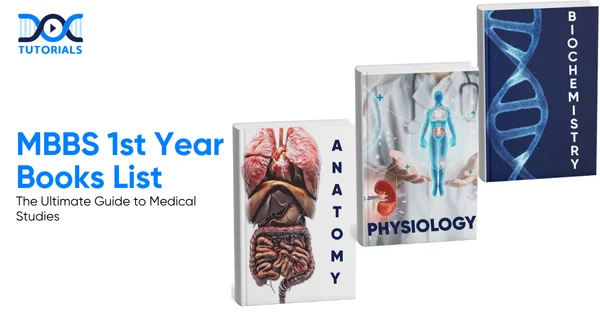
MBBS 1st Year Books List: The Ultimate Guide to Medical Studies

MBBS 1st Year Books List | DocTutorials

Bachelor of Medicine, Bachelor of Surgery (MBBS) is a demanding four and a half years undergraduate degree in medicine with one year rotational internship as a compulsory requirement.

MBBS has 19 subjects, the first one being the cornerstone of a successful career in medicine. The 3 cornerstone subjects of the first year include Anatomy, Physiology, and Biochemistry, all of which are necessary to learn about the human body and physiology.

Thus, the MBBS first year book list should be comprehensive, simple to comprehend and strictly connected with the syllabus that your medical institution/university prescribes. In this guide, we will take you through the essential MBBS 1st year books and subject-wise suggestions for a solid medical foundation.

So, let’s begin!

MBBS 1st Year Subjects

In the first year of MBBS, the students usually study 3 fundamental subjects:

  1. Anatomy
  2. Physiology
  3. Biochemistry

Every one of these subjects requires a distinct set of reference books. MBBS 1st year recommended books must be complete, easy to understand, and closely related to the syllabus your medical college or university prescribes.

Choosing the right sources becomes vital in establishing a proper foundation in medical education.

Selecting the Right Books for MBBS 1st Year

Choosing the first year mbbs books list is essential for creating a strong base of medical science. Comprehensive textbooks enable students to grasp complex concepts easily, memorise important facts by heart, and apply them appropriately in real situations.

The list of MBBS books for 1st year below is a handpicked selection that has always been suggested and relied upon by MBBS students.

Best Books of Anatomy for MBBS Students

Subject Book Title Author(s)Description
Anatomy Self-Assessment and Review of AnatomyRajesh K Kaushal– It is written in easy-to-understand language, simple and clear with labelled diagrams, tables, and flowcharts.
– 11 chapters about general anatomy, embryology, histology, neuroanatomy, head and neck, back, thorax, upper limb, abdomen, pelvis, and lower limb.
– Conceptual clarity in all the topics, and focuses on clinical use.
AnatomyNew Across: A Complete Review of Short SubjectsSaumya Shukla, Siddharth Dixit, Anurag Shukla & Khushi Shukla– One of the best-selling MCQ books focusing on short subjects.
– Theory and MCQs with brief notes are provided for every topic for quick learning.
– Tables, figures, flowcharts, and mnemonics to assist in memorising and learning effectively are included.
– It is highly recommended as a bestseller for NEET-PG preparation.
AnatomyHuman AnatomyBD Chaurasia, Krishna Garg– Follows the CBME curriculum and incorporates the latest updates and advancements.
– Features hand-drawn line diagrams by Dr. BD Chaurasia with colour coding.
– FAQs and MCQs are presented in a “clinical mode.”
– Provides Early Clinical Exposure (ECE) with case-specific signs, symptoms, investigations, and treatment.
– Includes viva voce questions, molecular regulation, clinic-anatomical problems, and step-by-step dissection guidance.
AnatomyGrey’s Anatomy for StudentsRaveendranath Veeramani, Sunil Jonathan Holla, Parkash Chand & Sunil Chumber– Considered the gold standard book for anatomy.
– Updated edition includes set introductions, chapter summaries, and flowcharts to facilitate learning.
– Levels I, II, and III classify structures in dissection into “must know,” “desirable to know,” and “good to know.”
– Incorporates new modes of imaging and puts more focus on dissection.
– A greater number of figure references promotes visual learning and useful review resources at the start of every chapter.
– Cranial nerves are discussed in greater detail and provided with examples and flowcharts.
AnatomyCunningham’s Manual of Practical AnatomyRachel Koshi– Ideal practical anatomy book for undergraduate students with simple, clear language.
– Learning objectives are provided at the beginning of each dissection, and lab work is simple to follow with step-by-step instructions.- Colourful updated artwork improves comprehension.
– Clinical application boxes and radiological images provide the connection between anatomy and medical practice.

Best Books of Biochemistry for MBBS Students

SubjectBook TitleAuthor(s)Description
BiochemistrySelf-Assessment and Review of BiochemistryRebecca James Perumcheril– Offers a complete concept-based biochemistry course with revised references, picture-based concepts, high-yield points, and full tables that are perfect for learning and revision.
– Highly recommended for competitive entrance exams due to the inclusion of previous years’ questions and practice exercises.
– Chapter matter is sourced from renowned books such as Harper’s 31st ed, Lehninger’s 7th ed, and Robbin’s 9th ed, clinically related to Harrison’s 20th ed, Nelson’s 20th ed, and CMDT 2019.
BiochemistryTextbook of Biochemistry for Medical StudentsDM Vasudevan, Sreekumari S & Kannan Vaidyanathan– An MBBS student’s standard reference book, approved by the MCI and commonly used in medical colleges.
– Includes clinical case studies in almost all chapters to enable the students to see the clinical and practical application of biochemical principles.
– Contains 50 chapters divided into 6 structured parts, with each chapter concluding with essay questions, quick notes, multiple-choice questions, and viva-voce style exercises.
– Has almost 1,000 figures, 200 tables, and 200 information boxes, which facilitate better understanding and usability for the students.
BiochemistryBiochemistryU. Satyanarayana & U. Chakrapani– Offers a structured approach with self-assessment exercises, origins of important biochemical terms, case studies with biochemical correlations, and reference biochemical values.
– Discusses basic principles such as Bioorganic and Biophysical Chemistry, biochemistry Tools, Immunology, Genetics and Clinical Biochemistry Lab principles.
– The focus on connecting theory and clinical practice serves as a guarantee of the improved comprehension of practice on the actual ground.
BiochemistryLippincott Illustrated Reviews: Biochemistry (South Asian Edition)Denise R. Ferrier; SAE Editors: Ritu Singh, Rajeev Goyal– Demonstrates the relationship of biochemistry to routine medical practice through interdisciplinary, chapter-based case studies.
– Structured in a clear outline format with full-colour illustrations and bullet points to simplify the complicated topics and to facilitate faster revision.
– Includes a larger chapter on macronutrients and micronutrients to gain a thorough insight into nutritional biochemistry.
– A special chapter on blood clotting has been included, with an in-depth description of the coagulation mechanisms and clinical importance.
BiochemistryHarper’s Illustrated BiochemistryKathleen Botham, Peter J. Kennelly, Owen McGuinness, P. Anthony Weil, Peter Kennelly, Victor Rodwell– Covers a wide range of advanced and clinically relevant topics, including extraterrestrial biomolecules, computer-aided drug design, and the effects of antioxidants on .apoptosis and cancer risk.
– Emphasises clinical relevance through case studies, “Objectives” .boxes at the start of each chapter, review questions for every section, and tables summarising essential data.
– Contains over 600 full-colour illustrations to aid comprehension and retention.
– Each chapter includes a dedicated section on the biomedical value of the topic, bridging basic biochemical knowledge with practical medical applications.

Best Books of Physiology for MBBS Students

SubjectBook TitleAuthor(s)Description
PhysiologyPrinciples of PhysiologyDebasis Pramanik– The best thing about the book is that it employs colored boxes to point out complex physiological concepts.
– The book consists of twelve chapters, with chapter one being an introduction to general physiology.
– Haematology-related topics are thoroughly discussed in the third section, while the circulatory, digestive, and excretory systems are explained in detail in the fifth, sixth, and seventh sections, respectively.
– The neurological, endocrine, and reproductive systems are extensively described in the ninth, tenth, and eleventh sections, respectively.
PhysiologyReview of PhysiologySoumen Manna– The book is organised into eight divisions, encompassing 19 chapters structured around various organ systems.
– Topics include general physiology, nerve-muscle physiology, cardiovascular and respiratory systems, central nervous system, renal and gastrointestinal systems, and endocrine and reproductive systems.
– Each chapter has multiple-choice questions (MCQs) with clear, brief, and precise explanations, supported by references to standard or research articles.
– A newly added chapter titled “Male and Female Reproductive Physiology” is included in this edition.
PhysiologyCrisp Complete Review of Integrated Systems PhysiologyS Krishna Kumar– Provides clear and straightforward explanations of physiological concepts.
– Features analyses of ECG-related questions, acid-base disorder questions, calculations related to respiratory physiology, and image-based questions.
PhysiologyGuyton and Hall Textbook of Medical Physiology (South East Edition)John E. Hall, Michael E. Hall; Adaptation Editors: Mario Vaz, Anura Kurpad, Tony Raj– Offers broader clinical coverage of degenerative diseases, including obesity, metabolic disorders, cardiovascular disorders, and Alzheimer’s disease.
– Contains over 1,000 meticulously designed illustrations and sketches for enhanced learning.
– Provides a clinically oriented perspective, linking basic physiology and pathology while emphasising essential cellular and molecular mechanisms in clinical medicine.
– Updated with the latest research and aligned with the Guyton and Hall Textbook of Physiology, 14th edition.
– All information is revised to correspond with the new MCI curriculum.
PhysiologyTextbook of PhysiologyA.K. Jain– Includes over 700 figures, 2,000 multiple-choice questions, and more than 1,000 study questions.
– Numerous clinical images are incorporated to facilitate understanding of clinical topics.
– Study questions in each chapter are updated in accordance with Medical Council of India (MCI) standards.
– Volume I covers general physiology, blood, nerve and muscle physiology, digestive, cardiovascular, respiratory, and excretory systems.
– Volume II covers the nervous system, reproductive system, endocrine system, metabolism, nutrition, and special senses.
– The South Asian Edition features include having a significant amount of content revision, a more detailed section on micronutrients and a thorough discussion of blood coagulation.

While textbooks are the basis of every MBBS student’s knowledge, supplementing them with electronic material can help a lot in improving understanding and memory.

FAQs about MBBS 1st Year Books List

1. How many subjects are studied in the MBBS 1st year?
MBBS first year mainly includes three subjects: Anatomy, Physiology, and Biochemistry. 

2. Which book of Anatomy is the best one in the MBBS 1st year?

Human Anatomy by Dr. B.D. Chaurasia would be a great choice due to its detailed descriptions and high-quality illustrations. Other than that, “Grey’s Anatomy” is a world-famous reference book, renowned for its penetrating explanations and great clinical correlations.

3. Which is the best MBBS 1st year physiology book?

Human Physiology of Guyton and Hall is familiar as the most complete and well-written book with an easy-to-read text. For those who want a concise text, “Essentials of Medical Physiology” by K. Sembulingam can also be used.

4. Which Biochemistry books can be used for the MBBS 1st Year?

“Textbook of Biochemistry” by U. Satyanarayana has elaborate descriptions with clinical significance, whereas “Lippincott’s Biochemistry” is preferred due to its crisp figures and straightforward explanation of biochemical pathways.

5. Which is the most difficult topic in MBBS?

The most difficult subject in MBBS is anatomy, which has been an esteemed core foundation subject in the study of medicine.

6. How much do the must-have MBBS 1st-year books cost?

The MBBS 1st year books price list ranges from ₹500 to ₹5,000 per book, or ₹15,000 to ₹35,000 for the entire set, depending on the edition, publisher, and book. One must select the right books to establish a strong foundation of the main subjects such as Anatomy, Physiology and Biochemistry.

7. Are Indian author books enough, or should I use foreign author books?

Indian author books are usually sufficient as they align with NMC exam patterns. Foreign author books can be helpful for deeper conceptual understanding. Most students benefit from using a balanced combination of both.

8. Should I rely only on textbooks or also use review guides and MCQ books?
Textbooks are essential for building strong fundamentals. However, review guides, MCQ books, and concise notes are helpful for revision and exam preparation.

9. How should I choose the right books for MBBS 1st year?
First, align book selection with your college curriculum. Choose detailed textbooks for conceptual clarity and shorter review books for revision. Consulting seniors is also helpful, as book preferences often depend on individual learning styles.

10. Can digital or PDF versions of MBBS books replace hard copies?

Digital or PDF books are useful for portability, quick searches, and revision on the go. However, hard copies are still preferred for Anatomy diagrams, making notes, and long study hours. Most MBBS students effectively use a combination of both.

Conclusion

Choosing quality MBBS 1st-year books is an achievement for any medical student looking to establish a strong foundation of knowledge in Anatomy, Physiology, and Biochemistry. Knowing your curriculum, selecting good textbooks, and complementing them with online content will enable you to grasp complex concepts and progress in your medical career.

It’s not just about owning these books but about actively reading, practising MCQs, regularly revising, and using knowledge clinically that will determine your success. Keep updated with new editions, investigate other study aids, and plan your learning to stay ahead of the game.

With DocTutorials, you have access to mentorship learning, expert guidance, and personal counselling, along with the essential MBBS 1st-year textbooks. Join DocTutorials today and explore our MBBS course for enhancing your MBBS preparation!

DocTutorials App Download Now

Latest Blogs

Anatomy Notes for MBBS First Year: A Complete Guide

MBBS Anatomy Notes | DocTutorials

Entering medical college and being introduced to such a vast subject like anatomy can be overwhelming for every new student. However, effective note-taking can help students with a strategic approach, which consequently will help them to ace the exams and build the core clinical knowledge that is required for lifelong clinical practice.

Whether self-made or pre-made, the most crucial feature of anatomy notes is having clear and concise diagrams for better retention. In this guide, we will explore the significance of MBBS anatomy notes for the 1st year, discuss effective note-taking strategies, and outline resources to enrich note-taking information.

Keep reading for a detailed insight.

Why are MBBS 1st Year Anatomy Notes Necessary?

Anatomy is known to lay the base of medical science by providing a fundamental knowledge of the human body structure, which is required to understand the bond between different organs and their physiological structures.

Go through the following section to understand the importance of MBBS 1st year anatomy notes:

  1. Helps in Active Learning: Making notes while listening to the class stimulates active learning in the students and helps them to memorise the topics better, producing better academic results.
  2. Can be Used as a Revision Tool: Revising the whole textbook before the exams appears quite a challenging task; hence, the notes serve as a useful revision tool before the exams and whenever required.
  3. Complex Concepts are Broken Down: Notes break down complex anatomical structures, simplifying them for students to remember more effectively.
  4. Builds Core Concepts: Making MBBS anatomy notes from the 1st year itself forms a strong base for the subsequent clinical subjects, enabling practical clinical application.

How to Make Use of the MBBS Anatomy 1st Year Notes?

The following section lists the various tips to make your MBBS anatomy notes more effective and useful:

  1. Write Notes using Mnemonics: Anatomy is an extensive subject, and remembering everything word-for-word can be difficult for students. Hence, using mnemonics while making notes can be beneficial and easier to remember.
  2. Make Use of A.V. Aids: Audiovisual aids are more appealing and effective while studying. As anatomy is all about structures of the human body, learning through audiovisual aids helps students remember better and retain information more effectively than text.
  3. Draw Diagrams: Diagrams are a great tool while studying MBBS anatomy. Drawing diagrams stimulates active visualisation and enhances memory retention abilities. Drawing along with labelling helps grasp the terminologies and functions that might take a long time to understand.
  4. Take Help from Online Resources: Various online platforms, such as DocTutorials, enhance your anatomy learning experience by providing access to virtual dissection tools and 3D models, which help you make better notes.
  5. Go through your Mistakes: Review your anatomy notes and note down the gaps that you have identified. Rectify them and clarify your doubts with your teachers or by extensive textbook reading.

How to Prepare the MBBS Anatomy 1st Year Notes?

Note-taking is an art, and it becomes beneficial during MBBS anatomy exams if done in a proper manner. The following section highlights the key points of how you can make your own MBBS anatomy first-year notes effectively:

  1. Avoid the Common Mistakes: Writing too much or not writing enough, and not revising the notes after writing, can degrade the quality of your notes. Hence, avoiding common mistakes will help students make effective notes during study sessions. 
  2. Handwrite your Notes: Although handwritten notes sound quite old-school, this method never fails. While writing, it partly helps the student to memorise, and the key points get stuck in the mind.
  3. Write the Important Points: Anatomy is a vast subject, and hence writing only the key points helps to prepare a concise and compact note that is easier to study and memorise.
  4. Follow a Note-taking System: Various note-taking methods aid students in their study process. Incorporating flashcards, diagrams, and using different colours in the text makes the anatomy notes look interesting, which intrigues the reader’s interest.
  5. Review your Notes: Never forget to review your MBBS anatomy notes, as you may have missed a point or two while jotting the points down, or you may have skipped a topic. This step helps you to note the key points without overlooking.

How to Choose the Best MBBS Anatomy Notes for 1st Year?

The tips mentioned below will help you choose the best MBBS anatomy notes for the 1st year:

  1. Quality and Quantity of Anatomy Notes: Clear, concise, and properly labelled diagrams are the heart of MBBS anatomy notes. Hence, choose a note that offers clear, easy-to-reproduce and remember diagrams to score better in the university exams.
  2. Alignment with the Concerned University: Review the notes to determine if they are suitable for your university or college, or if they are intended for NEET PG or professional exams.
  3. Platform Reputation: Popular coaching centres offer notes with video lectures by senior and experienced faculty that help the students with authentic data made simpler for better understanding.
  4. User-Friendly Interface: When considering digital notes, the clarity of the diagrams and text is of utmost importance. Apart from this, question banks and quizzes should also be of high quality. 
  5. Clinical Correlation: Notes having applied anatomy or clinical anatomy provide the best notes for the relevant topics. This helps to score well as well as strengthen the core of medical science.

How Does DocTutorials Help with the MBBS Anatomy Notes for 1st Year?

DocTutorials is one of the best platforms to choose if you are looking for information-rich anatomy notes for the MBBS 1st year. Here’s why:

  1. Video-Lecture Based Notes: The notes are made in accordance with the video lectures, providing a seamless learning experience to the students where they can follow the lectures along with the pre-made digital notes. It saves time as well as makes learning interesting.
  2. Concise Content: The notes are easy to understand, featuring crisp content organised in bullet points that focus on high-yield topics essential for university exams.  
  3. Expert Faculty: The notes and lectures are made by experienced and expert faculty in their respective fields, having clear teaching styles and optimum clinical orientation.
  4. Rich in Visual Aids: The notes feature high-end images, diagrams, mind maps, and 3D animated videos, providing a deeper understanding and better retention for students.
  5. Focuses on Clinical Relevance: The notes are made with the competency-based medical education in mind, which integrates clinical correlations and PYQs. This helps students bridge the gap between theoretical knowledge and clinical practice. 
  6. Dual Availability: Students can choose between digital notes and hard copies, depending on their convenience.

FAQs about Anatomy Notes for MBBS First Year

  1. Should I make my own notes or use the pre-made notes for MBBS Anatomy 1st year?

The decision of using self-made or pre-made notes completely depends on the individual and their learning style. Self-made notes stimulate deeper learning and allow the reader to focus on several topics, while the pre-made notes save time and come with interesting visual aids.

  1. Are notes important in the MBBS anatomy 1st year?

Making notes and practising anatomy diagrams are crucial to score well in university exams. Hence, anatomy notes in 1st year of MBBS are important to have better academic outcomes and results.

  1. What are the resources for MBBS anatomy 1st year notes?

Some of the resources for MBBS anatomy notes for 1st years are:

  • Textbooks
  • Video Lectures
  • Coaching Platforms
  • Textbooks
  1. How can you identify good MBBS anatomy notes for the 1st year?

Any effective anatomy MBBS 1st year notes should have the following qualities:

  • Diagram-rich
  • Clinically relevant 
  • Structured and easy to read 
  • Concise and crisp
  1. Are digital notes helpful for anatomy?

Digital notes are very useful for studying anatomy, combining PDFs of lectures, annotated diagrams, interactive apps, and YouTube video summaries. They enhance understanding by providing visual aids, concise explanations, and interactive tools, making complex structures easier to learn and remember.

  1. How should I study Anatomy notes effectively?

To study Anatomy effectively, combine theory with diagrams, practice labelling structures, use mnemonics for complex facts, and revise regularly. Repetition and active recall are key strategies to remember structures, relationships, and clinical relevance for exams.

  1. Are diagrams important in Anatomy notes?

Yes, diagrams are extremely important in Anatomy. They help you visualise structures, spatial relationships, and anatomical variations, making it easier to understand, memorise, and recall information during exams and practical assessments.

  1. Which textbooks should Anatomy notes be based on?

Anatomy notes are best prepared from standard textbooks. BD Chaurasia is excellent for exam-focused content, Gray’s Anatomy for Students helps with conceptual understanding, and Vishram Singh provides clear diagrams and explanations for easier visualisation.

  1. Are mnemonics important in Anatomy notes?

Yes, mnemonics are very useful in Anatomy for remembering nerve roots, muscle actions, vessel branches, and foramina contents. They help in quick recall during exams, reducing the burden of memorising long lists of facts.

  1. Can Anatomy notes be used for NEET-PG or NEXT preparation later?

Yes, well-prepared Anatomy notes from the first year form a strong foundation. They are very handy for rapid revision and concept reinforcement when preparing for NEET-PG or NEXT exams, saving time and improving retention.

Conclusion

Medicine is a crucial field where doctors need a clear understanding of the concepts, as it deals with human life. So, to have a strong base, the students should have access to quality MBBS anatomy notes from the first year itself.

A proper knowledge and understanding of a pre-clinical subject like anatomy will help future doctors to learn the clinical subjects seamlessly in the subsequent years to come. DocTutorials is known for its concise and crisp notes that integrate all the essential and relevant topics, aligning with the CBME curriculum.

It also integrates applied anatomy, which helps the students to correlate their theoretical knowledge with practical scenarios. So, join DocTutorials and explore our MBBS course to excel in your medical career!

DocTutorials App Download Now

Latest Blogs

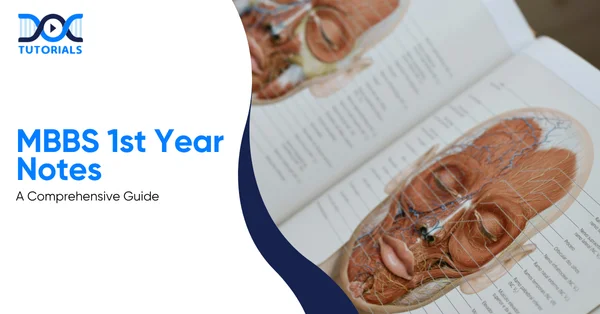
MBBS 1st Year Notes: A Comprehensive Guide

MBBS 1st Year Notes | DocTutorials

The first year of MBBS is the most crucial period for a medical student, marking the commencement of their medical journey. In this period, the students learn introductory preclinical courses, such as Anatomy, Physiology, and Biochemistry. A proper understanding of these fundamentals is critical towards advancement into medical practice in future.

A strong foundation enables students not only to get through the MBBS exam but also to excel in advanced subjects such as Pathology and Pharmacology. The importance of academic success and a promising medical career depends on consistent academic study and revision.

In this guide, we will explore the significance of MBBS 1st year notes, how to utilise them effectively, and the most valuable resources for supporting your studies. Keep reading for a detailed insight.

Why are MBBS 1st Year Notes Important?

Ever tried to construct a house without a blueprint? This is what it feels like to study MBBS without organised notes. Here’s why these notes matter:

  • Simplify Complex Concepts

There are complicated terms, processes, and mechanisms associated with medical subjects. To simplify complex concepts, a well-written note can break them down into comprehensible language.

  • Save Time

The time you spend needlessly leafing through two or three textbooks is better spent on proper notes, which contain all the most critical points in a single place, helping you revise faster.

  • Improve Knowledge Retention

Ever studied a chapter overnight before an exam, only to forget it hours later? Some notes, summarised and pictorially illustrated, enable you to remember longer.

  • Clear Focus on Important Topics

Not all information in textbooks is vital in exams. Properly arranged notes are those that highlight high-yielding areas, helping you focus on what truly matters to you.

What Makes the MBBS 1st Year Notes More Effective?

Not every note is created equal. There are disorganised ones, some of them old and unfinished. What makes a set of notes effective and useful is as follows:

  • Clarity

Clarity of study notes implies presenting information in a straightforward and easy-to-comprehend format without a lot of technical language. This eases complicated medical terms, particularly among first-year students.

  • Concise Content

Concise content aims to deliver the main idea and essential facts instead of having all available details. This will help students focus on the most relevant information to include in the exams and practical knowledge.

  • Visual Aids

Drawing images, flowcharts, and tables is significant in the simplification of complex processes. Sometimes, a graph can illustrate a point better and faster than a substantial portion of a text.

  • Updated Syllabus

It is essential to keep the notes indexed with a changed syllabus, since medical knowledge and exam patterns keep changing. The new notes can be used to ensure that students access information that is not only up-to-date but also relevant to their university needs.

How to Make the Most of Your MBBS First Year Notes?

Simply having notes won’t make you top of the class. You need to use them smartly. Here are practical tips to get the best results:

1. Active Reading

Active reading involves engaging with the study material by highlighting important points, writing brief annotations in the margins, and summarising complex topics in one’s own words. This approach helps in better understanding and retention of complex concepts.

2. Regular Revision

Regular revision plays a key role in strengthening memory and reinforcing knowledge. Revisiting notes periodically allows the brain to retain information more effectively over time, making recall easier during exams.

3. Practice Questions

Practice questions serve as an effective way to assess understanding of studied topics. Working through question banks that reflect real exam patterns helps students identify knowledge gaps and improve their problem-solving skills.

4. Group Study

Group study provides an opportunity for collaborative learning, where discussing challenging topics with peers can lead to a deeper understanding. Explaining concepts to others often helps clarify one’s own knowledge and offers new perspectives.

Tips for Choosing the Best 1st Year MBBS Notes

Finding reliable notes can be tricky. Here’s what you should check before choosing:

FactorsWhy It Matters
Source CredibilityAlways choose notes from trusted sources like DocTutorials or reputed medical educators.
Syllabus AlignmentThe notes must cover every topic your university requires. Otherwise, you might miss essential chapters.
Peer RecommendationsAsk seniors or batchmates for suggestions. Personal experience matters a lot as well.
Trial VersionsSome platforms offer sample notes. Check those before committing to full access.

What are the Other Resources to Boost Your Study?

Your 1st year MBBS notes are a powerful tool, but don’t stop there. Combine them with other valuable resources, such as the following:

  • Standard Textbooks

Standard textbooks are widely regarded for providing in-depth explanations and comprehensive coverage of core medical concepts. They serve as essential resources for a detailed understanding of human anatomy and physiological processes.

  • Online Lectures

Online lectures available on a few platforms offer simplified video explanations of challenging medical topics. These visual resources help break down complex subjects into easily digestible lessons, which are especially helpful for visual learners.

  • Question Banks

Question banks designed for medical students provide extensive practice material that mirrors actual exam patterns. Certain apps compile large sets of MCQs and case-based questions, allowing students to practice regularly and assess their preparation.

  • Study Apps

Study applications offer tools for fast memorisation through flashcards and interactive quizzes. These apps are helpful for quick revision and reinforcing key concepts on the go.

How Does DocTutorials Help You Succeed in Your MBBS Exam?

If you’re looking for the best 1st year MBBS notes, DocTutorials is a top choice. Here’s why:

  1. Regularly Updated & Comprehensive Notes

Well-structured and regularly updated MBBS first-year notes are designed to align with the latest medical curriculum. They include a comprehensive coverage of the basic subjects, and they must be clear and precise to reflect current academic requirements.

  1. Focus on Concepts, Not Rote Learning

These notes emphasise understanding concepts rather than rote memorisation. Rather than memorising processes such as renal filtration, it is about explaining why every step is taking place, thereby enabling the students to develop a solid conceptual base, which reinforces their deeper learning.

  1. Visual Learning Made Easy

Complex subjects, such as neuro-muscular transmission and metabolic pathways, are explained using images in the form of detailed diagrams, flowcharts, and tabular representations. Complex concepts become easier to understand and remember with the help of these visual means.

  1. Exam-Oriented Approach

Exam-oriented practices are based on high-yield concepts, which are repeatedly tested through a large number of practice questions and case studies that simulate the real exam pattern. The strategy would guide the students to concentrate on the issues that are most important in getting a high score.

  1. Easy Access Anytime, Anywhere

Access your notes anytime, anywhere—ideal for making the most of your busy MBBS schedule!

  1. Expert-Curated Content

Experienced medical educators prepare all notes. You get accurate, reliable, and structured notes that save you from wasting time searching for helpful resources.

FAQs about MBBS 1st Year Notes

  1. Which is better: handwritten or digital MBBS 1st year notes?

Both handwritten and digital notes have their advantages. Handwritten notes help improve memory retention and promote active learning. Digital notes (PDFs) are easy to access, well-organised, searchable, and often include diagrams and practice questions. The most effective approach is to use a combination of both methods.

  1. Can I rely on online MBBS 1st year notes for practical knowledge?

Online MBBS first-year notes are excellent for understanding theoretical concepts. However, they do not always cover practical skills such as dissection techniques or lab procedures. It is essential to complement these notes with hands-on learning by attending practical classes, using detailed textbooks, or watching video tutorials.

  1. What subjects are covered in the MBBS 1st year notes?

MBBS 1st year notes mainly cover three core subjects:

  1. Anatomy – The structure of organs, muscles, bones, and blood vessels.
  2. Physiology – How the body functions, including circulation, nerve impulses, and respiration.
  3. Biochemistry – Chemical processes inside cells, metabolism, and genetic mechanisms.
  4. How frequently should I revise MBBS 1st year notes for the best results?

Regular and consistent revision is crucial for long-term retention. Ideally, you should revise each topic:

  • Right after studying it the first time
  • After a few days, using spaced repetition
  • Just before exams to reinforce memory

This approach helps improve understanding and exam performance.

  1. How can I organise my MBBS 1st year notes for better revision?

To organise your MBBS 1st year notes effectively:

  • Divide them by subjects and chapters.
  • Highlight key concepts using colour codes.
  • Include diagrams, tables, and flowcharts for quick understanding.
  • Create a revision schedule to ensure regular review of topics.

6. Are MBBS 1st Year notes enough to pass exams?
Notes are helpful for revision, but standard textbooks are necessary for clear concepts. Using only notes is not recommended for first-time study.

7. What makes good MBBS 1st Year notes?
Good notes are concise, well-organised, syllabus-oriented, rich in diagrams, and include clinical correlations and important exam-focused points.

8. Are diagrams important in MBBS 1st Year notes?
Yes. Diagrams are essential, especially in Anatomy and Physiology. They improve visualisation, understanding, and overall exam presentation.

9. Can MBBS 1st Year notes help in future exams like NEET-PG?
Yes. Well-made first-year notes create a strong base and are useful for quick revision during NEET-PG preparation.

10. What mistakes should be avoided while using MBBS 1st Year notes?
Avoid skipping textbooks, rote memorisation without understanding, ignoring diagrams, and failing to update notes after lectures.

Conclusion

Having access to quality 1st year MBBS notes is indispensable for your success in the first year of medical school. This clarity allows you to plan your study strategy more efficiently and focus on high-yield topics without feeling overwhelmed.

Thoroughly familiarise yourself with the syllabus and regularly revise your notes to reinforce your understanding. DocTutorials help you with organised, concept-focused notes that simplify learning and help you concentrate on critical areas. Enhance your study with case studies, MCQs, diagrams, and mnemonics to simplify complex concepts.

Join DocTutorials and explore our MBBS course to excel in your medical exam!

DocTutorials App Download Now

Latest Blogs

9 Essential MBBS Preparation Tips for Success

MBBS Preparation Tips

Achieving the dream of becoming a doctor is not easy. You need to be determined and have the right mindset and a well-structured preparation plan. In this blog, we will walk you through the essential preparation tips to succeed in your MBBS journey.

These tips will help you master the MBBS syllabus along with how to handle the pressure and even choose the best coaching platform.

1. MBBS Syllabus – Understand It

MBBS consists of a vast syllabus with various topics to study. Sometimes, it feels overwhelming, but don’t worry. Understanding the syllabus can help you stay focused. MBBS syllabus is your map and let it guide you through the year.

PhaseSemestersSubjects or Syllabus
Pre-clinical1 – 2: Two semesters1. Anatomy
2. Bio-chemistry
3. Physiology
Para-clinical3 – 5: Three semesters1. Community Medicine
2. Forensic Medicine
3. Pathology
4. Pharmacology
5. Microbiology
6. Clinical postings inwards
7. OPDs to begin here
Clinical6 – 9: Four semesters1. Community Medicine
2. Medicine and allied
3. Subjects – Psychiatry, Dermatology
4. Obstetrics & Gynaecology
5. Pediatrics
6. Surgery and allied subjects –
Anesthesiology, E.N.T., Ophthalmology, Orthopedics
7. Clinical postings

To maximize your chances of success, refer to previous years’ exam papers to identify recurring topics that are frequently tested, and focus on those questions.

2. Revise Your Subjects Early

The earlier you start, the better it is. You require both dedication and consistency to revise & master your MBBS syllabus. Revising your MBBS subjects at the earliest possible time will avoid last-minute cramming and unnecessary stress.

Break down the syllabus into smaller and manageable sections and stick to your study plan. Consistency and steady preparation will help you understand tough concepts and build a strong foundation for future years.

3. The Right Coaching for MBBS Preparation

Whether you’re attending offline classes or opting for MBBS online coaching, you ensure it aligns with your learning style because the right coaching platform will make all the difference in your MBBS preparation.

DocTutorials – One of India’s best MBBS online coaching platforms, provides you with everything you need to excel in your MBBS university exams. 3D animated videos, expert video lectures covering all your subjects, and more are among the best study materials that you can use to boost your preparation.

4. Create a Realistic Study Plan

Your MBBS study plan should balance theory, practicals, and revision. With unrealistic targets, don’t overburden yourself. Set realistic goals and ensure you have sufficient time for each subject. With a good study plan, you will cover all topics gradually without feeling rushed.

Keep the plan flexible as some days might need more focus on one subject, while others require a shift in focus.

5. Utilize Study Materials Effectively

The MBBS journey is vast but rewarding. Beyond essential textbooks, tools like online lectures and MBBS online coaching platforms like DocTutorials can elevate your preparation, boosting confidence with interactive visuals, charts, and diagrams.

Remember, less is more—stick to focused resources to avoid confusion. Embrace the process; every step brings you closer to your dream of healing lives.

6. Regular Revision is The Secret to Retention

One of the crucial things in MBBS preparation is revision. It helps you retain the concepts that you’ve learned and refreshes your memory. Revise every week, even if it’s just for an hour or so.

Doing so will prevent concepts from slipping from your mind and ensure that you remember key concepts when you need them the most.

7. Stay Positive and Manage Stress

Managing stress when you are overwhelmed is key to keeping your preparation on track. Meditation, yoga, and simple breathing exercises can help clear your mind and relax. Remember, maintaining a positive mindset is just as important as your routine.

8. Practice with Mock Tests & Previous Year’s Papers

Secret weapons for MBBS exams are mock tests and previous year’s question papers. With these, you get familiar with the exam pattern and can improve your time management skills. Don’t just focus on scoring high in mock tests.

Use them as a tool to analyze your weak points and focus on improving those areas in your exams. Make it a habit to take at least one mock test every week to assess your progress.

9. Learn from Experts

Experienced mentors are your guiding light in the MBBS journey. Whether through MBBS coaching or online coaching, their expert insights simplify complex topics and streamline your preparation. Engage actively in their sessions—ask questions, participate, and absorb their wisdom. These mentors don’t just teach; they shape your path to success, ensuring you’re ready for every challenge ahead.

Final Thoughts

The journey to becoming a doctor is challenging, but with the right mindset, preparation, and support, you can achieve your MBBS goals. Stay focused and kind to yourself—you’re never alone in this pursuit. Success isn’t just about hard work; it’s about believing in yourself.

The road to becoming a doctor may be long, but it is worth every step. Good luck, and may you achieve the success you’ve worked so hard for.

Latest Blogs

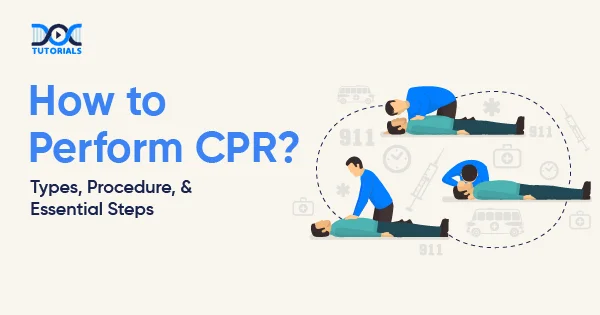
How to Perform CPR: Types, Procedure, and Essential Steps

CPR

CPR (cardiopulmonary resuscitation) is a critical technique that can restore the heartbeat by continuous compression and breathing techniques. The CPR procedure can help an individual to survive a cardiac arrest during an emergency.

Every individual, especially medical students, should learn CPR to handle critical situations until professional medical help arrives. With DocTutorials, you can cover all the aspects of CPR in detail through high-quality study materials and video recordings.

Read on to learn the steps of CPR, its guidelines, mistakes to avoid while performing CPR, and more. The well-explained CPR techniques will also help you get a brief idea about our teaching methods!

What is CPR?

Cardiopulmonary resuscitation or CPR is a process to restore the heart functioning of a person who has had a cardiac arrest. It involves compressing the chest so the heart can pump blood and return to a regular rhythm. The CPR procedure also involves breathing oxygen into the victim’s mouth to increase the oxygen level in their body and help blood blow to the crucial body organs.

You should remember the CAB order while performing CPR. Here: 

  • “C” stands for chest compression 
  • “A” represents airway; you need to open the victim’s airway 
  • “B” stands for giving rescue breaths to the patient.

How to Prepare for CPR?

Here are the steps to prepare for a CPR procedure:

  • If a person gets cardiac arrest before you and starts collapsing, ask loudly if they are alright
  • Call for medical aid immediately if the individual does not respond
  • Get an AED (automated external defibrillator) from someone who is nearby
  • Keep the person lying on their back and tilt their head back
  • Get closer to the individual and try to listen if the heart is beating
  • Check for the chest going up and down and whether the person is breathing or not
  • Touch the individual’s neck to check if there is pulse
  • If you cannot find a pulse, CPR must be performed immediately

What are the Different Types of CPR?

Following are the four main CPR types:

  • Hands-only CPR

This type is also called compression-only CPR. In this process, you don’t need to provide rescue breaths; it only involves chest compression. This technique includes continuous compression of 100-120 per minute.

  • Standard CPR

It involves combining both chest compressions and rescue breaths. In each cycle, you need to perform 2 rescue breaths after 30 chest compressions. This procedure is also known as the traditional CPR method. 

  • Hands-only CPR with an AED

In this process, AED or automated external defibrillator devices are combined with hands-on CPR to give an electric shock to the individual’s heart suffering from cardiac arrest. You can continue with the hands-on technique until the AED is ready.

  • Paediatric CPR

As the name suggests, this CPR technique is used when the victim is a child or infant. You need to provide 15 compressions after 2 rescue breaths in each cycle.

How to Perform CPR for an Adult: Steps to Follow

Cardiopulmonary resuscitation is a vital skill that can save lives in emergencies by providing essential life support. Here’s how to perform CPR effectively:

Step 1: You need to assess the scene to check if the area is safe before approaching the individual.

Step 2: Check for their response by gently tapping the patient and asking if they are okay. Look for signs of movement or response.

Step 3: If you find the person unresponsive, immediately call emergency services.

Step 4: Open the airway by tilting the patient’s head back and lifting their chin.

Step 5: Listen and feel for breaths by placing your ear near the patient’s mouth and observing chest movements.

Step 6: If the patient isn’t breathing, start compressions. Place one hand on top of the other, interlock fingers, and keep elbows straight.

Step 7: Perform 100-120 compressions per minute, depressing the chest at least 2 inches and allowing it to recoil fully between compressions.

Step 8: After 30 compressions, provide two rescue breaths. Pinch the nose, seal the mouth with yours, and give a one-second breath. Continue cycles until help arrives.

Following these steps, you can provide critical care until medical professionals arrive. Remember, CPR is a lifesaving intervention that requires practice and confidence to perform effectively.

How to Perform CPR for a Child?

The CPR procedure for a child is almost the same as that of an adult. Here are some of the essential things to consider:

  • Provide 2 rescue breaths and then 30 cycles of chest compression.
  • For small children, avoid using two hands for chest compression; only one is enough.
  • In the case of infants, use two fingers for chest compression instead of hands. Make sure the compression is 1.5 inches only and not 2 inches like adults.
  • The rescue breath process for infants is also different from that of adults. Here, you need to gently seal the infant’s nose and mouth with yours and puff air to provide rescue breath.

What are the American Heart Association (AHA) Guidelines for CPR?

The American Heart Association (AHA) updates its CPR guidelines every five years to reflect the latest scientific evidence and improve survival rates from cardiac arrest. As of the latest updates, the AHA emphasises the importance of high-quality chest compressions and minimising interruptions during CPR. 

The traditional 30:2 ratio of compressions to breaths remains standard for adults. However, there is a growing trend towards continuous chest compressions (CCC) before intubation, which may eventually replace traditional CPR with Cardio-Cerebral Resuscitation (CCR) in some settings.

Key points from recent guidelines include:

  • High-Quality Compressions: Ensure compressions are at least 2 inches deep at a rate of 100-120 per minute.
  • Minimising Interruptions: Keep pauses in chest compressions to a minimum to maintain blood circulation.
  • Technology Integration: Utilise devices like CPR feedback tools and mobile apps for real-time guidance.

What are the Mistakes to Avoid While Performing CPR?

Performing CPR effectively requires avoiding the following mistakes as they can reduce its effectiveness or even cause harm:

  • Not Calling for Help Early

If you fail to call emergency services promptly, it can delay professional medical assistance.

  • Incorrect Hand Placement

If your hand placement is not correct, the CPR will not be effective. Hands should be placed on the centre of the chest, between the nipples, with fingers interlaced.

  • Inadequate Chest Compressions

If the right sets of chest compressions are not provided, the heartbeat will not be restored even after CPR. You should give chest compressions at least 2 inches deep for adults at a rate of 100-120 per minute.

  • Interrupting Compressions

If you keep pausing between chest compressions, blood flow to and from the heart cannot be normalised. Minimise pauses between compressions to maintain continuous blood flow.

  • Not Tilting the Head

If the head of an individual who has had cardiac arrest is not tilted correctly, the airway will not open. Ensure proper head tilt to open the airway before giving rescue breaths.

FAQs About CPR (Cardiopulmonary Resuscitation)

  1. What are the advantages of providing CPR?

CPR keeps blood circulating, preventing organ damage during cardiac arrest.

  1. What needs to be done after providing CPR?

After CPR, the person is sent to a hospital. Healthcare providers assess for organ damage, determine the cardiac arrest cause, and provide necessary treatment. Many survivors initially remain in a coma.

  1. Can CPR be fatal?

CPR is beneficial even if not performed perfectly, as it helps cardiac arrest victims, potentially improving survival chances with proper technique.

  1. How will you understand whether the CPR is effective or not?

CPR is effective, even if the technique is not perfect. Look for chest rise during rescue breaths as a sign of effectiveness.

  1. Can a person’s ribs get broken due to CPR?

CPR can sometimes break ribs due to the force required to compress the chest and circulate blood throughout the body.

Conclusion

CPR is a crucial method that can save lives during emergencies like cardiac arrest. By learning the proper compression and breathing methods, you can restore the heartbeat of an individual who has had a heart attack. For healthcare professionals seeking to enhance their skills or medical students who need to learn about CPR for their MBBS syllabus, DocTutorials offers comprehensive resources. It includes expert-led videos and case-based discussions. By enrolling in our classes, you can learn more about the CPR procedure and provide critical care until medical help arrives.

NEET PG Online Live Power Pack
DocTutorials App Download Now

Latest Blogs

Your Ultimate MBBS Companion – DocTutorials

We provide support, mentorship, and resources to fuel your MBBS journey.

MBBS Preparation

MBBS Curriculum Faculty at DocTutorials

We at DocTutorials believe that “combining top-quality education materials with focused conceptual training by specialists can make any student achieve their dreams”.

Dr Tejaswi
Dr Tejaswi

Anatomy

Read Bio

Dr Naveen Porwal | Physiology
Dr Naveen Porwal

Physiology

Read Bio

Dr Amit Jain
Dr Amit Jain

Biochemistry

Read Bio

Vandana Poori
Dr Vandana Puri

Pathology

Read Bio

Dr Sonu Panwar

Microbiology

Read Bio

Dr Nileshraj | Pharmacology
Dr Nileshraj

Pharmacology

Read Bio

Dr Jayaprakash K | FMT
Dr Jayaprakash K

FMT

Read Bio

Dr Rajasi | PSM
Dr Rajasi

PSM

Read Bio

Excel Your MBBS Journey With Us

01

CBME-based Video Lectures

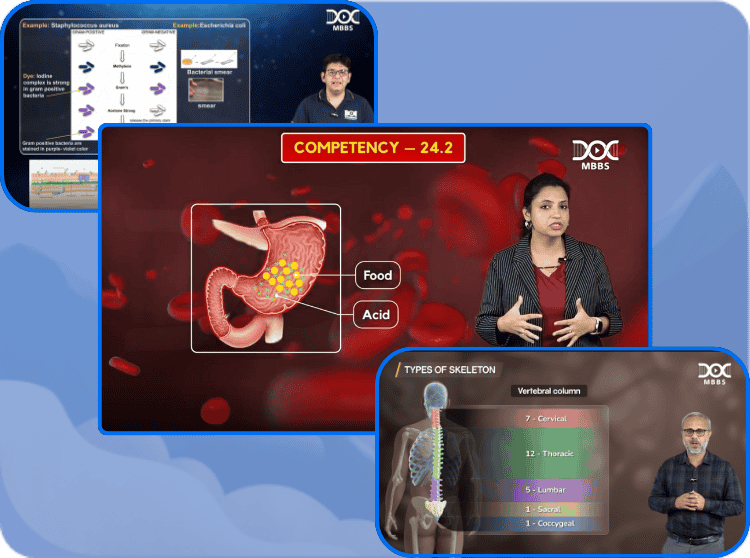
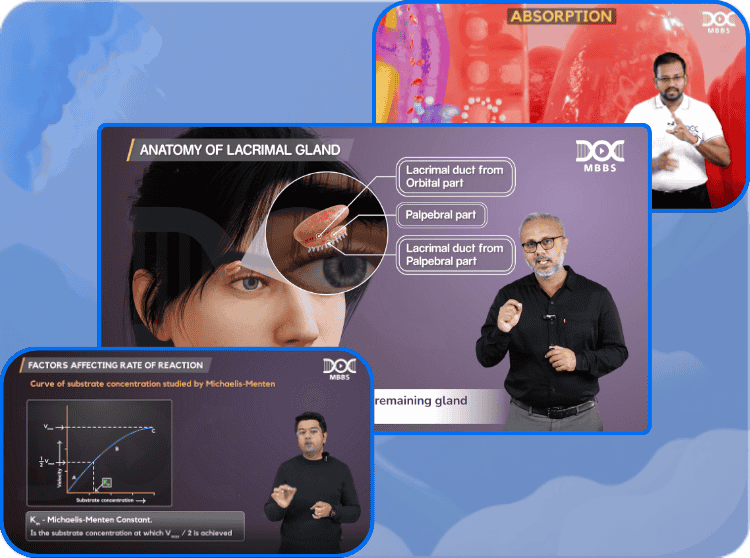
Our CBME-based video lectures follow the NMC’s Competency-Based Medical Education framework, emphasizing understanding and clinical reasoning over rote learning. Through case-based teaching and competency mapping, you’ll connect theory to real-world practice. These structured, outcome-driven sessions help you build a strong foundation, ensuring conceptual clarity, confidence, and exam readiness; making your learning more relevant, engaging, and application-oriented.

CBME based Video lectures
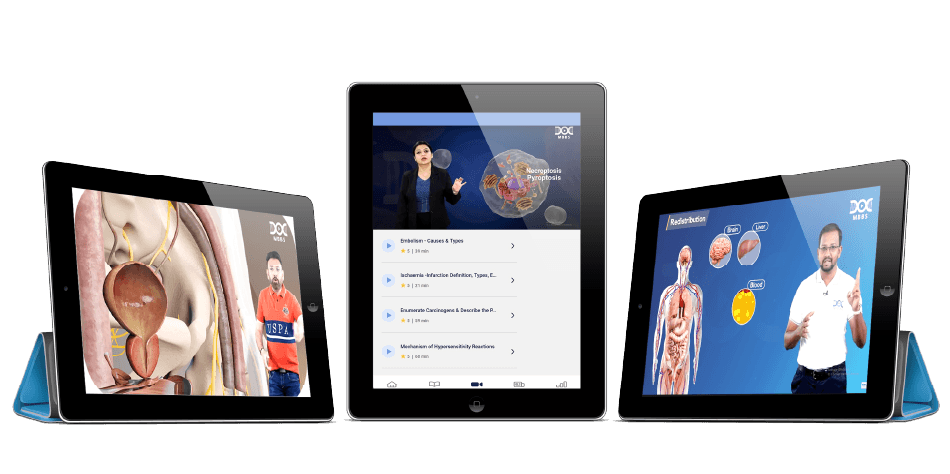
MBBS 3D & 2D Video Lectures

02

3D & 2D Animations

We simplify complex medical concepts through high-quality 3D and 2D animations, helping you visualize anatomy, physiology, and pathology clearly. Each animation enhances comprehension and retention by transforming textbook topics into vivid, interactive learning experiences. Paired with expert explanations, our visual approach bridges the gap between theory and practice; helping you truly understand, retain, and recall key medical concepts.

03

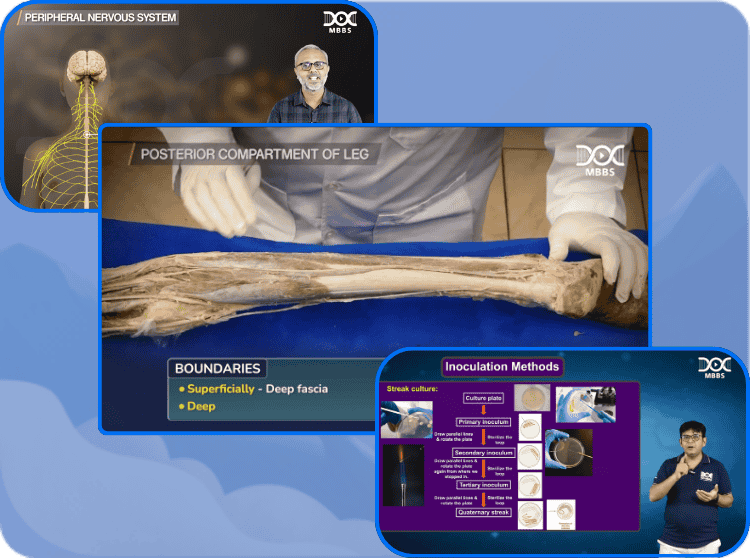
Ace Your Theory & Practical Exams

We help you excel in both theory and practical exams with structured modules aligned to NMC and university guidelines. Each subject includes PYQs, and practical demonstrations to strengthen your preparation. With faculty-driven insights, you’ll gain clarity, confidence, and precision; ensuring top performance in written papers, viva sessions, and clinical assessments.

MBBS Theory & Practical Videos
MBBS Qbank

04

Qbank for Formative Assessments

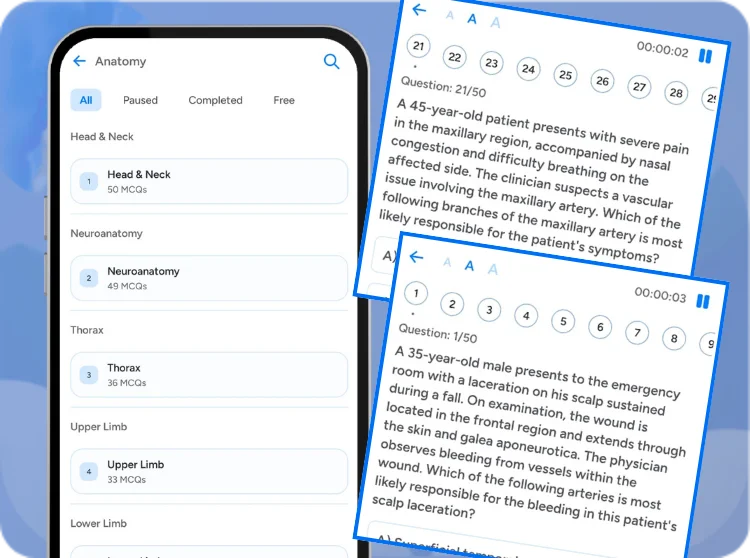
Our QBank is a powerful self-assessment tool designed to strengthen your understanding and track progress. With high-yield questions and detailed explanations, you can identify weak areas and master key topics. Ideal for formative assessments, it supports consistent practice, concept reinforcement, and exam readiness; making it your reliable companion for everyday learning and long-term success.

05

Mentorship by India’s Best Faculty Team

Learn under the guidance of India’s finest medical faculty, who have mentored thousands of toppers. Beyond lectures, they nurture your clinical thinking, clarity, and confidence. Through mentorship, you gain deeper understanding and motivation to excel. Their vast experience across specialties ensures holistic growth; helping you perform better academically and evolve into a skilled, compassionate doctor.

MBBS Faculty

Your MBBS Exam Preparation Starts Here

The Best App to Master Your MBBS is at Your Fingertips

Your university exam preparation is Made Easy

DocTutorials App Link | App Store
DocTutorials App Link | PlayStore
DocTutorials App Link | QR Code

Learn Anytime, Anywhere with DocTutorials App

MBBS Faculty Vector
NEET PG Online Live Power Pack
DocTutorials App Download Now