Understanding Hip Bursitis: Causes, Symptoms, Diagnosis, and Treatment
Hip pain is one of the most common musculoskeletal complaints among adults, and hip bursitis is a frequent cause. Both older individuals and more active people may feel the impact of hip bursitis.
This hip condition can be painful and may disrupt many aspects of daily life, beyond the pain itself. Fortunately, hip bursitis is manageable through lifestyle adjustments, physical therapy, and in some cases, some minimally invasive treatments.
Keep reading for a detailed insight.
What is Hip Bursitis?
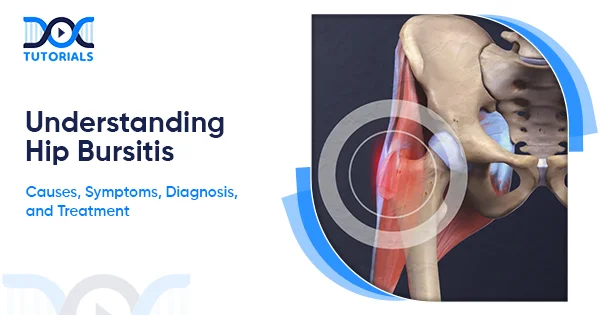
The hip is made of two key bursae: the greater trochanteric bursa on the outer hip and the iliopsoas bursa near the groin. Inflammation of either causes bursitis, with lateral hip pain in trochanteric bursitis and groin or front-hip pain in iliopsoas bursitis. Both conditions share similar treatments but differ in symptoms and triggers.
The human body has over 160 bursae, tiny, sac-like, fluid-filled compartments that serve as pads between bones and adjacent soft tissues. They allow muscle and tendon movement over bones with minimal abrasion.
In the hip region, 2 bursae are most relevant:
1. The Greater Trochanteric Bursa
On the outer side of the hip, this bursa sits over the greater trochanter, a significant bony prominence of the thigh bone. The inflammation of this area is what is called trochanteric bursitis, the most common type of hip bursitis. Pain associated with it is usually along the outer portion of the hip and may spread down along the side of the thigh.
2. The Iliopsoas Bursa
This bursa is located on the inner side of the hip as you approach the groin. It too has the potential of becoming inflamed. If this bursa is inflamed, it is somewhat less common than trochanteric bursitis, and the symptom pattern is somewhat different; it involves pain more along the front of the hip and/or the groin.
Both types of bursitis share similar treatment approaches, but their symptoms and underlying triggers may vary.
What are the Types of Hip Bursitis?
Hip bursitis appears in three main forms: trochanteric bursitis on the outer hip, iliopsoas or ischial bursitis affecting the groin or upper buttock, and septic bursitis caused by infection.
There are 3 primary forms of hip bursitis:
1. Trochanteric Bursitis
This is the most common type, which involves the bursa on the outside of the hip. Symptoms include:
- Sharp or burning pain in the outer hip
- Pain spreading into the outer thigh.
- Difficulty lying on the affected side
2. Iliopsoas or Ischial Bursitis
Inflammation of the bursae on the inner hip or near the upper buttock region. Symptoms often include:
- Deep groin pain
- Pain with climbing stairs or rising from a seated position
3. Septic Hip Bursitis
A rare but serious type caused by infection within the bursa. Symptoms include:
- Severe hip pain
- Redness and warmth
- Fever, chills, or feeling acutely ill
This type requires urgent medical attention and antibiotic therapy.
What are the Risk Factors of Hip Bursitis?
Repetitive stress, direct hip injury, or changes in gait from spine problems, leg-length differences, or a tight IT band increase your risk for hip bursitis. Inflammatory conditions, postsurgical changes, and bone spurs near the trochanter can also irritate the bursa and cause inflammation.
There are several issues or activities that can increase the likelihood of developing hip bursitis. Here are the common risk factors:
- Repetitive Stress or Overuse
High-impact or repetitive activities such as running, cycling, stair climbing, long-distance walking, or prolonged standing put stress on the hip bursa, increasing irritation.
- Direct Hip Injury
A fall onto the side of the hip, bumping into a hard object, or lying on one side for extended periods can irritate the bursa.
- Spine Conditions
The way we move is influenced by spinal alignment. Conditions such as:
- Scoliosis
- Lumbar spine arthritis, or
- Lower-back nerve problems
- Tight Iliotibial (IT) Band
The IT band runs along the outer thigh from the pelvis to the knee. When tight, it can rub against the greater trochanter and irritate the underlying bursa.
- Leg-Length Differences
Even a small discrepancy in leg length—more than half an inch—can affect gait mechanics and lead to hip irritation.
- Inflammatory Conditions
Autoimmune conditions such as rheumatoid arthritis increase the likelihood of bursal inflammation.
- Postsurgical Changes
Procedures involving the hip or joint replacement implants can alter hip biomechanics or irritate the bursa.
- Bone Spurs or Calcifications
Abnormal bony growths can develop near tendons that attach to the trochanter, causing friction and subsequent inflammation.
What are the Symptoms of Hip Bursitis?
Hip bursitis typically begins with sharp pain that gradually becomes a dull ache. This pain may propagate to the outer thigh, groin, or buttock. It tends to get worse when lying on the affected side, climbing stairs, walking, or squatting.
The hallmark symptom of hip bursitis is pain, but how the pain behaves can help distinguish bursitis from other causes of hip discomfort. Typical symptoms include:
- Sharp, intense pain in the early stages
- A dull, aching pain as inflammation persists
- Pain that may radiate down the outer thigh, groin, or buttock
- Increased discomfort when:
- Lying on the affected side
- Rising from a chair
- Walking long distances
- Climbing stairs
- Squatting or pivoting
- Pain that is worse at night
- Occasionally, mild swelling
How is Hip Bursitis Diagnosed?
Hip bursitis is diagnosed via history and physical exam, assessing tenderness, strength, flexibility, and gait. X-rays or MRI (magnetic resonance imaging) may rule out other causes, and bursal fluid aspiration is done if infection is suspected.
Diagnosis typically begins with a detailed history and physical examination. Here’s how itusually proceeds:
- Physical Exam
A clinician will:
- Palpate (press) over the hip to check for tenderness
- Assess hip strength and flexibility
- Observe gait and posture
- Evaluate for leg-length discrepancies
- Tests to Rule Out Other Causes
While bursitis is often diagnosed clinically, additional imaging may be used:
- X-ray: to rule out fractures or arthritis
- MRI: to visualise soft tissues and confirm inflammation
- Bone Scan: rarely, for complex cases
If septic bursitis is suspected, aspiration of bursal fluid may be performed to test for infection.
What are the Treatment Options for Hip Bursitis?
Most hip bursitis cases improve without surgery through activity modification, NSAIDs, assistive devices, and physical therapy to reduce inflammation and restore mobility. Corticosteroid injections or fluid aspiration may provide additional relief.
The encouraging news is that most cases of hip bursitis improve without surgery. Treatment focuses on reducing inflammation, restoring mobility, and preventing recurrence.
1. Activity Modification
The first step is to identify and avoid activities that worsen symptoms. These may include:
- Long walks
- Repetitive bending
- High-impact exercise
- Prolonged standing on hard surfaces
Temporarily reducing stress on the hip allows inflammation to settle.
2. NSAIDs (Nonsteroidal Anti-Inflammatory Drugs)
Medications such as:
- Ibuprofen
- Naproxen
- Celecoxib
- Piroxicam
These drugs help control pain and inflammation but should be used cautiously, especially in individuals with stomach, kidney, or cardiovascular conditions. Always discuss long-term use with a healthcare provider.
3. Assistive Devices
Short-term use of:
- A cane
- Crutches
- A supportive hip brace
These devices reduce pressure on the affected hip and speed up recovery.
4. Physical Therapy
Physical therapy is one of the most effective conservative treatments. A trained therapist can guide you through:
- Stretching exercises to reduce IT band tightness
- Strengthening exercises targeting the gluteal and hip stabilising muscles
- Manual therapy or soft-tissue mobilisation
- Heat or ice therapy
- Ultrasound, rolling therapy, or massage techniques
A well-designed program can improve posture, gait mechanics, and muscular balance.
5. Steroid Injection
Corticosteroid injections into the inflamed bursa can provide relief ranging from weeks to months. Here are its benefits:
- Reduced inflammation
- Quick pain relief
- Minimally invasive
However, repeated injections must be limited to avoid weakening nearby tendons.
6. Aspiration
If the bursa is significantly swollen or infection is suspected, a clinician may use a needle to remove excess fluid. This can provide pain relief and aid in diagnosis.
7. Surgical Options
Surgery is considered only when symptoms persist despite months of conservative therapy. Two approaches may be used:
- Open Bursectomy
The bursa is removed through a conventional incision. This approach is effective and typically done as outpatient surgery.
- Endoscopic (Arthroscopic) Bursectomy
A minimally invasive technique using small incisions and a camera. Benefits include:
- Smaller scars
- Less postoperative pain
- Faster recovery
- Reduced infection risk
Most people walk the same day and return to normal activities within days to weeks.
What is the Recovery and Rehabilitation for Hip Bursitis?
Recovery from hip bursitis depends on severity and treatment. Nonsurgical cases often improve within weeks with consistent stretching, strengthening, and activity modification. After bursectomy, patients usually walk the same day, may use a cane briefly, and regain hip strength and mobility through physical therapy.
Recovery timelines vary depending on the severity of inflammation and treatment approach. Here they:
1. After Nonsurgical Treatment
Many patients experience improvement within a few weeks. Consistency with stretching, strengthening, and activity modifications is key.
2. After Surgery
After a bursectomy:
- Most patients walk the same evening
- A cane or crutches may be used for a few days
- Soreness typically resolves within several days
- Physical therapy helps restore hip strength and mobility
How to Prevent Hip Bursitis?
Hip bursitis can be reduced by avoiding repetitive strain, maintaining a healthy weight, using proper footwear or orthotics, and gradually increasing activity levels. Regular stretching and strengthening of the glutes, hip flexors, IT band, and core help protect the hip.
Although not all cases can be prevented, several strategies reduce the likelihood of developing or worsening hip bursitis:
1. Avoid Repetitive Strain
Keep a variety of activities when possible. Cross-training—alternating between walking, swimming, cycling, or strength training—can reduce stress on the hip.
2. Maintain Healthy Body Weight
Extra weight increases pressure on hip structures.
3. Use Proper Footwear or Orthotics
Proper shoe inserts can help if leg-length differences or foot mechanics contribute to the problem.
4. Stretch and Strengthen Regularly
Focus on:
- Gluteal muscles
- Hip flexors
- IT band
- Core stability
5. Build Up Activities Gradually
Sudden increases in running distance or exercise intensity can irritate the bursa.
6. Modify Sleeping Positions
Avoid lying on the painful side or place a pillow between your knees to maintain hip alignment.
What is the Expert Care for Hip Bursitis?
Consulting an orthopedic specialist can identify the cause of hip pain and guide treatment. Care may include activity modification, physical therapy, integrative therapies, injections, or arthroscopic surgery.
If you suspect hip bursitis or hip pain is disrupting your daily activities, working with an orthopaedic specialist can help pinpoint the cause and guide treatment.
Many leading orthopaedic programs—including multidisciplinary teams that combine sports medicine, physical therapy, integrative therapies, and minimally invasive surgery—offer comprehensive care tailored to your unique needs.
An individualised plan may include:
- Exercise modification
- Acupuncture or integrative medicine
- Physical or occupational therapy
- Cortisone injection
- Arthroscopic surgery, when necessary
Early evaluation and targeted treatment lead to faster recovery and better long-term outcomes.
FAQs about Hip Bursitis
1. What happens if hip bursitis is left untreated?
If left untreated, hip bursitis can turn into a long-term issue. With continued irritation, calcium buildup can occur in the nearby soft tissue, leading to greater stiffness and reduced movement in the hip joints.
2. What is the fastest way to recover from bursitis?
The quickest way to recover from hip bursitis is to rest, apply ice, elevate the knee, and apply gentle compression. NSAIDs will help with the pain, while corticosteroid injections can help with more immediate pain relief. Physical therapy will help keep the pain from coming back.
3. What is the best sleeping position for hip bursitis?
The sleeping position that relieves the pressure hip is either supine with a pillow under the knees or lateral with a pillow between the knees.
4. What are three symptoms of hip bursitis?
Some of the more easily identifiable symptoms are pain on the outer side of the hip, hip tenderness, swelling, possible warmth from inflammation, and general hip stiffness, especially when lying on the side with the painful hip.
5. What foods should you avoid if you have bursitis?
Steer clear of foods that promote inflammation, like red and processed meats, full-fat dairy, processed foods, sweets, and refined carbs. To soothe inflammation and reduce the risk of a flare-up, it’s also beneficial to increase consumption of foods that lower inflammation.
Conclusion
Hip bursitis is a common yet often manageable condition that affects people of all ages and activity levels. Understanding how the hip bursa functions can empower you to take steps toward recovery and prevention.
For added guidance on complex MBBS concepts, DocTutorials can be your study partner. We offer 3D & 2D animated videos, high-quality video lectures, and expert mentorship and guidance. Join DocTutorials today and explore our MBBS curriculum to excel in your medical career.


Latest Blogs
-

9 Essential MBBS Preparation Tips for Success
Achieving the dream of becoming a doctor is not easy. You need to be determined and have the right mindset…