Nelson Textbook of Paediatrics for NEET SS Exam: Key Features, Latest Edition, and Importance
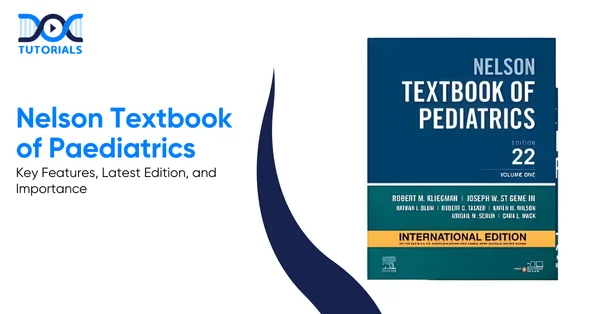
Paediatrics is an integral part of the 2026 NEET SS syllabus. Therefore, medical students appearing for this examination must select a reliable book like Nelson’s Book of Paediatrics for their NEET SS preparation. It covers all aspects of paediatric practice and its subspecialties.
You can download the Nelson paediatric textbook PDF online or get the hardcopy to enhance your knowledge in paediatrics and handle the theoretical and practical scenarios. Here’s more about the importance of Nelson Textbook of Paediatrics in preparing for NEET SS!
A Brief Overview of Nelson Textbook of Paediatrics
The Nelson Textbook of Paediatrics is an ideal guide for NEET SS aspirants for a detailed and updated study of general paediatrics. Elsevier was the editor of the 22nd edition of Nelson Paediatrics in 2024, which covers the updated diagnostic and treatment procedures of paediatric issues.
Nelson Paediatrics 22nd Edition is an authoritative guide in paediatrics for NEET SS aspirants. It was first introduced in 1936 by Dr Waldo Nelson to provide a comprehensive guide to paediatricians for generations. With every new edition, the book is changing, including the latest updates in paediatric care.
The origin of this book dates back to 1919 with J.P. Crozer Griffith’s publication of The Diseases of Infants and Children. Nelson began as an editor in 1945 with the fourth edition, when the book had 1350 pages and 49 contributors and continued for about 30 years. Today, the book comprises 2610 pages and has 530 contributors.
Nelson’s 22nd edition presents an evidence-based approach to children’s health and diseases, following its tradition of staying current with all aspects of general paediatrics.
This edition was published by Elsevier in 2024, covering updated diagnostic and treatment procedures based on social, biological, and psychological issues faced by children.
What are the Features of Nelson Textbook of Paediatrics?
Nelson Paediatrics 22nd edition features a user-friendly two-volume format with concise chapters/subchapters for quick clinical reference, plus an eBook for searchable, customisable access. Over 60 new chapters cover social/genetic influences, evidence-based diagnostics, plus expertise from new editors Dr Schuh (infectious diseases) and Dr Mack (hepatology).
Here are some of the notable features of the Nelson Textbook of Paediatrics, the latest edition:
- User-friendly Format
The 22nd edition of Nelson Textbook of Paediatrics is published in two volumes; each includes brief chapters and subchapters to help readers easily find the required topics.
The chapters are concise yet comprehensive, comprising all crucial details regarding paediatrics. With this structure, you can easily retrieve information, helping in quick decision-making for clinical settings.
Moreover, the latest edition comes with an eBook version so that it can be accessible to a wide number of readers. It helps paediatricians to access information whenever they need.
- Latest and Detailed Information
The new edition of Nelson Paediatrics includes a detailed explanation of topics like interferonopathies, gene therapy, monkey pox, inflammatory bowel diseases, etc.
It provides information regarding lung injury associated with use of vaping or e-cigarettes (EVALI), enterocolitis syndrome caused by food protein (FPIES), signalling pathway disorders, disorders related to Epstein-Barr virus, etc.
- Visual Clarity
With hundreds of additional figures and tables, the 22nd edition of Nelson Paediatrics improves usability by facilitating quick reference and concise explanations of difficult concepts.
Static images are complemented by online real-time videos that show clinical procedures, making learning more interactive for both practitioners and students. It focuses on digital integration and provides frequent online updates to stay current with the rapidly evolving field of medicine.
- Updated Chapters and Content
Nelson Paediatrics’ 22nd edition adds more than 60 new chapters on the latest subjects, including the influence of social factors on children’s health and genetic advancements in diagnosis and treatment.
Additionally, it provides important updates on evidence-based diagnostics and treatments, integrating the most recent studies, clinical recommendations, and scientific discoveries to help paediatricians make well-informed decisions.
- Contributions from New Authors and Editors
The scope and expertise of Nelson Paediatrics are expanded with the addition of two new associate editors in the 22nd edition: Dr Abigail M. Schuh (paediatric infectious diseases) and Dr Cara L. Mack (hepatology) from the Medical College of Wisconsin.
This calculated addition broadens clinical perspectives to address key modern issues. Several leading experts in the field contribute to each chapter, utilising their research and experience to guarantee authoritative, accurate, and clinically relevant content.
How Does the Nelson Paediatrics Latest Edition Contribute to the NEET SS Syllabus?
The 2024 22nd edition of the Nelson Textbook of Paediatrics, which is available in NIH libraries, is the gold standard for NEET SS candidates because of its authoritative and exam-aligned content. It supports coaching MCQs and past papers, is easy to use with visuals for speedy review for NEET SS preparation.
Here are the reasons why one should consider Nelson Book of Paediatrics while preparing for NEET SS:
- Extensive Coverage
Nelson textbook covers the paediatrics syllabus for the NEET SS exam, including everything from neonatology to genetics, and infectious diseases to systemic disorders. This helps the candidates to cover immunology, growth, nutrition, and other high-yield topics that constitute nearly 150 questions of the NEET SS exam.
- Reliable and Advanced
The 22nd edition of the Nelson textbook has been considered the best resource for 75 years of publication. This book includes over 60 new chapters on social factors, genetics, and new issues such as monkeypox. The chapters are updated in every edition as per the exam trends.
- Easy-to-use Format
The chapters are kept short with tables, subchapters, visuals, and figures for quick revisions and references. So, it is the best for candidates who have limited time to prepare for the huge syllabus of NEET SS.
What is the Table of Contents of Nelson Textbook of Paediatrics, 22nd Edition?
There are two volumes in the Nelson Textbook of Paediatrics, 22nd Edition, PDF with 33 parts. It covers more than 770 chapters on paediatric care. Volume 1 focuses on foundational topics such as paediatric overview, growth/development, behavioural/psychiatric disorders, nutrition, fluid/electrolyte issues, etc.
Listed below are concepts that are covered in Volume 1 and 2 of the Nelson Textbook of Paediatrics:
Volume 1
Part I: The Field of Paediatrics
- Overview of Paediatrics
- Child Health Disparities
- Global Child Health
- Quality and Value in Healthcare for Children
- Safety in Healthcare for Children
- Ethics in Paediatric Care
- Complementary Therapies and Integrative Medicine
- Paediatric Palliative Care
- Domestic and International Adoption
- Foster and Kinship Care
- Medical Evaluation of the Foreign-born Child
- Cultural Issues in Paediatric Care
- Maximising Children’s Health: Screening, Anticipatory Guidance, and Counselling
- Injury Control
- Impact of Violence Exposure on Children
- Child Trafficking for Sex and Labour
- Abused and Neglected Children
- Strategies for Health Behaviour Change
Part II Growth, Development, and Behaviour
- Developmental and Behavioural Theories
- Positive Parenting and Support
- Assessment of Foetal Growth and Development
- The Newborn
- The First Year
- The Second Year
- The Preschool Years
- Middle Childhood
- Assessment of Growth
- Developmental and Behavioural Surveillance and Screening
- Child Care
- Loss, Separation, and Bereavement
- Sleep Medicine
Part III Behavioural and Psychiatric Disorders
- Psychosocial Assessment and Psychiatric Diagnostic Evaluation
- Psychopharmacology
- Psychotherapy
- Somatic Symptom and Related Disorders
- Rumination and Pica
- Motor Disorders and Habits
- Anxiety Disorders, Obsessive-compulsive Disorder, and Posttraumatic Stress Disorder
- Mood Disorders
- Suicide and Attempted Suicide
- Eating Disorders
- Disruptive, Impulse-control, and Conduct Disorders
- Tantrums and Breath-holding Spells
- Lying, Stealing, and Truancy
- Aggression
- Self-injurious Behaviour
- Childhood Psychoses
- Delirium
Part IV Learning and Developmental Disorders
- Neurodevelopmental and Executive Function and Dysfunction
- Attention-deficit/hyperactivity Disorder
- Dyslexia
- Math and Writing Disabilities
- Language Development and Communication Disorders
- Augmentative and Alternative Communication
- Outcomes Among Infants and Children Who are Deaf/Hard of Hearing
- Developmental Delay and Intellectual Disability
- Down Syndrome and Other Abnormalities of Chromosome Number
- Autism Spectrum Disorder
- Fragile X Syndromes
Part V Nutrition
- Nutritional Requirements
- Feeding Healthy Infants, Children, and Adolescents
- Nutrition, Food Security, and Health
- Refeeding Syndrome
- Malnutrition in High-Resource Settings
- Overweight and Obesity
- Vitamin A Deficiencies and Excess
- Vitamin B Complex Deficiencies and Excess
- Vitamin C (Ascorbic Acid) Deficiency and Excess
- Vitamin D Deficiency (Rickets) and Excess
- Vitamin E Deficiency
- Vitamin K Deficiency
- Micronutrient Mineral Deficiencies
Part VI Fluid and Electrolyte Disorders
- Electrolyte and Acid-base Disorders
- Maintenance and Replacement Therapy
- Deficit Therapy
- Fluid and Electrolyte Treatment of Specific Disorders
Part VII Emergency Medicine, Critical Care, and Anaesthesia
- Emergency Medical Services for Children
- Triage of the Acutely Ill Child
- Paediatric Cardiorespiratory Emergencies and Resuscitation
- Acute Care of Multiple Trauma
- Spinal Cord Injuries in Children
- Neurologic Emergencies and Stabilisation
- Brain Death: Death by Neurologic Criteria
- Syncope
- Shock
- Acute Care of Respiratory Distress and Failure
- Altitude-associated Illness in Children
- Drowning and Submersion Injury
- Burn Injuries
- Cold Injuries
- Anaesthesia and Perioperative Care
- Procedural Sedation
- Paediatric Pain Management
- Poisoning
Part VIII Human Genetics
- Genetics in Paediatric Medicine
- Principles of Human Genetics
- Patterns of Genetic Transmission
- Integration of Genetics into Paediatric Practice
- Chromosome Disorders
- Dysmorphology, Phenotyping, and Sequences
- Signalling Pathway Disorders
- Chromatin Regulatory Disorders
- Genetics of Common Disorders
Part IX Metabolic Disorders
- An Approach to Inborn Errors of Metabolism
- Defects in Metabolism of Amino Acids
- Defects in the Metabolism of Lipids
- Defects in Metabolism of Carbohydrates
- Mitochondrial Disease Diagnosis
- Mucopolysaccharidoses
- Disorders of Purine and Pyrimidine Metabolism
- Hutchinson-Gilford Progeria Syndrome (Progeria)
- The Porphyria’s
- Hypoglycaemia
Part X: The Foetus and the Neonatal Infant
- Overview of Morbidity and Mortality
- The Newborn Infant
- High-risk Pregnancies
- The Foetus
- Foetal Intervention and Surgery
- The High-risk Infant
- Transport of the Critically Ill Newborn
- Clinical Manifestations of Diseases in the Newborn Period
- Nervous System Disorders
- Neonatal Resuscitation and Delivery Room Emergencies
- Transition to Newborn Pulmonary Respiration
- Apnea
- Respiratory Distress Syndrome (Hyaline Membrane Disease)
- Bronchopulmonary Dysplasia
- Transient Tachypnoea of the Newborn
- Aspiration of Foreign Material (Meconium Aspiration Syndrome, Aspiration Pneumonia)
- Persistent Pulmonary Hypertension of the Newborn (Persistent Foetal Circulation)
- Diaphragmatic Hernia
- Pulmonary Air Leaks: Pneumothorax, Pneumomediastinum, Pulmonary Interstitial Emphysema, Pneumopericardium
- Pulmonary Haemorrhage
- Digestive System Disorders
- Meconium Ileus, Peritonitis, Intestinal Obstruction, and Gastroschisis
- Necrotizing Enterocolitis
- Jaundice and Hyperbilirubinemia in the Newborn
- Blood Disorders
- Anaemia in the Newborn Infant
- Haemolytic Disease of the Foetus and Newborn
- Neonatal Polycythaemia
- Haemorrhage in the Newborn Infant
- Nonimmune Hydrops
- The Umbilicus
- Neonatal Abstinence Syndrome
- Foetal Alcohol Spectrum Disorder
- Infants of Diabetic Mothers
- Epidemiology of Infections
- Congenital and Perinatal Infections
Part XI Adolescent Medicine
- Adolescent Physical and Social Development
- Delivery of Healthcare to Adolescents
- Transitioning to Adult Care
- Gender Identity and Transgender Care
- Gay, Lesbian, and Bisexual Adolescents
- The Epidemiology of Adolescent Health Problems
- Violent Behaviour
- Substance Use Disorder
- The Breast
- Menstruation-related Disorders
- Contraception
- Adolescent Pregnancy
- Adolescent Sexual Assault
- Sexually Transmitted Infections
Part XII Immunology
Section 1: Evaluation of the Immune System
- Orientation to the Consideration of Inborn Errors of Immunity
Section 2: The T-, B-, and Nk-cell Systems
- T-cell and Combined Deficiencies
- B-cell and Antibody Deficiencies
- Natural Killer Cells
Section 3: The Phagocytic System
- Neutrophils
- Eosinophils
- Disorders of Phagocyte Function
- Leukopenia
- Leucocytosis
Section 4: Complement System
- Complement System
Section 5: Immune Dysregulation
- Immune Dysregulation
- Defects of Innate Immunity
- Approaches to Treatment of Primary Immune Deficiency Diseases
Section 6: Hematopoietic Stem Cell Transplantation
- Principles and Clinical Indications of Hematopoietic Stem Cell Transplantation
- Hematopoietic Stem Cell Transplantation from Alternative Sources and Donors
- Graft-versus-Host Disease, Rejection, and Venoocclusive Disease
- Infectious Complications of Hematopoietic Stem Cell Transplantation
- Late Effects of Hematopoietic Stem Cell Transplantation
Part XIII Allergic Disorders
- Allergy and the Immunologic Basis of Atopic Disease
- Diagnosis of Allergic Disease
- Allergic Rhinitis
- Childhood Asthma
- Atopic Dermatitis (Atopic Eczema)
- Insect Allergy
- Ocular Allergies
- Urticaria (Hives) and Angioedema
- Anaphylaxis
- Serum Sickness
- Food Allergy and Adverse Reactions to Foods
- Adverse and Allergic Reactions to Drugs
Part XIV Rheumatic Diseases of Childhood (Connective Tissue Disease, Collagen Vascular Diseases)
- Evaluation of Suspected Rheumatic Disease
- Treatment of Rheumatic Diseases
- Juvenile Idiopathic Arthritis
- Ankylosing Spondylitis and Other Spondyloarthritis’s
- Reactive and Postinfectious Arthritis
- Systemic Lupus Erythematosus
- Juvenile Dermatomyositis
- Scleroderma and Raynaud Phenomenon
- Behçet Disease
- Sjögren Syndrome
- Hereditary Periodic Fever Syndromes and Other Systemic Autoinflammatory Diseases
- Interferonopathies
- Amyloidosis
- Macrophage Activation Syndrome
- Kawasaki Disease
- Sarcoidosis
- Vasculitis Syndromes
- Musculoskeletal Pain Syndromes
- Chronic Overlapping Pain Conditions
- Miscellaneous Conditions Associated with Arthritis
Part XV Infectious Diseases
Section 1: General Considerations
- Public Health Approach to Pandemics
Section 2: Preventive Measures
- Immunisation Practices
- Infection Prevention and Control
- Childcare and Communicable Diseases
- Health Advice for Children Travelling Internationally
- Fever
- Fever Without a Focus in the Neonate and Young Infant
- Fever in the Older Child
- Fever of Unknown Origin
- Infections in Immunocompromised Persons
- Infection Associated with Medical Devices
Section 3: Antibiotic Therapy
- Principles of Antibacterial Therapy
- Antimicrobial Stewardship
Section 4: Gram-positive Bacterial Infections
- Staphylococcus
- Streptococcus Pneumoniae (Pneumococcus)
- Group A Streptococcus
- Group B Streptococcus
- Non–group A or B Streptococci
- Enterococcus
- Diphtheria (Corynebacterium Diphtheriae)
- Listeria Monocytogenes
- Actinomyces
- Nocardia
Section 5: Gram-negative Bacterial Infections
- Neisseria Meningitidis (Meningococcus)
- Neisseria Gonorrhoeae (Gonococcus)
- Kingella Kingae
- Haemophilus Influenzae
- Chancroid (Haemophilus Ducreyi)
- Moraxella Catarrhalis
- Pertussis (Bordetella Pertussis and Bordetella Parapertussis)
- Salmonella
- Shigella
- Escherichia Coli
- Cholera
- Campylobacter
- Yersinia
- Aeromonas and Plesiomonas
- Pseudomonas, Burkholderia, and Stenotrophomonas
- Tularemia (Francisella Tularensis)
- Brucella
- Legionella
- Bartonella
Section 6: Anaerobic Bacterial Infections
- Botulism (Clostridium Botulinum)
- Tetanus (Clostridium Tetani)
- Clostridioides Difficile Infection
- Other Anaerobic Infections
Section 7: Mycobacterial Infections
- Principles of Antimycobacterial Therapy
- Tuberculosis (Mycobacterium Tuberculosis)
- Hansen Disease (Mycobacterium Leprae)
- Nontuberculous Mycobacteria
Section 8: Spirochetal Infections
- Syphilis (Treponema Pallidum)
- Nonvenereal Treponemal Infections
- Leptospira
- Relapsing Fever (Borrelia)
- Lyme Disease (Borrelia Burgdorferi)
Section 9: Mycoplasmal Infections
- Mycoplasma Pneumoniae
- Genital Mycoplasmas (Mycoplasma Hominis, Mycoplasma Genitalium, and Ureaplasma Urealyticum)
Section 10: Chlamydial Infections
- Chlamydia Pneumoniae
- Chlamydia Trachomatis
- Psittacosis (Chlamydia Psittaci)
Section 11: Rickettsial Infections
- Spotted Fever Group Rickettsioses
- Scrub Typhus (Orientia Tsutsugamushi)
- Typhus Group Rickettsioses
- Ehrlichiosis and Anaplasmosis
- Q Fever (Coxiella Burnetii)
Section 12: Fungal Infections
- Principles of Antifungal Therapy
- Candida
- Cryptococcus Neoformans and Cryptococcus Gattii
- Malassezia
- Aspergillus
- Histoplasmosis (Histoplasma Capsulatum)
- Blastomycosis
- Coccidioidomycosis (Coccidioides Species)
- Paracoccidioides Brasiliensis
- Sporotrichosis (Sporothrix Schenckii)
- Mucormycosis
- Pneumocystis Jirovecii
- Other Pathogenic Fungi
Section 13: Viral Infections
- Principles of Antiviral Therapy
- Measles
- Rubella
- Mumps
- Polioviruses
- Nonpolio Enteroviruses
- Parvoviruses
- Herpes Simplex Virus
- Varicella-zoster Virus
- Epstein-barr Virus
- Cytomegalovirus
- Roseola (Human Herpesviruses 6 and 7)
- Human Herpesvirus 8
- Influenza Viruses
- Parainfluenza Viruses
- Respiratory Syncytial Virus
- Human Metapneumovirus
- Adenoviruses
- Rhinoviruses
- Coronaviruses
- Rotaviruses, Caliciviruses, and Astroviruses
- Human Papillomaviruses
- Arboviral Infections
- Dengue Fever, Dengue Haemorrhagic Fever, and Severe Dengue
- Yellow Fever
- Ebola and Other Viral Haemorrhagic Fevers
- Lymphocytic Choriomeningitis Virus
- Hantavirus Pulmonary Syndrome
- Rabies
- Polyomaviruses
- Human Immunodeficiency Virus and Acquired Immunodeficiency Syndrome
- Human T-cell Leukaemia Viruses (1 and 2)
- Transmissible Spongiform Encephalopathies
Section 14: Antiparasitic Therapy
- Principles of Antiparasitic Therapy
Section 15: Protozoan Diseases
- Primary Amebic Meningoencephalitis
- Amebiasis
- Giardiasis and Balantidiasis
- Cryptosporidium, Cystoisospora, Cyclospora, and Microsporidia
- Trichomoniasis (Trichomonas Vaginalis)
- Leishmaniasis (Leishmania)
- African Trypanosomiasis (Sleeping Sickness; Trypanosoma Brucei Complex)
- American Trypanosomiasis (Chagas Disease; Trypanosoma Cruzi)
- Malaria (Plasmodium)
- Babesiosis (Babesia)
- Toxoplasmosis (Toxoplasma Gondii)
Section 16: Helminthic Diseases
- Ascariasis (Ascaris Lumbricoides)
- Hookworms (Necator Americanus and Ancylostoma Spp.)
- Trichuriasis (Trichuris Trichiura)
- Enterobiasis (Enterobius Vermicularis)
- Strongyloidiasis (Strongyloides Stercoralis)
- Lymphatic Filariasis (Brugia Malayi, Brugia Timori, and Wuchereria Bancrofti)
- Other Tissue Nematodes
- Toxocariasis (Visceral and Ocular Larva Migrans)
- Trichinellosis (Trichinella Spiralis)
- Schistosomiasis (Schistosoma)
- Flukes (Liver, Lung, and Intestinal)
- Adult Tapeworm Infections
- Cysticercosis
- Echinococcosis (Echinococcus Granulosus Sensu Lato and Echinococcus Multilocularis)
Volume 2
Part XVI The Digestive System
Section 1: Clinical Manifestations of Gastrointestinal Disease
- Normal Digestive Tract Phenomena
- Major Symptoms and Signs of Digestive Tract Disorders
Section 2: The Oral Cavity
- Development and Developmental Anomalies of the Teeth
- Disorders of the Oral Cavity Associated with Other Conditions
- Malocclusion
- Cleft Lip and Palate
- Syndromes with Oral Manifestations
- Dental Caries
- Periodontal Diseases
- Dental Trauma
- Common Lesions of the Oral Soft Tissues
- Diseases of the Salivary Glands and Jaws
- Diagnostic Radiology in Dental Assessment
Section 3: The Oesophagus
- Embryology, Anatomy, and Function of the Oesophagus
- Congenital Anomalies
- Obstructing Disorders of the Oesophagus
- Dysmotility
- Hiatal Hernia
- Gastroesophageal Reflux Disease
- Eosinophilic Esophagitis, Pill Esophagitis, and Infective Esophagitis
- Oesophageal Perforation
- Oesophageal Varices
- Ingestions
Section 4: Stomach and Intestines
- Normal Development, Structure, and Function of the Stomach and Intestines
- Pyloric Stenosis and Other Congenital Anomalies of the Stomach
- Intestinal Atresia, Stenosis, and Malrotation
- Intestinal Duplications, Meckel Diverticulum, and Other Remnants of the Omphalomesenteric Duct
- Motility Disorders and Hirschsprung Disease
- Ileus, Adhesions, Intussusception, and Closed-loop Obstructions
- Foreign Bodies and Bezoars
- Peptic Ulcer Disease in Children
- Inflammatory Bowel Disease
- Eosinophilic Gastroenteritis
- Celiac Disease
- Disorders of Malabsorption
- Intestinal Transplantation in Children with Intestinal Failure
- Acute Gastroenteritis in Children
- Chronic Diarrhoea
- Disorders of Brain-gut Interaction (Functional Gastrointestinal Disorders)
- Cyclic Vomiting Syndrome
- Acute Appendicitis
- Surgical Conditions of the Anus and Rectum
- Tumours of the Digestive Tract
- Inguinal Hernias
Section 5: Exocrine Pancreas
- Embryology, Anatomy, and Physiology of the Pancreas
- Pancreatic Function Tests
- Disorders of the Exocrine Pancreas
- Treatment of Pancreatic Insufficiency
- Pancreatitis
- Pancreatic Fluid Collections
- Pancreatic Tumours
Section 6: The Liver and Biliary System
- Morphogenesis of the Liver and Biliary System
- Manifestations of Liver Disease
- Cholestasis
- Metabolic Diseases of the Liver
- Viral Hepatitis
- Liver Abscess
- Liver Disease Associated with Systemic Disorders
- Mitochondrial Hepatopathies
- Autoimmune Hepatitis
- Drug- and Toxin-induced Liver Injury
- Acute Hepatic Failure
- Cystic Diseases of the Biliary Tract and Liver
- Diseases of the Gallbladder
- Portal Hypertension and Varices
- Liver Transplantation
Section 7: Peritoneum
- Peritoneal Malformations
- Ascites
- Peritonitis
- Epigastric Hernia
Part XVII The Respiratory System
Section 1: Development and Function
- Diagnostic Approach to Respiratory Disease
- Chronic or Recurrent Respiratory Symptoms
- Sudden Infant Death Syndrome
- Brief Resolved Unexplained Events and Other Acute Events in Infants
Section 2: Disorders of the Respiratory Tract
- Congenital Disorders of the Nose
- Acquired Disorders of the Nose
- Nasal Polyps
- The Common Cold
- Sinusitis
- Acute Pharyngitis
- Tonsils and Adenoids
- Retropharyngeal Abscess, Lateral Pharyngeal (Parapharyngeal) Abscess, and Peritonsillar Cellulitis/Abscess
- Acute Inflammatory Upper Airway Obstruction (Croup, Epiglottitis, Laryngitis, and Bacterial Tracheitis)
- Congenital Anomalies of the Larynx, Trachea, and Bronchi
- Foreign Bodies in the Airway
- Laryngotracheal Stenosis and Subglottic Stenosis
- Bronchomalacia and Tracheomalacia
- Neoplasms of the Larynx, Trachea, and Bronchi
- Wheezing, Bronchiolitis, and Bronchitis
- Plastic Bronchitis
- Emphysema and Overinflation
- Α1-antitrypsin Deficiency and Emphysema
- Other Distal Airway Diseases
- Congenital Disorders of the Lung
- Pulmonary Edema
- Acute Aspiration
- Chronic Recurrent Aspiration
- Immune and Inflammatory Lung Disease
- Community-acquired Pneumonia
- E-cigarette or Vaping Product Use–associated Lung Injury (Evali)
- Pleurisy, Pleural Effusions, and Empyema
- Bronchiectasis
- Pulmonary Abscess
- Cystic Fibrosis
- Primary Ciliary Dyskinesia (Immotile Cilia Syndrome, Kartagener Syndrome)
- Diffuse Lung Diseases in Childhood
- Pulmonary Hemosiderosis
- Pulmonary Embolism, Infarction, and Haemorrhage
- Atelectasis
- Pulmonary Tumours
- Pneumothorax
- Pneumomediastinum
- Hydrothorax
- Haemothorax
- Chylothorax
- Bronchopulmonary Dysplasia
- Skeletal Diseases Influencing Pulmonary Function
- Chronic Respiratory Insufficiency
Part XVIII The Cardiovascular System
Section 1: Developmental Biology of the Cardiovascular System
- Cardiac Development
- The Foetal to Neonatal Circulatory Transition
Section 2: Evaluation of the Cardiovascular System and the Child With a Heart Murmur
- History and Physical Examination in Cardiac Evaluation
- Laboratory Cardiac Evaluation
Section 3: Congenital Heart Disease
- Epidemiology and Genetic Basis of Congenital Heart Disease
- Evaluation and Screening of the Infant or Child with Congenital Heart Disease
- Acyanotic Congenital Heart Disease: Left-to-Right Shunt Lesions
- Acyanotic Congenital Heart Disease: Obstructive Lesions
- Acyanotic Congenital Heart Disease: Regurgitant Lesions
- Cyanotic Congenital Heart Disease: Evaluation of the Critically Ill Neonate with Cyanosis and Respiratory Distress
- Cyanotic Congenital Heart Disease: Lesions Associated with Decreased Pulmonary Blood Flow
- Cyanotic Congenital Heart Disease: Lesions Associated with Increased Pulmonary Blood Flow
- Other Congenital Heart and Vascular Malformations
- Pulmonary Hypertension
- General Principles of Treatment of Congenital Heart Disease
Section 4: Cardiac Arrhythmias
- Disturbances of Rate and Rhythm of the Heart
- Sudden Death
Section 5: Acquired Heart Disease
- Infective Endocarditis
- Rheumatic Heart Disease
Section 6: Diseases of the Myocardium and Pericardium
- Diseases of the Myocardium
- Diseases of the Pericardium
- Tumours of the Heart
Section 7: Cardiac Therapeutics
- Heart Failure
- Paediatric Heart and Heart-lung Transplantation
Section 8: Diseases of the Peripheral Vascular System
- Diseases of the Blood Vessels (Aneurysms and Fistulas)
- Systemic Hypertension
Part XIX Diseases of the Blood
Section 1: The Hematopoietic System
- Development of the Hematopoietic System
- Anaemias
Section 2: Anaemias of Inadequate Production
- Congenital Hypoplastic Anaemia (Diamond-Blackfan Anaemia)
- Pearson Syndrome
- Acquired Pure Red Blood Cell Anaemia
- Anaemia of Chronic Disease and Renal Disease
- Congenital Dyserythropoietic Anaemias
- Physiologic Anaemia of Infancy
- Megaloblastic Anaemias
- Iron-deficiency Anaemia
- Other Microcytic anaemias
Section 3: Haemolytic Anaemias
- Definitions and Classification of Haemolytic Anaemias
- Hereditary Spherocytosis
- Hereditary Elliptocytosis, Hereditary Pyropoikilocytosis, and Related Disorders
- Hereditary Stomatocytosis Syndromes
- Paroxysmal Nocturnal Haemoglobinuria and Acanthocytosis
- Hemoglobinopathies
- Enzymatic Defects
- Haemolytic Anaemias Resulting from Extracellular Factors—Immune Haemolytic Anaemias
- Haemolytic Anaemias Secondary to Other Extracellular Factors
Section 4: Polycythaemia (Erythrocytosis)
- Polycythaemia
- Nonclonal Polycythaemia
Section 5: the Pancytopenia
- Inherited Bone Marrow Failure Syndromes with Pancytopenia
- Acquired Pancytopenia
Section 6: Blood Component Transfusions
- Red Blood Cell Transfusions and Erythropoietin Therapy
- Platelet Transfusions
- Neutrophil (Granulocyte) Transfusions
- Plasma Transfusions
- Risks of Blood Transfusions
Section 7: Haemorrhagic and Thrombotic Diseases
- Haemostasis
- Hereditary Clotting Factor Deficiencies (Bleeding Disorders)
- Von Willebrand Disease
- Hereditary Predisposition to Thrombosis
- Thrombotic Disorders in Children
- Post-neonatal Vitamin K Deficiency
- Coagulopathy in Liver Disease
- Acquired Inhibitors of Coagulation
- Disseminated Intravascular Coagulation
- Platelet and Blood Vessel Disorders
Section 8: The Spleen
- Anatomy and Function of the Spleen
- Splenomegaly
- Hyposplenism, Splenic Trauma, and Splenectomy
Section 9: The Lymphatic System
- Anatomy and Function of the Lymphatic System
- Abnormalities of Lymphatic Vessels
- Lymphadenopathy
Part XX Cancer and Benign Tumours
- Epidemiology of Childhood and Adolescent Cancer
- Molecular and Cellular Biology of Cancer
- Principles of Cancer Diagnosis
- Principles of Cancer Treatment
- The Leukaemia’s
- Lymphoma
- Central Nervous System Tumours in Childhood
- Neuroblastoma
- Neoplasms of the Kidney
- Soft Tissue Sarcomas
- Neoplasms of Bone
- Retinoblastoma
- Gonadal and Germ Cell Neoplasms
- Neoplasms of the Liver
- Complex Vascular Anomalies
- Rare Tumours
- Histiocytosis Syndromes of Childhood
Part XXI Nephrology
Section 1: Glomerular Disease
- Introduction to Glomerular Diseases
Section 2: Conditions Particularly Associated with Haematuria
- Clinical Evaluation of the Child with Haematuria
- Isolated Glomerular Diseases Associated with Recurrent Gross Haematuria
- Multisystem Disease Associated with Haematuria
- Tubulointerstitial Disease Associated with Haematuria
- Vascular Diseases Associated with Haematuria
- Anatomic Abnormalities Associated with Haematuria
- Lower Urinary Tract Causes of Haematuria
Section 3: Conditions Particularly Associated with Proteinuria
- Clinical Evaluation of the Child with Proteinuria
- Conditions Associated with Proteinuria
- Nephrotic Syndrome
Section 4: Tubular Disorders
- Tubular Function
- Renal Tubular Acidosis
- Nephrogenic Diabetes Insipidus
- Inherited Tubular Transport Abnormalities
- Renal Failure
- Renal Transplantation
Part XXII Urologic Disorders in Infants and Children
- Congenital Anomalies and Dysgenesis of the Kidneys
- Urinary Tract Infections
- Vesicoureteral Reflux
- Obstruction of the Urinary Tract
- Anomalies of the Bladder
- Neuropathic Bladder
- Enuresis and Voiding Dysfunction
- Anomalies of the Penis and Urethra
- Disorders and Anomalies of the Scrotal Contents
- Trauma to the Genitourinary Tract
- Urinary Lithiasis
Part XXIII Gynaecologic Problems of Childhood
- Gynaecologic History and Physical Examination
- Vulvovaginitis
- Vaginal Bleeding in the Prepubertal Child
- Breast Health
- Polycystic Ovary Syndrome and Hirsutism
- Gynaecologic Neoplasms and Prevention Methods for Human Papillomavirus Infections in Adolescents
- Vulvovaginal and Müllerian Anomalies
- Gynaecologic Care for Adolescents with Special Needs
- Female Genital Mutilation
Part XXIV The Endocrine System
Section 1: Disorders of the Hypothalamus and Pituitary Gland
- Hormones of the Hypothalamus and Pituitary
- Hypopituitarism
- Diabetes Insipidus
- Other Abnormalities of Arginine Vasopressin Metabolism and Action
- Hyperpituitarism
- Physiology of Puberty
- Disorders of Pubertal Development
Section 2: Disorders of the Thyroid Gland
- Thyroid Development and Physiology
- Disorders of Thyroxine-binding Globulin
- Hypothyroidism
- Thyroiditis
- Goitre
- Thyrotoxicosis
- Carcinoma of the Thyroid
- Autoimmune Polyglandular Syndromes
- Multiple Endocrine Neoplasia Syndromes
Section 3: Disorders of the Parathyroid Gland
- Hormones and Peptides of Calcium Homeostasis and Bone Metabolism
- Hypoparathyroidism
- Pseudohypoparathyroidism
- Hyperparathyroidism
Section 4: Disorders of the Adrenal Gland
- Physiology of the Adrenal Gland
- Adrenocortical Insufficiency and Altered Sensitivity to Corticosteroids
- Congenital Adrenal Hyperplasia and Related Disorders
- Adrenocortical Tumours and Masses
- Virilising and Feminising Adrenal Tumours
- Cushing Syndrome
- Primary Aldosteronism
- Pheochromocytoma
Section 5: Disorders of the Gonads
- Development and Function of the Gonads
- Hypofunction of the Testes
- Pseudoprecocity Resulting from Tumours of the Testes
- Gynecomastia
- Hypofunction of the Ovaries
- Pseudoprecocity Resulting from Lesions of the Ovary
- Disorders of Sex Development
Section 6: Diabetes Mellitus in Children
- Diabetes Mellitus
Part XXV The Nervous System
- Neurologic Evaluation
- Congenital Anomalies of the Central Nervous System
- Deformational Plagiocephaly
- Seizures in Childhood
- Conditions That Mimic Seizures
- Headaches
- Neurocutaneous Syndromes
- Movement Disorders
- Encephalopathies
- Neurodegenerative Disorders of Childhood
- Demyelinating Disorders of the Central Nervous System
- Paediatric Stroke
- Central Nervous System Vasculitis
- Central Nervous System Infections
- Brain Abscess
- Idiopathic Intracranial Hypertension (Pseudotumor Cerebri)
- Spinal Cord Disorders
Part XXVI Neuromuscular Disorders
- Evaluation and Investigation of Neuromuscular Disorders
- Developmental Disorders of Muscle
- Muscular Dystrophies
- Endocrine and Toxic Myopathies
- Metabolic Myopathies and Channelopathies
- Disorders of Neuromuscular Transmission and of Motor Neurons
- Hereditary Motor-sensory Neuropathies
- Toxic Neuropathies
- Autonomic Neuropathies
- Guillain-barré Syndrome
- Bell Palsy
Part XXVII Disorders of the Eye
- Growth and Development of the Eye
- Examination of the Eye
- Abnormalities of Refraction and Accommodation
- Disorders of Vision
- Abnormalities of Pupil and Iris
- Disorders of Eye Movement and Alignment
- Abnormalities of the Lids
- Disorders of the Lacrimal System
- Disorders of the Conjunctiva
- Abnormalities of the Cornea
- Abnormalities of the Lens
- Disorders of the Uveal Tract
- Disorders of the Retina and Vitreous
- Abnormalities of the Optic Nerve
- Childhood Glaucoma
- Orbital Abnormalities
- Orbital Infections
- Injuries to the Eye
Part XXVIII The Ear
- General Considerations and Evaluation of the Ear
- Hearing Loss
- Congenital Malformations of the Ear
- External Otitis (Otitis Externa)
- Otitis Media
- Acute Mastoiditis
- The Inner Ear and Diseases of the Bony Labyrinth
- Traumatic Injuries of the Ear and Temporal Bone
- Tumours of the Ear and Temporal Bone
Part XXIX The Skin
- Morphology of the Skin
- Dermatologic Evaluation of the Patient
- Principles of Dermatologic Therapy
- Dermatologic Diseases of the Neonate
- Cutaneous Defects
- Ectodermal Dysplasia’s
- Vascular Anomalies
- Cutaneous Nevi
- Hyperpigmented Lesions
- Hypopigmented Lesions
- Vesiculobullous Disorders
- Eczematous Disorders
- Photosensitivity
- Diseases of the Epidermis
- Disorders of Keratinisation
- Diseases of the Dermis
- Diseases of Subcutaneous Tissue
- Disorders of the Sweat Glands
- Disorders of Hair
- Disorders of the Nails
- Disorders of the Mucous Membranes
- Cutaneous Bacterial Infections
- Cutaneous Fungal Infections
- Cutaneous Viral Infections
- Arthropod Bites and Infestations
- Acne
- Tumours of the Skin
- Nutritional Dermatoses
Part XXX Bone and Joint Disorders
- Section 1 Orthopaedic Problems
- Orthopaedic Growth and Development
- Orthopaedic Evaluation of the Child
- The Foot and Toes
- Torsional and Angular Deformities of the Limb
- Leg-length Discrepancy
- The Knee
- The Hip
- The Spine
- The Neck
- The Upper Limb
- Arthrogryposis
- Common Fractures
- Osteomyelitis
- Septic Arthritis
Section 2: Sports Medicine
- Prevention of Injuries
- Management of Musculoskeletal Injury
- Sports-related Traumatic Brain Injury (Concussion)
- Cervical Spine Injuries
- Heat Injuries
- Nutrition and Endocrine Conditions in Athletes
- Performance-enhancing Aids
- Specific Sports and Associated Injuries
Section 3: The Skeletal Dysplasias
- General Considerations in Skeletal Dysplasias
- Disorders Involving Cartilage Matrix Proteins
- Disorders Involving Transmembrane Receptors
- Disorders Involving Ion Transporters
- Disorders Involving Transcription Factors
- Osteopetrosis and Other Disorders Involving Defective Bone Resorption
- Other Inherited Disorders of Skeletal Development
- Osteogenesis Imperfecta
Section 4: Connective Tissue Disorders
- Marfan Syndrome
- Ehlers-danlos Syndrome
- Cutis Laxa
Section 5: Metabolic Bone Disease
- Bone Structure, Growth, and Hormonal Regulation
- Hypophosphatasia
- Hypophosphatasia
- Osteoporosis
Part XXXI Rehabilitation Medicine
- Rehabilitation for Traumatic Brain Injury
- Spinal Cord Injury and Autonomic Dysreflexia Management
- Spasticity
- Birth Brachial Plexus Palsy
- Meningomyelocele (Spina Bifida)
- Upper and Lower Extremity Assistive Devices
- Health and Wellness for Children with Disabilities
Part XXXII Environmental Health
- Overview of Environmental Health and Children
- Biological Effects of Ionising Radiation on Children
- Chemical Pollutants
- Heavy Metal Intoxication
- Lead Poisoning
- Nonbacterial Food Poisoning
- Biological and Chemical Terrorism
- Mass Psychogenic Illness
- Animal and Human Bites
- Rat Bite Fever
- Mpox (Monkeypox)
- Envenomations
Part XXXIII Laboratory Medicine (Available in Digital Format Only)
- Laboratory Testing in Infants and Children
- Reference Intervals for Laboratory Tests and Procedures
FAQs about Nelson Textbook of Paediatrics
- What is the latest edition of Nelson Textbook of Paediatrics?
The 22nd edition (2024, 2-volume set by Kliegman et al.) of the Nelson book is the latest one, featuring 3,500+ pages. It comes with updates on monkeypox, gene therapy, and social determinants of health for comprehensive paediatric reference.
- Who is the author of Nelson Paediatrics?
Nelson Textbook of Paediatrics is edited by Robert Kliegman, Joseph W. St. Geme III, Bonita F. Stanton, Nina F Schor.
- What are the main topics covered in Nelson Textbook of Paediatrics?
The book includes 33 parts in two volumes with subspecialties such as infections, neonatology, cardiology, neurology, oncology, etc. It also covers symptom-based diagnosis for emergencies like cough, fever, seizures, etc.
- Is Nelson’s textbook suitable for NEET SS students?
Yes, it is ideal for MBBS, NEET PG/SS prep with concise chapters, MCQs in reviews, and e-book options for quick study and board exams.
- What new things are included in the 22nd edition of Nelson Paediatrics?
The latest edition includes chapters on interferonopathies, FPIES, ciliopathies, EVALI, marijuana effects, enhanced genetics, imaging, and global health disparities.
- Is there any digital version of this book?
Yes, the e-book and online version of Nelson Paediatrics is available with searchable text, videos, updates, and a mobile app for on-the-go access.
Conclusion
The Nelson Book of Paediatrics, the latest version, is an ideal book for NEET SS aspirants. With its concise and explanatory chapters, this book covers all the aspects of paediatrics. However, candidates should seek guidance through an efficient coaching program like DocTutorials.
We provide high-quality videos, Qbank, quick revision programmes, comprehensive tests, clinical-case-based scenario questions, etc. All these are designed to guide the NEET SS candidates so that they can get excellent scores.
For more updates, you can join our NEET SS course!
Latest Blogs
-

NEET SS Exam 2024: Analysis, Key Dates, Counselling
The NEET SS 2024 exam kicked off on March 29, 2025. Over two days and two slots, candidates across 13…
-
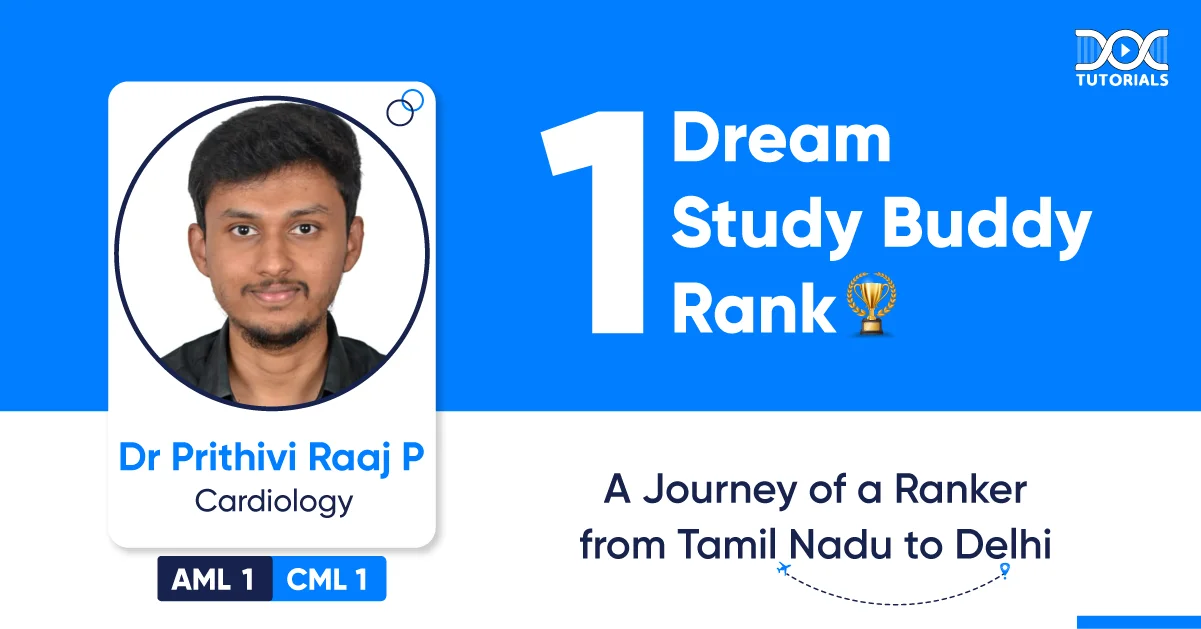
INI SS Topper: 1 Dream, 1 Study Buddy, 1 Rank – The Journey of Dr. Prithivi Raaj, CML 1 & (AIIMS) AML 1 in DM Cardiology
Achieving the top rank in a competitive exam like the INI SS DM Cardiology requires tireless dedication, a structured approach,…
-
INI SS Results: Merit List, Exam Insights, and What Comes Next
The INI SS results for October 2024 are just around the corner. This is a life-changing moment for thousands of…