Medical Resident in India: Overview, Significance, Duties, and Career Growth
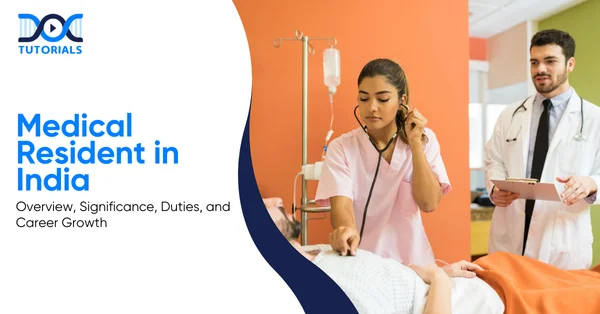
Becoming a doctor involves earning a medical degree and making a lifelong commitment to learning, service, and personal growth. After attending medical college, the real journey begins with medical residency. It is a stage that aims to turn freshly graduated doctors into skilled, independent physicians.
This period serves as a bridge between theory and practice, as resident doctors gradually assume higher responsibilities under expert guidance. Whether you are a medical student preparing for the next step or a promising future physician, understanding the role of medical residents in India is key to mastering this programme.
Keep reading for a detailed insight.
Who is a Medical Resident?
A medical resident is a doctor in training who has completed medical school and is now undergoing specialised, hands-on clinical education. They bridge the gap between being a medical student and a settled physician, honing their skills and professional identity through supervised patient care.
A medical resident is a physician who has completed medical school and is now in training, gaining specialised clinical experience in a hands-on supervised hospital or clinical environment.
Residency follows medical school but precedes becoming a skilled physician; residents develop their skills and “identity” in medicine while caring for patients under supervision. Medicine residents care for patients, moving from theory to real-life situations, with senior physicians supervising the patient care.
During the first year of residency, often referred to as the intern year, residents are closely supervised and provided with oversight. After this first year, residents are given more responsibility and, in some cases, are provided with more autonomy in their decisions.
Residency programmes are typically between three and seven years in duration, following medical college, and involve long shifts under demanding learning conditions.
Despite the long hours, the nature of complex cases, and the steep learning curve, residency remains a vital period transforming medical students into competent and independent physicians capable of providing quality care for their patients.
Why Does Medical Residency Matter?
A medical residency is considered to be the major postgraduate training following the attainment of the MD or other medical degree. It marks a period when physicians can engage in their desired specialisation within the medical field, including internal medicine, paediatrics, surgery, or any of the other fields related to medicine.
It is mostly done in reputable medical hospitals or academic healthcare centres, where residents provide care to patients under the guidance of senior doctors and attending physicians.
During this time, residents bring together their medical knowledge with clinical judgment, decision-making, and procedural skills. Unlike a medical institution, where most of the time is spent in lectures, residency involves working in a highly dynamic hospital setting with rounds, emergencies, and patient care.
Such experience enhances clinical competence while fostering resilience, communication, and professionalism, which are crucial for independent practice.
What are the Duties of Medical Residents?
Medical residents are doctors in postgraduate training who gain hands-on experience while working under the supervision of senior physicians. Their daily routine involves patient care, performance of medical procedures, documentation, and ongoing learning through clinical practice and lectures.
A medical residency is a period of structured postgraduate training, during which doctors refine their clinical, procedural, and decision-making skills under the supervision of senior physicians.
The daily life of a medical resident involves a combination of patient care, medical learning, and teamwork in a hospital or clinical setting. Here’s what a medical resident typically does:
- Morning Sign-Out and Rounds
The typical day begins with morning sign-out from 7 to 7:30 a.m., when residents who stayed overnight provide updates to the incoming team regarding patients, new admissions, and any urgent concerns.
This is followed by patient rounds with attending physicians to review the clinical findings, discuss treatment plans, and coordinate care for hospitalised patients.
- Primary Care for Patients
Medical residents diagnose health conditions, manage, and monitor patient states. They begin with the easy ones and then progress to managing more complex medical cases. Direct patient care involves reviewing symptoms, conducting physical examinations, and ensuring continuity of treatment under the supervision of a healthcare professional.
- Ordering and Interpreting Tests
Medical residents learn to order laboratory investigations, imaging studies, etc., and interpret such results to inform treatment decisions. For surgical residents, this would include understanding imaging such as CT (computed tomography) and MRI (magnetic resonance imaging), and using the results to decide on the need for various interventions.
- Procedures and Surgeries
These are observed, assisted by the resident, and finally performed under supervision. Bedside procedures include central line insertion and wound debridement. Surgical residents will progress from assisting in the operating theatre to performing simple surgery themselves and, later, complex operations as experience and confidence increase.
- Medication Management
It includes training in prescribing and monitoring medications, such as antibiotics, painkillers, and therapies for chronic diseases. Residents learn about appropriate dosages, interactions, and treatment duration in order to provide safe and effective patient care.
- Patient Follow-Up and Clinics
For many residents, time is invested in outpatient clinics for the management of follow-ups, physical examination, medical history, and preoperative and postoperative care. This helps them in developing comprehensive patient management skills across hospital and community settings.
- Consultations and Multidisciplinary Work
Residents attend consults from other departments, assessing patients to decide whether a referral or further intervention is necessary. Working with nurses, pharmacists, therapists, and specialists develops clinical decision-making and teamwork skills.
- Education and Conferences
Residency is not only about hands-on work but also includes daily lectures, case discussions, and academic conferences. Structured learning enables residents to be up-to-date regarding medical knowledge and evidence-based practices.
- Gradual Responsibility and Supervision
Junior medical residents or interns start with relatively simple tasks with close supervision. Responsibilities involve managing complex patient care, conducting procedures, and guiding teams as they advance, equipping them for independent practice.
- Workload and Schedule
Residency is demanding due to long working hours, night shifts, and on-call duties, which cultivate resilience, time management, and practical skills essential for the successful development of a doctor’s career.
FAQs about Medical Residents
- Why is communication important for medical residents?
Strong communication stimulates patient trust, enhances the potential for teamwork with colleagues, and reduces medical mistakes. The skill to listen well, be approachable, and clearly explain medical conditions is considered paramount in practice.
- What is the duration of medical residency to become a doctor in India?
Medical residency courses are typically of 3 years for specialities such as family medicine, internal medicine, paediatrics, and emergency medicine. The longest, such as neurosurgery, may take up to 7 years, not counting research or fellowship.
- What are medical residents called in India?
They are also referred to as house physicians, junior residents, or postgraduate trainees. If they undergo further subspecialty training, they are referred to as post-doctoral trainees.
- What should residents wear while training?
Medical residents usually wear scrubs and white coats during working hours. Comfortable and durable attire is recommended to handle long shifts efficiently.
- Do medical residents get paid?
Yes, monthly stipends are given to the residents, starting from ₹35,000 to ₹1,10,000. Central institutes such as AIIMS and PGIMER pay higher salaries, while state colleges and private hospitals may offer slightly lower stipends.
- What is the role of a medical resident?
A medical resident is both a learner and a healthcare provider, delivering patient care under the supervision of senior doctors while gaining practical experience and developing clinical skills.
- What are the eligibility criteria for medical residency?
To be eligible, candidates must have completed an MBBS degree, cleared the NEET-PG exam, and meet the age and other requirements specified by the National Board of Examinations (NBE) or the Medical Council of India (MCI).
- How are candidates selected for Indian medical residency?
Candidates are selected based on their NEET-PG score, academic performance, and interview results. The exact selection process may vary depending on the institution and medical speciality applied for.
- What are the working hours like for medical residents?
Medical residency in India is demanding, with residents often working 80+ hours per week, including frequent 24-hour shifts. The workload is especially intense in busy hospitals, requiring stamina, dedication, and strong time management skills.
- Can medical residents practice privately?
No, medical residents are generally not allowed to engage in private practice during their training. Their focus must remain on hospital duties, patient care, and learning under supervision.
Conclusion
For medical residents in India, undergoing residency is the stage of learning to care for individuals, not merely addressing illnesses. After years of intense training and practical experience, medical residents develop into self-assured and skilled clinicians prepared to handle the duties of independent patient care.
With proper guidance and dedication, this critical step in your medical career can be accomplished. For this, DocTutorials can be your study partner. We assist you in simplifying complex residency training with focused online resources, Viva preparation and OSCE simulations, hard-copy notes for medicine, and clinical case discussions.
Join us at DocTutorials and explore our PG Residency course to excel in your medical career!

Latest Blogs
-

NEET SS Exam 2024: Analysis, Key Dates, Counselling
The NEET SS 2024 exam kicked off on March 29, 2025. Over two days and two slots, candidates across 13…
-
INI SS Topper: 1 Dream, 1 Study Buddy, 1 Rank – The Journey of Dr. Prithivi Raaj, CML 1 & (AIIMS) AML 1 in DM Cardiology
Achieving the top rank in a competitive exam like the INI SS DM Cardiology requires tireless dedication, a structured approach,…
-
INI SS Results: Merit List, Exam Insights, and What Comes Next
The INI SS results for October 2024 are just around the corner. This is a life-changing moment for thousands of…