Orthopaedics Residency: A Comprehensive Guide for Medical Students
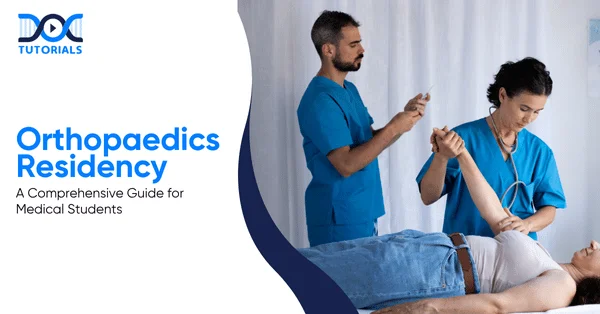
An orthopaedic residency is a postgraduate course that equips MBBS graduates to become competent orthopaedic surgeons. It is typically a three-year programme in India, following a period of internship and a qualifying entrance examination.
The residents are provided with practical training on how to treat musculoskeletal disorders, including simple fractures, complicated surgeries, and everything in between, under the guidance of experts, and develop robust clinical, surgical, and academic competencies.
This guide provides a general overview of orthopaedic residency for medical students, including the training structure, eligibility requirements, essential skills acquired, and more.
Continue reading to get further insight!
What are the Eligibility and Entrance Exams for Orthopaedics Residency?
Admission to an orthopaedic residency requires an MBBS degree, completion of an internship, and passing the national entrance examinations. In India, applicants are usually eligible through the NEET-PG or any equivalent exams and are then counselled through MS or DNB seats.
Admission to the MS (Master of Surgery) in Orthopaedics or primary DNB Orthopaedics is highly competitive. Every applicant should possess an MBBS degree, a rotating internship, and be registered as a permanent medical practitioner. The NEET-PG (organised by NBE) is the most popular entrance exam for this programme.
Certain institutes undertake their exams as well (AIIMS PG, JIPMER PG, etc.). As a result of counselling, the selection process is purely merit-based. Following the passing of the exam, students will be subjected to counselling sessions (including interviews), and seats will be allotted according to rank.
- Key Entrance Exams: The primary pathway for the MS and DNB orthopaedics is the NEET-PG (all-India). The best institutes can also accept scores of AIIMS-PG, PGIMER or JIPMER-PG.
- Eligibility: Degree of MBBS with 55% and above marks in the course (varying by institution), internship, and medical registration.
- Counselling: After examination, merit-based allocation of MS/DNB seats is done by the central/state counselling.
An overview of the principal Orthopaedics residency programmes in India, as well as their entrance exam and duration, is presented below:
| Program | Entrance Exam | Duration |
| MS Orthopaedics (M.Ch Orth) | NEET-PG (NBE); AIIMS/JIPMER PG | 3 years |
| DNB Orthopaedics (Primary) | NEET-PG (NBE) | 3 years |
| DNB Orthopaedics (Post-Diploma) | PDCET (NBE) | 2 years |
Note: MS (Orthopaedics) is equal to Master of Surgery; the programmes of DNB (Diplomate of National Board) are NBE-administered. All three are based on national exams (NEET-PG or PDCET) to gain admission.
What are the Different Types of Orthopaedics Residency Training: MS vs DNB?
Training in orthopaedics can be offered in the form of an MS degree (a degree awarded by the university) or in the form of a DNB (a degree awarded by the board). They have comparable curricula and typically last 3 years, but are distinguished by their administrative body and examinations.
After graduating in India, there are two routes to an orthopaedic residency: one through a medical university, which requires an MS in Orthopaedics, and the other through the national board exams, which is the DNB in Orthopaedics. The two courses require an MBBS degree, along with an internship and a qualifying entrance test, with an average course duration of three years (two years for post-diploma DNB applicants).
Its major distinctions are in the administration and exam venue; MS students are administered university exams, while DNB students take NBE-conducted examinations.
They are both recognised equally in government jobs and in teaching. However, the MS programmes are offered in medical colleges, with DNB training provided in accredited hospitals, offering varying amounts of case exposure. In general, the number of content and competencies becomes quite similar in both programmes; students in each track become qualified orthopaedic surgeons.
- MS (Orthopaedics): University-based Programme (MCI/NMC approved) and has 3 years of residency.
- DNB (Orthopaedics, Primary): Board-based programme including the same 3 years of training. Exams conducted by NBE.
- DNB (Post-Diploma): In the case of Diploma holders, a 2-year DNB Programme following a 3-year D.Ortho (Orthopaedics) Diploma.
What are the Curriculum and Rotations for Orthopaedics Residency?
The Orthopaedics curriculum combines General Orthopaedics and Traumatology, encompassing basic science, injuries, infections, tumours, biomechanics, and subspecialties. Through the rotation, residents work in wards, emergency departments, outpatient clinics, and operating rooms, where they are exposed to the entire musculoskeletal care process.
Orthopaedics residency training comprises lectures, seminars, bedside education, and ward, OPD, and operating theatre rotations. The first procedures that residents must perform include plaster work and fracture reduction, which are later developed into fixation, joint replacement, and spine surgery. A large number of programmes also feature orthotics and rehabilitation, as well as related specialities like general surgery and neurology.
- Core Topics in Curriculum
| General Ortho | Infections of the bone/joint (pyogenic, TB) Tumours (benign/malignant) Malformation, arthritis and degenerative conditions Nerve damage Peripheral nerve injuries and microsurgeryMusculoskeletal imaging and diagnostics |
| Traumatology | Fractures (closed/open, fracture of limbs, pelvis) Dislocations Polytrauma treatment Spine injuries Amputations Emergency treatment of acute ortho injuries (fracture care, arthroplasty, spine care, and emergency trauma) Basic sciences, such as bone physiology, biomechanics, and radiologic anatomy |
| Other Fields | Paediatric orthopaedics Sports injury Spine surgery Arthroplasty (hip/knee) Hand surgery Microsurgery Musculoskeletal oncology and orthopaedic research principles |
- Additional Curriculum
Academic training also includes mandatory weekly seminars (case presentations), journal clubs, and teaching rounds. Residents also conduct or assist with research and thesis work.
What is the Orthopaedics Residency Year-by-Year Training Schedule?
Orthopaedics residency is usually progressive in terms of milestones per year. Year 1 is devoted to primary skills (ward work, casting, fracture care), Year 2 is devoted to complex surgeries (nailing, plating, arthroplasty exposure), and Year 3 is devoted to the duties of seniors and exam preparation.
The majority of Orthopaedics residency programmes have an annual set of objectives. Here is a detailed overview:
First Year
Residents learn to become acclimated to hospital procedures and acquire fundamental skills, including cast and/or slab application, traction, wound dressing, simple external fixation, and simple fracture manipulation. They also develop management skills with patients (history, exam) and emergency intervention for patients admitted with traumas.
Second Year
There is further elaboration of more detailed resident skills. They conduct internal fixation (using K-wires, plates, and intramedullary nails), tension band wiring, amputations, and utilise external frames, while also gaining exposure to arthroplasty and spine techniques. The focus of this year is on learning surgical anatomy and essential orthopaedic methods.
Final Year
Seniors acquire the position of residents. They are involved more in patient care, and in most cases, they are junior consultants who work under close supervision. The caseload becomes more complicated (e.g., spine surgery, joint replacement, arthroscopy). They also emphasise tutoring junior students and completing their theses. The formal period of the programme is 3 years, after which trainees undergo final examinations.
The Orthopaedic residents spend a lot of time in the OR. In later years, they will assist in complex procedures and often serve as the lead of specific operations. Training focuses on teamwork and the practical application of surgical techniques in real-life settings.
What are the Day-to-Day Responsibilities of Orthopaedics Residents?
The daily schedules of Orthopaedic residents require them to balance patient care, operations, and academics. They spend long hours in wards, ORs and emergencies besides attending lectures and preparing for exams.
An average day begins with early rounds on the ward, where residents treat, investigate, and review patients. At the facility, they check casts, write prescriptions and consult with the consultants. Mornings consist of rounds of teaching or seminars, and afternoons are spent assisting with surgeries, such as fracture fixation or joint replacement.
Emergency trauma and fracture care constitute the work of an on-call team, and between them, residents attend outpatient clinics, evaluate referrals, and follow up with patients after operations.
Learning is a continuous process throughout the day. During academic club meetings, residents are encouraged to take initiative by conducting patient rounds, presenting clinical cases, and critically reviewing journal articles. These activities are documented in logbooks and complemented by ongoing thesis research.
Effective collaboration with nurses, physiotherapists, and other healthcare professionals is essential. While the workload is demanding, this immersive environment is fundamental to developing surgical expertise and sound clinical judgement.
What are the Assessment Methods in Orthopaedics Residency?
The evaluation of Orthopaedics residents is conducted through written exams and practical examinations. Final exams will consist of theory papers and a practical/viva section. Contemporary testing can be performed using OSCE stations. Typically, in a viva examination, test takers receive clinical presentations, commonly known as short cases.
The Orthopaedics residency evaluations are formative and summative. Formative assessments are conducted in the form of periodic tests, observation of surgical skills, and case discussions. The final degree, the DNB/MS exam, includes theory papers in the fields of basic sciences and clinical orthopaedics. The practical examination consists of long cases (detailed patient examinations), a variety of orthopaedic short cases, viva voce examinations, and OSCE stations.
- OSCE (Objective Structured Clinical Exam): OSCE stations are used in some programmes to assess pragmatic skills, such as joint or neurological examination, identification of implants, and interpretation of imaging. As an example, orthopaedic dermatomes and myotomes quizzes are a reflection of a typical OSCE activity. Such stations assist in the objective formation of skills in a structured environment.
- Short Cases: They are commonly used in clinical exams, where candidates review a patient or X-ray to identify essential information and discuss its management. Typical examples include evaluating a limp, identifying Dupuytren contracture, or reading fracture films. These questions test general reasoning and clinical judgement skills.
- Viva Voce: In-depth oral interrogation concerning orthopaedic subjects, tools, and case management.
It is vital to prepare for such assessments. The candidates often practise orthopaedic OSCE questions and scenarios after receiving suggestions and with the help of peers or study guides. Both the theory and clinical exam strategies can be assisted with the help of conceptual question banks and review books.
What are the Subspecialties and Fellowships in Orthopaedics Residency?
Most orthopaedic surgeons extend their specialisation after residency. In India, the popular subspecialties are joint replacement, spine surgery, sports medicine, pediatric orthopaedics, hand surgery, and orthopaedic oncology. These are generally undertaken through one- to two-year fellowship programmes.
Orthopaedics offers a variety of career opportunities. Graduates may practise general orthopaedic surgery, although most want the sub-speciality training to specialise in one area. In India, commonly practised subspecialties in orthopaedics include:
| Joint Replacement | Advanced training in hip/knee prostheses. |
| Sports Medicine | Arthroscopy, ligament reconstruction. |
| Spine Surgery | Complex spinal fusions, deformity correction. |
| Paediatric Orthopaedics | Congenital deformities (such as clubfoot and scoliosis in children). |
| Hand & Microvascular | Tendon repairs, nerve injuries, and reimplantations. |
| Orthopaedic Oncology | Management of bone/soft-tissue tumours. |
| Trauma | Managing severe life-threatening injuries to the musculoskeletal system. |
Fellowships (typically 1-2 years) are for perfecting expertise. An example of this is that a doctor may undertake a fellowship in arthroscopy or pursue an M.Ch (super-speciality) in orthopaedics after completing an MS/DNB.
Two more sub-specialities include M.Ch Orthopaedics (in certain institutes) or Diplomate of National Board Superspeciality (DNB). Opting for subspecialties will require taking further exams and going through selection procedures.
Many seniors travel to other countries and become experienced in research. One review finds that the MS Orthopaedics graduates are open to fellowships and academic employment. For example, fellowships in arthroplasty, paediatric orthopaedics, spine, or sports medicine are available options for those seeking advanced skills.
What are the Career Opportunities After an Orthopaedics Residency?
Orthopaedics is a field of high demand. Surgeons may practise in government or private hospitals, commence a private practice, or even teach and conduct research after residency. Orthopaedic services are in constant demand because of trauma and the ageing population.
An Orthopaedics residency is the final step that enables one to become a fully qualified orthopaedic surgeon. Career opportunities include working in hospital departments (government or private), setting up one’s own clinic, or pursuing academic positions in medical colleges. Orthopaedic surgeons also serve in trauma and emergency units. This is a promising field; as the cases of fractures, arthritis, and sports injuries continue to increase, specialists are required not only in urban but also in rural settings.
MS/DNB in Orthopaedics also opens non-clinical avenues. Graduates may choose to pursue research, start employment in a medical device company, or take on a management position in a hospital. Others become faculty teachers at the medical colleges. One can be a general orthopaedic surgeon or pursue additional fellowships or leadership positions in a hospital.
What are the Tips for Success in Orthopaedics Residency?
Orthopaedics residency is challenging. To be successful, residents should maintain a proper study routine, pursue learning opportunities, and strike a balance between work and life. It is suggested that clinical skills (e.g., OSCE mock drills) be repeatedly revised and practised.
Study Routine
Stick to a consistent study schedule. Via conventional textbooks (e.g., Essentials of Orthopaedics, written by Maheshwari, and Review of Orthopaedics by Miller), and updating them with current guidelines. Check exam-based and case studies frequently. Form or participate in study groups (conventional OSCE practice, i.e., peer mock OSCEs) or discuss (so-called short case) scenarios. Conceptual question banks can facilitate the revision of theory.
Clinical Skills
Clinical examination of peers/patients. In the case of OSCE stations, the motor examination of joints, reflexes, and special tests (e.g., the ACL test with the Lachman manoeuvre) should be repeated. Check through dermatomes and myotomes each day (a good number of orthopaedic OSCE questions involve these).
Time Management
Balance duties and study. Spend the downtime (after on-calls, weekends) productively. Maintain a logbook diligently as required. Attend conferences and webinars when possible. Participate in conferences and webinars as an option. Request the guidance of senior residents and faculty.
Above all, being orientated to personal health, rest, and support is necessary to manage the workload (orthopaedic residency has been known to be long-hour work, and, therefore, being a resilient person is the core requirement).
FAQs about Orthopaedics Residency
- How competitive is orthopaedics residency compared to other specialities?
Orthopaedic residency is one of the competitive specialities where there are few seats and high demand, and it is a rigorous, practical speciality that many keen candidates would choose.
- What qualities and skills are essential for success in orthopaedics residency?
Good manual dexterity, physical stamina, teamwork, decision-making, and a solid understanding of anatomy and biomechanics are all crucial in the field.
- Are research and publications necessary during orthopaedics residency?
Yes. Most programmes encourage or even require residents to participate in clinical research, write case reports, and present at academic conferences.
- What subspecialties can one pursue after completing orthopaedics residency?
Post-residency options include spine surgery, sports medicine, joint replacement, hand surgery, paediatric orthopaedics, and trauma surgery.
- How can medical students strengthen their application for orthopaedics residency?
Students can improve their chances by excelling in clinical postings, obtaining strong recommendation letters, engaging in orthopaedic research, and taking relevant electives to show commitment to the speciality.
- What is the role of mentorship during orthopaedic residency?
Mentorship helps residents navigate clinical challenges, research opportunities, career decisions, and emotional resilience throughout training.
- What does a day in the life of an orthopaedic resident look like?
Orthopaedic residency usually lasts three years after postgraduate admission. Training includes outpatient care, ward duties, emergency management, surgical assistance, and academic sessions.
- How demanding is the workload during orthopaedics residency?
The workload during orthopaedic residency is high due to long hours, emergency duties, and physically demanding surgical work. Residents manage trauma cases, ward patients, and surgery regularly.
- What surgical exposure do residents get during orthopaedics training?
Orthopaedics residents gain exposure to trauma surgeries, fracture fixation, joint replacements, spine procedures, and sports injury management. The training starts with assisting surgeries and gradually moves to independent procedures.
- How can residents maintain work-life balance during orthopaedic residency?
Maintaining a work life balance as a medical professional is crucial; it needs effective time management, and adequate rest. Residents should prioritise learning, maintain physical fitness, and seek mentorship.
Conclusion
Orthopaedics residency is a challenging yet deeply fulfilling journey where MBBS graduates evolve into confident orthopaedic surgeons skilled in managing trauma, joint, and musculoskeletal disorders. The three-year training demands discipline, dedication, and consistent effort, but it opens doors to a dynamic and respected medical career.
With perseverance, practical learning, and a passion for orthopaedics, residents can build rewarding futures while making a lasting impact on patients’ mobility and quality of life.
To strengthen your preparation, DocTutorials offers expert-led medical courses featuring animated video lectures, live doubt-clearing sessions, and hard-copy notes, which are provided exclusively for the Medicine, Paediatrics, and MS General Surgery courses under the PG Residency programme.
Join DocTutorials today and take the next step toward your future in orthopaedics!

Latest Blogs
-

NEET SS Exam 2024: Analysis, Key Dates, Counselling
The NEET SS 2024 exam kicked off on March 29, 2025. Over two days and two slots, candidates across 13…
-
INI SS Topper: 1 Dream, 1 Study Buddy, 1 Rank – The Journey of Dr. Prithivi Raaj, CML 1 & (AIIMS) AML 1 in DM Cardiology
Achieving the top rank in a competitive exam like the INI SS DM Cardiology requires tireless dedication, a structured approach,…
-
INI SS Results: Merit List, Exam Insights, and What Comes Next
The INI SS results for October 2024 are just around the corner. This is a life-changing moment for thousands of…