neet-pg Archives - Page 13 of 20 -

Microbiology: Important Topics and Preparation Tips for NEET PG
Microbiology in NEET PG

Microbiology is arguably the most demanding subject of study for NEET PG preparation. It is the basis on which infectious diseases, laboratory diagnosis, and antimicrobial drugs are established, all critical for both exam success and clinical practice. Despite having a vast syllabus, it is also one of the highest-scoring subjects in the medical PG entrance exams.

According to the present NEET PG subject-wise marks distribution, there will be around 20 multiple-choice questions (MCQs) based on this subject. It carries significant weight, making it important for students who want a high rank.

In this article, we will be discussing these most critical topics together with practical preparation tips to guide you strategically and confidently prepare for Microbiology for the NEET PG exam. Keep reading for a detailed insight.

What are the most critical topics of microbiology for NEET-PG?

Below is a unit-wise compilation of the Microbiology critical topics:

  1. General Microbiology
  • History
  • Staining Techniques
  • Culture Media
  • Sterilisation Techniques
  • Bacterial Cell Wall
  • Bacterial Growth Curve
  1. Bacteriology
  • Staph, Streptococcus, Corynebacterium, Bacillus, Clostridium
  • Enterococcus Family
  • Mycobacterium
  • Pseudomans, Haemophilus, Brucella, Bordetella, Yersinia
  • Vibrio
  • Chlamydia
  • Rickettsia
  • Mycoplasma
  • Helicobacter, Campylobacter
  • Listeria, Legionella
  • Neisseria
  1. Virology 
  • General properties of a virus
  • Herpes
  • Pox
  • Rabies
  • Polio
  • Adenovirus
  • Hepatitis
  • HIV (Human Immunodeficiency Virus)
  • Influenza
  • Dengue
  1. Mycology
  • General properties
  • Dermatomycosis
  • Dimorphic fungi (special points of each)
  • Aspergillus
  • Candida
  • Cryptococcus
  1. Parasitology
  • Entamoeba
  • Giardia
  • Plasmodium
  • Leishmaniasis
  • Solium
  • Nana
  • Ascaris
  • Wuchereria (Image)
  • Schistosomiasis
  • Images of Eggs of all Parasites
  1. Immunology 
  • Antigen
  • Antibody
  • Reaction Between Antigen and Antibody (Examples)
  • Hypersensitivity Reaction (Examples)
  • GVHD (Graft-versus-host disease)
  • Autoimmunity

Other Important Microbiology Topics for NEET PG 2027

Here’s a list of a few more detailed topics that are essential for NEET PG 2027:

Scientists and Stains

  • Louis Pasteur
  • Robert Koch
  • Paul Ehrlich
  • Fixation
  • Simple Stains
  • Negative Stains
  • Impregnation Stains
  • Differential Stains 
  • Flagella Stains
  • Spore Stain

Microscopes

  • Features of Microscopes
  • Light Microscope 
  • Dark Field Microscope 
  • Interference Contrast Microscope
  • Fluorescence Microscope
  • Phase Contrast Microscope 
  • Electron Microscope
  • Differences between Electron and Light Microscopes

Bacterial Anatomy

  • Capsule Layer
  • Slime Layer
  • Capsule and Slime Layer
  • Demonstration of the capsule 
  • Modification of slime: Biofilm
  • Cell Wall Basics
  • Endotoxins vs Exotoxins
  • Cell wall-deficient forms – L form
  • Bacterial Anatomy
  • Structure of flagella
  • Demonstration of motility
  • Spores
  • Spore formation
  • Stains
  • Difference: Prokaryotes vs. Eukaryotes

Bacterial Shapes And Physiology

  • Bacterial Shapes (Cocci)
  • Bacterial Shapes (Bacilli)
  • Bacterial Physiology 
  • Quick Definitions: Bacterial Physiology
  • Bacterial Growth Curve

Bacterial Genetics

  • Basics
  • Mutations
  • Point Mutations
  • Frame Shift mutation
  • Gene Transfer 
  • Transformation
  • Transduction
  • Bacteriophage Cycle
  • Generalised Transduction
  • Specialised/ Restricted Transduction
  • Conjugation
  • Plasmids

Culture Media

  • History
  • Agar
  • Simple Media / Basal Medium / Basic Medium
  • Enriched Media 
  • Selective Media 
  • Differential media
  • Transport Media
  • Anaerobic Media
  • Anaerobic methods 
  • Anaerobic methods
  • Culture Technologies
  • Antibiotic Sensitivity Testing
  • Dilution method
  • Disc Diffusion Method or Kirby-Bauer Disc Diffusion Method
  • Stoke’s Disc Diffusion Method
  • Epsilometer Test

Sterilisation and Disinfection

  • Sterilisation Methods
  • Dry heat
  • Incineration
  • Hot Air Oven 
  • Moist Heat: Mechanism
  • Sterilisation Methods: Filtration 
  • Chemical Methods 
  • Blood Spill Management 
  • Other Sterilisation Methods
  • Testing of Disinfectant
  • Spaulding Classification

Systemic Bacteriology

  • Staphylococcaceae
  • Staphylococcus Aureus
  • Differential Diagnosis of Food Poisoning
  • MRSA (Methicillin-Resistant Staphylococcus aureus)
  • Coagulase-Negative Staphylococcus
  • Streptococcaceae
  • Streptococcus Agalactiae
  • Streptococcus pneumoniae
  • Neisseria
  • Neisseria Meningitidis
  • Neisseria Gonorrhoeae
  • Gram Positive Bacilli:
    • Volutin Granules
    • Nocardia and Actinomycetes
    • Actinomycetoma
    • Actinomyces Israelii
    • Bacillus Anthracis
    • Clostridium
    • Clostridium tetani
    • C. Botulinum
    • Clostridium Difficile
  • Gram Positive Bacteria:
    • Mycobacterium tuberculosis
    • Microscopy
    • Culture
    • Typing methods
    • Diagnosis of latent TB
    • Non-photochromogens
    • Mycobacterium leprae / Hansen’s bacillus
  • Gram-Negative Bacteria:
    • Strains (capable of causing diarrhoea)
    • Laboratory diagnosis
    • Shigella
    • Different Shigella species
    • Morganella
    • Endemic Foci for Plague
    • Enteric Fever
    • Widal Test
    • Culture Media
  • Vibrio and Non-Fermenters:
    • Differentiation between Classical and Eltor 
    • Pathogenesis 
    • Toxin
    • Pseudomonas
    • Burkholderia Pseudomallei
    • Burkholderia Cepacia
  • HBB (Hemophilus, Bordetella and Brucella):
    • H.Influenzae
    • H. Ducreyi
  • Spirochetes:
    • Treponema
    • Tertiary Syphilis
    • Leptospira
    • Microscopy and Culture Media
  • Rickettsiae:
    • Organisms and Vectors
    • Scrub Typhus
    • Genus Coxiella
    • Bartonella Henselae
  • Chlamydia

Virology

  • General Properties
  • Symmetry (Genome)
  • Structure
  • Envelope
  • Viral Replication
  • Steps
  • Classification
  • Size of Viruses
  • Shape & structure of viruses
  • DNA Virus-Rules and Exception
  • RNA Virus-Rules and Exceptions
  • Genome size
  • Virus Cultivation
  • Inclusion Bodies (Cyto Pathic Effect)
  • Assays: To know the Infectivity
  • Interferons

DNA Virology

  • Classification of Herpesviridae
  • General Properties
  • Herpes Simplex Virus 1 & 2 
  • Clinical features 
  • Lab diagnosis
  • EBV: Epstein-Barr Virus (HHV4)
  • Cytomegalovirus (HHV5)
  • Human Herpesvirus 8 (HHV8)
  • HPV (Human Pappilomavirus)
  • Molluscum contagiosum
  • Hepatitis A
  • Hepatitis B (Dane Particle)

RNA Virus: Myxovirus

  • Orthomyxovirus family
  • Structure
  • Pathogenesis
  • Antigenic shift vs antigenic drift
  • Lab diagnosis
  • Measles virus
  • Prodromal symptoms
  • Complications
  • Mumps
  • Parainfluenza

RNA Virus: Picornaviridae

  • Coxsackie
  • Enterovirus
  • Rhinovirus

RNA Virus: Rhabdoviridae

  • Rabies
  • Lab diagnosis

RNA Virus: Arbovirus

  • ARB – Arthropod Borne
  • Bunyaviridae
  • Rubella Virus
  • Japanese Encephalitis 
  • Yellow Fever
  • Monkey Fever / Kyasanur Forest Disease 
  • Zika Flavivirus
  • Dengue Virus

RNA Virus: Retrovirus

  • Structure of HIV
  • Structural Genes
  • CDC AIDS case definition
  • HTLV– 1

RNA Virus: COVID-19

  • Structure and Pathogenesis
  • RRTPCR – Real-Time Reverse Transcriptase PCR

Mycology

  • Classification Based on Location
  • Stains 
  • Culture
  • Tinea Versicolor
  • Tineasis – Clinical Aspect
  • Dermatophytosis (Tineasis)
  • Hair Perforation Test
  • Mycetoma
  • Chromoblastomycosis
  • Penicillium marneffei
  • Cryptococcus Neoformans vs Cryptococcus Gattii
  • Types of Infections
  • Candida Albicans – Laboratory Diagnosis
  • Aspergillus Under Microscope
  • Mucor / Zygomycetes / Glomeromycetes
  • Pneumocystis Carinii

Parasitology

  • Parasitology: Classification of Amoeba
  • Parasitology: Flagellates
    • Giardia Lamblia
    • Trichomonas Vaginalis
  • Parasitology: Hemoflagellates
    • Trypanosoma Cruzi / South American Trypanosomiasis
    • Leishmania Donovani
    • Kala Azar
    • Cutaneous Leishmaniasis
  • Parasitology: Coccidian Parasites
    • Toxoplasma Gondii
    • Cryptosporidium
    • Cylospora and Isospora
    • Difference between Cryptosporidium, Cyclospora, and Isospora
  • Haematozoa (Plasmodium and Babesia)
    • Malaria
    • Babesia
  • Cestodes:
    • Diphyllobothrium latum
    • Tenia saginata and Tenia Solium
    • Cysticercosis
    • Echinococcus granulosus / Dog Tapeworm
    • Hydatid cyst
    • Echinococcus Multilocularis
    • Hymenolepis Nana / Dwarf tapeworm
    • Egg of H. nana
  • Trematodes:
    • Types of Trematodes
    • Schistosomiasis/ Bilharziasis
    • Paragonimus Westermani (Lung Fluke)
    • Clonorchis Sinensis
    • Fasciola Hepatica (Sheep liverfluke)
  • Nematodes:
    • Roundworm/Ascaris Lumbricoides
    • Trichuris Trichiura/Whipworm
    • Enterobius Vermicularis/Pinworm/Threadworm
    • Strongyloides Stercoralis
    • Life Cycle

Immunology

  • Types of Immunity:
    • Components of Innate Immunity
    • Natural Killer Cells (NK Cells)
    • Antibody-Dependent Cellular Cytotoxicity (ADCC)
    • T Cells
    • Interaction between B and T cells
    • Difference Between MHC I and MHC II
    • Types of T-cells
  • Types of Hypersensitivity Reactions:
    • Type I Hypersensitivity Mechanism 
    • Type II Hypersensitivity Mechanisms
    • Type IV Hypersensitivity
  • Immunity Tolerance Autoimmune Disorders:
    • Systemic Lupus Erythematosus
    • Scleroderma
    • Myositis
  • Immunodeficiency Disorders:
    • Types of immunodeficiency
    • Primary Immunodeficiency
    • Defect in Lymphocyte maturation
    • Defect in lymphocytic activation and function
    • Systemic disease
  • Transplant Immunology:
    • Types of Grafts
    • Transplant Rejection
    • Graft Versus Host Disease
  • Antigen and Antibody
  • Antigen Antibody Reactions

Reading the above-mentioned microbiology key topics well in advance would certainly assist you in providing answers to most of the questions and would help you to emerge amongst the top rankers.

How to Prepare for NEET PG Microbiology?

NEET PG Microbiology preparation can be done strategically by following a systematic approach to preserve concept understanding, revision, and effective study practices. This is the guide to prepare for this high-yield topic well and score marks:

  1. Be Familiar with the Syllabus

The first and most important step towards NEET PG Microbiology preparation is being well aware of the syllabus. Study all the topics, as this helps you organise your study timetable in a better manner, and never skip any topic. Identify important topics that have high weightage in the exam.

  1. Study Approach – Antegrade vs. Retrograde

One of the common dilemmas students experience is deciding between the antegrade and retrograde approaches to learning.

  • The antegrade approach involves learning topics step-by-step, from elementary to advanced concepts. It focuses on conceptualisation and comprehensive coverage.
  • The retrograde approach begins with the learning of MCQs or current question papers and working backwards, which can lead to bypassing basic concepts.

While the antegrade approach is a slow process, it is strongly advised as it provides superior long-term retention and systematic learning over the retrograde approach, which usually compromises the clarity of concepts.

  1. Set Clear Goals

While preparing for NEET PG or any other entrance exam for postgraduate medical courses, goal-setting is inevitable. Hard work is not sufficient; smart work is what actually pays off. Fix realistic goals on a daily or weekly basis and follow up.

Focus on subject topics of higher weightage and don’t waste time on areas with a lower probability of questions. Remember that image-based questions are a significant component of NEET PG, and hence, take time to study and practice them properly.

  1. Repeatedly Revise

Revision is the key to success mantra of NEET PG preparations. Reading and not revising causes poor recall in the exam. Go through your notes and main points a couple of times before the exam. Plan ideally three or four revision cycles with sufficient time to consolidate your concepts. Research has established that continuous revision really improves ranking and retention.

  1. Test Yourself Regularly

Do not wait until the last week to gauge your knowledge. Periodic self-testing will make you pinpoint weak areas in time. Add the following to your daily study routine:

  • Group discussions to compare understanding with peers.
  • Daily recall sessions—spend the last two hours of your day revising what you learned.
  • The 100 MCQ Rule: Practice solving at least 100 multiple-choice questions each day.

Consistent evaluation builds confidence and improves time management during the actual exam.

  1. Utilise the Last 100 Days

The last 100 days before NEET PG are the most important. Research indicates that almost 80% of your right answers in the test are from what you studied in the last 2–3 months. In these months:

  • Try not to leave any subject untouched. Cover at least the main points of each.
  • Try to work on solidifying your strong areas while going through weaker ones.
  • Sleep enough, don’t stay up late nights prior to the exam, as drowsiness can lower productivity by as much as 10%.
  • Master good time management and continue to fine-tune your revision schedule.

Time is your most valuable asset. Once lost, it can never be recovered.

FAQs about Microbiology Topics for NEET PG

  1. What are the key topics in Microbiology for NEET PG?

Special areas are bacterial cell wall, bacterial toxins, sterilisation methods, chemical disinfectants, and culture methods. In Bacteriology, special focus on the morphology, virulence, pathogenicity, and diagnosis of Staphylococcus, Streptococcus, Pneumococcus, Enterobacteriaceae, Vibrio, and Mycobacterium tuberculosis.

In Parasitology, life cycle and laboratory diagnosis of Ascaris, Trichuris, Enterobius, Echinococcus, Entamoeba, Giardia, Cryptosporidium, Plasmodium, Leishmania, Wuchereria, Taenia, Ancylostoma, and Toxoplasma.

  1. Is Microbiology significant in NEET PG?

Yes. Microbiology is a high-weightage topic in NEET PG, and 10–20 MCQs come every year. Proper subject knowledge can give you a better overall score and boost your rank tremendously.

  1. How do I study Microbiology online for MBBS or NEET PG?

You can select online structured microbiology courses or watch video lectures on YouTube or similar websites. Microbiology for UnderGrads by Dr. Apurba Sastry, Dr. Sandhya Bhat, and Dr. Deepashree R is highly recommended.

You can also join DocTutorials, where we offer comprehensive video lectures, concept-based, following the CBME (Competency-Based Medical Education) approach for better understanding and exam preparation.

  1. What is the best Microbiology textbook for MBBS students?

The best textbooks on Microbiology are:

  • “Essentials of Medical Microbiology” by Dr. Apurba Sastry and Dr. Sandhya Bhat
  • “Essentials of Medical Parasitology” by the same authors

Both books have crisp explanations, easy-to-understand pictures, and well-structured chapters, and thus are suitable for undergraduate as well as NEET PG studies.

  1. Which is the better method of studying Microbiology: Antegrade or Retrograde?

Antegrade is highly advised. It is a natural learning process, from basics to advanced concepts, to provide thorough coverage of the topic. The retrograde technique, primarily for MCQs or rapid overhauls, can neglect important conceptual blocks. Antegrade can be time-consuming, but it encourages better understanding and recall in exams.

  1. How to select a project topic in microbiology?

To choose a project topic wisely, one needs to adhere to the following steps:

  • Choose a topic based on the lab work you can do or the samples you have access to.
  • Align your topic with current trends in global microbial research.
  • Avoid themes that are outdated, too broad or vague.
  • Make sure that the project is feasible in your lab and that resources are available.
  • Ask for guidance and feedback from your academic mentor as soon as possible.
  • Consider an area such as Medical Microbiology.
  1. How to study microbiology easily?

Study tips for Microbiology include:

  • Understand the basics first. 
  • Break down study topics into smaller parts.
  • Utilise visual aids or make your own diagrams or charts.
  • Investigate the use of actual case studies to understand the practical applications.
  • Make a list of keywords to memorise.
  • Focus on diagnostics and treatment after understanding basic concepts.
  • To obtain practical experience, it is important to attend all sessions in the labs
  • Take photographs or draw diagrams to illustrate structures to help you remember them better.
  1. What tools are used in microbiology?

Microbiologists use a variety of equipment, including microscopes, incubators, centrifuges, autoclaves, ovens, deep freezers, pH meters, magnetic stirrers, vortex mixers, hot plates, laminar flow hoods, and biosafety cabinets.

  1. What is another name for microbiology?

Microbiology can also be referred to as microbial science. It can also be referred to as bacteriology when considering bacteria, but the general term remains microbial science.

  1. What are the two main branches of microbiology?

Pure Microbiology and Applied Microbiology are the two major branches of microbiology. These two branches of microbiology are divided into various classes of their own. Sub-classes of pure microbiology are based on the type of microorganisms studied and their specific functions.

Conclusion

Mastering microbiology for NEET PG requires a strategic blend of conceptual clarity, consistent revision, and smart practice. With concentration on high-yield topics, learning concept building blocks, and intermittent evaluation of how you are doing with MCQs, you can convert this tough subject into a scoring one.

For added support for NEET PG, DocTutorials has got you covered. Our comprehensive NEET PG course offers live interactive classes with hardcopy workbooks, high-yielding Qbank, and PYQ recall videos, exam-centric test series, and a special focus on INI-CET aspirants. We help medical students unlock their true academic potential and score excellently in the competitive exams.

Join DocTutorials today and explore our NEET PG course to excel in your medical journey!

NEET PG Online Live Power Pack
DocTutorials App Download Now

Latest Blogs

NEET PG Preparation Guide in 1st Year MBBS

NEET PG & MBBS Preparation

As soon as you enter MBBS, NEET PG begins to loom over your head — and not without reason. This test determines the course of your medical career and is a key factor in where you’ll pursue your postgraduate training.

In this regard, the biggest question most students ask themselves is, ‘When will I start preparing for NEET PG?’. The time from which you start preparing determines your performance and level of confidence. Starting early helps you to master your subjects well, practise many times, and approach the exam calmly rather than in panic.

This guide walks you through the best time to start your preparation, the right strategies to adopt from your first year, and practical ways to balance MBBS studies with NEET PG goals.

Boost Your NEET PG Prep with Grand Test – Download the Brochure Now

Understanding NEET PG 

The National Eligibility cum Entrance Test for Postgraduate (NEET PG) is a national-level exam that opens the gateway to MD, MS, and PG Diploma courses across India. It evaluates all that you have studied in the course of the MBBS, beginning with the basics of Anatomy and Physiology and going all the way up to the ins and outs of Medicine and Surgery.

Exam Overview

  • Subject Coverage: NEET PG covers all topics covered in the MBBS curriculum: pre-clinical, para-clinical, and clinical.
  • Question Type: The exam is purely in the form of MCQs that examine both factual knowledge and clinical thinking.
  • Duration & Marking Scheme: The duration of the paper is 3 hours and 30 minutes. Each correct answer fetches positive marks, while incorrect ones attract negative marking, rewarding precision over guesswork.

NEET PG Preparation Guide

Here’s a complete guide on how to prepare for NEET PG in your first year:

  1. Understand the Syllabus
  • To master NEET PG, you must first understand its structure. The exam covers everything from pre-clinical subjects (Anatomy, Biochemistry) to clinical subjects (Medicine, Surgery, OBG). Each section carries a different weightage, making prioritisation essential.
  • Go through past papers to see which subjects are covered more frequently.
  • Focus more on Medicine, Surgery, OBG, Pharmacology, and Pathology.
  • Divide every subject into smaller, logical subtopics. 
  • Create micro-goals for daily completion.
  1. Set Realistic Goals and Milestones

Setting achievable goals gives your preparation direction and helps you stay consistent:

  • Divide the Syllabus: Split it into smaller units and assign realistic time blocks.
  • Create a Timeline: Plan your preparation in phases — concept building, revision, and testing.
  • Evaluate Often: Track your progress through mock scores and topic completion. Adjust your schedule as needed.
  1. Choose Quality Study Material

Having appropriate study material is half the battle won. Good materials can assist you in understanding concepts more quickly and remembering them.

Recommended Resources

  • Standard MBBS Textbooks: Stick to trusted authors — Harrison (Medicine), Bailey and Love (Surgery), Robbins (Pathology), Ganong (Physiology), or Harper (Biochemistry).
  • NEET PG-Specific Books: Supplement with concise guides and question banks focused on exam-relevant material.
  • Online Platforms: Use e-learning apps like DocTutorials for visual learning and self-paced revision.
  • Coaching Institutes: For systemic guidance, take up a good coaching course with mock tests and course subject-wise mentoring.
  1. Revise Consistently

Revision is not optional — it’s the most crucial part of long-term retention.

Effective Revision Techniques:

  • Active Recall: Quiz yourself instead of rereading notes.
  • Spaced Repetition: Revisit each topic at gradually increasing intervals to prevent forgetting.
  • Frequent Testing: Use quizzes and flashcards to strengthen weak areas.
  1. Give Mock Tests Regularly

Mock tests are the bridge between preparation and performance.

Why They Matter:

  • Performance Analysis: Discover what’s working and what needs fixing.
  • Time Management Practice: Learn to allocate time effectively across questions.
  • Exam Simulation: Simulate the actual exam environment to build confidence.

Mock Test Tips:

  • Begin early — even with subject-wise tests.
  • Review every mistake in detail; understand the reasoning behind each question.
  • Increase test frequency as you near the actual exam.
  1. Use College Resources Wisely
  1. Faculty Mentorship

Your professors are your best academic allies. Ask questions during lectures, seek conceptual clarity, and participate in discussions. The top medical colleges offer sessions, seminars, and workshops that enrich understanding beyond textbooks.

  1. Peer Learning

Group discussions are invaluable. Explaining concepts to peers or listening to their perspectives strengthens understanding. 

  1. Access to Study Materials

Use your online and college library. Locate journals, research papers, and online databases. These will enhance your theoretical learning and give you a more clinical outlook.

  1. Assessments and Feedback

Take advantage of institutional mock exams. They reflect the format of NEET PG and provide you with practical insights on how to improve.

Why Starting Early Makes a Real Difference for NEET PG?

Starting early offers several key advantages:

  1. Shift from Panic to Planning

When you begin preparation early, you shift from a panic-driven mindset to a planned and confident approach. NEET PG is not merely the study of facts; it is a test of clinical judgement, which is a practical skill needed while making diagnoses. 

  1. Strong Foundation Matters

Give attention to base courses – Anatomy, Physiology, and Biochemistry. These are the foundations of all that you will learn in the future. Read textbooks, watch concept videos, and simplify complex issues using visual aids.

  1. Understand, Don’t Just Memorise

Connect what you learn in MBBS with NEET PG concepts. This integrated approach makes it easier to grasp and retain topics instead of rote learning.

  1. Consistent MCQ Practice

Begin answering the MCQs with what you already know. Even a little regular practice exercises your brain to recall and comprehend.

  1. Depth Over Speed

The phase is not about speed or scores but depth and clarity. Whatever you put into it today will be less difficult in the future when you have advanced classes.

  1. More Time to Revise

Early starters get multiple rounds of revision before the exam. This repetition improves memory, reduces stress, and builds confidence.

  1. Stay Ahead of the Competition

NEET PG is highly competitive. Early preparation gives you a clear edge — not just through hard work, but by preparing smartly and consistently.

Smart MBBS 1st Year Strategies for NEET PG Preparation

Here are a few tips to excel in your first-year preparation:

  • Stick to a consistent routine — combine your daily college studies with NEET PG review sessions.
  • Use standard textbooks like BD Chaurasia, Guyton, and Harper’s instead of short notes or summaries.
  • Start solving basic MCQs after finishing each topic; even 10 questions a day build strong recall habits.
  • Build a strong conceptual understanding of every MBBS subject.
  • Practise MCQs regularly to sharpen your speed and accuracy, which are vital for the real exam.
  • Manage your study hours and revision cycles. It is just as important as studying itself.
  • Take frequent mock tests and self-evaluations to help you identify weaknesses before they cost you marks.
  • Avoid cramming; focus on understanding mechanisms. Study daily in small chunks instead of long, exhausting sessions.
  • Balance college hours and self-study. Make a timetable with time blocks for theory, revision, and rest. Keep it flexible but consistent.
  • Subjects like Anatomy and Physiology thrive on diagrams and flowcharts. Visualising structures and mechanisms helps with both retention and application.

MBBS 1st Year Subject Approach

  1. Anatomy: Make full use of the dissection hall — nothing replaces real anatomical visualisation. Draw diagrams, trace nerve routes, and correlate them clinically.
  2. Physiology: Flowcharts are your best friend. Focus on understanding how systems work rather than memorising definitions. Connect every mechanism to a clinical context.
  3. Biochemistry: Repetition is key. Learn pathways and molecular concepts through visual mnemonics and charts.


FAQs About NEET PG Preparation Guide in 1st Year

  1.  How to prepare for NEET PG in 1 year?

Understand the exam pattern, start early, and create a structured study plan. Focus on reliable study material, revise regularly, and practise MCQs daily. Prioritise high-yield topics, manage time during mock tests, and stay consistent and motivated for steady progress.

  1.  How to avoid silly mistakes in NEET PG?

Solve confident questions first, pay attention to important terms, avoid guesswork, read all options carefully, and revise regularly to strengthen recall and reduce errors.

  1. How to crack NEET PG in the first attempt?

Study smart, create a balanced schedule, think like an examiner, take regular mock tests, avoid over-studying, stay focused, and choose the best books suited to your learning style.

  1. How to avoid bubbling mistakes in NEET?

Don’t rush; ensure correct question-to-bubble alignment, fully darken each bubble, and double-check the OMR sheet to avoid scanning errors.

  1. What are the strategies used by NEET PG toppers?

NEET PG toppers follow a realistic daily study plan, focus on high-yield topics, practise PYQs and mock tests, and use one main study resource. They revise regularly, use active recall, analyse weak areas, and maintain consistency. Managing stress and minimising distractions are key to staying motivated throughout preparation.

  1. How many months are enough for NEET PG preparation?

The ideal time period for preparing for NEET PG is generally between 6-12 months. This is considered a safe period of time for candidates to revise and study for the exam.

  1. What is the 80/20 Rule in NEET PG?

The 80/20 principle states that 80% of your result comes from 20% of your efforts. For NEET preparation, this means focusing on important topics, high-yield concepts, and frequently asked questions. Following this principle can help improve your score and reduce stress on exam day.

  1. Can I skip Anatomy for NEET PG?

As Anatomy is a first-professional subject, it is important that you clear your basics and prepare a topic-wise study plan. Weightage of Anatomy in NEET PG examination is quite significant, and hence it should not be avoided.

  1. Which year is the best to begin preparation for the NEET PG exam?

The third year of the MBBS is considered the best time for students to start preparing for the NEET PG exam. By this stage, most basic science courses are complete, and students begin clinical rotations in subjects like Medicine, Surgery, and Obstetrics & Gynaecology, providing a solid foundation for PG preparation.

  1. Which is the toughest branch in NEET PG?

The top-demanding branches in PG medical courses in India are:

  • General Medicine
  • Pediatrics
  • Obstetrics & Gynecology
  • Orthopedics
  • General Surgery
  • Psychiatry
  • Emergency Medicine, a relatively new branch in India
  • Anesthesiology, an often undervalued but essential speciality that provides the backbone to surgical care

Conclusion

The first year of MBBS lays the foundation for everything that follows NEET PG. By developing smart, sustainable study habits early on, you set yourself apart from the crowd. MBBS life can feel overwhelming at times. Keep your mind active and positive — pursue hobbies, play sports, or take short breaks to recharge. 

If you require more help with your preparation, DocTutorials can be your perfect study partner. It offers animated video lectures, a comprehensive question bank, PYQs, and real-time interactive sessions to help you study effectively, perform well in exams, and strengthen your clinical knowledge.

Find out more about the DocTutorials NEET PG Course today and take a confident leap toward achieving your medical career goals!

NEET PG Online Live Power Pack
DocTutorials App Download Now

Latest Blogs

Malaria Life Cycle: Stage-Wise Explanation

Malaria Life Cycle

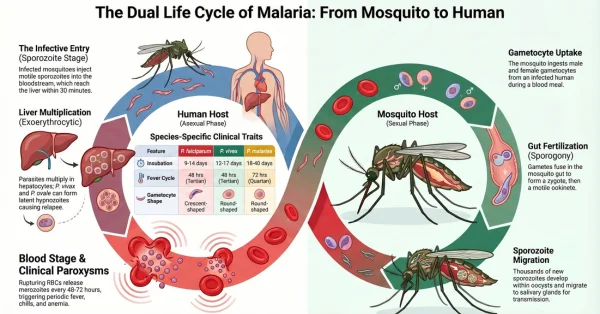
Malaria is still considered the most pathogenic infectious disease globally. In medical exam aspirants, the life cycle diagram of malaria is a high-yield concept that is the backbone of numerous microbiology and parasitology questions in entrance examinations such as NEET PG, INI-CET, and FMGE entrance tests.

It not only builds conceptual understanding but also helps in remembering important diagnostic and clinical facts by knowing the life cycle of the Plasmodium parasite through its human host as well as the mosquito vector.

In this blog, we’ll break down the life cycle of the malaria parasite step by step, covering both asexual and sexual phases, clinical correlations, and the critical details often asked in competitive exams. By the end, you’ll have a crystal-clear picture of what happens at each stage of the cycle. Keep reading for a detailed insight.

Introduction to Malaria and Plasmodium

Malaria is a protozoan disease transmitted by the vectors of the Plasmodium parasite. The most common infecting species in humans are:

  • Plasmodium falciparum (most pathogenic)
  • Plasmodium vivax (most common)
  • Plasmodium malariae
  • Plasmodium ovale
  • Plasmodium knowlesi (zoonotic, forthcoming to be reported in Asia)

Transmission happens primarily through the bite of an infected female Anopheles mosquito. Then, inside the human body, the parasite undergoes a series of complex changes, which are best described by reference to the life cycle of the malaria parasite diagram.

This diagram typically illustrates the parasite’s cycle between the human (intermediate host) and the mosquito (definitive host).

Memorisation of this cycle isn’t just an abstract theory; it’s important for diagnosis, treatment, and public health control measures.

Overview of the Malaria Life Cycle

The diagram of the malaria cycle can be generally divided into two phases:

Asexual Stage (Human Host)

  • Starts when sporozoites infect the human blood upon a mosquito bite.
  • Encompasses the liver and red blood cell stages.
  • Cause clinical symptoms.

Sexual Stage (Mosquito Host)

  • Starts when gametocytes are taken up by a mosquito during a blood meal.
  • Encompasses gamete union, zygote formation, and sporozoite development.
  • Generate transmission to a new human host.

The Plasmodium life cycle diagram illustrates how the infection cycle repeats and that two hosts are needed to perpetuate the disease.

Infective Stage – Entry of Sporozoites

The infective phase for humans is the sporozoite. It starts when a human gets bitten by an infected female Anopheles mosquito, which injects sporozoites into the bloodstream through saliva. This is a moment of drastic action because even a couple of sporozoites is enough to induce infection.

These narrow and motile sporozoites travel to the liver in approximately 30 minutes. They penetrate the hepatocytes with the help of specific surface receptors. This rapid motion allows the parasite to evade early immunity and establish its infection quietly.

Important Points to Remember:

  • Infective stage: Sporozoite
  • Route: Mosquito bite → blood → liver
  • No symptoms at this stage.

Exoerythrocytic (Liver) Schizogony

After they enter the hepatocytes, the sporozoites transform into trophozoites, which then develop in numbers through asexual multiplication (schizogony). This results in the formation of thousands of merozoites per infected liver cell.

This whole process is referred to as exoerythrocytic schizogony since it takes place outside the red blood cells. The liver stage is asymptomatic, i.e., the patient does not show any clinical presentation during this stage.

  • Duration: Typically 5 – 15 days (species specific)
  • P. vivax and P. ovale are capable of developing into hypnozoites, latent forms in the liver that become active weeks or months later to produce relapse.
  • The hepatocytes burst after maturation and release merozoites into the blood.

This phase is a target for chemoprophylaxis. Drugs such as primaquine are effective against hypnozoites to avoid relapse.

Erythrocytic (Blood) Schizogony

Following liver schizogony, merozoites infect RBCs, marking the onset of the erythrocytic cycle. Merozoites develop to trophozoites within RBCs, which further mature to schizonts. Schizonts harbour a humongous number of merozoites that are eventually released upon rupture of the infected RBC.

This cycle of periodic invasion, reproduction, and disruption happens about every 48 hours in P. vivax and P. falciparum (72 hours in P. malariae), to create paroxysmal fever, thus defining symptoms of malaria.

Key events at this stage:

  • Merozoite invasion of RBCs
  • Trophozoite → Schizont → Merozoite
  • RBC rupture → fever, chills, anaemia

Formation of Gametocytes

While most merozoites complete asexual cycles, some mature into sexual forms, known as gametocytes:

  • Macrogametocytes – Female
  • Microgametocytes – Male

The gametocytes do not cause symptoms but are essential in transmitting the disease. They are disseminated in the blood and ingested by another mosquito while feeding on blood.

  • Gametocytes in P. falciparum are crescent-shaped.
  • Other species’ gametocytes are oval or spherical.
  • Development time is dependent upon the species (e.g., longer in P. falciparum).

Although the symptoms may improve, gametocytes remain present in the blood, rendering patients reservoirs for transmission.

Sexual Cycle in the Mosquito – Sporogony

Upon arrival in the mosquito gut, the gametocytes enter a sophisticated process of sexual reproduction, which allows the parasite to resume its life cycle and infect other hosts:

  • Gametogenesis: The gametocytes ingested by the mosquito develop into mature male and female gametes.
  • Fertilisation: Then the gametes fuse to produce one zygote that signifies the beginning of the development of the parasite within the mosquito.
  • Ookinete Formation: The elongating zygote forms a motile ookinete that invades the gut wall of the mosquito cleverly.
  • Formation of Oocyst: Once they have traversed the gut wall successfully, the ookinete develops into an oocyst on the outside surface.
  • Sporogony: Within the protected oocyst, several divisional cycles lead to the formation of thousands of sporozoites.
  • Migration: After maturing, the sporozoites migrate to the salivary glands of the mosquito, ready to be transmitted.

With this subsequent mosquito bite, the infective sporozoites are being transmitted to a new human host, finishing the Plasmodium life cycle diagram and starting another infection cycle.

Salient Features of the Malaria Life Cycle

To make the simplified malaria life cycle graphic easier to memorise and remember for exams or clinical practice, it is helpful to emphasise key major biological checkpoints and critical stages:

  • The parasite’s definitive host is the female Anopheles mosquito, which reproduces sexually.
  • Humans serve as intermediate hosts for asexual proliferation.
  • Sporozoite is injected into the circulation through an insect bite.
  • Trophozoites and schizonts are detected on a peripheral blood smear.
  • The pre-erythrocytic phase is characterised by asymptomatic liver function.
  • The erythrocytic phase, which is the phase of RBC breakdown that causes fever and chills.
  • Sporogony occurs in the mosquito’s intestines after consumption of gametocytes.

Clinical Manifestations Linked to the Life Cycle

Clinical presentation of malaria is closely associated with all phases of the life cycle of the parasite, both because of direct parasitic injury and host immunity:

  • Incubation Period: Dependent upon species; usually 10-15 days following entry of sporozoites. Occasionally longer in P. vivax and P. ovale because of latent liver stages.
  • Prodromal Phase: Non-specific symptoms such as malaise, headache, myalgia, and lethargy may precede the development of fever.
  • Paroxysms of Fever: Happens as a result of synchronised RBC destruction and massive cytokine release, frequently in the form of recurring chills and rigours.
  • Anaemia and Splenomegaly: Usually due to the consequences of hemolysis, immune destruction, and enhanced spleen activity.
  • Complications: More frequent with P. falciparum due to extreme parasitemia, which can result in cerebral malaria, renal failure, ARDS, or shock.

This progression of symptoms follows parasite multiplication, and so knowledge of the life cycle is required to make an early diagnosis and initiate treatment.

Species-Specific Variations in the Life Cycle

Here are the species-specific variations in the life cycle:

FeatureP. falciparumP. vivaxP. malariaeP. ovale
Incubation Period9-14 days12-17 days18-40 days16-18 days
Hypnozoite FormationNoYesNoYes
Fever Pattern (Periodicity)Tertian (irregular early)Tertian (48-hour cycle)Quartan (72-hour cycle)Tertian (48-hour cycle)
Gametocyte ShapeCrescent (banana)RoundRoundOval
SeverityHigh (malignant tertian, complications common)Moderate (benign tertian)Mild (quartan malaria)Mild (ovale tertian)

How to Memorise the Malaria Life Cycle Effectively?

For the to-be-medics, memorising the simple malaria life cycle diagram is easier by breaking it down lineally, step by step, with the emphasis on maximising long-term memory and recall:

  • Divide the Cycle into Halves: Human host (asexual stage) and mosquito host (sexual stage).
  • Mark the Entry and Exit Points: Sporozoite entry in human and gametocyte exit to mosquito.
  • Practice Active Recall: Draw, label, and verbalise or think the cycle repeatedly.
  • Reinforce with Symptoms and Drugs: This combines theoretical understanding with clinical presentation and treatment.
  • Use Spaced Repetition: Spacing repetition of study at regular, increasing time intervals for enhanced retention.

Summary Table of Malaria Life Cycle Stages

The table below represents the summary of malaria life cycle stages:

StageHostSiteProcessOutcome
Sporozoite EntryHumanSkin → Blood → LiverInfection initiationSporozoite infects hepatocytes
Liver SchizogonyHumanLiverAsexual multiplicationMerozoites are released into the blood
Erythrocytic SchizogonyHumanRBCMerozoite invasion, trophozoite → schizontFever, anaemia, parasitemia
Gametocyte FormationHumanRBCDifferentiationInfective stage for mosquitoes
Gametogenesis & FertilisationMosquitoMidgutSexual reproductionZygote and ookinete formation
SporogonyMosquitoGut wall, salivary glandsSporozoite developmentReady for transmission to another human

FAQs about Malaria Life Cycle

  1. During which stage of malaria is the human infected?

The infectious stage is the sporozoite, spread by the bite of an infected female Anopheles mosquito.

  1. When do the clinical symptoms occur during the stage of malaria?

Stage of erythrocytic schizogony (blood stage) results in fever, anaemia, and all other symptoms because of rupture of RBCs.

  1. Which species of Plasmodium result in relapse?

P. vivax and P. ovale have hypnozoite stages in the liver that may recur after months.

  1. Why is the mosquito the definitive host of malaria?

Because sexual reproduction (sporogony) takes place in the gut of a mosquito, the mosquito is the definitive host.

  1. How do students memorise the life cycle of malaria efficiently?

Break it down into two cycles, employ mnemonics, active recall, and spaced repetition.

Conclusion

The life cycle diagram of malaria presents one of the most important parasitological concepts to medical students. Learning each step, from entry of sporozoite to gametocyte development and transmission to the mosquito, not only prepares for exam questions but also forms a basis for clinical and public health principles.

A firm understanding of this cycle allows future physicians to comprehend trends in disease, relate symptoms to phases, and use specific interventions efficiently. For added support, DocTutorials offers high-yielding Qbank, interactive live sessions with hardcopy workbooks, and PYQ recall videos, ensuring medical students unlock their true academic potential.

Join DocTutorials and explore our NEET PG course to excel in your medical journey today!

NEET PG Online Live Power Pack
DocTutorials App Download Now

Latest Blogs

Microbiology Sterilisation Methods: Classification, Importance & More

Microbiology Sterilisation Methods

Sterilisation is one of the most foundational topics in medical microbiology. It keeps all living germs, including spores, out of instruments, media, dressings, and other critical equipment or devices in labs, clinics, and hospitals. These procedures help future medical professionals protect patients, maintain the integrity of the lab, and meet stringent infection control requirements.

Sterilisation is not just a theory for medical aspirants in preclinical years or for NEET PG preparation; it is a useful barrier against infection and a topic that is well covered in tests. 

Keep reading this guide to learn about the different types of sterilisation methods, their importance in medicine, and other crucial aspects!

What is Sterilisation?

The word “sterilisation” refers to the total eradication or elimination of all microbial life, including resistant bacterial spores. It is particularly essential in instruments that pierce or prick the skin, enter sterile body surfaces, or are used in diagnostic microbiology. It is different from disinfection, which kills microbes but not to absolute sterility.

This is an important process in clinical practice, where a single contaminant can jeopardise the safety of the patient, create hospital-acquired infection, or nullify laboratory test results.

Classification of Sterilisation Methods

The methods of sterilisation are classified according to how microbes are destroyed or eliminated. It is used in determining the best-suited way for different instruments and materials.

There are three major methods of sterilisation: 

  1. Physical Sterilisation Methods

Physical methods are one of the most frequent modes of sterilisation for healthcare and laboratory practice due to their increased efficacy, predictability, and absence of toxic residues. Microorganisms are eliminated by physical agents like heat, filtration, and radiation. 

Each process possesses an action mechanism, a range of parameters, and a suitable application depending on the material to be sterilised.

Let us learn each of these approaches in detail:

  1. Heat Sterilisation

Heat sterilisation achieves its effect through denaturing proteins, oxidation of vital cellular components, and cell membrane disruption, which eventually kills microorganisms such as spores. It is effective and widespread due to the ease with which it can be standardised and controlled.

There are two primary types of heat sterilisation:

  • Moist Heat Sterilisation

Moist heat sterilisation is a standard procedure at hospitals and laboratories. Pressurised steam for high-velocity and uniform sterilisation is utilised. Moist heat is superior to dry heat since steam is an excellent heat energy conductor and can penetrate easily through materials.

Principle

The heat-moisture brings about denaturation and immunisation of microbial proteins, leading to irreversible harm and cell death. As water is a better heat conductor than air, the process continues faster and at lower temperatures than dry heat.

Standard conditions for routine autoclaving are as follows:

  • Temperature: 121 °C
  • Pressure: 15 psi
  • Exposure Time: 15–20 minutes

The conditions are well controlled for effective sterilisation. Modern autoclaves are equipped with onboard sensors and digital displays to ensure accuracy.

Applications

Moist heat sterilisation is common in pressure- and steam-resistant equipment. These include:

  • Surgical instruments and dressings which must be sterile to avoid infection of surgical wounds.
  • Microbiology laboratory culture media that need to be free from contamination before inoculation.
  • Linens and rubber products, which need to be sterilised without destruction.

Advantages

Moist heat sterilisation is rapid, efficient, and economical. It is nontoxic and can be used for most general routine sterilisation requirements.

Limitations

Although it is advantageous, moist heat cannot be used on materials that are susceptible to damage by moisture or deteriorate at elevated temperatures, including powders, oils, and some sensitive instruments.

  1. Dry Heat Sterilisation

Dry heat Sterilisation is a significant alternative for materials intolerant of moisture but that can withstand elevated temperatures. It uses hot air, usually in the form of a hot air oven, to destroy microorganisms through mechanisms of oxidative processes.

Principle

Dry heat kills microorganisms by oxidative breakdown of cellular components and protein denaturation. It differs from moist heat in that it employs higher temperatures and longer periods to provide the same sterility.

Typical parameters:

  • 160 °C for 2 hours or
  • 170 °C for 1 hour

Applications

Dry heat sterilisation is especially convenient for:

  • Glass equipment, like test tubes, Petri plates, and pipettes that are not affected by high temperatures.
  • Metal equipment, such as surgical instruments, that do not corrode or rust when dried.
  • Powders and oils that cannot be sterilised by steam because they are hydrophobic.

Advantages

The process is best for moisture-sensitive materials, prevents corrosion of equipment, and is fairly easy to accomplish in most laboratory environments.

Limitations

Dry heat sterilisation has a longer cycle time than moist heat and may be less uniform in heat distribution. The uneven heating may lead to incomplete sterilisation if procedures are not strictly followed.

  1. Filtration Sterilisation

Filtration is especially helpful in sterilising heat-sensitive solutions in which the heat will destroy the active agents. Rather than destroying microorganisms, filtration removes them from liquid or air by passing fluids or air through filters with extremely fine pores.

Principle

Since the solution is pushed through the filter, microorganisms are caught because their size is larger than the pores of the filter. This works to render the resulting filtrate bacteria- and other foreign particle-free.

Types of widely used filters:

  • Membrane Filters (0.22 µm): These are regularly employed to eliminate bacteria from heat-labile solutions such as sera and antibiotics. They are disposable and yield reproducible filtration data.
  • HEPA Filters: High-efficiency particulate air (HEPA) filters will remove 99.97 % of suspended particles in the air ≥0.3 µm and are used in clean rooms, laminar flow hoods, and operating theatres to give aseptic conditions.
  • Seitz Filters: Asbestos or equivalent depth filters. Though previously widely available, they have largely been displaced by membrane filters because of issues of safety and efficiency.

Applications

Sterilisation by filtration is essential in:

  • Vaccine and antibiotic production, where biological activity is to be preserved.
  • Sterilisation of air in laminar flow cabinets, ICUs, and operating rooms to create asepsis during critical procedures.

Advantages

This technique is suitable for temperature-sensitive compounds and does not disturb the chemical stability of the solution. This is also a fast technique and does not involve exposure to harmful chemicals.

Limitations

Filters are unable to trap viruses or bacterial toxins with a size smaller than the pore size, and they necessitate rigorous aseptic procedures upon use to avoid contamination following filtration.

  1. Radiation Sterilisation

This is a very effective terminal process of sterilisation, especially ideal for products that cannot be exposed to heat or moisture. It employs high-energy radiation to cause damage to the microbial DNA, making them unable to reproduce and ultimately causing cell death.

Principle 

Both non-ionising and ionising radiations cause damage to microbial DNA and other cellular structures. Ionising radiation possesses penetrating power and can be utilised for sterilising bulk material, while non-ionising radiation can be utilised for surface as well as air disinfection.

Form of Radiation

  • Ionising Radiation: Gamma rays (Cobalt-60) and electron beams. It is very penetrative in nature, can be used to target any type of microorganism, and is extensively used in industrial sterilisation plants.
  • Non-ionising Radiation: Mainly ultraviolet (UV) light, which forms thymine dimers within DNA, blocking replication. UV has limited penetration but is utilised to sterilise surfaces and air within a contained environment.

Applications

Gamma radiation is applied extensively for the bulk sterilisation of disposable medical devices like syringes, catheters, gloves, and IV sets.

UV radiation is utilised daily to sterilise air and surfaces within microbiology labs, biosafety cabinets, and operating rooms.

Advantages

No heating is needed in radiation sterilisation, which is applicable to sensitive materials. It is suitable for bulk sterilisation and is very reliable when done under controlled conditions. 

Limitations

There is limited penetration with UV radiation, and it is only suitable for surface application. Gamma irradiation is very efficient but needs specialised machinery and strict precautionary measures, making it less convenient for small-scale operations. 

          2. Chemical Sterilisation Methods

Where wet or dry heat physical processes are impossible to implement, most notably where sensitive or heat-damaged materials are involved, chemical agents are a certainty. These processes are most useful in sterilising medical equipment made of plastic, rubber, or other sensitive materials that cannot withstand high heat. 

Chemical sterilisation is equally critically important in infection control in healthcare settings, able to promise sterility without compromising the integrity of sensitive equipment.

  1. Ethylene Oxide Gas

Ethylene oxide (EtO) gas sterilisation is among the most common chemical sterilisation methods used in healthcare centres.

Principle

Ethylene oxide alkylates proteins and nucleic acids of microorganisms. The process damages the shape of DNA and essential enzymes, ultimately destroying the germ. EtO can penetrate even the deepest surfaces due to its high penetrative power.

Applications

EtO sterilisation is effective, especially if the equipment is not resistant to heat. It is frequently used to sterilise catheters, heart-lung machines, plastic instruments, and other intricate medical equipment. These types of items have complex pieces that make conventional methods of sterilisation undesirable.

Advantages

One of the principal strengths of EtO is its penetration ability, which is extremely high and enables it to sterilise the equipment even through packaging. It is also possible to apply it at lower temperatures, thereby making it more suitable for sensitive and temperature-sensitive equipment. This makes it a primary sterilisation method in hospitals and pharmaceutical companies.

Limitations

Though successful, EtO sterilisation is not without serious disadvantages. The gas is hazardous to humans and therefore requires strict handling and instrument aeration following sterilisation to avoid residues. The process also falls short in terms of cost and time, with increased cycle times and post-sterilisation ventilation usually required. Its application, therefore, requires rigorous safety measures and competent staff.

  1. Formaldehyde and Glutaraldehyde

Two other chemical sterilising agents that are commonly used in healthcare are formaldehyde and glutaraldehyde. Both are very powerful antimicrobial chemicals with broad-spectrum activity.

  • Formaldehyde: Formaldehyde can be applied in both liquid and gas forms. It is most frequently applied for fumigation of operating rooms, cabinets, and rooms. Formaldehyde is rather effective but always needs to be utilised with proper ventilation, since its vapours are irritating and toxic to mucous membranes.
  • Glutaraldehyde (2% solution): Glutaraldehyde is commonly applied as a cold disinfectant for sensitive equipment like endoscopes, bronchoscopes, and other heat-labile devices. The equipment is immersed in the solution for a few minutes for sterilisation.

Principle

Glutaraldehyde and formaldehyde act by cross-linking microbial nucleic acids and proteins. They interfere with essential cell functions and cause the death of bacteria, fungi, viruses, and even certain spores.

Advantages

These agents are efficient and can sterilise equipment without subjecting it to heat. They have wide antimicrobial activity that makes them effective for critical medical equipment and environmental disinfection.

Limitations

The two agents, however, are toxic and irritating and require careful handling and adequate personal protective equipment (PPE). Their application must be in accordance with standard infection control principles to ensure effectiveness and safety.

  1. Hydrogen Peroxide Plasma

It is a new low-temperature sterilising technique that is increasingly being used in high-precision medical settings and sophisticated operating rooms.

Principle

Free radicals are produced when hydrogen peroxide vapour is converted into plasma throughout the procedure. Due to their high reactivity, free radicals swiftly break down proteins, nucleic acids, and microbial cell walls, exposing surfaces to complete disinfection.

Applications

For complex surgical devices like laparoscopes, cameras, and other temperature-sensitive equipment, this method works well. The treatment preserves the functional integrity of sensitive and advanced devices used in minimally invasive operations since it is conducted at low temperatures.

Advantages

Hydrogen peroxide plasma supports quick sterilisation cycles, which is indeed quite useful in busy, high-activity operating rooms where turnaround time is of the essence. Additionally, it does not deposit any toxic residues, and therefore, it is environmentally friendly and safer for handling by medical professionals. Its compatibility with a vast range of materials typically used in contemporary medical devices is another advantage.

Limitations

Despite its effectiveness, this method can only be used on solid devices. It cannot be used to sterilise liquids or powders. Furthermore, the cost of the equipment required to perform plasma sterilisation may make it less practical for smaller healthcare facilities.

     3. Physico-Chemical Sterilisation Methods

Physico-chemical sterilisation methods fill the gap that lies between chemical and physical methods. They are most appropriate for those products that are resistant to intense heat or chemical concentration when applied individually. 

By the addition of slight heat accompanied by chemical action or employing heat at below-boiling temperatures, these methods provide efficient microbial control without destroying sensitive biological fluids and equipment in the laboratory.

  1. Pasteurisation

Pasteurisation is the oldest but most common physico-chemical technique of sterilisation. It was eponymously named after Louis Pasteur, who first conceived it to stop beverages such as milk and wine from spoiling, but the process has been applied to many medical and laboratory liquids.

Principle

The process operates by heating liquids to sub-boiling temperatures, high enough to kill the greater portion of vegetative forms of pathogenic microorganisms but low enough to maintain the fluid’s necessary properties, such as taste, nutritional value, and functional properties. This benefits from being maximally appropriate for the sterilisation of delicate materials for boiling or autoclaving.

Methods

Two main methods are employed:

  • The Holder Method: It is an older method in which the fluid is heat-shocked for 30 minutes at 63 °C. The longer time is adequate for the effective killing of most vegetative bacteria and some viruses.
  • Flash Method: It is a new method in which the fluid is first heated to 72 °C for 15 seconds and then rapidly cooled. It is faster, uses less energy, and is more effective in maintaining delicate constituents of the fluid.

Both are designed to decrease microbial load to safety levels without changing the structural or chemical makeup of the liquid. Neither will destroy spores, though, which is why pasteurisation is technically a form of disinfection and not a procedure of complete sterilisation.

Applications

Pasteurisation is widely utilised in milk, serum, and other heat-sensitive biological fluids. Clinically, it is most beneficial when sterility is required, but simultaneously, the activity of some proteins or enzymes is to be retained as well.

Limitations

The only significant disadvantage of pasteurisation is that it cannot kill bacterial spores. It has therefore never been used as a terminal process in critical medical usage. Proper temperature control and handling must also be observed to be effective because if the pathogens are not properly heated, they survive.

  1. Tyndallization

Tyndallization or periodic sterilisation is a very old physico-chemical method. Although not commonly employed in laboratories today, it remains a useful concept for the teaching of principles of sterilisation.

Principle

Tyndallization is performed by heating the material at 100 °C for 20 minutes for three successive days with incubation gaps in between. The rationale behind it is simple but powerful. 

The first heat kills the vegetative cells, and the spores present are given time to germinate during the incubation time. The next heating cycles then kill these freshly germinated microbes. During a cycle, this process vastly enhances the chances of obtaining sterility without exposing the material to extreme conditions.

Applications

Tyndallization is especially found to be useful in order to sterilise culture media with heat-labile components, like sugars, gelatine, or serum proteins, which can be inactivated at autoclaving temperatures. In early microbiological practices, nutrient media were required to be prepared by this process, as it safeguarded their integrity.

Limitations

While effective, tyndallization is slow and time-consuming, needing close temperature control as well as frequent manipulation. It has fallen into disuse with the development of more efficient and mechanised sterilisation procedures. However, it is still valuable for educational purposes in order to investigate microbial resistance and the need to target vegetative cells and spores.

Why Sterilisation Matters in Medicine?

Sterilisation is more than a technical process; it’s the foundation of infection prevention in every healthcare environment. You can observe its applicability in operating theatres, laboratories, and public health centres, and hence it is a subject that you will encounter multiple times in entrance examinations.

Here’s why it matters:

  • Prevention of Healthcare-associated Infections (HAIs)

HAIs may be caused by contaminated instruments, surfaces, or even the air. Correct sterilisation techniques go a long way towards preventing this.

  • Correct Diagnostic Results

In microbiology labs, even a small contamination can change culture outcomes, resulting in misdiagnosis or inappropriate antibiotic prescription.

  • Safe Clinical and Surgical Practice

From surgery stitches to laparoscopic surgery, sterilised equipment is the guarantee of patient safety and rapid recovery.

  • Pharmaceutical Production and Vaccine Storage

Sterilisation units are required to produce injectables and biologics free from contaminants.

  • Regulatory Compliance

Hospitals and laboratories must adhere to sterilisation protocols provided by the WHO, CDC, and national accrediting bodies to obtain a licence and win patients’ confidence and trust.

Sterilisation vs Disinfection vs Antisepsis

FeatureSterilisationDisinfectionAntisepsis
Microorganisms KilledAll, including sporesMost, except sporesVegetative forms only
Common AgentsAutoclave, EtOAlcohol, phenolChlorhexidine, iodine
UseInstruments, mediaSurfacesLiving tissues

Monitoring and Validation of Sterilisation

Successful sterilisation demands regular, documented surveillance to create patient safety, infection prevention, and regulatory compliance.

  • Biological Indicators

These hold very resistant bacterial spores (e.g., Geobacillus stearothermophilus). It is usually extremely difficult to easily remove such spores, and a failure to kill them, therefore, indicates a failure of the sterilisation process.

  • Chemical Indicators

Chemical strips or autoclave tapes change colour when exposed to valid sterilisation conditions and provide rapid visual verification of cycle adequacy.

  • Mechanical Monitoring

Continuous record and documentation of pressure, temperature, and time help in ensuring that every cycle meets the provided parameters.

Precautions and Limitations of Sterilisation

Despite their efficiency, sterilising procedures have practical limits that regulate their actual use and ways of use:

  • Material Compatibility

Moist heat is unsuitable for powders or oils, whereas ethylene oxide (EtO) works well for delicate plastics, catheters, and other sensitive instruments.

  • Toxic Residues

Certain chemical sterilants must be properly aerated or neutralised after sterilisation before usage.

  • Cost and Infrastructure

Since therapies like gamma irradiation are specialised and require specialist facilities, trained people, and stringent regulatory oversight, they are more expensive to run.

FAQs about Microbiology Sterilisation Methods

  1. What is the most effective method of sterilisation? 

Autoclaving in microbiology is the standard for most instruments (121°C, 15 psi, 15–20 minutes), as it is capable of killing even resistant spores.

  1. Why is filtration used for sterilising some solutions?

Filtration is ideal for heat-sensitive liquids like sera and antibiotics. It kills microbes without altering the chemical composition of the liquid.

  1. How is UV sterilisation done?

UV light kills microbial DNA and hence is used for air and surface disinfection, but with superficial penetration.

  1. Is pasteurisation an example of sterilisation?

Pasteurisation minimises microbial load but not spores. It is a physico-chemical process, not complete sterilisation.

  1. Why is it important to monitor sterilisation?

Indicators confirm if the sterilisation cycle was effective, promoting patient and lab health.

Conclusion

Sterilisation isn’t just a laboratory process; it’s one of the most crucial safeguards in the medical sphere. It ranges from safeguarding operations and surgeries against infection to providing reliable laboratory test results and producing sterile vaccines. Its uses are manifold. 

Understanding sterilisation techniques, their fundamental principles, parameters, and limitations provides medical students with a sound academic and clinical platform.

For INICET, NEET PG, and MBBS aspirants, this subject provides conceptual clarity along with scoring potential. Additionally, a systematic and integrated study through platforms like DocTutorials, offering video lectures, mock tests, live sessions, and more, takes exam preparation to the next level. Check out DocTutorials’ NEET PG course today!

NEET PG Online Live Power Pack
DocTutorials App Download Now

Latest Blogs

INI CET 2026 Registration: Application Process, Dates, Eligibility & Exam Day Guidelines

INI CET Registration | DocTutorials

For thousands of medical graduates in India, the Institute of National Importance Combined Entrance Test (INI CET) represents the gateway to postgraduate dreams. Conducted by the AIIMS New Delhi, this national-level entrance examination offers admission to MD, MS, DM (6 years), MCh (6 years), and MDS courses at various prestigious institutions. 

The AIIMS INI-CET May 2026 admit card will be released on 9th May 2026, approximately one week before the exam date of May 16, 2026.

With the INI CET July 2026 session approaching, aspirants need a clear understanding of the application process, eligibility, important dates, and preparation strategies to succeed. This guide will take you through the INI CET registration process in detail, along with the important dates and exam day guidelines to boost your chances of success.

INI CET Registration Process: Step-by-Step

Aspirants can submit their applications for the AIIMS INI CET Exam 2025 via the official portal of AIIMS. The AIIMS INI-CET July 2026 session admit card will be released on 9th May 2026 as per the official admission notice and will be uploaded on the AIIMS website at aiimsexams.ac.in.

The application procedure is detailed below for your convenience:

Step 1: Navigate to the official AIIMS website. Click on the link for the AIIMS INI Common Entrance Test. 

Step 2: Select ‘New Registration’ and complete the registration process by entering the necessary information. Your registration number and password will be sent to your email.

Step 3: Log in using the credentials provided after registration. Then, fill out the AIIMS INI CET application form diligently. 

Step 4: Verify the entered information for accuracy. Save your particulars and continue.

Step 5: Upload your photograph, signature, and any other required documents in the specified format, as instructed.

Step 6: Pay the application fee according to your category and submit the application form.

Step 7: Print a hard copy of the completed application form for your records and future reference.

INI CET Registration Fees and Applicable Charges

Here are the key terms and conditions regarding the applicable registration fees for the INI CET examination:

  • Candidates with disabilities (PwBD) are not required to pay the examination fee.
  • The application fee for INI-CET is set at ₹4000 and ₹3200 for General/OBC Candidates, Foreign Nationals/OCI applicants, and SC/ST/EWS applicants, respectively.
  • The application form will be considered successfully submitted only after the payment of the application fee, which must be completed at the final step of the online INI CET application process.

INI CET July 2026: Important Dates

The INI CET July session is scheduled to be conducted by AIIMS on May 16, 2026, and the admit card will be released on 9th May 2026. For admission into postgraduate medical courses at JIPMER, AIIMS, NIMHANS, and other notable institutes of national importance. Below is the timeline of important events:

EventDate
INI CET Registration Date March 28, 2026
Registration DeadlineApril 25, 2026, by 5:00 PM
Admit Card ReleaseMay 9, 2026 (Saturday)
INI-CET Exam (July Session)May 16, 2026
Result DeclarationMay 23, 2026
Open Round Registration and Choice FillingDate yet to be announced
Open Round Seat Allotment ResultDate yet to be announced

Note: These dates are subject to change. Hence, stay updated and check the announcements made by the AIIMS on their official portal. 

INI CET Examination: Eligibility Criteria

To be eligible for the INI CET 2026 examination, candidates must meet certain criteria, including holding an MBBS degree or a BDS degree. Applicants must also have completed his/her internship by the time they apply for the INI CET.

  • Indian citizens, OIC, or foreign nationals are permitted to participate in this examination.
  • The applicants must complete an MBBS degree for MS/MD/DM-6yrs/MCh-6yrs/MD (Hospital Administration) and a BDS degree for MDS from a recognised university.
  • For candidates belonging to the general category, the minimum required marks are set at 55%.
  • The minimum marks requirement is lowered to 50% for candidates from SC/ST backgrounds.
  • To gain admission into the postgraduate programme, candidates must have completed a 12-month rotating internship.

INI CET 2026: Exam Pattern 

Apart from understanding the registration process, it is equally crucial to comprehend the exam pattern and format to ensure seamless preparation. The table displays the key aspects of the examination:

FeatureDetails
Exam ModeOnline (Computer-Based Test)
Exam Duration3 hours (180 Minutes)
Exam Date (July Session)May 16, 2026
Total Questions200 
Question TypeMultiple Choice Questions (MCQs) and Single/Multiple Correct Options
Marking Scheme+1 for Correct Answer,  -1/3 for Incorrect Answer
LanguageEnglish Only

INI CET Exam Day Guidelines

Understanding the INI CET examination guidelines plays a vital role in ensuring a flawless exam experience, enabling candidates to stay well-prepared and organised on the exam day. Here are the exam day instructions issued by AIIMS that all candidates must follow:

  • Candidates are required to bring the original printout of the admit card, two passport-sized photographs, a valid photo identification (such as PAN, Aadhaar, Voter ID, Driving Licence, or E-Aadhaar), and a copy of the MCI Registration Certificate if applicable.
  • Candidates are advised to arrive at the examination hall punctually to facilitate the verification without facing any last-minute hassles.
  • There is no requirement to affix a photograph on the admit card.
  • The details on the admit card needed to correspond with the identification proof, as any discrepancies could result in the cancellation of the candidature.
  • Items including mobile phones, calculators, smartwatches, stationery, books, bags, wallets, food, and water bottles are strictly forbidden inside the examination hall.
  • Adherence to the instructions provided by the invigilators is essential to prevent disqualification.

FAQs About INI CET 2026 Registration

  1. What is the qualifying percentile for INI CET 2026?

The cut-off percentile for INI CET 2026 has been set at the 50th percentile and around the 45th percentile for UR/EWS category candidates and OBC/SC/ST/PwBD candidates, respectively, with a few variations as per the official announcement.

  1. What are the INI CET 2026 Exam Dates and Admit Card Release Dates?

The AIIMS INI-CET July 2026 session admit card will be released on 9th May 2026, approximately one week before the exam date of May 16, 2026, as per the official admission notice and will be uploaded on the AIIMS website at aiimsexams.ac.in.

  1. Can students bring a pen or a calculator to the INI CET examination centre?

No, pens, calculators, and all stationery-type items are stringently prohibited since the examination is computer-based.

  1. Can students leave the examination hall early if they complete the INI CET exam before the time?

No, early exit is prohibited in the INI CET exam; candidates must stay in the examination hall until the test ends at 12:00 PM.

  1. What is the reporting time and schedule for the INI CET 2026 July session test?

The candidates need to reach their designated INI CET 2026 examination centre at 7:00 AM for compulsory verification processes such as digital photography and thumb impression. The entry will close strictly by 8:45 AM, while the test will start at 9:00 AM and continue until 12:00 PM. Latecomers will not be entertained.

  1. What should I carry on the INI-CET exam day, and what are the specifications?

Carry a printed admit card, a valid photo ID, and photographs as per brochure specifications. Ensure the photo and ID match the details uploaded during registration to avoid issues at entry. Always check the latest admit-card advisory.

  1. What documents are needed for INI-CET counselling and choice-filling?

You need your degree or provisional certificate, internship completion certificate, medical registration, category/PwD certificates if applicable, photographs, and a valid ID. Keep scanned PDFs ready and prepare a ranked choice list in advance.

  1. How do I generate and upload the EUC for INI-CET registration?

Complete basic INI-CET registration, then generate the Exam Unique Code (EUC) from the candidate portal. Use this EUC to complete final registration. A fresh EUC is required for each session.

  1. Which topics are high-yield for INI-CET?

Frequently repeated areas include Biochemistry, Surgery, and Microbiology, along with key topics from Medicine, Pathology, and Pharmacology. Analysing previous papers helps prioritise revision and mock-test planning.

  1. How should I structure a 1-month revision plan before INI-CET?

Follow a 70:30 split between revision and weak/new areas, attempt about three full mocks per week, and revise errors daily. Align study hours with the exam time to optimise performance.

Conclusion

The Institute of National Importance Combined Entrance Test (INI CET) is a prestigious national-level examination conducted by the All India Institute of Medical Sciences (AIIMS), New Delhi. This year, the INI CET July session 2026 is among the most important milestones for medical aspirants seeking seats in India’s top institutions.
The AIIMS INI-CET July 2026 session admit card will be released on 9th May 2026, approximately one week before the exam date of May 16, 2026, as per the official admission notice, and will be uploaded on the AIIMS website at aiimsexams.ac.in.
Remember that success starts with a detailed INI CET registration process and well-planned preparation. Stay updated on deadlines, follow each application step carefully, and commit to a smart study plan.

If there is any doubt, consider taking professional assistance from the experts at DocTutorials. We provide exceptional study materials, guidelines, and video lectures to support candidates in their preparation for competitive exams. Begin your preparation with DocTutorials’ INI CET course today and stay ahead in turning your medical career ambitions into reality. 

Enrol now!

NEET PG Online Live Power Pack
DocTutorials App Download Now

Latest Blogs

INI CET Exam Pattern 2027: A Complete Guide with Subject-Wise Weightage

INI CET Exam Pattern 2027: A Complete Guide with Subject-Wise Weightage

The Institute of National Importance Combined Entrance Test (INI CET) is your key to entering some of the most prestigious medical institutes like AIIMS, JIPMER, PHIMER, and NIMHANS. Since it is a highly competitive exam, it’s crucial for aspirants like you to understand the INI CET exam pattern and subject-wise weightage to excel in the exam and achieve your dreams.

While preparing for the INI CET 2026 exam, you can feel overwhelmed at times. With so many subjects, details, and strategies to cover, it’s easy to lose track. That’s precisely why we’re here to break down everything you need to know about the INI CET exam 2026 structure.

INI CET Exam 2027 (January Session) Important Dates

To successfully apply for the INI-CET January 2027 session, candidates must complete three mandatory steps on the official AIIMS portal: 

  1. Basic Registration: Submit your primary details and upload the required images. 
  1. EUC Generation: Generate your Examination Unique Code (EUC) once your basic registration is approved. 
  1. Final Registration: Submit your academic and internship details, select your exam center, and pay the application fee. 

Important Dates (January 2027 Session) 

Event Tentative Timeline 
Official Information Bulletin Release September 2026 
Basic Registration Window September 2026 
EUC Generation & Final Registration October 2026 
Admit Card Download Late October 2026 
INI-CET Examination Date 1st November 2026 (Sunday) 
Declaration of Results 7th November 2026 
Counselling Process Begins December 2026 

(Note: Verify the exact application window dates on the official AIIMS website—aiimsexams.ac.in—once the final notification is published.) 

INI CET 2027 Exam Pattern

The INI-CET exam lasts for 3 hours (180 minutes) and is conducted in a computer-based format (CBT) twice a year. It consists of 200 multiple-choice questions (MCQs) covering the entire MBBS curriculum, including pre-clinical, para-clinical, and clinical subjects. Crucially, the exam is divided into 4 strictly timed sections. You are given exactly 45 minutes to complete each 50-question block. Once a section’s time is up, it locks automatically, and you cannot go back to review or answer missed questions.  

For each correct answer, you are awarded +1 mark. However, incorrect answers lead to a penalty: -1/3 mark is deducted for an incorrect Single Best Answer (SBA), and -1/5 mark is deducted for an incorrect Multiple True-False (MTF) response. No marks are deducted if a question is left unanswered.  

INI-CET Exam Pattern Overview 

Feature Details 
Mode of Exam Computer-based Test (CBT) 
Duration 3 hours (180 minutes) 
Total number of questions 200 MCQs 
Sectional breakdown 4 parts (locks automatically) 
Questions per part 50 questions 
Time per part 45 minutes 
Types of Questions Single Best Answer (SBA), Multiple True-False (MTF) 
Correct answer +1 mark 
Incorrect answer (SBA) -1/3 mark 
Incorrect answer (MTF) -1/5 mark 
Unanswered 0 marks 

INI CET Syllabus 2027

The INI CET Syllabus 2027 comprises a total of three main sections: pre-clinical, para-clinical, and clinical. According to the AIIMS information brochure, the INI CET Syllabus 2027 for the January session exam covers the following subjects:

Pre-Clinical SubjectsPara-Clinical SubjectsClinical Subjects
BiochemistryPathologyObstetrics
PhysiologyMicrobiologyGynaecology
AnatomyForensic MedicinePaediatrics
PharmacologySurgery & Allied Subjects
Community MedicineMedicine and Allied Subjects
Clinical Postings
Community Medicine

INI CET Exam Subject-Wise Weightage Analysis 

There is no official subject-wise question distribution released by AIIMS, but analysing previous years’ papers, especially the latest May 2026 session, gives us a clear idea of how many questions you can expect from each subject. Here is a rough breakdown based on the most recent exam trends: 

Topic Approximate Number of Questions Approximate Weightage 
Medicine (including Dermatology and Venereology) 26 13% 
Surgery (including Orthopaedics and Anaesthesia) 24 12% 
Pharmacology 17 8.5% 
Pathology 17 8.5% 
Obstetrics and Gynaecology 16 8% 
Social and Preventive Medicine (PSM) 15 7.5% 
Microbiology 14 7% 
Paediatrics 12 6% 
Biochemistry 12 6% 
Anatomy 10 5% 
Physiology 10 5% 
ENT (Otorhinolaryngology) 3.5% 
Ophthalmology 3.5% 
Radiodiagnosis and Radiotherapy 3% 
Forensic Medicine 2% 
Psychiatry 1.5% 
Total 200 Questions 100% 

(Note: In recent sessions, AIIMS has significantly increased the weightage of Pharmacology and Pathology through highly integrated, clinical vignette questions. Short subjects like Psychiatry and Forensic Medicine have seen a slight dip in standalone questions but are often combined with Medicine or Pathology vignettes.)

Creating a subject-wise analysis is key to crafting an effective study plan for the INI CET exam. Focus on high-weightage subjects, the ones that contribute the most questions. However, don’t overlook subjects with fewer questions, as they often contain tricky, high-difficulty topics that can significantly impact your overall score.

Make clinical scenarios your priority during practice. Dive into previous years’ question papers to tackle subject-specific MCQs. This will not only sharpen your understanding but also help you get comfortable with the real INI CET Exam pattern.

Conclusion

Success in the INI CET exam requires a solid understanding of the exam pattern and a focused study plan. Prioritize subjects, practice previous years’ papers, and regularly test your speed and accuracy. DocTutorials offers excellent resources, including practice tests and video lectures, to help streamline your preparation, boost knowledge, and improve exam performance, increasing your chances of success.

Latest Blogs

INI CET: Exam Dates, Guidelines, and Question Patterns

INI CET ALL

The Institute of National Importance Combined Entrance Test (INI CET) is a prestigious national-level examination conducted by the All India Institute of Medical Sciences (AIIMS), New Delhi.

It serves as the gateway for admission to postgraduate medical courses such as MD, MS, M.Ch (6 years), DM (6 years), and MDS at premier medical institutions, including AIIMS, JIPMER, PGIMER, and NIMHANS.

With competition increasing each year, aspirants aiming for INI CET May 16, 2026 (July Session) must have a well-structured preparation plan, a deep understanding of the exam pattern, and updated information on important dates and processes. As per the official admission notice, the AIIMS INI-CET July 2026 session admit card will be released on 9th May 2026, and will be uploaded on the AIIMS website at aiimsexams.ac.in.

This guide provides a detailed overview of the INI CET 2026 exam, from key dates to preparation strategies and counselling insights. Keep reading to learn more.

What is INI CET? A Brief Overview

The full form of INI CET is Institute of National Importance Combined Entrance Test. It is a national-level postgraduate medical entrance examination conducted by AIIMS New Delhi on behalf of all INI institutions.

The exam consolidates PG admissions for multiple premier institutes, including:

  • AIIMS (All India Institutes of Medical Sciences)
  • JIPMER, Puducherry
  • PGIMER, Chandigarh
  • NIMHANS, Bengaluru
  • SCTIMST, Trivandrum

The exam is held twice a year, for the January and July sessions.

INI CET November 2026: Important Dates and Events

The INI CET 2026 (July session) will be conducted by AIIMS on May 16, for admission into postgraduate medical courses at AIIMS, JIPMER, NIMHANS, and other institutes of national importance. Below is the tentative timeline of important events.

EventDate
Basic Registration OpensStarts on March 28, 2026
Registration DeadlineApril 25, 2026
EUC Generation & Final Registration WindowApril 25, 2026
Admit Card ReleaseMay 9, 2026 (Saturday)
INI-CET Exam (January Session)May 16, 2026 (9 AM – 12 PM)
Result Declaration23 May, 2026
Open Round Registration & Choice FillingDate yet to be announced.
Open Round Seat Allotment ResultDate yet to be announced.

INI CET 2026: Exam Pattern and Format

AIIMS conducts the INI CET 2026 for admission to postgraduate medical courses across AIIMS, JIPMER, NIMHANS, and other top medical institutes of national importance. Understanding the exam pattern and format is essential for adequate preparation. The table shows the essential aspects of the exam:

FeatureDetails
Exam ModeOnline (Computer-Based Test)
Exam Duration3 hours (180 Minutes)
Exam Date (July Session)May 16, 2026
Total Questions200 (Objective Type)
Question TypeMultiple Choice Questions (MCQs) & Single/Multiple Correct Options
Marking Scheme+1 for Correct Answer, 
– ⅓ for Wrong Answer
LanguageEnglish Only

This objective-based exam tests both factual knowledge and clinical reasoning across all major subjects taught during the MBBS course.

How to Access the INI CET Login Portal?

The INI CET login portal is the official online platform provided by AIIMS, New Delhi, where candidates can manage every step of the exam process—from registration to counselling. Whether you want to fill out the application form, download your admit card, check results, or take part in seat allotment, this portal is your one-stop access point.

Here’s a detailed step-by-step guide to help you log in easily:

  1. Visit the AIIMS Exams Website

Go to the official website: www.aiimsexams.ac.in. This is the only authentic platform to access INI CET-related activities.

  1. Navigate to the Academic Courses Section

On the homepage, click on the “Academic Courses” tab. A list of courses will appear, including undergraduate and postgraduate programs.

  1. Select INI CET

Under the postgraduate courses, choose “INI CET”. Then select the relevant exam session, for example, INI CET July session 2026.

  1. Log in with Your Credentials

Here’s how you can log in:

  • Enter your Registration ID (generated during basic registration).
  • Provide the EUC (Examination Unique Code) for final registration.
  • Enter the password you created during registration.
  • Fill in the captcha code displayed on the screen.
  1. Access Your Dashboard

Once logged in, candidates will be redirected to their personal dashboard. From here, you can:

  • Complete registration or make corrections.
  • Download your INI CET admit card.
  • Check your exam result and scorecard.
  • Participate in counselling, choice filling, and seat allotment.

Note: Always ensure you use the official AIIMS portal to avoid fraudulent links, and keep your login credentials safe for future use during counselling and admission.

Significance of Previous Year Papers: Insights from INI CET May 2025

The INI CET May 2025 exam analysis offers valuable lessons for future aspirants. By reviewing the trends, difficulty level, and subject weightage, candidates can understand how solving previous year papers strengthens preparation and boosts performance.

Here are the insights from INI CET May 2025:

  1. Overall Difficulty

The INI CET May 2025 exam was rated moderately complex by most students. While it wasn’t extremely tough, many questions were designed in a way that tested both conceptual clarity and quick thinking. Tricky framing and close answer choices made it challenging to arrive at the correct option.

  1. Question Style

A considerable number of questions were lengthy and time-consuming, requiring candidates to carefully read and analyse before attempting. This increased the importance of time management skills, which can be practised by reviewing previous papers.

  1. Repetition

Unlike some earlier sessions, there were very few direct repeats of previous year’s questions. However, certain high-yield concepts resurfaced in different formats, showing that while exact repetition is rare, familiar topics remain essential.

  1. Student Perception

Around 63.8% of the candidates felt the exam was moderate in nature, while about 25.5% considered it difficult. This suggests that the paper was balanced, but those with weak foundational knowledge may have found it more challenging.

  1. Question Distribution

Here’s how the question distribution was done:

  • Nearly 57.4% of the paper was concept-based, testing the core understanding of subjects.
  • About 12.8% were clinical scenario questions, requiring practical application of knowledge.
  • Around 29.8% were one-liners, offering quick scoring opportunities for well-prepared students.
  1. High-Weightage Subjects

The maximum focus was given to anatomy, pharmacology, ophthalmology, medicine, and orthopaedics. These subjects contributed a significant number of questions, proving that consistent revision of core medical sciences is crucial.

  1. Low-Weightage Subjects

Fewer questions were asked from preventive & social medicine (PSM), forensic medicine & toxicology (FMT), physiology, surgery, and anaesthesia. While these shouldn’t be ignored, they were less emphasised in this session.

  1. Preparation Insights

Candidates who had solved previous year papers and mock tests were able to handle the exam better. They applied elimination methods for confusing options, managed their time effectively, and were familiar with clinical-style questioning, giving them a decisive advantage.

INI CET Admit Card and Exam Day Guidelines

Understanding the INI CET admit card and exam day guidelines played a crucial role in ensuring a smooth and hassle-free conduct of the November 2025 exam, helping candidates stay well-prepared and organised on the test day.

The AIIMS INI-CET July 2026 session admit card will be released on 9th May 2026 as per the official admission notice and will be uploaded on the AIIMS website at aiimsexams.ac.in.

How Can Candidates Download the INI CET 2026 Admit Card?

The INI CET November 2026 (July session) admit card will be released on 9th May 2026. The admit card will be made available only on the official AIIMS portal, and candidates need to follow these steps:

  • Visit the official website: aiimsexams.org
  • Click on the “Academic Courses” tab.
  • Select “INI CET (MD/MS/MCh (6yrs)/DM (6yrs))” from the course list.
  • Log in using the registration ID, password, and captcha code.
  • The INI CET 2026 admit card appeared on the screen.
  • Candidates were required to check important details such as name, roll number, exam date, time, and venue.
  • Finally, they had to download and print the admit card for exam day verification.

Exam Day Guidelines

Here are the strict exam day instructions issued by AIIMS that all candidates are required to follow:

  • Candidates had to carry the original admit card printout, two passport-sized photographs, a valid photo ID (Aadhaar, Voter ID, PAN, Driving License, or E-Aadhaar), and a copy of the MCI Registration Certificate (if applicable).
  • Details on the admit card were required to match with the ID proof, as any mismatch could lead to cancellation of candidature.
  • Items such as mobile phones, calculators, smartwatches, stationery, books, bags, wallets, food, and water bottles were strictly prohibited inside the exam hall.
  • There was no need to paste a photograph on the admit card, and photocopies were not accepted.
  • Candidates were instructed to report to the exam centre on time to complete the verification and frisking process without delays.
  • Compliance with the invigilators’ instructions was mandatory to avoid disqualification.

Results and Counselling Process of INI CET 2026

The counselling process and results of INI CET 2026 are the final steps in admission, revealing candidate eligibility, seat allocation, and institute assignment based on merit and preferences.

Here are the key details about the INI CET 2026 results and counselling process:

INI CET 2026 Results

  • Declared on the official AIIMS portal.
  • Results are published in the form of a merit list.
  • Candidates must score above the minimum qualifying percentile:
    • 50th percentile for UR
    • 45th percentile for OBC, SC, ST, and PwBD (varies)

Counselling Process

  • Conducted online via AIIMS PG Counselling Portal.
  • Involves multiple rounds:
    • Round 1
    • Round 2
    • Open Round (if seats remain)
  • Candidates need to register, fill out preferences, and lock their choices.
  • Seat allotment is based on rank, preferences, and availability.
  • Selected candidates must report with documents and join on time to avoid seat forfeiture.

FAQs about INICET 2026

  1. What documents are required during counselling for INICET 2026?

Candidates must submit their admit card, result or scorecard, MBBS degree or provisional certificate, internship completion certificate, category certificate (if applicable), and valid ID proof.

  1. What will be the qualifying percentile for INICET 2026?

The cutoff percentile for INICET 2026 is expected to be set at the 50th percentile for UR/EWS category candidates and around the 45th percentile for OBC/SC/ST/PwBD candidates, with some variation as per the official announcement.

  1. How many seats were offered through INICET 2025 (May)?

The exam provided admission to nearly 1,300+ MD/MS/DM/MCh/MDS seats in AIIMS, JIPMER, PGIMER, and NIMHANS.

  1. How long is the INICET 2026 score valid?

The INICET score for the July Session is valid only for the July 2026 admission cycle. It cannot be carried forward to the following year.

5. Is INI-CET revision more important than reading new topics?

Yes. Multiple revisions are crucial for retention and performance, especially during the final months before the exam.

6. What is the exam pattern of INI-CET?
INI-CET is a computer-based test consisting of multiple-choice questions. The exam assesses clinical knowledge, problem-solving ability, and conceptual understanding.

7. How should I start preparing for INI-CET?
Begin with a thorough understanding of the syllabus, strengthen core clinical subjects, follow standard textbooks, and maintain a structured study plan with regular revisions.

8. Are mock tests important for INI-CET preparation?
Yes. Regular mock tests help improve time management, accuracy, and familiarity with exam patterns. Each mock should be followed by a detailed performance analysis.

9. Which subjects carry more weight in INI-CET?
Clinical subjects such as Medicine, Surgery, Obstetrics & Gynecology, Pediatrics, and allied branches carry significant weightage.

10. What should I focus on in the last month before INI-CET?
The final month should be dedicated to revision, high-yield topics, mock tests, error analysis, and maintaining exam-day readiness.

Conclusion

Getting the INI CET 2026 results and counselling updates marks a critical milestone for medical aspirants. Reviewing the exam pattern, subject weightage, and previous year papers helps refine preparation for future attempts. Staying informed about official announcements, dates, and processes ensures a smooth admission journey into India’s premier medical institutes.

To make your preparation easier, you can rely on DocTutorials, where you’ll find trusted resources, detailed guidance, and expert mentorship to keep you on track. Stay consistent, practice rigorously, and approach each stage with confidence to secure your place in one of India’s top medical institutions.

Start your preparation with DocTutorials’ INI CET course today and move one step closer to turning your medical career aspirations into reality!

NEET PG Online Live Power Pack
DocTutorials App Download Now

Latest Blogs

INI CET 2026 Subject Wise Weightage & Preparation Guide

Nowadays, students waiting for INI CET 2026 updates do not have to rely only on official notifications. Many institutes and coaching platforms share memory-based questions and discussion forums immediately after the exam. These resources help candidates assess their performance and get an idea of their scores before the results are announced.

The AIIMS INI-CET May 2026 admit card will be released on 9th May 2026 as per the official admission notice, approximately one week before the exam date of May 16, 2026. Candidates can download their hall tickets from the official AIIMS portal at aiimsexams.ac.in.

The All India Institute of Medical Sciences (AIIMS), New Delhi, organises the INI CET for admission into MD, MDS, MS, DM (6 years), and MCh (6 years) programs at top medical institutes.
Because AIIMS does not provide an official answer key, answer updates from coaching institutes based on student feedback become an important resource for analysing the exam.

INI CET Nov: First Insights & Grand Recall | Comprehensive INI CET Analysis & Review

Explore our expert faculty analysis of INI CET Nov! This session provides exclusive insights from the exam, highlights key topics and trends, and offers practical strategies to elevate your preparation. Watch now and jumpstart your revision with guidance from our experienced faculty!

This guide highlights all the essential information about INI CET subject wise weightage exam pattern, marking scheme, and expert insights, so aspirants can prepare and plan with clarity. Keep reading for a detailed insight.

INI CET: A Brief Overview

The INI CET is a major entrance test for medical graduates aiming to pursue postgraduate courses such as MD, MS, MDS, DM (6 years), and MCh (6 years) at top medical institutes.

This exam offers admission to prestigious institutions like 17 AIIMS campuses, JIPMER Puducherry, PGIMER Chandigarh, NIMHANS Bengaluru, and SCTIMST Trivandrum, and is generally organised twice a year by AIIMS New Delhi.

It has also replaced the separate entrance exams that these institutes used to conduct earlier.

INI CET Subject Wise Weightage 2026

Here’s the estimated INI CET subject wise weightage based on recent exam trends and analysis. This breakdown can help aspirants focus on high-yield areas while revising.

  • Pre-Clinical Subjects
SubjectExpected QuestionsApprox. Weightage (%)Key Topics
Anatomy10 – 155 – 7.5%Neuroanatomy, Embryology, Diaphragm, Brachial Plexus
Physiology10 –155 – 7.5%CVS, Renal, Nervous System, Acid-Base Balance
Biochemistry10 – 155 – 7.5%Enzymes, Metabolism, Vitamins, Heme Pathway
  • Para-Clinical Subjects
SubjectExpected QuestionsApprox. Weightage (%)Key Topics
Pathology15 – 207.5 – 10%Neoplasia, Cell Injury, Hematology
Pharmacology15 – 207.5 – 10%DOCs, ADRs, Autonomic + CNS Drugs
Microbiology15 – 207.5 – 10%Virology, Immunology, Bacteriology
Forensic Medicine5 – 102.5 – 5%IPC Sections, Injuries, Identification
Community Medicine (PSM)15 – 207.5 – 10%Screening, Biostatistics, NHPs, Epidemiology
  • Clinical Subjects
SubjectExpected QuestionsApprox. Weightage (%)Key Topics
General Medicine20 – 2510 – 12.5%CNS, CVS, Infectious Diseases, Rheumatology
General Surgery20 – 2510 – 12.5%Breast, Thyroid, Hernia, Trauma, GI
OBGYN15 – 207.5 – 10%Obstetric Emergencies, Labour, Gynec Cancers, Contraception
Pediatrics5 – 102.5 – 5%Growth Milestones, IMNCI, Respiratory Diseases
Orthopedics5 – 102.5 – 5%Bone Tumors, Fractures, Pediatric Ortho
Radiology5 – 102.5 – 5%Signs, X-rays, Contrast Agents
Dermatology5 – 102.5 – 5%Psoriasis, STDs, Leprosy
ENT5 – 102.5 – 5%Audiometry, Vertigo, CSOM
Ophthalmology5 – 102.5 – 5%Cataract, Glaucoma, Vision Defects
Anesthesia5 – 102.5 – 5%CPR, Airway, IV Drugs, Monitoring
Psychiatry5 – 102.5 – 5%Mood Disorders, Sleep, Substance Abuse

These insights offer a clear picture to the aspirants of which subjects carry more weight in the exam and help plan revision efficiently.

Latest Question Formats in INI CET 2025

The INICET subject wise weightage now focuses more on applying knowledge clinically rather than just memorising facts. Candidates can expect questions in these formats:

  • Image-Based Questions: X-rays, dermatology lesions, instruments, and other visuals.
  • Integrated MCQs: Combining concepts from 2–3 different subjects.
  • Case-Based Scenarios: Clinical cases with 3–5 linked questions to test reasoning.
  • Graphs, ECGs, and Flowcharts: Commonly seen in PSM, Physiology, and Medicine.
  • Assertion-Reason or Multiple Correct MCQs: Questions requiring careful analysis and selection of more than one correct answer.

INI CET 2026 Preparation Tips

Cracking INI CET 2026 requires a smart, focused, and consistent strategy. So, early planning is highly essential with the difficult syllabus and competitive exam. Here’s a roadmap to help aspirants succeed:

  1. Know the Syllabus Inside Out

INI CET mainly covers all 19 MBBS subjects—Pre-Clinical, Para-Clinical, and Clinical. So, the students should focus on high-yield topics and frequently asked questions from past papers.

  1. Follow the Exam Pattern

The exam has 200 MCQs in 3 hours, including single and multiple correct answer questions. Therefore, it is required to practice time-bound MCQs to improve speed and accuracy.

  1. Create a Realistic Study Plan

The aspirants should also balance time between theory, practice, and revision. They must be more focused on weaker subjects, but maintain strengths. They can also set weekly and monthly goals to stay on track.

  1. Revise Regularly

Frequent revision is essential, so students should aim for at least three full revisions before the exam. They can also use mind maps, flowcharts, and flashcards for faster and effective recall.

  1. Practice Previous Papers & Mock Tests

Solving past year questions helps understand difficulty and question types. So, the aspirants must make full-length mock tests to manage time, improve stamina, and identify weak areas. They should even review mistakes carefully.

  1. Stay Consistent & Positive

Consistency is key, so simply stick to the schedule, take short breaks to avoid burnout, and trust preparation. The aspirants should also treat low scores in practice as lessons to improve, not setbacks.

FAQs about INI CET Subject Wise Weightage

1. What are the INI CET 2026 Exam Dates and Admit Card Release Dates?

The INI CET July 2026 is scheduled to be conducted on 16 May 2026. The AIIMS INI-CET May 2026 admit card is expected to be released on 9th May 2026, approximately one week before the exam date of May 16, 2026. Candidates can download their hall tickets from the official AIIMS portal at aiimsexams.ac.in.

2. Who is eligible for the January 2026 session?

Only candidates who have completed their MBBS from a university recognised by the National Medical Commission (NMC) or Medical Council of India (MCI) can apply for the INI-CET January session.

3. How often is INI-CET held in a year?

The examination is conducted twice a year, for January and July sessions.

4. What are the eligibility marks for INI-CET 2026?

  • SC/ST candidates: Minimum 50% aggregate marks
  • All other categories (including OBC/EWS): Minimum 55% aggregate marks

5. What is the marking scheme for INI-CET?

  • Correct answer: +1 mark
  • Incorrect answer: −⅓ mark
  • Unattempted question: 0 marks

6. What are the most important subjects for INI-CET in the last week?
In the final week, focus on high-yield subjects like Medicine, Surgery, Pathology, and Pharmacology. These subjects carry maximum weight in the exam, so prioritising them gives better returns compared to spreading time across low-yield areas.

7. How should I revise the INI-CET syllabus in 3 days?
Switch completely to revision mode. Revise one-liners, high-yield images, and PYQs, and attempt timed mocks. Avoid new topics and concentrate on consolidation to strengthen recall and confidence.

8. How many mock tests should I attempt before INI-CET?
Attempting 1–3 full-length mock tests in the final week is sufficient. Focus more on analysing mistakes, identifying weak areas, and correcting them rather than attempting too many tests.

9. Should I focus on new topics or only revision during the final week?
Only revision is recommended. Studying new topics in the final week can increase anxiety. This period should be dedicated to revising known material and improving clarity.

10. Which topics are repeated every year in INI-CET?
Commonly repeated areas include Medicine (CNS, infectious diseases), Surgery (trauma, oncology), Pharmacology (autonomics, antimicrobials), Anatomy (neuroanatomy), and PSM (epidemiology). Previous year papers help identify these trends.

Conclusion

Cracking INICET 2026 demands smart planning, consistent practice, and a clear understanding of the exam pattern, INI CET subject-wise weightage, and marking scheme. The aspirants require the right guidance to stay focused and confident throughout their preparation journey with a vast syllabus and a competitive environment.

For those aiming to maximise their chances, platforms like DocTutorials offer structured courses, expert insights, and practice resources that are highly customised to the latest INI CET pattern. Utilising such resources can help aspirants plan strategically, revise effectively, and approach the exam with confidence, turning preparation into success.

So, start early, stay consistent, and check out DocTutorials’ INI CET course to excel in your upcoming medical exam!

NEET PG Online Live Power Pack
DocTutorials App Download Now

Latest Blogs

INI CET Exam Pattern: Format, Syllabus, and Marking

INI CET Exam Pattern

For anyone planning to appear for INI CET, the All India Institute of Medical Sciences (AIIMS) has already set the framework, which simplifies the preparation of aspirants beforehand. INI CET opens the door to prestigious postgraduate medical courses in India, including MD, MS, DM (6 years), MCh (6 years), and MDS, offered at AIIMS, JIPMER, NIMHANS, PGIMER, and SCTIMST.

The test is computer-based, and multiple-choice questions are meant to ensure clarity and practicality of concepts. This guide will walk you through the INI CET exam pattern in detail, covering the format, marking scheme, and subjects, so that you can align your preparation strategy well before exam day.

Keep reading for an in-depth insight.

INI CET Exam 2026 Important Dates

INI CET ActivityDate
April 25, 2026, by 5:00 PMMay 09, 2026 (Saturday)
Completion of the application formApril 25, 2026 by 5:00 PM
Date of ExaminationMay 16, 2026.
INI CET Exam 2026 counsellingDate yet to be released.

Important Highlights of INI CET Exam Pattern

Institute of National Importance Combined Entrance Test, also known as INICET, is an entrance examination for MD/MS/DM/MCh courses in top-ranking institutes in India. Understanding the INI CET exam pattern is crucial for aspirants.

Based on the official AIIMS brochure, the INI CET exam includes 200 objective questions. Being aware of these fundamentals (mode, duration, and scoring) would assist you in structuring your study plan effectively. The table below discusses the essential highlights of the exam pattern:

ParticularsDetails
Exam NameInstitute of National Importance Combined Entrance Test (INI CET)
Mode of ExamComputer-Based
Number of Questions200 (divided into four sections of 50 questions each)
Types of QuestionsObjective
Subject CoveredPre-Clinical, Para-Clinical, and Clinical
Duration3 Hours
Language of ExamEnglish
Nature of QuestionsMultiple Choice Questions (MCQs)
Negative MarkingYes, for incorrect answers

INI CET Exam Structure and Format

INI CET is conducted as an online computer-based test (CBT) in officially designated centres within India. According to the AIIMS prospectus, the exam is well designed to understand the speed, accuracy, and subject knowledge of the candidates under time-strained management conditions.

General Exam Layout

  • Question Paper Division: The paper has 4 consecutive sections with 50 questions each, which constitute 200 questions. The table below provides a clear overview of the section-wise distribution:
SectionNumber of Questions
Section 150
Section 250
Section 350
Section 450
Total200
  • Exam Duration: Each section takes 45 minutes, and every candidate has to complete within that time. Thus, the overall time of the test is 180 (3 hours).
  • Language: The medium of the exam is strictly English.

Time Management Rules

  • Sequential Access: Applicants are permitted to take one section at a time. After one part has been completed, it automatically shuts off, and the other opens.
  • Automatic Submission: Answers are automatically submitted at the end of every 45-minute block. Candidates are not allowed to go back to the earlier section even when they have not answered all the questions.
  • Focus Requirement: Since the active section is the only one available at a time, candidates must dedicate as much time as possible to answering and checking all questions within the required 45 minutes.

Question Types

The INI CET follows an objective-type question format, continuing its pattern from previous years:

  1. Single Correct Answer Questions: Candidates choose the correct option from four alternatives (a, b, c, d).
  2. Multiple Correct Answer Questions: Some questions require identifying multiple correct responses. Instead of selecting multiple options directly, candidates must pick the one best option that accurately represents the correct combination (e.g., “a, b, and c are correct” or “a and c are correct”).

INI CET Marking Scheme

Understanding the marking scheme is key to estimating your score. The INI CET exam consists of:

  • Correct Answer: +1 mark
  • Incorrect Answer: –1/3
  • Unanswered: 0 marks (no penalty)
  • For Marked Review Answer: Based on the correct/incorrect

Accuracy is crucial, as even minor guesswork can lead to a penalty. For instance, a skipped question is worth 0, whereas an incorrect answer is worth a negative one-third (-⅓) mark, as confirmed by official sources.

Subjects Covered in INI CET

The INI CET is based on the entire MBBS curriculum. The syllabus is organised into 3 general areas:

  • Pre-clinical: Anatomy, physiology, biochemistry.
  • Para-clinical: Pathology, microbiology, forensic medicine, pharmacology, and community medicine.
  • Clinical: Medicine (and allied), surgery (and allied), obstetrics and gynaecology, paediatrics, etc.

While all subjects are part of the syllabus, observation shows that clinical subjects, particularly medicine and surgery, have a comparatively greater weightage. However, as AIIMS does not provide a subject-wise distribution, aspirants are advised to prepare themselves for all the subjects.

Why Does Understanding the INI CET Exam Pattern Matter?

Here are some main reasons which highlight why understanding the INI CET exam pattern is important:

  • Preparation Readiness

The INI CET exam pattern provides a clear idea of the marking scheme, types and duration of the exam. This helps you prepare appropriately according to the latest format and make sure you’re not caught off guard on exam day.

  • Exam Differentiation

By studying the exam pattern well, the candidates can clearly differentiate INI CET from other examinations like NEET PG. This way, you can have a more targeted preparation plan that best suits the demands of the INI CET.

  • Structured Guidance

 The paper pattern serves as a blueprint, detailing the precise structure and format of the examination itself. With this clarity, you can plan in a focused way and cover all critical areas without missing a point.

  • Strategic Planning

Knowing the exam pattern helps you devise a perfect strategy on the exam day. You can strategise on how to tackle each section, which questions to tackle first, and how to score the highest in your test.

  • Time Management

Since the pattern shows the total number of questions and exam duration, it will be easy to plan your time. This will help you avoid spending too much time on one section and ensure that you are effective in managing the paper.

  • Negative Marking Awareness

The pattern also outlines the negative marking scheme. This makes it far easier to make good decisions regarding how many questions to attempt, which minimizes guessing and increases the likelihood that you score as high as possible.

Quick Preparation Tips for INI-CET

Here is a short version of your INI CET preparation guide:

  • Know the Syllabus

INI CET comprises all 19 subjects of MBBS, including pre-clinical, para-clinical, and clinical subjects. Give more priority to high-yield subjects such as medicine, surgery, obstetrics & gynaecology, and pathology as they carry more weight. For broader topics, break them down into smaller segments to ensure you cover everything thoroughly without feeling rushed.

  • Understand the Pattern

It has both MCQ and single-answer types, so give yourself practice with both types. The more familiar you are with the question styles, the less surprised you’ll be.

  • Plan Smart

Balance theory questions and revision questions. Read a topic, attempt the MCQs based on it, and revise. Establish progress through daily and weekly objectives. Regularly revisit strong issues to keep them fresh. If any topics have been stuck, focus more on those weak areas while reviewing others.

  • Revise Often

Aim for at least three complete revisions before the exam. Create mind maps, flowcharts, and flashcards for easy recall. Active recall techniques such as self-quizzing or teaching it to another person are more effective than re-reading. In particular, more frequent revisions increase retention.

  • Practice PYQs & Mocks

Solve previous years’ papers to spot recurring topics. Take full-length mocks under timed conditions to improve speed and exam stamina. Always analyse mistakes—knowing why you went wrong prevents repeat errors.

  • Stay Consistent & Positive

INI CET prep requires discipline and positivity. Stick to a schedule, take breaks, and avoid burnout. Handle setbacks as learning opportunities. Stay healthy with exercise or hobbies, and above all, trust your preparation on exam day.

FAQs about INI CET Exam Pattern

  1. Who can apply for the INI-CET exam?

Candidates who have completed their MBBS degree from a university recognised by the National Medical Commission (NMC) or the Medical Council of India (MCI) are eligible to apply for the INI-CET July session exam.

  1. What minimum marks are required for eligibility in the INI-CET exam?

For SC/ST category candidates, an aggregate of 50% marks in MBBS is required. For OBC, EWS, and General category candidates, an aggregate of 55% marks is mandatory to qualify for the exam.

  1. Who is responsible for setting the INI-CET exam pattern?

The All India Institute of Medical Sciences (AIIMS), New Delhi, is the authority that decides and conducts the INI-CET exam, including its pattern, marking scheme, and syllabus.

  1. What are the INI CET 2026 Exam Dates and Admit Card Release Dates?

The INI CET July session is scheduled to be conducted by AIIMS on May 16, 2026. The AIIMS INI-CET July 2026 session admit card will be released on 9th May 2026 as per the official admission notice and will be uploaded on the AIIMS website at aiimsexams.ac.in.

  1. How many questions are asked in the INI-CET exam?

The INI-CET exam will consist of a total of 200 multiple-choice questions (MCQs), covering all major subjects taught in the MBBS curriculum.

6. Which institutes accept INI-CET scores for PG admission?
INI-CET scores are accepted by:

  • AIIMS Delhi
  • AIIMS Bhopal
  • AIIMS Bhubaneswar
  • AIIMS Jodhpur
  • AIIMS Nagpur
  • AIIMS Patna
  • AIIMS Raipur
  • AIIMS Rishikesh
  • AIIMS Bathinda
  • AIIMS Bibinagar
  • AIIMS Deoghar
  • AIIMS Mangalagiri
  • AIIMS Kalyani
  • AIIMS Bilaspur
  • AIIMS Raebareli
  • PGIMER Chandigarh
  • NIMHANS Bengaluru
  • JIPMER Puducherry
  • SCTIMST, Trivandrum

7. How frequently is the INI-CET exam conducted?
INI-CET is conducted twice every year for admissions to the January and July academic sessions.

8. What is the time duration of the INI-CET 2026 exam?
The INI-CET 2026 examination will be conducted for a total duration of 180 minutes, which is equivalent to 3 hours.

9. What is the marking scheme in INI-CET 2026?
Each correct answer carries 1 mark, while every incorrect answer attracts a negative marking of ⅓ mark. No marks are deducted for unattempted questions.

10. Are all subjects equally important for INI-CET?
No. High-weightage subjects like Medicine, Surgery, OBGYN, and Pathology should be prioritised, but low-weight subjects should not be ignored, as they together contribute around 15–20% of the total score.

Conclusion

Understanding the INI CET exam pattern is a key step in preparing effectively for this competitive entrance test. By knowing the format, syllabus coverage, marking scheme, and number of questions in advance, you can plan your strategy with greater precision and avoid surprises on exam day.

This clarity helps you allocate time wisely, strengthen your weaker areas, and practice according to the real exam structure. To make your journey smoother, you can rely on DocTutorials, where expert guidance, curated study material, and smart preparation strategies are available to keep you focused and exam-ready.

Stay consistent in your practice, revise thoroughly, and use the exam pattern to your advantage. With determination and the proper guidance, securing admission to one of the top INIs can become your reality.

Start your preparation with DocTutorials and explore our INI CET course today to excel in your medical exam!

NEET PG Online Live Power Pack
DocTutorials App Download Now

Latest Blogs

INI CET Counselling 2026: Registration and Reservation Guidelines

INI CET Counselling

Planning to step into prestigious institutes like AIIMS, JIPMER, PGIMER, or NIMHANS? Your gateway to these top medical colleges is the ongoing INI CET 2026 counselling. Now that the exams are over and the results are out, applicants are shifting their focus to the most vital post exam procedure: counselling and seat allotment. 

Understanding the required steps, necessary documents, and the correct dates is your first move toward securing your desired PG medical seat. Let’s explore all the important updates, including the complete INI CET July 2026 counselling schedule, that you need to know to smoothly navigate the admission process this year. 

INI CET Nov 2026: First Insights & Grand Recall | Comprehensive INI CET Analysis & Review 

Dive into our in-depth analysis of INI CET Nov 2026, led by our expert faculty! This session shares valuable insights from the exam, covers the most important topics and trends, and gives you practical strategies to enhance your preparation. Tune in now and get a head start on your revision with advice from our experienced faculty! 

INI CET 2026 Seat Allocation Results: 

Round 1 Seat Allocation Results 

The first-round seat allocation results for the July 2026 session will be declared on 24th June 2026. When the results are released, you can find the official PDF right here to check your allotment status. 

Button: INI CET 1st Round Results 

Round 2 Seat Allocation Results 

The Round 2 seat allotment results will be announced on 10th July 2026. When the results are released, you can find the results PDF here. 

Button: INI CET 2nd Round Results 

What is INI CET Counselling?

INI CET (Institute of National Importance Combined Entrance Test) is the door to admission to MD, MS, DM (6 yrs), MCh (6 yrs), and MDS courses in top institutes like AIIMS, JIPMER, PGIMER, and NIMHANS.

After the announcement of results, individuals who qualify with minimum cut-off marks move on to the counselling procedure for seat allotment online.

INI CET Counselling 2026 Complete Process 

All procedures for the AIIMS INI CET counselling process 2026 are conducted exclusively online. Eligible candidates who have passed the entrance examination and achieved the minimum cutoff marks can participate in the process through the official AIIMS website at aiimsexams.ac.in

Here is the step by step breakdown of the counselling phases: 

Stage 1: Registration for Seat Allocation 

Candidates must visit the official AIIMS website and log in using their existing Exam Registration ID, RUC, and Password. Once logged in, candidates need to click on the “Seat Allocation” link to access the online counselling portal and register for the choice filling rounds. 

Stage 2: Choice Filling and Locking Procedure 

After accessing the seat allocation portal, candidates must indicate their preferences for institutes and courses. There is no limit to the number of choices you can make. The steps are given below: 

  • Step 1: Navigate to the “Make Choice” option on your dashboard. 
  • Step 2: Select your preferred institute and course from the drop down menu. 
  • Step 3: Click on the “Add Choice” button. 
  • Step 4: To remove a choice, simply click on the “Delete” tab next to it. 
  • Step 5: You can rearrange the order using the up and down arrows. 
  • Step 6: Click the “Save” button to save your current list. 
  • Step 7: Review all your preferences carefully. 
  • Step 8: Check the declaration box and click the “Submit and Lock Choices” button. 

Stage 3: Mock Round Allotment 

Before the actual Round 1 begins, AIIMS releases a Mock Round Seat Allocation list. This gives candidates a rough idea of which seat they might get based on their current choices. 

Stage 4: Editing Choices for Round 1 

After the mock round result is out, candidates get a small window to edit, add, or rearrange their preferences before the final Round 1 seat allotment list is published. If you do not lock your choices, your last saved preferences will be automatically locked. 

Stage 5: Review of Round 1 Seat Allotment List 

Once the choice filling window closes, AIIMS will release the official Round 1 Seat Allocation Result in a PDF format. Candidates must log in to check the specific college and course allotted to them. 

Stage 6: Acceptance of the Allotted Seat 

If you are allotted a seat, you must log in to the portal and select one of the following mandatory options. Please note that there is no option to refuse the allocated seat. 

  • Option 1: Accept the allotted seat and declare that you do not wish to participate in further rounds of counselling. 
  • Option 2: Accept the allotted seat, but express your willingness to participate in Round 2 for a possible upgrade. 

Note: If a candidate fails to select any option, their seat will be cancelled, and they will be disqualified from all future rounds (except for the Open Round). 

Stage 7: Document Verification and Reporting 

After choosing either Option 1 or Option 2, candidates must report to their allotted institute within the given timeframe. You need to carry all your original documents along with self-attested copies to complete the physical verification process and secure your admission. 

Documents Required for Verification in INI CET Counselling Procedure 

Candidates are required to physically present their original documents at the allotted colleges to finalize the INI CET document verification process 2026. Those who fail to produce these documents within the given time will unfortunately lose their allocated seat in the counselling session.  

Here is the complete checklist of documents required at the time of reporting: 

  • Provisional Seat Allotment Letter (downloaded from the AIIMS portal)  
  • Registration Slip generated during the online application  
  • INI CET Admit Card 
  • MBBS Degree Certificate (or provisional degree certificate)  
  • Mark sheets for MBBS 1st, 2nd, and 3rd professional examinations  
  • Internship Completion Certificate 
  • Permanent or Provisional Registration Certificate issued by the NMC, DCI, or State Medical and Dental Council  
  • Class 10 Certificate or Birth Certificate (used as proof of date of birth)  
  • Category Certificate (SC, ST, OBC NCL, or EWS), if applicable  
  • PwBD Certificate (Persons with Benchmark Disability), if applicable 
  • Any other specific documents requested by the respective institute (such as a valid Photo ID or No Objection Certificate for sponsored candidates) 

Note: Candidates must bring all the documents in their original form, along with at least two sets of self-attested photocopies. 

Reservation Guidelines for INI CET 2026 

The allocation of seats for INI CET 2026 strictly follows the reservation policies established by the Government of India. Understanding these percentages is very helpful when checking the official INI CET seat matrix 2026 before the counselling rounds begin. 

The reservation for PG medical seats, categorised by quota, is detailed below: 

Category Seat Reservation Percentage 
General (Unreserved) 40.5% 
OBC (Other Backward Classes) 27% 
SC (Scheduled Caste) 15% 
EWS (Economically Weaker Section) 10% 
ST (Scheduled Tribe) 7.5% 

Note: In addition to the above categories, a 5% horizontal reservation is also provided for PwBD (Persons with Benchmark Disabilities) candidates across all categories. 

FAQs about INI CET Exam Counselling 

1. What is the INI CET 2026 seat matrix? 

The governing body publishes the INI CET 2026 seat matrix on the official website at aiimsexams.ac.in. For the July 2026 session, a total of 1599 seats are available for different MD, MS, MDS, DM, and MCh programmes. These seats are offered across 23 Institutes of National Importance, which include 19 AIIMS institutions, along with PGIMER, NIMHANS, JIPMER, and SCTIMST. 

2. How and when can I verify the seat allotment result for INI CET 2026 counselling? 

Seat allotment results are posted online on the official AIIMS website. Candidates can easily download the seat allotment PDF to see their allotted institute and course details. For the July session, Round 1 results were declared on 24th June 2026, and Round 2 results will be available on 10th July 2026. 

3. Is it mandatory to carry the INI CET 2026 admit card during counselling? 

Yes, the INI CET 2026 admit card is a compulsory document. You will need to present it during the physical document verification process at your allotted college, alongside your other mandatory certificates. 

4. How many rounds are there in the INI CET 2026 counselling process? 

The INI CET 2026 counselling is generally divided into four rounds: a Mock Round, Round 1, Round 2, and an Open Round. The Open Round is conducted only if seats remain vacant after the first two main rounds. 

5. What are the eligibility criteria for INI CET 2026 counselling? 

Candidates must clear the INI CET 2026 entrance exam to become eligible for the counselling session. For General and EWS categories, a minimum of the 50th percentile is needed. For SC, ST, OBC, and PwBD candidates, the minimum requirement is the 45th percentile. 

6. Can I edit my choices after the INI CET choice filling deadline? 

No, choice preferences cannot be edited after the closing date. Candidates must lock their choices by the given deadline. If you forget to lock them manually, your last saved choices will be auto locked. 

7. Which part of the INI CET syllabus is the most difficult to prepare? 

Clinical, pre-clinical, and para clinical subjects all have their own challenges. Clinical subjects are generally more vast, but all areas require a very strong conceptual understanding. Since this exam is highly competitive, superficial preparation is never enough. 

8. Who can apply for INI CET counselling? 

Candidates who have qualified the INI CET entrance examination by securing the minimum required percentile, and who meet the general eligibility criteria prescribed by AIIMS, are eligible to participate in the counselling process. 

9. Which courses are offered through INI CET counselling? 

The counselling process offers admission to postgraduate medical courses, which include MD, MS, MDS, as well as 6 year DM and MCh super speciality programs. 

10. What is the mode of INI CET counselling? 

The INI CET counselling is conducted entirely online. This includes everything from registration and choice filling to seat allotment and the result declaration. You only need to report physically at the very end for your document verification and admission confirmation. 

Conclusion

INI CET 2026 counselling is more than just a procedural formality — it’s the last step towards your postgraduate seat. Through an online and structured procedure, eligible candidates can secure their preferred speciality and institute as per their merit and choice.

Stay updated, determined, and when unsure, allow reliable platforms like DocTutorials assist you. With our exceptional INI CET course, we offer expert-planned preparation strategies, counselling tips, study materials, and more. Join DocTutorials today to excel in your medical career!

NEET PG Online Live Power Pack
DocTutorials App Download Now

Latest Blogs

NEET PG Online Live Power Pack
DocTutorials App Download Now