neet-ss Archives -

INI SS vs NEET SS: How to Choose the Right Super-Speciality Exam?

INI SS vs NEET SS

Super-specialisation is a key step where doctors move from general training to focused expertise. After MD, MS, or DNB, they enter fields like Cardiology or Neurology through exams like NEET-SS and INI-SS. They are both merit-based but differ in scope, pattern, and career outcomes, making a clear preparation strategy vital.

This guide will explore the structure, eligibility, exam patterns, and key differences between NEET-SS and INI-SS. Keep reading to understand the examination frameworks and choose the right super-speciality course.

Overview of the INI SS Examination Framework

The Institute of National Importance Super-Speciality (INI-SS) exam is the gateway to top central medical institutes in India. It follows a centralised admission process. The exam is conducted twice a year. Only select premier institutes are included.

The INI SS examination is a highly competitive entrance examination for admission to DM, MCh, and MD (Hospital Administration) programs at Institutions of National Importance, administered by AIIMS, New Delhi.

They are AIIMS campuses, hostels, and colleges of PGIMSs Chandigarh, JIPMER Puducherry, NIMHANS Bengaluru, and SCTIMST Thiruvananthapuram – institutions with high levels of research, clinical standards, and advanced academic environments.

INI SS is conducted twice a year, i.e., in January and July, with two opportunities each. This offers considerable flexibility, but the exam is highly competitive, and the success rate is very low, particularly in top specialities such as Medical Oncology and Neurosurgery. A very small percentage of candidates are allocated a seat after the selection.

The test focuses on applicants who possess strong core knowledge and substantive subject knowledge. It focuses on advanced clinical principles, recent guidelines, and evidence-based learning. This is more difficult than usual postgraduate-level preparation and requires deep conceptual learning.

Detailed Exam Pattern of INI SS

INI-SS assesses candidates through a two-stage process. It includes an objective written exam followed by a departmental test. The exam has a defined question format, duration, and marking scheme, as well as clear stage two guidelines.

The structural design of the INI SS examination is specifically designed to test the depth of theoretical preparation as well as practical clinical acumen. The assessment is divided into 2 distinct phases, each with its own area of evaluation:

  1. Stage I (Written Test): This is a computer-based exam with 80 MCQs to be completed in 90 minutes. It is the main screening stage and is required by every applicant. The question paper consists of a combination of general speciality topics and specific super-speciality topics, which are based on depth of knowledge.
  2. Stage II (Departmental Assessment): Stage II is reserved solely for shortlisted applicants for AIIMS and PGIMER seats and examines clinical reasoning, decision-making, and practical skills. Candidates are typically called in a limited ratio (2–3 times the seats), making it highly selective.

It involves case-based discussions, interpretation of the investigation, and real-time problem-solving, all assessed by expert panels.

Allocation of final seats depends on the institutes. At AIIMS and PGIMER, merit lists are drawn after the Stage I and Stage II results, whereas at institutions such as JIPMER, NIMHANS, and SCTIMST, admissions are based solely on Stage I performance.

The following table gives a concise overview of the main elements and design of the INI-SS examination in its 2 phases:

INI SS Exam ComponentStage I (Written Test)Stage II (Departmental Assessment)
ApplicabilityAll participating INIsAIIMS and PGIMER only
Test Duration90 minutesVariable based on the department
Assessment Format80 MCQs via Computer-Based TestClinical/Practical Viva through Video conferencing
Total Marks Allocated80 Marks20 Marks
Marking Scheme+1 for correct, -1/3 for incorrectBased on qualitative assessment (No negative marking)
Qualifying CriteriaAbsolute 50% minimum rise is required50% Combined score of Stage I and Stage II

Overview of the NEET SS Examination Framework

The National Eligibility cum Entrance Test for Super Speciality is the largest exam for super-speciality medical admissions in India. It is conducted under a defined authority and covers a wide range of medical institutes across the country.

The NEET-SS examination is the single national entrance test for admission to DM, MCh, and DrNB courses in India. It is conducted by the National Board of Examinations in Medical Sciences. The exam follows a standard, merit-based selection process. It is the main route for admission to most super-speciality courses in government and private colleges.

NEET-SS is administered annually in a computer-based form consisting of 150 MCQs to be answered within 150 minutes in three time-constrained sections. All correct answers will have +4 points, whereas wrong answers will have a -1 penalty. The exam assesses postgraduate knowledge in a candidate’s speciality group, with a qualifying cutoff of the 50th percentile.

Admission is based entirely on the written exam, followed by centralised counselling by the Medical Counselling Committee. To be eligible, candidates should have a valid, registered MD/MS/DNB degree and compete for thousands of seats in the country (excluding INIS).

Detailed Exam Pattern of NEET SS

Recently, a strict, section-wise, time-based format was introduced in NEET-SS. The exam includes 150 questions. It has fixed rules for section navigation, a defined marking scheme, and speciality-based question groups.

The NEET-SS test is a computer-based examination administered in English, comprising 150 multiple-choice questions to be answered within 150 minutes. A key feature is the division into three time-bound sections of 50 questions each, with 50 minutes allotted per section. Applicants are not allowed to move across sections at will, so time management is important.

The test is rigorously structured so that once a section is completed, one cannot go back. This arrangement is a challenge of making decisions under pressure. The marking scheme awards +4 marks for correct answers, -1 for incorrect answers, and 0 for unattempted questions, for a total of 600 marks.

The syllabus is based on postgraduate-level knowledge across speciality groups. Most groups cover the full feeder speciality, while some, like Medical Oncology and Critical Care, focus on a single super-speciality.

NEET SS Exam vs INI SS Exam: What are the Differences?

Choosing the right exam requires understanding its structure, syllabus, and level of competition. It helps you see how each test differs in difficulty and academic requirements.

In a detailed comparison of NEET SS and INI SS, it shows clear differences in how they test knowledge and approach learning. Both exams demand strong dedication and long study hours, and they require different preparation strategies.

  • Syllabus: NEET SS is more oriented towards the broad feeder speciality, so it needs a good command of general surgery at the MS level.

INI SS, on the contrary, requires deep sub-speciality knowledge initially, and also incorporates advanced concepts and developments. This implies that applicants must train at a subspecialty level prior to admission.

  • Question Style: NEET SS no longer has 1-liner questions; instead, 40-50% of questions are clinical scenarios. INI SS, however, is characterised by multidisciplinary, image-based, and complex questions, about 30-40% of which require diagnostic interpretation and critical thinking.
  • Qualifying Threshold: NEET SS is based on a 50th percentile cutoff in a large pool of candidates, which enables a significant number of them to access counselling.

INI SS, on the other hand, has a strict 50% absolute score (around 40/80 marks). Its negative marking and difficulty ensure that about 8-15% of candidates pass Stage I, making it much more competitive.

The table below highlights the key differences between INI-SS and NEET-SS across important parameters:

FeatureINI-SSNEET-SS
Institutes CoveredOnly INI colleges (AIIMS, PGIMER, JIPMER, NIMHANS, SCTIMST)All DM/MCh/DrNB seats in India except INIs
Conducting BodyAIIMS (Assessment Section)National Board of Examinations (NBEMS)
FrequencyTwice a year (January & July sessions)Once a year (typically Dec/Jan)
Exam FormatTwo-stage: Stage I (80 MCQs, 90 min, +1/–0.33); Stage II (20m interview for AIIMS/PGI)Single-stage: 150 MCQs, 150 min, divided into 3 timed sections (50 Q & 50 min each)
Marking Scheme+1 for correct, –1/3 for wrong (Stage I only)+4 for correct, 1-1for wrong (25% negative)
Syllabus FocusPG-level general + sub-speciality topics specific to chosen coursePG-level topics limited to chosen speciality group (no fixed list)
Counselling/Seat AllotmentINI-SS online counselling (AIIMS portal) with Common Merit List and AIIMS/PGI listNational-level counselling by MCC (DGHS) for all seats
Key AdviceMandatory for AIIMS/PGI & top-tier INI seatsMandatory for all other DM/MCh/DrNB seats by regulation

NEET SS or INI SS: Which Exam Should You Choose?

Candidates should align exam choices with career goals. INI-SS suits leadership roles in premier institutes, while NEET-SS offers broader opportunities. Both are highly competitive, with INI-SS having fewer seats and questions, while NEET-SS covers a wider syllabus and includes more institutes.

Candidates are expected to make decisions in line with career aspirations and seat availability. INI-SS is necessary in case the objective is to lead institutes such as AIIMS or PGIMER. In other DM/MCh programs, NEET-SS is the only pathway. A large number of applicants train in both, with NEET-SS offering a broader range of institutes and INI-SS focusing on competitive ones.

In general, both exams are highly competitive. INI-SS contains fewer questions (80) and has very limited seats, such that even high scores will not guarantee admission. NEET-SS has a broader syllabus, more questions (150), and more seats.

Both require good PG-level knowledge; hence, candidates ought to make choices based on their objectives, qualifications, and curriculum.

FAQs about NEET-SS vs INI-SS Examination

  1. Can I apply for both INI-SS and NEET-SS?

Yes, both INI-SS and NEET-SS are independent examinations; thus, candidates can apply to both. Most applicants opt to take both to retain every possibility of admission. It should be noted, however, that each exam differs in application process, exam dates and fees.

  1. Do INI-SS and NEET-SS seats overlap?

No, there is no overlapping of the seat pools of INI-SS and NEET-SS. INI-SS ranks apply only to Institutions of national importance, including AIIMS and PGIMER, whereas NEET-SS ranks apply only to DM/MCh/DrNB seats in any other institution.

  1. Is NEET-SS compulsory?

Yes, NEET-SS is a compulsory requirement for admission to any DM, MCh, or DrNB course at non-INI institutions. According to the regulations, it is the sole legitimate entrance test for such seats; therefore, candidates should qualify for NEET-SS to get admission to non-INI colleges.

  1. Which exam is harder: INI SS or NEET SS?

Both NEET SS and INI SS exams can be challenging, but in their own ways. The fact that it has limited seats and specialises in deep super-speciality knowledge makes INI-SS highly competitive.

NEET-SS, on the other hand, has a broader syllabus with more questions. The perceived challenge is based on the candidate’s preparation and knowledge of the subject.

  1. Which exam should I take for admission to AIIMS or JIPMER?

In case you want to get a seat in AIIMS, JIPMER, and other INIs, you will have to take INI-SS. NEET-SS scores are not applicable for these institutes. However, skipping NEET-SS means losing the opportunity for admission in non-INI colleges.

  1. Can qualifying for one exam replace the other?

No, qualifying for one exam does not eliminate the need for the other. NEET-SS and INI-SS are not the same exams, and both have to be cleared separately, depending on which institutions you are targeting.

  1. Are there any age limits or time restrictions for INI SS and NEET SS?

The age limit for both exams is unlimited. Nevertheless, the applicants have to fulfil the eligibility criteria, such as completing their postgraduate degree by the set deadline, typically January of the year of admission.

  1. Can foreign nationals apply for NEET-SS and INI-SS?

Yes, the foreign nationals and Overseas Citizens of India are also allowed to take both exams, though under certain conditions. Whereas Indian candidates need to be registered with the NMC, foreign nationals are permitted to appear without registration and receive temporary registration upon selection.

  1. Can I reappear if I am already enrolled in a DM/MCh course?

No, candidates who are already pursuing a DM, MCh, or DrNB course under some form of past counselling should not appear in NEET-SS during the course, even if they opt to resign. This regulation would avoid the wastage of seats.

  1. Is there negative marking in INI-SS Stage II?

No, Stage II of the INI-SS exam does not have negative marking. It is a qualitative analysis, i.e., a viva or a clinical discussion; no marks are deducted out of 20 for a wrong response.

Conclusion

NEET-SS and INI-SS are the two main components of super-speciality admissions in India. NEET-SS covers most DM, MCh, and DrNB seats across the country, while INI-SS is limited to top Institutes of National Importance. Choosing between them, or taking both, depends on one’s career goals. It also requires strong postgraduate-level knowledge and a clear strategy.

For more guidance, DocTutorials can be your study partner. We offer comprehensive tests, high-quality video lectures, Qbank, and clinical case-based questions for NEET SS candidates. For INI SS, we provide mock interviews, doubt-clearing sessions, Qbank with a custom module, and live sessions.

Join DocTutorials today and explore our NEET SS and INI SS courses to stay ahead in your medical career!

DocTutorials App Download Now

Latest Blogs

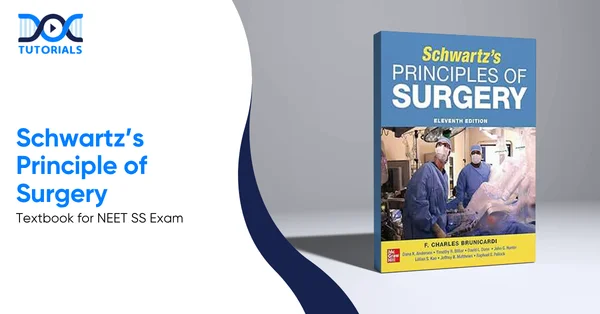
Role of Schwartz’s Principle of Surgery Textbook for NEET SS Exam

Scwartz Principle of Surgery

In India, securing a super-speciality medical seat is based on performance in NEET-SS, the national entrance examination for DM, MCh, and DrNB programs administered by NBEMS. As the only qualifying exam for most super-speciality seats, NEET-SS is quite competitive and requires concentrated, intensive preparation.

It evaluates postgraduate and super-speciality knowledge through clinically based and practice-oriented questions. Among surgical aspirants, traditional textbooks play a very important role, and Schwartz’s Principles of Surgery is considered a fundamental source of information for its extensive, clinically significant content.

Learn more about Schwartz’s Principles of Surgery, 11th edition, its contents, high-yield units, and other crucial details!

About Schwartz’s Principle of Surgery

The physiological detail in Basic Considerations by Schwartz gives the physiological depth required in NEET SS Part A, beating basic texts in core areas such as shock and electrolytes. It clearly explains the molecular biology and cytokine responses behind surgical procedures,s thereby equipping aspirants with the necessary why-based questions that often determine exam ranks.

In NEET SS, the part of the test dealing with General Surgery (Part A) depends extensively on fundamental principles of surgery. This is where Schwartz’s Principles of Surgery outshines the competition. The first section of the book, often titled Basic Considerations, is referred to as gold for the exam.

Topics such as Systemic Response to Injury, Fluid and Electrolytes, Shock and Surgical Infections are discussed with a physiological level of thoroughness that cannot be found in the simpler textbooks. In NEET SS, they tend to examine the why of a protocol, the molecular biology behind it, or the precise cytokine response, and these are the answers that Schwartz provides in a clear manner.

Why Schwartz Surgery is the Gold Standard for NEET SS

In NEET-SS, Schwartz’s Principles of Surgery are popular due to their emphasis on the pathophysiology and evidence-based care. It addresses high-yield areas such as systemic response to surgery, fluids, electrolytes, and shock in a clear manner with MCQ-friendly Key Points and helpful algorithms, which makes it more exam-oriented than both Bailey and Love or Sabiston.

When it comes to the Big Three of Bailey, Sabiston, and Schwartz, it may be confusing to pick a primary reference. For NEET-SS, however, many toppers point to Schwartz as the most impactful. Its strength lies in its strong focus on the biological foundations of modern surgery. 

The book provides detailed explanations of the systemic response to surgery, electrolyte and fluid balance, and shock, which are often examined in exams. Moreover, the boxes with the Key Points in the new version also come in handy as they frequently become compatible with MCQ concepts.

FeatureSchwartz’s PrinciplesBailey & LoveSabiston
FocusPathophysiology & Evidence-Based CareClinical Signs & BasicsDetailed Operative Technique
Best ForNEET SS & ResidencyNEET PG & Final YearReference & In-depth Reading
DiagramsHigh-quality AlgorithmsClinical PhotosAnatomical Plates

Schwartz’s Principles of Surgery, 11th Edition Contents

Schwartz’s Principles of Surgery is a two-volume powerhouse, where Volume 1 covers the surgical “Basic Sciences” (Shock, Trauma, Fluids) and Thoracic systems, whereas Volume 2 covers Abdominal, HPB, and high-yield Endocrine surgery. The new edition also combines a modern ERAS protocol and Robotics.

Based on the latest widely available edition of Schwartz’s Principles of Surgery, 11th Edition, the contents of the textbook are:

Volume 1

Part I: Basic Considerations

  1. Leadership in Surgery
  2. Systemic Response to Injury and Metabolic Support
  3. Fluid and Electrolyte Management of the Surgical Patient
  4. Haemostasis, Surgical Bleeding, and Transfusion
  5. Shock
  6. Surgical Infections
  7. Trauma
  8. Burns
  9. Wound Healing
  10. Oncology
  11. Transplantation
  12. Quality, Patient Safety, Assessments of Care, and Complications
  13. Physiologic Monitoring of the Surgical Patient
  14. Minimally Invasive Surgery, Robotics, Natural Orifice Transluminal Endoscopic Surgery, and Single-Incision Laparoscopic Surgery
  15. Molecular Biology, The Atomic Theory of Disease, and Precision Surgery

Part II: Specific Considerations

  1. The Skin and Subcutaneous Tissue
  2. The Breast
  3. Disorders of the Head and Neck
  4. Chest Wall, Lung, Mediastinum, and Pleura
  5. Congenital Heart Disease
  6. Acquired Heart Disease
  7. Thoracic Aneurysms and Aortic Dissection
  8. Arterial Disease
  9. Venous and Lymphatic Disease
  10. Oesophagus and Diaphragmatic Hernia
  11. Stomach

Volume 2

  1. The Surgical Management of Obesity
  2. Small Intestine
  3. Colon, Rectum, and Anus
  4. The Appendix
  5. Liver
  6. Gallbladder and the Extrahepatic Biliary System
  7. Pancreas
  8. The Spleen
  9. Abdominal Wall, Omentum, Mesentery, and Retroperitoneum
  10. Soft Tissue Sarcomas
  11. Inguinal Hernias
  12. Thyroid, Parathyroid, and Adrenal
  13. Paediatric Surgery
  14. Urology
  15. Gynaecology
  16. Neurosurgery
  17. Orthopaedic Surgery
  18. Surgery of the Hand and Wrist
  19. Plastic and Reconstructive Surgery
  20. Anaesthesia for Surgical Patients
  21. Surgical Considerations in Older Adults
  22. Ethics, Palliative Care, and Care at the End of Life
  23. Global Surgery (New in this edition)
  24. Optimising Perioperative Care: Enhanced Recovery (New in this edition)
  25. Understanding, Evaluating, and Using Evidence for Surgical Practice (New in this edition)
  26. Ambulatory Surgery (New in this edition)
  27. Skills and Simulation (New in this edition)
  28. Web-Based Education and Implications of Social Media (New in this edition)

Decoding the Schwartz Principles of Surgery, 11th Edition

Schwartz Principles of Surgery, 11th edition, remains a trustworthy staple that introduces new guidelines and a more modern emphasis on decision-making, minimally invasive, and robotic surgery. Aspirants are also advised to align important subjects with the new NCCN and official guidelines to keep up to date with the exams.

It is essential to keep up with Schwartz’s principles of surgery, the latest edition, since the exam setters are fond of updates. The transition to the Schwartz Principles of Surgery, 11th Edition, brings new emphasis on:

  • Global Surgery and Ambulatory Surgery.
  • Updated AJCC Cancer Staging guidelines.
  • Newer protocols in Enhanced Recovery After Surgery (ERAS).

While studying from the Schwartz Surgery 11th edition, focus on the tables and algorithms. The exam often lifts content directly from these “boxed” summaries. When a new version comes with a new system of classification, new questions can be expected on it.

Additionally, always cross-check the National Comprehensive Cancer Network (NCCN) current guidelines with the Schwartz’s Principles of Surgery chapter bibliographies. This is because NEET SS frequently includes questions about the newest protocols, which may appear in the Schwartz physiology of surgical care sections before they appear in other textbooks.

High-Yield Units in Schwartz’s for NEET SS

Not every chapter carries equal weight. Some chapters in Schwartz’s Principles of Surgery are high-yield and consistently appear in exams. Focusing on trauma and critical care, endocrine surgery, surgical oncology, gastrointestinal surgery, and basics like wound healing and haemostasis helps strengthen core concepts, improve clinical reasoning, and boost NEET-SS performance.

To get the most out of the latest edition of Schwartz’s Principles of Surgery, focus on these high-yield clusters where Schwartz clearly outperforms other reference texts:

  • Trauma & Critical Care: Chapters on Metabolic Response to Injury and Shock are necessary. Schwartz offers a detailed description of cytokine activities and neuroendocrine reactions that go beyond other surgery textbooks, which renders it invaluable to NEET-SS candidates.
  • Endocrine Surgery: One of the major areas would be the Thyroid, Parathyroid, and Adrenal surgery. The management algorithms for incidentalomas are especially high-yield and can be found in examination situations.
  • Surgical Oncology: The 11th edition of Schwartz is very effective in blending AJCC staging and practical surgical planning, which is essential to questions on oncology in NEET-SS.
  • Gastrointestinal Surgery: Pay close attention to the lectures regarding the Pancreas and Hepatobiliary system. Schwartz describes the principles of operation, as well as complication management, in a clinically relevant and exam-oriented manner.
  • Breast: Molecular subtypes of breast cancer, genetic testing (BRCA), and the peculiarities of sentinel node biopsy are covered in an excellent way.

The first part of the book should not be ignored. Students tend to avoid topics such as Wound Healing and Haemostasis, but they are often rank-deciders due to their high-yield nature in questions.

FAQs about the Role of Schwartz’s Principle of Surgery Textbook for NEET SS Exam

  1. What books should I study for NEET-SS preparation?

In the case of NEET-SS, it is advisable to use standard postgraduate books and super-speciality resources. S. Schwartz’s Principles of Surgery is fundamental in surgery; on a more detailed level, so are Bailey & Love and Sabiston. Other major writings are those by Harrison or Davidson on medicine, Nelson on Paediatrics, and Miller on Anaesthesia.

  1. Is Schwartz’s Principles of Surgery really necessary for NEET-SS?

Yes. Schwartz is generally considered the classic textbook on the principles of general surgery. It provides a clear explanation of surgical physiology, metabolic response to injury, fluid therapy, coagulation, and core operations, making it highly relevant to NEET-SS surgery questions.

  1. Is Schwartz alone enough for NEET-SS Surgery?

Schwartz is excellent for general surgery concepts and foundational principles. But in the case of super-specialities, such as urology, neurosurgery, or paediatric surgery, subject-specific textbooks as well as guidelines should be added to your preparation.

  1. Should I buy the Schwartz Principles of Surgery, 11th edition?

Yes. The 11th edition has the updated TNM staging and guidelines, as well as newer concepts. It has a dedicated ABSITE & Board Review version with 800+ practice questions and detailed rationales, making it useful for residents and those preparing for certification exams

  1. How should I revise Schwartz in the last month before NEET-SS?

Avoid detailed reading. Concentrate on tables, flowcharts, algorithms, summary boxes, and highlighted texts. These parts are more useful in terms of quick revision and MCQ questions and are high-yield.

  1. Can I skip Sabiston if I read Schwartz?

No. For NEET SS preparation, Gastrointestinal (GI) surgery and oncology are better covered in Sabiston, whereas endocrine surgery and basic surgical principles, such as fluids, electrolytes, and shock, are more comprehensively explained in Schwartz’s.

  1. Are the “Schwartz Operation” descriptions important for the MCQ format?

Yes, but not the entire procedure. Pay attention to anatomical points, safety perspectives (such as the Critical View of Safety in cholecystectomy), and certain complications that are described in the text. These form the basis of “next best step” questions.

  1. How many questions in NEET SS are typically from Schwartz?

While it varies, around 15-20% of Part A (General Surgery) and advanced physiology and endocrine questions are directly sourced from the Schwartz Book of Surgery.

  1. Does the 11th edition of Schwartz cover recent advances?

Yes. There are chapters on Global Surgery, Robotics, and Enhanced Recovery After Surgery (ERAS) in the Schwartz Surgery 11th edition, which are commonly examined in NEET SS.

  1. How important are the “Key Points” boxes in Schwartz’s Principles of Surgery?

Extremely important. The “Key Points” boxes summarise complex concepts into clear, exam-oriented facts and are frequently used as the basis for MCQs in NEET-SS, making them essential for focused revision.

Conclusion

For success in NEET-SS, standard high-yield resources are essential, particularly in surgery. This is where the Schwartz Principles of Surgery, latest edition, can be used to clarify several important issues, such as injury response, fluid and electrolyte balance, and haemostasis.

However, the best preparation is achieved through the integration of core textbooks, brief revision notes, practice of multiple-choice questions, past year questions, and mock tests. 

To help you be more systematic, DocTutorials provides a well-organised study experience with clear and concise video lectures, a clinically oriented QBank, examination-oriented notes, flashcards, and mind maps to simplify your work.

Check out our NEET SS courses today!

DocTutorials App Download Now

Latest Blogs

Harrison’s Principles of Internal Medicine: Updated Edition Highlights

Harrison's Principles of Internal Medicine

Harrison’s Principles of Internal Medicine, 22nd Edition, is one of the most reliable sources of knowledge on how diseases occur and how they affect the human body. The latest edition of this book contains updated research, practical knowledge, and guidelines from experts. It covers a broad spectrum of diseases, from basic disease mechanisms to advanced diagnostic and treatment strategies. 

Additionally, each chapter of Harrison’s Internal Medicine, 22nd edition, is well-organised and contains updated cases and key points that make studying easier. Whether you are a medical student who wants to ace your exams or a medical practitioner who wants to update your knowledge, the Harrison 22nd edition is a reliable guide. 

Keep reading to find out more about the latest updates and key points of Harrison’s Internal Medicine, the latest edition!

About Harrison’s Principles of Internal Medicine

For more than seventy years, Harrison’s Principles of Internal Medicine has remained a definitive authority on applied pathophysiology, seamlessly bridging the gap between basic disease mechanisms and expert clinical practice. The Harrison Internal Medicine 22nd edition continues this legacy, providing a carefully selected guide to the latest medical advances and developments for healthcare professionals worldwide.

For over seven decades, Harrison’s Principles of Internal Medicine has remained a reliable guide for healthcare professionals who need essential knowledge and information on how to provide top-class medical care. It is a globally renowned authority on applied pathophysiology and clinical medicine and covers developments and advances in all medical fields and specialities. 

The updated Harrison’s Principles of Internal Medicine 22nd edition, contains significant changes and updates in terms of content and structure, making it a reliable guide for medical professionals. 

The latest edition of Harrison’s Principles of Internal Medicine includes:

  • Updated content reflecting new therapeutics, practice-changing guidelines, and evidence summaries
  • Over 3,000 clinical, pathological, and radiographic images, decision trees, and clear diagrams explaining pathophysiologic processes
  • Curated atlases highlighting key visual aspects of diagnosis and management
  • New chapters such as The Value of the Physical Examination in Modern Medicine, Physician Well-Being, Exercise Intolerance, Primary and Secondary Hemophagocytic Lymphohistiocytosis, Symptom Control in Patients with Cancer, Principles of Immunisation, COVID and Other Coronavirus Infections, Desensitisation, Point-of-Care Ultrasound, Placebo and Nocebo Effects, Bedside Examination Tests in the Patient with Low Back Pain, and Antithrombotic Therapy in Adult Patients

Additionally, for aspirants planning to buy reliable study material on internal medicine, Harrison’s Principles of Internal Medicine can be an ideal choice for the following reasons:

  • Detailed explanations of disease mechanisms and guidance on applying this knowledge for accurate diagnosis and effective patient care.
  • Clear schemas that help generate differential diagnoses and navigate complex clinical cases efficiently.
  • The physiological and epidemiological basis of signs and symptoms, linked to relevant disease-specific chapters.
  • The latest clinical trial results and recommended guidelines.
  • Extensive visual support, including radiographs, clinical photographs, diagrams, and high-quality illustrations.
  • Coverage of both treatment strategies and specific therapeutic regimens.
  • Practical clinical decision trees and algorithms.
  • Organ- and system-based sections with clinically relevant pathophysiology, approaches to patient care, differential diagnosis strategies, diagnostic schemas, clinical images, current guidelines, and therapy approaches.

Harrison’s Principles of Internal Medicine, 22nd Edition Contents

Harrison’s Principles of Internal Medicine, 22nd Edition, has 24 extensive and comprehensive parts, ranging from the fundamental manifestations of diseases to special topics such as oncology, infections, and neuroscience. It further enriches the learning experience with a dedicated video collection and clinical procedure tutorials for visual mastery.

Study the extensive and updated contents of the Harrison Principles of Medicine, which cover all the essential topics of modern clinical medicine. These include:

  1. Part 1: The Profession of Medicine
  • Chapter 1: The Practice of Medicine
  • Chapter 2: Promoting Good Health
  • Chapter 3: Vaccine Opposition and Hesitancy
  • Chapter 4: Decision-Making in Clinical Medicine
  • Chapter 5: Precision Medicine and Clinical Care
  • Chapter 6: Screening and Prevention of Disease
  • Chapter 7: The Safety and Quality of Health Care
  • Chapter 8: The Value of the Physical Examination in Modern Medicine
  • Chapter 9: Physician Well-Being
  • Chapter 10: Diagnosis: Reducing Errors and Improving Quality
  • Chapter 11: Racial and Ethnic Disparities in Health Care
  • Chapter 12: Ethical Issues in Clinical Medicine
  • Chapter 13: Palliative and End-of-Life Care
  1. Part 2: Cardinal Manifestations and Presentation of Diseases

Section 1: Pain

  • Chapter 14: Pain: Pathophysiology and Management
  • Chapter 15: Chest Discomfort
  • Chapter 16: Abdominal Pain
  • Chapter 17: Headache
  • Chapter 18: Low Back Pain
  • Chapter 19: Neck Pain

Section 2: Alterations in Body Temperature

  • Chapter 20: Fever
  • Chapter 21: Fever and Rash
  • Chapter 22: Fever of Unknown Origin

Section 3: Nervous System Dysfunction

  • Chapter 23: Syncope
  • Chapter 24: Dizziness and Vertigo
  • Chapter 25: Fatigue
  • Chapter 26: Neurologic Causes of Weakness and Paralysis
  • Chapter 27: Numbness, Tingling, and Sensory Loss
  • Chapter 28: Gait Disorders, Imbalance, and Falls
  • Chapter 29: Confusion and Delirium
  • Chapter 30: Coma
  • Chapter 31: Dementia
  • Chapter 32: Aphasia, Memory Loss, and Other Cognitive Disorders
  • Updated! Chapter 33: Sleep Disorders

Section 4: Disorders of Eyes, Ears, Nose, and Throat

  • Updated! Chapter 34: Disorders of the Eye
  • Chapter 35: Disorders of Smell and Taste
  • Chapter 36: Disorders of Hearing
  • Chapter 37: Upper Respiratory Symptoms, Including Earache, Sinus Symptoms, and Sore Throat
  • Chapter 38: Oral Manifestations of Disease

Section 5: Alterations in Circulatory and Respiratory Functions

  • Chapter 39: Dyspnea
  • Chapter 40: Cough
  • Chapter 41: Hemoptysis
  • Chapter 42: Hypoxia and Cyanosis
  • Chapter 43: Oedema
  • Chapter 44: Approach to the Patient with a Heart Murmur
  • Chapter 45: Palpitations
  • Chapter 46: Exercise Intolerance

Section 6: Alterations in Gastrointestinal Function

  • Chapter 47: Dysphagia
  • Chapter 48: Nausea, Vomiting, and Indigestion
  • Chapter 49: Diarrhoea and Constipation
  • Chapter 50: Unintentional Weight Loss
  • Chapter 51: Gastrointestinal Bleeding
  • Chapter 52: Jaundice
  • Chapter 53: Abdominal Swelling and Ascites

Section 7: Alterations in Renal and Urinary Tract Function

  • Chapter 54: Interstitial Cystitis/Bladder Pain Syndrome
  • Chapter 55: Azotemia and Urinary Abnormalities
  • Chapter 56: Fluid and Electrolyte Disturbances
  • Chapter 57: Hypercalcemia and Hypocalcemia
  • Chapter 58: Acidosis and Alkalosis

Section 8: Alterations in the Skin

  • Chapter 59: Approach to the Patient with a Skin Disorder
  • Chapter 60: Eczema, Psoriasis, Cutaneous Infections, Acne, and Other Common Skin Disorders
  • Chapter 61: Skin Manifestations of Internal Disease
  • Chapter 62: Immunologically Mediated Skin Diseases
  • Chapter 63: Cutaneous Drug Reactions
  • Chapter 64: Photosensitivity and Other Reactions to Sunlight

Section 9: Hematologic Alterations

  • Chapter 65: Interpreting Peripheral Blood Smears
  • Chapter 66: Anaemia and Polycythemia
  • Chapter 67: Disorders of Granulocytes and Monocytes
  • Chapter 68: Primary and Secondary Hemophagocytic Lymphohistiocytosis
  • Chapter 69: Bleeding and Thrombosis
  • Chapter 70: Enlargement of Lymph Nodes and Spleen
  1. Part 3: Pharmacology
  • Chapter 71: Principles of Clinical Pharmacology
  • Chapter 72: Pharmacogenomics
  1. Part 4: Oncology and Haematology

Section 1: Neoplastic Disorders

  • Chapter 73: Approach to the Patient with Cancer
  • Chapter 74: Symptom Control in Patients with Cancer
  • Chapter 75: Prevention and Early Detection of Cancer
  • Chapter 76: Cancer Genetics
  • Chapter 77: Cancer Cell Biology
  • Chapter 78: Principles of Cancer Treatment
  • Chapter 79: Infections in Patients with Cancer
  • Chapter 80: Oncologic Emergencies
  • Chapter 81: Cancer of the Skin
  • Chapter 82: Head and Neck Cancer
  • Chapter 83: Neoplasms of the Lung
  • Chapter 84: Breast Cancer
  • Chapter 85: Upper Gastrointestinal Tract Cancers
  • Chapter 86: Colorectal Cancer
  • Chapter 87: Tumours of the Liver and Biliary Tree
  • Chapter 88: Pancreatic Cancer
  • Chapter 89: Gastrointestinal Neuroendocrine Tumours
  • Chapter 90: Renal Cell Carcinoma
  • Chapter 91: Cancer of the Bladder and Urinary Tract
  • Chapter 92: Benign and Malignant Diseases of the Prostate
  • Chapter 93: Testicular Cancer
  • Chapter 94: Gynecologic Malignancies
  • Chapter 95: Primary and Metastatic Tumours of the Nervous System
  • Chapter 96: Soft Tissue and Bone Sarcomas and Bone Metastases
  • Chapter 97: Carcinoma of Unknown Primary
  • Chapter 98: Paraneoplastic Syndromes: Endocrinologic/Hematologic
  • Chapter 99: Paraneoplastic Neurologic Syndromes and Autoimmune Encephalitis
  • Chapter 100: Cancer Survivorship and the Long-Term Impact of Cancer and Its Treatment

Section 2: Haematopoietic Disorders

  • Updated! Chapter 101: Haematopoietic Stem Cells
  • Chapter 102: Iron Deficiency and Other Acquired Anaemias Due to Decreased Erythrocyte Production
  • Chapter 103: Disorders of Haemoglobin
  • Chapter 104: Megaloblastic Anaemias
  • Chapter 105: Hemolytic Anaemias
  • Chapter 106: Anaemia Due to Acute Blood Loss
  • Chapter 107: Bone Marrow Failure Syndromes Including Aplastic Anaemia and Myelodysplasia
  • Chapter 108: Polycythemia Vera and Other Myeloproliferative Neoplasms
  • Chapter 109: Acute Myeloid Leukaemia
  • Chapter 110: Chronic Myeloid Leukaemia
  • Chapter 111: Acute Lymphoid Leukaemia
  • Chapter 112: Chronic Lymphocytic Leukaemia
  • Chapter 113: Non-Hodgkin’s Lymphoma
  • Chapter 114: Hodgkin’s Lymphoma
  • Chapter 115: Less Common Lymphoid and Myeloid Malignancies
  • Chapter 116: Plasma Cell Disorders
  • Chapter 117: Amyloidosis
  • Chapter 118: Transfusion Therapy and Biology
  • Chapter 119: Haematopoietic Cell Transplantation

Section 3: Disorders of Haemostasis

  • Chapter 120: Disorders of Platelets and Vessel Wall
  • Chapter 121: Coagulation Disorders
  • Updated! Chapter 122: Arterial and Venous Thrombosis
  • Chapter 123: Antiplatelet, Anticoagulant, and Fibrinolytic Drugs
  1. Part 5: Infectious Diseases

Section 1: Basic Considerations in Infectious Diseases

  • Chapter 124: Approach to the Patient with an Infectious Disease
  • Chapter 125: Molecular Mechanisms of Microbial Pathogenesis
  • Chapter 126: Microbial Genomics and Infectious Disease
  • Chapter 127: Approach to the Acutely Ill Infected Febrile Patient
  • Chapter 128: Principles of Immunisation
  • Chapter 129: Immunisation Principles and Vaccine Use
  • Chapter 130: Health Recommendations for International Travel

Section 2: Clinical Syndromes: Community-Acquired Infections

  • Chapter 131: Pneumonia
  • Chapter 132: Lung Abscess
  • Chapter 133: Infective Endocarditis
  • Chapter 134: Infections of the Skin, Muscles, and Soft Tissues
  • Chapter 135: Infectious Arthritis
  • Chapter 136: Osteomyelitis
  • Chapter 137: Intra-abdominal Infections and Abscesses
  • Chapter 138: Acute Infectious Diarrheal Diseases and Bacterial Food Poisoning
  • Chapter 139: Clostridioides difficile Infection, Including Pseudomembranous Colitis
  • Chapter 140: Urinary Tract Infections: Cystitis, Prostatitis, and Pyelonephritis
  • Chapter 141: Sexually Transmitted Infections: Overview and Clinical Approach
  • Updated! Chapter 142: Encephalitis
  • Updated! Chapter 143: Acute Meningitis
  • Chapter 144: Chronic and Recurrent Meningitis
  • Chapter 145: Brain Abscess and Empyema
  • Chapter 146: Infectious Complications of Bites

Section 3: Clinical Syndromes: Health Care–Associated Infections

  • Chapter 147: Infections Acquired in Health Care Facilities
  • Chapter 148: Infections in Transplant Recipients

Section 4: Therapy for Bacterial Diseases

  • Chapter 149: Treatment and Prophylaxis of Bacterial Infections
  • Chapter 150: Bacterial Resistance to Antimicrobial Agents

Section 5: Diseases Caused by Gram-Positive Bacteria

  • Chapter 151: Pneumococcal Infections
  • Chapter 152: Staphylococcal Infections
  • Chapter 153: Streptococcal Infections
  • Chapter 154: Enterococcal Infections
  • Chapter 155: Diphtheria and Other Corynebacterial Infections
  • Chapter 156: Listeria monocytogenes Infections
  • Chapter 157: Tetanus
  • Chapter 158: Botulism
  • Chapter 159: Gas Gangrene and Other Clostridial Infections

Section 6: Diseases Caused by Gram-Negative Bacteria

  • Chapter 160: Meningococcal Infections
  • Chapter 161: Gonococcal Infections
  • Chapter 162: Haemophilus and Moraxella Infections
  • Chapter 163: Infections Due to the HACEK Group and Miscellaneous Gram-Negative Bacteria
  • Chapter 164: Legionella Infections
  • Chapter 165: Pertussis and Other Bordetella Infections
  • Chapter 166: Diseases Caused by Gram-Negative Enteric Bacilli
  • Chapter 167: Acinetobacter Infections
  • Chapter 168: Helicobacter pylori Infections
  • Chapter 169: Infections Due to Campylobacter and Related Organisms
  • Chapter 170: Infections Due to Pseudomonas, Burkholderia, and Stenotrophomonas Species
  • Chapter 171: Salmonellosis
  • Chapter 172: Shigellosis
  • Chapter 173: Cholera and Other Vibrioses
  • Chapter 174: Brucellosis
  • Chapter 175: Tularemia
  • Chapter 176: Plague and Other Yersinia Infections
  • Chapter 177: Bartonella Infections, Including Cat-Scratch Disease
  • Chapter 178: Donovanosis

Section 7: Miscellaneous Bacterial Infections

  • Chapter 179: Nocardiosis
  • Chapter 180: Actinomycosis
  • Chapter 181: Whipple Disease
  • Chapter 182: Infections Due to Mixed Anaerobic Organisms

Section 8: Mycobacterial Diseases

  • Chapter 183: Tuberculosis
  • Chapter 184: Leprosy
  • Chapter 185: Nontuberculous Mycobacterial Infections
  • Chapter 186: Antimycobacterial Agents

Section 9: Spirochetal Diseases

  • Chapter 187: Syphilis
  • Chapter 188: Endemic Treponematoses
  • Chapter 189: Leptospirosis
  • Chapter 190: Relapsing Fever
  • Chapter 191: Lyme Borreliosis

Section 10: Diseases Caused by Rickettsiae, Mycoplasmas, and Chlamydiae

  • Chapter 192: Rickettsial Diseases
  • Chapter 193: Infections Due to Mycoplasmas
  • Chapter 194: Chlamydial Infections

Section 11: Viral Diseases: General Considerations

  • Chapter 195: Principles of Medical Virology
  • Chapter 196: Antiviral Chemotherapy, Excluding Antiretroviral Drugs

Section 12: Infections Due to DNA Viruses

  • Chapter 197: Herpes Simplex Virus Infections
  • Chapter 198: Varicella-Zoster Virus Infections
  • Chapter 199: Epstein-Barr Virus Infections, Including Infectious Mononucleosis
  • Chapter 200: Cytomegalovirus and Human Herpesvirus Types 6, 7, and 8
  • Chapter 201: Monkeypox, Molluscum Contagiosum, and Other Poxvirus Infections
  • Chapter 202: Parvovirus Infections
  • Chapter 203: Human Papillomavirus Infections

Section 13: Infections Due to DNA and RNA Respiratory Viruses

  • Chapter 204: Common Viral Respiratory Infections, Other Than COVID-19
  • Chapter 205: SARS-CoV-2 and COVID-19
  • Chapter 206: Influenza

Section 14: Infections Due to Human Immunodeficiency Virus and Other Human Retroviruses

  • Chapter 207: The Human Retroviruses
  • Updated! Chapter 208: Human Immunodeficiency Virus Disease: AIDS and Related Disorders

Section 15: Infections Due to RNA Viruses

  • Chapter 209: Viral Gastroenteritis
  • Chapter 210: Enterovirus, Parechovirus, and Reovirus Infections
  • Chapter 211: Measles (Rubeola)
  • Chapter 212: Rubella (German Measles)
  • Chapter 213: Mumps
  • Chapter 214: Rabies and Other Rhabdovirus Infections
  • Chapter 215: Arthropod-Borne and Rodent-Borne Virus Infections
  • Chapter 216: Filovirids: Orthoebolavirus and Orthomarburgvirus Infections

Section 16: Fungal Infections

  • Chapter 217: Pathogenesis, Diagnosis, and Treatment of Fungal Infections
  • Chapter 218: Histoplasmosis
  • Chapter 219: Coccidioidomycosis
  • Chapter 220: Blastomycosis
  • Chapter 221: Cryptococcosis
  • Chapter 222: Candidiasis
  • Chapter 223: Aspergillosis
  • Chapter 224: Mucormycosis
  • Chapter 225: Superficial Fungal Infections
  • Chapter 226: Uncommon Disseminated Fungal Infections
  • Chapter 227: Pneumocystis Infections

Section 17: Protozoal and Helminthic Infections: General Considerations

  • Chapter 228: Introduction to Parasitic Infections
  • Chapter 229: Agents Used to Treat Parasitic Infections

Section 18: Protozoal Infections

  • Chapter 230: Amebiasis and Infection with Free-Living Amebae
  • Chapter 231: Malaria
  • Chapter 232: Babesiosis
  • Chapter 233: Leishmaniasis
  • Chapter 234: Chagas Disease and African Trypanosomiasis
  • Chapter 235: Toxoplasma Infections
  • Chapter 236: Protozoal Intestinal Infections and Trichomoniasis

Section 19: Helminthic Infections

  • Chapter 237: Introduction to Helminthic Infections
  • Chapter 238: Trichinellosis and Other Tissue Nematode Infections
  • Chapter 239: Intestinal Nematode Infections
  • Chapter 240: Filarial and Related Infections
  • Chapter 241: Schistosomiasis and Other Trematode Infections
  • Chapter 242: Cestode Infections
  1. Part 6: Disorders of the Cardiovascular System

Section 1: Introduction to Cardiovascular Disorders

  • Chapter 243: Approach to the Patient with Possible Cardiovascular Disease
  • Chapter 244: Basic Biology of the Cardiovascular System
  • Chapter 245: Epidemiology of Cardiovascular Disease

Section 2: Diagnosis of Cardiovascular Disorders

  • Chapter 246: Physical Examination of the Cardiovascular System
  • Chapter 247: Electrocardiography
  • Chapter 248: Noninvasive Cardiac Imaging: Echocardiography, Nuclear Cardiology, and Magnetic Resonance/Computed Tomography Imaging
  • Chapter 249: Diagnostic Cardiac Catheterisation and Coronary Angiography

Section 3: Disorders of Rhythm

  • Chapter 250: Principles of Clinical Cardiac Electrophysiology
  • Chapter 251: The Bradyarrhythmias: Disorders of the Sinoatrial Node
  • Chapter 252: The Bradyarrhythmias: Disorders of the Atrioventricular Node
  • Chapter 253: Approach to Supraventricular Arrhythmias
  • Chapter 254: Physiologic and Nonphysiologic Sinus Rhythm
  • Chapter 255: Focal Atrial Tachycardia
  • Chapter 256: Paroxysmal Supraventricular Tachycardias
  • Chapter 257: Common Atrial Flutter and Macroreentrant and Multifocal Atrial Tachycardias
  • Chapter 258: Atrial Fibrillation
  • Chapter 259: Approach to Ventricular Arrhythmias
  • Chapter 260: Premature Ventricular Contractions, Nonsustained Ventricular Tachycardia, and Accelerated Idioventricular Rhythm
  • Chapter 261: Sustained Ventricular Tachycardia
  • Chapter 262: Polymorphic Ventricular Tachycardia and Ventricular Fibrillation
  • Chapter 263: Electrical Storm and Incessant Ventricular Tachycardia

Section 4: Disorders of the Heart, Muscles, Valves, and Pericardium

  • Chapter 264: Heart Failure: Pathophysiology and Diagnosis
  • Chapter 265: Heart Failure: Management
  • Chapter 266: Classification of Cardiomyopathy
  • Chapter 267: Genetic Cardiomyopathies
  • Chapter 268: Acute and Chronic Myocarditis
  • Chapter 269: Dilated Cardiomyopathies
  • Chapter 270: Amyloidosis and Other Restrictive Cardiomyopathies
  • Chapter 271: Cardiac Transplantation and Prolonged Assisted Circulation
  • Chapter 272: Aortic Stenosis
  • Chapter 273: Aortic Regurgitation
  • Chapter 274: Mitral Stenosis
  • Chapter 275: Mitral Regurgitation
  • Chapter 276: Mitral Valve Prolapse
  • Chapter 277: Tricuspid Valve Disease
  • Chapter 278: Pulmonic Valve Disease
  • Chapter 279: Multiple and Mixed Valvular Heart Disease
  • Chapter 280: Congenital Heart Disease in the Adult
  • Chapter 281: Pericardial Disease
  • Chapter 282: Atrial Myxoma and Other Cardiac Tumours
  • Chapter 283: Cardiac Trauma

Section 5: Coronary and Peripheral Vascular Disease

  • Chapter 284: Ischemic Heart Disease
  • Chapter 285: Non-ST-Segment Elevation Acute Coronary Syndrome (Non-ST-Segment Elevation Myocardial Infarction and Unstable Angina)
  • Chapter 286: ST-Segment Elevation Myocardial Infarction
  • Chapter 287: Percutaneous Coronary Interventions and Other Interventional Procedures
  • Chapter 288: Hypertension
  • Chapter 289: Renovascular Disease
  • Updated! Chapter 290: Deep-Venous Thrombosis and Pulmonary Thromboembolism
  • Chapter 291: Diseases of the Aorta
  • Chapter 292: Arterial Diseases of the Extremities
  • Chapter 293: Chronic Venous Disease and Lymphedema
  • Updated! Chapter 294: Pulmonary Hypertension
  1. Part 7: Disorders of the Respiratory System

Section 1: Diagnosis of Respiratory Disorders

  • Chapter 295: Approach to the Patient with Disease of the Respiratory System
  • Chapter 296: Disturbances of Respiratory Function
  • Chapter 297: Diagnostic Procedures in Respiratory Disease

Section 2: Diseases of the Respiratory System

  • Chapter 298: Asthma
  • Chapter 299: Hypersensitivity Pneumonitis and Pulmonary Infiltrates with Eosinophilia
  • Chapter 300: Occupational and Environmental Lung Disease
  • Chapter 301: Bronchiectasis
  • Chapter 302: Cystic Fibrosis
  • Chapter 303: Chronic Obstructive Pulmonary Disease
  • Chapter 304: Interstitial Lung Disease
  • Chapter 305: Disorders of the Pleura
  • Chapter 306: Disorders of the Mediastinum
  • Chapter 307: Disorders of Ventilation
  • Chapter 308: Sleep Apnea
  • Chapter 309: Lung Transplantation
  • Chapter 310: Interventional Pulmonary Medicine
  1. Part 8: Critical Care Medicine

Section 1: Respiratory Critical Care

  • Chapter 311: Approach to the Patient with Critical Illness
  • Chapter 312: Acute Respiratory Distress Syndrome
  • Chapter 313: Mechanical Ventilatory Support

Section 2: Shock and Cardiac Arrest

  • Chapter 314: Approach to the Patient with Shock
  • Chapter 315: Sepsis and Septic Shock
  • Chapter 316: Cardiogenic Shock and Pulmonary Oedema
  • Chapter 317: Cardiovascular Collapse, Cardiac Arrest, and Sudden Cardiac Death

Section 3: Neurologic Critical Care

  • Chapter 318: Nervous System Disorders in Critical Care
  1. Part 9:  Disorders of the Kidney and Urinary Tract
  • Updated! Chapter 319: Approach to the Patient with Renal Disease or Urinary Tract Disease
  • Chapter 320: Cell Biology and Physiology of the Kidney
  • Chapter 321: Acute Kidney Injury
  • Chapter 322: Chronic Kidney Disease
  • Chapter 323: Dialysis in the Treatment of Kidney Failure
  • Chapter 324: Interventional Nephrology
  • Chapter 325: Kidney Transplantation
  • Chapter 326: Glomerular Diseases
  • Chapter 327: Polycystic Kidney Disease and Other Inherited Disorders of Tubule Growth and Development
  • Chapter 328: Tubulointerstitial Diseases of the Kidney
  • Chapter 329: Thrombotic Renovascular Disorders
  • Chapter 330: Nephrolithiasis
  • Updated! Chapter 331: Urinary Tract Obstruction
  1. Part 10: Disorders of the Gastrointestinal System

Section 1: Disorders of the Alimentary Tract

  • Chapter 332: Approach to the Patient with Gastrointestinal Disease
  • Chapter 333: Gastrointestinal Endoscopy
  • Chapter 334: Diseases of the Oesophagus
  • Chapter 335: Peptic Ulcer Disease and Related Disorders
  • Chapter 336: Disorders of Absorption
  • Chapter 337: Inflammatory Bowel Disease
  • Chapter 338: Irritable Bowel Syndrome
  • Chapter 339: Diverticular Disease and Common Anorectal Disorders
  • Chapter 340: Mesenteric Vascular Insufficiency
  • Chapter 341: Acute Intestinal Obstruction
  • Chapter 342: Acute Appendicitis and Peritonitis

Section 2: Nutrition

  • Chapter 343: Nutrient Requirements and Dietary Assessment
  • Chapter 344: Vitamin and Trace Mineral Deficiency and Excess
  • Chapter 345: Malnutrition and Nutritional Assessment
  • Chapter 346: Enteral and Parenteral Nutrition

Section 3: Liver and Biliary Tract Disease

  • Chapter 347: Approach to the Patient with Liver Disease
  • Chapter 348: Evaluation of Liver Function
  • Chapter 349: The Hyperbilirubinemias
  • Chapter 350: Acute Viral Hepatitis
  • Chapter 351: Toxic and Drug-Induced Hepatitis
  • Chapter 352: Chronic Hepatitis
  • Chapter 353: Alcohol-Associated Liver Disease
  • Chapter 354: Metabolic Dysfunction–Associated Steatotic Liver Disease and Steatohepatitis
  • Chapter 355: Cirrhosis and Its Complications
  • Chapter 356: Liver Transplantation
  • Chapter 357: Diseases of the Gallbladder and Bile Ducts

Section 4: Disorders of the Pancreas

  • Chapter 358: Approach to the Patient with Pancreatic Disease
  • Chapter 359: Acute and Chronic Pancreatitis
  1. Part 11: Immune-Mediated, Inflammatory, and Rheumatologic Disorders

Section 1: The Immune System in Health and Disease

  • Updated! Chapter 360: Introduction to the Immune System
  • Chapter 361: Mechanisms of Regulation and Dysregulation of the Immune System
  • Chapter 362: Primary Immune Deficiency Diseases

Section 2: Disorders of Immune-Mediated Injury

  • Chapter 363: Urticaria, Angioedema, and Allergic Rhinitis
  • Chapter 364: Anaphylaxis
  • Chapter 365: Desensitisation
  • Chapter 366: Mastocytosis
  • Chapter 367: Autoimmunity and Autoimmune Diseases
  • Chapter 368: Systemic Lupus Erythematosus
  • Chapter 369: Antiphospholipid Syndrome
  • Chapter 370: Rheumatoid Arthritis
  • Chapter 371: Acute Rheumatic Fever
  • Chapter 372: Systemic Sclerosis (Scleroderma) and Related Disorders
  • Chapter 373: Sjögren’s Disease
  • Chapter 374: Spondyloarthritis
  • Chapter 375: The Vasculitis Syndromes
  • Chapter 376: Behçet Syndrome
  • Chapter 377: Inflammatory Myopathies
  • Chapter 378: Relapsing Polychondritis
  • Chapter 379: Sarcoidosis
  • Chapter 380: IgG4-Related Disease
  • Chapter 381: Familial Mediterranean Fever and Other Hereditary Autoinflammatory Diseases

Section 3: Disorders of the Joints and Adjacent Tissues

  • Chapter 382: Approach to Articular and Musculoskeletal Disorders
  • Chapter 383: Osteoarthritis
  • Chapter 384: Gout and Other Crystal-Associated Arthropathies
  • Chapter 385: Fibromyalgia
  • Chapter 386: Arthritis Associated with Systemic Disease, and Other Arthritides
  • Chapter 387: Periarticular Disorders of the Extremities
  1. Part 12: Endocrinology and Metabolism

Section 1: Endocrinology

  • Chapter 388: Approach to the Patient with Endocrine Disorders
  • Chapter 389: Mechanisms of Hormone Action
  • Chapter 390: Physiology of Anterior Pituitary Hormones
  • Chapter 391: Hypopituitarism
  • Chapter 392: Pituitary Tumour Syndromes
  • Chapter 393: Disorders of the Neurohypophysis
  • Chapter 394: Thyroid Gland Physiology and Testing
  • Chapter 395: Hypothyroidism
  • Chapter 396: Hyperthyroidism and Other Causes of Thyrotoxicosis
  • Chapter 397: Thyroid Nodular Disease and Thyroid Cancer
  • Chapter 398: Disorders of the Adrenal Cortex
  • Chapter 399: Pheochromocytoma
  • Chapter 400: Multiple Endocrine Neoplasia Syndromes
  • Chapter 401: Autoimmune Polyendocrine Syndromes

Section 2: Sex- and Gender-Based Medicine

  • Chapter 402: Sex Development
  • Chapter 403: Disorders of the Testes and Male Reproductive System
  • Chapter 404: Disorders of the Female Reproductive System
  • Chapter 405: Menstrual Disorders and Pelvic Pain
  • Chapter 406: Hirsutism
  • Chapter 407: Menopause and Postmenopausal Hormone Therapy
  • Chapter 408: Infertility and Contraception
  • Chapter 409: Sexual Dysfunction
  • Chapter 410: Women’s Health
  • Chapter 411: Men’s Health
  • Chapter 412: Lesbian, Gay, Bisexual, Transgender, Queer or Questioning, Intersex, Asexual, and More (LGBTQIA+) Health

Section 3: Obesity, Diabetes Mellitus, and Metabolic Syndrome

  • Chapter 413: Pathobiology of Obesity
  • Chapter 414: Evaluation and Management of Obesity
  • Updated! Chapter 415: Diabetes Mellitus: Diagnosis, Classification, and Pathophysiology
  • Chapter 416: Diabetes Mellitus: Management and Therapies
  • Chapter 417: Diabetes Mellitus: Complications
  • Chapter 418: Hypoglycemia
  • Chapter 419: Disorders of Lipoprotein Metabolism
  • Chapter 420: The Metabolic Syndrome

Section 4: Disorders of Bone and Mineral Metabolism

  • Chapter 421: Bone and Mineral Metabolism in Health and Disease
  • Chapter 422: Disorders of the Parathyroid Gland and Calcium Homeostasis
  • Chapter 423: Osteoporosis
  • Chapter 424: Paget’s Disease and Other Dysplasias of Bone

Section 5: Disorders of Intermediary Metabolism

  • Chapter 425: Heritable Disorders of Connective Tissue
  • Chapter 426: Hemochromatosis
  • Chapter 427: Wilson’s Disease
  • Chapter 428: The Porphyrias
  • Chapter 429: Lysosomal Storage Diseases
  • Chapter 430: Glycogen Storage Diseases and Other Inherited Disorders of Carbohydrate Metabolism
  • Chapter 431: Inherited Disorders of Amino Acid Metabolism in Adults
  • Chapter 432: Inherited Defects of Membrane Transport
  1. Part 13: Neurologic Disorders

Section 1: Diagnosis of Neurologic Disorders

  • Chapter 433: Approach to the Patient with Neurologic Disease
  • Chapter 434: Neuroimaging in Neurologic Disorders
  • Chapter 435: Pathobiology of Neurologic Diseases

Section 2: Diseases of the Central Nervous System

  • Chapter 436: Seizures and Epilepsy
  • Chapter 437: Introduction to Cerebrovascular Diseases
  • Chapter 438: Ischemic Stroke
  • Chapter 439: Intracerebral Haemorrhage
  • Chapter 440: Subarachnoid Hemorrhage
  • Chapter 441: Migraine and Other Primary Headache Disorders
  • Updated! Chapter 442: Alzheimer’s Disease
  • Chapter 443: Frontotemporal Dementia
  • Chapter 444: Vascular Dementia
  • Chapter 445: Dementia with Lewy Bodies
  • Updated! Chapter 446: Parkinson’s Disease
  • Chapter 447: Tremor, Chorea, and Other Movement Disorders
  • Updated! Chapter 448: Amyotrophic Lateral Sclerosis and Other Motor Neuron Diseases
  • Chapter 449: Prion Diseases
  • Chapter 450: Ataxic Disorders
  • Chapter 451: Disorders of the Autonomic Nervous System
  • Chapter 452: Trigeminal Neuralgia, Bell’s Palsy, and Other Cranial Nerve Disorders
  • Chapter 453: Diseases of the Spinal Cord
  • Chapter 454: Concussion and Other Traumatic Brain Injuries
  • Updated! Chapter 455: Multiple Sclerosis
  • Chapter 456: Neuromyelitis Optica

Section 3: Nerve and Muscle Disorders

  • Chapter 457: Peripheral Neuropathy
  • Chapter 458: Guillain-Barré Syndrome and Other Immune-Mediated Neuropathies
  • Chapter 459: Myasthenia Gravis and Other Diseases of the Neuromuscular Junction
  • Chapter 460: Muscular Dystrophies and Other Muscle Diseases

Section 4: Syndromes Associated with Chronic Fatigue

  • Chapter 461: Myalgic Encephalomyelitis/Chronic Fatigue Syndrome

Section 5: Psychiatric and Addiction Disorders

  • Chapter 462: Biology of Psychiatric Disorders
  • Chapter 463: Psychiatric Disorders
  • Chapter 464: Alcohol and Alcohol Use Disorders
  • Chapter 465: Nicotine Addiction
  • Chapter 466: Cannabis and Cannabis Use Disorder
  • Chapter 467: Opioid-Related Disorders
  • Chapter 468: Cocaine, Other Psychostimulants, and Hallucinogens
  1. Part 14: Poisoning, Drug Overdose, and Envenomation
  • Chapter 469: Heavy Metal Poisoning
  • Chapter 470: Poisoning and Drug Overdose
  • Chapter 471: Disorders Caused by Venomous Snakebites and Marine Animal Exposures
  • Chapter 472: Ectoparasite Infestations and Arthropod Injuries
  1. Part 15: Disorders Associated with Environmental Exposures
  • Chapter 473: Health Effects of Climate Change
  • Chapter 474: Climate Change and Infectious Disease
  • Chapter 475: Altitude Illness
  • Chapter 476: Hyperbaric and Diving Medicine
  • Chapter 477: Hypothermia and Peripheral Cold Injuries
  • Chapter 478: Heat-Related Illnesses
  1. Part 16: Genes, the Environment, and Disease
  • Chapter 479: Principles of Human Genetics
  • Chapter 480: The Integration of Inherited Genetics into Clinical Practice
  • Chapter 481: Mitochondrial DNA and Heritable Traits and Diseases
  • Chapter 482: Telomere Disease
  • Chapter 483: Gene and Cell-Based Therapy in Clinical Medicine
  • Chapter 484: The Human Microbiome in Health and Disease
  1. Part 17: Global Medicine
  • Chapter 485: Global Issues in Medicine
  • Chapter 486: Emerging and Re-Emerging Infectious Diseases
  • Chapter 487: Primary Care and Global Health
  1. Part 18: Ageing
  • Chapter 488: Biology of Ageing
  • Chapter 489: Caring for the Geriatric Patient
  1. Part 19: Consultative Medicine
  • Chapter 490: Approach to Medical Consultation
  • Chapter 491: Medical Disorders During Pregnancy
  • Chapter 492: Medical Evaluation of the Patient Undergoing Noncardiac Surgery
  1. Part 20: Emerging Topics in Clinical Medicine
  • Chapter 493: Point-of-Care Ultrasound
  • Chapter 494: Improving Health and Health Care Using Behavioral Economics
  • Chapter 495: Complementary and Integrative Therapies and Practices
  • Chapter 496: Placebo and Nocebo Effects
  • Chapter 497: The Role of Epigenetics in Disease and Treatment
  • Chapter 498: The Role of Circadian Biology in Health and Disease
  • Chapter 499: Network Medicine and Multiomic Approaches to Health and Disease
  • Chapter 500: Emerging Neurotherapeutic Technologies
  • Chapter 501: Machine Learning and Augmented Intelligence in Clinical Medicine
  • Chapter 502: Metabolomics
  • Chapter 503: Circulating Nucleic Acids as Liquid Biopsies and Noninvasive Disease Biomarkers
  • Chapter 504: Protein Folding Disorders
  • Chapter 505: Novel Approaches to Diseases of Unknown Aetiology
  1. Part 21: Video Collection
  • Chapter V1: Video Library of Gait Disorders
  • Chapter V2: Primary Progressive Aphasia, Memory Loss, and Other Focal Cerebral Disorders
  • Chapter V3: Video Library of Neuro-Ophthalmology
  • Chapter V4: Examination of the Comatose Patient
  • Chapter V5: Video Atlas of Gastrointestinal Endoscopic Lesions
  • Chapter V6: The Neurologic Screening Exam
  • Chapter V7: Video Atlas of the Detailed Neurologic Examination
  • Chapter V8: Bedside Examination Tests in the Patient with Low Back Pain
  1. Part 22: Supplementary Topics
  • Chapter S1: Fluid and Electrolyte Imbalances and Acid-Base Disturbances: Case Examples
  • Chapter S2: Cerebrospinal Fluid Disturbances: Case Examples
  • Chapter S3: Technique of Lumbar Puncture
  • Chapter S4: Microbial Bioterrorism
  • Chapter S5: Chemical Terrorism
  • Chapter S6: Radiation Terrorism
  • Chapter S7: Infections in War Veterans
  • Chapter S8: Health Care for Military Veterans
  • Chapter S9: Primary Immunodeficiencies Associated with (or Secondary to) Other Diseases
  • Chapter S10: The Clinical Laboratory in Modern Health Care
  • Chapter S11: Laboratory Diagnosis of Infectious Diseases
  • Chapter S12: Laboratory Diagnosis of Parasitic Infections
  • Chapter S13: Antithrombotic Therapy in Adult Patients
  1. Part 23: Atlases
  • Chapter A1: Atlas of Rashes Associated with Fever
  • Chapter A2: Atlas of Blood Smears of Malaria and Babesiosis
  • Chapter A3: Atlas of Oral Manifestations of Disease
  • Chapter A4: Atlas of Urinary Sediments and Renal Biopsies
  • Chapter A5: Atlas of Skin Manifestations of Internal Disease
  • Chapter A6: Atlas of Haematology
  • Chapter A7: Atlas of Electrocardiography
  • Chapter A8: Atlas of Cardiac Arrhythmias
  • Chapter A9: Atlas of Noninvasive Imaging
  • Chapter A10: Atlas of Atherosclerosis
  • Chapter A11: Atlas of Percutaneous Revascularisation and Adult Structural Heart Interventions
  • Chapter A12: Atlas of Chest Imaging
  • Chapter A13: Atlas of Liver Biopsies
  • Chapter A14: Atlas of the Vasculitic Syndromes
  • Chapter A15: Atlas of Clinical Manifestations of Endocrine and Metabolic Diseases
  • Chapter A16: Atlas of Neuroimaging
  1. Part 24: Clinical Procedure Tutorials
  • Chapter CP1: Clinical Procedure Tutorial: Central Venous Catheter Placement
  • Chapter CP2: Clinical Procedure Tutorial: Thoracentesis
  • Chapter CP3: Clinical Procedure Tutorial: Abdominal Paracentesis
  • Chapter CP4: Clinical Procedure Tutorial: Endotracheal Intubation
  • Chapter CP5: Clinical Procedure Tutorial: Percutaneous Arterial Blood Gas Sampling
  • Chapter CP6: Clinical Procedure Tutorial: Lumbar Puncture
  • Chapter CP7: Clinical Procedures Tutorial: Phlebotomy
  • Chapter CP8: Clinical Procedures Tutorial: Insertion of Female Urethral Catheter
  • Chapter CP9: Clinical Procedures Tutorial: Insertion of Male Urethral Catheter
  • Chapter CP10: Clinical Procedures Tutorial: Fine Needle Aspiration of Breast Cyst
  • Chapter CP11: Clinical Procedures Tutorial: IV Insertion
  • Chapter CP12: Clinical Procedures Tutorial: Fine Needle Aspiration of Thyroid Nodules
  • Chapter CP13: Clinical Procedures Tutorial: Gynecologic Examination with Pap Smear
  • Chapter CP14: Clinical Procedures Tutorial: Knee Arthrocentesis
  • Chapter CP15: Clinical Procedures Tutorial: Pericardiocentesis
  • Chapter CP16: Clinical Procedures Tutorial: Bone Marrow Biopsy
  • Chapter CP17: Clinical Procedures Tutorial: Basic Suturing

Why Choose The Latest Harrison’s Principles of Internal Medicine Edition?

The latest edition of Harrison’s Principles of Internal Medicine has been revised for the 2025-2026 clinical year and includes the latest essential new chapters on COVID-19, POCUS, and physician well-being. This book is a must-have for medical students and residents, providing the precise knowledge required for achieving success in competitive exams such as NEET-PG, INI-CET, or USMLE.

Here’s how the latest edition of Harrison’s Principles of Internal Medicine stands out and how it can help you in your journey:

  • Completely Revised 2025: Keep up-to-date with the latest developments, studies, and clinical practice with the Harrison Internal Medicine 22nd edition.
  • New Chapters & Topics: Covers the latest developments, such as new diseases, individualised medicine strategies, and new therapies.
  • Expert Insights: Written by over 500 physicians and experts worldwide.
  • Trusted by Doctors Globally: This Harrison Medicine Book is the go-to guide for medical students, residents, and physicians.
  • Ideal for Competitive Exams: Essential for NEET-PG, INI-CET, USMLE and other medical entrance exams.

This Harrison’s textbook is not just a book but a mentor in print. It provides precise, in-depth, and globally relevant knowledge in every chapter.

Challenges in Mastering Harrison’s Principles of Internal Medicine

The first challenge for the majority of the students is the size of the Harrison Medicine Book, which is a two-volume, 4,000-page book, and the risk of getting information overload. The way to overcome this challenge is to go beyond the passive act of reading and adopt a strategy for mastering the high-yield topics despite the complex explanations.

While its comprehensiveness makes the Harrison book for Medicine indispensable, it can also feel overwhelming. Many students face challenges such as:

  • The vast amount of content in 2 volumes and over 4000 pages.
  • Complicated content that requires conceptual clarity.
  • Identifying key content that is crucial in exams.
  • Short time in residency to cover such vast content.

A structured approach, combined with efficient learning strategies, is essential in mastering Harrison Internal Medicine latest edition effectively.

How to Master Harrison’s Principles of Internal Medicine for PG and Superspeciality Success?

Effective mastery of Harrison’s combines focused study of high-yield systems, practical application, and regular practice to excel in PG and superspeciality exams.

Mastering Harrison’s requires you to make connections between knowledge and the application of that knowledge in practice. Here are some strategies that can be of great use when attempting to master Harrison’s and performing well in PG and super speciality entrance exams. 

  • Start with Core Systems

Start studying key concepts of the following core systems of internal medicine:

  • Cardiovascular system 
  • Neurology
  • Respiratory system 
  • Endocrinology 
  • Infectious diseases 

These systems form the foundation of PG Residency and NEET SS exams and are essential for building a strong base in internal medicine.

  • Connect Reading to Clinical Practice

The most appropriate way of understanding Harrison’s contents is by implementing them in clinical practice. Ensure that you read the materials related to your current rotation, then attend rounds on a ward patient. This approach links theory with practice and improves long-term retention.

  • Use Summaries and Notes

Instead of reading every page, use concise summaries or notes based on Harrison’s. Currently, numerous online lectures are available that are based on Harrison’s chapters, making complex concepts easier to grasp.

  • Attend Online Lectures and Discussion Sessions

Online lectures by experienced faculty members can be highly advantageous, as complex concepts are explained in a simpler manner, making it easier to grasp. These lectures also include clinical case discussions, similar to those in NEET SS and DM-level entrance exams.

  • Practice MCQs Based on Harrison’s

It is not enough to just read. MCQ practice based on Harrison’s is essential to reinforce concepts, improve memory, and effectively use your knowledge, which is important for PG and superspeciality entrance exams.

Role of Harrison’s Principles of Internal Medicine in Superspeciality Preparation

If you are targeting NEET SS or DM exams, Harrison’s Principles of Internal Medicine, 22nd edition, is a must-read for core specialities like cardiology and gastroenterology. A good conceptual grasp of Harrison’s Principles of Internal Medicine is essential before you move on to other medical texts that have a narrow focus.

Harrison’s Book of Internal Medicine continues to be a guiding light for medical students and practitioners on essential internal medicine concepts, particularly on:

  • Neurology
  • Cardiology
  • Gastroenterology
  • Infectious Diseases

The ability to develop a solid conceptual foundation based on Harrison Principles of Internal Medicine latest edition will provide you with a considerable benefit when moving to superspeciality textbooks.

The ability to combine structured reading with clinical application and the guidance provided by online medical lectures will provide the means of an effective and sustainable learning experience. 

For students pursuing an MD in Medicine, the latest edition of Harrison’s Medicine serves as the ultimate guide to becoming a competent, confident, and evidence-based physician.

FAQs about Harrison’s Principles of Internal Medicine

  1. What is the latest edition of Harrison’s?

The most recent edition of Harrison Principles of Medicine is the 22nd Edition, released on July 8, 2025, by McGraw Hill / Medical.

  1. How many volumes does the 22nd edition of Harrison’s have?

The Harrison Internal Medicine 22th edition has two volumes, which contain over 4000 pages of medical knowledge.

  1. Is Harrison’s Internal Medicine evidence-based?

Yes. Harrison’s Principles of Internal Medicine is an evidence-based guide that incorporates principles of reasoning and patient-centred care, making it a cornerstone of internal medicine practice.

  1. Who is the author of Harrison’s Principles of Internal Medicine?

Harrison’s Principles of Internal Medicine was originally edited by Tinsley Randolph Harrison (1900-1978), who was a well-known cardiologist and physician, and then updated by a global team of expert physicians and researchers.

  1. Is Harrison good for medicine students?

Absolutely. Harrison’s is regarded as one of the most authoritative and exhaustive books on internal medicine, used by students, residents, and practicing physicians around the world.

  1. Does Harrison’s contain clinical cases and visual aids?

Yes, the 22nd Harrison latest edition has more than 3,000 clinical, pathological, and radiographic images, decision trees, diagrams, and clinical atlases.

  1. How can Harrison’s be used during clinical rotations?

Harrison can be used by students to pair textbook knowledge with patient cases, reviewing the relevant chapters before and after the interaction with patients, and to utilise clinical decision-making skills in real-world scenarios.

  1. What is Harrison’s Manual of Medicine used for?

The manual can be used as a concise guide to provide key clinical information from Harrison’s 20th Edition. It covers the key highlights of the diagnosis, clinical manifestations, and treatment of the major diseases.

  1. What is the difference between internal medicine and family medicine?

The major distinction in family and internal medicine is that family medicine incorporates paediatrics, adults, and geriatrics, whereas internal medicine involves only adults.

  1. Is Harrison’s only for students, or can a doctor use it too?

Harrison’s can be used by everyone, whether a student or a doctor. The book can be used as a reference guide for clinical decision-making and to keep abreast of modern developments in therapeutics.

Conclusion

Cracking any medical entrance exams like PG Residency, NEET SS, etc., demands appropriate study materials, and Harrison’s Principles of Internal Medicine is considered the most authentic book that can be used for mastering the subject. The latest edition of this book offers clear concepts, clinical correlations, and appropriate guidance.

Medical students can use the Harrison 22nd edition as a guide, along with an appropriate study plan and strategy, to crack the entrance exams. Even if you have used the Harrison 21st edition and the Harrison 20th edition previously, you should refer to this latest edition, as it contains many new updates. 

Now, if you are preparing for PG Residency or NEET SS, you will need much more than reliable course material. DocTutorials can serve as an ideal study partner in this regard, offering concise videos, high-yield notes, expert faculty guidance, mock tests, and more.  

Check out our entrance preparation courses today!

DocTutorials App Download Now

Latest Blogs

Robbins Pathology for NEET SS: Latest Edition and Key Features

Robbins Pathlogy | DocTutorials

Candidates appearing for the NEET SS examination should have detailed insights into gynaecology and obstetrics. It is one of the crucial parts of the NEET SS syllabus. Thus, candidates need a reliable book to prepare themselves for the NEET SS exam.

Williams Obstetrics and Gynaecology is a reliable name in this regard that covers all the necessary chapters in the NEET syllabus in detail. Keep reading to learn more about the features, content, and latest edition of Williams OBG.

What is the History of Williams Obstetrics?

Williams Obstetrics is a popular book on Obstetrics, first published in 1903. Every edition of this book is carefully revised. Dr Williams was the editor of the sixth edition, which was published in the 1930s. The last revision of this book was done by Dr H. J. Stander, who was a former student of Dr Williams.

The first edition of Williams’ textbook of obstetrics was published in 1903, and it gained much appreciation among other reference books of Obstetrics. The books were published in repeated editions with careful revision each year. Dr Williams completed the sixth edition in 1930. It had every potential to rank top in the category of Obstetrics reference books.

The current revision was completed by Dr H. J. Stander, a friend and former student of Dr Williams. While adding necessary new content and occasionally altering the existing material, Dr Stander has mostly preserved the book’s structure and organisation.

Which is the Latest Edition of Williams Obstetrics?

Experts from UT Southwestern and Parkland have combined century-old knowledge with the most recent findings on preterm labour, infections, hypertension, and other topics in Williams Obstetrics, 26th Edition. It is a vital bedside guide for obstetricians, with over 1,000 colour illustrations and a focus on maternal-foetal medicine.

For many years, the field of obstetrics and gynaecology has been influenced by the seminal work Williams Obstetrics. The 26th edition of this book was created by top specialists from Parkland Hospital and the University of Texas Southwestern Medical Centre. This makes the book a reliable, evidence-based resource.

It ensures relevance for both training and day-to-day practice through the introduction of the most recent developments with classic clinical wisdom that has been accumulated over a century.

Apart from this, the 26th edition also excels in preterm labour, pregnancy-induced hypertension, infections, and severe haemorrhage. Additionally, it provides a solid foundation in fundamental subjects like physiology, anatomy, and prenatal care.

It has been updated for contemporary requirements and includes more than 1,000 vivid full-colour illustrations that visually explain difficult ideas. One of the notable aspects of this book is increased emphasis on maternal-foetal medicine, the quickly developing subspeciality that deals with high-risk pregnancies and foetal health.

This guide emphasises practical applicability and is perfect for obstetricians, residents, and clinicians at the bedside. It enables professionals to provide the best care possible in changing maternal health demands by fusing research with tried-and-true methods.

Williams Obstetrics is the most accessible and scientifically sound text available in this field. With its analysis of the most recent developments and procedures, this indispensable clinical partner makes positive results attainable.

What are the Key Features of Williams Textbook of Obstetrics?

The latest edition of Williams Textbook of Obstetrics has more than 1,000 illustrations, including updated sonograms, MRIs, and graphs, etc. With an increased emphasis on imaging, genetics, diagnosis, and treatment, it addresses pregnancy complications. The book includes easy-to-read tables with content that complies with current guidelines.

Here are some of the notable features of Williams Obstetrics, 26th edition:

  • It includes over 1000 photos and illustrations for better understanding and explanation.
  • This book focuses on different surgical and medical disorders which can lead to pregnancy complications.
  • It provides detailed insight into the complications related to in-utero.
  • The book focuses on maternal-foetal medicine and covers haemorrhage and hypertension.
  • The expanded fetal section of this book is designed with advanced fetal imaging techniques, prenatal diagnosis, genetics, fetal therapy and disorders.
  • Topics like preterm labour, physiology of labour, basic science, etc., are updated in the latest edition of Williams Obstetrics.
  • The latest edition of this book includes eye-catching illustrations, updated sonograms, graphs, photomicrographs, MRIs, and photographs.
  • The material incorporates current academic and professional guidelines, which are presented in tables that are easy to understand.

What is the Table of Contents of Williams Obstetrics, New Edition?

The Williams Obstetrics includes 12 sections and 68 chapters with detailed explanations of maternal anatomy and physiology, abnormalities and the development of the placenta, prenatal care, genetics, and more. The chapters also include obstetrical imaging for a better explanation of different types of labour, delivery, and surgical complications.

The table of contents for Williams Obstetrics is as follows:

Section 1: Overview

  1. Overview of Obstetrics

Section 2: Maternal Anatomy and Physiology

  1. Maternal Anatomy
  2. Congenital Genitourinary Abnormalities
  3. Maternal Physiology

Section 3: Placentation, Embryogenesis, and Foetal Development

  1. Implantation and Placental Development
  2. Placental Abnormalities
  3. Embryogenesis and Foetal Development

Section 4: Preconceptional and Prenatal Care

  1. Teratology, Teratogens, and Fetotoxic Agents
  2. Preconceptional Counselling
  3. Prenatal Care

Section 5: First- and Second-Trimester Pregnancy Loss

  1. First- and Second-Trimester Pregnancy Loss
  2. Ectopic Pregnancy
  3. Gestational Trophoblastic Disease

Section 6: The Foetal Patient

  1. Obstetrical Imaging
  2. Normal and Abnormal Foetal Anatomy
  3. Genetics
  4. Prenatal Diagnosis
  5. Foetal Disorders
  6. Foetal Therapy
  7. Antepartum Foetal Assessment

Section 7: Labour

  1. Physiology of Labour
  2. Normal Labor
  3. Abnormal Labor
  4. Intrapartum Assessment
  5. Obstetrical Analgesia and Anaesthesia
  6. Induction and Augmentation of Labour

Section 8: Delivery

  1. Vaginal Delivery
  2. Singleton Breech Delivery
  3. Operative Vaginal Delivery
  4. Caesarean Delivery and Peripartum Hysterectomy
  5. Prior Caesarean Delivery

Section 9: The Newborn

  1. The Newborn
  2. Complications of the Term Newborn
  3. The Preterm Newborn
  4. Stillbirth

Section 10: The Puerperium

  1. The Puerperium
  2. Puerperal Infection
  3. Contraception
  4. Sterilisation

Section 11: Obstetrical Complications

  1. Preeclampsia Syndrome
  2. Clinical Management of the Preeclampsia Syndrome
  3. Causes of Obstetrical Haemorrhage
  4. Haemorrhagic Placental Disorders
  5. Management of Obstetrical Haemorrhage
  6. Preterm Birth
  7. Postterm Pregnancy
  8. Foetal-Growth Disorders
  9. Multifetal Pregnancy

Section 12: Medical And Surgical Complications

  1. General Considerations and Maternal Evaluation
  2. Critical Care and Trauma
  3. Obesity
  4. Cardiovascular Disorders
  5. Chronic Hypertension
  6. Pulmonary Disorders
  7. Thromboembolic Disorders
  8. Renal and Urinary Tract Disorders
  9. Gastrointestinal Disorders
  10. Hepatic, Biliary, and Pancreatic Disorders
  11. Haematological Disorders
  12. Diabetes Mellitus
  13. Endocrine Disorders
  14. Connective Tissue Disorders
  15. Neurological Disorders
  16. Psychiatric Disorders
  17. Dermatological Disorders
  18. Neoplastic Disorders
  19. Infectious Diseases
  20. Sexually Transmitted Infections

How Does Williams Book of Obstetrics Help in NEET PG Preparation?

Candidates who are preparing for NEET SS (Super Speciality), especially those pursuing high-risk obstetrics and maternal-foetal medicine (MFM), Williams Obstetrics, 26th Edition, is a priceless resource.

Here’s why:

  • Covers Essential NEET SS Subjects

Modern coverage of fetal imaging, genetics, prenatal diagnosis, disorders, and therapy is an essential subject in NEET SS exams. They help assess sophisticated fetal interventions and anomaly management. Williams Obstetrics focuses on MFM, offering a detailed guide on these subjects.

  • Updated As Per Latest Advancements

Based on the current research, this book has updated chapters on labour physiology, basic science, and preterm labour to offer candidates deeper insights.

One can learn complicated issues like haemorrhage, hypertension, and in-utero issues better through this book. This ensures compliance with current standards, which is essential for scenario-based enquiries.

  • Illustrations for Easy Understanding

With more than 1,000 visually striking illustrations, including improved obstetrical sonograms, MRIs, graphs, and photomicrographs, it streamlines complex images that are frequently included in NEET SS image-based questions.

It improves diagnostic skills and therapeutic decision-making by incorporating evidence-based updates and real-world insights, which raises test scores for super-speciality seats.

FAQs about Williams Book of Obstetrics

  1. Who is the author of Williams Obstetrics?

Originally authored by J. Whitridge Williams, the 26th edition is edited by experts like F. Gary Cunningham, Kenneth J. Leveno, Jodi S. Dashe, Barbara L. Hoffman, Catherine Y. Spong, and Brian M. Casey from UT Southwestern.

  1. When was Williams Obstetrics first published?

The book was first published in 1903 by J. Whitridge Williams, establishing it as a foundational obstetrics text that has evolved through 26 editions over a century.

  1. What does Williams Obstetrics cover?

It covers obstetrical complications like preterm labour, hypertension, haemorrhage, and infections, foundational reproductive anatomy, physiology, and prenatal care.

Moreover, it includes expanded Maternal-Foetal Medicine with foetal imaging and genetics.

  1. What makes Williams Obstetrics essential for NEET SS?

Williams Obstetrics 26th Edition covers high-yield obstetrics topics like maternal-foetal medicine, hypertension, and preterm labour, aligning perfectly with NEET SS syllabus for super-speciality preparation in OBGYN.

  1. Is the content updated for recent guidelines?

Yes, basic science, labour physiology, and preterm labour are refreshed with contemporary literature and professional guidelines in easy-to-read tables for quick NEET SS revision.

Conclusion

Books like the Williams OBGYN textbook help NEET SS aspirants prepare for their exam effectively. However, candidates also need professional coaching to better prepare. In this regard, DocTutorials can be your ultimate guide.

We provide online tutoring for NEET SS candidates through high-quality videos, quick revision programmes, Qbank, etc. Our expert faculty ensures that each candidate is guided professionally to top grades.

Join our NEET SS course for further information!

DocTutorials App Download Now

Latest Blogs

Williams Textbook of Obstetrics: Key Features, Latest Edition, and Importance for NEET SS

Williams Textbook of Obstetrics | DocTutorials

Candidates appearing for the NEET SS examination should have detailed insights into gynaecology and obstetrics. It is one of the crucial parts of the NEET SS syllabus. Thus, candidates need a reliable book to prepare themselves for the NEET SS exam.

Williams Obstetrics and Gynaecology is a reliable name in this regard that covers all the necessary chapters in the NEET syllabus in detail. Keep reading to learn more about the features, content, and latest edition of Williams OBG.

What is the History of Williams Obstetrics?

Williams Obstetrics is a popular book on Obstetrics, first published in 1903. Every edition of this book is carefully revised. Dr Williams was the editor of the sixth edition, which was published in the 1930s. The last revision of this book was done by Dr H. J. Stander, who was a former student of Dr Williams.

The first edition of Williams’ textbook of obstetrics was published in 1903, and it gained much appreciation among other reference books of Obstetrics. The books were published in repeated editions with careful revision each year. Dr Williams completed the sixth edition in 1930. It had every potential to rank top in the category of Obstetrics reference books.

The current revision was completed by Dr H. J. Stander, a friend and former student of Dr Williams. While adding necessary new content and occasionally altering the existing material, Dr Stander has mostly preserved the book’s structure and organisation.

Which is the Latest Edition of Williams Obstetrics?

Experts from UT Southwestern and Parkland have combined century-old knowledge with the most recent findings on preterm labour, infections, hypertension, and other topics in Williams Obstetrics, 26th Edition. It is a vital bedside guide for obstetricians, with over 1,000 colour illustrations and a focus on maternal-foetal medicine.

For many years, the field of obstetrics and gynaecology has been influenced by the seminal work Williams Obstetrics. The 26th edition of this book was created by top specialists from Parkland Hospital and the University of Texas Southwestern Medical Centre. This makes the book a reliable, evidence-based resource.

It ensures relevance for both training and day-to-day practice through the introduction of the most recent developments with classic clinical wisdom that has been accumulated over a century.

Apart from this, the 26th edition also excels in preterm labour, pregnancy-induced hypertension, infections, and severe haemorrhage. Additionally, it provides a solid foundation in fundamental subjects like physiology, anatomy, and prenatal care.

It has been updated for contemporary requirements and includes more than 1,000 vivid full-colour illustrations that visually explain difficult ideas. One of the notable aspects of this book is increased emphasis on maternal-foetal medicine, the quickly developing subspeciality that deals with high-risk pregnancies and foetal health.

This guide emphasises practical applicability and is perfect for obstetricians, residents, and clinicians at the bedside. It enables professionals to provide the best care possible in changing maternal health demands by fusing research with tried-and-true methods.

Williams Obstetrics is the most accessible and scientifically sound text available in this field. With its analysis of the most recent developments and procedures, this indispensable clinical partner makes positive results attainable.

What are the Key Features of Williams Textbook of Obstetrics?

The latest edition of Williams Textbook of Obstetrics has more than 1,000 illustrations, including updated sonograms, MRIs, and graphs, etc. With an increased emphasis on imaging, genetics, diagnosis, and treatment, it addresses pregnancy complications. The book includes easy-to-read tables with content that complies with current guidelines.

Here are some of the notable features of Williams Obstetrics, 26th edition:

  • It includes over 1000 photos and illustrations for better understanding and explanation.
  • This book focuses on different surgical and medical disorders which can lead to pregnancy complications.
  • It provides detailed insight into the complications related to in-utero.
  • The book focuses on maternal-foetal medicine and covers haemorrhage and hypertension.
  • The expanded fetal section of this book is designed with advanced fetal imaging techniques, prenatal diagnosis, genetics, fetal therapy and disorders.
  • Topics like preterm labour, physiology of labour, basic science, etc., are updated in the latest edition of Williams Obstetrics.
  • The latest edition of this book includes eye-catching illustrations, updated sonograms, graphs, photomicrographs, MRIs, and photographs.
  • The material incorporates current academic and professional guidelines, which are presented in tables that are easy to understand.

What is the Table of Contents of Williams Obstetrics, New Edition?

The Williams Obstetrics includes 12 sections and 68 chapters with detailed explanations of maternal anatomy and physiology, abnormalities and the development of the placenta, prenatal care, genetics, and more. The chapters also include obstetrical imaging for a better explanation of different types of labour, delivery, and surgical complications.

The table of contents for Williams Obstetrics is as follows:

Section 1: Overview

  1. Overview of Obstetrics

Section 2: Maternal Anatomy and Physiology

  1. Maternal Anatomy
  2. Congenital Genitourinary Abnormalities
  3. Maternal Physiology

Section 3: Placentation, Embryogenesis, and Foetal Development

  1. Implantation and Placental Development
  2. Placental Abnormalities
  3. Embryogenesis and Foetal Development

Section 4: Preconceptional and Prenatal Care

  1. Teratology, Teratogens, and Fetotoxic Agents
  2. Preconceptional Counselling
  3. Prenatal Care

Section 5: First- and Second-Trimester Pregnancy Loss

  1. First- and Second-Trimester Pregnancy Loss
  2. Ectopic Pregnancy
  3. Gestational Trophoblastic Disease

Section 6: The Foetal Patient

  1. Obstetrical Imaging
  2. Normal and Abnormal Foetal Anatomy
  3. Genetics
  4. Prenatal Diagnosis
  5. Foetal Disorders
  6. Foetal Therapy
  7. Antepartum Foetal Assessment

Section 7: Labour

  1. Physiology of Labour
  2. Normal Labor
  3. Abnormal Labor
  4. Intrapartum Assessment
  5. Obstetrical Analgesia and Anaesthesia
  6. Induction and Augmentation of Labour

Section 8: Delivery

  1. Vaginal Delivery
  2. Singleton Breech Delivery
  3. Operative Vaginal Delivery
  4. Caesarean Delivery and Peripartum Hysterectomy
  5. Prior Caesarean Delivery

Section 9: The Newborn

  1. The Newborn
  2. Complications of the Term Newborn
  3. The Preterm Newborn
  4. Stillbirth

Section 10: The Puerperium

  1. The Puerperium
  2. Puerperal Infection
  3. Contraception
  4. Sterilisation

Section 11: Obstetrical Complications

  1. Preeclampsia Syndrome
  2. Clinical Management of the Preeclampsia Syndrome
  3. Causes of Obstetrical Haemorrhage
  4. Haemorrhagic Placental Disorders
  5. Management of Obstetrical Haemorrhage
  6. Preterm Birth
  7. Postterm Pregnancy
  8. Foetal-Growth Disorders
  9. Multifetal Pregnancy

Section 12: Medical And Surgical Complications

  1. General Considerations and Maternal Evaluation
  2. Critical Care and Trauma
  3. Obesity
  4. Cardiovascular Disorders
  5. Chronic Hypertension
  6. Pulmonary Disorders
  7. Thromboembolic Disorders
  8. Renal and Urinary Tract Disorders
  9. Gastrointestinal Disorders
  10. Hepatic, Biliary, and Pancreatic Disorders
  11. Haematological Disorders
  12. Diabetes Mellitus
  13. Endocrine Disorders
  14. Connective Tissue Disorders
  15. Neurological Disorders
  16. Psychiatric Disorders
  17. Dermatological Disorders
  18. Neoplastic Disorders
  19. Infectious Diseases
  20. Sexually Transmitted Infections

How Does Williams Book of Obstetrics Help in NEET PG Preparation?

Candidates who are preparing for NEET SS (Super Speciality), especially those pursuing high-risk obstetrics and maternal-foetal medicine (MFM), Williams Obstetrics, 26th Edition, is a priceless resource.

Here’s why:

  • Covers Essential NEET SS Subjects

Modern coverage of fetal imaging, genetics, prenatal diagnosis, disorders, and therapy is an essential subject in NEET SS exams. They help assess sophisticated fetal interventions and anomaly management. Williams Obstetrics focuses on MFM, offering a detailed guide on these subjects.

  • Updated As Per Latest Advancements

Based on the current research, this book has updated chapters on labour physiology, basic science, and preterm labour to offer candidates deeper insights.

One can learn complicated issues like haemorrhage, hypertension, and in-utero issues better through this book. This ensures compliance with current standards, which is essential for scenario-based enquiries.

  • Illustrations for Easy Understanding

With more than 1,000 visually striking illustrations, including improved obstetrical sonograms, MRIs, graphs, and photomicrographs, it streamlines complex images that are frequently included in NEET SS image-based questions.

It improves diagnostic skills and therapeutic decision-making by incorporating evidence-based updates and real-world insights, which raises test scores for super-speciality seats.

FAQs about Williams Book of Obstetrics

  1. Who is the author of Williams Obstetrics?

Originally authored by J. Whitridge Williams, the 26th edition is edited by experts like F. Gary Cunningham, Kenneth J. Leveno, Jodi S. Dashe, Barbara L. Hoffman, Catherine Y. Spong, and Brian M. Casey from UT Southwestern.

  1. When was Williams Obstetrics first published?

The book was first published in 1903 by J. Whitridge Williams, establishing it as a foundational obstetrics text that has evolved through 26 editions over a century.

  1. What does Williams Obstetrics cover?

It covers obstetrical complications like preterm labour, hypertension, haemorrhage, and infections, foundational reproductive anatomy, physiology, and prenatal care.

Moreover, it includes expanded Maternal-Foetal Medicine with foetal imaging and genetics.

  1. What makes Williams Obstetrics essential for NEET SS?

Williams Obstetrics 26th Edition covers high-yield obstetrics topics like maternal-foetal medicine, hypertension, and preterm labour, aligning perfectly with NEET SS syllabus for super-speciality preparation in OBGYN.

  1. Is the content updated for recent guidelines?

Yes, basic science, labour physiology, and preterm labour are refreshed with contemporary literature and professional guidelines in easy-to-read tables for quick NEET SS revision.

Conclusion

Books like the Williams OBGYN textbook help NEET SS aspirants prepare for their exam effectively. However, candidates also need professional coaching to better prepare. In this regard, DocTutorials can be your ultimate guide.

We provide online tutoring for NEET SS candidates through high-quality videos, quick revision programmes, Qbank, etc. Our expert faculty ensures that each candidate is guided professionally to top grades.

Join our NEET SS course for further information!

DocTutorials App Download Now

Latest Blogs

Nelson Textbook of Paediatrics for NEET SS Exam: Key Features, Latest Edition, and Importance

Nelson Text book

Paediatrics is an integral part of the 2026 NEET SS syllabus. Therefore, medical students appearing for this examination must select a reliable book like Nelson’s Book of Paediatrics for their NEET SS preparation. It covers all aspects of paediatric practice and its subspecialties.

You can download the Nelson paediatric textbook PDF online or get the hardcopy to enhance your knowledge in paediatrics and handle the theoretical and practical scenarios. Here’s more about the importance of Nelson Textbook of Paediatrics in preparing for NEET SS!

A Brief Overview of Nelson Textbook of Paediatrics 

The Nelson Textbook of Paediatrics is an ideal guide for NEET SS aspirants for a detailed and updated study of general paediatrics. Elsevier was the editor of the 22nd edition of Nelson Paediatrics in 2024, which covers the updated diagnostic and treatment procedures of paediatric issues.

Nelson Paediatrics 22nd Edition is an authoritative guide in paediatrics for NEET SS aspirants. It was first introduced in 1936 by Dr Waldo Nelson to provide a comprehensive guide to paediatricians for generations. With every new edition, the book is changing, including the latest updates in paediatric care.

The origin of this book dates back to 1919 with J.P. Crozer Griffith’s publication of The Diseases of Infants and Children. Nelson began as an editor in 1945 with the fourth edition, when the book had 1350 pages and 49 contributors and continued for about 30 years. Today, the book comprises 2610 pages and has 530 contributors.

Nelson’s 22nd edition presents an evidence-based approach to children’s health and diseases, following its tradition of staying current with all aspects of general paediatrics.

This edition was published by Elsevier in 2024, covering updated diagnostic and treatment procedures based on social, biological, and psychological issues faced by children.

What are the Features of Nelson Textbook of Paediatrics?

Nelson Paediatrics 22nd edition features a user-friendly two-volume format with concise chapters/subchapters for quick clinical reference, plus an eBook for searchable, customisable access. Over 60 new chapters cover social/genetic influences, evidence-based diagnostics, plus expertise from new editors Dr Schuh (infectious diseases) and Dr Mack (hepatology).

Here are some of the notable features of the Nelson Textbook of Paediatrics, the latest edition:

  • User-friendly Format

The 22nd edition of Nelson Textbook of Paediatrics is published in two volumes; each includes brief chapters and subchapters to help readers easily find the required topics.

The chapters are concise yet comprehensive, comprising all crucial details regarding paediatrics. With this structure, you can easily retrieve information, helping in quick decision-making for clinical settings.

Moreover, the latest edition comes with an eBook version so that it can be accessible to a wide number of readers. It helps paediatricians to access information whenever they need. 

  • Latest and Detailed Information

The new edition of Nelson Paediatrics includes a detailed explanation of topics like interferonopathies, gene therapy, monkey pox, inflammatory bowel diseases, etc.

It provides information regarding lung injury associated with use of vaping or e-cigarettes (EVALI), enterocolitis syndrome caused by food protein (FPIES), signalling pathway disorders, disorders related to Epstein-Barr virus, etc.

  • Visual Clarity

With hundreds of additional figures and tables, the 22nd edition of Nelson Paediatrics improves usability by facilitating quick reference and concise explanations of difficult concepts.

Static images are complemented by online real-time videos that show clinical procedures, making learning more interactive for both practitioners and students. It focuses on digital integration and provides frequent online updates to stay current with the rapidly evolving field of medicine.

  • Updated Chapters and Content

Nelson Paediatrics’ 22nd edition adds more than 60 new chapters on the latest subjects, including the influence of social factors on children’s health and genetic advancements in diagnosis and treatment.

Additionally, it provides important updates on evidence-based diagnostics and treatments, integrating the most recent studies, clinical recommendations, and scientific discoveries to help paediatricians make well-informed decisions.

  • Contributions from New Authors and Editors

The scope and expertise of Nelson Paediatrics are expanded with the addition of two new associate editors in the 22nd edition: Dr Abigail M. Schuh (paediatric infectious diseases) and Dr Cara L. Mack (hepatology) from the Medical College of Wisconsin.

This calculated addition broadens clinical perspectives to address key modern issues. Several leading experts in the field contribute to each chapter, utilising their research and experience to guarantee authoritative, accurate, and clinically relevant content.

How Does the Nelson Paediatrics Latest Edition Contribute to the NEET SS Syllabus?

The 2024 22nd edition of the Nelson Textbook of Paediatrics, which is available in NIH libraries, is the gold standard for NEET SS candidates because of its authoritative and exam-aligned content. It supports coaching MCQs and past papers, is easy to use with visuals for speedy review for NEET SS preparation.

Here are the reasons why one should consider Nelson Book of Paediatrics while preparing for NEET SS:

  • Extensive Coverage

Nelson textbook covers the paediatrics syllabus for the NEET SS exam, including everything from neonatology to genetics, and infectious diseases to systemic disorders. This helps the candidates to cover immunology, growth, nutrition, and other high-yield topics that constitute nearly 150 questions of the NEET SS exam.

  • Reliable and Advanced

The 22nd edition of the Nelson textbook has been considered the best resource for 75 years of publication. This book includes over 60 new chapters on social factors, genetics, and new issues such as monkeypox. The chapters are updated in every edition as per the exam trends.

  • Easy-to-use Format

The chapters are kept short with tables, subchapters, visuals, and figures for quick revisions and references. So, it is the best for candidates who have limited time to prepare for the huge syllabus of NEET SS.

What is the Table of Contents of Nelson Textbook of Paediatrics, 22nd Edition?

There are two volumes in the Nelson Textbook of Paediatrics, 22nd Edition, PDF with 33 parts. It covers more than 770 chapters on paediatric care. Volume 1 focuses on foundational topics such as paediatric overview, growth/development, behavioural/psychiatric disorders, nutrition, fluid/electrolyte issues, etc.

Listed below are concepts that are covered in Volume 1 and 2 of the Nelson Textbook of Paediatrics:

Volume 1

Part I: The Field of Paediatrics

  • Overview of Paediatrics
  • Child Health Disparities
  • Global Child Health
  • Quality and Value in Healthcare for Children
  • Safety in Healthcare for Children
  • Ethics in Paediatric Care
  • Complementary Therapies and Integrative Medicine
  • Paediatric Palliative Care
  • Domestic and International Adoption
  • Foster and Kinship Care
  • Medical Evaluation of the Foreign-born Child
  • Cultural Issues in Paediatric Care
  • Maximising Children’s Health: Screening, Anticipatory Guidance, and Counselling
  • Injury Control
  • Impact of Violence Exposure on Children
  • Child Trafficking for Sex and Labour
  • Abused and Neglected Children
  • Strategies for Health Behaviour Change

Part II Growth, Development, and Behaviour

  • Developmental and Behavioural Theories
  • Positive Parenting and Support
  • Assessment of Foetal Growth and Development
  • The Newborn
  • The First Year
  • The Second Year
  • The Preschool Years
  • Middle Childhood
  • Assessment of Growth
  • Developmental and Behavioural Surveillance and Screening
  • Child Care
  • Loss, Separation, and Bereavement
  • Sleep Medicine

Part III Behavioural and Psychiatric Disorders

  • Psychosocial Assessment and Psychiatric Diagnostic Evaluation
  • Psychopharmacology
  • Psychotherapy
  • Somatic Symptom and Related Disorders
  • Rumination and Pica
  • Motor Disorders and Habits
  • Anxiety Disorders, Obsessive-compulsive Disorder, and Posttraumatic Stress Disorder
  • Mood Disorders
  • Suicide and Attempted Suicide
  • Eating Disorders
  • Disruptive, Impulse-control, and Conduct Disorders
  • Tantrums and Breath-holding Spells
  • Lying, Stealing, and Truancy
  • Aggression
  • Self-injurious Behaviour
  • Childhood Psychoses
  • Delirium

Part IV Learning and Developmental Disorders

  • Neurodevelopmental and Executive Function and Dysfunction
  • Attention-deficit/hyperactivity Disorder
  • Dyslexia
  • Math and Writing Disabilities
  • Language Development and Communication Disorders
  • Augmentative and Alternative Communication
  • Outcomes Among Infants and Children Who are Deaf/Hard of Hearing
  • Developmental Delay and Intellectual Disability
  • Down Syndrome and Other Abnormalities of Chromosome Number
  • Autism Spectrum Disorder
  • Fragile X Syndromes

Part V Nutrition

  • Nutritional Requirements
  • Feeding Healthy Infants, Children, and Adolescents
  • Nutrition, Food Security, and Health
  • Refeeding Syndrome
  • Malnutrition in High-Resource Settings
  • Overweight and Obesity
  • Vitamin A Deficiencies and Excess
  • Vitamin B Complex Deficiencies and Excess
  • Vitamin C (Ascorbic Acid) Deficiency and Excess
  • Vitamin D Deficiency (Rickets) and Excess
  • Vitamin E Deficiency
  • Vitamin K Deficiency
  • Micronutrient Mineral Deficiencies

Part VI Fluid and Electrolyte Disorders

  • Electrolyte and Acid-base Disorders
  • Maintenance and Replacement Therapy
  • Deficit Therapy
  • Fluid and Electrolyte Treatment of Specific Disorders

Part VII Emergency Medicine, Critical Care, and Anaesthesia

  • Emergency Medical Services for Children
  • Triage of the Acutely Ill Child
  • Paediatric Cardiorespiratory Emergencies and Resuscitation
  • Acute Care of Multiple Trauma
  • Spinal Cord Injuries in Children
  • Neurologic Emergencies and Stabilisation
  • Brain Death: Death by Neurologic Criteria
  • Syncope
  • Shock
  • Acute Care of Respiratory Distress and Failure
  • Altitude-associated Illness in Children
  • Drowning and Submersion Injury
  • Burn Injuries
  • Cold Injuries
  • Anaesthesia and Perioperative Care
  • Procedural Sedation
  • Paediatric Pain Management
  • Poisoning

Part VIII Human Genetics

  • Genetics in Paediatric Medicine
  • Principles of Human Genetics
  • Patterns of Genetic Transmission
  • Integration of Genetics into Paediatric Practice
  • Chromosome Disorders
  • Dysmorphology, Phenotyping, and Sequences
  • Signalling Pathway Disorders
  • Chromatin Regulatory Disorders
  • Genetics of Common Disorders

Part IX Metabolic Disorders

  • An Approach to Inborn Errors of Metabolism
  • Defects in Metabolism of Amino Acids
  • Defects in the Metabolism of Lipids
  • Defects in Metabolism of Carbohydrates
  • Mitochondrial Disease Diagnosis
  • Mucopolysaccharidoses
  • Disorders of Purine and Pyrimidine Metabolism
  • Hutchinson-Gilford Progeria Syndrome (Progeria)
  • The Porphyria’s
  • Hypoglycaemia

Part X: The Foetus and the Neonatal Infant

  • Overview of Morbidity and Mortality
  • The Newborn Infant
  • High-risk Pregnancies
  • The Foetus
  • Foetal Intervention and Surgery
  • The High-risk Infant
  • Transport of the Critically Ill Newborn
  • Clinical Manifestations of Diseases in the Newborn Period
  • Nervous System Disorders
  • Neonatal Resuscitation and Delivery Room Emergencies
  • Transition to Newborn Pulmonary Respiration
  • Apnea
  • Respiratory Distress Syndrome (Hyaline Membrane Disease)
  • Bronchopulmonary Dysplasia
  • Transient Tachypnoea of the Newborn
  • Aspiration of Foreign Material (Meconium Aspiration Syndrome, Aspiration Pneumonia)
  • Persistent Pulmonary Hypertension of the Newborn (Persistent Foetal Circulation)
  • Diaphragmatic Hernia
  • Pulmonary Air Leaks: Pneumothorax, Pneumomediastinum, Pulmonary Interstitial Emphysema, Pneumopericardium
  • Pulmonary Haemorrhage
  • Digestive System Disorders
  • Meconium Ileus, Peritonitis, Intestinal Obstruction, and Gastroschisis
  • Necrotizing Enterocolitis
  • Jaundice and Hyperbilirubinemia in the Newborn
  • Blood Disorders
  • Anaemia in the Newborn Infant
  • Haemolytic Disease of the Foetus and Newborn
  • Neonatal Polycythaemia
  • Haemorrhage in the Newborn Infant
  • Nonimmune Hydrops
  • The Umbilicus
  • Neonatal Abstinence Syndrome
  • Foetal Alcohol Spectrum Disorder
  • Infants of Diabetic Mothers
  • Epidemiology of Infections
  • Congenital and Perinatal Infections

Part XI Adolescent Medicine

  • Adolescent Physical and Social Development
  • Delivery of Healthcare to Adolescents
  • Transitioning to Adult Care
  • Gender Identity and Transgender Care
  • Gay, Lesbian, and Bisexual Adolescents
  • The Epidemiology of Adolescent Health Problems
  • Violent Behaviour
  • Substance Use Disorder
  • The Breast
  • Menstruation-related Disorders
  • Contraception
  • Adolescent Pregnancy
  • Adolescent Sexual Assault
  • Sexually Transmitted Infections

Part XII Immunology

Section 1: Evaluation of the Immune System

  • Orientation to the Consideration of Inborn Errors of Immunity

Section 2: The T-, B-, and Nk-cell Systems

  • T-cell and Combined Deficiencies
  • B-cell and Antibody Deficiencies
  • Natural Killer Cells

Section 3: The Phagocytic System

  • Neutrophils
  • Eosinophils
  • Disorders of Phagocyte Function
  • Leukopenia
  • Leucocytosis

Section 4: Complement System

  • Complement System

Section 5: Immune Dysregulation

  • Immune Dysregulation
  • Defects of Innate Immunity
  • Approaches to Treatment of Primary Immune Deficiency Diseases

Section 6: Hematopoietic Stem Cell Transplantation

  • Principles and Clinical Indications of Hematopoietic Stem Cell Transplantation
  • Hematopoietic Stem Cell Transplantation from Alternative Sources and Donors
  • Graft-versus-Host Disease, Rejection, and Venoocclusive Disease
  • Infectious Complications of Hematopoietic Stem Cell Transplantation
  • Late Effects of Hematopoietic Stem Cell Transplantation

Part XIII Allergic Disorders

  • Allergy and the Immunologic Basis of Atopic Disease
  • Diagnosis of Allergic Disease
  • Allergic Rhinitis
  • Childhood Asthma
  • Atopic Dermatitis (Atopic Eczema)
  • Insect Allergy
  • Ocular Allergies
  • Urticaria (Hives) and Angioedema
  • Anaphylaxis
  • Serum Sickness
  • Food Allergy and Adverse Reactions to Foods
  • Adverse and Allergic Reactions to Drugs

Part XIV Rheumatic Diseases of Childhood (Connective Tissue Disease, Collagen Vascular Diseases)

  • Evaluation of Suspected Rheumatic Disease
  • Treatment of Rheumatic Diseases
  • Juvenile Idiopathic Arthritis
  • Ankylosing Spondylitis and Other Spondyloarthritis’s
  • Reactive and Postinfectious Arthritis
  • Systemic Lupus Erythematosus
  • Juvenile Dermatomyositis
  • Scleroderma and Raynaud Phenomenon
  • Behçet Disease
  • Sjögren Syndrome
  • Hereditary Periodic Fever Syndromes and Other Systemic Autoinflammatory Diseases
  • Interferonopathies
  • Amyloidosis
  • Macrophage Activation Syndrome
  • Kawasaki Disease
  • Sarcoidosis
  • Vasculitis Syndromes
  • Musculoskeletal Pain Syndromes
  • Chronic Overlapping Pain Conditions
  • Miscellaneous Conditions Associated with Arthritis

Part XV Infectious Diseases

Section 1: General Considerations

  • Public Health Approach to Pandemics

Section 2: Preventive Measures

  • Immunisation Practices
  • Infection Prevention and Control
  • Childcare and Communicable Diseases
  • Health Advice for Children Travelling Internationally
  • Fever
  • Fever Without a Focus in the Neonate and Young Infant
  • Fever in the Older Child
  • Fever of Unknown Origin
  • Infections in Immunocompromised Persons
  • Infection Associated with Medical Devices

Section 3: Antibiotic Therapy

  • Principles of Antibacterial Therapy
  • Antimicrobial Stewardship

Section 4: Gram-positive Bacterial Infections

  • Staphylococcus
  • Streptococcus Pneumoniae (Pneumococcus)
  • Group A Streptococcus
  • Group B Streptococcus
  • Non–group A or B Streptococci
  • Enterococcus
  • Diphtheria (Corynebacterium Diphtheriae)
  • Listeria Monocytogenes
  • Actinomyces
  • Nocardia

Section 5: Gram-negative Bacterial Infections

  • Neisseria Meningitidis (Meningococcus)
  • Neisseria Gonorrhoeae (Gonococcus)
  • Kingella Kingae
  • Haemophilus Influenzae
  • Chancroid (Haemophilus Ducreyi)
  • Moraxella Catarrhalis
  • Pertussis (Bordetella Pertussis and Bordetella Parapertussis)
  • Salmonella
  • Shigella
  • Escherichia Coli
  • Cholera
  • Campylobacter
  • Yersinia
  • Aeromonas and Plesiomonas
  • Pseudomonas, Burkholderia, and Stenotrophomonas
  • Tularemia (Francisella Tularensis)
  • Brucella
  • Legionella
  • Bartonella

Section 6: Anaerobic Bacterial Infections

  • Botulism (Clostridium Botulinum)
  • Tetanus (Clostridium Tetani)
  • Clostridioides Difficile Infection
  • Other Anaerobic Infections

Section 7: Mycobacterial Infections

  • Principles of Antimycobacterial Therapy
  • Tuberculosis (Mycobacterium Tuberculosis)
  • Hansen Disease (Mycobacterium Leprae)
  • Nontuberculous Mycobacteria

Section 8: Spirochetal Infections

  • Syphilis (Treponema Pallidum)
  • Nonvenereal Treponemal Infections
  • Leptospira
  • Relapsing Fever (Borrelia)
  • Lyme Disease (Borrelia Burgdorferi)

Section 9: Mycoplasmal Infections

  • Mycoplasma Pneumoniae
  • Genital Mycoplasmas (Mycoplasma Hominis, Mycoplasma Genitalium, and Ureaplasma Urealyticum)

Section 10: Chlamydial Infections

  • Chlamydia Pneumoniae
  • Chlamydia Trachomatis
  • Psittacosis (Chlamydia Psittaci)

Section 11: Rickettsial Infections

  • Spotted Fever Group Rickettsioses
  • Scrub Typhus (Orientia Tsutsugamushi)
  • Typhus Group Rickettsioses
  • Ehrlichiosis and Anaplasmosis
  • Q Fever (Coxiella Burnetii)

Section 12: Fungal Infections

  • Principles of Antifungal Therapy
  • Candida
  • Cryptococcus Neoformans and Cryptococcus Gattii
  • Malassezia
  • Aspergillus
  • Histoplasmosis (Histoplasma Capsulatum)
  • Blastomycosis
  • Coccidioidomycosis (Coccidioides Species)
  • Paracoccidioides Brasiliensis
  • Sporotrichosis (Sporothrix Schenckii)
  • Mucormycosis
  • Pneumocystis Jirovecii
  • Other Pathogenic Fungi

Section 13: Viral Infections

  • Principles of Antiviral Therapy
  • Measles
  • Rubella
  • Mumps
  • Polioviruses
  • Nonpolio Enteroviruses
  • Parvoviruses
  • Herpes Simplex Virus
  • Varicella-zoster Virus
  • Epstein-barr Virus
  • Cytomegalovirus
  • Roseola (Human Herpesviruses 6 and 7)
  • Human Herpesvirus 8
  • Influenza Viruses
  • Parainfluenza Viruses
  • Respiratory Syncytial Virus
  • Human Metapneumovirus
  • Adenoviruses
  • Rhinoviruses
  • Coronaviruses
  • Rotaviruses, Caliciviruses, and Astroviruses
  • Human Papillomaviruses
  • Arboviral Infections
  • Dengue Fever, Dengue Haemorrhagic Fever, and Severe Dengue
  • Yellow Fever
  • Ebola and Other Viral Haemorrhagic Fevers
  • Lymphocytic Choriomeningitis Virus
  • Hantavirus Pulmonary Syndrome
  • Rabies
  • Polyomaviruses
  • Human Immunodeficiency Virus and Acquired Immunodeficiency Syndrome
  • Human T-cell Leukaemia Viruses (1 and 2)
  • Transmissible Spongiform Encephalopathies

Section 14: Antiparasitic Therapy

  • Principles of Antiparasitic Therapy

Section 15: Protozoan Diseases

  • Primary Amebic Meningoencephalitis
  • Amebiasis
  • Giardiasis and Balantidiasis
  • Cryptosporidium, Cystoisospora, Cyclospora, and Microsporidia
  • Trichomoniasis (Trichomonas Vaginalis)
  • Leishmaniasis (Leishmania)
  • African Trypanosomiasis (Sleeping Sickness; Trypanosoma Brucei Complex)
  • American Trypanosomiasis (Chagas Disease; Trypanosoma Cruzi)
  • Malaria (Plasmodium)
  • Babesiosis (Babesia)
  • Toxoplasmosis (Toxoplasma Gondii)

Section 16: Helminthic Diseases

  • Ascariasis (Ascaris Lumbricoides)
  • Hookworms (Necator Americanus and Ancylostoma Spp.)
  • Trichuriasis (Trichuris Trichiura)
  • Enterobiasis (Enterobius Vermicularis)
  • Strongyloidiasis (Strongyloides Stercoralis)
  • Lymphatic Filariasis (Brugia Malayi, Brugia Timori, and Wuchereria Bancrofti)
  • Other Tissue Nematodes
  • Toxocariasis (Visceral and Ocular Larva Migrans)
  • Trichinellosis (Trichinella Spiralis)
  • Schistosomiasis (Schistosoma)
  • Flukes (Liver, Lung, and Intestinal)
  • Adult Tapeworm Infections
  • Cysticercosis
  • Echinococcosis (Echinococcus Granulosus Sensu Lato and Echinococcus Multilocularis)

Volume 2

Part XVI The Digestive System

Section 1: Clinical Manifestations of Gastrointestinal Disease

  • Normal Digestive Tract Phenomena
  • Major Symptoms and Signs of Digestive Tract Disorders

Section 2: The Oral Cavity

  • Development and Developmental Anomalies of the Teeth
  • Disorders of the Oral Cavity Associated with Other Conditions
  • Malocclusion
  • Cleft Lip and Palate
  • Syndromes with Oral Manifestations
  • Dental Caries
  • Periodontal Diseases
  • Dental Trauma
  • Common Lesions of the Oral Soft Tissues
  • Diseases of the Salivary Glands and Jaws
  • Diagnostic Radiology in Dental Assessment

Section 3: The Oesophagus

  • Embryology, Anatomy, and Function of the Oesophagus
  • Congenital Anomalies
  • Obstructing Disorders of the Oesophagus
  • Dysmotility
  • Hiatal Hernia
  • Gastroesophageal Reflux Disease
  • Eosinophilic Esophagitis, Pill Esophagitis, and Infective Esophagitis
  • Oesophageal Perforation
  • Oesophageal Varices
  • Ingestions

Section 4: Stomach and Intestines

  • Normal Development, Structure, and Function of the Stomach and Intestines
  • Pyloric Stenosis and Other Congenital Anomalies of the Stomach
  • Intestinal Atresia, Stenosis, and Malrotation
  • Intestinal Duplications, Meckel Diverticulum, and Other Remnants of the Omphalomesenteric Duct
  • Motility Disorders and Hirschsprung Disease
  • Ileus, Adhesions, Intussusception, and Closed-loop Obstructions
  • Foreign Bodies and Bezoars
  • Peptic Ulcer Disease in Children
  • Inflammatory Bowel Disease
  • Eosinophilic Gastroenteritis
  • Celiac Disease
  • Disorders of Malabsorption
  • Intestinal Transplantation in Children with Intestinal Failure
  • Acute Gastroenteritis in Children
  • Chronic Diarrhoea
  • Disorders of Brain-gut Interaction (Functional Gastrointestinal Disorders)
  • Cyclic Vomiting Syndrome
  • Acute Appendicitis
  • Surgical Conditions of the Anus and Rectum
  • Tumours of the Digestive Tract
  • Inguinal Hernias

Section 5: Exocrine Pancreas

  • Embryology, Anatomy, and Physiology of the Pancreas
  • Pancreatic Function Tests
  • Disorders of the Exocrine Pancreas
  • Treatment of Pancreatic Insufficiency
  • Pancreatitis
  • Pancreatic Fluid Collections
  • Pancreatic Tumours

Section 6: The Liver and Biliary System

  • Morphogenesis of the Liver and Biliary System
  • Manifestations of Liver Disease
  • Cholestasis
  • Metabolic Diseases of the Liver
  • Viral Hepatitis
  • Liver Abscess
  • Liver Disease Associated with Systemic Disorders
  • Mitochondrial Hepatopathies
  • Autoimmune Hepatitis
  • Drug- and Toxin-induced Liver Injury
  • Acute Hepatic Failure
  • Cystic Diseases of the Biliary Tract and Liver
  • Diseases of the Gallbladder
  • Portal Hypertension and Varices
  • Liver Transplantation

Section 7: Peritoneum

  • Peritoneal Malformations
  • Ascites
  • Peritonitis
  • Epigastric Hernia

Part XVII The Respiratory System

Section 1: Development and Function

  • Diagnostic Approach to Respiratory Disease
  • Chronic or Recurrent Respiratory Symptoms
  • Sudden Infant Death Syndrome
  • Brief Resolved Unexplained Events and Other Acute Events in Infants

Section 2: Disorders of the Respiratory Tract

  • Congenital Disorders of the Nose
  • Acquired Disorders of the Nose
  • Nasal Polyps
  • The Common Cold
  • Sinusitis
  • Acute Pharyngitis
  • Tonsils and Adenoids
  • Retropharyngeal Abscess, Lateral Pharyngeal (Parapharyngeal) Abscess, and Peritonsillar Cellulitis/Abscess
  • Acute Inflammatory Upper Airway Obstruction (Croup, Epiglottitis, Laryngitis, and Bacterial Tracheitis)
  • Congenital Anomalies of the Larynx, Trachea, and Bronchi
  • Foreign Bodies in the Airway
  • Laryngotracheal Stenosis and Subglottic Stenosis
  • Bronchomalacia and Tracheomalacia
  • Neoplasms of the Larynx, Trachea, and Bronchi
  • Wheezing, Bronchiolitis, and Bronchitis
  • Plastic Bronchitis
  • Emphysema and Overinflation
  • Α1-antitrypsin Deficiency and Emphysema
  • Other Distal Airway Diseases
  • Congenital Disorders of the Lung
  • Pulmonary Edema
  • Acute Aspiration
  • Chronic Recurrent Aspiration
  • Immune and Inflammatory Lung Disease
  • Community-acquired Pneumonia
  • E-cigarette or Vaping Product Use–associated Lung Injury (Evali)
  • Pleurisy, Pleural Effusions, and Empyema
  • Bronchiectasis
  • Pulmonary Abscess
  • Cystic Fibrosis
  • Primary Ciliary Dyskinesia (Immotile Cilia Syndrome, Kartagener Syndrome)
  • Diffuse Lung Diseases in Childhood
  • Pulmonary Hemosiderosis
  • Pulmonary Embolism, Infarction, and Haemorrhage
  • Atelectasis
  • Pulmonary Tumours
  • Pneumothorax
  • Pneumomediastinum
  • Hydrothorax
  • Haemothorax
  • Chylothorax
  • Bronchopulmonary Dysplasia
  • Skeletal Diseases Influencing Pulmonary Function
  • Chronic Respiratory Insufficiency

Part XVIII The Cardiovascular System

Section 1: Developmental Biology of the Cardiovascular System

  • Cardiac Development
  • The Foetal to Neonatal Circulatory Transition

Section 2: Evaluation of the Cardiovascular System and the Child With a Heart Murmur

  • History and Physical Examination in Cardiac Evaluation
  • Laboratory Cardiac Evaluation

Section 3: Congenital Heart Disease

  • Epidemiology and Genetic Basis of Congenital Heart Disease
  • Evaluation and Screening of the Infant or Child with Congenital Heart Disease
  • Acyanotic Congenital Heart Disease: Left-to-Right Shunt Lesions
  • Acyanotic Congenital Heart Disease: Obstructive Lesions
  • Acyanotic Congenital Heart Disease: Regurgitant Lesions
  • Cyanotic Congenital Heart Disease: Evaluation of the Critically Ill Neonate with Cyanosis and Respiratory Distress
  • Cyanotic Congenital Heart Disease: Lesions Associated with Decreased Pulmonary Blood Flow
  • Cyanotic Congenital Heart Disease: Lesions Associated with Increased Pulmonary Blood Flow
  • Other Congenital Heart and Vascular Malformations
  • Pulmonary Hypertension
  • General Principles of Treatment of Congenital Heart Disease

Section 4: Cardiac Arrhythmias

  • Disturbances of Rate and Rhythm of the Heart
  • Sudden Death

Section 5: Acquired Heart Disease

  • Infective Endocarditis
  • Rheumatic Heart Disease

Section 6: Diseases of the Myocardium and Pericardium

  • Diseases of the Myocardium
  • Diseases of the Pericardium
  • Tumours of the Heart

Section 7: Cardiac Therapeutics

  • Heart Failure
  • Paediatric Heart and Heart-lung Transplantation

Section 8: Diseases of the Peripheral Vascular System

  • Diseases of the Blood Vessels (Aneurysms and Fistulas)
  • Systemic Hypertension

Part XIX Diseases of the Blood

Section 1: The Hematopoietic System

  • Development of the Hematopoietic System
  • Anaemias

Section 2: Anaemias of Inadequate Production

  • Congenital Hypoplastic Anaemia (Diamond-Blackfan Anaemia)
  • Pearson Syndrome
  • Acquired Pure Red Blood Cell Anaemia
  • Anaemia of Chronic Disease and Renal Disease
  • Congenital Dyserythropoietic Anaemias
  • Physiologic Anaemia of Infancy
  • Megaloblastic Anaemias
  • Iron-deficiency Anaemia
  • Other Microcytic anaemias

Section 3: Haemolytic Anaemias

  • Definitions and Classification of Haemolytic Anaemias
  • Hereditary Spherocytosis
  • Hereditary Elliptocytosis, Hereditary Pyropoikilocytosis, and Related Disorders
  • Hereditary Stomatocytosis Syndromes
  • Paroxysmal Nocturnal Haemoglobinuria and Acanthocytosis
  • Hemoglobinopathies
  • Enzymatic Defects
  • Haemolytic Anaemias Resulting from Extracellular Factors—Immune Haemolytic Anaemias
  • Haemolytic Anaemias Secondary to Other Extracellular Factors

Section 4: Polycythaemia (Erythrocytosis)

  • Polycythaemia
  • Nonclonal Polycythaemia

Section 5: the Pancytopenia

  • Inherited Bone Marrow Failure Syndromes with Pancytopenia
  • Acquired Pancytopenia

Section 6: Blood Component Transfusions

  • Red Blood Cell Transfusions and Erythropoietin Therapy
  • Platelet Transfusions
  • Neutrophil (Granulocyte) Transfusions
  • Plasma Transfusions
  • Risks of Blood Transfusions

Section 7: Haemorrhagic and Thrombotic Diseases

  • Haemostasis
  • Hereditary Clotting Factor Deficiencies (Bleeding Disorders)
  • Von Willebrand Disease
  • Hereditary Predisposition to Thrombosis
  • Thrombotic Disorders in Children
  • Post-neonatal Vitamin K Deficiency
  • Coagulopathy in Liver Disease
  • Acquired Inhibitors of Coagulation
  • Disseminated Intravascular Coagulation
  • Platelet and Blood Vessel Disorders

Section 8: The Spleen

  • Anatomy and Function of the Spleen
  • Splenomegaly
  • Hyposplenism, Splenic Trauma, and Splenectomy

Section 9: The Lymphatic System

  • Anatomy and Function of the Lymphatic System
  • Abnormalities of Lymphatic Vessels
  • Lymphadenopathy

Part XX Cancer and Benign Tumours

  • Epidemiology of Childhood and Adolescent Cancer
  • Molecular and Cellular Biology of Cancer
  • Principles of Cancer Diagnosis
  • Principles of Cancer Treatment
  • The Leukaemia’s
  • Lymphoma
  • Central Nervous System Tumours in Childhood
  • Neuroblastoma
  • Neoplasms of the Kidney
  • Soft Tissue Sarcomas
  • Neoplasms of Bone
  • Retinoblastoma
  • Gonadal and Germ Cell Neoplasms
  • Neoplasms of the Liver
  • Complex Vascular Anomalies
  • Rare Tumours
  • Histiocytosis Syndromes of Childhood

Part XXI Nephrology

Section 1: Glomerular Disease

  • Introduction to Glomerular Diseases

Section 2: Conditions Particularly Associated with Haematuria

  • Clinical Evaluation of the Child with Haematuria
  • Isolated Glomerular Diseases Associated with Recurrent Gross Haematuria
  • Multisystem Disease Associated with Haematuria
  • Tubulointerstitial Disease Associated with Haematuria
  • Vascular Diseases Associated with Haematuria
  • Anatomic Abnormalities Associated with Haematuria
  • Lower Urinary Tract Causes of Haematuria

Section 3: Conditions Particularly Associated with Proteinuria

  • Clinical Evaluation of the Child with Proteinuria
  • Conditions Associated with Proteinuria
  • Nephrotic Syndrome

Section 4: Tubular Disorders

  • Tubular Function
  • Renal Tubular Acidosis
  • Nephrogenic Diabetes Insipidus
  • Inherited Tubular Transport Abnormalities
  • Renal Failure
  • Renal Transplantation

Part XXII Urologic Disorders in Infants and Children

  • Congenital Anomalies and Dysgenesis of the Kidneys
  • Urinary Tract Infections
  • Vesicoureteral Reflux
  • Obstruction of the Urinary Tract
  • Anomalies of the Bladder
  • Neuropathic Bladder
  • Enuresis and Voiding Dysfunction
  • Anomalies of the Penis and Urethra
  • Disorders and Anomalies of the Scrotal Contents
  • Trauma to the Genitourinary Tract
  • Urinary Lithiasis

Part XXIII Gynaecologic Problems of Childhood

  • Gynaecologic History and Physical Examination
  • Vulvovaginitis
  • Vaginal Bleeding in the Prepubertal Child
  • Breast Health
  • Polycystic Ovary Syndrome and Hirsutism
  • Gynaecologic Neoplasms and Prevention Methods for Human Papillomavirus Infections in Adolescents
  • Vulvovaginal and Müllerian Anomalies
  • Gynaecologic Care for Adolescents with Special Needs
  • Female Genital Mutilation

Part XXIV The Endocrine System

Section 1: Disorders of the Hypothalamus and Pituitary Gland

  • Hormones of the Hypothalamus and Pituitary
  • Hypopituitarism
  • Diabetes Insipidus
  • Other Abnormalities of Arginine Vasopressin Metabolism and Action
  • Hyperpituitarism
  • Physiology of Puberty
  • Disorders of Pubertal Development

Section 2: Disorders of the Thyroid Gland

  • Thyroid Development and Physiology
  • Disorders of Thyroxine-binding Globulin
  • Hypothyroidism
  • Thyroiditis
  • Goitre
  • Thyrotoxicosis
  • Carcinoma of the Thyroid
  • Autoimmune Polyglandular Syndromes
  • Multiple Endocrine Neoplasia Syndromes

Section 3: Disorders of the Parathyroid Gland

  • Hormones and Peptides of Calcium Homeostasis and Bone Metabolism
  • Hypoparathyroidism
  • Pseudohypoparathyroidism
  • Hyperparathyroidism

Section 4: Disorders of the Adrenal Gland

  • Physiology of the Adrenal Gland
  • Adrenocortical Insufficiency and Altered Sensitivity to Corticosteroids
  • Congenital Adrenal Hyperplasia and Related Disorders
  • Adrenocortical Tumours and Masses
  • Virilising and Feminising Adrenal Tumours
  • Cushing Syndrome
  • Primary Aldosteronism
  • Pheochromocytoma

Section 5: Disorders of the Gonads

  • Development and Function of the Gonads
  • Hypofunction of the Testes
  • Pseudoprecocity Resulting from Tumours of the Testes
  • Gynecomastia
  • Hypofunction of the Ovaries
  • Pseudoprecocity Resulting from Lesions of the Ovary
  • Disorders of Sex Development

Section 6: Diabetes Mellitus in Children

  • Diabetes Mellitus

Part XXV The Nervous System

  • Neurologic Evaluation
  • Congenital Anomalies of the Central Nervous System
  • Deformational Plagiocephaly
  • Seizures in Childhood
  • Conditions That Mimic Seizures
  • Headaches
  • Neurocutaneous Syndromes
  • Movement Disorders
  • Encephalopathies
  • Neurodegenerative Disorders of Childhood
  • Demyelinating Disorders of the Central Nervous System
  • Paediatric Stroke
  • Central Nervous System Vasculitis
  • Central Nervous System Infections
  • Brain Abscess
  • Idiopathic Intracranial Hypertension (Pseudotumor Cerebri)
  • Spinal Cord Disorders

Part XXVI Neuromuscular Disorders

  • Evaluation and Investigation of Neuromuscular Disorders
  • Developmental Disorders of Muscle
  • Muscular Dystrophies
  • Endocrine and Toxic Myopathies
  • Metabolic Myopathies and Channelopathies
  • Disorders of Neuromuscular Transmission and of Motor Neurons
  • Hereditary Motor-sensory Neuropathies
  • Toxic Neuropathies
  • Autonomic Neuropathies
  • Guillain-barré Syndrome
  • Bell Palsy

Part XXVII Disorders of the Eye

  • Growth and Development of the Eye
  • Examination of the Eye
  • Abnormalities of Refraction and Accommodation
  • Disorders of Vision
  • Abnormalities of Pupil and Iris
  • Disorders of Eye Movement and Alignment
  • Abnormalities of the Lids
  • Disorders of the Lacrimal System
  • Disorders of the Conjunctiva
  • Abnormalities of the Cornea
  • Abnormalities of the Lens
  • Disorders of the Uveal Tract
  • Disorders of the Retina and Vitreous
  • Abnormalities of the Optic Nerve
  • Childhood Glaucoma
  • Orbital Abnormalities
  • Orbital Infections
  • Injuries to the Eye

Part XXVIII The Ear

  • General Considerations and Evaluation of the Ear
  • Hearing Loss
  • Congenital Malformations of the Ear
  • External Otitis (Otitis Externa)
  • Otitis Media
  • Acute Mastoiditis
  • The Inner Ear and Diseases of the Bony Labyrinth
  • Traumatic Injuries of the Ear and Temporal Bone
  • Tumours of the Ear and Temporal Bone

Part XXIX The Skin

  • Morphology of the Skin
  • Dermatologic Evaluation of the Patient
  • Principles of Dermatologic Therapy
  • Dermatologic Diseases of the Neonate
  • Cutaneous Defects
  • Ectodermal Dysplasia’s
  • Vascular Anomalies
  • Cutaneous Nevi
  • Hyperpigmented Lesions
  • Hypopigmented Lesions
  • Vesiculobullous Disorders
  • Eczematous Disorders
  • Photosensitivity
  • Diseases of the Epidermis
  • Disorders of Keratinisation
  • Diseases of the Dermis
  • Diseases of Subcutaneous Tissue
  • Disorders of the Sweat Glands
  • Disorders of Hair
  • Disorders of the Nails
  • Disorders of the Mucous Membranes
  • Cutaneous Bacterial Infections
  • Cutaneous Fungal Infections
  • Cutaneous Viral Infections
  • Arthropod Bites and Infestations
  • Acne
  • Tumours of the Skin
  • Nutritional Dermatoses

Part XXX Bone and Joint Disorders

  • Section 1 Orthopaedic Problems
  • Orthopaedic Growth and Development
  • Orthopaedic Evaluation of the Child
  • The Foot and Toes
  • Torsional and Angular Deformities of the Limb
  • Leg-length Discrepancy
  • The Knee
  • The Hip
  • The Spine
  • The Neck
  • The Upper Limb
  • Arthrogryposis
  • Common Fractures
  • Osteomyelitis
  • Septic Arthritis

Section 2: Sports Medicine

  • Prevention of Injuries
  • Management of Musculoskeletal Injury
  • Sports-related Traumatic Brain Injury (Concussion)
  • Cervical Spine Injuries
  • Heat Injuries
  • Nutrition and Endocrine Conditions in Athletes
  • Performance-enhancing Aids
  • Specific Sports and Associated Injuries

Section 3: The Skeletal Dysplasias

  • General Considerations in Skeletal Dysplasias
  • Disorders Involving Cartilage Matrix Proteins
  • Disorders Involving Transmembrane Receptors
  • Disorders Involving Ion Transporters
  • Disorders Involving Transcription Factors
  • Osteopetrosis and Other Disorders Involving Defective Bone Resorption
  • Other Inherited Disorders of Skeletal Development
  • Osteogenesis Imperfecta

Section 4: Connective Tissue Disorders

  • Marfan Syndrome
  • Ehlers-danlos Syndrome
  • Cutis Laxa

Section 5: Metabolic Bone Disease

  • Bone Structure, Growth, and Hormonal Regulation
  • Hypophosphatasia
  • Hypophosphatasia
  • Osteoporosis

Part XXXI Rehabilitation Medicine

  • Rehabilitation for Traumatic Brain Injury
  • Spinal Cord Injury and Autonomic Dysreflexia Management
  • Spasticity
  • Birth Brachial Plexus Palsy
  • Meningomyelocele (Spina Bifida)
  • Upper and Lower Extremity Assistive Devices
  • Health and Wellness for Children with Disabilities

Part XXXII Environmental Health

  • Overview of Environmental Health and Children
  • Biological Effects of Ionising Radiation on Children
  • Chemical Pollutants
  • Heavy Metal Intoxication
  • Lead Poisoning
  • Nonbacterial Food Poisoning
  • Biological and Chemical Terrorism
  • Mass Psychogenic Illness
  • Animal and Human Bites
  • Rat Bite Fever
  • Mpox (Monkeypox)
  • Envenomations

Part XXXIII Laboratory Medicine (Available in Digital Format Only)

  • Laboratory Testing in Infants and Children
  • Reference Intervals for Laboratory Tests and Procedures

FAQs about Nelson Textbook of Paediatrics

  1. What is the latest edition of Nelson Textbook of Paediatrics?

The 22nd edition (2024, 2-volume set by Kliegman et al.) of the Nelson book is the latest one, featuring 3,500+ pages. It comes with updates on monkeypox, gene therapy, and social determinants of health for comprehensive paediatric reference.

  1. Who is the author of Nelson Paediatrics?

Nelson Textbook of Paediatrics is edited by Robert Kliegman, Joseph W. St. Geme III, Bonita F. Stanton, Nina F Schor.

  1. What are the main topics covered in Nelson Textbook of Paediatrics?

The book includes 33 parts in two volumes with subspecialties such as infections, neonatology, cardiology, neurology, oncology, etc. It also covers symptom-based diagnosis for emergencies like cough, fever, seizures, etc.

  1. Is Nelson’s textbook suitable for NEET SS students?

Yes, it is ideal for MBBS, NEET PG/SS prep with concise chapters, MCQs in reviews, and e-book options for quick study and board exams.

  1. What new things are included in the 22nd edition of Nelson Paediatrics?

The latest edition includes chapters on interferonopathies, FPIES, ciliopathies, EVALI, marijuana effects, enhanced genetics, imaging, and global health disparities.

  1. Is there any digital version of this book?

Yes, the e-book and online version of Nelson Paediatrics is available with searchable text, videos, updates, and a mobile app for on-the-go access.

Conclusion

The Nelson Book of Paediatrics, the latest version, is an ideal book for NEET SS aspirants. With its concise and explanatory chapters, this book covers all the aspects of paediatrics. However, candidates should seek guidance through an efficient coaching program like DocTutorials.

We provide high-quality videos, Qbank, quick revision programmes, comprehensive tests, clinical-case-based scenario questions, etc. All these are designed to guide the NEET SS candidates so that they can get excellent scores.

For more updates, you can join our NEET SS course!
DocTutorials App Download Now

Latest Blogs

Emergency Medicine: Components, Course Types & More

Emergency Medicine

Emergency medicine refers to a medical speciality that is dedicated to the diagnosis and treatment of unforeseen medical conditions/illnesses. It plays a vital role in providing time-sensitive intervention in cases of trauma, respiratory failures, strokes, cardiac arrests, etc., thus constituting a critical branch of healthcare. 

For medical students and healthcare professionals who desire to expand their skill set and career prospects, emergency medicine can be a viable choice. 

Check out the course types, eligibility criteria, course duration, and other details regarding emergency medicine to make an informed decision!  

What are the Roles and Components of Emergency Medicine?

Emergency medicine involves dealing with critical care patients, performing urgency assessment, determining the care order based on the patient’s condition, administering resuscitation techniques like CPR, ALS, and ED Thoracotomy, etc. 

Emergency medicine is a speciality in which doctors must make split-second decisions for critically ill patients. They may need to decide whether an individual requires basic care, hospital admission, surgery, or transfer to a specialised centre. 

Emergency medicine professionals also handle a wide range of cases, from snake bites to heart attacks, requiring in-depth diagnosis and critical care skills. 

The key components of emergency medicine are as follows:

  1. Triage

This is the initial step in sorting patients by condition severity to determine the care order. Triage generally involves the following steps: 

  • Urgency Assessment: Assigning patients to different categories (non-urgent, urgent, or immediate) based on their care needs. This step involves quickly assessing the patient’s condition, gathering key information, and performing physical examinations. 
  • Dynamic Decision Making: Modifying care-related decisions as new data comes forward during the patient’s evaluation.   
  • Resource Allocation: Ensuring that the hospital’s resources (equipment, rooms, and staff) are properly utilised to meet patient care needs.  
  1. Resuscitation

Resuscitation involves rapid intervention to stabilise critically ill patients. It may include the following:

  • Cardiopulmonary Resuscitation (CPR): Rescue breaths, airway management, and chest compressions are crucial for managing cardiac arrest patients. 
  • Advanced Life Support (ALS): Includes defibrillation, advanced airway management, and drug administration. 
  • Intraosseous Line Placement: Intraosseous lines enable rapid drug delivery when intravenous access is challenging.   
  • ED Thoracotomy: Emergency department thoracotomy may become crucial in critical cases (e.g., trauma). 

What are the Types of Emergency Medicine Courses?

The different types of available emergency medicine courses are Certificate Course in Emergency Medicine, Diploma Course in Emergency Medicine, MD in Emergency Medicine, Fellowship in Emergency Medicine, and Correspondence/Online Course in Emergency Medicine.       

Various medical institutions in India offer a wide variety of emergency medicine courses. Check them out below:

  1. Certificate Course in Emergency Medicine 

This short-term course provides essential knowledge and practical skills in emergency medicine and care. It is ideal for medical students who want to pursue a career in emergency medicine.

  1. Diploma Course in Emergency Medicine 

It provides more in-depth knowledge regarding trauma management and patient stabilisation. The course often requires hospital-based training under the guidance of experienced practitioners and is suitable for paramedics or practising physicians.

  1. MD in Emergency Medicine

This is a three-year, curriculum-based, regular course recognised by the medical council, offering detailed, in-depth knowledge of emergency medicine and critical care. It is the highest formal degree in the field of emergency medicine.

  1. Fellowship in Emergency Medicine

This provides advanced training in emergency and critical care and is designed for practicing doctors who want to assume leadership roles in emergency management.

  1. Correspondence/Online Course in Emergency Medicine

Those who cannot enrol in a regular course can pursue correspondence/online education in emergency medicine to continue learning about emergency and critical care. This course does not provide hands-on training, but it will add theoretical value.

What are the Eligibility Criteria for Different Emergency Medicine Courses?

The eligibility criteria for emergency medicine courses depend on the selected programme. The basic criteria are 10+2 with a science background (physics, chemistry, biology) and an MBBS degree from a recognised university.  

Check out the eligibility criteria for various emergency medicine courses in the table below:

Type of Course in Emergency MedicineEligibility 
Certificate Course10+2 with a science background (physics, chemistry, biology)
Diploma Course10+2 with a science background (physics, chemistry, biology) 
MD in Emergency MedicineOnly MBBS graduates can enrol after clearing NEET PG
FellowshipMBBS from a recognised university and a valid registration with the Medical Council of India
Correspondence/Online CourseGeneral physicians, paramedics, and nurses.

Note: The eligibility criteria will also vary based on the institution from which you are planning to pursue the emergency medicine course. 

What is the Duration of the Emergency Medicine Course?

Generally, emergency medicine courses usually range from 6 months to 1 year. Fellowship and MD courses can have a longer duration compared to certificate and correspondence courses. 

The following table shows the durations of various emergency medicine courses:

Emergency Medicine Course TypeDuration
Certificate course6 months to 1 year 
Diploma course1 year to 2 years
MD in Emergency Medicine3 years
Fellowship Programme1 year to 2 years
Correspondence/Online Course6 months to 1 year (flexible)

What is the Course Fee Structure of Emergency Medicine Courses?

The cost of emergency medicine courses varies by course type, institution, and educational level. Generally, they start from ₹30,000 and can go up to ₹25 Lakh. 

The cost for different courses in emergency medicine is as follows:

Type of Course in Emergency MedicineCourse Fee
Certificate Course₹50,000 – ₹1,50,000 
Diploma Course₹1,00,000 – ₹3,00,000 
MD in Emergency Medicine₹10,00,000 – ₹25,00,000 
Fellowship₹1,50,000 – ₹4,00,000 
Correspondence/Online Course₹30,000 – ₹1,20,000 

FAQs about Emergency Medicine

  1. Does emergency medicine need NEET PG qualification?

An MD in emergency medicine requires NEET PG qualification. Other specialised emergency medicine courses do not require NEET Pg, but they can have their own eligibility criteria that candidates need to adhere to. 

  1. Do emergency medicine courses offer hands-on training?

Most courses offer practical training schedules to help participants become accustomed to trauma care, the emergency unit, the surgical unit, and other urgent medical situations. This helps them gain in-depth knowledge of clinical and radiological diagnostic procedures.

  1. What is the qualification for emergency medicine courses?

From the 10+2 level to an MBBS degree and NEET PG qualification, different courses require different academic qualifications.

  1. Which degree is the best for emergency medicine practice?

An MD in emergency medicine is the highest and best degree you can aspire to in the field. Qualified people receive recognition in any global emergency care unit and trauma care, and can attain leadership roles.

  1. Will emergency medicine help manage the side effects of drugs?

Yes, any side effect of a drug can be treated with emergency medicine specialists. They are well-experienced in trauma care and have in-depth knowledge of clinical diagnosis.

  1. What does an emergency medicine practitioner do?

Emergency medicine practitioners provide crucial care to patients in critical situations, including urgent, emergency, or preliminary care in the emergency or critical care unit. They also perform anaesthesia to make sure the patient is safe before surgery.

  1. What is the golden rule of emergency medicine?

The golden rule of emergency medicine is as follows:

  • Prioritise and assess the situation and the victim.
  • Call for help.
  • Control bleeding.
  • Treatment of shock.
  • Be mindful of head and spinal injuries.
  • Attend to burns.
  1. What are the 3 C’s of emergency care?

The 3 C’s of emergency or critical care are check, call, and care.

  1. What are the most common medical emergencies?

The most common medical emergencies are breathing difficulties, severe pain, someone collapsing, epileptic seizures, heart attacks, and strokes. 

  1. Who should opt for emergency medical courses?

Medical graduates, doctors, paramedics, nurses, and allied health professionals can consider pursuing emergency medicine courses to upgrade their skill sets and explore new career opportunities. 

Conclusion

Emergency medicine is a challenging, high-risk field where practitioners make split-second decisions to save the lives of critical care patients. In this regard, emergency medicine courses play a pivotal role in enhancing knowledge and clinical skills for aspirants pursuing a career in this field.  

Need the proper guidance to learn more about emergency medicine or clear a related certification course?

Trust DocTutorials. Our expert faculty, crisp notes, animated video lectures, and mock tests help take your preparation to the next level. 

Check out our courses today!

DocTutorials App Download Now

Latest Blogs

NEET SS Groups: Overview, Super-Speciality Courses & More

NEET SS Groups

The NEET SS test is one of the most important exams for medical professionals seeking additional study in specialised domains. Given the high level of competition, applicants must take a well-thought-out approach to effective preparation. To make this effective and hassle-free for the students, the National Board of Examinations (NBE) has segregated the aspirants into groups. 

In this guide, we are going to cover the various NEET SS groups, their available super-speciality courses, how the syllabus is structured, and the details of the major NEET SS groups.  

Keep reading to learn more!

What are the Different NEET SS Groups?

For the ease of conducting the exam and the ease of studying for the aspirants, the NBE has created 15 different specialisation groups in the NEET SS examination. The syllabus varies according to the group.

There are 15 different major groups in the NEET SS examination. These groups mainly channel the aspirants into primary streams; one is the medicine stream (the DM stream), and another is the surgical stream (the MCh stream). Hence, it is essential to know about the various groups and their syllabus as well.

The table given below mentions all 15 groups:

NEET SS GroupPrimary Eligible Feeder SpecialtySuper-speciality Courses
Medical GroupMD/DNB General MedicineCardiologyClinical HaematologyClinical Immunology & RheumatologyEndocrinologyMedical GastroenterologyHepatologyInfectious DiseasesMedical GeneticsNephrologyNeurology
Surgical GroupMS/DNB General SurgeryGeneral SurgeryPaediatric SurgerySurgical GastroenterologyNeurosurgeryPlastic & Reconstructive SurgeryUrologyVascular SurgerySurgical OncologyEndocrine SurgeryCardiothoracic Surgery
Paediatric GroupMD/DNB PaediatricsNeonatologyPaediatric HepatologyPaediatric NephrologyPaediatric OncologyPaediatric NeurologyPaediatric CardiologyPaediatric GastroenterologyPaediatric Critical Care
Obstetrics & Gynaecology GroupMD/MS/DNB Obstetrics & GynaecologyGynaecological OncologyReproductive Medicine & Surgery
Orthopaedics GroupMS/DNB OrthopaedicsHand SurgeryPaediatric Orthopaedics
Anaesthesia GroupMD/DNB AnaesthesiologyCardiac AnaesthesiaNeuroanesthesiaOrgan Transplant Anaesthesia & Critical CarePaediatric & Neonatal Anaesthesia
Radiodiagnosis GroupMD/DNB RadiologyNeuroradiologyInterventional Radiology
Respiratory Medicine GroupMD/DNB Respiratory MedicinePulmonary Medicine
Microbiology GroupMD/DNB MicrobiologyVirology
Pathology GroupMD/DNB PathologyOnco-Pathology
Psychiatry GroupMD/DNB PsychiatryGeriatric Mental HealthChild and Adolescent Psychiatry
Pharmacology GroupMD/DNB PharmacologyClinical Pharmacology
ENT GroupMS/DNB ENTHead & Neck Surgery 
Medical Oncology GroupMD/DNB General MedicineMedical Oncology
Critical Care Medicine GroupMD/DNB General MedicineCritical Care Medicine

How is the NEET SS Syllabus Structured?

The NEET SS syllabus mainly consists of two sections, namely Section A and Section B. The details of these parts have been mentioned below:

  • Section A

This section’s topics are shared by all super-speciality groups. The topics covered include:

  1. Biochemistry
  2. Pathology
  3. Anatomy
  4. Physiology 
  5. Microbiology
  6. Pharmacology 
  7. Forensic medicine 

The clinical disciplines cover subjects like: 

  1. Paediatrics
  2. Internal Medicine
  3. Obstetrics 
  4. Gynaecology 
  5. Anaesthesia
  6. Surgery, etc.
  • Section B

The particular super-speciality stream that a candidate chooses is included in this section. As a result, the syllabus’s subjects will change according to the super-speciality stream that is selected.

For instance, cardiac pathology, heart failure, electrophysiology, and other cardiology-related procedures are among the topics that applicants must cover if they choose cardiology as a super-speciality area.

In the same way, neurology will include topics such as neuroimaging, brain architecture, stroke treatment, neurological diseases, etc.

What are the Major Groups in the NEET SS Examination?

Out of the 15 groups, some are the most sought after, such as DM Medicine, Medicine Oncology, or Surgical Oncology.

Check out the major NEET SS groups in the section below:

  1. The NEET SS Medical Group

The NEET-SS Medical Group (DM) is for postgraduate doctors who have completed their MD or DNB in core medical fields. These include General Medicine, Paediatrics, Respiratory Medicine, and related areas. 

This NEET SS group opens up your path to various medical specialities such as Cardiology, Neurology, Gastroenterology, Nephrology, Endocrinology, Medical Oncology, and others. The exam for each medical group assesses advanced clinical reasoning, precise diagnosis, and management principles specific to that field, going beyond basic postgraduate ideas.

  1. The NEET SS Medical Oncology Group

The Medical Oncology group is a highly competitive field and falls within the medical group category. Medical Oncology involves the medical care of cancer patients. This includes treatments like chemotherapy and immunotherapy. The group also focuses on targeted therapy and supportive cancer care. 

Usually, those with qualifications like MD General Medicine, MD Paediatrics, or MD Radiotherapy can apply. It is important that eligibility criteria are always confirmed in the latest NBE guidelines for the current year. The exam gives a lot of weight to tumour biology, treatment plans, blood cancers, and urgent situations in oncology.

  1. The Surgical or MCh Group

The NEET-SS Surgical Group (MCh) is for people who have finished an MS or DNB in General Surgery or related surgical fields. This group offers access to special surgical areas, including:

  • Neurosurgery 
  • Cardiothoracic Surgery 
  • Vascular Surgery 
  • Plastic Surgery 
  • Paediatric Surgery 
  • Urology 
  • Surgical Oncology 

The exam covers advanced surgical concepts and decisions made during surgery and specific clinical situations. These topics reflect the technical understanding needed in highly specialised surgical fields.

The MCh Surgical Oncology programme, part of the Surgical group, covers the surgical treatment of cancer in different parts of the body. Eligibility typically requires candidates to hold an MS or DNB in General Surgery. The syllabus covers the following:

  • Principles of cancer surgery 
  • How tumours are staged 
  • Managing cancer in specific body areas 
  • Reconstructive options 
  • Planning for treatments that use more than one method 

Securing a spot in this group is quite challenging, given the limited seats and high number of applicants. Other than these, there are a few more important groups like the paediatric group, the gynaecology and obstetrics group, and the orthopaedics group, which also remain in high demand among aspirants. 

FAQs about NEET SS Groups

  1. What is the total number of groups in NEET SS?

The total number of groups in NEET SS is 15. They help aspirants decide whether to enter the medical or surgical stream and choose their desired super-speciality. 

  1. What is the total number of subjects in NEET SS?

The NEET SS exam covers a total of 13 super-speciality group courses, including Clinical Haematology, Cardiology, Endocrinology, etc. 

  1. What is the total number of seats in NEET SS?

In 2025, there were a total of 6,823 SS seats across India. Check out the seat matrix of the year in which you are planning to appear for the NEET SS to get an accurate idea of the expected level of competitiveness.  

  1. Can an MD in Anesthesiology do a DM in Cardiology?

No. As an MD in Anesthesiology, you can do DM Cardiac Anaesthesiology, but not DM in Cardiology.

  1. Can someone pursue MCh Neurosurgery after doing MS ENT?

Yes. One can opt for MCh Neurosurgery after MS/DNB General Surgery or MS/DNB ENT.

  1. Which super-speciality is in high demand nowadays?

With the rise of pandemics and lifestyle-related emergencies worldwide, the need for Critical Care and Emergency Medicine specialists is increasing.

  1. Can someone with a DNB degree give the NEET SS examination?

Yes. If you have an MD/MS/DNB degree from any recognised institution in India, then you are eligible to take the NEET SS exam.

  1. In a year, how many times is the NEET SS conducted?

The NEET SS is conducted once a year. Dates and other essential details related to the exam are published on official websites months in advance, enabling candidates to prepare accordingly. 

  1. Is NEET PG considered more difficult than NEET SS?

Generally, NEET PG is considered more difficult than NEET SS as it involves a lot more competition to secure a PG seat. However, the perceived difficulty will tend to vary across candidates. 

  1. Who should go for NEET SS?

Any physician with an MD or MS degree who wishes to enhance their skill sets and open up lucrative career paths should consider NEET SS. 

Conclusion

NEET SS is a crucial step in becoming a super specialist. Thus, one needs to have a clear idea of the NEET SS groups to explore one’s super-speciality options and chalk out the future course of their medical careers. 

However, given the high demand for super-speciality seats, candidates usually need dedicated support. In this regard, DocTutorials, with its expert faculty, concise notes, and animated video lectures, can serve as the ideal study partner.
Explore our NEET SS courses today!

DocTutorials App Download Now

Latest Blogs

INI SS Toppers: Rank Holders, Scores & Success Strategies

INI SS Toppers

The INI SS rank holders have achieved the feat of crossing one of the most competitive super speciality entrance exams. Every top rank achieved is a success story of hard work that turns challenges into milestones.

Aspiring candidates can significantly benefit from the learnings of the best performers, whether it is strengthening their foundation or staying consistent during intensive preparation periods. Keep reading to know more about the success stories and study methods of the INI SS toppers.

INI SS Nov 2025 Achievers

DM Medicine – Rankers

NameSpecialtyAML RankCML Rank
Dr Sreehari AnilNeurology11
Dr Raveesh SureshCardiology11
Dr Ravi KumarMedical Gastroenterology11
Dr Shagun BatraNephrology11
Dr Nehar DilipMedical Oncology11
Dr ArmaanRheumatology11
Dr Simi TahilianiHematology1
Dr Sanjana MalakarEndocrinology22

MCh Surgery – Rankers

NameSpecialtyAML RankCML Rank
Dr Sherin JosePlastic & Reconstructive Surgery13
Dr Prasad AjayNeurosurgery11
Dr Ashish MadhusudanCTVS11
Dr Saswat SoumyaSurgical Oncology54
Dr Yash Kumar MiglaniSurgical Gastroenterology92
Dr Sakthi DevaneshwarNeurology45
Dr Sai PreethamUrology11
Dr Dhamodhara KannanMIS11

DM Pediatrics – Rankers

NameSpecialtyAML RankCML Rank
Dr Sujith MathewCritical Care11
Dr Shahan IqbalPulmonology1
Dr ShubhamNephrology1
Dr Nandita MunshiCardiology23
Dr Shahan IqbalNeurology3
Dr Madhura KavishwarHemato-Oncology5

INI SS Toppers 2025: Speciality-Wise Rank Holders

The INI SS results showcase the highest-scoring candidates across various super-specialities, showcasing the diverse excellence of this year’s top performers.

INI SS results highlight the outstanding performance of candidates in a broad range of super-specialities. Below is a table that displays a speciality-wise list of the INI SS toppers, along with a brief insight for aspiring candidates:

S. No.NameSpecialtyRank
1Dr RasikCTVSAML 2, CML 2
2Dr Naman LodhaClinical HematologyAML 3
3Dr YashwantBreast, Endocrine & General SurgeryAML 1
4Dr Lipsa NayakClinical HematologyAML 1
5Dr HarshNeurosurgeryAML 9, CML 5
6Dr ShashankCardiologyAML 2, CML 5
7Dr BiswajitPulmonary Medicine, Sleep & Critical CareAML 2
8Dr AnushaCardiac Anaesthesia & Critical CareAML 1, CML 2
9Dr VandanaPaediatric GastroenterologyAML 1, CML 1
10Dr KunalPaediatric Pulmonology & Intensive CareAML 1
11Dr HemanthkumarCardiac Anaesthesia & Critical CareAML 5, CML 7
12Dr AyushiEndocrinologyAML 2
13Dr SehajpreetGI SurgeryAML 5
14Dr ArkitCardiologyAML 1, CML 1
15Dr MeghaOncoanaesthesiaAML 1
16Dr AjiInfectious DiseasesAML 1
17Dr Deba ProtimGastroenterologyAML 3
18Dr VanniCritical Care MedicineAML 8
19Dr NivedhithaPaediatric CardiologyAML 1
20Dr AneeshaNeurologyAML 3, CML 8
21Dr SangadiInfectious DiseasesAML 2
22Dr YaminiPlastic SurgeryAML 1, CML 1
23Dr ParthNeonatologyAML 2
24Dr SatyabrataPaediatric NephrologyAML 2
25Dr PratikshaNeurologyAML 1, CML 4
26Dr AnuragPaediatric NeurologyAML 1

Who are the 2025 INI SS Toppers?

Featuring the success stories of Dr Yashwant, Dr Lipsa Nayak, Dr Rasik, Dr Naman Lodha, and Dr Shashank, it is discussed how they balanced clinical expertise with rigorous academic preparation.

The toppers of the INI SS 2025 exams displayed a high degree of academic accuracy and clinical acumen, securing top ranks across multiple super-specialities. Their achievements reflect a careful balance of demanding hospital responsibilities with focused, exam-oriented preparation, driven by strong fundamentals and smart revision strategies.

Below is the list of toppers in INI SS 2025, their specialities, and ranks. It also includes their success stories:

  1. Dr Yashwant: INI SS Rank 1 (Breast and Endocrine Surgery)

Obtaining the position of Rank 1 in the INI SS examination (Breast and Endocrine) by Dr Yashwant was the result of hard work, sound decision-making, and academic diligence.

He obtained his MBBS degree from Dr SN Medical College, Jodhpur, where he experienced the concept of structured online learning platforms during his preparation for postgraduate exams. Dr Yashwant’s intellectual calibre was identified in his initial stage when he obtained a very good rank of 12 in the INICET examination.

Later, he pursued his super-speciality postgraduate training at AIIMS, New Delhi. For the last six to eight months of his preparation, he was concentrating only on breast and endocrine surgery, which was required in the INI SS examination.

The faculty members and the Multi-Disciplinary Team (MDT) discussions helped him to get attracted towards the clinical and research aspects of the speciality. Recognising the benefits of concept-based learning, Dr Yashwant included video-based learning, question banks, and selective reading of traditional textbooks such as Bailey & Love and Sabiston.

  1. Dr Lipsa Nayak: INI SS Rank 1 (Haematology)

Dr Lipsa Nayak’s achievement as Rank 1 in the INI SS May 2025 session (Haematology) stands as a testament to focused decision-making and disciplined preparation. She completed her MBBS in 2020 and MD (General Medicine) in May 2025 from SCB Medical College, Cuttack, Odisha, which is among the largest referral hospitals in the state.

Her extensive experience in internal medicine has greatly benefited her academic journey. Despite the fact that she was still not sure about her choice of super-speciality at first, a focused haematology posting in July 2024 turned out to be the breakthrough, and she developed a strong interest in the subject.

Her interest in haematology grew through academic achievements like winning the State and East Zone ISHBT Quiz. With less than a year to prepare, she focused on concept-driven learning, concise notes, selective references, and repeated practice through question banks.

Strong fundamentals helped her confidently attempt all questions and stay composed in the interview. Her journey shows that clear concepts, consistent revision, and thoughtful preparation can lead to top success, even on a first attempt.

  1. Dr Rasik: AIIMS Rank 2, Common Rank 2 (CTVS)

The story of Dr Rasik’s success is replete with his brilliant academic background and exposure to clinical practices. He is a Chennai-born and brought-up doctor who did his schooling from Chennai itself and pursued his MBBS from Madras Medical College, followed by post-graduation from Madurai Medical College in the year 2023.

Thereafter, he worked as a senior resident at Madras Medical College and at a corporate hospital, both in general surgery. His interest in Cardiothoracic Surgery developed from curiosity during his undergraduate years and became a specific goal as he was directly involved in cardiac cases during his internship and postgraduate assignments.

Realising the loopholes in his concepts during his first try, Dr Rasik has developed his own preparation strategy, emphasising particular areas such as anatomy and physiology, using a systematic, step-by-step method for learning.

His sound concepts, along with practical experience, have been a major factor in his success in the super-speciality entrance test.

  1. Dr Naman Lodha: INI SS Rank 3 (Clinical Hematology)

Dr Naman Lodha, Rank 3 in the INI-SS exam in Clinical Haematology, hails from Pali, Rajasthan, and has completed his MBBS from SMS Medical College, Jaipur, and MD in General Medicine from Dr SN Medical College, Jodhpur.

Although there was no haematology department at his institute during his postgraduate studies, his constant exposure to haematology cases through his medicine unit, including cytopenias, leukaemia, and bone marrow examinations, has been of immense help to him.

His MD thesis work on haematology has further strengthened the foundations of his concepts and enabled him to acquire a natural aptitude for haematology through patient management experience. For his INI-SS preparation, he adopted a focused and question-based approach.

His success story aptly demonstrates that without formal departmental training, clinical exposure, hard work, and sound conceptual understanding, one can certainly ace highly competitive super-speciality exams.

  1. Dr Shashank: AML Rank 2 and CML Rank 5 (Cardiology)

Dr Shashank, who secured the prestigious AML Rank 2 and CML Rank 5 in the INI SS 2025 exam, hails from Mangalore, Karnataka. He completed his MBBS from Father Muller Medical College and MD (Medicine) from PGI Chandigarh.

He has always dreamed of a future in Cardiology. Dr. Shashank started preparing for different entrance exams as soon as he finished his MD exam. His first experiences, CCU assignments, and Case-Based Learning helped him understand Cardiology concepts.

Preparation-wise, he has utilised video-based learning extensively, integrating it with MCQ practice and revision. He also underlined the importance of first developing strong foundations and then working on problem-solving. He made sure all areas of weaknesses have been tackled. 

In place of the usual textbooks, he has utilised special notes and videos, covering 82+ hours of classes in a month, followed by regular revisions. His preparation regimen underlines the importance of strategic learning and hard work for success in highly competitive super-specialty exams, even in a field like cardiology.

INI SS Exam Preparation: Key Takeaways from Toppers

Successful candidates prioritise high-yield topics, SMART goal-setting, and efficient time management to bridge the gap between clinical practice and academic success.

To prepare for the INI SS Exam successfully, one needs more than hard work.  It requires planning, intelligent decision-making, and self-control.

Below are the most important preparation techniques which have been recognised as important from the toppers’ point of view:

  • Analysis of Previous Papers: You may refer to the previous papers of the NEET SS and the INI SS Exam to identify the high yielding topics and the level of preparation required on those high yield topics. This will give you a sense of the areas on which you should work.
  • Selection of Learning Material: You may refer to the interesting and informative learning material to concentrate on the relevant areas of the examination. Video classes or text books on a particular subject may prove helpful. 
  • Preparation of SMART Goals: Your preparation goal should be prepared on the SMART principle. They should be Specific, Measurable, Achievable, Relevant, and Time-bound. You should work on your concept clarity rather than on rank improvement.
  • Time Management Skills: You should learn the management of your study time, especially when you are doing your clinical work. You may even dedicate a few minutes on high yielding topics.

This shows that any resident may prepare well for the INI SS Exam with the correct planning, resource allocation, and mindset even when doing their clinical work.

FAQs about the INI SS Toppers

  1. What is the INI SS Exam?

The INI SS Exam, or the Institute of National Importance Super Specialty Exam, is a very competitive examination to take admission into the DM, MCh, and other super-specialties offered at the best Institutes of the country such as AIIMS, PGI, JIPMER, and NIMHANS.

  1. When should one start preparing for the INI SS Exam?

Most of the toppers start their preparation after completion of the MD/MS exams, but groundwork such as improving the core subject concepts during post-graduation helps a lot.

  1. What are the best ways to prepare for the INI SS Exam?

The ideal candidates use structured video lectures, high-yield question banks, carefully selected reference textbooks such as “Bailey and Love” and “Sabiston,” and relevant notes aligned with the exam syllabus.

  1. Why is exposure necessary during the preparation stage?

Practical clinical exposure and case learning are of great help in comprehending real-life situations, which is the need of theoretical knowledge as well as the interview sessions.

  1. In what ways do toppers manage their work and preparation commitments?

By efficient time management, appropriate study timetables, and emphasising the prioritised high-yield topics, the candidates achieve a balance between their hospital obligations and preparation for the examination.

  1. Who are the INI SS 2025 toppers?

The list of toppers for the year 2025 includes Dr. Yashwant (Breast & Endocrine Surgery Rank 1), Dr. Lipsa Nayak (Haematology Rank 1), Dr. Rasik (CTVS, AML Rank 2), Dr. Naman Lodha (Clinical Haematology Rank 3), Dr. Shashank (Cardiology AML Rank 2, CML Rank 5), among others.

  1. How important is the previous year’s question analysis for INI SS preparation?

It is very important since the analysis of previous year questions helps to identify the high-yield topics and question patterns. This helps to plan a preparation strategy.

  1. How do INI SS toppers stay consistent and motivated during intensive preparation?

The INI SS toppers set SMART goals (Specific, Measurable, Achievable, Relevant, Time-bound), revise regularly, practice questions daily, and maintain a disciplined routine.

  1. Can first-time candidates achieve top ranks in the INI SS Exam?

Yes. First-time candidates can also excel in the INI SS Exam. This is evident from the journey of Dr. Lipsa Nayak, one of the INI SS toppers.

  1. What is the role of video-based learning in INI SS preparation?

Video-based learning is important for INI SS preparation. This helps to understand concepts clearly and visualise the procedures.

Conclusion

The INI SS toppers’ success stories have made it evident that cracking one of India’s toughest super-specialty entrance exams is more than mere effort. It requires the proper use of resources, balanced management of practical training and exam preparation, and effective strategies.

For added guidance in INI SS preparation, DocTutorials can be your study partner. We provide mock interviews, doubt-clearing sessions, Qbank with a custom module, live sessions on INI SS topics, and grand tests.
Join DocTutorials today and explore our INI SS course to excel in your medical career!

DocTutorials App Download Now

Latest Blogs

NEET SS PYQs: The Ultimate Strategy to Boost Your Exam Preparation

NEET SS Previous Year Question Papers

Practicing Previous Year Questions (PYQs) for NEET SS is a crucial component of your preparation strategy. It offers students a comprehensive understanding of the exam pattern, highlights high-yield topics, and strengthens problem-solving skills, all while improving confidence for the actual exam.

How NEET SS PYQs Help You Excel:

  1. Understand Exam Structure & Trends
    By solving PYQs, you become familiar with the exam’s recurring patterns, including question formats and subject focus areas. This allows students to focus on high-yield topics that are frequently tested in NEET SS exams.
  2. Increase Exam Confidence
    Regularly practicing with PYQs simulates real exam conditions, allowing students to build the confidence needed to face the actual test.
  3. Sharpen Speed & Accuracy
    With a time limit, students can boost their speed and accuracy, crucial for completing the exam within the given timeframe.
  4. Reinforce Core Concepts
    Solving PYQs helps reinforce understanding of important concepts while identifying areas requiring further revision.

Identify Weaknesses & Track Progress
Tracking your performance through PYQs provides a clear picture of weak spots, ensuring focused revision for last-minute prep.

Whether you’re in the early stages of NEET SS prep or revising closer to the exam, these PYQs with solutions will sharpen your strategy and elevate your performance.

NEET SS Medical Group Previous Year Question Papers with Solutions

📘 NEET SS Medicine 2022 – Previous Year Question Paper (PDF)
📘 NEET SS Medicine 2023 – Previous Year Question Paper (PDF)
📘 NEET SS Medicine 2024 – Previous Year Question Paper (PDF)

NEET SS Surgical Group Previous Year Question Papers with Solutions

📘 NEET SS Surgery 2022 – Previous Year Question Paper (PDF)
📘 NEET SS Surgery 2023 – Previous Year Question Paper (PDF)
📘 NEET SS Surgery 2024 – Previous Year Question Paper (PDF)

NEET SS Pediatric Group Previous Year Question Papers with Solutions

📘 NEET SS Pediatric 2022 – Previous Year Question Paper (PDF)
📘 NEET SS Pediatric 2023 – Previous Year Question Paper (PDF)
📘 NEET SS Pediatric 2024 – Previous Year Question Paper (PDF)

NEET SS Medical Oncology Group Previous Year Question Papers with Solutions

📘 NEET SS Medical Oncology 2024 – Previous Year Question Paper (PDF)

NEET SS Critical Care Group Previous Year Question Papers with Solutions

📘 NEET SS Critical Care 2024 – Previous Year Question Paper (PDF)

NEET SS Medical Group Previous Year Question Papers with Solutions

NEET-SS Medicine 2024

Subject: Gastroenterology
Topic: Liver Transplantation
Subtopic: Post-Transplant Infections
Question Number: 1
Question Type: Clinical question

Question:
 A liver transplant patient presents with diarrhoea, colitis, a total leukocyte count of 1800, and a positive blood CMV PCR. What is the next step in management?

Options:
 A) Endoscopy and mucosal biopsy
 B) Start fungals
 C) Increase immunosuppression
 D) Observation and supportive care

Correct Answer: A) Endoscopy and mucosal biopsy

Subject: Infectious Diseases
Topic: Dengue Fever
Subtopic: Complications and Secondary Infections
Question Number: 2
Question Type: Clinical question

Question:
A 32-year-old male recovering from dengue fever initially showed clinical improvement but now presents with recurrence of high-grade fever, fatigue, and pancytopenia on day 10 of illness. He is hemodynamically stable with no bleeding manifestations. Which of the following investigations should be performed first to evaluate the cause of relapse and cytopenia?

Options:
 A) Serum ferritin
 B) Triglycerides
 C) Bone marrow study
 D) All of the above

Correct Answer: D) All of the above

Subject: Gastroenterology
Topic: Hepatitis C Virus (HCV) Infection
Subtopic: Disease Progression Factors
Question Number: 3
Question Type: Non-clinical question

Question:
A 48-year-old man with chronic hepatitis C infection is being evaluated for risk factors associated with progression of liver disease. He has a 20-year history of infection, drinks alcohol occasionally, and has a high serum HCV RNA viral load. Which of the following factors is not associated with an increased risk of progression of liver disease in chronic HCV infection?

Options:
A) Old age
B) HCV RNA titers
C) Chronic alcohol use
D) Long-term chronic HCV infection

Correct Answer: B) HCV RNA titers

Subject: Infectious Diseases
Topic: Rabies and Opportunistic Infections
Subtopic: Post-Exposure Management and Fungal Infections
Question Number: 4
Question Type: Clinical question

Question:
A 28-year-old veterinary worker who previously received a full 3-dose pre-exposure rabies vaccination series is bitten by a stray dog while handling an animal in the clinic. The wound is cleaned immediately. What is the most appropriate post-exposure management?

Options:
A) Immunoglobulin alone
B) ARV 0-3 days
C) ARV 0-3-7-14-28 days
D) ARV 0-7-28 days

Correct Answer: B) ARV 0-3 days

Subject: Infectious Diseases
Topic: Fungal Infections in Immunocompromised Hosts
Subtopic: Post-Chemotherapy Complications
Question Number: 5
Question Type: Clinical question

Question:
A 42-year-old patient undergoing chemotherapy for acute myeloid leukemia develops neutropenia (ANC < 500) and is treated with broad-spectrum antibiotics. After initial recovery of neutrophil counts (ANC = 1500), he again develops high-grade fever and right upper quadrant abdominal pain. Imaging shows multiple small hypodense lesions in the liver and spleen. What is the most likely diagnosis?

Options:
 A) Hepatosplenic candidiasis
 B) Typhlitis
 C) Bacterial liver abscess
 D) CMV hepatitis

Correct Answer: A) Hepatosplenic candidiasis

Subject: Infectious Diseases
Topic: Viral Infections
Subtopic: Mumps and Its Complications
Question Number: 6
Question Type: Clinical question

Question:
A 22-year-old man presents with testicular pain and swelling 5 days after an episode of parotid gland enlargement and fever. Ultrasound confirms orchitis. He reports that he was not vaccinated in childhood. Which of the following statements regarding mumps orchitis is true?

Options:
 A) Subfertility occurs in 30-80%
 B) Vaccination provides lifelong immunity
 C) Parotitis lasts 3-12 months
 D) Meningitis is unlikely

Correct Answer: A) Subfertility occurs in 30-80%

Subject: Gastroenterology
Topic: Malabsorption Syndromes
Subtopic: Infectious Causes
Question Number: 7
Question Type: Clinical question

Question:
A 45-year-old man presents with chronic diarrhea, significant weight loss, and arthralgia. Endoscopic biopsy of the small intestine reveals numerous foamy macrophages in the lamina propria that stain positive with Periodic Acid–Schiff (PAS). What is the most likely diagnosis?

Options:
 A) Tropical sprue
 B) Celiac disease
 C) Whipple’s disease
 D) Giardia infection

Correct Answer: C) Whipple’s disease

Subject: Infectious Diseases
Topic: HIV-Related Neurological Disorders
Subtopic: Intracerebral Lesions in AIDS
Question Number: 8

Question Type: Clinical question

Question:
A 38-year-old HIV-positive man with a CD4 count of 38 presents with fever and generalized tonic-clonic seizures. MRI brain reveals two ring-enhancing subcortical lesions without any specific differentiating features. What is the most likely diagnosis?

Options:
 A) Toxoplasmosis
 B) Tuberculosis
 C) Neurocysticercosis
 D) Primary CNS lymphoma

Correct Answer: A) Toxoplasmosis

Subject: Gastroenterology
Topic: Liver Abscess
Subtopic: Antimicrobial Therapy
Question Number: 9
Question Type: Non-clinical question

Question:
 What is the drug of choice in the treatment of liver abscess?

Options:
 A) Metronidazole
 B) Azithromycin
 C) Drainage
 D) Needle aspiration

Correct Answer: A) Metronidazole

Subject: Pharmacology
Topic: Antimicrobial Agents
Subtopic: Aminoglycosides – Pharmacokinetics and Dosing
Question Number: 10
Question Type: Non-clinical question

Question:
Understanding the pharmacokinetics of Amikacin is important because it helps clinicians to:

Options:
 A) Give once daily
 B) Give twice daily
 C) Give thrice daily
 D) Given only in combination

Correct Answer: A) Give once daily

Subject: Rheumatology
Topic: Reactive Arthritis
Subtopic: Reiter’s Syndrome
Question Number: 11
Question Type: Clinical question

Question:
What is the most common cause of reactive arthritis in a patient with diarrhea and dysuria?

Options:
 A) Treponema pallidum
 B) Mycoplasma
 C) Salmonella
 D) Streptococcus

Correct Answer: C) Salmonella

Subject: Infectious Diseases
Topic: Diphtheria
Subtopic: Neurological Complications
Question Number: 12
Question Type: Clinical question

Question:
A 7-year-old unvaccinated child presented with a history of sore throat and fever 3 weeks ago. The child now develops nasal regurgitation of fluids, facial deviation, and tongue weakness with numbness. On examination, there is palatal paralysis and a nasal twang to the voice. What is the most likely diagnosis?

Options:
 A) Diphtheria
 B) CMV
 C) Guillain-Barré syndrome (GBS)
 D) Quincy abscess

Correct Answer: A) Diphtheria

Subject: Infectious Diseases
Topic: HIV and Antiretroviral Therapy
Subtopic: Drug-Induced Toxicities
Question Number: 13
Question Type: Clinical question

Question:
A 42-year-old HIV-positive patient on antiretroviral therapy with stavudine presents with progressive motor weakness, tingling in the limbs, hepatomegaly, and metabolic acidosis. Laboratory evaluation shows elevated serum lactate levels, and neurological examination reveals large fiber sensory loss. What is the most likely diagnosis?

Options:
 A) Toxic neuropathy
 B) HIV neuropathy
 C) HIV myelopathy
 D) Neuromuscular disorder

Correct Answer: B) HIV neuropathy

Subject: Neurology
Topic: Central Nervous System Infections
Subtopic: Bacterial Meningitis
Question Number: 14
Question Type: Clinical question

Question:
A 60-year-old man presents with high-grade fever, headache, neck stiffness, and altered sensorium. Cerebrospinal fluid (CSF) examination is pending, but clinical findings are highly suggestive of bacterial meningitis. Which empirical antibiotic regimen should be started immediately?

Options:
 A) Ampicillin
 B) Ampicillin + Vancomycin
 C) Ampicillin + Vancomycin + Ceftriaxone
 D) Ampicillin + Cefotaxime

Correct Answer: C) Ampicillin + Vancomycin + Ceftriaxone

Subject: Microbiology
Topic: Antimicrobial Resistance
Subtopic: Mechanisms of Drug Resistance
Question Number: 15
Question Type: Clinical question

Question:
A 45-year-old man on antitubercular therapy is found to have a rifampicin-resistant strain of Mycobacterium tuberculosis on GeneXpert testing. Which of the following best explains the mechanism of resistance?

Options:
 A) Inactivating enzymes
 B) Activating enzymes
 C) Altered target enzymes
 D) Efflux of drug

Correct Answer: C) Altered target enzymes

Subject: Infectious Diseases
Topic: Leishmaniasis
Subtopic: Diagnostic Investigations
Question Number: 16
Question Type: Non-clinical question

Question:
A 35-year-old man from Bihar presents with prolonged fever, weight loss, and hepatosplenomegaly. Laboratory findings show pancytopenia. Which of the following is considered the gold standard investigation for confirming the diagnosis of leishmaniasis?

Options:
 A) Bone marrow biopsy to demonstrate amastigotes
 B) Blood culture
 C) rK-39
 D) PCR

Correct Answer: A) Bone marrow biopsy to demonstrate amastigotes

Subject: Medicine
Topic: Urinary Tract Infections in Pregnancy
Subtopic: Asymptomatic Bacteriuria
Question Number: 17
Question Type: Clinical question

Question:
A 28-year-old pregnant woman in her first trimester undergoes routine antenatal evaluation. Urine culture reveals >100,000 CFU/mL of E. coli, but she remains asymptomatic. What is the most appropriate next step in management?

Options:
 A) Screening in first trimester and management accordingly
 B) Management/antibiotics only if symptomatic
 C) Screening in third trimester and treat only if positive
 D) Treat only in third trimester

Correct Answer: A) Screening in first trimester and management accordingly

Subject: Medicine
Topic: Diverticular Disease
Subtopic: Complicated Diverticulitis
Question Number: 18
Question Type: Clinical question

Question:
A 58-year-old man presents with left lower quadrant pain, low-grade fever, and leukocytosis. CT abdomen shows diverticulitis with a small pericolic abscess. What is the first step in management?

Options:
 A) IV antibiotics
 B) CT-guided drainage
 C) Surgical resection
 D) Conservative management only

Correct Answer: A) IV antibiotics

Subject: Medicine
Topic: Febrile Neutropenia
Subtopic: Microbiological Etiology
Question Number: 19
Question Type: Non-clinical question

Question:
A 48-year-old man undergoing chemotherapy for acute myeloid leukemia presents with high-grade fever, chills, and hypotension. Laboratory tests show an absolute neutrophil count (ANC) of 300 cells/mm³. Blood cultures are pending. Which of the following organisms is most commonly responsible for sepsis in patients with febrile neutropenia?

Options:
 A) Escherichia coli
 B) Streptococcus pneumoniae
 C) Pseudomonas aeruginosa
 D) Enterococcus

Correct Answer: C) Pseudomonas aeruginosa

Subject: Infectious Diseases
Topic: Febrile Neutropenia
Subtopic: Empirical Therapy
Question Number: 20
Question Type: Clinical question

Question:
 A 45-year-old patient with acute myeloid leukemia undergoing chemotherapy develops high-grade fever with chills and a total leukocyte count of 400 cells/mm³. Blood pressure is stable, but the patient has mucositis and no localizing source of infection. Which of the following is the most appropriate empirical antibiotic regimen to start?

Options:
 A) Meropenem
 B) Ceftriaxone
 C) Piperacillin-tazobactam + Gentamicin
 D) Vancomycin alone

Correct Answer: C) Piperacillin-tazobactam + Gentamicin

Subject: Neurology
Topic: Multiple Sclerosis
Subtopic: Disease-Modifying Therapy in Pregnancy Planning
Question Number: 21
Question Type: Clinical question

Question:
A 32-year-old woman with relapsing-remitting multiple sclerosis presents with a positive Lhermitte sign indicating cervical cord involvement. She has low JC virus antibody titers and wishes to conceive in the future. Which of the following disease-modifying therapies is most appropriate for her?

Options:
 A) Fingolimod
 B) Interferon gamma
 C) Natalizumab
 D) Teriflunomide

Correct Answer: C) Natalizumab

Subject: Gastroenterology
Topic: Viral Hepatitis
Subtopic: Hepatitis E in Pregnancy
Question Number: 22
Question Type: Clinical question

Question:
A 28-year-old woman in her third trimester presents with jaundice, malaise, and elevated liver enzymes. Serology confirms Hepatitis E infection. Which of the following statements regarding Hepatitis E infection in pregnancy is true?

Options:
 A) Acute liver failure (ALF) is more severe in the 1st trimester than in the 3rd trimester
 B) ALF is more common in pregnancy than in non-pregnant state
 C) Chronic liver disease is more common in pregnancy
 D) It is the most common cause of ALF worldwide

Correct Answer: B) ALF is more in pregnancy than in the non-pregnant state

Subject: Gastroenterology
Topic: Liver Transplantation
Subtopic: Contraindications
Question Number: 23
Question Type: Clinical question

Question:
A 48-year-old male with acute hepatic failure is being evaluated for liver transplantation. His urine test shows ethylene glycol positivity. Which of the following constitutes an absolute contraindication to liver transplantation?

Options:
 A) HIV infection
 B) Urine ethylene glycol positive
 C) Coronary artery disease with EF 40%
 D) Coronary artery disease with 85% stenosis

Correct Answer: B) Urine ethylene glycol positive

Subject: Gastroenterology
Topic: Wilson’s Disease
Subtopic: Diagnostic Evaluation
Question Number: 24
Question Type: Clinical question

Question:
A 22-year-old male presents with progressive tremors, slurred speech, and personality changes over the past few months. On examination, he has mild hepatomegaly, dysarthria, and a brownish ring around the cornea visible on slit-lamp examination (Kayser–Fleischer ring). Laboratory evaluation shows mildly elevated liver enzymes. Which of the following is the definitive diagnostic test for Wilson’s disease?

Options:
 A) Hepatic copper content
 B) Serum copper
 C) Urine copper
 D) Serum ceruloplasmin

Correct Answer: A) Hepatic copper content

Subject: Gastroenterology
Topic: Cirrhosis
Subtopic: Diagnostic Approach
Question Number: 25
Question Type: Clinical question

Question:
A 52-year-old man with long-standing alcohol use presents with jaundice and mild ascites. Laboratory tests show total bilirubin of 4.8 mg/dL, AST 48 U/L, ALT 45 U/L, and INR 1.8. Viral hepatitis serology is negative, and ultrasound shows a coarse echotexture liver with features of portal hypertension. What is the most appropriate method to determine the cause of cirrhosis in this patient?

Options:
 A) Liver elastography
 B) Transjugular biopsy
 C) Percutaneous biopsy
 D) FNAC liver

Correct Answer: B) Trans jugular biopsy

For more PYQs – Sign up on the DocTutorials App Now!

Website: https://www.doctutorials.com/plans

Play store: https://zcu.io/3jPK

App Store: https://apple.co/2Zmm9jr

DocTutorials App Download Now

Latest Blogs

NEET PG Online Live Power Pack
DocTutorials App Download Now