pg-residency Archives - Page 5 of 9 -

PGIMER Admission Process: Courses Offered, Eligibility Criteria, Documentation, and More

PGIMER Admission Process

Renowned for its academic prowess, competitive entrance criteria, and best-in-class clinical exposure, PGIMER Chandigarh is one of the best destinations for the brightest medical talents in the country. 

The PGIMER course admission 2026 process is likely to be highly competitive but transparent, with national-level entrance exams, providing opportunities for aspirants to gain admission to various postgraduate, super-speciality, doctoral, and selected undergraduate courses.

Read on to learn more!

About PGIMER Chandigarh: Overview 

PGIMER Chandigarh is a premier, autonomous medical institution under the Ministry of Health and Family Welfare. Being one of the finest medical institutions in India, it independently manages its academic, examination, and recruitment processes while maintaining high levels of transparency and academic integrity.

The Postgraduate Institute of Medical Education and Research (PGIMER), Chandigarh, is a prestigious medical and research facility set up in 1962. Renowned for excellence in healthcare, academics, and biomedical research, PGIMER operates as an autonomous body under the Government of India. 

The PGIMER has consistently achieved the best rankings among all medical institutions in India. In the National Institutional Rankings Framework for Medical Institutions 2025 (NIRF), PGIMER ranked 2nd out of all medical institutions. 

The PGIMER offers MD, MS, DM, MCh., MDS, MPH, and PhD degree programmes. It also provides selected undergraduate programmes, including BSc Nursing. In addition, the PGIMER is also famous for its super-speciality courses.

PGIMER Chandigarh: Admission Procedure

The PGIMER Chandigarh provides admission to various UG, PG, and doctoral courses in medicine through national-level and institute-level entrance exams. The majority of PG and super-speciality seats are filled through INI-CET & INI–SS, followed by a centralised counselling procedure.

Here are the complete steps for the PGIMER Chandigarh admission process:

Step 1: Check Eligibility Criteria: Applicants need to check if they fulfil the eligibility criteria. For PG courses, a bachelor’s degree with specified marks from a recognised university is required.

Step 2: Appear for the Relevant Entrance Examination: Applicants need to appear for the relevant entrance exams based on their chosen course. The INI-CET is required for admission to MD, MS, MDS, and 6-year DM/M.Ch courses. For 3-year super speciality DM and M.Ch programs, candidates must clear the INI-SS exam. Meanwhile, UG nursing courses require the PGIMER institute-level entrance exam.

Step 3: Online Registration on PGIMER Website: Applicants need to visit the official PGIMER Chandigarh website and register online in the admissions section using their valid personal and contact details.

Step 4: Fill Out the Application Form: Applicants must enter their academic details, select the desired course, and complete all required fields in the online application form.

Step 5: Upload Required Documents: Applicants must upload scanned copies of certificates, photographs, and signatures in the specified format and size.

Step 6: Pay the Application Fee: Applicants need to pay the application fee online. For the INI-CET, the fee is ₹4,000 for General/OBC candidates and ₹3,200 for SC/ST/EWS candidates. However, for the INI-SS exam, a flat application fee of ₹4,000 applies to all categories (General, OBC, SC, ST, and EWS).

Step 7: Download Admit Card: Download the admit card from the official website once it is released and check all the details related to the exam.

Step 8: Appear for the Entrance Exam: Appear for the entrance exam on the scheduled date at the allocated exam centre.

Step 9: Check Results and Merit List: After the results are announced, check the merit list and results based on the cut-off marks.

Step 10: Participate in Counselling Process: Once qualified, candidates must attend the online counselling or seat allocation process. Whether you are applying through the INI-CET for MD/MS courses or the INI-SS for 3-year DM/M.Ch courses, your admission is granted based on your merit rank, course preference, and seat availability.

Step 11: Document Verification and Fee Payment: Candidates must verify their documents and pay the course fee to confirm their admission.

Step 12: Final Admission Confirmation: After successful document verification and payment of the course fee, the final admission to PGIMER Chandigarh is confirmed.

PGIMER Chandigarh 2026: Fee Structure 

PGIMER Chandigarh provides a range of courses, including B.Sc. and BPT at the undergraduate level, as well as MD, MS, MDS, DM, and M.Ch. at the advanced level. The institution is famous for its highly subsidised fee structure and provides quality medical education to deserving candidates at an affordable cost.

Outlined below are the key details regarding the leading programmes provided by PGIMER Chandigarh:

CoursesDurationTotal Fees
B.Sc3 years₹2,970 to ₹3,460
MPH2 years₹6,440
MHA2 years₹5,240
M.Sc2 years₹6,440 to ₹15,600
MD3 years₹7,110
PhD1 year₹10,120
DM3 years₹7,330
PG Diploma1 year₹4,470
M.Ch3 years₹7,330
MS3 years₹7,110
FNB (Fellow of National Board)1 year₹10,120
Master of Surgery3 years₹7,110

Note: Fees are subject to change at the institute’s discretion. 

PGIMER Admission 2026: Eligibility Criteria

Admission to PGIMER Chandigarh’s MD/MS programmes is strictly on the basis of high merit in the entrance exam. The MBBS and internship must be completed within the stipulated time. Registration with the Central or State medical councils and sponsorship requirements are mandatory.

The eligibility criteria for PGIMER Chandigarh admissions are as follows:

  • A candidate must have completed their MBBS degree and a one-year rotational internship by 31st December for the January session and by 30th June for the July session.
  • Candidates must be registered with the Central or State Medical Registration Council.
  • Sponsored candidates are required to provide the NOC or relieving certificate from their previous organisation or hospital, issued by the respective Sponsoring Authority, in addition to meeting other eligibility criteria.
  • Foreign National Candidates must possess a degree equivalent to the MBBS. To determine the grade percentage, candidates must obtain a certificate of the grading system from their university or institution.
  • Candidates who have graduated or completed their MBBS from a foreign university and wish to pursue medical studies in India must successfully pass the MCI screening exam or the FMGE exam, conducted by NBE.
  • Overseas Citizen of India (OCI) candidates must apply for Foreign National seats and upload a scanned copy of the NOC while completing the application form.
  • Sponsorship or deputation of candidates is only accepted from the following departments:
  1. Central or State Government Departments
  2. Autonomous Bodies of Central or State Government
  3. Public sector university-affiliated colleges recognised by MCI.

PGIMER Admissions 2026: Documents Required 

PGIMER Chandigarh asks candidates to provide academic, identity, and entrance documents during admission. The necessary documents differ by course level and can include records from Class X up to the degree that qualifies the candidate. 

To complete the PGIMER Chandigarh admission process successfully, candidates must submit the prescribed set of documents for verification. These documents are essential for confirming eligibility, academic background, and entrance exam qualifications:

  • Proof of date of birth (Class X certificate or birth certificate)
  • Class X and Class XII mark sheets
  • Migration certificate
  • Character certificate issued by the Head of Institution
  • Class X and Class XII pass certificates
  • Caste certificate (if applicable)
  • Passport-size photographs
  • Graduation certificate (for PG courses)
  • PwD certificate (if applicable)
  • MBBS mark sheets (for MD/MS/DM/M.Ch. applicants)
  • MCI/NMC registration certificate
  • Entrance examination scorecard
  • Internship completion certificate (MBBS)
  • Medical fitness certificate
  • Proof of identity
  • Copy of the filled application form

How to Fill Out the PGIMER Chandigarh Application Form?

The application form for PGIMER, Chandigarh, is submitted online through the official website of AIIMS. The process includes basic registration, final registration, course selection, and fee payment. Candidates need to review the details carefully before final submission.

The following are the steps to fill out the PGIMER Chandigarh admission application form:

Step 1: Visit the official AIIMS website and open the PGIMER admission application form.

Step 2: Click on Academic Courses and then MD/MS/MCh/DM/MDS.

Step 3: You will be redirected to the PAAR Basic Registration page.

Step 4: Enter your personal details, contact details, category, and address.

Step 5: Click on Generate Registration ID and Password.

Step 6: Note down the Registration ID and password for future login.

Step 7: Log in using the generated credentials.

Step 8: Upload a recent passport-size photograph, signature, and thumb impression in the prescribed format.

Step 9: Submit the basic registration form and take a printout for reference.

Step 10: Check the status of basic registration after a few days.

Step 11: If your application is rejected, correct the errors and resubmit within the given time.

Step 12: Log in again to generate a unique code and choose the desired course(s).

Step 13: Proceed to Final Registration using the unique code, Registration ID, and password.

Step 14: Select the examination medium, enter your academic details, and choose the preferred exam centre.

Step 15: Pay the application fee online.

Step 16: Carefully review all entered details and submit the application form.

Step 17: Download and print the final submitted application form for future reference.

Step 18: Ensure all required documents are ready for verification during the admission process.

PGIMER 2026: Exam Pattern

The PGIMER 2026 admissions are based on the INI-CET and INI-SS exams, which are conducted in the online CBT mode with MCQs. The pattern also involves negative marking for incorrect responses.

Below are the PGIMER 2026 exam patterns:

INI-CET Exam Pattern 2026

ParticularsDetails
Mode of ExaminationOnline (Computer-Based Test)
Duration3 Hours
Type of QuestionsMultiple-Choice Questions (MCQs)
Total Number of Questions200
Subject-wise DistributionPhysics: 60Chemistry: 60Biology: 60GK, Aptitude & Logical Thinking: 10 each
Medium of ExamEnglish
Marking Scheme+1 mark for each correct answer
Negative Marking-1/3 mark for each incorrect answer

INI-SS Exam Pattern 2026

ParticularsDetails
Mode of ExaminationOnline (CBT)
Duration1 Hour 30 Minutes (90 Minutes)
Type of QuestionsMultiple-Choice Questions (MCQs)
Total Number of Questions80
Medium of ExamEnglish
Marking Scheme+1 mark for each correct answer
Negative Marking-1/3 mark for each incorrect answer

FAQs about PGIMER Admission Process

  1. Does PGIMER Chandigarh provide MBBS admissions?

No, PGIMER, Chandigarh, does not offer MBBS admissions. The institution mainly enrols students in postgraduate and super-speciality medical programmes, including MD, MS, DM, MCh, MDS, PhD, and Post-MD certificate courses.

  1. Which streams are available for admission at PGIMER, Chandigarh?

PGIMER Chandigarh is primarily known for admissions in Medical & Allied Sciences and certain Science-based courses at UG, PG, and PhD levels.

  1. What is the process to gain admission to MD/MS courses at PGIMER?

Admission in PGI Chandigarh for MD/MS programmes can be obtained through the INI-CET entrance exam, a national-level assessment organised by AIIMS for entry into postgraduate and super-speciality medical courses at INI institutions.

  1. Is PGIMER Chandigarh a government entity?

PGIMER Chandigarh is an autonomous government entity established by an Act of Parliament in 1967 and operates under the Ministry of Health and Family Welfare, Government of India.

  1. What is the duration of UG courses at PGIMER Chandigarh?

The duration of UG courses at PGIMER Chandigarh is typically 2 to 4 years, depending on the programme selected.

  1. What are the eligibility criteria for B.Sc admission at PGIMER Chandigarh?

The candidate should have passed Class 10+2 from a recognised board, with certain subject combinations depending on the specific B.Sc (Bachelor of Science) course eligibility criteria.

  1. What is the syllabus for the PGIMER entrance exam for admission?

The syllabus for PGIMER Chandigarh admission is designed according to the qualifying degree of the candidate. Admission to MD/MS courses includes basic MBBS subjects such as Anatomy, Physiology, Biochemistry, Pharmacology, Pathology, Microbiology, and Community Medicine. In contrast, the syllabus for DM/MCh courses includes the super-speciality concerned.

  1. What kind of scholarships are offered for MD courses at PGIMER Chandigarh?

Students pursuing MD courses at PGIMER, Chandigarh, can apply for scholarships based on merit, need, and category, subject to the eligibility criteria set by the concerned authorities.

  1. What is the scholarship amount that students pursuing MD courses at PGIMER Chandigarh can get?

The PGIMER scholarship amount varies from ₹3,000 to ₹25,000, depending on the type of scholarship and whether it is merit-based, minority, or need-based.

  1. What are the deadlines for the PGIMER 2026 application process?

The final date to submit applications for PGIMER Chandigarh admission 2026  via INI CET 2026 and INI SS 2026 was in the first week of October 2025 for the January session, and will be in the 1st week of April 2026 for the July session.

Conclusion

PGIMER Chandigarh admission 2026 is a valuable opportunity for aspiring medical students seeking to pursue their medical education at one of India’s most prestigious medical institutions. 

With its clear admission procedure, recognised entrance exams, low fee structure, and incomparable academic atmosphere, PGIMER has always been a benchmark for medical education. 

Candidates who plan well and stay up to date on the latest notifications can significantly improve their chances of admission to this prestigious medical institution and build a successful medical career.

Stay ahead of the competition with DocTutorials and ace your PGIMER 2026 entrance exam with confidence!

DocTutorials App Download Now

Latest Blogs

MD General Medicine in India: What You Need to Expect as a Healthcare Specialist?

MD General Medicine

The MD General Medicine course offered by different Indian institutions is both a desirable and challenging career path in the medical field. This postgraduate course equips medical graduates with the knowledge and clinical skills necessary to diagnose, treat, and manage a wide range of diseases. 

The objective of this specialised course is to develop medical know-how and management skills for complex medical conditions among specialists across a variety of healthcare settings. 

Continue reading to discover more about the MD in general medicine, its significance, course details, and additional information. 

MD in General Medicine: Overview

The MD in General Medicine course aims to develop doctors specialised to diagnose, treat, and prevent diseases in adults. Being a professional postgraduate medical course, it builds competent doctors to perform a range of roles, from clinical practice to research, healthcare, senior professionals, and teaching.  

The MD General Medicine is a specialised postgraduate medical course that focuses on comprehensive training in internal medicine. This programme encompasses major fields of medicine, cardiology, pulmonology, gastroenterology, nephrology, and endocrinology. 

Through clinical rotations, case discussions, seminars, and research, learners gain a profound understanding and practical experience in diagnosing and treating various illnesses. 

People who hold this degree are professional general practitioners, and their career options are hospitals, universities, research institutions, or DM in Cardiology or Gastroenterology as a super-speciality area for further studies.

What is the Duration of the MD in General Medicine Programme in India?

In India, the MD in General Medicine programme is a three-year course to pursue after finishing the MBBS degree, which lasts for five and a half years, including a one-year internship. The Medical Council of India and medical universities regulating and offering the programme determine the length of the MD programme. 

To get accurate details about the duration and course structure, check the specific requirements and curriculum of the institution where you plan to pursue the MD General Medicine course.

Key Prerequisites for Pursuing an MD in General Medicine

MD (Doctor of Medicine) in General Medicine is a postgraduate medical qualification that  has prerequisites like completion of MBBS from a recognised university, completion of the 12-month rotating internship, registration with the medical council, and clearing NEET-PG.  

MD (Doctor of Medicine) in General Medicine offers medical professionals the skills necessary to diagnose, treat, and manage a variety of medical conditions. The general prerequisites for pursuing an MD (Doctor of Medicine) in General Medicine in India include the following:

  • Educational Qualifications

Candidates are required to possess an MBBS (Bachelor of Medicine, Bachelor of Surgery) degree from a medical college or university recognised by the Medical Council of India (MCI) or the University Grants Commission (UGC).

  • Internship Completion

Candidates must have successfully completed a 12-month rotating internship after obtaining their MBBS degree.

  • Medical Council Registration

Candidates are required to be registered with the Medical Council of India (MCI) or the State Medical Council (SMC).

  • Entrance Exam

To gain admission to MD programmes, applicants must undertake a national or state-level entrance examination. The National Eligibility and Entrance Test for Postgraduate Studies, commonly referred to as NEET-PG, is the most widely recognised national entrance examination. 

An applicant who is in the middle of the internship period can also participate in the NEET-PG exam, but the internship must be completed before the beginning of the academic year or 31st March.

Admission Steps to Participate in MD General Medicine

MD in General Medicine admission steps include eligibility validation, NEET-PG registration and examination, counselling and seat allotment, and final admission.

Mentioned below is the simple step-by-step process to opt for the MD in General Medicine course:

Step 1: Eligibility Validation

The candidates should possess a degree in MBBS from a recognised medical university with a one-year compulsory internship. Registration with the MCI/SMC is a must to apply for the course. They need to fulfil the eligibility criteria before being considered for the MD programme.

Step 2: NEET-PG Registration and Examination

The candidates have to get themselves registered and appear for NEET-PG, conducted every year by the National Board of Examinations, usually in the month of January. The required qualifying percentile is the 50th percentile for the General Category and the 40th percentile for SC, ST, and OBC categories. 

As it is one of the most preferred courses, the cut-off is usually high, and aspirants need to score high. 

Step 3: Counselling and Seat Allotment

Eligible candidates must register for NEET-PG counselling, which may be held at either the national or state level. Seats are granted for MD General Medicine in multiple quotas like All India Quota, Management Quota, Institutional Quota, and NRI Quota. 

During the counselling process, candidates can select colleges and quotas of their choice, taking into account their rank and preferences obtained in NEET-PG. 

Step 4: Final Admission

After seat allotment, candidates must complete the admission formalities, including document verification, fee payment, and reporting to the allotted medical college within the stipulated time. 

Admission to the MD General Medicine programme is confirmed upon successful completion of the aforementioned steps.

MD General Medicine: Course Details

Checking the MD General Medicine course syllabus and curriculum is essential, as it provides detailed information about the subject, clinical skills, and research areas to be covered in the postgraduate course. It serves to prepare learners for their future responsibilities as capable physicians, educators, and researchers.

The MD, or Doctor of Medicine in General Medicine, encompasses theoretical knowledge, practical training, research, and skill development in the curriculum to create healthcare specialists who can deliver quality healthcare, both inpatient and outpatient. 

The syllabus details of the MD in General Medicine are discussed below: 

  • Physiology
  • Community Medicine
  • Yoga and Meditation
  • Microbiology
  • Anatomy
  • Pathology
  • ENT
  • Ophthalmology
  • Biochemistry
  • Pharmacology
  • Obstetrics & Gynaecology
  • Forensic Medicine & Toxicology
  • General Surgery & Orthopaedics
  • Paediatrics

Furthermore, the MD General Medicine program at GIMSR adheres to the CBME-based framework established by the National Medical Council, encompassing essential subjects such as:

  • Pharmacology
  • Clinical Medicine
  • Critical Care and Emergency Medicine
  • Internal Medicine
  • Diagnosis and Management of Common Medical Conditions
  • Research Methodologies and Evidence-Based Practice

List of Super Speciality Options After MD General Medicine

Super-speciality options available after pursuing MD General Medicine help physicians choose focused career pathways, both clinically as well as aligned to their long-term goals. The list includes Cardiovascular Sciences, Neurological Sciences, Gastroenterology and Hepatology, Nephrology and Urology, Oncology, Endocrinology, Respiratory and Pulmonary Medicine, and Infectious Diseases and Critical Care.  

Understanding the different super-speciality pathways available ensures informed choices and structured professional growth. Here are the major super-speciality options available for the doctors who have cleared the MD General Medicine course successfully:

  • Cardiovascular Sciences

DM Cardiology is one of the most sought-after specialities that deals with heart diseases, coronary interventions, and electrophysiology. Interventional cardiology fellowships and advanced heart failure management are available to further extend procedural expertise and transplant care experience.

  • Neurological Sciences

DM Neurology trains doctors to handle the most complex neurological disorders, such as stroke, epilepsy, and neurodegenerative diseases. Additional fellowships in stroke medicine and cognitive neurology provide focused clinical exposure to emerging fields of Neuroscience.

  • Gastroenterology and Hepatology

DM Gastroenterology integrates skills in endoscopy with the management of liver and gastrointestinal diseases. Fellowships in advanced endoscopy, hepatology, and pancreatic care further develop diagnostic and therapeutic skills. 

  • Nephrology and Urology

DM Nephrology prepares physicians for the management of kidney disorders, dialysis, and transplant care. Fellowships in transplant nephrology and techniques of dialysis further enhance clinical and procedural skills pertaining to renal medicine and related urological systems.

  • Oncology

DM Medical Oncology deals with the management of malignancies and blood cancers using chemotherapy, immunotherapy, and targeted therapy. In addition, you can pursue further specialisation in cancer medicine through fellowships in haemato-oncology and oncoimmunology. 

  • Endocrinology

DM Endocrinology encompasses metabolic and hormonal disorders, including diabetes and thyroid diseases. Specialised fellowships in diabetology as well as metabolic bone disorders provide in-depth clinical training in managing endocrine conditions. 

  • Respiratory and Pulmonary Medicine

Pulmonology fellowships deal with the management of respiratory illnesses like asthma, ILD, and sleep apnoea, among others. Newer fields include interventional pulmonology and sleep medicine, which offer procedural and diagnostic expertise in lung health.

  • Infectious Diseases and Critical Care

Fellowships in Infectious Diseases and Critical Care Medicine teach physicians the management of severe infections, ICU care, and multi-organ failure. Courses like IDCCM and EDIC provide organised international certification pathways. 

FAQs about MD General Medicine

  1. What documents are required to pursue an MD in General Medicine?

To apply for MD General Medicine, candidates have to furnish their degree certificate and report cards from the last qualifying university, migration certificate, proof of date of birth, identity proof, and domicile certificate. These documents are essential for verification and admission formalities.

  1. Which are some of the top institutes in India offering an MD in General Medicine?

Among the top institutes offering MD General Medicine in India are the All India Institute of Medical Sciences (AIIMS) in New Delhi, Christian Medical College in Vellore, Armed Forces Medical College in Pune, Kasturba Medical College in Mangalore, and Maulana Azad Medical College in New Delhi. These institutes are highly acclaimed for their academic excellence, experienced teaching faculty, and state-of-the-art clinical training.

  1. What steps should I take to pursue a subspeciality following my MD in General Medicine?

After you have completed your MD in General Medicine, you may apply for a fellowship in your chosen area of interest. In general, fellowships span 2-4 years and offer advanced training in a specific field.

  1. Is pursuing a career in research a feasible option after obtaining an MD in General Medicine?

Indeed, research represents a highly feasible and fulfilling career trajectory following an MD in General Medicine. You can make significant contributions to medical progress by engaging in clinical trials, epidemiological research, or pharmaceutical studies.

  1. What is the fee structure for MD General Medicine in India?

The fees for MD General Medicine vary widely depending on the type of college. Government colleges charge between ₹50,000 and ₹1.5 lakh per year, private colleges range from ₹18 lakhs to ₹70 lakhs per year, and deemed universities typically charge ₹18 lakhs to ₹45 lakhs per year.

  1. What career opportunities are available after an MD in General Medicine?

The MD General Medicine course offers plenty of professional opportunities, including clinical practice, hospital management, research, teaching, public health, and private practice, thus ensuring a fruitful and seamless journey in your healthcare career.

  1. How to pursue a subspecialty after an MD in General Medicine?

An MD in General Medicine can pursue a subspecialty or a fellowship in specialised areas that interest the candidate. The duration of a subspecialty is 2 to 4 years, depending on the topic chosen, which provided an advanced training in the field. 

  1. Can I go abroad after completing MD General Medicine?

The MD in General Medicine degree is recognised internationally, so graduates can practice abroad after completing the course. However, they will need to pass local licensing exams, such as PLAB and USMLE, to practice in the respective countries. They may also move to abroad to pursue higher studies. 

  1. What are the eligibility criteria for the general category for MD General Medicine?

Before pursuing an MD in General Medicine, the aspirant needs to fulfil the following eligibility criteria:

  • Have a NMC recognised MBBS degree
  • Complete one year of rotatory mandatory internship  
  • Have a provisional registration from the national or state medical council

Apart from this, you need to score more than 50% in the entrance exam, NEET-PG.

  1. Can I get direct admission to an MD in General Medicine without NEET-PG? 

No, you cannot gain direct admission to an MD General Medicine program without appearing for NEET-PG. Once you take the exam, you need to get through with a minimum qualifying mark to sit for the counselling process and secure a seat in MD General Medicine.

Conclusion

A career in MD General Medicine in India is not just a postgraduate degree but rather a transformative journey towards professional excellence. It builds the doctors into astute clinicians, researchers, and educators who can meet diverse healthcare needs. 

With growing opportunities across clinical practice, research, and administration, this specialisation promises lifelong careers marked by continuous learning, service, and innovation. 

However, to get admission into the MD General Medicine course, aspirants must clear the NEET PG exam. If you are currently preparing, taking assistance from a specialised platform makes sense. 

To help you out, we at DocTutorials offer interactive video lectures, CBME-oriented study materials, hard-copy notes, and PYQs to assist students in unleashing their full academic potential. 

Join DocTutorials today!

DocTutorials App Download Now

Latest Blogs

DNB or MD/MS: Comparing Career Growth and Opportunities

Enter Mobile Number

Enter your mobile number to access study materials
Enter valid phone number
📱 OTP via SMS
EsYs7x
Enter the code exactly as shown (case sensitive)
We'll send you a verification code

Verify OTP

OTP sent to

Complete Registration

Academic Details

🎓 Please provide your academic information

Processing...
No internet connection. Please check your network.
✓ Session Active
DNB vs MD/MS

Choosing the suitable postgraduate medical degree is a major milestone in the career path of every MBBS graduate. After years of dedication, preparation for NEET-PG, and clinical exposure, choosing between DNB and MD/MS can be quite daunting.

All aspirants share common questions about which course offers better recognition, future scope, higher salaries, and stronger superspecialty pathways. The fact is that DNB and MD/MS are equally excellent opportunities, but the best choice depends on the kind of career you want.

This blog post breaks down every important difference so you can make a confident and well-informed choice. Keep reading for a detailed insight.

What is DNB?

DNB full form in medical degree for Diplomate of National Board. This section explains how DNB training works and why its clinical exposure is highly valued.

The DNB full form in the field of medical science is Diplomate of the National Board. It is a degree awarded by the National Board of Examinations, an autonomous body under the Ministry of Health & Family Welfare, Government of India.

To pursue admission to a DNB course, candidates have to clear NEET-PG, just like aspirants of MD/MS. This postgraduate degree is usually 3 years in duration with mandatory academic activities, logbooks, and a rigorous examination. DNB is conducted primarily in:

  • Corporate multispecialty hospitals
  • Private medical centres
  • High-volume referral hospitals
  • Selection of NBE-Accredited Government Hospitals

These institutions often handle a high volume of patients, thereby providing extensive hands-on, procedural, and clinical exposure. In specialities such as anesthesiology, radiology, critical care, and cardiology, DNB candidates are frequently exposed to a wide variety of patient profiles.

Additional Benefits:

  • Regular audit of training standards
  • The rotation postings ensure wider exposure.

Nationally uniform examinations improve competency levels. There used to be misconceptions that DNB is “inferior,” but with changing health care needs, policy updates, and international recognition, this perception is fast fading away.

What is MD/MS?

MD (Doctor of Medicine) and MS (Master of Surgery) are university-based postgraduate degrees known for academic rigour and teaching-oriented training.

MD (Doctor of Medicine) and MS (Master of Surgery) are awarded as postgraduate degrees by universities recognised by the National Medical Commission. Training is based on:

  • Government medical colleges
  • Deemed universities
  • Private medical colleges affiliated with a university

These institutions remain the backbone of India’s medical education with a large, structured academic faculty. Salient Features of MD/MS:

  • Strong academic & research exposure
  • Regular seminars, journal clubs, tutorials
  • Excellent opportunity to teach undergraduates
  • Easier access to cadaver labs and structured departments for MS

Students pursuing the MD/MS course appreciate the teaching atmosphere, monitoring by professors, and the historical prestige accompanying university qualifications. Traditionally, MD/MS has dominated the specialities of General Medicine, Paediatrics, Ophthalmology, and Dermatology.

DNB vs MD: Differences in Training Environment

Understand how DNB vs MD differ in patient load, academic learning, exam difficulty, faculty engagement, hospital setup, and real-time procedural experience that shapes long-term clinical skills and confidence.

Although both degrees are postgraduate qualifications, their environments and expectations differ. Refer to the table below:

AspectsDNB MD/MS
FeatureDNB/DrNB (Diplomate of National Board/Doctorate of National Board)MD/MS (Doctor of Medicine/Master of Surgery)
Training SetupCorporate/private hospitals, or large government hospitals.University medical colleges (government or private).
Case VolumeUsually high and diverse, as training centres are often busy hospitals.High in large government medical college setups; variable in private colleges.
Teaching CulturePractical and patient-centric; focus often on clinical skills and hands-on experience.Structured academic focus; emphasises theory, didactic lectures, and departmental rotations.
ResearchDepends heavily on the specific institution and supervisor’s interest; often less structured.Strong involvement and emphasis on mandatory thesis/dissertation and publications.
Faculty AvailabilityBased on the specialists available and working in the hospital.Academic faculty are specifically dedicated to teaching, often with defined teaching roles.
AssessmentStrict national-level exit exam (DNB Final Exam) with high uniformity.University-level exams may vary in marking and structure across universities.

What is the Career Growth after DNB and MD/MS?

Both DNB and MD/MS graduates can have rewarding career growth with eligibility for consultant posts, teaching roles, research careers, and hospital administration in government and corporate institutions nationwide.

Here’s what both the DNB and MD/MS graduates can pursue professionally after their course completion:

  • Specialist Doctor in the Government and Private sectors

Both qualifications equally allow you to serve as a specialist across public hospitals and corporate healthcare institutions.

  • Senior Resident and Consultant

Graduates can start as Senior Residents and then go to Consultant based on their experience, performance, and clinical acumen.

  • Medical Educator with Necessary Eligibility Criteria

Eligible candidates may thus be admitted as faculty in medical colleges when they fulfil NMC teaching norms for their speciality.

  • Superspecialty Trainee in DM/MCh

Either of these degrees gives full eligibility for higher training in medical and surgical super-specialities.

  • Research Roles in National or Autonomous Institutes 

Both pathways bring opportunities for research roles in reputed institutions like ICMR, AIIMS, and other academic centres.

  • Private Practitioner in Clinical Specialities 

Once registration requirements are completed, doctors with either qualification are allowed to establish an independent clinical practice.

  • Superspecialty Opportunities (DM/MCh)

Both MD/MS and DNB are fully eligible for superspecialty training. The graduates will be eligible to appear for DM (medical superspecialties) and MCh (surgical superspecialties) solely based on NEET-SS.

Factors to Consider During DNB vs. MD/MS Job Opportunities

Explore how salaries, hiring preferences, and career security compare for DNB and MD/MS specialists across government institutions, corporate hospitals, private clinics, and international healthcare systems.

Listed below are the factors to consider while exploring your job opportunities after graduating from DNB or MD/MS:

  • Regional Preference

Recruitment preference in certain regions has always been given to MD/MS because of earlier governmental regulations and selection panels. But most states now offer equal recruitment to DNB graduates.

  • Equal Opportunities

Now, for DNB graduates, equal opportunities are provided. Most state and central medical recruitment boards grant official recognition to DNB as an equivalent, thus providing equal access to specialist posts.

  • Average Salary Range

Government departments pay specialists between ₹1,20,000 – ₹2,50,000 per month, based on state policies and experience.

  • Private & Corporate Hospitals

The graduates of DNB usually have a better edge in practical roles. Many of the DNB candidates get the opportunity to train in large private hospitals with a high load of patients, giving them strong hands-on exposure and confidence about procedures.

  • Salary Range in the Private Sector

Specialists can make ₹1,50,000- ₹4,50,000 per month, whereas those in high-demand and procedure-driven fields like GI endoscopy may earn ₹5 lakh or more per month.

  • Self-Practice/Clinic Setup

Both degrees offer full independent practice rights. Doctors with DNB or MD/MS are eligible to open clinics or start private practice once they complete the required registration formalities.

  • Earnings Heavily Rely on Reputation and Quality of Service

Success in private practice is not defined by the type of degree but rather by patient trust, consistent clinical outcomes, and good communication.

  • Opportunities Abroad

Accepted in multiple countries with licensing exams. Graduates of both programs are eligible to practice internationally once regional and examination requirements are met.

  • Recognition Snapshot

The UK accepts post-2017 DNB for GMC registration in certain specialities, the Middle East values both degrees due to strong clinical training, and the US mandates USMLE and residency regardless of postgraduate qualification.

DNB vs. MD/MS: Which Degree is Better for You?

Choosing between DNB and MD/MS depends on your learning style, future vision, interest in academic teaching versus clinical roles, and the type of medical practice you want to build.

There is no universal “best” choice. Instead, consider your goals and preferred career pursuits. Choose MD/MS if you want:

  • A teaching-oriented career in medical colleges
  • A structured academic mentorship system
  • More research focus and publications
  • Prestige attached to university titles

Choose DNB if you want:

  • Maximum clinical exposure & procedural skills
  • Career in private corporate hospitals
  • Patient interaction-based specialities
  • Flexibility to train in metro-based setups

FAQs about DNB or MD/MS Career Growth and Opportunities

  1. Is DNB equivalent to MD/MS for jobs?

Yes, NMC recognises them as equivalent for most teaching and clinical posts, with specific experience requirements where applicable.

  1. Is the DNB exam harder than the MD/MS exams?

Some people believe so because it is a national-level standardised examination with strict evaluation.

  1. Which one earns more: DNB or MD/MS?

While in private/corporate sectors, the salaries are generally at par, sometimes with DNB specialists earning more owing to stronger procedural experience.

  1. Can DNB doctors go for DM/MCh? 

Yes, both degrees have equal eligibility for NEET-SS/NExT-SS superspecialty seats. 

  1. Which is better for academic medicine? 

While MD/MS has traditionally been an academic favourite, recent changes in regulations have ensured that DNB holders are increasingly being recruited as faculty.

  1. What is the duration of DNB after MS?

The duration of the course is three years for postgraduates, such as MS, MD, or DNB. Candidates can also join after MBBS directly into an integrated six-year DrNB programme in limited super-specialty disciplines.

  1. Can DNB graduates apply for teaching posts in medical colleges?

Yes, DNB holders are eligible for faculty positions in medical colleges as per NMC guidelines.

  1. Why do candidates pursue MD after DNB?

DNB and MD/MS are equal in value if you want to practice in a private job in India. MD/MS degrees are considered more prestigious and offer more opportunities in academic and research fields.

  1. What career opportunities can one expect with DNB or MD/MS?

MD/MS opens more doors in academic, research, and teaching roles, while DNB is more beneficial for clinical practice and can lead to opportunities abroad.

  1.  What is DNB full form?

DNB full form in medical is Diplomat in National Board. It is a postgraduate degree awarded by the National Board of Examinations under the Union Ministry of Health, India. 

Conclusion

The DNB vs MD debate creates confusion among aspirants. In reality, both are respected and equivalent degrees that can lead to superspecialty excellence, high salaries, and fulfilling careers. Whether you are aiming for DNB or MD/MS, NEET-PG preparation shapes your options. 
For added guidance, DocTutorials can be your study partner. We offer Viva preparation with the OSCE, clinical case discussion, patient-history taking, and much more.

Join DocTutorials today and explore our PG Residency & DNB course to excel in your medical career!

DocTutorials App Download Now

Latest Blogs

What are the Best Medicine Books Available for PG Residents?

PG Residency Medicine Recommended books

A medicine PG resident has to work tirelessly in the wards and then get back to cramming up the complex medical terms to keep themselves updated. The curriculum comprises various subjects, including basic medical sciences, allied medicine specialities, systemic medicine, tropical medicine, and infectious medicine. 

Thus, having such books in their reading materials, which are detailed yet compact and are updated as per the latest treatment and diagnostic methods, is crucial. It can help them brush up on key aspects before their rounds or solidify knowledge in areas of improvement before exams. 

Keep scrolling for a detailed guide on the best books for medical students in MD Medicine resident programmes!   

What are the Top Medicine Books for an MD Medicine Resident?

An Insider’s Guide to Clinical Medicine, Harrison’s Principles of Internal Medicine, API Textbook of Medicine, CMC Vellore Handbook of Emergency Medicine, South Asian Edition of The Washington Manual of Medical Therapeutics, Practical Guidelines on Fluid Therapy, Hutchinson’s Clinical Methods, and Manual of Practical Medicine are some of the best books for medicine which MD Medicine residents should consider buying.

Some books possess their own unique appeal, which greatly aids students in understanding and practising medicine more effectively. Some of the most used books by the MD Medicine residents all across the globe have been mentioned ahead:

  1. An Insider’s Guide to Clinical Medicine

Undoubtedly, one of the most loved books when it comes to clinicals is ‘An Insider’s Guide to Medicine’, authored by Archith Boloor and Anudeep Padakanti. This book is a great learning tool for practical examinations for medical students. Winner of the Award for Excellence in Book Production by the Federation of Indian Publishers 2020, it consists of X-rays, spotters, common drugs, instruments, and ECGs. 

Thus, it serves as an ideal guide for practical medicine examinations. Comprehensive sections on history taking and decision making, complete case sheets on all organ systems, conceptual explanations, and visual memory aids – all these features make it one of the best books for medicine.

  1. Harrison’s Principles of Internal Medicine

Harrison’s book is perhaps one of the most recommended books for students of medicine and residents in MD. It serves as a reference for learning the basics of internal medicine and a guide in clinical decision-making. It’s known for its depth of content, clear explanations, and evidence-based approach.

Extensive visual support, updated clinical trial results, recommended guidelines, comprehensive content on specific treatment regimens, clinical decision trees, therapeutic approaches, and algorithms are some of the features of this 2-volume book.

  1. API Textbook of Medicine

This book, by the Association of Physicians of India, has been regularly updated for the past 50 years. It serves as an ideal tool for medical students, clinicians, and practitioners. Everything, from bedside clinics to the clinical management of cases, is explained in the book in a detailed manner.

It also includes medical guidelines based on Indian standards. A new section on SARS-COVID-19 has been added under the ‘Viral Infections’ section. Further, new chapters on DNA-Repair Deficiency & Lysosomal Storage Disorders, COVID Vaccination, and the Impact of COVID-19 on the Hospital Environment have been added to the latest edition of this book.

  1. CMC Vellore Handbook of Emergency Medicine

Authored by KPP Abhilash and previously named “Emergency Medicine Best Practices at CMC (EMAC)”, this book is a wonderful guide for ICU postings and understanding critical care protocols. This book covers all the basics about the medical and surgical emergencies usually encountered. 

The text is comprehensive yet concise. Its latest techniques and procedures to tackle a health emergency also incorporate recent evidence-based recommendations. This book serves as the best learning text to provide better patient care.

  1. South Asian Edition of ‘The Washington Manual of Medical Therapeutics’

The editor for the South Asian edition of this renowned book is Dr. Archith Boloor. This book has many case scenarios and casualties that help cater to patients during residency. It enhances the clinical abilities and strengthens the resident’s knowledge regarding treatment modalities. It covers practical solutions and expertise for challenges that medical students, residents, and interns face during internal medicine practice. 

Its easy-to-follow format includes clinical presentation, pathophysiology, diagnostics, therapeutics, and other practical solutions.

  1. Practical Guidelines on Fluid Therapy

For getting practical knowledge regarding fluid, electrolyte, and acid-base disorders, this book, written by Dr. Sanjay Pandya, is a must-have. It is an excellent handbook for every student and resident of the MD Medicine. 

Given the centrality of the topic of fluid management in medical sciences, features of the book, such as the case presentation method, easy-to-follow approach, and easy language, make it quite commendable; it has carved its place on the shelves of all medical students and residents.

  1. Hutchinson’s Clinical Methods

Hutchinson’s Clinical Methods: An Integrated Approach to Clinical Practice is a very important reference book for practicals. The latest edition serves as a guidebook in learning core clinical skills among medical students and practitioners. 

Basic principles, different patient groups, and all main body systems are included. It is a super amazing learning resource for developing clinical skills and understanding doctor-patient relationships.

  1. Manual of Practical Medicine

This book is a great learning resource for medical students and practitioners, written by R. Alagappan. The latest edition has enhanced its content with a lot of topics like COVID-19, gout, antiviral drugs in the management of hepatitis B and C, newer drug therapy for multiple sclerosis, and newer monoclonal antibodies for the management of various systemic disorders.

A few other commendable medicine books for MD residents are as follows:

  • Oxford Textbook of Medicine
  • Davidson’s Principles and Practice of Medicine
  • Cecil: Textbook of Medicine
  • Clinical Examination in Cardiology
  • Kumar & Clark: Book of Clinical Medicine

Which Editions to Use?

Every few years, a book gets its new edition. The latest editions of the aforementioned books have been tabulated below:

BookLatest Edition
An Insider’s Guide to Clinical Medicine3rd Edition
Harrison’s Principles of Internal Medicine21st Edition
API Textbook of Medicine12th Edition
CMC Vellore Handbook of Emergency Medicine3rd Edition
South Asian Edition of ‘The Washington Manual of Medical Therapeutics’2nd Edition
Practical Guidelines on Fluid Therapy3rd Edition
Hutchinson’s Clinical Methods25th Edition
Manual of Practical Medicine7th Edition

Why Should You Choose the Latest Edition?

Since medicine is an ever-evolving field, continuous updates keep coming. Every year, new drugs, methods of treatment, and guidelines are developed. So, to keep yourself updated and be a better physician, it is necessary to choose the latest edition of the books in your reading list.

What is the Role of a Good Book in an MD Medicine Residency?

Good books can mould a physician and enhance their ability to identify diseases quickly. They also help stay updated with the recent advancements in the medical field, which assists in ward duties, exams, practicals, and thesis writing.  

In an MD Medicine residency, a PG student is expected to have in-depth knowledge of the subject with a keen eye for recognising relevant diseases and health problems. They must also stay up to date with recent advances in medicine. 

Residents also need to pass their written examinations, practical exams, clinical duties, and thesis writing. To achieve all this, one needs to refer to several books, such as textbooks, handbooks, atlases, review books, and many others.

Choosing the latest versions of the books mentioned above can significantly streamline an MD Medicine resident’s journey.  

FAQs about Best Medicine Books for PG Residents

  1. Which medicine book suits the NEET-PG exams the best?

For the NEET-PG exams, the best-suited medicine book would be the Complete Review of Medicine for NBE, by Deepak Marwah.

  1. Which books to refer to for MD Medicine?

Medicine books such as the Oxford Textbook of Medicine, Harrison’s Principles of Internal Medicine, and Hutchinson’s Clinical Methods would be the best to refer to for MD Medicine.

  1. Which book is referred to as the Bible of Medicine?

The Canon of Medicine, by Ibn Sina, has been referred to as the Bible of Medicine by Sir William Osler.

  1. What is the most famous medical textbook? 

Harrison’s Principles of Internal Medicine is considered a famous medical textbook worldwide. Most commonly used due to depth, evidence-based content, and comprehensive coverage of internal medicine.

  1. Which books are recommended in MD medicine?

Standardised textbooks like Harrison’s Principles of Internal Medicine, Davidson’s Principles & Practice of Medicine, and Oxford Handbook of Clinical Medicine. These books help build strong concepts, clinical reasoning, and academic understanding. 

  1. Which book is best for medical knowledge?

Harrison’s Principles of Internal Medicine is best for in-depth medical knowledge. It explains disease mechanisms, clinical features, and management in detail, making it ideal for students during their postgraduate medical training.

  1. Is Davidson enough for NEET-PG medicine preparation?

Davidson alone is not sufficient for NEET-PG. Although it is good for basic concepts, it should be used alongside review books, notes, and MCQ practice for exam preparation and quick review.

  1. Which medical textbook is recommended for first-year MD Medicine residents?

First-year MD Medicine residents are advised to use Harrison’s Principle of Internal Medicine along with Davidson and the Oxford Handbook for a better understanding.

  1. Which medicine book is best for revision before NEET-PG?

For revision, short review books, concise notes, and MCQ-based resources are best. These review materials should be used alongside recommended textbooks.

  1. Which textbook is commonly recommended by toppers for MD Medicine preparation?

Most toppers recommend Harrison’s Principles of Internal Medicine for concepts combined with exam-oriented review books and regular MCQ practice to balance depth with competitive exam requirements.

Conclusion

It is extremely essential to choose a reliable set of books to guide you throughout your MD Medicine residency. Moreover, choosing the latest edition is equally important. A good book can help you master your patient-handling skills as well as nurture your knowledge of medicine.

However, selecting the right books is not enough. You may also need help understanding critical concepts and expert guidance. For that, DocTutorials offers animated video lectures, compact high-yield hard copy notes, and expert guidance. 

Join DocTutorials today to notice the difference!

DocTutorials App Download Now

Latest Blogs

Residency in Obstetrics and Gynaecology: A Complete Guide for Medical Graduates

Residency in Obstetrics and Gynaecology

In Obstetrics and Gynaecology (OB-Gyn), residency is a speciality that gives a closer look into the health problems of women, including pregnancy, childbirth, fertility, and reproductive care. Trainees get substantial exposure to complex cases, and they also participate in surgical procedures under the guidance of their instructors.

In this article, we will explore all the aspects you need to know about pursuing a residency in Obstetrics and Gynaecology, including the required educational path in India and career prospects. Keep reading for a detailed insight.

What is a Residency in Obstetrics and Gynaecology?

A residency in OB-GYN is a rigorous postgraduate program designed to train doctors in women’s reproductive health, childbirth, and surgery. It combines clinical exposure, hands-on practice, and academic learning to build well-rounded specialists.

An Obstetrics and Gynaecology (OB-GYN) residency is a focused post-graduate medical training program that equips medical graduates to become proficient in female reproductive health. The rigorous program is typically completed in 4 years and integrates extensive clinical exposure with academic learning.

The training includes rotations in various subspecialties and provides a balanced clinical experience to the residents. They must counter clinical practice with intense academic training throughout the program.

Since the program is intensive, it is critical that the OB-GYN residents develop effective time management and study strategies to pass the examinations and be competent in the actual medical practice.

What Does an OB-GYN Doctor Do?

OB-GYN doctors provide comprehensive care for women, covering pregnancy, childbirth, fertility, and reproductive disorders. They diagnose, treat, and perform surgeries to maintain women’s health throughout all life stages.

Obstetrician-gynaecologists are healthcare professionals dedicated to specialising in women’s health, providing medical and surgical care for a wide array of health conditions affecting women throughout their lifespan.

These specialists typically practice in hospitals or dedicated clinics, offering a diverse portfolio of essential services:

  • Prenatal Care: OB-GYNs take care of pregnant women starting from the first prenatal visit up to delivery. They may also assist girls in pregnancy planning and discuss the best birth control methods or give information on cessation.
  • Childbirth: OB-GYNs deliver babies both vaginally and by cesarean section. They also care for women after delivery during the postpartum period.
  • Gynaecological Examinations: OB-GYNs conduct pelvic exams, Pap tests, and other medical procedures to screen for and diagnose gynaecological diseases and disorders. They can also treat gynaecological conditions such as endometriosis, ovarian cysts, and chronic pelvic pain.
  • Infertility Treatment: They can assist those women who are experiencing issues with conceiving. They offer a variety of treatments, which can include medication, surgery, and assisted reproductive technology.
  • Sexual Health: The doctors can provide information and advice about sexual health, including contraception, sexually transmitted infections, and menopause.

What are the Courses to Become an OB-GYN in India?

Becoming an OB-GYN in India involves completing MBBS followed by a postgraduate degree like MD, MS, DNB, or DGO. Advanced fellowships in infertility, oncology, or fetal medicine enhance expertise and career growth.

To become an OB-GYN specialist, you need to go through several years of education and training:

1. MBBS – Bachelor of Medicine and Bachelor of Surgery

  • Duration: 5.5 years incl. 1-year internship
  • Entry through NEET-UG
  • Foundation of your medical career

2. MD/MS in Obstetrics and Gynaecology

  • Duration: 3 years
  • Admission through NEET-PG or INI-CET
  • MD/MS is the postgraduate qualification to become a specialist.
  • Trains you in childbirth, surgical skills, infertility, and women’s health

3. DNB (Diplomate of National Board) in Obstetrics & Gynaecology

  • Equivalent to MD/MS
  • Conducted by NBE
  • Duration: 3 years
  • Entry through NEET-PG

4. Diploma in Gynaecology and Obstetrics (DGO)

  • Duration: 2 years
  • Less comprehensive than MD/MS
  • Good for those who want quicker clinical practice.

5. Super Specialisations/Fellowships (After MD/MS)

  • Reproductive Medicine (Infertility Specialist)
  • Gynecologic Oncology (Cancer in reproductive organs)
  • Maternal-Fetal Medicine (High-risk pregnancy)
  • Urogynecology (Pelvic floor disorders)
  • Laparoscopic and Robotic Surgery
  • Fetal Medicine

These offer advanced skills and higher career opportunities.

How to Become an OB-GYN in India?

The journey starts with an MBBS degree, followed by clearing NEET-PG and pursuing specialisation in Obstetrics and Gynaecology. Additional fellowships and super-specialisations open pathways to advanced clinical roles.

Becoming an OB-GYN calls for an individual to pursue an MBBS degree, followed by postgraduate specialisation in obstetrics and gynaecology. Here are the steps:

  1. Complete Class 12 with PCB (Physics, Chemistry, Biology)
  • At the 10+2 level, take up the Science stream with PCB subjects.
  • The candidate should secure at least 50% marks in PCB for the general category and 40% for the reserved categories.
  • Focus especially on biology, as that’s heavily weighted in the entrance exams.
  1. Appear for NEET-UG and Secure MBBS Admission

In order for someone to become a doctor, one has to qualify for NEET-UG (National Eligibility cum Entrance Test), conducted by the NTA.

Overview of the MBBS Program:

  • Duration: 5.5 years (4.5 years academic + 1-year internship)
  • Subjects Covered: Anatomy, Physiology, Biochemistry, Pathology, Pharmacology, Forensic Medicine, Surgery, Medicine, Paediatrics, Psychiatry, Obstetrics & Gynaecology, etc.

The basics regarding obstetrics and gynaecology are taught in the final year of your MBBS curriculum and during your internship.

  1. Complete MBBS and Gain Experience

With the completion of MBBS and internship, you will be a licensed doctor. To specialise in obstetrics and gynaecology, you must pursue post-graduation.

  1. Clear NEET-PG and Enrol in MS/MD in Obstetrics and Gynaecology

For postgraduate specialisation, one has to appear for NEET-PG, a national-level entrance test for MD/MS/DNB programs.

Specialisation options include:

  • MS in Obstetrics & Gynaecology: 3 years
  • MD in Obstetrics & Gynaecology: 3 years
  • DNB in Obstetrics & Gynaecology: 3 years (offered by NBE)

In this course, you will get in-depth training in the reproductive health of women, surgery, pregnancy, infertility, and other topics.

  1. Optional Super-Specialisation (MCh/DM/Fellowship)

If you want to specialise further, you may take up a super-speciality or fellowship in a sub-field such as:

  • Gynecologic Oncology
  • Fetal Medicine
  • Reproductive Medicine & IVF
  • Urogynecology
  • Maternal-Fetal Medicine
  • Gynecologic Endoscopy/Laparoscopy

These courses typically last 1–3 years and are recommended for individuals working in corporate hospitals or as senior consultants.

Summary of OB-GYN Education Path

This table provides a concise overview of the minimum sequential stages required to become a certified OB-GYN specialist:

StageCourse NameDuration
Step 110+2 with PCB2 years
Step 2MBBS5.5 years
Step 3MS/MD/DNB in OB-GYN3 years
Optional Step 4DM/MCh/Fellowship (Optional)1–3 years

What are the Skills Required to Become an OB-GYN?

A successful OB-GYN combines surgical expertise, empathy, communication, and quick decision-making. The ability to handle high-pressure situations and connect with patients emotionally is key in this field.

Success in OB-GYN requires a combination of technical expertise, quick thinking, and strong interpersonal skills. Here are the main required skills:

  • Strong Knowledge of Medicine and Surgery: Adequate mastery of theory and practice related to obstetrics and gynaecology.
  • Excellent Communication and Empathy: The ability to convey sensitive information with clarity and connect with patients compassionately is non-negotiable.
  • Decision-Making Under Pressure: The ability for quick and clear judgment is paramount, especially in time-sensitive obstetric emergencies.
  • Surgical Skill and Dexterity: Precise and fine surgical skills are needed in open or laparoscopic surgeries.
  • Patience and Emotional Resilience: The capacity to manage high-stress situations, deal with emotional patient scenarios, and maintain professional composure.
  • Understanding of Female Psychology and Cultural Sensitivity: The holistic care requires an awareness of the psychological state and culture of the patient.

What are the Career Options after an MD/MS in Obstetrics and Gynaecology?

After completing postgraduate training, OB-GYNs can work as consultants, IVF specialists, oncologists, professors, or researchers. Each career path offers unique opportunities to contribute to women’s health.

Completion of postgraduate training offers a myriad of opportunities for specialisation in career paths related to women’s health. They are discussed in the table below:

Career OptionDescription
ObstetricianSpecialises in the management of pre-pregnancy care, labour, delivery, and immediate postpartum care.
GynecologistFocuses on the diagnosis and comprehensive treatment of diseases affecting the female reproductive and urinary organs.
IVF SpecialistProvides expertise in fertility evaluation, pharmacological treatments, and assisted reproductive conception technologies.
Laparoscopic SurgeonPerforms gynaecological operations using minimally invasive surgical techniques, speeding up patient recovery.
Gynecologic OncologistSpecialises in the surgical and often systemic treatment of cancers of the reproductive organs (e.g., ovarian, cervical).
Fetal Medicine SpecialistManages and monitors high-risk pregnancies, performing detailed fetal diagnostic procedures and interventions.
Medical ProfessorEngages in teaching and training medical students and residents in affiliated medical colleges.
Clinical ResearcherConducts clinical trials and research projects focused on advancing women’s health and treatment innovations.

What are the Super Specialisations after Completing OB-GYN?

OB-GYNs can pursue advanced fellowships in fields like Reproductive Medicine, Fetal Medicine, or Gynecologic Oncology. These specialisations help doctors master niche areas and achieve higher recognition.

For further specialisation, these advanced fields require dedicated post-MD/MS training:

FieldDescription
Reproductive MedicineFocus on infertility, IVF, and IUI
Fetal MedicineDiagnosing fetal conditions via scans and genetics
UrogynecologyTreatment of urinary problems in women
Gynae OncologySurgery and management of reproductive cancers
Laparoscopic & Robotic SurgeryModern surgical techniques for minimal invasion

What is the Salary of OB-GYN Doctors in India?

OB-GYN salaries in India vary by experience and workplace. From ₹1 lakh in government jobs to over ₹20 lakhs per month in private practice, this field offers both respect and rewarding earnings.

OB-GYN salaries can vary based on experience, setup, location, and specialisation. Here’s how:

  1. Government Jobs (After PG)
  • ₹1,00,000 – ₹1,80,000 per month
  • Other allowances such as HRA, DA, pension, etc.
  1. Private Hospitals
  • Entry-level: ₹1,50,000 to ₹2,50,000/month
  • Senior Consultants: ₹3,00,000 to ₹6,00,000/month
  1. Own Clinic/Nursing Home
  • Earnings depend on practice, location, and reputation.
  • ₹5–₹20 lakhs/month possible in metro cities.
  1. IVF/Fertility Specialists
  • ₹3,00,000 to ₹10,00,000 per month
  • IVF success rate affects income
  1. Overseas Opportunities
  • OB-GYN doctors are in demand in:
    • Gulf countries (UAE, Oman, Saudi Arabia)
    • UK, Canada, Australia, and New Zealand
  • Salaries: ₹1–2 crore annually

Top Colleges for MD/MS in Obstetrics and Gynaecology in India

Top medical institutes like AIIMS, PGIMER, and CMC Vellore offer leading OB-GYN programs. These institutions provide exceptional clinical exposure, academic mentorship, and research opportunities.

Admission to a highly-ranked institute guarantees excellent clinical exposure and superior academic mentorship. Here are some of the top medical colleges for MD/MS in Obstetrics and Gynaecology in India:

InstituteLocation
All India Institute of Medical Sciences (AIIMS)New Delhi
Postgraduate Institute of Medical Education and Research (PGIMER)Chandigarh
Christian Medical College (CMC)Vellore
Jawaharlal Institute of Postgraduate Medical Education and Research (JIPMER)Puducherry
Seth GS Medical College & KEM HospitalMumbai
Maulana Azad Medical CollegeDelhi
BJ Medical CollegeAhmedabad
Sanjay Gandhi Postgraduate Institute of Medical Sciences (SGPGI)Lucknow
Nil Ratan Sircar Medical College and Hospital (NRS)Kolkata
Lady Hardinge Medical CollegeDelhi

Recommended Books for OB-GYN Students

Books like Williams Obstetrics and DC Dutta’s Textbook are must-reads for OB-GYN residents. They provide comprehensive coverage of theory, procedures, and case studies essential for mastering the speciality.

These texts are considered mandatory reading and crucial references for all students and residents specialising in Obstetrics and Gynaecology:

  • DC Dutta’s Textbook of Obstetrics
  • DC Dutta’s Textbook of Gynaecology
  • Williams Obstetrics
  • Novak’s Gynaecology
  • Shaw’s Textbook of Gynaecology
  • Atlas of Ultrasound in Obstetrics and Gynaecology

What are the Effective Study Techniques for OB-GYN Residents?

Balancing clinical work and study is vital in OB-GYN residency. Strategic time management, case-based learning, and regular mock tests help residents strengthen both theoretical and practical knowledge.

To successfully navigate the immense workload of residency and excel in certifying exams, a well-planned and strategic approach to studying is essential for maximising efficiency. Here’s how:

  • Focus on Managing Time Effectively

Time management is arguably the most crucial element for survival and success in an obstetrics and gynaecology residency. Resident physicians face extremely heavy schedules, juggling demanding clinical shifts, surgical responsibilities, and mandatory academic requirements. 

Developing and strictly adhering to a structured study schedule is vital, as it ensures you dedicate time for academic work, patient care, and, critically, personal rest and self-care. Prioritising adequate rest prevents burnout and directly enhances the quality of your learning during study periods.

  • Diversify Your Learning Approaches

Adopting a variety of learning modalities leads to more productive and engaging study sessions. Do not rely on passive reading alone; incorporate a number of methods to actively reinforce knowledge retention.

  1. Video Lectures: High-quality, conceptual video lectures ensure a highly effective coverage of the vast and complex syllabus. Visual and auditory learning is highly effective for enhancing conceptual understanding and long-term recall.
  2. Peer Teaching: Try to explain difficult ideas to a fellow worker or colleague. To teach anything, you really need to know your subject well, thereby solidifying your own learning and identifying knowledge gaps at once.
  3. Mock Tests and Simulation: Routine practice through mock tests, which accurately resemble the format and length of the real test, is a must. The practice will help you assess how much you presently know, work on your speed, and gain confidence on the actual test day.
  • Integrate​‍​‌‍​‍‌​‍​‌‍​‍‌ Clinical Cases into Daily Study

The best way to learn in a residency program is to transform each patient interaction into a learning experience. Right after your shift, get into the habit of critically reviewing the cases you handled. Keep a personal log of cases where you record important patient histories, diagnoses, treatment plans, and outcomes.

This method not only refreshes your theoretical knowledge but also practices it with fast and accurate clinical recall during clinical duties and exams.

FAQs about Residency in Obstetrics and Gynaecology

  1. Is NEET necessary for becoming an obstetrician-gynaecologist?

Yes, you need to qualify for NEET-UG for admission to the MBBS course and then again clear the NEET-PG to get admission for the MD/MS/DNB specialisation course in Obstetrics and Gynaecology.

  1. Is OB-GYN a good career in India?

Yes, definitely. OB-GYN has always been a great career path with a lot of benefits, including being a highly respected field with a constant demand, excellent job security, a diverse and interesting professional life, and a fair income, especially in private and metro-city practice.

  1. Where do gynaecologists get paid the most?

The salary is varied based on geographic location, sector (private usually being higher than government), experience, and speciality. Highly skilled and well-experienced gynaecologists in the private sector and those with successful super-specialised practices (like IVF or Gynae Oncology) typically command the highest salaries.

  1. What are the career prospects for a gynaecologist?

Gynaecologists have ample career openings in Government and Private hospitals, private clinics/nursing homes, defence hospitals, IVF fertility centres, and community health centres.

Some of the job profiles include general practitioners and specialised consultants, lecturers, gynaecologist-oncology specialists, reproductive medicine specialists, senior residents, and researchers.

  1. What is the difference between MD and DNB in OB-GYN?

Both MD (Doctor of Medicine) and DNB (Diplomate of National Board) are nationally recognised, equivalent postgraduate degrees for speciality practice. The MD is typically university-based (conferred by a university-affiliated college), while the DNB is hospital-based (conferred by the National Board of Examinations) and is fully recognised by the MCI/NMC.

  1. What is the duration of residency in Obstetrics and Gynaecology in India?

Residency in Obstetrics and Gynaecology in India usually lasts 3 years. This consists of structured clinical training, academic training, emergency duties, and hands-on surgical experience.

  1. What are the eligibility criteria for OB-GYN residency after MBBS?

In order to gain eligibility for OB-GYN residency, candidates must have completed MBBS from an NMC-recognised medical college and must have completed the mandatory one-year rotating internship. Admission is based on qualifying the NEET PG, followed by counselling conducted by central or state authorities.

  1. What entrance exams are required for admission to Obstetrics and Gynaecology residency?

NEET PG is the mandatory entrance examination for admission into MD, MS, and DNB Obstetrics and Gynaecology programs in India. The selection ideally depends on the NEET-PG score, rank, category, and seat availability.

  1. What skills are essential to succeed during OB-GYN residency training?

Successful OB-GYN residents require strong communication skills, effective clinical reasoning, and good medical knowledge. Additional skills such as time management, teamwork, and regular learning is essential during the training period.

  1. What are the work hours and lifestyle like during an OB-GYN residency?

The residency period in OB-GYN can be demanding, with long work hours, night duties, and emergency calls due to unpredictable labour and obstetric emergencies.

Conclusion

The journey of residency in Obstetrics and Gynaecology in India is no less than challenging and transformational; it demands precision, calls for compassion, and builds resilience. It is an experience that shapes confident and skilled professionals ready to make a lasting impact. 

A strong academic record with a good clinical background is the key to unlocking the goal of joining the most prestigious OB-GYN residency programs. For added guidance, DocTutorials can be your medical study partner. As one of the prominent PG residency preparation platforms in India, we can help you prepare effectively.  
Join DocTutorials today and explore our PG Residency course to excel in your medical exams!

DocTutorials App Download Now

Latest Blogs

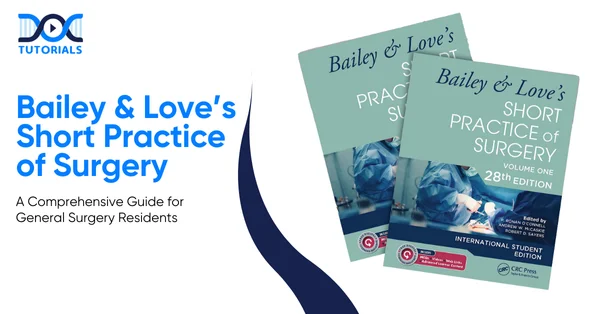
Bailey & Love Surgery 28th Edition: A Detailed Look at the Latest Edition

Bailey & Love Surgery 28th Edition

“Bailey & Love’s Short Practice of Surgery” is among the most widely adopted general surgery textbooks. Since 1932, when the book was first published, its development has not ceased; the 28th edition was just released in March 2023. It remains an exceptionally important resource for surgeons worldwide.

Therefore, if you are a General Surgery student in search of reliable study material, keep reading to find out what the latest edition of “Bailey & Love’s Short Practice of Surgery” has to offer, and why it should be high on your reading list.

What is Bailey & Love’s Short Practice of Surgery Book about?

Bailey & Love’s Short Practice of Surgery provides a comprehensive yet easily readable account of core surgical principles and up-to-date techniques. Included in the text are diagnosis, surgery, and postoperative care, as well as the essentials of anatomy and illness.

First published in 1932, “Bailey & Love’s Short Practice of Surgery” has undergone numerous editions to update the latest from surgical research. It strikes a balance between being detailed yet not overpowering, academic yet accessible, making it an excellent choice for surgical trainees.

The book covers many important topics, including preoperative care, wound healing, shock, infection control, organ-specific diseases, and operative techniques. It also covers recent exciting developments in surgery, including robotic surgery, minimally invasive techniques, surgical technology, and updated guidance on specialisation.

It begins with anatomy and progresses through pathophysiology, diagnostic principles, operative management, and postoperative care, guiding the learner through a comprehensive understanding of surgical problems.

The book includes current concepts in clinical management, decision-making, and test preparation, grounded in modern trends and evidence-based content. What is most impressive about Bailey and Love Surgery is how it clearly and practically ties together basic science and clinical care.

Each chapter includes a variety of flowcharts, charts, graphs, and pictures to make key concepts easier to review and remember.

What is the Latest Edition of Bailey & Love’s Short Practice of Surgery?

The 28th Edition of Bailey & Love’s Short Practice of Surgery is the most recent one. It incorporates digital resources and updates every chapter with new images and recommendations. It makes the material more applicable for students today while maintaining the book’s original strengths in examination and surgical fundamentals.

The recent 28th edition of “Bailey & Love’s Short Practice of Surgery” was published in 2023. Nearly a century since the first edition in 1932, this version continues the book’s strong reputation and makes the content even more relevant for today’s medical students and surgical trainees.

It remains one of the most trusted surgery textbooks across India, Nepal, Pakistan, Bangladesh, and Sri Lanka because it explains concepts clearly and connects long-standing surgical principles with modern advancements.

The new additions in the 28th version of the book are given briefly below:

1. Revised and Updated Chapters

All the chapters have been revised with the most up-to-date surgical techniques, clinical practice, and guidelines. This means that the information correctly reflects the current realities of surgical care.

2. Applicable to both Undergraduates and Postgraduates

This edition is useful not only for the MBBS students but also for MS general surgery residents and for examination preparations, as this edition follows the current undergraduate and graduate medical curriculum.

3. More Global and Relatable Authors

There is greater representation from South Asian experts; hence, examples, clinical approaches, and style of writing are more relevant to the students in this region.

4. Better Design and Improved Diagrams

The layout is now clearer and easier to read. New tables, algorithms, illustrations, and redesigned diagrams facilitate quick, visual comprehension of the more abstract concepts.

5. Added Digital Resources

The 28th edition comes with additional online materials: videos, detailed operative steps, and links for deeper reading. These additions also make the revision and understanding of surgical procedures easier.

FAQs about the Latest Edition of Bailey and Love’s Short Practice of Surgery

1. What is the latest edition of Bailey & Love’s Short Practice of Surgery?

Almost a century after the initial edition in 1932, the most recent version, the 28th edition, was released in 2023. It still keeps all the things that have always made this book great while bringing it fully up to speed with the modern world by adding heaps of new digital learning resources, fresh visuals & all the principles that are currently relevant.

2. Why is the 28th edition of Bailey & Love’s Short Practice of Surgery a must-have for students?

The book gets across all the really important principles of doing surgery safely – from taking someone’s case history to looking after them after the operation in a way that’s easy to follow and organised sensibly.

This makes it useful for both people studying for their MBBS exams and surgical residents because it covers everything that’s expected of them under both the undergraduate and postgraduate curricula.

3. What new features are included in the 28th edition?

The new edition has got brand new chapters, extended bits on super important subjects like child and transplant surgery, and highlights all the ways surgery is being done these days differently. And now you can get access to all the digital goodies that go with it, such as videos, Q&A sessions, & heaps of extra material.

4. Are there additional learning resources in the 28th edition of the Bailey & Love book?

Yes, the book provides complimentary access to an Instructor and Student Resource website with integrated digital and print materials mapped to the textbook. Resources include high-quality, engaging content designed to support lectures, teaching sessions, revision, and self-study.

5. How does the 28th edition improve the learning experience for surgical trainees?

The book now includes a clearer layout with updated tables, algorithms, and redesigned diagrams to facilitate quicker concept acquisition among students. Added digital resources—like videos and expanded operative steps—give trainees multiple ways to learn and revise effectively.

6. What is the best edition of Bailey and Love’s Short Practice of Surgery? 


In 2026, the current 28th edition of Bailey & Love’s Short textbook of Surgery is the best choice for students and Medical trainees. Its updated version contains surgical guidelines, modern operative techniques, and improved illustrations. Authored by the Bailey and Love surgery teams, it continues to be one of the most trusted surgery books for both academic learning and clinical reference. 

7. What is the price of Bailey and Love 28th edition?


The price of the Bailey and Love Surgery latest edition can vary depending on region, format, and seller. In India, students often find it slightly more expensive compared to other surgery books because of its detailed content. The costs may differ for hardcover, international editions, or bundled digital access, so checking multiple academic sellers is advisable.

8. Is Bailey and Love worth the cost?

Yes, Bailey & Love’s Short Practice of Surgery is considered worth the cost due to its comprehensive coverage and long-term utility. This surgery manual is an essential reference among surgery books. It supports learning from undergraduate years through postgraduate training. The structured explanations, clinical correlations, and evolving updates make it the textbook of choice for students.

9.  Can Bailey & Love ensure a good score in the general surgery board/PG exams?

Bailey & Love’s Short Practice of Surgery offers an outstanding conceptual foundation, but students achieve better results when it is used alongside exam-focused resources. The book explains the principles of pathology and clinical reasoning, making it exam-friendly and the best choice for students. Many learners also turn to the digital formats, including the Bailey and Love Surgery audiobook, making it more accessible for study anytime, anywhere, and enhancing its utility as a comprehensive and practical surgical resource. 

10. How to prepare using Bailey & Love for NEET SS?

Competitive exams like NEET SS or MS General Surgery require extensive preparation, books such as the latest edition of Baileys and Love surgery should be used as a core conceptual text. Students benefit most by focusing on high-yield topics and correlating the content with exam patterns. With the help of notes and question banks, this classic surgery book helps students build a clear understanding of the concepts.

Conclusion

Overall, the 28th edition maintains the originality of “Bailey & Love” while incorporating everything modern surgery demands. Whether you’re beginning your surgical journey through PG Residency or preparing for postgraduate exams, this edition remains a complete, reliable, and student-friendly guide.

To support the clinical workload, DocTutorials offers improved, exam-focused MS General Surgery notes to support revisions. Join DocTutorials today and explore our PG Residency course to stay ahead in your medical journey!

DocTutorials App Download Now

Latest Blogs

Bailey & Love’s Short Practice of Surgery: A Comprehensive Guide for MS General Surgery Residents

Bailey & Love’s Short Practice of Surgery

Bailey & Love’s Short Practice of Surgery is one of the most renowned and widely used textbooks in General Surgery. With a legacy spanning over a century, it has become a foundational reference for surgeons across the world. Residents in General Surgery especially value this book for its simplicity in explaining concepts, logical layout, and balanced integration of basic science with clinical practice.

If you are a student of General Surgery searching for reliable study materials, keep reading to understand why Bailey & Love’s Short Practice of Surgery should be at the top of your reading list.  

What is Bailey & Love’s Short Practice of Surgery Book About? 

Bailey & Love’s Short Practice of Surgery is a detailed yet easy-to-read book that describes core surgical principles and modern techniques in an easily understandable format. Anatomy and disease basics are explained, along with diagnosis, surgery, and postoperative care. Clear diagrams and flowcharts make it really useful for trainees and for exam preparation 

First published in 1932, Bailey & Love’s Short Practice of Surgery has gone through many editions to reflect the advances made in the science of surgery. It strikes a good balance in its writing style — detailed without being overwhelming and academic without being inaccessible, which makes it especially suitable for surgical trainees.

The book encompasses basic principles like preoperative care, wound healing, shock, infection control, and organ-specific diseases and operative techniques. It also includes recent developments in surgical practices, including minimally invasive surgery, robotic procedures, surgical technology, and updated guidelines across specialities.

It is designed to assist the trainee in developing a deep understanding of surgical conditions, progressing from anatomy, through pathophysiology and diagnostic principles, to operative management and postoperative care. It provides up-to-date, evidence-based content and hence forms a valuable guide both for exam preparation and day-to-day clinical decisions.

The strength of Bailey and Love Surgery lies in the straightforward and very practical way in which the book connects foundational science to clinical management. Each chapter is enriched with diagrams, charts, flowcharts, and illustrations that enable easy revision and remembering the key points.

Why MS General Surgery Residents Choose Bailey and Love Surgery?

MS General Surgery residents prefer Bailey & Love since it is comprehensive, up-to-date, and simple to follow. It combines basic principles with practical clinical guidance, and the summary boxes, diagrams, and algorithms help with quick revision. This makes it a trusted choice for exam preparation and everyday decision-making in surgery.

Residents especially appreciate the clear focus of the book on the basics, such as wound healing, fluid balance, perioperative care, and surgical anatomy, that form the core of repeated examination questions and daily clinical practice.

Bailey & Love is an all-encompassing textbook. For MS General Surgery residents, this book makes it easier to avoid the hassle of going through several textbooks, as it covers almost all necessary subspecialties. It contains summary boxes that emphasise core knowledge, with a consistent layout of tables, graphics, and diagrams that further assist the reader in understanding central concepts.

The inclusion of algorithms further assists in understanding patient care, making the text both accessible and stimulating. Also, the text is remarkably up to date, covering significant areas of development in surgical practice that are likely to impact practice in the next decade.

With expanded sections on paediatric and transplant surgery, it places even greater emphasis on a multidisciplinary team approach and the engagement of the patient in the often complex decision-making processes.

Written by renowned experts, each chapter has been fully updated to reflect the latest changes in surgical technique and practice. To further enhance learning, readers can visit a companion website containing additional resources, including questions and answers, case studies, videos, and interviews with the authors.

This makes it ideal for MS General Surgery residents who need conceptual clarity as well as clinical applicability.

What is the Table of Contents of Bailey & Love’s Surgery (Latest Edition)?

The latest edition of Bailey & Love’s Short Practice of Surgery has been divided into clear sections on basic principles, paediatrics, perioperative care, trauma, orthopaedics, and all major specialities. This structure aids residents in studying system-wise and helps them understand concepts fast.

The latest 28th edition of Bailey & Love’s Short Practice of Surgery is designed to systematically and comprehensively deliver the knowledge of surgical science to residents. The book is organised around broad themes, making it easy to follow both foundational and speciality-specific topics.

This is a clean description of the common structure followed by this edition. Actual chapter titles remain consistent across versions. The table of contents for the latest version is given below: 

Part 1: Basic Principles

TopicsWriters
Metabolic Response to InjuryIain D. Anderson
Shock and Blood TransfusionKarim Brohi
Wounds, Healing, Tissue RepairSarah L. Benyon & Kai Yuen Wong
Tissue Engineering and RegenerationAndrew W. McCaskie & Liam M. Grover
Surgical InfectionH. Paul Redmond & Zeeshan Razzaq
Tropical Infections and InfestationsSanjay De Bakshi & Pawanindra Lal
Basic Surgical SkillsMark Coleman & Joshua Franklyn
Diagnostic ImagingMathew Mattson, Muaaze Z. Ahmad & Niall Power
Gastrointestinal EndoscopyPhilip Woodland & Dr Rao
Principles of Minimal Access SurgeryAra Darzi & Leanne Harling
Tissue and Molecular DiagnosisRoger Feakins & Rondell P. Graham
Principles of OncologyGrant Stewart & Tim Eisen
Surgical Audit and ResearchThomas Pinkney & Birgit Whitman
Ethics and Law in Surgical PracticeRobert Wheeler
Human Factors, Patient Safety & Quality ImprovementKenneth Mealy & Deborah McNamara
Global Health and SurgeryChristopher B.D. Lavy & Nobhojit Roy

Part 2: General Paediatrics

TopicsWriters
General PaediatricsAnthony D. Lander
Neonatal SurgeryAnna-May Long
Trauma in ChildrenElizabeth Gavens
Paediatric UrologyMohan Gundeti

Part 3: Perioperative Care

TopicsWriters
Pre-operative Care Including the High-risk PatientAmy J. Thomas
Day Case SurgeryKim Russon
Anaesthesia and Pain ReliefVivek Mehta & Serene H.-L. Chang
Postoperative Care, Including Perioperative OptimisationAnand Sardesai & Anita Balakrishnan
Nutrition and Fluid TherapyAnita Balakrishnan

Part 4: Trauma

TopicsWriters
Introduction to TraumaRobert C. Handley & Peter Giannoudis
Early Assessment and Management of Severe TraumaChris Moran & Dan Deakin
Traumatic Brain InjuryHarry Bulstrode & Antonio Belli
Torso & Pelvic TraumaKenneth D. Boffard & Mansoor Ali Khan
The Neck and SpineJohn R. Crawford & Douglas Hay
Maxillofacial TraumaPeter Brennan & Rabindra Singh
Extremity TraumaLee Van Rensburg & Jaikirty Rawal
Disaster SurgeryMamoon Rashid
Conflict SurgeryJon Clasper & Phill Pearce

Part 5: Elective Orthopaedics

TopicsWriters
History Taking & Clinical Examination in Musculoskeletal DiseaseStephen McDonnell & Hemant G. Pandit
Sports Medicine and Sports InjuriesPeter J. Millet & Joseph J. Ruzbarsky
The SpineBrian Freeman & Christopher B.D. Lavy
The Upper LimbDavid Limb & Samuel R. Vollans
The HipVikas Khanduja & Karadi H. Sunil Kumar
The KneeWasim S. Khan & Andrew J. Porteous
The Foot and AnkleBob Sharp
Musculoskeletal TumoursW. Paul Cool & Craig Gerrand
Infection of the Bones and JointsMartin A. McNally
Paediatric OrthopaedicsDeborah Eastwood

Part 6: Skin, Plastic & Reconstructive Surgery

TopicsWriters
Skin and Subcutaneous TissueAdam R. Greenbaum
BurnsJohn E. Greenwood & Lindsay Damkat-Thomas
Plastic and Reconstructive SurgeryJames K.-K. Chan & Marc C. Swan

Part 7: Head and Neck

TopicsWriters
Cranial NeurosurgeryLiam Grey & Harry Bulstrode
The Eye and OrbitKeith R. Martin
Developmental Abnormalities of the Face, Mouth & Jaws: Cleft Lip and PalateDavid A. Koppel & Mark F. Devlin
The Ear, Nose, and SinusesIain F. Hathorn & Alex Bennett
The Pharynx, Larynx, and NeckVinidh Paleri & Anusha Balasubramanian
Oral CavityAndrew Schache & John Edward O’Connell
Disorders of the Salivary GlandsPrathamesh S. Pai, Deepa Nair & Manish D. Mair

Part 8: Endocrine and Breast

TopicsWriters
The Thyroid GlandRichard M. Adamson & Iain Nixon
The Parathyroid GlandsRuth S. Prichard
The Adrenal Glands & Other Abdominal Endocrine DisordersMichael Stechman & David Scott-Coombes
The BreastAnurag Srivastava, Suhani Suhani & Anita Dhar

Part 9: Cardiothoracic

TopicsWriters
Cardiac SurgeryMustafa Zakkar
The ThoraxCarol Tan & Ian Hunt

Part 10: Vascular

TopicsWriters
Arterial DisordersRobert S.M. Davies
Venous and Lymphatic DisordersIan C. Chetter & Daniel Carradice

Part 11: Abdominal Surgery

TopicsWriters
History & Examination of the AbdomenDhananjaya Sharma
The Abdominal Wall, Hernia & UmbilicusBruce R. Tulloh & Barbora East
The Peritoneum, Mesentery, Greater Omentum & Retroperitoneal SpaceJ. Calvin Coffey
The OesophagusSimon Y.K. Law & Ian Y.H. Wong
The Stomach and DuodenumTimothy J. Underwood & John N. Primrose
Bariatric and Metabolic SurgeryRichard Welbourn & Dimitri J. Pournaras
The LiverAshley R. Dennison & Guy J. Maddern
The SpleenPawanindra Lal
The Gallbladder & Bile DuctsAvinash N. Supe & Ramkrishna Y. Prabhu
The PancreasSatyajit Bhattacharya
Functional Disorders of the IntestineCharles H. Knowles
The Small IntestinesGordon L. Carlson & Jonathan C. Epstein
Inflammatory Bowel DiseaseP. Ronan O’Connell & Nicola S. Fearnhead
The Vermiform AppendixJurgen Mulsow
The Large IntestinesStephen Brown & Cat Boereboom
Intestinal ObstructionJames Hill
The RectumDavid G. Jayne & Aaron J. Quyn
The Anus and Anal CanalMalcolm A. West & Karen P. Nugent

Part 12: Genitourinary

TopicsWriters
Urinary Symptoms and InvestigationsRajeev Kumar & John K. Mellon
The Kidney and UretersNitin Kekre
The Urinary BladderSachin Malde
The Prostate & Seminal VesiclesAnant Kumar & Oussama Elhage
Urethra and PenisSanjay B. Kulkarni
Testis and ScrotumTet L. Yap
GynaecologyMonica Mittal, Prasanna Raj Supramaniam & Christian M. Becker

Part 13: Transplantation

TopicsWriters
Kidney Transplantation & Principles of TransplantationMichael L. Nicholson
Liver TransplantationMohamed Rela & Abdul Rahman Hakeem
Pancreas TransplantationJames P. Hunter & Peter J. Friend
Intestinal & Multivisceral TransplantationNeil Russell & Andrew Butler
Heart and Lung TransplantationStephen C. Clark

This structured approach allows residents to work their way through the book in a systematic way, revising section by section.

What is the Latest Edition of Bailey & Love’s Short Practice of Surgery?

Bailey & Love’s Short Practice of Surgery’s latest edition is the 28th Edition, updating all chapters with modern guidelines and diagrams and adding many digital resources. It retains the classic strengths of this book in examination and surgical basics, but makes its content more relevant for students today.

The latest edition of Bailey & Love’s Short Practice of Surgery is the 28th edition, published in 2023. It came out almost 100 years after the first edition and still manages to remain one of the most sought-after books by medical students and surgery trainees alike. Many students across India, Nepal, Pakistan, Bangladesh, and Sri Lanka rely on it because it explains surgery clearly and connects old principles with new advancements.

The 28th edition retains the core concepts for which Bailey & Love is renowned: good history taking, proper examination, clear thinking, and safe postoperative care. These have not changed despite surgery having advanced significantly.

What’s New in the 28th Edition?

  • Updated and Revised Chapters: Each chapter has been updated with the most recent guidelines, state-of-the-art techniques, and the latest clinical practices.
  • Focus on Both UG and PG Needs: Content in this edition has been updated to match today’s medical and surgical curricula.
  • More Global and Relatable Authors: Most of the new additions are from South Asia, and the book now feels more relevant to patients here.
  • Improved Design and Diagrams: The text is more readable, and tables, algorithms, and illustrations have been included to help you grasp each concept more quickly.
  • Extra Digital Content: You’ll also get videos, detailed operative steps, and links for further reading that you can’t always find in older editions.

Overall, this 28th edition keeps the soul of the book alive but also brings in everything modern surgery needs. It remains a complete and reliable guide for students, whether you’re just starting or preparing for your postgraduate exams.

How to Use Bailey & Love Effectively for MS General Surgery?

MS General Surgery residents can utilise Bailey & Love effectively by daily system-wise reading during rotations, revising key concepts before each surgery, and relying on clear diagrams and tables for quick exam-friendly revision. It builds strong fundamentals while confidently preparing for OT and viva sessions.

MS residents can get the most out of Bailey and Love Surgery by using it strategically throughout their training:

  • Daily Reading: Residents are advised to read Bailey & Love daily, especially during rotations. You can read the system-wise chapters according to your posting. Highlight key tables, diagrams, and flowcharts, and use them as a foundation before moving on to the more advanced texts.
  • Preoperative Case Preparation: Before major cases, use the book to swiftly revise aetiology and pathophysiology, clinical features, standard operative steps, and expected complications. This helps you enter the OT with confidence, especially in your early MS general surgery years. 
  • Use Illustrations and Diagrams: Diagrams in Bailey & Love are simple and examination-friendly. Use them for easy revision, viva preparation, and surgical anatomy knowledge. 

FAQs about Bailey & Love’s Short Practice of Surgery

  1. Who are Bailey and Love?

Bailey and Love is the title of a long-standing, renowned textbook of surgery, formally entitled Bailey & Love’s Short Practice of Surgery by its original authors, Henry Hamilton Bailey and McNeil Love, with many editions developed with multiple collaborators. It represents the standard reference for medical students and surgeons worldwide in the principles and practice of surgical care related to all major specialities.

  1. How is the anatomy section in Bailey & Love?

The clinical anatomy section is good and comprehensive, organised by region of the body. Each chapter carries a plethora of clinical photographs and images, supplementing the high-quality anatomical diagrams by using the best modality to demonstrate anatomical relevance.

  1. Should new students in general surgery start with Bailey & Love?

Yes, Bailey & Love is written in a very friendly style for students, so it’s perfect for beginners. You may take a little more time initially because it’s a comprehensive book, but the surgical foundation laid at the beginning of the book helps navigate the text. 

  1. How long does it take to finish reading Bailey & Love?

It really depends on your pace, but most MS General Surgery residents do one thorough reading in a few months. Many students revise selected chapters multiple times during residency rather than trying to finish the whole book in one go.

  1. Is Bailey & Love useful in practical examinations? 

Yes, especially for clinical concepts, common cases, and bedside explanations. Regarding system-wide operational steps and spotters, pairing it with an operative surgery manual is recommended. 

  1. How many editions are there of Bailey and Love’s Short Practice of Surgery?

As of now, there are 28 editions of Bailey and Love’s Short Practice of Surgery, with the latest edition published in March 2023. This comprehensive book on surgery was first published in 1932 and has been with undergraduate and postgraduate students since.

  1. What is the price of Bailey and Love Surgery, 28th Edition?

Currently, Bailey and Love’s Short Practice of Surgery, 28th Edition sells for ₹4,358, which includes 2 volumes, Volume I and Volume II. The book is published by CRC Press, having more than 1530 pages and is the International Student Edition, imported from the UK. 

  1. What edition of Bailey and Love is best?

Among all the editions, the 28th edition is considered the best to date, as it maintains the originality of the authors, Bailey and Love. Whether studying for your year-end exams or preparing for postgraduate entrance exams, this edition is considered reliable and student-friendly.

  1. Is Bailey and Love easy to understand?

Bailey and Love is written in a friendly tone, keeping the students in mind; hence, it is the best book for beginners. It may take time, as it is a comprehensive book, but the solid foundation at the beginning helps students as they move forward.

  1.  Is Bailey and Love good for anatomy?

Many students say Bailey and Love have the best theory and explanation, along with the clinical area. Each chapter is filled with ample clinical photographs and images, helping students correlate with real-life situations. Every chapter is structured by body region, making it easy to navigate.

Conclusion 

Bailey & Love’s Short Practice of Surgery is considered one of the most widely read and respected textbooks by many students of MS General Surgery and PG Residency. Organised content, explanations in easy-to-understand language, and updated surgical guidelines make this book perfect for daily clinical learning and theory preparation, including case discussions.

Building on an already impressive value, the 28th edition adds many modern surgical updates, visuals, and evidence-based guidance.

To provide residents with additional content for concept building and exam preparation, DocTutorials provides high-yield notes, animated video lectures, mock tests, and more. Join DocTutorials today and get skilled support in your MS General Surgery journey!

DocTutorials App Download Now

Latest Blogs

Sabiston Textbook of Surgery: Why It’s the Ultimate Guide for MS General Surgery

Sabiston Textbook of Surgery

Sabiston Textbook of Surgery: The Biological Basis of Modern Surgical Practice is a go-to text that covers the breadth of the material necessary for certification as a surgeon. It is one of the oldest published textbooks for surgeons of all levels and provides expert guidance on every aspect of general surgery. 

If you are an MS General Surgery resident looking for top-class study materials, the Sabiston Textbook of Surgery should be at the top of your list. Keep scrolling for all the details of the 22nd edition of this book.   

What is the Sabiston Textbook of Surgery About? 

The Sabiston Textbook of Surgery is where a surgeon finds basic answers regarding wound healing, fluids, and perioperative care, and detailed information about trauma, organ surgery, cancer, and robotic techniques. It includes 2,000+ images, tables, and easy-to-follow algorithms. The book generally costs ₹6,500 for the paperback and ₹13,000–₹24,000 for the hardcover.

The Sabiston Textbook of Surgery was first published in 1930 and has been continually updated since. Today, the latest version of the book is the 22nd edition. 

The book begins with core topics that are essential in general surgery practice: wound healing, fluid and electrolyte management, nutrition, perioperative care, shock, and the basic molecular and cellular biology behind surgical disease. 

It also covers complex topics like trauma and critical care systemic diseases (cardiothoracic, vascular, and endocrine), solid-organ surgery, oncologic surgery, transplantation, and subspecialty procedures. 

With evolving times and with advancements in medical procedures, the new editions also integrate topics like simulation and training methodology, robotic techniques, and discussion of emerging tools such as AI and image-guided therapies. The book also includes more than 2,000 images and hundreds of quick-reference tables, boxes, and algorithms for easy but comprehensive learning. 

The price of the book varies across editions and sites. The hardcover copy of this book can range from anywhere between ₹13,000 and ₹24,000. Meanwhile, the paperback version costs around ₹6500.  

Why Do MS General Surgery Residents Choose the Sabiston Textbook of Surgery? 

Residents turn to the Sabiston Textbook of Surgery for its clear linkage of theory to actual clinical practice and the “why” behind surgical decisions. It is a single-volume, comprehensive, expertly authored text that remains current with modern approaches like robotics and minimally invasive surgery. It has become one of the most relied upon and recommended references in exam preparation and daily surgical practice.

The book combines theoretical concepts and basic concepts with its practical and clinical application. This synthesis is valuable for residents who are required to integrate theory into an operative plan. It also explains the “why” behind certain practices and treatment management, helping residents gain a holistic understanding of not only what needs to be done but also why it is done. 

Sebastian’s textbook serves as a long-term reference as a prep-text. Since this is a single-volume book acting as a comprehensive source, residents don’t need multiple volumes of general surgery books on varied topics. A big advantage is also the fact that it is written by experts in the clinical field, keeping the content trustworthy and relevant. 

Over the years, the Sebastian textbook has become the most searched and recommended book, as it is a single, reliable, up-to-date text. Since it was published in 1930, and has been continually updated, its revised chapters include all modern innovations and hot topics like robotics and minimally invasive procedures. Therefore, it has an established brand reputation. 

The textbook is also highly recommended to prepare for board and PG examinations. 

What is the Table of Contents of the Sabiston Textbook of Surgery (22nd Edition)? 

The 22nd edition of the Sabiston Textbook of Surgery is organised into eleven major sections involving surgical training, perioperative care, trauma, oncology, transplantation, and all core surgical systems. It provides a well-organised, comprehensive review of core and advanced knowledge in surgery for residents. The book provides an organised format to lay strong clinical and operative foundations systematically for the residents.

The textbook is divided into eleven detailed sections that cover important foundational and advanced aspects of surgical science. The following section gives an overview of the structured table of contents of the 22nd edition of the book. 

SectionTopic


SECTION I: Surgical Training and Quality Control
Surgical Education: Past, Present, and Future
Surgical Simulation and New Ways to Optimise Performance
Certification of Surgeon Competence
Preoperative Risk Assessment and Alterations in the COVID-19 Era
Social Determinants of Health and Their Impact on Surgical Outcomes
Critical Assessment of Surgical Outcomes and Health Services Research
Surgical Quality Improvement Programmes
Patient-Reported Outcomes
Safety in the Surgical Environment
Advances and Training Considerations in Robotic Surgery
Advances and Training Considerations in Laparoscopic Surgery
Advances and Training Considerations in Endoscopy and Endoscopic Surgery
Telehealth in Surgery
Health Inequities and Disparities in Surgery
Global Surgery
Ethics and Professionalism in Surgery
Surgeon Health: Ergonomics
Surgeon Health and Well-Being

SECTION II: Perioperative Management


SECTION II: Perioperative Management
Principles of Preoperative and Operative Surgery
Anaesthesiology Principles, Pain Management, and Sedation
Optimising Surgical Outcomes: Prehabilitation and Rehabilitation
Enhanced Recovery After Surgery (ERAS)
Wound Healing
The Evolving Role of the Microbiome in Surgical Practice
Surgical Site Infections
Surgical Complications: Overview and Grading
Surgery in the Geriatric Patient
Surgery in the Pregnant Patient
Surgical Considerations in the Transgender Patient
Surgical Palliative Care
Advanced Analytics and Artificial Intelligence Applications in Surgery


SECTION III: Trauma and Critical Care
The Inflammatory Response
Shock, Electrolytes, and Fluid
Metabolism and Nutrition in Surgical Patients
Primary Soft Tissue Infections
Management of Acute Trauma
The Difficult Abdominal Wall
Management of Vascular Trauma
Management of Urologic Trauma
Emergency Care of Musculoskeletal Injuries
Emergency Care of Neurologic Injuries
Management of Paediatric Trauma
Burns
The Outdoors—Venomous Bites and Environmental Exposure
Management of Chronic Wounds
Surgical Critical Care
Moving Operating Room Procedures to the ICU
The Surgeon’s Role in Disaster Management


SECTION IV: Transplantation and Immunology
Transplantation Immunobiology and Immunosuppression
Regenerative Medicine and Its Applications to Surgery
Surgical Considerations in Transplant Patients and Portal Hypertension
Kidney Transplantation
Liver Transplantation
Pancreas Transplantation
Islet Transplantation
Small Bowel Transplantation
Heart Transplantation
Lung Transplantation
Soft Tissue Transplantation
SECTION V: Surgical OncologyTumour Biology and Tumour Markers
Tumour Immunology and Immunotherapy
Surgical Considerations in Cancer Patients
Melanoma and Cutaneous Malignancies
Sarcomas of the Soft Tissues, Retroperitoneum, and Bone
Gastrointestinal Stromal Tumours (GIST)
Benign Diseases of the Head and Neck
Head and Neck Cancer
Diseases of the Breast
Plastic Surgical Considerations in Cancer Surgery
Peritoneal Malignancy and HIPEC
Surgeon’s Approach to Lymphadenopathy
The Spleen
SECTION VI: Endocrine DisordersThe Thyroid
Parathyroid
The Adrenal Glands
Pancreatic Neuroendocrine Tumours
Neuroendocrine Neoplasms (Carcinoid Tumours)
Multiple Endocrine Neoplasia Syndromes
SECTION VII: Abdominal Wall HerniasPreoperative Management of the Hernia Patient
Ventral Hernias
Hernias of the Abdominal Wall: Atypical Locations
Inguinal Hernias
SECTION VIII: Alimentary TractBenign Oesophageal Disorders
Oesophageal Cancer
The Acute Abdomen
Stomach
Gastric Cancer
Biliary System
The Liver
Secondary Tumours of the Liver
Small Intestine
Exocrine Pancreas
Pancreatic Cancer
The Appendix
Colon and Rectum
Cancers of the Colon, Rectum, and Anus
Benign Anorectal Disorders
Acute Gastrointestinal Haemorrhage
Morbid Obesity
SECTION IX: Vascular SurgeryHemostasis and Thrombosis
Contemporary Management of Carotid Disease
Aortic Disease
Peripheral Occlusive Disease
Extremity Amputations: Indications and Outcomes
Peripheral Aneurysmal Disease
Visceral Ischaemic Syndromes
Dialysis Access
Venous Disease
The Lymphatics
SECTION X: Cardiothoracic SurgeryLung, Chest Wall, Pleura, and Mediastinum
Acquired Heart Disease: Coronary Artery Disease
Acquired Heart Disease: Valvular
Congenital Heart Disease
Pulmonary Embolism: Acute and Chronic
Percutaneous Heart Procedures
Extracorporeal Membrane Oxygenation (ECMO): Applications and Management
SECTION XI: Subspecialty Considerations Relevant to the General SurgeonPaediatric Surgery
Maternal–Foetal Surgery
Hand Surgery
Gynaecologic Surgery
Urologic Surgery

What is the Latest Edition of the Sabiston Textbook of Surgery?

The most recent 22nd edition of the Sabiston Textbook of Surgery has major updates and was released on 27 August 2025. It features new chapters on minimally invasive surgery, robotics, endoscopy, simulation, and AI, accompanied by videos and podcast-style resources. This edition is designed to match modern surgical training needs.

The Sabiston 22nd edition was officially released on 27th August 2025. Compared to the previous versions, this edition has introduced several important updates and modernisations in chapters that are relevant today for general surgery residency. 

The following gives you a brief detail on what is newly added in the latest edition: 

  • New chapters in minimally invasive surgery, advanced endoscopic techniques, surgical simulation, and artificial intelligence (AI) applications. 
  • Additional detailed content on robotic surgery. 
  • Provides access to more than two dozen high-quality surgical procedures and technique videos. 
  • New podcast-style audio resources.

How to Use the Sabiston Textbook of Surgery Effectively for MS General Surgery?

The Sabiston Textbook of Surgery helps prepare for cases by explaining the basics of diseases, operative steps, and postoperative care. The videos, images, and quick-reference tables make revision easier and faster.

MS General Surgery students can benefit greatly from the Sabiston Textbook of Surgery by following a strategic plan throughout residency. Here are some ways in which you can use the textbook: 

  1. Using it for Daily Reading 

It is recommended that residency students do daily directed reading from one standard textbook or reference source during rotations. This means that residents should read the chapters in relation to the system they are rotating in. 

  1. For Pre-Operative Case Preparation 

Use the book to read about the diagnosis and procedure for pre-operative case preparation in a major surgical test. Before entering the OT, use Sabiston to:

  • Understand the disease’s underlying mechanism
  • Review standard operative steps
  • Study complications and post-operative care

This makes you more confident and better prepared, especially in your first and second years of MS.

  1. Use Multimedia Content

The 22nd edition of this textbook also comes with images, two dozen surgical video clips, podcast-style audio resources, over 2,000 high-quality images, and hundreds of quick-reference tables, boxes, and algorithms.

Videos and podcast-style audio can be used for effective learning and comprehension. The algorithms, reference tables, and boxes can be used for exam-friendly revision.

Conclusion 

The Sabiston Textbook of Surgery remains an essential and trusted reference for MS General Surgery and PG Residency students. With updated chapters, recent advances in surgery, and elaborate explanations, the support it provides to residents ranges from daily clinical work to case preparation and exam readiness. The 22nd edition further solidifies that with new content on robotics, minimally invasive techniques, and AI in surgery.

However, to thoroughly understand all the knowledge that this book has to offer, you need expert guidance and doubt-clearing sessions, which are offered by DocTutorials. We even provide concise, high-yield notes and video lectures that help you take your exam preparation to the next level. 

Check out our MS General Surgery courses today!

FAQs about Sabiston Textbook of Surgery  

  1. Is the Sabiston Textbook of Surgery enough for MS General Surgery residents?

Yes, Sabiston is one of the most comprehensive and reliable textbooks for MS General Surgery. It contains basic to advanced topics that serve as a strong basis for primary reference. Still, residents often use it in combination with lecture notes or quick-review guides for exams.

  1. Is it hard for beginners to read Sabiston?

Although detailed, the book explains the concepts clearly. For a first-year resident, some chapters could be a bit heavy; however, reading them slowly, along with clinical rotations, makes it much easier over time.

  1. Should I read Sabiston chapter by chapter?

Not necessarily. The best way is to read based on your rotation. For example, if you’re posted in GI surgery, focus on the stomach, liver, pancreas, and colorectal chapters.

  1. Is the new Sabiston edition very different from the others? 

Yes. The updates on robotic surgery, minimally invasive procedures, AI in surgery, enhanced perioperative care, and new multimedia learning tools are all included in the 22nd edition. This makes it more aligned with modern surgical practice. 

  1. Is Sabiston useful in preparing for exams? 

Absolutely. Many of the questions on the exams are based on concepts covered in Sabiston. Using tables, algorithms, and summary boxes can help MS General Surgery residents revise quickly before the exams.

  1. What is the latest edition of Sabiston’s textbook of surgery?

Being one of the oldest published books of surgery for surgical residents, the latest 22nd edition continues to maintain the quality and provides the key information along with updated content and teaching pearls that are required to achieve the best outcome for patients. 

  1. Is Sabiston helpful for Surgical Residents?

Yes, MS General Surgery residents rely heavily on Sabiston, as it is one of the most comprehensive textbooks in surgery. The book covers all the topics, from the basics to the advanced, providing a strong foundation for students. However, it is combined with lecture notes and quick-review guides before exams. 

  1. What is the price of the Sabiston textbook of surgery, 21st edition?

The price of the 21st edition of Sabiston’s textbook of surgery is currently priced at ₹7,346. The book is completely written in english and published by Elsevier publications. After placing an order, the book is delivered within 7 to 10 days.

  1. What are the main updates in Sabiston’s 22nd edition?

The latest edition of Sabiston’s textbook of Surgery aligns with the current syllabus of surgical residency, which includes:

  • New Chapters: The newly included chapters are Minimally invasive surgery, advanced endoscopic techniques, Surgical simulation and Artificial Intelligence applications. 
  • Updated Content: New and updated content has been added on robotic and fetal surgery.
  • Digital Resources: Access to over two dozen high-quality video lectures and podcast-style audiobooks. 
  1. What is the structure of Sabiston’s textbook of surgery?

The 22nd edition book is divided into 11 main parts, which cover the following:

  • Trauma and Critical Care
  • Surgical Oncology
  • Transplantation and Immunology
  • Core Systems (Cardiothoracic, Abdominal Wall, and Vascular), and other subspecialties 
  • Surgical Training and Quality Control
  • Perioperative Management

This book is a great help for MS General Surgery residents.

DocTutorials App Download Now

Latest Blogs

General Surgery Residency in India: Complete Guide to Life as a Resident

General Surgery Residency

If you are aspiring to become a surgeon in India, you might be looking for details about general surgery residency. A career in general surgery is one of the most challenging and respected career paths.

General surgery residents are given extensive hands-on experience and trained to perform life-saving procedures and manage complex medical cases. Read this article to understand what residency in general surgery is all about!

What is General Surgery Residency?

A general surgery residency is a part of the three-year full-time postgraduate training program (MS/DNB). MBBS graduates can get hands-on surgical experience through this program. Residents are taught how to perform surgeries, handle pre- and post-operative care, and develop clinical judgement as surgeons under expert supervision.

A General surgery residency in India, whether through the MS (Master of Surgery) or DNB (Diplomate of National Board) pathway, is when an MBBS graduate truly learns to be a surgeon. It’s full-time, difficult, and hands-on training. The days of the resident are spent in operating rooms, wards, and emergency departments.

In India, there are two routes that are recognised for training in general surgery. There are the MS degrees and the DNB degrees. Both are considered excellent qualifications for postgraduate study. The difference between them lies in how they are assessed and accredited, and in the place of training (residency).

Both courses have the same goal — to produce competent and confident surgeons. So, a general surgery residency is where your transformation from a medical graduate to a surgeon begins.

What is the Duration of the General Surgery Residency in India?

Your general surgery residency will begin after your MBBS degree and the mandatory one-year internship. The standard duration for MS in general surgery is three years of full-time training.

You can get access to the three-year structure by viewing the National Medical Council (NMC) postgraduate curricula and also the syllabi of most institutions offering the course. DNB programs also follow a three-year structure for general surgery. In addition, the training length can be reduced if candidates hold a postgraduate diploma in a related surgical field.

The three-year surgery residency program includes rigorous practical training:

  • Residents go through rotations across surgical units, emergency rooms, ICU (intensive care unit), and also other speciality postings like orthopaedics, ENT (ear, nose, and throat), urology, etc.
  • They also get hands-on experience for surgeries.
  • Residents have to attend seminars, conduct research, and attend conferences.
  • Skill development in laparoscopic and open surgery.

What is the Admission Process for a General Surgery Residency?

Admission into a general surgery residency, such as MS General Surgery or DNB General Surgery, in India involves specific steps, eligibility criteria, and counselling systems. The candidates must meet the following eligibility criteria:

  • Candidates must have an MBBS degree, which is recognised by the NMC. 
  • Completion of the mandatory one-year internship after the MBBS degree.
  • Candidates must pass the NEET-PG/INI-CET entrance exam with the required cut-offs.
  • Permanent or provisional registration with MCI/NMC/State Medical Council
  • Foreign medical graduates must have cleared the FMGE (Foreign Medical Graduate Examination) before applying.

The step-by-step admission process is given below:

  • Step 1: Prepare for the NEET-PG or equivalent (such as INI-CET) entrance exam
  • Step 2: Appear for the exam and obtain the required score/rank as per the cut-off.
  • Step 3: Check eligibility and register for counselling.
  • Step 4: Fill in your choices/college preference at the counselling portal.
  • Step 5: Check your seat allotment based on the list released.
  • Step 6: Report to the institute for admission formalities and document verification. Secure your seat.

What Does the MS/DNB General Surgery Syllabus Include?

The MS and DNB General Surgery syllabi in India cover a wide range of surgical sciences, clinical training, and research components. Both programs include applied basic sciences, general surgical principles, oncology, and laparoscopic surgery. Students also undergo rotations across varied specialisations and get training in clinical research.

The syllabus for general surgery programs in both MS and DNB is given in the tables below:

What is the Syllabus for the MS in General Surgery?

The MS in General Surgery syllabus varies slightly from one medical institution to another, but most universities in India follow a similar framework as outlined by the National Medical Commission (NMC).

Minor differences may appear in the depth of certain modules, elective rotations, or assessment formats. Check out the table below:

YearCore Subjects
1st YearPre-operative Management I & II
Orthopaedics and Traumatology
Intensive Care
Respiratory System
Neoplasia: Techniques and Outcomes of Surgery
2nd YearVascular Surgery
Head, Neck, Endocrine & Paediatric Surgery
Abdominal Surgery
Plastic Surgery 
Small Bowel and Colorectal Disorders
Locomotor System
3rd YearUpper GI Tract Surgery
Hepatopancreatobiliary Surgery
Neurosurgery
Laparoscopic Surgery
ICU, Emergency, and Ward Procedures

Note: To access the exact syllabus, students are encouraged to visit the official website of their respective universities or affiliated teaching hospitals.

What is the Syllabus for the DNB in General Surgery?

The syllabus for DNB in general surgery is given below:

SectionKey Topics Covered
Applied Basic SciencesApplied anatomy, physiology, biochemistry, microbiology, pharmacology, and pathology
Molecular and cell biology, inflammation, regenerative medicine
Wound healing, shock, fluid & electrolyte balance, acid-base management
Principles of asepsis, sterilisation, antibiotics, and anaesthesia
General Surgical PrinciplesHistory of surgery, surgical infections, nutrition, and burns
Principles of laparoscopy, endoscopy, and robotic surgery
Oncology basics and management
Trauma and emergency surgical care
Blood transfusion, hemostasis, and universal precautions (HIV, hepatitis)
Pre- & Post-Operative CarePre-operative assessment and anaesthesia preparation
Infection control, aseptic techniques, and antibiotic prophylaxis
Post-operative complications and their management
Pain control, ventilatory support, and nutritional care
Trauma and Critical CareAssessment and resuscitation (ATLS, BLS)
Management of chest, abdominal, and pelvic trauma 
Head and spinal injuries, burns, gunshot wounds
ICU management
Oncology and Palliative CareCancer biology, staging, and principles of surgery, chemotherapy, and radiotherapy
Screening, pain management, and palliative care
Ethics, medico-legal aspects, and communication in cancer care
System-Based SurgeryLocomotor System
Vascular Surgery
Head, Neck, and Endocrine
Paediatric Surgery
Abdomen and Gastrointestinal Tract
Hepato-Pancreato-Biliary
Genito-Urinary
Neurosurgery
Cardiothoracic Surgery
Plastic and Reconstructive Surgery
Transplantation
Laparoscopic & Minimal Access SurgeryLaparoscopic anatomy, ports, and instruments 
Pneumoperitoneum, electrocautery, and laser safety 
Diagnostic & therapeutic laparoscopy
Complications, equipment handling, robotic assistance
Research, Ethics, and BiostatisticsResearch methodology, clinical trials, surgical audit, and data interpretation
Health policy issues and medico-legal responsibilities
Biomedical waste management and ethical surgical practice
Clinical PostingsMandatory: Accident & Trauma (1 month), ICU (1 month)
Rotational (6 weeks each): Cardiothoracic, Neurosurgery, Surgical Gastroenterology, Oncology, Paediatric, Plastic, and Urology

Note: To access the exact syllabus, students are encouraged to visit the official website of their respective universities or affiliated teaching hospitals.

What Career Options are Available after Completing a General Surgery Residency?

After completing a General Surgery Residency, you can work as a consultant surgeon, start a private practice, or pursue super-specialisation (MCh/fellowships). Other options include becoming an academic surgeon, moving into hospital administration, training abroad, or starting a health-tech or surgical venture.

The following table summarises the career path available after you complete your General Surgery Residency:

Career PathDescription
Consultant/Surgeon in HospitalWorking in a hospital setting (public/private), performing surgeries
Private Practice/ClinicEstablishing one’s own surgical practice or joining a private hospital
Super-Specialist/FellowshipPursuing MCh/fellowship in a niche surgical area
Academic/Teaching SurgeonFaculty role in medical college + clinical work + research
Hospital Leadership/AdministrationTransitioning into an administrative/managerial role in healthcare
Global Practice/International FellowshipTraining/practice abroad, then returning (or staying)
Entrepreneurial/Specialised ServiceStarting a niche service unit, tele-surgery, and health-tech venture

What are the Common Myths around General Surgery for Residents?

People often hold misguided opinions about surgery. Contrary to the general belief, surgery is not often the last resort; it is, in many cases, seen as the most effective treatment. Modern techniques and minimally invasive procedures make recovery time from surgeries faster. There may be certain misconceptions about general surgery that are essential to clarify. It is important to separate facts from myths, especially if you are someone who is going to enter a general surgery residency soon.

The following sections provide certain myths about general surgery and aim to clear them up:

  1. Surgery is Always the Last Resort

Surgery is often seen as a proactive solution. While many people think that surgery is only provided when all other lines of care have failed, this is not the case. It is often the case that in many conditions, surgery is the best and sometimes the only solution.

  1. All Surgeries Have an Extreme Risk

With advanced technology and modern surgical techniques, the risk of surgeries has reduced significantly. There are advanced seen in laparoscopic robotic and image-guided surgery, which residents are trained in.

General surgery residents are also trained in risk assessment, infection control, and operative protocols that make sure that patients are safe and don’t suffer from any complications.

  1. It Takes Time to Recover from Surgeries

The time it takes to recover from surgery depends on the type of surgery. Patients who undergo minimally invasive procedures also also surgeries as cholecystectomy and laparoscopic appendectomy, get discharged within 24 to 48 hours.

The general surgery program’s emphasis on residents getting training in these advanced procedures ensures faster recovery for patients.

  1. Surgeons Don’t Interact Much with Patients

Patient care is one of the important duties of a surgeon. Surgeons spend a significant amount of time counselling patients, explaining risks, and guiding postoperative recovery. During residency, trainees are encouraged to develop empathy, communication skills, and patient-education strategies.

FAQs about General Surgery Residency in India

  1. ow long is a general surgery residency in India?

Most general surgery programs in India are of a total of three years of duration.

  1. What are the eligibility criteria that I need to meet so that I can apply for general surgery programs?

To become a general surgery resident, you must hold an MBBS degree from a recognised institute and must have completed your mandatory one-year internship. You also have registration or a provisional registration with the State/National Medical Council.

Candidates also need to appear for the NEET-PG or other equivalent examinations and obtain the required cut-off score.

  1. Is it difficult to pursue a general surgery residency?

Being a general surgery resident can be difficult, as even before admission, you have to compete for seats. The workload is also intense, and the course is rigorous. Residents have to work to meet academic requirements and also fulfil their clinical duties.

  1. Do I have to appear for an entrance exam to become a general surgery resident?

Yes. Admission to MS/DNB General Surgery is based on an entrance examination. In India, the primary exam is NEET-PG (for most institutes) or other institute-specific exams for certain institutes of national importance.

  1. What is the scope for a general surgery resident in India? 

The scope for general surgery residents in India is vast. You can get opportunities in government and private hospitals, trauma centres, and academic or research roles. If you want to refine your skills further, you can also pursue various subspecialties through MCh or fellowship programs.

  1.  What is the shortest general surgery residency in India?

The shortest general surgery residency in India is 3 years, resulting in either a Master of Surgery (MS) or a Diplomate of the National Board (DNB) qualification. However, before applying for a general surgery residency, one must complete their MBBS and one year of rotatory internship. 

  1. What is the highest-paid general surgery speciality in India?

In India, the highest-paid surgical specialities include neurosurgery and cardiothoracic surgery, where senior consultants earn somewhere between ₹1 crore and ₹3 crore annually. Other high-paying specialities include orthopaedic surgery and oncology surgery. However, the payout varies with experience. 

  1. What can I do after a general surgery residency in India?

After completing a general surgery residency in India, you can work as a consultant in private hospitals or join a government medical college as a senior resident to practice further. Apart from this, you can also go for super-specialisation.  Other options include completing fellow trainings in laparoscopy or trauma. 

  1. How to get a general surgery residency in India?

To get a general surgery residency in India, there are some prerequisites before appearing in the entrance exams, and they are:

  • Hold a valid NMC-recognised MBBS degree 
  • Complete one year of rotatory internship
  • Obtain national or state medical registration
  1.  What is the salary of a general surgery resident doctor in India?

General surgery residents in India, or Junior Residents, receive salaries ranging from ₹55,000 to ₹1,10,000 in government institutions, while private institutions pay between ₹35,000 and ₹70,000, which may vary by state. General surgery residents earn higher pay in top-tier cities

Conclusion

Completion of a General Surgery PG Residency marks the beginning of a fulfilling medical career. Whether you plan to practise independently, pursue super-specialisation, or engage in research, a residency equips you with essential surgical skills and clinical expertise.

For students undertaking PG Residency in MS General Surgery, DocTutorials provides hard copy notes and expert guidance to help you confidently navigate your residency journey and build a strong foundation for your future in surgery.

Join DocTutorials today and explore our PG Residency course!

DocTutorials App Download Now

Latest Blogs

DNB General Medicine: Syllabus Details, Eligibility, Admission, and Career Scope

DNB General Medicine

Successful physician training encompasses more than just a degree in MBBS; it involves several years of dedicated, specialised postgraduate training. Among the various esteemed programmes available within the country, the Diplomate of National Board, or the DNB General Medicine programme, is renowned for its structured approach, consisting of a faculty of experienced practitioners and comprehensive clinical exposure. 

Equivalent to an MD in internal medicine, this three-year course equips doctors with the diagnostic, analytical, and therapeutic skills essential to manage diseases related to adults. 

Conducted in NBE-accredited hospitals and institutions, DNB General Medicine provides hands-on clinical training, opportunities for research, and a platform for residents to grow into competent specialists prepared to serve both hospitals and communities.

Read on to learn more!

DNB General Medicine: Overview

The DNB General Medicine programme is a three-year postgraduate course in Internal Medicine that trains medical graduates in the diagnosis, management, and prevention of a wide range of adult diseases. It places strong emphasis on practical clinical learning, research, and patient-oriented care, considering competent and independent physicians’ paramount importance.

The DNB in General Medicine is considered equivalent to obtaining the degree of MD from the NBEMS, India. This course offers comprehensive clinical exposure and academic training in internal medicine, integrating theoretical knowledge with its practical application. 

This focuses on training residents in both the routine and complex management of medical cases, helping them incorporate clinical judgement into evidence-based practice. In 3 years, the course will prepare doctors to practise as adept specialists and consultants, providing high-quality medical care.

Which are the Leading DNB General Medicine Colleges/Hospitals in India?

The following are the top fifteen medical colleges in India for pursuing DNB General Medicine, according to candidates’ preferences:

StateDistrictCollegeType
DelhiCentral DelhiSir Ganga Ram Hospital, New DelhiPrivate-DNB
Maharashtra  Mumbai CityKokilaben Dhirubhai Ambani Hospital, AndheriPrivate-DNB
DelhiNorth DelhiHindu Rao Hospital, DelhiGovt-DNB
Maharashtra  Mumbai CityP.D. Hinduja National Hospital, MumbaiPrivate-DNB
GujaratSabarkanthaGMERS HimmatnagarGovt-Aided
DelhiNorth DelhiDr Baba Saheb Ambedkar Hospital, DelhiGovt-DNB
Maharashtra  PunePoona Hospital and Research CentrePrivate-DNB
Maharashtra  Mumbai CityLilavati Hospital Bandra WestPrivate-DNB
DelhiEast DelhiESI Hospital JhilmilGovt-DNB
DelhiNorth DelhiSt Stephen’s Hospital, New DelhiPrivate-DNB
Maharashtra  Mumbai CityJaslok Hospital and Research Centre, MumbaiPrivate-DNB
Maharashtra  PuneDeenanath Mangeshkar Hospital, PunePrivate-DNB
PunjabChandigarhGovt Multi-Speciality Hospital, ChandigarhGovt-State
West BengalKolkataBR Singh Hospital, SealdahGovt-DNB

What is the Syllabus for DNB General Medicine?

The DNB General Medicine syllabus is a comprehensive three-year training framework designed by the National Board of Examinations (NBE). It serves as a vital guide for residents and physicians, ensuring clinical excellence, exam readiness, and standardised postgraduate medical education across India.

The DNB General Medicine syllabus is discussed in the structured tabular format below:

Section / SubjectTheoretical KnowledgePractical Skills / Procedures
Basic SciencesHuman anatomy relevant to clinical practice (surface & neuroanatomy, organ locations, congenital anomalies). Physiology of major organ systems & control of vital functions. Pathophysiology and clinical correlations of diseases. Microbiology – key pathogens, life cycles, diagnostic importance. Pharmacology – pharmacokinetics/dynamics, rational drug use, P-drug concept. Toxicology – poisons, diagnosis & management. Public health aspects – food poisoning, mass casualties, H1N1, and emergency medicine.NA
CardiologyCardiac anatomy and physiology. Congenital & valvular heart disease. CAD, MI, angina, heart failure, arrhythmias.Cardiomyopathies, pericardial disease, myocarditis, hypertension, and aortic diseases.Cardiac investigations – ECG, ECHO, stress test, angiography, cardiac CT/MRI.ECG interpretation, TMT, Holter, CPR (BLS/ACLS). Angiography/angioplasty basics. Central/arterial line insertion, thrombolysis.
NeurologyNeuroanatomy, localisation principles. Common neurological disorders (stroke, epilepsy, dementia, MS, Parkinson’s, infections, neuropathies, MND). Congenital & developmental disorders. Neurological emergencies, metabolic/nutritional disorders. Brain death, ethical issues. Neurodiagnostics (CT/MRI, LP, EEG, EMG, NCS).Lumbar puncture. EEG, EMG, NCS, and muscle biopsy. Neurological examination, Glasgow Coma Scale.
Intensive Care MedicineManagement of trauma, shock, respiratory failure, ARDS, sepsis, renal & cardiac failure, acid-base disorders, etc. ICU pharmacology & monitoring. Medicolegal & ethical aspects.Airway management, intubation, ventilation. Central/arterial line insertion, RRT. Thoracentesis, pericardiocentesis, peritoneal tap.
Respiratory MedicineRespiratory anatomy & physiology. Assessment of symptoms, CXRs, ABG, and PFT. Asthma, COPD, ILD, pneumonia, TB, lung cancer, ARDS, PE, and sleep apnoea. Occupational and systemic lung diseases.Pleural tap & biopsy. Chest tube insertion, bronchoscopy, spirometry, and intubation.
NephrologyFluid/electrolyte/acid-base balance. AKI & CKD, glomerulopathies, nephrotic/nephritic syndromes. UTIs, nephrolithiasis, and inherited renal diseases. Renal replacement therapy, transplantation.Urine microscopy, renal biopsy. Haemodialysis, peritoneal dialysis, and CRRT. Catheter insertion (Tenckhoff, AV, double lumen).
Endocrinology and MetabolismHormone mechanisms & feedback control.Pituitary, thyroid, adrenal, gonadal, and parathyroid disorders. Diabetes, metabolic syndrome, obesity, osteoporosis. Electrolyte imbalances, lipid disorders.Insulin and OHA management. BGL monitoring, ophthalmoscopy. Hormone assay interpretation, BMD test.
Allergy and ImmunologyImmune system components, hypersensitivity, immunogenetics. Immunodeficiency, autoimmune, and allergic diseases. Monoclonal antibodies, immunotherapy.Skin and exercise challenge tests. Managing anaphylaxis and hypersensitivity.
Gastroenterology and HepatologyDyspepsia, GERD, PUD, GI bleed, malabsorption, IBD, IBS, pancreatitis, and GI cancers. Liver diseases (hepatitis, cirrhosis, HCC). Role of endoscopy and imaging.Paracentesis, liver biopsy, endoscopy, and colonoscopy. NG/Sengstaken tube insertion.
Haematology and OncologyHaemopoiesis, anaemias, leukaemia, lymphomas, and coagulation disorders. Transfusion medicine. Cancer biology, chemotherapy, palliative care.Blood transfusion, marrow biopsy. Central line care, chemo administration. Lumbar puncture, flow cytometry.
Rheumatology and Immune DisordersRA, OA, SLE, scleroderma, vasculitis, gout, sarcoidosis, and inflammatory arthritis. DMARDs, biologics, and monitoring.Joint examination and aspiration. Disease activity scoring, patient education.
Geriatric MedicinePhysiological ageing, geriatric syndromes, drug hazards, ethical & social issues.Functional and cognitive assessment. Counselling and communication.
Adolescent HealthPubertal development, growth disorders. Adolescent issues – sexual, psychological, and substance abuse.Growth and pubertal assessment. Counselling and preventive education.
Psychiatric DisordersBiological basis, common mental disorders, substance abuse, and alcoholism.NA
DermatologyInflammatory, infectious, autoimmune and malignant skin disorders. Cutaneous signs of systemic disease.Skin biopsy, lesion excision, and corticosteroid injections.
Clinical GeneticsInheritance patterns, molecular genetics, cytogenetics, and teratology. Genetic counselling, ethical principles.Pedigree charting, genetic counselling. Chromosomal analysis, database use.
Infectious DiseasesBacterial, viral, fungal, protozoal, and helminthic infections. HIV, TB, PUO, hospital infections, prophylaxis.Cultures, HIV counselling/testing. Aspiration procedures, immunisations.
Poisoning and EnvenomationDiagnosis and management of common poisonings, bites, and drug overdoses.NA
Environmental DisordersAltitude illness, hypothermia, frostbite, heat stroke, and climate change.NA
Clinical PharmacologyPharmacokinetics/dynamics, drug interactions, adverse effects, therapeutic drug monitoring. Systemic pharmacology (CVS, CNS, endocrine, infection, oncology, etc.).Drug monitoring, prescription review.
Nuclear MedicinePrinciples and indications in cardiology, nephrology, endocrinology, oncology, etc.NA
Palliative CarePain management, symptom control, ethical issues, and communication with terminal patients.Counselling, alternative analgesic routes.
Regenerative MedicineStem cell biology, clinical applications.NA
Pregnancy-Related Medical DisordersMedical diseases in pregnancy (DM, HTN, thyroid, heart, hepatic, autoimmune). Safe drug use in pregnancy.Diagnosis and management of complications.
Critical Care and Emergency MedicineManagement of acute organ failures, shock, coma, and ventilation strategies.Emergency procedures, resuscitation.
Research, Ethics, and PolicyBiostatistics, research methodology, epidemiology, ethics, medico-legal aspects, and health policy.Research project design, data interpretation.

What are the Eligibility Criteria for DNB General Medicine?

Checking your eligibility for a DNB General Medicine course before applying is a highly crucial step. This is because it ensures that you have fulfilled the required academic, registration, and examination eligibility requirements. 

Here are the key eligibility requirements for admission to the DNB General Medicine programme:

  • Educational Qualification: The candidate should possess an MBBS degree or a Provisional MBBS Pass Certificate recognised under the provisions of the NMC Act, 2019, and Postgraduate Medical Education Regulations, 2025.
  • Internship Requirement: A one-year, compulsory, rotating internship must be completed. 
  • Registration Certificate: Applicants should have a permanent or provisional registration certificate of their MBBS qualification issued by the NMC (formerly MCI) or a State Medical Council.
  • Entrance Examination: Admission to the DNB General Medicine programme is based on qualifying for the NEET-PG exam, with a minimum 40th percentile for SC/ST/OBC (including PwD) candidates, 45th percentile for UR PwD, and 50th percentile for Unreserved (UR) candidates.  
  • Counselling Process: The qualified candidates have to undergo centralised counselling conducted by the National Board of Examinations in Medical Sciences for final seat allotment. 
  • Course Restriction: No candidate will be allowed to join another DNB course without completing the ongoing one and obtaining a discharge certificate from the respective admitting institution/hospital.

What is the Admission Process for DNB General Medicine?

Admission to the three-year DNB General Medicine programme is done through qualification in the National Eligibility cum Entrance Test, NEET-PG (formerly DNB-CET), followed by a structured, merit-based counselling process.

The following are the major steps for DNB General Medicine admission:

Step 1: Check Eligibility: Ensure that you have an MBBS degree from a medical college recognised by the NMC/MCI, along with one year’s compulsory rotating internship experience and a permanent or provisional registration certificate from the NMC or State Medical Council.

Step 2: Appear for NEET-PG Examination: Candidates need to qualify for NEET-PG, conducted by NBEMS. This is the common entrance test for all DNB postgraduate courses.

Step 3: Meet the Cut-Off Percentile: Candidates must secure a minimum qualifying percentile to be eligible for counselling.

Step 4: Attend Centralised Counselling: Eligible candidates have to undergo registration and centralised online counselling by NBEMS, through which seats will be allocated in order of merit and preference for speciality/institution. 

Step 5: Institution-Level Interview (if applicable): After seat allotment, some of the accredited institutes may conduct an interview or orientation as part of the admission formalities. 

Step 6: Verification of Documents and Confirmation of Admission: The selected candidates should authenticate original documents, including their degree, registration, internship completion, and identity proofs, at the allotted institute to confirm their final admission. 

Step 7: Initiation of the Programme: After confirmation of admission, the 3-year training in DNB General Medicine starts as per the NBEMS academic guidelines, blending clinical exposure, academics, and skill-based assessments.

FAQs about DNB General Medicine 

  1. What is the duration of the DNB General Medicine course?

The course duration for the DNB General Medicine is 3 years for candidates who join through NEET-PG after completing their MBBS. It is identical to other postgraduate medical residency courses like MD regarding duration and training.

  1. What is the full form of DNB in medicine?

DNB stands for Diplomate of the National Board. It is a postgraduate medical qualification awarded by the National Board of Examinations under the Ministry of Health, India. 

  1. What is the role of a DNB General Medicine holder?

Candidates pursuing the DNB General Medicine course can work in hospitals both as senior residents or consultants/specialists, besides academic and teaching roles in institutions that offer courses in medicine.

  1. Which are some of the top hospitals in India for pursuing DNB in General Medicine?

Some of the finest hospitals for pursuing the DNB General Medicine course include Sir Ganga Ram Hospital (Delhi), P.D. Hinduja National Hospital and Medical Research Centre (Mumbai), St. Stephen’s Hospital (Delhi), and Lisie Medical Institution (Kochi, Kerala). These hospitals are renowned for their training, exposure, and clinical experience.

  1. Who is eligible for DNB general medicine?

A candidate is considered eligible for DNB General Medicine if he fulfils the following:

  • An NMC-recognised MBBS degree
  • A Provisional registration by any recognised medical council
  • Has completed one year of mandatory rotatory internship

Additionally, he has to appear for NEET-Pg to secure a seat through counseling. 

  1. Can DNB general medicine get a government job?

Yes, a DNB General Medicine doctor can secure a government job in India, as the degree is recognised by the Government of India. There are clinical positions in hospitals, such as Medical Officers, Specialists, Senior Residents, and other public health services. 

  1. What is the salary of a DNB General Medicine?

The salary for a DNB General Medicine ranges from ₹10 Lakhs to ₹35 lakhs per year, depending on experience, location, and the nature of the hospital. The starting salary of a doctor after a DNB in General Medicine begins around ₹90,000 to ₹2 lakhs per month. 

  1. Can DNB General Medicine pursue DM?

Yes, doctors with a degree in DNB general medicine can pursue DM superspecialisation in India. DNB general medicine is equivalent to having an MD in general medicine, which allows them to appear for the NEET-SS examination. The NEET-SS examination is the entrance exam for DM admission. 

  1. How many DNB General Medicine seats are there in India?

As of the latest data of 2024-25, India has approximately 823 to 1341 DNB General Medicine seats, which are distributed over 460 hospitals and colleges. With time, NBEMS has continuously been trying to increase the number of seats for post-graduate training.

  1. Can DNB General Medicine be done in a private hospital?

Unlike the MD and MS degrees awarded by universities, the DNB is centrally administered. The degree is equivalent to NMC for most purposes, and the training is delivered in accredited institutions, which may include private institutions, mission hospitals and corporate hospitals. 

Conclusion

The DNB General Medicine programme is a transformational journey that develops you into a capable, confident, and compassionate physician. This structured clinical exposure opens endless possibilities in medicine and beyond. 

At DocTutorials, we empower residents to excel – our platform offers video lectures, case-based discussions, hard-copy notes, and live sessions designed to help you ace your DNB course with ease. 

To prepare hassle-free and effectively, join us at DocTutorials!

DocTutorials App Download Now

Latest Blogs

NEET PG Online Live Power Pack
DocTutorials App Download Now