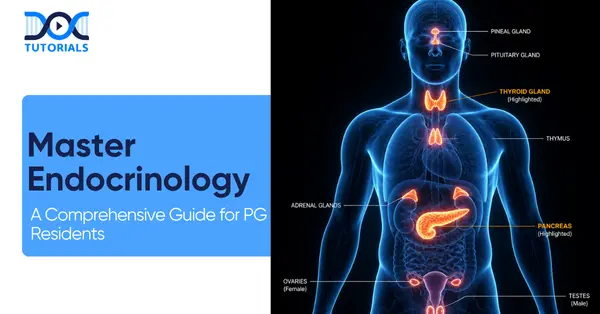
Master Endocrinology: A Comprehensive Guide for PG Residents
Enter Mobile Number
Enter your mobile number to access study materials
Enter valid phone number
📱 OTP via SMS
FX7zLv
Enter the code exactly as shown (case sensitive)
We'll send you a verification code
Verify OTP
OTP sent to
Complete Registration
Academic Details
🎓 Please provide your academic information
Processing...
No internet connection. Please check your network.
✓ Session Active
Welcome to our definitive guide on Endocrinology, tailored specifically for PG Residency exams. Understanding every complex Endocrine condition is crucial for your clinical practice and for securing better scores. This blog provides structured, high-yield content to simplify your preparation and ensure you are ready for both theory and clinical case scenarios.
Get High Quality, High Yield Endocrinology PG Residency Notes for Free!
Diabetic Ketoacidosis (DKA): The Prototypical Endocrine Condition
When studying Endocrinology, Diabetic Ketoacidosis (DKA) is a mandatory topic. DKA is defined as the prototype hyperglycemic emergency that is characterized by severe dehydration, metabolic acidosis, and ketosis.
Clinical suspicion for this Endocrine condition should arise in any diabetic patient presenting with abdominal pain, distressed breathing (which is often rapid, shallow, and acidotic), and an altered sensorium ranging from lethargy to coma.
Epidemiology and Pathophysiology
This Endocrine condition heavily affects Type 1 Diabetes Mellitus (DM) patients, who have a 20-50% presentation rate due to a mechanism of total insulin deficiency and a failure to suppress lipolysis or ketogenesis. Conversely, Type 2 DM patients face a 3-4% presentation rate, primarily driven by Ketosis-Prone Diabetes (KPD) or severe stress and infection.
The pathophysiology of this Endocrine condition involves a devastating metabolic cascade. It begins with insulin deficiency combined with a counter-regulatory surge of hormones like glucagon, catecholamines, cortisol, and growth hormone (GH). In adipose tissue, the loss of inhibition on hormone-sensitive lipase leads to increased lipolysis and a massive surge in free fatty acids (FFAs). The liver upregulates the CPT1 transporter via glucagon, shunting FFAs into the mitochondria while suppressing the Krebs cycle. This shunts Acetyl CoA into ketogenesis, producing ketone bodies and driving gluconeogenesis.
Diagnosing DKA Effectively
To formally confirm this Endocrine condition, physicians rely on a specific diagnostic triad:
Hyperglycemia: Blood glucose levels greater than 250 mg/dL.
Acidosis: A pH of less than 7.3 or a Bicarbonate level of less than 18.
Ketosis: Serum Beta-hydroxybutyrate greater than 3 mmol/L or Urine Ketones of 2+ or more.
A major clinical pitfall in Endocrinology is the false negative urine ketone test. Urine strips cannot detect beta-hydroxybutyrate, which is the specific ketone present in DKA. This limitation can lead to a false negative urine dipstick despite the patient being in severe DKA.
What are the common “Pseudo-Abnormalities” to watch out for when managing this Endocrine condition?
When managing this Endocrine condition, watch out for diagnostic traps. Pseudo-Hyponatremia occurs due to the dilutional effect of hyperglycemia; you must calculate the corrected sodium formula. Pseudo-Infection is seen as stress-induced leukocytosis (WBC up to 25k); counts over 25k suggest a true infection. Pseudo-Pancreatitis presents with non-specifically elevated amylase; always check Lipase for a specific diagnosis. Finally, Pseudo-MI occurs when hyperkalemia mimics infarction signs on an ECG.
Stratifying DKA Severity
In Endocrinology, properly staging an Endocrine condition dictates the aggressiveness of the therapy.
Feature
Mild DKA
Moderate DKA
Severe DKA
pH
7.25-7.30
7.00-7.24
Less than 7.00
Bicarbonate
16-18 mEq/L
10-16 mEq/L
Less than 10 mEq/L
Sensorium
Alert
Alert/Drowsy
Stupor/Coma
The Cornerstone of Management: IV Fluids and Insulin
Managing this Endocrine condition requires strict protocols. Phase 1 involves rapid resuscitation with a 1L Normal Saline (0.9%) bolus in the first hour. During Phase 2, repletion follows a sequential taper aimed at restoring the approximately 9L deficit over 48 hours. A critical “Dextrose Switch” occurs when blood glucose drops to 200-250 mg/dL; fluids are changed to 5% Dextrose (D5W) to prevent hypoglycemia while continuing insulin to resolve the ketosis.
When administering insulin for this Endocrine condition, potassium levels are a non-negotiable safety check. If K+ is less than 3.3 mEq/L, you must stop and not start insulin to avoid a fatal arrhythmia. Insulin should only be started 1 hour after fluid resuscitation, known as the “Fluid-Insulin Gap”. When closing the loop, transitioning to Sub-Q basal insulin requires a mandatory 2-hour overlap with IV insulin to prevent rebounding hyperglycemia.
Decoding Hypothyroidism: Another Crucial Endocrine Condition
Endocrinology also heavily focuses on thyroid disorders. Hypothyroidism requires clear differentiation between its etiologies.
Primary vs. Secondary Etiologies
Primary hypothyroidism is caused by an intrinsic thyroid defect, resulting in a high TSH and low T4. The inverse log-linear relationship causes a massive TSH spike. Secondary (Central) hypothyroidism involves pituitary failure and bio-inactive TSH, presenting with low or normal TSH and low T4.
A key clinical differentiator for this Endocrine condition is the presence of myxoedema. High TSH (specific to Primary Hypo) stimulates the fibroblast receptor, leading to the production of glycosaminoglycans (mucin/collagen) which deposit into subcutaneous tissue, causing thickening and swelling. Gross myxoedema argues against Secondary Hypothyroidism because it lacks the high TSH stimulus.
Treatment Protocols and Special Populations
The standard pharmacological treatment for this Endocrine condition is Levothyroxine (T4). It allows for stable, once-daily dosing because 80% of the body’s T3 is converted intracellularly from T4 via the deiodinase enzyme. Standard dosing is 1.6 mcg/kg/day, which is approximately 75-100 mcg per adult.
Increase Dose 30-50% immediately. Monitor TSH every 4-6 weeks.
Frequently Asked Questions (FAQs)
1. What is the classic diagnostic triad for DKA?
The triad includes hyperglycemia (>250 mg/dL), acidosis (pH < 7.3 or Bicarb < 18), and ketosis (Beta-hydroxybutyrate > 3 mmol/L or Urine Ketones >= 2+).
2. Why might a severe DKA patient have a negative urine ketone test?
Urine strips cannot detect beta-hydroxybutyrate, which is the specific ketone present in DKA, leading to a false negative result.
3. What is the mandatory check before starting insulin in a DKA patient?
You must check Potassium (K+) levels; if it is < 3.3 mEq/L, you must hold insulin to prevent fatal arrhythmias and replete K+ first.
4. When should IV fluids be switched to Dextrose in DKA management?
The “Dextrose Switch” occurs when blood glucose drops to 200-250 mg/dL. Change fluids to 5% Dextrose (D5W) to prevent hypoglycemia.
5. What is the Fluid-Insulin Gap?
It is the protocol to start insulin 1 hour after initial fluid resuscitation is given.
6. How do you prevent rebound hyperglycemia when stopping IV insulin?
You must administer Sub-Q Basal Insulin with a 2-hour overlap before stopping the IV insulin drip.
7. How do you screen to catch secondary hypothyroidism?
The screening rule requires you to assess TSH and T4 combined; otherwise, secondary hypothyroidism (which has low/normal TSH) will be missed.
8. Why does myxoedema occur in primary hypothyroidism but not secondary? Myxoedema requires a high TSH stimulus to activate fibroblast receptors and produce glycosaminoglycans, a state only found in primary hypothyroidism.
9. Why do we treat hypothyroidism with T4 instead of T3?
T3 has a short half-life requiring multiple daily doses and causes non-physiological peaks and troughs, whereas T4 allows stable once-daily dosing.
10. How should Levothyroxine dosing change for a newly pregnant patient?
Due to increased demand from hCG stimulation and fetal dependence, the dose must be increased by 30-50% immediately.
The INI SS results for October 2024 are just around the corner. This is a life-changing moment for thousands of…
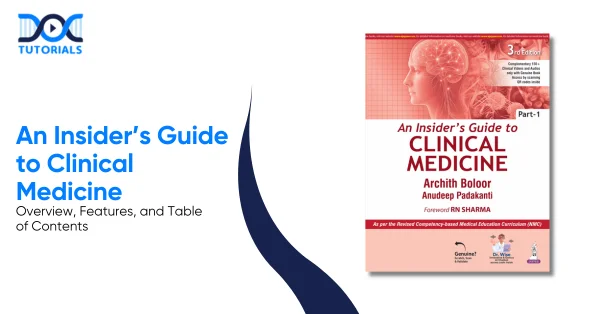
An Insider’s Guide to Clinical Medicine: Overview, Features, and Table of Contents
An Insider’s Guide to Clinical Medicine, authored by Archith Boloor, is the one-stop solution for practical examination preparations for both undergraduate and postgraduate medical students.
Medical students prefer this textbook for the PG residency course because it is easy to read, provides conceptual explanations, and is full of visual aids for memorisation. Additionally, the fresh design and colours of the textbook make it easy to read and comprehend.
Keep reading to have a detailed insight into an Insider’s Guide to Clinical Medicine!
Overview of an Insider’s Guide to Clinical Medicine
An Insider’s Guide to Clinical Medicine is an essential textbook for PG residency medical students that helps them understand symptom-based diagnosis through visual diagrams and concept maps.
An Insider’s Guide to Clinical Medicine is authored and peer-reviewed by experienced medical mentors. It is a practical and student-focused textbook for building clinical confidence in the PG Residency medical course.
The textbook is aligned with the latest MBBS and PG curriculum to present symptom-based, clinically oriented chapters that emphasise the real-world challenges in the medical domain. The book provides clear details on differential diagnosis and examination techniques, helping students understand clinical examinations in a more structured and efficient manner.
It is essential to note that the textbook’s font size, colour, and page breaks have been adjusted for better, more efficient reading. The textbook covers common clinical assessment techniques, including common examination cases, general examination, cardiovascular, respiratory, and nervous system examinations.
It includes a comprehensive geriatric assessment, rheumatologic and gastrointestinal system assessments, an approach to psychiatric illness, a systematic approach to chest X-rays, and several other instruments. Some common clinical examination concepts pertinent to university clinical examinations are discussed in detail.
In the latest edition, the authors have also added a detailed section on history taking. Numerous images have been added for visual experience and vector memorisation. Therefore, the textbook is strongly recommended for medical students, teachers and PG Residency interns.
Features of an Insider’s Guide to Clinical Medicine
An Insider’s Guide to Clinical Medicine is an essential textbook for medical students as it provides visual memory aids, case sheets for diagnosis, and video lectures through QR codes, making it a suitable resource for medical practical examinations and vivas.
An Insider’s Guide to Clinical Medicine is a gold standard for clinical examination for medical students. Here are the essential characteristics of the textbook, which make it a standout among other similar resources:
The textbook includes numerous easy-to-read visual memory aids, along with conceptual explanations to support better memorisation and effective understanding.
The chapters provide comprehensive information in compact boxes and diagrams, making it a useful tool for revision before examination.
It is the only textbook on clinical examination that includes dedicated chapters on rheumatology and comprehensive assessments of geriatric and psychiatric illnesses, making it unique among other resources.
The textbook has won the 2020 Award for Excellence in Book Production from the Federation of Indian Publishers, making it an essential resource for medical students in PG residency.
The textbook includes case sheets and diagnosis formats to help understand cases in each system and build confidence through clinical examinations across different medical scenarios.
It is the only textbook to comprehensively cover all aspects of practical examination, including long cases, short cases, semi-long cases, Potters, laboratory data, and interpretation instruments for a comprehensive understanding of clinical examination.
The recent edition of the textbook has a dedicated section on history-taking and common drugs to ensure it remains relevant in the current medical world.
This textbook on clinical examination has been authored by experienced teachers and includes real-world clinical challenges and practical insights that help students to gain real-world experience in clinical assessments.
This textbook has been crafted to help students prepare for practical examinations and vivas.
The textbook includes QR codes linking to video demonstrations of examinations to help students prepare for real-world simulations and achieve better scores.
Table of Contents in an Insider’s Guide to Clinical Medicine
An Insider’s Guide to Clinical Medicine has been divided into four parts, followed by 27 chapters that cover essential details on clinical examination, academic medicine, academic duties, and facets of academic life.
An Insider’s Guide to Clinical Medicine includes all the essential topics related to clinical examination. Here are the contents of the textbook, structured for better understanding:
Part 1: Academic Medicine as a Complex
Introduction: Inside What?
The Ecosystem of Academic Medicine and Academic Health Centres
The Tripartite Mission of Academic Medicine
The (Not So) Hidden Objectives: The Pursuit of Prestige
Part 2: Academic Duties
Prelude and Introduction to this Section
To Teach
To Mentor
To Serve
To Discover
To Publish
To Tell the Truth
To Reach Beyond the Walls
To Change
Part 3: Facts of Academic Life
Introduction to this Section
Academic Systems-Based Practice: the Knack and How to Get It
Reputation and Connections
Promotion and Tenure (or not)
Rejection
The Imposter Syndrome
Burnout
Interprofessional Practice and Education
Collaboration: From Scholarly Collaboration to Peer Mentoring and Friendship
Frustrations Part 1: Why is it So Difficult to Improve Quality of Health Care?
Frustrations Part 2: Tales of Bureaucracy- Rule by Desks
Moving (or at Least Thinking About it)
Another Perspective by Mamta K. Singh with an Introduction by David C. Aron
Part 4: Final Thoughts
Word of Wisdom?
Importance of an Insider’s Guide to Clinical Medicine
Medical students usually prefer An Insider’s Guide to Clinical Medicine because it helps them stay ahead in examinations with clinically focused content, prepare effectively for practical examinations, and revise effectively through the video library and diagrams.
An Insider’s Guide to Clinical Medicine is essential for PG residency students due to the following reasons:
Clinically-Focused Content
The textbook includes content relevant to the real examination and clinical settings to support effective understanding. It focuses on high-yield topics, care-based learning, and practical application, without stuffing the content with unnecessary theory.
It helps you understand the concepts quickly and memorise them easily for the clinical assessments and written examinations.
Practical Exam Preparation
Practical examinations and viva tests not only test your theoretical knowledge but also your clarity, confidence, and ability to explain concepts effectively. Therefore, it is essential to choose a textbook that provides structured answers to commonly asked viva questions, examination methods for practicals, and clinical tips to help you respond accurately and confidently in vivas.
Revision Manual and Video Library
Rather than going through multiple resources for a single topic, students can use this textbook as it is an all-in-one guide that combines detailed explanations for practicals, quick revision notes, diagrams, and access to video content for a better learning experience.
Therefore, it saves time, reduces confusion, and ensures that you have everything you need for revision and last-minute preparation.
FAQs about an Insider’s Guide to Clinical Medicine
What is the use of an Insider’s Guide to Clinical Medicine?
An Insider’s Guide to Clinical Medicine is a practical textbook that helps medical students in the PG residency course understand real-world clinical practice. It focuses on common cases, diagnostic reasoning, and exam-oriented topics to improve understanding.
Therefore, the textbook bridges the gap between theoretical concepts and real-world hospital experience, providing a relevant understanding of clinical cases.
Who should read an Insider’s Guide to Clinical Medicine?
An Insider’s Guide to Clinical Medicine is an ideal textbook for medical students in MBBS, interns, and early postgraduate trainees in PG residency. Therefore, anyone preparing for the clinical postings, practical examinations and vivas can read this textbook.
It is useful for students who feel overwhelmed in wards and want a structured approach to examine patients confidently.
Is an Insider’s Guide to Clinical Medicine useful for exam preparation?
Yes, an Insider’s Guide to Clinical Medicine is a highly exam-oriented textbook useful for medical students’ exam preparation, as it highlights frequently asked questions, important clinical science, and key topics tested in practicals and viva.
It helps students revise concepts more easily and focus on high-yield material, saving time and improving performance.
Does an Insider’s Guide to Clinical Medicine cover practical examination skills?
Yes, the textbook covers practical examination skills by explaining step-by-step methods for examining patients. Additionally, teaches the students how to present findings logically to the examiners for better scores.
Therefore, the structured approach is used in the textbook to help the students perform better during clinical examinations and real patient encounters in the clinical setting.
Is the language of an Insider’s Guide to Clinical Medicine easy to understand?
Yes, students prefer an Insider’s Guide to Clinical Medicine because it uses simple, clear language rather than complex medical jargon, helping them understand the concepts more easily.
The concepts are explained in a straightforward manner, making it easier for students to grasp quickly. Hence, this approachable style makes it suitable for fast reading during busy clinical rotations and last-minute revisions.
Does the textbook include real clinical cases?
Yes, the textbook includes several sections that are based on real hospital scenarios. The case-based explanations help students understand how diseases present in real patients, rather than only in theory.
This supports accurate clinical reasoning, diagnostic thinking, and the ability to connect symptoms with underlying conditions.
Can beginners in the medical field use an Insider’s Guide to Clinical Medicine?
Yes, medical beginners can use an Insider’s Guide to Clinical Medicine, as the book starts with fundamental clinical methods and generally builds towards more complex topics. Additionally, the diagrams and video lectures accessible via QR codes in the textbook make it easier for beginners, helping them overcome fear and confusion during their first clinical postings.
Is an Insider’s Guide to Clinical Medicine useful for viva exams?
Yes, an Insider’s Guide to Clinical Medicine is extremely helpful for viva examinations, as it includes commonly asked viva questions, model answers, and strategies for responding clearly and confidently to examiners.
It helps students think in real examination scenarios and explain concepts verbally, which is crucial for scoring well in oral examinations.
Does an Insider’s Guide to Clinical Medicine replace standard textbooks?
An Insider’s Guide to Clinical Medicine is not intended to replace standard medical textbooks; it serves as a complement to them.
It means that the standard textbooks provide detailed theories, while this guide focuses on practical understanding, quick revision and exam readiness. Therefore, using both resources together gives the students a strong foundation and real-world clinical insights.
What is the content of an Insider’s Guide to Clinical Medicine pdf?
An Insider’s Guide to Clinical Medicine 2nd edition pdf includes all the essential details medical students need for practical examinations and vivas, such as practical strategies, shortcuts, and unwritten rules that experienced clinicians know, but textbooks rarely mention.
Conclusion
An Insider’s Guide to Clinical Medicine serves as a practical companion for medical students in the PG residency course, helping them navigate the transition from theory to real patient care. By focusing on bedside skills, clinical reasoning and exam-oriented preparation, the textbook builds both knowledge and confidence.
For further guidance, DocTutorials can be your study partner. We offer Viva preparation & OSCE, clinical case discussions, patient history-taking, and videos covering the PG Residency syllabus. This helps ensure residents gain clarity over complex medical concepts.
The INI SS results for October 2024 are just around the corner. This is a life-changing moment for thousands of…
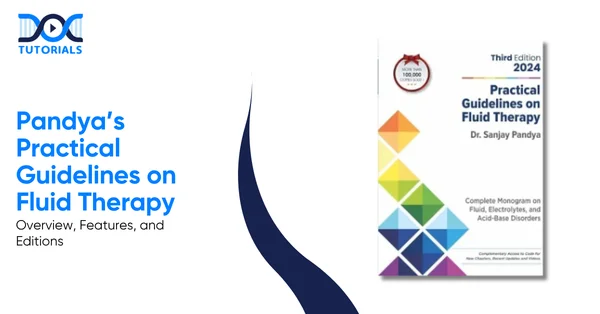
Pandya’s Practical Guidelines on Fluid Therapy: Overview, Features, and Editions
Enter Mobile Number
Enter your mobile number to access study materials
Enter valid phone number
📱 OTP via SMS
FWij^J
Enter the code exactly as shown (case sensitive)
We'll send you a verification code
Verify OTP
OTP sent to
Complete Registration
Academic Details
🎓 Please provide your academic information
Processing...
No internet connection. Please check your network.
✓ Session Active
Practical Guidelines on Fluid Therapy is a popular reference in postgraduate training, particularly amongst residents who work with hospitalised and critically ill patients. It is written by the author, Dr Sanjay Pandya. It presents a practical, evidence-based method of IV fluid administration, electrolyte balance, and acid-base fluid disorders.
This guide is an overview of Practical Guidelines on Fluid Therapy as a vital source of PG residency training, and how it will enhance decision-making abilities in fluid, electrolyte and acid-base disorders. Keep reading to know more.
Overview of Practical Guidelines on Fluid Therapy
Practical Guidelines on Fluid Therapy is a concise, bedside-focused monograph that deals with IV fluids, electrolytes and acid-base disorders.It emphasises practical implementation with dosing algorithms, clinical knowledge, and troubleshooting in the medical, surgical, pediatric, and obstetric cases.
Practical Guidelines on Fluid Therapy is designed to represent an easy-to-understand monograph of IV fluid, electrolytes, and acid-base disorders. It does not focus exclusively on theory; it is more about bedside implementation, using dosing algorithms, clinical understanding, and informal troubleshooting of standard clinical cases.
Its main focus is to help clinicians manage the salt-water imbalances safely and efficiently among different patient groups (medical, surgical, pediatric, and obstetric). The book highlights some of the important practical features contributing to effective decision-making in a real-life environment.
Key characteristics include:
Comprehensive Content: The book includes both basics (physiology of fluids, IV solutions) and advanced (electrolyte disorders, acid-base, parenteral nutrition) issues.
Clinical Focus: It focuses on the application of IV fluids. The composition and the indications of crystalloids and colloids are explained, with contraindications and guidelines for rapid response to fluid problems.
Problem-oriented Layout: Specific chapters deal with medical and surgical patients affected by fluid/electrolyte problems. For example, a chapter on the complications of hypotonic saline, shock resuscitation, burn formulas, renal and endocrine disease, etc. This assists residents in finding solutions to certain clinical cases.
Clear and Simplified Approach: Complex concepts are broken down into charts and stepwise plans. The text contains tables, algorithms, and bullet points to reflect decision steps (e.g. when to use a fluid bolus).
Structure of Pandya’s Practical Guidelines on Fluid Therapy, 3rd Edition
The structure of Pandya’s Practical Guidelines on Fluid Therapy outlines the book’s organisation into parts and chapters. It highlights key topics and chapters most relevant to surgical residents, monitoring and parenteral nutrition.
Practical Guidelines on Fluid Therapy is organised into 12 parts. Each part groups related chapters:
Part 1
1. Basic Physiology
Part 2
2. Overview of Intravenous Fluids
3. Dextrose and Sodium Chloride Solutions
4. Balanced Solutions
5. Colloid Solutions
Part 3
6. Principles of Fluid Therapy
7. Maintenance Fluid Therapy
8. Resuscitation Fluids
9. Fluid Therapy in the Elderly
Part 4
10. Calcium and Hypertonic Dextrose Solutions
11. Hypertonic Saline
12. Magnesium Sulfate
13. Potassium Chloride and Phosphate
14. Sodium Bicarbonate
Part 5 (Online Access)
15. Fluid Assessment and Monitoring
16. Basic and Non-Invasive Hemodynamic Monitoring
17. Static Hemodynamic Monitoring
18. Fluid Responsiveness Techniques
19. Cardiac Output Monitoring
Part 6
20. Hyponatremia
21. Hypernatremia
22. Hypokalemia
23. Hyperkalemia
24. Hypocalcemia
25. Hypercalcemia
26. Hypophosphatemia
27. Hyperphosphatemia
28. Hypomagnesemia
29. Hypermagnesemia
Part 7
30. Basic Understanding and Approach to Acid-Base Disorders
31. Metabolic Acidosis
32. Metabolic Alkalosis
33. Respiratory Acid-Base Disorders
Part 8
34. Gastrointestinal Losses and Upper GI Bleeding
35. Ascites in Cirrhosis
36. Hepatic Encephalopathy
37. Hepatorenal Syndrome
38. Acute Pancreatitis
39. Fluid Therapy in Bronchial Asthma, ARDS, and in Ventilation
40. Diabetic Ketoacidosis
41. Neurological Disorders
Part 9
42. Preoperative Fluid Therapy
43. Intraoperative Fluid Therapy
44. Postoperative Fluid Therapy
45. TURP Syndrome
46. Burns
47. Urinary Diversion
Part 10
48. Resuscitation and Maintenance Fluid in Children
49. Replacement Fluid Therapy in Children
50. Oral Rehydration Therapy
Part 11 (Online Access)
51. Fluid Management during Pregnancy
52. Fluid Management for Cesarean
53. Fluid Management in Preeclampsia and PPH
54. Hyponatremia during Labour
Part 12 (Online Access)
55. Parenteral Nutrition: Principles and Requirements
56. Parenteral Nutrition in Specific Diseases
57. Parenteral Nutrition: Administration and Complications
Key Features of Pandya’s Practical Guidelines on Fluid Therapy
Fluid Therapy by Sanjay Pandya presents some major upgrades, including separate pediatric and obstetric units, a detailed discussion of hemodynamic monitoring methods, and a thorough discussion of total parenteral nutrition.The book provides a contemporary, holistic view of fluid therapy, with digital materials, increased imagery, and an emphasis on fluid stewardship.
Practical Guidelines on Fluid Therapy by Dr Sanjay Pandya is characterised by its practical bedside-based approach to fluid, electrolyte, as well as acid-base management.
The most recent version further expands the clinical relevance through the introduction of modern concepts, increased coverage, and evidence and is useful to postgraduate trainees and practising clinicians.
Key comparative enhancements include:
Specialised Patient Cohorts: The introduction of completely new chapters on pediatric resuscitation, oral rehydration therapy, and maternal fluid control in pregnancy, cesarean delivery, and labour.
Advanced Hemodynamic Monitoring: A shift of the established methods of static monitoring with the newer, provocative, dynamic parameters of fluid responsiveness, including passive leg raise and pulse contour.
Total Parenteral Nutrition: An extensive new section describing the principles, clues, disease-specific needs, and complications in parenteral nutrition.
Digital Integration: The newer upgrade bridges the gap between physical textbooks and digital learning by having a free access code that people can use to keep updating continuously, to access future chapters and even instructional clinical videos.
Expanded Topics: New information on fluid stewardship (e.g., four rights of fluid prescribing) and risks of overhydration is introduced.
Current critical care practice is integrated in the chapters on dynamic monitoring (passive leg raise, stroke volume variation).
Visual aids: It introduces additional figures, flowcharts, and insight tables to accelerate lookups. Colour-coding and boxes highlight vital information for easy access during rounds.
Global perspective: Even though the 3rd edition was written in India, it is oriented toward international readers. Both high and low resource settings are discussed with recommendations that include oral rehydration (in cases of cholera).
Practical Guidelines on Fluid Therapy, 3rd Edition
The Practical Guidelines on Fluid Therapy, 3rd edition, was released in April 2024. Being the latest version, it represents significant progress in evidence-based practice, revised clinical guidelines, and developing fluid, electrolyte, and acid-base management.This edition builds upon the previous editions and turns the book into a clinically useful tool.
The most recent edition is an entirely revised and expanded monograph of more than 750 pages, arranged in 12 parts and 57 chapters.
It has been published under the supervision of Sanjay Pandya and made available through medical publishing houses such as Nirali Prakashan, and has since expanded into a detailed reference text familiar to postgraduate trainees and clinicians.
New issues are added regularly to align with fast changes in critical care and nephrology. The 2024 edition is based on the earlier editions with a number of significant upgrades, such as:
Integrates recent guidelines in fluid resuscitation, electrolyte replacement, and critical care guidelines.
Covers a wider scope of topics, including specialised sections in clinical situations of different disciplines.
Provides access to online updates, additional chapters, and instructional videos, forming a hybrid model of learning.
Includes more in-depth coverage of areas like advanced hemodynamic monitoring, obstetric fluid therapy, and parenteral nutrition.
Integrates an elaborate print format and digital resources, which can be accessed easily by the learners in various environments.
Editions and Updates of Pandya’s Practical Guidelines on Fluid Therapy
The first edition appeared in 2002; the 3rd edition (2024) is fully revised with current evidence. Compared to previous editions, which only treated and looked at basic fluid and electrolyte care, the revised 3rd edition (2024) includes recent evidence, more coverage, and specialised areas, making it a comprehensive modern resource.
With the initial publication in 2002, the awareness of IV resuscitation, electrolyte balance, and hemodynamic monitoring has increased greatly, with major trials reorganising treatment regimes and necessitating the need for updated resources.
At first, the editions concentrated on fundamental concepts such as fluid computations, IV pharmacology and routine electrolyte disorders. Although simple and clear, they were predominantly adult-oriented and covered little on pediatric and obstetric aspects, highlighting the need for a more comprehensive text.
Practical Guidelines on fluid therapy, 3rd edition (2024), exemplifies a significant change. Completely updated and developed, it becomes a detailed monograph with a wider focus, revised evidence, and at least a chapter on specialised groups of patients. It renders it a more comprehensive and clinically relevant resource.
The table below provides an outline of the structural development of the textbook throughout its editions:
Feature
1st & 2nd Editions (2002)
3rd Edition (2024)
Length
Around 325 pages
Expanded to 750+ pages
Content Structure
Limited core chapters
57 detailed chapters across 12 parts
Pediatric Coverage
Minimal focus
Specialised sections about neonates and children.
Obstetric Coverage
General guidelines only
Dedicated section on preeclampsia, labour and cesarean care.
Nutritional Support
Basic IV supplementation
Comprehensive discussion of total parenteral nutrition.
Learning Format
Print-only resource
Has access to online chapter and instructional videos.
Practical Guidelines on Fluid Therapy: Comparison with Leading Textbooks
Practical Guidelines on Fluid Therapy by Dr Sanjay Pandyatakes a special place in fluid and electrolyte textbooks, and strikes a balance between clinical utility and adequate theoretical foundation. Other books have detailed physiology, visual learning, or niche care, whereas the book by Pandya balances out these with a problem-oriented approach.
In clinical medicine, Practical Guidelines on Fluid Therapy is often compared to texts such as Clinical Physiology of Acid-Base and Electrolyte Disorders by Burton David Rose, The Fluid, Electrolyte and Acid-Base Companion by Sarah Faubel and Joel Topf, and the handbook by the American Society for Parenteral and Enteral Nutrition.
The book by Pandya emphasises practical, algorithmic bedside care, whereas the books by Burton, David Rose, Sarah Faubel, and Joel Topf stress simplified learning, and the American Society for Parenteral and Enteral Nutrition implements protocol-driven nutrition care. Therefore, Pandya has the most versatile text to be used in everyday clinical practice.
In general, Pandaya succeeds in filling the gap between theory and practice. Although Burton David Rose has unparalleled physiological depth, Sarah Faubel and Joel Topf make learning easy, and the American Society for Parenteral and Enteral Nutrition is more concerned with nutrition-based care, the book by Pandya remains the most practical and versatile resource for everyday clinical use.
The table below describes the major key differences of the features across major fluid therapy resources:
Analytical Area
Pandya’s Practical Guidelines on Fluid Therapy
Burton Rose
Faubel & Topf Companion
ASPEN Handbook
Core Approach
Problem-centred, algorithmic, bedside-focused.
Deep physiological and molecular knowledge.
Q&A, visual, interactive learning.
Protocol-driven, nutrition-focused.
Clinical Utility
High- best suited to real-time decisions.
Moderate- best conceptual clarity.
Moderate – most appropriate in early learning.
High but limited to nutrition/ICU scope.
Content Depth
Balanced (Equal emphasis on theory and application).
Very elaborate basic science.
Focused on core concepts.
Focused, niche coverage.
Target Audience
Residents, doctors, intensivists.
Nephrology fellows, academicians.
Junior residents, medical students.
Pharmacists, ICU teams, and nutritional professionals.
Bridges’ theory, including bedside fluid prescription.
Gold standard for pathophysiology.
Very pictorial and simple to grasp.
Strong integration with nutrition support.
Practical Guidelines on Fluid Therapy: Clinical Relevance for PG Surgical Residents
Fluid therapy plays an important role in enhancing patient outcomes in the field of surgery.This part will describe how the topics of the book are applicable to surgical training, such as perioperative care, trauma resuscitation, and complication management.
The concept of fluid management is an everyday requirement for a surgical trainee. Dr Pandya’s book addresses key surgical scenarios:
Perioperative Management: Guides pre- and post-operative fluid planning, such as dehydration testing, intravenous fluids requirements and schedule of oral intake.
Intraoperative Care: Covers the use of fluid to replace blood and insensible losses, risk factors such as overload or coagulopathy.
Burn Resuscitation: Gives formulas and monitoring points to control significant increases or decreases of fluids in burn patients.
TURP Syndrome: Explains the process of water intoxication caused by glycine irrigation and how it can be treated.
Trauma/Sepsis: Provides shock management algorithms that are in line with existing sepsis protocols.
Complication Prevention: Offers guidance on electrolyte balance, particularly, safe correction of sodium to avoid neurological complications.
FAQs about Sanjay Pandya’s Fluid Therapy
What is the Practical Guidelines on Fluid Therapy book about, and who is it for?
It is a clinical handbook which is authored by Sanjay Pandya and encompasses IV fluids, electrolytes and acid-base disorders. It is aimed at doctors, surgeons, and, specifically, the postgraduate residents, with a brief, case-based format to be used in clinical applications.
What makes the Practical Guidelines on Fluid Therapy book different from standard textbooks?
Unlike heavy-theory texts, Practical Guidelines on Fluid Therapy is practice-based; it includes step-by-step management, quick tables, and direct treatment guidelines to make decisions at the bedside.
What is new in the 3rd edition (2024) of Practical Guidelines on Fluid Therapy?
The most recent version of Practical Guidelines on Fluid Therapy has new evidence, revised sepsis protocols (e.g., 30 mL/kg fluids), new monitoring techniques and improved visuals for clarity.
Does the Practical Guidelines on Fluid Therapy book cover surgical fluid management?
Yes, the Practical Guidelines on Fluid Therapy gives extensive coverage of surgical scenarios, such as how to plan perioperative situations, intraoperative fluid losses, postoperative burn resuscitation, and complications, such as TURP syndrome.
Are the recommendations evidence-based in Practical Guidelines on Fluid Therapy?
Yes, the Practical Guidelines on Fluid Therapy book aligns with international guidelines as well as the latest studies in critical care, making fluid therapy practices safe, up to date, and clinically relevant.
Is the Practical Guidelines on Fluid Therapy book useful for exam preparation?
Absolutely. The Practical Guidelines on Fluid Therapy book addresses high-yield concepts of fluid calculations, electrolyte imbalances, and shock management, and provides brief summaries and tables, making it helpful in a quick revision.
Do the Practical Guidelines on Fluid Therapy contain real clinical situations?
Yes, the content is case-based and problem-driven, which helps the reader to understand how concepts might be applied to an actual clinical situation.
What is the Practical Guidelines on Fluid Therapy’s contribution to routine practice?
The Practical Guidelines on Fluid Therapy book provides rapid-reference algorithms, stepwise managerial plans, and valuable suggestions that enable quick and accurate bedside decision-making.
Is there a digital or e-book version available of the Practical Guidelines on Fluid Therapy?
Yes, the Practical Guidelines on Fluid Therapy book can be accessed digitally, so users can search, highlight interesting ideas and access the book at any time they wish to during clinical work.
Why are the Practical Guidelines on Fluid Therapy popular among the residents?
The Practical Guidelines on Fluid Therapy book is practical, brief and bedside oriented, which makes it ideal for busy residents who are in search of quick, reliable guidance when handling patients.
Conclusion
Practical Guidelines on Fluid Therapy equips postgraduate residents with a strong foundation of the evidence-based approach to fluid, electrolyte, and acid-base management practices. The latest version aligns with the current set of guidelines, which help trainees make accurate, fluid decisions and improve patient outcomes.
For further guidance, DocTutorials can be your study partner. We offer Viva preparation & OSCE, clinical case discussions, patient history-taking, and videos covering the PG Residency syllabus. This helps ensure residents gain clarity over complex medical concepts.
Join DocTutorials today and explore our PG Residency course to excel in your medical career!
The INI SS results for October 2024 are just around the corner. This is a life-changing moment for thousands of…
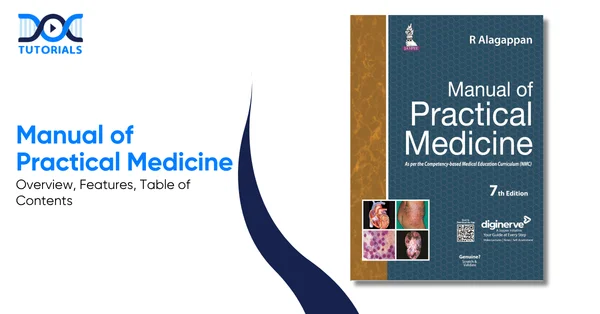
Manual of Practical Medicine: Overview, Features, and Table of Contents
Enter Mobile Number
Enter your mobile number to access study materials
Enter valid phone number
📱 OTP via SMS
*s(H7BK
Enter the code exactly as shown (case sensitive)
We'll send you a verification code
Verify OTP
OTP sent to
Complete Registration
Academic Details
🎓 Please provide your academic information
Processing...
No internet connection. Please check your network.
✓ Session Active
Manual of Practical Medicine by Alagappan is one of the best medical books for the practice of clinical medicine. Students consider it a golden standard for clinical practice, as it strikes a balance between theory and clinical practice.
It has been highly recommended by the faculty of medicine across the country and is highly liked by PG Residency medical students. Alagappan Practical Medicine is a highly demanded book, as all the chapters have been revised and updated regularly in full colour for better visual learning.
Keep reading to know more about the Alagappan Manual of Practical Medicine in detail.
Overview of Alagappan Manual of Practical Medicine
The latest edition of the Manual of Practical Medicine by R Algappan (7th edition) includes the latest advancements in several healthcare issues, such as COVID-19, tuberculosis, hepatitis, and multiple sclerosis, to provide advanced clinical knowledge for better-quality patient care.
The Alagappan Manual of Practical Medicine is a vital resource for medical students and healthcare professionals seeking to study clinical examination. The latest edition of the Manual of Practical Medicine by R Alagappan emphasises the integration of advanced treatments, particularly newer monoclonal antibodies.
It provides in-depth discussions across various systemic disorders, leading to a better understanding of several issues. Every chapter of the latest edition includes advanced research and clinical classification updates to ensure readers are well informed about the current best practices in medical science.
The latest topics in the textbook include a detailed examination of COVID-19 in the infectious diseases chapter, which addresses its implications for public health and treatment strategies. Moreover, the inclusion of gout in the connective tissue disorder section reflects an expanding understanding of these medical conditions, enabling better diagnosis and treatment.
Medical students seek the textbook because it provides detailed guidance on national protocols for several health issues, including tuberculosis management, with a specific focus on drug-resistant forms. It emphasises the importance of tailored treatment plans for tuberculosis in complex situations.
Additionally, a detailed discussion of the latest antiviral therapies for Hepatitis B and Hepatitis C highlights advancements in the management of viral hepatitis for medical students. Ultimately, the addition of new drug therapies for multiple sclerosis reflects the ongoing evolution in the treatment of neurological disorders.
This provides medical students seeking to understand these complex cases with practical insight. Therefore, the Alagappan Practical Medicine not only equips readers with theoretical knowledge but also provides essential practical knowledge grounded in evidence, making it an indispensable textbook for committed medical students.
Key Features of Alagappan Practical Medicine
The main features of Alagappan’s book of Medicine, including the inclusion of the latest medical advancements, make it an essential source for students in PG residency.
The Alagappan’s medicine practical manual includes several clinical features with the latest advancements of new diseases, which makes it an indispensable textbook for medical students. Here are the major characteristics of the textbook that make it stand out among other related books:
The introduction of tables and illustrative clinical photographs in the textbook makes it easier to understand and more suitable for better memorisation.
The latest edition includes the new colour coding, which is extensively used to highlight the core features, including investigations, clinical features and treatments for particular disorders.
The addition of monoclonal antibodies to the textbook reflects their mechanism of action and their application in systemic disorders.
The chapter on infectious diseases includes updates on coronavirus epidemiology, treatment protocols, and vaccines. This helps students understand the effective management of common infectious diseases.
The connective tissue disorders chapter provides an overview of the latest treatment guidelines and advances in several health conditions, including rheumatoid arthritis, lupus, and gout.
The textbook includes national protocols for tuberculosis and strategies for managing drug-resistant tuberculosis.
The current content includes key details on antiviral therapies for Hepatitis B and Hepatitis C, including screening and management guidelines for effective clinical assessment and improved treatment strategies.
The textbook also includes new drug therapies and treatment approaches for multiple sclerosis, including symptom management and patient care strategies.
The chapter on general medical protocols includes evidence-based guidelines for various disorders, with particular emphasis on interdisciplinary approaches and treatment.
The inclusion of multiple case studies and investigations in the textbook enhances the authenticity, making it suitable for medical students.
Table of Contents in Alagappan General Medicine Book
The table of contents in the Alagappan General Medicine book is framed in such a manner that it reflects a detailed understanding of several issues related to clinical examinations and the diagnosis and treatment of several health issues.
The organised framework of the Alagappan book of general medicine makes it a suitable resource for medical students. Here are the major contents of the textbook:
Introduction to Internal Medicine
Nutrition
Infectious Diseases
Cardiovascular System
Respiratory System
Abdomen
Haematology
Nephrology
Nervous System
Endocrine and Metabolic Disorders
Connective Tissue Disorders
Oncology
Substance Abuse
Imaging Modalities in Internal Medicine
Procedures
Geriatric Medicine
How to Read Alagappan’s Practical Medicine?
Reading and analysing the community medicine practical manual by Alagappan includes several tips, such as previewing the topics, active reading, asking questions, learning vocabulary, breaking down complex topics, analysing the author’s thought pattern, creating notes, and final revision.
The Manual of Practical Medicine by Alagappan is a complex medical textbook which requires a careful strategy to study and understand. Given below are some essential tips to understand the textbook:
Preview the Topic
The Manual of Practical Medicine includes several pieces of information that might be unfamiliar to a medical student. Therefore, it is essential to preview the important topics such as the title, learning objectives, headings and subheadings to skim the main idea and understand the broad theme of the topics.
Active Reading
After skimming the main ideas, the reader should actively read everything, avoiding skipping topics to maintain the flow. Use a highlighter to mark the main topics and underline the chapter’s core ideas.
Additionally, you can draw boxes around the essential details and put a check mark in the margin for any remarks. Put a question mark in the margin where you don’t understand the topic, and go back to your mentors for better understanding.
Ask Questions
Ask yourself questions as you read the topic’s headings and subheadings, and find the answers to those questions. Make sure that you understand the how and why of every topic, and comprehend it in detail.
Understand the Vocabulary
Create a list of new terminologies and essential root words to understand the abbreviations and notations. This list will help you understand the complex terminology used across the textbook for better memorisation.
Breakdown Complex Topics
The textbook may include several complex topics that may be difficult to understand on first reading. Try to break down the complex topics into simpler terms and subheadings for better understanding.
Analyse the Thought Pattern
Try to understand the textbook’s thought pattern, which includes the cause-and-effect process and the problem-solving approach to a particular health issue.
Other important thought patterns include classification, experimentation, instructional patterns, and factual statements, which help you skim the topics more easily. Recognising the transition words will help you identify the pattern of content organisation.
Write Short Notes
Reduce the chapter to the most important information by creating short notes from your highlighted ideas. You can use several note-taking methods, such as concept maps, outlining, or thematic diagrams.
Revise
Revision and memorisation are the keys to achieving better exam scores. Use your short notes to revise them multiple times to ensure you fully understand the entire textbook.
FAQs about Manual of Practical Medicine
What is the Manual of Practical Medicine by Alagappan?
The Alagappan Book of General Medicine is a standard textbook used by medical students in PG Residency to understand the clinical examination of several diseases, including the symptoms, diagnosis and treatment in the most effective manner. The textbook focuses on practical clinical knowledge useful for patient examination.
Who is the author of the Manual of Practical Medicine?
The Manual of Practical Medicine was written by R Alagappan, a respected physician and teacher. He wrote the book for medical students to help them easily understand the clinical examination for various medical conditions. Alagappan’s clear, practical writing style makes the book useful for medical students.
Who should read the Manual of Practical Medicine by Alagappan?
The Manual of Practical Medicine by Alagappan is a recommended textbook for medical students in MBBS, PG Residency, and young doctors seeking quick revision.
The usage of simple language and creative diagrams makes it preferable for students preparing for clinical examinations and ward postings.
What topics are covered in the Manual of Practical Medicine by Alagappan?
The Manual of Practical Medicine by Alagappan includes several topics such as cardiovascular diseases, respiratory problems, infections, endocrine disorders, and neurological conditions.
The book explains the symptoms, clinical signs, investigations, and treatment methods of the associated illnesses, helping students understand how different diseases are managed in real medical practice.
Why is the Manual of Practical Medicine by Alagappan popular among students?
Many students prefer reading the Manual of Practical Medicine because it presents complex medical topics in a simpler format. The book’s focus on key clinical points makes it useful for quick study, revision, and preparation for medical examinations.
Is the Manual of Practical Medicine by Alagappan useful for exam preparation?
Yes, the Manual of Practical Medicine by Alagappan is used for exam preparation, as it covers essential symptoms, diagnostic steps, and treatments in a structured format.
Many students read this textbook before clinical examinations, as it helps them memorise key medical details more effectively.
Does the book explain clinical examination methods?
Yes, the Manual of Practical Medicine by Alagappan includes guidelines on clinical examination. Additionally, it explains how doctors examine patients, identify symptoms, and interpret signs of various disorders to provide effective treatment. This practical approach, utilised in the textbook, improves students’ patient examination skills.
Is the Manual of Practical Medicine by Alagappan easy to understand?
Yes, the Manual of Practical Medicine is popular among medical students because it is easily understandable, thanks to the author’s simple language.
The information in the book is presented in short points and clear illustrations, helping students understand difficult concepts without confusion.
How is the Manual of Practical Medicine by Alagappan different from other medical books?
The Manual of Practical Medicine is a significant medical textbook used by PG residency students, as it focuses on practical, concise information rather than unnecessary details, unlike many other medical textbooks.
It highlights the most important clinical facts, making it easy for young doctors to understand medical practice.
Where can students use the knowledge from the Manual of Practical Medicine by Alagappan?
Medical students can use the knowledge from the Manual of Practical Medicine during hospital rounds, clinical examinations, internships, residency courses and patient care.
The practical explanations provided in the textbook help them understand real-life medical situations and improve their confidence when dealing with patients.
Conclusion
The manual of Practical Medicine by R. Alagappan is a valuable textbook for medical students and young doctors seeking a practical guide to several diseases. It explains several diseases, their symptoms, diagnosis, and treatment in clear, simple language, making them easier to understand and better for memorisation.
For further guidance, DocTutorials can be your study partner. We offer Viva preparation & OSCE, clinical case discussions, patient history-taking, and videos covering the PG Residency syllabus. This helps ensure residents gain clarity over complex medical concepts.Join DocTutorials today and explore our PG Residency course to excel in your medical career!
The INI SS results for October 2024 are just around the corner. This is a life-changing moment for thousands of…
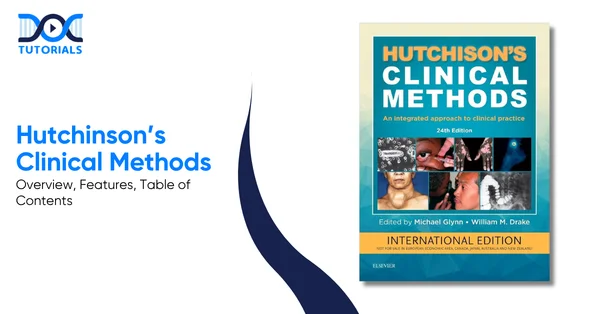
Hutchinson’s Clinical Methods: Overview, Features, Table of Contents
Enter Mobile Number
Enter your mobile number to access study materials
Enter valid phone number
📱 OTP via SMS
qTS(TB)
Enter the code exactly as shown (case sensitive)
We'll send you a verification code
Verify OTP
OTP sent to
Complete Registration
Academic Details
🎓 Please provide your academic information
Processing...
No internet connection. Please check your network.
✓ Session Active
Hutchison’s Clinical Methods is a classic textbook recommended for students of PG Residency. It contains all the essential details for learning and serves as reference material for undergraduate and postgraduate medical students, helping them score better in their examinations.
It provides a step-by-step clinical explanation of examination techniques used in everyday medical practice. It utilises several clinical methods to explain processes in simple terms to students, including medical skills such as patient history-taking and interpretation, as well as clinical science and physical examination. Read on to know more!
Overview of the Hutchison Clinical Methods
The Hutchinson’s Clinical Medicine Book is an essential source of information for the PG Residency students to help them improve their clinical reasoning and patient assessment skills. It is a recommended book for learning clinical decisions in healthcare settings.
Hutchinson Clinical Methods has been edited by Michael Glynn and William M.Drake. By combining theory and practical examinations, Hutchison’s Clinical book is a trusted source for understanding how to assess patients carefully and make accurate and reliable clinical decisions in healthcare settings.
It is an invaluable source for all those learning and medical trainees seeking a standard textbook of medicine, specialities, and surgery. The latest 24th edition of Hutchison’s Clinical Methods, released in 2017, comprises 488 pages and is an invaluable source for PG students.
The book focuses on practical skills, helping students learn systematic methods for disease diagnosis to ensure accurate treatment. It covers several body systems, such as the cardiovascular, respiratory, and nervous systems, to provide a holistic understanding of the body’s mechanisms.
Thus, the Hutchison’s clinical methods, an integrated approach to clinical practice, help in improving clinical reasoning and patient assessment skills, as the first-hand treatment makes it an essential learning source for medical students and PG residency students.
Key Features of the Hutchison Clinical Methods Book
The Hutchinson Clinical Medicine, latest edition (25th edition), includes all the updated chapters that cover the main bodily systems, written by experts in the field. Additionally, it includes diagrams and tabulated information for better understanding.
Hutchison Clinical Medicine is an award-winning medical textbook used widely by doctors at all levels of training and residency to learn about the clinical needs of everyday practice. Here are the essential features of the textbook that make it stand out from others:
The latest edition includes all the chapters essential for clinical understanding, which are reviewed and updated properly to reflect the modern healthcare practice.
The Hutchison Clinical Methods book is written by clinical experts in the field and is reviewed by an International Advisory Board. Thus, it has reliable content relevant to an international audience.
The latest edition of the Hutchison Clinical Medicine book covers all the main bodily systems, including the primary areas of cardiology, respiratory, gastrointestinal, locomotion, and neurology, making it a holistic source for clinical understanding.
The contents of the textbook are organised by system and problem, which helps students navigate the chapters more easily for better readability and understanding. Additionally, it helps them retain concepts effectively and in an organised manner.
The chapters are framed in such a manner that they can be read individually and are not duplicated with other contents in the book. Hence, there is a limited need for cross-referencing.
The book provides tabulated information and diagrams to enhance conceptual clarity and retention.
The book is dedicated to the needs of doctors at PG Residency and other levels of training and practice.
Hutchison Clinical Methods latest edition, has won several awards, including the BMA book awards, making it a reliable source of learning for medical students.
The latest edition of the Hutchinson Clinical Methods book includes a new appendix which describes the clinical features of COVID-19. Thus, it is updated regularly to inculcate the latest information available in the Medical Sciences.
The ebook is easily downloadable for access on mobile devices anytime, anywhere.
Table of Contents in Hutchinson 24th Edition
The Hutchison clinical medicine book includes all the essential details of clinical examination, such as general patient assessment, assessment in particular patient groups, basic systems of the human body and clinical specialities.
The Hutchinson Clinical Medicine, latest edition, is carefully organised into sections and chapters for better readability and understanding. Here are the major topics covered in this textbook:
Section 1: General Patient Assessment
Doctor and Patient: General Principles of History Taking
General Patient Examination and Differential Diagnosis
Ethical Considerations
Section 2: Assessment in Particular Patient Groups
Women
Children and Adolescents
Older People
Psychiatric Assessment
Patients Presenting as Emergencies
Patients in Pain
Section 3: Basic Systems
Respiratory System
Cardiovascular System
Gastrointestinal System
Locomotor System
Nervous System
Section 4: Clinical Specialities
Skin, Nails, and Hair
Endocrine Disorders
Diabetes and Other Metabolic Disorders
Kidneys and Urinary Tract
Eyes
Ear, Nose and Throat
Sexually Transmitted Infections
Updated Elements in Hutchison 24th Edition
The latest edition of the Hutchison Clinical Methods includes all the essential details of clinical settings and is reviewed thoroughly by an international group of students, presented to the International Advisory Board from the Middle East and South Asia, to provide it with a global perspective.
The Hutchison Clinical Methods, 24th edition, is an established textbook of clinical methods. It includes the following updated elements for advanced learning:
The book has been thoroughly reviewed by an international group of students and trainee doctors to ensure that its contents are consistent with the basic principles of history and examination.
It includes content specific to various clinical settings that PG residency students are required to master to become better doctors.
The book has been provided with a global perspective by introducing it to the new international Advisory board recruited from the Middle East and South Asia.
FAQs about Hutchison’s Clinical Methods
What is Hutchison’s Clinical Methods?
Hutchison’s Clinical Methods is a popular medical book used by students and doctors. It explains how to examine patients properly.
The book teaches how to take patient history, check symptoms, and do physical examinations. It helps medical students understand diseases and learn practical clinical skills step by step.
Who should read Hutchison’s Clinical Methods?
Hutchison’s Clinical Methods is mainly written for medical students, interns, and young doctors. It is especially useful for those learning clinical examination for the first time.
Nursing students and other healthcare learners can also read it to understand how doctors examine patients and identify health problems.
Why is Hutchison’s Clinical Methods important for medical students?
Hutchison’s Clinical Methods is important because it teaches basic clinical skills that every doctor must know.
It explains how to talk to patients, check symptoms, and examine different body systems. These skills help students move from classroom learning to real patient care with more confidence.
What topics are covered in Hutchison’s Clinical Methods?
Hutchison’s Clinical Methods covers many important clinical topics. These include patient history taking, general physical examination, and examination of body systems like the heart, lungs, abdomen, and nervous system. It also explains how to understand signs and symptoms to reach the correct diagnosis.
Is Hutchison’s Clinical Methods easy to understand?
Many students find Hutchison’s Clinical Methods easy to read because it explains clinical examination in a clear and simple way.
The book includes step-by-step explanations, illustrations, and examples. This helps students remember the examination process and apply it while seeing real patients during training.
How does Hutchison’s Clinical Methods help during clinical postings?
During hospital training, Hutchison’s Clinical Methods becomes very helpful. It shows the correct order of examining patients and what signs doctors should look for.
Students can revise these steps before seeing patients, which makes their clinical practice more organised and confident.
When was Hutchison’s Clinical Methods first published?
Hutchison’s Clinical Methods was first published in 1897. Since then, many updated editions have been released. Each new edition adds modern medical knowledge while keeping the original focus on bedside clinical examination and patient care skills.
Do doctors still use Hutchison’s Clinical Methods today?
Yes, many doctors and medical students still use Hutchison’s Clinical Methods today. Even with modern medical technology, basic clinical examination is still very important. The book helps doctors build strong observation and diagnostic skills before relying on tests.
Can beginners in medicine read Hutchison’s Clinical Methods?
Yes, beginners can read Hutchison’s Clinical Methods. The book starts with basic concepts of patient examination and slowly moves to more detailed topics. Because of its clear explanations, it is often recommended to students starting their clinical years in medical college.
What makes Hutchison’s Clinical Methods different from other medical books?
Hutchison’s Clinical Methods mainly focuses on practical bedside skills instead of only theory. It teaches students how to observe patients, ask the right questions, and identify important clinical signs. This practical approach makes it a trusted guide for learning real-life medical examination.
Conclusion
The Hutchinson’s Clinical Methods, first published over a century ago, is a classic textbook on clinical skills for PG residency students. It is an outstanding source of information that provides medical students with a detailed clinical understanding.
The integrated approach and the new learning methods, such as diagrams and tabular presentations, make it an essential learning source. Medical trainees find it an essential guide for taking a full history and examining a patient to interpret clinical findings.
For further guidance, DocTutorials can be your study partner. We offer Viva preparation & OSCE, clinical case discussions, patient history-taking, and videos covering the PG Residency syllabus. This helps ensure residents gain clarity over complex medical concepts.
Join DocTutorials today and explore our PG Residency course to excel in your medical career!
The INI SS results for October 2024 are just around the corner. This is a life-changing moment for thousands of…
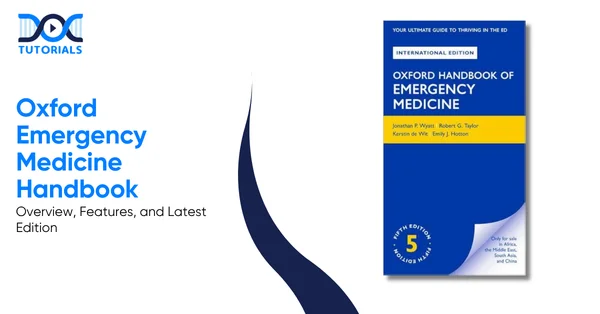
Oxford Emergency Medicine Handbook: Overview, Features, and Latest Edition
Enter Mobile Number
Enter your mobile number to access study materials
Enter valid phone number
📱 OTP via SMS
a2ZteaA
Enter the code exactly as shown (case sensitive)
We'll send you a verification code
Verify OTP
OTP sent to
Complete Registration
Academic Details
🎓 Please provide your academic information
Processing...
No internet connection. Please check your network.
✓ Session Active
The Oxford Emergency Medicine Handbook is a practical guide that helps you quickly and correctly manage patients in the Emergency Room (ER). It provides clear, evidence-based information that you can refer to during emergencies, without having to go through lengthy theory.
For first-year PG residents, especially during on-call shifts, it simplifies decision-making by offering step-by-step guidance for common emergencies and acute care. Keep reading to know more about the Oxford Emergency Medicine book and other key details.
Oxford Handbook for Emergency Medicine: A Brief Overview
The Oxford Emergency Medicine is a practical and trusted guide used in A&E. It helps clinicians assess and stabilise patients based on their symptoms, especially when a clear diagnosis is not yet known. With its clear and concise format, it supports quick decision-making in emergency situations.
The Oxford Handbook of Emergency Medicine is a widely used guide in A&E practice. It helps clinicians manage patients who present with symptoms before a clear diagnosis is made by focusing on how to assess and stabilise them step by step.
Since its first publication, it has been a trusted resource for junior doctors, nurse practitioners, and paramedics who need quick, practical help in emergency situations.
The book is designed for real-time use, with clear and concise information that supports quick decision-making. It focuses on treating patients based on their symptoms. This helps clinicians stabilise them first and then move towards a final diagnosis.
Key Features of the Oxford Emergency Medicine Book
The Oxford Emergency Medicine’s comprehensive system coverage, visual aids, and diagnostic tools make it a valuable resource during PG residency and beyond. It supports quick access to information, including drug dosages and system-based guidance, helping in efficient clinical decision-making.
Below are the key features of the Oxford Emergency Medicine book. These show how the book stands out from the other reference books for PG Residency:
Rapid-Reference Format
The book has a concise bullet format. It facilitates an easy search for a drug dose or a diagnostic algorithm. The book places significant emphasis on identifying clinical red flags and initiating immediate life-saving interventions.
Comprehensive System Coverage
Although compact in size, the book covers an extensive range of topics, including:
Major Trauma: From injuries of the head to multi-organ failures.
Toxicology: Managing overdoses and poisoning.
Environmental Emergencies: Hypothermia, heatstroke, and drowning.
Specialised Care: Overhauled chapters related to psychiatry, paediatrics, and obstetrics.
Visual Aids and Diagnostic Tools
There are over 100 extra illusions in the latest edition of the book, such as X-rays and ECGs (Electrocardiograms). These are critical parameters for comparing ‘normal’ versus ‘pathological’ findings.
Oxford Handbook of Emergency Medicine Latest Edition: New Updates
The 5th Edition of the Oxford Emergency Medicine Book (2020) is the most recent one, featuring a modern overhaul. It is well-equipped with updated protocols for sepsis, 100+ clinical identification images, and alignment with NICE and RCEM guidelines.
You’ll notice a significant shift from the traditional system to the modern protocols and technology. With the evolving healthcare dimensions, the updated version reflects:
Feature
Updates in the 5th Edition
New Sections
Treatment escalation, end-of-life care, and updated sepsis protocols.
Pediatrics
Completely overhauled for modern pediatric resuscitation and safety.
Imaging
100+ new images, including ‘normal’ examples for better identification.
Guidelines
Fully aligned with the latest NICE and RCEM guidelines.
Why is the Oxford Handbook of Emergency Medicine Important for PG Residency Students?
The Oxford Handbook of Emergency Medicine latest edition guides you in studying anatomy but also in applying it during emergency procedures. It bridges the gap between basic sciences and their clinical applications.
PG Residency students primarily focus on Anatomy, Physiology, and Biochemistry. Gaining early exposure to books such as the Oxford Handbook of Emergency Medicine works like a bridge for these students.
For example, if you are a PG Residency student studying the thoracic cavity, this handbook offers you useful insights into needle thoracocentesis (chest decompression). In this way, you will find relevance in what you study.
At the same time, the book provides a foundation for mastering the positions of the intercostal nerves and vessels. The handbook is good for studying clinical ‘how-to’ procedures and requires a deeper understanding of gross anatomy. You will be interested in studying the following:
Lumbar Puncture: Requiring knowledge of the vertebral column.
Chest Drains: Requiring knowledge of the “safe triangle” in the axilla.
Central Venous Access: Requiring knowledge of the neck and subclavian vessels.
Oxford Handbook for Emergency Medicine vs. Other Mainstream Books: Key Differences
The Oxford Emergency Handbook offers a detailed, clinically focused approach in a compact and accessible format. This makes it a practical and cost-effective resource for everyday use.
The difference between a traditional textbook and this handbook can be understood through the following points:
Aspect
Oxford Handbook
Large Textbooks (e.g., Tintinalli’s)
Portability
Fits in a scrub pocket.
Desk-bound reference.
Clinical Use
Used during a shift.
Used for exam preparation at home.
Detail
Focused on management.
Deep dive into pathophysiology.
Price
Budget-friendly for students.
High investment.
How Should You Use the Oxford Emergency Medicine Efficiently?
The Oxford Emergency Medicine is designed to be used as a clinical tool rather than just a reading resource. It emphasises practical approaches such as the ‘Golden Rules’ and the ABCDE method.
Using the Oxford Emergency Medicine requires going beyond simply reading it cover to cover. It should be treated as a practical tool for managing real-time clinical situations and supporting quick, informed decisions in emergency care.
Here’s how it helps you:
Study the “Golden Rules”
The inside covers of the Oxford Emergency Medicine latest edition offer ‘Golden Rules’ for emergency practitioners. These principles focus on patient safety first and help practitioners prevent diagnostic pitfalls.
Explore the ABCDE Approach
The Oxford Emergency Medicine book has a primary ABCDE approach. ABCDE refers to “Airway, Breathing, Circulation, Disability, Exposure”. Referring to this section before managing a ‘crashing’ patient always helps prevent life-threatening situations.
Annotate and Personalise
The Oxford Emergency Medicine handbook often provides local hospital bleep numbers and specific antibiotic guidelines. Mark the pages you visit the most with tabs. This annotation makes it easier to use your 900-page book as a 3-second reference tool.
FAQs about Oxford Emergency Medicine Handbook
1. Which is the latest edition of the Oxford Handbook of Emergency Medicine?
The 5th edition (published on 6th August 2020) is the latest one for the Oxford Handbook of Emergency Medicine. The updated version has sections for sepsis, escalating treatments, and pediatric care.
2. Is the Oxford Emergency Medicine suitable for USMLE and NEET PG preparations?
Yes, the Oxford Emergency Medicine book is based on UK guidelines, such as those from NICE and RCEM. These clinical principles are universally accepted for rapid reviews of emergency topics.
3. Is the Oxford Emergency Medicine relevant for Paramedics?
Absolutely, the Oxford Emergency Medicine handbook is highly relevant to both paramedics and nurse practitioners. Majorly, the book focuses on rapid assessments and stabilisation topics.
4. Does Oxford Emergency Medicine cover emergency surgical topics?
Yes, the Oxford Emergency Book has a special section dedicated entirely to surgical emergencies. This section covers broader areas of urological issues, abdominal pains, and neurosurgical referrals.
5. Is Oxford Emergency Medicine available in a digital format?
Yes, several medical apps are offering enhanced search features and hyperlinked content. You can access it via Oxford Medicine Online.
6. How does the Oxford Emergency Medicine compare to the Oxford Handbook of Clinical Medicine?
The Oxford Handbook of Clinical Medicine is broader, covering medicines for ward-based issues. On the other hand, the Emergency Medicine handbook offers insight into the acute and first-contact setting of the ED.
7. Does the Oxford Emergency Medicine handbook cover drug dosages, too?
Yes, the 5th edition of the Oxford Emergency Medicine provides guidance on common emergency drug dosages. However, as a clinical practitioner, it is your responsibility to cross-check the information against local formularies.
8. Does the Oxford Emergency Medicine 5th edition include imaging and X-ray interpretation?
Yes, Oxford Emergency Medicine, 5th edition, includes additional illustrations and X-rays. These are around 100 specifically chosen ones to help you as a clinician identify the ‘normal’ vs ‘abnormal’ findings.
9. Are pediatric emergencies covered in the Oxford Emergency Medicine?
Yes, the Oxford Emergency Medicine, 5th edition, covers pediatric emergencies as well. A few topics in this segment include common childhood illnesses, trauma, and resuscitation. It offers a guided approach to understanding the physiological differences in paediatrics.
10. Whom does the Oxford Emergency Medicine book primarily target?
The Oxford Emergency Medicine, 5th edition, is essential for junior doctors and trainees in the emergency medicine department. It is also a crucial resource for the paramedics, specialist nurses, and general practitioners.
Conclusion
Starting PG residency can feel overwhelming at first. The Oxford Emergency Medicine handbook, 5th edition, serves as a reliable clinical reference throughout this phase. It helps bridge the gap between theoretical knowledge and practical patient care while supporting quick, informed decision-making when it matters most.
For further guidance, DocTutorials can be your study partner. We offer Viva preparation & OSCE, clinical case discussions, patient history-taking, and videos covering the PG Residency syllabus. This helps ensure residents gain clarity over complex medical concepts.
Join DocTutorials today and explore our PG Residency course to excel in your medical career!
The INI SS results for October 2024 are just around the corner. This is a life-changing moment for thousands of…
Tintinalli’s Emergency Medicine: PG Residency: Overview, Features, and Latest Edition
Enter Mobile Number
Enter your mobile number to access study materials
Enter valid phone number
📱 OTP via SMS
P&UuePB
Enter the code exactly as shown (case sensitive)
We'll send you a verification code
Verify OTP
OTP sent to
Complete Registration
Academic Details
🎓 Please provide your academic information
Processing...
No internet connection. Please check your network.
✓ Session Active
Tintinalli’s Emergency Medicine textbook is a leading reference text commonly used in postgraduate training in emergency medicine. The textbook is an important resource for residents in clinical training and certification exams.
Its structured clinical discussions and evidence-based approach help learners develop the decision-making skills required in emergency departments. Keep reading to learn more about Tintinalli’s Emergency Medicine, including its key features, subject coverage, and its role in developing clinical competence among emergency medicine residents.
Overview of Tintinalli’s Emergency Medicine
Tintinalli’s Emergency Medicineis the ultimate book on emergency care, covering prehospital, disaster, resuscitation, and specialised emergency care.It is trusted by students, residents, and physicians and offers evidence-based guidance in adult, pediatric, and neonatal care.
Tintinalli’s Emergency Medicine is one of the most popular reference books in the field of emergency care and for those teaching emergency medicine.
This is a complete textbook that includes the entire range of emergency medicine. It includes prehospital and disaster medicine, as well as advanced resuscitation and major medical, traumatic, and environmental emergencies across all age groups.
Medical students, residents, and practising physicians use the text routinely to prepare for the exams as well as for clinical advice. The textbook gives a detailed explanation of the emergency medicine concepts, procedures, and patient care.
Its chapters include the simple resuscitation and trauma management to the more specialised ones like toxicology, obstetrics and paediatric emergencies.
Key Features of Tintinalli’s Emergency Medicine
Tintinalli’s Emergency Medicineis the most popular resource in postgraduate training to embrace the entire range of emergency presentations, processes, and acute care of all ages.It is edited by leading emergency physicians and provides high-quality, evidence-based information in line with the existing best practices and guidelines.
Tintinalli’s Emergency Medicine excels in specialised areas crucial for PG training. Its major areas of focus include:
Comprehensive Scope: Addresses all significant emergency presentations and practice, such as prehospital care, disaster management, resuscitation (basic and advanced), procedural expertise, and management of a variety of acute conditions in adults, children and neonates.
Authoritative Content: The text is peer-reviewed by leading emergency physicians and is brought up to date regarding the best practices. It is revised on a regular basis to incorporate the most current clinical recommendations and research.
Exam Support: The book is regarded as an essential tool during in-training and board examinations because of its comprehensiveness, which can equip residents for certification exams. It comprises learning review questions and references.
Rich Learning Aids: The text is being formatted with many tables, figures and algorithms. It is designed in full colour with additional tables to provide significant information more coherently.
Editions of Tintinalli’s Emergency Medicine
Over the decades, Tintinalli’s Emergency Medicine has undergone several editions, with the latest version being expanded and updated as the field has evolved. The latest (9th) edition was released in 2019, continuing the tradition of major updates every 4–5 years.
Tintinalli was initially published in 1978 and has been revised regularly to mirror progress in emergency care. The 8th edition was published in 2017, the 9th in 2019. The editions are continuously updated with new evidence, guidelines, and emerging topics.
For instance, the 8th edition extended the focus on such areas as transgender patient care, procedural sedation, and opioid emergencies. However, the 9th edition included additional updates, such as the recent resuscitation guidelines, a new approach to diagnosis, and lessons from recent global health events.
The publisher (McGraw-Hill) provides detailed tables of contents for each edition. In general, new editions feature:
Major Content Updates: Adding new studies, evolving clinical practice (e.g. sepsis, stroke, trauma treatment), and recent public health matters (e.g. how to manage COVID-19).
Revised Organisation: Streamlined chapters and sections for clarity. New chapters are added as needed.
Enhanced Visuals: Subsequent editions have more colour figures, tables and pictures to facilitate learning (the 9th ed. adopted a full-colour format, with more tables than ever).
Some university syllabi recommend Tintinalli’s Emergency Medicine Manual, 9th Edition, as a supplement to the reading. It is a detailed guide, and a streamlined manual is also used today to train programs.
Tintinalli’s Emergency Medicine, Latest Edition
The 9th Edition of Tintinalli’s Emergency Medicine was published in 2019. As the most recent version, it builds upon the strengths of the 9th Edition with current material and potentially the addition of new chapters or sections due to the recent developments in the emergency care field.
The Tintinalli’s Emergency Medicine latest edition is the 9th Edition (which was published in 2019). Published by McGraw-Hill, the series is regarded as one of the most widely used textbooks in emergency medicine worldwide.
New releases are usually issued every 4-5 years, and the 9th Edition is the successor to the 2017 Eighth Edition. While a full breakdown of new chapters is not yet widely published, one can expect the 9th Edition to include:
Updated Evidence and Guidelines: Recent guidelines on common conditions (e.g. recent changes in ACLS/PALS guides, new stroke interventions, COVID-19 treatment and care) based on the recent literature.
Expanded Digital Resources: The 8th Edition already featured online videos of the procedures; the Ninth Edition probably follows the trend or adds to the amount of multimedia (simulations, online modules).
Evolving Clinical Topics: The introduction of new topics, i.e., the utilisation of telemedicine during emergencies, the trend of substance misuse, global health threats, and the use of precision medicine in the ED.
Cost and Availability: The 9th Edition is available in hardcover. In India, institutional procurement lists show the 9th Edition priced around ₹4,610, reflecting its status as a major textbook.
Table of Contents of the Tintinalli Emergency Medicine Latest Edition
The latest widely used edition of Tintinalli’s Emergency Medicine is the 9th edition (2019). It is a comprehensive emergency medicine reference with 26 major sections and more than 200 chapters, covering prehospital care, resuscitation, trauma, medical emergencies, toxicology, and special situations in emergency departments.
Below is a structured outline of the main contents (sections) of the latest edition:
1. Prehospital Care
2. Disaster Management
3. Resuscitation
4. Resuscitative Procedures
5. Analgesia, Anaesthesia & Procedural Sedation
6. Wound Management
7. Cardiovascular Disease
8. Pulmonary Disorders
9. Gastrointestinal Disorders
10. Renal and Genitourinary Disorders
11. Obstetrics and Gynaecology
12. Pediatrics
13. Infectious Diseases
14. Neurology
15. Toxicology
16. Environmental Injuries
17. Endocrine Disorders
18. Hematologic and Oncologic Disorders
19. Eye, Ear, Nose, Throat, and Oral Disorders
20. Dermatology
21. Trauma
22. Orthopaedics
23. Musculoskeletal Disorders
24. Psychosocial Disorders
25. Abuse and Assault
26. Special Situations
8th vs 9th Edition of Tintinalli’s Emergency Medicine: Key Differences
The 8th and 9th editions are very similar in scope and particular to the knowledge of EM at their respective times.The 8th Edition (2017) has full-colour formatting and a wide range of new topics.That content is further updated in the 9th Edition with the most recent clinical guidelines and research findings added.
A comparison between the 8th and 9th editions ofTintinalli’s Emergency Medicine provides insights into the development of the textbook.
The major updates in the current versions of Tintinalli’s Emergency Medicine are reflected in improved readability, increased clinical coverage, and the inclusion of the latest practices in emergency care. Refer to the table below:
Feature / Area
8th Edition (2017)
9th Edition (2019)
Design and Layout
Added a full-colour redesign with additional tables and figures for clearer summaries and improved readability.
Carries on the contemporary design, featuring presumably new visuals and better presentation.
Procedural Learning
Added over 100 online procedural videos, such as demonstrations of emergency techniques, and point-of-care ultrasound (POCUS).
Predicted to have new multimedia materials to facilitate procedural training.
Pediatric Content
Enlarged pediatric emergency section, with a broader coverage of neonates, infants, and children.
Likely revised to include current pediatric emergency instructions and clinical practices.
Clinical Updates
Significant changes in obstetric/gynecologic emergencies, toxicology, procedural sedation, and discussions on opioid use disorder and transgender patient care.
Integrates new evidence-based updates in all specialities, trauma, cardiology, infectious disease, and critical care.
Algorithms and Illustrations
Added more diagrams, tables and descriptive summaries.
New clinical illustrations or pictures and updated algorithms (e.g. stroke, sepsis, asthma).
Emerging Topics
Introduced new and recent topics of interest to contemporary ED practice.
Updated to contain more recent changes, including the management of COVID-19, new antimicrobials, and disaster-response lessons.
Since the 9th Edition is current, postgraduate students should aim to study from it when possible, but the 8th Edition remains highly valuable. Both versions discuss fundamental EM principles, and the changes are primarily due to advances in medicine.
Tintinalli vs Rosen: Core Textbook Comparison
Tintinalli’s Emergency Medicine and Rosen’s Emergency Medicine both cover core exam topics but differ in style. Tintinalli focuses on concise, practical clinical guidance, while Rosen emphasises detailed pathophysiology and conceptual understanding.
In academic emergency medicine, a common comparison is drawn between Tintinalli’s Emergency Medicine: A Comprehensive Study Guide and Rosen’s Emergency Medicine: Concepts and Clinical Practice. This analogy usually influences residency reading schedules, journal clubs and teaching sessions.
Although the two books include the main board-certification material, they differ in teaching style and format. Tintinalli has been appreciated because of its clinical practicality and readability, concise chapters, tabular presentations, bullet points, and quick-reference algorithms reflecting the decision-making of the emergency department.
Conversely, Rosen provides more of an academic explanation where pathophysiology and disease processes are explained in advance of management, and attract the student who wants to have a more conceptual grasp.
The statistical analysis comparing the contents of the 2 textbooks with the national qualifying examination blueprints indicates some variation in the representation of topics. They are:
Clinical Topic Area
Rosen’s Content Representation
Tintinalli’s Content Representation
Environmental Disorders
More focus on environmental pathologies and the mechanisms involved.
Slightly less detail, with a more brief overview.
Traumatic Disorders
Well-structured and strong trauma coverage.
Trauma coverage of exceptional detail and with a practical management orientation.
Cutaneous Disorders
Normal dermatological coverage within emergency provisions.
Extended focus on cutaneous presentations and emergency dermatology.
Obstetrics and Gynaecology
Standard coverage on obstetric and gynecologic emergencies.
Highly detailed emphasis on obstetric crisis and acute management
Formatting and Style
More in-depth pathophysiology explanation through narratives and written explanations.
Bullet points, tables, and algorithms emphasising clinical pragmatism
How to Use Tintinalli’s Emergency Medicine for PG Residency and Exam Preparation?
Tintinalli’s Emergency Medicineis a foundational study resource among PG residents in emergency medicine.It gives coverage to learn complex cases and facilitates exam preparation (both in-training and board-level).
To postgraduate trainees, the textbook by Tintinalli plays multiple functions. It serves as a clinical reference to rare conditions and elaborate instructions, and as an exam review guide, frequently viewed as essential for in-training and university examinations.
Tintinalli’s Emergency Medicine’s best practices include the following:
Strategic Reading: Instead of reading cover-to-cover, residents tend to read high-yield chapters applicable to their rotations (i.e. trauma, toxicology, resuscitation). In Tintinalli, every chapter begins with an outline and objectives which may guide targeted study.
Conceptual Understanding: Tintinalli does a great job of explaining the pathophysiology and the rationale for management. It can be used by PG students to gain a better understanding of the fundamental concepts.
Integration with Clinical Work: Residents can consult Tintinalli’s for evidence-based treatment algorithms or unusual presentations (e.g. rare environmental emergencies). This enforces learning as well as ties theory with practice.
Exam Preparation: Numerous training courses recommend revision of Tintinalli sections prior to examinations. The Tintinalli’s Emergency Medicine Manual 9th Edition can also be consulted for a quick overview of facts and tables just before examinations.
Active learning strategies should be used to supplement Tintinalli. Retention is enhanced through case discussions, MCQ practice and attending simulation labs. Although Tintinalli provides the core knowledge framework, practice and review questions are necessary to master the subject.
FAQs about Tintinalli’s Emergency Medicine
How often is Tintinalli last edition updated?
Tintinalli is generally revised every 4-5 years to correspond with the development in emergency medicine. The latest versions are the 8th (2017) and 9th (2019) editions, with several additional clinical guidelines and research integrated into them.
Is there a Tintinalli’s 9th Edition manual?
Yes, the Tintinalli’s Emergency Medicine Manual is a pocket-sized supplement to the primary textbook, and the latest version that is widely available now is the 9th edition.
What is the Tintinalli’s Emergency Medicine Manual?
Tintinalli’s Emergency Medicine Manual is a pocket-sized, condensed version of the primary textbook, featuring brief chapters on general complaints, diagnoses, and emergency management for quick clinical reference.
Should you buy the Tintinalli’s Emergency Medicine 10th edition, 9th or 8th edition?
The 9th edition (2019) is the most preferred as it bears the latest guidelines. Nevertheless, the 8th edition is still a credible source of fundamental emergency medicine concepts.
Is the Tintinalli Emergency Medicine latest edition enough for PG exam preparation?
Tintinalli is conceptually covered. MCQ questions, question banks, and revision resources are also useful in preparing for the PG exam.
How does Tintinalli compare with Rosen’s textbook?
Tintinalli tends to be much more compact and focused on the clinical aspect of the cases and is therefore easier to study quickly, whereas the Rosen is more specific on the theoretical and pathophysiology explanations.
How can PG residents use Tintinalli effectively?
Residents typically read chapters according to their rotations at any given time, read the summary tables and algorithms, and refer to the text at the time of complex or unfamiliar cases.
Is the manual of Tintinalli useful for residents?
Yes. The manual is used by many residents to do rapid revision, quick lookup, and bedside reference when performing clinical work.
Does the Tintinalli latest edition include updated guidelines?
Yes. New editions combine recent clinical research, new protocols and emerging emergency care practices.
Should Tintinalli be combined with other study methods?
Yes. Active learning techniques, like making notes, flashcards, case discussions, and solving MCQs, can be used to strengthen ideas and improve exam performance.
Conclusion
Tintinalli’s Emergency Medicine helps residents in the PG develop this foundation through extensive coverage of key emergencies. It can be studied systematically and applied in clinical practice to aid residency training or board exam preparation.
For further guidance, DocTutorials can be your study partner. We offer Viva preparation & OSCE, clinical case discussions, patient history-taking, and videos covering the PG Residency syllabus. This helps ensure residents gain clarity over complex medical concepts.Join DocTutorials today and explore our PG Residency course to excel in your medical career!
The INI SS results for October 2024 are just around the corner. This is a life-changing moment for thousands of…
DeVita Oncology Textbook: Overview, Key Updates, and Latest Edition
Enter Mobile Number
Enter your mobile number to access study materials
Enter valid phone number
📱 OTP via SMS
J(xZFWr
Enter the code exactly as shown (case sensitive)
We'll send you a verification code
Verify OTP
OTP sent to
Complete Registration
Academic Details
🎓 Please provide your academic information
Processing...
No internet connection. Please check your network.
✓ Session Active
Oncology postgraduate residency is one of the most specialised medical graduate career paths in India. That’s why residents need proper foundational resources, and DeVita, Hellman & Rosenberg’s Cancer: Principles and Practice of Oncology is one of them.
This guide summarises oncology postgraduate training in India and explains why the DeVita Oncology textbook remains a key resource for residents. It explores how the book supports the concepts and clinical reasoning throughout oncology residency. Keep reading to know more.
Overview of the DeVita Oncology Textbook
DeVita’s Cancer: Principles & Practice of Oncology is a residency-based oncology resource that covers cancer biology, treatment principles, and site-specific management.The 12th edition uses developments in immunotherapy, genetics, prevention, and supportive care in academic education.
DeVita’s Cancer: Principles & Practice of Oncology is designed to reflect the modern training of oncology. It begins with cancer biology and epidemiology, then covers treatment principles, and finally site-specific cancers and supportive care.
Through this arrangement, residents learn disease mechanisms and apply the knowledge in organ-based clinical rotations. The book is edited by prominent oncologists and adopts a multidisciplinary approach, bringing together perspectives from surgical, medical, and radiation oncology.
The 12th edition is the most recent and incorporates advances in immunotherapy, genetics, prevention, and survivorship, and is regarded as an integrated, single-volume work from basic science to clinical care.
The main features of the latest edition are:
Integrated Basic Science: Each chapter incorporates molecular and cell biology concepts, as well as clinical information.
Quarterly Updates: The information is also updated regularly (online) with any breakthroughs, such as new drugs or trial results.
Multidisciplinary Advice: The text is balanced in regard to surgical, medical, and radiation perspectives.
New Content on Immunotherapy: The Immune Checkpoint Inhibitor and CAR-T sections have been added.
Coverage of Supportive Topics: Chapters covering cancer prevention, screening, palliative care, and quality-of-life issues are also covered.
Single or Multivolume Format: The 12th edition is also available in a single large volume or as a set of seven volumes for easier handling.
The textbook also provides digital support. It can be accessed as an eBook through services and includes features such as text-to-speech and multimedia resources. For students, this means they can search for or listen to the chapters on their phones or tablets, which supports their practical learning.
Latest Edition (12th) of the DeVita Oncology Book
The DeVita Oncology latest edition is the 12th (2022) edition of this textbook. It introduces significant changes to the view of recent developments, including immunotherapies, genetic insights, and novel treatment combinations.
The 12th edition of “DeVita’s Cancer: Principles & Practice of Oncology”, published in December 2022, was later named a Doody’s Essential Title of 2025 about medical education. As with the evolving field of oncology, this edition features more content, revised treatment recommendations, and several new figures and tables.
Major updates cover modern immunotherapies such as:
PD-1/PD-L1 inhibitors
CAR-T cell therapy
Advances in cancer genomics and prevention
HPV vaccination
The book is available in single- and multi-volume editions totalling almost 2,000 pages, as well as digital editions that are updated regularly. For NEET-SS aspirants and oncology residents, it provides a reliable resource on guidelines and complex clinical decision-making.
Key Updates in the 12th Edition
Integration of Basic Science: In contrast to earlier editions, the latest DeVitaedition integrates molecular biology into the clinical chapters. This helps residents immediately associate the mutation with the medicine.
Focus on Immunotherapy: As checkpoint inhibitors and CAR T-cell therapies have become more useful, the text includes significant passages on the complexities of immunotherapy and its side effects.
Quarterly Updates: Since a printed book may become obsolete soon, the DeVita Oncology 12th edition typically includes digital access that provides quarterly updates on new medication discoveries and study outcomes.
Streamlined Content: The editors have minimised the historical preface in most chapters and placed greater focus on the information residents require at the point of care.
Study Strategies to Tackle the DeVita Oncology Textbook
The DeVita Oncology textbook should be used as a clinical reference to avoid burnout. Case-based reading, focusing on algorithms, digital search, and group study, can also make it more effective and manageable.
One of the major errors residents make is to start reading the DeVita oncology book as a novel. This method leads to burnout due to its encyclopaedic scope. Rather, students should view DeVita Oncology as a supplement to their clinical rotations.
Here are some of the effective study strategies:
Case-Based Reading: If a resident admits a patient with Diffuse Large B-Cell Lymphoma (DLBCL), the indication to read the applicable chapter on DLBCL in DeVita Oncology is triggered. This just-in-time learning embeds concepts more effectively than abstract reading.
Focus on Tables and Algorithms: The DeVita textbook is well known for its elaborate management algorithms. Memorising the flowcharts should be a primary concern for the residents since those are the foundation of board exam questions.
Use the Digital Version: The DeVita latest edition digital versions can be searched with keywords, allowing one to find a particular mutation target or drug dose during a hectic shift.
Group Study: A good way to address the large amount of content in DeVita is to assign different chapters to the co-residents and summarise them during journal clubs.
DeVita vs. Other Oncology Resources
DeVita Oncology textbook explains the science behind cancer management, while other resources focus on what to do in practice. When used together, DeVita builds exam-ready depth that supports protocol-based clinical decisions.
Residents often ask whether they should read the DeVita textbook or rely solely on the NCCN guidelines. The reason is that they have different purposes. The guidelines at NCCN inform you on what to do, whereas DeVita Oncology informs you on why.
A comparison of the DeVita Oncology Book with other popular sources is given below:
Feature
DeVita Oncology (12th Edition)
MD Anderson Manual
Harrison’s Principles
NCCN Guidelines
Depth of Science
Extremely High (Gold Standard)
Moderate
Moderate (Generalist view)
Low (Protocol focused)
Clinical Utility
Comprehensive Reference
Practical/Ward-based
General Overview
Immediate Decision Making
Best For
Theory, Exams, Tumour Boards
Quick Ward Reference
Internal Medicine Foundation
Daily Prescribing
Exam Focus
Essential for NEET SS/Boards
Good for Viva
Basics only
Essential for Management Qs
Although manuals and guidelines are useful for fast decisions, the DeVita Oncology 12th edition raises complex questions that a resident is expected to answer after being questioned by an examiner studying the biology of the disease.
How Should PG Residents Use the DeVita Oncology Textbook?
In Indian oncology residencies, DeVita’s Cancer: Principles & Practice of Oncology is used as an academic and clinical resource.It is an essential, multidisciplinary tool in oncology training, helping residents build concepts, prepare for the PG and NEET-SS exams, and conduct research.
DeVita Oncology Book is a reference used by Indian oncology residents to expand their knowledge of cancer medicine and prepare for exams. They also tend to place relatable chapters after clinical rotations and to use them as references when managing complex cases.
The DeVita book has several functions in an oncology residency:
Conceptual Framework:DeVita textbook is used by residents to deepen fundamental ideas presented in lectures and around the ward. They also review staging, pathology, and treatment in cases such as Hodgkin lymphoma to help them integrate molecular biology into clinical decision-making.
Exam Preparation: For PG finals and entrance tests such as NEET-SS, the DeVita book is a crucial resource because it covers a broad range of topics. Its tables and summaries with chemotherapy regimens, tumour markers, and treatment protocols are often referred to by residents.
Clinical Decision Support: Complex or uncommon cases are often referred to DeVita to ensure that diagnostic and treatment techniques are accurate. Its multidisciplinary framework helps explain when surgery, chemotherapy, or radiation is most appropriate.
Research and Thesis: Thesis work is commonly guided by the textbook’s coverage of therapies and historical trials. The referenced chapters help residents locate and review key research articles.
Continuous Learning: Digital access improves usability, enabling users to find content quickly, bookmark it, and access periodic online updates. These characteristics enable residents to keep up with new developments during training.
Integration with Other Disciplines: Through contributions from surgical, medical, and radiation oncologists, DeVita presents balanced views of all types of cancer to residents. This helps them understand that cancer care is a coordinated, multidisciplinary approach.
Overall, the DeVita Oncology textbook is treated as an “Encyclopedia” of Oncology. Often called the “resident’s bible,” it is used regularly in both print and e-book formats, and its depth and breadth make it indispensable during the demanding years of oncology training.
FAQs about the DeVita Oncology Textbook for PG Residency
Why is DeVita, Hellman & Rosenberg’s Cancer recommended?
It is recommended due to its extensive coverage, combining cancer biology and clinical management of all tumour types. Over time, it has established itself as a standard reference in oncology postgraduate education, and faculty members recommend its use alongside clinical case discussions.
What is the latest edition of DeVita’s oncology book?
The latest edition is the 12th edition, published in December 2022. It was recognised as a Doody’s Essential Title for 2025, reflecting its academic importance.
What is new in the DeVita textbook, 12th edition?
The DeVita 12th edition has revised information on immunotherapy, cancer genetics, targeted therapies, screening, prevention, and quality-of-life concerns. It also provides regular updates on the latest online trials.
Is there an Indian edition of DeVita’s textbook?
Yes. It has a South Asian version that is cheaper and largely mirrors the international version. Both versions can be used in the PG tests.
How should residents study using the DeVita oncology textbook?
Residents typically read only chapters relevant to the current rotations or exam questions, not the entire book. The notes are often presented as tables and summaries, and the digital search option helps with hectic schedules.
Are there supplementary resources by the same authors?
Yes. A DeVita review book in MCQ format and other exam-oriented resources are available, but the main textbook remains the primary reference.
What topics does the DeVita textbook cover?
It includes cancer biology, cancer prevention, screening, diagnostics, treatment modalities, site-specific cancers, supportive care, and palliative oncology; equivalent to a complete oncology residency curriculum.
Is the DeVita 12th edition very different from the 11th?
Yes. The DeVita 12th edition is more organised, incorporates basic science in clinical chapters, and contains new immunotherapy material that was omitted in earlier editions.
Is DeVita too advanced for first-year residents?
The DeVita textbook can feel like a lot to grasp, but focusing on the principles and cancer biology sections early helps build a strong foundation.
Does the DeVita textbook cover radiation oncology?
Yes. It is a multidisciplinary book involving substantial input from radiation oncologists, hence it is also applicable to radiation oncology residents.
Conclusion
The DeVita oncology textbook has become a reliable handbook, helping residents study cancer biology and complex exam-oriented concepts. Students and residents should invest time in the DeVita 12th edition as it is an investment in science-based clinical practice.
For added guidance, DocTutorials can be your study partner. We offer viva preparation, clinical case discussions, patient history-taking, and videos covering the PG Residency syllabus.
Join DocTutorials and explore our PG Residency course to excel in your medical career!
The INI SS results for October 2024 are just around the corner. This is a life-changing moment for thousands of…
API Textbook of Medicine: Key Features, Latest Edition, and Significance
Enter Mobile Number
Enter your mobile number to access study materials
Enter valid phone number
📱 OTP via SMS
WHzeS9#
Enter the code exactly as shown (case sensitive)
We'll send you a verification code
Verify OTP
OTP sent to
Complete Registration
Academic Details
🎓 Please provide your academic information
Processing...
No internet connection. Please check your network.
✓ Session Active
The API Textbook of Medicine is known to be one of the most comprehensive and authoritative medical textbooks in India. Released with the support of the Association of Physicians of India (API), it has developed into a medical resource that is both globally significant and distinctly Indian.
The uniqueness of this textbook of medicine is that it combines traditional methods of clinical practice with modern research yet focuses on the patterns and experiences of India. At present, the API medicine book has become a crucial academic resource for MBBS students, MD candidates, and practicing physicians.
Read on to learn more about this book, its features, table of contents, significance, and more.
A Brief Overview of the API Textbook of Medicine
The API Textbook of Medicine is one of the most reliable and comprehensive medical books in India, published by the Association of Physicians of India since 1969. Edited by experts, this two-volume book encompasses 18 major specialities. It is a perfect amalgamation of Indian medical expertise and international standards.
First published in 1969, the API Textbook of Medicine has served medical students and physicians for over five decades.
In its current edition, this two-volume book spans 18 extensive sections, starting from infectious diseases, cardiology, neurology, endocrinology, and diabetology to more contemporary domains such as travel medicine, regenerative medicine, environmental medicine, and medical ethics.
This textbook offers an Indian perspective on epidemiology while maintaining a worldwide focus, featuring the latest progress in physiology, pathology, diagnosis, and management. The framework of the textbook moves from standard medical diagnosis to research and clinical practice, enhancing understanding of concepts.
As a textbook for medical students, it imparts in-depth knowledge of the subject, clinical case discussions, exam-preparatory material, and essential insights that are the hallmark of a clinical textbook.
What are the Features of the API Textbook of Medicine, 12th Edition
The API Textbook of Medicine is evolving alongside modern medical developments while keeping its robust clinical foundation intact. The 12th edition of the book offers new chapters, increased speciality sections, and a separate section on COVID-19.
With evidence-based guidelines and expert content, the API textbook of medicine, latest edition, remains the definitive resource for medical students and practicing physicians. Check out the salient features of the 12th edition in the section below:
Updated and Fully Revised Edition
All chapters and sections have been meticulously updated with the advanced medical knowledge, clinical guidelines, and modern advances in diagnosis and treatment.
Dedicated SARS COVID-19 Section
The section named “Viral Infections” now contains a new section that explains COVID-19 through its epidemiological patterns, clinical progression, treatment methods, laboratory testing, and post-COVID complications and treatment facilities.
Separate Chapter on COVID Vaccination
The dedicated chapter for COVID vaccination provides information about vaccine science, administration methods, safety features, and public health significance.
Enlarged HIV Medicine Section
The HIV Medicine section has been enlarged to include malignancies associated with HIV, Antiretroviral Therapy and Drug Interactions, HIV in Pregnancy, HIV-2, and other important clinical considerations.
New Chapters on Genetic and Metabolic Disorders
New chapters on DNA Repair Deficiency Disorders and Lysosomal Storage Disorders have been added to incorporate the latest developments in genetic and metabolic medicine.
Effect of COVID-19 on the Hospital Environment
A new chapter on “Environmental Medicine” has been added to discuss the effect of COVID-19 on the hospital environment and healthcare preparedness.
Comprehensive Two-Volume Book Prepared by Renowned Experts
With around 3570 pages in two comprehensive volumes, the book provides extensive coverage of medical disorders. It has been written by renowned medical experts, ensuring complete authenticity and relevance.
What is the Table of Contents of the API Textbook of Medicine, 12th Edition?
The API Textbook of Medicine (12th Edition) starts with a solid foundation in the principles and epidemiology of medicine and then moves on to a systematic clinical approach to typical patient cases. Overall, with two separate volumes, this new edition further establishes its position as a valuable resource for students and professionals.
Listed below are the chapters covered in the API Textbook of Medicine, 12th edition:
Chapter No
Chapter Name
Pages
1
General Considerations of Infections: Basic Concepts of Infections
1-6
2
Laboratory Diagnosis of Infectious Diseases
7-14
3
Syndromic Approach to Infectious Diseases
15-20
4
Antibiotic Resistance and Antimicrobial Stewardship
21-22
5
Infection in the Immunocompromised Host
23-28
6
Diagnosis and Treatment of Hospital-acquired Infections
29-38
7
Prevention of Healthcare-associated Infections
39-45
8
Hospital Infection Control
46-48
9
Staphylococcal Infections
49-51
10
Streptococcal Infections
52-54
11
Pneumococcal Infections
55-59
12
Enterococcal Infections
60-63
13
Diphtheria
64-67
14
Clostridial Infections
68-74
15
Meningococcal Infections
75-79
16
Gonococcal Infections
80-83
17
Typhoid (Enteric Fever)
84-87
18
Bacillary Dysentery
88-91
19
Cholera
92-95
20
Enterobacteriaceae
96-99
21
Haemophilus influenzae Infections
100-102
22
Pseudomonas aeruginosa Infections
103-105
23
Acinetobacter
106-109
24
Syphilis
110-114
25
Leptospirosis
115-119
26
Other Spirochaetal Infections: Lyme Disease and Rat Bite Fever
120-122
27
Brucellosis
123-125
28
Actinomycosis
126-127
29
Laboratory Diagnosis of Tuberculosis
128-131
30
Treatment of Drug-Susceptible Tuberculosis
132-136
31
Treatment of Drug-resistant Tuberculosis
137-140
32
Leprosy
141-152
33
Rickettsial Infections
153-159
34
Malaria
160-169
35
Amebiasis and Giardiasis
170-177
36
Leishmaniasis
178-182
37
Toxoplasmosis
183-186
38
Cryptosporidiosis, Trichomoniasis, Balantidiasis and Cystoisospora
187-189
39
Ankylostomiasis, Ascariasis and Other Nematodal Infections
190-201
40
Tapeworm and Hydatid Diseases
202-208
41
Lymphatic Filariasis and Related Diseases
209-215
42
Systemic Fungal Infections
216-223
43
Pneumocystis jirovecii Pneumonia
224-228
44
Basic Considerations of Viral Diseases
229-235
45
Herpes Virus Infections (Simplex and Zoster)
236-240
46
Influenza and Other Common Viral Respiratory Infections (Parainfluenza, Respiratory Syncytial Virus, and Rhinovirus)
241-248
47
Viral Gastroenteritis
249-251
48
Rabies
252-259
49
Arboviral Infections
260-270
50
Dengue
271-282
51
Chikungunya
283-287
52
Japanese Encephalitis
288-294
53
Epidemiology of HIV/AIDS
293-297
54
HIV Virology, Immunology, and Laboratory Diagnosis
298-302
55
Pathophysiology and Clinical Features of HIV/AIDS
303-307
56
HIV and Systemic Involvement: Central Nervous System
308-310
57
HIV and Systemic Involvement: Cardiovascular System
311-312
58
HIV and Systemic Involvement: Respiratory and Gastrointestinal Systems
313-315
59
HIV and Systemic Involvement: Haematology
316-318
60
HIV and Systemic Involvement: Kidney
319-320
61
HIV and Systemic Involvement: Dermatological Manifestations
321-325
62
HIV and Systemic Involvement: Endocrinology and Metabolism
326-327
63
HIV and Malignancy
328-333
64
Antiretroviral Therapy
334-340
65
Antiretroviral Drug Toxicities and Drug Interactions
341-347
66
Antiretroviral Therapy Resistance
348-352
67
Pre-exposure Prophylaxis in HIV
353-354
68
Quest for HIV Cure
355-357
69
HIV and Pregnancy
358-361
70
HIV-2
362-364
71
Basic Considerations
365-371
72
Soft Tissue Rheumatism and Regional Rheumatic Pain Syndromes
372-377
73
Low Back Pain
378-385
74
Osteoarthritis
386-393
75
Gout and Other Crystal Arthritides
394-402
76
Rheumatoid Arthritis
403-414
77
Spondyloarthritides
415-424
78
Sjogren’s Syndrome
425-428
79
Systemic Lupus Erythematosus
429-433
80
Antiphospholipid Syndrome
434-438
81
Inflammatory Muscle Diseases
439-445
82
Systemic Sclerosis
446-450
83
The Vasculitides
451-461
84
Mixed Connective Tissue Disease and Overlap Syndromes
462-465
85
Emergencies in Rheumatology
466-471
86
Tropical Rheumatic Diseases
472-479
87
Biologics and Biosimilars in Rheumatology
480-488
88
Disorders of Lipid and Lipoprotein Metabolism
489-500
89
Disorders of Adipose Tissue and Obesity
501-505
90
Disorders of Iron Metabolism and Iron Overload Syndromes
506-517
91
The Porphyrias
518-524
92
Wilson’s Disease
525-532
93
Rickets and Osteomalacia
533-539
94
Osteoporosis
540-544
95
Basic Considerations of Endocrinology
545-549
96
Endocrine Disorders: A Clinical Approach
550-557
97
Disorders of the Hypothalamus and Pineal Gland
558-563
98
Disorders of Anterior Pituitary
564-576
99
Disorders of the Posterior Pituitary
577-579
100
Disorders of the Thyroid Gland
580-596
101
Disorders of Parathyroid Glands
597-601
102
Disorders of Adrenal Glands
602-612
103
Disorders of Puberty
613-618
104
Basic Consideration in Diabetes Mellitus
619-623
105
Pathophysiology of Diabetes and Its Subtypes
624-629
106
Lifestyle Management in Diabetes
630-634
107
Oral Antidiabetic Drugs, Incretin-based Treatment and SGLT-2 Inhibitors
635-641
108
Insulin
642-646
109
In-hospital Management of Diabetes Mellitus
647-655
110
Acute Complications of Diabetes Mellitus (Hypoglycemia, DKA, HHS, and Lactic Acidosis)
656-668
111
Microvascular Complications of Diabetes Mellitus
669-674
112
Diabetic Foot with Indian Perspectives
675-680
113
Diabetes and Pregnancy
681-684
114
Macrovascular Complications of Diabetes Mellitus
685-688
115
Use of Technologies in Diabetes
689-694
116
Primary Prevention of Diabetes Mellitus
695-698
117
Haematopoietic Stem Cell Maintenance and Differentiation (Different Stages of Differentiation)
699-706
118
Approach to Anaemia and Polycythemia
707-716
119
Approach to Bleeding and Thrombosis
717-723
120
Approach to Disorders of Leukocytosis and Leukopenia
724-731
121
Nutritional Anemia
732-738
122
Hereditary Hemolytic Anaemias
739-748
123
Acquired Hemolytic Anaemia
749-755
124
Aplastic Anemia
756-760
125
Myelodysplastic Syndrome
761-766
126
Acute Myeloid Leukaemia
767-773
127
Chronic Myeloid Leukaemia and Other MPNs
774-780
128
Acute Lymphoblastic Leukaemia
781-790
129
Chronic Lymphocytic Leukaemia
791-795
130
Lymphoma and Other Lymphoid Neoplasms
796-807
131
Plasma Cell Disorders
808-815
132
Platelet Disorders
816-822
133
Coagulation Disorders
823-826
134
Thrombotic Disorders
827-831
135
Transfusion Medicine
832-838
136
Haematopoietic Stem Cell Transplantation
839-846
137
Kidney: Structure, Function and Basic Renal Pathology
Autoimmune Diseases: Pathogenesis, Laboratory Tests, and Immune-based Therapies
e-899-e-904
144e
Tumour Immunology: Immune Response, Its Evasion by Tumours and Immune-based Therapies in Malignancy
e-905-e-914
145e
Transplant Immunology: Acceptance and Rejection, Immune-based Therapies to Improve Outcomes
e-915-e-920
146e
Basic Considerations and Assessment of Nutrition Status
e-921-e-926
147e
Water Soluble Vitamins
e-927-e-939
148e
Fat-soluble Vitamins
e-940-e-944
149e
Minerals, Trace Elements and Antioxidants
e-945-e-948
150e
Food Allergy and Food Intolerance
e-949-e-953
151e
Adult Malnutrition
e-954-e-956
152e
Development in Cancer
e-957-e-962
153e
Principles of Cancer Biology and Pathology
e-963-e-970
154e
Cancer Screening and Prevention
e-971-e-976
155e
Principles of Drug Treatment of Cancer
e-977-e-990
156e
Principles of Radiotherapy
e-991-e-997
157e
Head and Neck Cancer
e-998-e-1000
158e
Breast Cancer
e-1001-e-1004
159e
Gastric and Oesophageal Cancer
e-1005-e-1013
160e
Hepatobiliary Cancers
e-1014-e-1017
161e
Colorectal Cancers
e-1018-e-1022
162e
Benign and Malignant Tracheobronchial Tumours
e-1023-e-1028
163e
Genitourinary Cancers
e-1029-e-1039
164e
Gynecological Malignancies
e-1040-e-1049
165e
Bone and Soft-tissue Sarcomas
e-1050-e-1059
166e
Carcinoma of Unknown Primary Site
e-1060-e-1068
167e
Paraneoplastic Syndromes
e-1069-e-1074
168e
Cancer Proneness
e-1075-e-1079
169e
Carcinoid Syndrome
e-1080-e-1089
170e
Supportive Care in Cancer
e-1090-e-1094
171e
Oncological Emergencies
e-1095-e-1102
172e
Assessment in Clinical Psychiatry
e-1103-e-1111
173e
Organic Mental Disorders
e-1112-e-1118
174e
Substance Use Disorders
e-1119-e-1125
175e
Psychosis and Schizophrenia
e-1126-e-1130
176e
Mood Disorders
e-1131-e-1135
177e
Neurotic Disorders
e-1136-e-1142
178e
Emergency Psychiatry
e-1143-e-1146
179e
Sexual Disorders
e-1147-e-1152
180e
Biological and Somatic Treatment of Psychiatric Disorders
e-1153-e-1159
181e
Psychotherapies
e-1160-e-1164
182e
Psychosomatic Disorders
e-1165-e-1168
183e
Imaging Modalities: An Overview
e-1169-e-1178
184e
Plain Radiographs and Procedures
e-1179-e-1192
185e
Role of Ultrasound in Medicine
e-1193-e-1207
186e
Computed Tomography
e-1208-e-1218
187e
Magnetic Resonance Imaging
e-1219-e-1234
188e
Nuclear Medicine
e-1235-e-1254
189e
Patient Safety
e-1255-e-1258
190e
Practice of Medicine in an Ageing World
e-1259-e-1267
191e
Ageing Biology
e-1268-e-1273
192e
Geriatric Syndromes
e-1274-e-1279
193e
Clinical Geriatric Practice
e-1280-e-1282
194e
Preventive Geriatrics
e-1283-e-1286
FAQs about API Textbook of Medicine
What is the latest edition of the API Textbook of Medicine?
The current edition of the API Textbook of Medicine is the 12th Edition, which was published in 2022.
How many pages are there in the API Textbook of Medicine?
The API Textbook of Medicine has 3570 pages.
What is the ISBN of the API Textbook of Medicine?
The International Standard Book Number (ISBN) of the API Textbook of Medicine is 9789354656361.
What topics are included in the API Textbook of Medicine?
The 18 sections of the API medicine book cover infectious diseases, rheumatology, HIV medicine, metabolism, bone disorders, nephrology, endocrinology, diabetology, gastroenterology, haematology, hepatology, neurology, environmental medicine, pulmonology, cardiology, critical care medicine, poisoning and toxicology, along with other specialities.
Who is the publisher of the API Textbook of Medicine?
The Jaypee Brothers Medical Publishers Private Limited publishes the API Textbook of Medicine.
What kind of binding is used for the API Textbook of Medicine?
The API Textbook of Medicine is available in a hardbound format.
Who serves as the editor for the API Textbook of Medicine?
The Editor-in-Chief of the 12th edition of the API Textbook of Medicine is Sandhya A. Kamath.
Conclusion
The API Textbook of Medicine is one of the most trusted and essential books for medical students, postgraduates, and practitioners. By integrating Indian medical practice and international medical developments, the book covers all 18 specialities in depth, making it relevant in both academic and practical settings.
The latest (12th) edition of the book also includes new areas of medicine, such as COVID-19, genetics, and environmental medicine, which are relevant to contemporary medical challenges.
However, if you are preparing for MBBS finals or NEET PG, studying only this book may not be enough. You need structured preparation, expert guidance, mock tests, high-yield notes, video lectures, and more that can help take your preparation to the next level.
Enter your mobile number to access study materials
Enter valid phone number
📱 OTP via SMS
i)PNZK
Enter the code exactly as shown (case sensitive)
We'll send you a verification code
Verify OTP
OTP sent to
Complete Registration
Academic Details
🎓 Please provide your academic information
Processing...
No internet connection. Please check your network.
✓ Session Active
Clinical medicine is an integral part of the 2026 NEET PG syllabus. Therefore, budding medical aspirants appearing for this examination need a reliable book, such as Kumar and Clark’s Clinical Medicine, for their PG residency course preparation.
As a globally renowned, award-winning textbook, it has been a trusted companion for generations of medical students and practitioners. It is an invaluable resource for medical aspirants preparing for PG Residency and other specialised course entrance exams.
Here’s more about the importance of Kumar and Clark’s Clinical Medicine in preparing for the NEET exam!
A Brief Overview of Kumar and Clark’s Clinical Medicine
Kumar & Clark’s Clinical Medicine is a leading textbook worldwide for medical students and practitioners. This book is universally acknowledged as a gold standard reference and can be used for exam preparation and decision-making. Kumar and Clark’s Clinical Medicine, 11th edition, provides the latest, evidence-based information for today’s practice.
Kumar and Clark’s Clinical Medicine has been one of the finest and most widely trusted textbooks in internal medicine. This book is designed for students, postgraduate exam aspirants, and practising physicians. It provides an extensive explanation of disease mechanisms, diagnosis, and management in a systematic way.
Kumar and Clark’s Clinical Medicine, latest edition, maintains its tradition of excellence with the latest clinical guidelines, improved illustrations, and comprehensive online learning resources. This book is published by Elsevier and is known for its scientific accuracy and clinical relevance.
This medicine book comes with a total of 1,772 pages and is available in a large format of 216 x 276 mm. Kumar and Clark’s Clinical Medicine provides in-depth coverage of internal medicine and its specialities in a single volume, making it a must-have for university exams, NEET PG preparation, and clinical practice.
What are the Features of Kumar and Clark’s Clinical Medicine?
Kumar & Clark’s Clinical Medicine continues to be an essential book for medical students and practising physicians. The current edition has been revised to cater to the latest requirements. This book provides the latest information, additional chapters, and improved e-learning resources.
The 11th edition of Kumar and Clark’s Clinical Medicine has been thoroughly revised and rearranged to serve the needs of modern students while retaining its clear, authoritative tone.
Here are some of the notable features of Kumar and Clark’s Clinical Medicine, the latest edition:
Easy to Follow and Organised: The book is easy to follow and organised with a consistent chapter pattern. The streamlined pattern helps readers to study properly and do their revisions without hassle.
Comprehensive and Practical Information: The book provides information on clinical skills, basic medical sciences, and individual medical conditions. It offers short notes on clinical emergencies, differential diagnosis, and practical procedures. The whole content has been thoroughly revised and updated.
Inclusive and Contemporary Approach: There is greater emphasis on diverse populations, including those with dermatological disorders across various skin types.
New chapters include Acute Medicine, Radiology, Anaesthesia and Perioperative Medicine, Stroke Medicine, General Hospital Psychiatry, Obesity, Young Adult Medicine, and Sex and Gender in Medicine.
Exam-Friendly Resource: It is perfect for MLA and other clinical exams, with MLA mandatory conditions clearly marked in the index. Videos and self-assessment questions are available online to help students learn and review.
Improved e-Book Version: The improved e-Book version allows the user to search for content, make tailored notes, highlight text, and use the read-aloud function for flexible learning.
What’s New in the 11th International Edition of Kumar and Clark’s Clinical Medicine?
Kumar & Clark’s Clinical Medicine continues to evolve with current medical practices. The 11th edition of Kumar and Clark’s Clinical Medicine features structural enhancements and a refreshed clinical focus. This edition of the book is now more practical, better for exams, and more relevant to clinical practice than before.
The 11th edition of Kumar and Clark’s Clinical Medicine reflects the progress of modern medicine. The chapters are organised in a more logical and consistent way, progressing from principles to clinical features, medical tests, differential diagnosis, and management.
Acute and emergency medicine receives greater prominence, with information on managing conditions such as sepsis, acute coronary syndromes, respiratory failure, and metabolic emergencies.
The new and expanded topics include radiology, perioperative medicine, obstetric medicine, and geriatric medicine, providing greater relevance to internal medicine.
What is the Table of Contents of Kumar and Clark’s Clinical Medicine, 11th Edition?
Kumar and Clark’s Clinical Medicine book is organised in a way that is easy to understand and learn. Its latest edition has a standardised chapter format so that students can make their preparations in a systematic way and study accordingly. This book combines clinical skills, core sciences, and information on diseases in one place.
Discussed below are the major sections that form the foundation of this edition:
Part 1: The Practice of Medicine
The Art of Being a Doctor
Clinical Communication
Medical Ethics
Evidence-based Practice
Human Genetics
Immunity
Therapeutics and Prescribing
Radiology
Part 2: Medicine and the World
Public Health
Global and Planetary Health
Part 3: Acute and Emergency Medicine
Acute Medicine
Sepsis and the Treatment of Bacterial Infection
Critical Care Medicine
Anaesthesia and Perioperative Medicine
Toxicology
Environmental Medicine
Part 4: Medical Specialities
Cardiology
Hypertension
Lipid and Metabolic Disorders
Respiratory Medicine
Ear, Nose, and Throat (ENT)
Gastroenterology
Hepatology
Biliary Tract and Pancreatic Disease
Nutrition
Kidney and Urinary Tract Disease
Water Balance, Fluids, and Electrolytes
Neurology
Stroke Medicine
General Hospital Psychiatry
Ophthalmology
Rheumatology
Bone Disease
Endocrinology
Diabetes Mellitus
Metabolic Disease
Obesity
Haematology
Haematological Oncology
Venous Thromboembolic Disease
Malignant Disease
Infectious Disease
Sexually Transmitted Infections
Human Immunodeficiency Virus
Dermatology
Part 5: Medicine Throughout Life
Young Adult Medicine
Sex and Gender in Medicine
Obstetric Medicine
Medicine of the Older Adult
Palliative Care and Symptom Control
FAQs about Kumar and Clark’s Clinical Medicine
What is the current edition of Kumar and Clark Clinical Medicine?
The latest edition of Kumar and Clark’s Clinical Medicine is the 11th edition. It is published by Elsevier and was launched on 28th July, 2025.
Is Kumar and Clark’s Clinical Medicine a good book for exam preparation?
Yes, Kumar and Clark’s Clinical Medicine is highly recommended for MBBS exams, entrance tests for postgraduate studies, MRCP and similar exams, and OSCEs and clinical vivas because it improves clinical thinking.
What is the page count of Kumar and Clark’s Clinical Medicine?
The Kumar and Clark’s Clinical Medicine book comes with a page count of 1772.
What is the International Standard Book Number (ISBN) of Kumar and Clark’s Clinical Medicine?
The International Standard Book Number (ISBN) of Kumar and Clark’s Clinical Medicine is: 9780443125942.
Who are the editors and publisher of Kumar and Clark’s Clinical Medicine?
The 11th edition of Kumar and Clark’s Clinical Medicine is edited by David Randall, John Booth, and Kate Wiles, and published by Elsevier in paperback form.
Who is the target audience for Kumar and Clark’s Clinical Medicine?
Kumar and Clark’s Clinical Medicine is mainly intended for medical students and young physicians.
What are the topics in internal medicine that Kumar and Clark’s Clinical Medicine deals with?
The Kumar and Clark’s Clinical Medicine book deals with all the important systems and specialities of medicine, such as cardiology, rheumatology, infectious diseases, respiratory medicine, dermatology, gastroenterology, endocrinology, neurology, nephrology, oncology, haematology, and psychiatry.
What does Kumar and Clark’s Clinical Medicine cover?
Kumar and Clark’s Clinical Medicine book discusses subjects like elderly care, palliative medicine, and public health, highlighting their significance in today’s healthcare.
Additionally, the book features advanced topics including genetics, immunology, and molecular medicine, showcasing the constantly changing landscape of medical science.
Why is Kumar and Clark’s Clinical Medicine so highly respected?
Kumar and Clark’s Clinical Medicine is highly respected globally by medical students, doctors, and healthcare professionals for its comprehensive and authoritative discussion of medical conditions and online resources. This makes it an essential resource for medical students and young doctors.
Is Kumar and Clark’s Clinical Medicine simple to grasp?
Yes, Kumar and Clark’s Clinical Medicine is made to be comprehensive and easy to understand, making it a great resource for medical students and trainee doctors.
Conclusion
The 11th edition of Kumar and Clark’s Clinical Medicine is an all-inclusive and trustworthy guidebook on contemporary internal medicine. It is the perfect resource for medical students and practitioners, as it fosters analytical skills, ensures high-quality patient care, and more.
However, students should seek guidance through a promising coaching programme like DocTutorials. We offer exceptional learning videos, Qbank, comprehensive tests, quick revision programmes, clinical case-based scenario questions, and more.
Join DocTutorials today to explore our PG Residency course to excel in your medical career!