DocTutorials vs Other Coaching Apps: Why V6 is the Ultimate NEET PG Game-Changer
Enter Mobile Number
Enter your mobile number to access study materials
Enter valid phone number
📱 OTP via SMS
jm$kejH
Enter the code exactly as shown (case sensitive)
We'll send you a verification code
Verify OTP
OTP sent to
Complete Registration
Academic Details
🎓 Please provide your academic information
Processing...
No internet connection. Please check your network.
✓ Session Active
Preparing for the NEET PG exam is tough. Finding the right coaching platform should not be a struggle. With many options available today, you might naturally feel overwhelmed. You have older, well-known brands, and then you have DocTutorials. Which one should you pick for your medical career? In this blog, we compare DocTutorials with other standard coaching platforms to help you make a smart choice.
The Big Difference: What Makes the New V6 Update Stand Out?
While other apps provide standard videos and tests, DocTutorials has launched the V6 update. This is a massive game-changer. It is not just about basic study material; it is about how you interact with it. With V6, you get smart features like Video Timestamped Comments, allowing you to leave personal notes exactly where you need them. You also get Consolidated Notes and the ability to Highlight and Annotate your MCQ explanations. Other platforms are still catching up to these tools.
DocTutorials V6 vs Other Coaching Apps
Feature
DocTutorials V6
Other Coaching Apps
Learning Approach
System-Based Learning
Isolated Subject Learning
Video Notes
Timestamped comments
Standard static notes
QBank Features
Highlight and annotate
Basic text answers
Motivation
Daily Goals & Streaks
No tracking features
DocTutorials Core Strengths: Built for Smart NEET PG Prep
System-Based Learning: A Clinical Approach
Your foundation is strong, but V6 connects it all. System-Based Learning does not replace your 19 subjects; it integrates them. For example, in the Cardiovascular System, you learn Anatomy, Physiology, Pathology, Pharmacology, Medicine, Surgery, OBGYN, and Radiology in one seamless flow. Since PG exams are highly clinical, this trains you to think exactly like a doctor. You revise smarter, not harder, without jumping blindly between subjects.
Learn With Better Video Lectures
Most apps have video classes. But DocTutorials offers crisp, focused lectures taught directly by top medical educators. You get comprehensive Syllabus Videos, Previous Year Question recall discussions, and Integrated MCQ videos. This combination makes learning complex topics incredibly simple for every student.
Faculty-Reviewed QBank V6
Practicing good questions is the secret to a high rank. The V6 QBank provides over twelve thousand MCQs and Image-Based Questions. It even includes new Video-Based MCQs. While others give you simple answers, DocTutorials lets you create custom tests and bookmark tough questions.
Quick Revision Program (QRP V6)
When the final exam is near, you do not have time for long videos. The QRP V6 gives you crisp, short revision videos. It helps you quickly recall every important subject. Other apps have heavy revision tools, but QRP is famous for being fast.
Visual Learning & Motivation: Streaks and Mind Maps
To remember drugs and formulas, you need visual help. DocTutorials offers interactive Flashcards designed for active recall. You also get topic-wise Mind Maps to simplify complex subjects. Moreover, the new V6 update introduces Daily Goals & Streaks. You can set and track your daily study targets. Maintaining your streak keeps you highly motivated and strictly disciplined throughout your long preparation journey.
Study Materials Comparison Guide
Study Material
DocTutorials V6
Other Coaching Apps
Flashcards
Interactive and shareable
Basic or not included
Mind Maps
Topic-wise and synced
Rarely available
Revision Notes
Consolidated V6 notes
Lengthy PDF files
Test Series
Real exam interface
Basic web interface
Real Exam Test Series & Expert Mentorship
The test series on DocTutorials mimics the actual NEET PG exam perfectly. You get Grand Tests and Topic-wise Mini Tests. After the test, you get detailed faculty analysis. This helps you fix mistakes quickly. Furthermore, studying alone can be stressful. DocTutorials gives you direct access to WhatsApp mentorship groups. Top medical faculty will guide you, answering your doubts directly. With V6, it easily beats older competition.
Frequently Asked Questions (FAQs)
Is DocTutorials good for NEET PG?
Yes, it is one of the absolute best platforms with expert faculty.
What is System-Based Learning in V6?
It integrates all 19 subjects around organ systems for clinical understanding.
How do Goals & Streaks help me?
They help you track daily study targets and keep you motivated.
How many questions are in QBank V6?
It has over twelve thousand carefully reviewed clinical questions.
Are there mind maps available for students?
Yes, subject-wise mind maps are included for very easy revision.
How does the QRP V6 help me?
It provides short, focused videos for very quick final revision.
Does DocTutorials have previous year questions?
Yes, it covers ninety-five percent of past exam questions.
Does the app offer student mentorship?
Yes, top faculty will guide you directly via WhatsApp groups.
Are active recall flashcards included?
Yes, highly interactive flashcards are there to boost your memory.
Is the test series like the real exam?
Yes, it perfectly mimics the real NEET PG computer interface.
Preparing for the NEET PG 2026 can be an overwhelming journey because of its vast syllabus and the pressure to…
How to Resign from a PG Seat Without Penalty?
It is important to understand the rules around resigning from a postgraduate medical seat if you’re participating in counselling. Many students worry about heavy penalties or losing eligibility for further rounds if they decide to withdraw after seat allotment.
Knowing when and how to resign can enable candidates to make sound judgments throughout the counselling process conducted by authorities such as the Medical Counselling Committee and other state-level counselling committees.
Keep reading to know about the procedure by which candidates can leave without a penalty for leaving the NEET PG seat.
What is the Penalty for Leaving NEET PG Seat?
Leaving a NEET PG counselling seat after the free-exit period may lead to penalties such as losing the security deposit, paying large fines, or being barred from further rounds, depending on counselling rules.
Penalties can be imposed if a candidate backs out of the allotted free-exit period or resigns after joining the allotted college. These may include losing the security deposit, paying a large penalty of up to several lakh, and, in some instances, being barred from attending any further counselling rounds in that academic term.
Since the rules differ between the All India Quota (AIQ) and the state counselling procedure, one must read the official guidelines thoroughly before concluding.
Ace Your NEET PG Prep With DocTutorials NEET PG Online Live Power Pack. Highest Exam Strike Rate!
When Can You Resign Without Facing the Penalty for Leaving the NEET PG Seat?
Candidates can resign from a NEET PG seat without penalty during the free-exit window, usually in Round 1. If they withdraw within the official deadline set by the counselling authority, the security deposit is typically refunded.
If you cancel your allotted seat before the official deadline set by the Medical Counselling Committee or the state authority in question, you are normally refunded the security deposit, and the penalty for leaving the NEET PG seat is not charged.
However, once this deadline has passed or you have been assigned the allotted college, you may receive a warning not to leave the seat, as this could result in the forfeiture of your security deposit, the imposition of a fine, and a ban on participating in any further rounds of counselling.
Therefore the counselling schedules should be monitored, and decisions should be made within the given time.
Step-by-Step Process to Resign from a NEET PG Seat Without Penalty
To resign from a NEET PG seat, candidates have to do so during the free-exit period and submit their resignation to the allotted college formally. They must ensure that the counselling portal is updated accordingly and keep proper records of the communication and paperwork.
The following are the essential steps that you would need to take to resign from a NEET PG seat safely and without forfeiting your security deposit:
Step 1: Know the Timeline
Know your counselling schedule and mark the deadline for when you will leave. Applicants who have been allotted a seat in Round 1 are generally allowed to resign without charge before the next round.
Indicate the date of allotment as soon as possible to avoid exceeding the time limit if you may want to withdraw later.
Step 2: Submit a Written Resignation to the College
Introduce the college formally rather than using calls or messages. Submit a written resignation letter to the Dean or Principal along with personal details and allotment information. For online resignation, follow the official portal procedures and receive a receipt.
Step 3: Update the Counselling Portal
It is not enough to resign from the college. The seat position should also be updated in the counselling portal.
Contact the college administration and verify the portal to confirm that it shows either ‘resigned’ or ‘seat vacated’ prior to the free-exit deadline.
Step 4: Keep a Record of All Communication
Always keep copies of all the documents of your resignation, the resignation letter, the acknowledgement of the college, and the email of the authorities, as well as the receipts of the refund.
A well-documented paper assists in showing that you did things right and secures you if any conflict over penalties emerges in the future.
MCC vs State Counselling Rules on Seat Resignation
AIQ counselling through the Medical Counselling Committee typically follows the same rules and features, with Round 1 mostly allowing free exit but becoming more restrictive once joined. State counselling policies vary, and the deadlines, penalties, resignation, and bond requirements differ across states.
Aspect
AIQ Counselling (MCC)
State Counselling (General Trend)
Round 1 Exit Policy
Round 1 usually allows a free exit. Candidates can choose not to join the allotted seat without any penalty for leaving the NEET PG seat, and the security deposit is typically refundable.
Many states also allow free exit in Round 1, but rules and deadlines may differ depending on the state authority.
After Joining a Seat
Once you join the allotted seat, resignation is generally restricted and may lead to forfeiture of the security deposit.
Some states allow resignation within a limited time, while others enforce strict no-exit rules after joining.
Security Deposit / Penalty
If a candidate does not join or resign after the permitted stage, the security deposit is usually forfeited.
Penalties vary widely. Some states deduct part of the fee, while others impose large penalties, especially in private colleges.
Participation in Later Rounds
Candidates who exit at the allowed stage can usually participate in further rounds of counselling.
Certain states permit participation in later rounds, while others may block candidates after resignation or non-joining.
Bond / Service Obligations
AIQ seats usually follow institutional rules and may not involve state service bonds.
Many states enforce service bonds or penalty clauses, which can affect the decision to resign from a seat.
Resignation Deadlines
MCC centrally announces a strict timeline. Missing it can lead to loss of deposit or other restrictions.
Every state sets its resignation or surrender deadlines, which can differ significantly.
Reporting Process
Candidates must follow both online reporting and physical reporting as specified in MCC guidelines.
State counselling may include additional verification steps or portal updates to officially confirm your resignation.
In general, Round 1 provides the safest opportunity to exit without penalty for leaving the NEET PG seat, while restrictions increase in later rounds, especially after joining a seat. Because the rules vary across states, candidates should always check the official counselling guidelines before making a decision.
Example Scenario: How a Candidate Avoided the Penalty for Leaving NEET PG Seat
A candidate who resigns within the Round 1 free-exit window can leave the seat without penalty and receive a refund. However, resigning after joining a seat in later rounds usually results in losing the security deposit and possible penalties, making it important to track counselling timelines carefully.
Imagine a candidate who receives a seat in Round 1 of NEET PG counselling but hopes for a better speciality in the next round. Instead of joining the seat immediately, the candidate checks the counselling schedule and resigns within the free exit window.
Because the resignation is done before the Round 1 deadline, there is no penalty for leaving the NEET PG seat, and the security deposit is refunded. In another situation, a candidate accepts a seat in Round 2 and later receives a preferred option through state quota counselling.
Since the candidate had already joined the seat after Round 2, resigning at that stage usually leads to a penalty and loss of the security deposit. This example highlights why it is crucial to understand counselling timelines before making a decision.
FAQs about How to Resign from a PG Seat Without Penalty
How to leave a PG seat in NEET PG counselling?
To leave a seat allotted through NEET PG, you must formally inform the medical college that has been allotted to you. Visit the institute and submit a written resignation letter addressed to the Dean or Principal stating your intention to withdraw from the PG seat.
Can I receive a full refund of my security deposit if I resign from a Round 2 seat in NEET PG?
No. According to the rules of the Medical Counselling Committee, resigning from or not joining a Round 2 allotted seat generally leads to forfeiture of the security deposit and may also make you ineligible for further counselling rounds.
What happens if the college does not generate the online resignation letter for NEET PG counselling?
If the college does not generate or update the resignation on the counselling portal, it may be treated as null and void. This means you could still be considered to be holding the seat, which may lead to penalties.
I joined my Round 1 college in NEET PG. Can I still use online resignation?
The online resignation option is primarily for candidates who have been allotted a seat through counselling. If you have already reported to the college, you may need to complete additional offline formalities with the institute. Please check the official notices or contact the college promptly to avoid penalties.
How and when will I get my NEET PG counselling refund?
The refund is usually processed by the counselling authority and credited to the original payment account used for registration. The exact timeline may vary, but it generally takes a few weeks. Keep your resignation acknowledgement for reference.
How to cancel a NEET PG counselling seat before admission to the college?
You can cancel your allotted seat through the official counselling portal by submitting a resignation or seat cancellation request before the specified deadline. Following the official guidelines helps avoid penalties and protects your security deposit.
Can I resign without penalty for leaving the NEET PG seat from Round 1?
Yes. In most counselling processes, candidates are allowed a “free exit” after Round 1. If you resign within the official deadline set by the Medical Counselling Committee, you can withdraw without paying any penalty for leaving NEET PG.
What happens if I resign from a Round 2 PG seat?
Resigning after joining a Round 2 seat can lead to serious consequences. Candidates may lose their security deposit, face penalties of several lakhs, and may also be barred from participating in further counselling rounds for that academic year.
Do penalty rules differ between AIQ and state NEET PG counselling?
Yes. Penalty rules can vary between the All India Quota and the state counselling authorities. While the Medical Counselling Committee follows a defined policy, individual states may have different deadlines, penalties, and resignation procedures.
Can I resign from a seat after joining in Round 4?
No. In NEET PG counselling, once you join a seat allotted in the Stray Vacancy (Round 4), resignation or withdrawal is not permitted. The allotted seat is considered final for that academic session.
Conclusion
Resigning from a PG medical seat requires careful planning and a clear understanding of the counselling rules. Since policies differ between the Medical Counselling Committee and various state authorities, candidates should always review official guidelines, timelines, and resignation procedures before making any decision.
Staying informed helps avoid penalties, loss of deposits, or restrictions from later counselling rounds. For effective exam preparation and guidance throughout the PG journey, platforms like DocTutorials can help aspirants prepare strategically and make confident academic choices.
Join DocTutorials today and explore our NEET PG course to excel in your medical career!
Enter your mobile number to access study materials
Enter valid phone number
📱 OTP via SMS
Y!CM&UJ
Enter the code exactly as shown (case sensitive)
We'll send you a verification code
Verify OTP
OTP sent to
Complete Registration
Academic Details
🎓 Please provide your academic information
Processing...
No internet connection. Please check your network.
✓ Session Active
Preparing for NEET PG isn’t just about mastering concepts. It’s also about understanding the exam pattern and recognizing frequently asked topics. One of the smartest strategies to boost your preparation is practicing Previous Year Questions (PYQs).
In this article, we bring you a complete subject-wise collection of NEET PG PYQs with detailed answers, designed to support aspirants at every stage of their journey.
Here’s how this resource can help you:
Gain clarity on the exam pattern and recurring question trends
Pinpoint high-yield topics across each subject
Get comfortable with a real exam-like format
Sharpen your speed, accuracy, and confidence
Strengthen weaker areas with focused subject-wise practice
Whether you’re in the early stages of preparation or revising closer to the exam, these NEET PG 2025 PYQs with solutions will give you an extra edge and help maximize your performance on exam day.
Explore How Past Years’ Questions Can Improve Your Preparation
Preparation for the NEET PG examination requires a structured approach, and the referral of previous year question papers. These papers will give a first-hand account of the exam pattern, the level of difficulty, and the topics most frequently asked in it, making it valuable to those who have to start preparing afresh.
In addition, going through NEET PG previous year questionpapers regularly can also assist you in revising the essential concepts and evaluating the level of your progress. You can master your performance as well as improve your knowledge by using original past papers and thus develop self-confidence before the real exam.
Keep reading for a detailed insight into the NEET PG previous year question (PYQ) papers and how studying them can benefit you.
What are the Benefits of Solving NEET PG Previous Year Question Papers?
Here is how going through the NEET PG PYQs can be a game-changer for your NEET preparation:
Improves Accuracy and Speed
Regular practice with the NEET PG previous year question book will help you develop a more precise approach to answering questions. You also get to know how to be careful with making mistakes and improve certain problem-solving skills. This, in the long run, helps you react fast and with confidence, which is the key factor in getting a high score.
Helps in Self-Assessment
NEET PG previous question papers are an excellent tool to ascertain your levels of improvement. They offer a clear overview of the level of your preparation because they tell you about your strong points and about the aspects where you need to improve.
Such specific feedback allows you to work more efficiently. By identifying the topics you are weaker in and working on them consistently, you will enhance both your subject knowledge and confidence.
Builds Familiarity with Question Types
Solving previous papers introduces you to the different formats and styles of questions that commonly appear in the exam. This includes repeated topics and common question trends, giving you an edge on what to expect.
Attempting these papers in full-length mock test settings helps simulate the actual exam environment, allowing you to build the stamina and mental readiness required for test day.
Enhances Time Management
With just 210 minutes to tackle 200 questions, you will have a little over one minute per question. This makes time management a critical skill. Practising with previous NEET PG question papers enables one to develop the habit of working efficiently under pressure.
Through consistent exposure to timed question-solving, you learn to balance speed with precision, ensuring better use of the allotted time.
Acts as an Effective Revision Tool
Working through previous year papers is a powerful method of revising the syllabus. These papers help consolidate what has already been studied by applying knowledge to practical questions.
Many resources offer books and PDFs containing past NEET PG questions, making it easy to integrate this step into a revision plan. Regular practice not only sharpens memory but also boosts overall confidence ahead of the exam.
How to Effectively Solve Previous Year’s Question Papers for NEET PG 2026?
Approaching NEET PG previous year question papers with a clear plan can significantly enhance your preparation. Follow these simplified yet effective steps to make the most out of them:
Incorporate a Paper into Your Daily Schedule
Make it a habit to solve at least one previous year’s question paper each day as part of your regular study timetable. This routine helps build consistency and exam readiness.
Use Past Year Papers to Spot Recurring Topics
Carefully go through previous years’ questions to identify common topics and concepts that are frequently tested. This helps you focus your efforts on areas that carry more weight in the exam.
Practice MCQs After Completing Each Topic
Once you have studied a chapter, reinforce your understanding by solving multiple-choice questions from subject-wise books. This step ensures you are applying what you have learnt in a test-like format.
Identify Key Areas Through Paper Analysis
Analysing past papers allows you to detect which topics appear most often, guiding you to prioritise them during your revision.
Aim to Solve at Least Ten Years’ Worth of Papers
Working through a decade’s worth of previous NEET PG question papers ensures extensive coverage of the syllabus and familiarises you with a wide range of question types and patterns.
What is the Marks Distribution in NEET PG Previous Year Question Papers?
The following is the marks distribution pattern as per the last year NEET PG question paper:
Correct Answer
+4
Incorrect Answer
-1
No response
0
Subject-wise marks distribution pattern is given below:
Section of Question Paper
Number of Subjects
Average Number of Questions
Average Number of Marks
Part A (Pre-Clinical)
3
50
200
Part B (Para-Clinical)
5
100
400
Part C (Clinical)
6
150
600
What is the Subject-Wise Distribution of Questions in the NEET PG Exam?
The table below is an overview of how questions are distributed across different subjects in the NEET PG examination:
Parts in the Question Paper
Name of the Subjects
Number of Questions
Part A (Pre-Clinical)
Microbiology
20
Pharmacology
20
Physiology
17
Anatomy
17
Biochemistry
16
Part B (Para-Clinical)
General Surgery includes Orthopaedics, Anaesthesia, and Radiodiagnosis
45
General Medicine including Dermatology and Venereology
45
Social and Preventive Medicine
25
Pathology
25
Forensic Medicine
10
Part C (Clinical)
Obstetrics and Gynaecology
30
ENT
10
Paediatrics
10
Ophthalmology
10
FAQs About NEET PG Previous Year Question Papers
Will old NEET PG exam questions be repeated?
Yes, certain questions, mostly ones with an emphasis on a fundamental idea or clinical scenario, can repeat in a variant with minor changes. Approximately 10 to 15 questions are repeated yearly in some rephrased way.
How many years of NEET PG papers should an individual solve?
It is advisable to practise at least the last 10 years of question papers to cover a broad range of topics and question styles.
When should I begin to do last year’s question papers?
You will be able to solve them after studying the basics of major subjects. A daily training combined with your studies is the best approach.
Is solving NEET Previous Year’s papers sufficient to score well in the NEET PG exam?
Solving NEET PG previous year question papers significantly improves exam understanding and performance. However, PYQs alone are not sufficient to score high. Candidates must also study standard textbooks, revision notes, updated guidelines, and practice mock tests to build strong concepts and clinical reasoning.
How many questions in NEET PG come from past years’ papers?
On average, around 10–15 questions in the NEET PG exam are directly or indirectly based on previous years’ questions. Exact repetitions are rare; however, similar concepts, clinical scenarios, and frequently tested topics often reappear with slight modifications.
Should PYQs be studied topic-wise or year-wise?
Topic-wise PYQ practice is ideal during the initial phase of preparation as it helps strengthen conceptual clarity and subject understanding. Year-wise PYQs are more beneficial closer to the exam, as they simulate real exam conditions and improve time management and accuracy.
When should NEET PG PYQs be started during preparation?
NEET PG PYQs should be started early in the preparation phase, preferably after completing each subject. Early exposure helps reinforce concepts, identify weak areas, and build exam-oriented thinking. PYQs should be revised multiple times before the final exam.
Are online PYQ question banks reliable for NEET PG?
Most reputed online PYQ question banks are reliable and widely used by NEET PG aspirants. However, candidates should ensure that the answers and explanations are updated according to the latest exam pattern, syllabus changes, and current clinical guidelines.
Are subject-wise PYQs better than mixed practice?
Subject-wise PYQs are more effective during the learning phase, as they help consolidate concepts within a subject. Mixed or year-wise PYQ practice is better during revision, as it enhances integration of subjects and prepares candidates for real exam scenarios.
Can PYQs replace mock tests for NEET PG?
PYQs cannot replace mock tests for NEET PG preparation. However, they play a complementary role by strengthening conceptual clarity and familiarity with exam trends. Mock tests are essential for improving speed, accuracy, time management, and handling exam pressure.
Conclusion
NEET PG previous year question papers are an essential component in a proper preparation strategy to ace this highly competitive NEET PG exam. These papers not only assist you in comprehending the pattern and level of the difficulty but also assist in honing your precision, swiftness, and time balance.
Solving past papers frequently can help you improve not only your problem-solving skills but also track your general progress. Therefore, to enhance the quality of your preparation, resort to reliable sources such as DocTutorials, where the best variety of materials, explanations, and structured guidance provided by the experts cater to NEET PG examinees.
Utilise such resources and remain persistent in your work. Start solving NEET PG previous year question papers today and take a confident step towards achieving your goal. Join DocTutorials and explore our NEET PG course today.
NEET PG 2025 Anatomy Previous Year Questions
Question 1
Non-clinical question
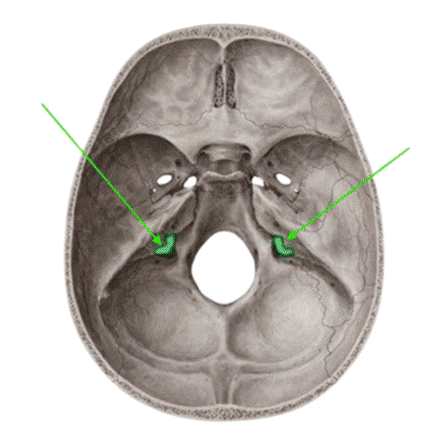
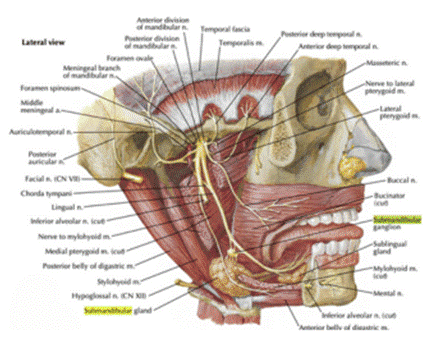
1. Which of the following nerves does not pass through the marked structure?
Options:
Glossopharyngeal nerve
Vagus nerve
Spinal accessory nerve
Hypoglossal nerve
Correct Answer: D) Hypoglossal nerve
Question 2
Non-clinical question
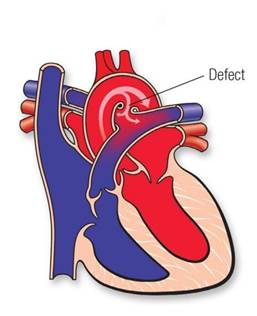
The persistence of which of the following arch arteries is responsible for the congenital anomaly marked in the image given below?
Options:
6th left pharyngeal arch artery
6th right pharyngeal arch artery
4th left pharyngeal arch artery
4th right pharyngeal arch artery
Correct Answer: A) 6th left pharyngeal arch artery
Question 3
Non-clinical question
Upon the delivery of a term new born, a thorough examination of the umbilical cord reveals crucial information. What are the essential components of a healthy umbilical cord?
Options:
2 arteries and 1 vein
2 veins and 1 artery
1 vein and 1 artery
2 veins and 2 arteries
Correct Answer: A) 2 arteries and 1 vein
Question 4
clinical question
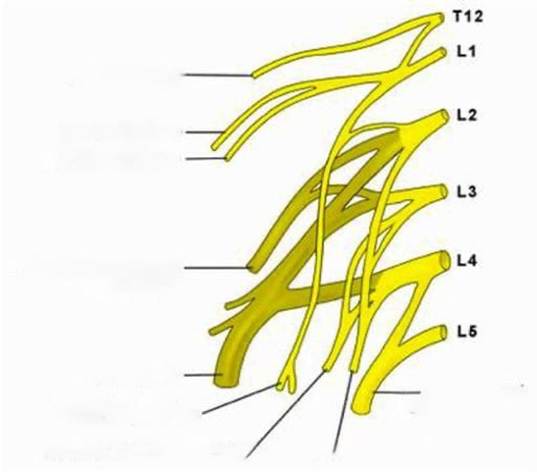
A woman presented with complaints of loss of sensation over the lateral aspect of the thigh and was diagnosed with meralgia paresthetica. The nerve involved in this condition arises from which of the following nerve roots?
Options:
T12 and L1
L1 and L2
L2 and L3
L2, L3, and L4
Correct Answer: C) L2 and L3
Question 5
Non-clinical question
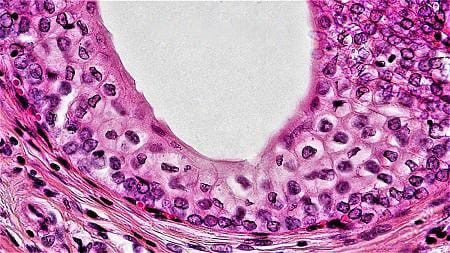
The epithelium depicted in the image below is seen in which of the following structures?
Options:
Esophagus
Ureter
Trachea
Duodenum
Correct Answer: B) Ureter
Question 6
Non-clinical question
A 19-year-old boy presented to the OPD with shoulder pain. He had been training in the gym and had hyperextended his shoulder. On examination, the avulsion of the long head of the triceps was noticed. What is the site at which avulsion of the long head of triceps occurs?
Options:
Shaft of the humerus
Delotoid tuberosity of the humerus
Infraglenoid tubercle
Supraglenoid tubercle
Correct Answer: C) Infraglenoid tubercle
Question 7
Non-clinical question
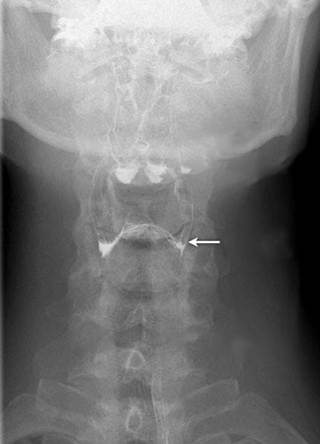
Identify the marked structure
Options:
Thyroid cartilage
Epiglottis
Pyriform sinus
Valllecula
Correct Answer: C) Pyriform sinus
Question 8
Non-clinical question
A 75-year-old male who is a known case of hypertension and type 2 diabetes mellitus presents with epistaxis, which does not respond to conservative measures and nasal packing. Which of the following arteries should be prioritised for ligation?
Options:
Posterior ethmoidal artery
Anterior ethmoidal artery
Sphenopalatine artery
Greater palatine artery
Correct Answer: C) Sphenopalatine artery
Question 9
Non-clinical question
The marked structure does not have which of the following components?
Options:
GVE
GVA
GSA
GSE
Correct Answer: D) GSE
Question 10
Non-clinical question
Which pair of nerves supplies the muscles marked A and B, respectively?
Options:
Nerve to the mylohyoid and the facial nerve
Facial nerve and spinal accessory nerve
Spinal accessory nerve and facial nerve
Ansa cervicalis and hypoglossal nerve
Question 11
Non-clinical question
During eversion of the foot, which of the following ligaments is most likely to be injured?
Options:
Anterior talofibular
Deltoid ligament
Posterior talofibular
Calcaneofibular
Correct Answer: B) Deltoid ligament
Question 12
Clinical question
During an abdominal surgery, the surgeon accidentally nicks a structure that passes posterior to the epiploic foramen, which results in profuse bleeding. Which of the following structures is most likely to get injured?
Options:
Aorta
Hepatic artery
IVC
Portal vein
Correct Answer: C) IVC
Question 13
Non-clinical question
Identify the marked structure that passes inferior to the posterior belly of the digastric and can be seen after submandibular gland resection.
Options:
Facial artery
Hypoglossal nerve
Marginal mandibular nerve
Facial nerve
Correct Answer: B) Hypoglossal nerve
Question 14
Non-clinical question
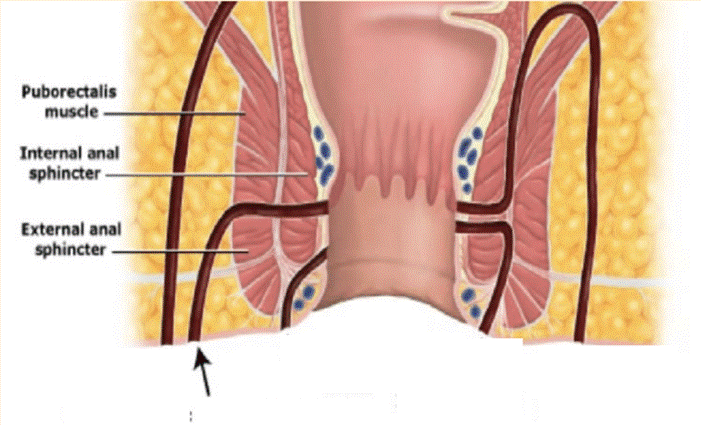
A patient presents with cancer near the anal opening. Which of the following groups of lymph nodes is most likely to be involved in this patient?
Options:
Superficial inguinal lymph nodes
Deep inguinal lymph nodes
Internal iliac lymph nodes
External iliac lymph nodes
Correct Answer: A) Superficial inguinal lymph nodes
Question 15
Non-clinical question
A patient presents with muscle wasting, reduced tone, and weakness of the right hand. Fine motor movements, such as dough kneading, are also affected. Which of the following structures is most likely to be impaired in this patient?
Options:
Anterior grey horn of the spinal cord in the cervical region
Internal capsule
Corticospinal tract in the cervical region
Brainstem
Correct Answer: A) Anterior grey horn of the spinal cord in the cervical region
NEET PG 2025 Anaesthesia Previous Year Questions
Question 1
Clinical question
Following administration of a muscle relaxant, the patient develops erythema, flushing, and a drop in blood pressure. Which of the following agents is most likely responsible?
Options:
A) Vecuronium
B) Atracurium
C) Cis-atracurium
D) Pancuronium
Correct answer: B) Atracurium
Question 2
Clinical question
A 35-year-old male undergoing abdominal surgery under general anaesthesia develops
sudden generalised muscle rigidity, rapid increase in body temperature, and tachycardia shortly
after administration of sevoflurane and succinylcholine. His end-tidal CO₂ is rising despite
controlled ventilation. What is the most appropriate immediate treatment?
Options:
A) Dantrolene
B) Paracetamol
C) Calcium chloride
D) Propranolol
Correct answer: A) Dantrolene
NEET PG 2025 BiochemistryPrevious Year Questions
Question 1
Clinical question
A labourer was stuck in a tunnel for 5 days without food. Which of the following processes serves as the primary source of energy for the brain during this time?
Options:
A) Glycogenolysis
B) Gluconeogenesis
C) Ketogenesis
D) Lipolysis
Correct answer: C) Ketogenesis
Question 2
Clinical question
Under an experimental condition, blood glucose level is spiked to 2-3 times the normal level and is sustained at this level. Which of the following describes the pattern of insulin levels in the blood?
Options:
A) Sudden rise in insulin followed by a slower, sustained drop in insulin
B) Continuous increase in insulin until a maximum concentration
C) Increase in insulin followed by a decrease below the baseline level
D) Sudden initial increase followed by a delayed but higher and continuing increase in insulin levels
Correct answer: D) Sudden initial increase followed by a delayed but higher and continuing increase in insulin levels
Question 3
Non-clinical question
A patient presents with ataxia, anaemia, and sensory neuropathy. Laboratory tests show elevated total homocysteine and methylmalonic acid levels. Production of which of the following amino acids could be affected?
Options:
A) Tyrosine
B) Glutamine
C) Cysteine
D) Methionine
Correct answer: D) Methionine
Question 4
Clinical question
A patient on long-term hydrochlorothiazide presents with features of heart failure,
horizontal nystagmus, and peripheral neuropathy. There is no history of alcohol use or smoking. Which of the following deficiencies can cause this presentation?
Options:
A) Thiamine
B) Selenium C) Zinc
D) Vitamin B12
Correct answer: A) Thiamine
Question 5
Clinical question
A 10-year-old boy presents with coarse facial features, organomegaly, corneal opacity, and peripheral neuropathy. A deficiency of the enzyme alpha-L-iduronidase is found. Which of the following is accumulated in this condition?
Options:
A) Dermatan sulfate and heparan sulfate
B) Dermatan sulfate
C) Keratan sulfate and chondroitin sulfate
D) Sphingolipids
Correct answer: A) Dermatan sulfate and heparan sulfate
Question 6
Clinical question
A 10-year-old presents with multiple freckles and hyperpigmentation that worsens with sun exposure. Examination reveals two basal cell carcinomas on the face. Which of the following DNA repair mechanisms is defective?
Options:
A) Base excision repair
B) Nucleotide excision repair
C) DNA mismatch repair
D) DNA double-strand break repair
Correct answer: B) Nucleotide excision repair
Question 7
Clinical question
A 10-month-old boy presents with recurrent oral lesions and respiratory infections. Laboratory investigations reveal reduced B cell, T cell, and NK cell counts along with reduced adenosine
deaminase levels. Which of the following is the most likely diagnosis?
Options:
A) Agammaglobulinemia
B) Alpha-1 antitrypsin deficiency
C) DiGeorge syndrome
D) Severe combined immunodeficiency
Correct answer: D) Severe combined immunodeficiency
Question 8
Non-clinical question
Which of the following molecular diagnostic tests is useful in syndromic conditions like meningitis?
Options:
A) Uniplex PCR
B) Multiplex PCR
C) Nested PCR
D) Arbitrarily primed PCR
Correct answer: B) Multiplex PCR
Question 9
Non-clinical question
A frameshift mutation was introduced into the coding sequence of an mRNA. If this occurs at the 4th position in an mRNA with 900 nucleotides, which of the following is most likely to happen?
Options:
A) No biological change
B) Partial loss of protein and function
C) Complete loss of protein and function
D) No change in function as it will be removed in post-translational modification
Correct answer: C) Complete loss of protein and function
Question 10
Clinical question
A 40-year-old woman who underwent ileal resection presents with features of anaemia despite a balanced diet. Her RBC count is 2.8 million/mm³, and serum iron is 164 mcg/dL. Which of the
following is most likely to be found in her?
Options:
A) Iron deficiency anaemia
B) Megaloblastic anaemia
C) Aplastic anaemia
D) Hemolytic anaemia
Correct answer: Megaloblastic anaemia
Question 11
Non-clinical question
Which of the following, if given in large volumes, can lead to hyperchloremic metabolic acidosis?
Options:
A) Dextrose in NS (DNS)
B) Normal saline
C) 5% dextrose in water
D) Ringer’s lactate
Correct answer: B) Normal saline
Question 12
Clinical question
A patient presents with bleeding symptoms and factor 9 deficiency that resolve after
administration of a vitamin K injection. Which of the following is the most likely underlying condition?
Options:
A) Classical haemophilia
B) Biliary obstruction
C) Pernicious anaemia
D) Hepatitis A
Correct answer: B) Biliary obstruction
Question 13
Clinical question
A child presents with elevated concentrations of phenylalanine. Phenylalanine hydroxylase activity is found to be normal. Which of the following coenzymes, also required for tyrosine metabolism, could be deficient in this child?
Options:
A) Biopterin
B) Pyridoxal phosphate
C) Adenosylcobalamin
D) Dihydrofolic acid
Correct answer: A) Biopterin
Question 14
Clinical question:
An 8-year-old boy presents to the OPD for evaluation of a subcutaneous xanthoma on his right elbow. His father recently died of a myocardial infarction, and there is a family history of similar findings. Laboratory investigations reveal total cholesterol of 480 mg/dL, triglycerides of 146 mg/dL, and LDL cholesterol of 300 mg/dL. Which of the following types of
Familial hyperlipoproteinemias is the most likely underlying condition?
Options:
A) Type I
B) Type IIa
C) Type IIb
D) Type III
Correct answer: B) Type IIb
Question 15
Clinical Question:
A 70-year-old man presents with a fracture following trivial trauma. He also has perifollicular haemorrhages, lusterless hair, and dry skin. He is on an exclusive diet of toast and buns and has microcytic hypochromic anaemia. Which of the following enzymes is most likely affected in this patient?
Options:
A) Prolyl hydroxylase
B) ALA synthase
C) Glutathione peroxidase
D) Dihydrofolate reductase
Correct answer:A) Prolyl hydroxylase
Question 16
Clinical question:
A 7-month-old infant presents with developmental delay, seizures, and a cherry-red spot on fundoscopy. The mother has a history of an abortion at 8 weeks. Genetic testing reveals a deficiency of hexosaminidase A. Which of the following accumulates in this condition?
Options:
A) GM1 ganglioside
B) GM2 ganglioside
C) Galactocerebroside
D) Sphingolipids
Correct answer: B) GM2 ganglioside
Question 17
Clinical question:
A boy presents with orange-colored tonsils and a family history of multiple cardiovascular-related deaths. Laboratory investigations show total cholesterol of 80 mg/dL, triglycerides 146 mg/dL, HDL <5 mg/dL, and LDL 90 mg/dL. Which of the following is the most likely diagnosis?
Options:
A) Niemann-Pick disease type C
B) Tangier disease
C) Familial abetalipoproteinemia
D) Familial hyperlipoproteinemia type I
Correct answer:B) Tangier disease
NEET PG 2025 Dermatology Previous Year Questions
Question 1
Clinical Question
A 20-year-old presented with a non-progressive hypopigmented skin lesion that has been present since birth. It shows white accentuation under Wood’s lamp examination, and diascopy is inconclusive. What is the most likely diagnosis?
Options:
A) Vitiligo
B) Nevus depigmentosus
C) Nevus anaemicus
D) Indeterminate leprosy
Correct Answer: B) Nevus depigmentosus
Question 2
Non-Clinical Question
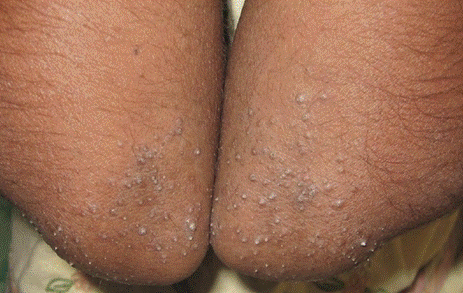
An image shows the characteristic skin findings of phrynoderma, described as plugged keratotic papules. Which of the following should be done next?
Options:
A) Ocular examination
B) Vitamin D3 status
C) Deep tendon reflexes
D) Vitamin B12 status
Correct Answer: A) Ocular examination
Question 3
Clinical Question
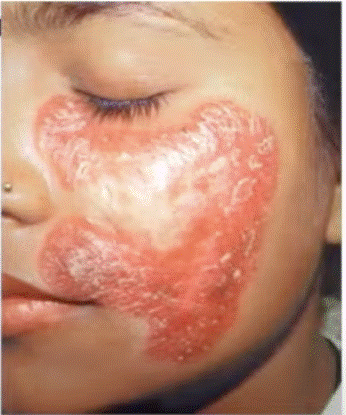
A patient presents with a plaque on the face with central clearing and atrophy, and his chest X-ray demonstrates apical calcification. Which of the following can be used for the diagnosis of the underlying condition?
Options:
A) PCR
B) Mantoux test
C) Slit skin smear test
D) Probe test
Correct Answer: A) PCR
NEET PG 2025 ENT Previous Year Questions
Q.1
Clinical Question:
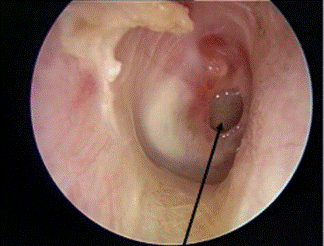
A 28-year-old male with a history of chronic ear discharge and hearing loss undergoes an otoscopic evaluation. The image below shows a large central perforation of the tympanic membrane with visible middle ear structures. What is the most appropriate surgical intervention for this patient?
Options:
Atticotomy
Modified radical mastoidectomy
Myringoplasty
Tympanoplasty
Correct Answer: D) Tympanoplasty
Q.2
Clinical Question:
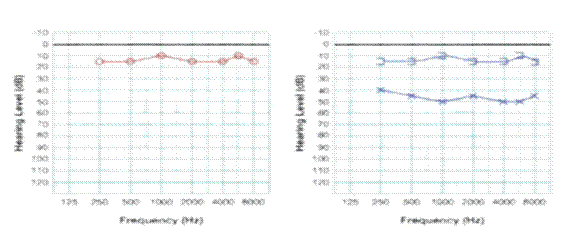
An industrial worker presents with hearing loss. On examination, Rinne’s test was negative on the left side and positive on the right side. Weber’s test lateralized to the left side. Pure Tone Audiometry (PTA) was done with the results as shown below. What is the most appropriate diagnosis?
Options:
Right conductive hearing loss
Left conductive hearing loss
Right sensorineural hearing loss
Left sensorineural hearing loss
Correct Answer: B) Left conductive hearing loss
Q.3
Clinical Question:
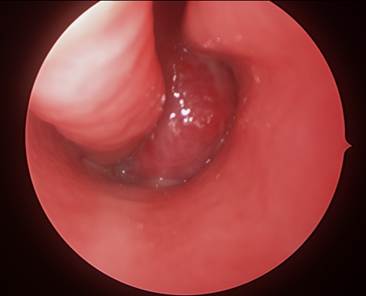
A 12-year-old male presents with recurrent, profuse nasal bleeding and right-sided nasal obstruction. Endoscopy reveals a globular, vascular mass in the right nasal cavity occupying the posterior choanae and nasopharynx. A CT scan shows anterior bowing of the posterior wall of the maxillary sinus. What is the most likely diagnosis?
Options:
Nasopharyngeal angiofibroma
Antrochoanal polyp
Rhinoscleroma
Rhinosporidiosis
Correct Answer: A) Nasopharyngeal angiofibroma
Q.4
Clinical Question:
A patient presents to the emergency department with significant nasal trauma after a fall.
Examination reveals a deviated nasal pyramid, and palpation confirms crepitus and mobility of
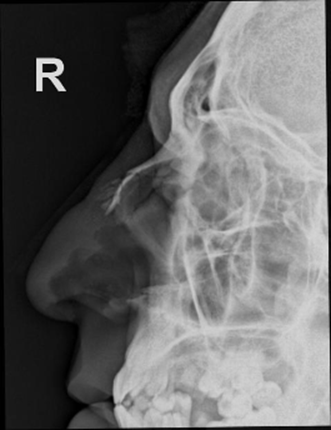
the nasal bones. A lateral nasal bone X-ray confirms a displaced nasal bone fracture. Which of
the following instruments is specifically designed for the closed reduction of a displaced nasal
bone fracture?
Options:
Tilley’s forceps
Luc’s forceps
Walsham forceps
Bayonet forceps
Correct Answer: C) Walsham forceps
Q.5
Clinical Question:
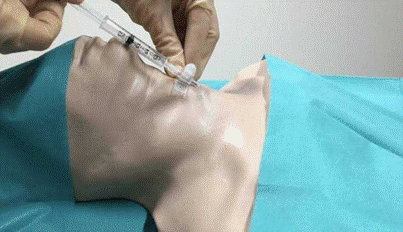
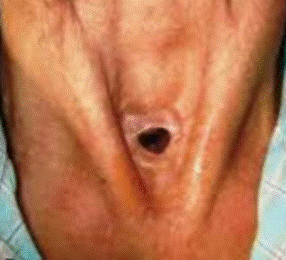
Following a building collapse, a male patient was brought to the emergency department with a copious amount of debris in the mouth, making endotracheal intubation impossible. The emergency procedure shown in the image was performed. Which of the following statements regarding this procedure is true?
Options:
It is used for effective ventilation for up to 6 hours
It is used to measure central venous pressure
It should be followed by a tracheostomy
The work of breathing is more than with bag-and-mask ventilation
Correct Answer: C) It should be followed by a tracheostomy
Q.6
Clinical Question:
A 3-year-old child presents to the casualty in an unresponsive state after consuming peanuts. What is the most appropriate immediate management?
Options:
Give abdominal thrusts
Give 5 back slaps
Start chest compressions
Attempt endotracheal intubation
Correct Answer: C) Start chest compressions
Q.7
Clinical Question:
A 72-year-old female smoker presents with a long history of hoarseness of voice, difficulty swallowing, and difficulty breathing. The patient was diagnosed with laryngeal cancer and underwent surgical management. The post-operative picture is shown below. Which of the following surgeries was most likely performed on the patient?
Options:
Partial laryngectomy
Total laryngectomy
Standard tracheostomy
Percutaneous tracheostomy
Correct Answer: B) Total laryngectomy
Forensic Medicine
NEET PG 2025 Forensic Medicine Previous Year Questions
Question: 1
Clinical question
A 26-year-old woman is brought dead to the emergency department. On examination, there are multiple crescentic abrasions over the sides of her neck and lower jaw, along with deep bruising of neck muscles on internal dissection during autopsy. The hyoid bone is intact, but a minor haemorrhage is seen in the strap muscles. Which of the following is the most likely cause of death?
Options:
Ligature Strangulation
Mugging
Throttling
Garroting
Correct Answer: C) Throttling
Question 2
Non-clinical question
As per the Protection of Children from Sexual Offences (POCSO) Act, who is legally considered a child under the law for protection against sexual offences?
Options:
Girls under 16 years of age
All children under 16 years of age
All children under 18 years of age
Girls under 18 years of age
Correct Answer: C) All children under 18 years of age
Question 3
Non-clinical question:
Which of the following statements regarding the “Zasko phenomenon” is true?
Options:
A) It refers to the postmortem clotting of blood
B) It is used to describe the gaping of a wound along skin tension lines
C) It refers to the tendon reflex after death
D) It is used to describe the seeping of blood from wounds at the time of death
Correct Answer: C) It refers to the tendon reflex after death
Question 4
Non-clinical question
A 22-year-old male is found dead in his room. On autopsy, the stomach contents emit a strong garlic-like odour, and red-velvet discolouration of the gastric mucosa is noted, along with greyish granular material resembling pesticide powder. Which of the following is the most likely poison involved?
Options:
A) Organophosphorus compound
B) Acute arsenic poisoning
C) Aluminium phosphide
D) Carbamates
Correct Answer: B) Acute arsenic poisoning
Question 5
Clinical question
A 16-year-old girl and a 23-year-old boy undergo medical examination following allegations of rape made by the girl’s parents. The girl states the sexual act was consensual, and no injuries were found on examination. According to the law, what is the legal status of the consent in this case?
Options:
Consent is invalid as the girl is under 18 years old
No punishment since the act was consensual
No punishment since the man says he loves her and wants to marry her
Parents must prove that the act was non-consensual
Correct Answer: A) Consent is invalid as the girl is under 18 years old
NEET PG 2025 Medicine Previous Year Questions
Question 1: A patient presents with complaints of salt craving, generalized hyperpigmentation, and laboratory findings of hyperkalemia and metabolic acidosis. Which of the following is the most likely diagnosis?
Options:
A) Addison’s disease B) Conn’s disease C) Pheochromocytoma D) Cushing’s syndrome
Correct Answer: A) Addison’s disease
Question 2: A critically ill patient with COVID-19 is admitted to the ICU and requires mechanical ventilation. The patient’s PaO₂/FiO₂ ratio is 100, consistent with severe Acute Respiratory Distress Syndrome. Which of the following ventilatory strategies is most appropriate for managing this patient?
Options: A) High PEEP and high tidal volume B) Low PEEP and low tidal volume C) Low PEEP and high tidal volume D) High PEEP and low tidal volume
Correct Answer: D) High PEEP and low tidal volume
Question 3: A 15-year-old boy presents with progressive enlargement of hands and feet, coarse facial features, prominent enlarged jaw, and frontal bossing. On examination, he is noted to have bitemporal hemianopia. Which of the following is the most definitive test to confirm the diagnosis?
Options: A) Increased IGF-1 levels B) Decreased IGF-1 levels C) Suppressed GH on administration of glucose
D) Non-suppressed GH on administration of glucose
Correct Answer: D) Non-suppressed GH on administration of glucose
Question 4: A 69-year-old man presents with severe dyspnea and increasing amounts of clear sputum. ABG reveals pH 7.2, PCO₂ 66 mmHg, PaO₂ 44 mmHg, and bicarbonate 26 mEq/L. His SpO₂ is 77%. Which of the following is the underlying abnormality?
Options: A) Metabolic acidosis B) Metabolic alkalosis C) Respiratory acidosis D) Respiratory alkalosis
Correct Answer: C) Respiratory acidosis
Question 5: An asthmatic patient on salbutamol and ipratropium continues to have nocturnal exacerbations. Which of the following is the next best step?
Options: A) Add oral corticosteroids B) Switch to an inhaled corticosteroid plus a long-acting β2-agonist C) Increase frequency of salbutamol D) Add montelukast at night
Correct Answer: B) Switch to an inhaled corticosteroid plus a long-acting β2-agonist
Question 6: A 19-year-old boy was diagnosed with meningococcal meningitis. What is the drug of choice (DOC) for prophylaxis to be given to his contacts?
Options: A) Rifampicin B) Ethambutol C) Doxycycline D) Amoxicillin
Correct Answer: A) Rifampicin
Question 7: A patient presents with pain and swelling of the knee joint. Synovial fluid aspirate shows rhomboid-shaped crystals that are positively birefringent under polarized light microscopy. What is the most likely diagnosis?
Options: A) Gout B) Pseudogout C) Amyloidosis D) Rheumatoid arthritis
Correct Answer: B) Pseudogout
Question 8: A patient presents with progressive skin thickening. Laboratory evaluation reveals ANA positivity along with anti–Scl-70 antibodies. Which clinical manifestation is most strongly associated with this antibody?
Options: A) Gastric antral vascular ectasia B) Calcinosis cutis C) Interstitial lung disease D) Raynaud’s phenomenon
Correct Answer: C) Interstitial lung disease
Question 9: A patient presents with frothy sputum, hemoptysis, paroxysmal nocturnal dyspnea, and dyspnea on exertion. Lung biopsy reveals hemosiderin-laden macrophages. Which of the following conditions is least likely to be associated with this finding?
Options: A) Volume overload B) Right ventricular failure C) Pulmonary vein obstruction D) Protein-losing enteropathy
Correct Answer: B) Right ventricular failure
Question 10:
A 50-year-old man presents to the emergency department with altered sensorium, hypotension, and shortness of breath. His arterial blood gas reveals a pH of 7.2, PaCO₂ of 44 mmHg, PaO₂ of 54 mmHg, HCO₃⁻ of 16 mEq/L, and a base excess of -12. Serum electrolytes show sodium 130 mEq/L and chloride 84 mEq/L. Based on these findings, what is the most likely acid–base disturbance?
Options:
A) Metabolic acidosis with anion gap of 30
B) Metabolic acidosis with anion gap of 20
C) Respiratory acidosis with anion gap of 30
D) Respiratory alkalosis with anion gap of 20
Correct Answer: A) Metabolic acidosis with anion gap 30
Question 11: A 45-year-old woman presents with a 6-month history of paroxysmal nocturnal dyspnea, palpitations, and breathlessness. On examination, blood pressure and oxygen saturation are normal, jugular venous pressure is elevated, the pulse is irregular, and tender hepatomegaly is present. Cardiac examination reveals a heaving apex and a mid-diastolic murmur at the apex. She has a past history of acute rheumatic fever. Which of the following statements regarding this patient is false?
Options: A) This patient has an increased risk of stroke B) “a” wave is absent on JVP C) This patient has features of right heart failure D) Pre-systolic accentuation of the mid-diastolic murmur is a hallmark feature
Correct Answer: D) Pre-systolic accentuation of the mid-diastolic murmur is a hallmark feature
Question 12: A patient presents with morning stiffness and tests positive for anti-CCP antibodies. Which of the following histological features is most characteristic of the underlying disease?
Options: A) Synovial inflammation with pannus formation B) Cartilage degeneration with osteophyte formation C) Subepidermal blister with IgA deposits D) Tophus with monosodium urate crystals
Correct Answer: A) Synovial inflammation with pannus formation
Question 13: A 70-year-old patient with hypertension and atrial fibrillation presents with an acute-onset weakness of right side of body and aphasia, which began 2 hours ago. A non-contrast CT scan of the brain shows no evidence of haemorrhage. What is the next best step in management?
Options: A) Administration of intravenous rTPA B) Carotid Doppler ultrasound C) Transesophageal echo D) IV low molecular weight heparin
Correct Answer: A) Administration of intravenous rTPA
Question 14: An HIV-positive patient presents with a 2-week history of fever, cough, and weight loss. He is diagnosed with tuberculosis. What is the most appropriate approach to management?
Options: A) Start antiretroviral therapy (ART) 2 weeks after initiating anti-tubercular therapy (ATT) B) Start ATT and ART simultaneously C) Start ART after completing the course of ATT D) Start ATT 2 weeks after initiating ART
Correct Answer: A) Start antiretroviral therapy (ART) 2 weeks after initiating anti-tubercular therapy (ATT)
Question 15: A 55-year-old man with a long-standing history of diabetes mellitus presents with numbness and tingling in both feet. On examination, deep tendon reflexes in the lower limbs are reduced. Which of the following is the most likely cause of his symptoms?
Options:
A) Bilateral distal symmetric polyneuropathy
B) Autonomic neuropathy
C) Mononeuropathy
D) Acute motor axonal neuropathy
Correct Answer: A) Bilateral distal symmetric polyneuropathy
Question 16: A 21-year-old female, a known case of insulin-dependent diabetes mellitus (IDDM), presents to the emergency department with altered sensorium. She has a history of missing her insulin doses for the past two days. On examination, her blood pressure is 80/60 mmHg and pulse rate is 103/min. Laboratory values reveal a serum sodium of 126 mEq/L, potassium 4.3 mEq/L, BUN 79 mg/dL, creatinine 2.2 mg/dL, and a random blood glucose level of 720 mg/dL. Which of the following is not a part of the initial management of this patient?
Options: A) 3% NaCl B) 0.9% NaCl C) IV insulin D) Monitor potassium level
Correct Answer: A) 3% NaCl
Question 17: A 55-year-old female presents with respiratory distress and hemoptysis on day 7 after knee replacement surgery. Her respiratory rate is 28/min, and pulse is 120/min. What is the most appropriate investigation?
Options: A) Ventilation-perfusion (V/Q) scan B) Chest X-ray C) CT Pulmonary Angiography (CTPA) D) D-dimer
Correct Answer: C) CT Pulmonary Angiography (CTPA)
Question 18: A patient in altered sensorium is found to have a serum sodium of 95 mEq/L. She was treated with 3% hypertonic saline, and after 24 hours, her sodium level increased to 111 mEq/L. After sodium correction, her neurological status has deteriorated. What is the next best step in management?
Options: A) Brainstem evoked potential B) Electroencephalogram (EEG) C) MRI brain D) CSF analysis
Correct Answer: C) MRI brain
Question 19:
A 12-year-old child with chronic kidney disease is admitted for evaluation of bone pain and growth retardation. Laboratory investigations reveal: serum calcium 7.2 mg/dL, serum phosphate 6.3 mg/dL, alkaline phosphatase 370 U/L, and elevated parathyroid hormone levels. X-ray of the long bones shows metaphyseal dysplasia. Which of the following is the most appropriate treatment for this patient? Options: A) Phosphate binders only B) Oral calcium supplements C) Calcium supplements with phosphate binders D) Oral calcium with vitamin D
Correct Answer: C) Calcium supplements with phosphate binders
Question 20:
A 70-year-old male presents to the emergency department with dyspnea and palpitations for the past 4 hours. ECG is suggestive of atrial fibrillation. He is hemodynamically stable. What is the next best step in management?
Options: A) Emergency cardioversion B) Control ventricular rate C) Echocardiography to look for left atrial clot D) Start low molecular weight heparin
Correct Answer: B) Control ventricular rate
NEET PG 2025 Microbiology Previous Year Questions
Question 1
Clinical question
A farmer presents with an ulcerative skin lesion with central necrosis. A smear from the lesion, stained with polychrome methylene blue, shows capsulated bacilli positive for the M’Fadyean reaction. Which of the following is the most likely diagnosis?
Options:
A) Bacillus anthracis
B) Yersinia pestis
C) Clostridium perfringens
D) Chlamydia trachomatis
Correct answer: A) Bacillus anthracis
Question 2
Clinical question
A 32‑year‑old farmer presents with high‑grade fever, severe myalgia, and redness of the eyes. Investigations reveal elevated bilirubin. Which of the following is the most likely diagnosis?
Options:
A) Brucellosis
B) Weil’s syndrome
C) Malaria
D) Enteric fever
Correct answer: B) Weil’s syndrome
Question 3
Clinical question
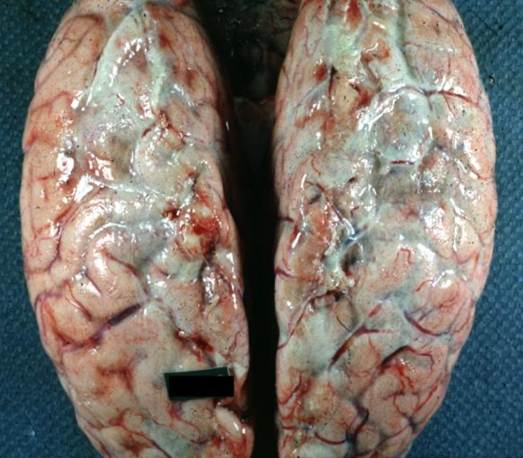
A 19‑year‑old college student presents with sudden‑onset fever, headache, vomiting, and a rapidly spreading purpuric rash. He appears confused, and his BP is measured to be 80/50 mmHg, HR 120/min, and Temp 39.5°C. On examination, he has petechiae and purpura over his lower limbs and trunk. He succumbs to his illness, and an autopsy is carried out. The gross specimen of the brain is shown below. Which of the following pathogens is the most likely cause of his condition?
Options:
A) Streptococcus pneumoniae
B) Haemophilus influenzae type B
C) Neisseria meningitidis
D) Listeria monocytogenes
Correct answer: C) Neisseria meningitidis
Question 4
Clinical question
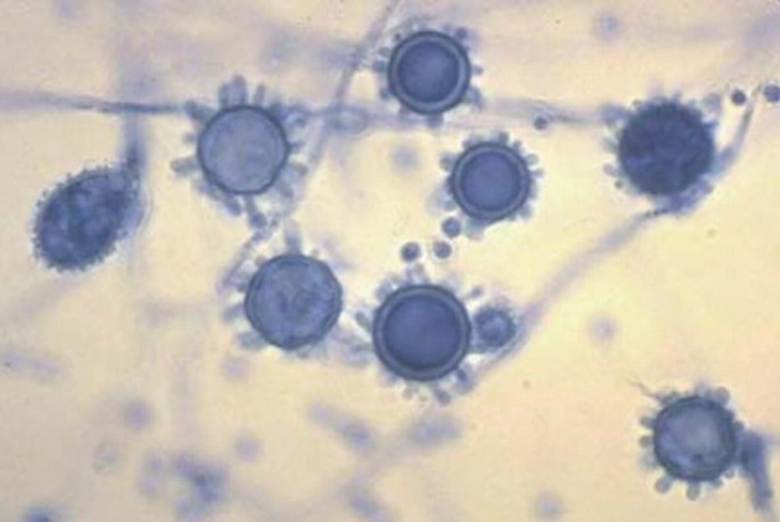
A 35‑year‑old man presents with a 2‑week history of low‑grade fever, nonproductive cough, weight loss, and fatigue. Chest X‑ray shows bilateral hilar lymphadenopathy with patchy infiltrates. A lactophenol cotton blue mount from the sputum culture appears as below. What is the most likely diagnosis?
Options:
A) Pulmonary tuberculosis
B) Histoplasmosis
C) Coccidioidomycosis
D) Blastomycosis
Correct answer: B) Histoplasmosis
Question 5
Non-clinical question
Group A Streptococcus is the most common cause of bacterial pharyngitis in school-aged children. Which of the following bacterial components is primarily responsible for its attachment to fibronectin on the epithelial lining of the pharynx?
Options:
A) Lipoteichoic acid
B) Capsule
C) Flagella
D) Lipoprotein
Correct answer: A) Lipoteichoic acid
Question 6
Clinical question
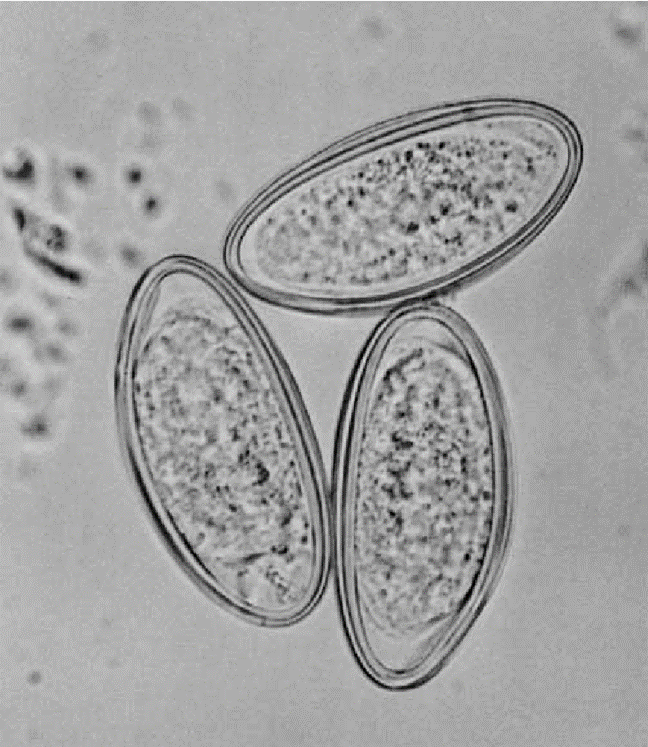
A child presents with intense perianal itching, especially at night. On examination, thread‑like white worms are seen in the perianal region, and the microscopic examination is shown below. Which of the following is the most likely causative organism?
Options:
A) Enterobius vermicularis
B) Ancylostoma duodenale
C) Trichuris trichura
D) Ascaris lumbricoides
Correct answer: A) Enterobius vermicularis
Question 7
Clinical question
A child presents with painful vesicular lesions near the mouth. Tzanck
smear reveals multinucleated giant cells with intranuclear inclusions. What is the most likely
causative organism?
Options:
A) Cytomegalovirus
B) Herpes simplex virus
C) Varicella-zoster virus
D) Molluscum contagiousm virus
Correct answer: B) Herpes simplex virus
Question 8
Clinical question
A male patient presents with fever, cough, and hemoptysis. Microscopic examination of bronchoalveolar lavage (BAL) fluid shows septate hyphae with acute-angle dichotomous branching. Which of the following is the most likely diagnosis?
Options:
A) Mucormycosis
B) Histoplasmosis
C) Aspergillosis
D) Candidiasis
Correct answer: C) Aspergillosis
Question 9
Clinical question
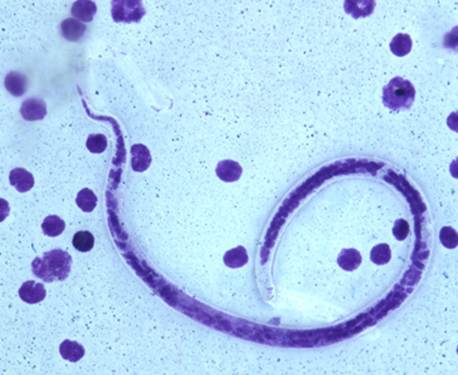
A middle-aged man from a tropical region presents with progressive swelling of the lower limb. A peripheral blood smear is shown below. What is the most likely cause of his limb swelling?
Options:
A) Hypoalbuminemia
B) Lymphatic obstruction
C) Hypoproteinemia
D) Increased hydrostatic pressure
Correct answer: B) Lymphatic obstruction
Question 10
Clinical question
A patient presents with chronic meningitis. Laboratory findings reveal Gram-positive, filamentous branching bacteria which are weakly acid-fast with modified Ziehl–Neelsen (ZN) stain. The paraffin bait technique is used to isolate the organism. Which of the following is the most likely causative organism?
Options:
A) Actinomyces israeli
B) Mycobacterium tuberculosis
C) Nocardia asteroides
D) Cryptococcus neoformans
Correct answer: C) Nocardia asteroides
Question 11
Clinical question
In a village, several people develop dysentery after consuming raw milk. Laboratory examination of stool samples reveals: Gram-negative, curved rods with predominant polymorphonuclear infiltration. Which of the following is the most likely causative organism?
Options:
A) Clostridium perfringens
B) Staphylococcus aureus
C) Vibrio parahaemolyticus
D) Campylobacter jejuni
Correct Answer: D) Campylobacter jejuni
Question 12
Clinical question
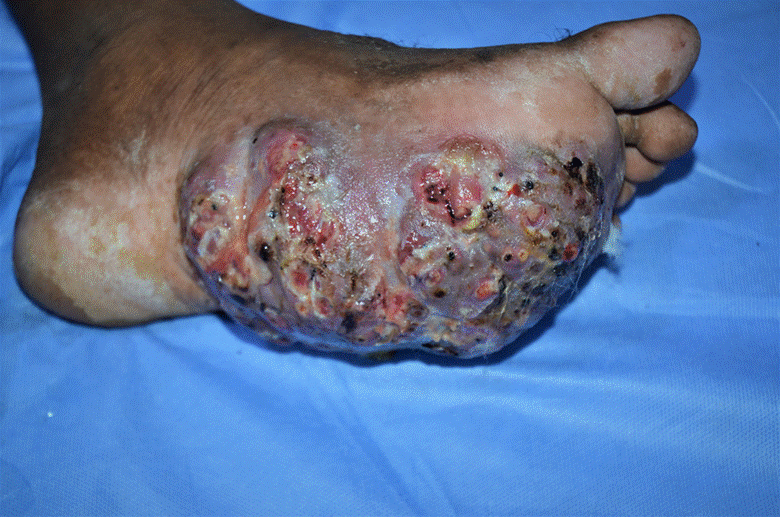
A patient presents with a long-standing swelling and discharging sinuses on the foot as shown below. The discharge contains black granules. What is the most likely finding on the KOH mount?
Options:
A) Small spores and pseudohyphae
B) Arthrospores
C) Septate hyphae with 4-5 microns in width
D) Filamentous branching bacteria
Correct Answer:C) Septate hyphae with 4-5 microns in width
NEET PG 2025 OBG Previous Year Questions
Q.1
Clinical Question:
In a woman with a regular 28-day menstrual cycle, which of the following best describes the typical hormonal profile during days 21 to 25 of the cycle?
Options:
Low estrogen, high progesterone, low LH and FSH
Low estrogen, low progesterone, low FSH and LH
Low estrogen, high progesterone, high FSH and LH
High estrogen, high progesterone, low FSH and LH
Correct Answer: D) High estrogen, high progesterone, low FSH and LH
Q.2
Clinical Question:
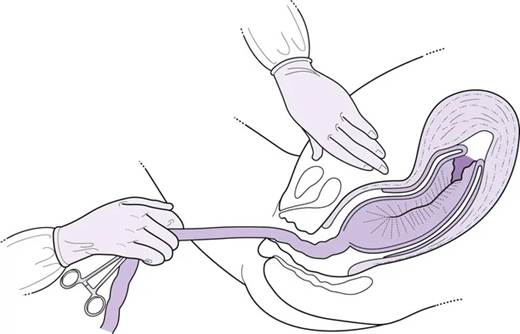
Identify the manoeuvre shown in the given image.
Options:
Manual removal of placenta
Controlled cord traction
Uterine massage
Bimanual compression of the uterus
Correct Answer: B) Controlled cord traction
Q.3
Clinical Question:
A 32-year-old woman with an obstetric score of P2L2 presents with 6 months of secondary amenorrhea. Laboratory evaluation shows FSH 36 mIU/mL, LH 56 mIU/mL, and anti-Müllerian hormone (AMH) 0.05 ng/mL. Which of the following is the most likely diagnosis?
Options:
Polycystic Ovarian Syndrome
Primary Ovarian Insufficiency
Hypothyroidism
Hyperprolactinemia
Correct Answer: B) Primary Ovarian Insufficiency
Q.4
Clinical Question:
A 28-year-old woman in labour is undergoing per vaginal examination, and a pulsating umbilical cord is felt below the presenting part. What is the most appropriate next step in management?
Options:
Elevate buttocks, push the presenting part upward, and fill the bladder
Attempt to reposition the cord into the vagina and vaginal packing
Wait and watch with close monitoring
Augment labor with oxytocin
Correct Answer: A) Elevate buttocks, push the presenting part upward, and fill the bladder
Q.5
Clinical Question:
A G2P1L1 with a history of a previous cesarean section is undergoing a trial of labor and presents in active labor. During labor, there is fetal bradycardia and maternal tachycardia. Persistent suprapubic pain between contractions is also noted. On examination, the cervix is 8 cm dilated, and the vertex is at -1 station. What is the next best step in management?
Options:
Emergency lower segment cesarean section
Artificial rupture of membranes
Augment labor with oxytocin
Attempt instrumental vaginal delivery
Correct Answer: A) Emergency lower segment cesarean section
Q.6
Clinical Question:
In the repair of a mediolateral episiotomy, what is the correct order of tissue approximation during suturing?
Options:
Mucosa → Muscle → Skin
Skin → Mucosa → Muscle
Muscle → Skin → Mucosa
Skin → Muscle → Mucosa
Correct Answer: A) Mucosa → Muscle →
Q.7
Clinical Question:
A patient presents with 2 months of amenorrhea and an enlarged uterus. On examination, there is darkening of the areola, prominent Montgomery’s tubercles, a linea nigra is present, and there is bluish discoloration of the vagina on per-vaginal examination. How would you categorize these signs of pregnancy?
Options:
Presumptive signs of pregnancy
Probable signs of pregnancy
Positive signs of pregnancy
Diagnostic signs of pregnancy
Correct Answer: B) Probable signs of pregnancy
Q.8
Clinical Question:
Hydronephrosis due to the extension of a cervical tumor is a criterion for which FIGO stage of cervical cancer?
Options:
Stage IIIA
Stage IIIB
Stage IVA
Stage IVB
Correct Answer: B) Stage IIIB
Q.9
Clinical Question:
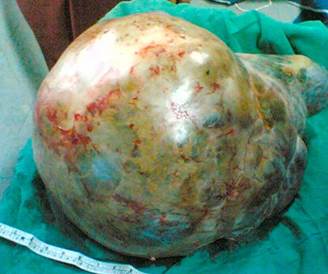
A woman presents with abdominal distension and ascites. On examination, the abdomen is enlarged, and CA-125 levels are elevated. Imaging shows a large multicystic ovarian mass with irregular septations. What is the most likely diagnosis?
Options:
Serous cystadenocarcinoma
Granulosa cell tumor
Simple serous cystadenoma
Mucinous cystadenoma
Correct Answer: A) Serous cystadenocarcinoma
Q.10
Clinical Question:
A woman develops atonic postpartum hemorrhage that does not respond to initial measures and medical management. What is the next best step in management that can be done in the labour room?
Options:
Intrauterine balloon tamponade
Uterine artery ligation
Internal iliac artery ligation
Compression sutures
Correct Answer: A) Intrauterine balloon tamponade
Q.11
Clinical Question:
A primigravida undergoing vaginal delivery develops shoulder dystocia after delivery of the fetal head. Which of the following is the correct sequence of maneuvers used in its management?
Options:
McRoberts → Rubin → Gaskin → Zavanelli
Zavanelli → McRoberts → Gaskin → Rubin
Rubin → McRoberts → Gaskin → Zavanelli
Gaskin → Rubin → McRoberts → Zavanelli
Correct Answer: A) McRoberts → Rubin → Gaskin → Zavanelli
Q.12
Clinical Question:
A woman, P2L2, with a history of difficult vaginal deliveries conducted by an untrained attendant, now presents with the complaint of “something coming out of her vagina.” On examination, the finding is as shown in the image below. Injury to which of the following ligaments is most likely responsible for this condition?
Options:
Sacrospinous ligament
Mackenrodt’s ligament
Broad ligament
Round ligament
Correct Answer: B) Mackenrodt’s ligament
Q.13
Clinical Question:
During an assisted breech delivery, the attending identified winging of the scapula and performed the following manoeuvre. Identify this.
Options:
Lovset maneuver
Burn-Marshall maneuver
Mauriceau-Smellie-Veit maneuver
Pinard’s maneuver
Correct Answer: A) Lovset maneuver
Q.14
Clinical Question:
A 55-year-old post-menopausal woman presents to the OPD for a routine BP checkup. Her BP was 170/100 mmHg. She also complains of a blood-stained discharge per vagina. What is the next best step in management?
Options:
Reassure her that some discharge is normal at this age
Immediate referral to a cardiologist before any further evaluation
Immediate pelvic examination, transvaginal sonography (TVS), and Pap smear
Start antihypertensive medication and observe for 1 week
Correct Answer: C) Immediate pelvic examination, transvaginal sonography (TVS), and Pap smear.
Q.15
Clinical Question:
A 46-year-old nulliparous woman presents with delayed cycles and heavy bleeding for the past 1 year. Transvaginal ultrasonography reveals an endometrial thickness of 18 mm. What is the next best step in management?
Options:
Start combined oral contraceptive pills
Schedule hysterectomy
Wait and watch for 6 months
Perform endometrial biopsy
Correct Answer: D) Perform endometrial biopsy
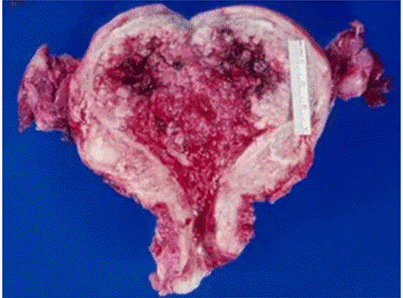
Q.16
Clinical Question:
A 65-year-old postmenopausal female presents with a chief complaint of vaginal bleeding for the past three months. She undergoes a hysterectomy, and the gross specimen is shown below. Based on the image and clinical scenario, which of the following is the most likely diagnosis?
Options:
Endometrial cancer
Fibroid
Endometriosis
Adenomyosis
Correct Answer: A) Endometrial cancer
Q.17
Clinical Question:
A woman presents for her first antenatal visit and reports that her LMP was approximately 2 months ago. Which ultrasound parameter is the most accurate for dating the pregnancy at this stage?
Options:
Biparietal Diameter (BPD)
Crown-Rump Length (CRL)
Femur Length (FL)
Abdominal Circumference (AC)
Correct Answer: B) Crown-Rump Length (CRL)
Q.18
Clinical Question:
A primigravida at 37 weeks presents with decreased fetal movements for one day. A Nonstress Test (NST) showed one acceleration in 20 minutes and no decelerations. What is the next step in management?
Options:
Continue NST for 40 minutes
Induce labour immediately
Emergency LSCS
Instrumental delivery
Correct Answer: A) Continue NST for 40 minutes
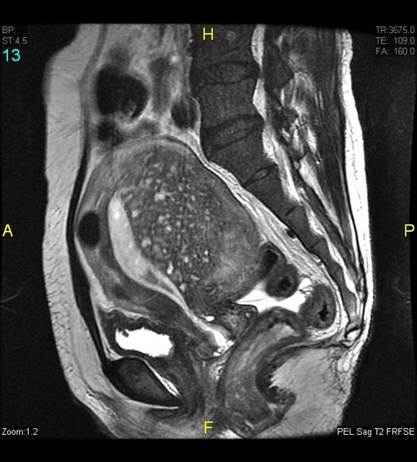
Q.19
Clinical Question:
A 42-year-old woman presents with chronic lower abdominal pain and dysmenorrhea. MRI is
as shown. What is the most likely diagnosis?
Options:
Intramural fibroid
Adenomyosis
Endometrial carcinoma
Endometriosis
Correct Answer: B) Adenomyosis
Q.20
Clinical Question:
A pregnant female gives a history of toxoplasma infection 5 years ago and currently tests positive for IgG antibodies. On examination, lymphadenopathy is noted. What is the next step in management?
Options:
Reassure and continue the pregnancy
Carry out an MTP
Counsel her about the potential teratogenic effects of the infection
Treat the female for toxoplasmosis
Correct Answer: A) Reassure and continue the pregnancy
NEET PG 2025 Ophthalmology Previous Year Questions
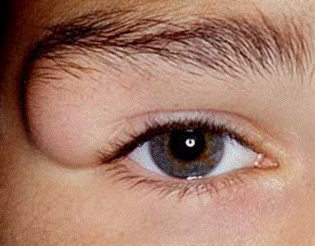
Q.1
Clinical Question:
A 15-year-old girl presents with a painless swelling in the right supraorbital region that has been gradually progressing over the past year. What is the most likely diagnosis?
Options:
Lacrimal gland mass
Dermoid cyst
Hemangioma
Epidermoid cyst
Correct Answer: B) Dermoid cyst
Q.2
Clinical Question:
A patient presents with guttate lesions in one eye and bullous keratopathy in the other eye. What is the most probable diagnosis?
Options:
Trichoma
Herpes keratitis
Fuchs endothelial dystrophy
Keratoconus
Correct Answer: C) Fuch’s endothelial dystrophy
Q.3
Clinical Question:
Which of the following statements regarding orbital cellulitis is true?
Options:
Ethmoidal sinusitis is the most common source of infection in all age groups
Topical broad-spectrum antibiotics are the mainstay of treatment
The inflammation is restricted anterior to the orbital wall
Patients characteristically present with proptosis, blurring of vision, normal pupillary and ocular movements
Correct Answer: A) Ethmoidal sinusitis is the most common source of infection in all age groups
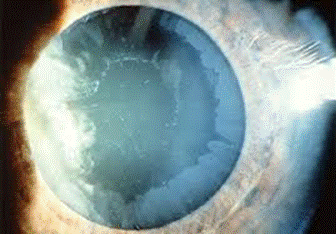
Q.4
Clinical Question:
A 65-year-old male presents with complaints of a decrease in vision. There were white deposits on the anterior lens surface, seen during slit lamp examination. What is the most likely diagnosis?
Options:
Glaucomflecken with acute angle closure glaucoma
Pseudoexfoliation syndrome
iritis with pupillary deposits
Anterior capsule opacification
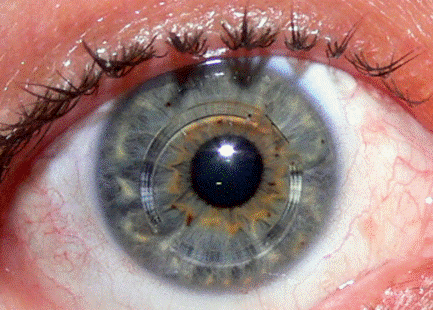
Correct Answer: B) Psedoexfoliation syndrome
Q.5
Non-clinical Question:
Which of the following conditions is treated using the modality shown in the image?
Options:
Keratoconus
Keratoglobus
Vogt’s limb striae
Corneal dystrophy
Correct Answer: A) Keratoconus
Q.6
Clinical Question:
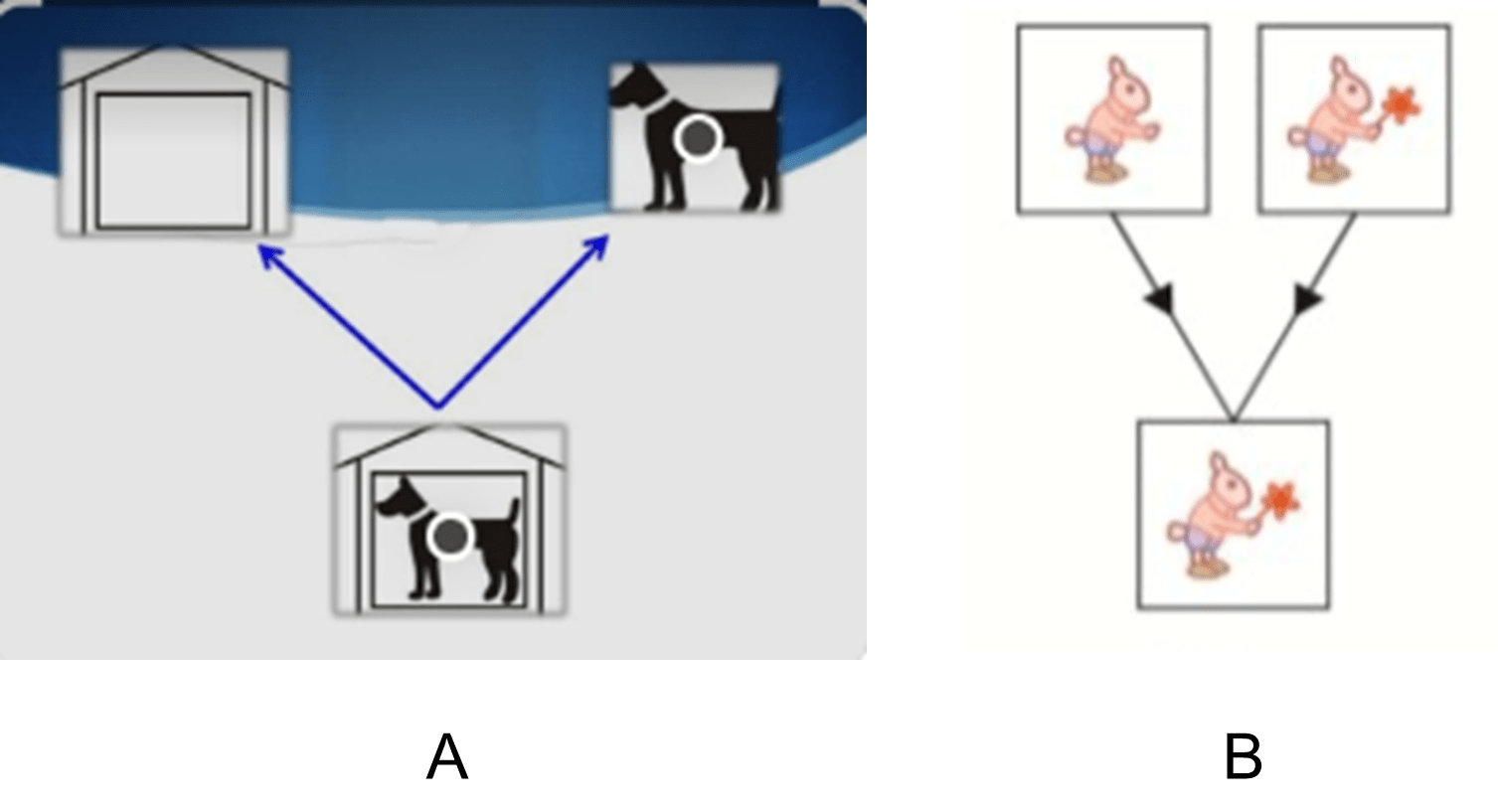
Binocular single vision consists of which of the following components, corresponding to Image A and Image B, respectively?
Options:
Fusion and stereopsis
Fusion and simultaneous macular perception
Simultaneous macular perception and stereopsis
Simultaneous macular perception and fusion
Correct Answer: D) Simultaneous macularperception and fusion
NEET PG 2025 Orthopaedics Previous Year Questions
Question 1
Clinical question
A 26-year-old male presents with complaints of chronic lower back pain, which has been progressive for the past 1 year. He also experiences early morning stiffness lasting for 1.5 hours, which is relieved by exercise. He also gives a history of anterior uveitis. Which of the following investigations is most useful for early diagnosis of the underlying condition?
Options:
A) Anti-CCP
B) MRI of the sacroiliac joint
C) CT spine of the sacroiliac joint
D) Bone scan
Correct answer: B) MRI of sacroiliac joint
Question 2
Clinical question
A 66-year-old female presents with chronic lower back pain. An oblique lumbar spine X-ray is done and shown below. Based on the radiological findings, which of the following is the most likely diagnosis?
Options:
A) Spondylolysis
B) Spondylolisthesis
C) Crush vertebral fracture
D) Klippel Feil syndrome
Correct answer: A) Spondylolysis
Question 3
Clinical question
A 25-year-old man presents to the emergency department following a motorbike accident and is found to have a closed midshaft fracture of the left tibia. Six hours later, he develops severe leg pain that is disproportionate to the injury and worsens with passive dorsiflexion of the foot. The pain is not relieved by analgesics. On examination, dorsalis pedis and posterior tibial pulses are present, but there is no sensation over the first dorsal web space. What is the most appropriate next step in management?
Options:
A) Administer opioid analgesics and observation
B)Elevation of limb and observation
C) Immediate fasciotomy
D) Apply cast and follow-up
Correct answer: C) Immediate fasciotomy
Question 4
Clinical question
A 24-year-old male sustained a shaft of femur fracture after a road traffic accident, and internal fixation was done for the same. Two days later, he developed shortness of breath with confusion and a petechial rash. What is the most likely diagnosis?
Options:
A) Fat embolism
B) Tension pneumothorax
C) Air embolism
D) ARDS
Correct answer: A) Fat embolism
Question 5
Clinical question
A 70-year-old man undergoes routine blood work as part of a health check-up. He has no major complaints except for occasional bone pain. He denies weakness or recent fractures. On physical examination, no focal deficits are noted.
X-ray pelvis shows thickened cortices with areas of sclerosis and lysis.
What is the most likely diagnosis?
Options:
A) Osteomalacia
B) Primary hyperparathyroidism
C) Paget’s disease
D) Osteoporosis
Correct answer: C) Paget’s disease
NEET PG 2025 Pathology Previous Year Questions
Question 1
Non-clinical question:
Which of the following conditions follows the inheritance pattern shown in the given pedigree chart?
Options:
A) Achondroplasia
B) Kearns-Sayre syndrome
C) Williams syndrome
D) Prader-Willi syndrome
Correct answer: B) Kearns-Sayre syndrome
Question 2
Clinical question:
A patient presents with recurrent episodes of disseminated gonococcal infection. A joint aspirate during an episode of joint pain reveals Neisseria gonorrhoeae. Which of the following could be the underlying mechanism?
Options:
A)Myeloperoxidase deficiency
B) PMN cell chemotactic defect
C) Terminal complement deficiency
D) C2 deficiency
Correct answer: C) Terminal complement deficiency
Question 3
Clinical question
A patient presents with long limbs and ectopia lentis. His arm span is found to be greater than his height. Marfan syndrome is suspected. Which of the following gene defects is most likely responsible?
Options:
A) PLOD1
B) Elastin
C) Fibrillin
D) COLA1
Correct answer: C) Fibrillin
Question 4
Clinical question
A 45-year-old female presents with a 2-year history of progressive unilateral hearing loss, tinnitus, and ataxia. An MRI imaging of the brain reveals a well-defined tumour located in the cerebellopontine angle (CPA). A surgical resection is performed, and subsequent histopathological examination of the tumour reveals Antoni A and B areas. Which of the following is the most likely diagnosis?
Options:
A) Meningioma
B) Ependymoma
C) Schwannoma
D) Vestibular neuritis
Correct answer: C) Schwannoma
Question 5
Clinical question
An elderly male presents with cervical lymph node enlargement and increased bleeding tendency. Bone marrow examination reveals >25% blasts, and the peripheral smear is as shown below. Which of the following cytogenetic abnormalities is most likely associated with this condition?
Options:
A) Inv (16)
B) t(15;17)
C) t(8;21)
D) t(9;22)
Correct answer: B) t(15;17)
Question 6
Clinical question
An elderly male presents with progressive, painless testicular swelling. Gross examination of the testis shows a multinodular, homogeneous, gray-white mass without haemorrhage or necrosis. Histopathological examination is shown below. What is the most likely diagnosis?
Options:
A) Yolk sac tumour
B) Seminoma
C) Embryonal carcinoma
D) Leydig cell tumour
Correct answer: B) Seminoma
Question 7
Clinical question
A patient presents with a midline neck swelling. Histology showed amyloid deposition, and immunohistochemistry is positive for synaptophysin, chromogranin, and TTF‑1. Which of the following is the most likely diagnosis?
Options:
A) Papillary thyroid cancer
B) Medullary thyroid cancer
C) Follicular thyroid cancer
D) Anaplastic thyroid cancer
Correct answer: B) Medullary thyroid cancer
Question 8
Non-clinical question
A gross specimen of the liver shows a well-circumscribed lesion, as shown below. What is the most likely diagnosis?
Options:
A) Hepatocellular adenoma
B) Hepatocellular carcinoma
C) Focal nodular hyperplasia
D) Regenerative nodule
Correct answer: C) Focal nodular hyperplasia
Question 9
Clinical question
An elderly male presents with bilateral cervical lymph node enlargement. Histopathological examination reveals small cleaved cells as well as larger cells with open chromatin. Immunohistochemistry reveals CD10-positive and BCL2-positive cells. Which of the following cytogenetic abnormalities is most commonly associated with this condition?
Options:
A) t(11;18)
B) t(14;18)
C) t(11;14)
D) t(8;14)
Correct answer: B) t(14;18)
Question 10
Non-clinical question
Which of the following are caspase-mediated forms of cell death?
Options:
A) Apoptosis and necroptosis
B) Apoptosis and necrosis
C) Apoptosis and pyroptosis
D) Apoptosis and ferroptosis
Correct answer: C) Apoptosis and pyroptosis
Question 11
Clinical question
A patient presents with mild anaemia and jaundice. Examination reveals splenomegaly. Laboratory findings show an elevated mean corpuscular haemoglobin concentration (MCHC). His father has also had a similar clinical history. What is the most likely diagnosis?
Options:
A) Hereditary spherocytosis
B) Iron deficiency anaemia
C) Autoimmune hemolytic anaemia
D) Thalassemia minor
Correct answer: A) Hereditary spherocytosis
Question 12
Clinical question
An 8-year-old child presents with progressive vision loss, and an MRI was done, which showed a suprasellar mass. Histopathology of the mass showed the findings of palisading epithelium and wet keratin. Which among the following is the most likely diagnosis?
Options:
A) Craniopharyngioma
B) Pituitary adenoma
C) Rathke’s cleft cyst
D) Meningioma
Correct answer: A) Craniopharyngioma
Question 13
Clinical question
An elderly patient presents with fatigue, generalised lymphadenopathy, and hepatosplenomegaly. After examination and laboratory investigations, a diagnosis of CLL is made. Which of the following laboratory techniques is most useful to compare and quantify CD markers on cells?
Options:
A) ELISA
B) Western blot
C) Flow cytometry
D) Immunohistochemistry
Correct answer: C) Flow cytometry
Question 14
Non-clinical question
Antimitochondrial antibody (AMA) positivity is most strongly associated with which of the following conditions?
Options:
A) Primary biliary cholangitis
B) Autoimmune hepatitis
C) Sarcoidosis
D) Wilson’s
Correct answer: A) Primary biliary cholangitis
Question 15
Clinical question
A patient presents with a 1‑month history of cough, chest pain, and dyspnea. Imaging reveals bilateral hilar lymphadenopathy. Biopsy of a mediastinal lymph node shows non‑caseating granulomas containing stellate inclusions. Which of the following is the most likely diagnosis?
Options:
A) Tuberculosis
B) Sarcoidosis
C) Lung cancer
D) Hypersensitivity pneumonitis
Correct answer: B) Sarcoidosis
Question 16
Clinical question
A 45-year-old man presents with rapidly progressive swelling, pain, foul-smelling discharge, and discolouration of the hand following a traumatic injury, as shown in the image given below. What is the most likely diagnosis?
Options:
A) Wet gangrene
B) Dry gangrene
C) Infectious tenosynovitis
D) Raynaud’s phenomenon
Correct answer: A) Wet gangrene
Question 17
Clinical question
A middle-aged woman presents with dry eyes and dry mouth. Laboratory tests reveal positive anti-Ro (SSA) and anti-La (SSB) antibodies. What is the most likely underlying pathological mechanism?
Options:
A) Destruction of exocrine glands by neutrophils
B) IgE-mediated hypersensitivity reaction
C) Lymphocytic infiltration and destruction of salivary and lacrimal glands
D) Deposition of amyloid in salivary glands
Correct answer: C) Lymphocytic infiltration and destruction of salivary and lacrimal glands
Question 18
Clinical question
A 36-year-old male patient with gluten sensitivity presents with intensely itchy, grouped vesicular lesions on the extensor surfaces. A skin biopsy with direct immunofluorescence shows the following finding. What is the most likely diagnosis?
Options
A) Bullous pemphigoid
B) Pemphigus vulgaris
C) Dermatitis herpetiformis
D) Psoriasis
Correct answer: C) Dermatitis herpetiformis
Question 19
Clinical question
A patient presents with a persistent red lesion on the lateral border of the tongue. Biopsy confirms squamous cell carcinoma. Which of the following viral infections is most strongly associated with this malignancy?
Options:
A) Epstein–Barr virus
B) Cytomegalovirus
C) Herpes simplex virus
D) Human papillomavirus
Correct answer: D) Human papillomavirus
Pediatrics
NEET PG 2025 Pediatrics Previous Year Questions
Question 1
Clinical question
A 2-year-old child is brought to the emergency room with a generalised seizure following a high-grade fever. What is the first-line drug of choice for seizure control in this
setting?
Options:
A) Diazepam
B) Ethosuximide
C) Valproate
D) Phenytoin
Correct answer: A) Diazepam
Question 2
Clinical question
A 3-year-old boy presents with fever and cough. A chest x-ray was done, which showed the following findings. Which of the following is the most likely underlying pathology?
Options:
A) Right upper lobe collapse
B) Right upper lobe abscess
C) Right upper lobe consolidation
D) Bronchogenic carcinoma
Correct answer: C) Right lobe consolidation
Question 3
Clinical question
A pregnant woman is diagnosed with HIV infection at 34 weeks of gestation. Her viral load was 1200 copies/mL, and she was then started on ART. She delivers a 2.5 kg term baby at 38 weeks. What is the most appropriate postnatal prophylaxis for the newborn?
Options:
A) Both nevirapine and zidovudine for 12 weeks, along with exclusive breast milk feeding
B) Nevirapine for 6 weeks with exclusive breastfeeding
C) No breastfeeding and initiate exclusive formula feeding
D) Nevirapine prophylaxis for 6 weeks
Correct answer: A) Both nevirapine and zidovudine for 12 weeks, along with exclusive breast milk feeding
Question 4
Clinical question
Which of the following is most likely in a neonate presenting with congenital hypothyroidism, decreased T3 and T4 levels, decreased radioactive iodine uptake, but a normal thyroid on ultrasound?
Options:
A) Thyroid dyshormonogenesis
B) Thyroid agenesis
C) Iodine deficiency
D) Defect in iodine transport
Correct answer: D) Defect in iodine transporter
Question 5
Clinical question
During examination of a neonate, an index finger was found missing along with multiple deformities of all four limbs, as shown in the image given below. Which of the following is the most likely diagnosis?
Options:
A) Arthrogryposis multiplex congenita
B) CTEV
C) Amniotic band syndrome
D) Syndactyly
Correct answer: C) Amniotic band syndrome
NEET PG 2025 Pharmacology Previous Year Questions
Question: 1
Clinical question
A 38-year-old female presents with a pounding headache, palpitations, and sweating for 2 months. Each episode lasts for 20 minutes and is triggered by stress or physical exertion. Her pulse is 112/min, BP is 180/100 mm Hg, and urine shows elevated VMA and normetanephrines. MRI reveals a right adrenal mass. Which drug can be used both pre- and intra-operatively?
Options: A) Esmolol B) Phenoxybenzamine C) Nifedipine D) Clonidine
Correct Answer: B) Phenoxybenzamine
Question 2
Non-clinical question
In the given cardiac action potential graph, identify the phase where amiodarone acts.
Options:
0
1
2
3
Correct Answer: D) 3
Question: 3
Clinical question
A patient with tumour lysis syndrome has elevated uric acid levels. What is the mechanism of action of pegloticase?
Options:
Oxidises uric acid
Hydrolyses uric acid
Inhibits xanthine oxidase
Inhibits URAT-1 transporters in the kidney
Correct Answer: A) Oxidises uric acid
Question: 4
Clinical question
A female patient with HIV infection (CD4 count 150 cells/mm³) was newly diagnosed with rifampicin-resistant tuberculosis. What anti-tubercular treatment regimen should be initiated, and which HIV-related complication should you look out for?
Which of the following drugs is most appropriate to be started in a diabetic patient with an HbA1c of 8.8 mmol/L with heart failure who is already on metformin and insulin glargine?
Options:
Pioglitazone
Empagliflozin
Glibenclamide
Sitagliptin
Correct Answer: B) Empagliflozin
Question 6
Clinical question
A 32-year-old woman with a BMI of 38 kg/m² undergoes an elective lower segment cesarean section (LSCS) at 35 weeks due to preeclampsia. Which of the following is the most appropriate pharmacological method for DVT prophylaxis in this patient?
Options:
Aspirin
Clopidogrel
Warfarin
LMWH
Correct Answer: D) LMWH
Question 7
Clinical question
What is the mechanism of renal calculi formation in a patient on Hydrochlorothiazide?
Options:
Increased calcium excretion
Decreased calcium excretion
Increased oxalate absorption
Decreased citrate excretion
Correct Answer: D) Decreased citrate excretion
Question 8
Non-clinical question
In the Pritchard regimen for the management of eclampsia, what is the loading dose of magnesium sulfate?
Options:
10
14
4
20
Correct Answer: B) 14
Question 9
Clinical question
A patient is diagnosed with paroxysmal supraventricular tachycardia and requires prophylaxis for the same. Which of the following drugs is appropriate for this patient?
Options:
IV adenosine
IV esmolol
Oral phenytoin
Oral verapamil
Correct Answer: D) Verapamil
Question 10
Clinical question
A female diagnosed with migraine presents to the OPD and complains of 4-5 episodes per month, with each episode lasting 24-48 hours. She also experiences anxiety and palpitations. She experiences partial pain relief with OTC NSAIDs and was started on sumatriptan prophylaxis, but developed chest tightness and flushing. She has no history of cardiac illnesses, but there is a positive family history of coronary artery disease. Which of the following drugs can be used for prophylaxis in this patient?
Options:
Naratriptan
Propranolol
Topiramate
Ergotamine
Correct Answer: B) Propranolol
Question 11
Clinical question
A 60-year-old man with chronic kidney disease presents with complaints of increasing
fatigue, dyspnea on exertion, and signs of congestive heart failure. On evaluation, he is found to have anaemia. Which of the following drugs is appropriate for this patient?
Options:
Parenteral iron
Folic acid
Filgastrim
Darbepoietin-alpha
Correct Answer: D) Darbepoietin-alpha
Question 12
Non-clinical question
Benralizumab, a monoclonal antibody used to treat asthma, acts against which of the following?
Options:
IL-1
IL-4
IL-5
TNF alpha
Correct Answer: C) IL-5
Question 13
Clinical question
A patient presents with complaints of patches in the oral mucosa, as shown below, with a burning sensation on taking spicy food for the past 6 months. Which of the following drugs can cause this side effect?
Options:
A) Ciprofloxacin
B) Fluconazole
C) Beta blockers
D) Lithium
Correct Answer: C) Beta blockers
Question 14
Clinical question
A patient presents with symptoms of GERD. Which of the following drugs increases the tone of the LES and increases gastric emptying?
Options:
Sodium alginate
Pantoprazole
Metoclopramide
Vonoprazan
Correct Answer: C) Metoclopramide
NEET PG 2025 Physiology Previous Year Questions
Q.1
Clinical Question:
A 22-year-old college student flies to Leh, which is at an altitude of 3700 m above sea level. She experiences nausea, headache, mental confusion, and blurred vision. Which of the following is the underlying mechanism for these findings?
Options:
Increase in sympathetic activity leading to vasoconstriction of cerebral vessels, leading to transudation of fluid
Decrease in PaO₂ leading to vasoconstriction of cerebral vessels, leading to transudation of fluid
Decrease in PaO₂ leading to vasodilatation of cerebral vessels, leading to transudation of fluid
Decrease in pH leading to vasodilatation of cerebral vessels, leading to transudation of fluid
Correct Answer: C) Decrease in PaO₂ leading to vasodilatation of cerebral vessels, leading to transudation of fluid
Q.2
Clinical Question:
A woman presents with complaints of secondary amenorrhea and infertility. Investigations revealed a microadenoma of the pituitary gland and hyperprolactinemia. What is the underlying mechanism by which hyperprolactinemia causes these complaints?
Options:
Antagonistic effect of prolatin on estrogen receptors
Decreased GnRH secretion from hypothalamus
Increased secretion of FSH
Increased secretion of LH
Correct Answer: B) Decreased GnRH secretion from hypothalamus
Q.3
Clinical Question:
A patient presents with nausea, vomiting, and muscle cramps. Lab tests reveal hyponatremia and hyperkalemia. On examination, there is hyperpigmentation of the skin. Which of the following hormones is directly responsible for the hyperpigmentation?
Options:
ACTH
Cortisol
Aldosterone
Renin
Correct Answer: A) ACTH
Q.4
Non-clinical Question:
Which of the following sarcomeres corresponds to point B on the graph?
Options:
A)
B)
C)
D)
Correct Answer: Option C
Q.5
Non-clinical Question:
If there is no net transudation across a capillary with a capillary hydrostatic pressure of 18 mm Hg, capillary oncotic pressure of 27 mm Hg, and interstitial oncotic pressure of 7 mm Hg, what should be the interstitial hydrostatic pressure?
Options:
2 mm Hg
-2 mm Hg
0 mm Hg
1 mm Hg
Correct Answer: B) -2 mm Hg
Q.6
Non-clinical Question:
The given graph shows PCo2 and PO2 of the right lung along with ventilation and perfusion ratio. Which point on the graph represents V/Q ratio if there is a complete block of the blood supply at alveolar level of right lung due to pulmonary embolism?
Options:
A
B
D
E
Correct Answer: D) E
NEET PG 2025 PSM Previous Year Questions
Question 1
Non-Clinical Question
According to the population strategy for prevention of cardiovascular disease, what is the recommended dietary allowance of cholesterol per day?
Options:
A) 100mg/1000 kcal
B) 200mg/1000 kcal
C) 300mg/1000 kcal
D) 400mg/1000 kcal
Correct Answer: A) 100mg/1000 kcal
Question 2
Clinical Question
A 50-year-old man from Chittoor, Andhra Pradesh, presents to the OPD with features of
osteoporosis. Examination reveals outward bending of both legs. Which of the following is not used in his management?
Options:
A) Fluoride supplementation
B) Make a surface running water source available
C) Change the source of water
D) Add alum and lime to water
Correct Answer: A) Fluoride supplementation
Question 3
Non-Clinical Question
Under Weekly Iron and Folic Acid Supplementation, what dose of iron and folic acid is given to girls 10-19 years of age:
Options:
A) 60mg elemental iron + 100mcg FA
B) 100mg elemental iron + 100mcg FA
C) 100mg elemental iron + 500mcg FA
D) 60mg elemental iron + 500mcg FA
Correct Answer: C) 100mg elemental iron + 500mcg FA
Question 4
Non-Clinical Question
There is a report of toxic fumes leaking from a nearby chemical factory. What should be your immediate action?
Options:
A) Close all doors and windows and seal your home with plastic/tape
B) Open all windows and try to ventilate the house
C) Stay inside and wait for further instructions
D) Immediately run outside without checking the wind direction or alerts
Correct Answer: A) Close all doors and windows and seal your home with plastic/tape
Question 5
Non-Clinical Question
The interval between a host receiving an infection and the period of attaining maximum infectivity is called
Options:
A) Communicable period
B) Incubation period
C) Generation time
D) Serial interval
Correct Answer: C) Generation time
Question 6
Non-Clinical Question
In an experimental study, which of the following is the correct sequence of steps?
1. Randomisation
2. Manipulation
3. Statistical analysis
4. Follow-up (checked)
Options:
A) 2,3,1,4
B) 1,2,3,4
C) 2,1,4,3
D) 1,2,4,3
Correct Answer: D) 1, 2, 4, 3
Question 7
Non-Clinical Question
For a population of 70,00,000 with 30% of it belonging to the slum population, how many Urban PHCs are required for the slum population according to NUHM?
Options:
A) 22
B) 42
C) 32
D) 52
Correct Answer: B) 42
Question 8
Non-Clinical Question
In a de facto census, individuals are counted based on:
Options:
A) Place of birth
B) Place on the date of enumeration
C) Place of employment
D) Usual place of residence
Correct Answer: B) Place on date of enumeration
Question 9
Non-Clinical Question
Which of the following tests is most appropriate to compare the mean hemoglobin levels between two independent groups?
Options:
A) Paired T test
B) Unpaired T-test
C) ANOVA
D) Chi-square test
Correct Answer: B) Unpaired T-test
Question 10
Clinical Question
A patient diagnosed with fever and dry cough was confirmed to have COVID-19. He was admitted to a district hospital and later died in the hospital. The death was registered 7 days later. What type of surveillance does this represent?
Options:
A) Active surveillance
B) Passive surveillance
C) Syndromic surveillance
D) Sentinel surveillance
Correct Answer: B) Passive surveillance
Question 11
Non-Clinical Question
Which of the following vaccines will you use in your PHC?
Options:
A) 1, 2
B) 2, 3
C) Only 1
D) 3, 4
Correct Answer: A) 1, 2
Question 12
Non-Clinical Question
A mosquito larva is examined under a hand lens. It showed no siphon tube, abdominal palmate hairs are present, and the larvae rest parallel to the water surface. What is the likely mosquito species?
Options:
A) Culex
B) Anopheles
C) Aedes
D) Mansonia
Correct Answer: B) Anopheles
Question 13
Non-Clinical Question
A study found that breast cancer screening increases the 5-year survival rate, but there is no change in overall mortality. What type of bias does this suggest?
Options:
A) Berksoniana bias
B) Survival bias
C) Lead time bias
D) Detection bias
Correct Answer: C) Lead time bias
Question 14
Non-Clinical Question
During a community medicine demonstration, medical students are instructed to perform the Nalgonda technique. Each student is asked to bring two material bags from the set shown below:
Bag A – Alum
Bag B – Gypsum
Bag C – Charcoal
Bag D – Lime
Which combination of bags is required to perform the Nalgonda technique correctly?
Options:
A) A and D
B) B and C
C) A and B
D) B and C
Correct Answer: A) A and D
Question 15
Clinical Question
A 3-year-old child presents with bowing of the legs. Which of the following nutritional supplementation programs specifically covers children under 6 years of age?
Options:
A) ICDS (Integrated Child Development Services)
B) Mid-Day Meal Scheme
C) Anemia Mukt Bharat
D) National Nutrition Deficiency Control Programme
Correct Answer: A) ICDS (Integrated Child Development Services)
Question 16
Non-Clinical Question
A new community-level intervention is being evaluated. Researchers allocated 20 Primary Health Centres (PHCs) to receive standard care, and another 20 PHCs to receive the new community intervention. What is the most appropriate classification of this study?
Options:
A) Quasi-experimental study
B) Cluster RCT
C) Case-control study
D) Cross-sectional study
Correct Answer: B) Cluster RCT
Question 17
Non-Clinical Question
Which of the following is the most appropriate method used in health planning to assess whether objectives and targets are being fulfilled and to evaluate the quality of outcomes?
Options:
A) Supervision
B) Monitoring
C) Evaluation
D) Planning
Correct Answer: C) Evaluation
Question 18
Non-Clinical Question
A 7-month-old child is on complementary feeding along with continued breastfeeding. The child is given a khatori of semi-solid millet food. What is the recommended frequency and amount per day?
Options:
A) ½ to 1 khatori, 3 times per day
B) ½ to 1 khatori, 4 times per day
C) ½ to 1 khatori, 5 times per day
D) ½ to 1 khatori, 6 times per day
Correct Answer: A) ½ to 1 khatori, 3 times per day
NEET PG 2025 Psychiatry Previous Year Questions
Question 1
A 35-year-old man was arrested for attacking a coworker. During interrogation, he appears dishevelled and expresses paranoid delusions, stating he was not in the right state of mind. Which of the following is the most appropriate next step?
Options:
A) Release him as he was not in the right state
B) Arrange a psychiatric consultation to assess fitness for trial
C) Proceed to trial
D) Convict him
Correct answer: B) Psychiatric consultation to assess fitness for trial
Question 2
Clinical question
A 68-year-old woman with metastatic breast cancer presents with severe dyspnea. The oncology team determines that chemotherapy and radiotherapy would provide no benefit. However, the patient’s daughter insists on “doing everything,” including ICU admission and ventilator support. Which of the following is the most appropriate next step?
Options:
A) Admit to the ICU and proceed with aggressive management
B) Discharge her as there is no further care that can be provided, and admit her to hospice
C) Start placebo treatment to relieve anxiety
D) Gather a family meeting to assess expectations and patient preferences
Correct answer: D) Gather a family meeting to assess expectations and patient preferences
Question 3
Clinical question
A schizophrenia patient on haloperidol who was responding well for the last 2 years now presents with orofacial dyskinesia, choreiform, tic-like movements, and possible dystonia. What is the most probable diagnosis and appropriate treatment?
Options:
A) Tardive dyskinesia – Valbenazine
B) Akathisia – Propranolol
C) Perioral tremor – Amantadine
D) Acute dystonia – Ropinirole
Correct answer: A) Tardive dyskinesia – Valbenazine
Question 4
Clinical question
A 34-year-old man is brought to the casualty and appears confused. After extensive efforts by a social worker, it was discovered that he is from a nearby village and ended up in the current location after a massive earthquake at his place. He has no recollection of his identity or how he ended up in the current location. Which of the following is the most likely diagnosis?
Options:
A) Dissociative amnesia
B) Dissociative personality disorder
C) Dissociative fugue
D) Transient global amnesia
Correct answer: C) Dissociative fugue
Question 5
Clinical question
A 20-year-old girl underwent a traumatic experience two weeks ago after witnessing a road traffic accident and the death of her father. She now experiences flashbacks of the event. Which of the following is the most likely diagnosis?
Options:
A) Post-traumatic stress disorder
B) Dissociative disorder
C) Acute stress disorder
D) Major depressive disorder
Correct answer: C) Acute stress disorder
Question 6
Clinical question
An individual comes to the OPD to talk about his friend Mr. K. Mr. K is extremely perfectionistic and often misses deadlines because of this. He has been described as “rigid” since adolescence and is unable to discard items even without sentimental value. Mr. K denies having any problems. Which of the following best describes his personality?
A patient sitting outside his home believes that whenever a bird is chirping, he has to follow the bird. He believes that he is getting these instructions from God and that he will be harmed if he does not comply. What is the most likely diagnosis?
Options:
A) Sudden delusional idea
B) Delusional perception
C) Delusional reference
D) Visual hallucination
Correct answer: B) Delusional perception
NEET PG 2025 Radiology Previous Year Questions
Q.1
Clinical Question:
A 45-year-old male presented with difficulty swallowing, weight loss, and a chest X-ray showing associated bronchiectasis. The patient undergoes the contrast study shown below. What is the investigation of choice to confirm the diagnosis?
Options:
Manometry
CECT chest
Upper GI endoscopy
Esophagogram
Correct Answer: A) Manometry
Q.2
Clinical Question:
A 50-year-old male presents with right flank pain. A contrast-enhanced CT scan of the abdomen reveals the findings as shown below. Based on the clinical presentation and CT image, what is the most likely diagnosis?
Options:
Gall bladder cancer
Renal carcinoma
Retroperitoneal tumor
Left lobe liver abscess
Correct Answer: B) Renal carcinoma
Q.3
Clinical Question:
A newborn is admitted to the NICU in the first 24 hours of birth with severe dyspnea/respiratory distress. A chest x-ray is done, which is shown below. Which of the following is the most likely diagnosis?
Options:
Congenital diaphragmatic hernia
Congenital Pulmonary airway malformation
Loculated pneumothorax
Congenital lobar emphysema
Correct Answer: A) Congenital diaphragmatic hernia
Q.4
Clinical Question:
A 50-year-old male presents with a right-sided neck swelling, which is pulsatile in nature and is compressible, refilling on removal of pressure. A CT-angiogram was performed and is shown below. Which of the following is the most likely diagnosis?
Options:
Carotid body tumour
Carotid aneurysm
AV fistula
Hemangioma
Correct Answer: A) Carotid body tumour
Q.5
Clinical Question
Identify the correct features of the investigation shown in the given image.
Options:
Invasive and can be a therapeutic treatment for bladder calculi
Non-invasive and used to diagnose ureteropelvic junction obstruction
Non-invasive and gold standard for diagnosing bladder cancer
Requires percutaneous access to the renal pelvicalyceal system
Correct Answer: B) Non-invasive and used to diagnose ureteropelvic junction obstruction
Q.6
Clinical Question:
A 32-year-old female presents with recurrent headaches, and an MRI brain was done as shown below. What is the most likely diagnosis?
Options:
Glioma
Ependymoma
Meningioma
Pilocytic astrocytoma
Correct Answer: C) Meningioma
Q.7
Clinical Question:
An 8-year-old presents to the orthopedics OPD with complaints of a painless limp for the past 1 week. An X-ray is done and is shown below. Which of the following is the most likely diagnosis?
Options:
Developmental Dysplasia of the Hip
Slipped Capital Femoral Epiphysis
Perthes disease
D) Tuberculosis hip
Correct Answer: C) Perthes disease
NEET PG 2025 Surgery Previous Year Questions
Question 1
Clinical question
A 65-year-old male with a stab injury to the abdomen presents to the casualty. Examination reveals abdominal tenderness and guarding. Which of the following is the next best step in management?
Options:
A) Peritoneal wash
B) Emergency laparotomy
C) Ultrasound of the abdomen
D) CT abdomen
Correct answer: Emergency laparotomy
Question 2
Clinical question
A 25-year-old with a 5-year history of unilateral varicose veins on the left leg presents to the surgery OPD as shown below. Identify the correct statement regarding this condition.
Options:
A) The most common cause is pelvic tumours
B) Graded as C6
C) Recommended treatment is sclerotherapy in all cases
D) It can lead to eczema and pigmentation
Correct answer: D) It can lead to eczema and pigmentation
Question 3
Clinical question
Identify the stage of breast cancer depicted in the image below.
Options:
A) T4b
B) T4d
C) T4c
D) T3
Correct answer: B) T4D
Question 4
Non-clinical question
The fistula marked in the image given below is of which type according to the Park classification?
Options:
A) Transsphincteric
B) Intersphincteric
C) Suprasphincteric
D) Extrasphincteric
Correct answer: A) Transsphincteric
Question 5
Non-clinical question
Identify the type of knot shown in the image.
Options:
A) Surgeon’s knot
B) Granny’s knot
C) Square knot
D) Slip knot
Correct answer: A) Surgeon’s knot
Question 6
Non-clinical question
Identify the type of suture material shown in the image
Options:
A) Monofilament
B) Polyfilament
C) Organic
D) Braided
Correct answer: A) Monofilament
Question 7
Clinical question
A 25-year-old patient had an RTA and was initially conscious but later became unconscious and subsequently died. On postmortem examination, multiple petechial haemorrhages were seen in the corpus callosum, but no significant findings were seen on CT brain. What is the most likely diagnosis?
Options:
A) Subarachnoid hemorrhage
B) Diffuse axonal injury
C) Subdural hematoma
D) Extradural hematoma
Options: B) Diffuse axonal injury
Question 8
Non-clinical question
Identify the type of bile duct injury shown in the image based on the Strasberg classification.
Options:
A) Type A
B) Type B
C) Type C
D) Type D
Correct answer: A) Type A
Question 9
Clinical question
A patient with jaundice, anorexia, and weight loss for 2 months. The gall bladder is palpable, soft, and non-tender. What is the most likely diagnosis?
Options:
A) Hepatocellular carcinoma
B) Gall bladder cancer
C) Pancreatic head cancer
D) Choledocholithiasis
Correct answer: C) Pancreatic head cancer
Question 10
Clinical question
A 40-year-old had the following structure resected. Which of the following complications can be seen 4 days later?
Options:
A) Deviation of the angle of the mouth
B) Carpopedal spasm
C) Neck hematoma
D) Migratory thrombophlebitis
Correct answer: B) Carpopedal spasm
Question 11
Non-clinical question
What is true about the procedure shown in the image?
Options:
A) Done in circumferential burns
B) The image shows a skin graft
C) Done for quick healing
D) Incisions on the upper limb are done to avoid major vessels
Correct answer: A) Done in circumferential lesions
Question 12
Clinical question
A 7-year-old boy presents with progressive non-retractable foreskin and tense, white preputial skin. What is the diagnosis?
Options:
A) Recurrent balanoposthitis
B) Urethral meatus stenosis
C) Paraphimosis
D) Balanitis xerotica obliterans
Correct answer: D) Balanitis xerotica obliterans
Commonly Asked Questions about NEET PG PYQs
1. Why should I practice NEET PG Previous Year Questions (PYQs)?
Practicing PYQs helps you understand the exam’s structure, focus areas, and level of difficulty. It also sharpens problem-solving skills and improves time management.
2. How many years of NEET PG PYQs should I solve?
It’s best to solve at least the last 5–7 years of PYQs. This gives you a clear view of recurring patterns and important subjects.
3. Are PYQs alone enough to crack NEET PG?
No. PYQs are a valuable revision tool, but should be combined with standard textbooks, conceptual study, and mock tests for complete preparation.
4. When should I start solving PYQs?
You can start early after finishing basic concepts, but they’re especially useful during revision phases. Multiple revisions of PYQs enhance recall and confidence.
5. Do NEET PG questions repeat from previous years?
Exact questions rarely repeat, but concepts and themes often do. Practicing PYQs ensures you don’t miss out on these recurring areas.
6. How do PYQs improve performance on exam day?
By solving PYQs in a timed setting, you get familiar with the exam format, manage stress better, and reduce last-minute surprises.
7. Where can I download previous years’ questions from?
Instead of searching multiple platforms for PYQs, get it all in one place with DocTutorials. Our QBank of 12,000+ MCQs, including PYQs, gives you exactly what you need to master the exam.
8. Will I get solutions for the NEET PG question papers?
With DocTutorials V5 QBank, all 12,000+MCQs & IBQs come with clear, exam-oriented explanations for both correct and incorrect options, integrated with concepts and PYQs—ensuring deep conceptual clarity, better pattern recognition, and fewer repeat mistakes
Making the correct career choice after earning an international medical degree is important to Indian and OCI graduates intending to…
Which is the Best Online Platform for NEET PG Preparation?
Over time, NEET PG exam questions have become application-oriented, demanding real-world problem-solving skills from candidates. Thus, the exam aims to assess the candidate’s understanding of the medical subjects covered during their MBBS course, as well as their clinical emphasis. This rigorous exam pattern demands a structured preparation approach from the students.
With the availability of several online study materials like YouTube videos, Telegram notes, coaching applications, etc, it becomes overwhelming to pick the best platform for NEET PG preparation. The right platform can help you ace your NEET PG preparation with exam-specific study materials, video lectures, question banks, practice MCQs, mock tests, and more.
Keep reading to learn more!
Ace Your NEET PG Prep With DocTutorials NEET PG Online Live Power Pack
What are the Benefits of Using the Best App for NEET PG Preparation?
By using the best platform for NEET PG, aspirants can get quality study materials, remote access to reliable video lectures, practice MCQs, take mock tests, and even interact with experts and peer groups.
With technological advancements, online platforms have made NEET PG preparation easier than before. Here are some of the advantages of using online platforms for NEET PG preparation:
Updated Study Material
Students usually find it difficult to access high-quality study material, as the NEET PG syllabus is extremely broad and dynamic. Additionally, many reference books are hard to cover in a limited time frame.
In these instances, the best platform for NEET PG preparation can provide access to the latest updates in the medical field. It ensures syllabus alignment, and students can receive guidance from experienced mentors who understand exam trends.
Remote Access to Expert Faculty
NEET PG coaching centres are mostly limited to metro cities, making it tough for students in remote areas to access study materials. In this regard, online platforms have made it easy for students to access study materials from across the world.
Medical graduates often juggle between internships, clinical duties, and personal commitments, which makes it difficult for them to attend offline coaching. Online platforms have bridged this gap by offering access to quality education and video lectures anytime, anywhere. It allows them to manage work and studies simultaneously without compromising either.
Personalised Learning Experience
Nowadays, platforms have evolved with technological advancements. They adapt to the learning speed and difficulty level of the students. Apart from study materials, they also provide topic-wise study plans to help the aspirants manage time and cover each topic thoroughly. This personalised approach can bring clarity in their preparation, covering each subject precisely.
Subject-Wise Practice Tests
Simply completing the syllabus and learning the concepts is not enough if you want to ace NEET PG. You need to practice multiple-choice questions in an exam-like setting to prepare effectively for high-stress scenarios. Online study platforms dedicated to NEET PG preparation offer students a fun way to practice, allowing them to solve MCQs after completing a specific topic.
Subject-based mock tests will allow them to practice in real time using the NEET PG exam format. It aids in a better understanding of learned concepts, and performance analytics highlights weak areas that need more practice.
Interactive Discussion Series
Online platforms facilitate a structured approach to testing. Post-exam group discussion series, accompanied by peers and experts, help apply theory into practice, develop critical thinking and problem-solving, and study high-yield topics.
Frequent discussion sessions with peer groups and doubt-solving forums create a collaborative learning environment that helps reinforce exam strategies. It also helps students to maintain a positive mindset without feeling isolated and improves confidence.
What Should the Best Platform for NEET PG Preparation Include?
The best online platform for NEET PG should include video lectures, question banks, mind maps, quick revision plans, test series, expert notes, and guidance. This enables students to comprehensively prepare for the exam when everything is integrated into a single platform.
While looking for the best platform for NEET PG preparation, you must check for the following aspects:
Video Lectures
Online platforms must include high-quality live and recorded video lectures from qualified professionals covering the entire exam syllabus. Each subject should have simplified videos for complex topics.
Students can benefit from live interactive sessions, group discussions following each test, revision notes, and case scenarios to better understand their areas of weakness and excel in the NEET PG examination.
Expert Notes
Reference notes should provide detailed explanations of each concept in a simple, clear, and concise manner. They should conform to the latest trends for each exam or subject matter and should be updated regularly.
Each chapter should include flowcharts and easy-to-understand explanations for better revision and recall. It should be reviewed by medical experts and focus on high-yield topics to help students achieve better scores.
Flash Cards
Flash cards should contain only the most important information from high-yield topics, which helps in active recall and better memorisation of concepts. You can easily save or share them with your peers and friends. Subject-wise flashcards with tables, flowcharts, mnemonics, and illustrations are ideal for last-minute revision as they help you recall concepts quickly.
Mind Maps
Mind maps synchronised with the video lectures are the most effective way to compress high-yield subject matter in the best possible way. It helps students break down complex concepts into simpler terms for better understanding, leading to success in the NEET PG examination.
Curated by medical experts, these mind maps help to grasp concepts faster and ensure topic-wise retention.
Question Bank
Online platforms to help students prepare for NEET PG exams include question banks comprising MCQs, IBQs, and previous years’ questions reviewed by expert faculties. Students can bookmark important or tough questions and study the high-yield topics accordingly.
Test Series
The wide variety of test series available on online apps can help students prepare effectively by practicing previous years’ questions. Mock tests and practice test series help students identify their strengths and highlight areas of weakness that require more practice and topic-wise understanding.
Quick Revision Programme
A quick revision programme available on online platforms is an invaluable resource for students preparing for NEET PG. It helps them catch up on important, high-yield topics by testing their knowledge and sharpening their skills. It offers quick recall of all NEET PG subjects through crisp, concise revision video lectures.
Additionally, students can go through important MCQs and PYQs curated by top faculties for last-minute revision.
Expert Guidance & Mentorship
Online platforms provide extensive mentorship sessions from medical experts. They help students simplify complex topics, motivate them, and make preparation easier. Live interaction with medical experts offers a seamless path to ace the NEET PG examination by enabling students to learn from the finest faculty members and their unique teaching styles.
Top 5 Tips for NEET PG Preparation
A student needs to put in consistent effort through extensive practice to succeed in the NEET PG examination. Understanding the exam pattern, focusing on high-yield topics, taking full-length mock tests, and sticking to a realistic study plan are essential to succeed in the NEET PG exam.
The NEET PG exam has a vast syllabus and several complex topics that may sound overwhelming at first. However, with strategic preparation methods and smart study tactics, students can easily score well in this examination.
Here are the tips that can help the students ace their NEET PG preparation:
Understand the Exam Pattern and Marking Scheme
Students must devote significant time to understanding the pattern and types of questions asked in the NEET PG examination. They must also have a clear idea of the subjects covered and identify the subject-wise weightage for strategic preparation.
Build a Realistic Study Plan
The development of an effective study timetable needs to start with the creation of a schedule that you will follow until your examination date. Avoid adding lengthy materials and complex topics to your schedule that you will not be able to complete in one session. Establish weekly targets for syllabus completion while designating sufficient hours for both revision and question practice.
Students should complete all pre- and para-clinical courses before studying major clinical fields and then their minor clinical courses. This will boost your confidence and help you build a strong foundation for core clinical skills.
Emphasise on Conceptual Clarity
The NEET PG exam tests your actual ability to solve problems through its clinical scenario-based questions. It is essential to gain conceptual clarity of the key topics to understand their practical implications. Thus, you need to improve your critical thinking and clinical decision-making skills, which are essential to ace the NEET PG exam.
Focus on High-Yield Topics
Not all subjects in the NEET PG exam carry equal weight in terms of the number of questions and the scores. Analyse the different high-yielding subjects, such as medicine, surgery, gynaecology, pharmacology, and pathology, and begin your preparation accordingly. Focusing on frequently asked topics will maximise efficiency and lead to better scores.
Practice MCQs and Take Mock Tests
Solving MCQs and previous years’ question papers will help you get acquainted with the NEET PG exam pattern. After completing each topic, practice MCQs, IBQs, and clinical case-based questions to enhance your problem-solving skills.
Giving mock tests in an exam-like scenario will help you reveal your strong areas, understand your weaknesses, and train your brain for the actual examination day. Try to attempt full-length mock tests to increase speed and highlight weaker areas that need more focus.
FAQs about the Best Online Platform for NEET PG Preparation
Which online platform is the best for NEET PG preparation?
The best platform for NEET PG preparation is one that offers updated syllabus coverage, high-quality video lectures, practice question banks, mock tests, and detailed explanations. Popular platforms like DocTutorials are widely trusted by medical graduates for structured content and NEET PG exam-focused preparation strategies.
What features should a good online NEET PG preparation platform have?
A good online NEET PG platform must include a comprehensive question bank, subject-wise video lectures, previous year questions, mock tests, performance analytics, and regular updates as per the latest exam guidelines. Detailed explanations and revision notes are essential for strengthening concepts and improving retention before the exam.
Is DocTutorials good for NEET PG preparation?
DocTutorials is considered one of the top choices for NEET PG preparation. It provides detailed video lectures, a vast practice question bank, and mock tests designed for competitive exams. Many NEET PG aspirants prefer it for conceptual clarity and exam-oriented practice.
Do online platforms offer live or recorded classes for NEET PG?
Several online platforms for NEET PG offer both live and recorded classes for aspirants. You can attend live sessions or recorded ones as per your schedule and even re-watch the recorded sessions anytime for better understanding and revision.
Can I crack NEET PG by using a single online preparation platform?
Yes, you can crack NEET PG using only an online platform if you follow a disciplined study plan. Consistent revision, regular mock tests, and thorough practice of MCQs are crucial. However, self-discipline and proper time management play a major role in achieving a qualifying score.
Which platform has the best question bank for NEET PG?
Online platforms like DocTutorials are known for their extensive question banks. They offer clinically oriented questions with detailed explanations. Practicing these regularly helps in understanding exam patterns and improving speed and accuracy in the actual NEET PG exam.
Are the online NEET PG preparation plans expensive?
Online platforms usually offer different subscription plans ranging from monthly to yearly access for NEET PG courses. While some may seem expensive, they provide comprehensive resources, including videos, QBank, and mock tests. Many students consider them cost-effective compared to offline coaching classes.
Do online platforms for NEET PG provide mock tests similar to the real examination?
Yes, most top online platforms provide full-length grand tests designed to simulate the actual exam pattern. These mock tests help students assess their preparation level, highlight weak areas, and build confidence before appearing for the final NEET PG examination.
How much time is required to prepare for the NEET PG exam through an online platform?
Most aspirants require 6–12 months to prepare thoroughly for NEET PG via online platforms. The duration depends on your basics, consistency, and revision strategy. A well-planned schedule with daily practice and regular mock tests improves your chances of clearing the exam.
Is DocTutorials suitable for beginners preparing for NEET PG?
DocTutorials is suitable for beginners because it offers structured video lectures and concise notes. It simplifies complex topics and provides systematic guidance. Beginners can build strong basics, gain conceptual clarity, and gradually move toward advanced-level question practice.
Conclusion
With technological advancements, online platforms can seamlessly integrate study resources, lectures, mock tests, and practice question banks under a single platform. Choosing the best platform, such as DocTutorials for NEET PG preparation, can make a significant difference in your journey toward clearing this crucial exam.
DocTutorials not only provides comprehensive subject coverage but also offers high-quality video lectures, updated notes, question banks, detailed explanations, mock tests, and performance analysis to help you identify and improve your weak areas.
Preparing for the NEET PG 2026 can be an overwhelming journey because of its vast syllabus and the pressure to…
Crafting a NEET PG Study Plan for Working Professionals: Smart Schedule Tips
Fulfilling clinical rotations while preparing for the NEET PG entrance examinations in the final MBBS year can be challenging for medical professionals. Hence, the study plan for NEET PG, dedicated to working professionals, serves as a helpful resource to balance work and studies.
Candidates are expected to prepare effectively for the NEET PG examination to gain admission to top medical colleges. Working individuals should craft their NEET PG study plan smartly to identify the high-yielding topics and prepare accordingly. Keep reading to know more.
How to Create a Study Schedule for NEET PG Preparation?
The NEET PG study plan for working professionals should follow a structured approach, as they have dual responsibilities: clinical commitments and preparation. The study plan should involve a careful analysis of time and a flexible, prioritised plan. The student should use their brakes effectively and revise the concepts through mock tests.
Working professionals should create a steady schedule for NEET PG preparation that perfectly fits their schedule without undermining their professional responsibilities. Follow the given step-by-step procedure to create a steady schedule for effective learning:
Ace Your NEET PG Prep With DocTutorials NEET PG Online Live Power Pack
Analyse your daily and weekly schedule and create a study plan for NEET PG accordingly. Consider your working shifts and off days that you can use for longer study sessions for better productivity.
Moreover, calculate the actual number of hours you can devote daily to NEET PG preparation without burning out. Even 3-4 hours of dedicated study every day can yield massive results over 8-10 months.
Step 2: Build a 3-Phase Study Plan
Create a flexible, NEET PG study plan into the following 3 phases to ensure that they are not rigid and do not keep you stressed:
Phase 1: Foundation (3-4 Months): Your study plan should focus on covering all 19 subjects involved in the NEET PG examination through concise notes and video lectures. You can use shorter videos and resources to stay consistent with the preparation.
Phase 2: Practice and Tests (3 Months): After completing the basics of 19 subjects, try to solve as many tests as possible to analyse your strengths and weaknesses and work on eliminating those weaknesses to score better. Use subject-wise or topic-wise tests to reinforce learning and better revision.
Phase 3: Revision and Recall (Last 2-3 Months): The final months of the study plan should focus on revision and active recall using flashcards, previous-year questions, and high-yield summaries to boost your confidence. Break complex topics into simpler ones for better memorisation.
Step 3: Prioritise High-Yielding Topics
Not every subject carries equal weightage in the NEET PG syllabus. So you need to pick subjects that offer higher returns, such as medicine, surgery, pathology, and pharmacology.
Some short subjects that are easier to cover and are high yielding in NEET PG are radiology, dermatology, anaesthesia, and psychiatry, which are easy to revise and a scoring booster. Analyse the previous year’s NEET PG questions to understand which concepts are repeatedly asked and prepare accordingly.
Step 4: Use Short Breaks Productively
Working professionals can use short breaks of 10 to 15 minutes during the day to speed up their preparation by watching videos on the go and solving MCQs.
Additionally, they can scroll through the flashcards and listen to audio explanations during travel to improve memorisation and revision. This technique reinforces learning in a limited amount of time, improving productivity.
Step 5: Plan for Revision
Do not procrastinate and skip the revision of an already learned concept. Revisit the studied material; otherwise, the retention fades away. Daily revision of 10 to 15 minutes of the daily learning will help you retain the freshly learned concepts.
Analyse your Sundays or off days to revise the week’s notes by solving multiple-choice questions. The monthly revision plans should include tough topics or analysing test mistakes to overcome the weak areas.
Step 6: Take Mock Tests
Another successful method to revise and prepare is the use of mock tests, which give you confidence in the correct answer to a question. Evaluate the findings, pay attention to the errors and types of errors, and go back to them to obtain more clarity.
Step 7: Manage Stress
It is important to take mental health as the first priority in the NEET PG preparation, as the process can be a strain to the body, as well as the mind.
The working professionals should take care of self-care and mental health since long shifts, sleep deprivation, and missed meals may impose a psychological burden of preparation. This causes a person to feel burnt out, thus resulting in stress, anxiety, or depression.
Attempt to relieve mental stress and go on a 10-minute walk to clear your mind. Do not miss meals and do not forget about sleep. Above all, do not compare your training with full-time aspirants, as you may get depressed.
Having a healthy body and mind are the most important keys to success in the NEET PG examination.
6-Month NEET PG Study Plan for Working Individuals
A 6-month NEET PG study plan, specifically targeted at working people, must aim at establishing the baseline, developing clinical integration, correcting errors by taking mock tests, and revision with mental preparation.
The NEET PG Study Plan among working individuals must lay stress on efficiency rather than volume. The results of 3-4 hours of intensive and regular study can be quite huge. The NEET PG may be split into three phases to maximise performance, with each having its focus and objectives, comprising a 6-month study plan:
Foundation Building (1-2 Months)
The first few months of the NEET PG study plan should focus on high-yielding subjects like surgery, medicine, and preventive and social medicine, which constitute a significant percentage of the syllabus and are common in the examination.
The working person ought to work through a minimum of one large topic in the course of every 2 weeks and then have a practice of multiple-choice questions and specific revision. Digital tools are also available to students, such as flashcards and repetition apps, to enhance retention and memorisation.
Clinical Integration and Subject Consolidation (3-4 Months)
The next two months are the most academically intense phase, which involves focus on integrating preclinical and clinical knowledge systems. For example, while studying the cardiovascular system as a major theme, it should involve relevant sections from physiology, pathology, medicine, and pharmacology, which reflects an integrated study plan.
Studying shorter subjects such as anaesthesia, psychiatry, dermatology, and radiology should be covered in this phase through concise revision modules and question banks, as this can improve NEET PG scores. Taking one full-length mock test per week helps the students to diagnose their errors and correct them for efficient preparation.
Peak Reinforcement and Error Correction (Month 5)
The period of reinforcement and error-correction should be maximised, with a strong focus on moving from content acquisition to the performance optimisation phase. This is when the students ought to take mock tests and solve previous years’ questions to identify weak points and prepare for them.
A similar pattern of recognition should be developed by taking serious mock tests under similar test conditions at the same time and duration. Case-based studies and hands-on learning must be practised regularly to enhance accuracy without taking up too much time.
Final Revision and Mental Preparation (Month 6)
The last month should be devoted to the synthesis of the already learnt information, and no new content is to be introduced in the study plan. Revision of concepts selectively should be done by the students with the help of flashcards and summaries in order to escape cognitive overload and anxiety.
Mnemonics and visual maps are some of the memory aid techniques that are useful to working people since they can rewrite concepts at a faster rate. To avoid burnout and enhance mental health, people must pay attention to regular sleep, reduced screen time, and hydration.
Common Challenges and Solutions of NEET PG Preparation as a Working Individual
Working individuals face several challenges while preparing for the NEET PG, including time constraints, fatigue, inconsistent study habits, and motivational issues while juggling a job. These challenges can be mitigated by a consistent study schedule focusing on high-yielding topics and focused study sessions.
Here are the common challenges and practical solutions that can help working individuals prepare effectively for the NEET PG:
Time Constraint: Time constraint is the primary stressor among working professionals because they have work obligations. One way through which they can address this challenge is by focusing on high-yield subjects and shunning social distractions to enhance the preparation.
Fatigue After Work: Individuals with a job get tired after work. They can take a short rest after work and study in short focus sessions, increasing productivity in a limited time frame.
Lack of Consistency: Study obligations and work-life balance usually result in intermittent performance. This can be prevented by having students use a tracker or a study buddy to keep them accountable and remain disciplined in their studying.
Low Motivation: Time constraints and inconsistent study schedules may make working professionals demotivated. This can be avoided by watching the success stories of NEET PG toppers and joining peer groups to stay motivated.
FAQs about Crafting a NEET PG Study Plan for Working Professionals
Can NEET PG be cracked in six months while doing an internship?
Yes, students can prepare effectively within 6 months for the NEET PG examination while doing an internship by aligning their study schedule with their clinical duties and balancing both.
Students can achieve this by creating a targeted study plan, staying consistent in their preparation, solving early MCQ questions, and practising realistic time management. Interns should focus on highly demanding topics and revision for better accuracy and productivity in the examination.
How many hours should a working intern study daily for NEET PG?
Working individuals can dedicate 3 to 4 hours of focused study every day, depending on their work commitments and shift schedule.
The interns should focus on quality rather than quantity, use short breaks to improve productivity, maintain a continuous, consistent study plan, and revise strategically.
Should interns follow a subject-wise or system-based approach during preparation?
A system-based approach to NEET PG preparation is more efficient for working interns. Integration of multiple disciplines such as pathology, physiology, and medicine into a single system for better preparation aligned with the NEET PG’s clinical emphasis.
A structured study plan with a focus on specific subjects that are highly demanding in the examination is better than covering the entire syllabus.
How frequently should mock tests be attempted during NEET PG preparation?
During NEET PG preparation, working professionals should start with one mock every 2–3 weeks. Closer to the exam, attempt one full-length mock weekly.
In the last 1–2 months, give 2 per week. Focus more on analysis than scores. Online platforms offer quality mock tests.
What are the most common mistakes interns make while preparing for NEET PG?
The interns tend to procrastinate serious preparation, watch passively, disregard revision, and avoid mocks due to fear of failing. Most of them continue to switch resources halfway through. Another error is overconfidence in clinical knowledge.
Make use of a few sources and revise many times. It is important to be consistent, rather than study 12 hours a day at random.
How can I start preparing for NEET PG 2025 while working full-time?
Begin with a realistic schedule of 2-3 hours a day on working days, 5- 6 hours on holidays. Focus on one subject at a time. To the extent possible, use video lectures on the commute. Give priority to the heavyweight topics.
It is not necessary to be perfect at the beginning of your journey; first, develop discipline and then add intensity.
What are effective time management tips for NEET PG preparation with a job?
Set weekly goals rather than daily impractical goals. Study early morning when one is full of energy. Quick revision notes should be used.
Avoid multitasking. Monitor weak subjects individually. Revision and mock analysis should be done on Sundays. 8 distracted hours cannot be as good as 3 focused hours per day.
How do I stay motivated while balancing a job and NEET PG studies?
Divide the way into little milestones. Congratulate the achievement of subjects or higher mock marks. Do not compare your schedule to that of others.
Use the interviews of the following toppers as inspiration, yet be practical. Never forget the reason why you began, better branch, better future. It takes little progress in the same direction to keep the motivation alive.
Which study resources should I use for NEET PG preparation with limited time?
You can always rely on a source you trust, whether it’s a regular NEET PG textbook or a good online resource. Do not alternate between different sources; it wastes time and makes one get confused.
It is much more efficient to go in depth with one resource and revise it several times than to cover as many as possible in a superficial manner. The key is consistency. Your main resource develops a good conceptual clarity, whereas microlearning enhances retention and recall.
How can I manage fatigue and maintain consistency during NEET PG preparation?
Sleep at least 6-7 hours daily. Burnout can be avoided through short breaks of 10 minutes between study sessions. Light exercising 3-4 times per week.
Do not binge on junk food when stressed. Make one day lighter to be mentally refreshed. Regularity comes from regular practice, not from intense study sessions.
Conclusion
It is not the number of hours one studies, but the smart studying that makes crafting the NEET PG study plan easier as a working professional. Time management is based on a realistic plan that suits your working hours, energy level, and personal engagements. Prioritise high-yield topics, revise regularly, and integrate mock tests strategically. For further guidance, DocTutorials can be your study partner. We offer crisp videos, clinical Qbank, exam-focused notes, flashcards, and mind maps to help aspirants gain clarity over complex medical concepts. Join DocTutorials today and explore our NEET PG courses to excel in your medical career!
Preparing for the NEET PG 2026 can be an overwhelming journey because of its vast syllabus and the pressure to…
How to Start NEET PG Preparation: Complete Beginner’s Guide
The National Eligibility cum Entrance Test for Postgraduate (NEET PG) is a national-level entrance examination for aspiring doctors who are looking for admission into the PG Diploma and MD/MS courses. The examination aims to assess the candidate’s knowledge and understanding with respect to various medical subjects covered during the MBBS course, such as anatomy, physiology, biochemistry, microbiology, pathology, pharmacology, and more.
The NEET PG examination includes all the subjects studied in the MBBS curriculum. Hence, it requires a thorough analysis of the subjects and the previous year’s questions asked. Thousands of candidates apply for a limited number of seats in the top medical colleges. A strategic NEET PG preparation plan and the right timing for preparation make a significant difference in passing the examination with flying colours.
Keep reading to know more!
When to Start NEET PG Preparation?
Several students wonder how to start NEET PG preparation. Most students begin early, during the first year of MBBS, or in the middle of the MBBS curriculum, during the 3rd year. It helps them to prepare effectively for the NEET PG by aligning the MBBS curriculum with the NEET PG syllabus. Moreover, some students start preparing during the last year or internship phase, which could help them gain excellent practical knowledge and utilise it in their preparation.
Ace Your NEET PG Prep With DocTutorials NEET PG Online Live Power Pack
Starting NEET PG preparation at the right time is essential to stay aware of the paper pattern and secure admission to the best medical college. Here are the common phases when students start preparing for the NEET PG and the strategies associated with them:
Begin Early in the MBBS First Year
Beginning the NEET PG preparation from the first year of MBBS is suitable for students who are dedicated to clearing the examination in one go. Starting early helps them to build a strong foundation in basic subjects. Additionally, students can integrate the regular MBBS curriculum with the structured PG preparation to understand core concepts and enhance memorisation. The most essential advantage of early starters is that they have ample time for revision and to reinforce their weak areas.
Here are the strategies that early beginners can start for effective preparation:
Stay Consistent: Build a realistic study plan and stick to topics that cover both MBBS and NEET PF materials.
Practice Regularly: Start solving multiple-choice questions and previous year questions to familiarise yourself with the paper pattern and improve your accuracy.
Use Standard Textbooks: Read the recommended textbooks for the MBBS syllabus, as they provide a detailed understanding of the subjects covered in the NEET PG examination.
Midway Preparation in the Third Year
Many students plan to start the NEET PG preparation during the 3rd year of MBBS. At this stage, the students have covered most of the basic concepts and understood the core ideas of medical science. Starting the preparation in the 3rd year allows the students to focus on both basic sciences and practical subjects. Additionally, by the 3rd year, students gain access to valuable practical knowledge, which complements their theoretical understanding and helps break complex topics into simpler ones.
Follow these strategies to prepare effectively in the 3rd year of MBBS:
Comprehensive Schedule: Curate a study plan that covers all essential subjects and allocate time to the more difficult parts based on your comfort level.
Self-Assessment: Take several mock tests and practice papers to assess your progress and identify weak areas for improvement.
Active Learning: Focus on active learning techniques, such as peer-led group discussions and case studies, to enhance your understanding.
Intensive Preparation in the Final Year and Internship
Students who have missed starting preparation at the early stages of MBBS can begin intensive preparation during the final year and internship phases. A focused, strategic study plan can help them balance clinical duties while focusing on NEET PG preparation. Additionally, the internship can help them gain hands-on clinical experience, which helps in the practical learning of the essential concepts. The final year students can dedicate most of their time to NEET PG preparation after completing their clinical practice.
The strategies to enhance preparation in the final year are:
Focus on Demanding Topics: A student should focus on high-yielding topics and frequently asked concepts to maximise the score in the NEET PG.
Strategic Study Planning: A detailed study plan that includes revising all subjects helps improve scores.
Time Management: Utilise your time by balancing clinical commitments and study hours for effective learning.
How to Clear NEET PG in the First Attempt?
By adhering to a simple strategic course of action and starting early, one can easily clear the NEET PG exam on the first attempt and join the best medical colleges. The students are supposed to focus on the right study material and learn to revise by doing multiple-choice questions every day and mastering time management.
Clearing the NEET PG on the first attempt is a goal for numerous medical graduates. The pressure may be overwhelming amid increased competition and limited seats. Nonetheless, it is not impossible, and it is completely possible to pass NEET PG on the first attempt. All you would need is a well-thought-out plan, rigid implementation, appropriate resource selection, and consistent updates.
Here is a practical roadmap to help you approach your preparation with confidence.
Build a Strong Foundation by Understanding the Exam
You should know what you are preparing before you begin the preparation. NEET PG consists of 180 multiple-choice items based on preclinical, paraclinical, and clinical subjects in the MBBS curriculum. The exam duration is 3.5 hours. Every correct answer would have +4 marks, and all wrong answers would have -1 deduction.
Knowing the structure and marking scheme means you are already strategic. It will assist you in setting priorities on the relevant subjects, using negative marking usefully, and rehearsing. Becoming aware of the pattern puts a sense of direction on what you are doing.
Start Early and Follow a Realistic Plan
One major advantage for first-attempt success is starting early. Ideally, serious preparation should begin during the MBBS itself and gain momentum during the internship. Waiting until the final months creates unnecessary pressure.
Draw a subject-wise plan according to weightage. There are those that will take a longer time and those that will need revision. Break your day into three parts: concept study, revision, and MCQ practice.
Choose the Right Study Resources
Students these days tend to be confused by the plethora of books and online resources. Better preparation does not imply more material. One of the best decisions that you can make is to limit your resources.
Use standard textbooks to strengthen your concepts. Alongside, joining a structured coaching platform can save time and effort, as it provides integrated lectures, MCQs, previous year questions (PYQs), and grand tests in one place. When your material is organised, you avoid wasting time searching for notes or switching between multiple sources.
Make Revision Your Priority
It is a common mistake among many students to focus on the first reading. As a matter of fact, revision makes your rank. NEET PG can never be read once. Intend to rewrite all the topics at least three or four times prior to the exam.
During your first reading, prepare short notes in your own words. These are the notes that will be used as the basis of your revision. One should not start new books near the exam. Flashcards, image-based learning, and fast revision charts help enhance retention. The greater the number of times you revise, the more confident and correct you feel when taking the exam.
Practice MCQs Daily
Try solving 100-150 MCQs daily. It is not just sufficient to solve. Learn to critically examine your errors and comprehend the causes behind your incorrect response to a question, and revisit the subject in the same instance. Grand tests and subject-wise tests assist you in monitoring your progress. They also train your brain to handle exam pressure. Treat every mock test like the real exam.
Focus on High-Yield Subjects
Not all subjects carry equal weight. Some consistently contribute more questions. Subjects like Medicine, Surgery, Obstetrics and Gynaecology, Pathology, and Pharmacology form the core of the exam.
While you must cover all 19 subjects, invest more time in these high-yield areas. Strong command over these subjects significantly improves your overall score.
Master Time Management for Exam Day
Even those students who are well-prepared fail because of poor time management. Practice using 180 questions in 3.5 hours several times, then recover when the real test takes place.
Do not take too much time on a single question. In case of doubt, mark it as review and proceed. Get acquainted with the elimination technique in order to reduce the number of possibilities and make it more accurate. Trying to do it all blindly is less important than trying to do it smartly.
Stay Consistent and Mentally Strong
Consistency is more important than motivation. There will be days when you feel tired or discouraged. That is normal. What matters is returning to your desk the next day.
Take short breaks to avoid burnout. Surround yourself with positive peers or join a discussion group for healthy academic interaction. Listening to toppers’ strategies can be helpful, but adapt them according to your own learning style.
Top Tips to Prepare for NEET PG
Preparing for NEET PG can feel overwhelming at first, but with the right direction and discipline, the journey becomes much smoother. Success in this exam is not only about studying hard; it is about studying smart, staying consistent, and maintaining balance.
Here are some practical and easy-to-follow tips that can truly make a difference in your preparation:
Build a Practical and Effective Strategy
The first step toward NEET PG clearance is to develop a plan for preparation in the most convenient way. The first step would be to evaluate the amount of time before the exam and schedule your time. A good strategy will always be realistic. Do not overwork yourself with unrealistic goals that are hard to achieve. Rather, establish a schedule that you can stick to.
Also, it is necessary to know the exam pattern and weight of the subject. Having knowledge of subjects that have higher marks will enable you to spend your study time more effectively. Your planning will automatically become more focused on the exam requirements when your strategy is in line with them.
Understand Your Strengths and Weaknesses
It is better to spend a few moments and critically review what you know regarding each subject before immersing yourself in the preparation. Learn what you know and what you need to work a little harder on. This self-research is useful for creating a personalised plan of study.
Do not avoid subjects simply because they seem lengthy or uninteresting. Ignoring weaker or “boring” subjects can cost valuable marks in the final exam. Instead, break them into smaller sections and tackle them step by step.
Set Clear and Achievable Targets
It is good to have a plan, but adhering to it requires precise objectives. Establish short-term (daily and weekly) and medium-term (monthly) goals. Even little success acts as a catalyst and keeps you going until the preparation period is over.
For example, you can aim to complete a fixed number of topics every day or solve at least two previous years’ question papers each week. When you complete your targets, it boosts your confidence and pushes you to stay consistent.
Practice Previous Year Questions Regularly
One of the most important aspects of NEET PG preparation is solving previous years’ questions (PYQs). These questions give you a clear idea about the exam pattern and the type of questions commonly asked.
Practice PYQs regularly and attempt them with a timer. Time management plays a crucial role in competitive exams, and practicing under timed conditions prepares you for the real exam environment. It also helps you track your speed and accuracy.
Take Care of Your Physical and Mental Health
While preparing intensely for NEET PG, it is easy to ignore your health. However, your mind performs best when your body is healthy. Avoid unhealthy habits like binge eating junk food, skipping meals, staying up all night unnecessarily, or isolating yourself completely.
Make sure you get adequate sleep, eat balanced meals, and include light physical activity in your daily routine. Even a short walk or a simple stretch can refresh your mind and improve your concentration.
FAQs about How to Start NEET PG Preparation
When should I start preparing for NEET PG?
You should ideally begin NEET PG preparation during your first year of MBBS. Early preparation gives you enough time to understand concepts, revise thoroughly, and practice questions. However, even with limited time, a focused and disciplined approach can help you cover high-yield topics effectively.
How do I make a study plan for NEET PG?
Start by assessing the time left before the exam and dividing subjects accordingly. Allocate more time to weak areas and high-weightage topics. Create daily and weekly targets that are realistic. Keep space for revision and mock tests. A balanced, flexible timetable improves consistency and prevents burnout.
Which books should I follow for NEET PG preparation?
Stick to standard MBBS textbooks for concept clarity and complement them with a reliable NEET PG review book or notes. Avoid using too many resources, as it creates confusion. Limited and repeated revision of trusted materials is far more effective than constantly switching study sources.
Is coaching necessary to crack NEET PG?
Coaching is not mandatory, but it can provide structured guidance, updated study material, and regular mock tests. Many students also clear NEET PG through self-study. The key is discipline, consistent revision, and regular question practice. Choose the method that matches your learning style and schedule.
How important are previous years’ question papers?
Previous years’ questions are extremely important. They help you understand the exam pattern, frequently asked topics, and difficulty level. Solving them improves time management and boosts confidence. Analyse both correct and incorrect answers to strengthen your concepts and avoid repeating mistakes.
How many hours should I study daily for NEET PG?
There is no fixed number of hours, but quality matters more than quantity. On average, 6–8 focused hours daily can be effective. During the internship, adjust according to duty hours. Consistency, active learning, and regular revision are more important than simply studying for long hours.
How can I manage an internship and NEET PG preparation together?
Create a flexible schedule that fits around your duty hours. Use small time gaps for revision or flashcards. Focus on high-yield topics and practice MCQs regularly. Weekend revisions and planned targets can help maintain balance. Proper time management reduces stress during busy postings.
How often should I revise during preparation?
Revision should be continuous. Ideally, revise a topic within a week of studying it and again during monthly reviews. Multiple revisions strengthen memory retention. Short notes, flashcards, and highlighted points make quick revision easier, especially during the final months before the exam.
How do I stay motivated during NEET PG preparation?
Set small, achievable goals and track your progress regularly. Completing targets builds confidence and keeps you motivated. Avoid comparing your journey with others. Take short breaks, maintain a healthy lifestyle, and remind yourself of your career goals to stay focused throughout preparation.
What is the biggest mistake beginners make in NEET PG preparation?
The most common mistake is using too many study resources and frequently changing strategies. This leads to confusion and incomplete revision. Another mistake is ignoring weaker subjects. Focus on limited, reliable material, practice regularly, and maintain consistency to build a strong foundation.
Conclusion
Starting your NEET PG preparation may seem challenging, but the right approach makes all the difference. Begin with a clear plan, understand your strengths and weaknesses, and focus on consistent revision and regular practice of MCQs.
Avoid overloading yourself with too many resources and stick to a realistic timetable. Most importantly, maintain your physical and mental well-being throughout the journey. With discipline, smart strategy, and persistence, you can steadily move closer to achieving your NEET PG goal.
Additionally, you can take help from trusted platforms like DocTutorials for expert guidance, high-yield notes, exam-oriented question banks, PYQs, and more. Check out our NEET PG courses today!
Preparing for the NEET PG 2026 can be an overwhelming journey because of its vast syllabus and the pressure to…
What is the Best Time to Start NEET PG Preparation?
Enter Mobile Number
Enter your mobile number to access study materials
Enter valid phone number
📱 OTP via SMS
sJDav%@
Enter the code exactly as shown (case sensitive)
We'll send you a verification code
Verify OTP
OTP sent to
Complete Registration
Academic Details
🎓 Please provide your academic information
Processing...
No internet connection. Please check your network.
✓ Session Active
The NEET PG is one of the most competitive medical examinations for MBBS graduates and those seeking to transition to postgraduate specialist training. With 19 subjects in the syllabus, every medical student is left with one question: When should I start preparing for NEET PG?
This guide breaks down the NEET PG preparation timeline and proposes specific study plans to students at various phases of the medical career. Continue reading to know more!
Being too early in NEET PG preparation will cause burnout, whereas being too late will result in panic. Strategically, the third year of MBBS is the ideal starting point.
The NEET PG examination is a test of clinical skill and endurance. Many students mistake it for a sprint and exhaust themselves before the actual race starts. Others do not realise the depth of the syllabus (approximately 700 topics covering 19 subjects) and feel they are rushing in the last few months.
It is subjective, though statistically and strategically, toppers and educators have cited the third year of MBBS as the most effective starting point. The students have already gotten beyond the overload of anatomy and physiology and are not yet daunted by the oppressive clinical responsibilities of the internship.
Starting, however, is different at various stages. For a first-year student, it is about constructing concepts. As a post-intern, it involves tough MCQs. It is the initial step in a successful rank to understand this distinction.
Why is the MBBS Third Year Considered Ideal for NEET PG Preparation?
The MBBS third year is the golden period to start NEET PG preparation, as it is when subjects are manageable and clinical exposure is increasing.The reduced pressure during exams allows students to adopt a relaxed yet strategic approach that balances university requirements with competitive exam demands.
By beginning to prepare for NEET PG at this stage, students can combine preparation for university examinations with the requirements of competitive examinations. If you are a third-year student, now is the best time to start.
Here’s why the third year stands to be the golden phase:
Manageable Subjects: It has 3 major subjects, namely, ENT, Ophthalmology, and PSM (Community Medicine). These are scoring subjects. Learning them guarantees a significant portion of the marks.
Clinical Exposure: Students begin to attend postings. This is the ideal moment to correlate what they observe at the wards with what they read in the preparation notes.
No Exam Pressure: In contrast to the last year, when the tension of the professional tests can be immense, there is an easier, absorption-oriented course of study in the third year.
1. Phase 1 (Months 1-4): Finish 3rd Year Subjects
Devote the time to ENT, Ophthalmology, and PSM.
Resource: Take short video lectures and make your own notes.
Goal: By the time you reach your university exams, you should be in a position to answer MCQs that are of NEET PG level in these three subjects without straining.
One must have forgotten much about Anatomy and Biochemistry. It is high time to go over them with Rapid Revision modules or QRP (Quick Revision Programs).
Do not go through the whole textbook again. Review concepts using notes and videos.
3. Phase 3 (Months 9-12): Touch Base with Final Year Subjects
Start with Medicine or Surgery. Although it may not be complete, a glimpse into the systems (e.g., CVS, CNS) will make the final year much smoother.
Subject-Wise Strategy for Third Year
Subject
Weightage
Strategy
PSM
High
Frequently overlooked but high-ranking. Focus on Epidemiology and Biostatistics.
ENT
Moderate
Visual-heavy. Focus on diagrams and instruments.
Ophthalmology
Moderate
Clinical images are key. Study diseases like Cataract, Glaucoma, and Diabetic Retinopathy in depth.
How to Prepare for NEET PG during the Final Year?
Final-year NEET PG preparation demands integrating university learning with exam strategy, focusing on major subjects. Both concepts and clinical skills will be strengthened through smart study, MCQ practice, and the use of standard textbooks.
The last year is also referred to as a marathon on sprint speed. The big four: Medicine, Surgery, OBGYN, and Paediatrics. They are the foundation of the NEET PG Examination (they constitute about 50-60 per cent of the examination, comprising 10 subjects and their corresponding basics).
A common mistake that final-year students make is treating university preparation and NEET PG preparation as separate entities, which is incorrect. Here’s what you can do instead:
Read for the Ward, not just the Book: When you are on Surgery, read about the topic concerning the case you observed. Provided that you have a Hernia case, learn the anatomy of the inguinal canal, the categories of repairs, and the complications. This covers Anatomy, Surgery, and clinical skills simultaneously.
The Retrograde Method: Rather than picking up a chapter and reading it from beginning to end, what you can do is to answer 10 MCQs on the topic. You will probably make mistakes, but it will also train your brain to search for certain answers as you go through the text.
Standard Books are Key: For Medicine (Harrison’s/Davidson’s) and Surgery (Bailey & Love), use regular textbooks on essential subjects. On less important topics, use coaching notes.
Time Management in the Final Year
Weekdays: Pay attention to the topic of your current clinical posting.
Weekends: Saturday is dedicated to revising a short subject (e.g. Dermatology, Radiology) and Sunday to a Subject-Wise Test.
Grand Tests (GTs): Start taking GTs once a month. There is no cause to be worried about that score; you must be concerned about your stamina in sitting for 3.5 hours.
How to do NEET PG Preparation During MBBS Internship?
The preparation for the NEET PG internship is not easy, but it can be done with smart tips.Change focus parameters on thorough reading, Qbank training, and flaky topic modification.Make the most out of limited study hours using early morning, short breaks, and duty-based learning.
One must not panic while starting the preparation during an internship. A high percentage of toppers begin their serious preparation during their internship. However, the strategy should not be comprehensive reading but high-yield targeting.
The students will be subjected to 12-hour shifts, night shifts, and the fatigue that accompanies them. They cannot study for 10 hours a day, but might get 3-4 hours on a comparatively light day.
The Qbank is your Best Friend: Even when there is no time to watch a 2-hour video lecture, they can always find time to answer 10 MCQs on an app when it’s time to report to a patient or take a lunch break.
Focus on Memory-based Subjects: Other subjects, such as Biochemistry and Microbiology, are memory-based. Have flashcards or online notes on a mobile phone at all times to review them constantly.
Duty-Based Learning:
Casualty Posting: Learn Management of Trauma, MI, and Poisoning (Forensic Medicine).
Labour Room: Master Partograms, stages of labour, and obstetric emergencies (OBGYN).
Paediatrics Ward: Learn developmental milestones and immunisation schedules.
Time Management During Internship
Early Morning (5 AM – 7 AM): 2 hours of intense study before duty. This can potentially be the golden time if utilised efficiently.
During Duty: Solve 20-30 MCQs on your phone.
Evening (Post-Duty): You will be tired. Do not try to read heavy theory. Watch a clinical case video or review the MCQs you got wrong during the day.
What are the Recommended Study Resources for NEET PG Preparation?
MBBS textbooks are known to offer a good conceptual base, and short review guides and notes enable fast revision.Question banks and mock tests enhance the accuracy of the exams as they familiarise the students with the pattern and timing.
Standard MBBS textbooks are used to develop the basic knowledge, whereas brief review books are utilised in revision. Mock tests and question banks are used to assist the students with the exam patterns and to develop more accuracy.
Online resources and interactive techniques to assist in the exam-oriented practice and concept reinforcement.
Practice question banks and mock tests to simulate the exam pattern.
Short notes and quick revision guides will be essential during the last few months.
A combination of these in a balanced manner will guarantee strong fundamentals and examination-oriented knowledge. However, it is better to limit resources and revise them several times than to have multifarious sources in a superficial way.
FAQs about What is the Best Time to Start NEET PG Preparation
How much time is required for NEET PG preparation?
On average, 12-18 months of regular study is estimated to be adequate. This involves concept construction, numerous revisions, and frequent mock test practice.
What is the strategic window for maximum success?
The best period would be between the second year of MBBS and the final year, with intense exam-oriented study in the final year and internship. This equilibrium guarantees both the depth of knowledge and the exam preparation.
Should I focus more on clinical or pre-clinical subjects?
Clinical subjects carry more weightage in NEET PG, but both are important. Pre-clinical subjects are to be revised for the basics, whereas clinical subjects require more in-depth attention and practice.
What role do mock tests play in preparation?
The mock tests play a critical role in time management, locating weak points, and exam temperament. Consistent practice will create the simulation of the actual exam setting and increase confidence.
Does starting early guarantee success?
Early learners have a higher chance of revision and better understanding, but it takes a lot of consistent work, clever planning, and practice in exams compared to those who start late, so time alone is not the guarantee.
Does NEET PG preparation follow a different approach in each year of MBBS?
Yes. The preparation plan varies from year to year in MBBS. Early years are best used for building strong concepts, middle years for systematic subject-wise coverage, and final year or internship for revision and clinical integration.
Is it advisable to start NEET PG preparation when clinical subjects are first introduced?
Yes. The introduction of clinical subjects is an ideal phase to begin light, structured NEET PG preparation, as linking theory with clinical practice improves understanding and long-term retention.
How does an early start in NEET PG preparation make an internship more productive?
Early starters tend to join internships with most subjects already undergone once. This will enable use of the internship time to revise, do MCQs, and practice on tests, as opposed to new content under time pressure.
When should I completely stop studying new topics and focus only on revision?
Learning new topics should be cut off approximately 45-60 days prior to the exam. At this stage, the introduction of new content is unhelpful since unrevised material will hardly be retained or remembered during the examination.
How does preparation for university exams support NEET PG preparation?
University examinations foster descriptive knowledge and depth of concepts, whereas NEET PG tests require application and problem-solving. Early NEET PG preparation will allow students to overcome this gap progressively rather than experiencing a high transition at a later date.
Conclusion
The NEET PG exam preparation calls for consistency rather than intensity. over intensity. A student who studies 4 hours a day for 2 years will almost always beat a student who studies 12 hours a day for 2 months.
At DocTutorials, we provide edition notes, clinical QBanks, mindmaps, and flashcards to help you stay well-prepared through efficient studying. Join DocTutorials today and explore our NEET PG course to excel in your medical career!
If you want to prepare for NEET PG 2025, it is important to know about choice-filling in the same way as it is important to perform well in the test. The wide range of PG courses offered by various medical institutions makes it essential to understand the NEET PG choice-filling approach and process. This approach aids in planning more effectively and enhances the chances of seat allotment.
The process includes candidates selecting preferences based on the options made available by the Medical Counselling Committee (MCC), covering All India Quota (AIQ), state quotas, etc., and specifying deadlines for submission and locking.
Read below for detailed information on NEET PG choice locking, timelines, strategies, and key considerations before counselling progresses!
Importance of Choice Filling in NEET PG Counselling
The NEET PG counselling is conducted to fill the candidates’ choices, who list their preferences for colleges and courses. The choice locks the seat allotment, while if missed, it excludes the candidate from the allotment process outright. A well-selected list will maintain a balance between chances and one’s dreams, with very realistic and safe categories of choices across all rounds of counselling.
The choice filling for NEET PG is a critical juncture when candidates choose colleges and courses according to their priorities after registering and completing document verification. This process will determine seat allotment based on rank and category, along with preferences submitted online through the MCC portal. Missing the window or not locking choices would exclude a candidate from allotment, as unprocessed preferences may not be considered.
The phase of NEET PG counselling choice filling allows aspirants to add, remove, or rearrange choices without any limit on quantity, thus balancing aspirations with reality. Statutory advisories state that this should be done well in advance of the seat matrix review so that the application aligns with previous cutoffs vis-à-vis availability. A well-executed choice here will matter not just in the first round but also in mop-up and stray vacancy rounds.
Ace Your NEET PG Prep With DocTutorials NEET PG Online Live Power Pack
The enactment of the Round 1 and Round 2 dates of choice filling by MCC underscores the importance of exercising due diligence by tracking official websites for daily updates. Round 1 choice filling and locking was extended till November 20, 2025. Round 2 choice filling continued from 06 Dec 2025 to 14 Dec 2025, and Round 2 counselling results were declared on 16 Dec 2025.
The Medical Counselling Committee for NEET PG 2025 rescheduled these timelines several times to favour the candidates. Round 1 choice filling ended earlier, with deadlines up to November 20 for the Initial Submission, while Round 2 choice filling opened online from December 6, 2025. Soon after, the seat allotment results for Round 2 were released, while PwD certificate generation remained active until December 9, 2025, at 4:00 PM.
Processes at the state level, such as those in Madhya Pradesh via DME portals, follow a similar path to MCC but cater to only their state quotas. Updated news on ongoing events must be monitored on mcc.nic.in, as the dates are strict and cannot be extended beyond the announcement. Choice locking will be compulsory after the close of each round to finalise picks.
Counselling Round
Key Activity
Dates (latest)
Round 1
Choice filling and locking
Extended to Nov 20, 2025
Round 2
Choice filling start and end date
06 Dec 2025 – 14 Dec 2025
NEET PG 2025 round-2 counselling result
Round 2 counselling results declared
16 Dec 2025
PwD Portal
Certificate generation
Up to Dec 9, 2025, 4 PM
Seat Allotment
Round 2 results upload
Post choice locking
Step-by-Step Guide to NEET PG Choice Filling
The complete process of NEET PG choice filling involves logging in, creating options, rearranging, and securing choices on MCC or the state portal. It focuses on the need to ensure that every choice is scrutinised very carefully, and it’s very important to download the confirmation slip. The warning goes: once the choice is locked, it cannot be undone.
This portal is located at mcc.nic.in, where login begins with entering the NEET PG 2025 roll number, password, and captcha for signing in. Navigate to the “Choice Filling” option under the candidate corner for the concerned round. Go through each instruction regarding college preferences before proceeding.
Here is an overview of the steps involved:
Log in to mcc.nic.in or the state portal using your credentials.
Click the choice-filling link and select the round (e.g., Round 2).
Add colleges/courses using “+”, rearrange by dragging.
Review the list and save changes if needed.
Lock in your choices before the deadline, and download the confirmation.
NEET PG choice locking becomes non-reversible; any post-locking changes will then require going through either new rounds or special permissions. Printing or saving the confirmation page is applicable while reporting to the allotted colleges.
Strategies for Effective NEET PG Choice Locking
Consider using the Top-Mid-Safe strategy for NEET PG choice filling: Dream Colleges or Top Choices (10–20%), Moderate Choices (40–50%), and Safe Choices (30–40%). Avoid dummy choices, choosing based on the seat matrix, and optimising through reordering can help improve chances to secure a better seat.
The ideal strategy for NEET PG choice filling is top-mid-safe:
Dream Colleges or Top Choices (10–20%): Consists of highly preferred institutions or specialisations. May be difficult to secure.
Moderate Choices (40–50%): Fall within a realistic range. Includes colleges and courses matching your rank trends.
Safe Choices (30–40%): Institutions where there is a very high chance of securing seats.
Speciality-wise, state-wise availability and career scope, among other things, will be analysed, keeping individual interests and super-speciality prospects in mind. Avoid dummy choices—quality over quantity maximises the allotment odds.
Track real-time trends to further fine-tune lists across rounds. Rearrangements should be done frequently based on the new data emerging before the locking process. Common pitfalls include poor ordering (such as placing safe choices above dreams) or ignoring conflicts between branches/colleges.
Here is an overview of the top NEET PG choice-filling strategies:
Strategy Type
Description
Benefits
Top-Mid-Safe
Dream > Realistic > Secure seats
Balances risk
Seat Matrix Use
Check speciality/state cutoffs
Data-driven decisions
No Dummies
Meaningful preferences only
Avoids wasted slots
Reordering
Drag-drop priority
Optimises allotment chances
NEET PG Seat Matrix Insights for Choice Filling
The Medical Counselling Committee (MCC) handles the counselling process for 50% seats under the All India Quota (AIQ), including government colleges, deemed universities, and ESIC/AFMS institutes. The remaining 50% and 100% of private colleges are handled by the respective state authorities.
The NEET PG seat matrix contains information on the total number of seats – PG, quota elements, and specialities – whose allotment will decide the NEET PG choices. AIQ constitutes 50% of the seats in all government colleges, whereas the remaining are assigned to deemed, private, or DNB seats, except for what is dealt with under state quotas. Use the specialities released by MCC before recording a preference list.
Illustration showing this very simple example of seat distribution:
Type of Institution
Total Seats
AIQ Seats (50%)
State Quota Seats (50%)
Private & Deemed
Govt Colleges
12,000
6,000
6,000
0
Deemed Universities
2,000
–
–
2,000
Private Colleges
3,000
–
–
3,000
DNB Seats
1,500
Included in AIQ
Included in the State
Included
This matrix helps candidates target colleges according to quotas and reservation categories.
Note: Figures may vary.
Document Verification and Reporting for NEET PG Counselling
Students who have been allotted seats in NEET PG counselling are required to produce several documents, such as an internship certificate, a rank letter, registration certificates, and an ID. Failure to show these documents may result in a loss of seat.
The documents that students must submit when reporting to colleges after being allotted in NEET PG counselling are as follows:
Required Document
Importance
Notes
Internship Certificate
Proof of internship completion
Must be completed before joining
NEET PG Rank Letter
Confirm rank and eligibility
Original or physical copy
Provisional/Permanent NMC/SMC
Medical Council Registration
Must be presented to join
Category Certificate
For the reservation claim
SC/ST/OBC/EWS certificates
ID Proof
Identity verification
Aadhaar, PAN, Passport, etc.
Disability Certificate (PwD)
Proof of disability
Needs to be issued via MCC-authorised centres
MCC Allotment Letter
Proof of seat allotment
Needs to be downloaded after seat allotment
MBBS Mark Sheets
Additional verification of eligibility
Must be submitted for all years
MBBS Degree Certificate
Additional verification of eligibility
Original + photocopies
Proof of Fee Payment
Payment confirmation
Allotment + Tuition fee receipts
Note: Institutes may request additional documentation.
Mistakes to Avoid in NEET PG Choice Filling and Locking
Not locking in seats before deadlines, having too many dummy choices, not analysing the seat matrix, not rearranging the preferences after each round, and submitting incomplete documentation are some of the major mistakes to avoid in NEET PG choice filling.
Listed below are the common mistakes you must avoid during NEET PG choice filling:
Failure to lock the choices before the deadline, resulting in no seat allocation.
Dummy choices or irrelevant positions in the list to fill it, making you miss potential seats in better institutions.
Failure to analyse the seat matrix, leading to selections that are unrealistic or impractical.
Not rearranging preferences even as data changes with each counselling round.
Missing or incomplete documentation, resulting in forfeiture of seats.
Essentially, the timing and precision during these stages go a long way toward determining the results of the counselling.
Post NEET PG Choice Filling: What Comes Next?
Candidates must keep track of their preferred seats to check whether they have been locked. If yes, they must decide whether they wish to go forward with the allocation or wait for upgrades in further rounds. They must keep themselves informed about the formalities and payments required to join.
After the candidates lock in their choice and are allotted seats, they will receive allotment letters and must decide whether to accept the seat or take part in further rounds, if available. In mop-up rounds or stray vacancy counselling, the chances of upgradation arise again. Always keep checking official portals for notifications.
The admission procedure, joining, and tuition payment will be the final preparatory steps following the rounds of the choice filling. It is necessary to have backup options on standby should the allotment not be successful, and to consider why state or institutional counselling, if an option, should be explored.
FAQs about NEET PG 2025 Choice Filling
What is the choice filling in NEET PG?
It is the online process by which a candidate selects and orders their preferred medical colleges or specialities for counselling allotment. This process shall govern allotment chances.
Has choice filling started for NEET PG 2025?
Round 1 choice filling was completed and locked by November 20, 2025. Round 2 continued from 6 Dec 2025 to 14 Dec 2025, and the counselling results were declared on 16 Dec 2025.
Is a rank of 7000 good in NEET PG?
A rank slightly above 7000 would generally ensure good round 2 or mop-up seats in government and private colleges, but it relies largely on category and speciality choices. One should be pragmatic in expectations.
How many choices should I fill in for NEET PG counselling?
Candidates may fill out an unlimited number of choices online, but a reasonable number of prioritised choices (about 50-100) should be filed, based on the seat matrix and personal inclination. Fill in 50-100 meaningful, prioritised options to boost chances of future allotment.
Why is the choice filling important for NEET PG?
Choice filling is a critical stage because it involves selecting and prioritising the colleges and courses that are preferred. This list directly influences which seat is allotted, depending on rank and seat availability. A smart choice filling strategy can boost the chances of getting a preferred college, avoid unsuitable options, and reduce the need for unwanted upgrades or exits later.
Is it possible to change my choices after locking them in NEET PG counselling?
No, once the choices are locked, they cannot be modified. If the choices are not locked before the deadline, the system automatically locks the last saved preferences.
What happens if a candidate skips Round 1 of NEET PG counselling?
A candidate can still participate in Round 2, the Mop Up Round, or the Stray Vacancy Round. However, skipping Round 1 may limit the chances of getting preferred seats. Taking part right from the first round offers the widest range of options.
Which documents are needed while filling choices for NEET PG?
During the choice filling stage, only the NEET PG login credentials are required. However, at the time of admission, documents such as the admit card, scorecard, MBBS degree or provisional certificate, internship completion certificate, registration proof, valid ID proof, and category certificate (if applicable) are needed.
Is the security deposit refunded during NEET PG counselling?
Yes, the security deposit is refunded if a candidate does not accept any seat or after completing the admission process. However, it may be forfeited in certain situations, such as failing to join the allotted college within the specified time.
What is the purpose of the NEET PG security deposit in the choice filling process?
The security deposit serves as a commitment from the candidate. It is returned if no seat is allotted or if the candidate exits the counselling process in line with the prescribed rules and timelines.
Conclusion
Understanding NEET PG counselling choice filling is crucial for candidates willing to secure a seat for their future medical careers. Regularly monitoring the MCC portal for updates, seat matrix study, rearranging preferences after each round, and keeping realistic expectations is crucial for a favourable outcome.
Meanwhile, rely on DocTutorials to ace your NEET PG exams with our concise high-yield notes, question banks, mock tests, expert guidance, and more. Check out our NEET PG course today!
Preparing for the NEET PG 2026 can be an overwhelming journey because of its vast syllabus and the pressure to…
NEET PG Rank Predictor 2026: Calculate Your Expected Rank
The NEET PG rank list shows candidates’ ranks based on their exam scores. It helps future aspirants see the target score needed to secure a seat in their dream medical college. For those who have already appeared for the exam, the NEET PG rank list helps identify which colleges they can get into and prepare effectively for counselling.
Keep reading this guide for more detailed insights
How to Get a Place in the NEET PG Rank List?
To secure a spot on the NEET PG rank list, you need consistent hard work throughout the year. Getting a top rank is the only way to confirm a seat in your dream medical college.
The exam is completely based on your 5.5-year MBBS syllabus. To get the required marks and make it to the NEET PG rank list, you must have a strong grip on all the subjects you studied during your degree. Simply put, if you are aiming for the top medical colleges in India, you need to score well enough to rank in the top few hundreds.
Ace Your NEET PG Prep With DocTutorials NEET PG Online Live Power Pack. Highest Exam Strike Rate!
What are the important dates to know for NEET PG 2027?
Tentatively, the exam will be held in the first week of August 2027, with registration expected to begin in July 2026 and the admit card to be released in the last week of August 2027. As these predictions are based on previous trends, the confirmation is yet to be provided by the National Board of Examinations in Medical Sciences (NBEMS)
The table below presents the expected timeline for the various events related to the NEET PG 2027 exam:
Event
Expected Timeline (Tentative)
Start Date for Online Application
1st Week of July 2027
Last Date for Online Application
3rd Week of July 2027
Issue of Admit Card
4th Week of August 2027
Date of Examination
Last Week of August 2027
Declaration of Result
Last Week of September 2027
What is the NEET PG Rank Calculator?
The NEET PG rank calculator provides a predicted rank for the candidate depending on their marks. The rank is calculated by comparing a student’s marks with those of others who appeared in the examination, taking into account factors such as exam difficulty level, the number of students appearing, and previous years’ cut-off marks.
How to Use the NEET PG Rank Calculator?
By entering details such as name, specialisation, email, course preference, state, and category into the rank calculator tool on DocTutorials, you can find your estimated rank. You have to carefully put the details in the exact fields to know your chances.
The following steps will help you know your estimated rank using the NEET PG rank calculator:
Step 1: Go to the All India NEET PG rank calculator on DocTutorials.
Step 2: Fill in the details, such as your name, email, category, specialisation, and state, in the respective fields to find out your estimated rank.
Step 3: Click on submit.
You have to fill in the specialisation field correctly to estimate your chances.
How is the rank predicted for NEET PG?
The expected rank in NEET PG is calculated based on your marks obtained. The range of marks gives an idea of the range of rank. Marks within a range of 720 to 641 can put you in the top 700, for which you can expect a PG course in elite institutions in India.
The following table shows you the expected NEET PG rank based on the marks you scored in the examination:
Score out of 720
Expected all-India rank
720-701
1-20
700-691
20-40
690-681
40-90
680-671
90-160
670-661
160-280
660-651
280-450
650-641
450-700
640-631
700-1000
630-621
1000-1500
620-611
1500-2200
610-601
2200-3000
600-591
3000-4000
590-581
4000-4501
580-571
4500-6401
570-561
6400-8000
560-551
8000-9800
550-541
9800-12000
540-531
12000–14000
530-521
14000-16500
520-511
16500-19000
510-501
19000-21500
500-491
21500-24500
490-481
24500-28000
480-471
28000-31000
470-461
31000-34500
460-451
34500-38500
450-441
38500-42000
440-431
42000-46000
430-421
46000-50000
420-411
50000-54500
410-401
54500-59000
400-391
59000-63500
390-381
63500-68500
380-371
68500-73000
370-361
73000-78500
360-351
78500-83500
350-341
83500-89000
340-331
89000-94500
330-321
94500-100000
320-311
100000-106000
310-301
100600-113000
300-291
113000-119000
290-281
119000-126000
280-271
126000-131000
270-261
132000-138000
160-251
139000-145000
250 and below
146000-150000
Note: This is an expected NEET PG rank list. The real rank may differ based on several parameters.
What is the benefit of using the NEET PG rank calculator online?
The NEET PG rank calculator helps you to find an estimated rank, cut-off marks, and a specific college based on your marks in the examination. Also, you come to know about NEET PG subject-wise weightage, eligibility criteria, marking scheme, exam mode, stipend, etc., through email. You can choose the right medical college from the various options available in the predictor.
Finding the course details and obtaining round-wise cut-offs for NEET PG 2027.
Choose and analyse among advanced medical colleges. We have 57 elite medical institutions in the online predictor tool.
Get to know about the NEET PG marking scheme, subject-wise weightage, eligibility criteria, stipend structure, exam mode, etc., through the registered email.
You should also know the course fee at your desired college in that specific location.
FAQs about NEET PG Rank List Calculator
Can the NEET PG branch predictor guarantee an exact rank?
The answer is no. The rank predictor provides an estimated rank to a medical aspirant. The rank is predicted by using cutting-edge algorithms and data analysis. The actual rank may vary depending on several parameters.
How often should we use the NEET PG rank predictor?
You may use the NEET PG rank predictor multiple times. It does not block any user who uses a specific email multiple times.
What is the best score to secure a NEET PG expected rank?
If you have a score within the range of 200 to 550, then you can get admission to the best private medical colleges in India. However, a score above 605 can secure admission to highly ranked government medical colleges across India.
Is the NEET PG 2026 rank predictor tool free to use?
Yes, the NEET PG 2026 rank predictor is free to use and does not require any charges.
Does the NEET PG 2026 rank predictor take reservation categories into account?
No, the NEET PG 2026 rank predictor tool provides only an All India Rank estimate and does not factor in any reservation category.
How can the NEET PG 2026 rank predictor tool assist candidates during counselling?
It helps you identify suitable colleges and specialisations based on your expected rank, making the NEET PG 2026 counselling process more organised and easier to plan.
Can the rank predictor be used to plan for NEET PG 2026 counselling sessions?
Yes, the estimated NEET PG 2026 rank can help you begin shortlisting colleges and get ready for the choice filling process. It also allows you to plan your counselling strategy in advance and set realistic expectations. Nevertheless, you must keep in mind that the final official rank may vary from the prediction.
Does the difficulty level of the paper affect rank prediction for NEET PG 2025?
Yes, the level of difficulty of the NEET PG 2025 paper does influence rank prediction. A comparatively easier or tougher paper can shift the overall score trends, which in turn affects how ranks are estimated.
Can students with the same marks get different ranks in NEET PG 2025?
Yes, students who score identical marks in NEET PG 2025 can still be assigned different ranks. This happens because ranking is influenced by factors such as category-wise classification (General, SC, ST, OBC), state quota policies, and the overall performance pattern of all candidates appearing for the exam.
What are the qualifying marks for NEET PG?
The qualifying score for NEET PG varies according to the candidate’s category. General category candidates are required to secure roughly the 50th percentile, while those belonging to OBC, SC, and ST categories need to score around the 40th percentile. These cut-offs change every year
Conclusion
Medical aspirants who sit for the NEET PG exam can use the NEET PG rank calculator to get basic knowledge about the estimated rank and the respective college with the given specifications. Knowing this beforehand helps a candidate prepare for the NEET PG examination in line with their goals before the National Testing Agency (NTA) declares the cut-off marks.
Additionally, the information provided by the NEET PG rank predictor tool keeps the aspirant aware of the hurdles that they may encounter during counselling. So, that is why you should use the NEET PG rank calculator and the course-specific study materials of DocTutorials to give you a roadmap and reduce pressure in the examination. Check out our NEET PG courses today!
Preparing for the NEET PG 2026 can be an overwhelming journey because of its vast syllabus and the pressure to…
NEET PG 2026 Answer Key: How to Check, Challenge & Calculate Your Score
NEET PG is one of the biggest milestones for medical graduates in India. Every year, lakhs of students sit for this exam, hoping to grab a seat in MD, MS, or PG-Diploma programs. Since the competition is tough and the cutoff is unpredictable, students often rely on the answer key to estimate their performance.
This article will walk you through everything you need to know about the NEET PG 2026 answer key, including who releases it, how to check it, and what you can or can’t challenge.
Keep reading for a detailed insight.
NEET PG Answer Key: Important Dates
The NEET PG answer key usually comes out a few days after the exam, but since the 2026 schedule isn’t out yet, we can go by previous patterns. Typically, the provisional answer key and response sheet get released first, followed by the final key after objections are reviewed.
Students can go through the NEET PG 2026 answer key dates below:
Events
Important Dates
NEET PG 2026 Exam Date
30th August 2026
Official NEET PG 2026 Answer Key
September 2026
How to Check NEET PG 2026 Answer Key?
Checking the NEET PG 2026 answer key is simple; it hardly takes a minute if you have your login details ready. Students can follow the steps below to download and verify their answers.
Here are the steps to follow to check the NEET PG answer key:
Step 1: Go to the official website of NBEMS, nbe.edu.in. That’s the only place answer keys will be released, so don’t fall for any other random links.
Step 2: On the homepage, click the link that says, “NEET PG 2026 Answer Key.” Sometimes it is located under the more recent announcements, so you may need to scroll.
Step 3: Log in with your registration ID and password. If you forgot your password, there is an option to “Forgot Password”.
Step 4: After logging in, download the answer key of NEET PG in PDF format along with your response sheet. The two documents will pop up on the screen. You can download them with one click.
Step 5: Compare your answers with the ones given in the official answer key. This is where you’ll be able to calculate your estimated score. It won’t be the final score, but it definitely gives you a clear idea of how your exam went.
Ace Your NEET PG Prep With DocTutorials NEET PG Online Live Power Pack
NEET PG 2026 follows a straightforward marking system where every correct answer adds 4 marks, while each wrong answer deducts 1 mark. With 180 MCQs in total, every response matters, so guessing blindly can cost you marks.
Before you start checking the answers, it is good to know how NEET PG 2026 marks every response. The marking pattern is simple and is unlikely to change from NEET PG 2025.
There are 180 multiple-choice questions, and each of them affects your score directly — either positively or negatively. Here’s the breakdown of the marking scheme:
Response Type
Marks Awarded
Correct Answer
+4 marks
Incorrect Answer
–1 mark
Unanswered Question
0 marks
This system rewards accuracy and punishes random guessing. For example, if you got 150 correct and 20 wrong, your score would be:
Marks from correct answers: 150 × 4 = 600
Marks lost due to incorrect answers: 20 × 1 = 20
Final score = 600 – 20 = 580
Since the paper contains 180 questions, the highest score you can obtain is 720. Knowing this scheme helps you make a quick estimate of your NEET PG score and avoids the last-minute confusion once the answer key is released.
How to Challenge the Official NEET PG Answer Key?
Challenging the NEET PG answer key is a chance to inform NBE about the discrepancies in the answers. When the provisional answer key is released, the National Board of Examinations also publishes an official public notice explaining how long the objection window will remain open.
Students can then carefully review the answers and raise objections if they believe there’s a mistake. You can’t challenge after the window closes, so timing matters. Here’s how you can challenge the NEET PG answer key in a step-by-step manner:
Step 1: Access the official website of the National Board of Examinations at www.nbe.edu.in. Only this website will feature the challenge link; any other unofficial site should not be trusted.
Step 2: Click the “NEET PG Answer Key Challenge” link on the homepage. It usually appears under the latest notifications section.
Step 3: Log in using your user ID and password. Without these, you will not be able to access the challenge portal.
Step 4: Lodge your objections online. You must upload your reasoning or proof for each objection. Furthermore, you must pay the prescribed fee of ₹1000 for each challenge.
The board will not review your objection unless the fee is paid. Once submitted, all objections are checked by the NBE. If your challenge is found valid, the answer will be corrected in the final answer key.
But remember, the final answer key can’t be challenged again, hence review everything carefully before submitting.
FAQs about NEET PG 2026 Answer Key
1. Who publishes the answer key for NEET PG?
The answer key for NEET PG is published by the National Board of Examinations in Medical Sciences (NBEMS/NBE).
2. What is the official website for the NEET PG result?
3. Can students challenge the NEET PG 2026 answer key?
Yes, the students can raise objections once the provisional answer key is published. NBEMS does provide a window to challenge before the final key and result are published.
4. How do students calculate their NEET PG 2026 score?
You use the marking scheme: +4 for every correct answer, -1 for wrong, 0 for no attempt. Then count correct and wrong attempts to get the estimated score.
5. Is the complete question paper given along with the answer key?
No, the question paper is not released along with the answer key because of confidentiality/non-disclosure agreements. Only the answer key/response sheet/question IDs are shared, but not the complete question paper.
6. Is there a cost involved in raising an objection to the NEET PG answer key?
Yes, candidates are required to pay a nominal fee for each question they challenge. After receiving the objections, the board examines them carefully and updates the answer key wherever corrections are found to be valid.
7. What score is considered safe for NEET 2026?
For NEET 2026, candidates aiming for an MBBS seat in a Government Medical College under the General category should ideally target a score in the range of 610 to 650 or higher. Due to intense competition each year, scoring within this bracket significantly improves the chances of securing a seat in a top government institution.
8. How much do candidates have to pay to challenge a question in the NEET PG 2026 answer key?
Candidates are allowed to raise objections to individual answers by paying a fee of ₹200 for each question. The payment must be made online through the official NBE portal within the objection window.
9. What happens if the objections raised against the NEET 2026 answer key are found to be correct?
If the review committee confirms that an objection against the provisional answer key is valid, the concerned question is removed from evaluation. Marks for that question are then awarded to all candidates, irrespective of whether they attempted it or not.
10. In what way does the NEET PG answer key influence my rank?
The NEET PG 2026 answer key allows you to predict your approximate score ahead of the official results. Scoring higher generally leads to a stronger rank, which plays a key role in determining your counselling choices and the colleges you can aim for.
Conclusion
In short, the NEET PG answer key is released by NBEMS along with the question paper. The students check their responses, calculate their estimated marks, and even raise challenges if they find something off. And legitimate updates are available on the official NBEMS website, so you shouldn’t rely on random social media posts.
For added guidance for the NEET PG exam, DocTutorials can be your study partner. We offer crisp videos, a clinical Qbank, exam-focused notes, flashcards, and mindmaps, ensuring aspirants are well-prepared for the exam with complete clarity on NEET concepts.
Join DocTutorials today and explore our NEET PG course to excel in your medical career!