neet-pg Archives - Page 10 of 20 -

Air Pollution: Types, Indicators, and Measurements

Air Pollution | DocTutorials

Air pollution is a widespread environmental and public-health challenge that occurs when harmful substances enter the air we breathe. Globally, air pollution contributes to millions of premature deaths every year, making it one of the most significant environmental health threats faced by children and adults alike.

All ages are vulnerable to the effects of air pollution, but children, the elderly, and those with underlying medical conditions are especially at risk. Although the effects of poor air quality may not be immediately apparent, long-term exposure without treatment can cause permanent harm to your health.

Keep reading to learn more!

What is Air Pollution?

Air pollution occurs when harmful gases and particles from vehicles, factories, and burning fuels contaminate the air. It can cause health problems, especially in children and the elderly, and also damage the environment.

Air pollution affects both human health and the environment by contaminating the atmosphere with harmful substances such as gases, particles, chemicals, and biological agents from sources like cars, factories, fires, and household fuels.

Key pollutants, such as particulate matter (PM2.5), ozone, carbon monoxide, and nitrogen/sulfur dioxides, are present both indoors and outdoors and present a risk to everyone, particularly young people and the elderly.

Air pollution can cause significant health risks, including the development of illnesses and potentially fatal consequences. In addition to adversely affecting other living things, such as crops and animals, it also damages natural environments through acid rain, ozone depletion, habitat degradation, and climate change.

What are the Types of Air Pollution?

Air pollution has two types: primary pollutants, which are directly released from vehicles and factories, and secondary pollutants, which form when these react in the air. Both are harmful to health and the environment.

There are 2 types of air pollutants, which are as follows:

  1. Primary Pollutants: These are the main causes of air pollution, released into the atmosphere by sources such as automobiles, industrial processes, and natural occurrences.

Both the environment and human health may be negatively impacted by these pollutants. Carbon monoxide (CO), sulfur dioxide (SO2), nitrogen oxides (NOx), volatile organic compounds (VOCs), and particulate matter (PM) are a few examples of primary pollutants.

  1. Secondary pollutants: Secondary pollutants develop when primary pollutants react chemically with other atmospheric substances rather than being released directly into the atmosphere. Sunlight or other catalysts are typically present during these reactions.

Ground-level ozone (O3), photochemical smog, and peroxyacetyl nitrate (PAN, C2H3NO5) are a few examples. When pollutants such as nitrogen oxides (NOx) and volatile organic compounds (VOCs) interact with sunlight, they are produced.

They can harm the environment and human health, especially in urban areas with high emissions.

The economy, ecosystems, human health, and air quality can all be adversely affected by primary and secondary air pollutants. Therefore, managing and reducing their emissions is essential for enhancing air quality and lowering health risks related to pollution.

What are the Sources of Air Pollution?

Sources of air pollution include industries, vehicles, agriculture, and wildfires. Factories and power plants release harmful gases, vehicles cause urban smog, farming activities emit pollutants, and wildfires spread smoke and particles into the air.

Air pollution sources can also be either natural or anthropogenic. Here are the main contributors:

  • Industrial Emissions

Factories, power plants, and refineries are among the sources. These facilities are major sources of pollution, producing a variety of pollutants, including nitrogen oxides and sulfur dioxide.

  • Transportation

Among the primary causes of air pollution are cars, trucks, buses, and aeroplanes. Carbon monoxide, nitrogen oxides, and hydrocarbons released by automobiles cause smog and contaminated air in urban areas.

  • Agriculture

Poisonous gases are released into the atmosphere by agricultural operations, including fertiliser use and pesticide spraying.

  • Wildfires

Forest fires are also a natural source of air pollution. They release large amounts of smoke and particulate matter into the atmosphere, polluting the air over large areas.

What are the Air Pollution Indicators and Measurements?

Air pollution indicators and measurements are used to check how clean or polluted the air is. The Air Quality Index (AQI) combines these measurements to show overall air quality and tracks major pollutants, including PM2.5, PM10, nitrogen dioxide, sulfur dioxide, carbon monoxide, ozone, ammonia, and lead.

Air pollution indicators and measurements refer to specific pollutants and parameters used to evaluate the quality of the air and assess its impact on human health and the environment.

The air pollution indicators are:

  • The most significant sign of air pollution is sulfur dioxide.
  • A photoelectric meter is used to measure the stain after a predetermined volume of air is filtered through filter paper.
  • Measurement of grit and dust determines the amount of dust, grit deposits, and tiny particles in the air.
  • The coefficient of haze quantifies the amount of smoke and other airborne particles.
  • A composite index that considers a number of air pollutants with specified upper limits.

The Air Quality Index (AQI) is a metric used to measure the quality of the air. The AQI will show variations in environmental air pollution.

For both the ecosystem and human health. Oxygen and nitrogen are the 2 main gases that make up our atmosphere and are essential for life on Earth. 8 primary air contaminants are measured by AQI, which are as follows:

  1. Particulate Matter (PM10)
  2. Particulate Matter (PM2.5)
  3. Nitrogen Dioxide (NO₂)
  4. Sulphur Dioxide (SO₂)
  5. Carbon Monoxide (CO)
  6. Ozone (O₃)
  7. Ammonia (NH₃)
  8. Lead (Pb)

FAQs about Air Pollution

  1. What is the main cause of air pollution?

The main cause of air pollution is the burning of fossil fuels (coal, oil, and gas) for energy in power plants, industry, and vehicles, which releases harmful gases.

  1. How does air pollution impact health?

Air pollutants contain particles known as PM 2.5. These particles are about the size of one-thirtieth the width of a human hair and can be carried across thousands of miles. PM 2.5 can pass into our lungs and enter the bloodstream, which increases the risk of heart and respiratory diseases, strokes, and lung cancer.

  1. How do we know if the air is polluted?

Air pollution levels can vary depending on the place and time of day. Check if air quality information is available on weather apps or local news for where you live. Air pollution cannot always be seen, but if the air outside looks polluted, or if you can see a grey or yellow haze, then it is often an indication of poor air quality.

  1. What are the different types of air pollutants?

Air pollutants include particulate matter (PM₂.₅ and PM₁₀), nitrogen oxides (NOₓ), sulfur dioxide (SO₂), carbon monoxide (CO), ozone (O₃), and volatile organic compounds (VOCs).

  1. How can we reduce air pollution?

Air pollution can be reduced by using cleaner energy sources, improving public transportation, reducing vehicle use, increasing green spaces, and adopting energy-efficient technologies.

Conclusion

Air pollution is one of the most important environmental and public health challenges of our time, affecting people of all ages, ecosystems, and the global climate. By monitoring key pollutants and evaluating overall air quality using tools, these measurements help identify risks and guide effective intervention strategies.

To understand more such concepts in the NEET PG, DocTutorials can be your study partner. We offer crisp videos, clinical Qbank, exam-focused notes, flashcards, and mindmaps to ensure aspirants have complete clarity over these topics and are always well-prepared.

Join DocTutorials today and explore our NEET PG course to excel in your medical career!

NEET PG Online Live Power Pack
DocTutorials App Download Now

Latest Blogs

Thalassemia: Causes, Symptoms, Diagnosis, and Treatment

Thalassemia | DocTutorials

Thalassemia is a hereditary blood disorder that all medical students hear about early in their academic careers. Still, its concept becomes clearer when various causal factors, such as genetic mutations and haemoglobin synthesis, are linked to clinical outcomes. 

From subtle laboratory findings to features such as the thalassemia face, this disorder illustrates how a defect in just one gene can alter the entire physiology of blood. Having a strong grasp of this topic will make your preparation better for NEET PG while giving you a newfound perspective on the precision of human biology.

Keep reading for a detailed analysis.

What is Thalassemia?

Thalassemia is an inherited blood disorder in which the body makes less haemoglobin due to faulty alpha or beta globin chains, leading to fragile red blood cells and long-term anaemia. The condition is passed on when both parents carry the gene.

Thalassemia is a genetic blood disease characterised by reduced or absent synthesis of alpha or beta globin chains. These chains make up the haemoglobin molecule, so their underproduction results in defective haemoglobin formation.

Red blood cells become both fragile (easily destroyed) and are produced in reduced numbers. This consequently causes an imbalance in the production of chronic hemolytic anaemia, together with long-term systemic strain.

The type of thalassemia depends on which globin chain gene is affected:

1. Alpha Thalassemia

  • It is caused by deletions in one or more of the four alpha-globin genes͏ 
  • The greater the number of deletions, the more severe it is
  • It runs a range from a silent carrier state to hydrops fetalis­, which is typically lethal

2. Beta Thalassemia

  • Point mutations in the beta-globin gene cause it
  • Leads to either absent production (β⁰) or reduced production (β⁺)
  • Severity varies from an asymptomatic trait to severe thalassemia major

The disease is autosomal recessive, meaning both parents must carry the gene for a child to have severe disease. Here’s a table comparing the Alpha Thalassemia and Beta Thalassemia side by side:

FeatureAlpha ThalassemiaBeta Thalassemia
Genetic DefectGene deletionsPoint mutations
Genes AffectedFour-gene system (α-globin genes on chromosome 16)Single-gene system (β-globin gene on chromosome 11)
Common FormsTrait (silent carrier or minor), HbH disease, Hydrops FetalisTrait (minor), Intermedia, Major (Cooley’s anaemia)
Hemoglobin FindingsHbH and Hb Bart’s are possibleElevated levels of HbA2 & HbF
Geographic PrevalenceSoutheast Asia, Africa, the Middle EastMediterranean, South Asia, Middle East, Africa
Onset/SeverityMay affect fetal life (Hydrops Fetalis is fatal)Present after birth (due to the switch from fetal to adult Hb production)

What are the Causes of Thalassemia?

Genetic changes are the primary cause of thalassemia, which manifests differently in alpha-gene deletions and beta-gene point mutations. These molecular defects play a crucial role in determining the severity and clinical manifestations of this condition.

Thalassemia results from acquired gene mutations that reduce globin chain production. While both types ultimately result in anaemia, the underlying genetic mechanisms vary greatly.

Listed below are the common causes of Thalassemia:

1. Mutations of Genes encoding Hemoglobin

The fundamental aetiology is based on mutations or deletions in the genes that normally encode the alpha or beta globin chains of haemoglobin. Defective chains impair the formation of haemoglobin and eventually result in ineffective erythropoiesis and hemolysis.

2. Alpha Globin Gene Deletions

Large deletions that remove or inactivate alpha-globin genes typically cause alpha thalassemia.

  • One Gene Deletion: Silent carrier and shows no symptoms
  • Two Gene Deletions: Alpha thalassemia trait, which causes mild anaemia
  • Three Gene Deletions: HbH disease, which causes moderate to severe anaemia
  • Four Gene Deletions: Hydrops fetalis, which is typically incompatible with life

3. Beta Globin Gene Point Mutations

Beta thalassemia arises mainly from point mutations rather than deletions. These mutations affect:

  • Promoter regions
  • Coding regions
  • RNA splicing sites

Based on the mutation, beta chain production may be partially reduced (β⁺) or completely absent (β⁰).

4. Imbalance of Globin Chains

The key pathogenic feature is that the body synthesises an unbalanced globin chain. For instance, excess alpha chains in beta thalassemia, or excess beta chains in alpha thalassemia. These unstable chains precipitate inside RBCs, damaging their membrane and leading to hemolysis.

What are the risk factors of Thalassemia?

Several factors contribute to the increased likelihood of thalassemia inheritance, including family histories of thalassemia, ethnic predominance of certain groups that frequently carry thalassemia genes, consanguinity, the inaccessibility of screening technologies, and limited awareness.

Since thalassemia is a genetic condition, inheritance and the geographic distribution of populations are major risk factors. Let’s see each risk factor of Thalassemia in detail:

1. Family history of Thalassemia

If both parents pass on the inherited mutation of thalassemia, their child’s chances of:

  • Developing thalassemia major is 25%
  • Being a carrier is 50%
  • Inheriting neither of their parents’ mutations is 25%

The mentioned pattern of inheritance indicates the need for premarital and preconception testing.

2. High-Risk Ethnic Groups

Thalassemia occurs more frequently in regions where malaria is widely prevalent. Malaria carriers developed partial immunity to severe malaria, allowing the persistence of thalassemia in their genomes. These regions are:

  • Countries surrounding the Mediterranean Sea (Italy, Greece, Cyprus)
  • Arab countries in the Middle East
  • Southern Asian countries (India, Pakistan, Bangladesh)
  • Southeast Asian countries (Thailand, Malaysia, Vietnam)

Elevated carrier rates exceeding 10% for the Beta Thalassemia Trait exist within certain regions of India.

3. Consanguinity

Marriages between two relatives increase the probability that each partner is a carrier of the same mutation, thereby increasing the likelihood that their children will inherit a severe form of thalassemia.

4. Lack of Screening and Awareness

The inability to test for Thalassemia has increased number of children with Thalassemia major. Regions without established screening programs for thalassemia major have higher rates of undetected carrier couples, thereby increasing the prevalence of thalassemia major.

What are the Symptoms of Thalassemia?

There are differences in the clinical manifestations of different types of thalassemia. At one end of the continuum, you have asymptomatic individuals. At the other end, there are children with symptoms such as severe anaemia, skeletal deformities, and facial abnormalities from the expansion of the bone marrow.

The clinical and laboratory findings in all patients with thalassemia vary over the course of their lives. Therefore, understanding the broad range of symptoms that can occur is essential for making accurate differential diagnoses.

1. Thalassemia Minor (Trait)

This usually shows no symptoms. However, in the management of individuals who have thalassemia minor (trait), it is important to understand that:

  • Mild microcytic anaemia is common.
  • Some individuals may report fatigue.
  • All aspects of their general health may be normal.

2. Thalassemia Intermedia

Individuals usually develop moderate anaemia but typically do not require regular blood transfusions unless the condition worsens. Thus, these individuals will typically experience:

  • Fatigue on exertion.
  • Jaundice (yellowing of the skin and sclera).
  • Splenomegaly (enlarged spleen).
  • Bone Pain from bone marrow expansion, resulting in unnecessary blood transfusions.

3. Thalassemia Major (Cooley’s Anaemia)

Patients with beta-thalassemia major appear healthy at birth but rapidly develop symptoms as they grow. Most commonly, these manifestations include:

  • Severe Anemia
  • Thalassemia Face
  • Enlarged liver and spleen
  • Delayed growth and development
  • Bone fragility

How is Thalassemia Diagnosed?

Thalassemia is diagnosed using blood counts, peripheral smear findings, haemoglobin electrophoresis, genetic studies, and the NESTROFT test, which serves as a simple and widely used population screening tool.

Diagnosing thalassemia requires determining a pattern in the blood count and confirming the haemoglobin pattern or identifying genetic defects if needed. Routinely starting with blood testing and moving on to molecular testing methods.

Let’s see each of the diagnostic techniques in detail:

1. Complete Blood Count

CBC results typically show:

  • Low MCV
  • Low MCH
  • Normal or high RBC count

A classic indication is that the MCV is lower than expected compared to the degree of anaemia.

2. Peripheral Blood Smear

Peripheral blood smears show:

  • Microcytic changes
  • Hypochromic changes
  • Target cells
  • Basophilic stippling
  • Anisopoikilocytosis.

These are used to differentiate thalassemia from iron deficiency anaemia.

3. Haemoglobin Electrophoresis/HPLC

The best initial test to confirm the type of thalassemia is Hb electrophoresis/HPLC. It indicates:

  • Beta Thalassemic Trait at an elevated HbA2 level
  • Beta Thalassemic Major when there is a significantly elevated level of HbF and little to no detectable level of HbA
  • Alpha Thalassemia, when the Hb electrophoresis test is generally normal unless HbH or Bart’s is present.

4. Genetic Tests

The use of genetic studies is most beneficial in the following cases:

  • Detection of a prenatal diagnosis
  • A questionable or atypical case
  • Family screening
  • Confirmation of alpha thalassemia deletion.

5. NESTROFT Test

The Naked Eye Single Test Tube Osmotic Fragility Test is a widely used screening method for this condition. The following points highlight the advantages of this test as a screening tool:

  • By detecting decreased osmotic fragility, the NESTROFT test can be used to identify beta thalassemia trait.
  • The appearance of a turbid solution indicates a positive result.
  • The test is simple, inexpensive, and is an efficient method for screening a very large population.

Although NESTROFT is not a diagnostic test, it can serve as a handy screening tool in resource-limited areas.

What are the Treatment Options for Thalassemia?

The major treatment strategies for thalassemia explain why patients need transfusions, how iron chelation prevents organ damage, and why bone marrow transplant is currently the only curative method.

Thalassemia treatment focuses on correcting anaemia, preventing iron overload, and improving quality of life. The approach depends on disease severity.

Here are all the treatment options for thalassemia in detail:

1. Lifelong Regular Blood Transfusions

This treatment is required by children with thalassemia major to provide sufficient haemoglobin for growth, to protect against skeletal deformities (dental and bone), and to decrease the risk of extramedullary hematopoiesis.

2. Iron Chelation Therapy

The use of iron chelation therapy prevents iron-related organ damage from chronic erythropoiesis. Lifelong use of chelation therapy is required for transfusion-dependent thalassemia patients.

3. Folate Supplementation

This helps increase the number of red blood cells due to increased demand for folic acid and supports the production of additional red blood cells.

4. Splenectomy

Patients undergo splenectomy in the following situations:

  • When the spleen is excessively enlarged
  • Transfusion needs have sharply increased
  • Cytopenias due to hypersplenism

However, splenectomy is not performed routinely due to the increased risk of infection.

5. Stem Cell or Bone Marrow Transplantation

It is currently the only way to permanently cure thalassemia, with the best outcomes for younger patients (under the age of 5) who have matched donors before the onset of significant iron overload.

What are the Complications of Untreated Thalassemia?

Untreated thalassemia leads to serious long-term complications, including organ damage, bone deformities, growth delays, and heart failure, emphasising the importance of early diagnosis and consistent treatment.

Unmanaged thalassemia can lead to severe complications due to anaemia and iron overload. Let’s see what these complications are:

  • Deformities of bones due to marrow expansion
  • Growth retardation, as impaired oxygenation influences growth hormone
  • Iron overload, which causes heart failure, arrhythmias, cirrhosis, diabetes, and hypothyroidism
  • Recurrent infections, particularly post-splenectomy
  • Chronic fatigue and poor quality of life
  • Gallstones due to chronic hemolysis
  • Cardiomyopathy, which is the commonest cause of death in untreated cases

These complications can be significantly minimised with timely treatment.

How to Prevent Thalassemia?

Various strategies for thalassemia prevention, including carrier screening, NESTROFT testing, genetic counselling, and prenatal diagnosis, play an important role in reducing thalassemia incidence, especially in high-risk geographic areas.

Here’s a list of preventive measures involving carrier identification in early life and educating couples about reproductive choices:

1. Carrier Screening

Screening of young adults or couples before marriage is highly effective and reduces the carrier risk of thalassemia. These screening techniques are:

  • CBC
  • Hemoglobin electrophoresis
  • NESTROFT

2. Genetic Counselling

Counselling assists couples in understanding:

  • Their risk of carrying the condition.
  • Possible outcomes if they are potential carriers.
  • Reproductive technologies are available to prevent the inheritance of this condition.

3. Prenatal Diagnosis

This ensures that cases of affected fetuses are detected early. It is done using:

  • Chorionic villus sampling
  • Amniocentesis
  • DNA mutation analysis

4. Public Awareness Programs

Countries like Cyprus and Iran have experienced a decrease in thalassemia incidence due to mandatory premarital screening and public awareness programs.

FAQs about Thalassemia 

1. Can thalassemia be cured?

Yes, but only a stem cell or bone marrow transplant can provide a complete cure. Other supportive therapies help control the symptoms but do not affect the genetic disorder.

2. What is the thalassemia face?

Thalassemia facies refers to facial changes caused by bone marrow overgrowth in the facial bones. Characteristics of this condition are frontal bossing,  maxillary prominence, and a flat nasal bridge.

3. What is the NESTROFT test?

NESTROFT is a simple, low-cost test for screening persons who may carry beta thalassemia by identifying the resistance or fragility of red blood cells to osmosis.

4. Can individuals with thalassemia trait lead normal lives?

Yes, most people with thalassemia trait are healthy with no signs or symptoms, and their lives are normal.

5. Can thalassemia impact pregnancy?

Yes, it can, as pregnant women with thalassemia may experience increased anaemia or iron overload and therefore need careful monitoring and coordinated medical care throughout pregnancy.

Conclusion

Thalassemia represents a genetically transmitted disorder with considerable variability in terms of clinical presentations, ranging from carriers with no visible symptoms to those requiring lifelong management. Early diagnostic and preventive strategies can help reduce the prevalence of this condition.

For added guidance, DocTutorials can be your study partner. We offer crisp videos, clinical Qbank, exam-focused notes, flashcards, and mindmaps, ensuring aspirants are well-prepared and have complete clarity over the complex NEET PG concepts.
Join DocTutorials today and explore our NEET PG course to excel in your medical course!

NEET PG Online Live Power Pack
DocTutorials App Download Now

Latest Blogs

NEET PG Toppers’ Success Mantra: Tips and Strategies

NEET PG Toppers Success Mantra

Cracking NEET PG is a challenging task that can be achieved through proper planning, hard work, and the right attitude. The NEET PG 2025 toppers, who secured All India Ranks (AIR 14, AIR 15, AIR 18, and AIR 19), have shared their effective habits and preparation strategies, which proved helpful to them. 

Whether it’s building concepts related to MBBS, consistently revising high-yield topics, or solving numerous MCQs, their plan is inspiring and practical. As an aspirant for the NEET PG exam, you must understand that success doesn’t come from overnight effort but from consistent daily effort, guided study materials, analysis of mock tests, and mental toughness.

This guide will help you develop effective study habits, motivational lessons, and real-life tips directly from NEET PG toppers. Read on to discover how they stayed focused, kept procrastination away, and navigated obstacles — so you can apply their success mantra too!

How To Do NEET PG Preparation?

NEET PG preparation is a marathon, not a sprint. It requires not only thorough knowledge of the MBBS syllabus but also effective time management, a solid revision strategy, and consistent practice. The exam tests both your theoretical understanding and your ability to apply concepts in clinical and case-based scenarios.

Most successful candidates prepare during their internship or final year of MBBS. They follow a systematic routine involving:

  • Conceptual understanding based on fundamental sources
  • Daily MCQ practice to improve accuracy and speed
  • Regular mock tests to become familiar with the exam environment.
  • Thorough review of weak and high-scoring areas
  • Stress management and health care to maintain focus over long months

A successful NEET PG preparation strategy combines mental resilience and strong motivation. Early planning, consistent revision, and intelligent execution are crucial for success, rather than relying on passive studying over extended periods.

Ace Your NEET PG Prep With DocTutorials NEET PG Online Live Power Pack

What are the Success Tips and Strategies from NEET PG 2025 Toppers?

NEET PG toppers don’t succeed by chance. Their ranks are the outcome of disciplined routines, structured testing, focused revision, and the right guidance at the right time. The following success stories from NEET PG 2025 rankers show how DocTutorials’ ecosystem played a decisive role in their journey.

Dr Alka Gautam – AIR 14, NEET PG 2025

Plan Subscribed: NEET PG Online Live Power Pack

Dr Alka’s success came from structured revision and interactive learning.

  • I followed Doctutorials Live workbook sessions to engage with concepts actively.
  • I mostly relied on Doctutorials QRP and PYQs for targeted revision.
  • Attempted GTs with video discussions to understand mistakes in depth.
  •  Proper planning and regular assessments helped me achieve this rank.

This methodical preparation enabled her to achieve AIR 14 in NEET PG 2025.

Dr Jyotiprakash Sarangi – AIR 15, NEET PG 2025

Plan Subscribed: NEET PG Online Live Power Pack

Consistency and mentorship defined Dr Jyotiprakash’s preparation journey.

  • “ I regularly attempted DocTutorials GTs, RDX, and 20–20 series before the NEET
    PG.
  • Used recall videos to reinforce frequently tested concepts.
  • I received continuous mentorship from the Doctutorials WhatsApp group. which helped me stay focused and motivated. The recall 3D Videos and Qbanks helped me assess myself and check where I stand.
  • The Test Series helped me maintain steady preparation without burnout.

This exam-focused and guided approach helped him secure AIR 15 in NEET PG 2025.

Dr Hardhik Dayal – AIR 18, NEET PG 2025

Plan Subscribed: NEET PG Online Live Power Pack

Dr Hardhik attributes his success to the structure, clarity, and consistency provided by DocTutorials.

  • “ A good conceptual knowledge of every subject is very important to secure good marks. For it, you need to have in depth analysis and related videos.
  • Doctutorials Live Powerpack helped me understand the topics in depth. Almost all the platforms provide different forms of recorded lectures, but the scheduled live classes compelled me watch those live tutorials, even if I was not interested. 
  • Attending those Live classes helped me get the conceptual knowledge of all 19 subjects.
  • 50% – 70% of the syllabus is already covered by the Doctutorials faculty.
  • Followed live classes and curated notes to build strong conceptual foundations.
  • Me being a fresher, would not know what to study. But the Doctutorials guidance helped me achieve 100% strike rate.
  • Doctutorials is the complete ecosystem brought discipline and reduces decision fatigue.”

This balanced and structured preparation helped him achieve AIR 18 in NEET PG 2025.

Dr Naisargi – AIR 19, NEET PG 2025

Plan Subscribed: NEET PG Online Live Power Pack

Dr Naisargi credits her success to consistent testing and systematic error correction.

  • “I started my preparation from the 3rd year of my MBBS, from the beginning of the final year i started writing Grand Tests. The test series was beneficial.
  • I relied heavily on DocTutorials Grand Tests (GTs), RDX, and Test Series that helped me stay exam-oriented throughout preparation.
  • These tests helped me secure AIR 19 in NEET PG 2025.
  • I used to review my mistakes, maintain a wrong diary to track recurring mistakes, and weak concepts.
  • I focussed building a strong foundation in pre- and para-medical subjects. I read my main notes on any topics. My only suggestion is always review the test that you take.”

This disciplined, mistake-driven approach helped her secure AIR 19 in NEET PG 2025.

What are the Common Habits that Worked for All NEET PG Toppers?

The following are the everyday habits that worked for NEET PG Toppers:

  1. Consistent Daily Study Routine

Toppers like Dr Aarushi Narwani followed a disciplined study routine with dedicated hours each day. Every hour, from theory to revision to MCQ practice, was scheduled. This approach kept stress low, productivity high, and the entire syllabus finished well before the exam.

  1. Strong Conceptual Understanding

Rather than relying on rote memorisation, toppers like Dr Prem Tilak focused on clear concepts. They practised clinical associations, mechanisms, and reasons for every topic. This helped them answer case-based and image-based questions confidently in the NEET PG exam.

  1. Regular Revision

Revision was a rigorous routine among pre-toppers. The majority of students, including Dr Rupesh Tholia, revised their notes two or more times. They used short notes, high-yield lists, and flashcards to remember facts easily and reinforce their memory on the eve of the final exam.

  1. MCQ Practice and Test Series

Regular and daily test series, as well as MCQ practice, helped toppers assess their readiness. Practising final exams simulated real test conditions. The toppers tracked scores, improved time management, and increased accuracy—customising practice to their performance.

  1. Analysis of Mistakes

All high-scoring individuals prioritised learning from their mistakes. After each practice session or mock test, they analysed incorrect answers, reviewed the related concepts, and adjusted their practice accordingly. Repeating this process regularly, their scores steadily improved.

  1. Prioritising High-Yield Subjects

Toppers prioritised heavyweight topics like Medicine, PSM, Pharmacology, and Surgery. They practised high-yield questions from past exams and emphasised that one should aim to score maximum marks without focusing too much on every minor point.

  1. Using Trusted Resources Only

Instead of using multiple platforms simultaneously, toppers like Dr Aarushi Narwani relied on a few reliable sources. It was convenient, reduced confusion, and let them practice the duplicate content repeatedly, making it easier to remember and understand.

  1. Self-Discipline and Focus

High achievers can focus intensely for extended periods and persevere through distractions, such as excessive social media use or fatigue. Their strong drive for excellence keeps them going even on challenging days. A disciplined routine sharply enhances progress in the right direction each day.

  1. Staying Healthy Mentally and Physically 

Toppers maintained a healthy balance of study and self-care. They slept well, took regular breaks, ate nutritious food, and exercised regularly. This helped prevent burnout and kept them physically fit and mentally alert during their months-long preparation.

  1.  Seeking Guidance When Needed

Merit-worthy students consulted mentors, teachers, or seniors whenever necessary. They utilised coaching websites, doubt-removal sessions, and study groups to learn and reinforce complex concepts.

FAQs About NEET PG Toppers’ Success Mantra

  1. How was the success mantra of NEET Topper 2025 AIR 14?

NEET Topper 2025 AIR 14 was oriented at consistency, daily goal setting, and revising major concepts. Some of the strategies that were employed in the year of preparation to achieve some success were DocTutorials revision, practice using creative MCQs, and PYQs.

  1. How did NEET Topper 2025 AIR 15 remain motivated during long study hours?

The NEET Topper 2025, AIR 15, was inspired to have short-term objectives and milestones, which were realistic, as well as a vision of their desired seat in the PG.  Attempted DocTutorials GTs, RDX, and 20–20 series before the NEET PG. The continuous mentorship from the Doctutorials WhatsApp group. which helped toppers stay focused and motivated. 

  1. What was the general approach of NEET Topper 2025 AIR 18 and other toppers?

Some of the typical tactics employed by toppers, such as NEET Topper 2025 AIR 18, included early preparation, frequent revision of high-yielding questions, and regular practice on MCQs. They also monitored the progress and changed their strategies according to the test performance. Doctutorials Live Powerpack helped them understand the topics in depth—a testimony given by the student.

  1. To what extent does coaching factor in the success mantra of a topper?

Even the best self-learners credit systematic training, such as DocTutorials, for their success. It gives their preparation a clear focus, high-quality content, and guidance from experienced mentors, helping them stay organised, accurate, and exam-ready.

  1. Will a normal student be able to pass NEET PG with topper techniques?

All top performers begin with the same struggle—sticking to a strict study plan, regular revision, and intensive test practice. Following this proven approach greatly increases the chances of cracking NEET PG, even for underprivileged students.

Conclusion

Success in NEET PG isn’t about working harder, but working smarter with proper guidance and the right attitude. Adopting habits from NEET PG Topper 2025 AIR 14, AIR 15, AIR 18, and AIR 19 can help improve focus and discipline to reach your goals.

DocTutorials offers organised video classes, rewarding test series, and top-approved revision strategies to boost your preparation. Sign up for DocTutorials’ NEET PG course today and move closer to cracking the exam and building a successful medical career.

NEET PG Online Live Power Pack
DocTutorials App Download Now

Latest Blogs

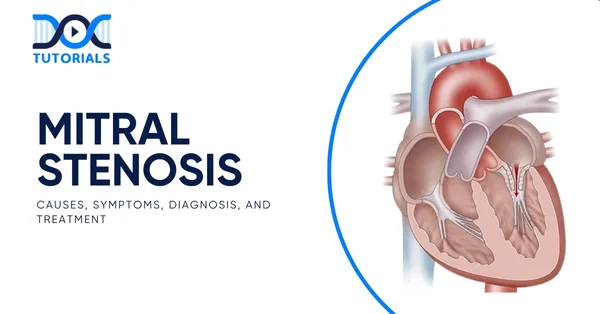
Mitral Stenosis: Causes, Symptoms, Diagnosis, and Treatment

Mitral Stenosis | DocTutorials

Mitral stenosis is a heart disorder which constricts the mitral valve and makes the flow of blood between the left atrium and the left ventricle difficult. This may cause complications with atrial fibrillation, stroke, or heart failure if it is not treated. Early diagnosis and follow-up care help manage the condition through medical procedures.

If you are appearing for the NEET PG exam, it is crucial to have a comprehensive understanding of the symptoms, causes, diagnosis, and treatment of mitral stenosis, since it is essential for accurate clinical judgement and effective patient care.

Read on to explore this topic in detail.

What is Mitral Stenosis? 

Mitral stenosis is a condition in which the mitral valve inside the heart becomes narrowed. Over time, this restriction in blood flow can lead to irregular heart rhythms, an increased risk of stroke, and may result in heart failure or death.

Narrowing of the mitral valve causes obstruction in the flow of blood between the left upper chamber (atrium) and the left lower chamber (ventricle) of the heart. This is due to the fact that the flow of blood is restricted since the valve is not opened completely.

The mitral valve plays a critical role as the first valve blood encounters after returning from the lungs with oxygen. Proper blood flow into the left ventricle is essential, as this chamber pumps oxygen-rich blood to the rest of the body’s tissues and organs.

What are the Causes of Mitral Stenosis?

The following are the causes of mitral stenosis:

  • Rheumatic Fever

This is the most frequent cause of mitral stenosis. It often follows untreated or poorly managed strep throat. The condition leads to scarring and deformity of the mitral valve, known as rheumatic mitral valve disease.

  • Calcium Build-up

As a person ages, calcium can deposit itself around the mitral valve ring (annulus), resulting in a condition commonly known as mitral annular calcification (MAC). When severe, this can restrict valve movement and cause symptoms of stenosis.

  • Congenital Heart Defects

In extreme cases, infants are found to be born with a narrowed mitral valve. This type of mitral stenosis is acquired at birth, and it develops as a result of the disturbed formation of the valves during gestation.

  • Autoimmune Conditions

Disorders such as lupus may occasionally lead to inflammation and thickening of the mitral valve, contributing to stenosis. However, this cause is quite uncommon.

  • Radiation Exposure to the Chest

Cancer treatments involving chest radiation can result in long-term thickening and stiffening of the mitral valve. These changes usually manifest two to three decades after therapy.

What are the Symptoms of Mitral Stenosis?

Mitral valve stenosis can lead to a range of symptoms, often developing gradually over time. Common signs include:

  • Hoarse Voice

Increased pressure in the upper chamber of the heart can affect the nerve that controls the vocal cords, leading to changes in an individual’s voice.

  • Breathlessness

This is the most frequent symptom. It tends to happen during physical exertion or while lying flat, due to increased pressure in the lungs.

  • Heart Palpitations

An individual may feel an abnormal or racing heartbeat. This usually results from atrial fibrillation, a condition caused by the increased strain on the heart’s upper left chamber.

  • Frequent Bouts of Bronchitis

People with mitral stenosis may experience repeated respiratory infections as a result of poor blood flow and pressure build-up in the lungs.

  • Stroke

Reduced blood flow in the upper chambers can lead to clot formation. If a clot travels to the brain, it may block a blood vessel and trigger a stroke.

  • Coughing Up Blood

In some cases, pressure on the lung blood vessels can cause small blood vessels to burst, leading to blood in the cough.

  • Swelling of the Ankles, Feet, or Abdomen

When the heart’s pumping ability weakens, fluid may accumulate in various parts of the body, especially the lower limbs and abdomen.

  • Extreme Fatigue

More than simple tiredness, this refers to an exhaustion that affects an individual’s ability to carry out everyday tasks.

What is the Diagnosis of Mitral Stenosis?

To confirm mitral stenosis and assess how severe it is, a cardiologist may carry out one or more of the following diagnostic tests:

  • Exercise Stress Test

This involves physical activity such as walking on a treadmill or cycling on a stationary bike while monitoring heart function. The test shows how the heart performs under stress and whether symptoms of valve disease appear during exercise. If physical activity is not possible, certain medications can be used to simulate the effects of exercise on the heart.

  • Echocardiogram

This is one of the primary tools used to identify mitral stenosis. It uses sound waves to produce moving images of the heart. The scan reveals blood flow issues and valve abnormalities, and helps determine the extent of narrowing in the mitral valve.

  • Electrocardiogram (ECG)

This test records the heart’s electrical signals through sensors placed on the chest. It helps detect irregular heart rhythms that may be associated with mitral valve stenosis.

  • Chest X-ray

X-ray pictures of the lungs and the heart can give information on whether the heart is enlarged, which is an indication of valve disease.

  • Cardiac CT Scan

A cardiac CT (computed tomography) scan can provide detailed cardiac structure images, including the heart valves, through the combination of several X-ray images. It is especially helpful in detecting cases of mitral stenosis that are not due to rheumatic fever.

  • Cardiac MRI

This MRI (magnetic resonance imaging) scan employs magnetic fields and radio waves to generate high-resolution images of the heart. It can help measure how severely the mitral valve is narrowed.

  • Cardiac Catheterisation

During this process, a narrow tube will be placed in one of the blood vessels and directed to the heart. It provides a direct way to measure pressures in the heart chambers and can therefore aid in the making of a diagnosis of mitral stenosis and how severe it is.

What are the Treatment Options for Mitral Stenosis?

Treatment of mitral stenosis varies with the severity of the problem and the symptoms one develops. They include:

  • Medications

Doctors can prescribe medication when the symptoms develop to manage them. Although these medicines do not correct the narrowed valve, they can reduce the strain on the heart and alleviate discomfort. Some common medicines are:

  • Anticoagulants: They lower the risk of blood clot formation, especially when there is a case of atrial fibrillation.
  • Diuretics: They help to remove excess fluid by increasing urine output, which helps to ease pressure on the lungs and heart.
  • Antiarrhythmics: They are used in the stabilisation of abnormal heart rhythms, which might arise due to the presence of mitral stenosis.
  • Beta-blockers: These reduce the heart rate, allowing more time for the heart chambers to fill properly.
  • Balloon Valvuloplasty

When medication is insufficient but the valve is not too severely damaged, a balloon valvuloplasty may be recommended. This minimally invasive procedure involves threading a catheter with a balloon tip through a vein to reach the heart. Once in place within the narrowed mitral valve, the balloon is inflated to enlarge the valve opening.

  • Surgical Intervention

There are 2 main surgical procedures used to treat mitral valve stenosis:

  1. Mitral Valve Replacement

Most often, the mitral valve has to be replaced. The replacement valve may be mechanical, which is made from durable materials like metal and carbon, or biological, which is made from animal tissue such as that of a pig or cow.

  1. Mitral Valve Repair 

Wherever suitable, surgeons may attempt to preserve the existing valve. This involves carefully separating the valve leaflets and enlarging the narrowed opening. Nevertheless, this method is taken into account only under certain conditions where the structure of the valve can be effectively repaired.

FAQs About Mitral Stenosis

  1. What is mitral stenosis?

Mitral stenosis is the narrowing of the mitral valve, which restricts blood flow between the left atrium and left ventricle of the heart.

  1. How is mitral stenosis diagnosed?

Tests done to diagnose mitral stenosis include echocardiogram, ECG, chest X-ray, cardiac CT or MRI scan, stress test, and cardiac catheterisation.

  1. Is surgery always necessary for mitral stenosis treatment?

No, surgery is not always necessary for mitral stenosis treatment. The mild cases can be restricted only to medication and supervision. Surgery is considered when symptoms worsen or when the valve is so narrow.

Conclusion

A proper understanding of mitral stenosis, its causes, symptoms, diagnostic procedures, and treatment is important in clinical practice and academic performance. Early diagnosis and proper management play a vital role in preventing serious complications and improving patient outcomes. 

Being a NEET PG aspirant, one should ace this topic, as it will enhance clinical reasoning and help you tackle complex cardiac cases with a lot of assurance. DocTutorials provides comprehensive learning resources such as high-yield video lectures, concise notes, expert-led discussions, and more.

Start exploring our NEET PG course today and take a step towards achieving the dream rank.

NEET PG Online Live Power Pack
DocTutorials App Download Now

Latest Blogs

Total Government Seats in NEET PG

Total Government seats in NEET PG

One of the most significant factors in postgraduate medical admissions in India is the total number of government seats available in the NEET PG examination. They offer excellent opportunities for training in MD, MS, and PG Diploma seats. These are in high demand because the education here is of high quality with much lower tuition costs than those offered by private institutions.

This guide provides the total number of government PG medical seats in India, their distribution across states, and other crucial details that help students build a strong foundation before they commence counselling.

Keep reading to learn more about this.

Overview of PG Medical Seat Availability in India

For the 2026-27 academic session, India offers around 86,360 postgraduate medical seats, with MD and MS programs making up the vast majority. Out of these, government medical colleges account for roughly 42,936 seats, while private institutions hold about 43,424. This marks a massive expansion from the mere 31,185 seats that were available back in 2014. 

Before applying for postgraduate studies, medical aspirants should familiarize themselves with the current seat capacity nationwide. Official data for 2026-27 shows that broad-specialty MD and MS programs comprise about 71,800 of the vacancies. When factoring in DNB and diploma programs, the overall seat count reaches the 86,360 mark. 

Looking closely at the distribution, state-run institutions provide nearly 42,936 of these opportunities. According to parliamentary data, this overall growth represents a remarkable jump of more than 176% compared to the 2014 baseline of 31,185 PG seats. Ultimately, the nationwide matrix is almost evenly split, bringing the final total to 86,360 seats (42,936 in the government sector and 43,424 in private colleges). 

Key Highlights:

  • Total Indian government representation in PG medical seats (2026-27): Approximately 42,936. 
  • Total PG seats in India (government + private, 2026-27): Approximately 86,360. 
  • Total NEET PG seats in India (MD/MS courses, 2026-27): Approximately 71,800. 
  • Total number of PG seats in private colleges (2026-27): Approximately 43,424. 

Clear NEET PG Effortlessly With DocTutorials NEET PG Online Live Power Pack. Highest Exam Strike Rate

Total Government PG Seats: State-Wise Distribution

Approximately half of the Indian PG medical seats are offered by government medical colleges. These 42,936 government PG seats, allocated for the 2026-27 academic session, are not evenly distributed across the states and Union Territories.  

Government medical colleges contribute roughly half of India’s total 86,360 PG seats. In the 2026–27 seat matrix, these 42,936 government PG seats are distributed unevenly across the country. Maharashtra alone has the largest share, followed by Uttar Pradesh, Delhi, and Tamil Nadu.  

The table below highlights the state-wise distribution of these government seats based on the latest 2026 data: 

State / UT Name Government PG Seats (2026-27) 
Andaman & Nicobar Islands 19 
Andhra Pradesh 1,982* 
Arunachal Pradesh 28 
Assam 743* 
Bihar 773* 
Chandigarh 155* 
Chhattisgarh 378* 
Dadra and Nagar Haveli 46 
Delhi 3,448 
Goa 164 
Gujarat 1,484* 
Haryana 413* 
Himachal Pradesh 345 
J & K 729* 
Jharkhand 283* 
Karnataka 2,805 
Kerala 982* 
Ladakh 14 
Madhya Pradesh 1,476* 
Maharashtra 4,277 
Manipur 262 
Meghalaya 57 
Mizoram 25 
Nagaland 12 
Orissa 618* 
Puducherry 73* 
Punjab 475* 
Rajasthan 2,026* 
Sikkim 
Tamil Nadu 3,030 
Telangana 1,790 
Tripura 115 
Uttar Pradesh 3,568 
Uttarakhand 223* 
West Bengal 2,283 
Total ~42,936 

(Note: Data marked with an asterisk reflects the latest NMC baseline matrix prior to the final 2026 central additions that brought the total to 42,936.)  

Maharashtra leads the chart with approximately 4,277 government PG seats. In order of position, Uttar Pradesh comes next with 3,568 seats, followed closely by Delhi (central quotas and AIIMS-type institutions) with 3,448 seats, and Tamil Nadu with 3,030 seats.  

Conversely, smaller states and newly formed Union Territories have very few or no seats, highlighting a significant geographical disparity in postgraduate medical infrastructure. 

All India Quota vs State Quota Seat Allocation

PG seats in government medical colleges across India are divided equally between the All India Quota (AIQ) and the State Quota, with approximately 21,468 seats being filled by AIQ counselling. Competition varies across states, so a high AIQ ranking gives candidates access to the best colleges anywhere in the country. 

The number of seats in each government college is strictly divided 50/50 between the State Quota and the All India Quota (AIQ). Approximately half of these government seats (roughly 21,468 out of 42,936) are distributed through centralised All India counselling is conducted by the MCC, and the remaining half is distributed through respective state-wise counselling authorities. 

In 2026, taking the comprehensive MCC seat break-up as an example, it is projected that significantly more seats (across all MD/MS/Diploma programmes) will be filled in central MCC counselling, as they also manage 100% of the seats in deemed and central universities alongside the 50% AIQ government pool. Specifically, state quota policies and private college management will fill the remaining half of the state seats. 

(Note: DNB seats and postgraduate seats in central autonomous institutes like AIIMS or JIPMER have their own quota mandates and are governed differently, so they are not counted under this standard 50/50 state-government seat split). 

Either way, half of all state government seats are available to all of India (AIQ), and AIQ candidates can secure the best placements nationally, provided they score in the top percentiles. 

An effective preparation plan will therefore include both objectives: securing a strong enough rank for your home state seats, while aiming for the highest possible AIQ rank to completely maximize your choices nationwide.

FAQs about Government NEET PG Seats

  1. How many seats are available in NEET PG across India?

For the 2026-27 academic session, India offers approximately 86,360 postgraduate medical seats across recognised institutions. Out of these, broad-speciality MD/MS programmes account for roughly 71,800 seats (comprising ~42,936 in government colleges and ~43,424 in private institutions). The overall total reaches around 86,360 when factoring in PG Diploma and broad-speciality DNB programmes. 

  1. What is the All India Quota (AIQ)? 

In postgraduate medical admissions, the All India Quota (AIQ) refers to the 50% of seats in state government medical colleges open to candidates nationwide without state domicile restrictions. Practically, there are approximately 21,468 AIQ seats (50% of the ~42,936 total government seats). These AIQ seats are filled through centralised online counselling conducted by the Medical Counselling Committee (MCC), while the remaining 50% are filled through respective state counselling authorities. 

  1. Do AIIMS and other top institutes accept NEET PG? 

No. NEET PG scores are not accepted by Institutes of National Importance (INIs). This includes all AIIMS institutes (including AIIMS New Delhi), PGIMER Chandigarh, JIPMER Puducherry, NIMHANS Bengaluru, and SCTIMST Trivandrum. These premier institutions conduct their own combined entrance exam, the INI-CET (held twice a year for the January and July sessions). These seats are separate from and supplementary to the NEET PG seat matrix. 

4. Are DNB and super-speciality (DM/MCh) seats counted here? 

Broad-speciality DNB (Diplomate of National Board) seats—numbering over 14,000 across accredited hospitals—are allotted based on NEET PG merit during centralized counselling. In contrast, super-speciality seats (DM, MCh, and DrNB Super Speciality) are completely separate and filled exclusively through the NEET-SS examination. Standard NEET PG seat figures therefore focus on broad-speciality MD, MS, PG Diploma, and post-MBBS DNB seats. 

5. How can I use this seat information in my preparation strategy?

Knowing the seat count helps you set realistic score targets and rank benchmarks. With approximately 42,936 government and 43,424 private seats (~86,360 total) contested by over two lakh doctors, competition for top clinical specialties remains intense. Aspirants should: 

  • Aim well above previous cutoffs to secure a top clinical branch under the 50% AIQ or home state quota. 
  • Focus study time on high-yield, clinically integrated topics and regular test practice. 
  • Plan realistic backup options early, including accredited DNB institutions and state quota seats. 

Conclusion

In India, there are approximately 86,360 postgraduate medical seats (MD/MS/PG Diploma/DNB) available annually across government and private institutions. Admissions to state government colleges are divided equally, with half allotted through the 50% All India Quota and the remaining half through State Quotas. 

For added guidance on NEET PG, DocTutorials can be your study partner. We offer crisp videos, clinical Qbank, exam-focused notes, flashcards, and mindmaps to ensure aspirants are well-prepared before the day of the NEET PG exam.

Join DocTutorials today and explore our NEET PG course to excel in your medical career!

NEET PG Online Live Power Pack
DocTutorials App Download Now

Latest Blogs

NEET PG Seat Matrix 2025: Latest Breakdown, State-Wise Seats & Opportunities

NEET PG Seat Matrix

If you’re preparing for NEET PG 2025, it’s just as important to understand the seat matrix as it is to perform well in the exam. With thousands of PG seats across government, private, deemed, DNB, and CPS institutions, knowing where opportunities exist can help you plan smarter and improve your chances during counselling.

The NEET PG Seat Matrix 2025 gives a complete picture of total seats, state-wise distribution, speciality-wise availability, and quota-based allocation. From AIQ vs State Quota seats to speciality-wise numbers released by NMC, this guide simplifies everything you need to know before counselling starts.

Read below to learn more.

Click here to download the NEET PG Seat Matrix 2025 Counselling

What is the Allocation Process for NEET PG Seat Matrix?

The NEET PG seat allocation process begins after the cut-off, when NBE releases the merit list and eligible candidates join counselling. MCC and state authorities then allot seats based on your rank, choices, and the seat categories. NMC has listed 49,907–52,173 PG seats across specialities, so knowing which branches have more seats helps you choose more wisely.

The NEET PG seat allocation starts after the cut-off scores are announced. Based on this cut-off, NBE prepares a merit list for the 50% All India Quota. This includes the names of candidates who are allowed to move to the counselling stage. If your name is on the list, you are one step closer to admission.

Counselling is the place where the actual seat allotment takes place. MCC handles the counselling for 50% AIQ seats, Deemed and Central Universities, and ESIC/AFMS institutes. The remaining 50% state quota seats fall under the counselling authority of each state itself. 

Since both processes run independently, candidates must be attentive and follow the right schedule. You have to register at MCC’s official website, pay the fee for counselling, and fill in your course-college choices to enrol in NEET PG Counselling.

After the choice-filling period, MCC releases the seat allotment list. Seats are given as per your rank in the All India Rank List and your submitted preferences. It is quite straightforward: higher rank plus smart choices usually mean better chances.

MCC conducts 4 rounds of counselling for AIQ seats:

  1. Round 1
  2. Round 2
  3. Mop-up Round
  4. Stray Vacancy Round

Each round gives candidates another chance at securing a seat, so you must not miss any important dates or announcements.

What are the Key NEET PG Seat Categories?

Before selecting colleges or filling choices, it’s important to understand the different categories under which NEET PG seats are offered. Each of these categories has its own rules, counselling process, and type of college. Knowing what they mean can help you avoid confusion later and plan more effectively.

CategoryWhat it Means
All India Quota (AIQ)50% of the seats from government colleges are nationally pooled and allotted through MCC counselling.
State Quota50% of seats are reserved for candidates from that particular state (as per domicile rules).
Deemed UniversitiesSeats available in private deemed medical universities; candidates from all over India are eligible.
DNB QuotaCollege of Physicians & Surgeons seats are available only in select states where CPS programs are approved.
CPS QuotaCollege of Physicians & Surgeons seats, available only in select states where CPS programs are approved.

To view the complete and updated NEET PG seat matrix for 2025, candidates can visit the official MCC website, where the full AIQ, Deemed, Central University, DNB, and CPS seat matrices are uploaded before each counselling round.

What is the Specialisation Breakdown for NEET PG Seat Matrix?

It can be confusing to choose a PG branch when one doesn’t even know how many seats are available in each speciality. So, here is a simple breakdown of the latest available numbers for NEET PG 2025.

You’ll notice that some branches have a huge number of seats, while others barely have a few. That’s why knowing this breakdown helps you see where competition might be high and where you may have better chances.

As per the 2025 NEET PG seat matrix released by NMC, compiled across government and private colleges, 49,907 MD/MS/PG Diploma seats are available across 68 specialities. Later, the NMC released updated broad-speciality numbers showing 52,173 seats for the 2025–26 session.

ParticularsDetails
Total PG Seats (2025)49,907 seats available for NEET PG counselling
Courses IncludedMD, MS, and PG Diploma programmes
MD – General Medicine5,469 seats
MD – Anaesthesiology4,947 seats
MD – Paediatrics3,527 seats
MD – Pathology2,916 seats
MD – Radio Diagnosis2,659 seats
MD – Biophysics1 seat
MS – General Surgery4,915 seats
MS – Obstetrics & Gynaecology4,060 seats
MS – Ophthalmology2,057 seats
PG Diploma – Anaesthesia93 seats
PG Diploma – Ophthalmology53 seats

These numbers indicate that branches such as General Medicine, Anaesthesia, Paediatrics, Pathology, and Radiodiagnosis have more seats. So your chances don’t disappear even if your rank isn’t extremely high.

On the other hand, some para-clinical, non-clinical, and niche branches have few seats, at times even in single digits. So, the competition gets tougher there, and the choice-filling matters a lot.

So, knowing the specialisation-wise distribution will help you:

  • Understand which branches are highly available.
  • Plan your choices more smartly.
  • Avoid guessing or choosing blindly.
  • See where you’ll have a realistic chance based on your rank.

NEET PG Seats Across India (AIQ vs State Quota)

The number of NEET PG seats has gone up across the country, with new medical colleges opening and many states expanding their PG quota. Karnataka, Tamil Nadu, Maharashtra, Uttar Pradesh, and Telangana collectively offer the largest number of PG seats in government and private institutions.

NEET PG seats have increased significantly in the last few years. Since new medical colleges have opened and many states have increased seat capacity, candidates now have more chances than before. So even though the competition’s still tough, the overall opportunity has definitely expanded.

Here’s a quick breakdown:

State / UTNo. of CollegesGovernment PG SeatsPrivate PG Seats
Andhra Pradesh3719231645
Arunachal Pradesh100
Andaman & Nicobar Islands100
Assam137380
Bihar21908321
Chandigarh15850
Chattisgarh14475114
Dadra & Nagar Haveli100
Delhi10288949
Goa11370
Gujarat402186724
Haryana15432465
Himachal Pradesh826492
Jammu & Kashmir1260651
Jharkhand92630
Karnataka7018564593
Kerala331077868
Madhya Pradesh271489859
Maharashtra6835762498
Manipur42550
Meghalaya1370
Mizoram100
Nagaland100
Odisha17725509
Puducherry9314720
Punjab12408384
Rajasthan3522551033
Sikkim1034
Tamil Nadu7427652369
Telangana5615041608
Tripura2856
Uttar Pradesh6823011919
Uttarakhand81572260
West Bengal351791297

FAQs about NEET PG Seat Matrix 2025

1. Who handles NEET PG seat counselling?

For the 50% All India Quota, Deemed Universities, Central Universities, ESIC, and AFMS institutes, the Medical Counselling Committee (MCC) runs the entire counselling process.

For the remaining 50% state quota seats, each state’s counselling authority handles registration, choice-filling, and allotment. So basically, MCC manages national-level seats, and states manage their own seats.

2. What is the NEET PG seat allocation process?

Seat allocation starts after the NEET PG results when the NBE releases the merit list. Candidates who qualify can join counselling. You have to register online, pay the fee, and pick your preferred colleges and courses. Then MCC or the state authority prepares the allotment list based on your rank, choices, and seat availability.

If you get a seat, you must report to the college on time for document verification, or the seat will move to the next round. The whole process has multiple rounds—Round 1, Round 2, Mop-Up, and Stray Vacancy—so there are several chances to get a seat.

3. How has the availability of NEET PG seats changed lately?

NEET PG seats have increased significantly over the last decade.  Since new medical colleges opened, existing colleges have added more PG departments, DNB and CPS seats have expanded, and the total number of seats has grown significantly.

In fact, seats increased by over 127%, rising from around 31,000 in 2014 to more than 70,000 by 2025.

4. Which states have the highest number of government & private NEET PG seats?

States like Tamil Nadu, Karnataka, Maharashtra, Uttar Pradesh, and Telangana generally have the highest number of both government and private PG medical seats.

These states have more medical colleges, strong hospital networks, and large private medical education setups. As a result, they attract many PG candidates every year.

5. What happens if a candidate fails to report to the allotted college?

If a candidate doesn’t report within the given time, the seat gets cancelled for that round. It’s then offered to someone else in the next round.

In some cases—especially in Round 2—you might not even get your fee refunded, so you must be careful. So if you get a seat and want to keep it, you must report on time with all required documents.

6. What is the NEET PG Seat Matrix?

The NEET PG seat matrix refers to the total number of postgraduate medical seats available for counselling across government colleges, private colleges, deemed universities, DNB institutes, and other participating institutions. It shows course-wise, college-wise, and quota-wise seat distribution and is released before each counselling round to guide choice filling.

7. What are the major seat categories in NEET PG counselling?

Major NEET PG counselling seat categories include All India Quota (AIQ), State Quota, Deemed University seats, Central University seats, Armed Forces Medical Services seats, and DNB seats. Counselling is conducted for 50% AIQ government seats and 100% seats of deemed, central, and certain institutional categories.

8. Which NEET PG specialisations are most popular?

The most popular NEET PG specialisations generally include clinical branches such as General Medicine, Radiology, Obstetrics & Gynaecology, Dermatology, Paediatrics, and General Surgery. These branches attract higher ranks due to better clinical exposure, career flexibility, and strong long-term demand in healthcare systems.

9. Which Seat Category Should Be Preferred First in NEET PG Counselling?

Candidates should generally prioritise government seats under the All India or State Quota first due to lower fees and better clinical exposure. After this, candidates may consider deemed university, private, or DNB seats based on rank, financial feasibility, and specialisation preference. Final choice depends on career goals and counselling strategy.

10. How many NEET PG seats are available in 2025?

For the 2025 academic cycle, India had approximately 52,173 total PG medical seats, including about 29,447 government seats and 22,726 private seats, after new seat additions approved by authorities. Seat numbers change each year due to approvals, withdrawals, or expansion of medical colleges.

Conclusion

Understanding the NEET PG seat matrix is just as important as preparing for the exam itself. When you know the total seats, state-wise availability, quota distribution, and speciality-wise trends, you can plan smarter during counselling and make choices that match your rank and goals.

If you need reliable guidance while preparing for NEET PG, DocTutorials offers crisp videos, clinical Qbank, exam-focused notes, flashcards, and mind maps. This ensures that aspirants are fully prepared right before the NEET PG exam.

Join DocTutorials today and explore our NEET PG course to excel in your medical career!

NEET PG Online Live Power Pack
DocTutorials App Download Now

Latest Blogs

NEET PG 2026 Branch-Wise Cut Off: Complete Speciality-Wise Breakdown

NEET PG Branch Wise Cut Off

Every prospective medical student must understand the NEET PG branch-wise cut-off. This is because it represents the minimum marks required to qualify for each MD, MS, and Diploma speciality across all government and private medical colleges in India.

The NEET PG branch-wise cut-off 2026 provides you with the information necessary to determine your options, prepare for counselling in a timely and well-organised way, and align your studies with the level of competitors in your desired medical speciality. 

Keep reading for a detailed insight into the NEET 2026 cut-off marks.

Why is it Essential to Understand NEET PG 2026 Cut-Off Marks?

The NEET PG 2026 branch-wise cut-offs serve as an early warning for your admission chances evaluation and a way to plan more effectively. With clear-cut insights, you can approach preparation and counselling with better clarity and confidence.

Knowing the NEET PG 2026 branch-wise cut-off marks is crucial because your eligibility for MD, MS, and PG Diploma programmes depends on how your score compares to these cut-off levels.

The cut-off acts as an initial filter in the counselling and seat allocation process, and being aware of this helps you evaluate and comprehend your admission chances well ahead of time.

You will be able to set a realistic score target for yourself, plan an effective strategy for preparation, and make a suitable decision about which medical speciality you want to pursue by having a proper idea of the expected branch-wise cut-offs.

Ace Your NEET PG Prep With DocTutorials NEET PG Online Live Power Pack

NEET PG Branch-Wise Cut-Off 2026: Detailed Overview

The NEET PG 2026 cut-off will act as the doorway to postgraduate medical admissions. Be it competitive branches like Radiology, Dermatology, or General Medicine, or broader clinical fields such as Paediatrics or Obstetrics & Gynaecology, the NEET PG branch-wise cut-off 2026 will be majorly influential in shaping your admission possibilities.

The NEET PG 2026 cut-off is crucial for all medical students desiring to sit for the exam. Below is a detailed description of how branch-wise cut-offs work, what influences these cut-offs, and what you may expect in 2026:

Branch / SpecialityExpected Cut-off Marks (2026)
Radiology545
General Medicine535
Dermatology550
Obstetrics and Gynaecology500
Paediatrics510
ENT (Ear, Nose, and Throat)440
Surgery480
Orthopaedics490
Pulmonary Medicine495
Ophthalmology450
Anaesthesiology460

NEET PG 2026: Key Details You Should Know

From April 2026, the NEET PG 2026 registration is likely to be opened, and NBEMS is going to hold the exam in 210 minutes with 180 questions. Knowing the exam structure with the marking scheme, total marks, and eligibility criteria helps students in making their preparations more systematic.

Apart from the NEET PG 2026 cut-off, it is crucial to verify the examination’s key details beforehand. The NEET PG 2026 registration is likely to commence in the first week of April 2026, and you can fill out the application form on the official NBEMS portal.

If you meet the eligibility parameters, make sure to register yourself within the stipulated timeline. Here is a quick overview of the necessary details about NEET PG 2026 to help you stay prepared:

ParticularsDetails
Frequency of ExamOnce a Year (Annual)
Conducting AuthorityNational Board of Examinations in Medical Sciences (NBEMS)
Exam Duration3 Hours 30 Minutes (210 Minutes)
Time-Bound SectionsA, B, C, D, and E
Section Distribution36 questions
Section Time Limits42 minutes
Application ModeOnline
Total Marks720
Total Questions180
Marking Scheme+4 marks for each right answer
-1 mark for each wrong answer
0 marks for unanswered questions

NEET PG Previous Years’ Branch-Wise Cut-Off Marks

Every year, the NEET PG cut-off trends tend to fluctuate. The most highly sought-after branches, such as Radiology, Dermatology, & General Medicine, always remain at the top with the highest cut-offs. On the contrary, Anaesthesiology & Psychiatry have varied ranks. Looking at the branch-wise cut-offs of 2023, 2024, & 2025 will serve as a guide for aspirants in planning their choices for study and college more efficiently.

The NEET PG cut-off marks vary every year owing to several factors. The cut-off scores below from previous years can help you understand the estimated marks required for admission through NEET PG:

What is the NEET PG 2025 Branch-Wise Cut-Off?

The cut-off for NEET PG 2025 was determined based on factors such as the number of candidates who appeared and the exam’s difficulty level. The table below highlights the NEET PG branch-wise cut-off 2025:

BranchGeneralOBCSCST
Radiology545535500443
OBGY500475405305
Surgery480465385310
ENT440430370280
Ophthalmology450435370295
Orthopaedics490480395300
Paediatrics510485405360
Medicine535500435350
Dermatology550515450395
Pulmonary495500400300

What is the NEET PG 2024 Branch-Wise Cut-Off?

The NEET PG 2024 cut-off was set based on factors such as the number of candidates who took the exam and its difficulty level. The table below shows NEET PG branch-wise cut-off 2024, including the minimum qualifying percentile and cut-off marks for each category:

BranchGeneralOBCSCST
Radiology545535500443
Surgery480465385310
ENT440430370280
OBS-GYN500475405305
Medicine535500435350
Dermatology550515450395
Paediatrics510485405360
Ophthalmology450435370395
Orthopaedics490480395300
Pulmonary495500400300

What is the NEET PG 2023 Branch-Wise Cut-Off?

The NEET PG 2023 cut-off was issued separately for the 50% All India Quota and the 50% state quota seats. While MCC provided the cut-off for the All India Quota, separate state-wise cut-offs for various institutions were also issued by respective state authorities.

The overall NEET PG 2023 qualifying marks were 291-720 for General/ EWS, 274 for General PwBD, and 257 for SC/ST/OBC candidates. The NEET PG branch-wise cut-offs 2023 reflect the opening and closing ranks of top medical colleges across India:

Branch / SpecialityOpening RankClosing Rank
Radiology / Radio Diagnosis1517
Dermatology293770
General Medicine53575
General Surgery653575
Obstetrics and Gynaecology162590
Orthopaedics1342127
Paediatrics1441883
Psychiatry6969616
Anaesthesiology15589370

Note: These previous years’ cut-off marks and opening/closing ranks can provide an idea of the expected score range for securing admission through NEET PG.

FAQs about NEET PG 2026 Branch-Wise Cut Off

  1. What is the NEET PG cut-off for each branch?

The cut-off for NEET PG across different branches is the minimum score required to gain admission to the medical department of one’s choice. It varies from year to year, as it is determined by the exam’s difficulty and students’ overall performance.

  1. Why do NEET PG have a cut-off for every branch?

NEET PG has a separate cut-off for each branch, ensuring competition is based on merit and maintaining fairness in admissions. The cut-offs are influenced by competition, the number of available seats, the exam’s difficulty, and the popularity of different specialities.

  1. Are NEET PG cut-offs the same for all medical colleges?

No, they are not. NEET PG cut-offs fluctuate from one college to another. The main factors that lead to this difference are whether the college is private or government, its reputation, and the number of seats available. Only those with either the very top scores or ranks will be able to get in.

  1. Will there be any changes to the NEET PG 2026 cut-off?

It is not known yet. However, following the trends of the previous years, the NEET PG 2026 cut-offs may be adjusted on the basis of exam difficulty, student performance, and other factors that influence the cut-off.

  1. Which medical branches have the highest NEET PG cut-off?

Due to high demand, better work–life balance, and excellent earning potential, branches of medicine such as Radiology, Dermatology, General Medicine, and Paediatrics consistently rank among the top cut-offs in NEET PG. Such specialities attract top-ranking candidates every year.

  1. What is the expected NEET PG 2026 Cut Off?

The NEET PG 2026 cut-off is unpredictable, but historically, the qualifying percentile for the General category was the 50th percentile. However, recent policy changes and significant seat vacancies prompted authorities to lower thresholds (e.g., single-digit percentiles in late 2025/early 2026 updates). There may be a wide variation by speciality and category.

  1. How are category-wise qualifying marks determined for NEET PG?

Category-wise qualifying marks for NEET PG are set using percentiles (e.g., General 50th, OBC/SC/ST 40th historically), converted to raw marks based on exam difficulty and cohort performance. Authorities revise these percentiles when seats remain vacant or performance trends shift.

  1. How is the NEET PG Cut Off calculated?

The NEET PG cut-off calculation is based on percentile thresholds determined by examination authorities, along with factors such as exam difficulty, number of candidates, and total available postgraduate seats. Percentiles are converted into raw marks using the score distribution. During counselling, category, quota, and seat matrix are applied to determine speciality-wise admission cut-offs.

  1. What are the tie-breaking rules for NEET PG scores?

If two people have the same score, the NBEMS rules for breaking ties in NEET PG apply. Candidates are ranked based on higher marks in specific exam sections (as notified for that year), followed by a greater number of correct responses, fewer negative responses, and finally, higher age. The final order is published in the official merit list.

  1. What are the factors that determine cut off for NEET PG?

The factors determining the NEET PG cut-off include the overall difficulty level of the examination, total number of applicants, availability of government and private PG seats, reservation policies, previous years’ cut-off trends, and candidate preferences for high-demand specialisations. Policy changes and unfilled seats can also significantly influence cut-off levels.

Conclusion

Understanding the NEET PG branch-wise cut-off is of utmost importance for a medical aspirant getting a competitive PG seat. Knowing speciality trends, expected scores, and influencing factors allows you to make an informed decision while preparing and during counselling.

With DocTutorials, you get guidance from experts, crisp video lectures, clinical Qbank flashcards, and mindmaps to help you score better than your competition. 

Join our NEET PG course and embark on your medical journey with DocTutorials!

NEET PG Online Live Power Pack
DocTutorials App Download Now

Latest Blogs

NEET PG 2026 Latest News: Revised Marks, Questions & Time Bound Sections, Seat Matrix & State Quota Announcements

NEET PG Latest News

There have been crucial updates regarding the upcoming NEET PG 2026 cycle. With the National Board of Examinations in Medical Sciences (NBEMS) officially scheduling the exam for August 30, 2026, the focus has shifted away from previous Supreme Court hearings concerning last year’s unfilled seats. The exam results and cut-off data are expected by September 30, 2026, which will set the timeline for the new counselling schedule, including Round 1, Round 2, Mop-Up, and Stray Vacancy rounds.  

Because individual states will issue their own unique schedules and bond policies shortly after, students cannot rely solely on Medical Counselling Committee (MCC) updates; they must also proactively track state-level notifications for eligibility, fees, and documentation requirements. Read below to know the latest updates about the NEET PG 2026 exam and impending counselling.  

NEET PG 2026 City Intimation Slip Released

The National Board of Examinations in Medical Sciences (NBEMS) officially activated the NEET PG 2026 City Intimation Link on August 11, 2026. Candidates can now check their allotted exam center locations to easily plan their travel and accommodation ahead of the exam. Log in with your registration credentials to access your slip, and make sure to save a copy for future reference.

Direct Link for NEET PG 2026 Exam City Intimation Slip

Need help finding your exam center? Watch the step-by-step video guide below to check your NEET PG test city allotment.

NEET PG 2026: Key Highlights & Pattern Changes 

1. Reduction in Total Questions 

  • 180 Questions: The paper now consists of 180 Multiple Choice Questions (MCQs).
  • 720 Total Marks: The total marks are now 720 (+4 for correct answers, -1 for wrong answers, 0 for unattempted). 
  • More Time Per Question: The total duration of the exam remains the same as 3 hours 30 minutes (210 minutes). With fewer questions, candidates get ~70 seconds per question (up from 63 seconds). 

2. Introduction of 5 Time-Bound Sections 

  • 5 Sections: The exam is divided into 5 distinct sections of 36 questions each. 
  • 42 Minutes Per Section: Each section is individually timed. Once the 42-minute timer for a section expires, the portal automatically moves to the next section. 
  • No Backtracking: Candidates cannot revisit or modify answers in a previous section after its allotted time ends. 

3. State-Level Test Center Selection 

  • Instead of choosing specific test cities on a first-come, first-served basis, candidates select three preferred states during registration. 
  • Test city allotment within the selected states is assigned by NBEMS. 

NEET PG 2026 Revised Exam Pattern 

Exam Feature NEET PG 2026 Details 
Total Questions 180 Questions 
Total Marks 720 Marks 
Exam Duration 3 Hours 30 Minutes (210 mins) 
Sectional Breakdown 5 sections (36 questions each) 
Time Per Section 42 minutes per section 
Backtracking Restricted to the currently active section only 
Marking Scheme +4 (Correct) / -1 (Incorrect) / 0 (Unattempted) 
Exam Date & Shift August 30, 2026 (Single Shift) 

Note: The introduction of 5 strict, time-bound sections requires a shift in exam strategy. Because the portal automatically locks a section once its 42-minute timer expires, time-management must focus on completing each 36-question block within its specific window. You will not be able to revisit or modify answers in a previous section once you move forward. 

Ace Your NEET PG Prep With DocTutorials NEET PG Online Live Power Pack 

Subscribe Now 

What to Expect in the NEET PG 2026 Seat Matrix? 

Because the NEET PG 2026 exam is scheduled for August 30, the official counselling seat matrix will not be released by the Medical Counselling Committee (MCC) until Round 1 begins later this year. However, aspirants have a major advantage: the total number of PG medical seats across India has seen a massive increase, now expected to cross 70,000 to 85,000 seats overall, encompassing both government and private medical colleges. 

When Round 2 eventually commences, the MCC will publish a highly anticipated updated seat matrix. Since NEET PG 2026 counselling has not yet begun, the specific “Clear Vacancies” and “Virtual Vacancies” for Round 2 do not exist yet. However, the National Medical Commission (NMC) has released the official baseline seat data for the upcoming academic cycle. 

Here’s a clean breakdown of the expected seat matrix. 

Type of Seat Number of Seats 
Previous Academic Cycle Seats 49,976 
Newly Added Seats (NMC 2026 Approval) 8,424 
Total Approved MD/MS Seats 58,400 
Estimated Total Pool (Including DNB & Diploma) 85,000+ 

Note: The official counselling seat matrix (which will include exact clear and virtual vacancies) will only be published by the MCC on mcc.nic.in once Round 1 of the 2026 counselling process officially begins. 

What Are Virtual Vacancies? 

Virtual vacancies often cause confusion, but they are actually a highly beneficial part of the counselling system. They represent seats held by Round 1 candidates who want a better option in Round 2. 

Think of it like requesting a seat upgrade on a flight. If a candidate gets their requested upgrade in Round 2, they vacate their original seat, and it instantly becomes a real opening for someone else. If they don’t get the upgrade, they safely keep their original seat, and no one else gets it. 

This means that the actual availability of seats in Round 2 is often much higher than what the “Clear Vacancies” suggest. Because many candidates upgrade, a large portion of virtual seats will convert into real openings, offering you better opportunities as the rounds progress. 

Before each round of counselling starts, candidates should note that MCC will upload an internal list of increased seats on the Intra MCC portal for institute verification, ensuring transparency before choice-filling begins. 

What are the NEET PG 2026 State Quota Counselling Updates? 

With the NEET PG 2026 exam officially scheduled for August 30, state-level authorities are already gearing up for their respective counselling processes, even though actual registration will not begin until after the results are declared in late September. While the Medical Counselling Committee (MCC) is responsible for handling the 50% All India Quota, the remaining 50% of seats come under the state quota, and the process is conducted entirely at the state level. 

Although active state-level choice filling has not yet begun, early preparations are a major part of the latest news on NEET PG. Many states are proactively outlining their policies in advance of the expected October 2026 counselling kickoff. To mention a few examples, states like Kerala, Karnataka, and Maharashtra have already begun updating their mandatory bond policies, rural service durations, and penalty structures for the 2026 academic cycle. Thus, students from these states are supposed to stay updated on the specific service requirements and document rules well before the portals open. 

Since all states set their own rules, one cannot depend entirely on the updates provided by MCC. Students must continuously check the counselling websites of their respective state Directorate of Medical Education (DME) for upcoming timelines, fees, eligibility criteria, and required documents. A state may issue critical information regarding domicile updates or registration changes at any time, and hence, being alert becomes necessary. 

Therefore, tracking both MCC announcements and state-specific notifications simultaneously is the only way to avoid last-minute surprises during the NEET PG 2026 admissions. 

FAQs about NEET PG 2026 Latest News 

  1. When will the NEET PG 2026 Counselling Dates be announced?  

With the NEET PG 2026 exam officially scheduled for August 30, 2026, and results expected by September 30, the Medical Counselling Committee (MCC) is anticipated to release the official counselling schedule in October 2026. 

  1. How many rounds of counselling are there in NEET PG 2026?  

The MCC conducts four rounds of counselling for the All-India Quota (AIQ): Round 1, Round 2, Round 3, and an Online Stray Vacancy Round. 

  1. Who is eligible for NEET PG 2026 counselling? 

To be eligible, candidates must: 

  • Qualify the NEET PG 2026 exam. 
  • Possess a valid MBBS degree. 
  • Complete their mandatory one-year rotatory internship on or before the cutoff date. 
  • Be registered with the National Medical Commission (NMC) or a State Medical Council. 
  1. Will NEET PG 2026 include state quota seats?  

Yes. 50% of seats fall under the state quota. Admissions are carried out by respective state authorities strictly based on NEET PG 2026 merit. 

  1. When will MCC release the NEET PG 2026 Round 2 seat allotment results? 
    Because the NEET PG 2026 exam takes place on August 30, Round 2 counselling and its allotment results will occur later in the year, likely around November or December 2026. 
  1. What happens if a candidate fails to report after an MCC Round 2 seat allotment?  

If a student chooses not to report or join their allotted Round 2 seat, their security deposit is forfeited. However, they may still be eligible to participate in Round 3 by registering afresh and paying a new security deposit. 

  1. What percentage of seats are reserved in a government medical college?  

For postgraduate courses in government medical colleges, 50% of the seats are allotted under the All-India Quota (AIQ), while the remaining 50% are reserved for the State Quota. 

  1. Can a candidate apply for the state quota in more than one state?  

Generally, candidates are allowed to apply for the state quota only in the specific state where they hold domicile status or fulfill local residency/MBBS completion conditions. Claiming state quota benefits in multiple states simultaneously can lead to disqualification. 

Conclusion 

With the NEET PG 2026 exam fast approaching on August 30, candidates are gearing up for a newly structured test featuring 180 questions across 5 time-bound sections. While all eyes remain on the upcoming exam and the subsequent MCC and state quota counselling schedules, the ongoing Supreme Court developments regarding answer-key transparency also continue to be a crucial factor for aspirants. 

Keep a close eye on official NBEMS, MCC, and state counselling portals to ensure you don’t miss a single crucial update on exam guidelines, seat matrices, or admission schedules. 

For comprehensive guidance, DocTutorials is here to be your ideal study partner. We offer crisp videos, a clinical Qbank tailored to the latest pattern, exam-focused notes, flashcards, and mind maps, ensuring you approach the NEET PG 2026 exam fully prepared and without a doubt. 

Join DocTutorials today and explore our NEET PG course to excel in your medical career! 

NEET PG Online Live Power Pack
DocTutorials App Download Now

Latest Blogs

NEET PG Counselling Result 2026: Round-wise Updates & Allotment Process

NEET PG Counselling Result

Securing your seat allotment is the ultimate turning point in your medical career. It is the defining moment when you finally step beyond your MBBS degree and begin your journey as a clinical specialist.

Once the NEET PG 2026 results are out, both the Medical Counselling Committee (MCC) and state medical boards will release a flood of notifications, rank lists, and registration timelines. Trying to track the complete MCC NEET PG Counselling Process all at once can easily stress out any candidate. But if you follow a smart approach and stay informed, you can easily secure your preferred medical branch.

This article breaks down the entire NEET PG 2026 seat allocation system in simple terms. We will walk you through every single phase of the counselling results so you are completely prepared for the admission rounds ahead. Read on to master the process.

NEET PG Counselling Rounds & Reservation Criteria

NEET PG counselling is organised in four centralised rounds: Round 1, Round 2, Round 3, and the Online Stray Vacancy Round for All India Quota, Deemed Universities, Central Universities, and DNB seats. Following recent judicial directives, many seat categories are completely open and domicile-free. The reservation applies strictly as per the Central Government policy for SC, ST, OBC Non-Creamy Layer, EWS, and PwD candidates.

The counselling is conducted in multiple sequential phases to ensure transparent and fair seat allotment across various medical institutions: 

Round Number Counselling Authority Institutions and Seat Categories Covered 
Round 1 MCC 50 percent AIQ, 100 percent Deemed Universities, Central Universities and Institutes, and 100 percent DNB 
Round 2 MCC 50 percent AIQ, 100 percent Deemed Universities, Central Universities and Institutes, and 100 percent DNB 
Round 3 MCC 50 percent AIQ, 100 percent Deemed Universities, Central Universities and Institutes, and 100 percent DNB 
Online Stray Vacancy Round MCC Unallotted seats in AIQ, Central Institutes, DNB, and 100 percent Deemed Universities (conducted fully online by MCC) 

The following seats are open to all eligible medical graduates on an All India merit basis without domicile restrictions: 

  • 50 percent All India Quota seats in government medical colleges 
  • 100 percent postgraduate seats in Banaras Hindu University (BHU) 
  • 50 percent open institutional seats in Aligarh Muslim University (AMU) 
  • 50 percent All India Quota seats in Delhi University and Central Institutes like VMMC and Safdarjung Hospital, ABVIMS and RML Hospital, and ESIC Basaidarapur 
  • 100 percent Diplomate of National Board (DNB) seats 
  • 100 percent seats across all Deemed Universities 
  • State quota seats across government colleges nationwide, in line with the landmark Supreme Court ruling striking down regional domicile reservations 

The Central Government’s reservation policy for the 50 percent All India Quota seats is structured as follows: 

Category Seat Reservation Percentage 
Scheduled Caste (SC) 15%
Scheduled Tribe (ST) 7.5%
Other Backward Classes (OBC): Non-Creamy Layer 27%
Economically Weaker Section (EWS) 10% 
Persons with Disabilities (PwD) 5 % horizontal reservation as per NMC norms 

What is the NEET PG Counselling Round 1 Result?

In NEET PG Counselling Round 1, seats are allocated based on All India rank and the preference order submitted during choice filling. Candidates allotted a seat in this initial phase have three choices: Free Exit, Accept and Report, or Accept and Upgrade. Candidates who do not receive an allotment automatically progress to Round 2. 

Round 1 is a pivotal stage of the admission cycle where high rankers secure top clinical branches. Here are the core rules governing Round 1 results: 

  • Seats are allocated strictly according to merit rank and prioritized choices. 
  • Allotted candidates can choose Free Exit, allowing them to forfeit the seat without losing their security deposit. 
  • Candidates who choose Accept and Report complete physical joining formalities at the college. 
  • Candidates choosing Accept and Upgrade report to the college while registering their willingness to be considered for a higher preference in Round 2. 
  • Unallotted candidates move forward to the next round without needing to re register. 

Documents required for physical verification following Round 1 results include: 

  • NEET PG 2026 scorecard and admit card 
  • Provisional allotment letter downloaded from the MCC portal 
  • MBBS degree certificate or provisional passing certificate 
  • Compulsory rotatory internship completion certificate 
  • Permanent or provisional registration certificate issued by the NMC or State Medical Council 
  • Valid photo identification proof like Aadhaar Card, PAN Card, or Passport 
  • Caste, EWS, or PwD certificate in the prescribed central format where applicable 

What is the NEET PG Counselling Round 2 Result?

The NEET PG Round 2 result processes choices for candidates seeking an upgrade from Round 1 alongside newly registered applicants. Unlike Round 1, there is no unconditional Free Exit in Round 2. If a seat is allotted and the candidate fails to join, their refundable security deposit is forfeited. 

Key aspects of the Round 2 allotment include: 

  • Candidates who opted for Willingness to Upgrade during Round 1 reporting are automatically considered. 
  • Fresh choice filling is mandatory for all eligible candidates participating in this round. 
  • Candidates who join their Round 2 allotted seat may still express willingness to upgrade to Round 3. 
  • If a candidate is allotted a seat in Round 2 and does not join, they exit with forfeiture of their security deposit. 
  • Upgraded candidates must collect their original documents and fee relief letter from their Round 1 college before reporting to the newly assigned institute. 

NEET PG Counselling Updates: Overview

The entire schedule for the 2026 session is structured across four rounds, covering seat matrix reviews, registration windows, choice locking, result processing, and physical reporting: 

Counselling Stage Registration and Fee Window Choice Filling and Locking Window Seat Processing and Allotment Result Reporting and Admission Timeline 
Round 1 Third week of October 2026 Fourth week of October 2026 First week of November 2026 First to second week of November 2026 
Round 2 Third week of November 2026 Third to fourth week of November 2026 Fourth week of November 2026 First week of December 2026 
Round 3 Second week of December 2026 Second week of December 2026 Third week of December 2026 Third to fourth week of December 2026 
Online Stray Vacancy Round First week of January 2027 First week of January 2027 Second week of January 2027 Second to third week of January 2027 

NEET PG Counselling Fee

The counselling fee consists of two parts: a non-refundable registration charge and a refundable security deposit. The fees vary depending on whether a candidate applies for government AIQ seats or Deemed Universities. 

1. Non-Refundable Registration Fee 

  • For AIQ, Central Universities, ESIC, and DNB: ₹1,000 for Unreserved and EWS candidates and ₹500 for SC, ST, OBC, and PwD candidates. 
  • For Deemed Universities: ₹5,000 for all categories without exception. 

2. Refundable Security Deposit 

  • For AIQ, Central Universities, ESIC, and DNB: ₹25,000 for Unreserved candidates, and ₹10,000 for SC, ST, OBC, and PwD candidates. 
  • For Deemed Universities: ₹2,00,000 for all candidates irrespective of category. 

The security deposit is refunded to the original bank account after all counselling rounds conclude, provided the candidate either secures admission properly or does not get allotted any seat.

What are the Round 3 and Stray Vacancy Rounds?

Round 3 and the Online Stray Vacancy Round serve as the conclusive phases to fill any vacancies remaining after Round 2. 

1. Round 3 (Formerly Designated as Mop Up Round) 

Fresh registration and choice filling are permitted in Round 3 for eligible candidates who were not allotted a seat earlier, or who exited Round 2 with forfeiture. Candidates holding a joined seat from earlier rounds with an upgrade option can also participate. However, once a seat is allotted in Round 3, the candidate must join that seat; failure to join results in elimination from further counselling rounds and forfeiture of fees. 

2. Online Stray Vacancy Round 

This is the final digital round conducted to allocate leftover vacancies. Under Supreme Court guidelines, stray vacancy seat allotment for all institutions, including Deemed Universities, is strictly conducted online by the MCC to eliminate offline horse trading. No fresh registrations are accepted at this terminal stage; only registered candidates who do not hold any seat nationwide are considered. 

NEET PG 2026 Counselling Result: AIQ and State Websites

Candidates can monitor allotment lists through the central MCC portal for All India Quota seats, and through respective state portals for state quota seats: 

State or Union Territory Official Counselling Portal 
All India Quota (AIQ) mcc.nic.in 
Andhra Pradesh drntr.uhsap.in 
Arunachal Pradesh apdhte.nic.in 
Assam dme.assam.gov.in 
Bihar bceceboard.bihar.gov.in 
Chandigarh gmch.gov.in 
Chhattisgarh cgdme.co.in 
Delhi fmsc.ac.in 
Goa dte.goa.gov.in 
Gujarat medadmgujarat.org 
Haryana dmer.haryana.gov.in 
Himachal Pradesh amruhp.ac.in 
Jammu and Kashmir jkbopee.gov.in 
Jharkhand jceceb.jharkhand.gov.in 
Karnataka kea.kar.nic.in 
Kerala cee.kerala.gov.in 
Madhya Pradesh dme.mponline.gov.in 
Maharashtra cetcell.mahacet.org 
Manipur manipurhealthdirectorate.mn.gov.in 
Meghalaya meghealth.gov.in 
Mizoram mc.mizoram.gov.in 
Nagaland nagahealth.nagaland.gov.in 
Odisha dmetodisha.gov.in 
Puducherry centacpuducherry.in 
Punjab bfuhs.ac.in 
Rajasthan rajpgneet2026.org 
Sikkim smsssikkim.ac.in 
Tamil Nadu tnmedicalselection.net 
Telangana knruhs.telangana.gov.in 
Tripura trmcc.admissions.nic.in 
Uttar Pradesh upneet.gov.in 
Uttarakhand hnbumu.ac.in 
West Bengal wbmcc.nic.in 

FAQs about NEET PG Counselling Result 2026

1. How is it that the NEET PG counselling result gets announced?

The results are published on the official MCC website as a PDF list containing rank, allotted college, course, and category. Candidates can also download his/her seat allotment letter separately.

2. Can I upgrade my seat after round 2?

Yes. While completing reporting formalities at your allotted college, you can submit an official Willingness to Upgrade form to participate in Round 2 for higher choices.

3. Is joining a Round 2 alloted seat mandatory?

Joining is not compulsory, but Round 2 does not offer a free exit. If you choose not to join your allotted seat, your refundable security deposit will be forfeited. 

4. What will happen if I do not get a seat in Round 1 or Round 2?

You can participate directly in Round 3 and the Online Stray Vacancy Round, where substantial vacancies open up across government colleges, DNB hospitals, and Deemed Universities. 

5. Do I need to register again for each round?

Registration is generally done once. Candidates registered in earlier rounds do not need to register again. Fresh registrations are accepted in Round 2 and Round 3, but the final Stray Vacancy Round permits no new registrations. 

6. What is the application fee for NEET PG counselling?

Under the All India Quota, Unreserved candidates pay a non-refundable fee of ₹1,000, while reserved category candidates pay ₹500. Candidates applying for deemed universities pay ₹5,000. In addition, candidates must deposit the required refundable security sum. 

7. How many counselling rounds are conducted for NEET PG 2026?

The MCC conducts four online rounds: Round 1, Round 2, Round 3, and the Online Stray Vacancy Round. 

8. What happens if a candidate does not report to the allotted college?

In Round 1, non reporting is treated as a Free Exit with no financial penalty. In Round 2, non reporting causes your seat to be cancelled and your security deposit to be forfeited. In Round 3, failure to report leads to cancellation, forfeiture, and debarment from participating in subsequent admission rounds. 

9. Are fees refunded if a candidate rejects the seat after allotment in NEET PG 2026?

The registration fee is strictly non-refundable. The security deposit is refundable only if a candidate does not take a seat or exits within permissible timelines like Round 1. If an allotment in Round 2 or later is abandoned outside prescribed rules, the deposit is forfeited. 

10. How does the NEET PG 2026 counselling process work?

Once results and qualifying percentiles are released by NBEMS, eligible doctors submit preferences through the MCC portal. The allocation algorithm evaluates candidates based strictly on All India rank, reservation categories, and submitted college preferences.

Conclusion

Applicants can avoid mistakes that may prevent them from securing their preferred college and speciality by learning about the NEET PG counselling results, fee structure, seat matrix, round-wise procedures, and reporting requirements.


For added guidance, DocTutorials offers crisp videos, clinical Qbank, exam-focused notes, flashcards, and mind maps, ensuring aspirants are well-prepared. Join DocTutorials today and explore our NEET PG course to excel in your medical career.

NEET PG Online Live Power Pack
DocTutorials App Download Now

Latest Blogs

How Many Attempts are Allowed for NEET PG 2027: Complete Eligibility Guide for Medical Aspirants

How Many Attempts are Allowed for NEET PG

If​‍​‌‍​‍‌​‍​‌‍​‍‌ becoming a medical expert in India has always been your dream, then the crucial milestone you must achieve is none other than NEET PG. It is the only exam for admission to MD, MS, and PG Diploma courses. This kind of exam is a significant milestone for the careers of medical specialists and doctors.

However, one question lingers in every aspirant’s mind: “How many times can I take the NEET PG?” In this article, we’ll not only answer that question but also explain the latest attempt policies, eligibility criteria, and the competitive landscape. Keep reading!

How many attempts are there for NEET PG?

There is currently no restriction on the number of times a candidate can take the NEET PG exam, allowing unlimited attempts to secure admission to postgraduate medical courses. The NEET PG is a single, national-level entrance examination conducted by the National Board of Examinations in Medical Sciences (NBEMS).

It serves as the sole gateway for admission into MD, MS, PG Diploma, and Post-MBBS DNB courses, covering over 58,000+ postgraduate medical seats across government, private, and deemed medical institutions throughout India.

Ace your NEET PG preparation with DocTutorials’ NEET PG Online Live Power Pack. Highest Exam Strike Rate!

Why Unlimited Attempts Matter in NEET PG?

Unlimited attempts is a student-centred policy that recognises different learning paces, reduces mental pressure, and encourages persistence and continuous improvement for medical aspirants. Here is the reason why it is so important:

  1. Different Paces of Learning

Each candidate has different innate abilities, and not all will succeed on their first attempt at NEET PG. Some might consider it easy to pass the exam, while others might need more time because of educational difficulties or personal matters.

Also, candidates might discover their ideal area of specialisation later. Infinite attempts acknowledge that development is not always a straight line.

  1. Less Mental Pressure

In an environment where students are already overwhelmed by high levels of stress and exhaustion, knowing that several attempts are available helps alleviate anxiety and the fear of failure, enabling candidates to focus more on learning.

  1. Encouragement to Keep Improving

For candidates who just miss the cutoff, this policy serves as a strong source of motivation. It promotes persistence, resilience, and a well-planned reattempt rather than discouraging impulsive decisions to give up.

  1. Opportunities for Late Achievers

Physicians who take time off, work in remote areas, or return from abroad with new objectives can all gain from this flexibility, which, in turn, makes the medical profession less exclusive.

NEET PG Eligibility Criteria

Before applying, aspirants should comply with the fundamental eligibility requirements listed below for NEET PG:

Age Limit: There is no specific upper or lower age limit for applicants seeking to fill out the NEET PG 2027 forms. Any candidate who meets the educational and internship criteria is free to apply. 

Attempt Limit: NBEMS has not set any limit on the number of times a candidate can take the NEET PG exam. Consequently, you may attempt the test as many times as necessary to secure a seat in your desired course and institute. 

Minimum Qualification: NEET PG is open to candidates holding an MBBS degree from an institution recognized by the National Medical Commission (NMC), formerly known as the Medical Council of India (MCI). Additionally, candidates possessing a Provisional MBBS Pass Certificate at the time of application are also eligible. 

Internship: Only candidates who complete their compulsory 1-year rotatory internship on or before the official cut-off date announced by NBEMS for NEET PG 2027 will be eligible to apply. 

Registration Certificate: NEET PG aspirants must possess a valid permanent or provisional Registration Certificate issued by the National Medical Commission (NMC) or a recognized State Medical Council (SMC). 

NEET PG Eligibility Criteria: For Foreign Medical Graduates

Foreign Medical Graduates (FMGs) must be Indian Citizens or Overseas Citizens of India (OCI), have passed the FMGE, completed their mandatory internship by the required deadline, and possess a valid NMC/SMC registration. 

To appear for NEET PG 2027, FMGs must fulfil the specific eligibility conditions detailed below: 

  • Nationality: The candidate must be an Indian Citizen or an Overseas Citizen of India (OCI). (Note: Non-Indian citizens fall under the “Foreign Nationals” category and have a different set of guidelines). 
  • FMGE Pass Certificate: Candidates who obtained their primary medical qualification outside India must first pass the Foreign Medical Graduate Examination (FMGE). The FMGE is a mandatory screening test required to obtain medical registration in India. Furthermore, NBEMS mandates that FMGs must bring their original FMGE Pass Certificate with them on the day of the NEET PG exam. Candidates failing to present this certificate at the test centre will not be permitted to enter the examination room. 
  • Internship: To be eligible for the exam, every foreign medical graduate must complete their compulsory rotatory internship on or before the official cut-off date announced by NBEMS for NEET PG 2027. (While the exact date will be confirmed in the official information bulletin, recent trends place this deadline between July 31 and September 30 of the exam year). 
  • Registration Certificate: After obtaining the FMGE Pass Certificate, all foreign medical graduates must register with the National Medical Commission (NMC) or a recognized State Medical Council (SMC). Candidates must possess a copy of their permanent or provisional Registration Certificate to confirm their eligibility during the application process. 

Tips for NEET PG Repeaters on How to Bounce Back Stronger

If you are repeating NEET PG, these tips will help you bounce back. Here is how you can improve your score on your next attempt: 

Analyse Your Previous Attempt: Before you start studying again, figure out what went wrong last time. Find your weak areas. Did you struggle with time management, unclear concepts, revision, or exam anxiety? Once you know the problem, make a strict plan to fix it. Many students work hard but fail simply because they repeat the same mistakes. 

Revise with Precision, Not Repetition: Do not make the mistake of starting from scratch. Watching all the video lectures or reading your textbooks all over again wastes time. Instead, focus strictly on high-yield topics. Pay extra attention to volatile facts that you keep forgetting and topics that appear repeatedly in the exam. 

Take Mock Tests Seriously: Mock tests are your best tool as a repeater. But just giving the test is not enough. You must actively review your performance after every test. Check your speed, accuracy, and the exact reasons why you got answers wrong. Since only 1 in 3 students gets a seat in NEET PG, deeply analyzing your mistakes is the only way to improve your rank. 

Consider Proven Resources: After a failed attempt, you might feel the urge to change all your books, notes, and study apps. Do not do this. Changing your core study materials will only confuse you. Stick to the resources you already know, especially the ones that helped you clear your basics. You can simply add fresh question banks or rapid-revision notes to your existing material. Success comes from deep learning, not from hoarding too many books. 

Build a Practical Routine: Taking a drop year can be mentally exhausting. Your daily study plan must be practical, so you don’t burn out. Match your study routine to your energy levels. Tackle tough subjects when your brain is fresh, and do light revision when you are tired. Always set aside time daily for MCQs, revision, and short breaks. You already know how to study for hours; now you just need to pace yourself better. 

Prioritise Your Mental Health: The pressure of repeating NEET PG can lower your confidence and motivation. Remember that failing once is not the end of the road. It just gives you a chance to prepare better. Talk to seniors who cleared the exam in their second or third attempt to stay motivated. Build small, healthy habits outside of your study room. Whether it is exercising, keeping a journal, or just stepping outside for fresh air, taking care of your mind is just as important as reading your books. 

What if You Do Not Clear NEET PG after the Second Attempt?

Failing to clear NEET PG is not the end of your medical journey. You still have multiple practical options to keep your career moving forward. Here is what you can do next: 

Appear Again with Renewed Strategy Many top rankers are actually second or third-time aspirants. A gap year is completely normal in the medical field. If you analyze your past mistakes, fix the gaps in your preparation, and stick to a strict revision schedule, your third attempt can yield a drastically improved rank. 

Explore DNB (Diplomate of National Board) Courses Correction: DNB broad-specialty courses do not have separate entrance exams; they are allotted through NEET PG scores. Many students fixate only on MD/MS. However, your current NEET PG score might actually be enough to secure a Post-MBBS DNB or NBEMS Diploma seat. These courses are strictly regulated by the government, are completely equivalent to MD/MS, are recognized by the NMC, and often have lower cut-off ranks than traditional government MD/MS seats. 

Consider Junior Residency, Clinical Fellowships, or Hospital-Based Roles Correction: FNB (Fellowship of National Board) is strictly for post-graduates (post-MD/MS/DNB), so MBBS graduates are not eligible. Instead, you can apply for Junior Resident (JR) or Medical Officer (MO) posts in government or private hospitals. You can also look into non-academic clinical fellowships (like a fellowship in aesthetic medicine or critical care). These roles help you earn an income, keep your clinical skills sharp, and relieve the stress of sitting at home while you prepare for the next exam. 

Target International Exams If you are open to moving abroad, you can shift your focus to international licensing exams. The most commonly chosen and highly rewarding pathways for Indian medical graduates are the USMLE (USA), PLAB (UK), AMC (Australia), and MCCQE (Canada). While they require dedicated preparation and funds, they offer excellent residency training and global career prospects. 

FAQs about How Many Attempts are Allowed for NEET PG 2027

  1. Can I appear for NEET PG multiple times in the same year?

No. NEET PG takes place once annually. Only one attempt per cycle is allowed.

  1. If I fail, will it affect my future attempts?

Not at all. Each attempt is evaluated independently. Each try is judged separately. Your prior results do not have any influence.

  1. Are there also unlimited attempts for foreign medical graduates?

Yes. After passing the FMGE and meeting the eligibility criteria, FMGs can also take NEET PG as many times as they want.

  1. How difficult is NEET PG compared to the MBBS exams?

NEET PG is considered highly competitive worldwide, with more than 2 lakh candidates vying for only 60,000–70,000 seats. Without focused preparation and continuous revision, it is impossible to succeed.

  1. Can repeaters crack NEET PG?

Absolutely. A large number of NEET PG toppers are repeaters, proving that success often lies in refining your strategy, analysing mock tests, and maintaining disciplined revision.

Conclusion

The multiple NEET PG attempts offer much-needed relief in a system that often pressures students to hurry. It reinforces the idea that one exam date does not define your future. So, even if it’s your second or fifth attempt, showing up and giving your best means you’re on the right track.

For added guidance, DocTutorials can be your study partner. We offer a 360-degree learning solution with crisp videos, a clinical Qbank, exam-focused notes, flashcards, and mind maps to ensure candidates are well-prepared and have no doubts on the day of the NEET PG exam.
Join DocTutorials today and explore our NEET PG course to excel in your medical journey.

NEET PG Online Live Power Pack
DocTutorials App Download Now

Latest Blogs

NEET PG Online Live Power Pack
DocTutorials App Download Now