neet-pg Archives - Page 2 of 20 -

INI-CET Registration 2026: Eligibility Criteria, Step-by-Step Application guide and Fee payment
in cet registration

Candidates seeking admission to reputed institutions such as JPIMER, AIIMS, etc., for postgraduate medical courses must first clear the INI-CET exam. Several candidates apply for this exam every year. INI-CET registration and application procedures are entirely online, and candidates must carefully check all fields when applying.

Even a minor error in the application procedure can lead to rejection of your form. Thus, candidates should understand the application procedure in detail and also meet the eligibility criteria to proceed. Keep reading to know more about the INI-CET eligibility criteria, application procedure, and fee structure of INI-CET.

Who is Eligible for INI-CET Registration 2026?

Before applying for the INI-CET exam, candidates must fulfil the eligibility criteria. It includes a valid MBBS or BDS degree from a recognised institute; completion of a mandatory 12-month internship; provisional or permanent registration with NMC, MCI, or DCI; and a minimum of 55% and 50% for general and SC/ST categories, respectively. 

Candidates should meet the eligibility criteria before applying for INI-CET registration or filling out the form. If they do not meet the eligibility criteria, they will be disqualified. So, here are the criteria that an eligible candidate should fulfil:

  • Qualification

Candidates should have a valid MBBS degree from a reputable institute or university recognised by the NMC (National Medical Commission). Those who are applying for the MDS program should have a BDS degree from an institution recognised by the DCI (Dental Council of India).

  • Internship

Candidates should have completed a 12-month mandatory rotating internship or practical training. The official INI CET PG 2026 announcement for 2026 sessions will specify the deadline by which the internship must be finished. For instance, the deadline may be set around September 31, 2025, for the November 2026 session. Applicants must show proof that they have finished their internship before the deadline.

  • Registration 

Candidates applying for INI-CET should have registered with NMC (National Medical Commission), MCI (Medical Council of India), DCI (Dental Council of India), or a State Medical or Dental Council. Although provisional registration will be accepted during the application period, permanent registration is required for counselling or admission.

  • Minimum Marks

General, EWS, or OCI candidates should have secured an aggregate of 55% marks in MBBS or BDS examinations to become eligible for INI-CET registration. For SC/ST candidates, it is 50%, and PwBD (Persons with Benchmark Disability) should have secured an aggregate of 50% marks across all categories.

  • Age Limit

Like most of the postgraduate medical entrance examinations in India, INI-CET does not include any upper age limit.

  • Nationality

Indian citizens as well as OCI (Overseas Citizen of India) are eligible for the exam. Besides, foreign nationals can also apply for the examination by fulfilling specific procedures and criteria, which involve sponsorships and nominations. They are not allowed for the entrance examination. Their selection is made based on the recommendations and academic records.

How to Apply for INI-CET Registration 2026?

Candidates can apply for the INI-CET registration in a few easy steps. First, they need to complete the one-time registration process by entering personal details on the AIIMS portal. After successful registration, they need to fill out the application form and select the exam city. Next, they need to pay the fee and take a printout of the confirmation page after submission of the application form.

Here are the steps to follow for INI-CET registration and application:

Step 1: One-time Registration

Log in to the AIIMS portal and enter your personal details, upload a scanned signature, photo, thumb impression, etc., to complete the registration procedure.

Step 2: Registration Status Check

AIIMS will accept the registration after verification. In case of rejection, you need to rectify the errors within the provided correction window.

Step 3: Complete the Application Form

Fill out the application form and provide your academic and internship details, along with any other necessary information. Before submitting, cross-check all the entries to ensure accuracy.

Step 4: Select Examination Centre

Choose your preferred cities in priority order where you can take the exam. It will appear after you have completed the form.

Step 5: Fee Payment

Pay the application fee using a credit card, debit card, or net banking as per your preference. Once the payment is successfully made, your application will be completed.

Step 6: Submission and Printout

Now click the submit option, and the confirmation page will appear. Download the page and take a printout of the admission procedure for future reference.

What are the Fee Structure for INI-CET Registration?

The fee structure for INI-CET registration varies depending on the candidate’s category. General and OBC candidates need to pay Rs.4,000, SC/ST/OBC candidates need to pay Rs.3,200, and for PwBD candidates, the application is free of cost.

The authorities have decided a fixed application fee for the INI-CET exam, based on the candidate’s category. The table below shows the fee structure for each category:

CategoryApplication Fee (in Rupees)
PwBDNil
SC, ST, or EWS3,200
General or OBC4,000

Note: Before paying the fee, confirm it with the official sources. 

What are the Documents Required for INI-CET Registration?

When applying for INI-CET registration, candidates must provide a few documents. This includes an MBBS or BDS degree certificate, an internship certificate, a registration certificate, valid ID proof, a category certificate, and an OCI card. They also need to upload their recent photographs, signature, and thumb impression. 

Here is the list of all the documents required for INI-CET registration:

  • Certificate of MBBS or BDS degree
  • Recent passport-size photograph, left thumb impression, signature
  • Certificate of internship completion
  • Registration certificate
  • OCI card (if required)
  • Category certificate (if required)
  • NOC (No Objection Certificate) for foreign nationalists
  • Certificate of sponsorship (for sponsored candidates only)
  • Valid ID proof
  • FMGE certificate (if applicable)

FAQs about INI-CET Registration

  1. What are the requirements to apply for the 2026 AIIMS INI CET?

Candidates must complete their internship by November 30, 2025, and hold an MBBS degree from an MCI-accredited college. If their internship is finished by this date, final-year students are also eligible to apply. There’s no age restriction. An equivalency certificate is necessary for foreign nationals.

  1. What documents are needed for INI-CET registration?

A recent passport-sized photo, a scanned signature, an internship completion certificate, an MBBS degree or provisional certificate, a valid category certificate (if applicable), a PwBD certificate (if applicable), and a valid government ID must all be uploaded by candidates.

  1. How can I apply for the 2026 AIIMS INI CET?

Candidates must go to aiimsexams.ac.in, select “Academic Courses,” fill out the basic registration form with personal information, upload a passport-sized photo, signature, and thumb impression, create an Exam Unique Code (EUC) upon acceptance, complete the final application form, pay the registration fee, and save the confirmation slip.

  1. What is the AIIMS INI CET 2026 reservation policy?

15% of seats are reserved for Scheduled Caste (SC), 7.5% for Scheduled Tribe (ST), 27% for OBC-NCL, 10% for Economically Weaker Sections (EWS), and 5% for Persons with Benchmark Disabilities (PwBD) in all categories. The remaining are for the general categories.

  1. How much is the AIIMS INI CET 2026 application fee?

For General and OBC applicants, the fee is INR 4,000; for SC, ST, and EWS applicants, it is INR 3,200; and for PwBD applicants, there is no fee.

Conclusion

Candidates applying for the INI-CET exam should have a complete understanding of the application procedure to avoid future hassles. However, before INI-CET registration, candidates should prepare themselves for the examination.

In this regard, they need professional coaching, such as DocTutorials. Our expert faculty-led classes, video lectures, Quick Revision Programmes, etc., ensure efficient guidance to the candidates for successful results.

Join our INI-CET courses for more information!

NEET PG Online Live Power Pack
DocTutorials App Download Now

Latest Blogs

NEET PG Rank-wise Seat Allotment PDF 2026: How to Download and Use it for Choice Filling

NEET PG Rank-wise Seat Allotment PDF

After every counselling, the Medical Counselling Committee publishes the NEET PG rank wise seat allotment PDF. It will be announced on the official MCC website, mcc.nic.in. You can get the download link once it is available on the website.  

After qualifying the NEET PG exam, candidates need to complete the registration procedure for counselling. On behalf of MCC, DGHS administers four rounds of NEET PG counselling at mcc.nic.in for 50% of the All India Quota and 100% of seats in deemed and central universities, ESIC, and AFMS. After each round, the authority releases the 2026 NEET PG seat allotment list PDF.

Here’s more on it!

What does NEET PG Rank-wise Seat Allotment Refers to?

MCC releases the NEET PG 2026 rank wise seat allotment result in PDF format after each round of counselling. The rank wise allotment is based on rank, choices, availability of seats and reservation. Candidates whose names appear in the list have to visit their respective colleges for verification of documents and payment of the full tuition fee to secure admission and preserve their seats.

MCC provides the NEET PG rank-wise seat allotment PDF format following the conclusion of each round of NEET PG counselling in 2026. The NEET PG rank, college and course selections, available seats, reservation requirements, and other variables are taken into consideration when allocating NEET PG seats.

To confirm NEET PG 2026 admission, candidates whose names appear in the NEET PG seat allotment result PDF must subsequently show up at the designated college for document verification. To guarantee a spot during the NEET PG rank-wise seat allocation, candidates must pay the entire tuition price.

How to Download the Rank-wise NEET PG Seat Allotment Result?

You can download the NEET PG rank wise seat allotment PDF in a few easy steps. Go to mcc.nic.in, click on NEET PG Medical Counselling, and then click on the link for 2026 counselling. Pick your round (Round 1/2, Mop-Up or Stray) and open the PDF result. Search with your roll number by Ctrl+F, download the rank-wise allotment PDF and log in to MCC to download your personal allotment letter for college reporting.

Here are the steps to follow while downloading the NEET PG rank wise seat allotment PDF:

Step 1: Visit the official website of mcc.nic.in and select NEET PG Medical Counselling

Step 2: Navigate the NEET PG 2026 counselling link from the menu on the homepage

Step 3: Choose your counselling round as per relevance: Round 1, Round 2, Mop-Up Round, or Stray Vacancy Round.

Step 4: The seat allotment result will be published in PDF form along with the candidate’s roll numbers, ranks, and allotted colleges.

Step 5: Check your details by pressing Ctrl + F and entering your roll number to find the seat allotted for you. 

Step 6: Download the NEET PG rank wise seat allotment PDF and save the printout for reporting in college or future references.

Step 7: Download Your Personal Allotment Letter. If you find your name in the list, sign in to the MCC portal with your login details to access your personal allotment letter, necessary for college reporting.

What are the Details Mentioned in the Result of the NEET PG Seat Allotment Result?

The details in the NEET PG seat allotment result include the candidate’s name, roll number, all-India rank, counselling rounds, category, allotted college, course or speciality, type of seat, joining date, etc.

The seat allotment result for NEET PG includes crucial information about the seats assigned to any candidate during each round. Candidates can download the result in PDF form or receive the allotment letter personally. Here are the details included in the NEET PG rank wise seat allotment PDF:

DetailDescription
Name of the CandidateFull name according to the NEET PG registration 
Roll Number of NEET PGUnique roll number assigned to a candidate during the exam 
All India Rank (AIR)Rank secured by the candidate in NEET PG 2026 
CategoryGeneral/SC/ST/OBC/EWS/PwD and quota (AIQ/State/Management/NRI) 
Rounds of CounsellingRound 1, Round 2, Mop-Up, or Stray Vacancy Round 
Allotted College NameThe medical college or institute’s name that has been allotted 
Allotted Course/SpecialtyAllotted MD, MS, PG Diploma branch or course
Seat TypeGovernment, Private, Deemed, Management or NRI seat type 
Reporting or Joining DatesLast date to report to the college 
Instructions for ReportingGuidelines for verification of documents and fee payment 

Candidates should verify each and every detail carefully. If any discrepancy is found in the candidate’s name, category, allotted course, or roll number, they should immediately report it to the counselling authority.

Candidates should decide whether they want to accept the seat or upgrade it in the second round after downloading the allotment result PDF.

What is the NEET PG Rank-wise Seat Allotment List of State Quota?

The state quota for NEET PG rank-wise seat allotment includes AFMS PG medical admission, AP PG medical admission, Assam PG medical admission, Bihar PG medical admission, BHU PG medical admission, BVP PG medical admission, Goa PG medical admission, etc.

Here are the names of the state quota seat allotment for NEET PG rank wise seat allotment:

  • AFMS PG medical admission
  • AP PG medical admission
  • Assam PG medical admission
  • Bihar PG medical admission
  • BHU PG medical admission
  • BVP PG medical admission
  • DU PG medical counselling
  • Goa PG medical admission
  • Himachal Pradesh PG medical admission
  • Haryana PG medical admission
  • Jharkhand PG medical admission
  • Karnataka PG medical counselling
  • Kerala PG medical admission
  • Maharashtra PG medical counselling
  • MP PG medical admission
  • Odisha PG medical admission
  • Punjab PG medical admission
  • Uttarakhand PG medical admission
  • UP PG medical admission
  • West Bengal PG medical admission
  • J&K PG medical admission
  • Gujarat PG medical admissions
  • Telangana PG medical admission

What are the Different Types of NEET PG Rank-wise Seat Allotment?

The NEET PG rank-wise seat allotment PDF is released in two types – MCC-conducted counselling (50% AIQ, 100% central/deemed universities, ESIC, AFMS) available at mcc.nic.in and State Authority-conducted counselling (100% private college seats, 50% state quota) available at the respective state counselling websites.

The NEET PG rank wise seat allotment PDF is published in two types. The table below explains them:

Serial NumberType of NEET PG CounsellingType of NEET PG Seat Allotment Result
1MCC Conducted CounsellingNEET PG rank-wise seat distribution is available at mcc.nic.in for 50% AIQ and 100% central and deemed universities, including ESIC and AFMS institutes.
2State Authority Conducted CounsellingThe NEET PG seat allocation results for 100% private medical college seats and 50% state quota seats are posted on the relevant state website.

FAQs about NEET PG Rank Wise Seat Allotment PDF

  1. Who is the conducting body for NEET PG rank wise seat allotment?

The seat allotment for All India Quota, central, as well as deemed universities, is conducted by the MCC. However, the allocation of state quota seats is conducted by the state government.

  1. Where can I find the NEET PG seat allotment result?

For the seats of All India Quota, the seat allotment result is published on the MCC website. However, results for state quota seats are published on the state counselling portals of the respective states.

  1. For how many rounds is the NEET PG seat allotment procedure conducted?

The NEET PG seat allotment procedure is performed in four total steps. They are named as round 1, round 2, Mop-up round, and Stray Vacancy round. 

  1. Is it possible to upgrade my seat if I don’t like the first allocation?

Yes, candidates who are allocated seats in the first round can appear in the second round to upgrade their seats if the first one is not suitable for them.

  1. Can I participate in the Mop-up Round to upgrade my seat?

Usually, candidates who have not received any allocation yet need to appear in the Mop-up Round for seat allocation. However, new guidelines are released every year, so keep an eye on that. 

Conclusion

The NEET PG rank wise seat allotment PDF is published every year after seat allocation for PG candidates after each round. The seats are allotted to the candidates based on their merit. So, if you want admission to your preferred college, you should score good marks in the NEET PG exam.

In this regard, DocTutorials can help you professionally guide. Our reputed and reliable faculty, video lectures, Quick Revision Programmes, quality study materials, etc., help in preparing the candidate efficiently. 

Join our NEET PG course today to strengthen your success!

NEET PG Online Live Power Pack
DocTutorials App Download Now

Latest Blogs

MCC NEET PG 2026: Registration Portal Guide, Round Schedule and Upgrade Options Explained

MCC NEET PG

MCC, or the Medical Counselling Committee, manages the seat allotment procedure in India for medical and dental courses. It is a government organisation that handles admissions to PG, UG, and super-speciality courses through a centralised online process. It allocates 15% of seats in government colleges, 50% of seats for PG courses and the rest in deemed universities. 

The All India Quota seat allocation is done as per the MCC NEET PG scores of the students, their subject preferences, and eligibility for reservation. The counselling is done through online registration, followed by choice filling and seat allotment, completely based on merit.

Here’s more on it!

Ace Your NEET PG Prep With DocTutorials NEET PG Online Live Power Pack

What is the MCC NEET PG Counselling Registration Procedure?

Candidates need to log in to the MCC website and open the NEET PG counselling for new registration. Create your login ID and password by entering your roll number, application number, date of birth, mobile number and email address. Next, you need to pay the counselling fee, opt for choice filling and wait for seat allocation.

Here are the steps to follow for the MCC NEET PG online registration counselling procedure:

Step 1: Visit the MCC Website

First, candidates need to visit the MCC website and select the NEET PG counselling option.

Step 2: Online Registration

Click on the link for “New Registration” and enter the following information to create your login ID and password:

  • Application number
  • Roll number
  • Date of birth
  • Mobile number and email address

Step 3: Pay the Fee for Counselling

Candidates need to pay a non-refundable registration fee and a refundable security deposit using their debit card, credit card, or net banking. After successful payment of the fees, you can participate in the counselling procedure.

Step 4: Choice Filling

After completing the MCC NEET PG counselling registration procedure, you can select the medical courses such as MD, MS, or Diploma and the medical college that you want to attend. You can select multiple options as per your preferences.

Step 5: Choice Finalisation

After making the final choices, the candidates need to lock them in before the deadline. Even if they miss manual locking, the preferences will be automatically locked in the system.

Step 6: Seat Allocation

The counselling body will announce the result of seat allocation as per the NEET PG rank of the candidates, their preferences, seat availability, etc.

Step 7: Reporting to College

After seat allocation, candidates need to download the allotment letter and get a printout of the same before reporting to the institution for document verification and the admission procedure.

What is the Seat Allotment Procedure for MCC NEET PG 2026?

The seat allotment procedure for MCC NEET PG includes six stages. It includes the registration, choice filling and locking for the preferred course and college, seat allocation based on the candidate’s rank, final seat allotment results, and reporting to the college allotted to the candidate.

The MCC allocates NEET PG seats to candidates based on several factors, including the candidate’s rank, preferences, reservation category, and seat availability. As already mentioned, the candidates need to fill out the choices for seats in their preferred colleges and courses. 

Here are the different stages of the seat allotment procedure for NEET PG:

  1. Registration for NEET PG counselling
  2. Choice filling for preferred seats
  3. Choice locking
  4. Seat allocation as per rank
  5. Results for seat allotment
  6. Reporting to the allotted college

What are the Round-wise Counselling Schedule for MCC NEET PG?

There are a total of three rounds for the MCC NEET PG counselling schedule. The first round involves seat allotment to the candidates as per their preference and merit. In the second round, the candidates can upgrade their seats, and the third round involves the allocation of the remaining seats.

The counselling procedure for MCC NEET PG 2026 involves multiple rounds. These rounds involve the following procedures:

  • Round 1

This is the seat allotment round. In this round, candidates are allotted seats in their preferred course and colleges as per their merit.

  • Round 2

This round includes the second phase of seat allotment. Seats not allotted in the first round will be allocated in this phase. Moreover, candidates who want to upgrade their seats are allowed to take part in this round.

  • Mop-Up Round

In the third round, the seats remaining after round 2 are allotted to the candidates.

  • Stray Vacancy Round (if applicable)

If any other seats remain vacant after the mop-up round, the authorities conduct a stray vacancy round. It is an optional round based on the seat allocation in the previous three rounds.

All candidates should stay updated with the counselling schedule for seat allocation and actively take part in all the rounds so that the chances of securing seats for them are increased.

What are the Upgrade Options in MCC NEET PG Counselling?

Vacant seats from the previous round are filled in Round 2 of NEET PG Counselling. Candidates who get a seat allotted in Round 1 can participate for upgrading of their allotted seat Candidates who were not allotted a seat in the previous round can also participate for the available vacancies. The process comprises registration, filling choices, seat allotment results and reporting to the allotted college within the given counselling schedule.

There are two purposes for the counselling in round 2. First, allocating seats to the candidates who have not secured any seat in the first round and allowing upgrades to better options for those who have already been allocated seats in round 1.

Here are the candidates who can participate in round 2:

  • Candidates who were not allocated seats in round 1
  • Candidates who want to upgrade their seats even after getting allocation in round 1
  • Fresh candidates who have missed the registration procedure of round 1, and if MCC allows them to reappear

Here are the considerations for round 1 strategy:

  • For Non-Allottees

This is the second chance for the non-allottees. The round 2 seats are usually available from candidates who have not reported to their allotted colleges in round 1, from round 1 allottees who want to upgrade their seats, and in case of any technical glitches.

  • For Round 1 Allotees

Seat upgradation is often risky as candidates need to surrender their allotted seat before the allotment of Round 2. In case the candidates did not find any better option even in round 2, they will lose their allotted seat and wait for the Mop-up round.

Here is the expected timeline for round 2 seat allotment for MCC NEET PG counselling:

EventsExpected Dates
Opening of RegistrationDate yet to be announced.
Deadline for Choice FillingDate yet to be announced.
Result for Seat AllotmentDate yet to be announced.
Reporting to Allotted CollegesDate yet to be announced.

FAQs about MCC NEET PG Registration

  1. Can I participate in Round 3 using my Round 2 seat as a safety?

No, you cannot attempt to qualify for Round 3 while keeping your Round 2 seat as a backup. According to MCC regulations, your Round 2 seat may be cancelled if you decide to upgrade or participate in Round 3 in the permitted manner.

  1. What happens if I’m given a Round 3 seat but choose not to participate?

If you do not participate in the round 3 seat allotment process, you may not be allowed to participate in future MCC rounds. Moreover,  your security deposit might be forfeited.

  1. Can I re-enter Round 3 if I quit Round 2?

Yes, you can re-register for Round 3 if you adhere to MCC’s resignation process and deadline, but in many situations, you may have to lose your security deposit. Resignation window notices (MCC), for instance, permitted resignations with college-generated resignation letters within certain dates. So, you can try again in Round 3, but it will cost you money.

  1. In 2026, how many rounds of NEET PG counselling would there be?

There are usually three major rounds, followed by mop-up and stray vacancy rounds for the remaining seats.

  1. What will happen if I miss the counselling registration deadline?

A candidate will not be able to register for that round of NEET PG counselling if they miss the counselling registration deadline. Instead, they would have to wait until the following round of NEET PG counselling, if there is one.

Conclusion

The MCC NEET PG counselling involves several steps and rounds. Candidates must stay updated and follow the strict guidelines to secure their preferred seat. However, merit plays a crucial role in allocating your preferred seat.

So, candidates should focus on securing a good score in the NEET PG exam. In this regard, DocTutorials is a reliable online coaching that guides candidates professionally with Quick Revision Program, video lectures, study materials, etc. For more information, join our NEET PG course today!

NEET PG Online Live Power Pack
DocTutorials App Download Now

Latest Blogs

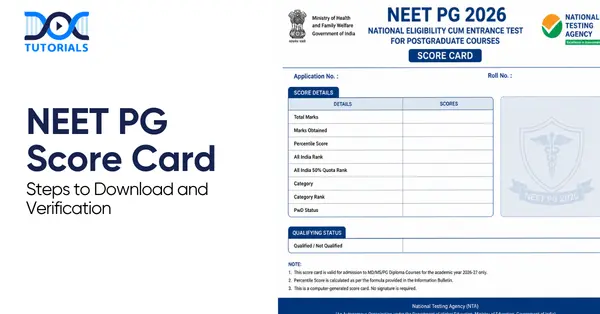
NEET PG Score Card 2026: How to Download, Verify Details and Use it for Counselling

Neet pg score card

Medical graduates who want to pursue the MD, MS, or PG Diploma course in India need to have a qualified NEET PG score card. The NBEMS (National Board of Medical Sciences) conduct the NEET PG exam, which determines the candidate’s eligibility for PG medical admission across government, private, and other reputed universities.

Several MBBS graduates appear for the NEET PG examination every year, and after the result is out, they need to download the NEET PG score board to proceed with counselling, document verification, admission, and further reference.

What are the Steps to Download NEET PG Score Card?

Candidates can download the NEET PG score card from the official website of NBEMS. They need to click on the “NEET PG” option and select the link of score card under the application login. Log in with your ID and password and click on the “Download Score Card” option.

The NEET PG score card is a crucial and mandatory document required for the physical verification and counselling procedure. It includes the detailed metrics of the candidate’s performance and rank as per their category. Here are the steps for the NEET PG score card download:

Step 1: Log in to the official website of NBEMS at nbe.edu.in.

Step 2: Click on the “NEET PG” option on the homepage

Step 3: Select the link for “NEET PG 2026 Score Card” under the section for application login.

Step 4: Fill in the user ID and password that were generated during the registration procedure.

Step 5: After logging in, select the “Download Score Card” option on the dashboard.

Step 6: After downloading the PDF, verify if your photograph and signature are clearly visible on it.

Step 7: Print a minimum of three copies of the score card for counselling, submission to the university, and personal records.

Note: In case of any technical issues while downloading the NEET PG score card, contact 011-45593000, NBEMS candidate helpline. Before calling, keep your admit card handy as you need to verify your roll number. 

What is a NEET PG Score Card?

Issued by the NBEMS, the NEET PG score card is an essential document for the candidates who qualified the exam, reflecting their detailed score and performance. It includes details of the candidates, their roll number, NEET PG score, category-wise percentage, All India rank, qualification status, etc.

The NEET PG score card is a crucial document for the candidates appearing for PG courses. It is issued by the NBEMS to reflect the performance of a candidate in the NEET PG exam. It includes information regarding the candidate’s roll number, score, All India rank, qualification status, and category-wise percentage.

It is mandatory to download this score card for every candidate willing to participate in AIQ (All India Quota) counselling, state counselling, as well as admission in any reputed private institute.

What are the Details Mentioned on the NEET PG Score Card?

Candidates should verify all the details available in their NEET PG score card to avoid any last-minute hassles. The card includes details such as the candidate’s name, roll number, application ID, category, All India Rank, NEET PG score of the candidate, percentage, examination session, and qualifying status.

After downloading the NEET PG score card, you should verify all the information mentioned on it carefully to avoid any further issues. Here are the details that are mentioned on the score card:

  • Name of the candidate
  • Roll number of the candidate
  • Category of the candidate (SC/ST/OBC/UR/EWS)
  • Application ID
  • All India Rank
  • Candidate’s NEET PG score out of 800
  • Score in percentage
  • Examination session
  • Qualifying status

Note: If you find any issues, you should report them immediately to NBEMS.

What are the Documents Required for Verification Post Result?

Candidates need to provide documents such as the NEET PG score card, MBBS degree certificate or provisional certificate, internship certificate, permanent or provisional registration, caste certificate, etc. to seek admission after qualifying the NEET PG 2026 exam.

If a candidate is allotted a seat for a PG course based on their rank in NEET PG 2026, they must provide the original documents as requested by the medical college. If you fail to provide any of the following documents, your admission may be immediately cancelled:   

  • NEET PG score board and admit card
  • Provisional certificate or MBBS degree certificate
  • Certificate of internship completion (it should be completed within the cutoff date, which is generally within June or July)
  • MBBS professional marks the cards of all the years
  • Provisional or permanent registration certificate as issued by the MCI, NMC, or State Medical Council
  •  Valid photo ID, which includes PAN card, Aadhaar card, or passport
  • Higher secondary certificate to prove date of birth
  • Caste certificate for SC/ST/OBC/EWS as per the Central Government prescribed format

How to Use the NEET PG Score Card for Counselling?

You can use the NEET PG score card for counselling in a few easy steps. Download and verify your NEET PG scorecard, checking for errors and whether your score meets category cutoffs. Compare your rank with past opening/closing ranks to shortlist colleges and specialities. Gather original and photocopied documents (admit card, MBBS degree, internship, registration, ID, photos, category/PwD certificates). Enter, prioritise, and lock choices before the deadline, then attend counselling and document verification; participate in further rounds if needed.

The NEET PG score card is necessary for the counselling procedure. Here are the steps for using this card for the counselling procedure:

Step 1: Download the Score Card and Verify

As already mentioned earlier, you need to download your NEET PG score card and verify all the details mentioned in it. Check whether your score meets the cutoff marks set by NBE for your category. In case of any errors, reach out to NBE support for correction.

Step 2: Understand the Cutoff Marks 

There is a cutoff rank for each seat and speciality. Examine your position in relation to the cutoffs for your category and desired specialism from previous years. Select your college and area of expertise based on your rank and the cutoff. Examine the opening and closing rankings for the colleges and specialisations you are interested in from the previous year.

Step 3: Prepare Your Documents

Collect original as well as photocopies of all required documents before counselling begins. Essential items include the NEET PG admit card and scorecard, MBBS degree or provisional certificate, internship completion certificate, permanent or provisional medical registration, a valid government photo ID, caste/category/PwD certificates (if applicable), and passport-size photographs. Having everything organised and readily available speeds up verification and avoids last-minute issues.

Step 4: Fill and Lock Your Choices

Research colleges and specialities thoroughly and prioritise your options into three groups: dream colleges, realistic second choices, and safe backups. Enter your preferences on the counselling portal and lock them before the deadline; timely submission prevents automatic selection of undesired options. 

Attend counselling and document verification when called—seat allocation depends on rank, preferences, and category. If you don’t get a preferred seat in the first round, you can participate in subsequent rounds (round 2, mop-up) to improve your allocation.

FAQs about the NEET PG Score Card

  1. When will the NEET PG scorecard be released?

A few days following the announcement of the NEET PG results, the score card is often made available. The score card download link is activated after NBEMS announces the outcome. For updates, candidates should visit the official website on a regular basis. Candidates should download and preserve the score card as quickly as possible because it is only available for a short time after it is released.

  1. Where can I get my score card for NEET PG?

Only the National Board of Examinations in Medical Sciences’ (NBEMS) official website allows candidates to download their NEET PG score card. The application number and password can be used to access the score card via the candidate login page.

  1. Is the NEET PG score card necessary for counselling?

Indeed, all forms of counselling, including All India Quota (AIQ), state quota counselling, and private or deemed university admissions, require the NEET PG score card. During online registration and in-person document verification, candidates are required to upload or show the score card. Candidates cannot confirm their acceptance to MD/MS programs or take part in counselling without the score card.

  1. How long is the NEET PG 2026 scorecard valid?

The scorecard is only valid for the academic year 2026–2027. Each year’s score card remains valid for that particular session.

  1. What is the qualifying percentile for candidates in the general category?

The qualifying percentage for general category candidates is higher than that for SC/ST. General category candidates should score a minimum of 50% to qualify.

Conclusion

The NEET PG score card is a crucial requirement for admission to colleges and universities for postgraduate medical courses. However, candidates should score good marks to secure admission to reputed colleges. It is essential to get good coaching for that, and DocTutorials serves as a professional guide in this regard.

Our course includes video lectures, Quick Revision Programs, detailed study materials, and other assistance to ensure efficient guidance through reputed faculties. Join our NEET PG course today! 

NEET PG Online Live Power Pack
DocTutorials App Download Now

Latest Blogs

INI-CET Final Registration 2026: Last-Date Checklist, Allowed Corrections and Common Errors

INI CET Final registeration

The information bulletin for the upcoming INI-CET 2026 exam will be released by the All India Institute of Medical Sciences on its official website. The INI-CET final registration date, correction window, admit card release, etc., all the important dates will be mentioned in the information brochure. 

After registration, the candidates will get a 3-4-day correction window to rectify the errors in their application form. They can make changes in the application details other than their personal information. The tentative date for the upcoming INI-CET exam is 8th November 2026.

Keep reading to understand the registration procedure in detail, know the important registration dates, the correction procedure, and common errors that can be corrected.

What are the Steps for INI-CET 206 Registration?

INI-CET candidates need to complete their registration by visiting the official website and submitting their personal details. They need to scan and upload documents like signatures, photographs, etc., as per the examination authority’s specifications. After that, the need to generate the EUC and complete the application procedure by paying the fees and selecting the exam centre.

Candidates applying for INI-CET examinations in 2026 must have a complete understanding of the registration procedure. Here are the steps to follow to apply for the examination:

Step 1: INI-CET 2026 Registration

Visit the official website of INI-CET 2026 and fill out the registration form with your personal details such as name, address, date of birth, mobile number, and email ID. Submit these details and follow the instructions to complete the registration procedure. 

Step 2: Upload the Necessary Documents

Next, you need to scan and upload all your necessary documents. This includes your signature, photograph, left thumb impression, and passport-size photograph. Make sure the format and dimensions of all these documents match the specifications as set by the examination authorities.

Step 3: Generate EUC (Examination Unique Code)

After the registration is completed, candidates need to generate their unique code using the login portal. This will help them proceed with the INI-CET final registration. Candidates need to generate EUC for each session of the exam, as the previous codes are not reusable.

Step 4: Complete Application Form and Payment 

Enter all your necessary details, such as medical registration, qualification, internship, etc. and pay the application fees. If you are a General/OBC/Foreign Nationals/OCI applicant, you need to pay ₹4,000, and for SC/ST/EWS, the application fee is ₹3,200. 

Note: PwBD (People with Benchmark Disabilities) candidates do not have to pay any application fee.

Step 5: Select the Exam Centre for INI-CET 2026 Exam

Next, you need to select the exam centre as per your preference from the available list of centres. The official information bulletin released on the AIIMS website includes the list of exam centres.

Step 6: Take a Printout of the Confirmation Page

After submitting the form successfully, you can take its printout for future reference.

What are the Important Registration Dates for INI-CET 2026?

The application window for INI-CET starts on 28 Mar-25 Apr 2026, image correction from 30 Apr-2 May, and final registration or admit upload on 9 May. The exam was on 16 May, and the last date for sponsored/foreign applications and uploading of certificates was 15 May. Results were expected on 23 May; courses commence 1 Jul; admissions close 31 Aug 2026.

The table below provides all the information regarding the dates of INI-CET final registration, last date, correction window, and examination date:

EventsDates
Prospectus Part-A & Part-B and eligibility criteria 28.03.2026
Notice regarding the seat position of sponsored/foreign national category 28.03.2026
Online Registration date for the application28.03.2026 to 25.04.2026 (by 5:00 PM)
Checking registration status and the last date of image correction or incorrect registration details30.04.2026 to 02.05.2026 (by 5:00 PM)
INI-CET final registration status and admit card upload on the AIIMS website09.05.2026
Examination date16.05.2026
Uploading a valid certificate or card28.03.2026 to 25.04.2026 (by 5:00 PM)
The deadline for foreign nationals to apply and take the INI-CET for postgraduate courses is when the application form must be properly recommended and sent with a “No Objection Certificate” from the Ministry of Health & Family Welfare, Government of India.15.05.2026 (by 05:00 PM)
Last date of uploading the scanned copy of the Sponsored Certificate in the completed Application form15.05.2026 (by 05:00 PM)
Expected date of declaration of INI-CET Result23.05.2026
The course starts from01.07.2026
Last date of admission 31.08.2026

What is the Last-minute Checklist for INI-CET 2026?

After the INI-CET final registration and admit card download, you need to prepare a last-minute checklist to avoid the hassles on the examination day. This includes verification of all the details on the admit card, carrying the admit card and valid ID proof on the exam day, avoiding prohibited items, wearing appropriate clothes and reaching the exam centre ahead of reporting time.

Here are some of the things that you must keep in mind at the last minute to avoid any type of issues during the examination:

  • Check all the details of your admit card carefully, including your name, signature, photo, exam date and time, and address of the centre.
  • Keep all the necessary items, such as valid ID, admit card, passport-size photo, simple stationery that are allowed in the guidelines, and a transparent water bottle.
  • Check whether your ID proof is valid and matches your name provided on the admit card.
  • Have a proper sleep on the day before the exam, have a light but healthy meal, and reach the examination centre before the mentioned reporting time to ensure a stress-free examination.
  • Dress in comfortable but appropriate apparel that matches the guidelines of the dress code provided by the examination centre.
  • Stay calm and keep a positive mindset during the exam.

How to Make Corrections in Your Application Form after Registration?

Candidates appearing for the INI-CET examination need to visit the official website of AIIMS to make corrections in their application form. You need to log in to the session for which you are appearing and enter your registration ID and password. Next, select the correction link and make the necessary changes to the form. Enter your security PIN after correction and save the changes by clicking “preview and submit”. Consider taking a printout of the final form for future reference. 

The steps below will help registered candidates rectify the details in their application form in case of any mistakes through the INI-CET 2026 correction window:

Step 1: Log in to the official website of aiimsexams.ac.in

Step 2: Select the login link of the AIIMS INI-CET session you are appearing for

Step 3: Enter your registration ID, EUC, and password in the required spaces

Step 4: Click on the correction link for your specific INI-CET session

Step 5: Now, your application form will appear, and you can edit or modify the information as per your requirements

Step 6: Candidates can use the “back button” to make necessary corrections

Step 7: After the corrections are done, candidates need to enter their security PIN.

Step 8: Next, save the changes you have made on the application form by clicking on “preview and submit”

Step 9: In case of a change in category, you may need to pay an additional fee

Step 10: After all the changes are made, click on “final submit” to receive an OTP on your registered mobile number or email ID

Step 11: Lastly, take the printout of the rectified application to avoid any future hassles

Which Details are Editable through the INI-CET Correction Window?

Not all information can be edited or changed through the correction window. An Aadhaar-verified INI-CET aspirant can utilise the correction window to make changes in their category, sub-category, city name, parent’s name, qualifications, etc.

Here are the details that you can edit or modify in your INI-CET application form, using the correction window:

  • Parent’s name
  • Category
  • City name
  • Sub-category
  • Qualification
  • Medium
  • Year of passing out
  • Any rectification of the documents uploaded

Note: All of these corrections are allowed only for Aadhaar-verified aspirants.

FAQs about INI-CET Final Registration

  1. Can I re-register with my previous AIIMS account?

Yes, according to AIIMS, you do not need to re-register if your basic registration was already approved for a prior AIIMS postgraduate test.

  1. Where can I check for the most recent information?

You can check the latest information about INI CET registration only on the official AIIMS website. This is because the organisation claims that changes, corrigenda, and notices are posted there.

  1. Do PwBD not have to pay the registration fee?

PwBD applicants are those with benchmark disabilities. As per the norms, those candidates are listed as exempt from the examination fee in the official prospectus. 

  1. Is it possible to switch my category after paying the application fee?

No, according to AIIMS, changing your category after paying the registration fee is prohibited. As you have already paid the fees for a category, changing it could attract additional charges.

  1. What is the INI-CET 2026–2027 reporting period and entry deadline?

Candidates should reach the examination hall at least sixty to ninety minutes before the specified time. After the gate closing time shown on the admit card, entry may be denied.

Conclusion

After the INI-CET final registration, candidates can make necessary changes to their application form using the correction window. In addition to making the changes and strictly following the application method, candidates should also prepare for the examination to ensure success on the first attempt.

Professional guidance like DocTutorials can help aspirants prepare for the exam efficiently. We provide video lectures, Quick Learning Programs, study materials, and other supporting assistance to guide every candidate professionally for their INI-CET exam.

Join our INI-CET online coaching for more information!

NEET PG Online Live Power Pack
DocTutorials App Download Now

Latest Blogs

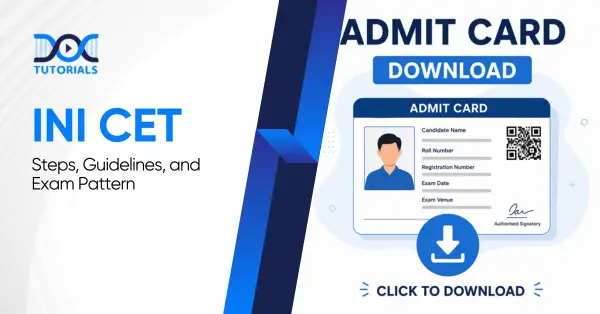
CET Admit Card Download 2026: Step-By-Step Guide for NEET PG and INI-CET Hall Tickets

INI-CET Admit Card Download

The admit card for the INI-CET exam 2026 July session has been released by the AIIMS (All India Institute of Medical Sciences). Candidates appearing for this entrance examination can download their hall tickets from the official AIIMS website by providing their registration details.

The admit card for the CET exam includes important details regarding the exam date, exam centre, address, reporting time, and the candidate’s information. Applicants should verify the details on the admit card and carry a copy of it to the exam centre.

Keep reading to learn more about the procedure for CET admit card download, details mentioned in the admit card, exam pattern, and more!

What are the Steps for INI-CET Admit Card Download?

Candidates can download the INI-CET admit card from the official AIIMS examination website. You need to log in with your registration ID and password, and enter the CAPTCHA code provided to view your admit card. From this page, you can download and print the CET admit card.

Here is the stepwise procedure for CET admit card download to help candidates get their hall tickets:

Step 1: Log in to the official website of the AIIMS examination

Step 2: Locate the “Academic Courses” section and click on it

Step 3: Click on “INI-CET July 2026”

Step 4: Now select the Login link for the Admit Card

Step 5: Enter your registration ID, password, and the CAPTCHA code and click on the Login option

Step 6: Your admit card for INI-CET will appear on the screen, and you can download the PDF or take a printout

What Details are Mentioned in INI-CET Admit Card?

After downloading the hall ticket, every candidate should check all the details it contains. Usually, the admit card includes the candidate’s name, application number, roll number, exam date, reporting time, address of the exam centre, etc. In case any mistake is detected, the candidate can contact the authorities of AIIMS to rectify it.

Candidates need to verify all the details after the INI-CET admit card download. If the admit card contains any incorrect information, the candidate can contact the AIIMS authorities to make the correction. Here are the details that a CET admit card usually includes:

  • Roll number of the candidate
  • Name of the candidate
  • Application number
  • Photograph and signature of the candidate
  • Date of examination
  • Address of the exam centre
  • Reporting time
  • Category
  • Other important instructions

What is the Exam Pattern for INI-CET 2026?

The INI-CET exam is a computer-based test that includes 200 multiple-choice questions (MCQs). It lasts 3 hours, and the exam is divided into 4 parts. Each part includes 50 questions, and the time allotted for each section is 45 minutes. For each correct answer, the candidate will get 1 mark, and -1/3 mark for each wrong answer. There is no negative marking for unanswered questions.

Take a look at the pattern of the INI-CET exam of July 2026:

ParticularsDetails
Mode of ExamCBT (Computer-Based Test)
Duration of Exam3 Hours
Question TypeMCQs (Multiple Choice Questions)
Total Number of Questions200 Questions
Marks for Each Answer+1 for Each Correct Answer
Negative Marking-1/3 marks for Wrong Answer
Total Sections
Total Number of Questions in Each Section50 Questions
Time Allotted for Each Part45 Minutes
Qualifying Marks for UR/EWS/OCI/Sponsored/Foreign Nationals50% Marks
Qualifying Marks for OBC/SC/ST/PwBD45% Marks

What are the Common Issues Faced by Candidates While Downloading the Admit Card?

Candidates usually try to download the admit card as soon as the link gets activated. This leads to technical issues such as internet connectivity issues due to heavy traffic, incorrect login details, and trouble logging in to the candidate portal. As a lot of candidates try to log in, technical issues arise during the first few hours. 

Here are some of the issues that candidates may face while downloading the admit card:

  • Heavy traffic is making the website slow
  • Forgetting the registration ID or password
  • Entering incorrect login details while signing in
  • Delay or interruption in loading the admit card page
  • Facing trouble while logging into the candidate’s portal
  • Interruption in the download procedure due to internet issues
  • Facing server issues while opening the dashboard
  • Missing details or unclear print while downloading the admit card

What are the Important Instructions Provided in the INI-CET Admit Card for the July Session?

After INI-CET admit card download, you should check the important instructions provided in it. Every candidate should strictly follow the guidelines, carry valid ID proof and a printed copy of the admit card. They should arrive at the examination centre before the reporting time and avoid carrying any items listed in the prohibited items list.

If you are appearing for INI-CET in the July session, make sure you check the guidelines provided on the admit card. Consider preparing documents in advance and following all instructions so you don’t face any issues on examination day. 

Here are some of the crucial instructions mentioned in the admit card for INI-CET:

  • Keep a valid ID proof and a printed copy of the INI-CET admit card while going to the examination centre.
  • Prohibited items like calculators, gadgets, or mobile phones should not be carried while going to the examination centre.
  • Make sure you reach the examination centre ahead of the reporting time.
  • All candidates should follow each of the guidelines mentioned in the CET admit card.

Note: Issuance of the admit card does not confirm your final eligibility for the exam.

Which Things Should a Candidate Carry and Avoid While Going to the Exam Centre?

Candidates should check the lists of items to carry and not to carry while reaching the exam centre. They should strictly carry a printed copy of the admit card, a passport-size photograph, and ID proof like a passport, PAN card, Aadhaar card, driving license, voter ID, etc. Prohibited items include smart watches, mobile phones, Bluetooth devices, electronic gadgets, etc.

Here is the list of items that a candidate must carry while going to the examination centre:

Valid ID proof, which may include any of the following:

  • PAN card
  • Aadhaar card
  • Driving license
  • Passport
  • Voter ID

A printed copy of the admit card

Passport-size photograph if necessary

Note: No candidates will be allowed to enter the examination hall without the admit card and valid ID proof.

Here is the list of items that are strictly prohibited in the examination hall:

  • Smart watches
  • Bluetooth devices
  • Mobile phones
  • Electronic gadgets
  • Notes or any type of paper

What are the Upcoming Dates and Schedules of the INI-CET Exam?

The upcoming exam dates for the INI-CET exam may fall between September 2026 and November 2026. Though the exact dates have not been released yet, as per the tentative dates, the application will start in September, and corrections to the application and dates will be conducted in October. Candidates may be able to download the admit card between October and November, and the exam will take place in November.

The table below represents the upcoming dates of the INI-CET exam schedule:

Upcoming EventsDates
Application for INI-CET November 2026September – October 2026
Application correction dates for INI-CET November 2026October 2026
INI-CET November admit card release dateOctober – November 2026
INI CET 2026 November exam dateNovember 2026
Answer key release date for INI CET 2026 November November 2026

Note: These are tentative dates; the actual dates are not yet released.

FAQs about INI-CET Admit Card Download

  1. Where is the INI CET admit card available for download?

Candidates can download their INI CET admit card from the official AIIMS website. They need to click on the “Academic Courses” option and click on the admit download link to  receive their hall pass.

  1. Can I receive the admit card by post?

No, the admit card is only made available online by AIIMS. Candidates must download it from the official website by logging in with their registration ID and password.

  1. What information is needed to download the admit card?

To download the admit card from the AIIMS examination website, candidates need to enter their login credentials.  This includes their registration ID and password.

  1. What should I do if the admit card has an error?

In case of any inaccurate information on the hall pass, you should report it right away using the AIIMS candidate site or the help section. Incorrect information on the admit card can lead to hassles on the examination day. So, make sure to report them beforehand.

Conclusion

Candidates appearing for the exam must download their INI-CET admit card on time to avoid any issues during the exam. Besides, they should follow the guidelines provided in the admit card strictly and avoid carrying the prohibited items while going to the examination centre to ensure a smooth examination procedure.

If you are appearing for the INI-CET exam, make sure you are well-prepared before heading for the exam. Get the required study materials and professional coaching to succeed on the first attempt. DocTutorials play a crucial role in this regard, providing Quick Revision Programs, video lectures, high-yield study materials and much more that help in your success.

For more information about our course, join our INI-CET online coaching!

NEET PG Online Live Power Pack
DocTutorials App Download Now

Latest Blogs

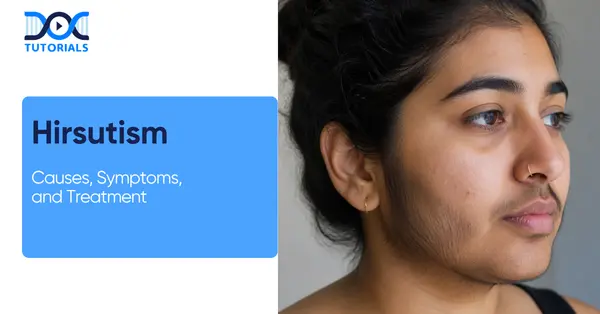
Hirsutism: Causes, Symptoms, Diagnosis, and Treatment

Hirsutism

Hirsutism is characterised by the growth of coarse, terminal hair in females in a distribution pattern typically seen in males. It affects about 5-10% of women and is a frequent presenting complaint for cosmetic reasons in dermatology outpatient departments. Its importance lies in its physical presentation and the need for a systematic approach to its management.

For clinicians and NEET PG aspirants, a clear grasp of the endocrine basis, evaluation framework, and management options for hirsutism is essential. Keep reading to know more about the key mechanisms, diagnostic approach, and evidence-based hirsutism treatment.

What is Hirsutism?

Hirsutism is when women develop thick, dark hair in areas like the face, lower abdomen, or inner thighs, where hair is usually minimal. It usually happens due to higher levels of male hormones, especially testosterone.

Hirsutism refers to the presence of thick, dark, coarse hair in women in areas where hair growth is typically minimal or absent. This includes the face, lower stomach and the inner thighs. Extra hair growth is often caused by excess male hormones called androgens. The main androgen involved is testosterone.

Hirsutism is to be distinguished from hypertrichosis, which is a separate condition of generalised excess hair growth that is not androgen-dependent and not limited to male-pattern distribution. Hirsutism, in contrast, is distributed in certain androgen-sensitive areas and has diagnostic implications for hormonal excess.

Although many conditions can lead to hirsutism, polycystic ovary syndrome and idiopathic hyperandrogenism account for more than 85% of cases. This distribution is directly relevant to clinical practice and exam preparation, as it informs both the diagnostic approach and the likelihood of finding a treatable underlying cause.

What are The Types of Hirsutism?

Hirsutism is classified according to its underlying origin. Identifying the correct type is an essential first step in directing both the diagnostic workup and the hirsutism treatment plan. Broadly, the condition falls into 2 principal categories:

  • Androgen-dependent
  • Androgen-independent

The following are the types of Hirsutism:

  1. Idiopathic Hirsutism: Occurs in women with regular menses, normal ovarian morphology, and normal androgen levels. It is a diagnosis of exclusion, thought to arise from increased follicular sensitivity or elevated 5-alpha-reductase activity within the skin.
  2. PCOS-Related Hirsutism: The most prevalent type, accounting for over 70% of cases. It is driven by chronic hyperandrogenism, anovulation, and insulin resistance working in combination.
  3. Adrenal Hirsutism: Arises from adrenal disorders such as congenital adrenal hyperplasia or Cushing syndrome, where excess adrenal androgen production stimulates terminal hair growth.
  4. Tumour-Induced Hirsutism: The rarest but most serious type, caused by androgen-secreting ovarian or adrenal tumours. It is characterised by a rapid onset and frequent signs of virilisation.
  5. Drug-Induced Hirsutism: Results from exogenous androgenic compounds and is typically reversible upon withdrawal of the offending medication.

What are the Causes of Hirsutism?

Hirsutism can have different causes, mainly related to hormones or sometimes other factors. The most common type is linked to conditions like polycystic ovary syndrome, while others may be due to adrenal issues, medications, or rarely, tumours. Knowing these causes helps doctors choose the right treatment.

Hirsutism develops when there is excess androgen present in the body, or when hair follicles are sensitive to normal androgens. Both ovaries and adrenal glands produce androgens in females. 

When production exceeds normal physiological levels or when the skin’s androgen receptors respond with disproportionate sensitivity, terminal hair growth is stimulated in male-patterned areas. The most common underlying hirsutism causes are:

  • Polycystic Ovary Syndrome (PCOS): The most common underlying cause is Polycystic Ovary Syndrome (PCOS), which accounts for the majority of cases.

In PCOS, hormonal imbalance leads to increased levels of free testosterone along with reduced sex hormone-binding globulin (SHBG), making more active androgen available in the body.

  • Idiopathic Hirsutism: Idiopathic hirsutism occurs despite normal androgen levels, due to increased peripheral 5-alpha-reductase activity or increased follicular androgen sensitivity.
  • Congenital Adrenal Hyperplasia (CAH): Less commonly, hirsutism may result from this condition. It is an inherited disorder affecting adrenal hormone production.
  • Cushing Syndrome: In this condition, excess cortisol is often accompanied by elevated androgen levels. This causes hirsutism.
  • Androgen-Secreting Tumours: In rare instances, androgen-secreting tumours of the ovaries or adrenal glands can directly increase androgen levels in the bloodstream, leading to hirsutism symptoms.
  • Medications: Certain medications can also contribute to hirsutism. Drugs such as danazol, minoxidil, anabolic steroids, and external testosterone are known to influence androgen activity and may trigger excessive hair growth.
  • Other Endocrine Disorders: Hyperprolactinaemia, hypothyroidism, hyperthyroidism, and acromegaly are uncommon but documented causes of isolated hirsutism.

What are the Risk Factors of Hirsutism?

Certain factors can increase the chance of developing hirsutism, such as a family history of hormonal conditions, being overweight, or having insulin resistance. It is also more commonly seen in women of certain ethnic backgrounds and can sometimes be triggered by certain medications.

Listed below are a few patient-specific factors that increase the likelihood of developing hirsutism:

  • Family History: Conditions such as PCOS and CAH have a heritable component, and a positive family history significantly raises clinical suspicion.
  • Ethnicity: Women of Mediterranean, Middle Eastern, and South Asian descent are more likely than other women to have extra body hair for no clear cause. This variation reflects differences in androgen sensitivity rather than androgen levels per se.
  • Obesity: Excess adipose tissue contributes to elevated androgen production and reduced sex hormone-binding globulin (SHBG) levels, resulting in higher concentrations of biologically active free testosterone in the circulation.
  • Insulin Resistance: Hyperinsulinaemia affects more than one-half of women with PCOS, triggering an increase in gonadotropin-releasing hormone pulse frequency, which subsequently increases production of ovarian and adrenal androgens whilst reducing hepatic SHBG production.
  • Prolonged Use of Certain Medications: Androgenic compounds, anabolic steroids, and drugs such as danazol and minoxidil represent a direct pharmacological cause that must be considered during clinical evaluation.

What are the Symptoms of Hirsutism?

Hirsutism causes slow, excessive growth of thick, dark hair in women on areas like the face, chest, and abdomen. In some cases, it may be accompanied by acne, irregular periods, or more severe signs like voice deepening.

Hirsutism refers to the abnormal growth of coarse hair in women on areas of the body where men normally develop terminal hair. The condition usually develops slowly, and it varies from one woman to another, depending first on how much androgen there is and second on how sensitive her hair follicles are to it.

The chin, upper lip, sideburns, chest, back and abdomen are common sites. Clinically observed key hirsutism symptoms are:

  • Facial Hair Growth: Coarse, dark hair appearing on the upper lip, chin, cheeks, and sideburns, often the earliest and most distressing feature for patients.
  • Body Hair Growth: Excess hair on the chest, abdomen, lower back, inner thighs, and buttocks in a distinctly male-pattern distribution.
  • Signs of Virilisation: In more advanced cases, hirsutism may be accompanied by voice deepening, male-patterned scalp hair loss, acne, reduced breast size, increased muscle mass, and clitoral enlargement.
  • Menstrual Irregularities: Particularly in PCOS-related hirsutism, irregular or absent menstrual cycles frequently accompany excess hair growth.
  • Rapid Onset: Women with a rapid onset of hirsutism over a few months or signs of virilisation are at high risk of having an androgen-secreting tumour and require urgent evaluation.

The psychological effects of hirsutism are usually downplayed. Many women experience emotional distress caused by the condition, resulting in reduced self-esteem, public participation, and overall quality of life.

Because of this, the patient’s emotional experience also needs to be cared for with as much care and thoroughness as the physical. That’s why hirsutism self-care and emotional well-being support are really necessary for these patients.

How is Hirsutism Diagnosed?

Hirsutism is diagnosed by learning your symptoms, checking your medical history, and doing a physical exam. Doctors may also use blood tests and scans to find the underlying cause, such as a hormonal imbalance.

The diagnosis of hirsutism requires a systematic and structured approach. The process starts with an extensive clinical examination and is followed by specific lab and imaging tests.

The most important diagnostic goal is to identify or exclude whether there is a significant underlying disorder, most notably androgen-secreting tumours, PCOS, CAH and Cushing syndrome.

The following are the diagnosis processes:

  • Clinical History: The first step is a thorough clinical history, ideally covering the timing and rate of hair growth, menstruation (regular/irregular), reproductive health, medication use, and family history of androgen-related disorders.
  • Ferriman-Gallwey Scoring: Ferriman-Gallwey scoring is a common diagnostic method for hirsutism within 9 body areas considered sensitive to androgens. Scores of 15 and higher indicate mild hirsutism, and scores greater than 25 indicate severe hirsutism.
  • Physical Examination: A thorough abdominal and pelvic examination is performed to exclude palpable masses. Acanthosis nigricans, a recognised marker of insulin resistance, should also be noted during examination.
  • Hormonal Blood Tests: Screening for levels of serum testosterone and 17-alpha-hydroxyprogesterone is sufficient in most cases. Women with irregular menses and hirsutism should be screened for thyroid dysfunction and prolactin disorders.
  • Specialised Endocrine Tests: According to the clinical findings, one may add a short dexamethasone suppression test for Cushing syndrome, an ACTH (Adrenocorticotropic Hormone Stimulation Test) stimulation test, or a carbohydrate tolerance test for insulin resistance syndrome.
  • Imaging Studies: If an androgen-secreting tumour is suspected, abdominal or pelvic ultrasound or a CT (computed tomography) scan may be employed. Pelvic ultrasound is also the primary imaging modality for confirming polycystic ovarian morphology.

What are the Treatment Options for Hirsutism?

Hirsutism is treated using a combination of medications and cosmetic methods. Medicines help reduce hormone levels, while options like laser hair removal or creams help manage visible hair. Lifestyle changes, especially weight management in some cases, can also improve symptoms over time.

Hirsutism treatment is generally classified as pharmacological and non-pharmacological, and both are often used in combination. Below are the treatment options for hirsutism:

1. Pharmacological Treatment

  • Combined Oral Contraceptives: Treatment of non-tumoral hirsutism includes oral contraception. It works by inhibiting the hypothalamic-pituitary axis through its progestogen component.

This reduces ovarian androgen production. The oestrogen component increases sex hormone-binding globulin. This dual action decreases both the production and the biological activity of circulating androgens.

  • Anti-Androgens: Anti-androgen therapy is often used when oral contraceptives alone are not enough. The most common anti-androgen for treating hirsutism is spironolactone.

The results are modest and can take at least six months to appear. Side effects may include irregular periods, and the hirsutism medication can also lead to birth defects. Therefore, they are prescribed along with contraception for women of reproductive age.

Flutamide is another hirsutism treatment option, but it is expensive and can potentially cause liver damage. Cyproterone acetate has strong progestogenic and anti-androgen effects. It decreases circulating testosterone and androstenedione levels by lowering luteinising hormone levels.

  • 5-Alpha Reductase Inhibitors: Finasteride is used to treat hirsutism and is preferred because it lacks oestrogenic or progestogenic activity. However, it is not recommended for women of childbearing age as there is a risk of ambiguous genitalia in the fetus.
  • Insulin-Sensitising Agents: In women with PCOS-related hirsutism and concurrent insulin resistance, metformin therapy and weight loss are typically recommended, as they can decrease serum testosterone levels and improve ovulation rates.
  • Topical Agents: Fine hair growth can be inhibited with twice-daily topical eflornithine. This agent works by inhibiting an enzyme required for hair follicle cell proliferation and is particularly useful for facial hirsutism.
  • Low-Dose Corticosteroids: Adrenal hyperandrogenism is slowed by low-dose corticosteroids, possibly in association with the treatments mentioned above. This approach is specifically relevant in cases of CAH-related hirsutism, where suppressing excess adrenal androgen production is the therapeutic goal.

2. Non-Pharmacological Treatment

The following cosmetic and procedural approaches are an important adjunct to pharmacological management, particularly given the delay in visible response to drug therapy:

  • Laser Hair Removal (Photoepilation): Photoepilation destroys pigmented terminal hair follicles via thermal damage from one of four laser types, depending on the patient’s hair colour and skin pigmentation.

Trials have shown hair reduction of 40% to 80%, depending on the type of laser used and the number of treatments provided. Despite its limitations, photoepilation is the preferred treatment for permanent hair removal, as it is up to 60 times faster than electrolysis.

  • Electrolysis: Electrolysis is less used now, except for coarse white hairs and also in cases of polycystic ovaries without insulin resistance. It remains, however, a reliable option for individuals in whom laser therapy is unsuitable due to hair or skin pigmentation.
  • Weight Management: In women with obesity-related hyperandrogenaemia, structured weight loss is an effective and evidence-based intervention.

Reduction in adipose tissue improves insulin sensitivity, lowers androgen levels, and increases SHBG, thereby reducing the degree of hirsutism independently of pharmacological treatment.

FAQs about Hirsutism

  1. Who does hirsutism affect?

This condition mostly affects women and people who were born female. While it can show up at any age, it’s most common during the years when people can have children. Especially around puberty, when hormone imbalances are more likely.

  1. How common is hirsutism? 

About 5 to 10% of women are affected by hirsutism. It’s actually a pretty common reason women visit a skin doctor: they’re concerned about how it looks. It’s also one of the most frequent hormone problems that doctors come across, no matter if they specialise in skin, women’s health, or hormones.

  1. Does hirsutism always mean PCOS?

No, not always. Even though PCOS is the reason for over 70% of cases, you can also get hirsutism from other things, like a certain type of adrenal problem that you’re born with, Cushing syndrome, tumours that produce male hormones, specific medications, or sometimes doctors just don’t know the exact cause.

  1. How can one reduce the risk of developing hirsutism?

Maintaining a healthy weight, managing insulin resistance, avoiding unnecessary androgenic medications, and seeking early medical review for menstrual irregularities are the most practical measures for reducing the risk of developing or worsening hirsutism.

  1. Do side effects of medication cause hirsutism?

Yes, they can. Some medications are known to cause extra hair growth. These include things like danazol, minoxidil, anabolic steroids, testosterone that’s given externally, and DHEA (dehydroepiandrosterone).

In most situations, if you stop taking the medicine that’s causing the extra hair, the hair growth usually reverses with a doctor’s guidance.

  1. Which tests does a patient need for hirsutism?

Initial tests typically include serum testosterone and 17-alpha-hydroxyprogesterone levels. Depending on clinical findings, additional tests may include thyroid function, prolactin, cortisol, a dexamethasone suppression test, pelvic ultrasound, or CT imaging to exclude tumours and other endocrine disorders.

  1. Does laser hair removal work for hirsutism?

Photoepilation has shown hair reduction of 40-80%, depending on the type of laser used and the number of treatments. It is the preferred method for long-term hair removal, though it works best on dark, coarse hair and requires multiple sessions.

  1. Can hirsutism go away on its own?

Hirsutism rarely resolves without intervention. When caused by a reversible factor such as medication or a temporary hormonal fluctuation, it may improve spontaneously.

In most cases, however, sustained management through pharmacological treatment, hair removal, or addressing the underlying cause is required for meaningful improvement.

Conclusion

Hirsutism is a potential marker of underlying endocrine pathology, including PCOS, congenital adrenal hyperplasia, Cushing syndrome and androgen-secreting tumours and warrants a thorough, structured approach to diagnosis rather than being relegated to a cosmetic issue.

Hirsutism treatment, whether pharmacological or procedural, should be individualised based on the hormonal profile, reproductive goals, and underlying aetiology. Hirsutism is a high-yield concept of Endocrinology, Gynaecology and Dermatology for NEET PG aspirants.

For additional guidance, DocTutorials can be your study companion. We offer crisp videos, clinical Qbank, exam-focused notes, flashcards, and mind maps. This helps ensure aspirants gain complete clarity over complex medical topics.

Join DocTutorials today and explore our NEET PG course to excel in your medical career!

NEET PG Online Live Power Pack
DocTutorials App Download Now

Latest Blogs

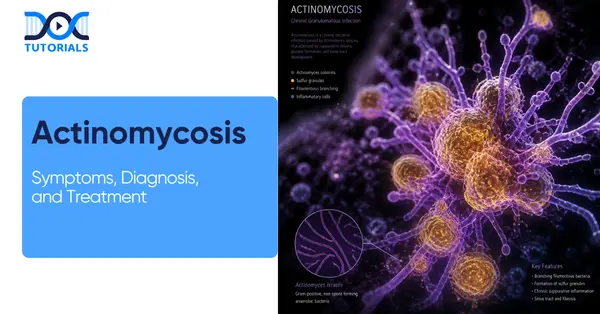
Actinomycosis: Causes, Symptoms, Diagnosis, and Treatment

Actinomycosis Symptoms

Actinomycosis is a condition in which the body develops a complex, coordinated immune response to a persistent infection or unexplained swelling. This condition demands a nuanced clinical understanding. It is a rare, chronic bacterial infection that often goes unrecognised in routine practice.

For those in the healthcare field or aspiring medical professionals, gaining a clear understanding of this disease is essential for delivering effective patient care and performing well on exams. Keep reading to know the causes, symptoms, diagnosis, and treatments of this condition.

What is Actinomycosis?

Actinomycosis is a bacterial infection that leads to painful abscesses and sometimes draining sinuses with yellowish discharge. It occurs when normally harmless bacteria enter deeper tissues following injury, leading to a persistent infection that can gradually spread if left untreated.

Actinomycosis is a subacute-to-chronic bacterial infection. It is mostly characterised by the formation of painful abscesses, tissue fibrosis, and draining sinus tracts that often discharge yellow “sulfur granules.”

It is a granulomatous disease and is caused by anaerobic or microaerophilic bacteria that normally reside harmlessly in the human mouth, digestive tract, and female reproductive system. When these bacteria breach the mucosal barrier, often due to trauma or surgery, they can trigger an invasive inflammatory process that spreads regardless of tissue planes.

Actinomycosis represents a failure to eliminate the bacterial threat to the human body. This leads to a long-term, destructive response that can last months or even years. Because the infection creates dense, “woody” masses of fibrous tissue, it often ignores anatomical boundaries, burrowing through muscle and bone to reach the skin’s surface.

What are the Causes of Actinomycosis?

Actinomycosis develops when Actinomyces bacteria enter deeper tissues through injury, dental work, or surgery. They grow in low-oxygen areas and can slowly cause an infection.

Actinomycosis is primarily caused by Actinomyces species, such as Actinomyces israelii, which transition from harmless commensals to pathogens when they invade deep tissues through mucosal breaks. The condition is further complicated by its polymicrobial nature.

Other organisms commonly associated with the infection include Aggregatibacter actinomycetemcomitans, Prevotella, Streptococcus, Enterobacteriaceae, Peptostreptococcus, and Staphylococcus.

This infection is fundamentally endogenous, occurring when the protective mucosal barriers of the mouth, respiratory system, or gastrointestinal tract are compromised. Actinomycosis involves the body’s own flora invading internal spaces.

These causes can be classified into several primary triggers:

  • Physical Trauma and Surgery: Common dental procedures, tooth extractions, jaw fractures, or abdominal surgeries provide a direct pathway for bacteria to bypass the mucosal lining.
  • Anaerobic Environments: Because Actinomyces are anaerobic, they thrive in low-oxygen niches often created by tissue necrosis or localised cell death caused by reduced blood supply.
  • Microbial Synergy: The presence of other co-infecting pathogenic microorganisms can facilitate the disease by consuming local oxygen. This creates the perfect opportunistic environment for Actinomyces to take root, forming dense fibrous masses that ignore standard anatomical boundaries.

What are the Risk Factors of Actinomycosis?

Actinomycosis is more likely in people with poor oral hygiene, those who have undergone dental surgery, or those who have sustained surgery or injury that breaks the body’s natural barriers. A weak immune system, long-term IUD use, smoking, or alcohol misuse can also increase the risk.

The typical risk factors for actinomycosis include poor oral hygiene, dental surgery, immunosuppression, and the long-term use of intrauterine devices (IUDs), which can facilitate bacterial invasion.

Actinomycosis is an opportunistic infection that exploits weaknesses in the body’s natural barriers. It is clinically characterised by its ability to mimic other diseases like malignancy or tuberculosis.

Below are some common risk factors associated with actinomycosis:

  • Poor Oral Hygiene and Dental Trauma: The most common form, cervicofacial actinomycosis, often follows tooth extractions, jaw fractures, or gingivitis.

An affected individual often has recently had dental work, poor oral hygiene, periodontal disease, radiation therapy, or trauma such as a broken jaw, causing local tissue damage.

  • Gastrointestinal Procedures: Appendicitis, perforated ulcers, or abdominal surgeries can release bacteria into the peritoneal cavity, leading to abdominal actinomycosis.
  • Intrauterine Devices (IUDs): Long-term use of IUDs is a recognised risk factor for pelvic actinomycosis, as the device can cause minor mucosal erosion where the bacteria can colonise.
  • Immunocompromised State: Those with a compromised immune system are at higher risk, as they are less able to fight off infections. Risk factors include HIV/AIDS (Human Immunodeficiency Virus/Acquired Immune Deficiency Syndrome), diabetes mellitus, malnutrition, and systemic immunosuppressive therapy.
  • Smoking and Alcohol Misuse: Reduction of alcohol abuse and improvement of dental hygiene may limit the occurrence of pulmonary, cervicofacial, and central nervous system actinomycosis.
  • Pulmonary Aspirations: Individuals with poor cough reflexes, often due to neurological conditions or alcohol use, may aspirate oral bacteria into their lungs, leading to thoracic actinomycosis.

What are the Symptoms of Actinomycosis?

Symptoms of actinomycosis depend on the area affected, but commonly include firm swelling, abscesses, and sometimes draining sinuses. People may also have pain, fever, cough, or abdominal or pelvic discomfort as the infection gradually spreads.

Actinomycosis presents in several distinct clinical forms, each with its own set of symptoms based on the organ system involved. The symptoms are rarely acute; instead, they are chronic 

and progressive.

The diseases and their symptoms are categorised based on their location:

  • Cervicofacial Actinomycosis (“Lumpy Jaw”): This accounts for about 50% of all cases. Symptoms include A slow-growing, non-tender, hard swelling that typically appears at the angle of the mandible (jawline).

Over time, the area becomes discoloured (red or purplish) and develops draining sinuses. While initially painless, it can become tender if secondary bacterial infections occur. Patients may have difficulty opening their mouths if the infection involves the masticatory muscles.

  • Thoracic Actinomycosis: This form results from inhaling bacteria from the mouth into the lungs. It often presents as a lung tumour or tuberculosis.

Patients report a productive cough, chest pain, and sometimes hemoptysis (coughing up blood). The infection can spread to the pleura, the chest wall, or even the ribs, creating visible abscesses on the chest wall.

  • Abdominal Actinomycosis: This usually follows a rupture in the intestinal tract. Patients often present with a palpable mass in the lower right quadrant of the abdomen (near the ileocecal region).

The pain is usually dull and constant, often accompanied by low-grade fever, weight loss, and changes in bowel habits. It is frequently mistaken for Crohn’s disease or a malignant tumour.

  • Pelvic Actinomycosis: Associated almost exclusively with IUD use. Vaginal discharge, pelvic pain, and abnormal uterine bleeding. If it spreads, it can form large masses in the pelvis that mimic ovarian cancer.

What is the Diagnosis of Actinomycosis?

Actinomycosis can be hard to diagnose because it looks like other diseases. Doctors usually confirm it with tests, scans, and examinations of samples from the affected area.

Diagnosis of actinomycosis is notoriously challenging. The diagnosis is frequently delayed because the clinical presentation can mimic other pathologies. They include malignancies, active Mycobacterium tuberculosis infection, nocardiosis, fungal infections, infarctions, or other granulomatous diseases.

Below are a few diagnosis methods for actinomycosis:

  • Clinical History: A thorough clinical history is the essential first step. The clinician should enquire about recent dental procedures, IUD use, surgical history, smoking, alcohol intake, and any history of immunosuppression.
  • Laboratory Investigations: Blood tests may reveal elevated white blood cell counts or other signs of infection. Cultures of pus or tissue samples can help identify the specific bacteria. However, cultural results must be interpreted with caution.

Gram staining of infected tissue or purulent material is more useful and sensitive than culture, as culture may be negative in 50% of cases. The negative rate is high due to previous antibiotic therapy, polymicrobial infection, failure to maintain an anaerobic environment during transportation and culture, or short-term incubation.

  • Histopathology: It is considered one of the most reliable diagnostic tools. The characteristic microscopic finding is necrosis of yellowish sulfur granules alongside filamentous gram-positive bacteria.
  • Imaging Studies: CT (computed tomography) or ultrasound often reveals mass lesions, and these are not infrequently mistaken for neoplasms. Hopkins Guides X-rays, CT scans, and MRI (magnetic resonance imaging) are all employed to assess the extent of disease, particularly in thoracic and abdominal forms.
  • Biopsy: Biopsy and aspiration are frequently required to obtain definitive material for examination. Culture performed through needle aspiration with incubation of a minimum of 14 days is recommended. Multiple biopsy specimens from different locations increase the likelihood of diagnosis.

What are the Treatment  Options for Actinomycosis?

Treatment of actinomycosis mainly involves long-term antibiotics, usually penicillin or similar drugs, taken for several months to clear the infection. In some cases, surgery may be needed to drain abscesses or remove infected tissue.

The cornerstone of actinomycosis treatment is high-dose, long-term antibiotic therapy, sometimes supplemented by surgical debridement. Because the infection is surrounded by dense, avascular fibrous tissue, antibiotics have difficulty reaching the bacteria.

Therefore, the treatment must be aggressive and sustained:

  • Antibiotic Therapy

Patients with actinomycosis require prolonged high-dose penicillin G or amoxicillin, typically over 6-12 months, though the duration of antimicrobial therapy may be reduced to 3 months in patients in whom optimal surgical resection of infected tissues has been performed.

The standard treatment protocol involves an initial phase of intravenous therapy followed by an oral step-down. High-dose intravenous penicillin G is usually effective for initial treatment, with oral penicillin or amoxicillin substituted after approximately 2-6 weeks.

For patients with documented penicillin allergy, viable alternatives exist. In cases of penicillin allergy, doxycycline is used. Sulfonamides such as sulfamethoxazole may also be used as an alternative regimen. Alternative antibiotics, including tetracycline, doxycycline, minocycline, clindamycin, erythromycin, ceftriaxone, and linezolid, have also been successful.

  • Surgical Intervention

Antibiotics alone are not always sufficient. Abscesses are drained, fistulas are surgically removed, and with prompt diagnosis and appropriate treatment, most people recover fully. In complex pelvic disease, extensive pelvic involvement may require drainage of intra-abdominal abscesses, sometimes with hysterectomy and salpingo-oophorectomy.

In cases of IUD-associated pelvic actinomycosis, device removal is an integral part of management. Treatment of IUD-associated pelvic actinomycosis involves removal of the IUD.

  • Adjunctive Therapies

Hyperbaric oxygen therapy may be used as an adjunct to conventional therapy when the disease process is refractory to antibiotics and surgical treatment. This modality is thought to inhibit the anaerobic organisms and potentiate antibiotic penetration into poorly vascularised fibrous tissue.

It is paramount that patients are counselled on the need to complete the full treatment course. Treatment can take a long time and requires patience, and frequent follow-up with the healthcare provider ensures the patient is on the correct antibiotics.

FAQs about Actinomycosis

  1. Is actinomycosis contagious?

No, actinomycosis is not contagious and cannot be transmitted from one person to another. The causative bacteria already exist as normal flora within the human body.

Infection arises only when mucosal barriers are breached by injury or surgical trauma. Since these bacteria cannot survive outside the human body, there is no risk of person-to-person transmission.

  1. What are the complications of actinomycosis?

If left untreated, actinomycosis can cause osteomyelitis, persistent sinus tract and fistula formation, bowel obstruction, and involvement of adjacent organs.

In severe cases, haematogenous spread may result in brain abscess and organ failure. Delayed diagnosis is the principal driver of serious complications across all anatomical forms of the disease.

  1. How soon after treatment will a patient feel better?

Clinical improvements, such as reduced swelling and diminished sinus tract discharge, may begin within several weeks of starting antibiotics. However, complete resolution takes months. Patients must complete the full six to twelve-month course, as premature cessation due to early symptomatic relief is a common and significant cause of relapse.

  1. Can actinomycosis be fatal?

Actinomycosis is rarely fatal when diagnosed and treated promptly, with most patients achieving full recovery.

However, delayed treatment, central nervous system involvement, or disseminated disease in immunocompromised individuals carries a considerably more serious prognosis. The timeliness of diagnosis remains the single most important determinant of patient outcome.

  1. Can actinomycosis be prevented?

Yes, it can be prevented. Preventive measures include maintaining good oral hygiene, attending regular dental reviews, avoiding tobacco and excessive alcohol, and replacing intrauterine devices within the recommended timeframe. Prompt medical attention following oral or abdominal trauma is also recommended.

  1. When should a patient see a healthcare provider for actinomycosis? 

A patient should seek prompt evaluation if they notice a slowly enlarging firm swelling around the jaw or neck, unexplained abdominal pain, persistent pelvic discomfort, unusual vaginal discharge, or any wound draining yellowish purulent material. Given that actinomycosis closely mimics malignancy, early specialist review is strongly recommended.

  1. What are the early signs of actinomycosis?

Early signs of actinomycosis are slowly developing, painless, firm swelling, most commonly around the jaw or neck, accompanied by mild localised discomfort. Skin overlying the swelling may appear reddish or bluish. In abdominal forms, early signs include dull abdominal pain and low-grade fever.

  1. Are there any dietary recommendations for those with actinomycosis?

There are no specific dietary guidelines for actinomycosis. However, a balanced, nutrient-rich diet supporting immune function is generally advisable during prolonged antibiotic therapy.

Patients should avoid alcohol entirely, as it impairs immune defences and may interact with certain antibiotics. Adequate hydration and maintenance of good oral hygiene during eating are also recommended.

  1. Can actinomycosis recur after treatment?

Yes, recurrence is possible, particularly when antibiotic therapy is discontinued prematurely. The bacteria can persist within dense fibrous tissue, surviving an inadequate treatment course.

Completing the full prescribed duration, typically six to twelve months, significantly reduces the risk of recurrence. Patients who have undergone surgical debridement alongside antibiotic therapy generally carry a lower risk of relapse.

  1. What are the causes of actinomycosis?

Actinomycosis usually happens when the body’s natural barrier is broken, like after dental work, injury, or surgery, letting bacteria enter deeper tissues. These bacteria grow well in low-oxygen areas and can slowly spread with the help of other microbes.

Conclusion

Actinomycosis is a rare but clinically significant chronic bacterial infection that demands a high index of suspicion from clinicians. Its ability to masquerade as malignancy, tuberculosis, or other granulomatous diseases makes early diagnosis critical.

For additional guidance, DocTutorials can be your study companion. We offer crisp videos, clinical Qbank, exam-focused notes, flashcards, and mind maps. This helps ensure aspirants gain complete clarity over complex medical topics.

Join DocTutorials today and explore our NEET PG course to excel in your medical career!

NEET PG Online Live Power Pack
DocTutorials App Download Now

Latest Blogs

Entropion: Causes, Symptoms, Diagnosis, and Treatment

Entropion Eye

Entropion is an eye condition characterised by the abnormal inward turning of the eyelids, leading to friction with the skin. It is common among elderly patients with weak eyelid muscles and can also be caused by scarring, inflammatory reactions, eyelid muscle spasm, or congenital factors.

Failure to treat entropion may lead to corneal damage, infections, and poor vision. To avoid the above complication, it is necessary to recognise entropion early and provide adequate treatment. It is important to understand the symptoms and treatment options of entropion eye, which is crucial for NEET PG preparation. Keep reading to know more!

What is Entropion?

Entropion is the inversion of the lower lid margin, during which the eyelashes start to come into contact with the ocular surface, leading to irritation, watering, and pain. While most of the time, only the bottom eyelid is affected, the condition can appear in both eyes simultaneously.

Entropion is a condition in which the eyelid folds inwards towards the eyeball. This results in friction between the eyelid skin and eyelashes and the eyeball’s surface, causing pain and irritation of the cornea (the front part of the eyeball). It is different from ectropion, wherein the eyelid folds inwards.

Entropion typically affects the lower eyelid and can be unilateral (one-sided) or bilateral (both sides). Patients suffer from redness, tearing, grittiness, and irritation. Even though the symptoms might be mild at first, they will continue to progress until the patient gets treatment.

What are the Types of Entropion?

There are 4 types of entropion, each with distinct causes, symptoms, and possible complications. These include cicatricial, spastic, involutional, and congenital entropion. Identifying the correct type of disorder allows specialists to choose the appropriate treatment method to achieve positive outcomes for a patient.

Depending on the causes of entropion eye, there are 4 major types:

1. Congenital Entropion

Congenital entropion is a relatively uncommon condition that affects infants and young children. It is caused by the failure of the eyelid muscles to develop properly, resulting in entropion.

It commonly affects the lower eyelid. The symptoms may include watering, redness, and constant eye rubbing. In some cases, it becomes apparent only when the affected person squints. Sometimes the issue resolves itself, but when the child is suffering from progressive entropion, the surgical procedure is needed.

2. Involutional Entropion

Involutional entropion is the most frequent case of this disease. This type of entropion occurs when the muscles of the eyelids weaken as people age. As a result, the eyelid rolls inwards.

Patients experience irritation, tearing, redness, and a gritty sensation in the eye. During the early stages, patients experience periodic entropion that can be alleviated by the use of lubricating drops, but eventually needs to be corrected surgically.

3. Cicatricial Entropion

It is the type of entropion where eyelids are rolled inward due to the formation of scar tissue in the conjunctiva area. In some cases, it affects the upper or lower eyelids and can be induced by trauma, infections, inflammation, or surgery.

Treatment options for cicatricial entropion include surgical removal of scars or eyelid reconstruction, treatment of underlying causes, and prevention.

4. Spastic Entropion

Spastic entropion occurs due to muscle spasm around the eye caused by irritation, dryness, or inflammation of the eye area. Spastic entropion is prevalent among older patients because of weaker muscles supporting the eyelids.

The severity of the symptoms varies depending on the severity of the spasm. Usually, the removal of irritation helps patients to overcome this issue, but sometimes it requires more invasive treatment.

What are the Causes of Entropion?

Entropion occurs when the normal anatomy of the eyelids is altered, affecting how the eyelids function. Most often, this condition results from age-related muscle weakness; however, there are many other causes, including scarring, infections, inflammation, or congenital abnormalities.

Entropion may result from any of the following causes:

  • Weak Eye Muscles: Ageing weakens the muscles around the eyes while stretching the tendons. This is the most frequent cause of entropion.
  • Scar Tissue: Scarred tissues on the eyelid due to chemical burns, injury, or surgery cause irregularity on the eyelid surface.
  • Eye Infection: Trachoma, an eye infection, is prevalent in developing countries across Africa, Asia, Latin America, the Middle East, and the Pacific Islands and is another identified cause of entropion. It also causes eyelid scarring, entropion, and blindness.
  • Inflammatory Reaction: Eye irritation from dryness and inflammation may cause the urge to rub or squeeze the eyelids together for relief. Such action can cause eyelid muscle spasms and inward-turning of the eyelid margins against the cornea.
  • Genetic Problem: Congenital entropion, which has been present since birth, occurs due to an additional eyelid fold causing inward eyelashes.

What are the Risk Factors of Entropion?

Multiple risk factors might contribute to the development of entropion. Ageing is the most common cause, while environmental conditions that expose people to excessive dust and smoke may also cause eye discomfort.

There are certain conditions that can make one prone to entropion, especially when they affect the structure of the eyelids, their muscle strength, or the eyes. Here are the common risk factors of entropion eye:

  • Age: Age is one of the conditions that could make one suffer from entropion because, as one gets older, there would be weakness in the muscles surrounding the eyelid.
  • Gender: Women are said to be at risk of suffering from entropion more than men due to their anatomy.
  • Exposure to Environmental Conditions: When one lives in environments that contain dust, wind, and pollutants, their eyes could become irritated.
  • Health Condition: Some medical conditions include Bell’s palsy, infection, or eye surgery, which can increase one’s risk of suffering from entropion.

What are the Symptoms of Entropion?

Common symptoms of entropion include irritation of the affected eye(s), redness, tearing, sensitivity to light, and a gritty sensation in the eye, usually accompanied by tearing. If left untreated, symptoms may become severe and include eye pain, vision changes, swelling, and discharge.

Signs and symptoms of Entropion may be mild or severe initially and include:

  • Irritation: Sensation of irritation in your eyes all the time in your eyes.
  • Redness: Your eye may be red and swollen due to irritation caused by lashes rubbing on your cornea.
  • Tears: Excess tearing due to irritation.
  • Sensitivity to Light:  Photophobia, or sensitivity to light, may occur.
  • Visual Effects: Visual problems may arise when irritation is severe.

Some symptoms are more serious due to a prolonged condition and require prompt medical care. These are:

  • Pain: Intense eye pain despite taking pain medication.
  • Vision Problems: Sudden vision problems or loss of vision.
  • Swelling: Rapidly increasing redness and swelling.
  • Discharge: Unusual secretion or discharge from the eyes.

What is the Diagnosis of Entropion?

The diagnosis of entropion is made by a thorough eye examination by a specialist. Although it is easy to identify entropion during an eye exam in clear cases, intermittent cases may require additional tests. The most commonly used examinations include the snap-back test, eyelid distraction test, orbicularis override test, and eyelid digital eversion test.

Diagnosis of entropion involves careful examination of the eye. Abnormal eyelid margin positioning can be seen in some cases, whereas intermittent entropion requires more careful inspection, as it does not occur at rest.

Tests used to examine and establish the diagnosis include the following:

  • Snap Back Test: This test assesses the eyelid’s ability to return to its original position when pulled downward.
  • Eyelid Distraction Test: This tests the looseness of the eyelid by pulling it out from its usual position.
  • Orbicularis Override Test: This test assesses eyelid position during a forceful blink, revealing muscle override of the eyelid.
  • Digital Eversion Test: This test assesses eyelid stability and identifies different types of entropion, such as cicatricial or involutional.

The table below shows the findings of the severity type of entropion, guiding appropriate treatment decisions:

TestNegative (Normal)MildModerateSevere / Positive
Snap-back TestEyelid returns quickly (<2 sec) to normal position.Returns slowly (>2 sec) before blink.Returns only after blink.Does not return even after blinking.
Eyelid Distraction TestThe eyelid can be pulled only 2–3 mm from the globe.Eyelid can be pulled ≥7 mm (laxity).
Orbicularis Override TestNormal alignment, even with forced blink.Lid margin turns inward on forced blink.
Digital Eversion TestNormal alignment at rest and on pulling.Entropion at rest, normal on gentle pull (involutional).Entropion persists when pulled (cicatricial).

What is the Treatment for Entropion?

The treatment of entropion is intended to relieve irritation and correct the abnormal placement of the eyelid. The type of approach to the problem should depend on the severity of the condition and the reasons for its development.

Treatment approaches for entropion focus on minimising irritation and fixing the inverted eyelid. This depends on factors such as the severity of the condition, the underlying cause, and whether it is temporary or permanent.

Non-surgical methods include temporary options or mild cases:

  • Eye Lubrication with Drops and Ointments: This keeps the eyes moisturised and minimises irritation from friction between the eyelids and the eyes. However, these cannot fix eyelid inversion.
  • Contact Lenses: Special contact lenses can serve as an external barrier to protect the cornea from irritation caused by lashes.
  • Use of Skin Adhesive: The eyelid is held in place by adhesive skin tape to ensure it moves outwards. This method is temporary and mostly used as a stopgap measure before definitive treatment.
  • Temporary Suturing: The eyelid is surgically stitched into a more favourable position. The stitches can also lead to scarring that maintains the position of the eyelid outside the eyeball for a few months.
  • Botox Treatment: This involves injecting small amounts of Botox into the muscles pulling the eyelid inward. This temporarily reduces the effect of these muscles.
  • Eyelash Removal (Epilation): This option entails the removal of misdirected eyelashes that irritate the cornea. They tend to regrow in their former positions.

Although non-surgical options can alleviate the symptoms, surgery is necessary for permanent correction. Surgical methods are performed under local anaesthesia with sedation, and patients can return home on the same day.

  • Tarsal Strip (Lateral Tarsal Strip Surgery): In this procedure, the eyelid is shortened and tightened.
  • Reinsertion of Retractors: It aims to strengthen the muscles involved in eyelid movement.
  • Debulking of Orbicularis Oculi: This weakens the muscle pulling the eyelid inward.
  • Eyelid Reconstruction: This is recommended in cases of traumatic damage or disease. Techniques like electrocautery or cryosurgery are used to permanently change lash direction.

What are the Complications of Entropion?

Untreated cases of entropion may result in serious consequences, such as worsening of symptoms, eye problems that are difficult to cure, or loss of vision. In this case, frequent friction of the eyelashes leads to corneal scratches and subsequent infection and corneal scarring, thus causing further difficulties and complications.

Entropion can cause serious eye damage over time due to persistent friction between the eyelashes and the cornea. Several complications can arise:

  • Corneal Scratches: The constant rubbing against the cornea causes scratch marks on the eye that can cause eye pain, light sensitivity, and loss of vision.
  • Eye Infections: The continual irritation makes the eyes vulnerable to infections by bacteria that can damage the eye.
  • Scarring: Persistent irritation can scar the cornea or eyelids, which can affect vision and complicate treatment.

What are the Prevention Strategies for Entropion?

Although not all cases of entropion are preventable, implementing eye care techniques can help reduce risk and preserve overall eye health. Thus, protecting your eyes from irritants, maintaining proper eyelid hygiene, following a balanced diet, and attending your eye appointments regularly will be crucial to avoiding complications.

Even though entropion is not fully preventable, some precautions will help in minimising its occurrence and maintaining eye wellness:

  • Eye Protection: Use sunglasses or goggles in dusty, windy, and polluted surroundings to avoid irritating and damaging your eyes.
  • Proper Eye Care: Cleanliness of the eyelids and maintenance of a clean surrounding of the eyes will prevent eye infections and inflammations.
  • Nutritious Diet: Eating a nutritious diet that contains vitamins and antioxidants ensures optimal eye wellness and healthy tissue.
  • Routine Eye Checkups: Periodic eye checks will ensure the early diagnosis of eyelid alterations, thus preventing complications.

Practising these simple measures will help you prevent entropion.

FAQs about Entropion

1. What is entropion of the eye?

Entropion is an ocular condition in which the eyelid folds itself inside, resulting in the eyelashes and skin rubbing on the surface of the eye. This leads to irritation, redness, watering, and pain. Over time, entropion can damage the cornea and affect a person’s vision.

2. What causes entropion?

Entropion occurs as a result of ageing and associated weakening of the eyelid muscles. It may also develop because of scars, infections, inflammation, muscle spasm, and congenital problems in rare cases.

3. Is entropion a serious condition?

Yes, this ocular condition can become quite severe if it is not treated appropriately. Friction may lead to the formation of abrasions, make the patient more prone to infections, and result in vision loss in certain cases.

4. What are the first symptoms of entropion?

First symptoms that might occur in the case of entropion are redness, watering, irritation, a feeling of grittiness or a foreign body presence, light sensitivity, and blurry vision, should the latter happen due to damage to the cornea.

5. Will the health condition of entropion go away without treatment?

Yes, entropion may go away spontaneously in certain cases, including mild ones associated with irritation or occurring in children. However, it is usually better to treat this problem with surgery since other solutions may bring only temporary relief.

6. How is entropion diagnosed?

The diagnosis of this condition requires performing a complete eye examination during which eyelid movement and eyelid laxity will be assessed, and a slit lamp test will be conducted.

7. What is the best treatment option for entropion?

Surgery remains the best treatment option since it is able to solve the problem on a fundamental level, unlike taping, injection of a chemical into the eyelid, or the application of eye drops.

8. Are eye drops capable of curing this entropion condition?

No, this ocular condition cannot be cured by using eye drops. In fact, these medications only help to relieve irritating symptoms by lubricating the eye.

9. Is entropion surgery dangerous?

No, this procedure is rather safe and common. The doctor uses local anaesthesia, which does not take too much time, and the patient recovers rapidly after it.

10. How to avoid the entropion eye condition?

To prevent the development of entropion, one should protect their eyes from dust and windy weather, maintain proper hygiene of the eyelid area, avoid infections, and have their eyes regularly checked.

Conclusion

The entropion eye may seem progressive, but with proper diagnosis and management, it can be treated effectively. The first step is to identify the symptoms and determine the underlying cause. Once the causative factor is identified, selecting the right treatment, whether non-surgical or surgical, can effectively prevent future complications.

For NEET-PG aspirants and students who wish to learn about entropion in depth for their board exams, DocTutorials can be your study partner in this journey.

We offer crisp videos, clinical Qbank, exam-focused notes, flashcards, and mind maps to ensure aspirants are well prepared and gain complete clarity on complex NEET PG concepts. Join DocTutorials today and explore our NEET PG course to excel in your medical career!

NEET PG Online Live Power Pack
DocTutorials App Download Now

Latest Blogs

Dyshidrosis: Symptoms, Treatment, and Prevention

Dyshidrosis Causes, Symptoms, and Treatment

Dyshidrosis is a recurrent skin condition that can cause uncomfortable flare-ups affecting the hands and feet, often interfering with daily activities. This condition is generally caused by factors such as stress, environmental triggers, and individual susceptibility.

Among individuals with hand eczema, 5% to 20% have dyshidrotic eczema, underscoring its clinical importance. For medical students, particularly in Dermatology and Venereology, understanding the causes, symptoms, and management of dyshidrosis is crucial for both exams and clinical practice. Keep reading to know more.

What is Dyshidrosis?

Dyshidrotic eczema (pompholyx) is a skin condition that causes intensely itchy, small, fluid-filled blisters on the fingers, palms, and feet. When these blisters dry, the skin often becomes flaky, cracked, and uncomfortable.

Dyshidrotic eczema, also known as dyshidrosis or pompholyx, is a condition in which the affected person develops itchy blisters and scaly skin. The condition typically develops on the webbed parts of the fingers, palms, and feet.

Blisters caused by this skin condition appear to be tiny beads filled with fluid. They range from 1 to 2 millimetres across, approximately the diameter of a pinhead. In some cases, the blisters may merge together to create one big blister. Once the blisters dry up, the affected skin becomes flaky and cracked.

What are the Clinical Features of Dyshidrotic Eczema?

Dyshidrotic eczema presents with itchy, fluid-filled blisters on the sides of the palms and soles, appearing symmetrically and with minimal redness. They typically heal over 2–3 weeks with peeling and may occur alongside other types of hand dermatitis.

Dyshidrotic eczema (pompholyx) is a long-term skin condition that is characterised by small, fluid-filled blisters (vesicles) located on the edges of the palms and soles of the feet. These vesicles are small, round in shape, and are generally symmetrical.

They do not have associated redness, and do not exist on any other parts of the body. The following are the clinical features of dyshidrosis:

  • The vesicles are usually very itchy.
  • Vesicles usually heal within two to three weeks following a peeling stage.
  • Vesicles can also occur with other forms of hand dermatitis.

What are the Causes of Dyshidrosis?

The main cause of dyshidrosis is unknown, but it is likely due to a mix of genetic and environmental factors. Common triggers include allergens, fungal infections, sweating or humidity, seasonal changes, and stress.

The exact cause of dyshidrotic eczema is not yet known. Although scientific evidences propose that genetics and the environment are likely to be the common cause of this skin condition.

It is not infectious, which means you cannot catch dyshidrotic eczema from another person, nor can it be transmitted by touch. These are some of the potential dyshidrotic eczema triggers, including but not limited to:

  • Exposure to Allergens/Irritants: Substances in your surroundings, such as nickel, personal care products, and certain foods, can be allergens or irritants.
  • Fungal Infections: One common example of a fungal infection that can trigger the condition is athlete’s foot, which can cause dyshidrosis of the feet.
  • Humidity: The excessive presence of moisture in the skin caused by constant washing of hands or prolonged use of gloves at work, sweaty feet and hands, and highly humid conditions can cause dyshidrosis flare-ups.
  • Changes in the Seasons: Warmer temperatures and seasonal allergies can worsen dyshidrotic eczema symptoms, while colder temperatures can alleviate them.
  • Stress: Physical and psychological stress are known to worsen symptoms of dyshidrotic eczema significantly.

What are the Risk Factors of Dyshidrosis?

Dyshidrosis can affect anyone, but it is more common in people with sensitive skin, high stress, or existing eczema. People with frequent exposure to metals such as nickel or cobalt also increase their risk.

Dyshidrotic eczema can affect anyone, although it is most common in the following:

  • People with Sensitive Skin

If you have sensitive skin, you are at increased risk of getting dyshidrotic eczema. More specifically, if you get a rash on your skin, the risk of that rash developing into dyshidrotic eczema is high.

  • People who Experience High Stress

When you experience any kind of physical or emotional stress, the probability of developing dyshidrotic eczema increases. If you tend to get stressed easily, this means that you’re vulnerable to dyshidrotic eczema.

  • Exposure to Metal

The chances of developing dyshidrotic eczema become high if you work in an industrial environment, where exposure to metals such as nickel or cobalt is common.

  • People with Atopic Dermatitis

Atopic dermatitis (also known as eczema) is an itchy, inflamed skin condition. This means that if you’re already suffering from atopic dermatitis, you have an increased risk of developing dyshidrotic eczema.

What are the Signs and Symptoms of Dyshidrosis?

Symptoms of dyshidrosis include small itchy blisters on the hands, along with pain, peeling, dryness, and cracking as they heal. Sometimes, larger blisters can form, but the condition usually remains limited to the hands.

Having dyshidrotic eczema means that your symptoms appear and disappear over time, but can last for a long period, like several weeks. The typical dyshidrosis symptoms are usually produced on the skin:

  • Small, firm blisters on hands
  • Pain or soreness
  • Itching
  • Peeling or scaling
  • Changes in color
  • Extra sweating
  • Dryness and cracking (after blisters go away)

Some of the rare but most serious symptoms associated with dyshidrotic eczema are large blisters that may develop on the back of the fingers and hands. However, there is no risk of having any blisters develop on any other part of the body.

What is the Diagnosis of Dyshidrosis?

Diagnosis of dyshidrosis involves a doctor examining the skin and reviewing your medical history to find out possible triggers. Tests such as allergy tests, fungal tests, or skin sampling may be performed to rule out other conditions and confirm the diagnosis.

In order for this disease to be diagnosed properly, a dermatologist consultation is crucial, as its symptoms may appear similar to other skin conditions like fungal infection, contact dermatitis, and psoriasis.

Diagnosing dyshidrosis involves the following methods:

  • Physical Exam: The doctor examines the skin on the affected like hands and feet, to check the density and appearance of the blisters, including their size.
  • Medical History: To find out the triggers of these blisters, the doctor may ask about the patient’s medical history to gather information about their past allergies, lifestyle choices, stress levels, and their environment.

The following tests for diagnosing dyshidrosis help determine the actual cause of the symptoms and develop an accurate treatment plan:

  • Allergy Test: This test detects sensitivity to allergens such as nickel, cobalt, fragrances, preservatives, and detergents. These findings help the patients to adjust themselves according to their surroundings to prevent flare-ups of dyshidrosis in the future.
  • Fungal Culture: In this test, a small skin sample is obtained and examined in the laboratory to assess the possibility of fungal infections, such as hand fungus or athlete’s foot, that may resemble dyshidrotic eczema.
  • Patch Test: In a patch test, a specific chemical is applied to small skin samples to detect possible triggers of eczema. Based on the patch test, a doctor can prescribe an appropriate treatment to avoid future flare-ups.
  • Skin Scraping/Biopsy: In some cases, the doctor performs this procedure to determine whether the condition is dyshidrosis or some other skin infections like tinea, psoriasis, or autoimmune disorders.

What are the Treatment Options for Dyshidrosis?

Treatment of dyshidrosis depends on severity and may include creams, medicines, or therapies to reduce itching and heal blisters. In some cases, phototherapy, antihistamines, or injections may be used to improve control.

After considering the symptoms and the seriousness of dyshidrotic eczema, your doctor will provide the right treatment option for you. There are various treatments available for dyshidrotic eczema, and they include:

  • Corticosteroids

The application of corticosteroid cream and ointment may be effective in reducing the visibility of blisters. After applying the corticosteroid cream, the affected area should be covered with plastic wrap or a clean, compressed cloth to speed up the healing process. Oral corticosteroids may be prescribed in cases of severe dyshidrotic eczema.

  • Immune Suppressant Ointment

When patients prefer a reduction in steroid use, immunosuppressants can be recommended by the doctor. The medication contains pimecrolimus and tacrolimus, which help in the healing of blisters.

  • Phototherapy

As an alternative, phototherapy can be recommended if other methods do not respond to treatment. This technique involves combining medication with ultraviolet (UV) rays.

  • Botulinum Toxin Injections

The treatment of severe cases of dyshidrotic eczema involves botulinum toxin injections.

  • Antihistamines

In mild cases of dyshidrotic eczema, antihistamines may also be prescribed by your doctor.

What are the Complications of Dyshidrosis?

Untreated dyshidrosis can lead to skin infections, thickened or cracked skin, and ongoing pain or discomfort. It can affect daily activities and cause nail changes and emotional stress due to its appearance and symptoms.

When the condition is left untreated or becomes a frequent cause of flare-ups, several complications may arise, affecting both the physical and psychological well-being of an individual. Frequent flare-ups of the condition typically impair the skin’s natural barrier, making one prone to irritation, infection, and sensitivity.

Additionally, the condition may impair the performance of everyday tasks such as typing, bathing, or walking, depending on whether it affects hands or feet. Possible complications of dyshidrosis include:

  • Development of secondary infections (most likely Staphylococcus aureus), thickening, and fissure formation due to chronic inflammation, as well as psychological discomfort from the appearance of lesions and pain associated with the condition.
  • Thickening of the skin and/or cracks due to frequent drying and blistering, followed by healing of the skin.
  • Chronic pain or discomfort, especially during flare-ups and periods of open lesions.
  • Nail abnormalities such as ridges, pitting, or thickening are due to the extension of eczema into the area beneath the nails.
  • Psychological discomfort and anxiety as a result of the appearance of blisters or itching.

What are the Prevention Strategies for Dyshidrosis?

Managing dyshidrosis focuses on habits like gentle skin care, regular moisturising, and avoiding over-washing. Staying away from triggers, protecting your hands, and keeping stress under control can help prevent flare-ups.

Despite having various methods of treating dyshidrotic eczema, there is no definitive treatment for the disease. The following lifestyle changes and practices can assist you in controlling your symptoms and stopping flare-ups:

  • Keep your Skin Clean and Moisturised

Cleanse and dry your hands and feet carefully, and apply moisturiser (emollient) regularly and each time after washing your hands.

  • Wash Your Hands Properly

Before washing your hands, take off your rings and other pieces of jewellery that may deposit soap and water over your skin, which will lead to irritation.

Wash your hands in warm rather than hot water without soap, to prevent dryness of the skin. Avoid washing your hands too often because excessive hand washing can irritate the skin as well.

  • Find Out Your Triggers and Avoid Them

Coming into contact with irritants and allergens directly leads to flare-ups. Avoid touching such substances and use gloves to prevent their contact.

  • Protect Your Hands by Wearing Gloves

Wear cotton gloves under waterproof gloves while doing laundry and protective gloves when cooking, gardening, cleaning, or when it is cold outdoors.

  • Control Your Stress Levels

Emotional stress is one of the most common factors that cause flare-ups. Engage yourself in activities like exercise, meditation, and breathing exercises, and opt for therapy consultations if required.

FAQs about Dyshidrosis

1. What is dyshidrosis?

It is a recurring skin disorder characterised by small blisters filled with fluid that affect the palm surface and the sides of the finger pads. They are usually very itchy and develop further into peeling or cracking of the affected areas.

2. What causes dyshidrosis?

Although no particular cause is evident, the triggers of dyshidrosis are assumed to be multifactorial. Emotional stress, allergic reactions (specifically to metals such as nickel and cobalt), hyperhidrosis, and irritants such as soap, detergents, and chemicals are among the common causes.

3. Who is susceptible to dyshidrosis?

People who have atopic dermatitis, allergies, or hypersensitive skin have a higher chance of having this disease. The presence of hyperhidrosis, exposure to frequent moisture, and a stressful environment can also contribute to developing this condition.

4. Is dyshidrosis contagious?

No, dyshidrosis is not an infectious skin ailment that transmits from person to person through physical contact, sharing of personal things, and exposure to an infected area.

5. What are the usual signs of dyshidrosis?

The typical symptom of dyshidrosis is a severe itching or burning sensation of the palms, which is later followed by vesicles. The development of small blisters may eventually form scales or peel off the skin. There could be painful fissures of the skin in some cases.

6. How do doctors diagnose dyshidrosis?

Diagnosing dyshidrosis is primarily based on visual identification and the history of patients’ experiences. When uncertainty occurs, patch testing for possible allergens or biopsy examination for ruling out fungal infection is performed.

7. How should dyshidrosis be treated?

Topical corticosteroids are commonly applied to the affected area to prevent inflammation and swelling. Emollients are used for restoring the integrity of the skin.

Antihistamines relieve itching. Other treatments may involve systemic drugs, phototherapy, and immunosuppressant medications.

8. Can dyshidrosis disappear spontaneously?

Yes, mild cases can naturally disappear in a few weeks. However, this skin condition is a recurring problem, so if left untreated, it can easily relapse.

9. How can dyshidrosis be prevented?

Avoiding triggers and irritants, keeping the affected area moist while maintaining the skin clean and dry, wearing gloves, and eliminating stressful situations are some preventive measures that can prevent dyshidrosis from occurring.

10. What are the complications of dyshidrosis?

Untreated dyshidrosis can cause a secondary infection caused by bacteria because of skin breakdown. Lichenification or thickening of the skin can occur, and chronic irritation or discomfort may develop.

Conclusion

Dyshidrotic eczema is a chronic but manageable skin condition that can be effectively controlled when diagnosed at an early stage, together with an appropriate treatment option. NEET-PG requires candidates to know everything related to dyshidrosis. For added guidance, DocTutorials can be your study partner.

We offer crisp videos, clinical Qbank, exam-focused notes, flashcards, and mindmaps to ensure aspirants are well-prepared and gain complete clarity over complex NEET PG concepts.

Join DocTutorials today and explore our NEET PG course to excel in your medical career!

NEET PG Online Live Power Pack
DocTutorials App Download Now

Latest Blogs

NEET PG Online Live Power Pack
DocTutorials App Download Now